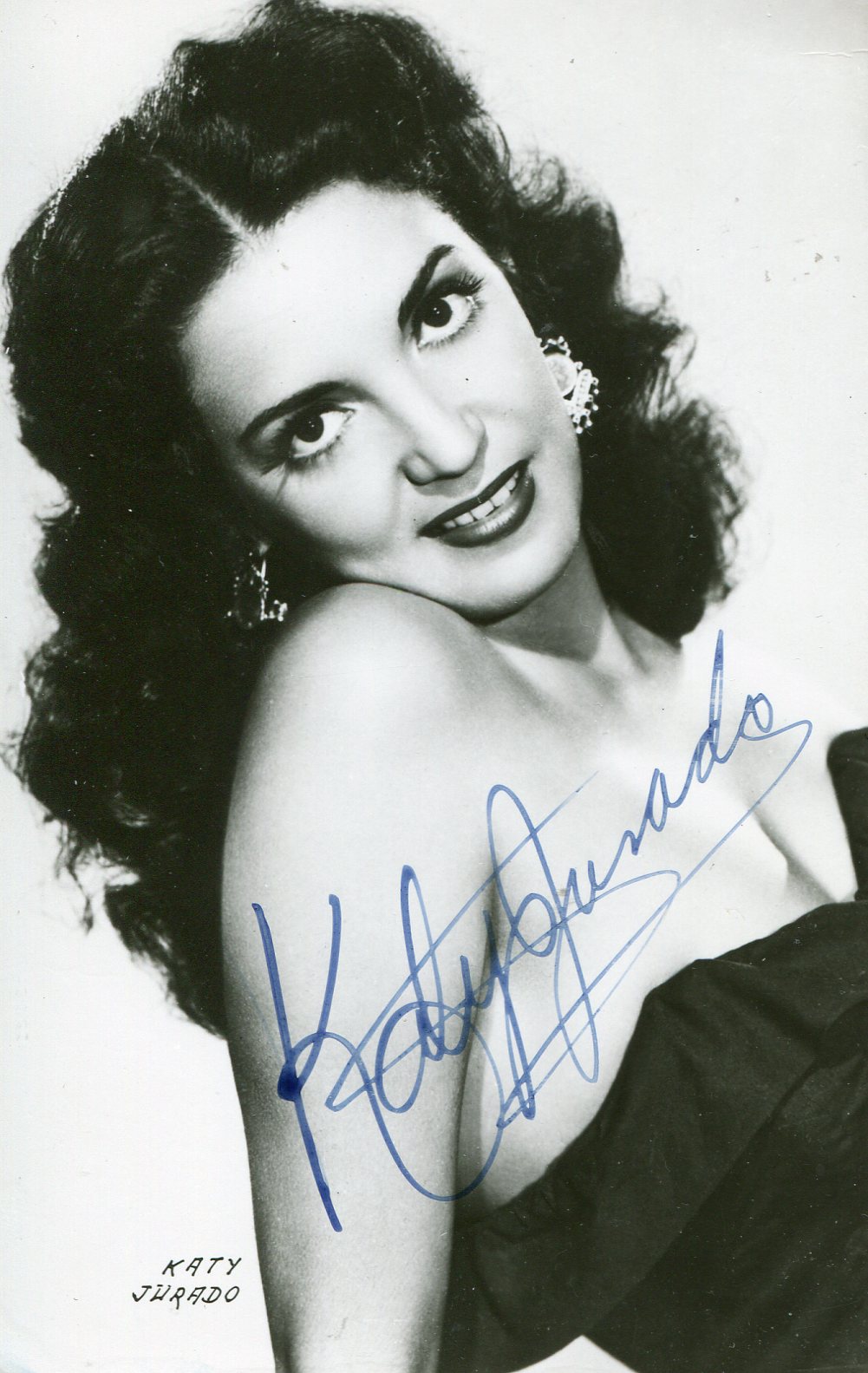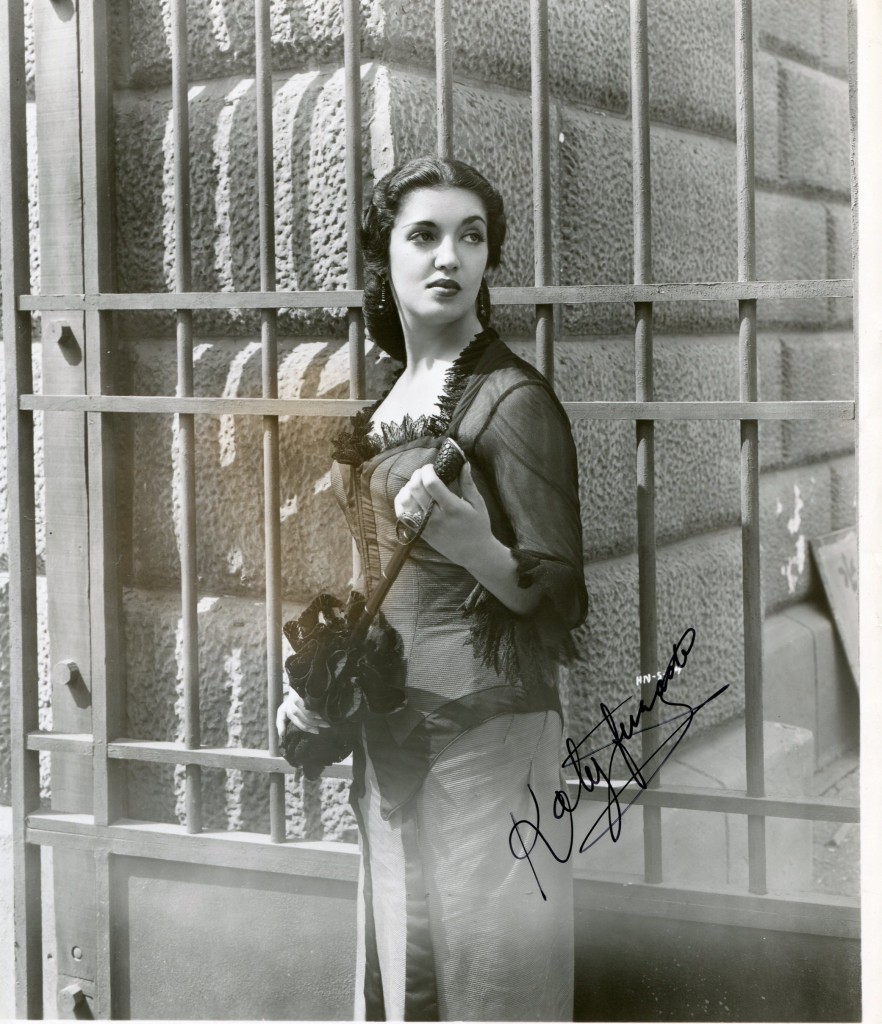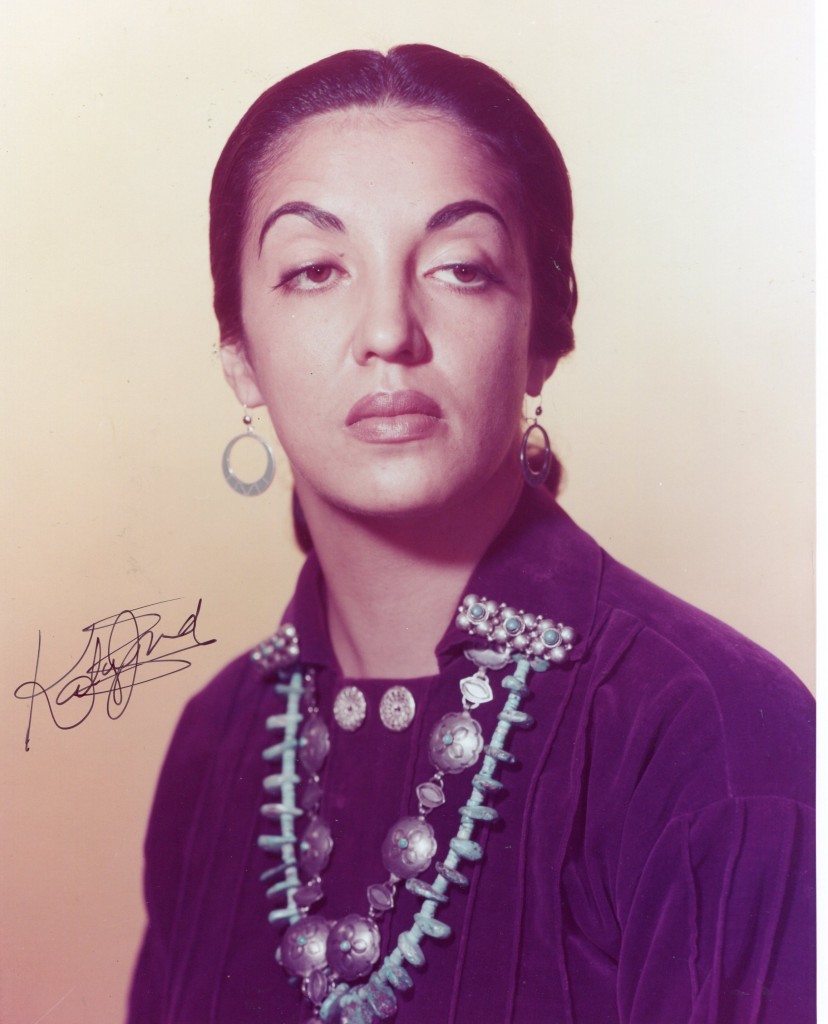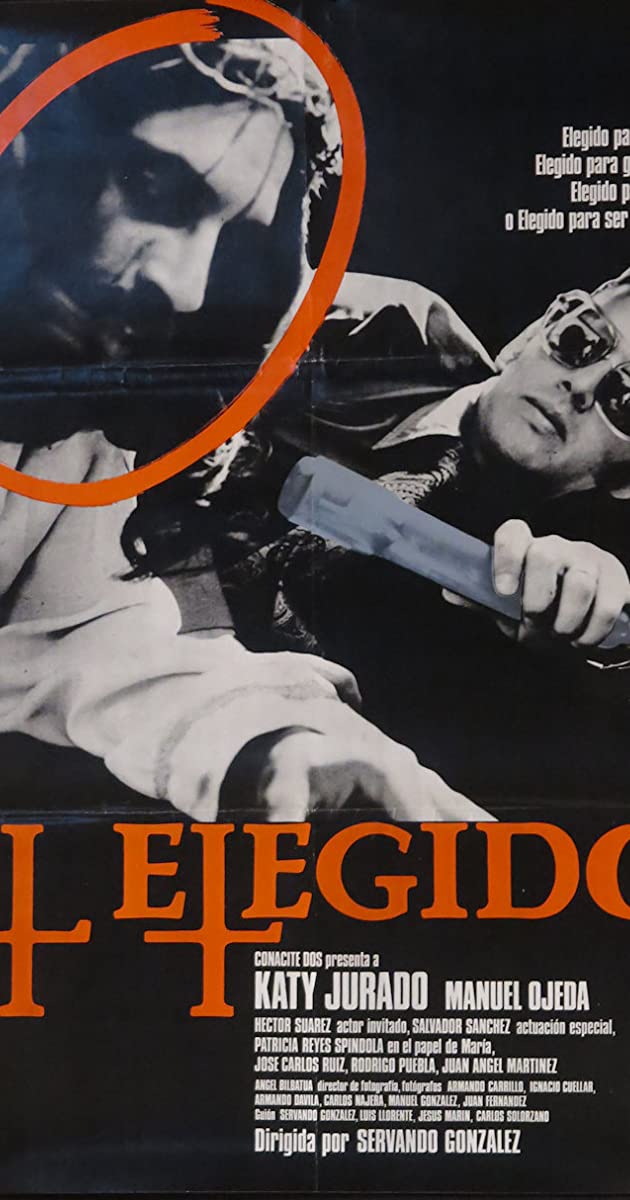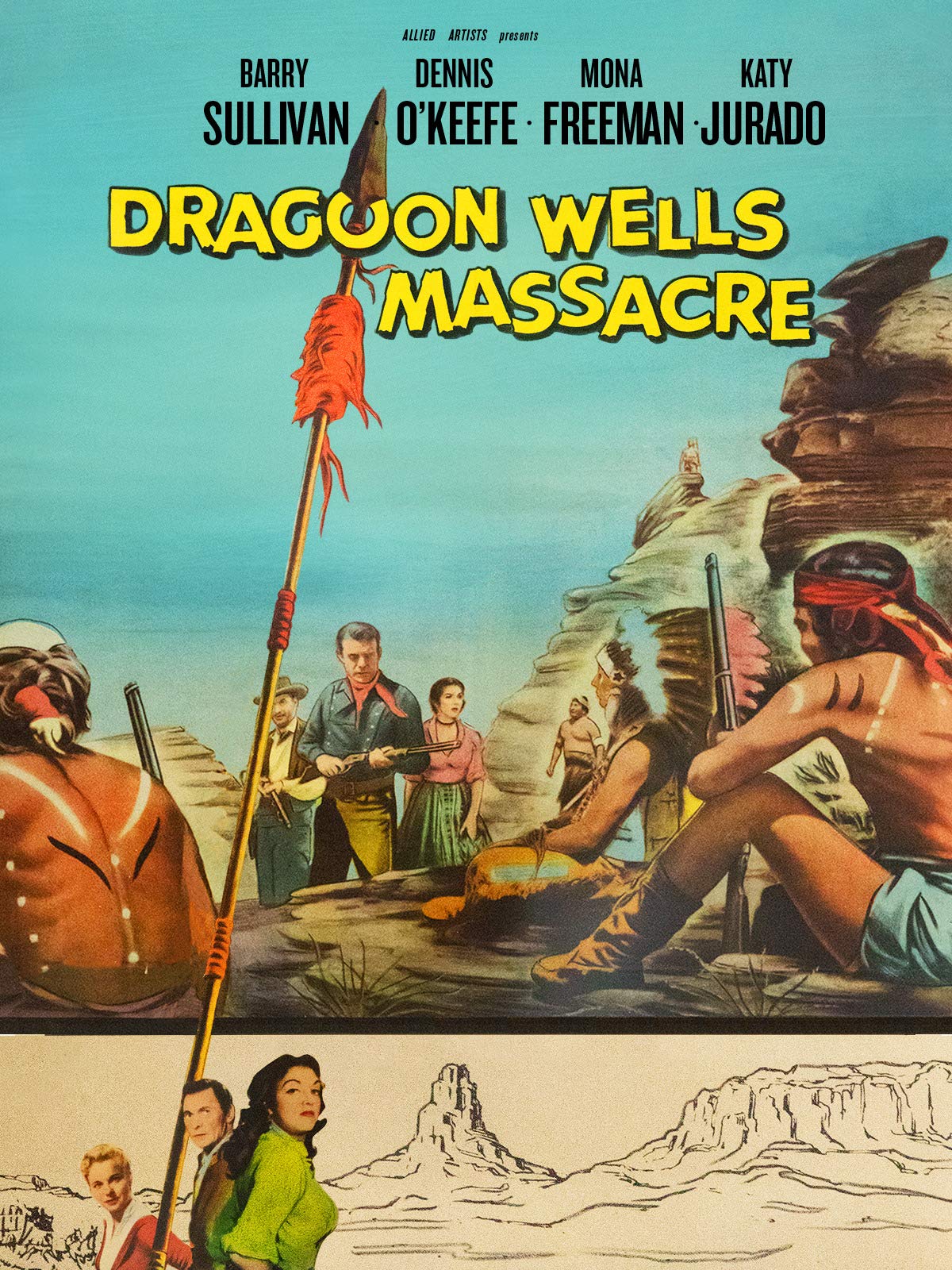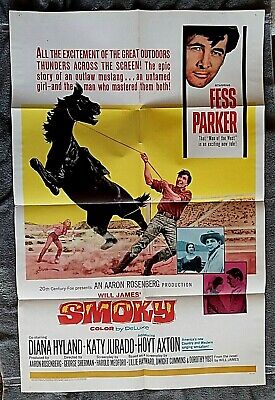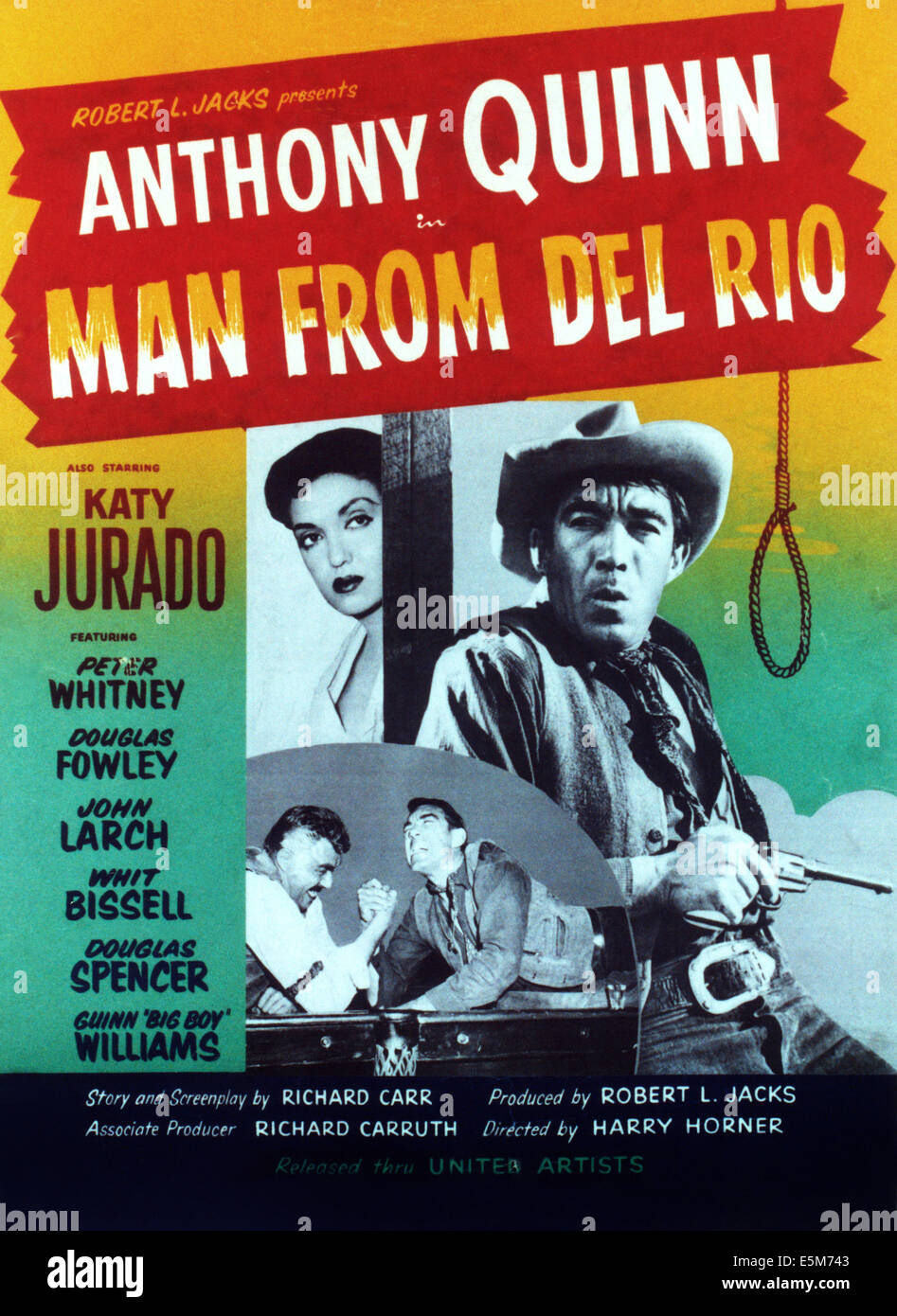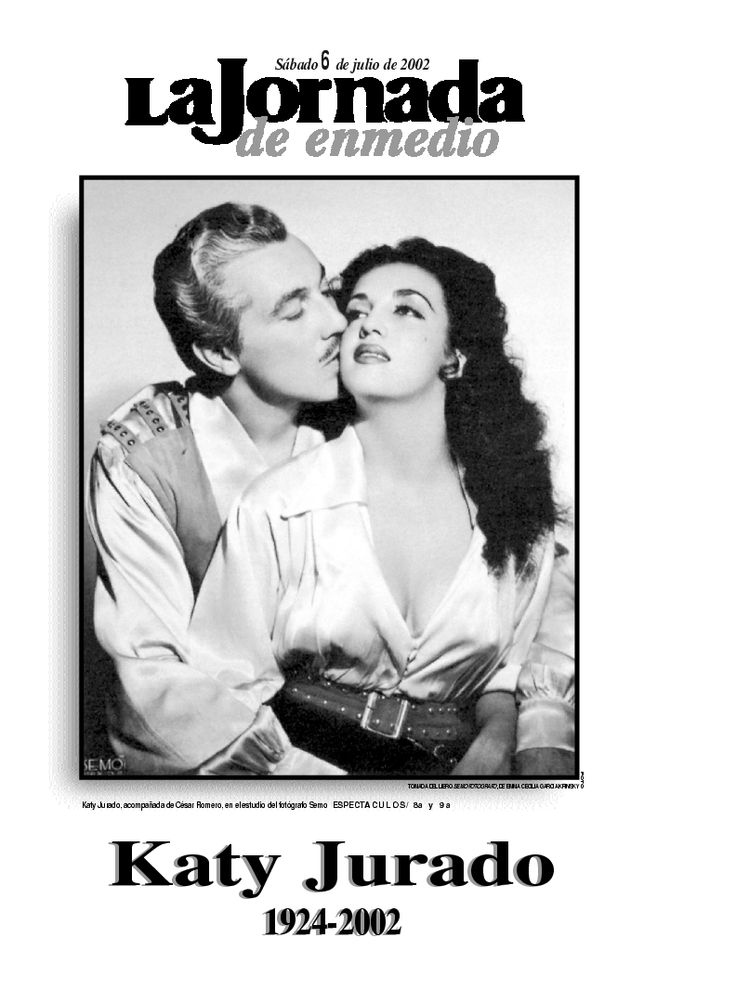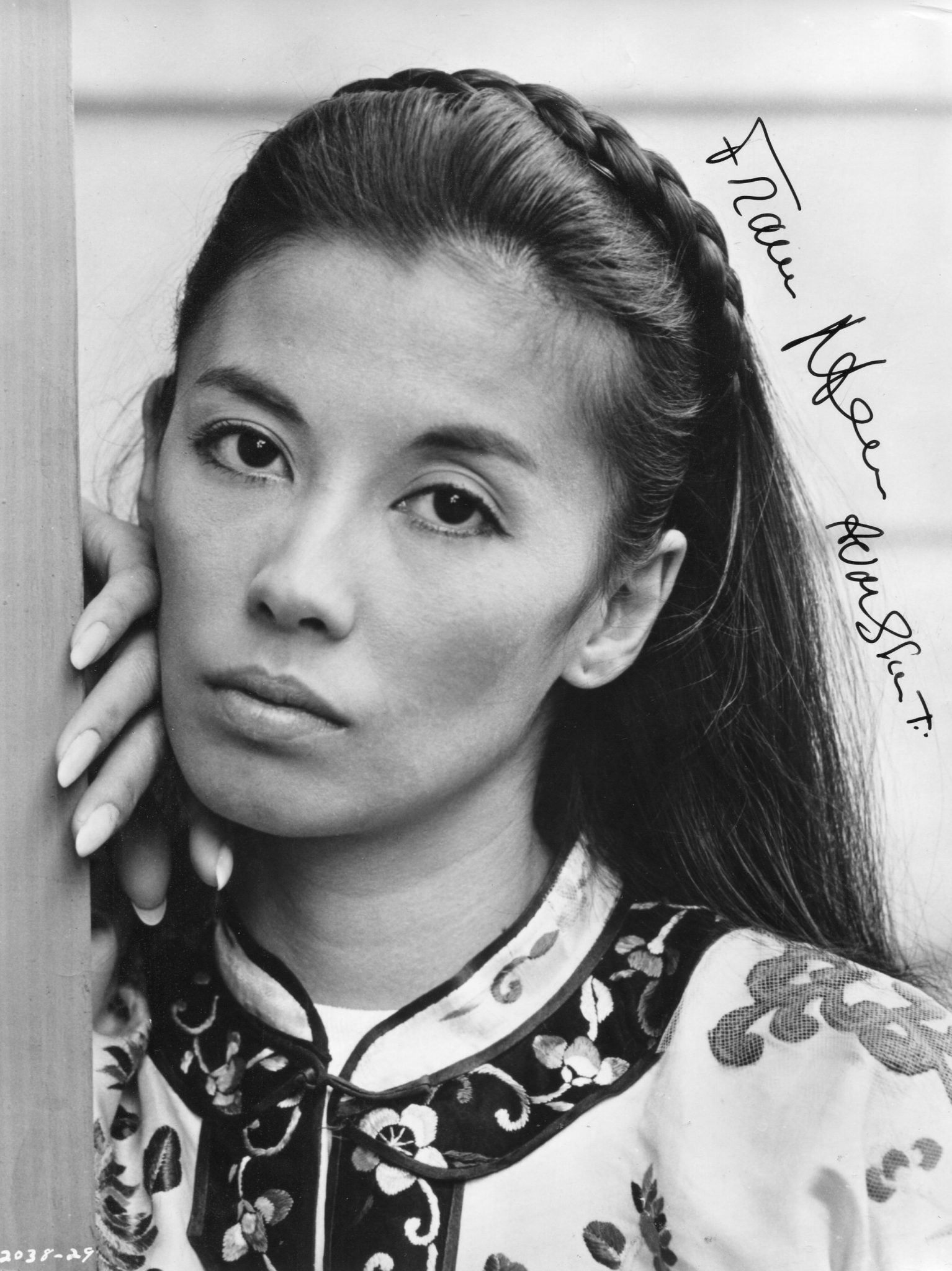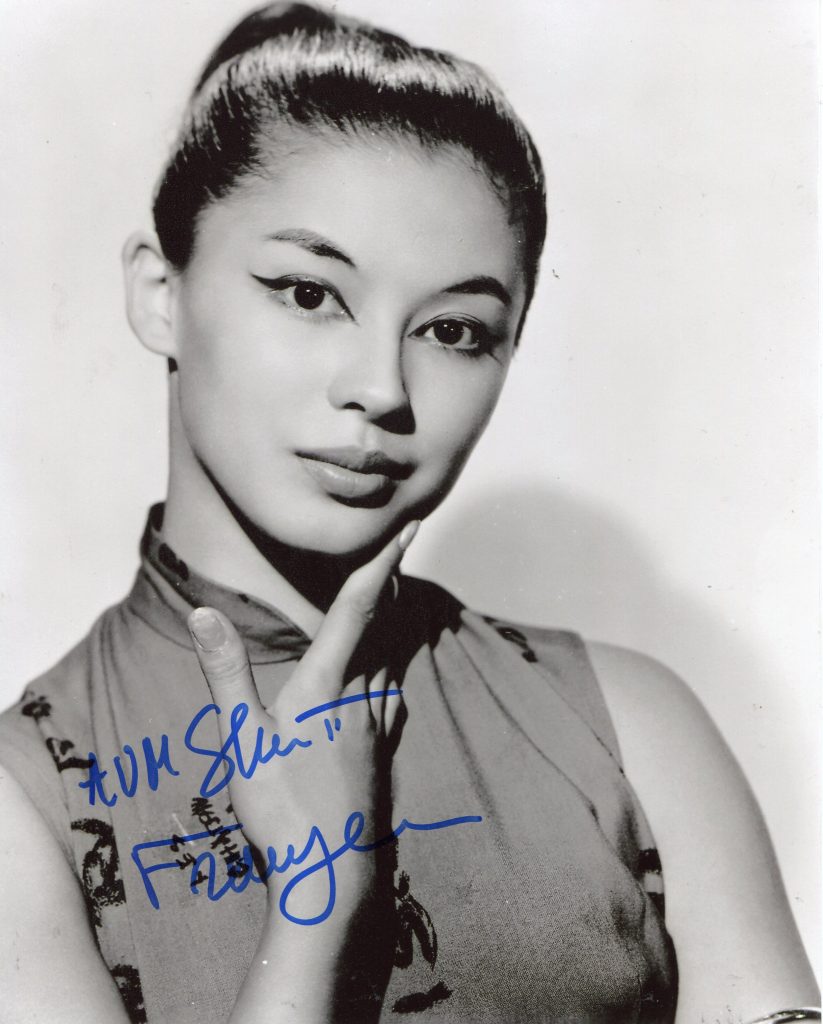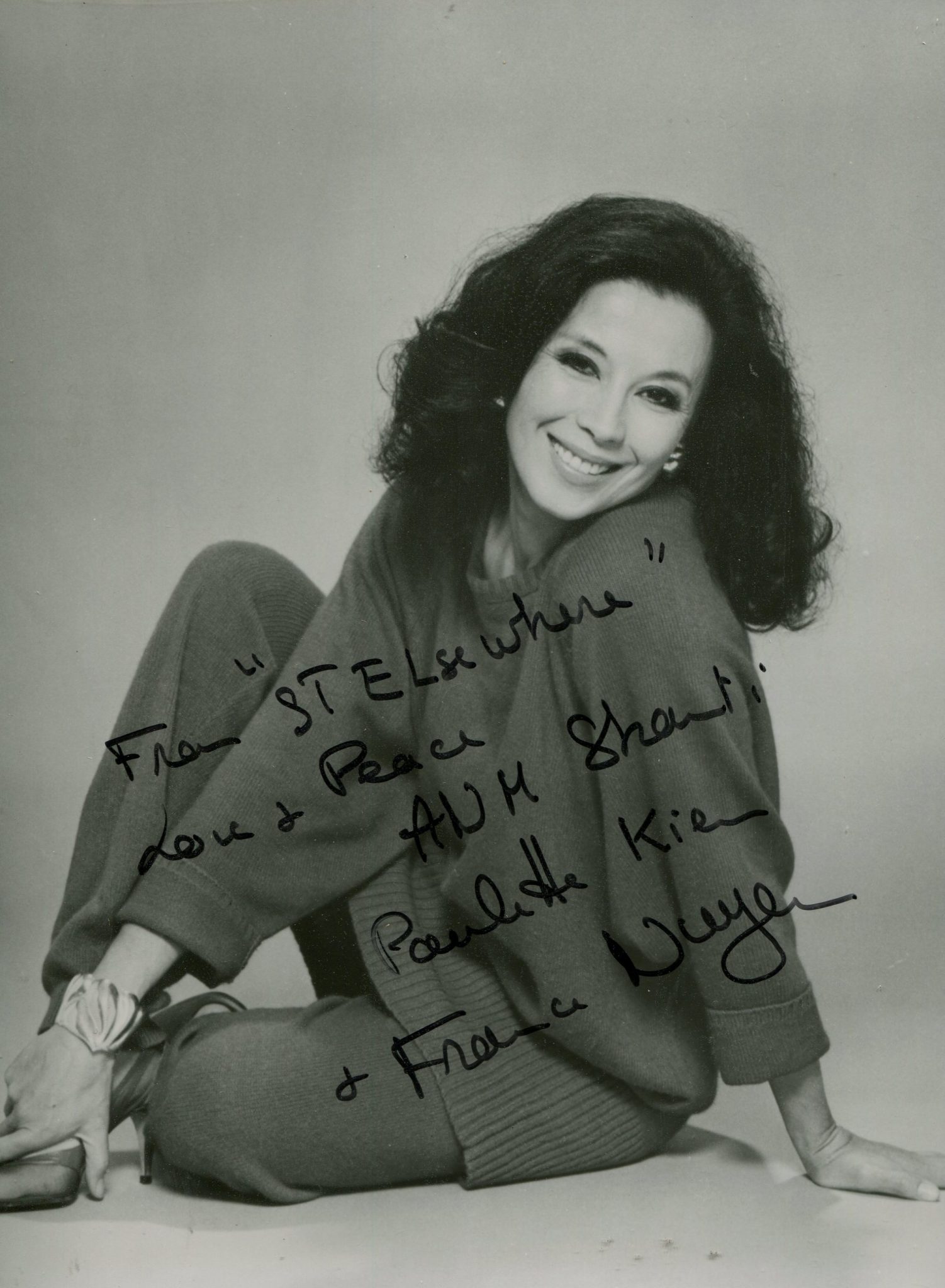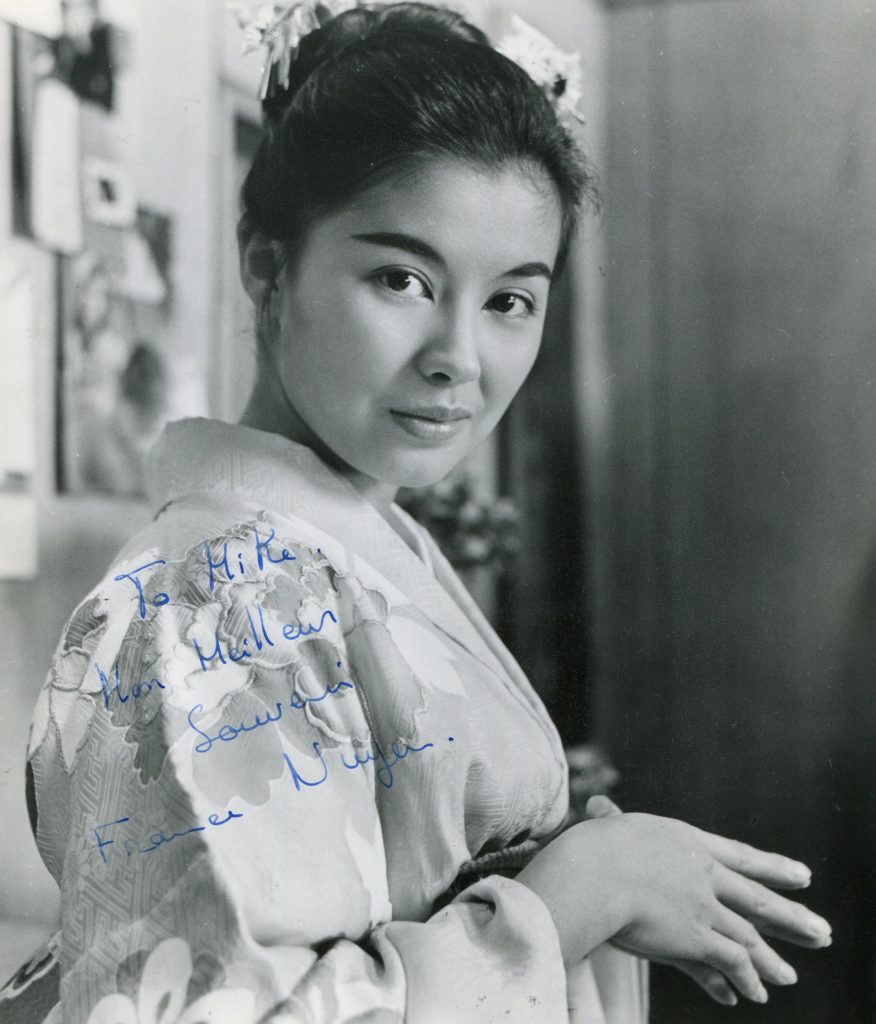

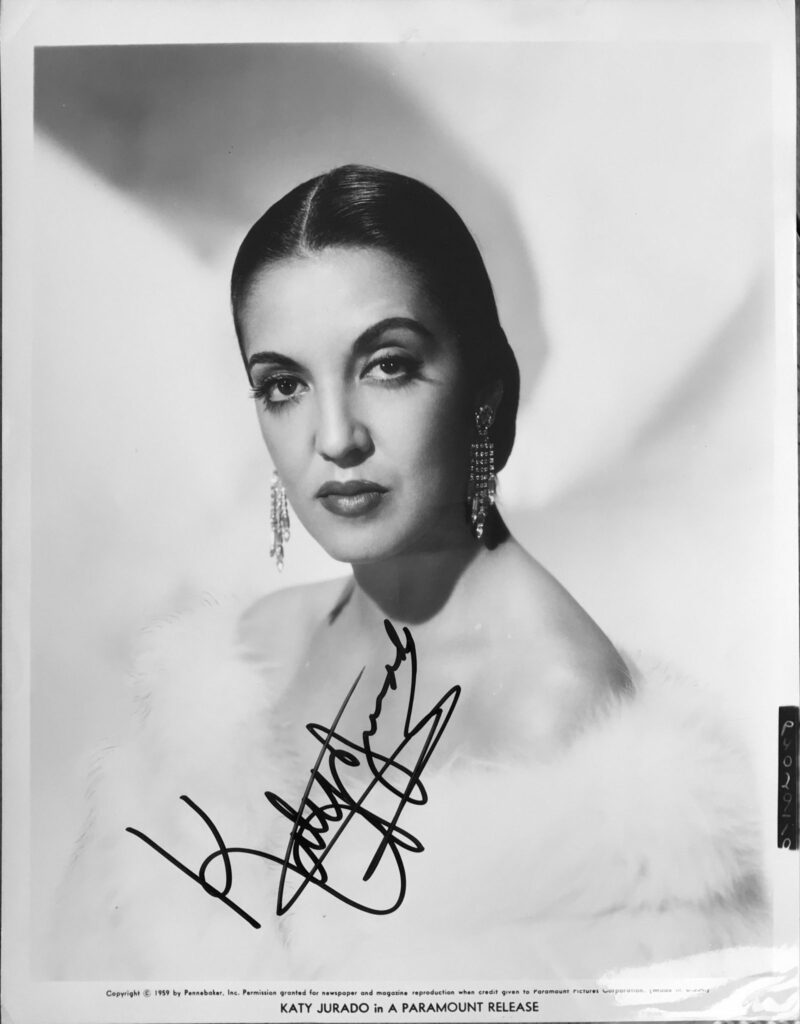
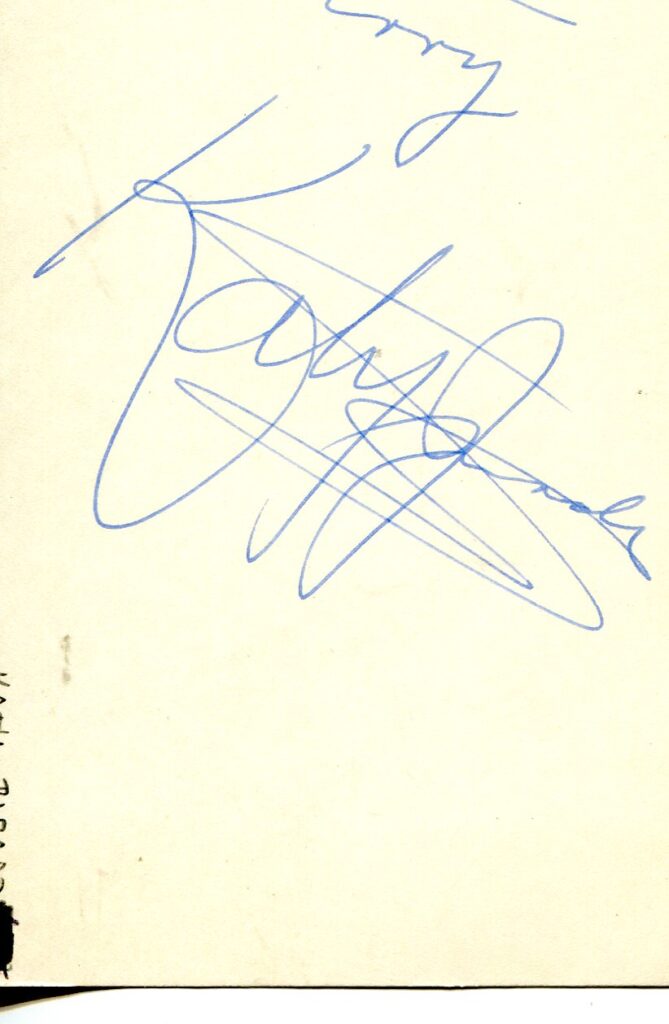
KATY JURADO OBITUARY IN “THE GUARDIAN” IN 2002.
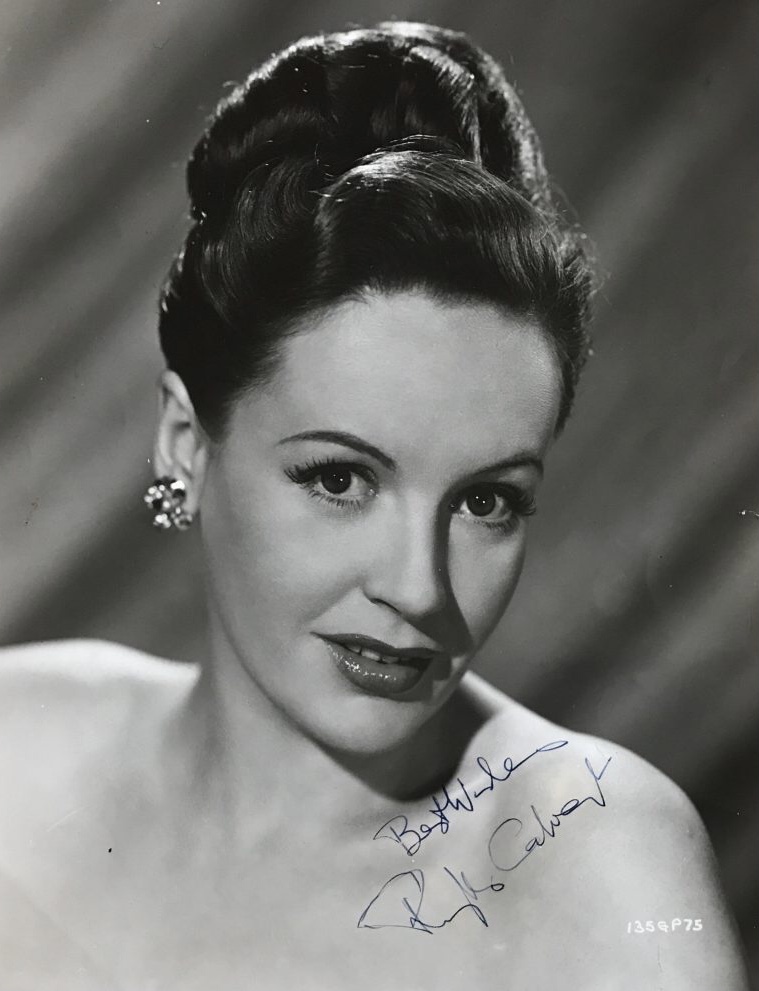
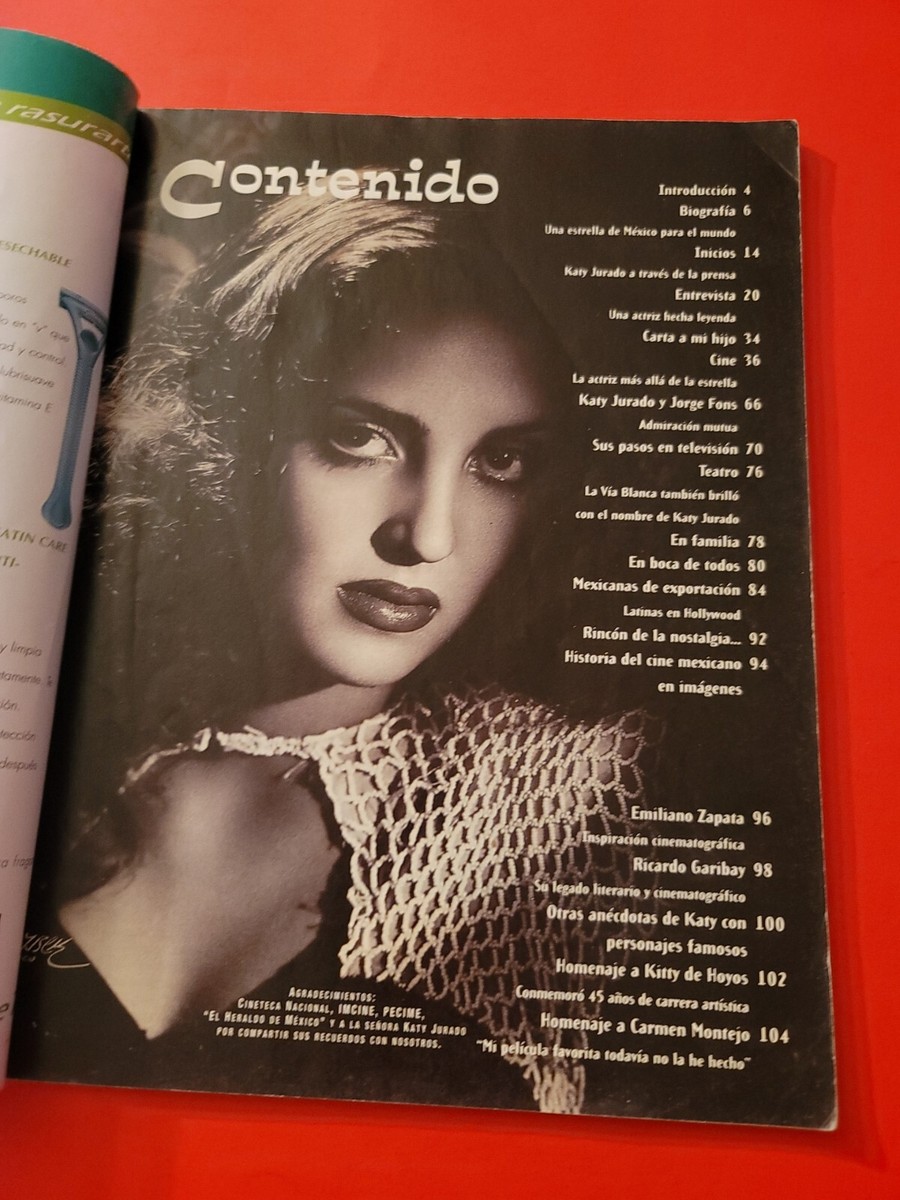
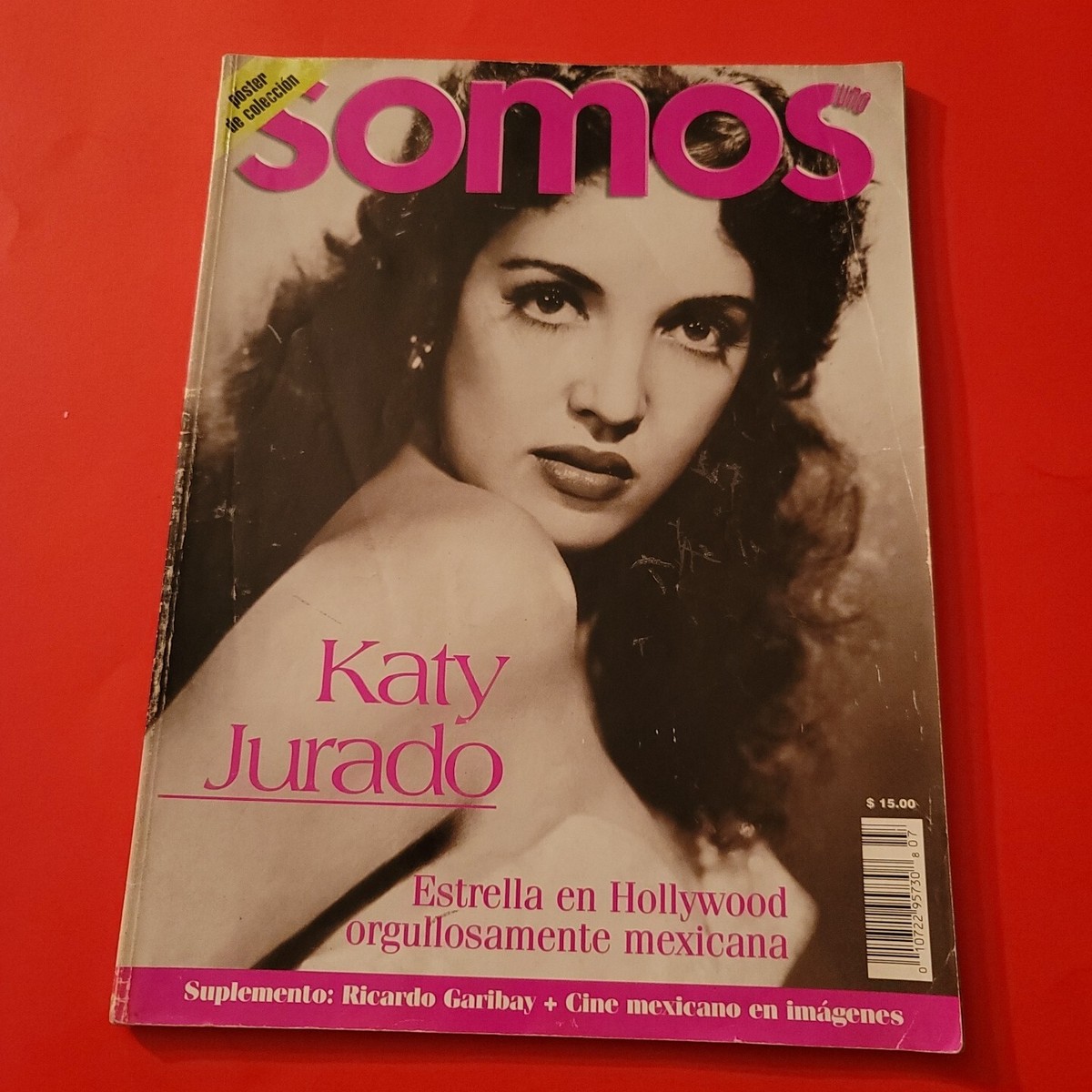
Katy Jurado who has died at the age of 78, was one of the Latina actors who hit Hollywood long before the contemporary generation, for whom, along with the likes of Dolores del Rio, she helped pave the way. Unlike Del Rio or Maria Felix, she was not a classic beauty, but her enormous eyes and body language quietly signalled powerful sexuality and a strength of character, the latter particularly significant in her US films.
Her family was extremely wealthy: indeed, generations before, they had owned the whole of what is now Texas. Come the Mexican revolution, they lost it, and, as Jurado remarked ironically: “My family is no longer very, very rich, but they still live that way.” Her father was a cattle rancher and owner of orange groves; her mother, a former opera singer who had retired from the stage to marry.
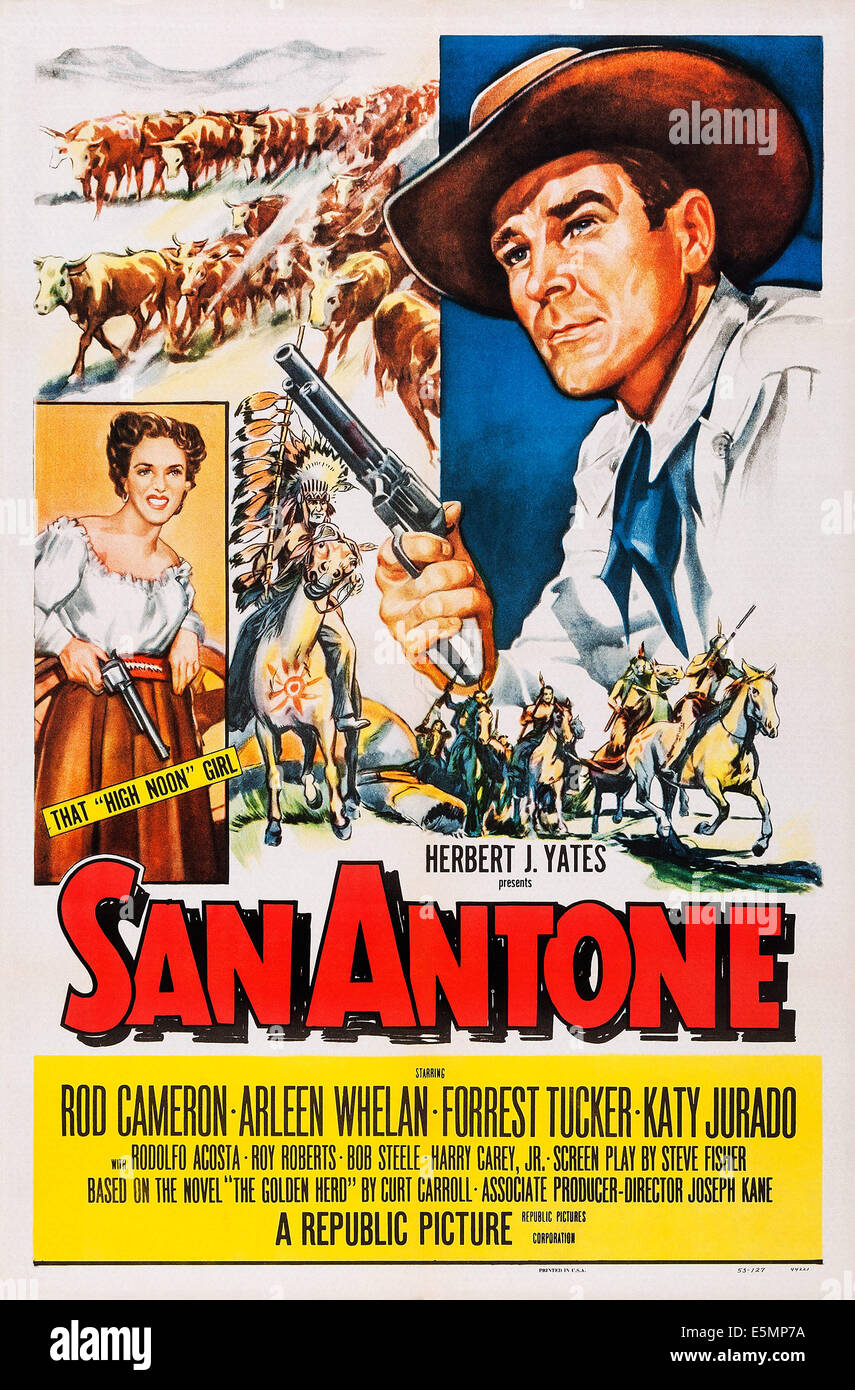
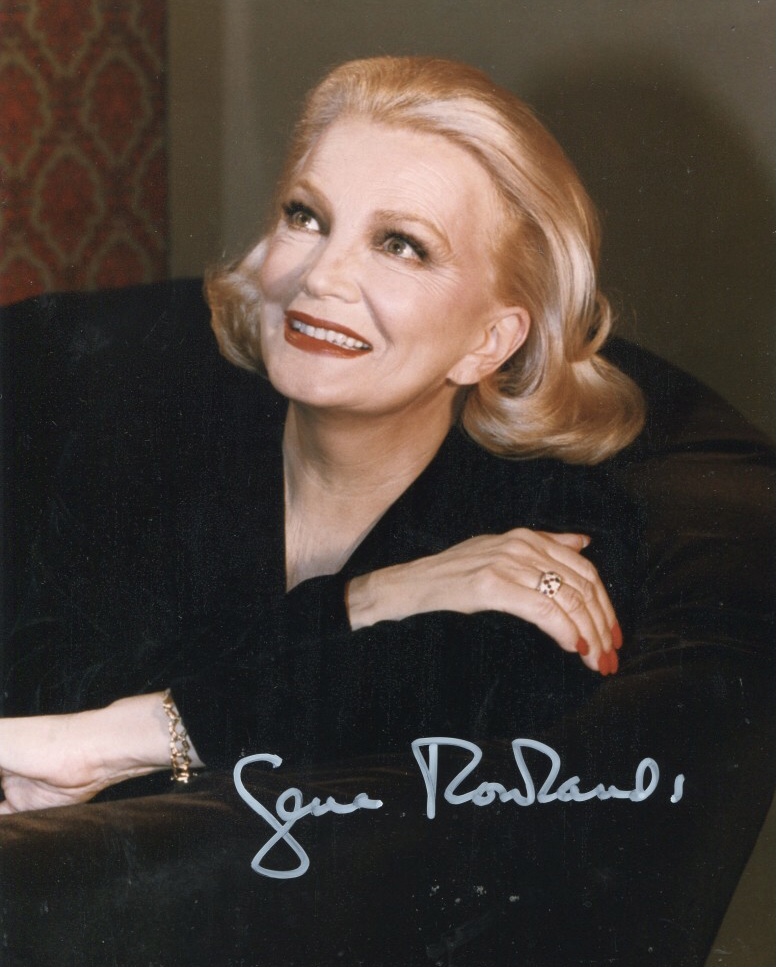
In 1943, to the dismay of her family Jurado was signed up to appear in Internado Para Señoritas, directed by Gilberto Martínez Solares, for which she won an Ariel (Mexico’s Oscars). There was then a spate of 13 films before she made her American debut, as the wife of Gilbert Roland in Bud Boetticher’s The Bullfighter And The Lady (1951), shot in Mexico.
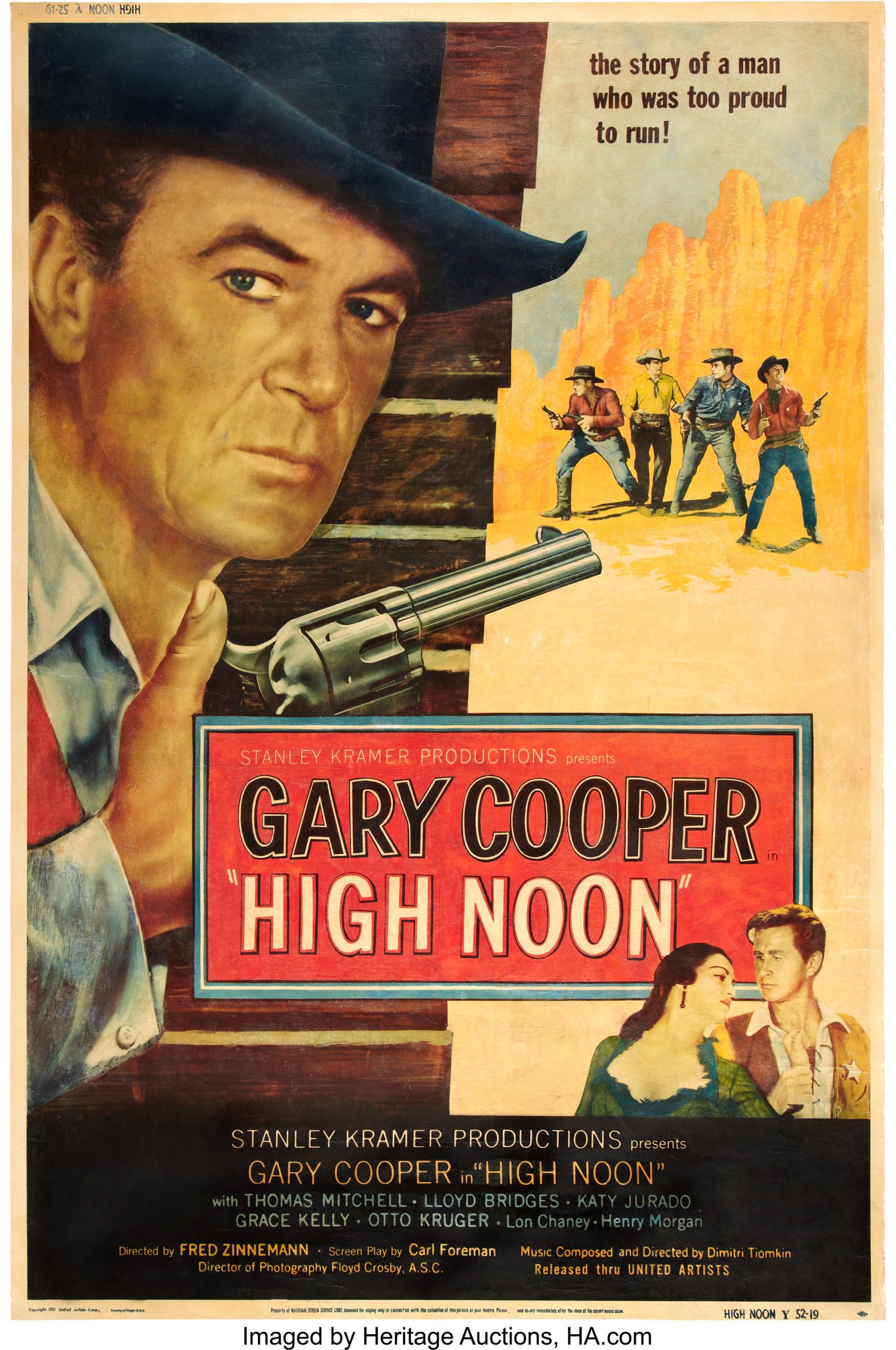
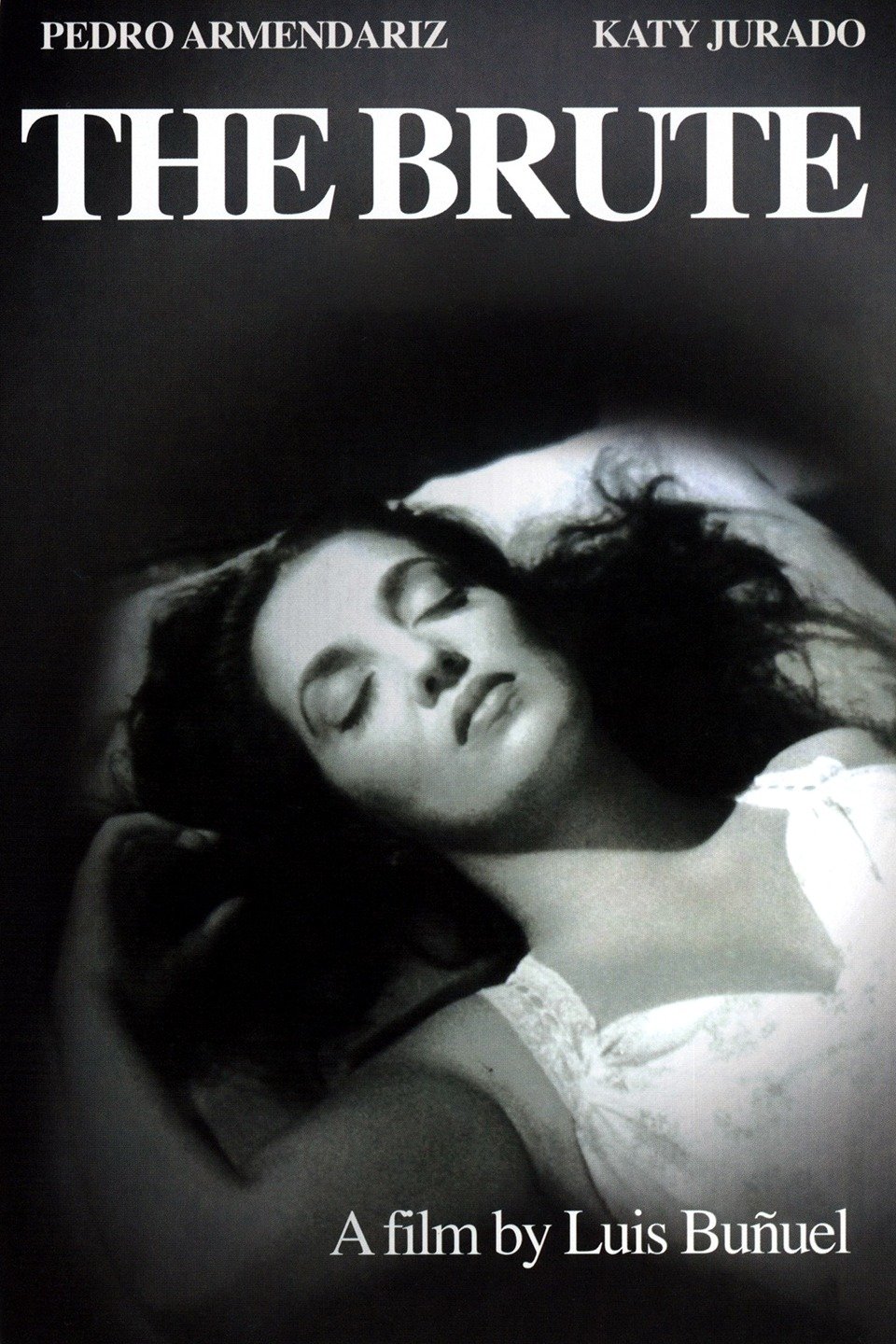
Jurado appeared in three more Mexican movies, including a great performance in Luis Buñuel’s El Bruto (1952) – for which she won the top Mexican award – before going to Hollywood the same year to play in Fred Zinneman’s High Noon.
Reportedly not knowing any English, during the shoot of both her early US films she learnt her lines phonetically, had them explained in Spanish and “hoped for the best”. This seems difficult to believe, especially when you see her performance in High Noon, for which she was Oscar-nominated as best supporting actress, so it may have been a publicity stunt.
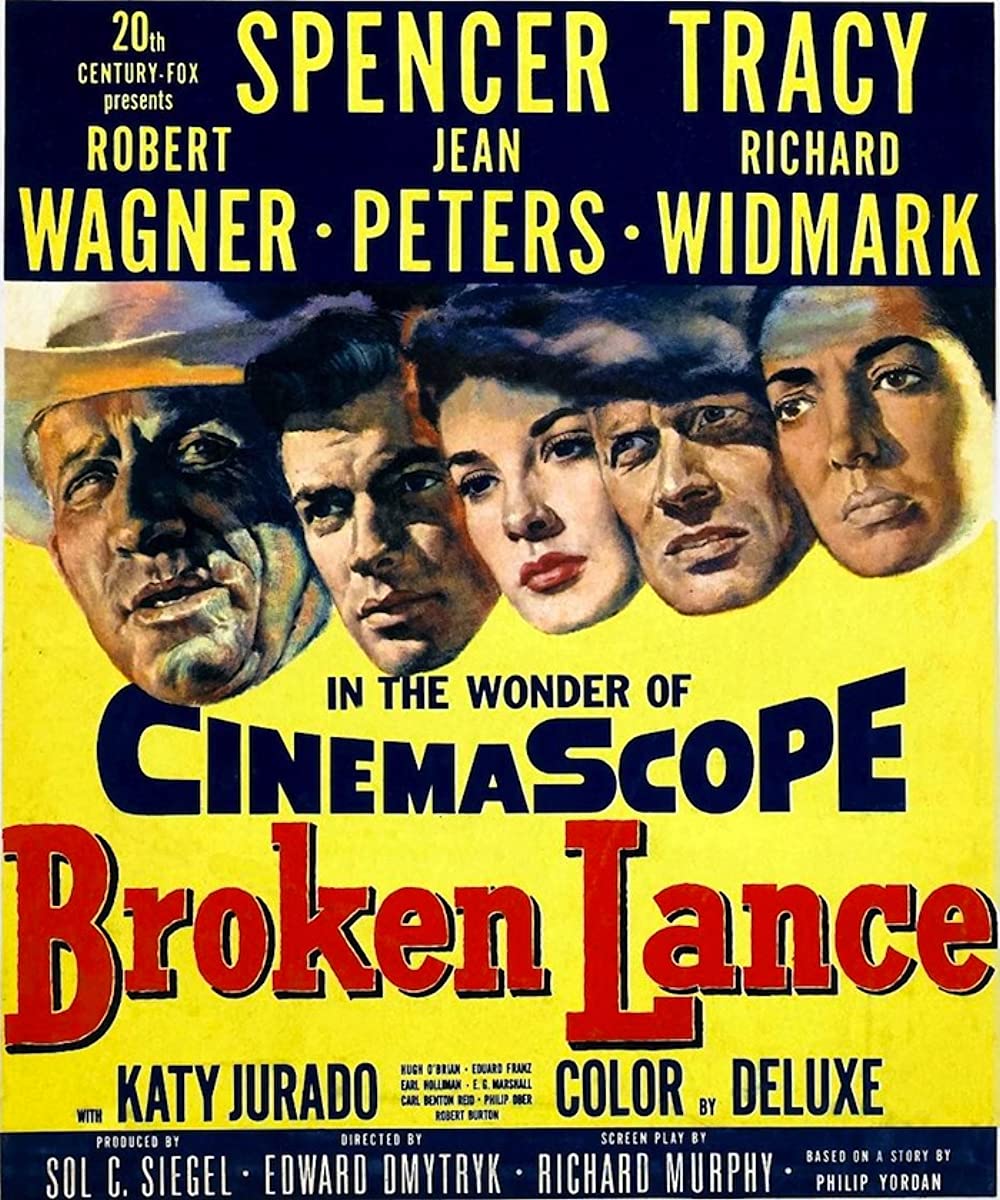
Whatever the truth, Jurado continued to make US films until the early 1960s, appearing in such productions as Arrowhead (1953), with Charlton Heston, and Broken Lance (1954), as Spencer Tracy’s Indian wife. She took over this role from Dolores del Rio, who was refused a work permit for having contributed to a cause considered communist in the US.AJurado won an Oscar for best supporting actress in Broken Lance, though, in some ways, it is difficult to see why. For most of the film, she does little except play sounding board for Tracy – although she does it well. She only comes into her own at the end, when her performance is short but emotionally powerful. She was heavily made-up to add to her years.
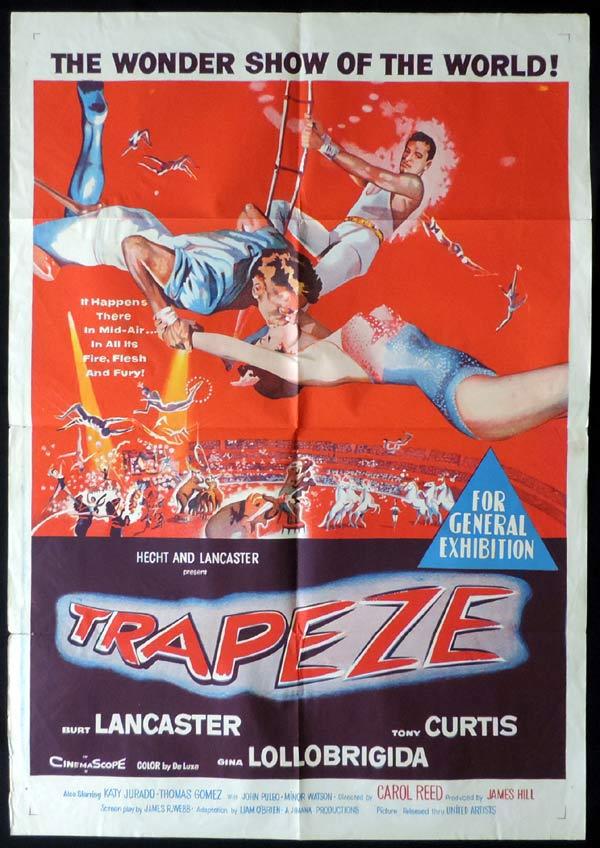
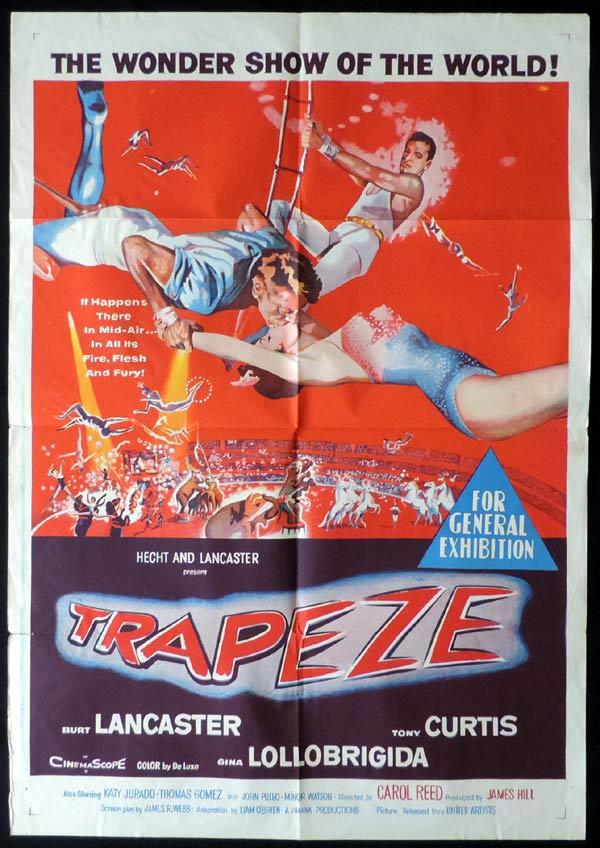
Other films included Trapeze (1956), with Burt Lancaster, and One-Eyed Jacks (1959), with Marlon Brando, before she returned to make films in Mexico. Her later US work included Pat Garrett And Billy The Kid (1973), John Huston’s Under The Volcano (1984) and Stephen Frears’s Hi-Lo Country (1998), in which her appearance lasted hardly longer than her name on the credits, although her presence was as immediate and powerful as ever
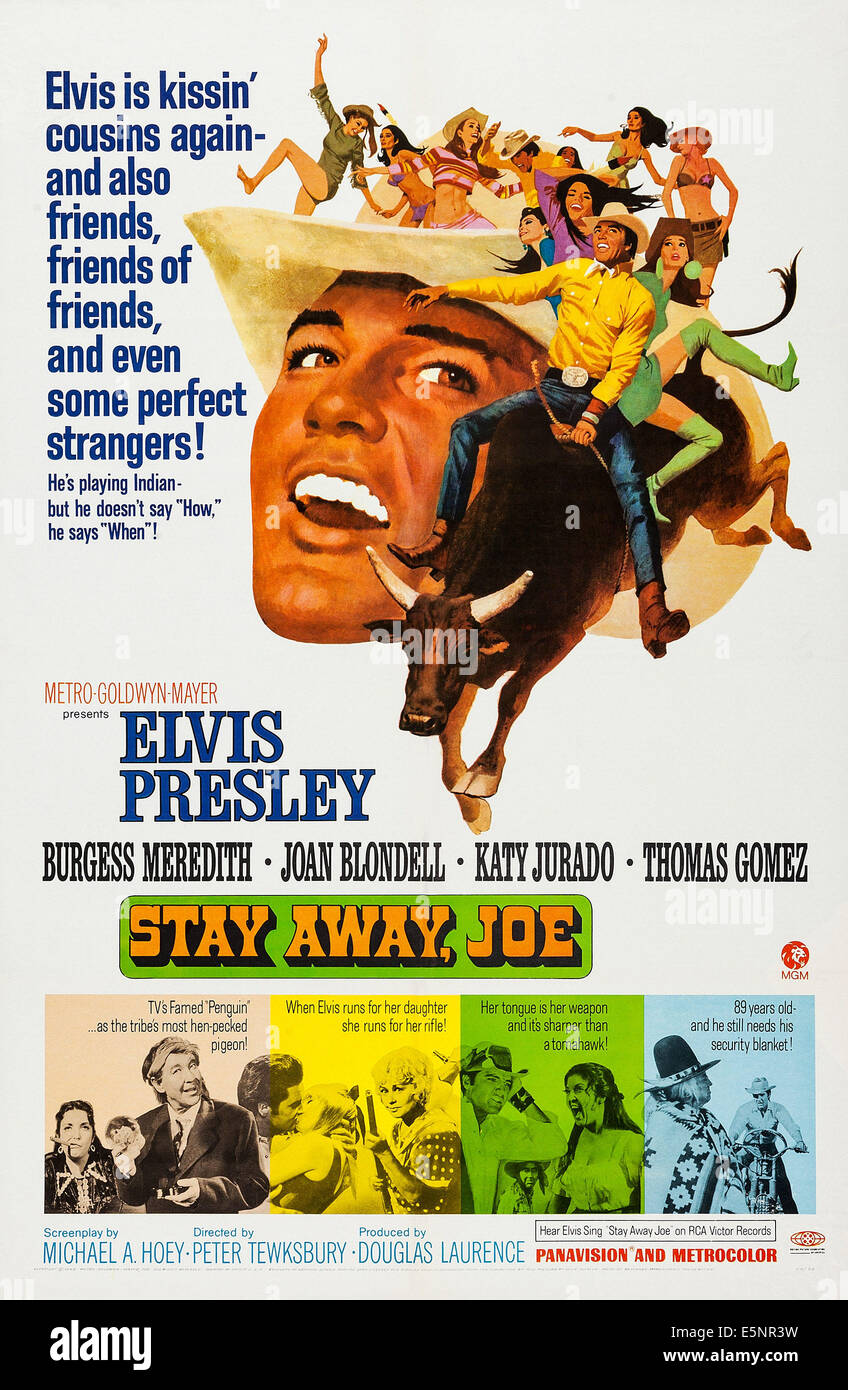
She made guest appearances in US television series such as Alias Smith And Jones and The Virginian, continued to work in Mexico, and appeared consistently on Mexican television from the 1970s. She won many awards at home, and is the only Mexican woman to have received the keys to New York City, in 1954.
But film was not Jurado’s only profession: she wrote features, film reviews and, as an authority on bullfighting, for Mexican newspapers. She was also a radio commentator.
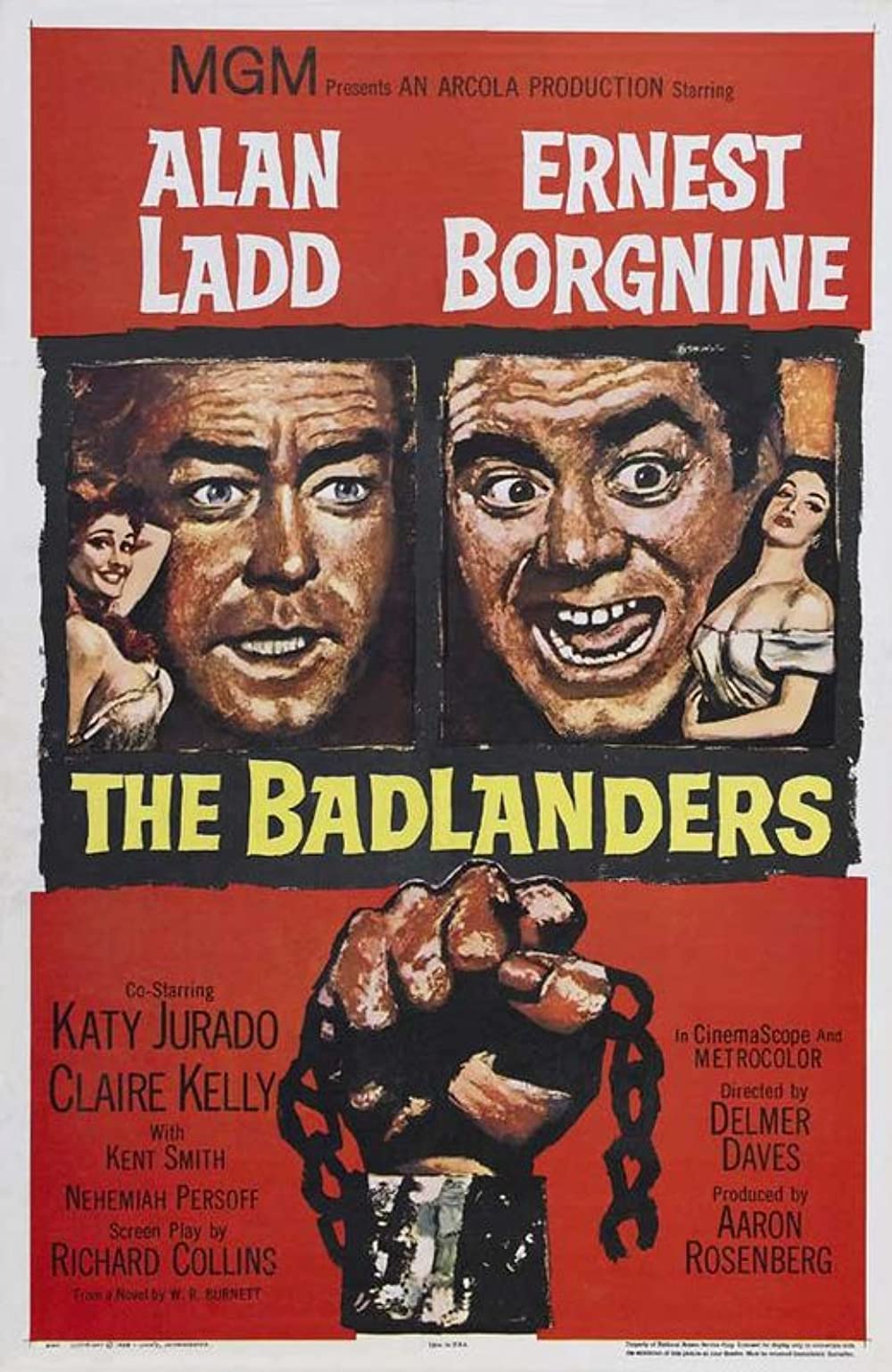
She was married at a young age to Victor Velasquez, the Mexican film actor and writer, by whom she had a son and a daughter; in 1959 she married the actor Ernest Borgnine, from whom she was divorced after five years.
· Maria Cristina Estella Marcela Jurado García, actor and writer, born January 16 1924; died July 5 2002
Career overview
Katy Jurado (1924–2002) was a Mexican actor whose international career—rooted in the Golden Age of Mexican cinema and later crossing into Hollywood—made her one of the most important Latina screen presences of mid‑20th‑century film. She combined a lived toughness and worldliness with emotional precision, repeatedly turning parts that could have been stereotypes into fully felt, morally ambiguous human beings. Below is an overview of her career and a critical appraisal of her work and significance.
Career overview — arc and highlights
- Mexican beginnings: Jurado began acting in Mexico in the 1940s and became a reliable presence in dramatic films there. Her early training in Mexican studio and auteur circles gave her a depth and screen authority that set her apart from many contemporaries when she later worked in Hollywood.
- Move to Hollywood and breakthrough: In the early 1950s she moved into U.S. films and quickly attracted attention for strong supporting roles that drew on her intelligence, charisma and emotional immediacy. Two roles brought her lasting recognition:
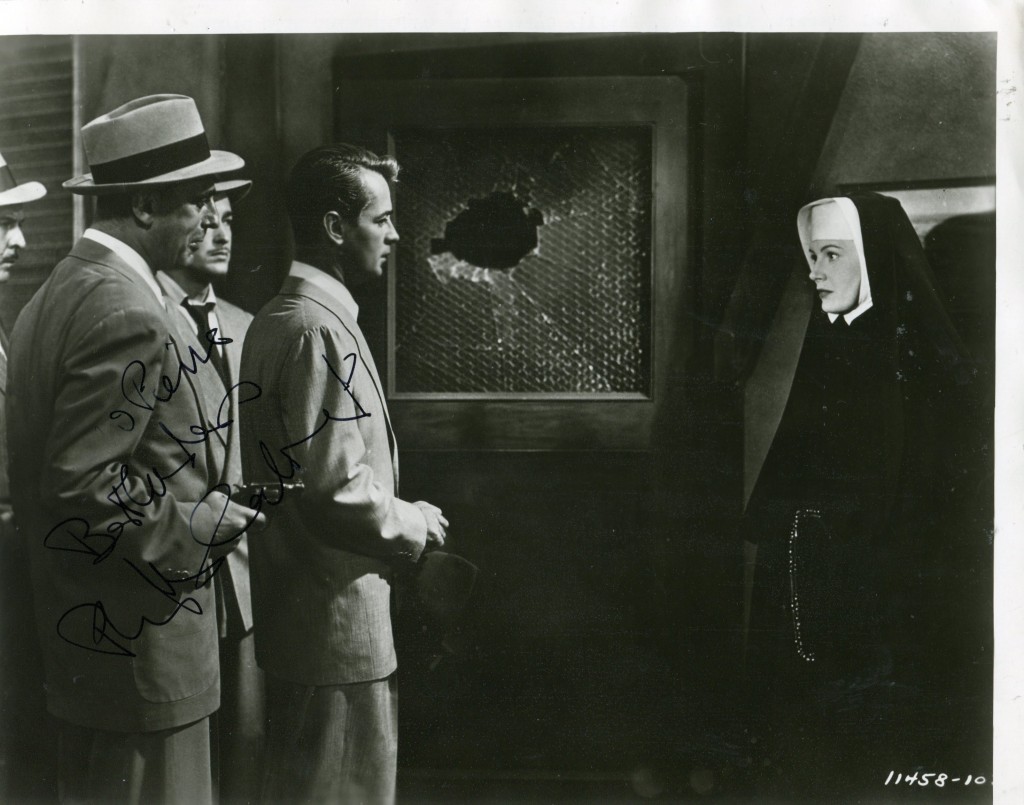
- Helen Ramírez in High Noon (1952): a compact, morally complex role in which she plays a woman with a past who defies both scandal and male prejudice. Her performance provided emotional weight and unexpected dignity.
- Rose in Broken Lance (1954): this performance earned Jurado an Academy Award nomination for Best Supporting Actress (one of the first Mexican-born actors to receive such Academy recognition). Her portrayal of a fiercely proud, insulted wife and mother was central to the film’s emotional core.
- Continued screen work: She worked steadily in U.S. and Mexican projects through the 1950s and 1960s, including memorable turns in noir and melodrama that made use of her capacity for restraint and latent intensity. Orson Welles’ and Orson‑adjacent circles (and later auteurs and genre directors) valued her ability to carry moral ambiguity without broad gestures.
- Later career and return to Mexico: After decades in the bilingual film world she returned more often to Mexican productions and television, remaining a respected figure and elder presence in the industry.
Acting style and screen persona
- Emotional economy with fierce presence: Jurado’s greatest gift was compressing large inner life into small gestures—an eyebrow, a glance, a tightened jaw. She rarely overplayed; instead she gave the impression that the character’s life extended beyond the frame.
- Moral complexity: Frequently cast as women marked by toughness or social marginality (wives betrayed, women with “pasts,” worldly hostesses), she avoided one‑note portrayals by suggesting dignity, contradictory motives, and moral agency.
- Naturalism plus theatrical control: Trained in varied cinematic traditions, she could be raw and immediate when needed but also disciplined in timing and voice—useful assets in both studio melodramas and tighter genre work.
- Commanding physicality: Her posture, intonation and facial expressiveness made her compelling opposite major stars; she neither shrank into the background nor sought to dominate a scene artificially.
Critical strengths and limitations
- Strengths:
- Transformed potentially stereotypical “Latin” roles into nuanced human studies.
- Broke box‑office/industry expectations by earning major critical recognition (Oscar nomination) at a time when opportunities for Latina actresses were severely limited.
- Crossed national cinemas, bringing Mexican acting sensibilities into American films and thereby broadening stylistic possibilities for transnational performers.
- Limitations (mostly structural, not artistic):
- Hollywood typecasting: despite her range, many of her American roles recycled familiar signifiers (the passionate or fallen woman, ambiguous seductress). This constrained the variety of leading‑lady material she was offered.
- Industry barriers: the U.S. studio system and mid‑century casting practices curtailed the number of opportunities that could fully showcase her versatility.
Cultural and historical significance
- Trailblazer for Latina performers: Jurado’s Academy Award nomination and steady presence in major Hollywood pictures made her a visible predecessor to later generations of Latinx actors seeking substantive roles in American cinema.
- Shifting portrayals of femininity and ethnicity: She helped complicate Hollywood’s visual shorthand for Latina women, insisting—through performance—on complexity, strength, and interior life.
- Transnational exemplar: Working across Mexican and U.S. industries, she exemplified mid‑century cultural exchange and the talent that could move between different cinematic languages and audience expectations.
Representative films (select)
- High Noon (1952) — a compact but essential role that showcased moral nuance.
- Broken Lance (1954) — Oscar‑nominated supporting performance; centerpiece of her Hollywood career.
Final assessment Katy Jurado’s career is a study in how intelligence, courage and economy of expression can overcome, or at least complicate, the limitations imposed by typecasting and industry prejudice. She is best remembered not simply for what parts she played, but for how she made them matter—inscribing vulnerability, pride and agency into roles that might otherwise have been ornamental. Her legacy is both artistic (powerful, restrained performances that reward close viewing) and historic (an early and influential Latinx presence in Hollywood recognized by major awards bodies)