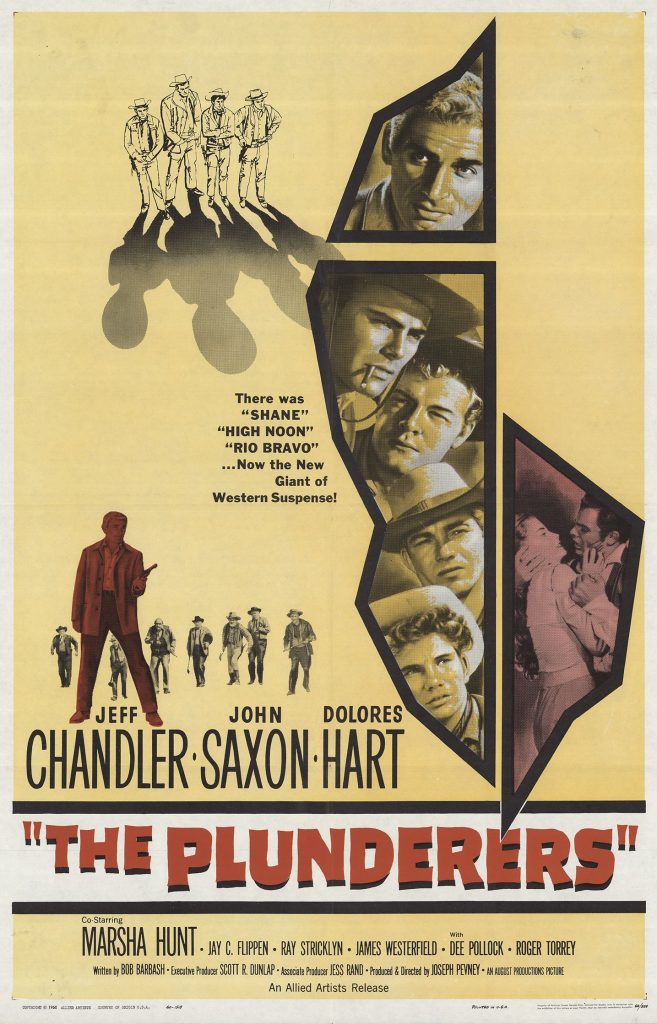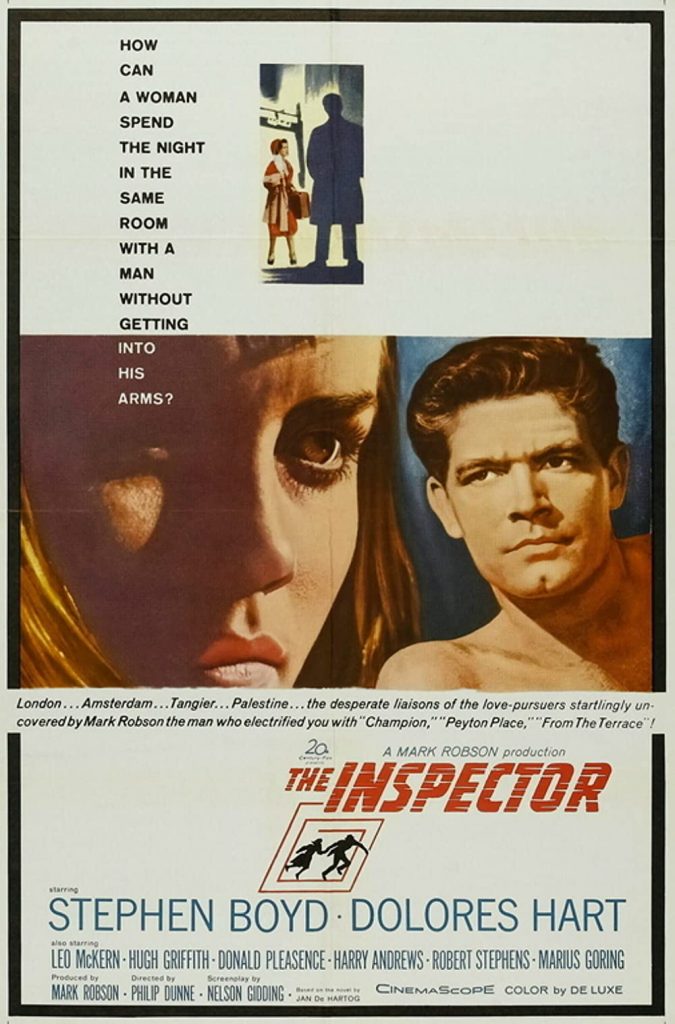



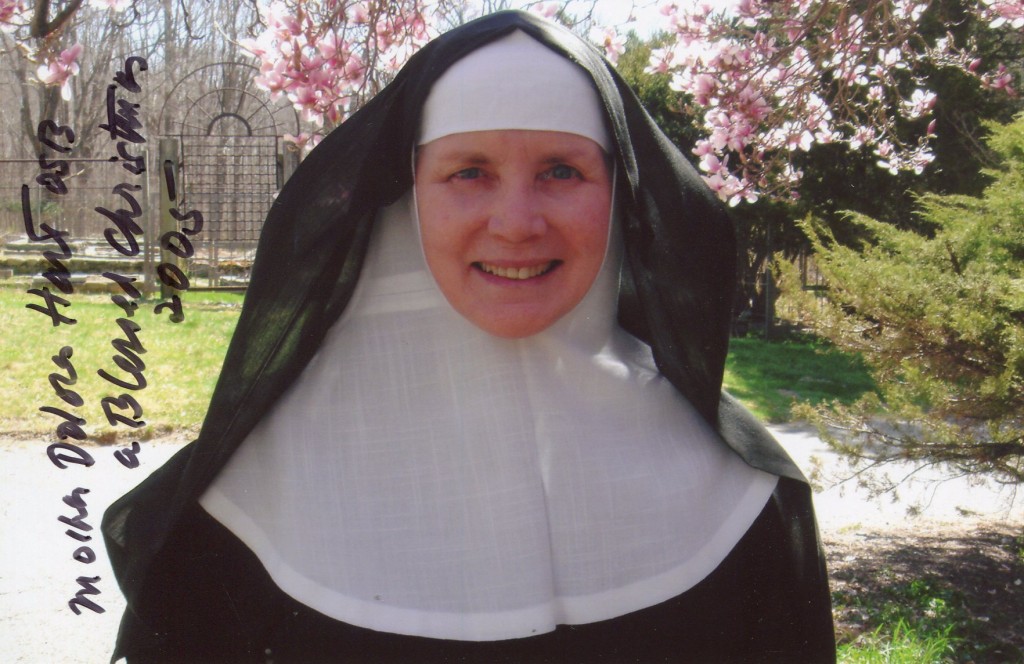
Dolores Hart (born 1938) is one of Hollywood’s most singular figures: a talented actress who achieved swift 1950s fame before making a historic personal decision to leave the screen and enter monastic life. Her dozen films, made between 1956 and 1963, are few but notable for their freshness, emotional clarity, and emblematic portrait of postwar American womanhood. Her later vocation—as a Benedictine nun and spiritual leader—has often overshadowed her artistry, yet her brief acting career offers insight into Hollywood’s shift from postwar optimism to early‑1960s self‑doubt.
Early life and entry into acting
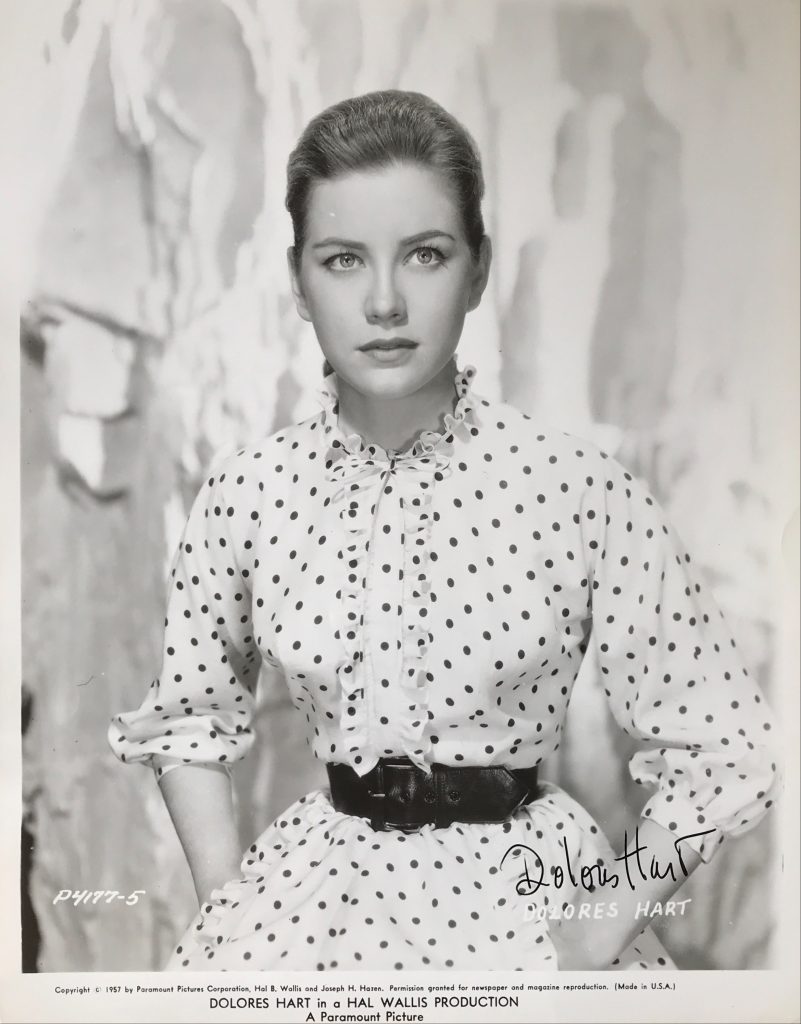
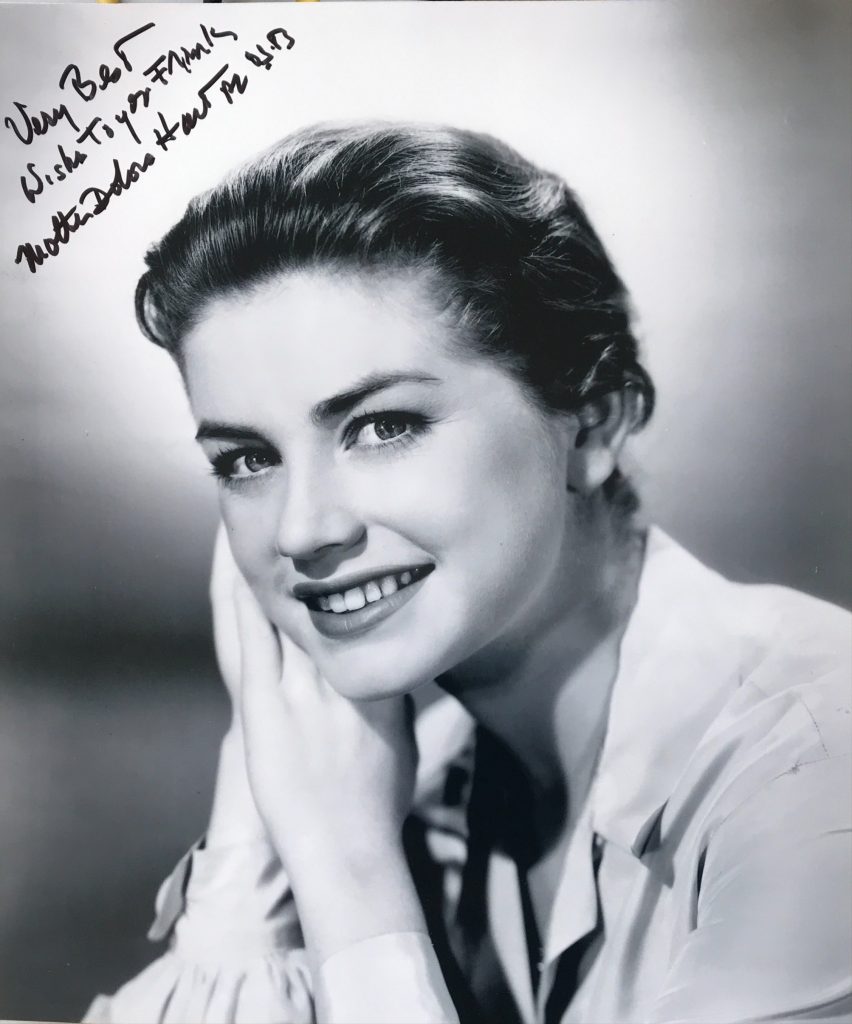
Born Dolores Hicks in Chicago, Hart was raised Roman Catholic on the city’s West Side. (Actor Mario Lanza was a family friend; her father, Bert Hicks, had worked occasionally in Hollywood.) While studying drama at Marymount College, Los Angeles, she was discovered by a casting agent scouting talent for a new Elvis Presley vehicle ( ).
Breakthrough and MGM contract (1956–1958)
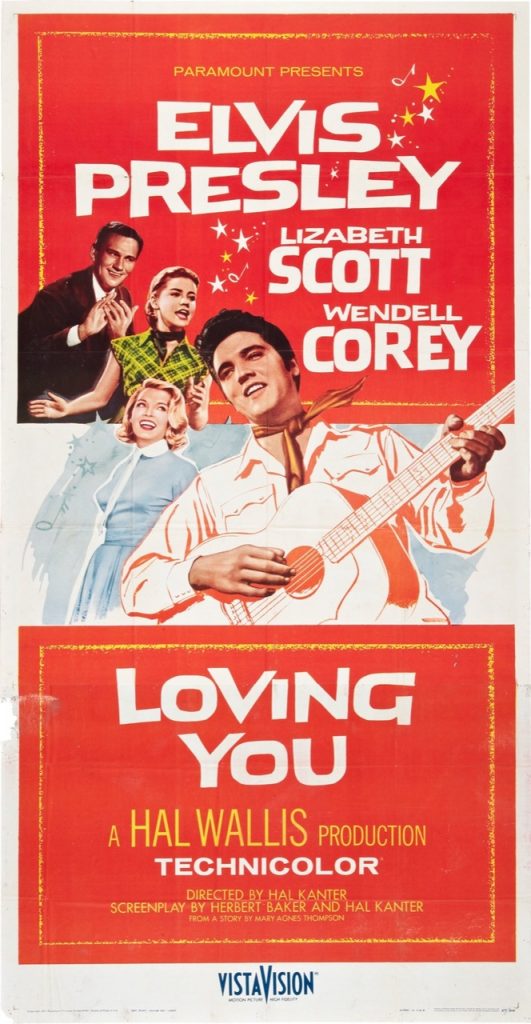
Her debut opposite Presley in Loving You (1957) was an immediate success: she portrayed a wholesome yet spirited girl who falls for the rock‑and‑roll phenomenon. Reviewers noted her composure and unforced presence; Variety praised a “fresh, unaffected new face with real acting talent.” A contract with Metro‑Goldwyn‑Mayer followed.
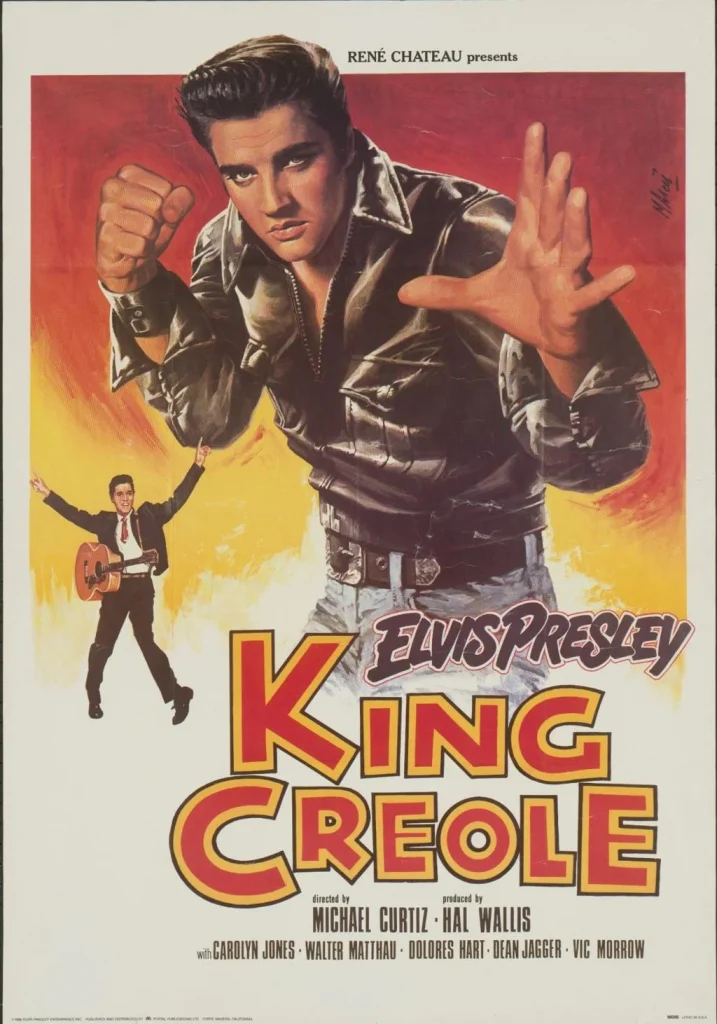
She co‑starred again with Presley in King Creole (1958), widely regarded as his best film. Hart delivered warmth and intelligence as the good‑hearted love interest opposite Presley’s more turbulent hero. Once linked to Presley on‑screen, she was quickly marketed by MGM as “Elvis’s favorite leading lady,” a label she accepted while deliberately cultivating broader roles.
Critical and artistic peak (1958–1962)
Hart sought to balance commercial and serious assignments.
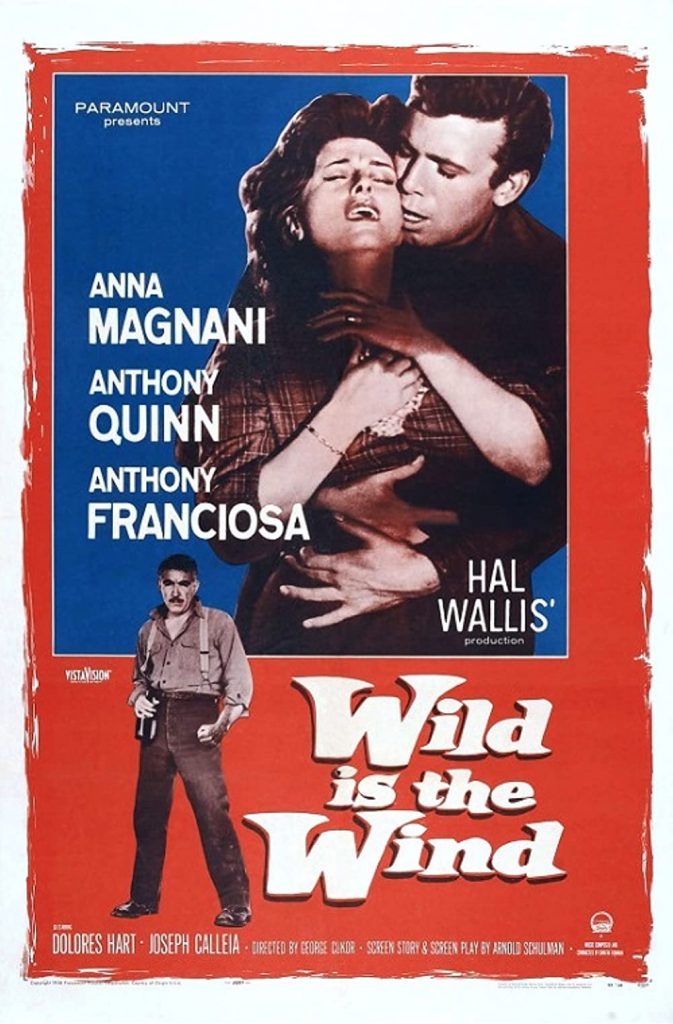
- Wild Is the Wind (1957), directed by George Cukor, cast her as the stepdaughter of Anna Magnani’s character; sharing scenes with Magnani was an early test of dramatic endurance.
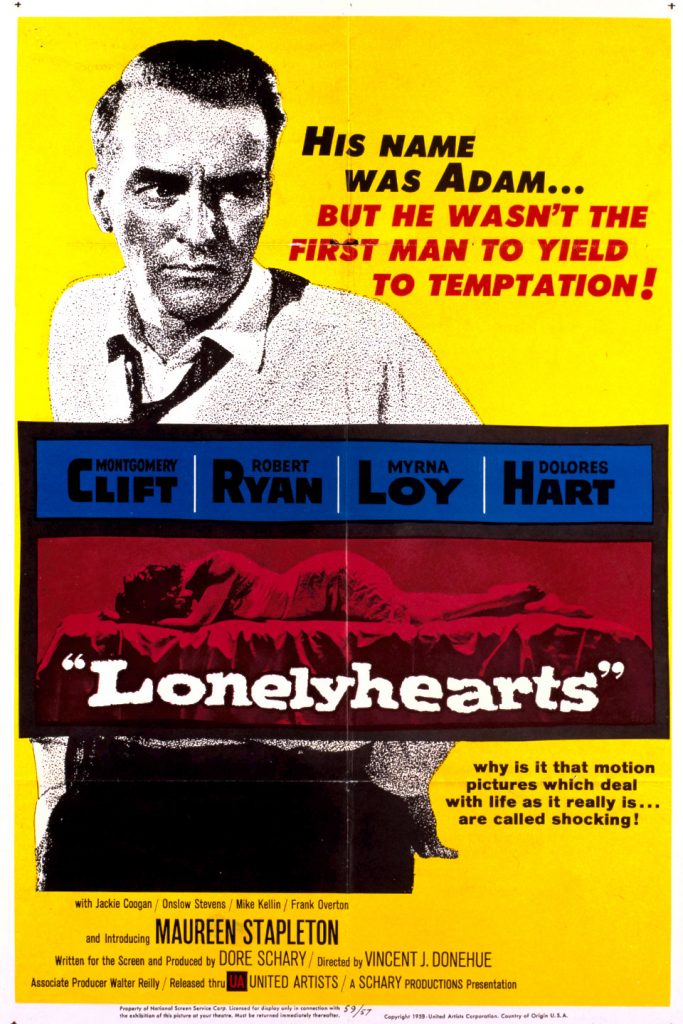
- Lonelyhearts (1958), with Montgomery Clift and Robert Ryan, revealed new maturity as she played a woman confronting hypocrisy and compassion.
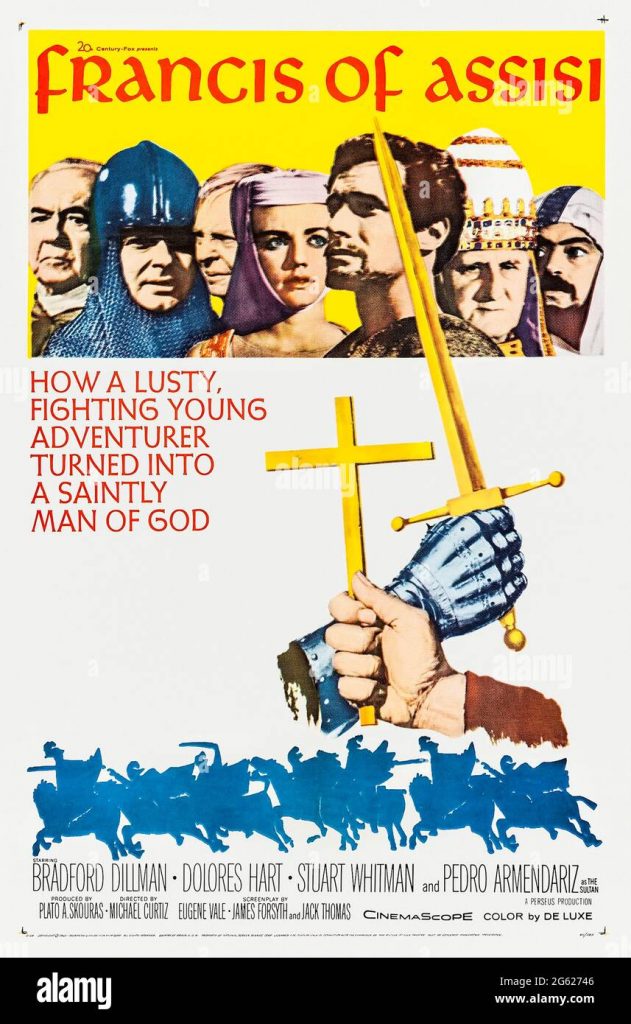
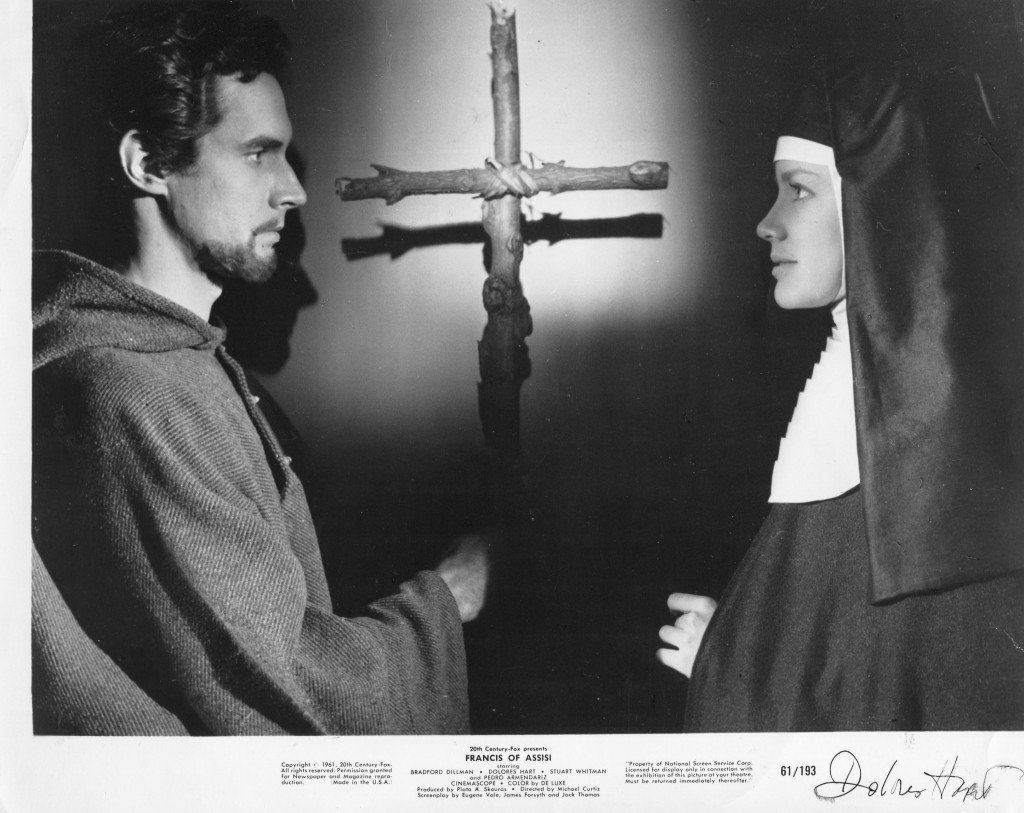
- Francis of Assisi (1961) offered her most prophetic role: Clare, the aristocrat who renounces wealth to follow St. Francis. The film’s themes of vocation and sacrifice mirror her own later decision to enter monastic life.
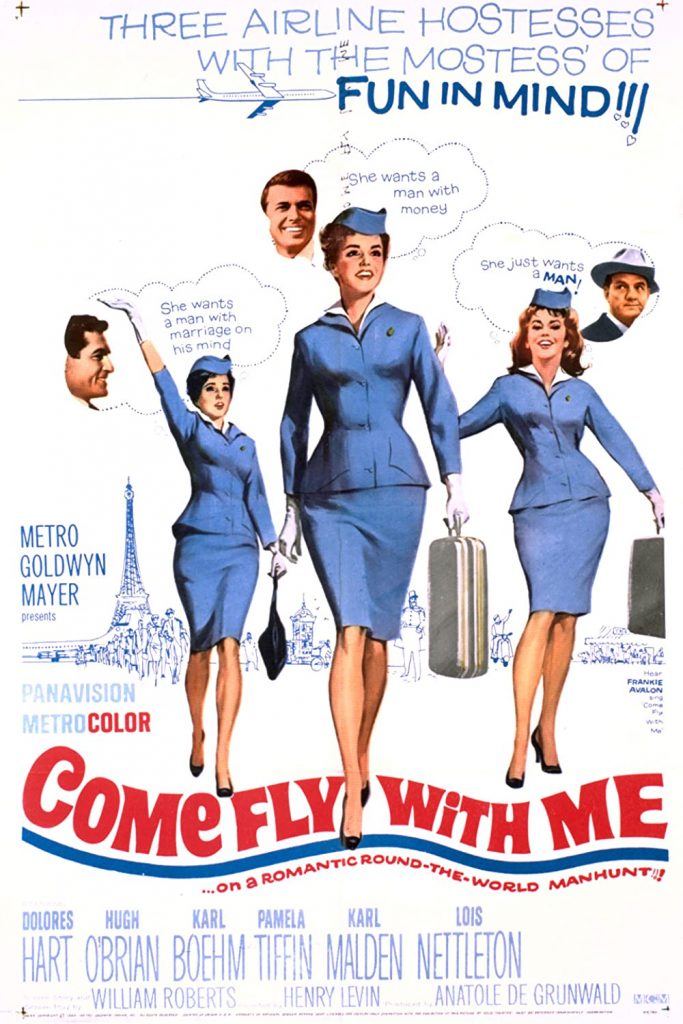
- Come Fly With Me (1963), an ensemble comedy about airline stewardesses, turned out to be her final release—a light genre piece whose professionalism concealed her growing spiritual unease with Hollywood.
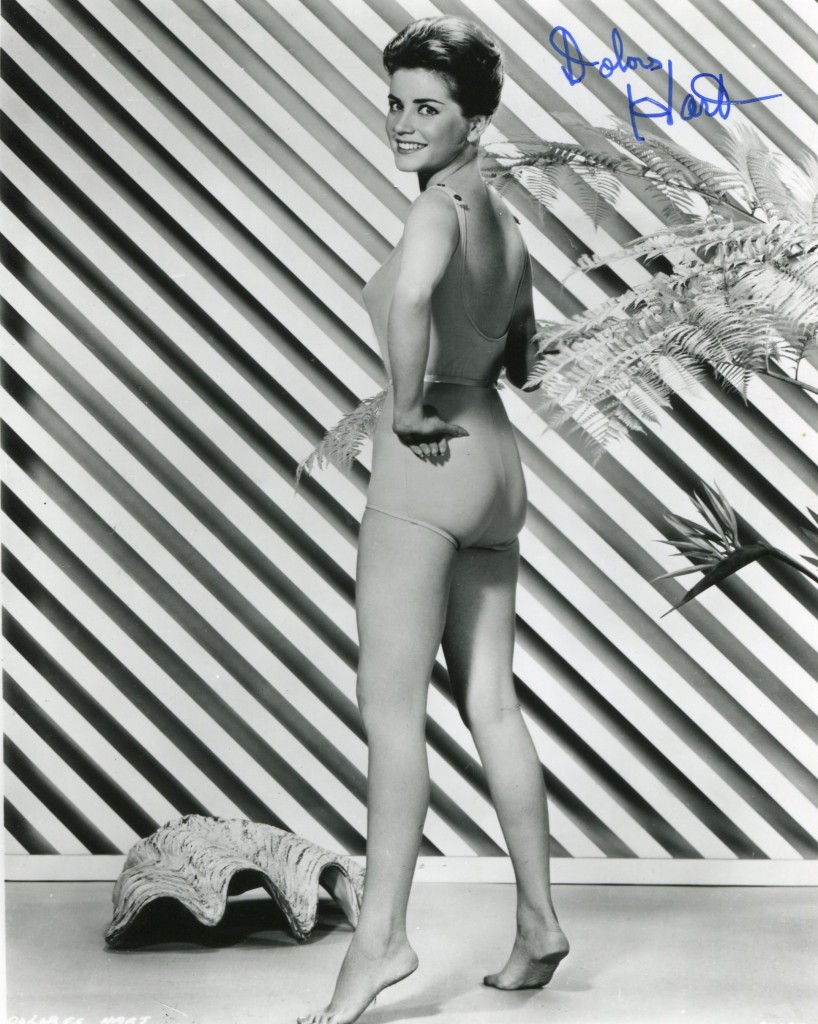
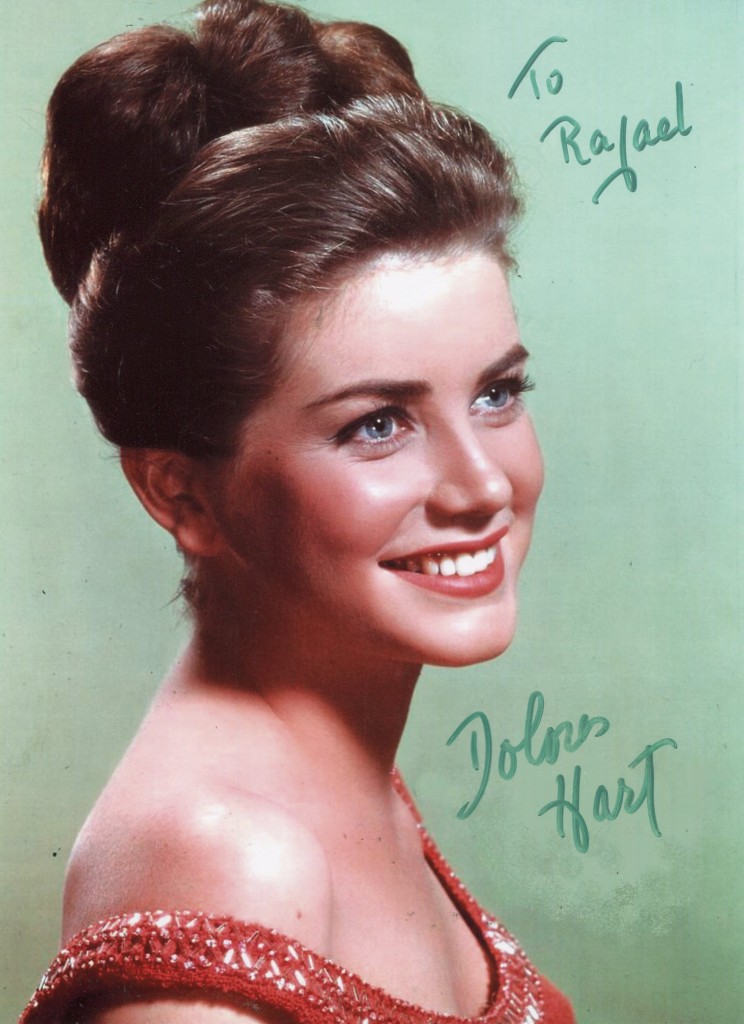
Physically luminous but grounded, Hart specialized in poised young women combining virtue with curiosity. Critics often compared her to Grace Kelly for dignified restraint and to Deborah Kerr for moral conviction. Yet her naturalness—the refusal to arch an eyebrow or over‑signal emotion—made her different from more glamorous contemporaries.
Departure from Hollywood and religious vocation (1963–present)
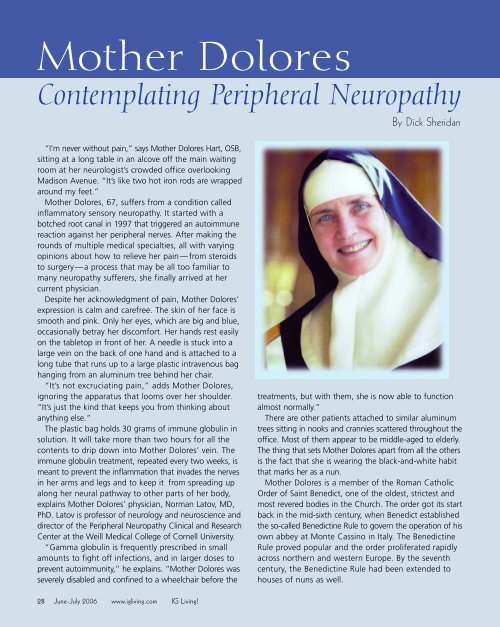
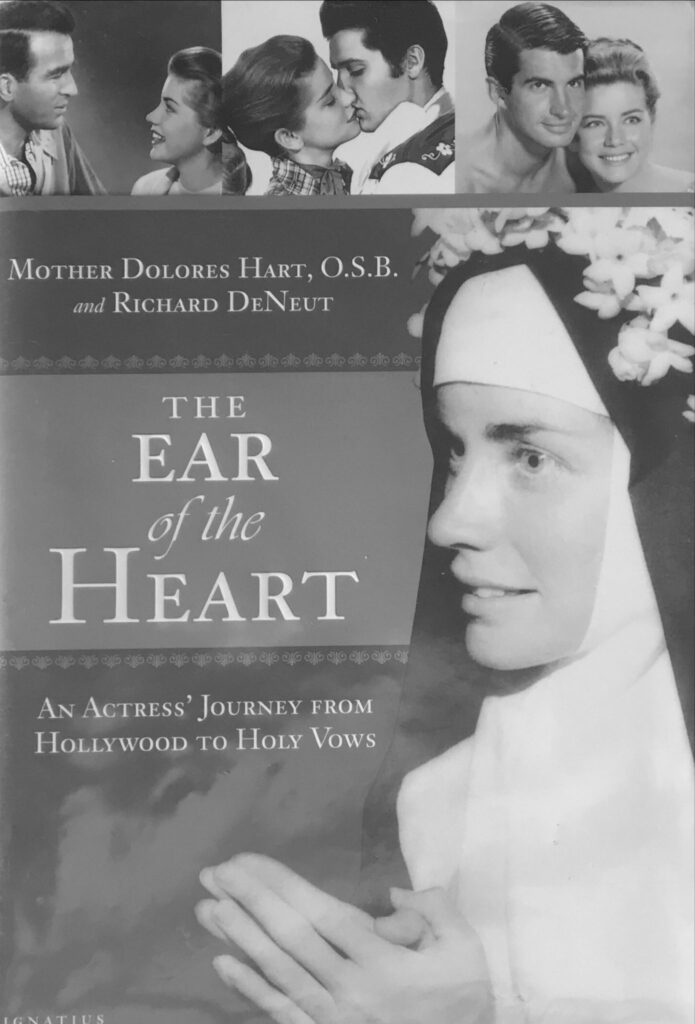
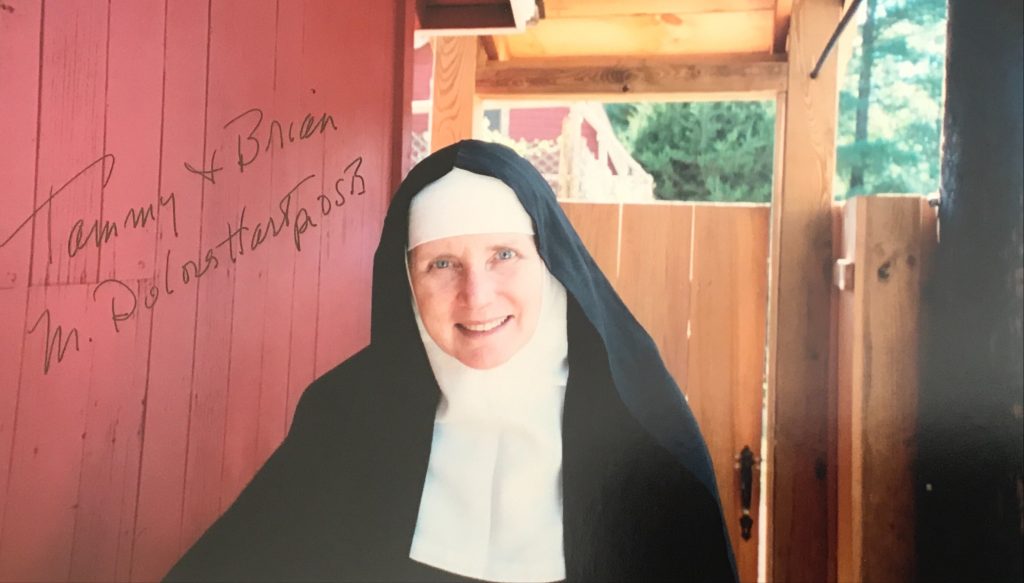
During the Broadway run of The Pleasure of His Company (co‑starring Cyril Ritchard) in 1960, Hart experienced an inner call to religious life. In 1963, after attending the Academy Awards on behalf of Come Fly With Me, she quietly entered the Abbey of Regina Laudis in Bethlehem, Connecticut, eventually taking vows as Mother Dolores Hart ( ).
Her withdrawal fascinated the public; headlines dubbed her “the Nun Who Kissed Elvis.” Over time she emphasized continuity rather than renunciation, saying she regarded the convent as an extension of her vocation “to communicate truth through beauty.” She became prioress, then abbess emerita, and later participated in the Academy‑Award‑nominated documentary God Is the Bigger Elvis (2012).
Acting style and screen persona
- Natural sincerity: Hart’s performances were notable for emotional directness free from theatrical affectation.
- Moral luminosity: Even in romantic films she projected inner integrity; kindness, intelligence, and self‑possession were central traits.
- Subtle undercurrents: Under angelic calm lay curiosity and quiet longing—a duality that gave dimension to otherwise formulaic studio roles.
- Technical polish: College theatre training lent her command of timing and diction uncommon among new starlets of the era.
Her artistry lay not in flamboyance but in the shaping of decency and faith as credible dramatic values—a quality that, unintentionally, forecast her later spiritual path.
Critical assessment
Strengths
- Exceptional poise and natural line reading that grounded sentimental material.
- Ability to balance idealized innocence with emotional curiosity.
- Professional confidence rare in actors of similar youth and limited experience.
Limitations
- Constrained by MGM’s wholesome image‑making; most films emphasized purity over complexity.
- Her early departure froze her image in youthful idealism, preventing the mature evolution that might have made her a major star of the 1960s.
Still, within a short span she achieved what many actresses never do—critical respect and enduring affection from audiences. Director George Cukor later said she brought “an honesty you couldn’t fake” to every scene.
Legacy
Dolores Hart’s career is often remembered in two chapters: the promising Hollywood starlet and the contemplative abbess. Yet those halves form a coherent whole—a creative life dedicated to integrity and disciplined devotion. Her 1950s film work captures an American ideal of goodness tested by desire; her later life re‑embodies that ideal in spiritual practice. Between Loving You and Francis of Assisi she produced an uncanny miniature of a complete artistic arc—from discovery to transcendence.
In cinema history she stands as both a luminous performer of her era and a symbol of vocation beyond celebrity—an artist who, in stepping away from Hollywood, confirmed the moral intelligence already visible in her best work