
Contemporary Actors

Collection of Contemporary Actors

Polly Bergen
Polly Bergen
Polly Bergen

Polly Bergen obituary in “The Guardian”.

Polly Bergen wasan extremely versatile all round entertainer with success on stage, supper clubs, screen and television.   She was born in 1930 in Knoxville, Tennessee.   Among her film highlights are “Cape Fear” with Gregory Peck and Robert Mitchum in 1962, “Move Over Darling” with Doris Day and James Garner and “Cry Baby” which was directed by John Waters.   She starred with Robert Mitchum again in the hughly successful TV series “The Winds of War” and it’s sequel “War and Rememberance”.   She died in 2014.h

Ronald Bergan’s “Guardian” obituary:

Versatility can be a curse, but in the case of Polly Bergen, who has died aged 84, it was a blessing. She was never out of work in films or on stage or television, in drama, comedy, musicals and game shows. By the mid-1960s, her elegance and beauty was so renowned that she marketed Polly Bergen Cosmetics, which she eventually sold to Fabergé, and then established Polly Bergen Jewellery and Polly Bergen Shoes. She was also the author of three fashion and beauty advice books.

As if to prove that being fashion-conscious was not incompatible with feminism, Bergen lobbied ardently for the Equal Rights amendment and for women’s right to choose. She was open about having had an illegal abortion when she was a 17-year-old singer; it left her unable to have children. In 2008, Bergen campaigned for Hillary Clinton to become president. Back in 1964, in Kisses for My President, a rather lumbering sexist comedy, Bergen had been vibrant as the first female US president, though the movie mainly concerned the problems of Fred MacMurray trying to adapt to being First Husband.

Born Nellie Burgin into a poor family in Knoxville, Tennessee, she moved to Los Angeles with her Southern Baptist family when she was in her early teens. At the age of 14, while still at Compton junior college in California, she started a singing career, performing hillbilly songs with her father on the radio, and solo with touring bands.

As Polly Burgin, she made her film debut in a low budget Monogram Western called Across the Rio Grande (1949), in which she portrayed a guitar-playing saloon singer, pleasantly warbling the title song. She was then discovered by the Paramount mogul Hal B Wallis, who signed her up with his studio, and immediately cast her in three of Dean Martin and Jerry Lewis’s early comedies. Playing Martin’s romantic interest, she sang duets with the crooner, getting gorgeous close-ups while singing You and Your Beautiful Eyes in At War With the Army (1950), and Ballin’ the Jack in That’s My Boy (1951). In The Stooge (1952), about a comedy duo, Bergen was Martin’s long-suffering wife.

At MGM, she played the loyal wife of disillusioned cop Barry Sullivan in the chase thriller Cry of the Hunted (1953), but did little more than look pretty in the western Escape from Fort Bravo and the rodeo drama Arena (both 1953).

Dissatisfied with her film roles, she moved over successfully to television with The Polly Bergen Show (1957-58), in which she appeared with her singing father Bill, ending each episode with a rendition of The Party’s Over.

She won an Emmy for her moving portrayal of the alcoholic torch singer in The Helen Morgan Story (1957), and continued to appear regularly on television for the rest of her career. Bergen’s return to the big screen came in her most celebrated role as lawyer Gregory Peck‘s terrified and terrorised wife in the creepy Cape Fear (1962), stalked by menacing psychopathic ex-con Robert Mitchum. In one daring and improvised scene, Mitchum cracks eggs over her chest and smears them over her breasts.

Despite the notoriety of Cape Fear, Bergen only made four further features in the 60s, before a 20-year gap. In one, Borderlines (aka The Caretakers, 1963), she gives an incredibly overwrought performance as a patient in a hospital for mentally ill people.

In the next few decades, Bergen was hardly ever off the small screen, however, as a guest star in series such as Dr Kildare and The Love Boat, and on game shows including Hollywood Squares and To Tell the Truth. In these years she shared her glamour tips in her books The Polly Bergen Book of Beauty, Fashion and Charm (1962), Polly’s Principles (1974) and I’d Love to, But What’ll I Wear? (1977).

Returning to the stage at the age of 70, she triumphed in the 2001 Broadway revival of Stephen Sondheim’s Follies as Carlotta, singing from the heart “I’m Still Here”, the defiant anthem for all female stars with Bergen’s staying power.

Bergen made one of her rare later movie appearances in John Waters’s Cry-Baby (1990), most amusing as an extremely conservative matriarch, leader of the “squares”, opposed to Johnny Depp’s gang of “juvenile delinquents”, who believes in the four Bs: “beauty, brains, breeding and bounty!”

She topped off her acting career on television, and was nominated for an Emmy, as Stella Wingfield in Desperate Housewives (2007-11).

Three marriages ended in divorce, the first, to the actor Jerome Courtland, after five years. Her second husband was the talent agent Freddie Fields, for whom she converted to Judaism. Her third husband, Jeffrey Endervelt, was an investor who almost ruined her when the stock market collapsed in 1987.

Bergen is survived by a daughter and son, adopted with Fields, and a stepdaughter.

• Polly Bergen (Nelly Paulina Burgin), actor and singer, born 14 July 1930; died 20 September 2014

The abopve “Guardian” obituary can also be accessed online here.

Gary Brumburgh’s entry:

n a six-decade-plus career (she started out as a radio performer at age 14), there are very few facets of entertainment that lovely singer/actress Polly Bergen has not conquered or, at the very least, touched upon. A nightclub and Columbia recording artist of the 50s and 60s, she is just as well known for her film and Emmy-winning dramatic performances as she is for her wry comedic gifts. In the leaner times, she has maintained quite well with her various businesses. Truly one for the ages, Polly has, at age 70+, nabbed a Tony nomination for her gutsy “I’m Still Here” entertainer Carlotta inStephen Sondheim‘s “Follies”, and is still dishing out the barbs as she recently demonstrated as Felicity Huffman‘s earthy mom on Desperate Housewives (2004).

Born in Knoxville, Tennessee as Nellie Burgin on July 14, 1930, her family, which included father William, mother Lucy and sister Barbra, eventually moved to Los Angeles. By the time she was 14, Polly was singing professionally on radio and managed to scrape up singing gigs with smaller bands around and about the Southern California area. She attended Compton Junior College before Paramount mogul Hal B. Wallis caught sight of her and signed her up with his studio. Having made an isolated film debut (as Polly Burgin) a year earlier in the Monogram western Across the Rio Grande (1949), Wallis showcased her as a decorative love interest in the slapstick vehicles of Dean Martin andJerry Lewis, the (then) hottest comedy team in Hollywood. But At War with the Army(1950), That’s My Boy (1951) and The Stooge (1952) did little for Polly although she presented herself well. MGM and Universal had the idea to cast her in a more serious vein with co-starring roles in their dramas Escape from Fort Bravo (1953), Arena (1953) and Cry of the Hunted (1953), but again she was overlooked. Disasppointed, she decided to abandon her lucrative film contract and seek work elsewhere.

That “elsewhere” came in the form of 1950s TV. Focusing on her singing, she promoted her many albums for Columbia by guest-starring on all the top variety shows of the times. This culminated in her own variety program, The Polly Bergen Show (1957). The song “The Party’s Over” became her traditional show-closer and signature tune. Polly also showed some marquee mettle on the cabaret and nightclub circuits, performing at many of the top hotels and showrooms throughout the country. She made her Broadway debut along with Harry Belafonte in “John Murray Anderson’s Almanac” in 1953, and went on to appear in such stage shows as “Top Man” and “Champagne Complex”. A delightfully engaging game show panelist to boot, she took a regular seat on the To Tell the Truth(1956) panel for five seasons.

Polly tended to display a looser, down-to-earth personality to induce laughs but she was also was formidable dramatic player and fashionplate quite capable of radiating great charm, poise and elegance. For her role as alcoholic torch singer Helen Morgan in the special TV showcase “The Helen Morgan Story”, she took home the Emmy award. Unfortunately for Polly, Ann Blyth took on the role of the tragic singer in the film version (with Gogi Grant providing the vocals), in what could have been a significant return to films for her.

Instead, Polly had to wait another five years for that to happen. As the wife of Gregory Peck and designated victim of revengeful psychopath Robert Mitchum in the taut movie thriller Cape Fear (1962), her film career reignited. Other opportunities came in the form of her distraught mental patient in The Caretakers (1963), which found her at odds with nurse Joan Crawford and doctor Robert Stack; the sparkling comedy Move Over, Darling(1963), which placed her in a comedy triangle with “other wife” Doris Day and husbandJames Garner; and as the first woman Chief Executive of the White House in the frothy comedy tidbit Kisses for My President (1964) opposite bemused “First Gentleman” Fred MacMurray. In what was to be a tinge of deja vu, Polly again saw her movie career dissipate after only a couple of vehicles. True to form, the indomitable Polly rebounded on TV.

A mild string of TV-movies came her way as she matured into the 1970s and 1980s, most notably the acclaimed miniseries The Winds of War (1983), which reunited her withRobert Mitchum, this time as his unhappy, alcoholic wife. This, along with her participation in the sequel, War and Remembrance (1988), earned Polly supporting Emmy nominations. In the years to come, she would find herself still in demand displaying her trademark comic grit in such shows as The Sopranos (1999), Commander in Chief (2005) and Desperate Housewives (2004).

Polly returned to singing in 1999 after nearly a three-decade absence (due to health and vocal issues). Quite huskier in tone, she went on to delight the New York musical stage with stand-out performances in “Follies” (2001), “Cabaret” (2002) and “Camille Claudel” (2007). Polly still makes nitery appearances and has even put together singing concert tours on occasion.

Polly has authored three best-selling beauty books outside the acting arena and has demonstrated a marked level of acumen in the business world. Founding a mail-order cosmetics business in 1965, she sold it to Faberge eight years later. She also developed her own shoe and jewelry lines.

Married very briefly (1954-1955) to MGM actor Jerome Courtland during her first movie career peak, she later wed topflight agent/producer Freddie Fields in 1957, a union that lasted 18 years and produced two adopted children, Pamela and Peter. A third marriage in the 1980s also ended in divorce. An assertive voice when it comes to women’s rights and issues, her memoir “Polly’s Principles” came out in 1974.

– IMDb Mini Biography By: Gary Brumburgh / gr-home@pacbell.net
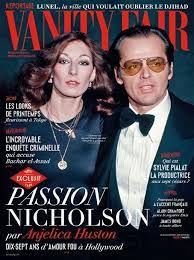
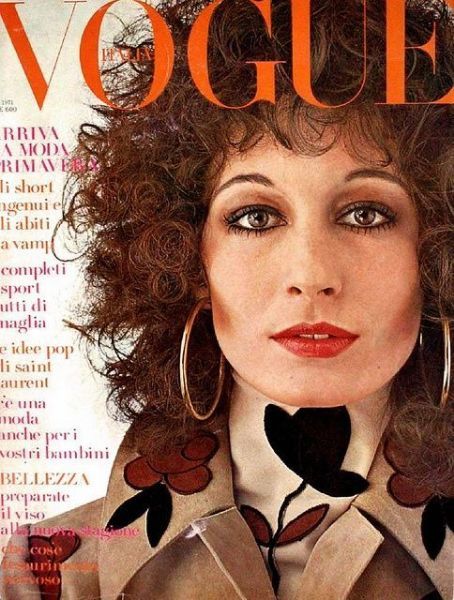
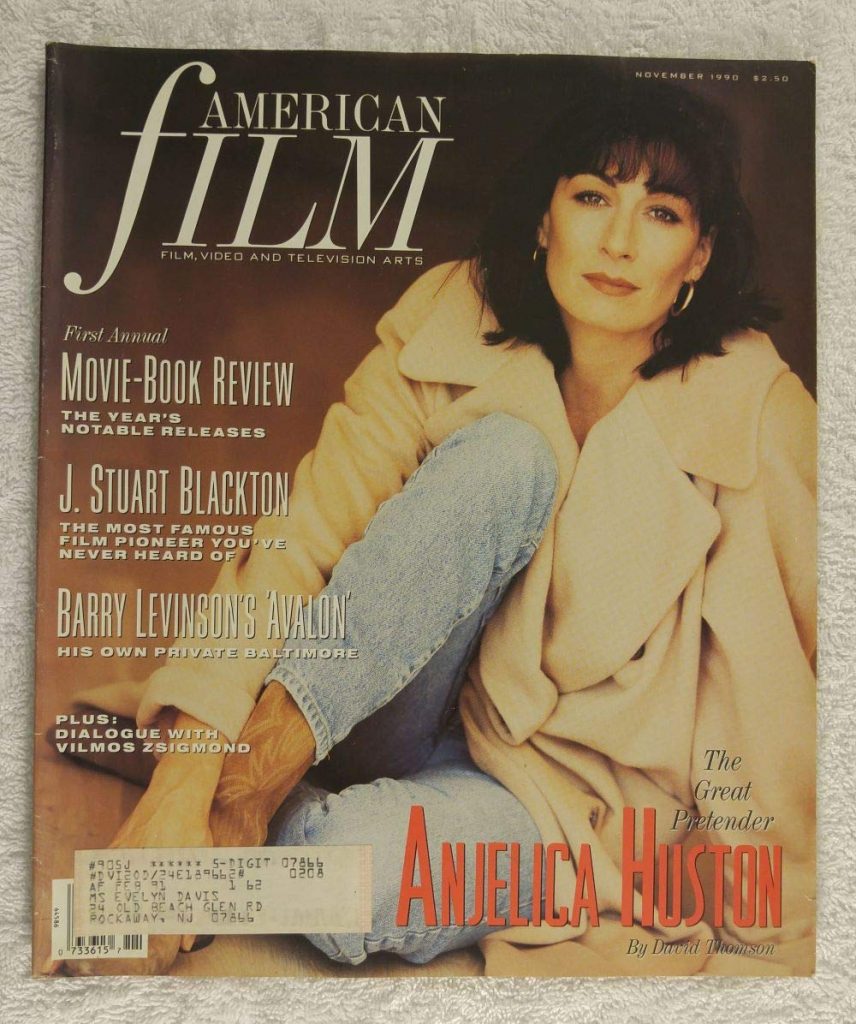
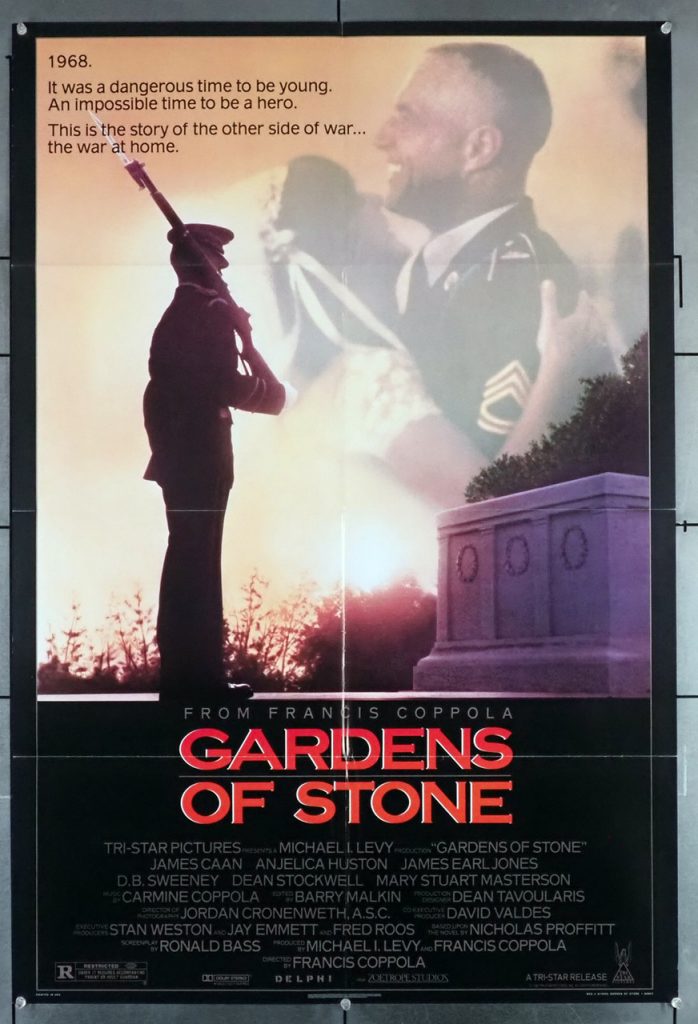
Anjelica Huston
Anjelica Huston
Anjelica Huston
Anjelica Huston
Anjelica Huston
Anjelica Huston
Anjelica Huston

TCM Overview:

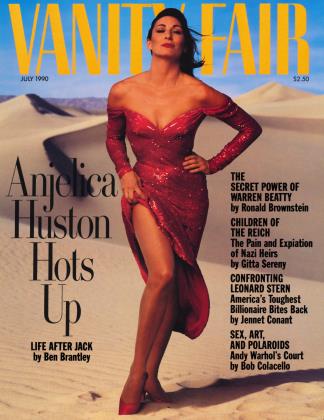
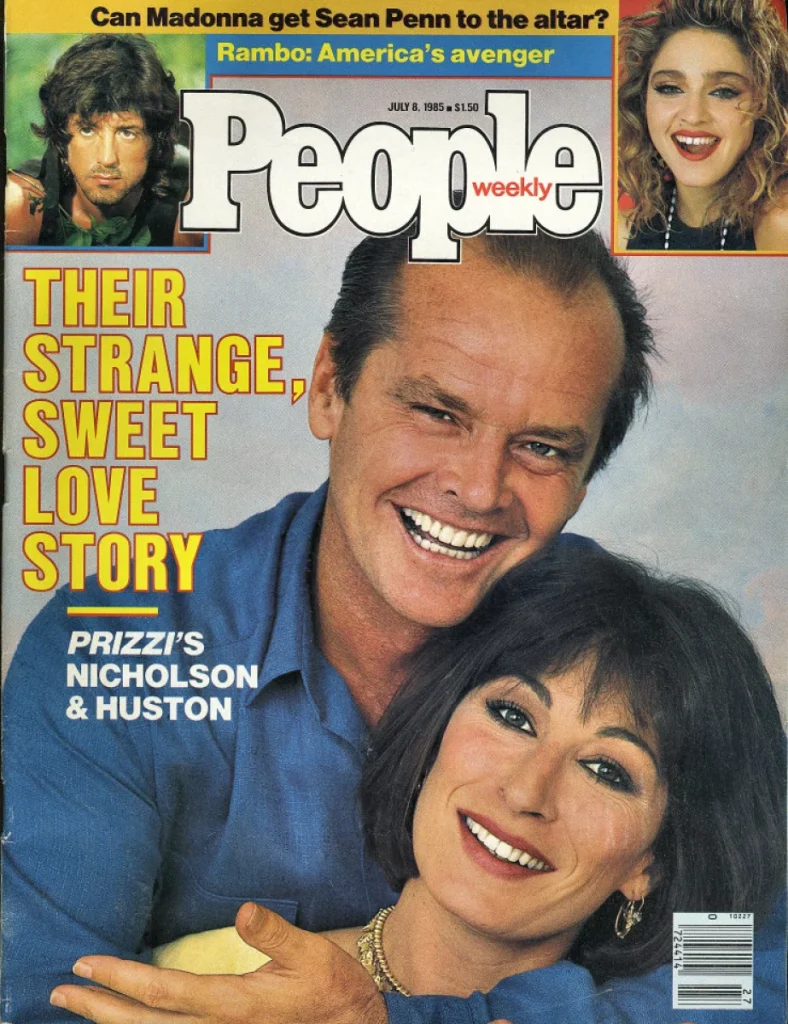
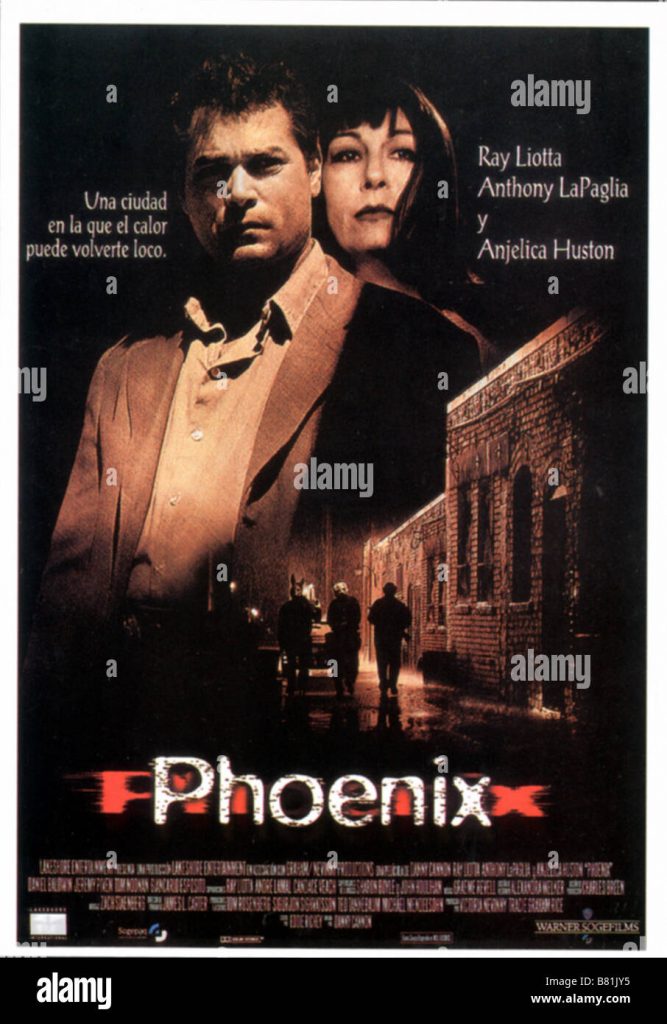
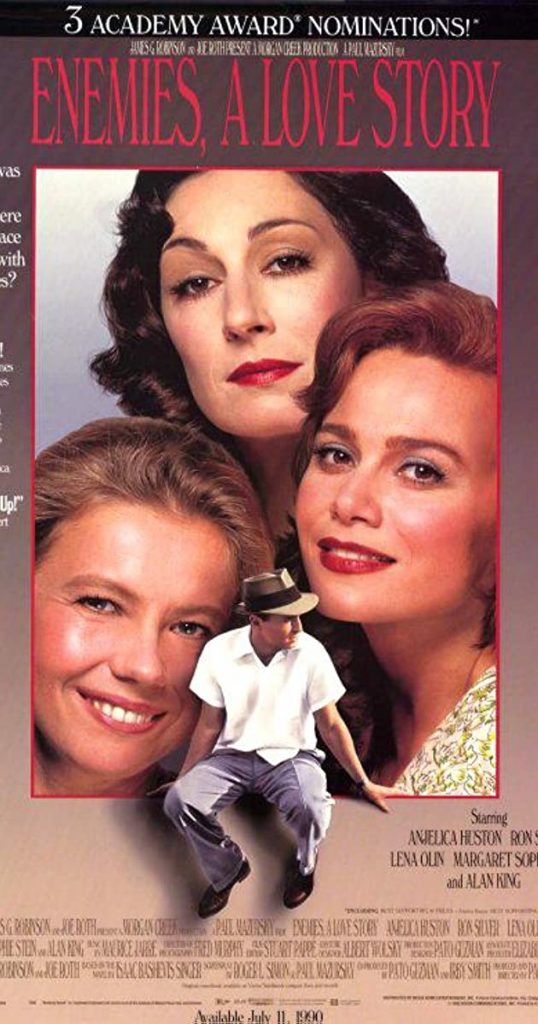
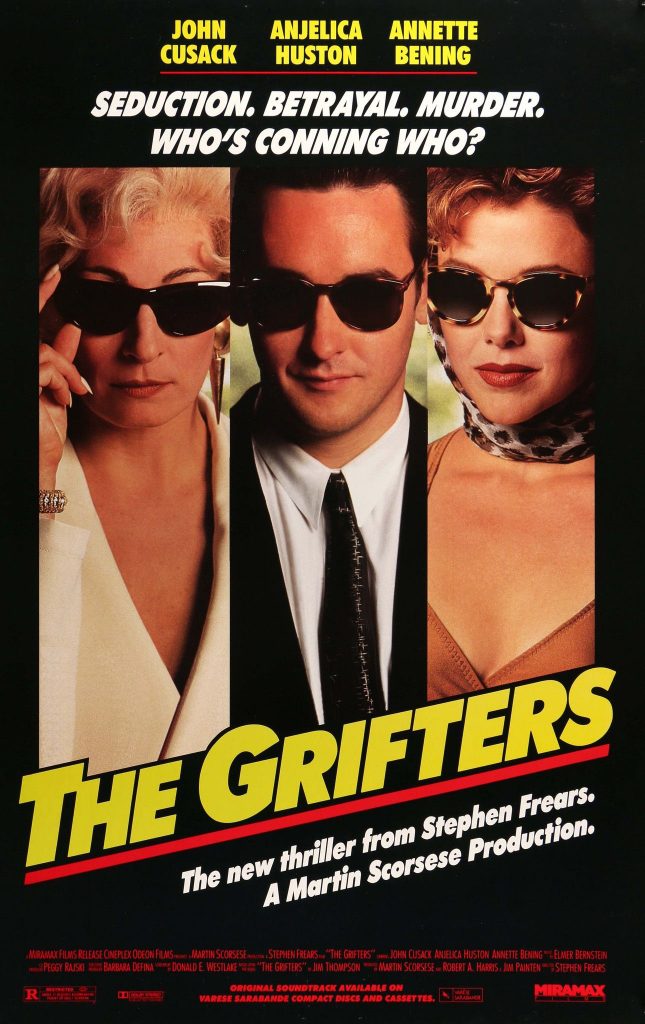
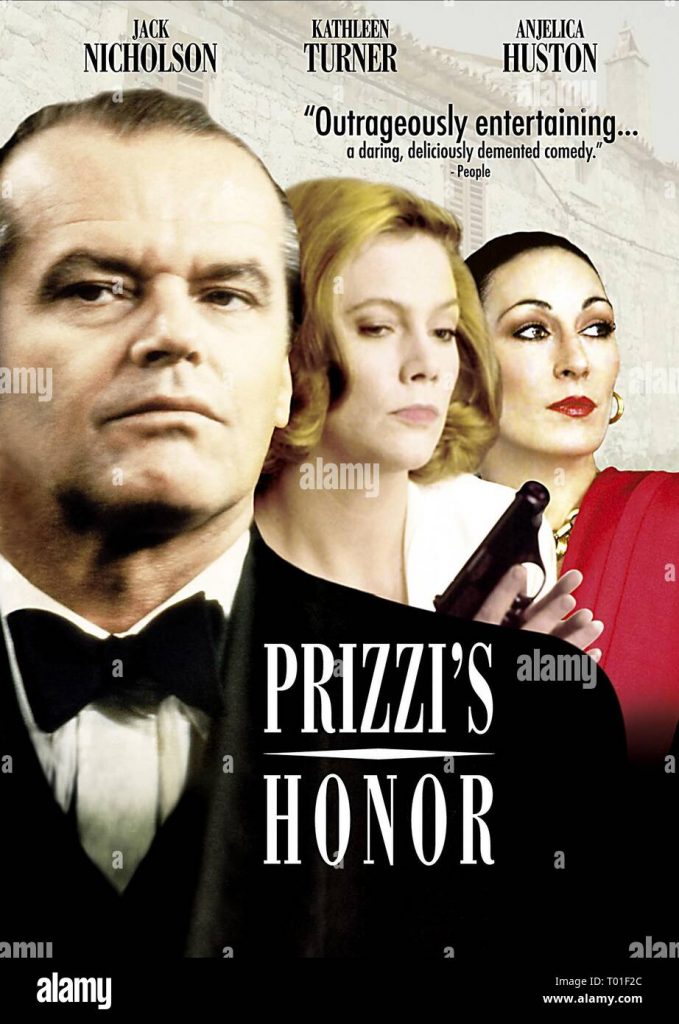
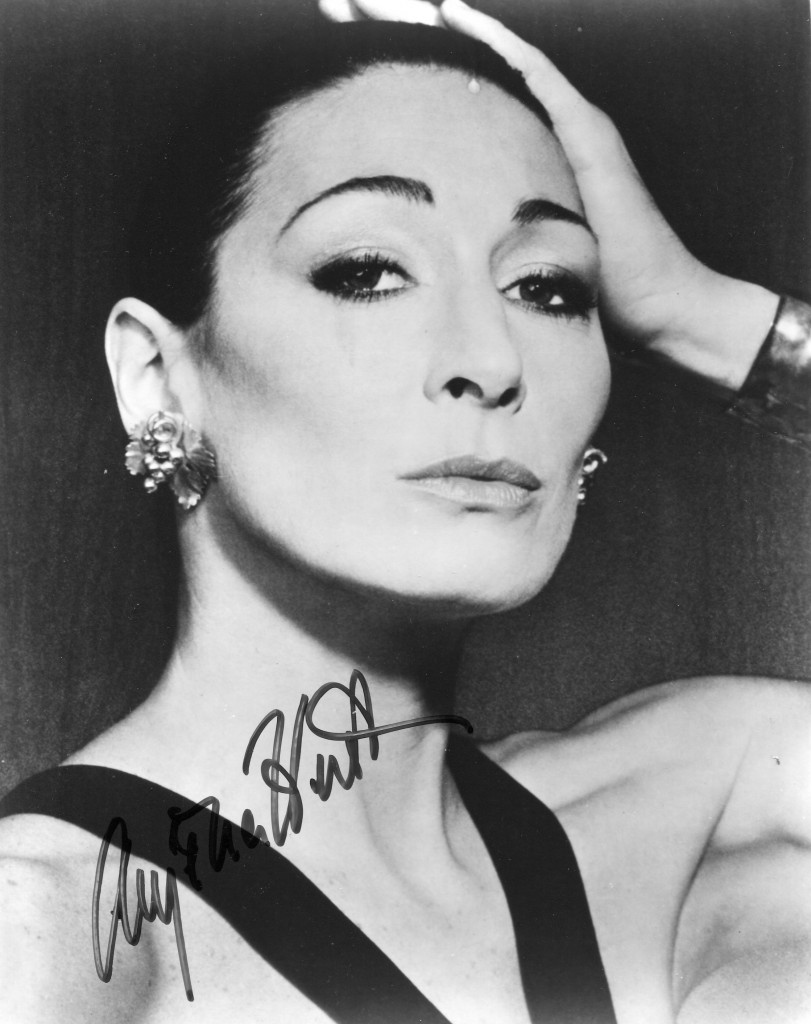
As the daughter of legendary director John Huston and granddaughter of Oscar-winning actor Walter Huston, it was no surprise that actress Anjelica Huston found success and acclaim in Hollywood. Representing the third generation of Hustons to win an Academy Award, the actress emerged from the long shadow cast by her father with an Oscar-winning turn in “Prizzi’s Honor” (1985). Prior to her triumph, Huston struggled to make her way as a model and actress, while her biggest claim to fame up to that point was being in a longtime romantic relationship with Jack Nicholson. After “Prizzi’s Honor,” however, Huston came into her own and embarked on a long, vibrant career full of sterling performances. Just a few years later, she found herself back in Oscar contention with “Enemies: A Love Story” (1989) and the excellent crime noir, “The Grifters” (1990). Having also turned in a dynamic performance as a spurned mistress in Woody Allen’s “Crimes and Misdemeanors” (1989), Huston had established herself as one of Hollywood’s top actresses. While she occasionally stepped into lighter roles like Morticia Addams in “The Addams Family” (1991) and “Addams Family Values” (1993), she earned critical appreciation for her performances in “Agnes Browne” (1999) and “Iron Jawed Angels” (HBO, 2004), which no doubt would have made her father proud.

Penelope Cruz
Penelope Cruz
Penelope Cruz

The beautiful Penelope Cruz was born in Madrid in 1974.   She made her film debut in 1992 in “Jambon, jambon”.   Some of the early films include “Open Your Eyes” in 1997 and “The Hi-lo Country” in 1999.   She has made many films with her fellow countryman Pedro Almodovar.   Her international films include “Vanilla Sky” with Tom Cruise, “Captain Corelli’s Mandolin” with Nicholas Cage and “Nine” with Daniel Day-Lewis.

IMDB entry:

Known outside her native country as the “Spanish enchantress”, Penélope Cruz Sánchez was born in Madrid to Eduardo (a retailer) and Encarna (a hairdresser). As a toddler, she was already a compulsive performer, re-enacting TV commercials for her family’s amusement, but she decided to focus her energies on dance. After studying classical ballet for nine years at Spain’s National Conservatory, she continued her training under a series of prominent dancers. At 15, however, she heeded her true calling when she bested more than 300 other girls at a talent agency audition. The resulting contract landed her several roles in Spanish TV shows and music videos, which in turn paved the way for a career on the big screen. Cruz made her movie debut in The Greek Labyrinth(1993) (The Greek Labyrinth), then appeared briefly in the Timothy Dalton thriller Framed(1992). Her third film was the Oscar-winning Belle Epoque (1992), in which she played one of four sisters vying for the love of a handsome army deserter. The film also garnered several Goyas, the Spanish equivalent of the Academy Awards. Her resume continued to grow by three or four films each year, and soon Cruz was a leading lady of Spanish cinema. Live Flesh (1997) (Live Flesh) offered her the chance to work with renowned Spanish director Pedro Almodóvar (who would later be her ticket to international fame), and the same year she was the lead actress in the thriller/drama/mystery/sci-fi film Open Your Eyes (1997), a huge hit in Spain that earned eight Goyas (though none for Cruz). Her luck finally changed in 1998, when the movie-industry comedy The Girl of Your Dreams (1998) won her a Best Actress Goya. Cruz made a few more forays into English-language film, but her first big international hit was Almodóvar’s All About My Mother (1999), in which she played an unchaste but well-meaning nun. As the film was showered with awards and accolades, Cruz suddenly found herself in demand on both sides of the Atlantic. Her next big project was Woman on Top(2000), an American comedy about a chef with bewitching culinary skills and a severe case of motion sickness. While in the US, she also signed up to star opposite Johnny Depp in the drug-trafficking drama Blow (2001) and opposite Matt Damon in Billy Bob Thornton‘s All the Pretty Horses (2000). Cruz says she’s wary of being typecast as a beautiful young damsel, but it’s hard to imagine disguising her wide-eyed charms and generous nature. Fortunately, with Cameron Crowe‘s Vanilla Sky (2001) (a remake ofOpen Your Eyes (1997)) and a John Madden collaboration looming in her future, Damsel Penelope isn’t likely to disappear just yet.

– IMDb Mini Biography By: IMDb Editors

The above IMDB entry can also be accessed online here.

Michelle Yeoh
Michelle Yeoh
Michelle Yeoh

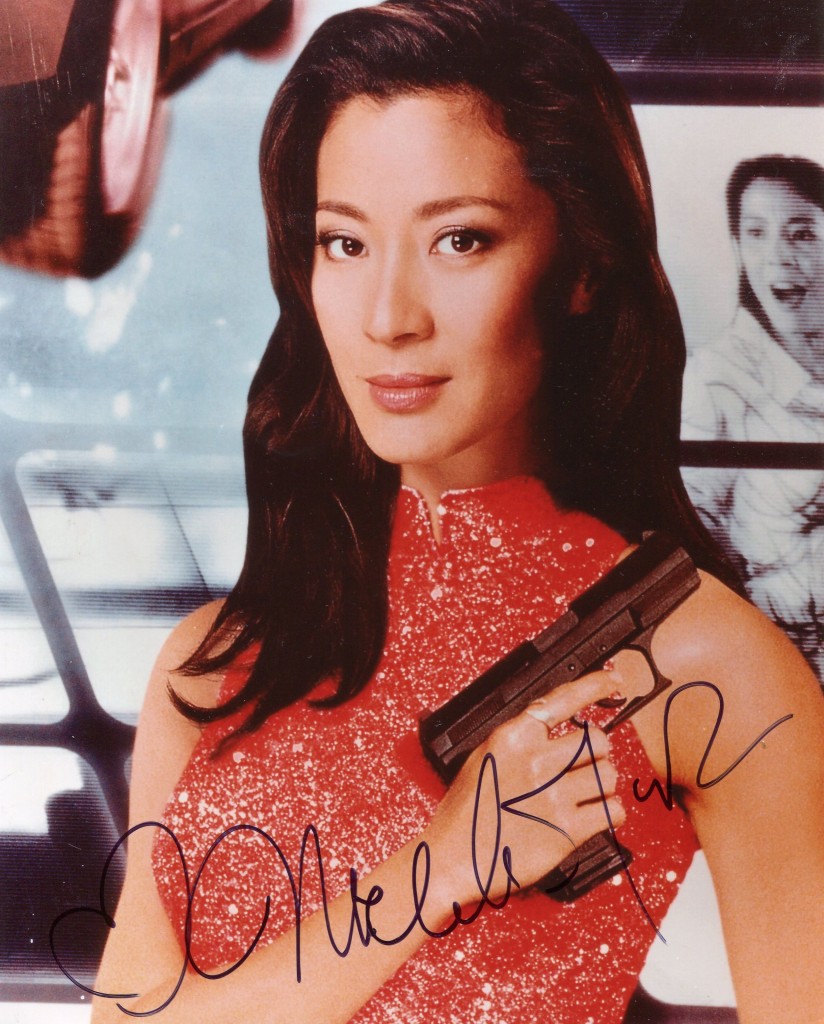
Michelle Yeoh was born in Malaysia in 1962.   She went to London to study ballet when she was a teenager.   In 1985 she began making action movies in Hong Kong.   She came to international attention in the film “Tomorrow Never Dies” with Pierce Brosnan in 1997.   Three years later she starred in “Vrouching Tiger, Hidden Dragons”.   She recently starred in “The Lady”.

IMDB entry:

Born as Yang Zi Chong in the mining town of Ipoh in West Malaysia in the lunar year of the Tiger, she spoke English and Malay before Chinese. A ballet dancer since age 4, she moved to London, England to study at the Royal Academy as a teenager. After a brief dance career, she won the Miss Malaysia beauty pageant title in her native country and the Miss Moomba beauty pageant title in Melbourne, Australia in the early 1980s. Her first on camera work was a 1984 commercial with martial arts star Jackie Chan. In 1985, she began making action movies with D&B Films of Hong Kong. She was first billed as Michelle Khan, then later, Michelle Yeoh. Never a trained martial artist, she relied on her dance discipline and her on-set trainers to prepare for her martial arts action scenes.

She uses many dance moves in her films. She still does most of her own stunts and has been injured many times. Ironically, she still cannot read Chinese and she has to have Chinese script read to her. In 1988, she married wealthy D&B Films executive Dickson Poon and retired from acting. Even though they divorced in 1992, she is close to Poon’s second wife and a godmother to Poon’s daughter. When she returned to acting, she became very popular to Chinese audiences and she became known to western audiences through her co-starring roles in the James Bond film Tomorrow Never Dies (1997) and in the phenomenally successful Crouching Tiger, Hidden Dragon (2000) aka Crouching Tiger, Hidden Dragon’ directed by Ang Lee. She turned down a role in a sequel to The Matrix (1999).

She has her own production company, Mythical Films and has trained with the Shen Yang Acrobatic team for her role in The Touch (2002), an English language film she is both starring in and producing. She hopes to use her company to discover and nurture new filmmaking talent. She also wants to act in roles that combine both action and deeper spiritual themes.
– IMDb Mini Biography By: Unknown author

Her above IMDB entry can also be accessed online here.

Chris Robinson
Chris Robinson
Chris Robinson
 

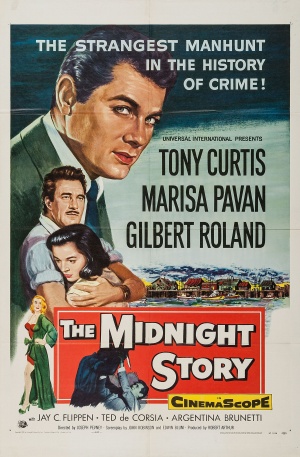
Chris Robinson was born in 1938 in West Palm Beach in Florida.   He has starred for many years in two populsr soap operas, “General Hospital” and “The Bold and the Beautiful”  when he finished in 2005.   His films include “The Midnight Story” with Tony Curtis and Marisa Pavan in 1957, “Diary of a High School Bride”, “Because They’re Young”, “The Young Savages”, “13 West Street”, “The Hawaiians” and “Rez Bomb” in 2008.

Chris Robinson
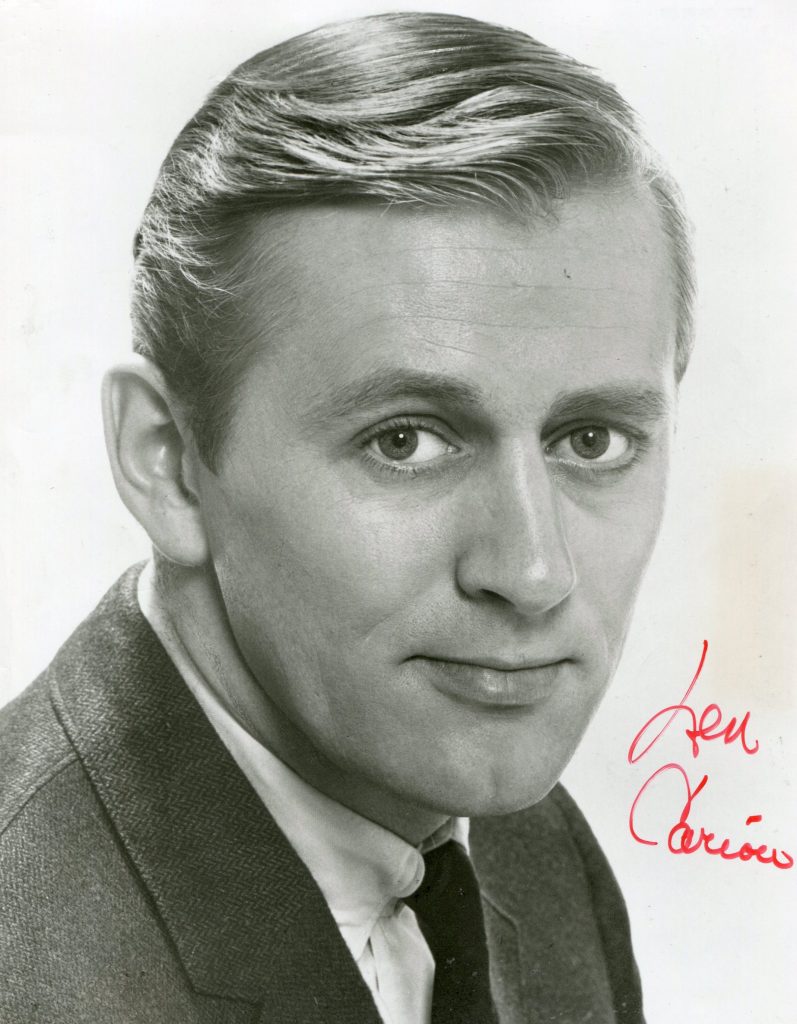
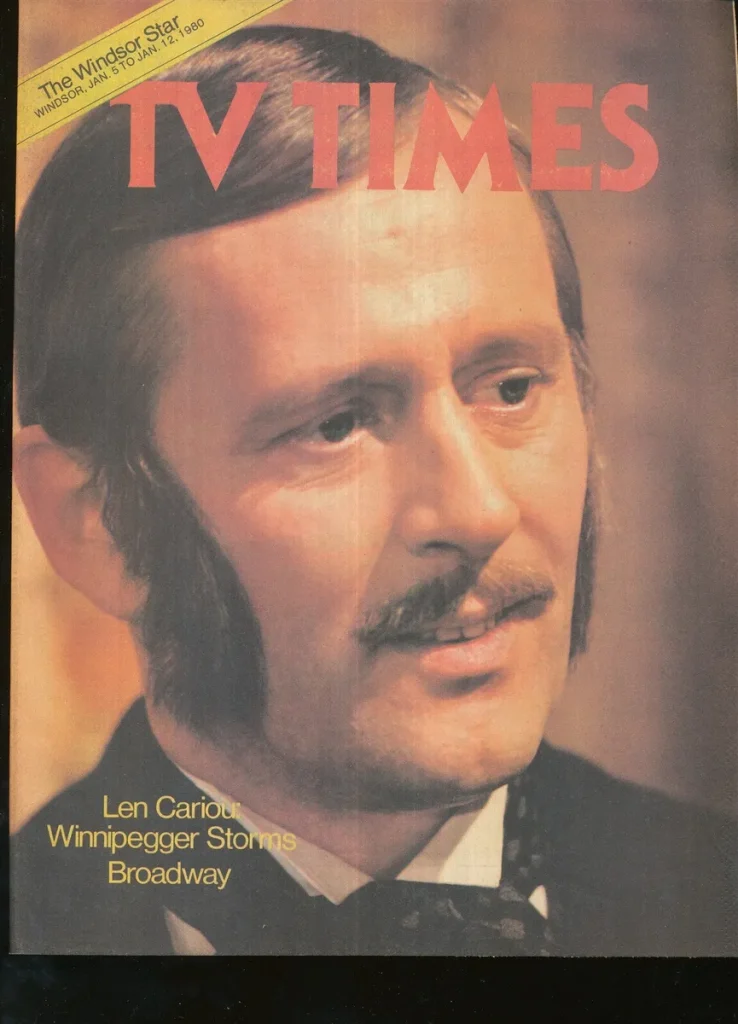
Len Cariou
Len Cariou
Len Cariou

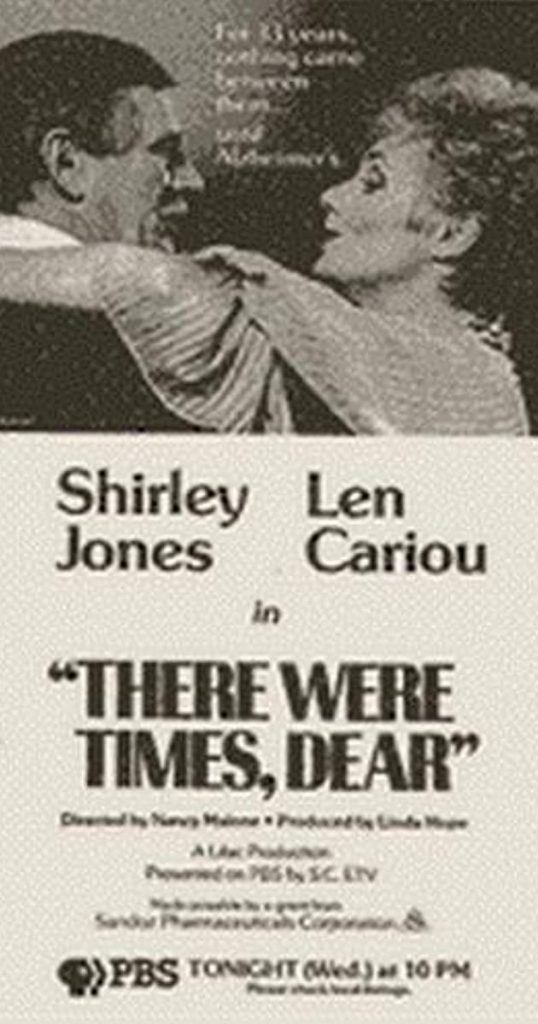
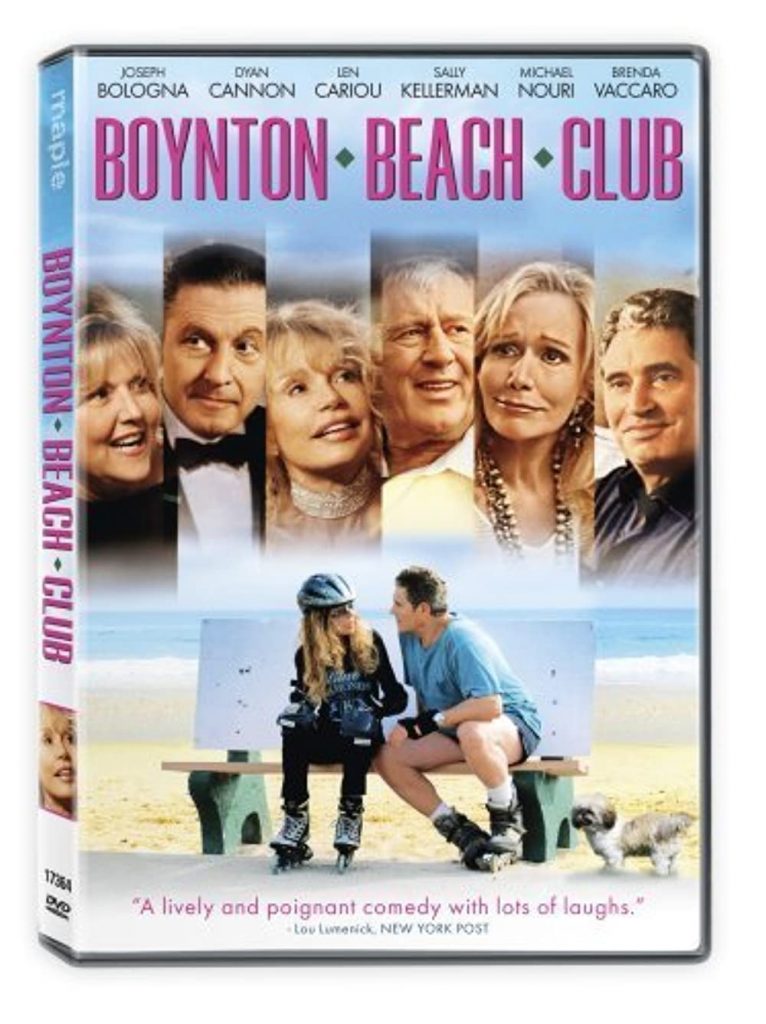
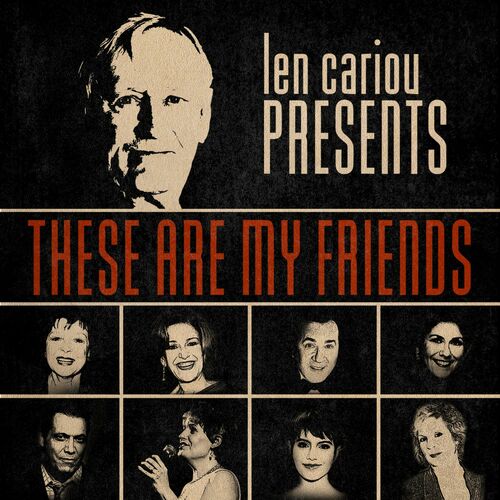
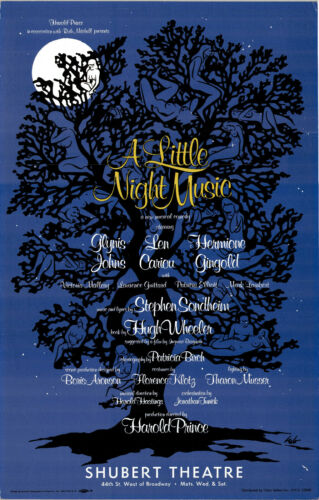
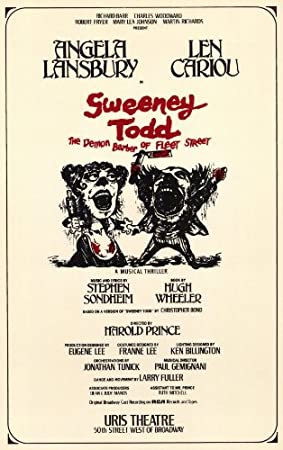
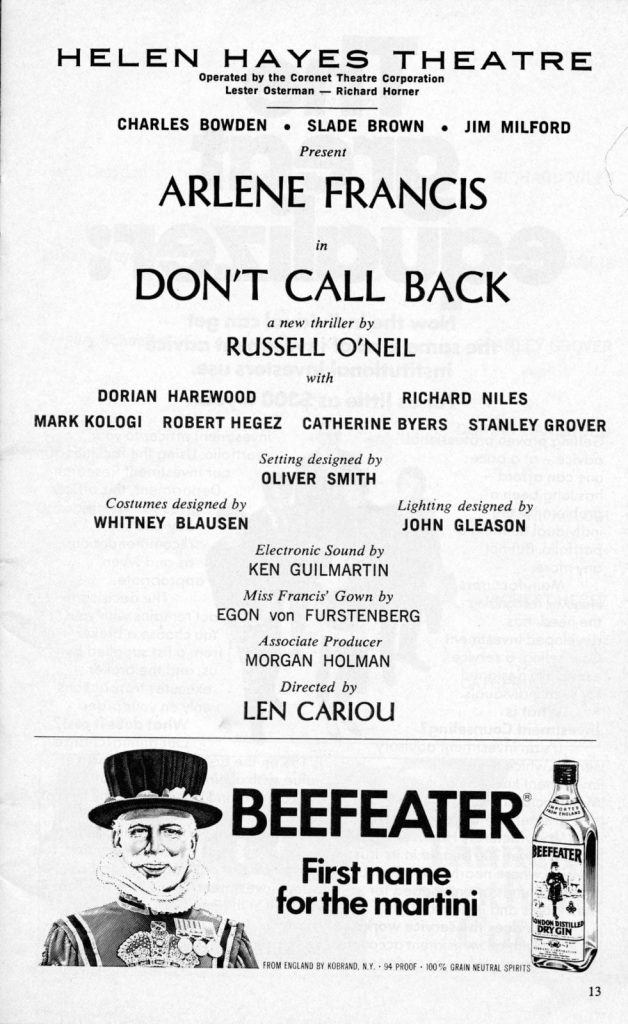
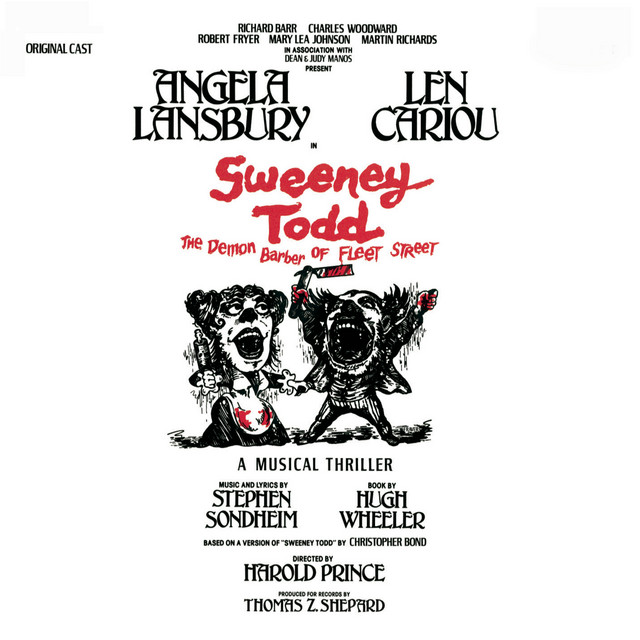
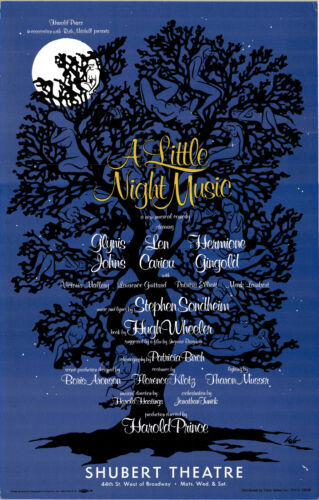
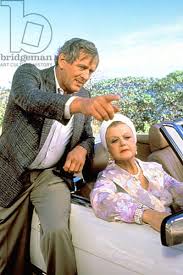
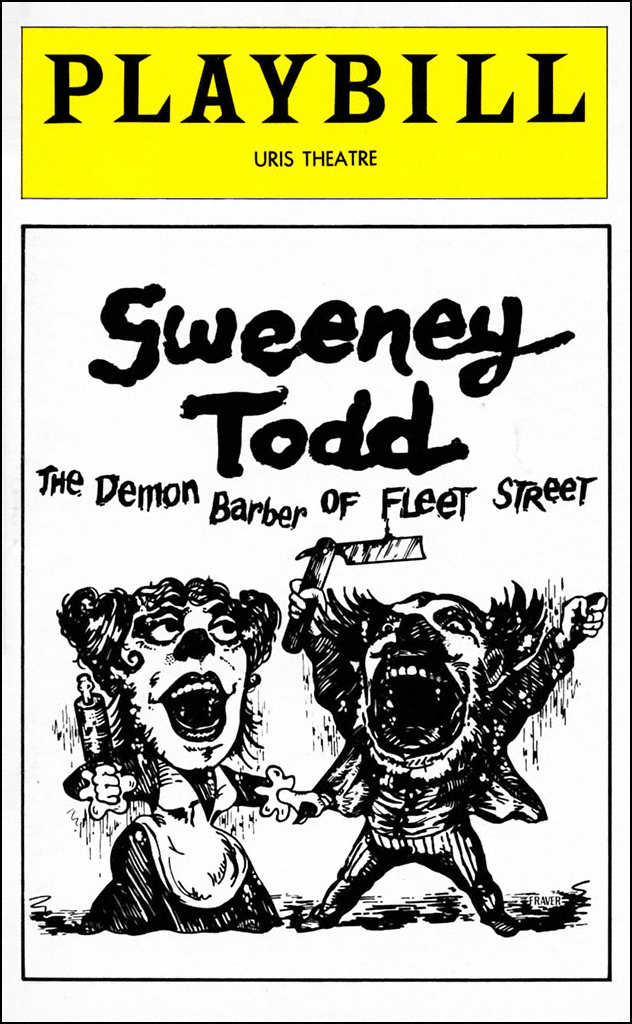
Len Cariou is a legend on Broadway for his magnificent contribution to musical theatre e.g. the 1973 production of “A Little Night Music” with Glynis Johns and the 1979 production of “Sweeney Todd” with Angela Lansbury.   He has too been active on film and television.   He was born in Winnipeg in 1939 and began his career on the stage in Canada.   His film debut was in “One Man” in 1977.   He repeated his performance as Frederick Egerman in the film adaptation of “A Little Night Music” with Elizabeth Taylor which was not a success.   He was hilarious as Jack Nicholson’s friend in “About Schmidt”.   He had a recurring role as Michael Hagarty in the long running “Murder She Wrote” with Angela Lansbury.

TCM Overview:

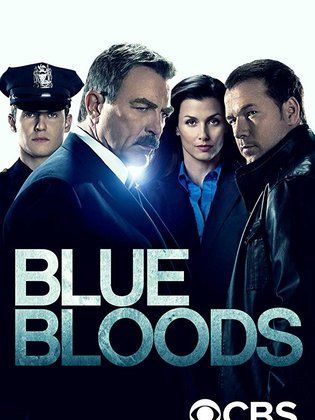
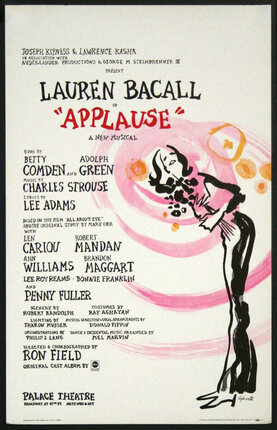
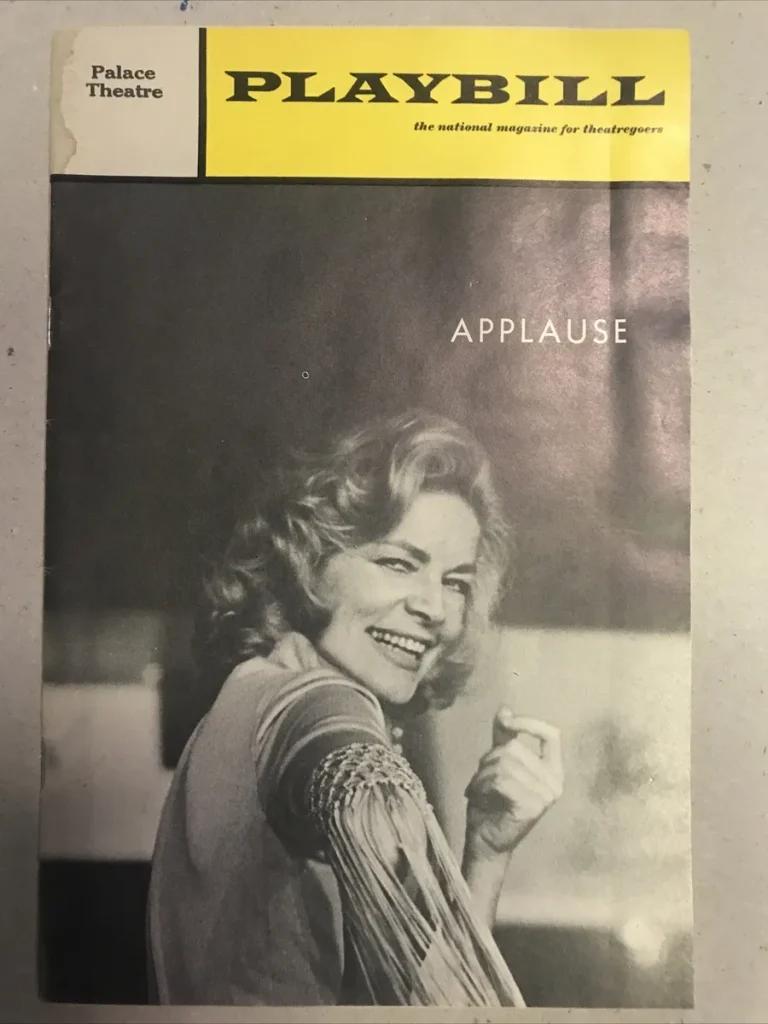
As a Tony Award-winning performer in the early part of his career, Canadian actor Len Cariou later made a successful transition to the screen to become a recognizable fixture in numerous series and made-for-television movies. Following his Broadway triumphs in “Applause” (1970) and “Sweeney Todd: The Demon Barber of Fleet Street” (1979), Cariou crossed over to films and television with memorable appearances as a spy on “Murder, She Wrote” (CBS, 1984-1996) and as Walt Disney in “A Dream Is a Wish Your Heart Makes: The Annette Funicello Story” (CBS, 1995). Despite his successful move over to the small screen, his Broadway star diminished throughout the 1980s and 1990s. But in 2002, Cariou hit his theatrical stride once again with a noted run in the embattled Broadway play, “Proof.” Though the show itself was short-lived, Cariou enjoyed renewed career vigor and began turning in sharp performances on series television, while earning an Emmy Award nomination for his turn as Franklin D. Roosevelt in “Into the Storm” (BBC, 2008), proving that even in his seventies, he remained a vital performer.

Born on Sept. 30, 1939 in St Boniface, Manitoba, Canada, Cariou was raised in modest surroundings by his father, George, a salesman, and his mother, Molly. Starting his acting career as a youth, Cariou became active in the drama department at Miles Macdonnell Collegiate, a prep school in Winnipeg, where he starred in and directed several plays. He continued performing at St Paul’s College in Manitoba, and after graduating, he began working in local theater. Cariou was the main attraction at the Manitoba Theatre Centre for much of the 1960s, essaying the leads in “King Lear,” “Macbeth” and “Henry V.” In 1968, Cariou made the leap to Broadway, appearing in “The House of Atreus.” The success of that particular show led to many others, including “Applause” (1970), an oddball musical adaptation of “All About Eve” (1950) that earned Cariou his first Tony Award. In 1973, he starred as Frederick Egerman in “A Little Night Music,” which led to his second Tony Award and became his entry into the feature world when he reprised the role for a successful 1977 film adaptation.

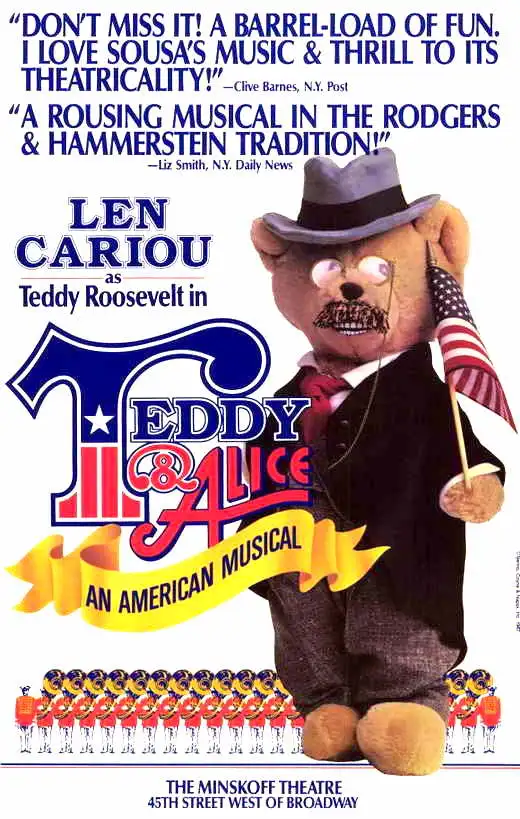
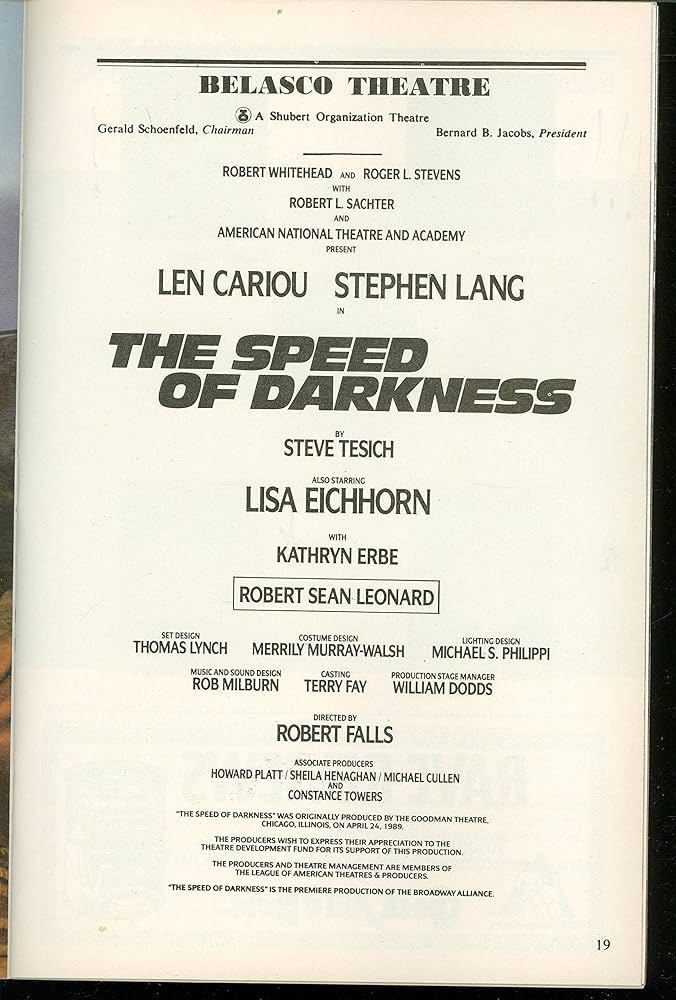
Cariou spent the next two decades balancing his career as a leading man on Broadway with his more modest career as a supporting man on television and in film. In 1979, he starred in the Stephen Sondheim musical “Sweeney Todd: The Demon Barber of Fleet Street,” for which he won both a Tony Award and a Drama Desk Award for his performance as the titular Todd. Though it was his last major success on Broadway for over 20 years, Cariou continued to topline musicals and dramas like “Dance a Little Closer” (1983), “Teddy and Alice” (1988) and “The Speed of Darkness” (1991). Meanwhile, Cariou continued to flesh out his acting resume with a steady stream of acting roles on television series and in the occasional film. Highlights from his journeyman era included the critically acclaimed 1988 ghost movie “Lady in White,” a recurring role as Jessica Fletcher’s spy friend, Michael Haggerty, on the long-running “Murder She Wrote” (CBS, 1984-1996), and a memorable performance as Walt Disney in the made-for-television movie, “A Dream Is a Wish Your Heart Makes: The Annette Funicello Story” (CBS, 1995). Throughout the decade, he also had numerous guest starring roles on episodes of “The Outer Limits” (Sci-Fi/Showtime, 1994-2002), “Star Trek: Voyager” (UPN, 1995-2001) and “The Practice” (ABC, 1997-2004), while enjoying a rare regular series role on the short-lived cop drama, “Swift Justice” (UPN, 1996).

In 2002, Cariou joined the cast of the award-winning Broadway play, “Proof,” co-starring Neil Patrick Harris and Anne Heche. The show’s brief, but memorable run returned Cariou to the theater’s spotlight, helping him to land a series of more high-profile television roles, including episodes of “The West Wing” (NBC, 1999-2006), “CSI: Crime Scene Investigation” (CBS, 2000- ), and “Brotherhood” (HBO, 2006-08). He also appeared in a smattering of films, including “About Schmidt” (2002), the horror-thriller “1408” (2007) and the subversive comedy “The Onion Movie” (2008), based on the popular satirical newspaper. In 2008, the affable Canadian actor enjoyed a measure of greater success. He appeared in a three-episode arc as Captain Allard Bunker in the long-running cop drama “Law and Order” (NBC, 1990- ) and portrayed distinguished American president Franklin Delano Roosevelt in the BBC-produced historical drama, “Into the Storm” (2008), which focused on Prime Minster Winston Churchill’s life during wartime. In 2009, Len Cariou received an Emmy nomination for Outstanding Supporting Actor in a Miniseries or Movie.

The above TCM Overview can also be accessed online here.

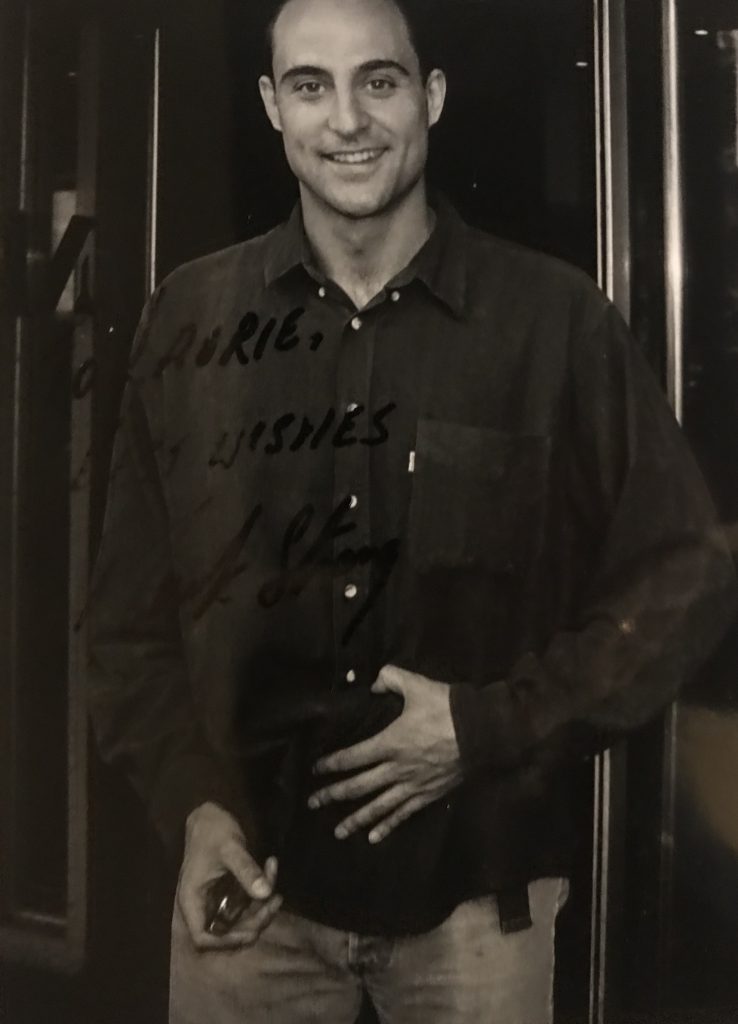
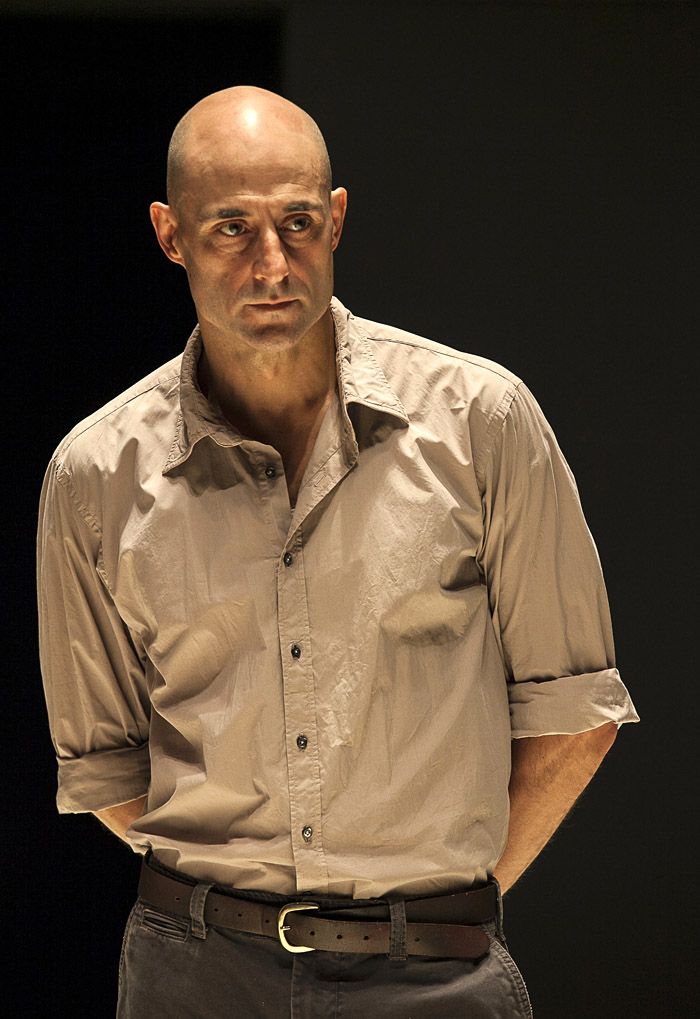
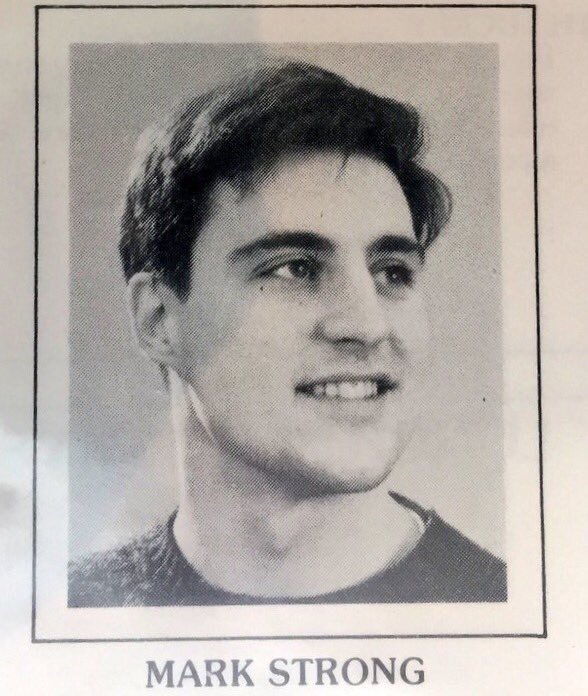
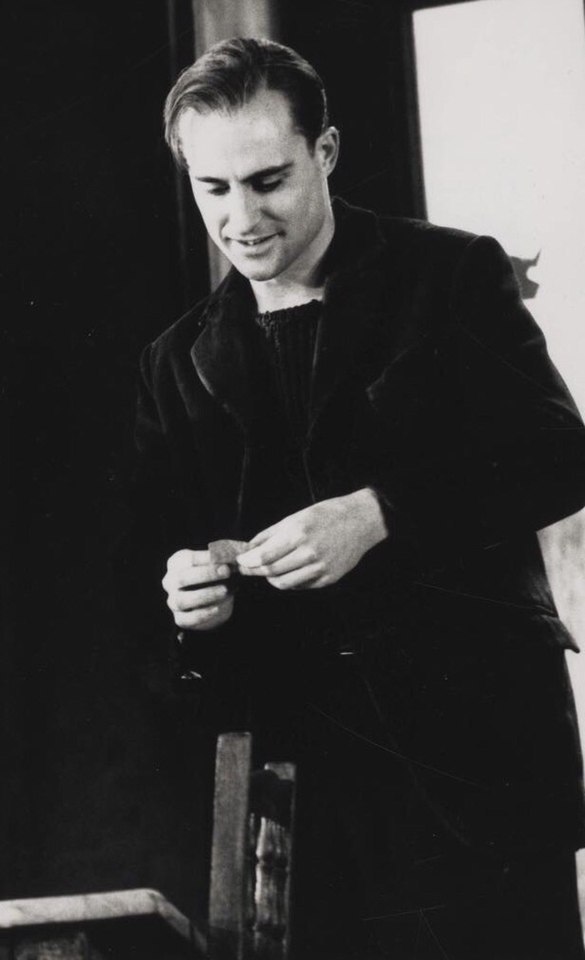
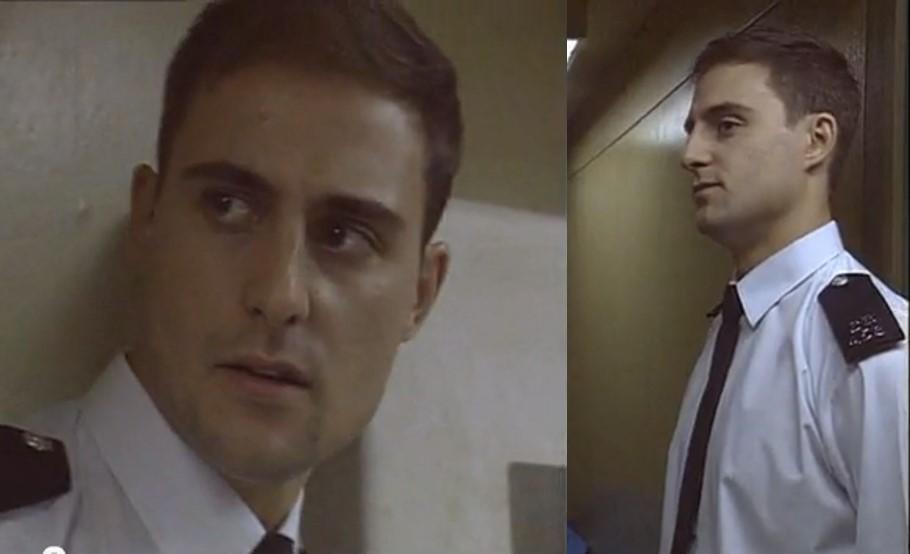
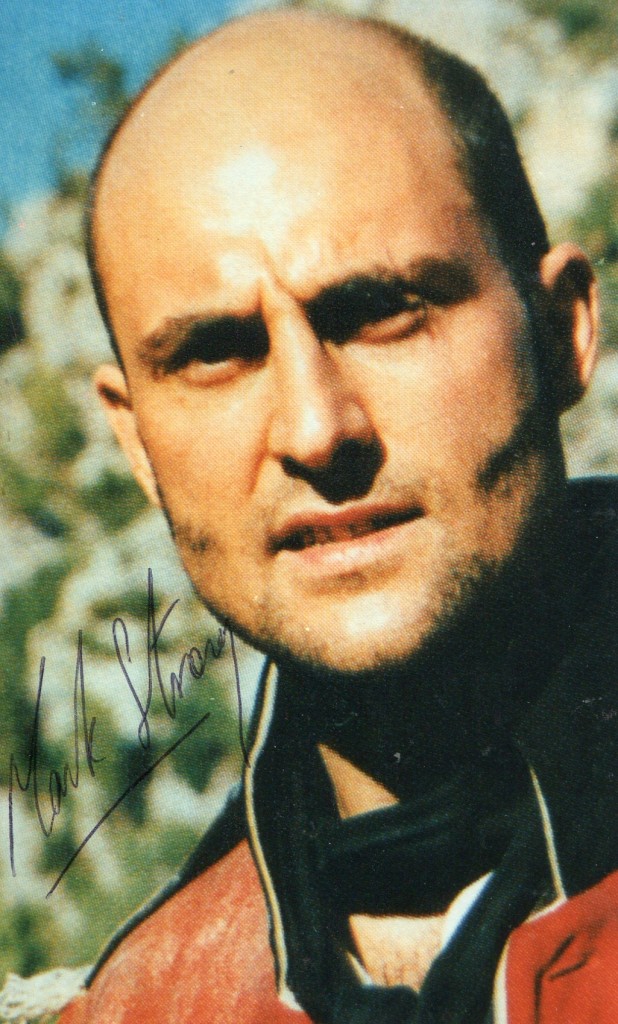
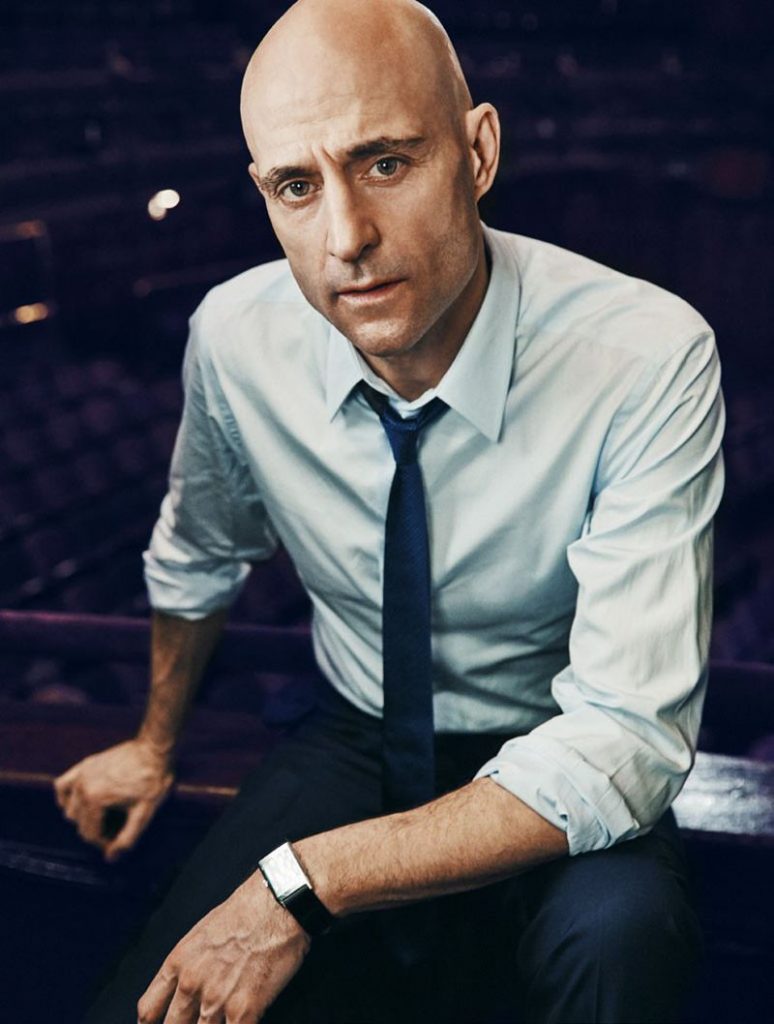
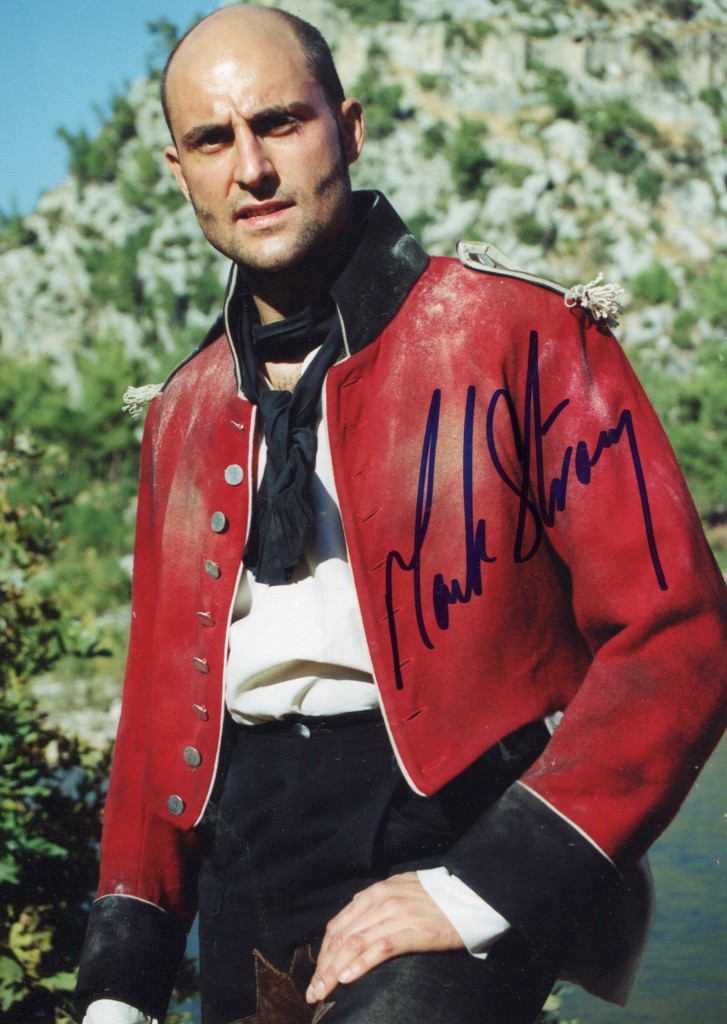
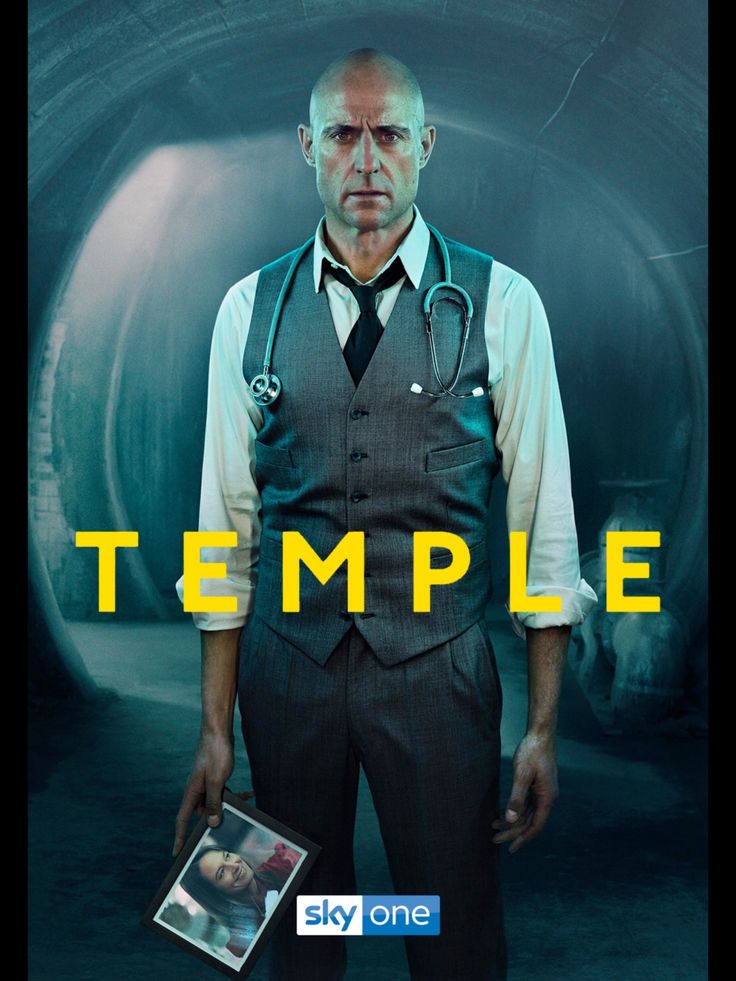
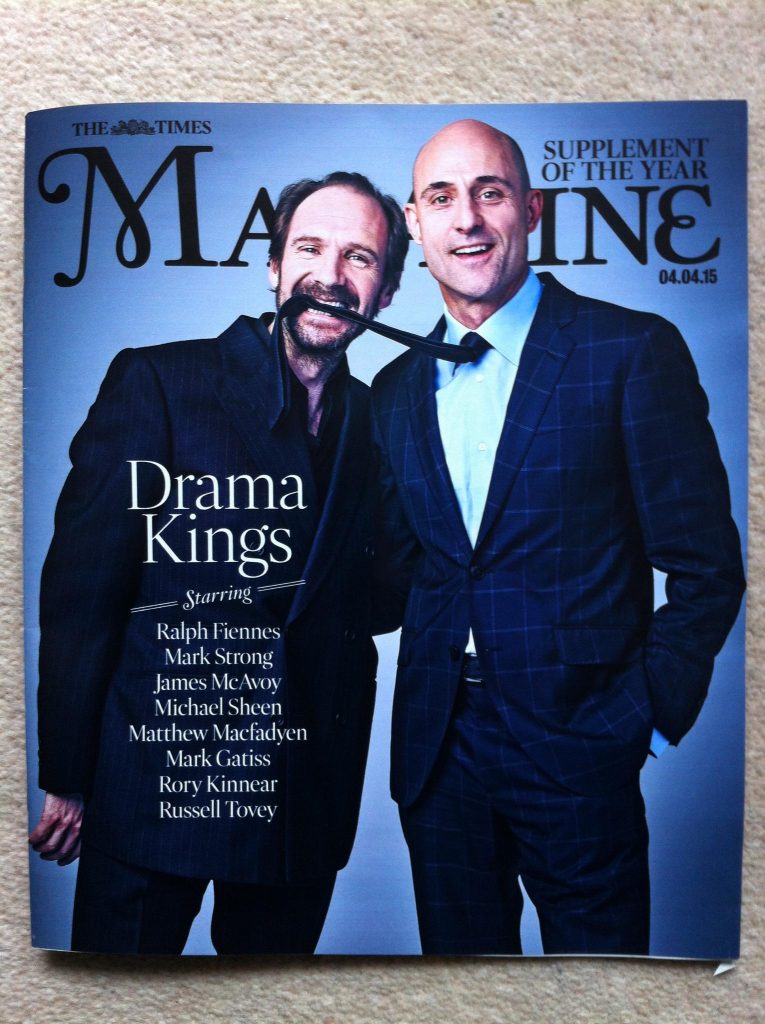
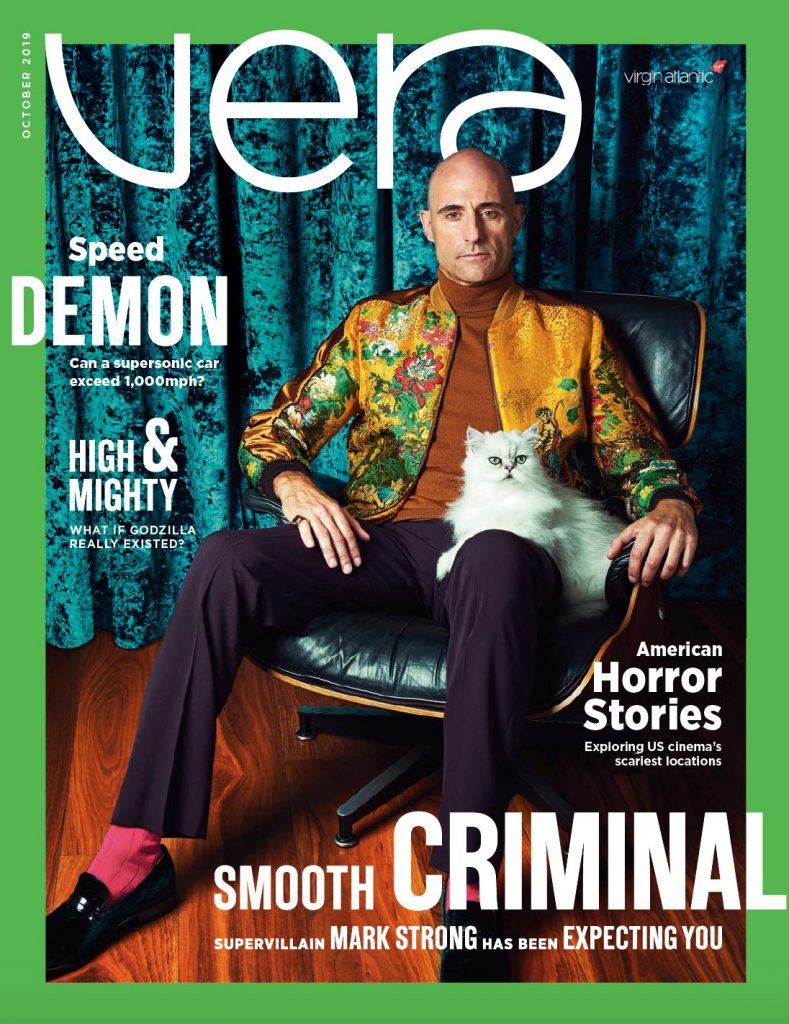
Mark Strong
Mark Strong

Mark Strong. TCM Overview.

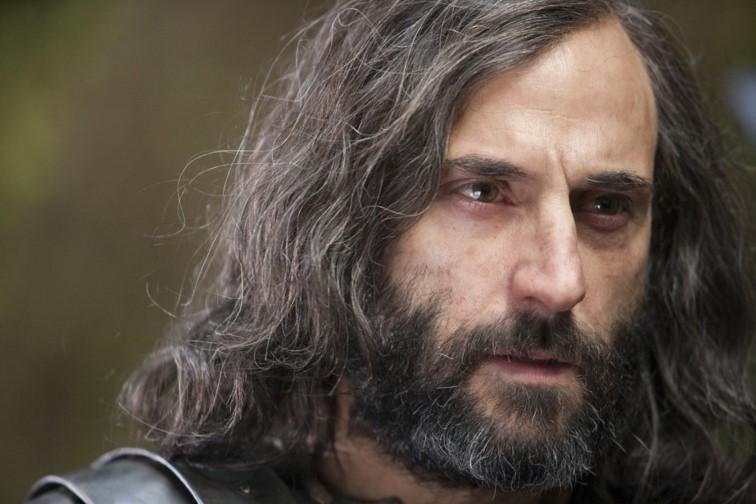
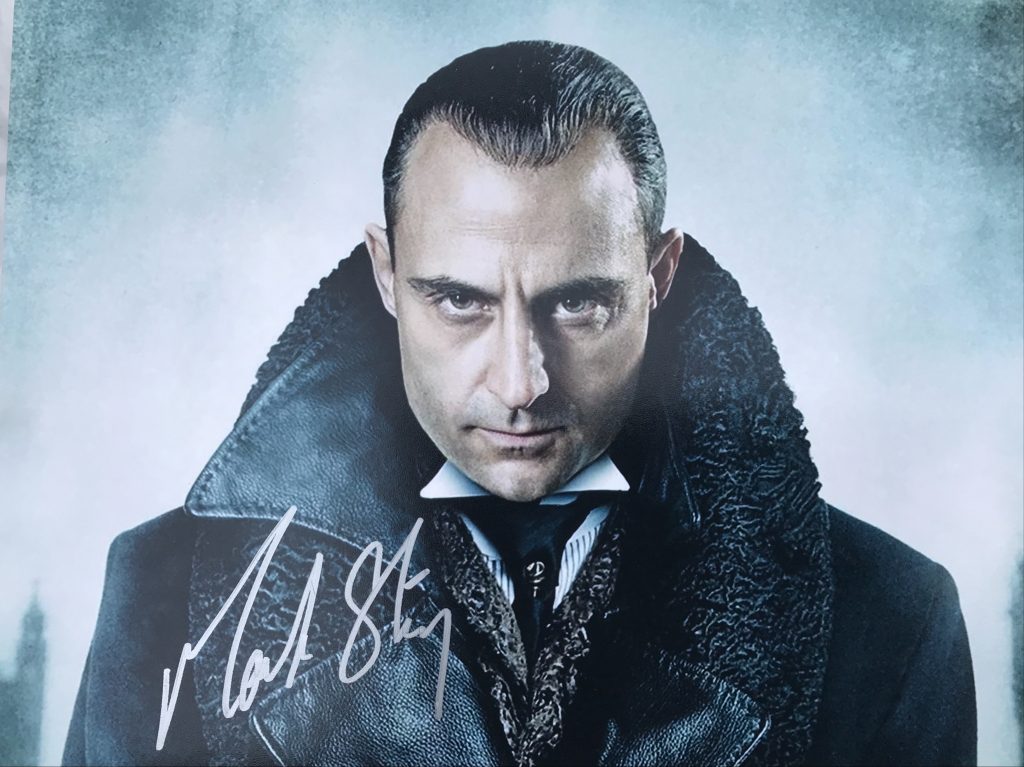
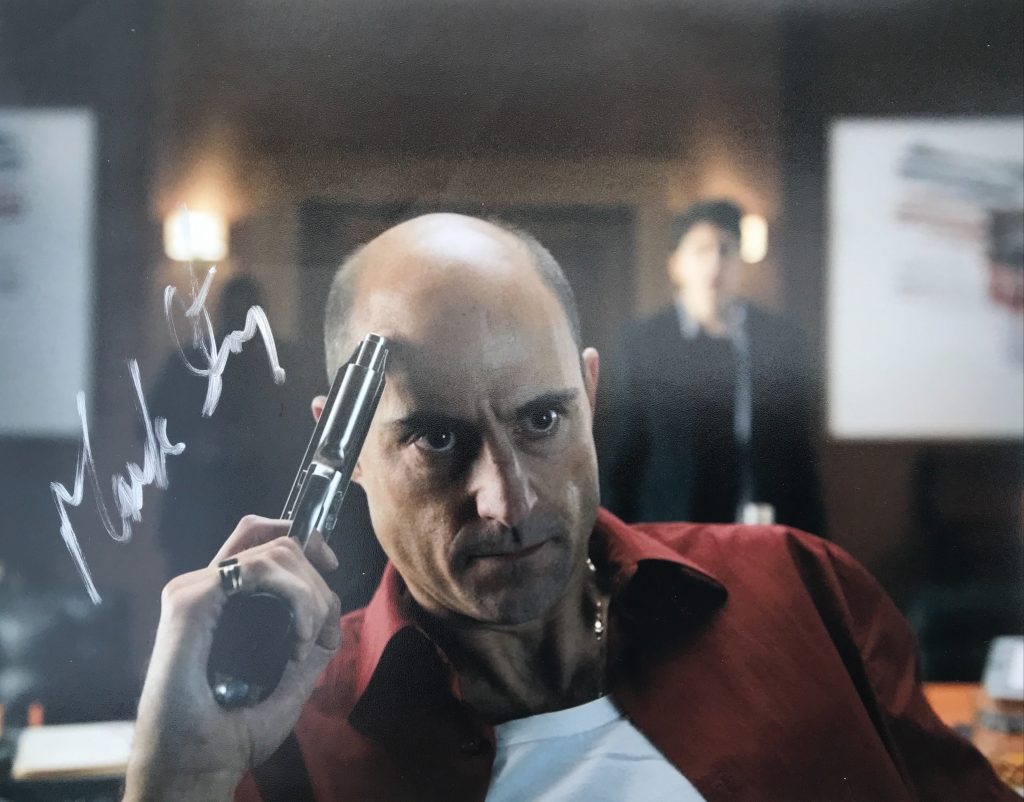
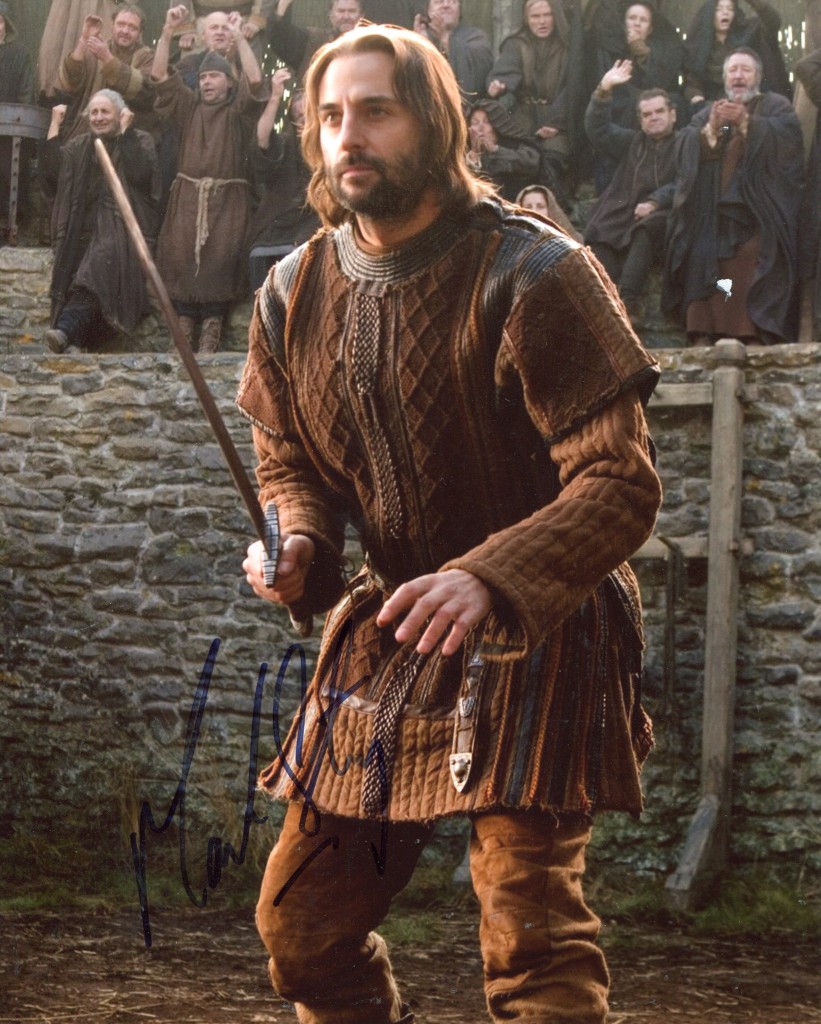
Mark Strong is one of the best of film actors currently on the screen.   He is also one of the busiest and it is hoped that he would soon be in leading man roles.   He was  born in 1963 in London to an Italian father and an Austrian mother.   He studied at the Bristol Old Vic Theatre School.  

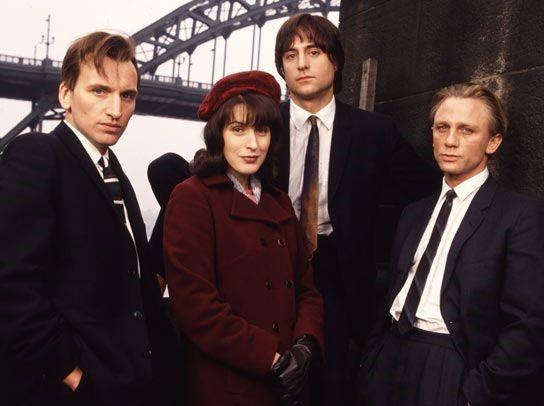
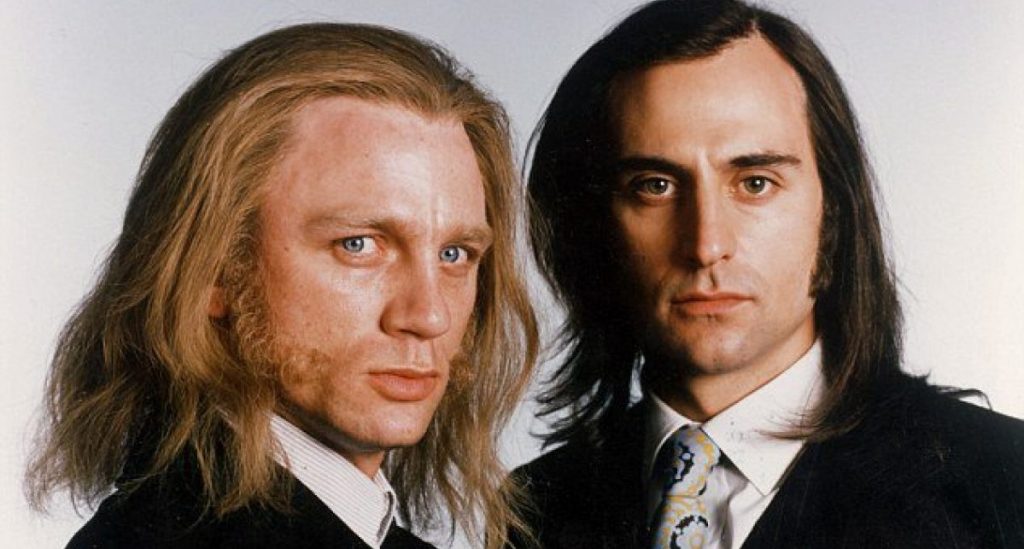
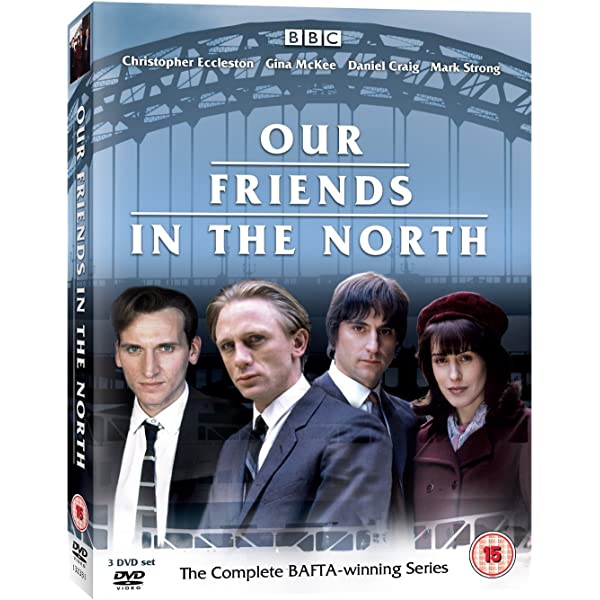
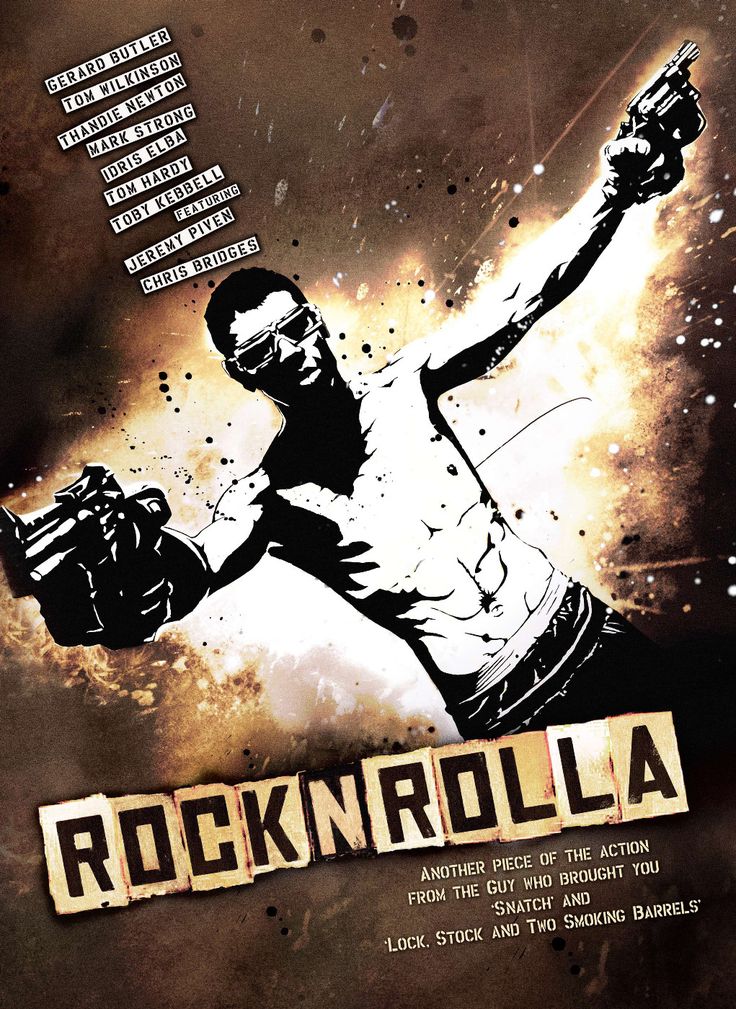
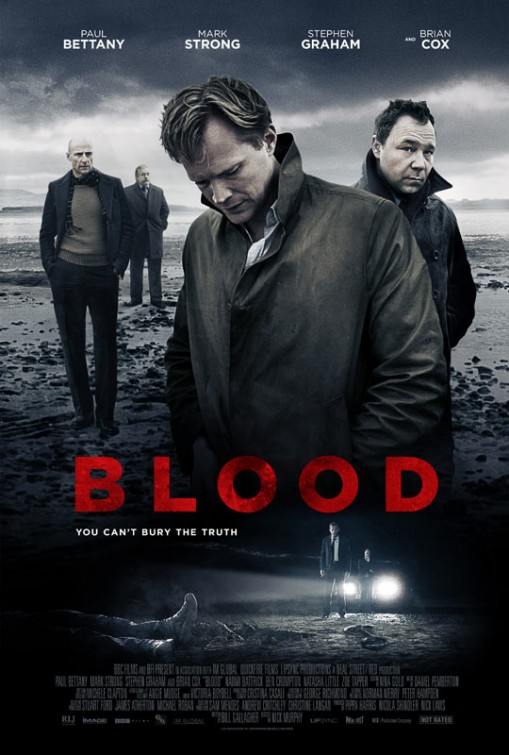
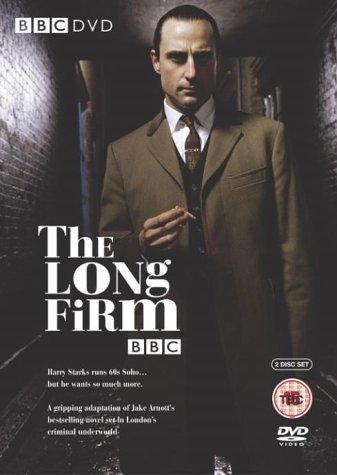
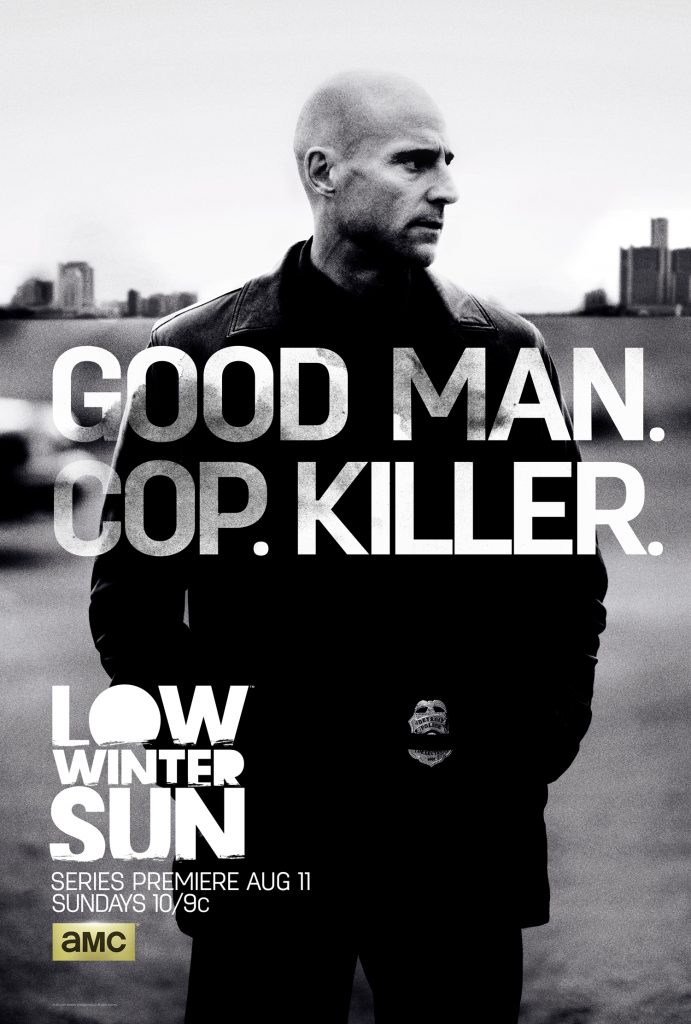
He first came to prominence in the third of the “Prime Suspect” series with Helen Mirren.   In 1996 he was in the superb TV drama “Our Friends From the North” with Gina McKee, Daniel Craig and Christopher Eccleston.   His film roles include “Century” in 1993, “Fever Pitch”, “The Long Firm”, “Low Winter Sun”, “RocknRolla”, “Body of Lies”, “Sherlock Holmes” and “Robin Hood”.   He is an actor to watch.

TCM Overview:

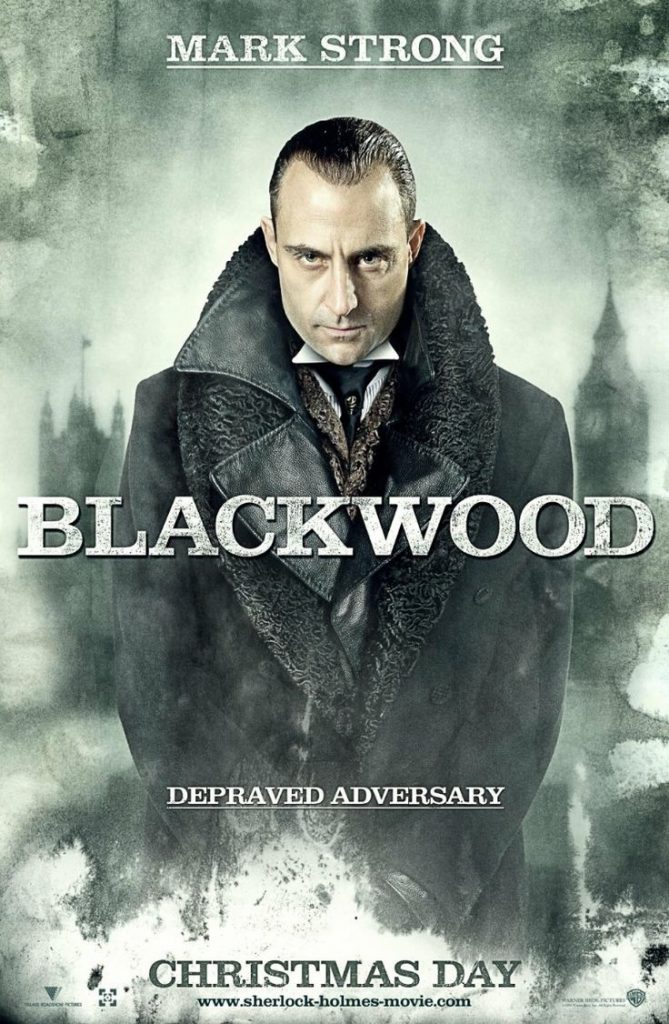
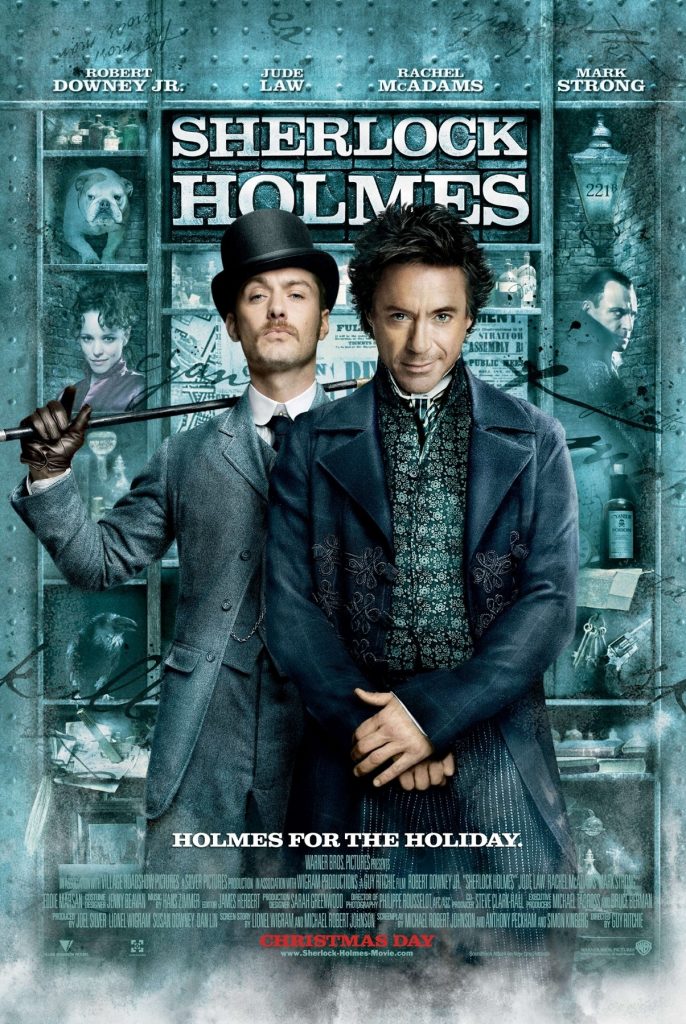
Austere yet handsome, Mark Strong’s chameleon-like talents made him a hugely sought-after villain in both big-budget action and independent films after a lengthy career in his native England. He gave good bad guy in Guy Ritchie’s “Revolver” (2005), the dramatic thriller “Syriana” (2005), and Matthew Vaughnâ’s fantasy “Stardust” (2007). Strong played the heavy in the comedy “Miss Pettigrew Lives for a Day” (2008) before reuniting twice with Ritchie to anchor “RocknRolla” (2008) and essay the satanic Lord Blackwood in the Robert Downey, Jr./Jude Law hit adventure, “Sherlock Holmes” (2009).

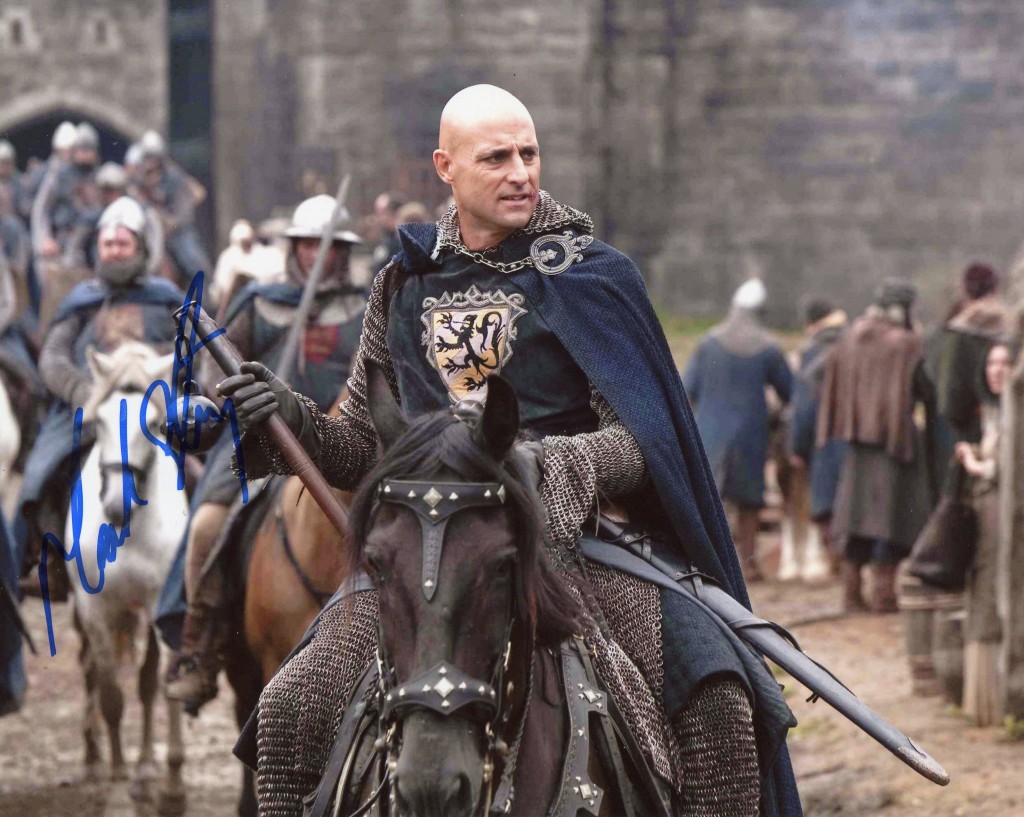
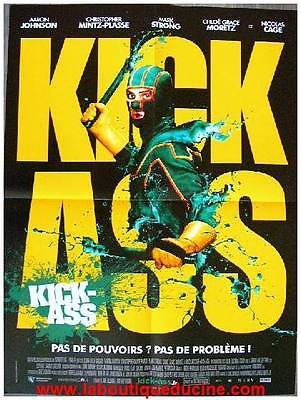
Continuing to work with a laundry list of great film directors, Strong worked twice under the direction of Ridley Scott as the Jordanian Head of Intelligence in “Body of Lies” (2008), and then wreaked further havoc as Godfrey opposite Russell Crowe in “Robin Hood” (2010). Also that year, Strong scared a younger audience as the mob boss in the kids-turned-superheroes hit “Kick-Ass” (2010). With an admitted penchant for playing his deliciously evil roles to the hilt, Strong counted greats such as Sir Ian McKellen among his many fans. Going bad only ended up being a good thing for this talented actor.

Marco Giuseppe Salussolia was born Aug. 30, 1963 in London, England to a teenage Austrian mother and an Italian father who walked out the family shortly afterwards. Strong’s mother changed his last name to help her son better fit in with his peers. At age five, Strong who spoke both English and German was sent away to a state-funded boarding school in Surrey, as his single mother found it difficult to handle some of his behaviors. Though he desperately missed home, Strong thrived in his new environment and occupied his alone time with much reflection and people-watching. He became adept at solo travel and music, singing lead in a noisy punk bank called Private Party. Strong performed in one play, but found that it held little luster for him.

After he graduated, he headed to Munich to study law, but bailed after a year and returned to London. He happened upon drama courses at Royal Holloway, where he earned a degree, and which led to post-grad work at the Bristol Old Vic Theater School.

Mark Strong
Mark Strong

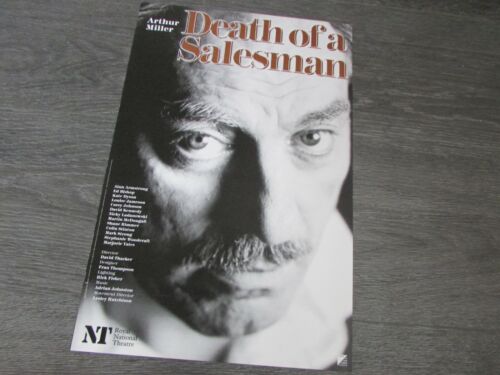
Strong spent the next eight years on stage and carved out a significant career with high-profile parts in productions of “The Iceman Cometh” with Kevin Spacey, David Mamet’s “Speed the Plow” in the West End, and Sam Mendes’s “Twelfth Night,” for which he was nominated for the Laurence Olivier Award for Best Performance in a Supporting Role.

In 1989, Strong began work on television in a variety of guest-spots, which included an installment of the highly regarded crime-drama series “Prime Suspect 3” (ITV, 1993), as an inspector opposite Helen Mirren’s formidable Jane Tennison.

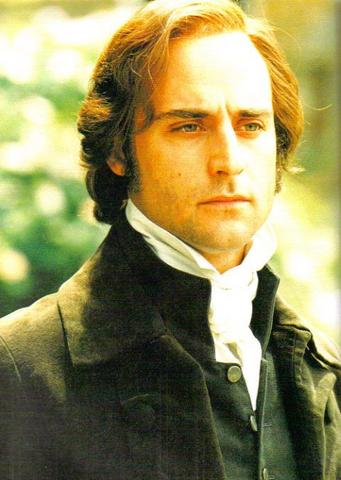
The actor won more notice on the BAFTA-winning, “Our Friends in the North” (BBC, 1996), as Tosker, whose get-rich-quick schemes invariably fail. Strong brought an earthly strength to his role as Mr. Knightley opposite Kate Beckinsale in the televised adaptation of Jane Austen’s “Emma” (ITV, 1996), and was the sports-obsessed best friend to Colin Firth in the big screen romantic comedy set against the world of soccer in “Fever Pitch” (1997).

Mark Strong
Mark Strong

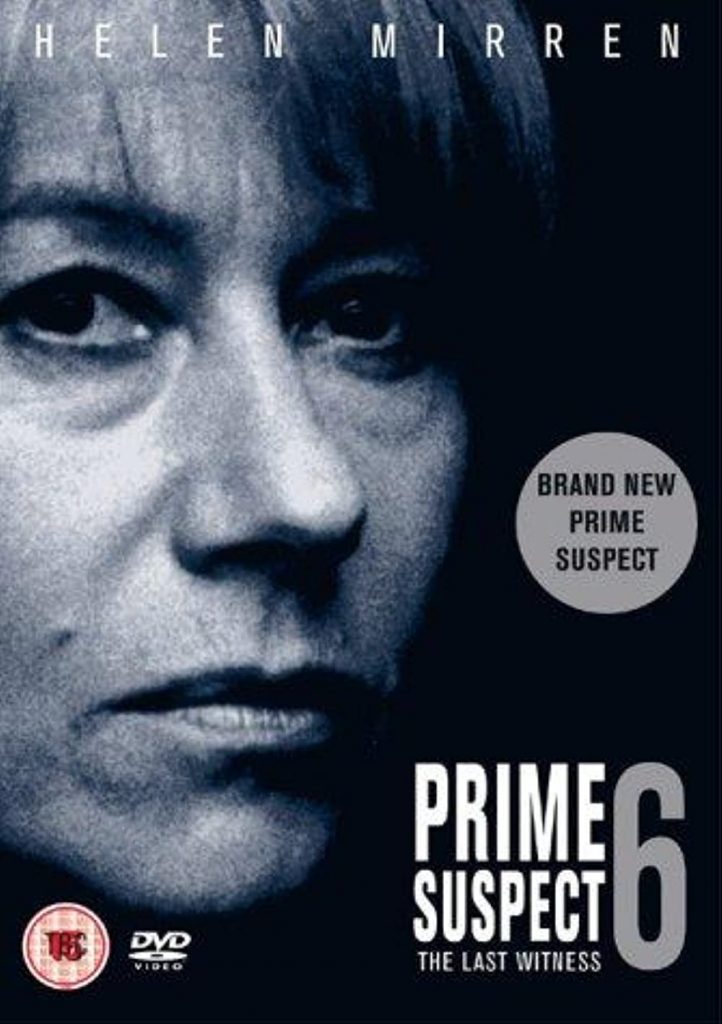
Strong also became a fixture on television, resuming his character Larry Hall now promoted to Detective Chief Superintendent on “Prime Suspect 6: The Last Witness” (ITV, 2003), that he was gifted with a career-changing role on the four-part crime-drama series “The Long Firm” (BBC, 2004). Strong played East End gangster Harry Starks, who had no qualms about silencing enemies with a white-hot poker down the throat. Strong, however, had to convince both the writer and director that he could plumb the darker waters Starks occupied. In doing so, he won the 2005 Broadcasting Press Guild Award for Best Actor, and was also nominated for the 2005 BAFTA TV Award for Best Actor.

Deciding to focus on film over television, Strong perfected his menace with Guy Ritchie’s crime thriller “Revolver” (2005), where he was the steely sharp assassin Sorter, and then inhabited the Lebanese-Muslim Mussawi in the thrill-ride look at international corruption within the oil industry in “Syriana” (2005), opposite George Clooney. In the Ridley and Tony Scott-produced medieval romantic legend “Tristan & Isolde” (2006),

Strong was the murderous, power seeking Lord Wictred, and in the action fantasy “Stardust” (2007) directed by Matthew Vaughn, the actor played a cruel prince in pursuit of both the throne and immortality. In “Miss Pettigrew Lives for a Day” (2008), Strong was a controlling 1930s nightclub owner addicted to cocaine, and in “RocknRolla” (2008), he played a gangster.

He was nominated for the 2009 British Supporting Actor of the Year by the London Critics Circle Film Awards for the dramatic thriller “Body of Lies” (2008). Directed by Ridley Scott and starring Leonardo DiCaprio, and Russell Crowe, the spy film featured Strong as Hani Salaam, the deceptive head of Jordanian General Intelligence Department.

Buoyed by successful, versatile portrayals, the demand for Strong in bigger and meatier fare saw the actor as both ambitious and malicious as Sir John Conroy, advisor to the Queen in the highly touted historical drama “Young Victoria” (2009).

Mark Strong

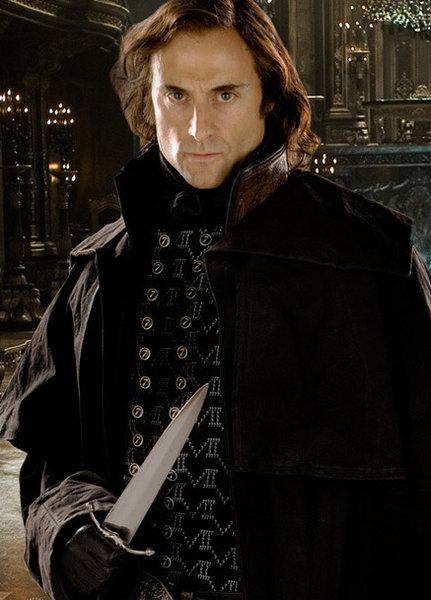
Strong was a standout in his third pairing with Ritchie in the action-mystery “Sherlock Holmes” (2009), based on the tale of the famous detective. Opposite Robert Downey, Jr. and Jude Law, Strong played the main antagonist, the aristocratic Satanist and serial killer, Lord Blackwood, and was universally praised as a convincing and creepy villain that gave the film its only dark edge.

Mark Strong

Strong kept with the sinister, but moved to a new genre with the kid-powered yet surprisingly violent action-comedy “Kick-Ass” (2010), based on the comic book of the same name. The critically and commercially successful film a re-team with director Vaughn featured Strong as the main heavy, Frank D’Amico, a Mafioso, whose facade of respectability was crushed by an adult and two children dressed like superheroes intent on justice.

Mark Strong
Mark Strong

With “Sherlock” under his belt, Strong tackled another English legend this time, “Robin Hood” (2010), as directed by Ridley Scott and embodied by Russell Crowe, with Cate Blanchett onboard as Maid Marian. This retelling of the myth of Sherwood Forest featured Strong once again as the antagonist, Anglo-French double agent, Sir Godfrey, henchman to the ruthless King John (Kevin Durand).

Mark Strong
Mark Strong

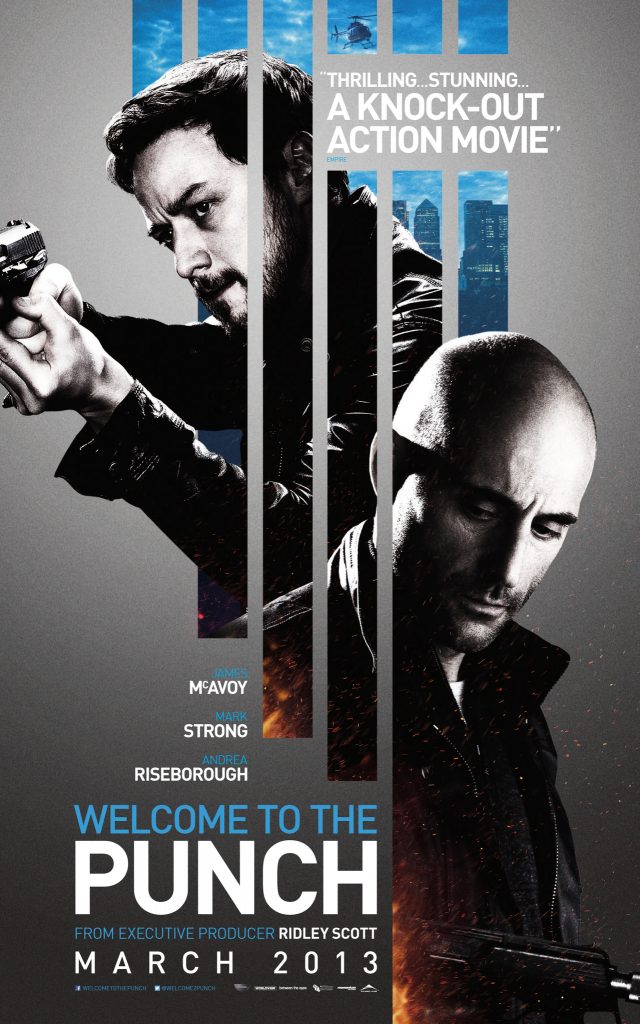
This was followed by key roles in the well-received espionage story “Tinker Tailor Soldier Spy” (2011) and Kathryn Bigelow’s Osama bin Laden story “Zero Dark Thirty” (2012). Unfortunately, Strong also co-starred in the notorious science fiction flop “John Carter” (2012) during this time. In 2013, Strong landed his first major role in American television, playing Detroit policeman Frank Agnew in the corruption drama “Low Winter Sun” (AMC 2013- )

By J.F. Pryor

The above TCM Overview can also be accessed online here.

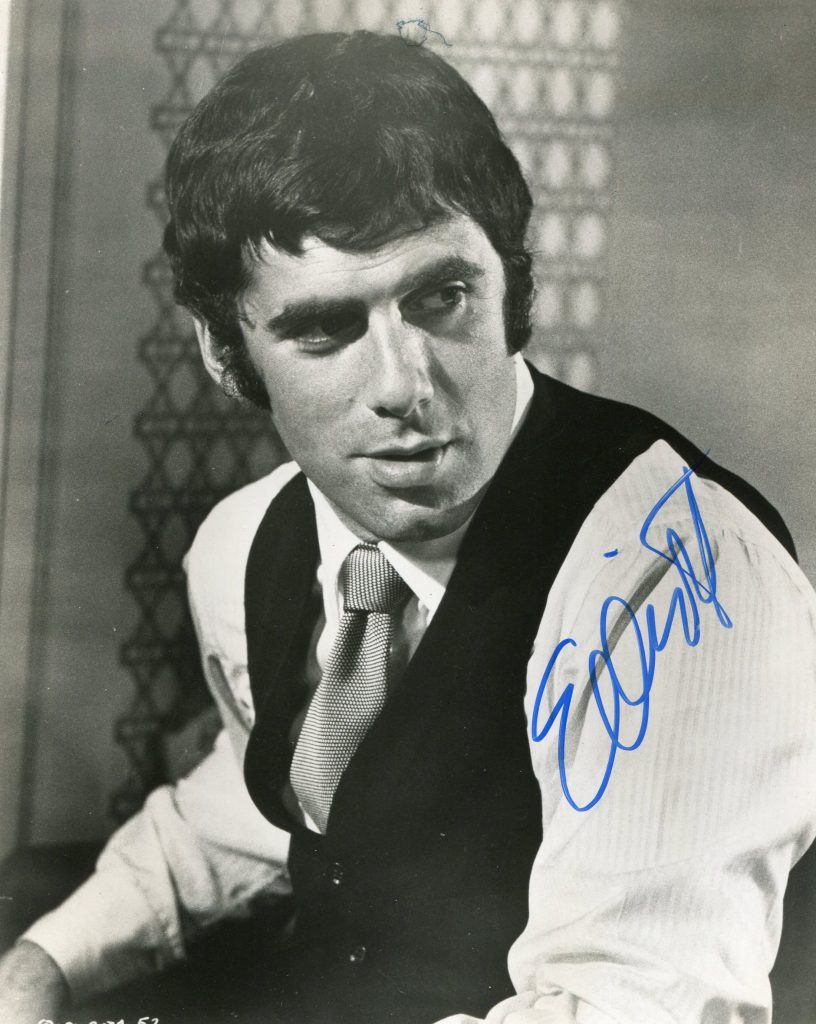
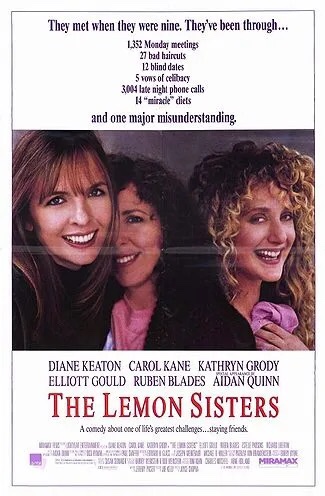
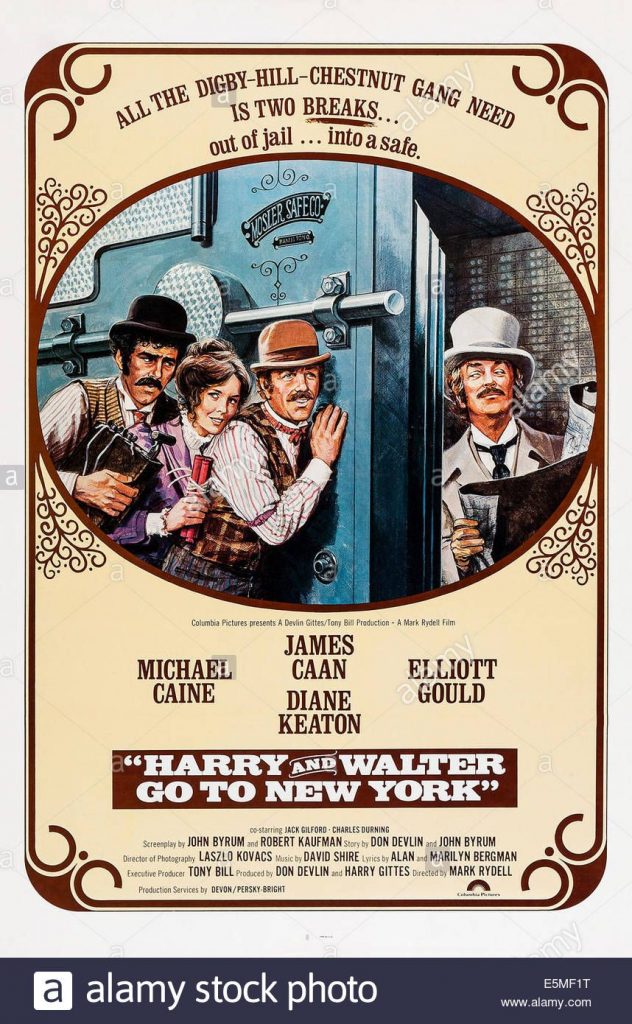
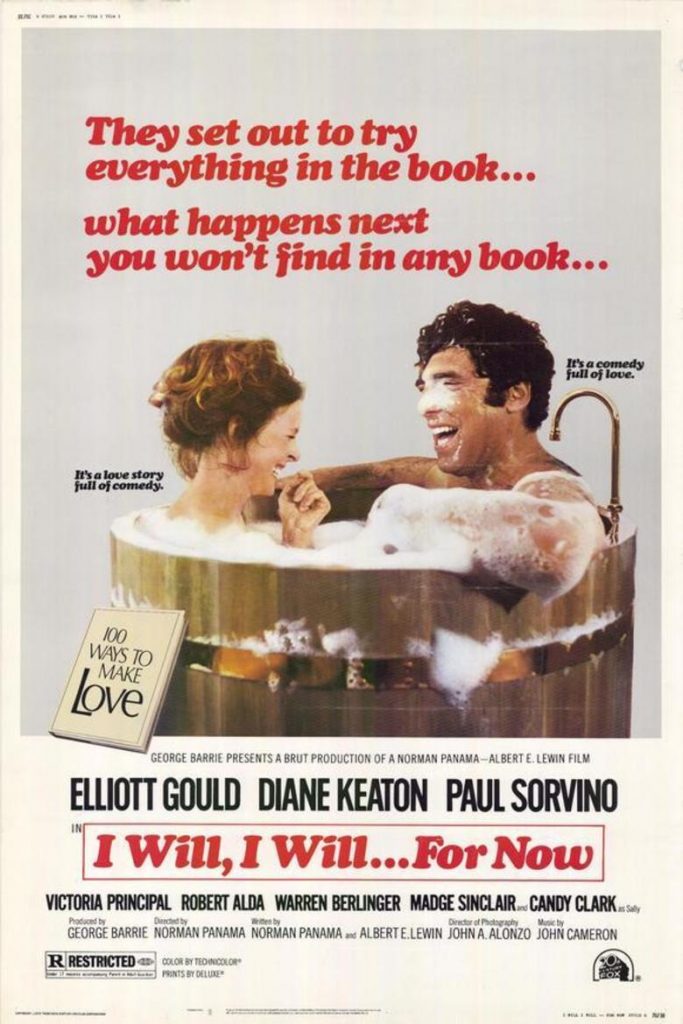
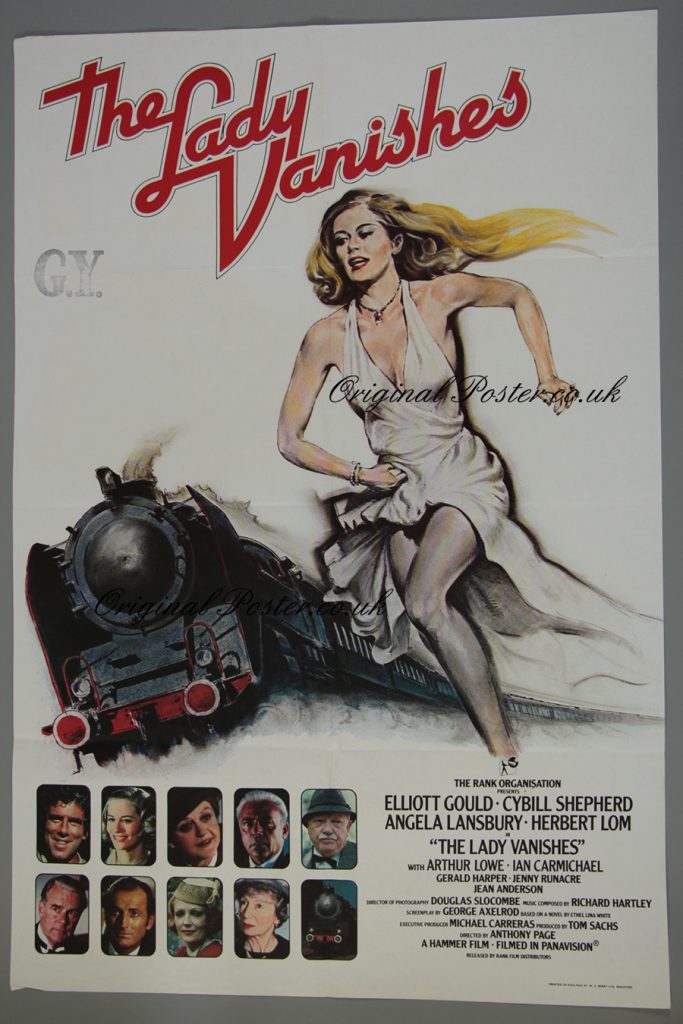
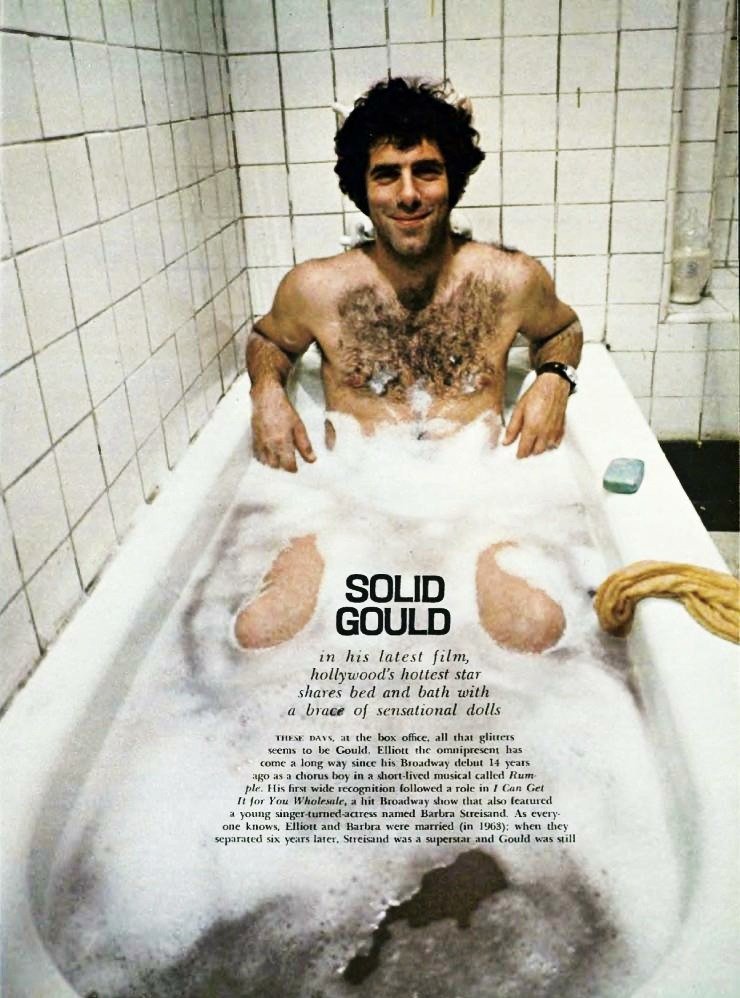
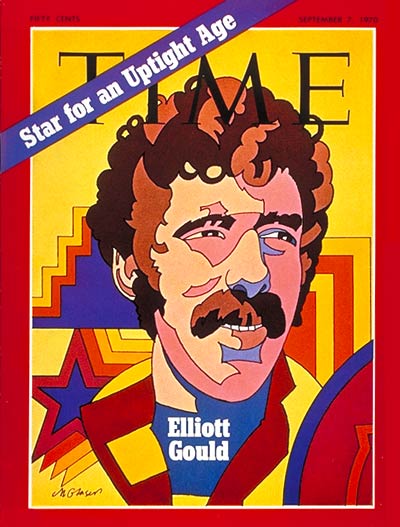
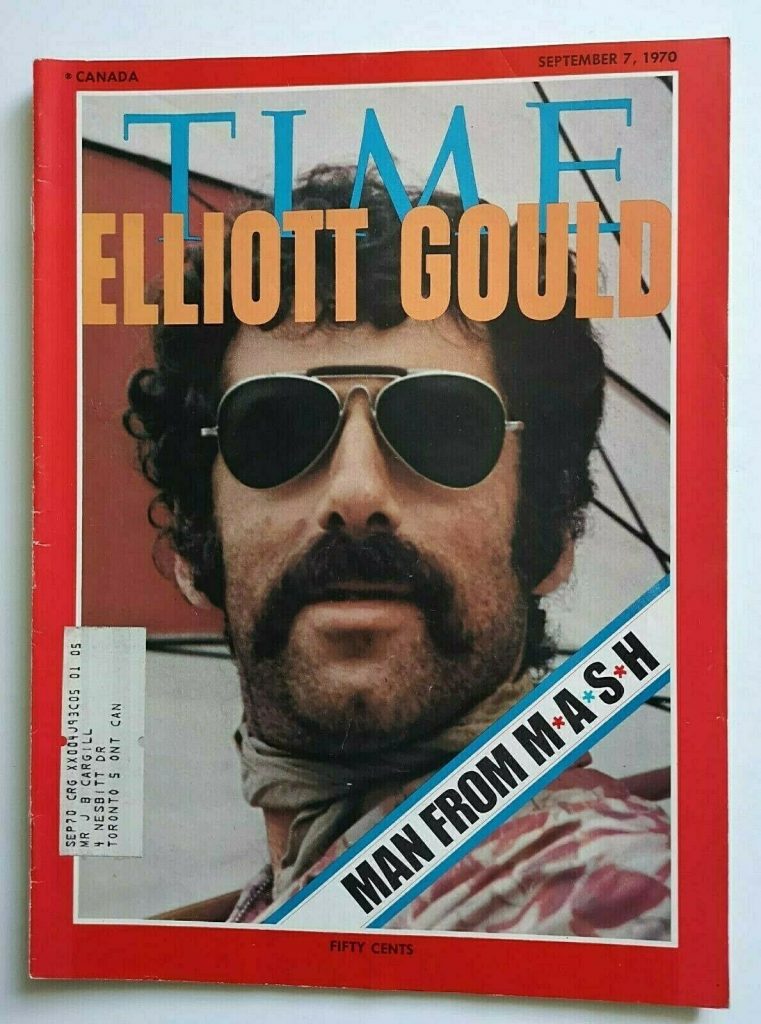
Elliot Gould


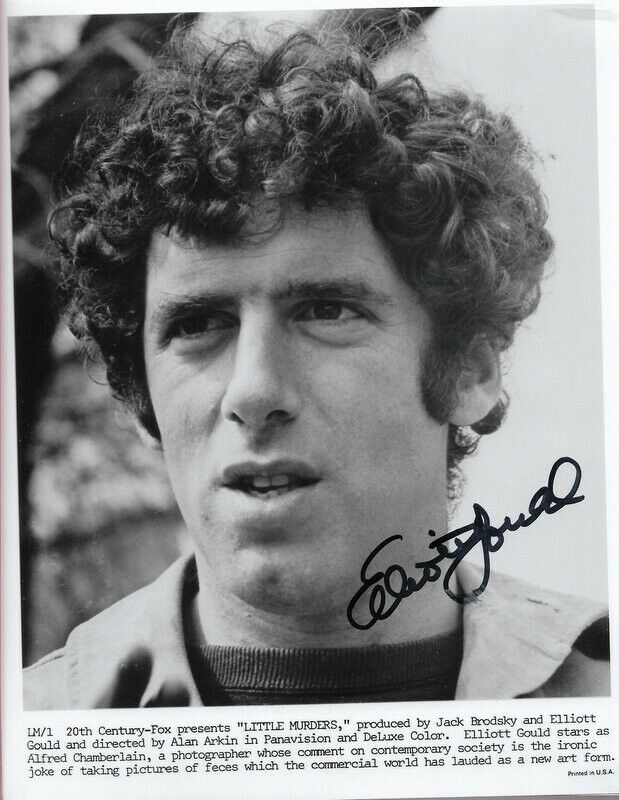
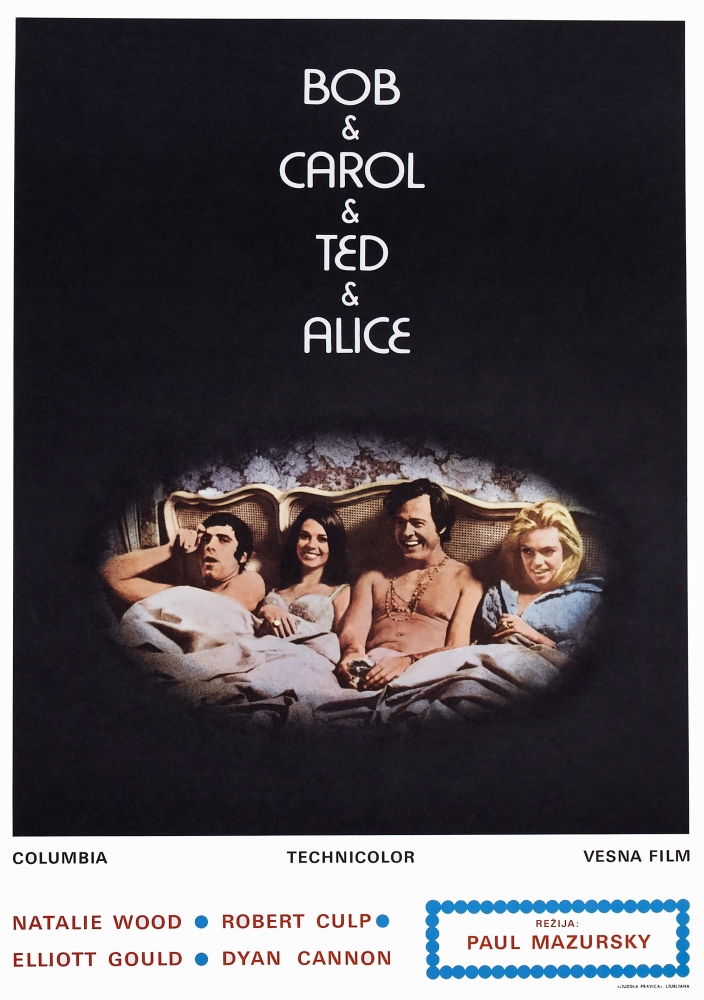
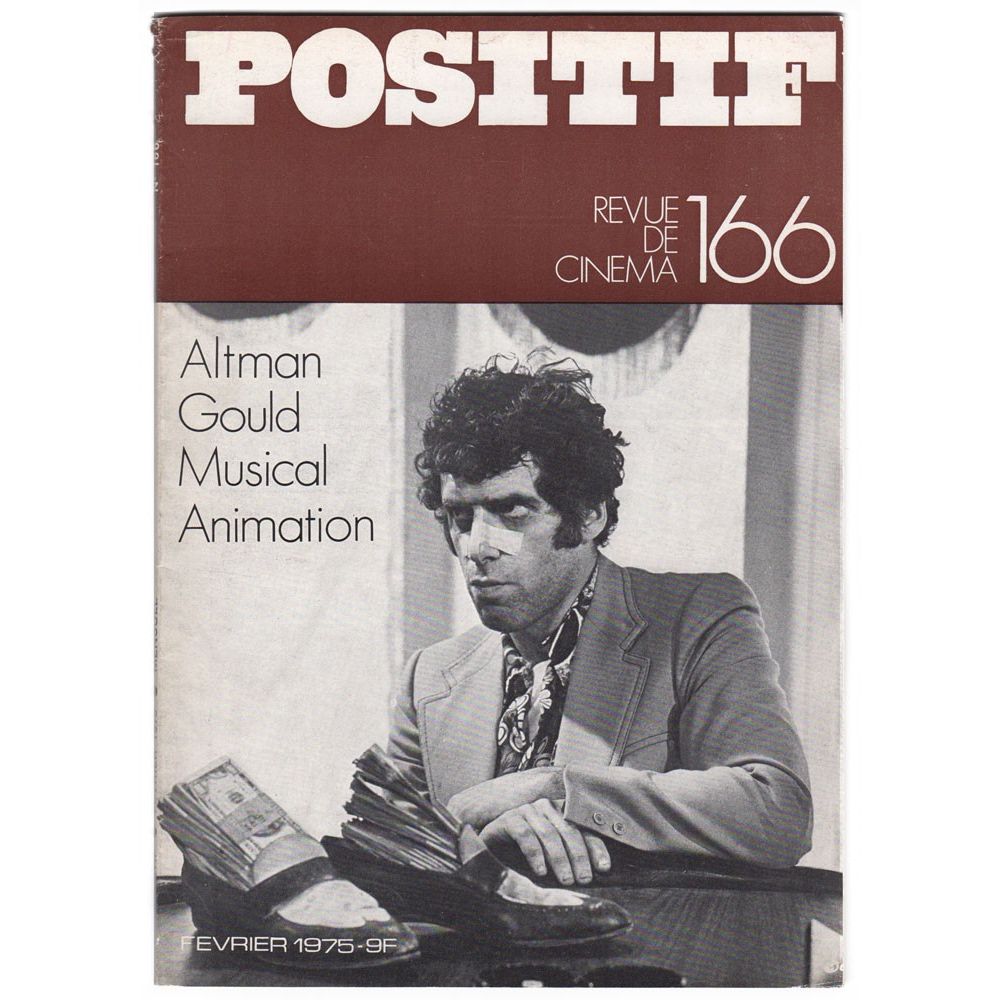
“For Elliott Gould in 1970, the time had come.   Audiences immediately recognised him as the sort of man they knew, had met at parties but had not yet encountered in Hollywood movies.   In “Bob & Carol & Ted & Alice” he is a corporation lawyer in a three-piece suit – but that suit was all he had in common with movie executives of the past (it was not a surprise to find him in later films with a hippie haircut and an unkempt appearance).   He had the authority and confidence of the old-time star,but most importantly he had the hang-ups of his generation – in this film, several neuroses about adultery, group sex and kindred matters.   he had large startled eyes and a drooping jaw, but he was funny with a self-deprecatory wit.   He was not pretty.   He was real, kinetic and shaggy.   With omen, he came on rather like a bear.   ‘Audiences’ said Time magazine see in Gould’ all their tensions, frusterations and insecurities personified and turned into nervous comedy that both tickles and stings with the shock of recognition’.   It seemed that every newspaper in the world examined him in such terms.   He became the representative of his generation as Brando had been of his.   – David Shipman in “The Great Movie Stars – The International Years”. (1972).


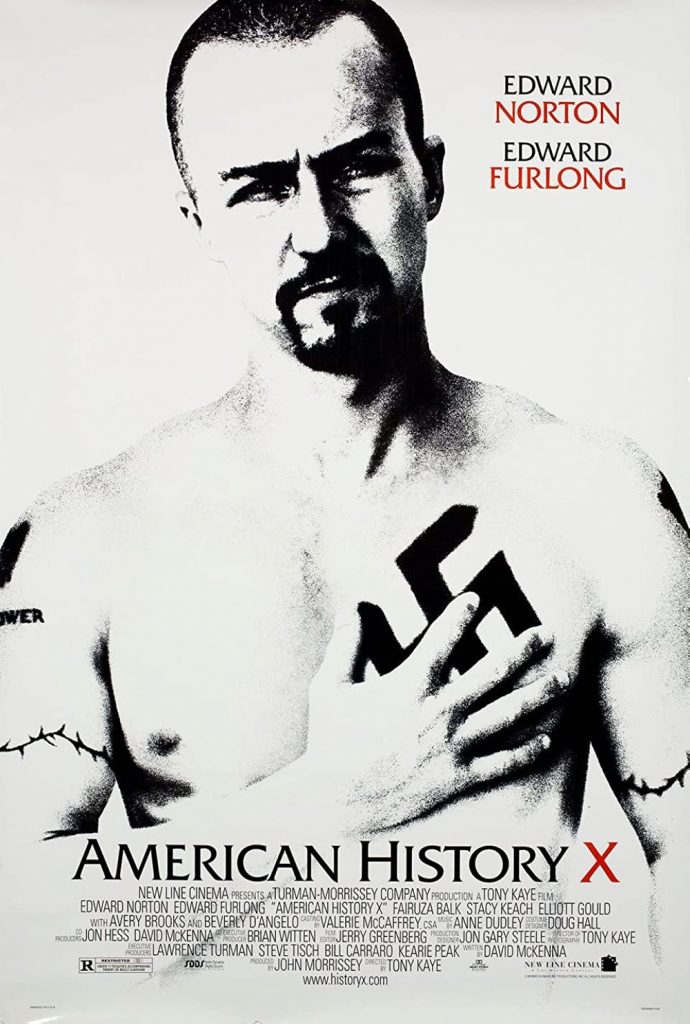
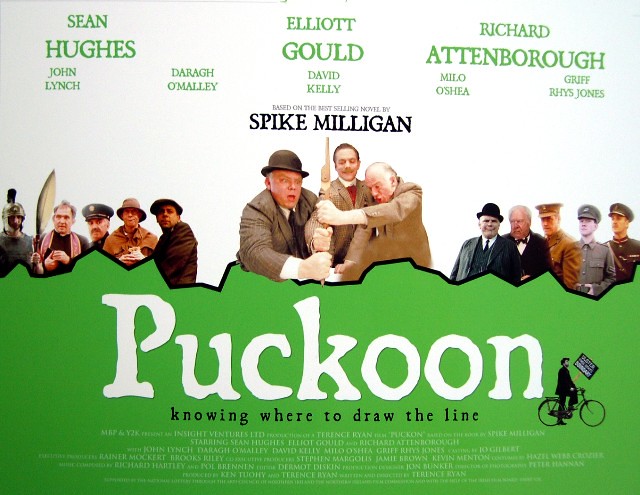
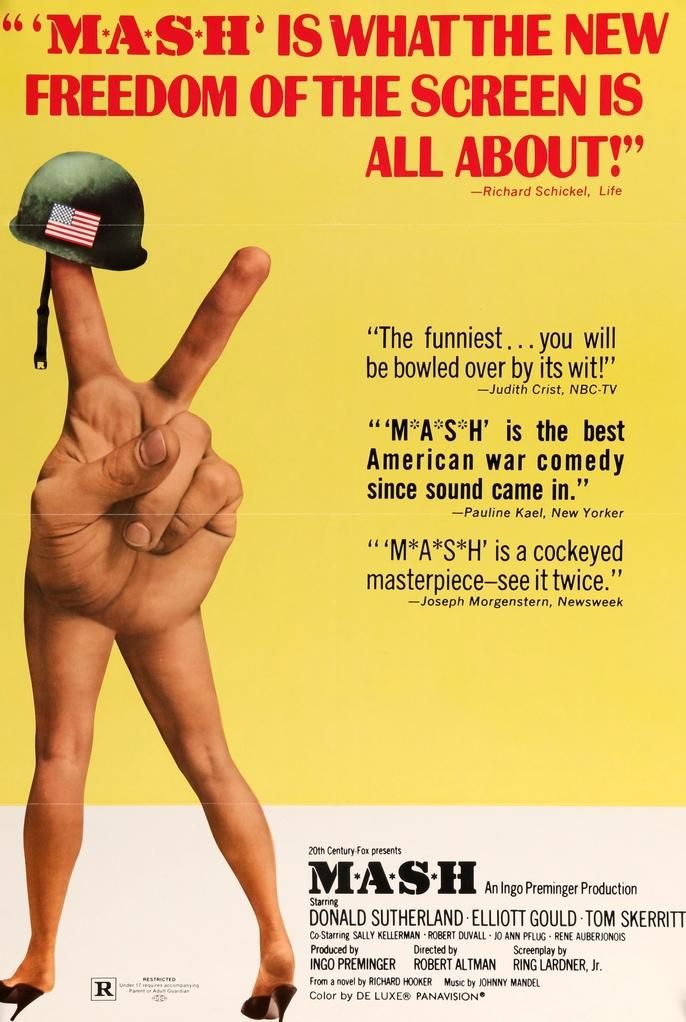
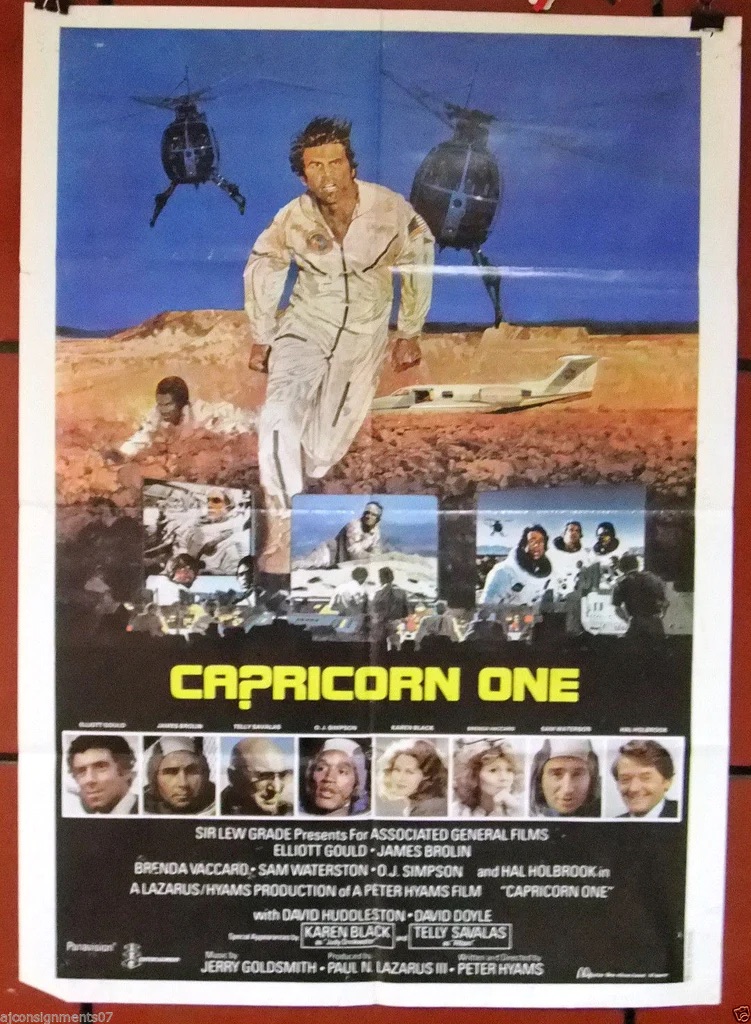
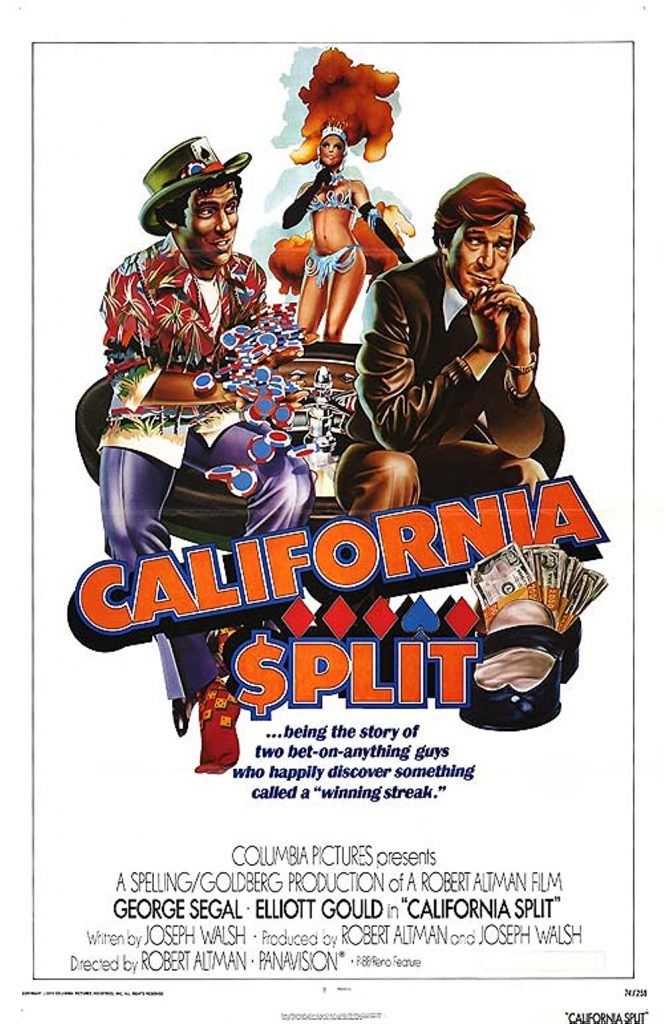
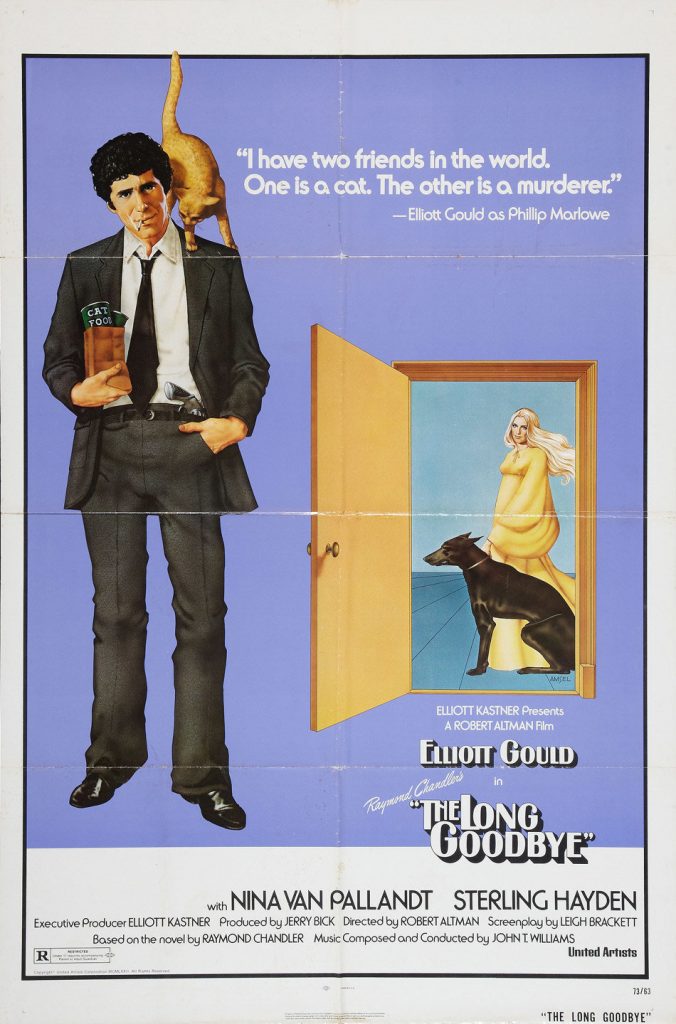
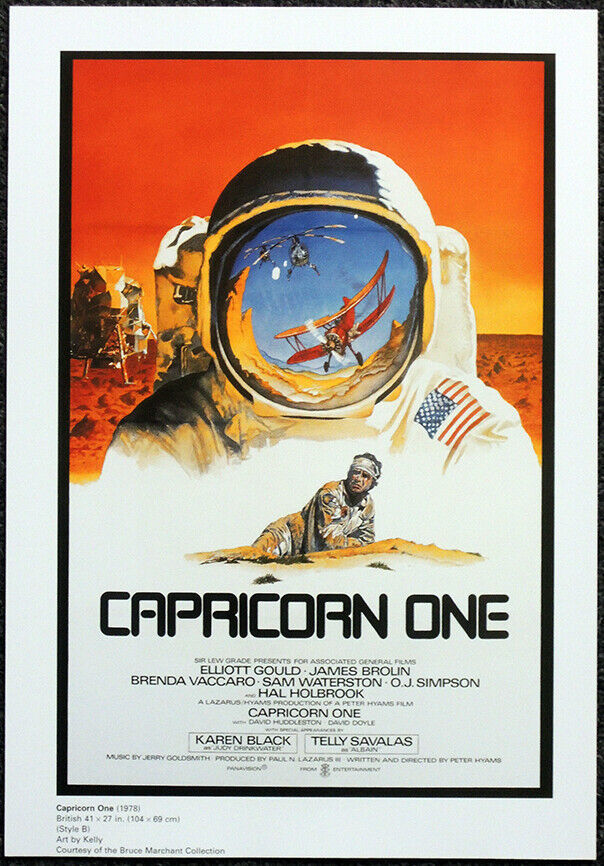
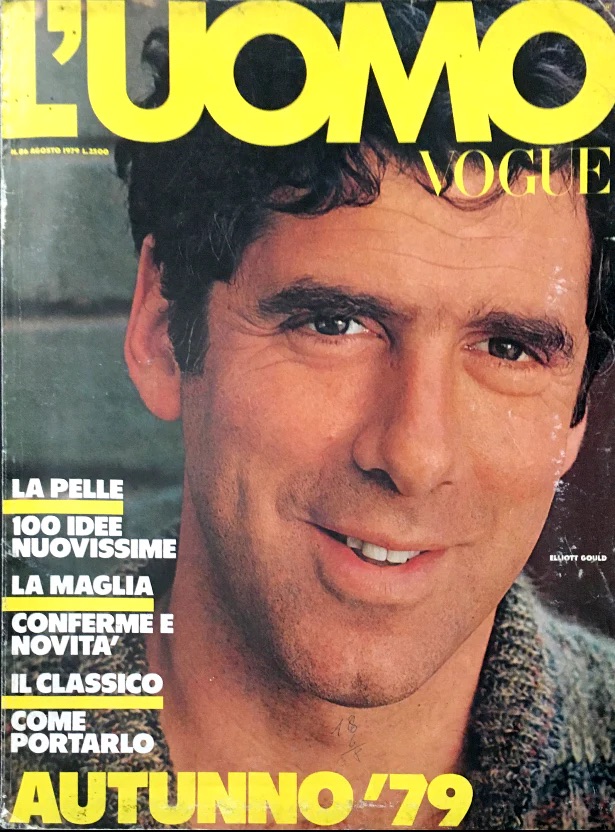
Elliot Gould was one of the key actors in American film in the 1970’s.   He was born in 1938 in Brooklyn, New York.   He began his career on the stage in New York and had a critical hit in 1962 in the musical “I Can It It For You Wholesale”.   His movie breakthrough came in 1969 with “Bob and Carol and Ted and Alice”.   He went on to make sone of the major U.S. movies of the next ten years including “Mash”, “The Long Goodbye”, “California Split” and “Capricorn One”.   More recent successes include “American History X” and “Puckoon”.

His IMDB entry:

Elliott Gould is an American actor known for his roles in MASH (1970), his Oscar-nominated performance in Bob & Carol & Ted & Alice (1969), and more recently, his portrayal of old-time con artist Reuben Tishkoff in Ocean’s Eleven (2001), Ocean’s Twelve(2004) and Ocean’s Thirteen (2007). Born August 29, 1938 in Brooklyn, NY, Gould’s father was a textiles buyer and his mother sold artificial flowers.

Gould ‘s portrayal of Trapper John in Robert Altman‘s MASH (1970) marked the beginning of perhaps the most prolific period of his career, highlighted by such roles as Philip Marlowe in Altman’s The Long Goodbye (1973) and Robert Caulfield in Capricorn One(1977).

On television Gould has the distinction of having hosted Saturday Night Live (1975) six times and helmed E/R (1984), a situation comedy set in Chicago about a divorced physician working in an emergency room, which aired for one season. He also co-starred in the series Together We Stand (1986) about a couple raising an adopted Chinese boy.

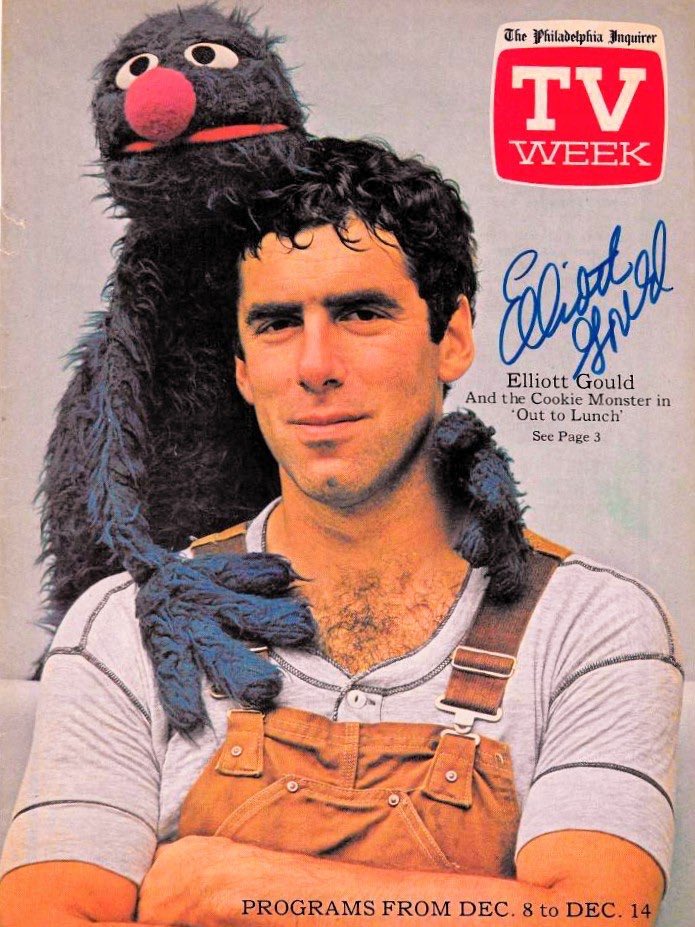
Gould appeared regularly on television and in film throughout the 1980s and the 1990s, including cameos in The Muppet Movie (1979) and The Muppets Take Manhattan (1984). His most prominent recent television role was a recurring part on Friends (1994), on which he played Monica and Ross Geller’s father Jack. More recently he voiced the character of Mr. Stoppable on the Disney Channel animated series Kim Possible (2002). In film Gould received critical acclaim for his portrayal of an older mobster in Warren Beatty‘s Bugsy (1991), and make a noteworthy appearance in American History X (1998). His next major TV role will be in Showtime’s drama Ray Donovan (2013) starring Liev Schreiber.

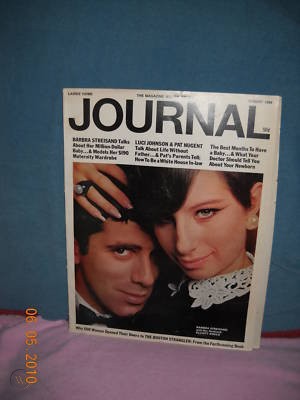
Gould has been married three times, twice to Jennifer Bogart, and once to Barbra Streisand. He has three children.

– IMDb Mini Biography By: Anonymous


The above IMDB entry can also be accessed online here.


TCM overview:

A tall and charming Brooklyn boy at heart, actor Elliott Gould carved a path into Hollywood with hulking, dark-haired looks that veered away from the traditional matinee archetype. His career began on Broadway, but Gould went on to briefly became the embodiment of a disenchanted youth culture in antiestablishment films such as “Bob & Ted & Carol & Alice” (1969) and “M*A*S*H” (1971). His strong synergy with ’70s audiences went adrift in the 1980s, however, before NBC’s popular 1990s sitcom “Friends” (1994-2004) managed to up the consistently working actor’s visibility. Coming full circle, Gould came face to face with the reverence of talents whose clout set the stage for his return to onscreen rebellion in 2001’s heist comedy “Ocean’s Eleven” and its two subsequent sequels.

Gould’s parents had emigrated from Eastern Europe and settled in the Bensonhurst section of Brooklyn, NY, where Gould was born Elliot Goldstein on Aug. 29, 1938. His father worked in the garment business, while his mother kept the household in order. As a student at P.S. 247, Gould’s younger years were clouded by the pressure to succeed and enormous parental expectations that would always stay with him. At the age of eight, his parents put him into dance classes to help cure him of a shy personality – an outlet that worked. Moving on to Manhattan’s Professional Children’s School across the East River, Gould found a quick fascination with tap dancing, which he continued to hone while enjoying summer stints working upstate in Catskills comedy clubs.

Gould finished school in 1955 and two years, at age 18, made it to Broadway with a stage debut in the musical “Rumple.” By 1962, he was the star of another Broadway musical, “I Can Get It for You Wholesale.” The project helped vault Gould’s co-star, actress-singer Barbara Streisand, into the mainstream. Love blossomed between the two as “Wholesale” wound down, resulting in Gould moving into Streisand’s apartment. In 1963, the couple married. Gould was a rising star, taking the lead onstage that year in “On the Town” in London, but as the decade progressed, he struggled to get even small onscreen parts within long, lean periods. Often supported by Streisand while working in theater, the couple had a son, Jason, in 1966, and Gould returned to Broadway with a strong turn as the nervous boyfriend Alfred Chamberlain of Jules Feiffer’s “Little Murders.” With the burden of Streisand’s massive fame and their careers growing further apart, the couple separated in 1969, divorcing two years later.

As his marriage disintegrated, it seemed Gould’s time had come, professionally. Having moved to Los Angeles, his ascent into film CAME swiftly with his debut role as the burlesque club owner Billy Minsky in “The Night They Raided Minsky’s” (1968). On the momentum of that project, he jumped into bed with “Bob & Carol & Ted & Alice” – Paul Mazursky’s look at the shifting of sexual “enlightenment” as experienced by two divergent Los Angeles couples. Gould’s unconventional looks, coupled with his onscreen sense of swinging ambivalence, struck a chord with a culture similarly making sense of the changes in political and sexual attitudes. He was on a roll, and director Robert Altman – himself, a keen gauge of American culture – sensed it, casting Gould as the maverick surgeon “Trapper John” McIntyre in the Korean War satire “M*A*S*H” (1970). Gould, in his third at bat in movies, won an Oscar nomination in 1971 for his supporting role in the comedy classic which would inspire an equally brilliant television series.

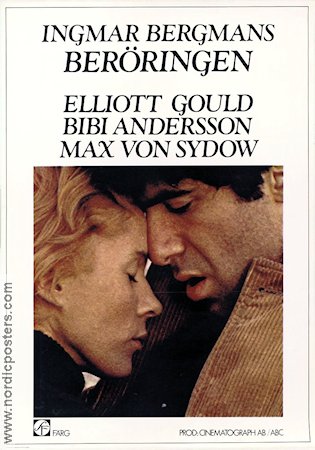
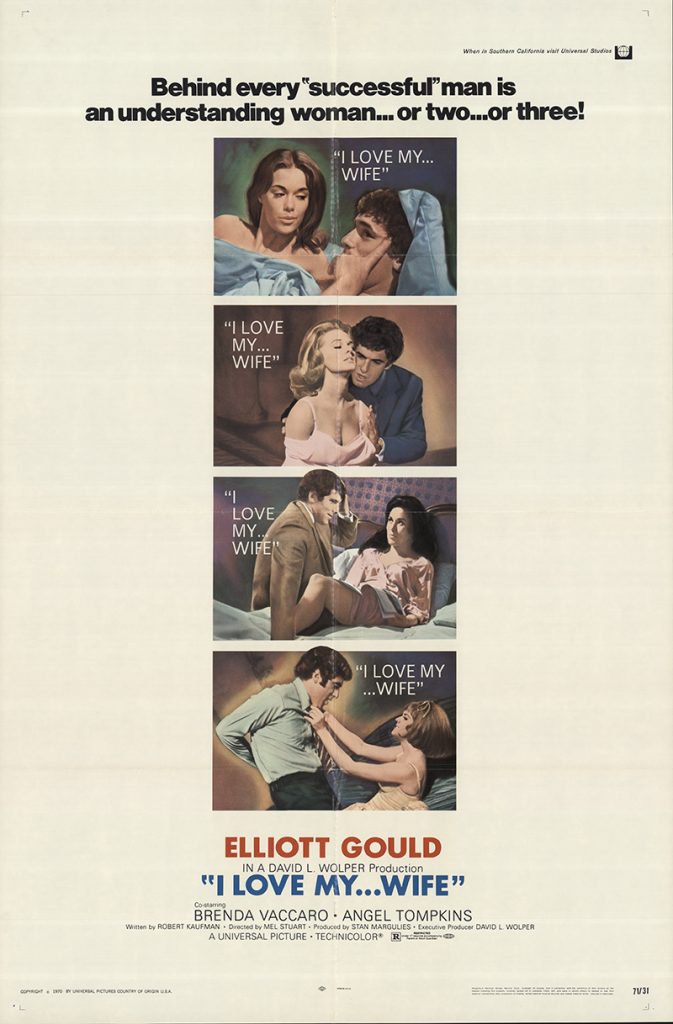
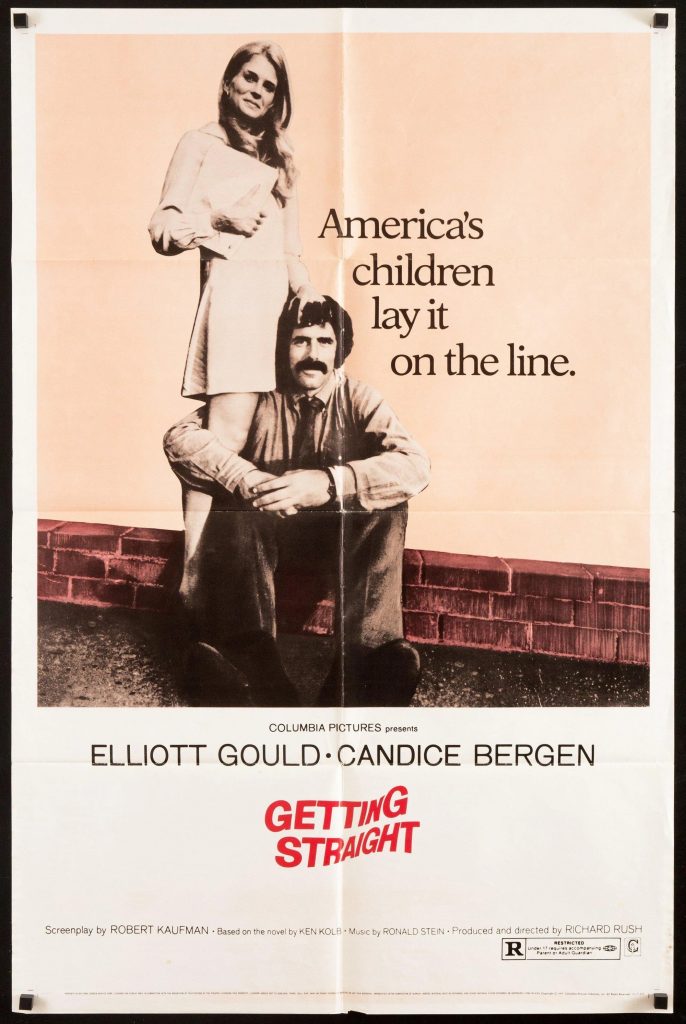
As “M*A*S*H” was taking off in theaters, Gould was solidifying his unique leading man image, putting his range to use in comedies and dramas – including his role of the Vietnam veteran-turned-teacher of “Getting Straight” (1970), the sexually unfulfilled doctor of “I Love My Wife” (1970), and the reprisal of Alfred Chamberlain in Alan Arkin’s adaptation of “Little Murders” (1971). Gould had an extraordinary and contentious working relationship with Ingmar Bergman on Bergman’s infidelity drama “Beröringen” (1971), but capped off his impressive run with Altman’s imagining of Raymond Chandler’s hardboiled “The Long Kiss Goodbye” (1973), with Gould playing the cool, fast-quipping L.A. detective Philip Marlowe made famous years earlier by Humphrey Bogart.

Throughout the 1970s, Gould was working steadily, but the projects began to fit less snugly, as America veered away from the counterculture. He found love again with his second wife Jennifer Bogart, whom he married in 1973 after the couple had two children, Molly and Sam. Gould went back to working, thriving under Altman once again with the gambling drama “California Split” (1974), and later, as the Colonel Robert Stout of Richard Attenborough’s war epic “A Bridge Too Far” (1977). He and Bogart divorced in 1976, but later remarried in 1978 after the end of Gould’s serious relationship with actress Jennifer O’Neill. He was moving into bigger budget genre confections such as the cult thriller “Capricorn One” (1978), in which his sleuthing journalist followed a series of NASA murders, but he always maintained his credibility with the counterculture comics of “Saturday Night Live” (NBC, 1975- ) – enough to host the show six times between 1975 and 1980.

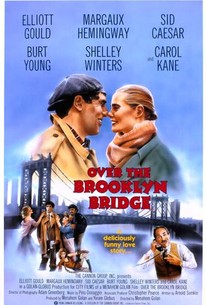
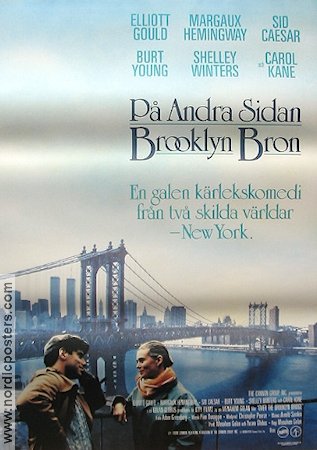
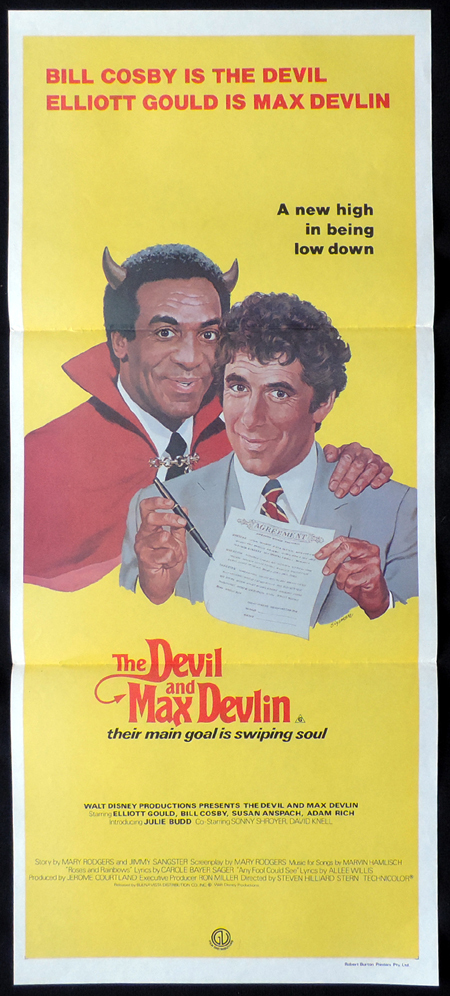
Gould’s career shifted into less edgy territory in the 1980s, softening his appeal and rendering him less relevant to a newer generation of audiences. He appeared in a pair of family-oriented Disney comedies, “The Last Flight of Noah’s Ark” (1980), and opposite Bill Cosby as a soul destined for the fiery below in “The Devil and Max Devlin” (1981), which did little to help his career. In 1984, Gould summoned a strong performance in the homegrown New York drama “Over the Brooklyn Bridge,” finding an equal measure of comedy and heart as a Jewish Brooklyn deli owner trying to start a Manhattan business while reconciling with his love for a Catholic model. That year, Gould also scrubbed in for a sitcom, starring as a divorced, Chicago surgeon on “E/R” (CBS, 1984-85), but the series petered out by the first season’s end.

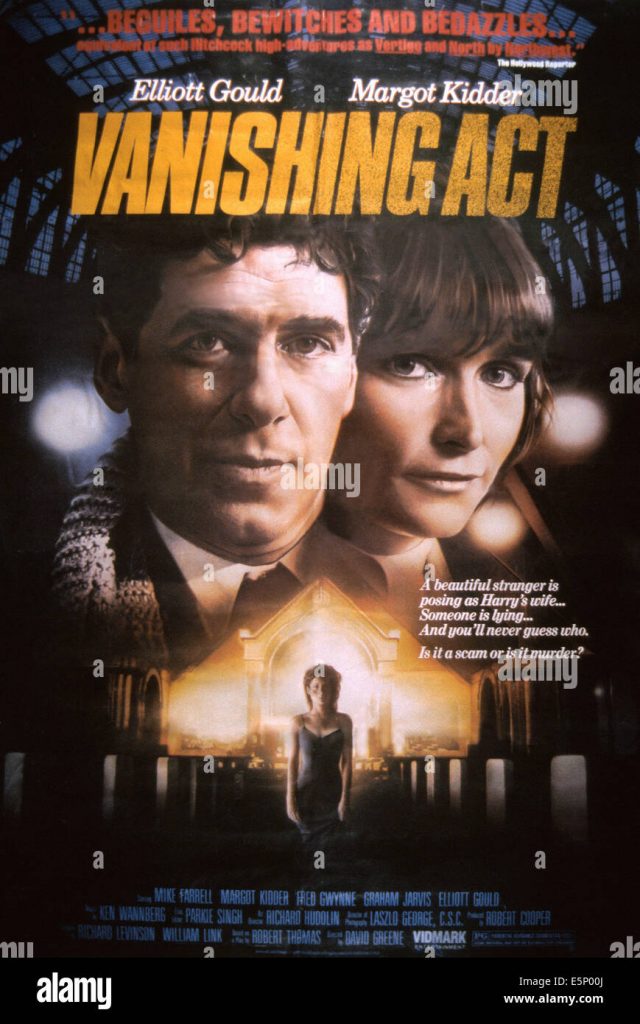
Capping out the decade, Gould’s film and television resume seemed to have a longer trail of filler than he had expected, occasionally displaying some of the old magic, as he did as the probing police lieutenant of the murder mystery “Vanishing Act” (CBS, 1986). In 1989, he and wife Bogart finally divorced for good, and Gould entered the 1990s a single man facing mature career prospects. He made a triumphant return to form with a memorable appearance as the seedy Harry Greenberg of Warren Beatty’s gangster epic “Bugsy” (1991), but it was the NBC series “Friends” a few years later that put Gould back on the cultural radar in a big way. As Jack Gellar, the good-natured, but fussy father of the Greenwich village-dwelling Gellar kids, Monica and Ross, Gould spent nine years recurring in the role across 10 seasons – often to hilarious results. Though he had always made guest spots and had multi-episode arcs on television, “Friends” became his career’s most stable gig.

With his highest visibility in years, Gould was eager to stretch into a range of roles yet again. He appeared as a family man with a hidden sexual appetite for men in the indie film “Johns” (1996), then toured across U.S. stages as the scheming playwright Sidney Bruhl of “Deathtrap” – a role which forced him to bow out of Woody Allen’s comedy “Deconstructing Harry” (1997). Gould then took to television screens again, tending to the oversight of a creepy estate in ABC’s Stephen King miniseries, “The Shining”(1997). In 1998, Gould then had some small choice parts in a pair of divergent studio films – first as the sobriety-challenged Morton Shulman of the hitman comedy “The Big Hit” followed by the role of a Jewish schoolteacher at odds with a young skinhead in the gripping “American History X.”

Gould’s cached contributions to Hollywood were not lost on modern Hollywood heavyweights. His evolution into an elder statesman made him the right choice to play Reuben Tishkoff, the outrageous Las Vegas mogul helping to guide the crew of the new “Ocean’s Eleven” (2001), for which George Clooney recruited his own team of safecrackers into a casino robbery. Gould and the highly attractive cast that included Brad Pitt and Matt Damon were nominated for an MTV Movie Award in 2002. A year later, the adoration of Clooney and “Ocean’s” director Steven Soderbergh landed the actor on several episodes of their HBO political drama “K Street” (2003), with Gould playing the lobbyist firm owner Bergstrom Lowell. In this pair of collaborators, he had seemingly found his strongest champions since working with Robert Altman. He happily returned for another “Ocean’s” frolic in “Ocean’s Twelve” (2004), later followed by a third installment “Ocean’s Thirteen” (2007), in which Tishkoff’s hospitalization returned the franchise to the familiar Vegas setting and its most ambitious heist to date.

 The above TCM overview can also be accessed online here.


Cuba Gooding Jnr
Cuba Gooding Jnr
Cuba Gooding Jnr

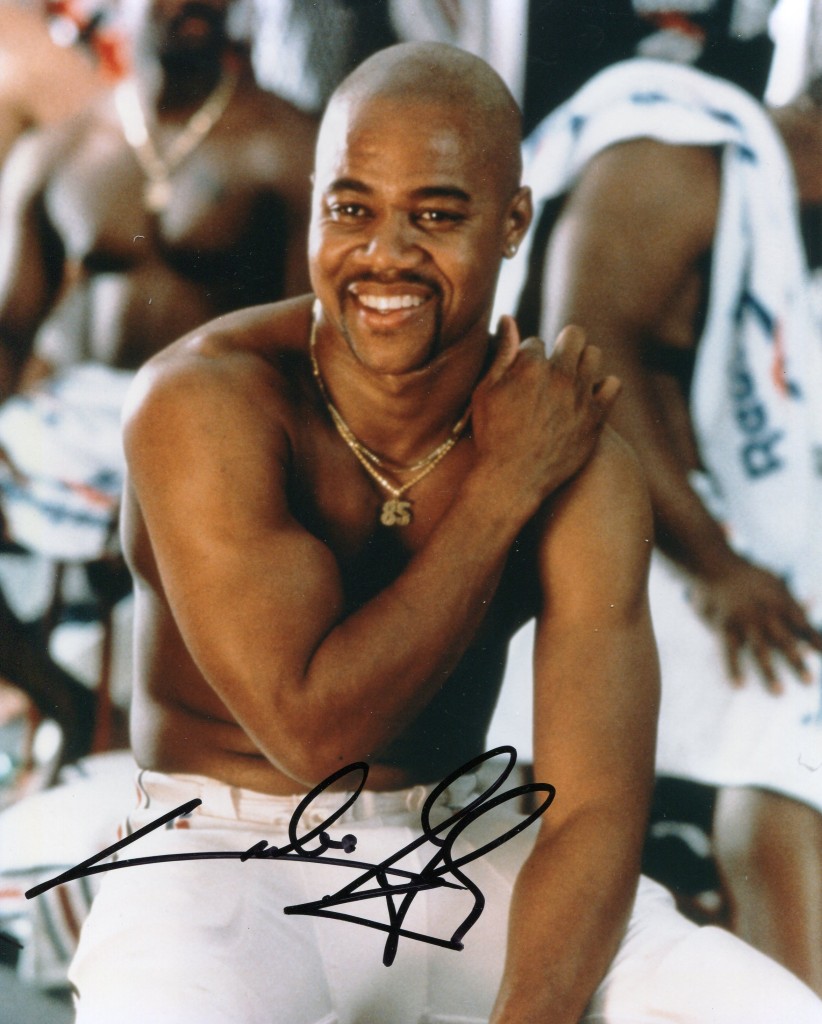
Cuba Gooding Jnr was born in 1968 in the Bronx, New York.   He is perhaps best known for his Academy Award winning performance in “Jerry Maguire” in 1996.   His other films include “As Good as it Gets” and “Men of Honor”.

TCM Overview:

An energetic performer who inexplicably countered critically acclaimed dramatic performances with buffoonish comedies, Cuba Gooding, Jr. experienced both serious highs and embarrassing lows in his uneven career. After starting his career as a backup break dancer for Lionel Ritchie at the 1984 Olympic Games, Gooding forged ahead with an acting career with several brief film and television appearances before showing early talent with his subtle portrayal of a bright youth being led down a dangerous path in “Boyz N the Hood” (1991). The role earned him serious consideration from Hollywood, though he failed to take advantage of his newfound clout. For the next few years, he languished in forgettable movies like “Lightning Jack” (1994) and “Outbreak” (1995) before finally striking Oscar gold with his highly infectious performance as an arrogant football star in the winning “Jerry Maguire” (1996). But like “Boyz,” Gooding failed to seize the moment, choosing instead to star in “Snow Dogs” (2002), “Boat Trip” (2002) and “Daddy Day Camp” (2007). Though he received strong critical attention for his performances in “As Good As It Gets” (1998), “Radio” (2003) and “Gifted Hands: The Ben Carson Story” (TNT, 2009), Gooding still had work to do in living up to his early promise.

Born on Jan. 2, 1968 in the Bronx, NY, Gooding was raised by his father, Cuba Sr., the lead singer for the R&B group, The Main Ingredient, best known for their 1972 hit “Everybody Plays the Fool,” and his mother, Shirley, a backup singer who toured with Jackie Wilson’s Sweathearts during the 1960s. Gooding moved to Los Angeles during the height of his father’s success, only to see Cuba Sr. abandon the family, forcing his mom to raise three boys while moving from one hotel to another. In fact, he moved around so much that he attended four different high schools in Southern California – North Hollywood High School, Apple Valley High School, Tustin High School and John F. Kennedy High School – and became class president at all but one of them. During this time, Gooding became interested in acting, which he began at the Drama Teachers’ Association of Southern California drama festival competition in the early 1980s. In 1984, he had his first professional gig as a break dancer on stage with Lionel Ritchie, who performed at the Summer Olympic Games in Los Angeles.

That same year, Gooding landed his first onscreen role, playing a thug on an episode of “Hill Street Blues” (NBC, 1981-87), which he followed by stealing some hubcaps in a guest starring role on “Jake and the Fatman” (CBS, 1987-1992). Following his first named role in CBS Schoolbreak Special, “No Means No” (1988), he made his feature debut with a walk-on part as a barber shop customer in the Eddie Murphy vehicle, “Coming to America” (1988). Following a more significant role in the little-seen teen drama “Sing” (1989), Gooding had his big break with a starring role in John Singleton’s celebrated directorial debut, “Boyz N the Hood” (1991). Gooding played Tre Styles, a troubled, but promising youth sent to live with his disciplinarian father (Lawrence Fishburne) in South Central Los Angeles, where he finds the strength to rise above the self-destructive violence all around him. Sensitively conveying the pressures and contradictions attendant upon young black men growing up in the ‘hood, Gooding emerged from the independent drama a bona fide star. A sudden media darling, Gooding found himself fielding offers that came flooding in, though most were variations on “Boyz N the Hood.” The actor steadfastly refused to cover the same ground and went on the hunt for more challenging material.

After landing in the high-powered supporting cast of the blockbuster court-martial drama “A Few Good Men” (1992), Gooding stumbled as the star of that year’s “Rocky” wannabe “Gladiator” (1992), which he followed with a supporting turn in the forgettable thriller, “Judgment Night” (1993) and played the mute sidekick of an Australian outlaw (Paul Hogan) in “Lightning Jack” (1994). While struggling to build upon the success he had with “Boyz,” Gooding kept his career on life support with small roles in “Losing Isaiah” (1995), “Outbreak” (1995) and “The Tuskegee Airmen” (HBO, 1995). Five years after his “Boyz” breakthrough, the actor finally landed the role of a lifetime after Damon Wayans left the producers of “Jerry Maguire” (1996) scrambling for a last-minute replacement. Gooding took on the role of Rod Tidwell, a headstrong NFL wide receiver whose potential for stardom is hampered by his overwhelming arrogance, only to be put in check by his doggedly loyal sports agent (Tom Cruise). An undeniable force from beginning to end, Gooding delivered a high-caliber performance that turned him into a star, thanks in part to his catchphrase, “Show me the money!” Most importantly, however, Gooding earned recognition at the highest levels when he won the Academy Award for Best Supporting Actor, which he received at the Oscar ceremony by telling everyone involved in the film that he loved them before jumping around the stage with wild and hilarious abandon.

Having finally delivered on the promise he displayed in “Boyz,” Gooding landed high profile supporting roles, playing Greg Kinnear’s gay art dealer in “As Good As It Gets” (1997) and Robin Williams’ tour guide through the afterlife in “What Dreams May Come” (1998). To raise his profile further, he appeared in a series of Pepsi One commercials which showcased his high energy and neon-bright smile. Some critics faulted him for doing the pesky ads, though the spots certainly did increased his exposure, helping with the all-important name recognition that powers Hollywood clout. In his first leading role since his Oscar win, Gooding broke out of the rut of outgoing, flamboyant characters with a much more cerebral turn as an ambitious psychiatrist trying to draw out Anthony Hopkins’ psychotic killer – equal parts Hannibal Lecter and King Lear – in the psychological thriller, “Instinct” (1999). Thrilled by the color-blind casting, Gooding earned positive reviews, though the film itself left little else to recommend it. That year, he also portrayed a small-town guy trying to prevent a chemical weapon from detonating in “Chill Factor” (1999), while he took his first crack at producing with “A Murder of Crows” (1999), an independent thriller broadcast on Cinemax.

A further sign of his growing prowess came when Gooding was cast opposite Robert De Niro in “Men of Honor” (2000), the biopic of the U.S. Navy’s first black salvage-and-retrieval expert. Staying in uniform, Gooding played the real-life naval petty officer whose valiant heroics helped defend the U.S.S. Arizona from the Japanese attack air raid on “Pearl Harbor” (2001), the flag-waving, explosion-fest courtesy of Michael Bay and Jerry Bruckheimer. The actor followed with a modest, albeit hard to fathom success for Disney in the goofy, forgettable comedy “Snow Dogs” (2002), in which he played a Miami dentist who inherits a sled dog team and finds himself racing across the frozen Alaskan tundra. Gooding next reached arguably the lowest point of his career with the limp comedy, “Boat Trip” (2002), playing a heterosexual man who inadvertently embarks on a gay singles cruise with his dim-witted pal (Horatio Sanz). Unfortunately, the eager, infectious enthusiasm that permeated Gooding’s early roles had grown tiresome, while his performances were typically overloaded with mugging and grandstanding that failed to enhance the already dubious quality of the material.

His next venture, “The Fighting Temptations” (2003), was well-received at the box office for its winning gospel and soul music. But Gooding, who played a morally impaired advertising executive who returns to his Southern home to collect an inheritance and finds himself struggling to build a competitive church choir from a gang of misfits, took it on the chin with a critically panned performance permeated by onscreen desperation. His next role, however, proved that Gooding still had power left in his punch. He took on the title role in the drama feature “Radio” (2003), playing a mentally-challenged South Carolinian who is allowed to help out with a high school football team despite objections from the locals, thanks to the trust and friendship of the head coach (Ed Harris). After voicing the karate-kicking stallion Buck in the middling animated feature “Home on the Range” (2004), Gooding starred opposite Helen Mirren as a romantically entwined pair of hired killers looking for one last chance at redemption in the low-budget thriller, “Shadowboxer” (2005).

In another low-budget turn, Gooding was a corrupt cop dragged into an Internal Affairs investigation in the noir thriller “Dirty” (2005), which he followed by playing a Secret Service agent who teams up with a hot-shot reporter (Angie Harmon) to find the assassins of the President of the United States in “End Game” (2006). Back in a studio feature, Gooding played second fiddle to the many incarnations of Eddie Murphy in “Norbit” (2007), a painfully unfunny comedy about a hapless man (Murphy) forced into marrying a large, mean and junk food-addicted woman (Murphy) just when his childhood sweetheart (Thandie Newton) moves back to town. In “American Gangster” (2007), he played a small-time dealer rivaling a Harlem drug kingpin (Denzel Washington), while he did an about-face for “Daddy Day Camp” (2007) in taking over for Eddie Murphy as the put-upon Charlie Hinton, who decides to expand his daycare business by refurbishing a dilapidated camp. One of the worst movies of his uneven career, “Daddy Day Care” surely would have marked the end of a less-determined actor’s career. After phoning it in for two more duds – “What Love Is” (2007) and “Harold” (2008) – Gooding returned to top form with a mature dramatic performance in “Gifted Hands: The Ben Carson Story” (TNT, 2009). He played the titular Carson, who rose from a poor inner-city youth to become one of the world’s most accomplished neurosurgeons, thanks to the love of his single mother (Kimberly Elise) and his faith in God. Gooding earned high marks from critics, as well as a Screen Actors Guild award nomination for Best Actor in a TV Movie.

The above TCM overviewcan also be accessed online here.