Gabriel Kaplan was born in New York in 1945. He made his television debut in an episode of “The Love Boat” in 1976. His film debut was in “Fast Break” in 1979. His other films include “Nobody’s Perfect”, “Tuilip”and “Groucho”.




Gabriel Kaplan was born in New York in 1945. He made his television debut in an episode of “The Love Boat” in 1976. His film debut was in “Fast Break” in 1979. His other films include “Nobody’s Perfect”, “Tuilip”and “Groucho”.
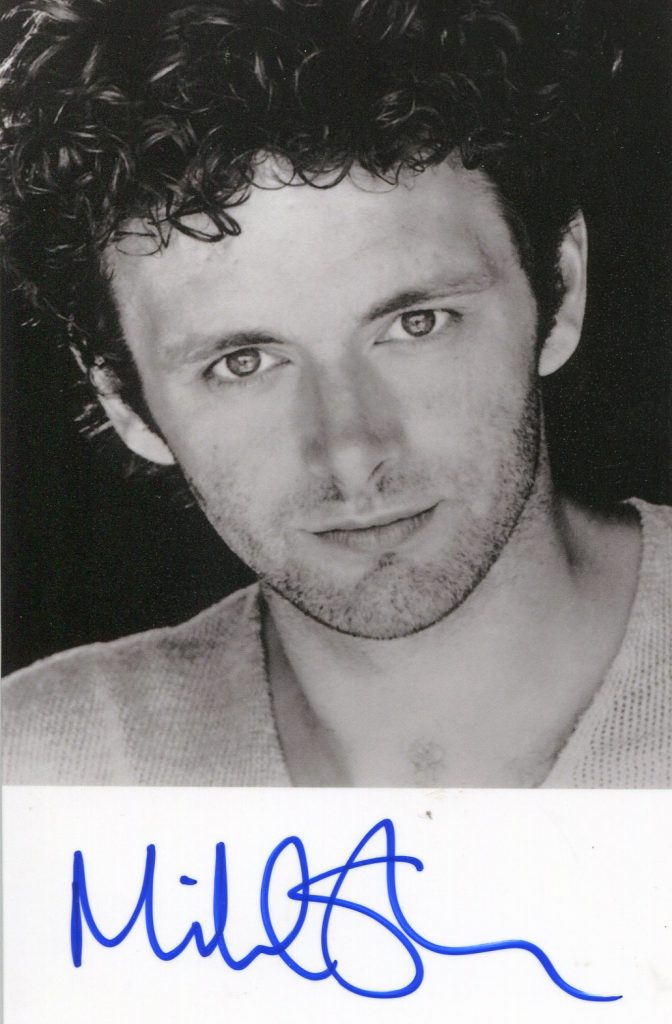
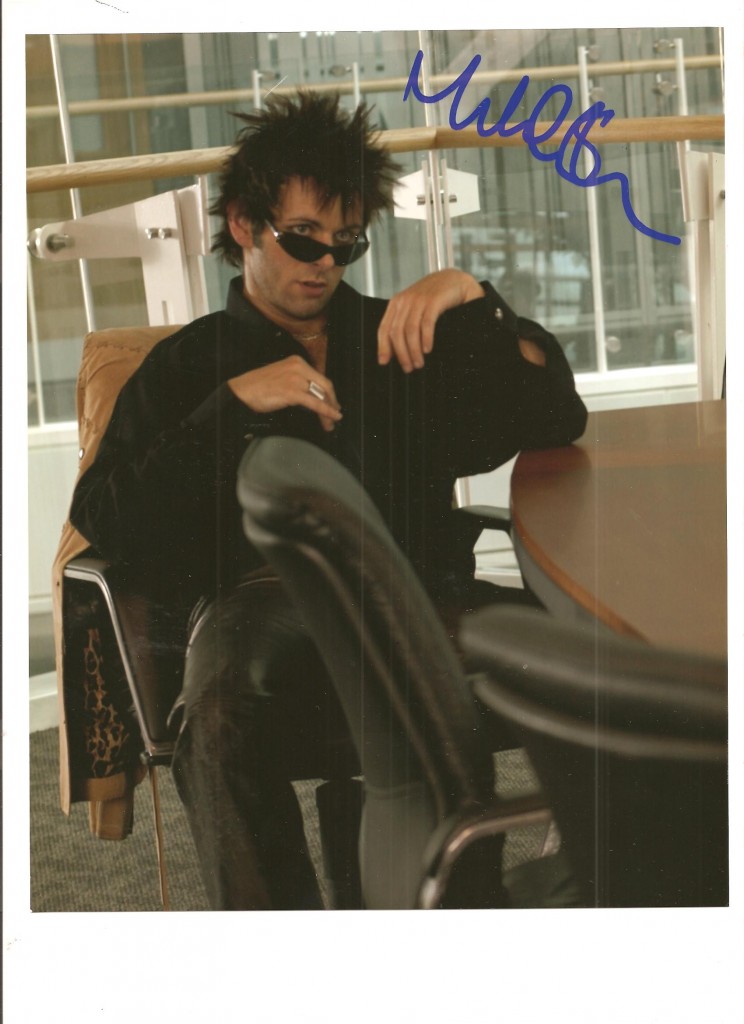
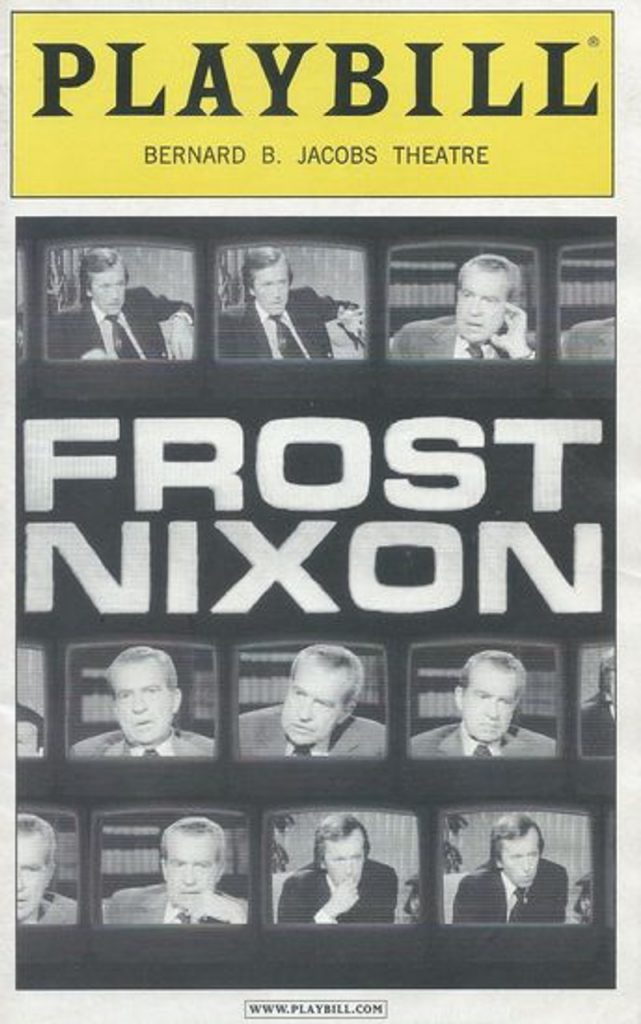
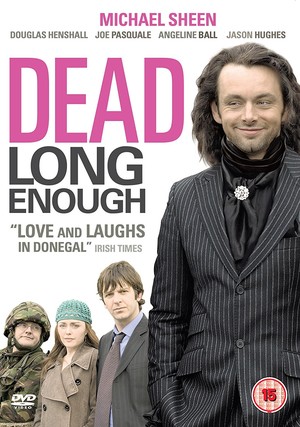
Michael Sheen was born in 1969 in Newport, Wales. He gave a brilliant performance as Tony Blair opposite Helen Mirren as Queen Elizabeth in “The Queen”. He has also starred in a repeat of his Broadway performance as David Forst in “Frost/Nixon” with Frank Langella as Richard Nixon.
TCM Overview:
1999) unleashed one of the U.K.’s best kept secrets on international audiences. The West End continued to be his anchor, with acclaimed roles in “Look Back in Anger” and “Caligula,” but Sheen grew increasingly more familiar to filmg rs with supporting roles in the gothic horror film series “Underworld” (2003) and the romantic comedy “Laws of Attraction” (2004). His collaborations with writer Peter Morgan were among his best-known, including his memorable portrayal of British Prime Minister Tony Blair in Morgan’s “The Queen” (2006), and as political interviewer David Frost in “Frost/Nixon.” The resounding success of the latter Morgan work led to a run on Broadway and a Hollywood film adaptation by Ron Howard (2008), both of which co-starred Sheen and Frank Langella. From there his career skyrocketed, as he starred in “Underworld: Rise of the Lycans” (2009), “Twilight: New Moon” (2009) and “Alice in Wonderland” (2010). For the third time in his career, he played Tony Blair, this time in “The Special Relationship” (HBO, 2010), before co-starring with Jeff Bridges in “Tron: Legacy” (2010) and opposite Rachel McAdams in Woody Allen’s “Midnight in Paris” (2011). Whether he was appearing in historical dramas, big budget fantasies or small indies, Michael Sheen was an intense and passionate performer who was one of the few Welsh exports to make it big in America.
Sheen was born Feb. 5, 1969, and grew up a middle-class boy in the working class town of Port Talbot, Wales. Although his parents worked in personnel, they shared with their two children a deep appreciation for acting, with his father enjoying some success later in life as a Jack Nicholson impersonator. As a young man, Sheen turned down the opportunity to pursue a possible professional football career, opting to follow in the footsteps of fellow Port Talbot natives Richard Burton and Anthony Hopkins by attending the Royal Academy of Dramatic Art in London. During his second year, he won the coveted Laurence Olivier Bursary for consistently outstanding performances. While Sheen was still studying, he landed a pivotal role opposite stage legend Vanessa Redgrave in Martin Sherman’s “When She Danced” (1991). In 1993, Sheen joined the theater troupe Cheek By Jowl and was critically acclaimed for his performance in “Don’t Fool with Love.” That same year, he played opposite Ian Holm onstage in Harold Pinter’s “Moonlight” and excelled in his role as a mentally unstable man who becomes enmeshed in a kidnapping plot in “Gallowglass,” a three-part BBC serial.
In Yukio Ninagawa’s 1994 international tour of “Peer Gynt,” a critic from The London Times panned the multimedia production, but singled out Sheen for his ability to express “astonishing vitality despite lifeless direction.” The actor nabbed his first feature film role in 1994, playing Dr. Jekyll’s footman in “Mary Reilly” opposite John Malkovich and Julia Roberts. The film did not make it into theaters until 1996, a year after Sheen’s second movie, “Othello” (1995), starring Kenneth Branagh, was filmed and released. Sheen appeared onstage twice in 1995, opposite Kate Beckinsale in a staging of “The Seagull” and as star and director of “The Dresser.” In the first of his major big screen roles, he was memorable as Robert Ross, Oscar Wilde’s erstwhile lover, in the 1997 biopic “Wilde.” Sheen also managed to set critics’ tongues wagging with a deft stage performance in the role of “Henry V;” not a part traditionally given to a slight, boyish-looking actor. One writer raved “Sheen, volatile and responsive in an excellent performance, showed us the exhilaration of power and conquest.”
Sheen next tackled one of history’s more colorful artists, composer Wolfgang Amadeus Mozart, in the West End production of “Amadeus” and followed the production’s success to Broadway the following year. His reputation soared, with the addition of his role as Jimmy Porter in a London revival of “Look Back in Anger.” For his performance, Susannah Clapp of The Observer hailed his “luminous quality” and ability to be goaded, fiery and defensive all at the same time. Hot off the success of “Amadeus,” Sheen began racking up more film credits, including in the British road film “Heartlands” (2002) opposite Mark Addy and in the 19th century military drama “The Four Feathers” (2002), starring Heath Ledger, Wes Bentley and Kate Hudson. Sheen enjoyed a supporting role in Stephen Fry’s directorial debut, “Bright Young Things” (2003), and from that satirical British production, landed a major role opposite Beckinsale again in the gothic horror actioner, “Underworld” (2003). His film career barreled ahead in 2003 with a supporting role in Richard Donner’s tanker “Timeline” (2003) and an impressive portrayal of British Prime Minister Tony Blair in director Stephen Frears’ telepic, “The Deal” (2003).
Next, he grabbed positive notices for playing a divorce-embattled rock star, stealing scenes from Pierce Brosnan and Julianne Moore, in the romantic comedy “Laws of Attraction” (2004). Back on the London stage, Sheen earned raves for his performance in “Caligula,” winning the Evening Standard Award and Critics Circle Award for Best Actor, along with a nomination for the prestigious Olivier Award. More critical recognition was forthcoming for Sheen’s supporting role in “The Queen” (2006) where his tested and true take on Tony Blair practically guaranteed a BAFTA supporting actor nomination. Sheen reprised his “Underworld” role in the sequel “Underworld: Evolution” (2006) before essaying Roman emperor Nero in the BBC miniseries “Ancient Rome: The Rise and Fall of an Empire” (2006). He followed up with another heady TV offering, “H.G. Wells: War With the World” (2006), in which he starred as the iconic science fiction author. Sheen set the West End buzzing again in the summer of 2006 in Peter Morgan’s “Frost/Nixon,” based on a series of televised interviews that British television presenter David Frost conducted with impeached American president Richard Nixon in 1976. Sheen played Frost and fellow stage vet Frank Langella essayed Nixon. The pair’s glowing reviews led to a six-month run on Broadway, as well as a nomination for Distinguished Performance from the Drama League Awards for Sheen.
Sheen appeared onscreen twice during his stage runs: in a supporting role in the acclaimed drama “Blood Diamonds” (2006) and a co-starring role as a wheelchair-bound genius in the solid indie character study “The Music Within” (2006). In 2008, he and Langella re-teamed to reprise their stunning portrayals in Ron Howard’s screen adaptation of “Frost/Nixon,” which overwhelmingly impressed film critics. The following year, Sheen starred in the “Underworld” prequel, “Rise of the Lycans,” and headed up the cast of the fact-based British football drama, “The Damned United” (2009), appearing in the role of Leeds team manager, Brian Clough. He received the vast majority of attention that year, however, for his portrayal of the vampire Aro in the second installment of the “Twilight” film series, “New Moon” (2009). Many Twi-hard teens obsessed with the film and novels were discovering Sheen’s brilliance for the first time, so with this extremely lucrative film – it made over $200 million in a matter of days – he reached an audience he might not have otherwise. Sheen also joined the cast of Tim Burton’s fantastical “Alice in Wonderland” (2010) in the role of the Cheshire Cat, alongside Johnny Depp’s Mad Hatter. Meanwhile, Sheen maintained his lock on playing Tony Blair with “The Special Relationship” (HBO, 2010), a look at the British prime minister’s intimate relationship with President Bill Clinton (Randy Quaid), for which he was nominated for an Emmy for Outstanding Lead Actor in a Miniseries or a Movie. After reprising Aro for “The Twilight Saga: Breaking Dawn – Part 1” (2011), he was a boorish pseudo-intellectual friend who is friends with the fiancé (Rachel McAdams) of a successful, but dissatisfied Hollywood screenwriter (Owen Wilson) in Woody Allen’s successful surrealist romantic comedy “Midnight in Paris” (2011). During the production, Sheen began an off-camera romance with McAdams in July 2010.
The above TCM overview can also be accessed online here.







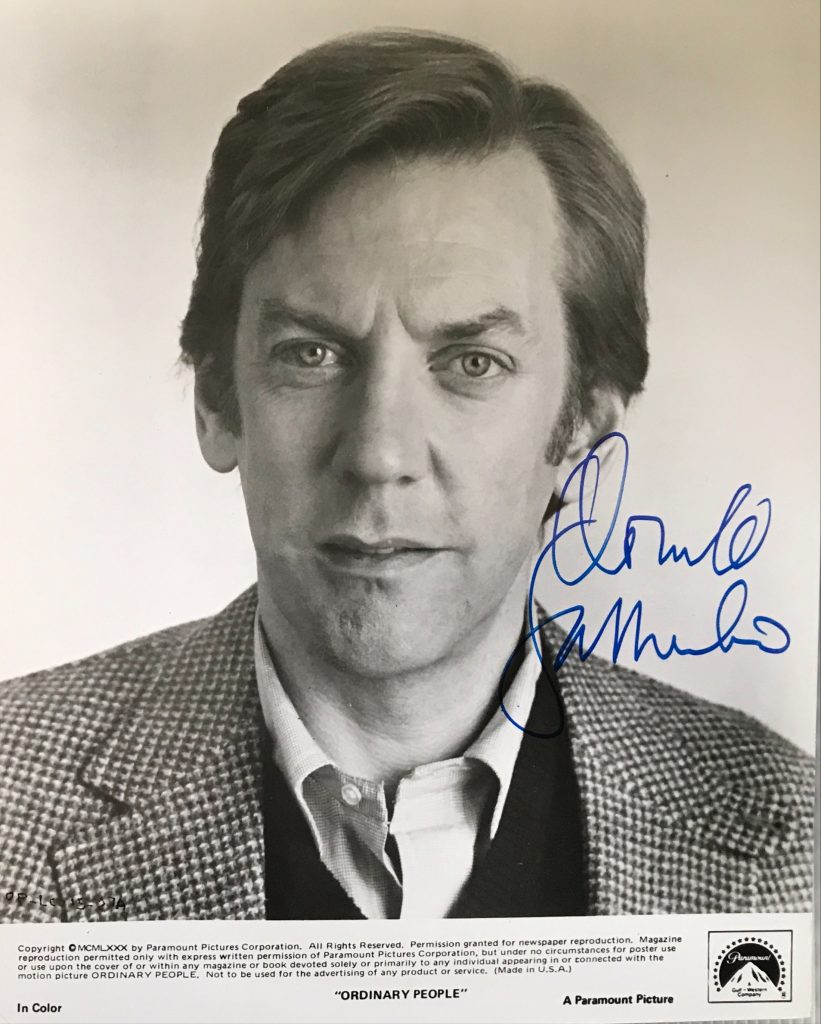
Donald Sutherland was born in 1935 in Saint John’s New Brunswick, Canada. He has an impressive array of outstaning contribution to films especially in the 1970’s and continues to give sterling performances to-day. He trained for the stage on Britain and began his career in British movies. His movie debut came in 1963 in “The World Ten Times Over”. His other U.K. films include “Fanatic” with Tallulah Bankhead and “Sebastian” with Dirk Bogarde. His international breakthrough role came with “Mash” in 1970. This was followed by “Kelly’s Heroes”, “Alex in Wonderland”, “Don’t Look Now”, “The Day of the Locust”, “The Eagle Has Landed”, “Nothing Personal” and “Eye of the Needle”. he is the father of actor Kiefer Sutherland.
TCM Overview:
Perhaps one of the most prolific and widely recognized actors of his generation, Donald Sutherland made a career playing some of the most unusual and memorable characters in cinema history. Though best known for playing odd, off-beat roles, like a hippie tank commander in “Kelly’s Heroes” (1970), an anti-authoritarian surgeon in “M*A*S*H” (1970), a novice private investigator in “Klute” (1971) and a stoner college professor in “Animal House” (1978), Sutherland cut a wide swath of characters throughout his career, mainly in order to avoid being typecast as eccentric weirdos. Critical acclaim for several of his performances – especially “Ordinary People” (1980) and “JFK” (1991) – was abundant, but he rarely received any awards – a surprising revelation given the breadth and quality of his work. Nonetheless, Sutherland maintained a steady career despite a long lull in the mid-1980s, even expanding his horizons into series television with “Commander in Chief” (ABC, 2005-06) and “Dirty Sexy Money” (ABC, 2007-09); two projects that, although short-lived, earned him further critical raves. Boasting a career that spanned more than five decades and 150 productions, Sutherland established himself as one of the most prolific, inventive and respected actors ever to grace either screen.
Born on July 17, 1935 in St. John, New Brunswick, Canada, Sutherland was raised in neighboring Bridgewater, Nova Scotia. His father, Frederick, was a salesman and head of the local bus, gas and electric company, and his mother, Dorothy, was a mathematics teacher. When he was 14, Sutherland was heard on CKBW as the youngest news reader and disc jockey in Canada. After high school, he studied engineering at the University of Toronto, but he quickly made the switch to an English major and began acting in school productions, making his stage debut in “The Male Animal” in 1952. He graduated UT in 1956, then moved to England where he attended the London Academy of Music and Dramatic Arts. He went immediately to work in provincial repertory companies, landing roles in several stage productions in London, including “August for the People.” Sutherland was performing in a West End production of “Spoon River Anthology” when he was offered his first film, the dual role of a soldier and a witch (who end up fighting each other at the end) in “Castle of the Living Dead” (1964).
A couple of years after his film debut, Sutherland had moved to the United States where he continued taking strides to advance his career. He made his first American screen appearance in “The Dirty Dozen” (1967), playing a one of 12 soldiers in military prison during World War II, who are sent on a dangerous mission that gives them the chance to regain their honor. After bit parts in “Sebastian” (1968) and “Oedipus the King” (1968), Sutherland landed meatier supporting roles in “Joanna” (1968) and “Interlude” (1968). Then, without really meaning to, Sutherland suddenly made a name for himself in Robert Altman’s Korean War satire “M*A*S*H” (1970), playing misfit surgeon Hawkeye Pearce, whose love of nurses and moonshine martinis were the only things keeping him and fellow surgeon Trapper John McIntyre (Elliott Gould) sane amidst the chaos of war. Because of the antiwar fervor of the late-1960s, early-1970s, “M*A*S*H” was one of the year’s biggest hits, both critically and financially, turning an unknown Sutherland into an overnight star.
Hot on the heels of “M*A*S*H,” Sutherland was seen in yet another war-themed comedy, “Kelly’s Heroes” (1970), playing one of his most notorious and ultimately beloved characters, Oddball, a Bohemian tank commander who joins forces with a ragtag group of Army soldiers (led by Telly Savalas and Clint Eastwood) on a mission 30 miles behind Nazi lines to steal a large cache of gold. He achieved his first substantial critical acclaim for an excellent performance as a rural private detective who follows the sordid life of a prostitute (Jane Fonda) while on the trail of a killer in “Klute” (1971). Throughout the decade, Sutherland, despite his best efforts, was in danger of being typecast as a stoned-out goofball or an off-the-wall freak, thanks in large part to his rather unconventional looks. Luckily, he had both the sense and the talent to transcend the problem. In “Johnny Got His Gun” (1971), Sutherland was Jesus Christ, while in “Steelyard Blues” (1973), he was a demolition driver released from prison after serving time for larceny, and who gathers a band of misfits together to restore an old World War II plane in which to fly away to live in a nonconformist world.
Despite having made his name with “M*A*S*H” and “Klute” – both critical successes – Sutherland managed to make his share of duds, like “Lady Ice” (1973) and “S*P*Y*S” (1974), a ridiculously dull espionage comedy that reunited him with Elliot Gould. He was rather one-note as an ambitious and wealthy Hollywood powerbroker in the otherwise worthy adaptation of John Schlesinger’s entertainment satire, “The Day of the Locust” (1975), before returning to the comfortable confines of World War II action in “The Eagle Had Landed” (1976), playing an English-hating Irishman who helps arrange a Nazi plot to kidnap Winston Churchill on British soil. After being cast as an everyman Casanova in “Il Casanova di Federico Fellini” (1976) and appearing briefly in the often uproarious spoof “Kentucky Fried Movie” (1977), Sutherland scored another landmark role, playing a pot smoking college professor who takes the girlfriend (Karen Allen) away from an irresponsible, but irrepressible fraternity leader (Tim Matheson) in “National Lampoon’s Animal House” (1978). Sutherland was once again memorable in “Invasion of the Body Snatchers” (1978), bringing forth a palpable paranoia as a Department of Health employee contending with an alien invasion of soul-possessing spores.
Sutherland forever obliterated being typecast with his subtle portrayal of an emotionally conflicted father in “Ordinary People” (1980), director Robert Redford’s extraordinary Oscar-winning look at a so-called perfect family. Though ultimately overlooked by the Academy Awards, Sutherland was exceptional as a family man dealing with the death of a child and the love for his wife (Mary Tyler Moore). Unfortunately, his critical success with “Ordinary People” failed to translate into other meaty roles; instead leading to the miserable satire “Gas” (1981) and the rather uninspired caper comedy “Crackers” (1984). Meanwhile, an ill-received stage performance as Humbert Humbert in Edward Albee’s “Lolita” in 1981 helped keep him off the stage for a good 18 years – critics savaged the play, forcing the production to be canceled after only 12 performances. Sutherland, on the other hand, was spared from most of the critical drubbing the play received. After a 15 year absence, he returned to the small screen to play Ethan Hawley, a grocery store clerk who dreams of buying back his store from corrupt local bankers, in “John Steinbeck’s The Winter of Our Discontent” (CBS, 1983), one of the few highlights for Sutherland in the 1980s.
While he remained prolific throughout the decade, Sutherland was mired in career doldrums that made his earlier successes more out of focus with time. Unexceptional features like the uneven murder mystery “Ordeal by Innocence” (1984), the flat-out dull period epic “Revolution” (1985), and the ineptly unfunny espionage comedy “The Trouble With Spies” (1987) only helped give rise to the notion that Sutherland’s career was in trouble. He returned to more dramatic fare with “A Dry White Season” (1989), playing a South African schoolteacher ignorant of the horrors of apartheid and who turns radically against the system when his gardener’s son is viciously murdered. Once the 1990s rolled around, however, Sutherland suddenly found himself in better films. He had a small, but integral role in “JFK” (1991), playing the mysterious Mr. X, a former black ops officer who feeds vital background information to New Orleans district attorney, Jim Garrison (Kevin Costner), the only person to bring a trial in the assassination of President John F. Kennedy. Despite being onscreen for only 15 minutes, Sutherland’s compelling performance made an indelible impression and remained one of the most remembered sequences in Oliver Stone’s exceptional film.
After a series of high-profile, but ultimately forgettable roles in “Backdraft” (1991), “Buffy the Vampire Slayer” (1992) and “Outbreak” (1995), Sutherland received rare award recognition for his performance in “Citizen X” (HB0, 1995), an exceptional thriller about an eight-year investigation by an obsessed Russian detective (Stephen Rea) into the serial killings of 52 women and children. Sutherland received an Emmy Award for Outstanding Supporting Actor in a Miniseries or Special for his portrayal of Colonel Fetisov, the investigator’s supportive boss who helps him fight the bureaucracy of the Soviet state. Building off that success, he was superb as the law school professor and mentor of a novice lawyer (Matthew McConaughey) in “A Time to Kill” (1996), then gave an understated and overlooked performance as famed track coach Bill Bowerman in “Without Limits” (1998), an engaging look at the ill-fated track star, Steve Prefontaine (Billy Crudup). Sutherland rounded out the millennium with more underwhelming projects, including the mediocre features “Fallen” (1998) and “Virus” (1999), and the above average made-for-television movie, “Behind the Mask” (CBS, 1999), in which he played a doctor who forms a father-son relationship with a mentally-challenged man (Matthew Fox).
Alongside charismatic turns as a sex-minded, over-the-hill astronaut in Clint Eastwood’s amusing “Space Cowboys” (2000), and as William H. Macy’s hit man father in “Panic” (2000), Sutherland occasionally slummed his way through routine big screen thrillers, including the easily dismissed Wesley Snipes action thriller, “The Art of War” (2000). He continued finding compelling roles on television, however, namely as a small time hood looking to make a big score in “The Big Heist” (2001), and as Clark Clifford, political advisor to Lyndon Johnson, in John Frankenheimer’s acclaimed “Path to War” (HBO, 2002). In 2003, Sutherland enjoyed a renaissance on the big screen, delivering a charming performance as the mentor to a professional thief (Mark Wahlberg) in the hit remake “The Italian Job” (2003), and as Nicole Kidman’s doting Southern dad in “Cold Mountain” (2003). In “Stephen King’s Salem’s Lot” (TNT, 2004), he played a sinister old man who deals in antiques and has taken residence in a haunted mansion on a hill. Though not as frightening as the original made-for-television version, this new rendition nonetheless delivered plenty of chills. Sutherland continued the horror trend with yet another version of “Frankenstein” (Hallmark, 2004), though this particular version remained faithful to Mary Shelley’s original novel.
Taking a different turn on the small screen, he appeared as a regular in his first scripted series, “Commander In Chief” (ABC, 2005-06), a political drama about a female vice president (Geena Davis) who assumes the presidency after the death of her predecessor. Sutherland played the right-wing Speaker of the House and next in line for the job, who tries to convince the vice president to step aside so he can grab hold the reigns of power. He then earned his second Emmy award nomination in a supporting role in the miniseries, “Human Trafficking” (Lifetime, 2005), starring Robert Carlyle and Mira Sorvino, before playing the Bennett family patriarch in the lively adaptation of Jane Austen’s “Pride and Prejudice” (2005). While Sutherland maintained a steady supporting presence on the big screen, his fate on “Commander in Chief” suddenly became uncertain in early 2006. Though critically acclaimed, the show steadily lost its audience over the course of its first and only season because of faulty scheduling and a revolving door of showrunners who continually changed the series’ tone and direction.
By May 2006, when ABC pulled the series from the lineup for the all-important sweeps, Sutherland expressed deep disappointment with the show’s inevitable cancellation and the diminishing of his character into a cartoonish villain through clever editing. Despite a nomination for Best Supporting Actor at the 2006 Golden Globe Awards, Sutherland was not seen playing Speaker of the House the next fall. Meanwhile, Sutherland had a small and rather clandestine role as a mysterious colonel who keeps a watchful eye on an international arms dealer (Nicolas Cage) on the verge of a breakdown in the under-appreciated “Lord of War” (2005). After appearing as part of the ensemble cast in “American Gun” (2005), a series of interwoven stories commenting on the proliferation of guns in America and their impact on society, Sutherland played the patriarch of an early-19th century family terrorized by an evil spirit in “An American Haunting” (2006).
After a co-starring role in “Reign Over Me” (2007), a compelling drama about two former college roommates (Don Cheadle and Adam Sandler) coping with life after 9/11, Sutherland played a billionaire with a mega-yacht who is convinced by a good-natured surf bum (Matthew McConaughey) to join him on a treasure hunt for several chests of gold in “Fool’s Gold” (2008). Back on television, he was delightful as the patriarch of a wealthy, but dysfunctional Manhattan family whose secrets are protected by an idealistic young lawyer (Peter Krause) in “Dirty Sexy Money” (ABC, 2007-09). Sutherland earned plenty of critical kudos and a Golden Globe nomination for Best Performance by an Actor in a Supporting Role in a Series, Miniseries or Motion Picture Made for Television. Sutherland went from ultra-modern New York to 12th century England when he portrayed the doomed Bartholomew, Earl of Shiring, in the miniseries adaptation of Ken Follett’s epic novel “The Pillars of the Earth” (Starz, 2010). The following year, he lent big screen support to “The Mechanic” (2011), a remake of the Charles Bronson thriller starring Jason Statham, and the Roman centurion adventure tale “The Eagle” (2011), starring Channing Tatum. Sutherland once again played the villain, this time portraying President Coriolanus Snow in “The Hunger Games” (2012), the autocratic leader of a futuristic America where adolescents are forced into a life-or-death competition as entertainment for the masses.
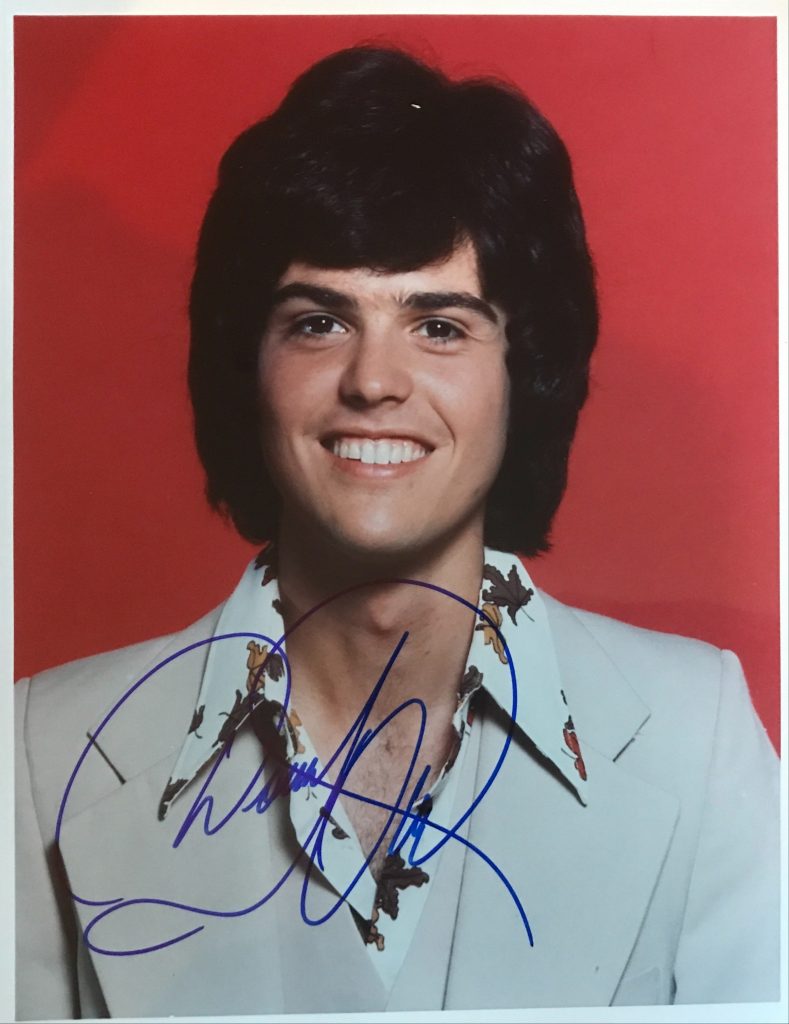
Donny Osmond is of course well known as a popular singer. He has too also appeared on stage as Danny in “Grease” and acted in movies such as “Goi’n Coconuts” in 1978. He was born in Utah in 1957.

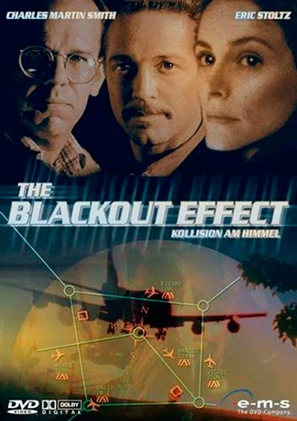
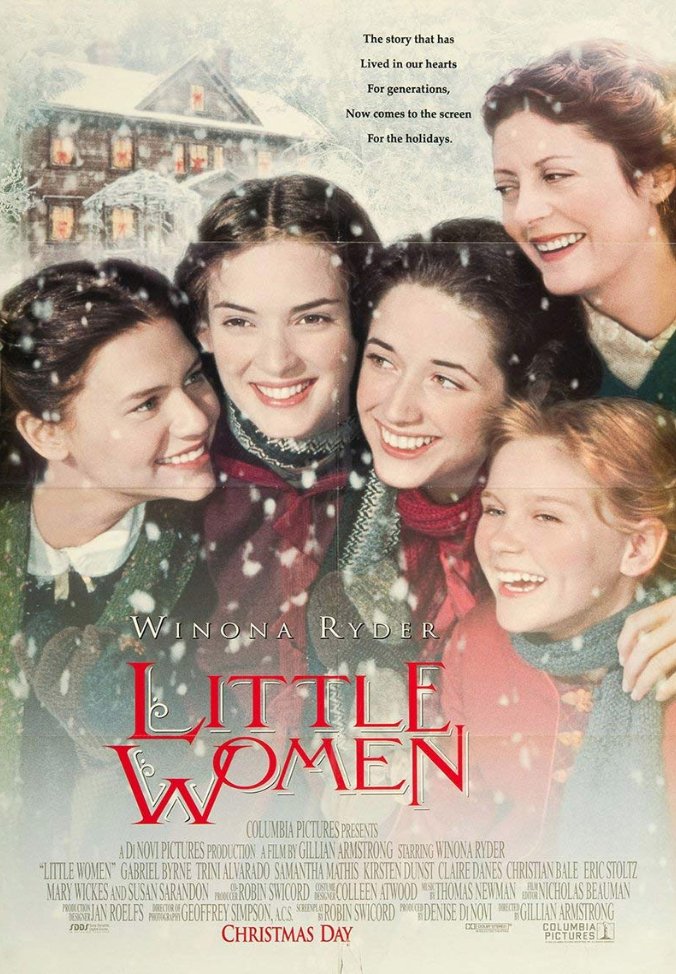
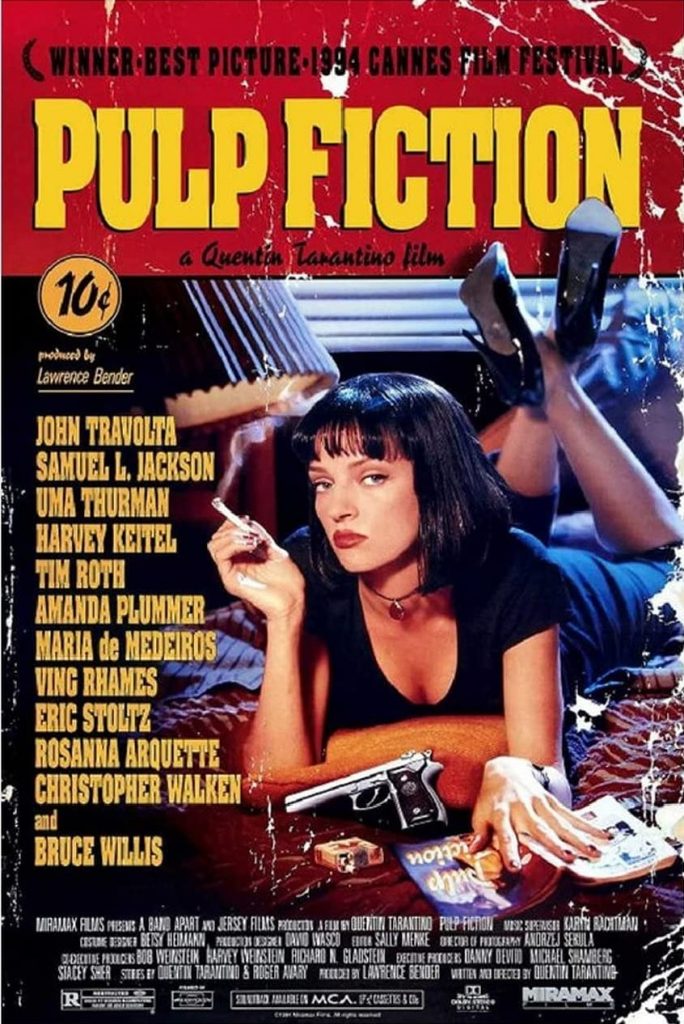
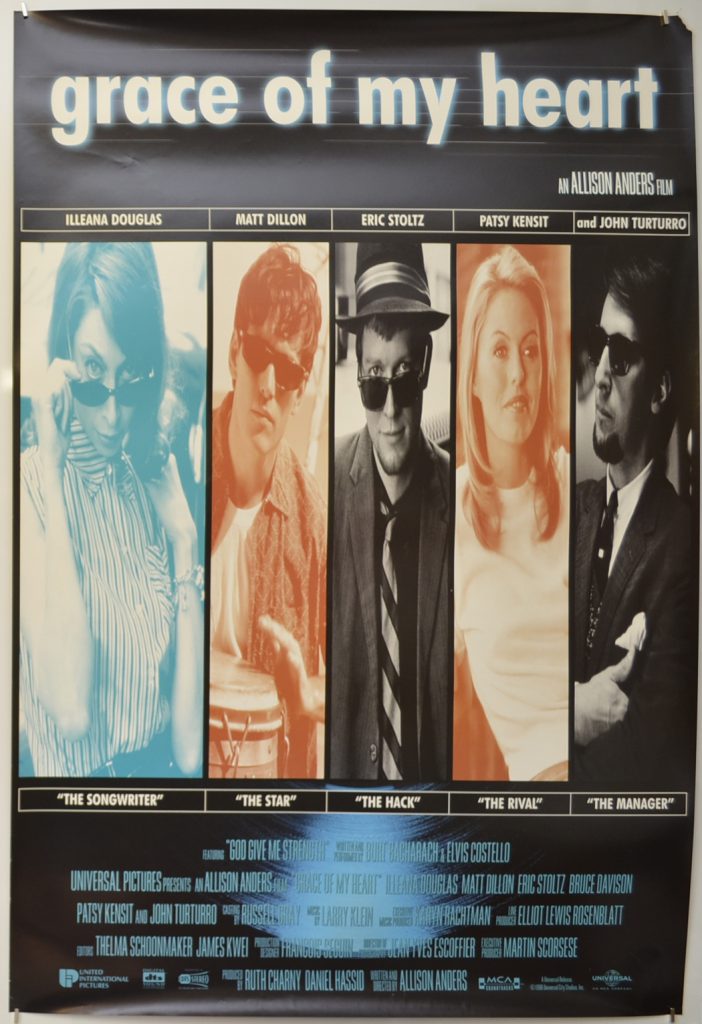
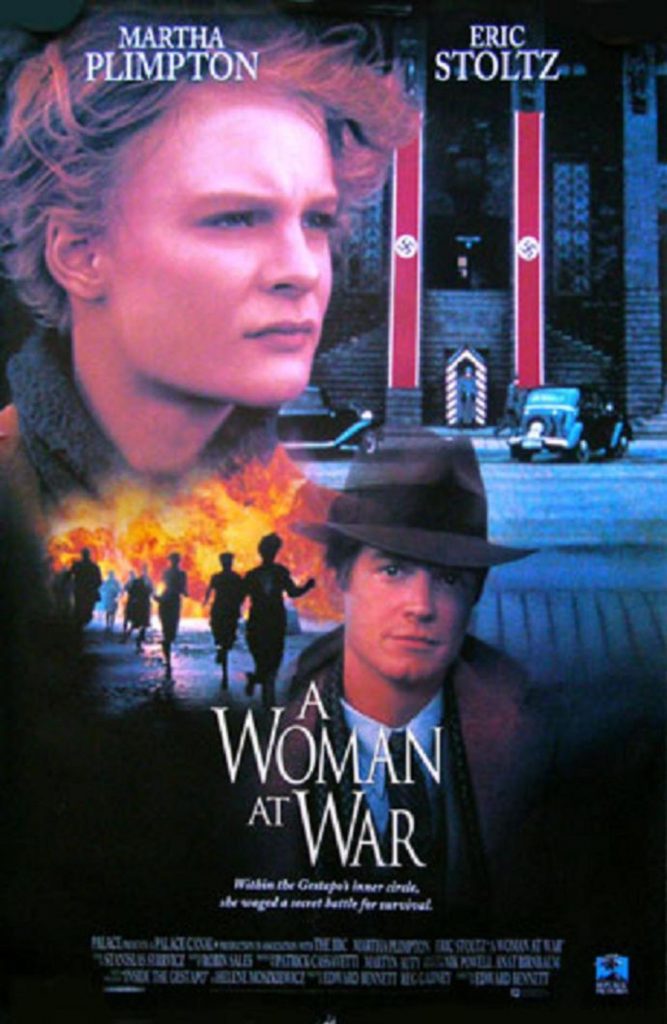
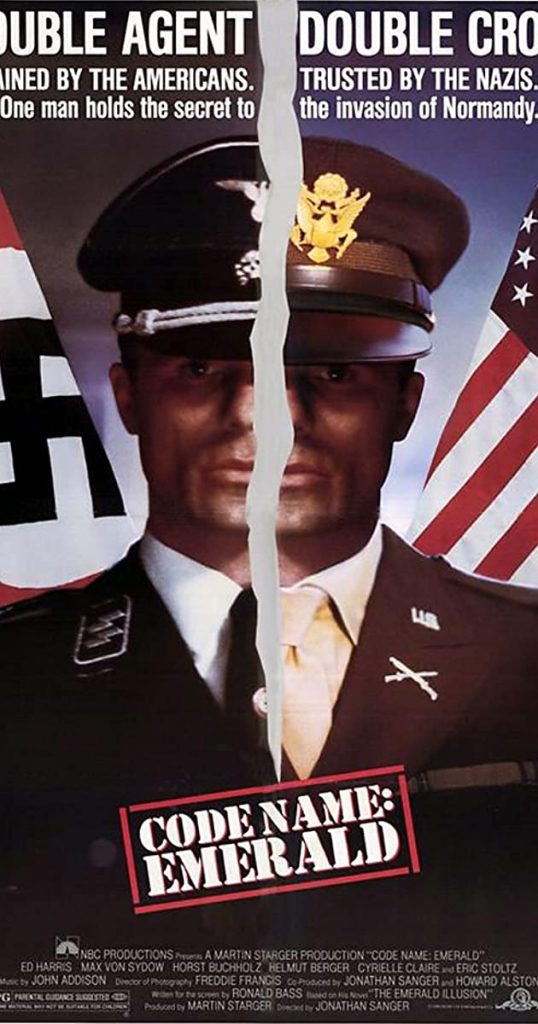
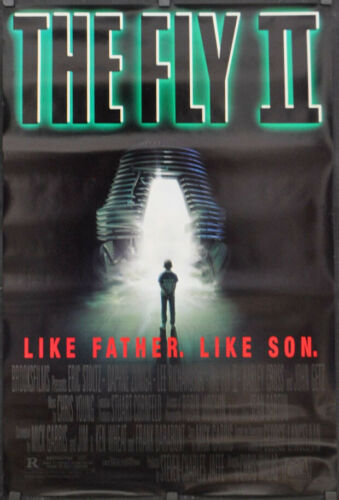
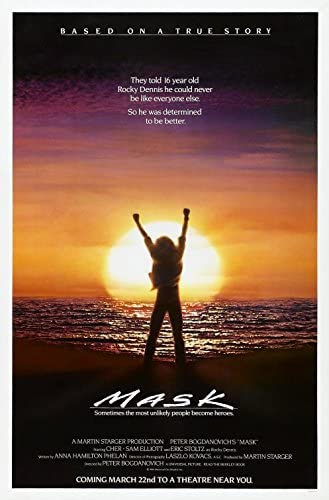
Eric Stoltz was born in 1961 in California. His first film was in 1982 in “Fast Times at Ritchmont High”. In 1985 he won rave reviews for his performacne as Cher’s son in “Mask”. His other films include “Pulp Fiction”, “Little Women”, “Waterdance” and “The Last Dance” with Maureen O’Hara in 2000. His most recent film is “Caprica”.
TCM Overview:
One of cinema’s most prolific actors and a favorite of independent filmmakers, Eric Stoltz is a witty, charming, intelligent redhead whose versatility has resulted in a decidedly eclectic body of work. His good looks have won him a fair share of leading man parts, but he has also frequently rejected the wholesome image to access his dark side, playing some angry and downright scuzzy types. “I’m not a career builder,” he has admitted. “I’ve never plotted out how to become a ‘marketable persona.'” What he has become is a first-rate actor, one who makes time for stage roles and counts having to turn down a chance to act opposite Julie Harris in a Broadway production of “The Glass Menagerie” as one of his major career disappointments. (He did finally portray Tom Wingfield in a Williamstown Theater Festival version of the Tennessee Williams’ classic.) Though many of his projects do not afford him a big pay day, he works often enough in big studio releases to subsidize his passion for plays and indies and the rewards they bring.
The son of educators who were both musically inclined, Stoltz studied the piano and trumpet but decided the theater was for him while tickling the ivories for a local community theater group. “I noticed that the actors were this wild, hedonistic, bizarre troupe of gypsies that seemed to be having an uncommon amount of fun.” After making his TV-movie debut as Carol Burnett’s son in “The Grass Is Always Greener Over the Septic Tank” (CBS, 1978), he knocked around Hollywood with little success before fleeing to Scotland where he performed at the 1981 Edinburgh Festival. When he returned to the States, Stoltz made his feature debut as one of the Stoner Buds in Amy Heckerling’s smash hit “Fast Times at Ridgemont High” (1982) and also began getting larger roles in TV-movies like “A Killer in the Family” (ABC, 1983) and “Things Are Looking Up” (CBS, 1984). As for his feature career, he spun his wheels for a while in undistinguished fare before coming to prominence as Cher’s horribly disfigured son in Peter Bogdanovich’s “Mask” (1985).
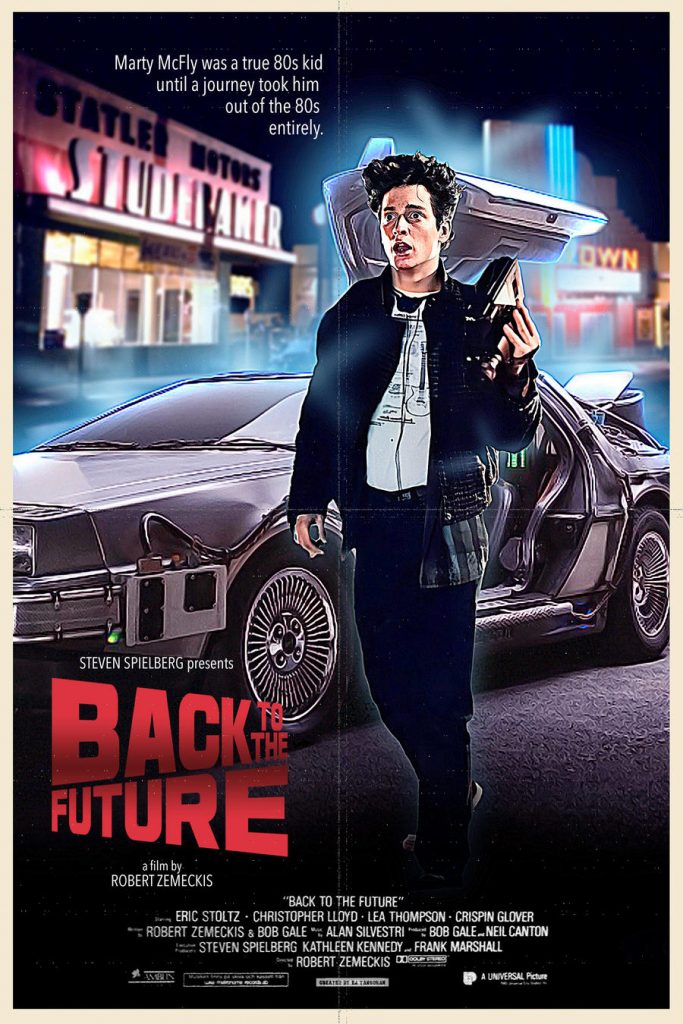
Buried under four-hours worth of make-up, Stoltz ventured out into public to get a sense of the ridicule his character had endured. The experience changed him, revealing the ugliness of human nature, and enabled him to deliver the sensitive portrayal that earned him a Golden Globe nomination. Before that movie’s release, however, he began shooting “Back to the Future” (also 1985), only to be replaced by Michael J Fox after five weeks. The success of “Mask” helped ease the pain of that humiliation and stimulated interest as to exactly what lay beneath the grotesque exterior of the “beast.” Stoltz starred as a clean-cut All-American caught between Mary Stuart Masterson and Lea Thompson in “Some Kind of Wonderful” (1987), produced and written by John Hughes, then returned to the stage, first in “The Widow Claire” off-Broadway, followed by his Tony-nominated Broadway debut as George Gibbs in a revival of Thornton Wilder’s “Our Town”, a role which he would reprise for PBS’ “Great Performances” in 1989.
The independent film “The Waterdance” (1992), written and co-directed (with Michael Steinberg) by Neil Jiminez, cast him as a writer who becomes paraplegic after a hiking accident and learns to adjust in a multi-ethnic rehabilitation center (based on Jiminez’s real-life experiences). Stoltz got his best reviews since “Mask”, balancing levity with a measure of despair and denial to anchor a wonderful ensemble including Helen Hunt, Wesley Snipes, William Forsythe and Elizabeth Pena. 1994 saw him become a high-profile actor of independent films with appearances in four non-Hollywood projects: “Naked in New York”, where he literally was naked, adding to his heartthrob credentials; “Killing Z “, as a murderous junkie drawn into a Paris bank robbery by his French friend (Jean-Hugues Anglade); “Sleep With Me”, playing a thirtysomething trying to adjust to monogamy in a new marriage; and “Pulp Fiction”, as Lance, the friendly neighborhood drug-dealing slime who ultimately saves Uma Thurman’s life. While none of these films enhanced his star status, they continued to establish the “edge” of the actor once viewed as the redheaded kid next door.
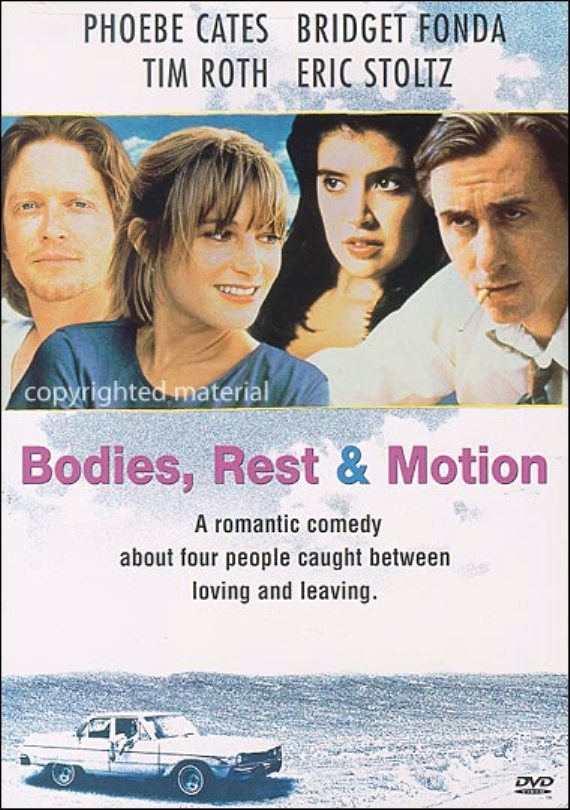
Stoltz likes nothing better than working with friends on small-budget affairs that afford creative control. He began his association with Cameron Crowe, the screenwriter, on “Fast Times” and “The Wild Life” (1984), later joining director Crowe for “Say Anything” (1989, on which he also served as production assistant), “Singles” (1992, his first film with then-significant other Bridget Fonda) and the runaway (anything but indie) hit “Jerry Maguire” (1996). He has also acted in two Noah Baumbach indies (three if you count the unreleased “Highball” lensed 1997), “Kicking and Screaming” (1995) and “Mr. Jealousy” (1998), executive producing the latter. Stoltz first served as a producer for Steinberg’s “Bodies, Rest & Motion” (1993), then again (with Steinberg and Roger Hedden) on “Sleep With Me”, and all signs indicate the talented carrot-top will enter the directing ranks at some point, capitalizing on the lessons learned producing. He joined the cast of CBS’ “Chicago Hope” as a medic with a penchant for holistic healing for the 1998-99 season before turning in his scrubs for the law. In two high profile 2000 releases, the actor played lawyers: “One Kill”, a Showtime original, cast him as a military attorney hired to defend a female captain accused of murdering an officer while “The House of Mirth”, Terence Davies’ exquisite adaptation of the Edith Wharton novel, allowed him to play a confirmed bachelor who engages in a flirtation with heroine Lily Bart (Gillian Anderson).
After that Stoltz made brief appearances in films and telepics of varying quality (he was an effectively comic crime fighting Jesus Christ in the 2001 short film “Jesus and Hutch”), and took supporting roles in the James Toback thriller “Harvard Man” (2001) and “The Rules of Attraction” (2002), the biting Brett Easton Ellis exploration of college in the 1980s. He also took a small role as Uncle Charlie in the 2001 TV movie “My Horrible Year!”, a tale about a teenage girl plotting to keep her parents together, erroneously thinking they’re considering divorce which he also directed. In 2002 Stoltz began an especially effective recurring stint on the acclaimed Marshall Herskovitz-Edward Zwick life-after-divorce drama “Once and Again” (ABC, 1999-2002), playing high school English instructor August Dimitri, who develops a close–almost too close–relationship with teenage Grace Manning (Julia Whelan).
Stoltz drew good reviews opposite Anthony LaPaglia in the 2003 telepic “Happy Hour” as part of a triangle of friends, but even his well-received acting could not overcome the critical drubbing for the 2003 Showtime mini-series “Out of Order,” in which Stoltz and Felicity Huffman played a troubled married pair of Hollywood screenwriters dealing with temptation and their deteriorating relationship. The actor next appeared on the big screen in the sci-fi thriller “The Butterfly Effect” (2004), playing the predatory pedophile father who torments the young versions of Ashton Kutcher and Amy Smart, causing Kutcher to attempt to “fix” the timeline with disastrous results. Stoltz then appeared in the rehash of the famed 1950’s sitcom, “The Honeymooners” (2005), playing a character not in the original series. Though promising a fresh take on an oldie-but-goodie, the movie was blasted by critics who complained about a lack of chemistry between characters, a subservient bow to political correctness-particularly with Kramden’s famous threat to send Alice to the moon-and a dearth of laughs despite overwhelming comedic talent.







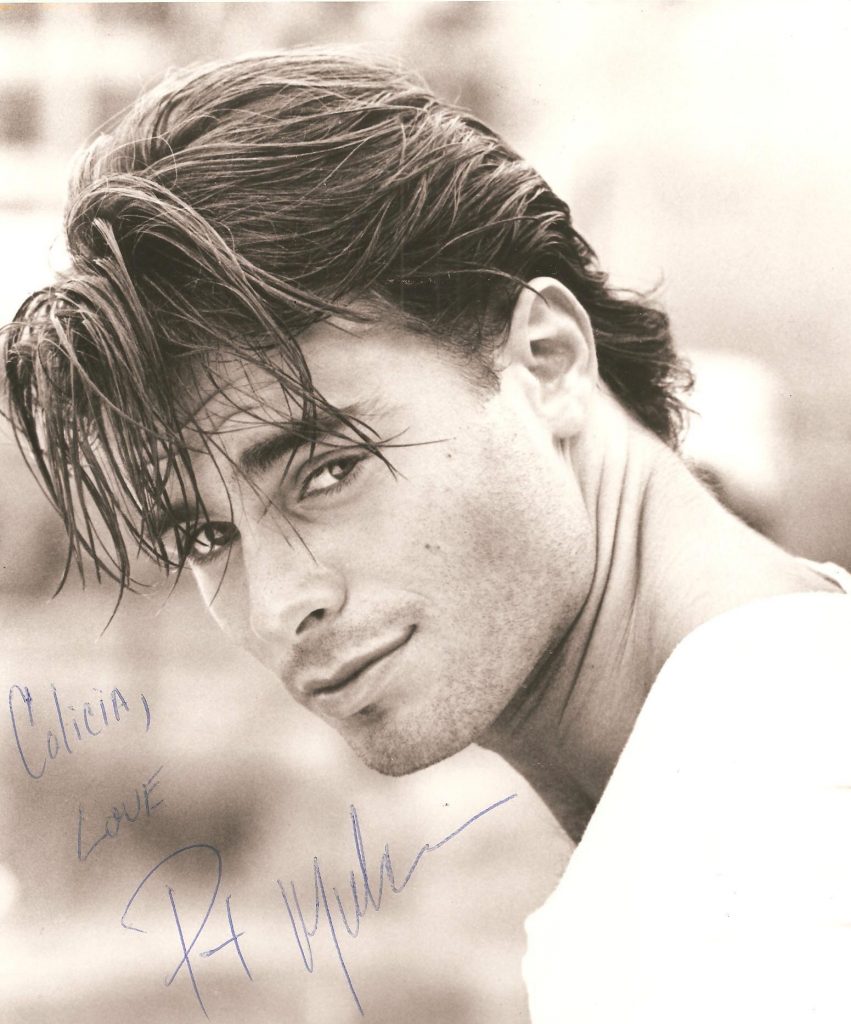
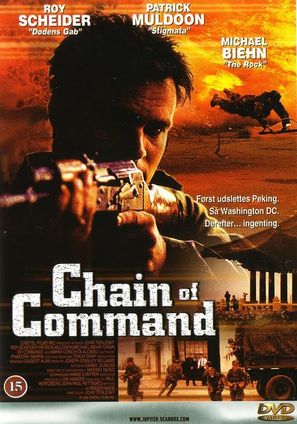
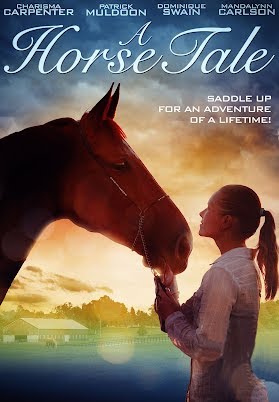
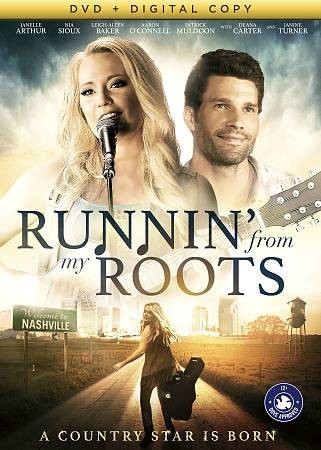
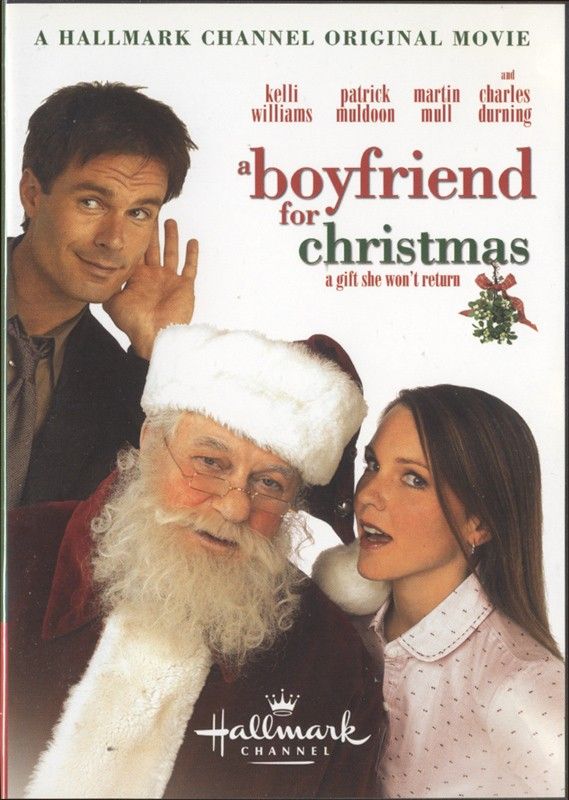
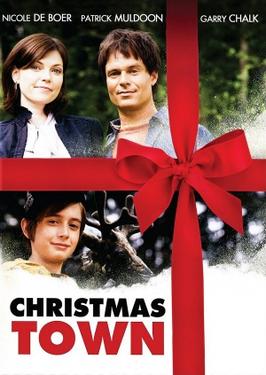
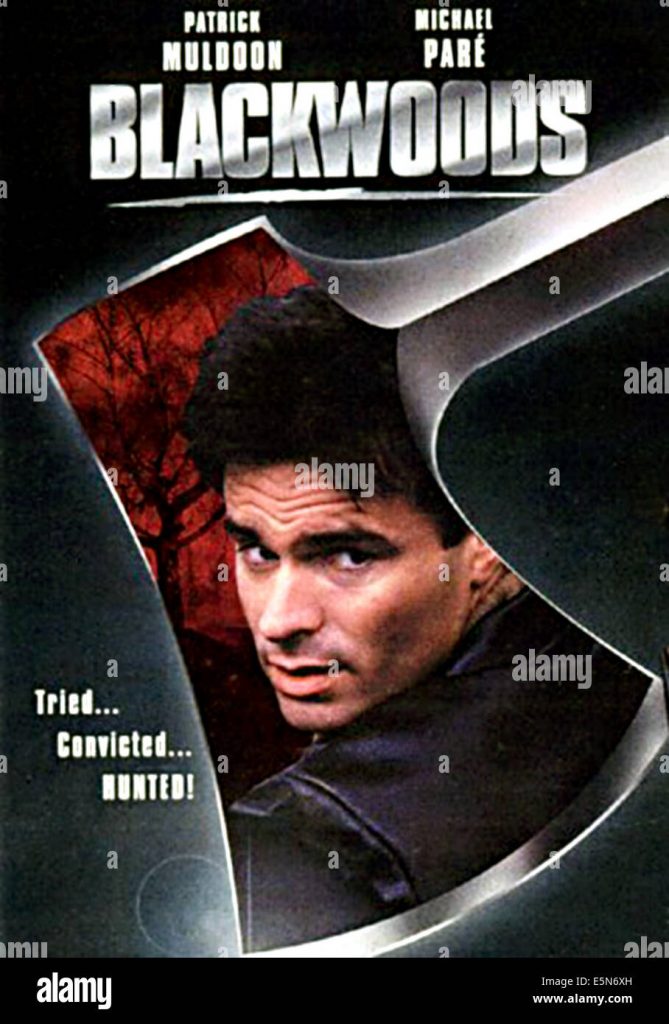
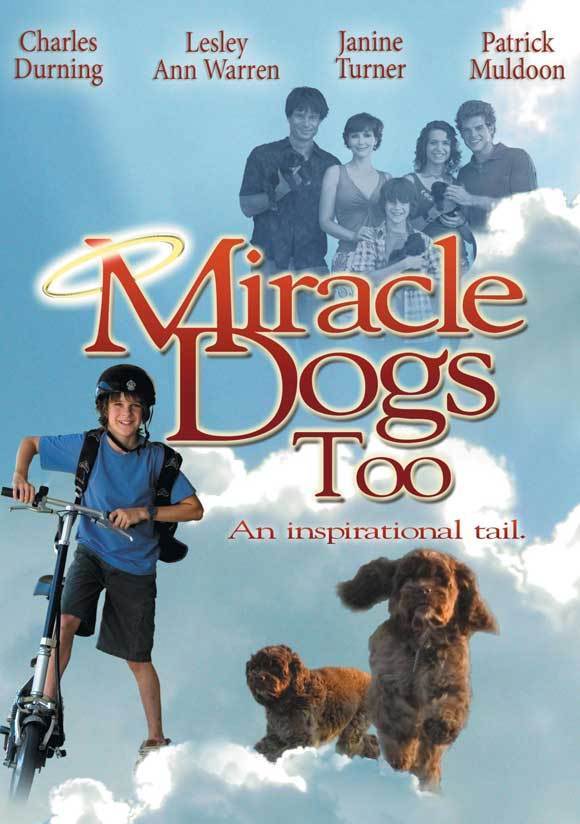
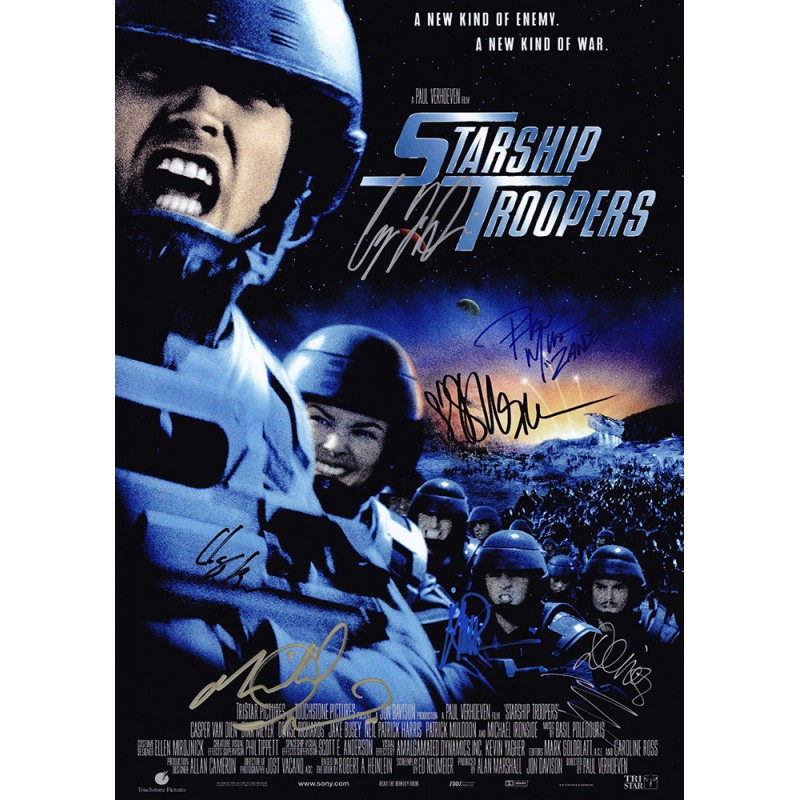
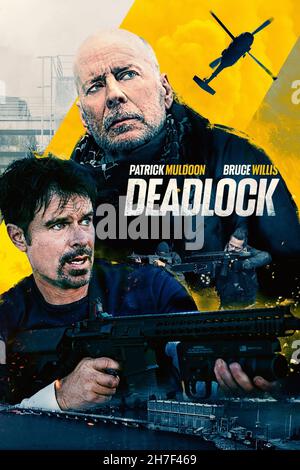
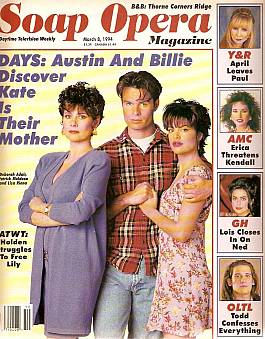
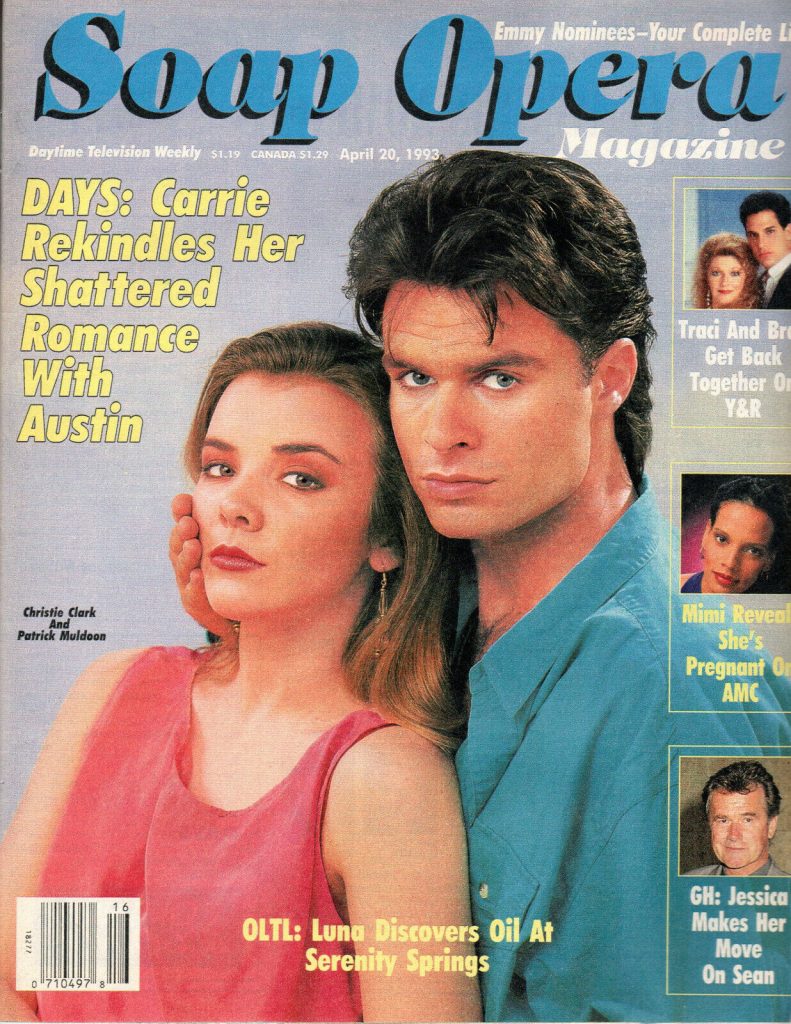
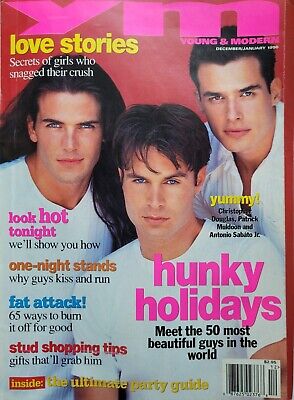
Patrick Muldoon was born in 1968 in San Pedro, California. His television debut came in 1990 in “Who’s the Boss”. “Rage and Honour 2 ” in 1993 was his first film. He is perhaps best known for his starring role in “Starship Trooper” in 1997. His most recent film is “The 7 Adventures of Sinbad”.
TCM Overview:
This handsome, dark-haired model-turned-actor rose to fame with his three-year (1992-95) stint as the soap opera hunk Austin Reed on NBC’s “Days of Our Lives”. Patrick Muldoon’s good looks and acting ability brought him a variety of offers from producers, but it was Aaron Spelling who won out and landed the actor for the recurring role of businessman-turned-rapist Richard Hart on the Fox nighttime soap “Melrose Place” (for the 1995-96 season). He segued to the big screen battling alien bugs as one of the “Starship Troopers” (1997) and continued in the sci-fi vein starring in the sequel “The Second Arrival” (HBO, 1998).


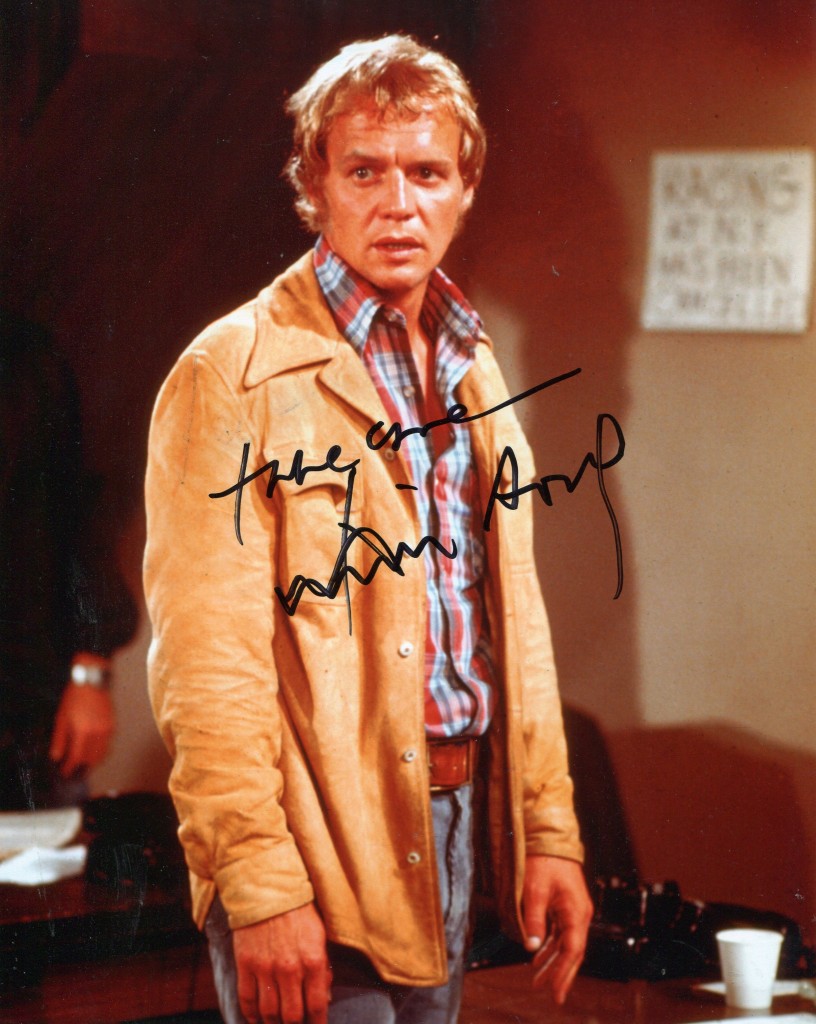
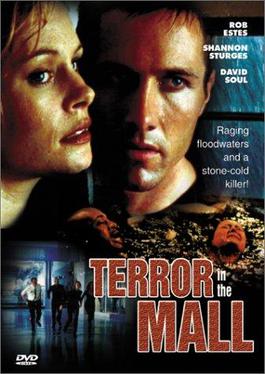
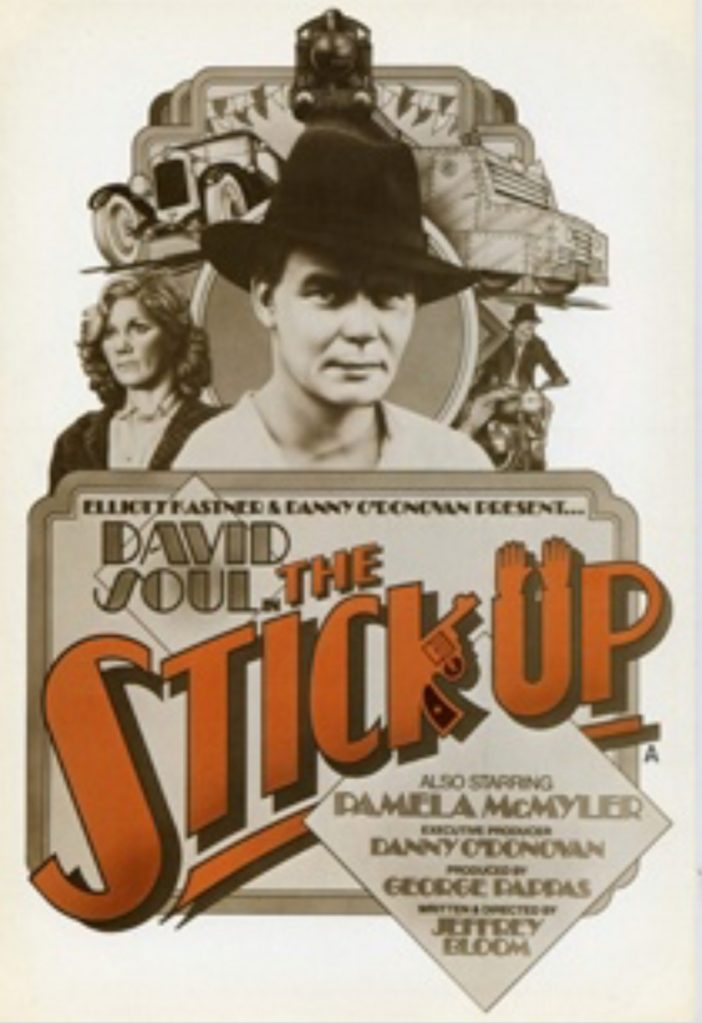
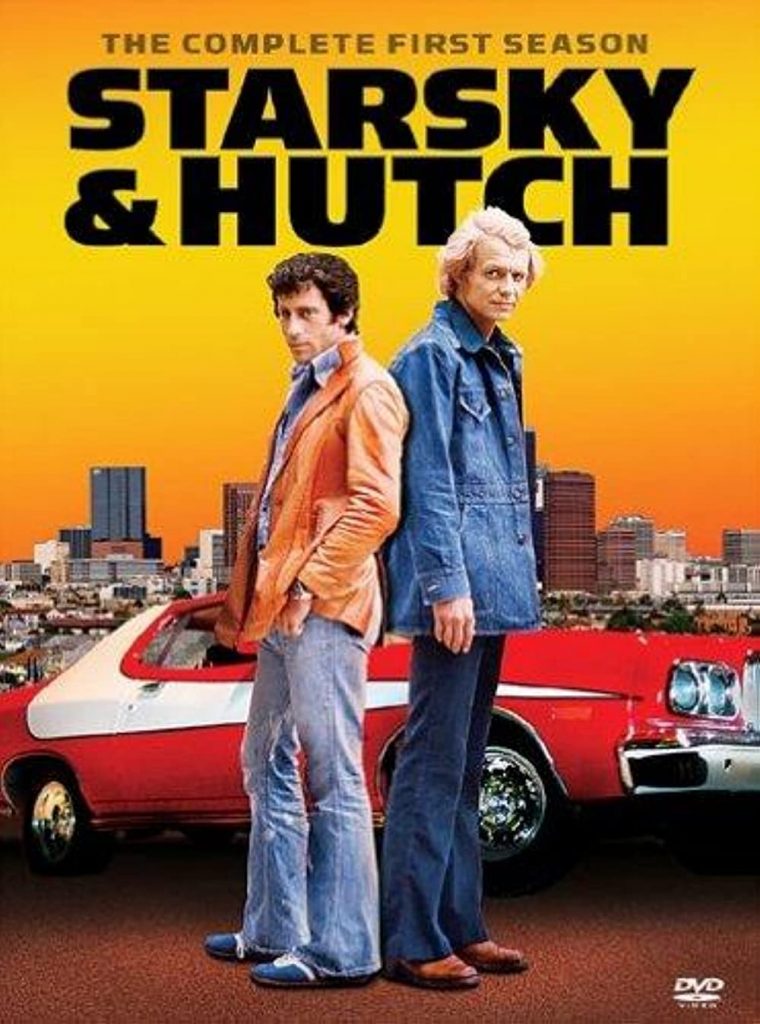
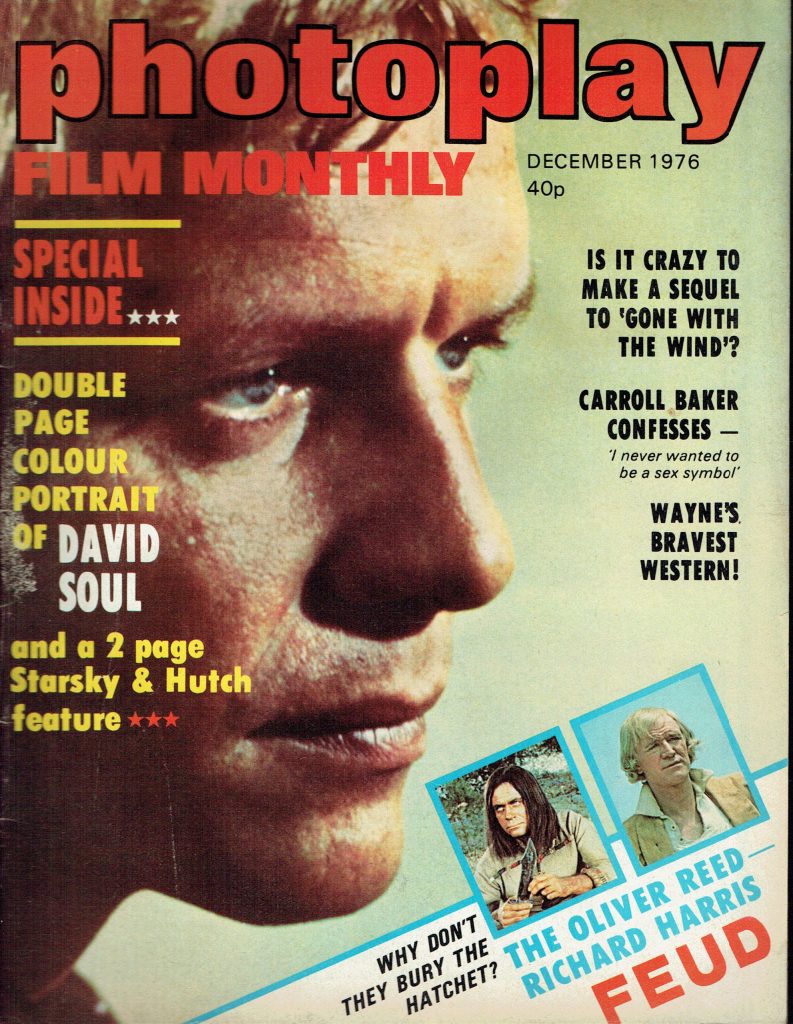
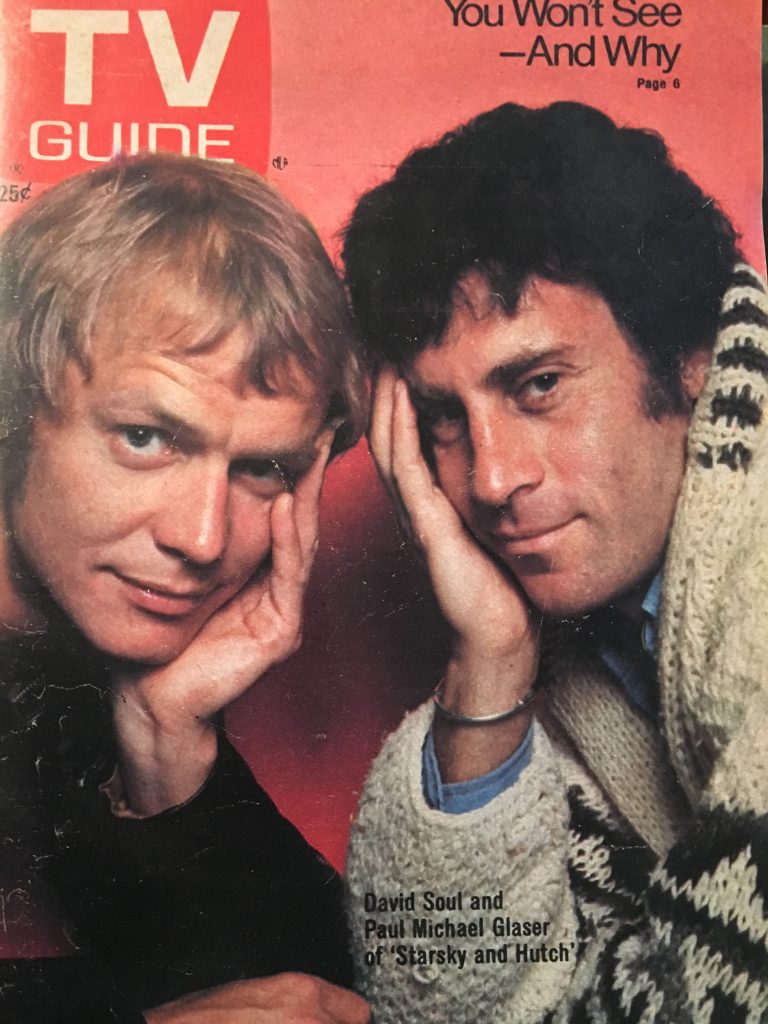
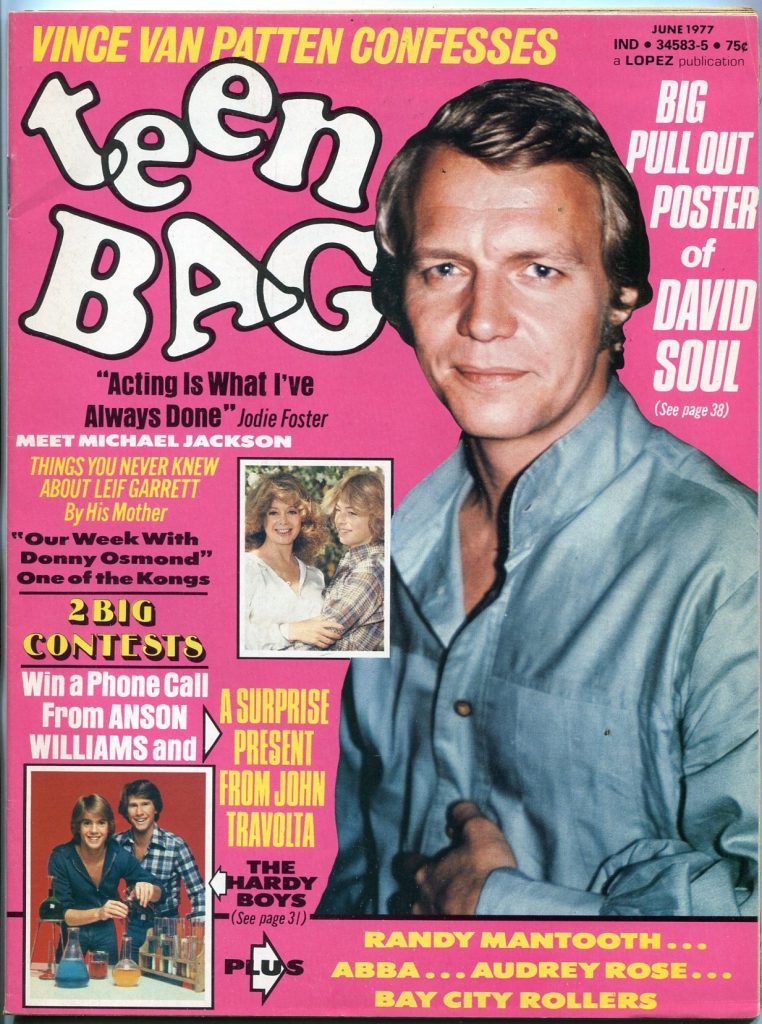
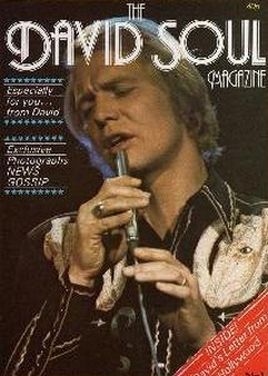
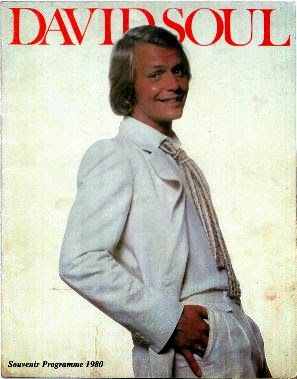
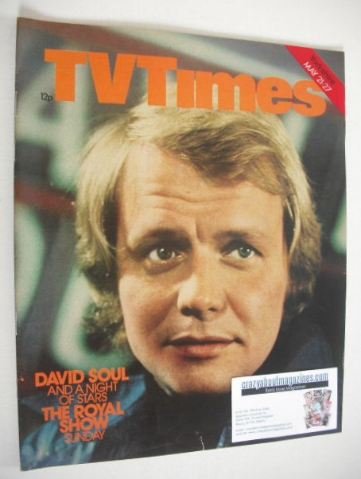
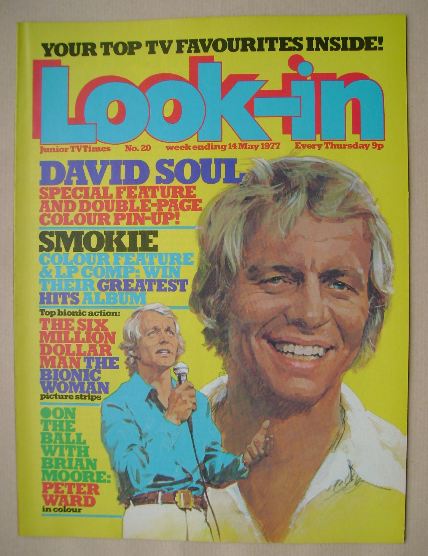
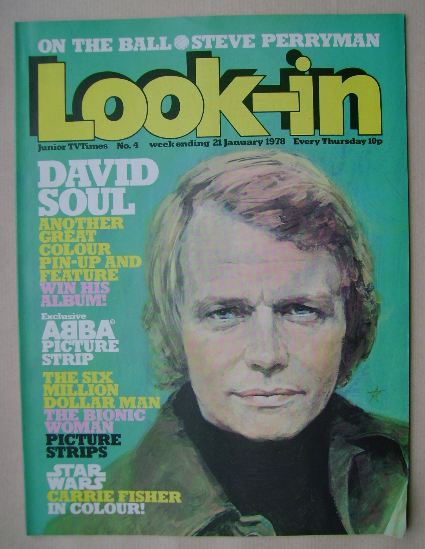
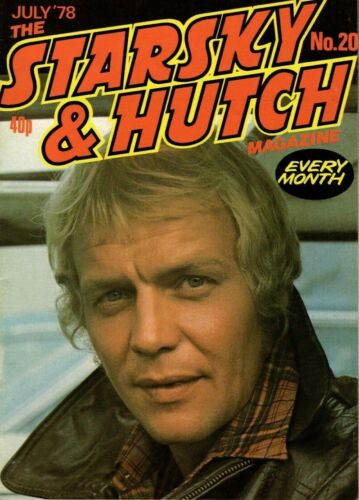
David Soul was born in 1943 in Chicago. His first major film role was in the Clint Eastwood crime drama “The Enforcer” in 1973. He gained huge fame with the success of “Starsky and Hutch” which ran on television from 1975 until 1979. His film roles included “Appointment With Death” in 1989 and “Farewell” with Willem Defoe and Fred Ward in 2010. David Soul is also an acccomplished singer and had some Top Ten Hits including “Silver Lady”.
His IMDB entry:
David Soul achieved pop icon status as handsome, blond-haired, blue-eyed Detective Kenneth Hutchinson on the cult “buddy cop” TV series Starsky and Hutch (1975), Soul also had a very successful singing career recording several albums, with worldwide number one hit singles including “Silver Lady” & “Don’t Give Up on Us Baby”.
Born in Chicago, Illinois, David Soul is the son of a minister who was at one time serving as the religious affairs advisor to the U.S. High Commission in Berlin. At 24 years of age, young Soul joined a North Dakota musical revue, was noticed by a keen-eyed talent scout, and signed to a studio contract. He went on to study acting with the Irene Daly School of The Actors Company, and with the Columbia Workshop in Hollywood. He first appeared on TV in small roles in shows including I Dream of Jeannie (1965), Flipper(1964) and All in the Family (1971). Regular TV work kept coming in for Soul including making masked appearances on The Merv Griffin Show (1962), as the popular singer known only as “The Covered Man.”
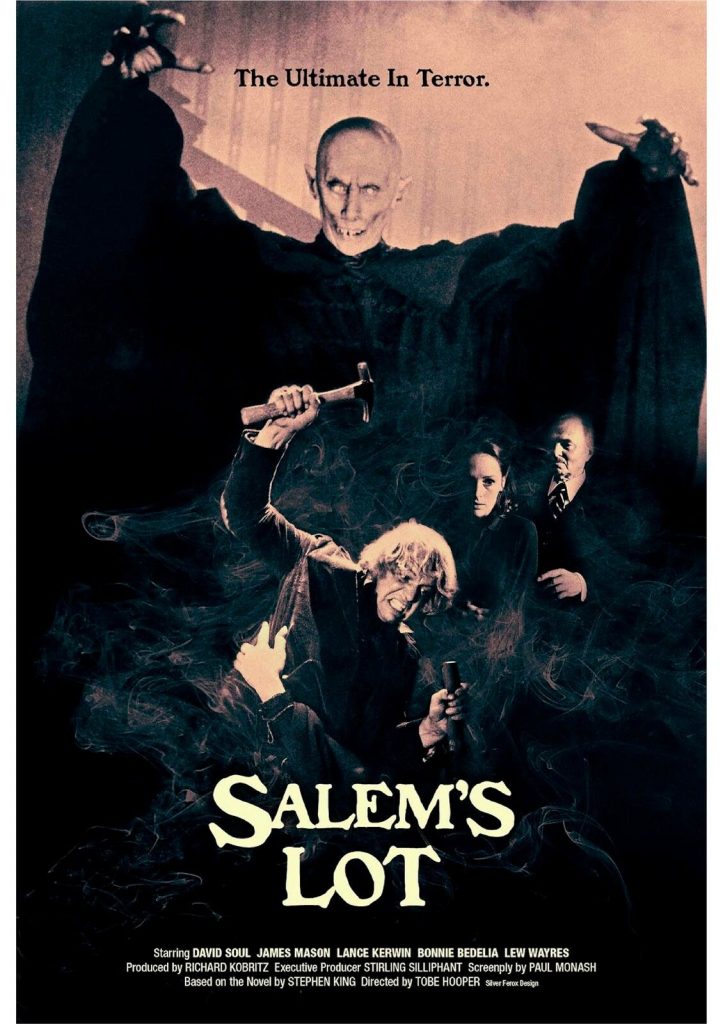
In 1973, Soul was fortunate enough to be cast as one of the corrupt motorcycle cops in the Clint Eastwood thriller Magnum Force (1973), where his talents came to the attention of several TV execs who were looking for someone to play one of the lead roles in the upcoming Starsky and Hutch (1975) TV series. After four seasons, the show came to an end, yet Soul’s talents were still in demand. He quickly went on to appear as the meek writer turned terrified vampire hunter Ben Mears in the chilling television mini-seriesSalem’s Lot (1979), and then as Jake in the interesting television movie Homeward Bound (1980).
Several undemanding movies and TV series appearances followed for Soul. However in 1988 he scored rave reviews for his portrayal of real life, cold-blooded cop killer Michael Lee Platt in In the Line of Duty: The F.B.I. Murders (1988). It was considered highly controversial for its intense level of violence in a made for TV production.
David Soul remained very busy throughout the 1990’s and beyond, in both film and on stage productions. He has toured internationally in several theater productions, including playing the narrator in the critically-acclaimed








Barry Miller was born in 1958 in Los Angeles. He first came to prominence as John Travolta’s buddy in “Saturday Night Fever”. In 1985 he won a Tony for his performance on Broadway in “Biloxi Blues”.His other film performances include “Love Affair” in 1994 and “Flawless” in 1999.
TCM Overview:
Slight, dark and intense, Barry Miller has proved an actor of extraordinary depth and versatility, frequently portraying nebbishy, intellectual and often surprisingly forceful characters. After making his TV-movie debut in “Brock’s Last Case” (NBC, 1973), he played Mark Vitale, the elder of two teenage sons of Italian-American widower Joe Vitale (Richard Castellano) in the CBS sitcom “Joe and Sons” (1975-76). While he made his film debut as the younger incarnation of the title character in “Lepke”, the 1975 biopic of the gangster Louis ‘Lepke’ Buchalter, Miller really first caught the attention of filmgoers as Bobby C, the depressed teenager who drunkenly falls off the Verrazano-Narrows Bridge in “Saturday Night Fever” (1977). While the role was showy, he was overshadowed by John Travolta, who garnered most notoriety. Instead of being propelled to a film career, Miller returned to series TV as one of the center kids on “Szysznyk” (CBS, 1977-78), a successful summer sitcom that was trounced in the ratings in the fall.
Regrouping, Miller offered fine support as Amy Irving’s juvenile delinquent younger brother in the romance “Voices” (1979) before director Alan Parker tapped him to play the dynamic aspiring Puerto Rican comedian Raoul Garcia a.k.a. Ralph Garcy in “Fame” (1980). The actor took what might have been a thoroughly unlikable character and peeled away the layers to reveal his flaws and vulnerabilities. Miller then switched ethnic identities for his role in the film adaptation of Chaim Potok’s “The Chosen” (1981). Exchanging the freneticism of his “Fame” turn for a more thoughtful effort, he starred as Reuven Malter, a secular Jew who forms a strong, unconventional friendship with an Hassid (Robby Benson) after the two meet as opponents on a baseball field.
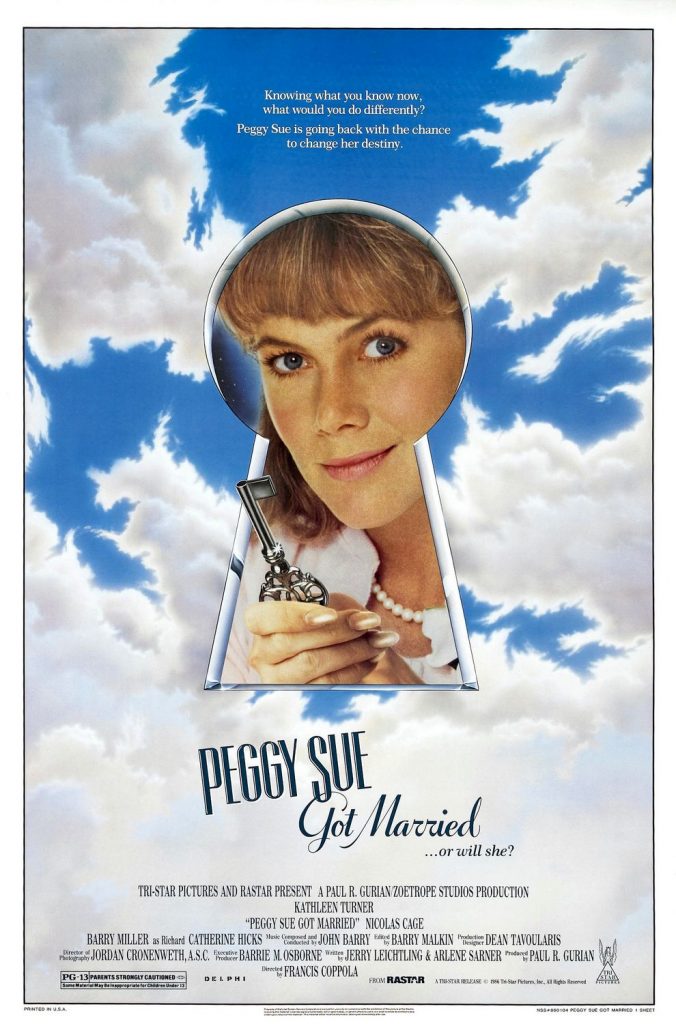
While he had acted on the New York stage in “My Mother, My Father and Me” (1980), “Forty-Deuce” (1981) and in the 1982 NYSF summer presentation of “The Tempest” (as Caliban), Miller found his breakthrough as non-conformist army recruit Arnold Epstein in 1985’s “Biloxi Blues”, the second part of Neil Simon’s autobiographical trilogy. As the soldier suspected of being gay, Miller won the “triple crown” of theater awards, the Outer Critics Circle, Drama Desk and Tony Awards. Although he has periodically acted on stage since (i.e., “Crazy He Calls Me” 1992), he has performed mostly for the cameras. He was Kathleen Turner’s nerdy devotee in “Peggy Sue Got Married” (1986) and portrayed Jeraboam, the spiritually hungry monk who urges Jesus to fulfil his role as Messiah, in Martin Scorsese’s “The Last Temptation of Christ” (1988). After returning to series TV as aggressive assistant district attorney Peter ‘Briggs’ Brigman in “Equal Justice” (ABC, 1990-91), Miller played a young studio chief in Paul Mazursky’s “The Pickle” (1993) and supported Warren Beatty and Annette Bening in the ill-fated “Love Affair” (1994). In 1997 and 1998, he made guest appearances on both of producer-creator David E Kelley legal-themed series “The Practice” (ABC), as a lawyer, and “Ally McBeal” (Fox), as a foot fetishist defended by the title character. After a five-year absence, Miller returned to the big screen as the scheming manager of the El Palacio residential hotel in Joel Schumacher’s “Flawless” (1999).
This TCM overview can also be accessed online here.