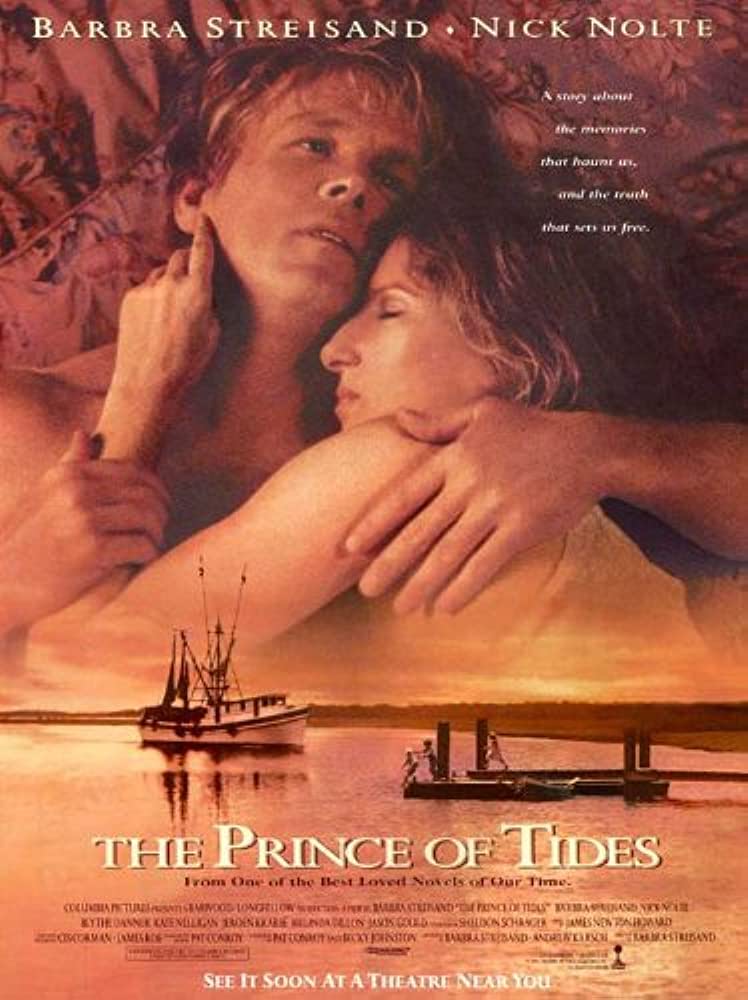
Blythe Danner was born in 1943 in Philadelphia. She first won acclaim on Broadway in “Butterflies Are Free”. In 1972 she starred as Martha Jefferson in “1776”. Other films include “The Great Santini”, “The Prince of Tides” in 1991 and opposite Robert De Niro in “Meet the Parents” and it’s sequels. She is the mother of Gwyneth Paltrow.
IMDB entry:
Blythe studied acting and got her degree from Bard College and began her career in Boston theater companies. By 25, she won the Theater World Award for her work in Molière‘s “The Miser”, at Lincoln Center. She also won the 1970 Tony award for her role in “Butterflies Are Free”. She made her film premiere in the same year in the television production of Dr. Cook’s Garden (1971). For 25 years, she has been a regular performer at the Williamstown Summer Theater Festival. She has also been nominated for Tonys for performances in “A Streetcar Named Desire” and “Betrayal”. Married to director Bruce Paltrow, she is the mother of two acting children, Gwyneth Paltrow and Jake Paltrow.
– IMDb Mini Biography By: John Sacksteder <jsack@ka.net>
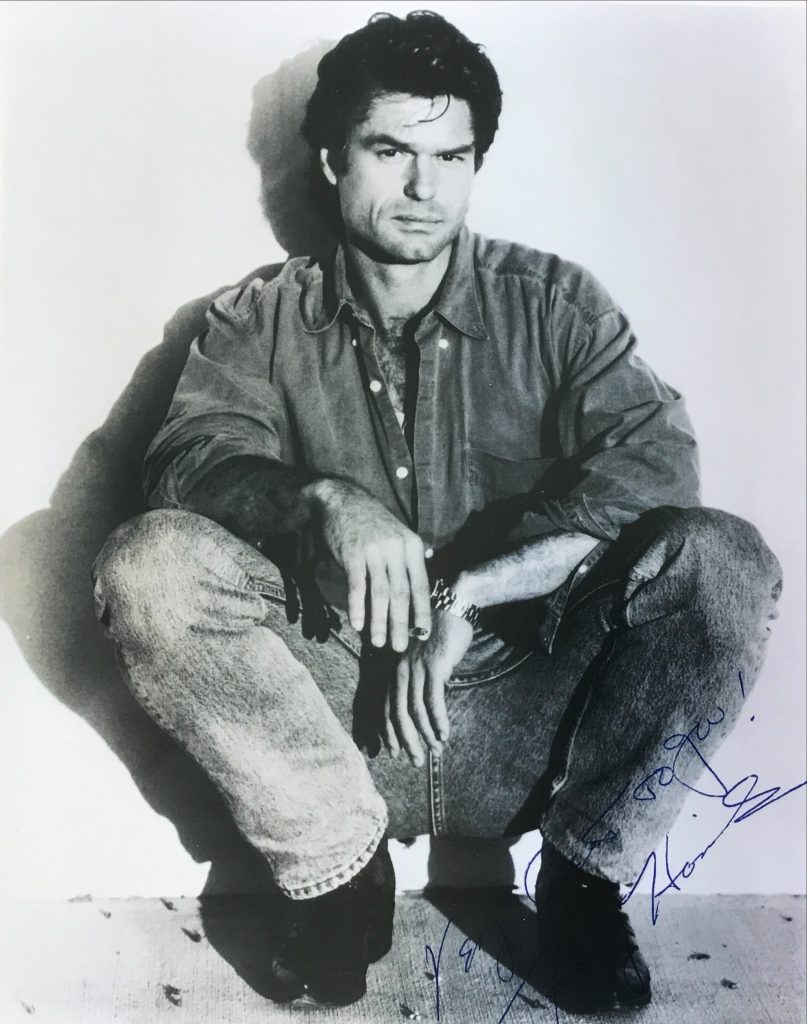
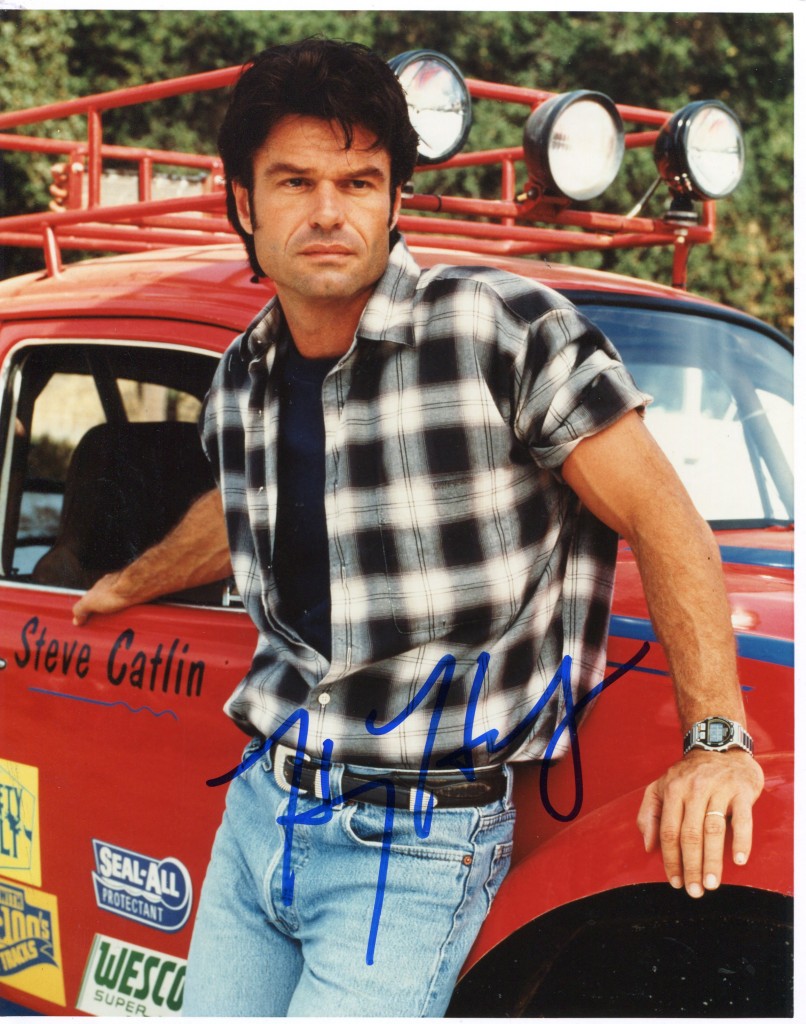
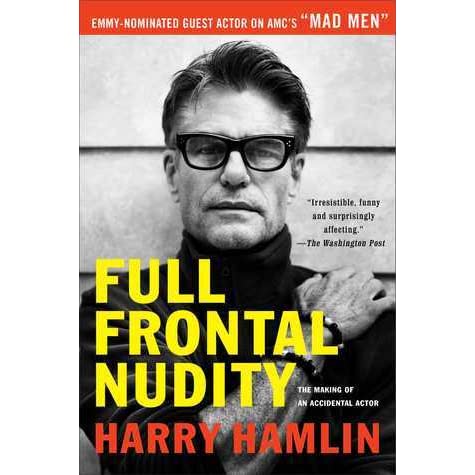
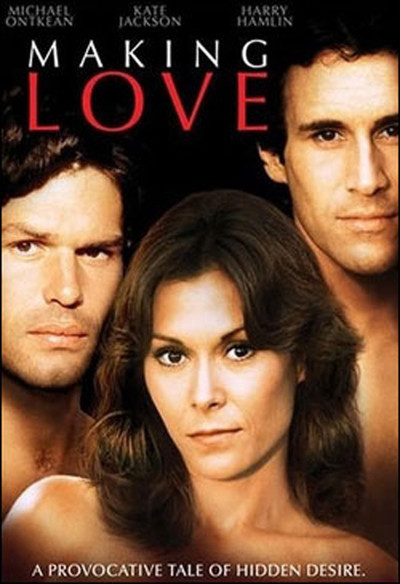
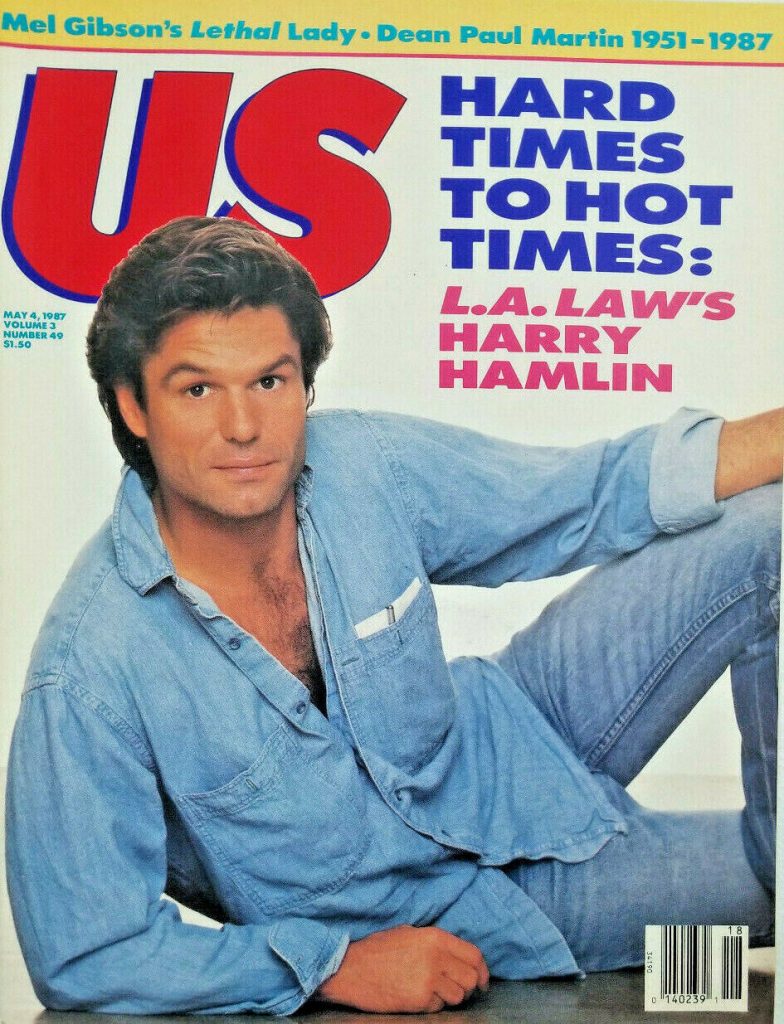
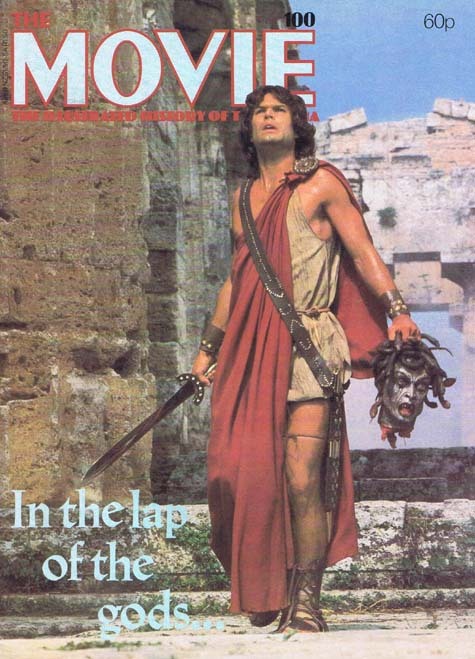
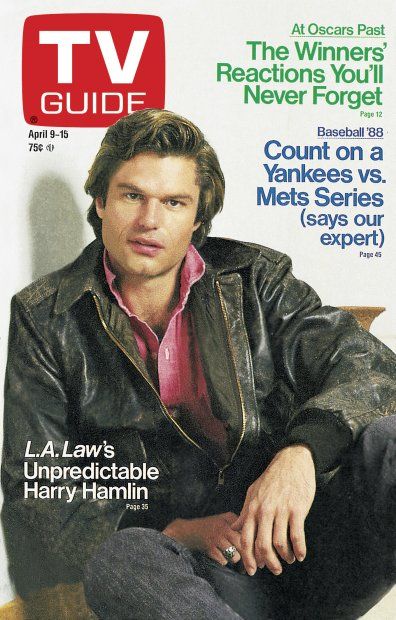
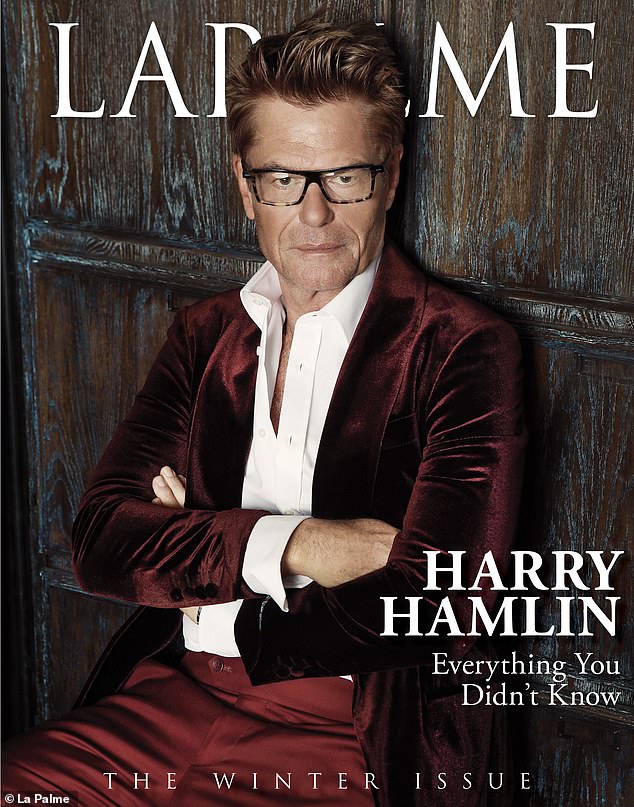
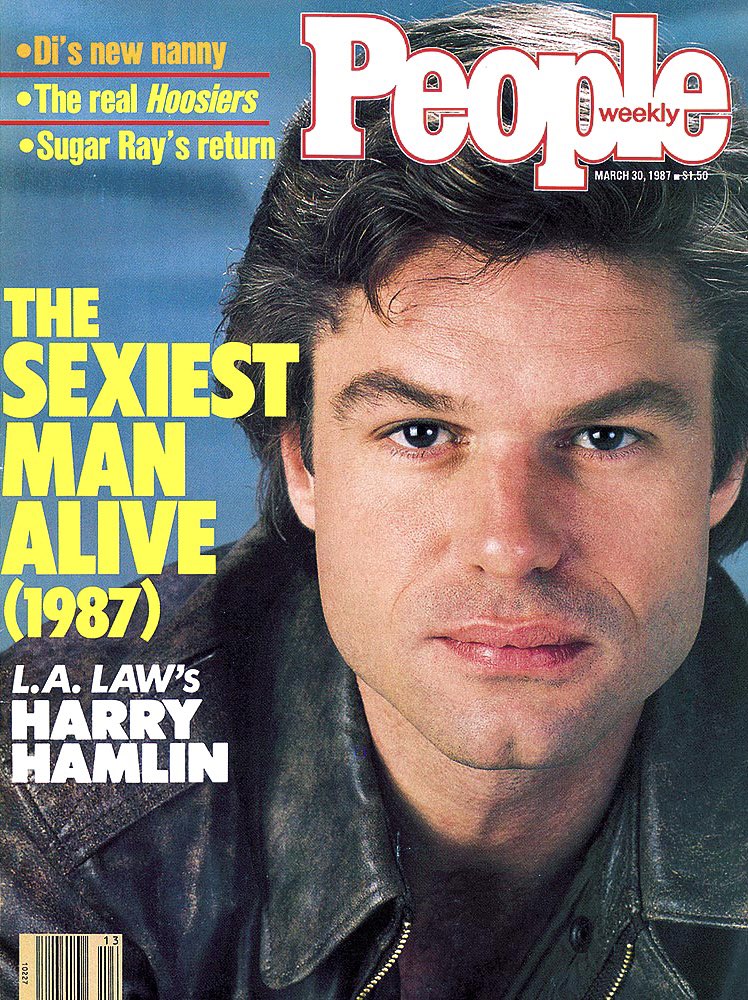
Hamlin was born in 1951 in Pasadena, California. In 1979 he played the title role in the miniseries “Studs Lonnigan”. In 1982 he starred with Michael Ontkean in “Making Love”. Other films include “Clash of the Titans”, “Movie, Movie” and was one of the stars of the very successfeul television series “LA Law”.
TCM Overview:
With a résumé often overshadowed by his relationships with several Hollywood sex symbols, Harry Hamlin’s acting career began promisingly and peaked with a hugely successful television series, but he ironically found its niche in the role of husband to a former soap opera star. After studying drama at Yale and earning his M.F.A. from San Francisco’s American Conservatory Theater, Hamlin quickly made the leap to feature films, appearing in 1978’s “Movie Movie,” and nabbing the title role in the NBC miniseries “Studs Lonigan” (1979). He made a splash with the special effects-laden feature “Clash of the Titans” (1981), and went on to major stardom as part of a stellar ensemble on one of the biggest TV series of the 1980s, “L.A. Law” (NBC, 1986-1994). However, poor choices in both projects and women ultimately relegated Hamlin to sub-par direct-to-video fare and serving as fodder for the tabloids, respectively. Oddly enough, it was his celebrity marriage to onetime soap opera star Lisa Rinna that allowed Hamlin to once again enjoy both his offscreen life and the spotlight as one-half of a celebrity couple to a degree he had not known in well over a decade.
Born on Oct. 30, 1951, in Pasadena, CA, Hamlin attended the Flintridge Preparatory School in nearby La Cañada before continuing on to the prestigious boarding academy, The Hill School in Pottstown, PA. At the University of California, Berkley, Hamlin enrolled in the school’s theater program only after the courses for his intended major were filled, but was soon enamored with the stage and chose to seriously pursue an acting career. In 1972, much to the dismay of his family, Hamlin transferred to Yale University where he earned a B.A. in drama in 1974. A scholarship to the American Conservatory Theater brought him back West to San Francisco, where Hamlin’s real transformation into an actor occurred in the Advanced Actor Training Program. There, Hamlin starred in a production of “Equus,” attracting the attention of director Stanley Donen, and receiving his M.F.A in acting in 1976. That year, he was awarded a Fullbright Scholarship, but turned it down after landing his first feature film role as naïve boxer Joey Popchick in Donen’s nostalgic comedy “Movie Movie” (1978), starring alongside the likes of George C. Scott and Red Buttons. Barely out of college, Hamlin was already off to a promising Hollywood start.
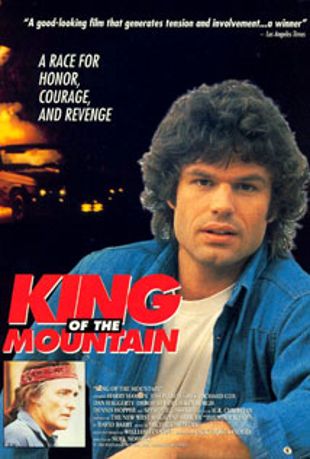
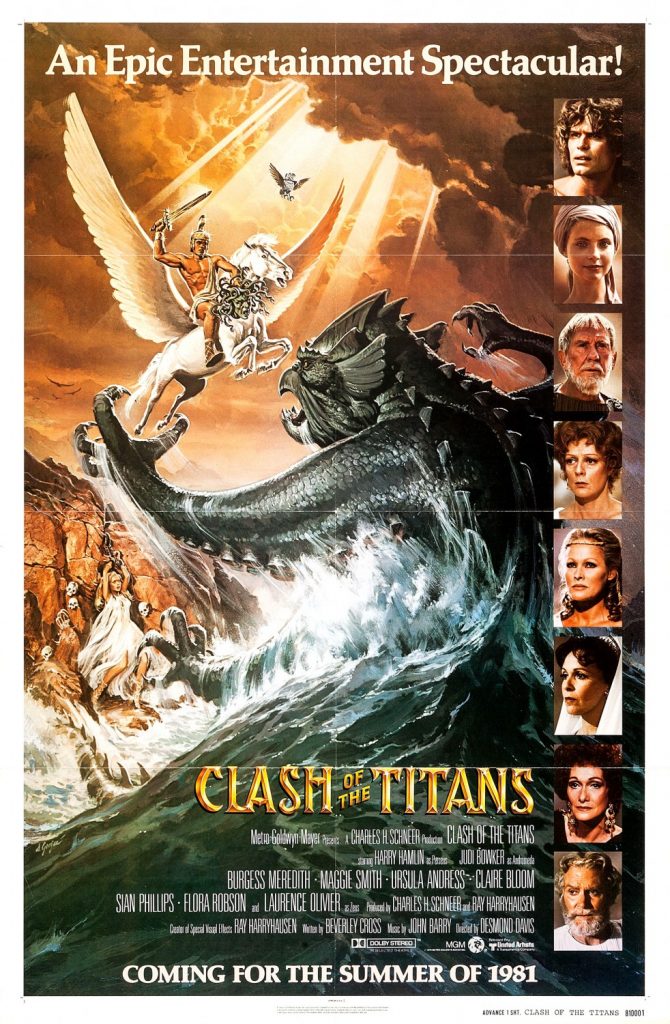
Around this time, Hamlin began a four-year relationship with original “Bond Girl,” Ursula Andress, with whom he would father a son, Dmitri, in 1980. The couple remained a favorite subject of the gossip columns throughout their May-September romance. On television, Hamlin won the title role in the miniseries “Studs Lonigan” (NBC, 1979), for which the young actor received favorable notices. With “King of the Mountain” (1981), Hamlin won his first leading role in a feature film. Unfortunately, the tale of illegal street racing on Mulholland Drive stalled at the box office. Hamlin’s next feature, however, would secure him a place in the hearts of fantasy-loving fanboys for decades to come. As the mortal Perseus in the Greek mythology adventure epic “Clash of the Titans” (1981), Hamlin would once again share screen time with film legends such as Laurence Olivier and Burgess Meredith, in addition to girlfriend Ursula Andress, who, naturally, took the role of Aphrodite. His bare-chest-laden exposure in “Clash of the Titans” resulted in more feature offers, but 1982’s “Making Love” proved to be a poor follow-up choice. Directed by Arthur Hiller, the drama focused on a loving husband (Michael Ontkean) suddenly realizing he is in love with another man (Hamlin) and the resulting emotional turmoil as he struggles to tell his wife (Kate Jackson). For all its good intentions, less-than-accepting audiences stayed away in droves, effectively killing Hamlin’s movie career.
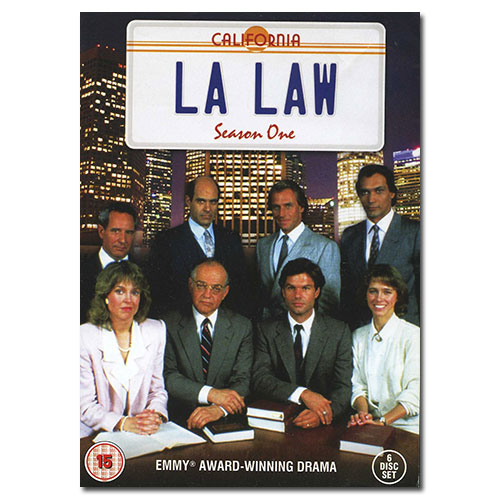
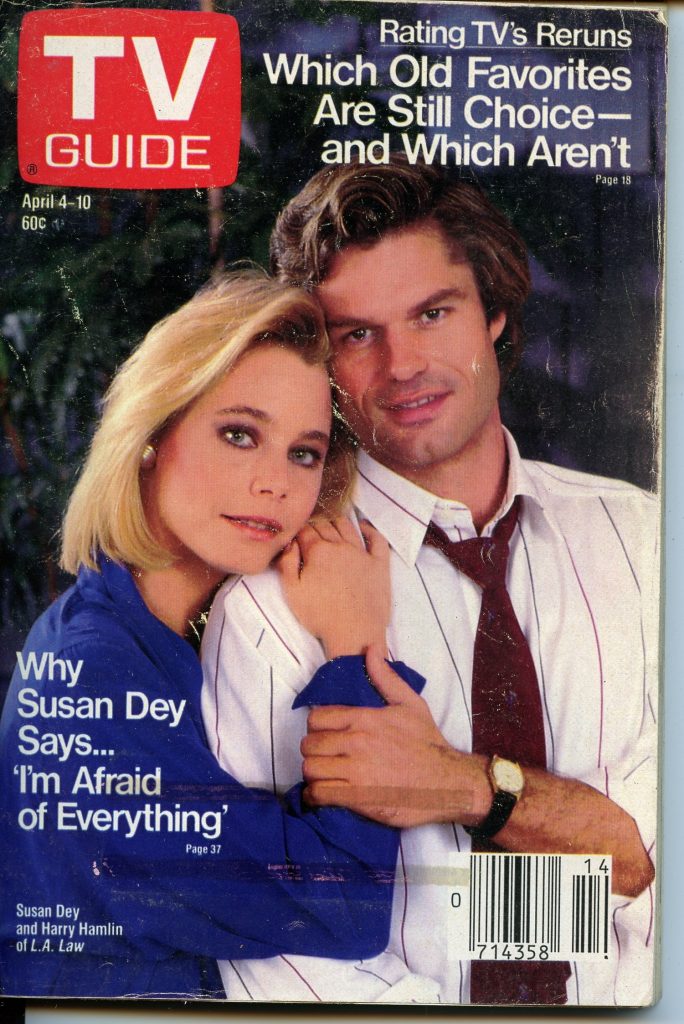
After one more stab at the big screen in the box office bomb “Blue Skies Again” (1983), Hamlin returned to television with two more literary-inspired miniseries, “Master of the Game” (CBS, 1984), based on the Sidney Sheldon melodrama, and “James A. Michener’s ‘Space'” (CBS, 1985). In a continuing theme, Hamlin’s personal life would continue to outshine his career. His relationship with aging sex symbol Andress had ended a few years earlier, and in 1986 Hamlin married actress Laura Johnson, a regular on the primetime soap “Falcon Crest” (CBS, 1981-1990). It was a tumultuous romance that would end in a messy divorce a few years later, once again salaciously covered in the tabloids. Suddenly, everything changed for Hamlin when he was cast as the brooding, intense attorney, Michael Kuzak, on the breakout hit series “L.A. Law” (NBC, 1986-1994). The show became the prototype for what would be a mainstay of episodic television – the legal drama. Hamlin’s character was considered the show’s moral lynchpin. With his chiseled good looks and onscreen chemistry with co-star Susan Dey, Hamlin’s popularity exploded overnight, culminating in him receiving the dubious honor of being named People magazine’s “Sexiest Man Alive” in 1987. The personal and professional upswing would not last, however, when, shortly after his ugly split from Johnson, Hamlin chose to exit the vehicle that had made him a household name, leaving the cast of “L.A. Law” in 1991.
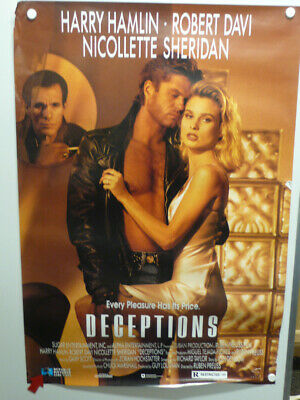
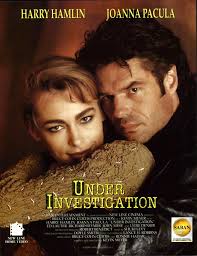
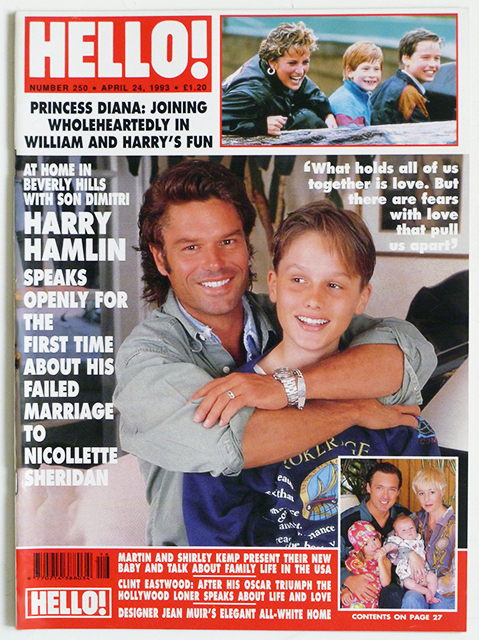
The intent for leaving a No. 1 program was invariably to go on to bigger and better projects, however, the decade that followed was anything but stellar for Hamlin. In 1991, he married for a second time to yet another primetime soap vixen, Nicollette Sheridan of “Knots Landing” (CBS, 1979-1983). It did not last, and by 1993 the couple was divorced quite acrimoniously, to the delight of tabloid editors. In fact Hamlin took the split exceptionally hard, particularly after his bombshell ex took up with singer Michael Bolton almost immediately. Over the course of the 1990s, the former TV heartthrob appeared in an uneven string of direct-to-video erotic thrillers like “Under Investigation” (1993); television movies of a similar vein, “Her Deadly Rival” (CBS, 1995); and failed attempts at headlining another episodic series, “Movie Stars” (The WB, 1998-2000). Still, there was one bright spot in this otherwise faith-shaking period for Hamlin.
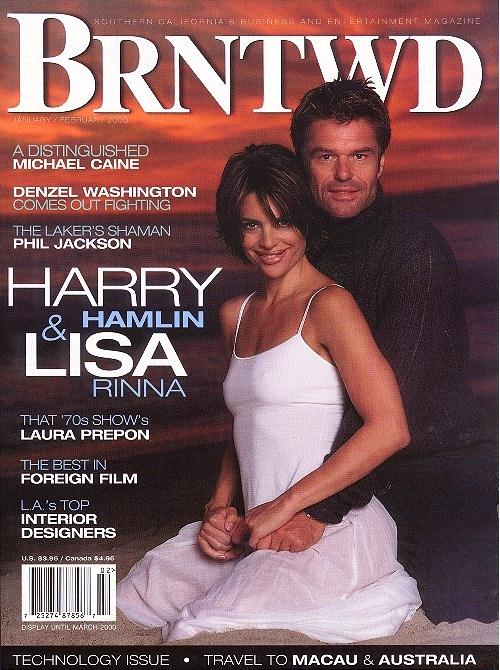
Shortly after rebounding from his breakup with Sheridan, he began dating Lisa Rinna, another actress known for her roles on daytime and primetime soaps, particularly “Days of our Lives” (NBC1965- ) and “Melrose Place (Fox, 1992-99), respectively. Apparently, the third time was a charm for Hamlin, as the couple married in 1997 and produced two daughters, Delilah and Amelia. Art imitated life, when Hamlin and Rinna took on recurring roles as a celebrity couple on the critically acclaimed crime-drama “Veronica Mars” (UPN, 2004-07). After cheering on Rinna from the sidelines the previous season, Hamlin strutted his stuff in 2006 as a celebrity cast member on season three of “Dancing with the Stars” (ABC, 2005- ). However, his less than graceful moves failed to impress, and he was voted off much earlier in the competition than his wife. In 2009, Hamlin made a brief appearance in the torturous murder mystery “Harper’s Island” (CBS, 2008-09). The following year, the low-key Hamlin and the extroverted Rinna capitalized on the interest in their celebrity marriage with the launch of a reality series “Harry Loves Lisa” (TV Land, 2010- ). Balancing out the good with the bad was the break in and burglary of the couple’s Sherman Oaks boutique clothing store twice within the span of a week in early October 2010.
Hamlin returned to more credible television work with brief arcs on the military drama “Army Wives” (Lifetime 2007-2013) and the American adaptation of the black comedy “Shameless” (Showtime 2011- ). In 2013, he joined the cast of the Emmy-winning drama “Mad Men” (AMC 2007- ) as the straitlaced ad executive Jim Cutler, who clashes with the partners of Sterling Cooper Draper Pryce when his agency suddenly merges with theirs.
The above TCM overview can also be accessed online here.
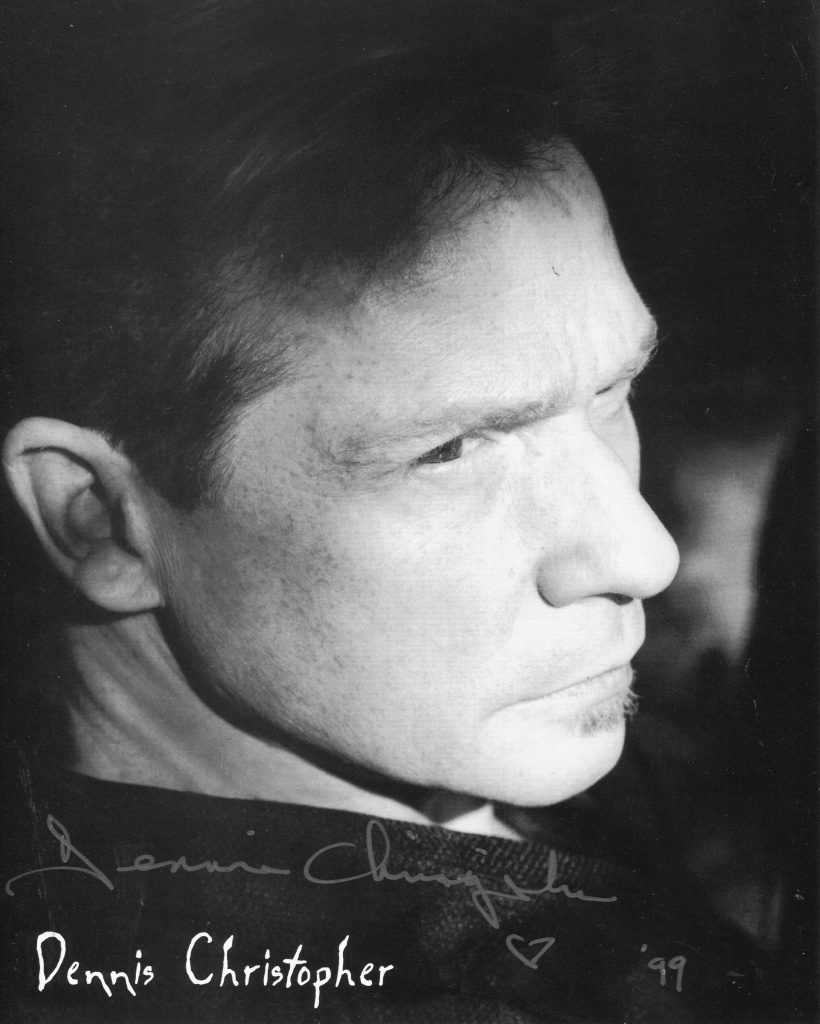
Dennis Christopher has starred in two cult classic films and been featured in another. The two are “Breaking Away” in 1979 and “Fade to Black”. The other film is “Chariots of Fire”. He was born in 1955 in Philadelphia. He has also guest starred in two “Star Trek” episodes.
Article from “The Huffington Post”:
If you’re an actor and you wind up being cast in one of Quentin Tarantino’s films, it’s for a reason. He wants you there. Hollywood has its “A-list,” and Tarantino has his… Take actor Dennis Christopher, widely known as the Italo-centric, cycling “cutter” who shaved his legs in 1979’s Academy-Award-winning film Breaking Away. When he stepped on set, in Wallace, Louisiana, to play Leonide Moguy (DiCaprio’s consigliore) in Django Unchained, his mercurial director let everybody know who he was … even the caterers. “One day they were setting up lights for the dining room table scene and Quentin pointed at me and shouted, ‘Need I remind you people that this man has been lighted by Federico Fellini,'” Dennis Christopher told us recently.
“He never misses a moment to be able to tell people why any person is on the set who happens to be there.”
Filmography aside, Christopher’s life to date is as interesting as his resume. Born in Philadelphia, Christopher couldn’t wait to check out of the mire of middle-class suburbia and find his way in the world.
“There were two things I wanted to be: an actor and a hippie,” Christopher told us. “But, the hippie thing was over in the United States, and I knew it was still going on over in Europe, so I bought a one-way charter flight to Europe. I had a duffle bag, a pair of fry boots and $79 in my pocket. It was quite an adventure.”
It was that hippie ethos that found the young journeyman hitchhiking around Europe and at the scene of one of his life’s many seminal events — an encounter that would forever shape him.
Upon arriving in Rome, Christopher followed a beautiful barefoot chanteuse down the street, into a square where he unexpectedly stumbled onto a film set commanded by none other than legendary director Federico Fellini.
Not only did he muster enough courage to speak to the director, he turned the chance encounter into a three-week job, playing — of all things — a hippie.
“He used to have me as a focal point when he would set up a shot. Then he’d call me over and put his hand on my shoulder and yell ‘Azione,'” said Christopher in his best Italian accent. “He used to call me ‘Bambino,’ which is funny, because that was the original title ofBreaking Away. He took a great fondness to me.”
Christopher’s next bout with serendipity occurred a few years later in New York, when a friend got him a job working with world-renowned designer Halston, most famous for designing the pill-box hat Jackie Kennedy wore at her husband’s inauguration.
“I started out in the stockroom and worked my way up to assistant,” remembers Christopher.
“One of my best friends, [artist and designer] Stephen Sprouse, Bill Dugan, and I worked designing clothes, doing every conceivable thing. New York was a really intoxicating period for me, literally and figuratively. There was a lot of overlap with Andy Warhol, Studio 54, and Halston. And while I was drawn to that world I’m glad I didn’t go off in that direction because there were too many lost souls. I knew that getting high and laying around was no way to build a career. So, I’d always keep going back to the acting. Once the rent was paid and the phone bill, the next money you had was for acting classes.”
Christopher soon began finding steady acting work, first on stage in Yentl the Yeshiva Boyat The Brooklyn Academy before the production moved to Broadway. Next came film and TV roles, including James Bridges’ September 30th 1955, and two Robert Altman films, 3 Women and A Wedding. His big break was Breaking Away, a poignant comedy about a group of four working class teenagers who grow up in the shadow of Indiana University in Bloomington, Indiana. It was a chance to work with another legendary director, Peter Yates, whose oeuvre consisted largely of action pictures like Bullit, Mother Jugs and Speed, and The Deep. Christopher was cast as the film’s lead Dave Stoller, a recent highschool grad who forsakes college for competitive bicycle racing, and obsesses over all things Italian after winning a Masi bicycle.
“I didn’t want to play that part, because it seemed impossible for me to play this guy who shaves his legs…”
“I had a bike as a kid, and when I worked in Manhattan — I had a 10-speed I rode from downtown to 68th and Madison for my day job. I knew about fighting traffic but nothing about racing.” Christopher also arrived on set in Bloomington two weeks into principal photography, exhausted after finishing a film with Richard Harris and still ambivalent about the character Peter Yates cast him to play.
“My first day on set they darkened my skin with makeup, colored my hair a dark, dark brown and slicked it back. They had me in skin-tight clothes, pointy high-heeled black boots, and gold chains around my neck. I looked like a reject from Saturday Night Fever.”
“The next morning, I ran over to Peter Yates and I burst into tears. I looked at him and I said, ‘Peter, I don’t know what I’m doing. I don’t like this boy that you’ve created. …These guys wouldn’t be friends with me… They’d beat me up.’ He says, ‘You haven’t slept in a few days. Go back to the hotel and sleep and I will be over at the hotel room later on to talk with you.'”
“So I got a little bit of rest and Peter and [screenwriter] Steve Tesich came to the hotel to talk to me and I told them, ‘I’m not pretending to be Italian to get pussy.'”
“I said, ‘I want a big family. That’s why I want to be Italian. It’s a whole different feel, what it means to be Italian.’ They didn’t realize I’m half Italian (Christopher’s real surname is Carrelli) and I had lived in Italy for over a year. But they listened, to the point where they sent somebody back to Los Angeles to bring my clothes to the set. All the clothes that you see me [wear] in the movie that are not bicycle riding outfits, they are my clothes. I have no idea why they listened to me.” Nearly 35 years after it’s release, Breaking Away is regarded, still, as one of the most memorable coming-of-age films ever made. Not only did it win the Golden Globe for Best Motion Picture — Musical or Comedy, and the Oscar for Best Original Screenplay, but Breaking Away made the careers of the young actors who made up its ensemble cast. Christopher, Jackie Earle Haley, Daniel Stern, and Dennis Quaid have all gone on to have stunning film and television careers.
“I just marvel when I look at the movie, and I think an Englishman directed it and was able to bring a love of America and a critical eye to a small town and point out that indeed there is a class struggle in America … He examined things in such a way that it drew you into the picture, and that’s one of the satisfying things about watching Breaking Away.”
Christopher has worked regularly as a character actor, on stage and screen, since Breaking Away. In 1981, he appeared as American Olympic track star Charlie Paddock in the Oscar-sweeper Chariots of Fire. Other films include, Fade to Black, The Falling, A Sinful Life, andDjango Unchained, to name only a few. He’s appeared in a myriad of roles on such TV shows as Stephen King’s It, Law & Order: Criminal Intent, and the HBO Series Deadwood.
Of course there are many more, and Quentin Tarantino swears he’s seen them all. “When I first met him, he’d been a fan of everything I’d done … I can’t even make that claim,” said Christopher. I said, “‘You saw Dead Women in Lingerie?’ He said, ‘Yeah, the week it opened … It was a piece of shit but you were great in it.'” For more stories like this go to www.web2carz.com
The above article in “The Huffington Post” can also be accessed online here.
David Clennon was born in 1943 in Illinois. His first film was “Being There” in 1979. His other films include “The Thing”, “Missing”, “Sweet Dreams” and “Syriana”.
TCM Overview:
This lean, often bearded, character player of stage and screen since the 1970s gained some measure of celebrity as the cold, cunning Miles Dentrel on the acclaimed dramatic series “thirtysomething” (ABC). As the resident yuppie scum from 1989-1991, Clennon portrayed the calculating character who seemed to represent the fears and reservations of the show’s more sympathetic figures. That his prior stints as a TV regular–“Rafferty” (CBS, 1977), a medical drama and “Park Place” (CBS, 1981), a short-lived legal sitcom–had him playing a surgeon and an eager, idealistic legal aide lawyer, respectively, testify to Clennon’s versatility.
After several years of anti-war activism during the Vietnam era, Clennon established himself Off-Broadway and in regional theater, racking up credits at the New York Shakespeare Festival, Long Wharf Theatre and the Actor’s Theater of Louisville. He entered films with bit parts in several noteworthy American films of 70s, including “The Paper Chase” (1973), “Bound for Glory” (1976), and “Coming Home” (1977), before landing the substantial supporting role of an ambitious attorney in “Being There” (1979). Clennon amassed additional feature credits, usually in supporting roles, in a wide variety of films. He was the tight-lipped US consul in Chile who cannot help Jack Lemmon and Sissy Spacek find John Shea in “Missing” (1982) and Meryl Streep’s seemingly passionless husband in “Falling in Love” (1984). He received more screen time than usual in Paul Schrader’s “Light Sleeper” (1992), as a drug dealing colleague of Susan Sarandon and Willem Dafoe. More recently, he portrayed a doctor in Allison Anders’ “Grace of My Heart” (1996).
The small screen has also offered a variety of opportunities for the actor. Clennon’s first appearance in a TV longform was a small role in “The Migrants” (CBS, 1974). He could be seen in the miniseries “Helter Skelter” (CBS, 1976) and alongside Henry Fonda in “Gideon’s Trumpet” (CBS, 1980). Clennon frequently found himself cast as professionals; an exception was his turn as the American general (and future president) William Henry Harrison in “Tecumseh: The Last Warrior” (CBS, 1995). Among his many guest appearances, the most notable was as a writer suffering with AIDS in an affecting episode of the HBO comedy “Dream On”, for which he won an Emmy in 1993. Clennon returned as a series regular on “Almost Perfect” (CBS, 1995-96), as a laid-back, bohemian writer for a TV cop show.
This TCM overview can also be accessed online here.
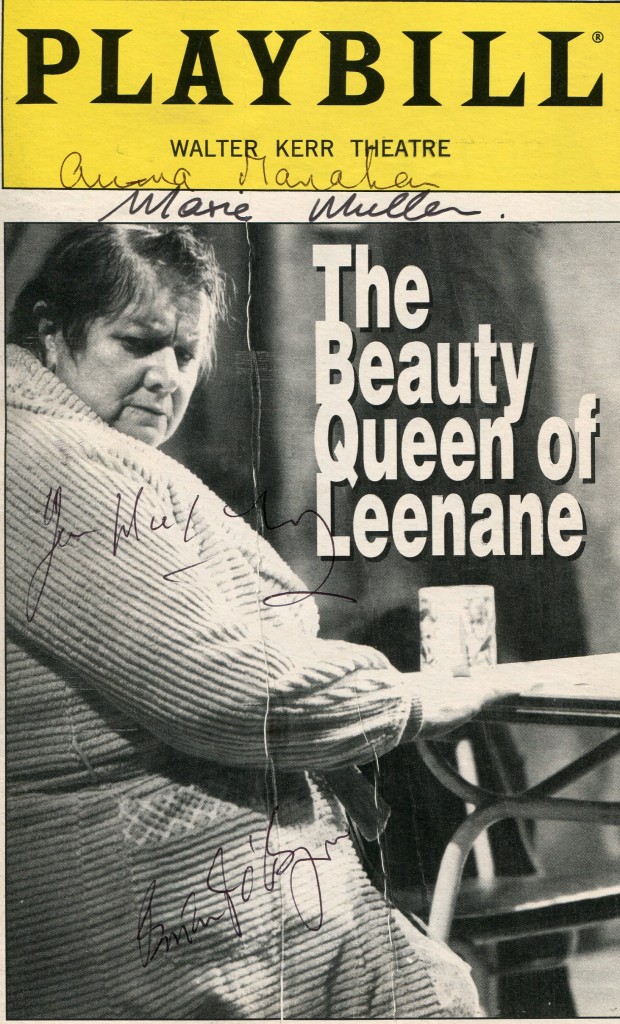
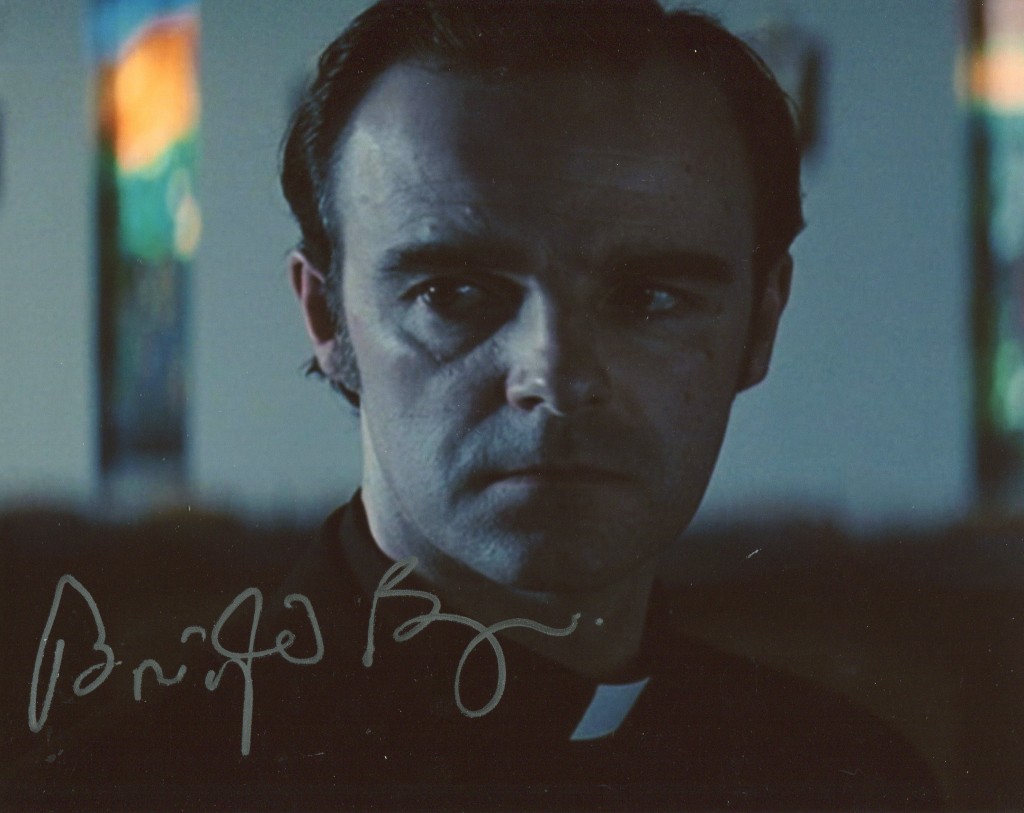
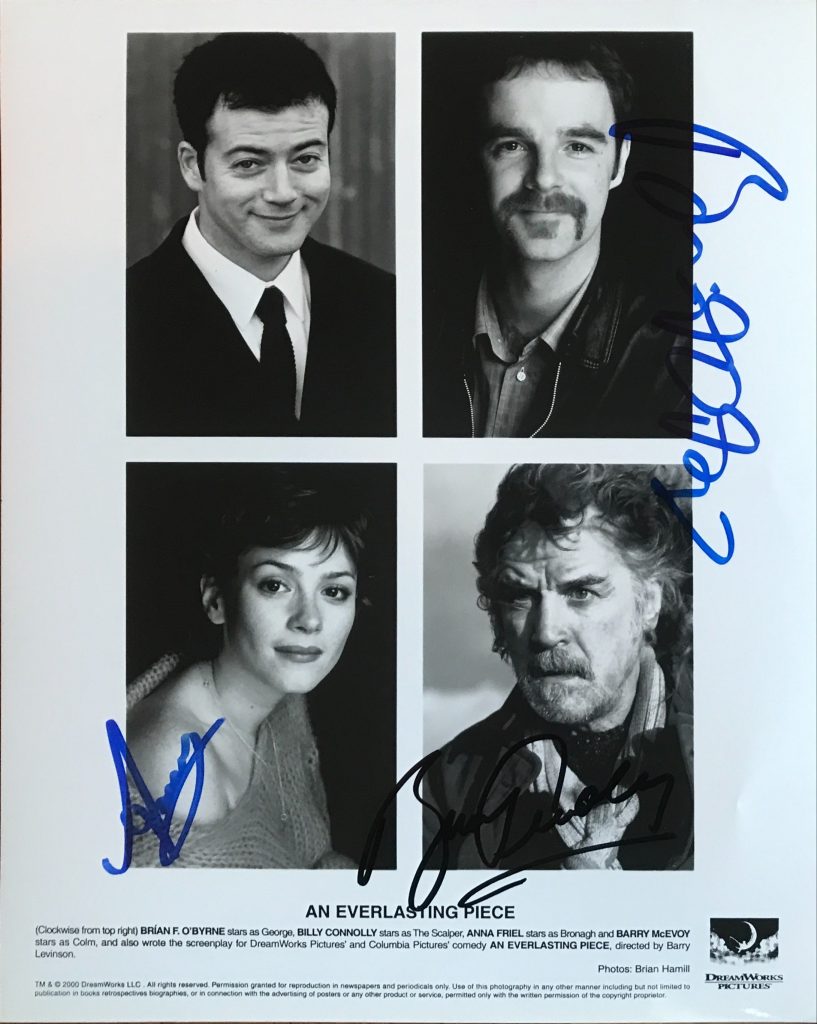
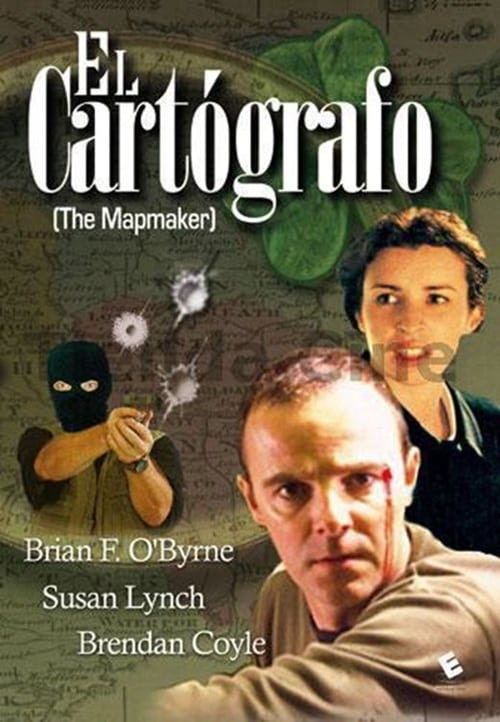
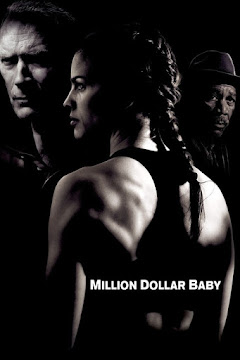
Brian F. O’Byrne was born in 1967 in Mullagh, Co. Cavan. He won widespread critical acclaim for his stage performances in Martin McDonagh’s “The Beauty Queen of Leenane” and “The Lonesome West”. The plays were first staged by the Druid Theatre in Galway and then on to London and huge success on Broadway. O’Byrne stayed on in the U.S. and acted in mnay fine plays on Broadway. He guest starred in the successful TV series “Oz”. His films included “Million Dollar Baby” in 2004, “The Blackwater Lightship” with Angela Lansbury and “No Reservations”.
TCM Overview:
Brían O’Byrne was that rare kind of actor who effortlessly navigated the worlds of film, television and the stage. The Tony Award-winning O’Byrne gained acclaim for his multilayered performance in the Broadway production of “The Beauty Queen of Leenane” (1998), “The Lonesome West” (1999), and the off-Broadway play “Frozen” (2004), in which he portrayed a sympathetic serial child killer. O’Byrne’s versatility landed him a number of memorable film roles, most notably playing a priest in the Academy Award-winning drama “Million Dollar Baby” (2004) opposite Clint Eastwood and Hilary Swank. He proved his mettle on television, with high-profiles roles on the Showtime drama “Brotherhood” (2006-08) and the ABC sci-fi series “FlashForward” (2009-10). But it was O’Byrne’s earnest portrayal of a likeable cheating husband on the HBO miniseries “Mildred Pierce” (2011) that catapulted him to A-list status in Hollywood and proved that he was undeniably one of the most compelling and dependable performers in the business.
Anna Manahan
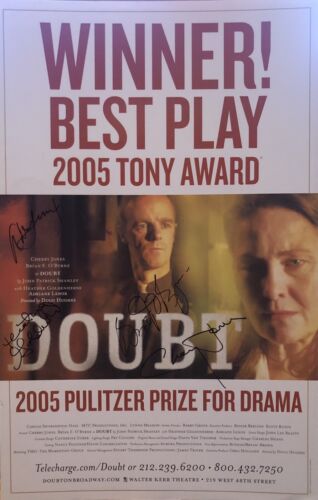
Brían Flynn O’Byrne was born on May 16, 1967 in County Cavan, Ireland. After training at the Samuel Beckett Center and Trinity College in Dublin, the twenty-something O’Byrne moved to New York City to pursue an acting career. He landed minor parts in several short films and on the sitcom “Valerie’s Family” (NBC, 1986-1991). He also starred in a few Irish feature dramas such as “The Last Bus Home” (1997) and “The Fifth Province” (1997), the latter of which saw him portray a tormented writer in search of a mythical province that promises magic and passion. While he built up his TV and film acting credits, O’Byrne also had a thriving career on stage. His memorable performance in the 1998 Broadway production of “The Beauty Queen of Leenane” earned him a Tony nomination for Best Actor that year, followed by another Tony nod for Best Actor in 1999 for his role in “The Lonesome West.” The year 2004 had several milestones for O’Byrne. Not only did he win that year’s Tony Award for Best Actor for portraying a sympathetic child murderer in the off-Broadway production of “Frozen,” he also won a Drama Desk Award for Outstanding Actor for his compelling performance as a personable child-molesting priest in the play “Doubt.”
Brian F. O’Byrne
In 2004, O’Byrne co-starred in the critically acclaimed drama “Million Dollar Baby” as a priest who dissuades a boxing trainer (Clint Eastwood) from performing euthanasia on his fallen and disfigured protégé (Hilary Swank). In the late 2000s, O’Byrne’s career gained momentum on television. He had a recurring role on the crime drama “Brotherhood” (Showtime, 2006-08) as the lead character’s (Jason Isaacs) Irish cousin and right-hand man, and was a regular on the sci-fi series “FlashForward” (ABC, 2009-2010), about a mysterious event that causes everyone on Earth to simultaneously lose consciousness for a few minutes and see visions of their future.
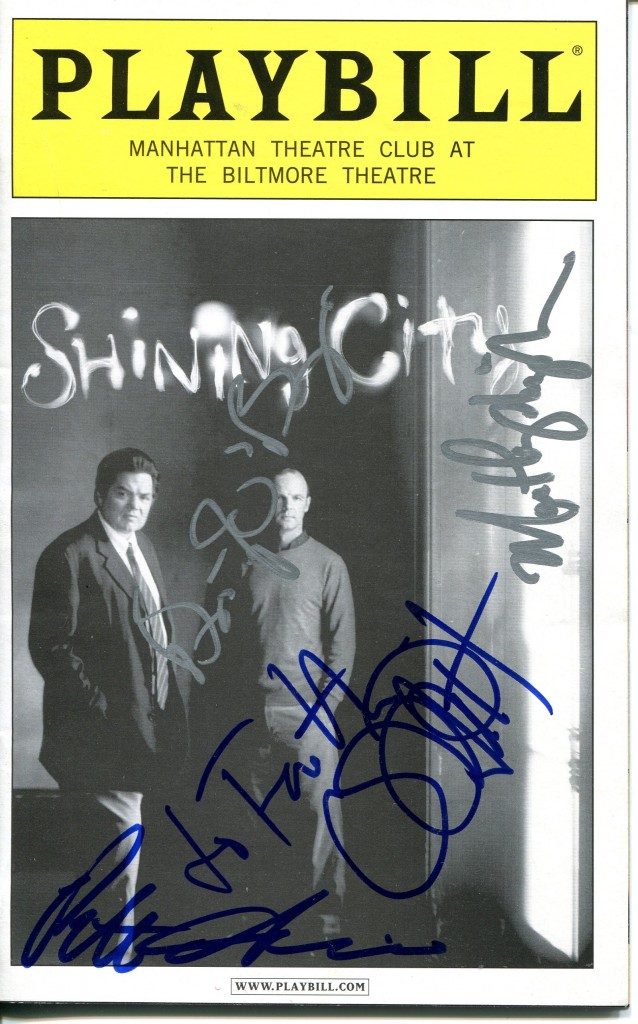
Oliver Platt & Brian F. O’Byrne
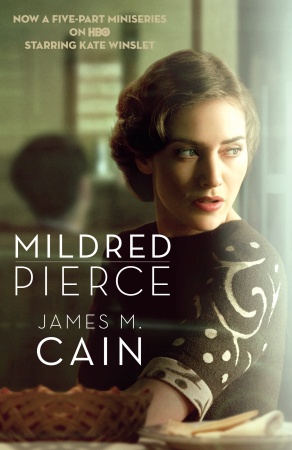
In 2011, he co-starred on the television remake of the mini-series “Mildred Pierce” opposite Kate Winslet, Guy Pearce, and Evan Rachel Wood. Based on James M. Cain’s 1941 novel and set in post-Depression America, the series followed Winslet’s character, a single mother trying to raise her children without her first husband, played by O’Byrne, whom she threw out of the house after she caught him cheating. For his portrayal of a surprisingly likeable character on the series, O’Byrne earned a 2011 Emmy nomination for Outstanding Supporting Actor in a Miniseries or a Movie
The above TCM overview can also be accessed online here.
Anthony Geary was born in 1947 in Utah. He is best known for his role in the long running television series “General Hospital”. His films include “Johnny Got His Gun”, “Blood Sabbath” and “Carpool Guy”.
IMDB entry:
Mr. Geary has come a long way from Coalville, Utah, the small mountain community of 800 where he was born. Tony was a gifted student, attending the University of Utah as a Presidential Award Scholar in theater. Jack Albertson saw Tony perform there, a nd cast him in “The Subject Was Roses.” The production, starring Albertson and Martha Scott, toured Hawaii and settled at the Huntington Hartford Theater in Los Angeles, where Tony decided to establish himself. His ensuing musical theater credits comprise a catalog of classics. A highlight in this period was his co-starring engagement with Sid Caesar and Imogene Coca at the Frontier Hotel in Las Vegas in “Your Show of Shows.” Mr. Geary has performed in more than 50 stage productions throughout the United States. His extensive theatrical credits include roles in productions of “The Wild Duck, ” “The Inspector General, ” “The Cat’s Paw, ” “The Glass Menagerie, ” and “Barabbas” a t the Los Angeles Theater Center. In addition, he toured with a production of “Jesus Christ Superstar, ” portraying the title role. He also portrayed Octavius Caesar, opposite Lynn Redgrave and Timothy Dalton, in a production of Shakespeare’s “Antony and C leopatra” for PBS and the BBC. Mr. Geary has made guest appearances on more than 40 television shows. Among his TV credits are roles on “Starsky & Hutch, ” “Barnaby Jones, ” “The Streets of San Francisco, ” “The Blue Knight, ” “All in the Family, ” “The Six Million Dollar Man, ” “The Par tridge Family, ” “Most Wanted, ” “Mannix, ” “The Mod Squad, ” “Room 222, ” “Doc Elliot, ” “Temperatures Rising, ” “Marcus Welby, M.D., ” Arthur Hailey’s “Hotel” and “Murder, She Wrote.” He also performed in the television movies, “Perry Mason and the Case of the Murdered Madam, ” “Kicks, ” “Sins of the Past, ” “The Imposter, ” “Intimate Agony” and “Do You Know the Muffin Man?” and in the daytime dramas, “Bright Promise” and “The Young and the Restless.” As a producer, Mr. Geary received a Cindy Award for the drama, “Sound of Sunshine, Sound of Rain, ” a children’s story for Public Radio. He has also taught improvisation and story-theater techniques. Mr. Geary competed in track and field and swimming events as a college student, and also raced horses. He is a certified scuba diver as well as an accomplished rollerblader. Tony also claims to be “the world’s oldest Hip Hop dancer.” As portrayed by Anthony Geary, Luke Spencer was described as the most popular character in soap opera history. One critic said, “Geary’s individualism, uniqueness and awesome range is the most notable in daytime (television) history, ” a statement that is typical of the actor’s reviews. He added to his laurels by winning the 1981 Emmy Award as Outstanding Actor in a Daytime Drama Series. In January, 1991, Mr. Geary returned to “General Hospital” in the role of Bill Eckert, a cousin of Spencer’s, and a man of many, often dark, colors. Mr. Geary was seen on-screen as both Bill Eckert and Luke Spencer as the story progressed, until the death of Eckert.
– IMDb Mini Biography By: Gisele Herbert <gisele@ptd.net>
The above IMDB entry can also be accessed online her
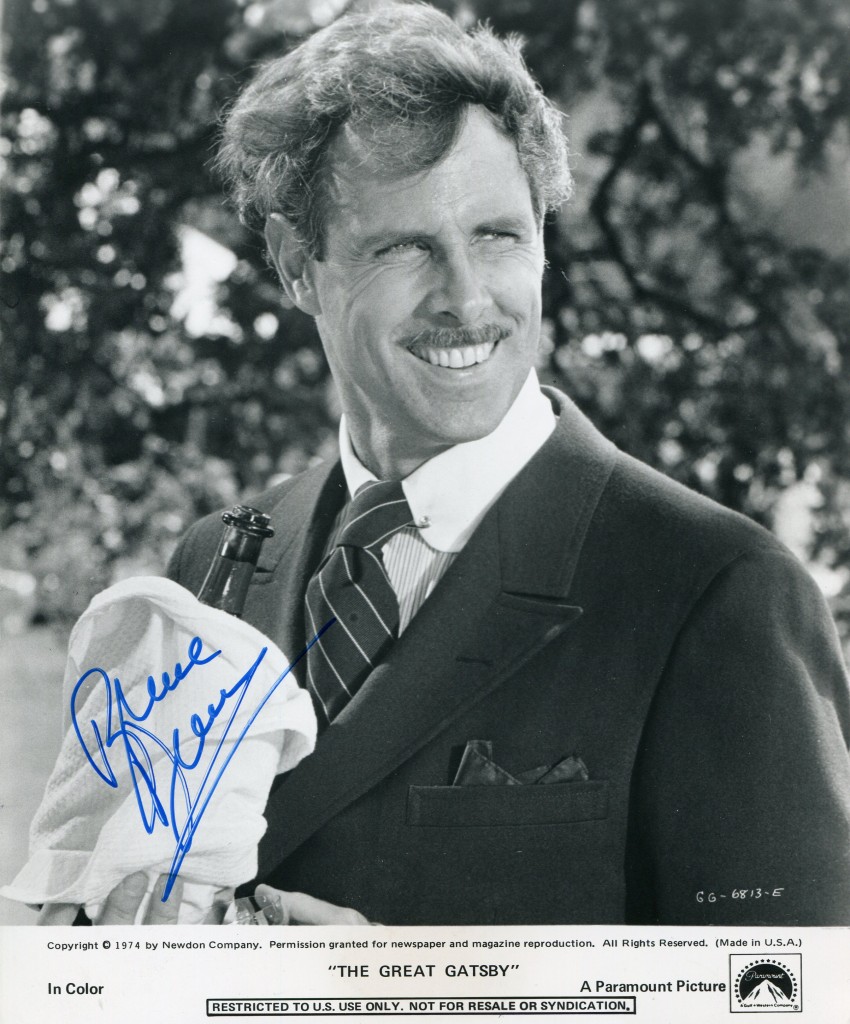
Bruce Dern was born in Illinois in 1936. His uncle was the famous poet Archibald MacLeish. He made his film debut in 1960 in “Wild River” which starred Montgomery Clift and Lee Remick. He was in the cast of the television series “Stoney Burke” which starred Jack Lord. He was featured in 1964 in “Hush, hush Sweet Charlotte”, “The Wild Angels” and “Hang E’m High”. In 1969 he won critical acclaim for his performance in “They Shoot Horses Don’t They” and then onto starring roles in major films. These movies included “The King of Marvin Gardens”, “The Great Gatsby””Black Sunday” and “Coming Home”. He gave a terrific performance in “Coming Home” with Jane Fonda and Jon Voight in 1978. Recent films include “Choose” and “The Lightkeepers”. Nominated for an Oscar in 2013 for “Nebraska”.
TCM Overview:
An intense character actor who was frequently typecast as a psycho or villain, Bruce Dern started on television with credits on multiple Westerns. He scored film success with roles in Hitchcock’s “Marnie” (1964), Bette Davis’ “Hush Hush, Sweet Charlotte” (1964), and a string of projects with Roger Corman, including “The Wild Angels” (1966). A genre star, Dern was most recognizable for his committed turns in lower quality but vivid productions including the mad scientist film “The Incredible 2-Headed Transplant” (1971), the sci-fi proto-environmental picture “Silent Running” (1972), and the deranged mastermind behind a blimp bombing of the Super Bowl in “Black Sunday” (1977). Other notable film work included “They Shoot Horses, Don’t They?” (1969), “Support Your Local Sheriff!” (1969), and his infamous turn as a cattle rustler who kills John Wayne in “The Cowboys” (1972). He garnered award recognition as the spoiled Tom Buchanan in “The Great Gatsby” (1974) and as a disillusioned Vietnam vet in “Coming Home” (1978). The ex-husband of fellow actor Diane Ladd and the father of actress Laura Dern, he continued to book roles into later age, including a chilling turn as the domineering father of polygamist Bill (Bill Paxton) on “Big Love” (HBO, 2006-2011). Although he never fully broke out of his typecasting as a genre heavy, Bruce Dern proved he possessed impressive enough acting chops to build a long-lasting career.
Born June 4, 1936 in Chicago, IL, Bruce MacLeish Dern came from a powerful patrician family. He received his start in the theater, where he caught the eye of director Elia Kazan in a 1959 production and was subsequently invited to train at the Actors Studio. After falling in love with Diane Ladd, one of his theatrical co-stars, the two married in 1960, with Ladd giving birth to a daughter, Laura Dern, in 1967. The couple divorced two years later. His first film appearance was an uncredited bit part in Kazan’s “Wild River” (1960), and for the remainder of the decade, Dern moved easily between TV and features. He made guest appearances on “The Fugitive” (ABC, 1963-67) and many Westerns, including episodes of “Wagon Train” (NBC, 1957-1962; ABC, 1962-65), “The Virginian” (NBC, 1962-1971) and a regular role on “Stoney Burke” (ABC, 1962-63), but made his biggest impression as a psycho on “Alfred Hitchcock Presents” (CBS, 1955-1960, 1962-64; NBC, 1960-62, 1964-65), an image he would find difficult to shake professionally.
On the big screen, he played a sailor in Hitchcock’s “Marnie” (1964) and the doomed, married lover of Bette Davis in the Southern gothic horror film “Hush Hush, Sweet Charlotte” (1964). His success in genre projects, especially his longtime association with B-movie king Roger Corman, ensured steady paychecks with roles in the biker drama “The Wild Angels” (1966), the gangster biopic “The St. Valentine’s Day Massacre” (1967), and the LSD-fueled thriller “The Trip” (1967), but these parts damaged his reputation as a “serious” actor. On TV, he continued to play heavies, especially in law enforcement and Western roles, making multiple appearances on “The F.B.I.” (ABC, 1965-1974), “The Big Valley” (ABC, 1965-69), “Gunsmoke” (CBS, 1955-1975) and “Bonanza” (NBC, 1959-1973).
Dern revealed more versatility with a role as a desperate dance marathon contestant in the taut, Depression-set drama “They Shoot Horses, Don’t They?” (1969) alongside Jane Fonda, as well as his hotheaded gunslinger in the Western spoof “Support Your Local Sheriff!” (1969). But genre work was never that far away, with roles in the Cline Eastwood Western “Hang ‘Em High” (1968), the Ma Barker shoot-’em-up “Bloody Mama” (1970), and the mad scientist flick “The Incredible 2-Headed Transplant” (1971). He earned a National Society of Film Critics Best Supporting Actor award for his role as a zealous basketball coach in the polarizing Jack Nicholson-helmed drama “Drive, He Said” (1971) and made an indelible mark for many fans as a rebellious botanist in the sci-fi “Silent Running” (1972). Oddly enough, he received real-life death threats for doing the unthinkable: killing John Wayne onscreen in “The Cowboys” (1972).
Achieving a hard-earned reputation as one of the era’s most talented character actors among his peers if not always with critics, Dern reteamed with Jack Nicholson to play a con man in “The King of Marvin Gardens” (1972) and received a Golden Globe nomination as the spoiled Tom Buchanan in the high-profile flop “The Great Gatsby” (1974). The actor reteamed with Hitchcock for the director’s final film, “Family Plot” (1976) and played a deranged blimp pilot intent on suicide bombing the Super Bowl in “Black Sunday” (1977). Critics and fans who thought they knew the extent of Dern’s range, however, were bowled over by his wrenching turn as a disillusioned Marine struggling with PTSD and the unfaithfulness of his wife (Jane Fonda) with a paraplegic Vietnam vet-turned-antiwar protestor (Jon Voight) in the Oscar-winning drama “Coming Home” (1978). Dern earned nominations for a Best Supporting Actor Oscar and Golden Globe for his work. His subsequent bid for leading man stardom, “Middle Age Crazy” (1980), flopped, and he retreated to more familiar ground, playing a psycho. His turn as a crazed tattoo artist obsessed with a model (Maud Adams) in the sexually-charged disaster “Tattoo” (1981) was universally reviled, earning him a Razzie nomination, and he further damaged his reputation by claiming that he and Adams had actually had sex on camera during the film. Dern next played a mayor desperately trying to win re-election in “That Championship Season” (1982), but despite its impressive pedigree, the film had little impact. His career slowed as the 1980s wore on, although he appeared in a small role in the dark Tom Hanks comedy “The ‘Burbs” (1989) and briefly sparked some Oscar buzz as a con man in the desert noir flick “After Dark, My Sweet” (1990).
Balancing out small roles in made-for-TV projects, Dern continued to book film work at a slower pace, appearing in the submarine comedy “Down Periscope” (1996), the Western “Last Man Standing” (1996), the supernatural horror film “The Haunting” (1999), the Cormac McCarthy adaptation “All the Pretty Horses” (2000) and the evil stepparents thriller “The Glass House” (2001). He played one of the only supportive male figures in the life of serial killer Aileen Wournos (Charlize Theron) in Patty Jenkins’ Oscar-winning biopic “Monster” (2003) and essayed likable turns opposite Billy Bob Thornton in “The Astronaut Farmer” (2006) and Kristen Stewart in “The Cake Eaters” (2007). On television, he recurred as the domineering and abusive father of polygamist Bill (Bill Paxton) on “Big Love” (HBO, 2006-2011), and was honored in November 2010 with a star on the Hollywood Walk of Fame, the same day that his daughter Laura Dern and ex-wife Diane Ladd received their stars. More significantly, Dern earned an Emmy Award nomination for Outstanding Guest Actor in a Drama Series for his portrayal of Frank Harlow on “Big Love.” Back in features, Dern had roles in the little-seen horror thriller “Twixt” (2011), starring Val Kilmer, and the critically-savaged crime thriller “Inside Out” (2011), with pro wrestler Paul “Triple H” Levesque. From there, he had a supporting turn in Quentin Tarantino’s “Django Unchained” (2012), which starred Jamie Foxx as an escaped slave who hunts down two ruthless killers with a white bounty hunter (Christoph Waltz). In 2013, Dern received rave reviews for his role as the surly Woody Grant in director Alexander Payne’s thoughtful road drama, “Nebraska.” Dern’s performance in the film earned him the Best Actor Award at the 2013 Cannes Film Festival, thus making the 77-year-old actor an early favorite to receive an Academy Award nomination.
The above TCM overview can also be accessed online here.
Louis Cameron Gossett Jr. was born on May 27, 1936 in Brooklyn, New York City. He made his professional acting debut at age 17, winning the Donaldson Award as best newcomer to theatre. He went to New York University on a basketball scholarship and was invited to try out for the New York Knicks, yet he decided to continue his acting career with a role in the Broadway production of “A Raisin in the Sun”. Gossett stepped into the world in cinema in the Sidney Poitier version of A Raisin in the Sun (1961). His role as the tough drill sergeant Emil Foley in An Officer and a Gentleman (1982) showcased his talent and won him an Academy Award for Best Supporting Actor. He was the first African-American male to win an Academy Award in a supporting role, the second to win for acting, and the third to win overall. He also starred as United States Air Force pilot Colonel Charles “Chappy” Sinclair in the action film Iron Eagle (1986) and its sequels.
Louis Gossett Jr, who has died aged 87, was the first black man to win an Oscar for best-supporting actor after putting naval aviation cadet Richard Gere through his paces in An Officer and a Gentleman (1982); he was only the third black person to win any Oscar after Hattie McDaniel in Gone With the Wind (1939) and Sidney Poitier in Lilies of the Field (1963).
The role also brought him the first of two Golden Globes, the other being for The Josephine Baker Story (1991) in which he played an army officer who bonds with the eponymous singer and actress. Previously he received an Emmy award as the enslaved elderly musician Fiddler on an 18th-century plantation in the television series Roots in 1977.
Standing 6ft 4in, prematurely balding and with an athletic figure, Gossett was the ideal drill sergeant in An Officer and a Gentleman, mercilessly knocking Gere and his fellow new recruits into shape with memorable lines as: “Stop eye-balling me, man!” Before playing the role he first underwent 30 days’ training of his own with the US Marine Corps.
Elsewhere he was a hot-headed activist with a penchant for indoor archery in The Landlord (1970); played the Bahamian drug dealer Cloche in The Deep (1977); was the only actor to appear in all four of Sidney Furie’s Iron Eagle films as Colonel Charles “Chappy” Sinclair leading a series of dangerous rescue missions; and received a worst supporting actor nomination in the Golden Raspberry Awards for Calvin the park manager in Jaws III (1983).
Gossett also had the unusual distinction of being the first man to give birth on screen when playing Jerry, from the self-fertilising Dracs species, in Wolfgang Petersen’s science-fiction drama Enemy Mine (1985), a box-office flop that later acquired a cult following. Louis Cameron Gossett Jr was born in Coney Island, New York, on May 27 1936, the only child of Louis Gossett Sr, a porter, and his wife Hellen (née Wray), a maid. An uncle served in a US Army division that helped to liberate German concentration camps and Gossett later narrated a documentary about the soldiers’ experiences.
At school he excelled in sports until an injury forced his transfer into an acting class, which in turn landed him a role in the 1953 Broadway play Take a Giant Step. More stage appearances followed during his studies at New York University, though after service as a ranger in the US Army he dreamt of playing basketball professionally.
That was abandoned when he played George Murchison in Lorraine Hansberry’s play A Raisin in the Sun on Broadway with Poitier; later he reminisced about matinee-day poker games with Poitier and Paul Newman. He reprieved the role for Daniel Petrie’s 1961 film of the same name, for which Poitier and Claudia McNeil both received Bafta and Golden Globe nominations.
It was some years before Gossett returned to Hollywood, this time for The Bushbaby (1969) in which his character Tembo is suspected of kidnapping an English girl in Kenya. While driving in from the airport he was stopped six times “for DWB (driving while black)”, one of many experiences that led to him establishing the anti-racism foundation Eracism. His last major role was as Ol’ Mister Johnson in a musical remake of The Colour Purple (2023).
For the past two decades he suffered with ill health, compounded by many years of substance abuse. In 2010 he was diagnosed with prostate cancer and in 2020 he was admitted to hospital with Covid-19.
Gossett, whose memoir was aptly titled An Actor and a Gentleman (2010), married Hattie Glascoe in 1967, Christina Mangosing in 1973 and Cyndi James-Reese in 1987. All three marriages were dissolved and he is survived by two sons.
Louis Gossett Jr, born May 27 1936, died March 29 2024
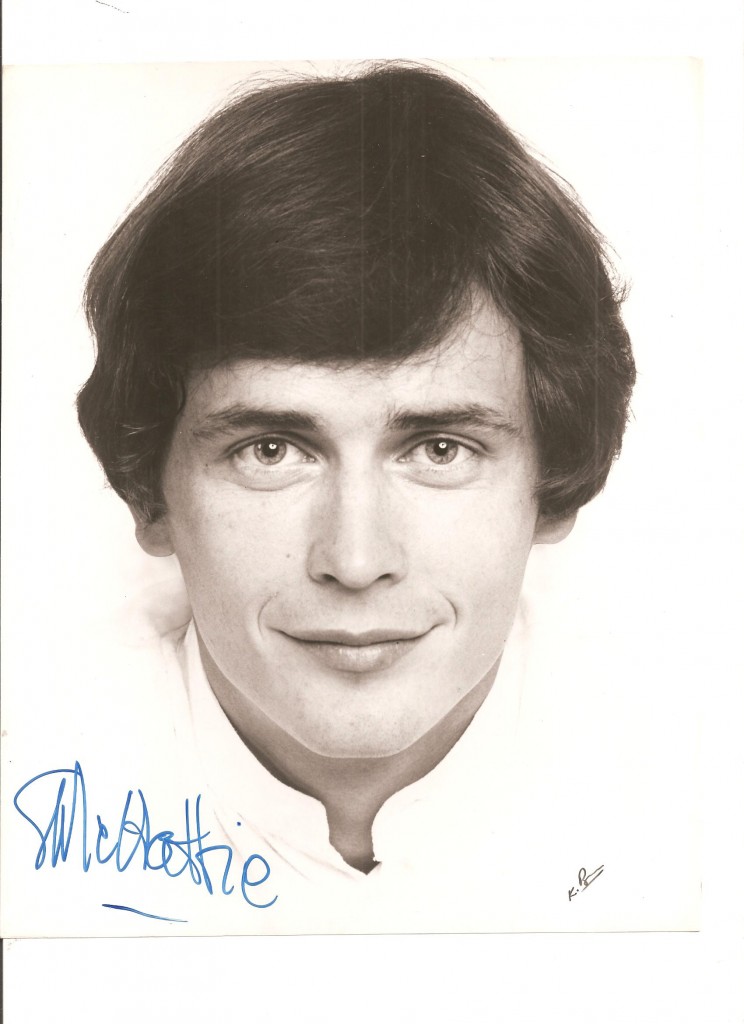
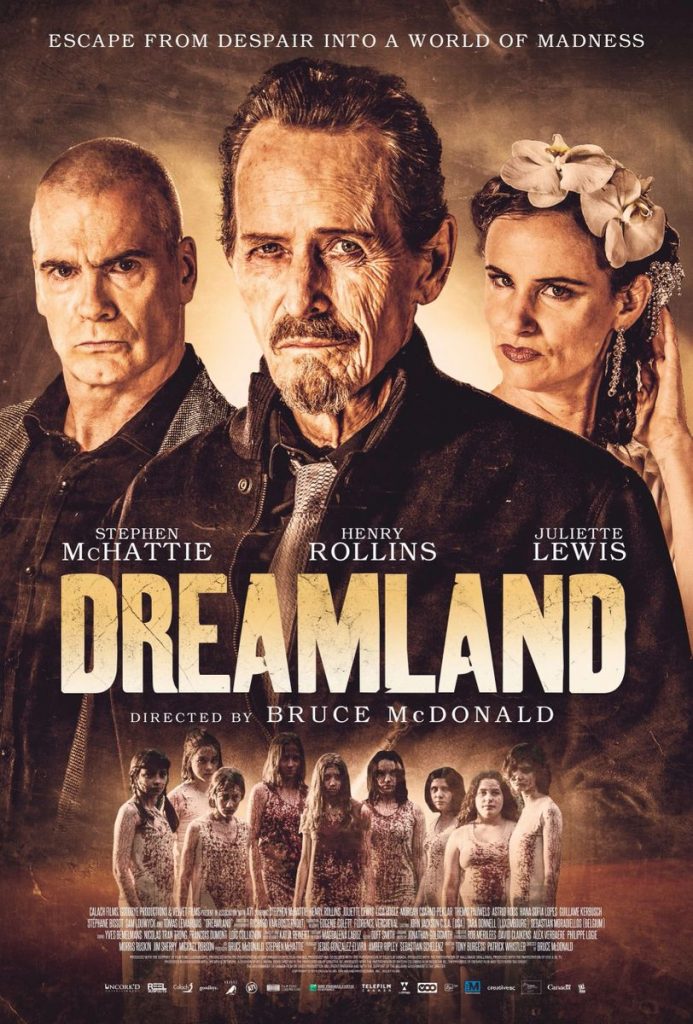
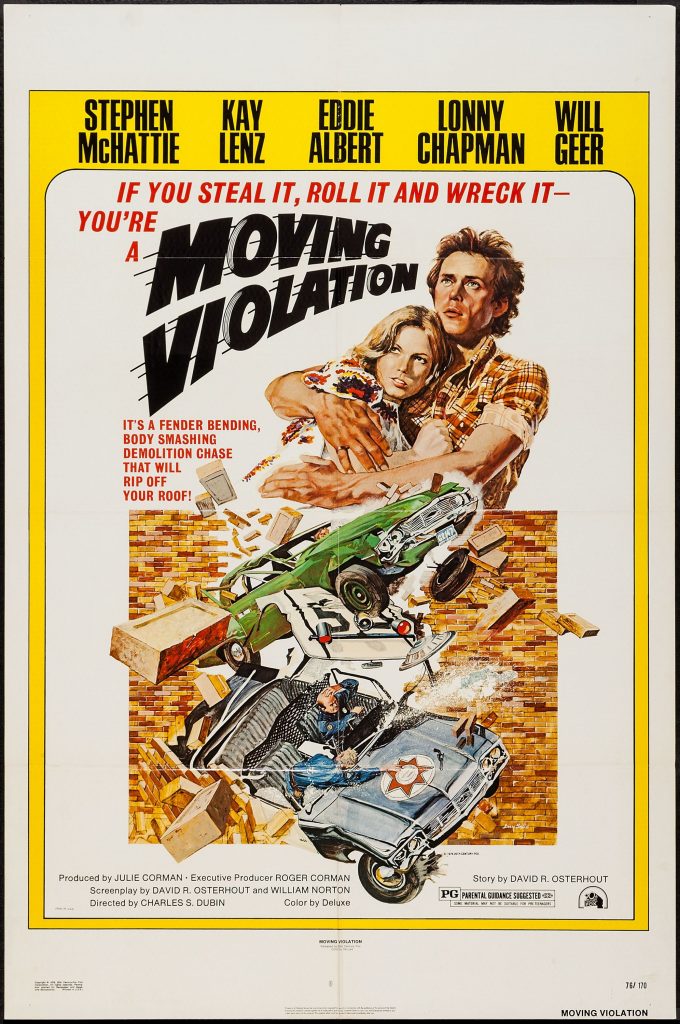
Stephen McHattie was born in 1947 in Nova Scotia, Canada. He made his film debut in 1970 in “The People Next Door”. Other films include “The Ultimate Warrior”, “Gray Lady Down” and “Tomorrow Never Comes”. He had a leading role in the very popular miniseries “Centennial”.. His most recent role is in “Haven”.
TCM Overview:
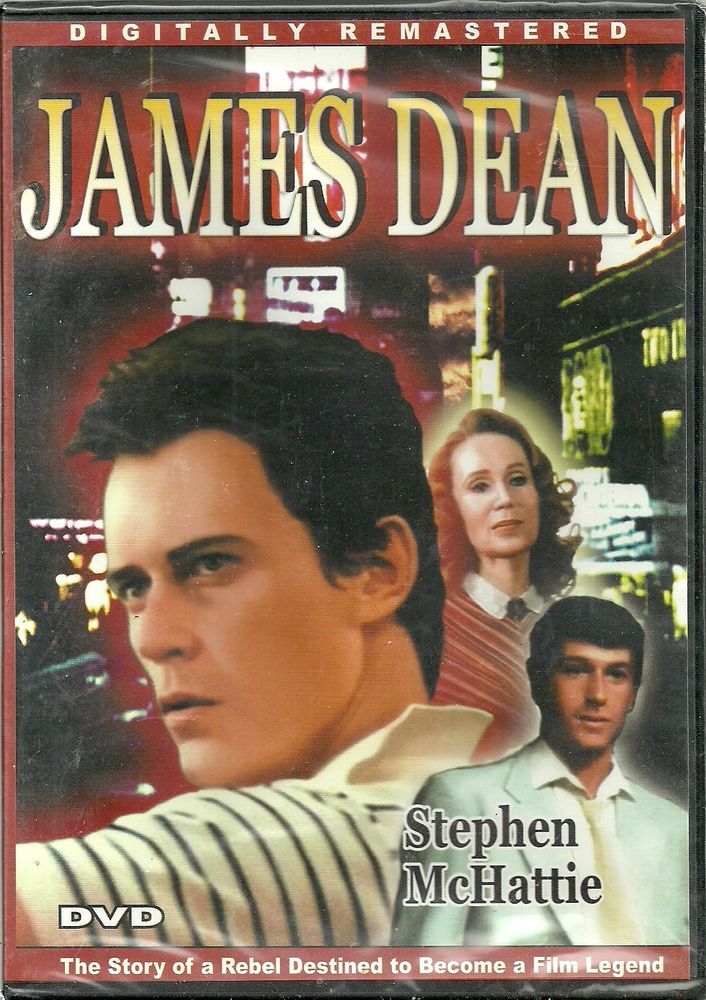
Good-looking, with thin lips and searing eyes, Stephen McHattie alternated between leads on stage, supporting roles in films, and character parts, generally as petty criminals, on television. A familiar face due to his numerous guest shots on TV series, the Canadian-born actor began his career on the stage in the Broadway production of “The American Dream” (1968). While he made his TV debut in an episode of the CBS limited series “Benjamin Franklin” (1975), it was his portrayal of the iconic movie star “James Dean” in the 1976 NBC biopic which was supposed to be his breakthrough. Despite a valiant try, McHattie failed to find stardom. He was also well-cast as the grown-up son of the devil in the small screen sequel “What Ever Happened to Rosemary’s Baby?” (ABC, 1976) and as a French-Canadian trapper in the NBC miniseries “Centennial” (1978-79). He tried his hand at regular roles on two series (“Highcliff Manor” NBC, 1979; “Mariah” ABC, 1987) but neither caught on with viewers.
The actor was also unable to find the right big screen vehicle to propel him to stardom. “Gray Lady Down” (1977) put him in the thick of the action and he offered fine support to Armand Assante in “Belizaire the Cajun” (1985) and to Eddie Murphy in “Beverly Hills Cop III” (1994). Between his film and TV assignments, McHattie has returned to the stage where he has won praise for his work, At San Diego’s Old Globe Theatre, he appeared in 1983 productions of “Henry IV” and “Macbeth”. McHattie appeared in support of Rex Harrison and Amy Irving in an acclaimed Broadway revival of George Bernard Shaw’s “Heartbreak House” at Circle in the Square (although he was unavailable when the production was filmed for Showtime in 1985). More recently, in addition to guest roles on such series as “The X-Files” and “Seinfeld”, he has found steady employment in a series of TV-movies, ranging from “Convict Cowboy” (Showtime, 1995), with Jon Voight, to “Mary Higgins Clark’s ‘Remember Me'” (CBS, 199
The above TCM overview can also be accessed online here.