
Contemporary Actors

Collection of Contemporary Actors

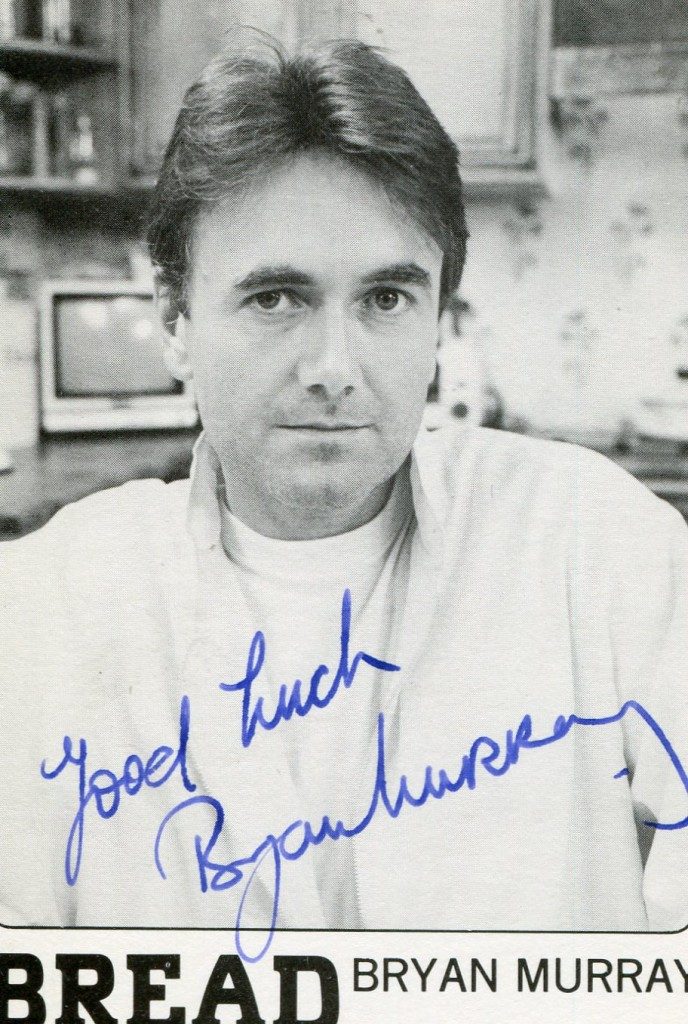
Bryan Murray
Bryan Murray
Bryan Murray

Bryan Murray. Wikipedia.

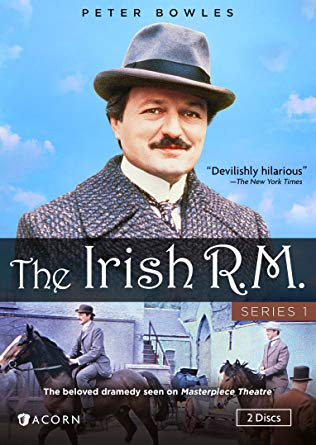
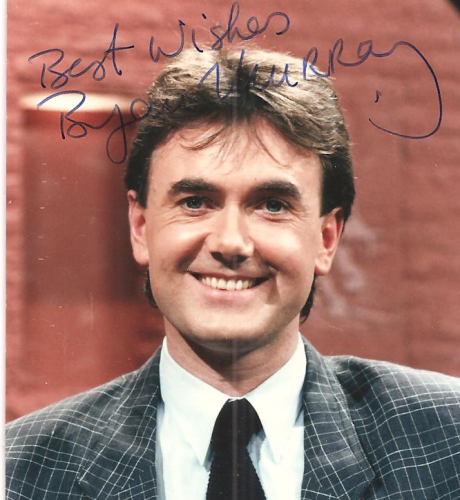
Bryan Murray was born in Dublin in 1949. He began his acting career in the famed Abbey Theatre. He has had an extensive television career in Britain and Ireland including leading roles in “Strumpet City” in 1980, “The Irish R.M.” as Flurry Knox opposite Peter Bowles, “Brookside”, “Bread” and “Fair City”. His films include “Mrs Santa Claus” with Angela Lansbury.
Bryan Murray
Bryan Murray

Wikipedia entry:

Bryan Murray (born 13 July 1949) is an Irish actor. He plays Bob Charles in the soap opera Fair City.
Murray was born in DublinIreland. As a stage actor, he began his career in Dublin at the Abbey Theatre where, as a member of The Abbey Company, he appeared in over 50 productions. In London, he has been a member of The Royal National Theatre, The Royal Shakespeare Company and has been in many productions in the West End. He has appeared many times at the Gate Theatre in Dublin, most recently in 2013 in My Cousin Rachel adapted for the stage by Joseph O’Connor. In the 2010 Dublin Fringe Festival, he appeared in the award winning production of Medea at The Samuel Beckett theatre.

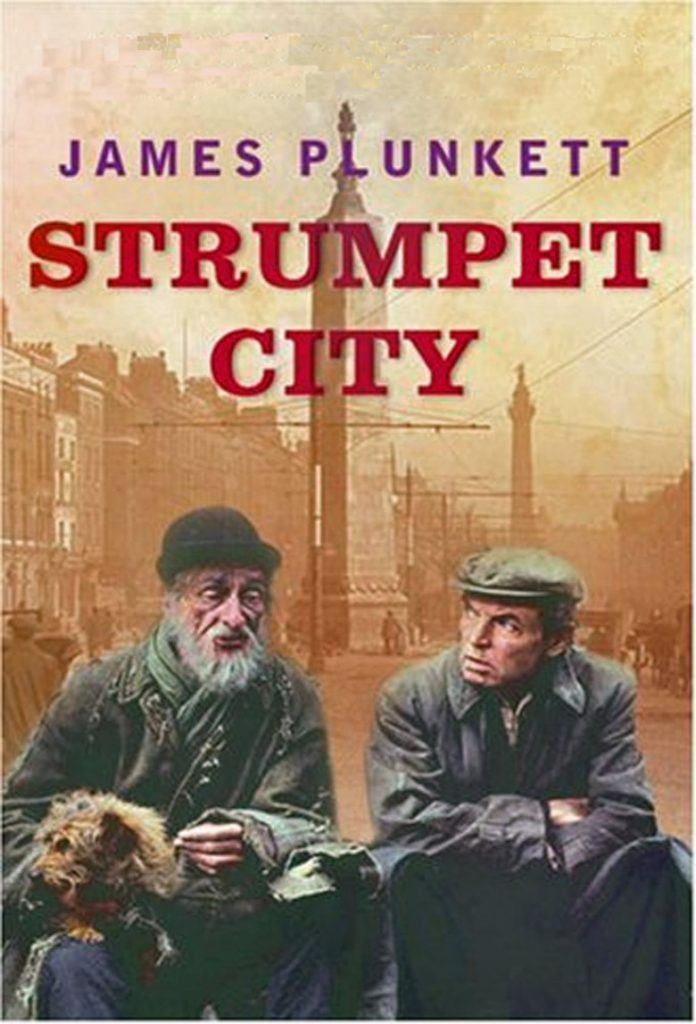
He is widely known for his extensive television work which includes Fitz in Strumpet City, Flurry Knox in The Irish RM, Shifty in Bread (for which he won BBC TV Personality of the Year), Harry Cassidy in Perfect Scoundrels, Trevor Jordache in Brookside and Bob Charles in Fair City. He appeared on the second season of Charity You’re a Star where he sang duets with his Fair City co-star Una Crawford O’Brien. The duo were voted off the show after performing “Don’t Go Breaking My Heart“.[1] He played the role of Lynch in the film, A Portrait of the Artist as a Young Man (1977).
Recently he presented the highly acclaimed and IFTA nominated documentary for TV3 The Tenements, a four-part series charting the rise and fall of the Tenements in Dublin from the 1800s to the mid-1970s. He fronted the BBC1 children’s religious affairs programmes Knock Knock and Umbrella for three years.
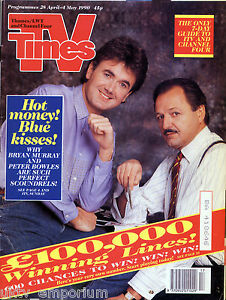
On RTÉ, he had his own prime time TV talk shows Encore and Caught in the Act and presented Saturday Night Live. His nine-part radio series The Sound of Movies was aired on RTÉ Radio 1 in 2008. Most recently he has been a semi regular presenter of Late Date on RTÉ Radio 1. In the US, he presented the ‘Irish Spring’ commercial on network TV for six years, the award winning ‘Pioneer Press’ commercials for three years and hosted the St Patrick’s Day Parade for PBS Television. His latest series ‘The Big House’ will be shown on TV3 in the spring of 2013.
Bryan Murray
Bryan Murray

He co-created and co-devised the ITV series Perfect Scoundrels which ran for three years. He has co-written two musicals performed at the Abbey Theatre, Dublin, and Irish Theatre Company Dublin; A Happy Go Likeable Man, after Molière, and Thieves Carnival, after Anouilth. Most recently Murray took part in the ‘One City One Book’ celebrationBread and Roses; Strumpet City Revisited reading extracts from the book with the RIAAM orchestra playing the theme music from the TV series conducted by the composer Proinnsias O’Duinn at Dublin Castle.
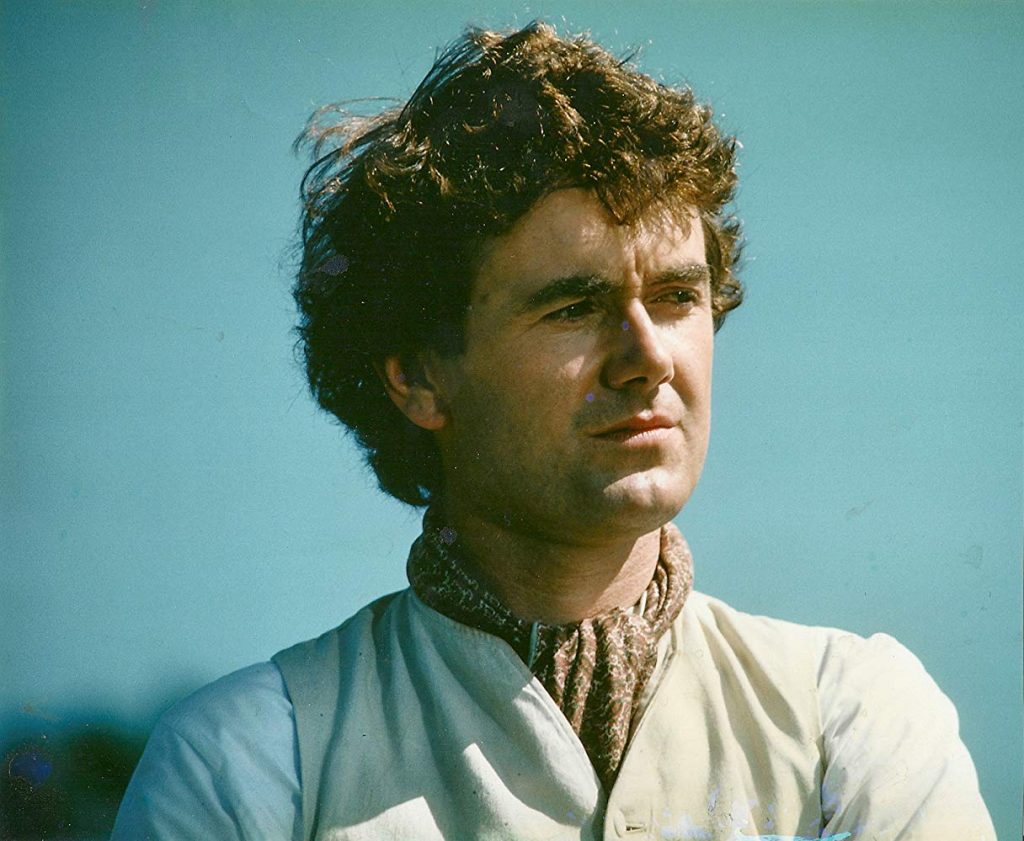
Although Murray’s fame increased in the eighties thanks to his role as Flurry Knox in The Irish R.M. and Shifty Boswell in the popular sitcom Bread, his role in Brookside is easily the best remembered, even though he was only in the show for eleven episodes in 1993. His character, the wife beater and child abuser Trevor Jordache, was famously stabbed and killed by his wife, Mandy (Sandra Maitland) and daughter Beth (Anna Friel). They later buried his body under the patio, where it was discovered in 1995.

He plays Bob Charles, once owner of McCoys pub but now the owner of The Hungry Pig restaurant, in the RTÉ soap opera Fair City.

Recently he took part in the ‘One City-One Book’ celebration Bread and Roses; Strumpet City Revisited in which he read extracts from the book with the RIAM orchestra playing the theme music from the TV series conducted by the composer Proinnsias O’Duinn at Dublin Castle.

The above Wikipedia entry can also be accessed online here.
Bryan Murray
Bryan Murray
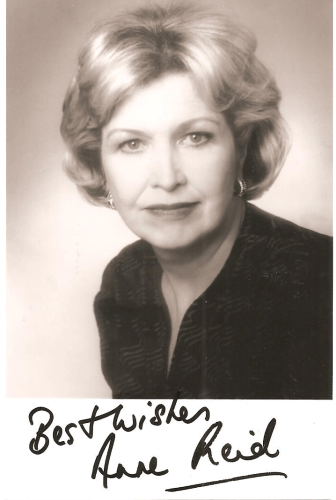
Anne Reid
Anne Reid
Anne Reid

Anne Reid was born in Newcastle-on-Tyne in 1935.   She achived national fame in the UK for her performance as Val wife to Ken Barlow in “CoronationStreet” who was electrocuted by her hairdryer.   Her film debut was in 1958 in “Passport to Shame”.   She has had a steady career as a character actress but in the past ten years she has become very prolific in major roles both on television and in film e.g the film “The Mother” with Daniel Craig in 2003.

“MailOnline” article:

Anne Reid was the envy of older women everywhere when she played Daniel Craig’s lover in The Mother. She also starred in Coronation Street, and more recently as Mrs Thackeray the cook in Upstairs Downstairs. Now 75 and an MBE, she has one son and lives in central London.

I was born in Newcastle in May 1935, but my family moved to Redcar when the war started and this is me, aged eight, at White House School.

My nursery school was called John Emmerson Batty – wonderful name, wasn’t it? Then came White House primary, where my lasting memory was performing, as Juliet, the last act of Romeo And Juliet with a girl called June Laverick, who went on to become a well-known actress.

All my family were journalists – and indeed, so was my late husband, Peter Eckersley. My grandfather wrote a column in the Bolton Echo; my uncle was on the Manchester Evening News. My father, Colin, was a special correspondent in the Middle East for the Daily Telegraph and my three brothers followed the tradition.

When I was 11 my life changed completely. My mother flew out to join my father abroad and I was sent away to boarding school – to Penrhos College in North Wales.

I don’t remember being unduly worried at all. I must have been quite a strong character, but it must have been horrendously hard for my mother to leave me behind.

She left before term began so couldn’t even accompany me to school. My tin trunk and I were put on a train by one of my brothers and off I chugged towards the unknown.

Happily I adored Penrhos, and the odd thing was that we had a brother-school nearby called Rydal, where William Roache went – something I found out only when I joined the cast of Coronation Street.

I was so happy at school and I made it my home as I no longer had a family home in England. I saw my parents only once a year during the summer.

I either flew to the Middle East or spent time with them in London. When that happened they lived at the Imperial Hotel, Russell Square.

Strangely enough, the flat I live in now is not far from the hotel. I was very average at school. I passed my exams, but I don’t think I shone. The school offered elocution lessons with a Miss Monica Beardsworth, and my father had me enrolled to iron out my North East accent. That’s how I discovered acting.

I never got into the school plays, but the elocution lessons opened another door because, as part of the training, I started doing bits of plays with my teacher.

I remember when I was about 12, learning the lines of a play and thinking, ‘I know how to make this interesting. I know how to act. I can do this better than other people.’ You do know when an inner talent gives you that ease. It’s not a remarkable thing – just a knack that has given me a very nice life.

In the end Miss Beardsworth wrote to my parents saying, ‘I think Anne is talented and she should take up acting. I’d like to get the forms and send her to RADA.’

My grandmother had been on the stage in variety choruses, so my father agreed with the idea at once. And that’s how it all happened. Not everyone at the school agreed with the diagnosis.

My French teacher, Miss Clark, was astonished when I told her, aged 12, that I was going to be an actress.

She said, ‘Oh no. You’ll never make an actress. You’re not the type.’ I don’t think she was being intentionally unkind, but these things stick in your mind, don’t they? She obviously thought I wasn’t flamboyant enough.

People, at that time, imagined that an actress should be vivid and flamboyant, but I don’t believe acting is about that. It’s about being a blank canvas and being able to play lots of different characters.

I always wanted that diversity, and the great thing is that, since I did The Mother, my life has changed dramatically. I’ve had such variety, from Ladies Of Letters to playing Barbara Cartland in the story of her life.

It was a wrench to leave Penrhos at 16. I loved it so much. I was in the school choir and we always had choir picnics in the mountains of Snowdonia.

For a long time after I left, I used to dream I was back at school. I was very content there and it was traumatic to be thrust out into the world. Though I had travelled a lot, I was still very naive – a schoolgirl in high heels and earrings.

I did enjoy RADA, but I wish I’d been more worldly-wise. I didn’t make the most of it and I didn’t even know what an agent was. I didn’t know anything about the business and hadn’t even been to the theatre much. It took me a long time to grow up.

I don’t know if I have quite managed it, even now. I always played the character parts at drama school – the sort of roles I play now, but of course that doesn’t really equip you to find jobs when you come out. I didn’t know how to play a juvenile lead.

I was a stage manager for a long time and worked in repertory theatre, but gradually things began to happen. My first TV job was doing sketches with Benny Hill.

My parents came back to England in 1960, just before I went into Coronation Street playing Valerie Tatlock.

My father enjoyed that enormously – he loved the fact that I was famous. It was only after he died that I left the Street. Then I married, became pregnant and gave up acting for about 12 years, and started again in 1986. Since then everything has turned out wonderfully well.

Yvonne Swann Marchlands starts on Thursday, ITV1 at 9pm.

The above “Mail Online” article can be accessed online here.


Fionnula Flanagan
Fionnala Flanagan
Fionnala Flanagan

Fionnuala Flanagan.

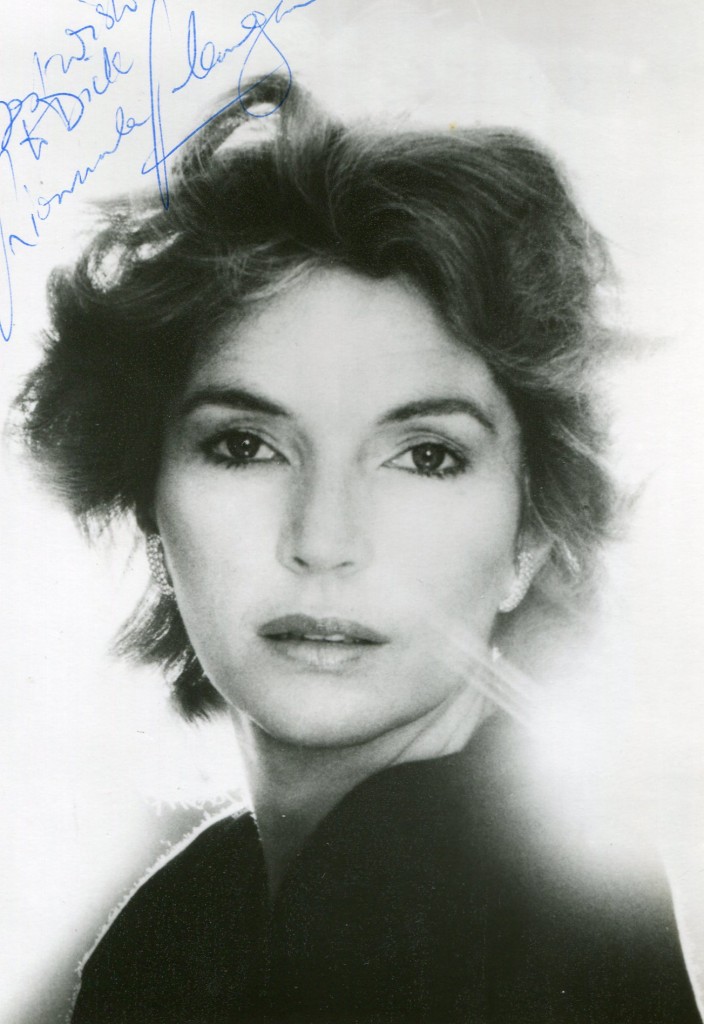
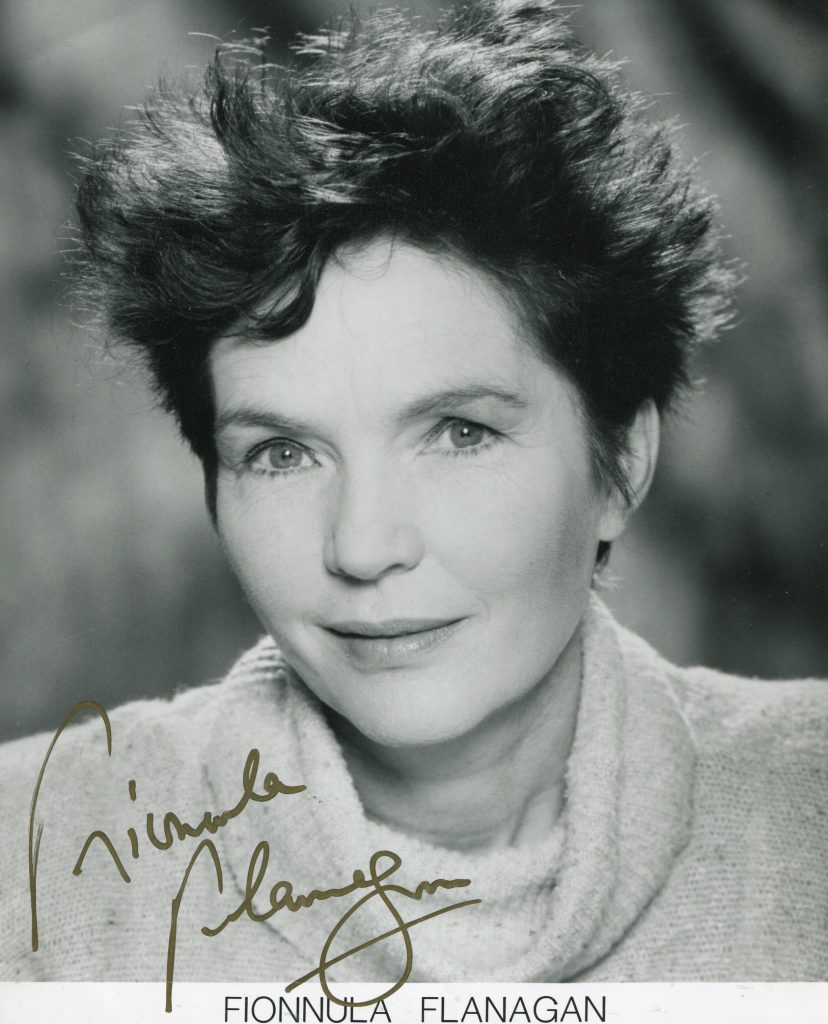
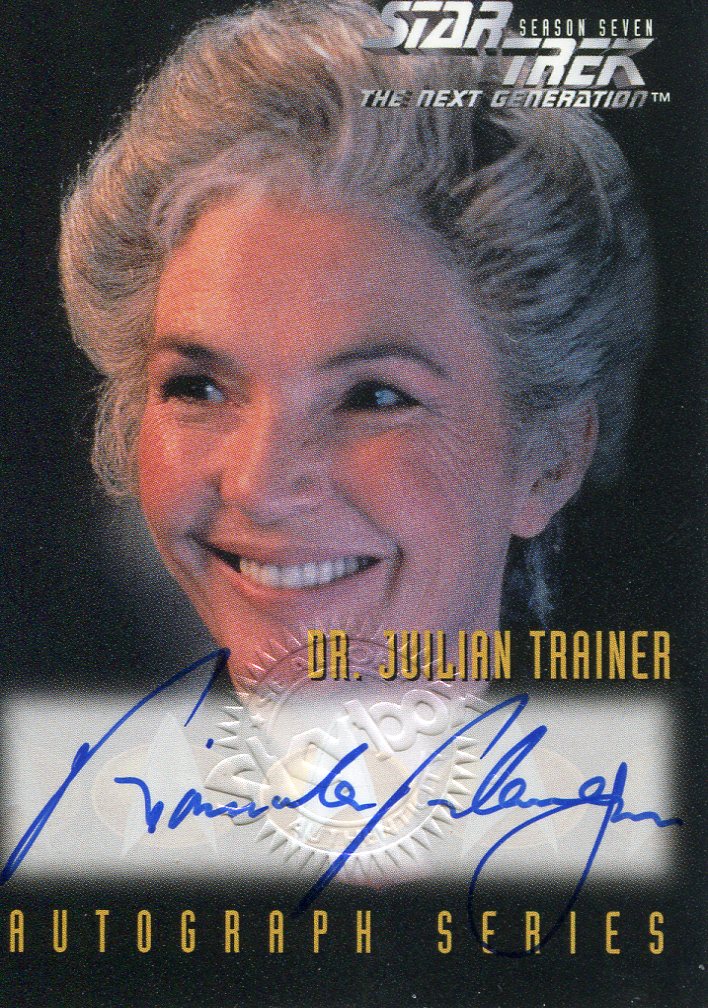
Fionnaula Flanagan was born in Dublin in 1941.   She made her film debut in 1967 in the Irish made “Ulysses”.   The same year she was on Broadway in Brian Friel’s “Lovers”.   She concentrated her career in the U.S. and settled in Hollywood.   Throughout the 1970’s and 80’s she was featured in many of the major television series such as “Bonanza”, “Mannix”, “Shaft”, “The Streets of San Francisco”, “Kojack” and “Marcus Welby M.D.   She won particular acclaim for her performance in the mini-series “Ricxh Man, Rich Man Poor Man”.  From the 1990’s onwards she has become a wonderful presence on film are “Some Mother’s Son”, “Waking Ned”, “The Others”, “Transamerica” and “The Guard”.

TCM Overview:

Fionnula Flanagan
Fionnula Flanagan

Before moving to the USA from her native Ireland, the intense, attractive Fionnula Flanagan made her feature debut as Gerty McDowell in Joseph Strick’s fascinating but uneven filming of James Joyce’s “Ulysses” (1967). On Broadway, she won critical acclaim and a Tony nomination as Molly Bloom in “Ulysses in Nighttown” (1974), co-starring Zero Mostel and staged by Burgess Meredith. Flanagan has also toured in her one-person show, “James Joyce’s Women,” in which she played among others, Nora Barnacle Joyce, Sylvia Beach, Harriet Shaw Weaver, and Molly Bloom. The play was adapted as a feature film in 1984, produced by Flanagan and her husband, Garrett O’Connor.

Her career, though, has not been limited to appearing in works by her countryman, but has also encompassed stage, screen and television. In 1968, the petite, auburn-haired Flanagan moved to America and landed her first stage role in “Lovers.” She segued to the small screen where she has had the most success to date. Flanagan has appeared in numerous TV longforms, beginning with the 1973 ABC remake of “The Picture of Dorian Gray.” She was the Irish maid of the famed, but acquitted suspected murderess in “The Legend of Lizzie Borden” (ABC, 1975), won an Emmy for a supporting role in the ratings winner “Rich Man, Poor Man” (ABC, 1976), and was the wife to writer William Allen White, mourning their teenaged daughter’s death “Mary White” (ABC, 1977). That same year, she created the role of Molly, a widow finding her way on the frontier in “How the West Was Won,” a role she reprised in the series spin-off. Flanagan was mother to Valerie Bertinelli in “Young Love, First Love” (CBS, 1979) and starred in George Lucas’ TV-movie, “The Ewok Adventure” (ABC, 1984). She played mother again, this time to one-armed baseball player Pete Gray (Keith Carradine) in “A Winner Never Quits” (ABC, 1986). Other notable roles include the tough-talking lieutenant in the short-lived drama series “Hard Copy” (CBS, 1987), was a smooth-talking madam in “Final Verdict” (TNT, 1991), and portrayed a widow seeking answers about her husband’s death in a rafting accident in “White Mile” (HBO, 1994).

While her feature film work has been sporadic, Flanagan did receive particular notice as a nun in the Oscar-winning short “In the Region of Ice” (1976). Her other credits have ranged from John Huston’s “Sinful Davey” (1969), as the daughter of the Duke of Argyll, to several maternal roles. Among the latter are as Molly Ringwald’s mom in “P.K. and the Kid” (lensed 1982, released in 1987), as Mary Stuart Masterson’s overbearing parent in “Mad at the Moon” (1992) and as John Cusack’s mother in “Money For Nothing” (1993). She had one of her best screen roles in another motherly part, as a gruff Irish Catholic whose son is imprisoned for terrorist activities in Northern Ireland in “Some Mother’s Son” (1996). After returning to series TV as the matriarch of an Irish-American family on the CBS drama series “To Have and To Hold” (1998), Flanaghan garnered additional praise as the morally grounded wife of a scheming villager (Ian Bannen) in the genial comedy “Waking Ned Devine” (1998). She offered perhaps one of her best turns as the slightly creepy housekeeper in “The Others” (2001). She added memorable humor to the role of Teensy Melissa Whitman in the independent feature “Divine Secrets of the Ya-Ya Sisterhood” (2002), a light-hearted film about a group of women who set out to mend a broken relationship between their “Ya-Ya Sister” and her daughter.

Fionnuala Flanagan
Fionnuala Flanagan

The following year, Flanagan displayed her serious side by taking on the role of Nurse Grace in Antione Fuqua’s “Tears of the Sun” (2003). An epic tale dedicated to, as director Fuqua stated, “all the men and women you protect us and go into places and do great things about which too little is said.” She then played the adoptive mother of four boys (two black, two white) seeking revenge for her murder after a grocery store robbery in “Four Brothers” (2005). Directed by John Singleton and starring Mark Wahlberg, Andre 3000, Tyrese Gibson and Garrett Hedlund as the avenging sons, “Four Brothers” was a straight-forward and often violent revenge thriller that either pleased or disappointed critics for its simplistic narrative. She then had a terrific supporting turn as the domineering, disapproving mother of a preoperative transexual (Felicity Huffman) who seeks shelter with her estranged family while traveling cross-country with the newly discovered son she fathered in her early life as a man in “Transamerica” (2005).

The above TCM Overview can also be accessed online here.
Michael Crawford
Michael Crawford
Michael Crawford
Michael Crawford

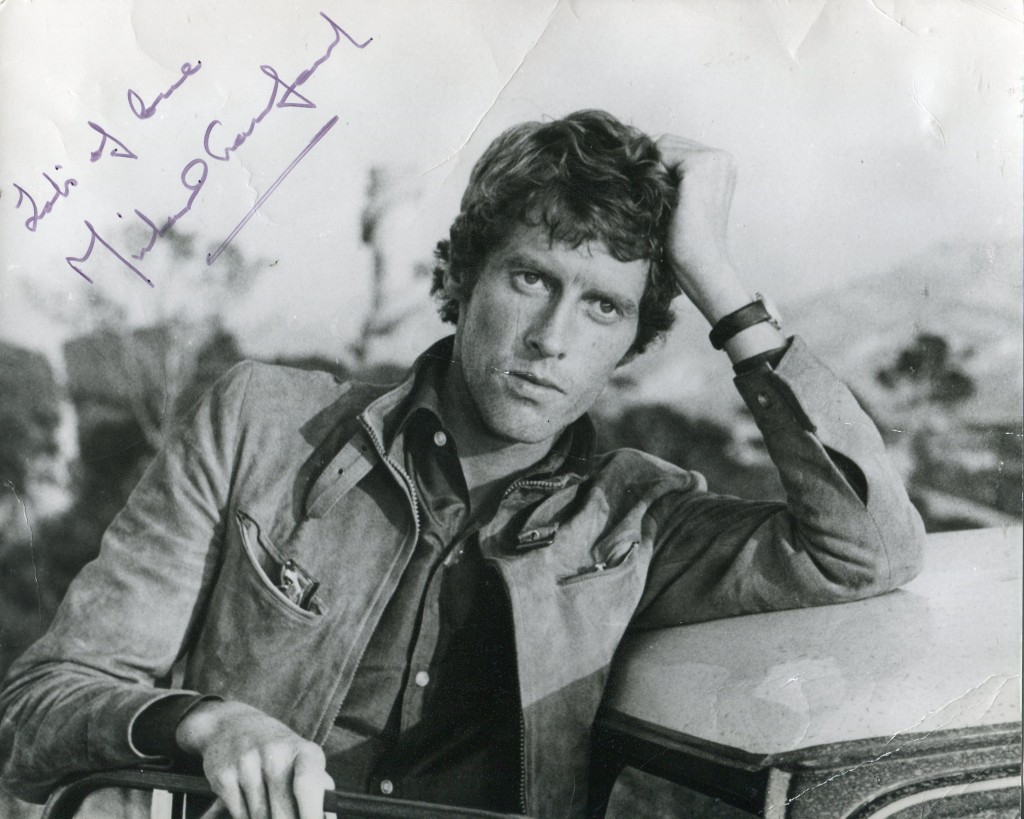
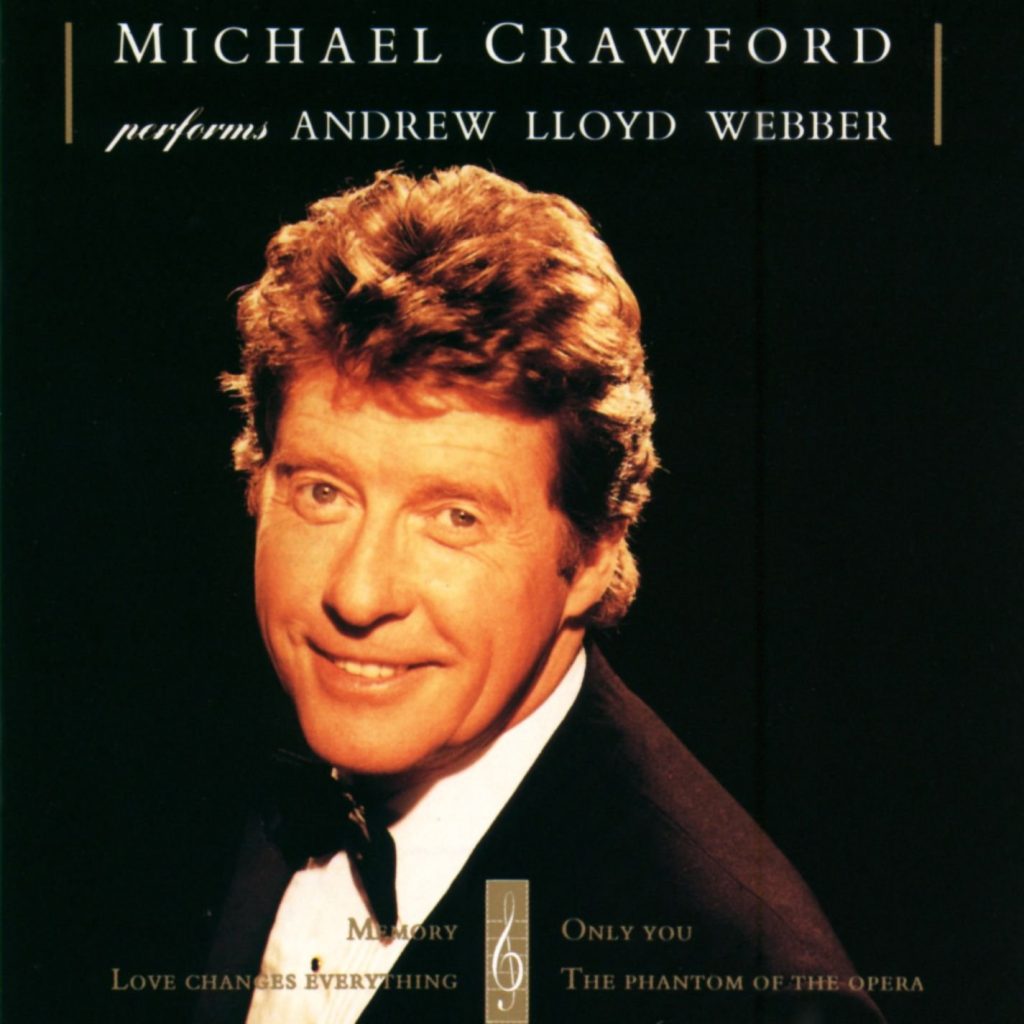
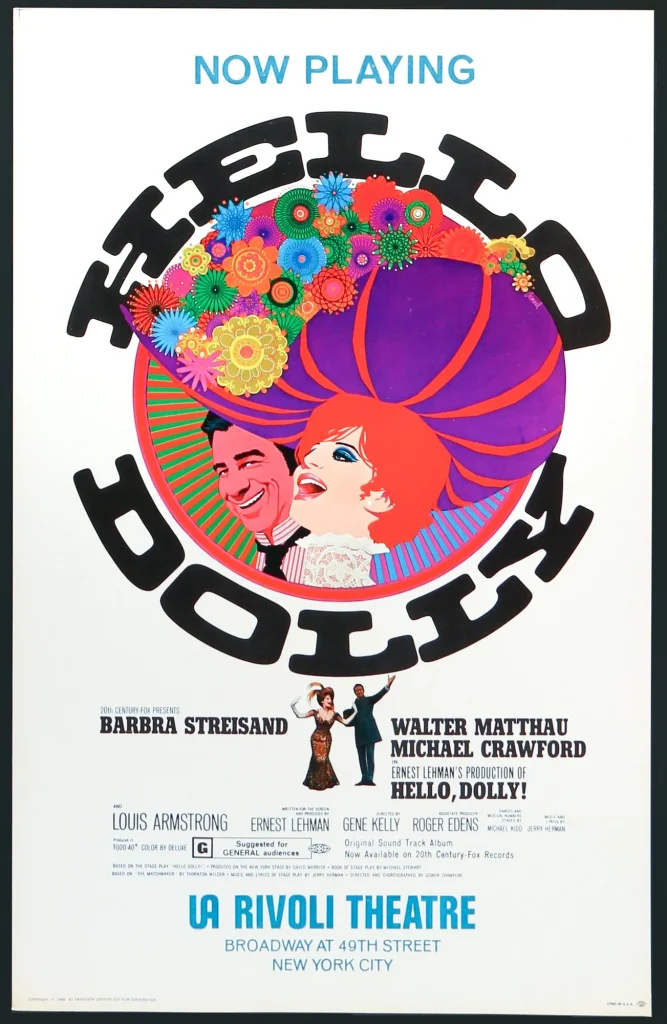
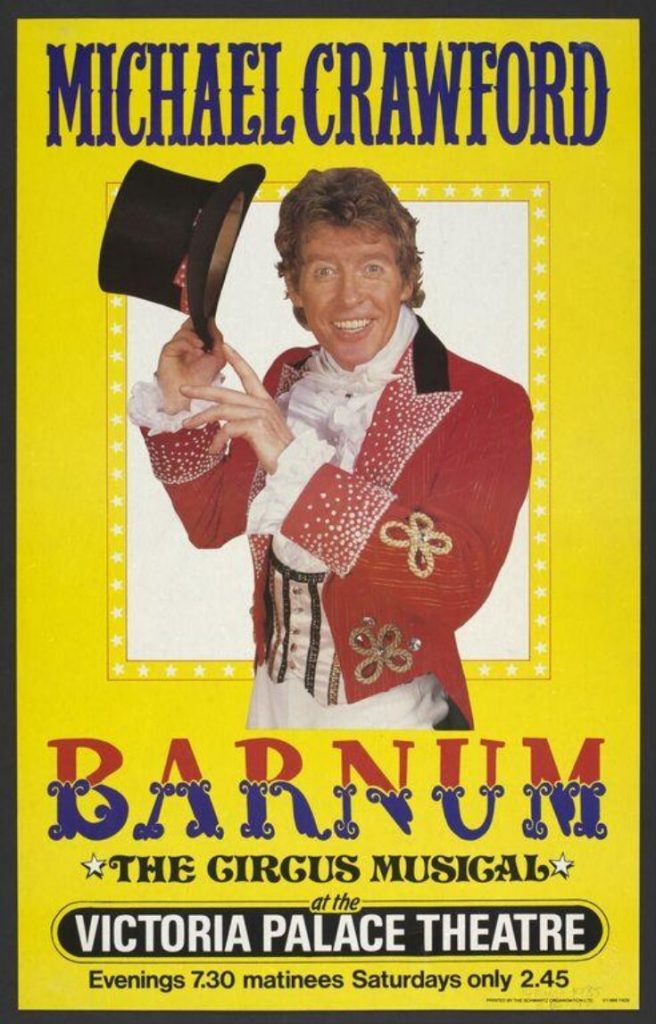
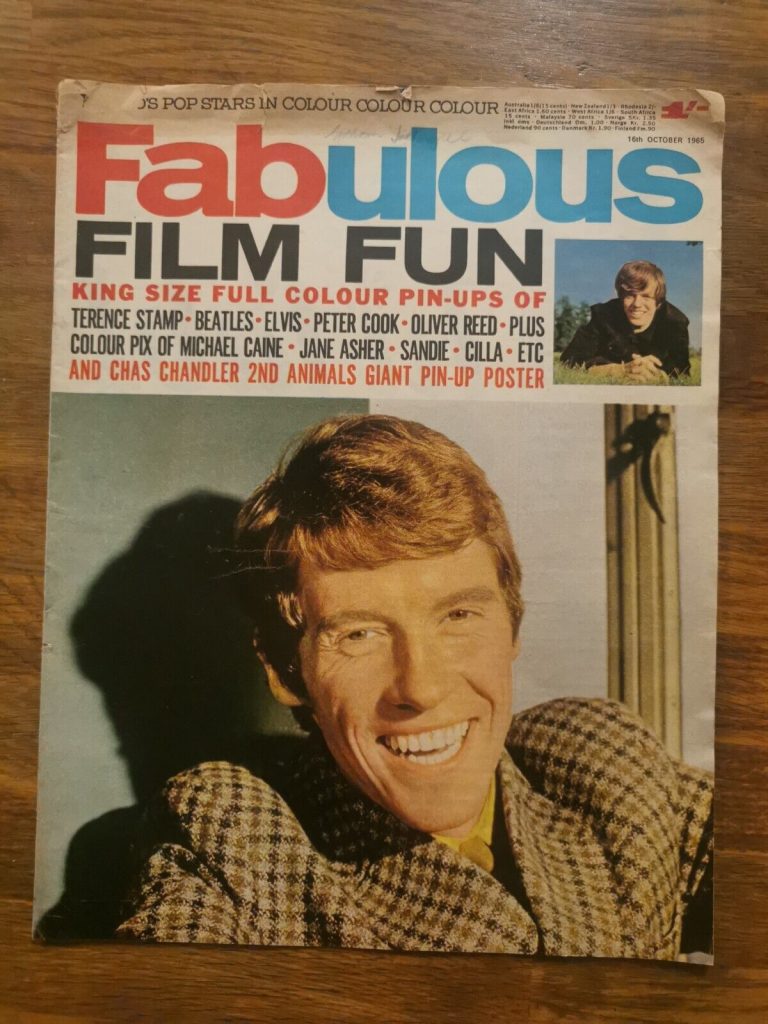
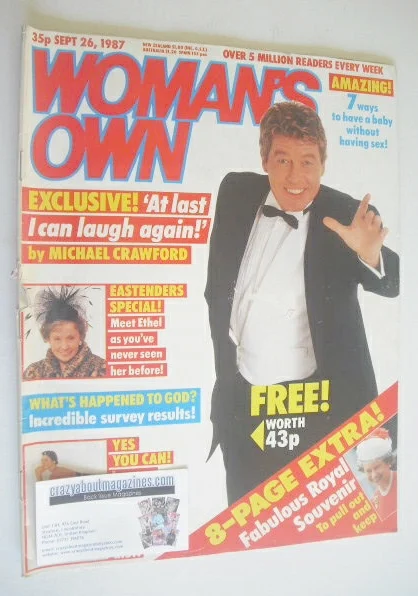
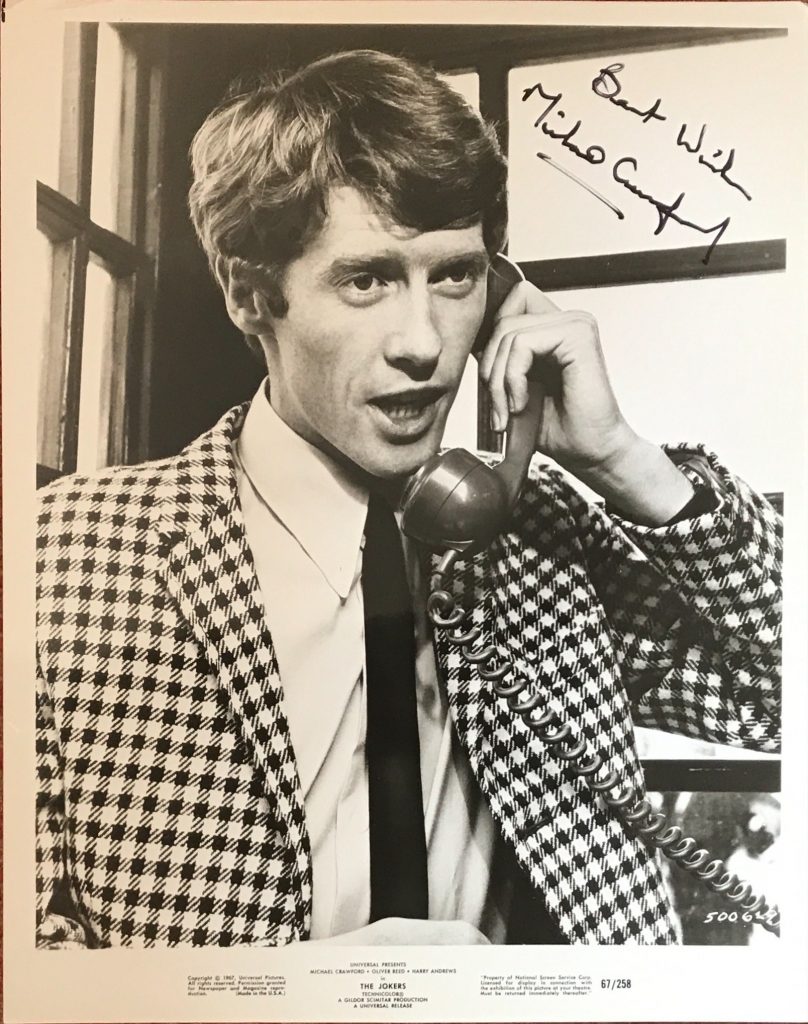
Michael Crawford was born in 1942 in Salisbury, England.  He is fondly remembered for his role of Frank Spencer in “Some Mothers Do Have Them” which began its run on British television in 1973.   Already Crawford had been on film, “”The War Lover” in 1963 with Steve McQueen and Shirley Anne Field and in Hollywood, “Hello Dolly” with Barbra Streisand in 1969.   He played the title role in Andrew Lloyd Webber’s “The Phantom of the Opera” to enormous acclaim.

TCM Overview:

An enormously gifted singer-actor, Michael Crawford became a child star of radio, stage and screen thanks to his soprano voice and innate acting talent. Maturing into a gifted adult performer, he charmed in such films as “The Knack and How to Get It” (1965), “A Funny Thing Happened on the Way to the Forum” (1966) and “Hello, Dolly!” (1969). Crawford became a sitcom star and household name as the accident-prone Frank Spencer on “Some Mothers Do ‘Ave ‘Em” (BBC1, 1973-78), but found even more success as a musical theater actor, winning an Olivier Award in “Barnum” and becoming a worldwide icon as the titular star of Andrew Lloyd Webber’s “The Phantom of the Opera.” An unprecedented global phenomenon, “Phantom” defined an era, earning Crawford another Olivier Award, a Tony and the status of Officer of the British Empire. Buoyed by all the adulation, Crawford launched a Grammy-nominated solo recording career, headlined the Las Vegas musical spectacular “EFX,” and filmed his own Emmy-nominated special, “Michael Crawford in Concert” (PBS, 1998). A born performer who only became more likable and charismatic with age, Michael Crawford continued to build upon his status as a beloved international icon and as one of the most respected English entertainers of all time.

Born Jan. 19, 1942 in Salisbury, Wiltshire, England, Michael Patrick Dumbell-Smith experienced a childhood of extreme highs and lows against the backdrop of wartime England. After his mother died young, he left his abusive stepfather and dedicated himself to the theater, going from performing in school plays to professional productions, due in part to his beautiful soprano singing voice. Adopting the stage name of Michael Crawford, he built an impressive career as a child star on the stage, television and radio before essaying his first teenage lead in the comedy “Two Left Feet” (1963), as an awkward young man who attempts to seduce a waitress. After an impressive stint on the satiric sketch show “Not So Much a Programme, More a Way of Life” (BBC1, 1964-65), he followed with a series of charming performances as clumsy, callow young men learning about love in the Richard Lester comedies “The Knack and How to Get It” (1965) and “A Funny Thing Happened on the Way to the Forum” (1966), winning the Variety Club of Great Britain’s award for Most Promising Newcomer.

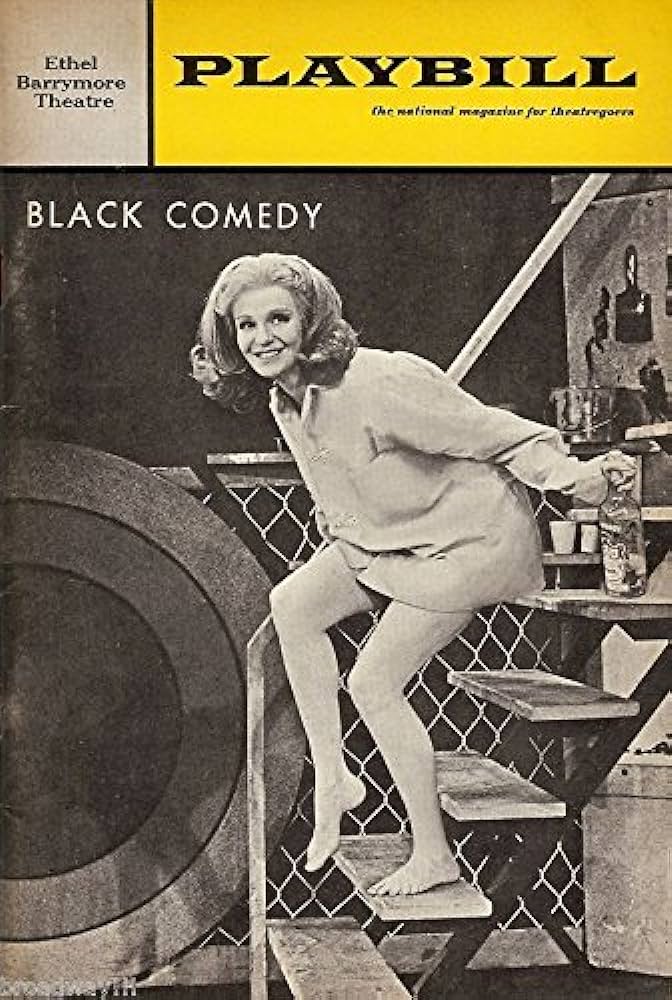
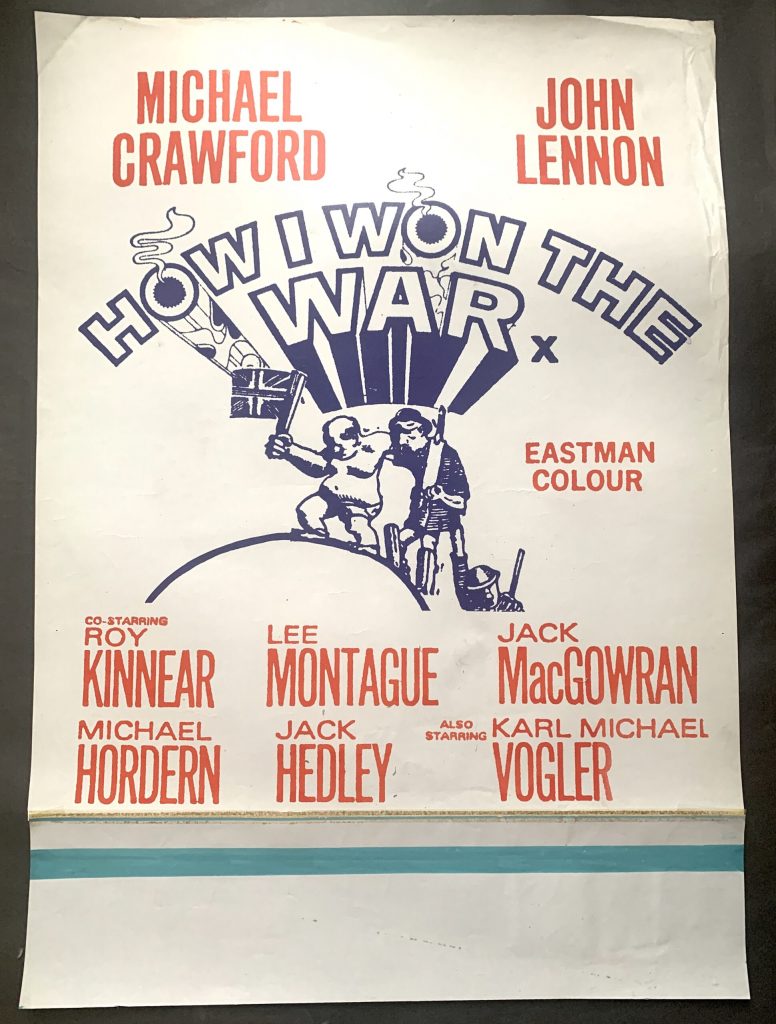
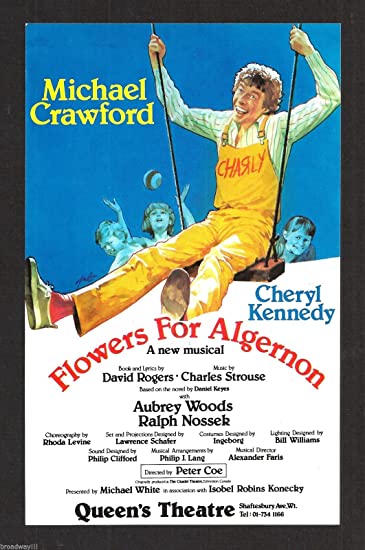
As the high-spirited Cornelius Hackl, he took lessons in love from matchmaker Dolly Levi (Barbra Streisand) in the Oscar-winning musical “Hello, Dolly!” (1969) and reteamed with director Richard Lester to star as an inept British Army officer who inadvertently kills off all of his men, including John Lennon, in “How I Won the War” (1967). That same year, he made his Broadway debut in “Black Comedy” opposite Lynn Redgrave and Geraldine Page and he went on to make a name for himself on the London stage as well in the sex farce “No Sex Please, We’re British” (1971) and the short-lived musicals “Billy” and “Flowers for Algernon.” After playing the White Rabbit in “Alice’s Adventures in Wonderland” (1972), the actor achieved U.K. pop culture immortality as the hilariously unlucky, lovable loser Frank Spencer on “Some Mothers Do ‘Ave ‘Em” (BBC1, 1973-78), which proved not just a popular series, but an enduring U.K. cultural institution. For his wonderful work on the series, Crawford earned two BAFTA TV Award nominations, as well as the respect of cast and crew for doing his own stunts and pratfalls on the physical comedy-heavy series.

Back onstage, Crawford’s exuberant, Olivier Award-winning performance in the boisterous Cy Coleman musical “Barnum” helped him shed the trappings of his sitcom superstardom, transforming the actor into a popular musical theater star. Working tirelessly to train himself in circus arts like tightrope walking and juggling, Crawford so completely embodied the famed showman P.T. Barnum that he became synonymous with the show’s monstrous success and was even tapped by British ice dancing legends Jayne Torvill and Christopher Dean to help them perfect a routine to music from the show. Still very much associated with his charming sitcom character, however, Crawford completed the transition to serious actor and saw his star flash supernova with his sensitive, captivating portrayal of the tormented, masked antihero of Andrew Lloyd Webber’s musical “The Phantom of the Opera.” Although he was not Webber’s first choice for the role, Crawford’s opera-trained voice won the producer over when he and star Sarah Brightman overheard the actor in a music lesson, and it soon became obvious that this part of a lifetime was destined for Crawford.

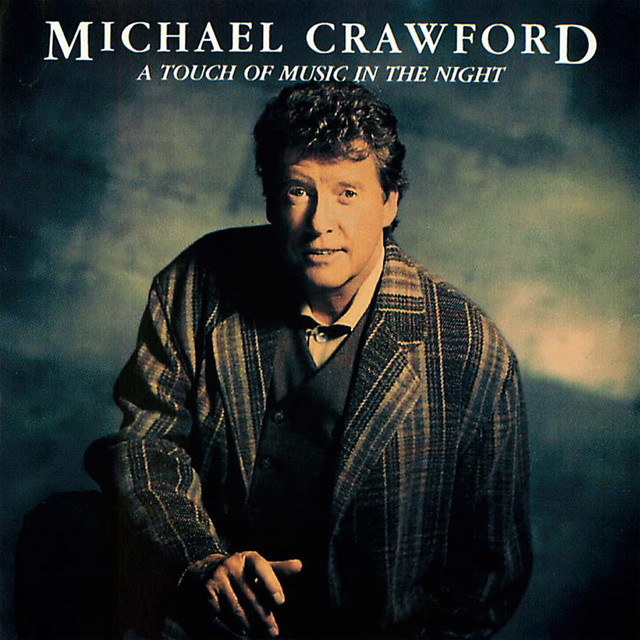
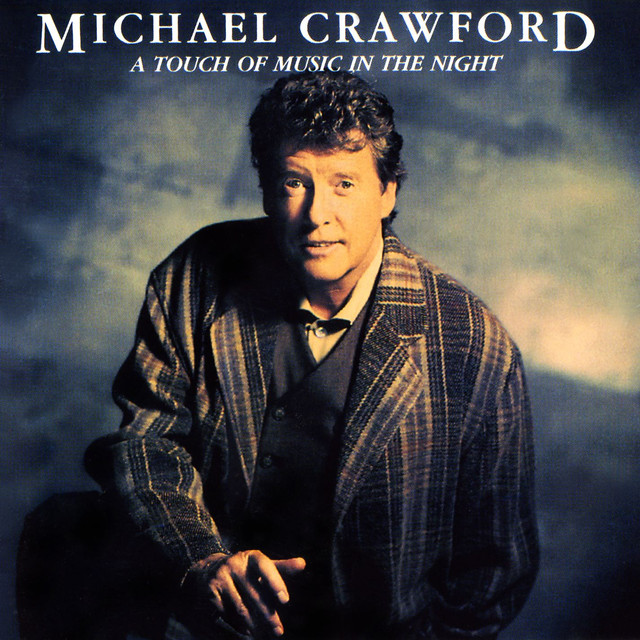
Now a household name, the enormously influential “Phantom” proved to be a smash in both the West End and on Broadway, with its soundtrack becoming a worldwide sensation and “Phantom Mania” sweeping the media. Fans fell deeply in love with the swooningly romantic story of the titular disfigured musical genius (Crawford) who went to murderous lengths to win the heart of the angelic Christine (Brightman), and the lush, dramatic production captured the imagination of millions. Gifted with dreamy numbers that showcased his soaring voice, Crawford was the heart of Phantom mania for millions, becoming a global sex symbol and icon. For giving unforgettable life to the “Phantom,” Crawford won a slew of awards from both sides of the pond, including an Olivier, a Tony, a New York Drama Desk Award, a Los Angeles Drama Critics Circle Award and the Variety Club of Great Britain’s Personality of the Year. So popular and acclaimed was Crawford’s performance that Queen Elizabeth II named him an Officer of the British Empire, and he launched a successful solo recording career, including 1991’s multiplatinum Michael Crawford Performs Andrew Lloyd Webber and 1993’s A Touch of Music in the Night, which included a Grammy-nominated duet with Barbra Streisand.

He went on to star in the enormously ambitious, special effects-laden musical spectacular “EFX” in Las Vegas, which cast Crawford in five starring roles: the EFX Master, Merlin the wizard, famed showman P.T. Barnum, magician Harry Houdini and science fiction author H.G. Wells. The show proved so demanding, however, that Crawford, who still insisted on doing his own stunts, had to leave early in the run due to injuries sustained while performing. When he left the intense “EFX,” the actor went on to star in his own Emmy-nominated special, “Michael Crawford in Concert” (PBS, 1998) and to pen his autobiography, 1999’s Parcel Arrived Safely: Tied with String. Continuing his lucrative recording and touring careers, Crawford scored further stage success in the musicals “Dance of the Vampires” and Webber’s “The Woman in White,” earning an Olivier Award nomination for his work. Crawford and Webber reteamed yet again for another hit when the actor played the titular role in Webber’s 2011-12 production of “The Wizard of Oz.”

By Jonathan Riggs

The above TCM overview can also be accessed online here.

Fritz Weaver
Fritz Weaver
Fritz Weaver

Fritz Weaver obituary.

Fritz Weaver, an actor who transmitted an air of patrician assurance in roles that took him from a regular presence in Golden Age television dramas to Broadway stardom, prominent characters in films including Fail-Safe in 1964, and an Emmy nomination for NBC’s acclaimed 1978 drama series Holocaust, died Saturday at home in Manhattan. He was 90.

In that mini-series, Weaver played Dr. Josef Weiss, a Jewish doctor sent first to the Warsaw ghetto and then to the Auschwitz-Birkenau complex, where he was murdered by the Nazis.

“Somebody sent us some photographs of Fritz and I the other day,” Rosemary Harris, who played his wife in the series that also starred Meryl Streep, Sam Wanamaker, Michael Moriarty and George Rose, told Deadline in a recent interview. “Oh, it all came flapping back. There’s a picture of me saying goodbye to him when he was getting on the train, and oh, it’s still painful. It filmed in Vienna and also in Berlin. And we spent a day at Mauthausen [the concentration camp in northern Austria]. George Rose and Meryl and I and Fritz, we’d all huddle together when we came back from filming and meet in the bar and just sort of sit there.”

Regarded for his ability to convey contained passion and commitment, Weaver in fact got his start in a comedy, earning a Tony Award nomination as an English butler in Enid Bagnold’s 1955 Broadway comedy of manners The Chalk Garden. From then on, he was a regular presence on Broadway and off, winning a Tony Award in 1970 for his leading performance in Child’s Play, a drama by Robert Marasco set in a Catholic boys’ school. An actor of range and subtlety, Weaver worked as comfortably in Shakespearean dramas, including the title roles in  King Lear and Hamlet, as in the dramas of Arthur Miller and, later, Lanford Wilson, among others. Most recently, he had devoted himself to the development of a new play, Unexplored Interior, by the actor Jay O. Sanders (True Detective), an epic drama about the Rwandan genocide of 1994.

“Fritz was an extraordinary man and actor of great passion, elegance, broad literary reach, and impeccable craft,” Sanders told Deadline Sunday night. “Over the ten years of developing my play, in which he played Mark Twain, he would regularly call me out of the blue to check in on my progress. ‘It’s important!’ he would say…which kept me going.”

In addition to Fail-Safe, in which he played an Air Force colonel unhinged by an impending nuclear crisis, Weaver was known for Marathon Man (1976), Day Of The Dolphin (1973), The Thomas Crown Affair (1999) and roles on countless prime-time television series, going back to such seminal programs as OmnibusPlayhouse 90 and The Twilight Zone.

But it was to the stage that he always returned. On Broadway, he played Sherlock Holmes in the 1965 musical Baker Street; Walter Franz in a 1979 revival of Miller’s The Price, and Deputy Governor Danforth in a 1991 revival of Miller’s The Crucible that was presented by the National Actors Theatre, the late Tony Randall’s earnest attempt to develop a theater ensemble comparable to England’s Royal Shakespeare Company. Weaver had prominent roles in two works by the late Lanford Wilson (Hot L BaltimoreFifth Of July) — A Tale Told and, on Broadway, Angels Fall. Weaver’s last appearance on Broadway was in a 1999 revival of Jean Anouilh’s Ring Round The Moon.

Weaver is survived by his wife, the actress Rochelle Oliver; his daughter, Lydia Weaver; his son, Anthony; and a grandson.

Actress Maryann Plunkett, cast with Weaver in Randall’s revival of The Crucible, told Deadline Sunday night, “Fritz Weaver was an elegant, generous, supremely talented actor I was privileged to share the stage with and learn from. He was a dear friend who loved his family with passion. A good, good man.”

Weaver obituary.

Fritz Weaver, an actor who transmitted an air of patrician assurance in roles that took him from a regular presence in Golden Age television dramas to Broadway stardom, prominent characters in films including Fail-Safe in 1964, and an Emmy nomination for NBC’s acclaimed 1978 drama series Holocaust, died Saturday at home in Manhattan. He was 90.

In that mini-series, Weaver played Dr. Josef Weiss, a Jewish doctor sent first to the Warsaw ghetto and then to the Auschwitz-Birkenau complex, where he was murdered by the Nazis.

“Somebody sent us some photographs of Fritz and I the other day,” Rosemary Harris, who played his wife in the series that also starred Meryl Streep, Sam Wanamaker, Michael Moriarty and George Rose, told Deadline in a recent interview. “Oh, it all came flapping back. There’s a picture of me saying goodbye to him when he was getting on the train, and oh, it’s still painful. It filmed in Vienna and also in Berlin. And we spent a day at Mauthausen [the concentration camp in northern Austria]. George Rose and Meryl and I and Fritz, we’d all huddle together when we came back from filming and meet in the bar and just sort of sit there.”

RELATED STORY

Sutton Foster To Join Hugh Jackman in Broadway’s ‘The Music Man’

Fritz Weaver in 'Demon Seed'
Fritz Weaver in ‘Demon Seed’REX/Shutterstock

Regarded for his ability to convey contained passion and commitment, Weaver in fact got his start in a comedy, earning a Tony Award nomination as an English butler in Enid Bagnold’s 1955 Broadway comedy of manners The Chalk Garden. From then on, he was a regular presence on Broadway and off, winning a Tony Award in 1970 for his leading performance in Child’s Play, a drama by Robert Marasco set in a Catholic boys’ school. An actor of range and subtlety, Weaver worked as comfortably in Shakespearean dramas, including the title roles in  King Lear and Hamlet, as in the dramas of Arthur Miller and, later, Lanford Wilson, among others. Most recently, he had devoted himself to the development of a new play, Unexplored Interior, by the actor Jay O. Sanders (True Detective), an epic drama about the Rwandan genocide of 1994.

“Fritz was an extraordinary man and actor of great passion, elegance, broad literary reach, and impeccable craft,” Sanders told Deadline Sunday night. “Over the ten years of developing my play, in which he played Mark Twain, he would regularly call me out of the blue to check in on my progress. ‘It’s important!’ he would say…which kept me going.”

In addition to Fail-Safe, in which he played an Air Force colonel unhinged by an impending nuclear crisis, Weaver was known for Marathon Man (1976), Day Of The Dolphin (1973), The Thomas Crown Affair (1999) and roles on countless prime-time television series, going back to such seminal programs as OmnibusPlayhouse 90 and The Twilight Zone.

But it was to the stage that he always returned. On Broadway, he played Sherlock Holmes in the 1965 musical Baker Street; Walter Franz in a 1979 revival of Miller’s The Price, and Deputy Governor Danforth in a 1991 revival of Miller’s The Crucible that was presented by the National Actors Theatre, the late Tony Randall’s earnest attempt to develop a theater ensemble comparable to England’s Royal Shakespeare Company. Weaver had prominent roles in two works by the late Lanford Wilson (Hot L BaltimoreFifth Of July) — A Tale Told and, on Broadway, Angels Fall. Weaver’s last appearance on Broadway was in a 1999 revival of Jean Anouilh’s Ring Round The Moon.

Weaver is survived by his wife, the actress Rochelle Oliver; his daughter, Lydia Weaver; his son, Anthony; and a grandson.

Actress Maryann Plunkett, cast with Weaver in Randall’s revival of The Crucible, told Deadline Sunday night, “Fritz Weaver was an elegant, generous, supremely talented actor I was privileged to share the stage with and learn from. He was a dear friend who loved his family with passion. A good, good man.”

John Heard

John Heard

John Heard

John Heard was born in 1945 in Washington D.C.   His films include “Chilly Scenes of Winter” in 1982, “The Trip to Bountiful” with Geraldine Page in 1985 and “The Great Debaters”.   He was part of the cast of “CSI Miami”.

IMDB entry:

John Heard is a very talented actor who established himself in the late 1970s and early ’80s with roles in the movies Between the Lines (1977), Chilly Scenes of Winter (1979) (a.k.a. “Head Over Heels”), and Heart Beat (1981) (in which he played Jack Kerouac toNick Nolte‘s Neal Cassady and Sissy Spacek‘s Carolyn Cassady) before giving a tour de force performance as a hideously wounded (both physically and psychologically) Vietnam veteran in Cutter’s Way (1981) (a.k.a. “Cutter and Bone”) opposite Jeff Bridges. He also shined as Reverend Dimmesdale (one of America’s first religious hypocrites) in the 1979 PBS version of Nathaniel Hawthorne‘s The Scarlet Letter (1979).

Both “Chilly Scenes of Winter” and Cutter’s Way” (originally released as “Head Over Heels” and “Cutter and Bone”, respectively) had been re-released under new titles after failing in their first go-rounds, such was the quality of the films. The two re-releases helped redefine the practice by which major studios handled smaller, art house quality pictures by releasing them carefully to select theaters with bespoke marketing campaigns so they reached the proper audience. (Studios would later develop their own art film-independent film subsidiaries to handle such pictures, so they didn’t “fall through the cracks” like the first releases of the two Heard films.)

By the early 1980s John Heard seemed on his way to establishing himself as a major American actor if not on the path to movie stardom. At the time, there was joke that involved confusing Heard with John Hurt and William Hurt because of the similarity of their last names. At the time these contemporaries were considered equal in terms of their star power. That was 30 years ago.

William Hurt (the erstwhile husband of Heard’s “Head Over Heels” co-star Mary Beth Hurt) went on to win a Best Actor Oscar as well as enjoy leading man status as a movie star in the mid- to late-’80s before he flared out in the early 1990s. John Hurt become one of the most respected actors of his generation, nominated twice for the Academy Award. Among Heard’s co-stars of his early endeavors, Bridges and Spacek also went on to win Oscars and Nolte has been a multiple nominee.

In the early ’80s it would not have been unreasonable to predict that Heard himself would become an Oscar winner or a multiple nominee. That didn’t happen. (He did get nominated for an Emmy for his turn as a corrupt police detective on The Sopranos(1999).)

Heard now is best known for his two turns as Macaulay Culkin‘s father in the Home Alone(1990) movies. In the 1980s he continued to work on A-List projects, playing the not-so-sympathetic son to Geraldine Page in The Trip to Bountiful (1985) (for which Page won her own Oscar) and Tom Hanks‘s adult rival in Big (1988) (for which Hanks won his first Oscar nomination).

– IMDb Mini Biography By: Jon C. Hopwood

John Glover
John Glover
 

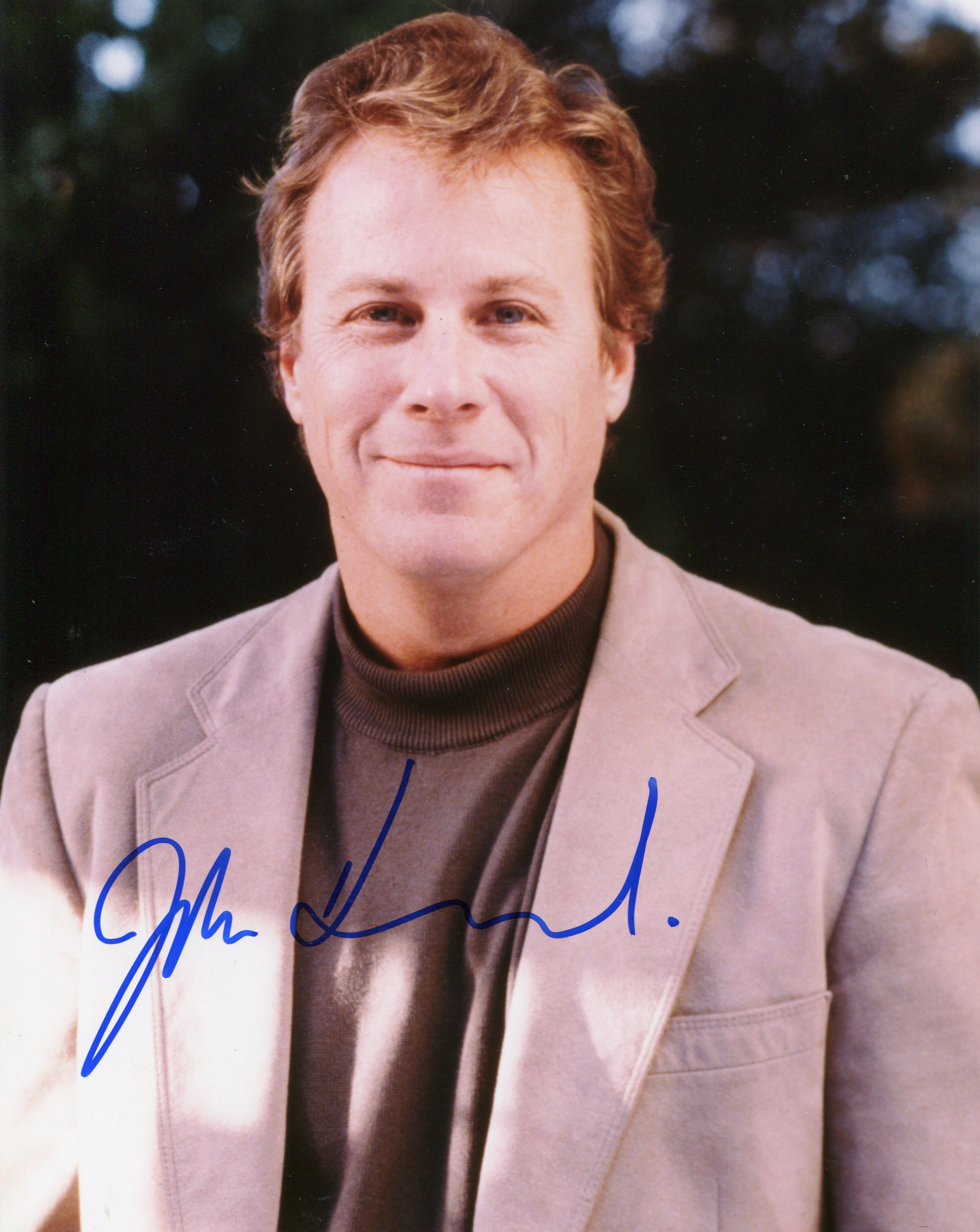
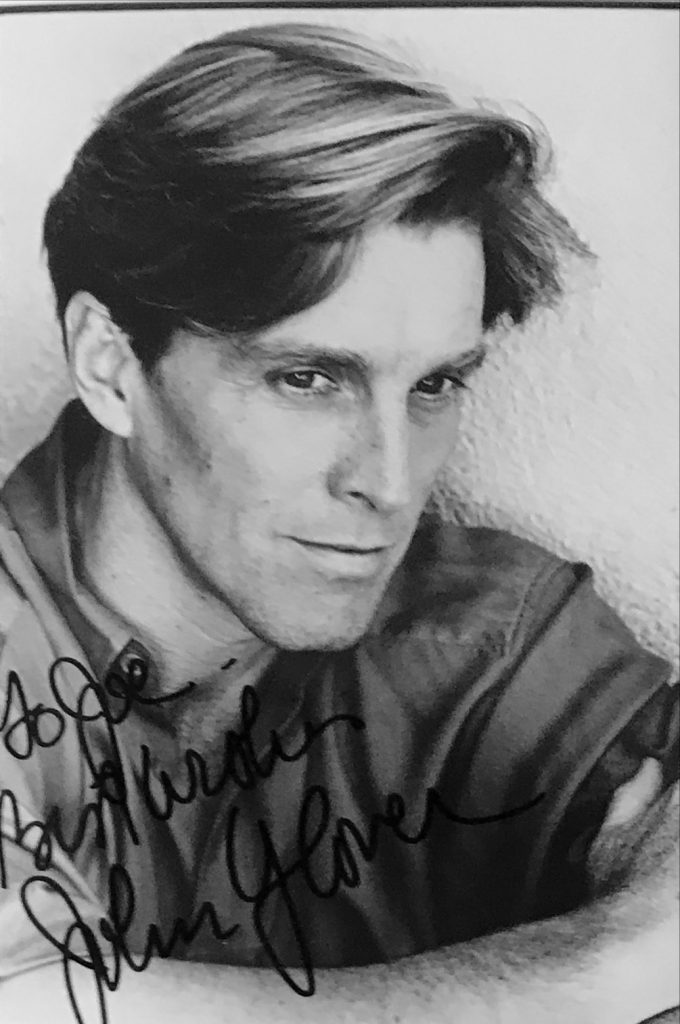
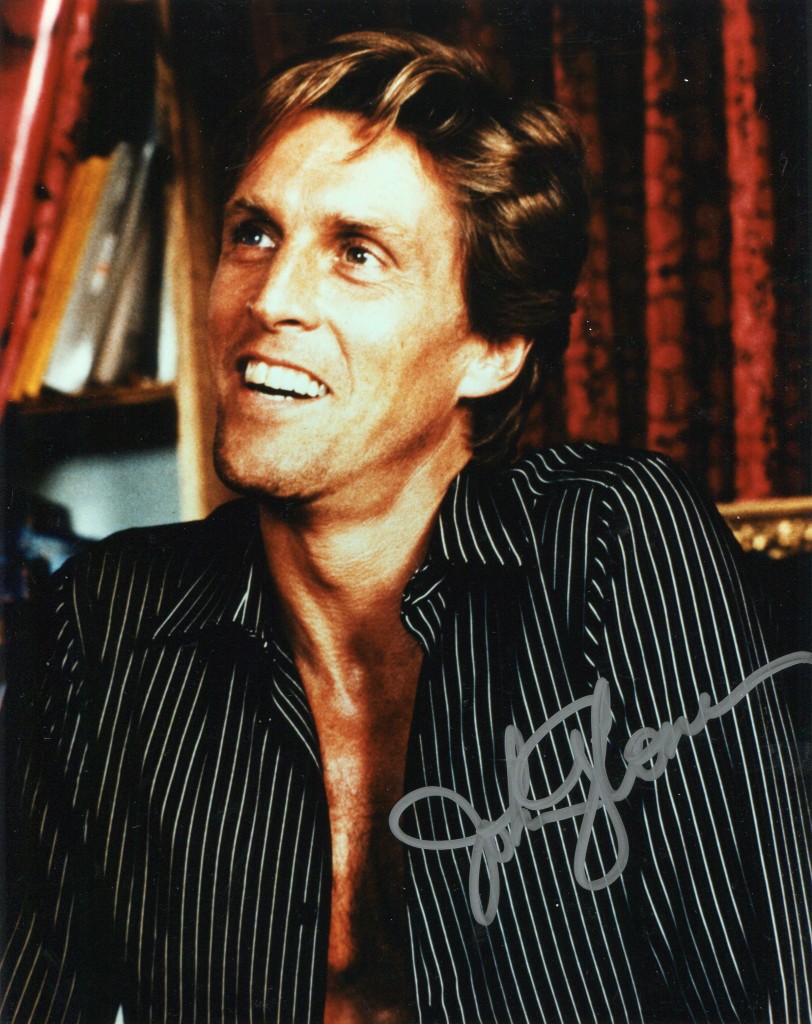
John Glover was born in 1944 in Kingston, New York.   His films include “White Nights” in 1987, “52-Pick-Up” and “Payback”.   He starred with Aidan Quinn, Ben Gazzara and Gena Rowlands in “An Early Frost”.

TCM Overview:

A prolific character actor of stage, screen and TV, John Glover exhibited a knack for playing all manner of smarmy villains; notably a drunken lout in “Julia” (1977), a sleazy pornographer in “52 Pick-Up” (1986), Lee Remick’s ingratiating sidekick in “Nutcracker: Money, Madness and Murder” (CBS, 1987) and a campy, manipulative heavy in the TV remake of “What Ever Happened to Baby Jane?” (ABC, 1991). Glover also made an indelible impression in “Annie Hall” (1977), as the actor boyfriend of Diane Keaton who wants her to touch his heart–with her foot!–and as the young man dying of AIDS in “An Early Frost” (NBC, 1985), for which he earned an Emmy nomination.

The Maryland native made his stage debut as Eugene Gant in a 1963 production of “Look Homeward, Angel” at the Barter Theatre in Abingdon, Virginia. He toyed with the idea of becoming an English professor, but decided, instead, to give New York theatre a try and migrated to Manhattan in 1967. Roles in regional theater followed before he made his Off-Broadway debut in “A Scent of Flowers” (1969). Glover won a Drama Desk Award for his work in “The Great God Brown” (1972) and that same year, he made his Broadway debut in “The Selling of the President”. Since then, he has performed on stage in between a busy TV and film career, appearing both in New York and Los Angeles as well as frequently at the Long Wharf Theatre and Yale Rep. In 1994, Glover originated the dual role of John and James Jeckyll, gay twin brothers, one with AIDS, in Terrence McNally’s “Love! Valour! Compassion!”, a role that earned him a Tony Award (and which he recreated in the 1997 film version) Glover was back on the New York stage in the spring of 1996 playing a religious hypocrite in “Tartuff: Born Again” at the Circle in the Square Theatre, an adaptation of the Moliere comedy.

His film career began in 1973 with a small role in “Shamus”. Glover received a lot of attention for his one scene in “Julia”, in which Jane Fonda pushes a table over on top of him after he suggests that she and the title character are lesbian lovers. Since then, Glover has most frequently been cast as cold sons-of-bitches, such as in “52 Pick-Up” (1986). Other similar roles followed: the sly CIA agent in “White Knights” (1985); an opportunistic TV executive in “Scrooged” (1988); a murderous stepfather in “Masquerade” (1988); and an intelligent manipulator in “The Chocolate War” (1989). Even in a comedic turn in “Gremlins 2: The New Batch” (1990), he was a sleazy, greedy real estate baron. Glover was also a hired killer in “Night of the Hit Man” (1994).

TV roles have not offered sweet guys, either. Glover made his TV-movie debut in “The Face of Rage” (ABC, 1983). He displayed his versatility as a man dying of AIDS who befriends Aidan Quinn in “An Early Frost”. While the role was sympathetic, the character also had a vicious, cutting wit. Even as General Charles Lee in the 1984 ABC miniseries “George Washington”, Glover could not be trusted to follow orders. He starred with Corbin Bernsen in “Breaking Point” (TNT, 1989), playing a genius–but a Nazi genius. In perhaps his most psychotic role to date, Glover was Charles Rothenberg, the man who burns his own son practically to death rather than let his mother have him in “David” (ABC, 1988). For Showtime, Glover was a military prosecutor who sets out to prove that an African American West Point cadet tried to harm himself and was not attacked by racist whites in “Assault at West Point” (1994). In 1996, he made a guest appearance on “Remember WENN”, the first sitcom from American Movie Classics. Glover also cut a marvelously sinister presence as the devil in the short-lived Fox drama “Brimstone” (1998-99).

 The above TCM overview can also be accessed online here.
John Glover
John Glover
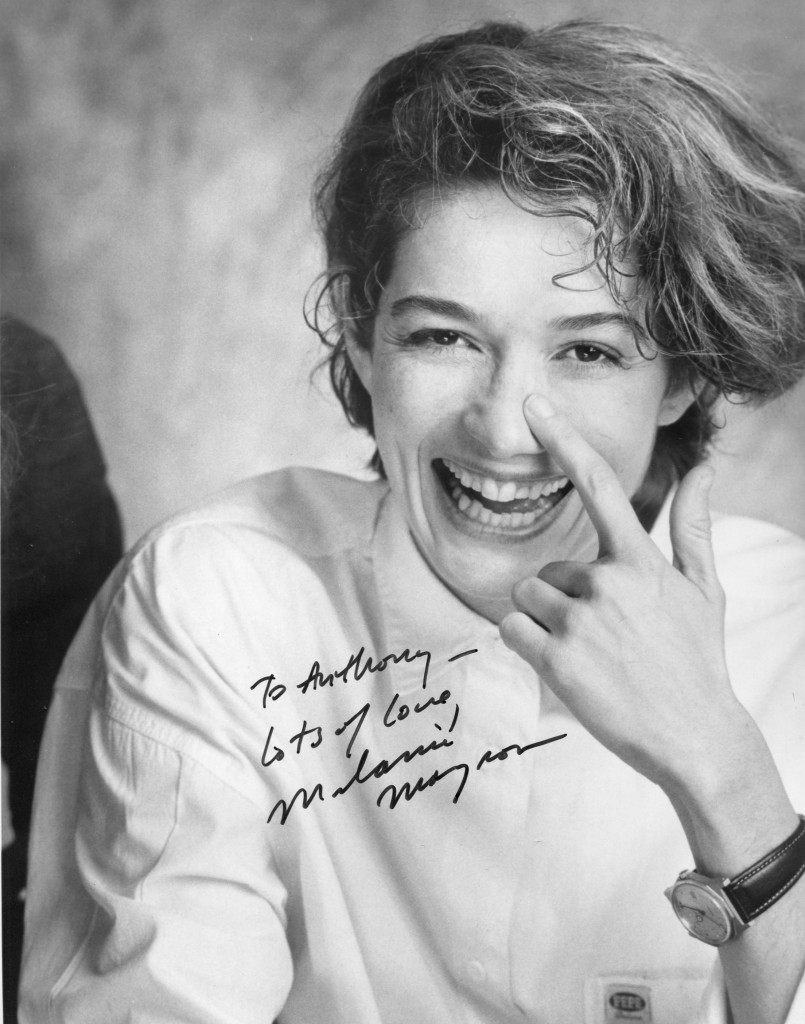
Melanie Mayron
Melanie Mayron
Melanie Mayron

Melanie Mayron was born in 1952 in Philadelphia.   She was in the 1974 film “Harry and Tonto” and then two years later in “Carwash”.   She was part of the cast of the very popular “Thirty Something”.

TCM Overview:

Best-known for her intense portrayal of the free-spirited Melissa in the acclaimed ABC drama series “thirtysomething”, the petite auburn-haired Mayron began her career touring the US in a production of “Godspell”. She made her film debut as a teenage hitchhiker opposite Art Carney in “Harry and Tonto” (1974) and earned acclaim for her realistic portrait of a zaftig Jewish photographer whose roommate leaves to marry in Claudia Weill’s “Girlfriends” (1978). Subsequent film appearances failed to capitalize on her unique appeal and, except for Costa-Gavras’ “Missing” (1982), she was virtually wasted. Mayron joined director-screenwriter Catlin Adams to create HighTop Films, for which she produced the 1988 feature “Sticky Fingers”, which failed to find an audience or strong critical response, and the 1988 award-winning short “Little Shiny Shoes”.

Mayron found her biggest success on TV. Beginning with her portrayal of a prostitute in “Hustling” (ABC, 1975), she gave a series of sharply etched performances, notably “Playing for Time” (CBS, 1980) and “Wallenberg: A Hero’s Story” (NBC, 1985). Beginning in 1990, Mayron turned her considerable talents behind the camera, helming two episodes of “thirtysomething”. She went on to direct episodes of “Tribeca” (Fox, 1993), “Sirens” (ABC, 1993) and “Winnetka Road” (NBC, 1994) as well as the TV remake of “Freaky Friday” (ABC, 1995), which she also scripted. Mayron made her feature film directing debut with the underrated “The Baby-Sitters Club” (1995).

The above TCM overview can also be accessed online here.
Judy Parfitt

Judy Parfitt. IMDB

Judy Parfitt was born in Sheffield in 1935.   Primarily a stage actress until the 1980’s. she played in “Maurice” in 1987.   She played a sterling performance opposite Kathy Bates in “Dolores Claibourne” in 1995.   She also starred in “The Girl With a Pearl Earring” with Colin Firth and Cillian Murphy.   In 1984 she played Mildred Layton in the epic miniseries “The Jewel in the Crown”.   She is currently starring in the popular BBC television series “Call The Midwife”.

Gary Brumburgh’s entry:

Of regal bearing and imposing stance, British classical actress Judy Parfitt is the possessor of the chilliest blue orbs in all of London and has used them to her advantage over the years with her portrayals of haughty, bossy, scheming and deliciously malevolent patricians. Born in Yorkshire, she was originally trained at the Royal Academy of Dramatic Arts (RADA) and made her stage debut with “Fools Rush In” in 1954, continuing to impress with such pieces as “Things Remembered” (1955) and “A Likely Talk” (1956). It wasn’t until mid-career in the late 1960s that she drew the type of widespread attention she deserved.

Judy earned critical acclaim for her Gertrude in the 1969 stage production of “Hamlet”, which starred Nicol Williamson in the title role and Anthony Hopkins as Claudius, with the inspiring casting of Marianne Faithfull (yes, the Brit pop singer) as Ophelia. Judy transferred her role to film in the same year and met with equal success. From then on, she graced a number of TV adaptations of literary classics including Pride and Prejudice(1980) and The Jewel in the Crown (1984), while continuing to receive applause for her theatre work in productions of “The Duchess of Malfi” (1971); “Vivat! Vivat Regina!” (1971) as Mary, Queen of Scots; “The Apple Cart” (1973); “The Cherry Orchard” (1978) and “An Inspector Calls” (1993).

More recently, she co-starred with Matthew Broderick in a Broadway revival of “Night Must Fall” (1999). She made a belated Hollywood film debut in the gloomy-styled thriller Dolores Claiborne (1995) and nearly stole the thunder right out from under star Kathy Bates with her electric portrayal of Kathy Bates‘ wealthy, dictatorial employer. Her clever and utterly gripping performance was shamefully overlooked come Oscar time. Judy was long married to actor Tony Steedman, who made a guest appearance on her short-lived sitcom The Charmings (1987) in the late 1980s. He died in February of 2001. Since then she has ventured on, an always glowing character presence in elegant and period settings.

– IMDb Mini Biography By: Gary Brumburgh / gr-home@pacbell.net