
Contemporary Actors

Collection of Contemporary Actors

Vanessa Redgrave
Vanessa Redgrave
Vanessa Redgrave

Vanessa Redgrave is generally regarded as one of the great actors of her generation.   She was born in London in 1937.   Her parents were the actors Sir Michael Redgrave and Rachel Kempson.   Her late brother and sister were Corin and Lynn Redgrave.   Her children the late Natasha Richardson and Joely Richardson are/were actors as is her husband Franco Nero.   She has alternated her career between stage and sscreen and between the U.K. and the U.S.   She made her movie debut in 1958 in “Behind the Mask” and came to international fame in 1965 in the movie “Morgan. A Suitable Case for Treatment”.   Subsequent films include “Blow Up”, “The Charge of the Light Brigade”, “Agatha”, “Camelot”, “Julia” and “The Pledge”.

TCM overview:

From her start on the London stage in the 1960s, Vanessa Redgrave went on to become one of the most internationally respected actresses of stage and screen, with the Oscar, Golden Globe, Emmy, and Tony awards to prove it. Redgrave was trained in the classical tradition but made her mark essaying non-conforming free-thinkers like modern dance pioneer Isadora Duncan in “Isadora” (1968) and a 19th century American feminist in “The Bostonians” (1984), while earning her share of controversy for her outspoken activism through decades of international politics and human rights issues. Redgrave brought the same passion for her convictions to her acting work. Despite her ability to carry a film with a bold lead character, Redgrave spent a considerable amount of her screen career as a versatile supporting player in art house fare like the controversial “Julia” (1977); biopics like “Wilde” (1997) and “The Gathering Storm” (HBO, 2002); period dramas such as “Howard’s End” (1992) and “Atonement” (2007); and American independent films like “Little Odessa” (1994) and “The Pledge” (2001). She also made a few successful forays into Hollywood blockbuster territory with supporting roles in “Mission: Impossible” (1996) and “Deep Impact” (1998) while her stage career continued unabated. As the center of a family acting dynasty that went back several generations and would produce further generations of performers, Redgrave held an esteemed position in entertainment history for her own high level of work and that which she generated in her collaborators.

Born in London, England on Jan. 30, 1937, Redgrave was born into an acting empire as the daughter of legendary stage and screen performer Michael Redgrave, best known for Hitchcock’s “The Lady Vanishes” (1938), and actress Rachel Kempson. The sibling of two equally notable actors, Lynn Redgrave and Corin Redgrave, she entered London’s School of Speech and Drama in 1954 and made her professional debut four years later in “A Touch of the Sun,” co-starring her famous father. Redgrave became one of the British stage’s shining lights during the 1960s with productions of “As You Like It” and “The Seagull,” as well as her run in the title role of “The Prime of Miss Jean Brodie” (1966) marking her greatest stage achievement of the period. She was unable to follow the play to Broadway or appear in its movie adaptation due to her own film career. Redgrave became a movie star thanks to the 1966 comedy “Morgan: A Suitable Case for Treatment” in which she played the long-suffering ex-wife of an eccentric young man (David Warner). She earned nominations from the Oscars, Golden Globe, BAFTA, and the Cannes Film Festival for her performance and followed it up by playing another hip Londoner in Michelangelo Antonioni’s stylish “Blow-Up” (1966). Both pictures helped solidify Redgrave’s screen persona as a modern, intelligent woman whose cool and impassive exterior masked a range of conflicting emotions and passions.

Redgrave’s next feature was “The Charge of the Light Brigade” (1968), a BAFTA-nominated historical drama by Tony Richardson, who was Redgrave’s husband and the father of her two daughters. That union collapsed in 1967 amidst much-publicized allegations of his affair with French actress Jeanne Moreau. That same year, Redgrave crossed the Atlantic to star as Guinevere in the film version of the hit Broadway musical “Camelot” (1967). Her Lancelot was up-and-coming Italian actor Franco Nero, and their onscreen romance translated into an off-screen relationship that produced a son, future director and screenwriter Carlo Nero. Redgrave was perfectly cast and earned an Oscar nomination for her portrayal of iconoclastic modern dance innovator Isadora Duncan in the biopic “Isadora” (1968). As her fame grew, so did her reputation as a fierce political campaigner for liberal and world causes. A socialist by her own description, she was arrested during anti-military and nuclear proliferation protests, and led marches against the Vietnam War in the United States. She also ran four times for a seat in the British Parliament as a candidate for the Workers’ Revolutionary Party, which advocated the dissolution of capitalism and the British monarchy.

The actress’ star dimmed a bit during the 1970s, and her difficulty finding substantial work on screen led to supporting parts or leads in more artistic and independent-minded productions. She was top-billed in the historic drama “Mary, Queen of Scots” (1971) and earned an Oscar nod for portrayal of Scotland’s last Roman Catholic leader, but her subsequent appearances found smaller and more select audiences. She played a mentally unstable nun whose passion for a local priest (Oliver Reed) leads to a horrific witch hunt in Ken Russell’s shocking “The Devils” (1971), and essayed the tragic Andromache opposite Katharine Hepburn in the U.S.-Greek production of “The Trojan Women” (1971). Returning to film in 1974 as one of the all-star suspects in Sidney Lumet’s “Murder on the Orient Express,” she also played a patient of Sigmund Freud whose plight attracts the attention of Sherlock Holmes in “The Seven-Per-Cent Solution” (1976). That same year, she made her Broadway debut in Henrik Ibsen’s “The Lady from the Sea.”

In 1977, Redgrave was cast in the pivotal title role in “Julia” (1977), based on playwright Lillian Hellman’s own friendship with a woman who later enlists her in a fight against the growing tide of Nazism in Europe. Redgrave won the Best Actress Oscar for her impassioned performance, but the award ceremony was tainted by protests over her acceptance speech, which cited her refusal to cave in the face of threats from what she described as “Zionist hoodlums.” Redgrave was an open supporter of the Palestinian cause, and her portrayal of a Jew in the film generated anger from the Jewish Defense League who openly protested the Oscars due to her nomination. They were also upset about the 1977 documentary “The Palestinian,” which she narrated and produced. Despite criticism from Jewish groups, Redgrave won the Oscar for “Julia” in 1977 and went on to earn an Emmy for her performance as a concentration camp survivor in the 1980 television movie “Playing for Time.” There was no denying, however, that the controversy had a chilling effect on her career.

For much of the next decade, Redgrave experienced her share of box office failures like “Agatha” (1979), but she maintained the respect and interest of art house fans with roles including that of a lesbian suffragette in “The Bostonians” (1984), which earned her Oscar and Golden Globe nominations, and “Wetherby” (1985), which marked the directorial debut of playwright David Hare. “Prick Up Your Ears” (1987) brought her a New York Film Critics Award for her turn as Peggy Ramsay, agent to playwright Joe Orton (Gary Oldman). Television also offered her exceptional roles, including that of transsexual tennis player Renee Richards in 1986’s “Second Serve” and the Joan Crawford role in a remake of “What Ever Happened to Baby Jane” opposite sister Lynne in 1991. She also appeared on Broadway for the first time in over a decade in a 1988 production of Tennessee Williams’ “Orpheus Descending,” which was filmed for broadcast on TNT in 1990.

Redgrave settled into a string of small but high profile roles like the period costume drama “Howards End” (1992), which earned the actress another Best Supporting Actress Oscar nomination and “Little Odessa” (1994), where she played the seriously ill mother of a Russian mobster (Tim Roth). Tom Cruise and Brian De Palma handpicked her to play arms dealer “Max” in “Mission: Impossible” (1996), and she shone as Oscar Wilde’s mother in “Wilde” (1997) as well as in a rare lead as Virginia Woolf’s reflective heroine, “Mrs. Dalloway” in 1997. Save for the latter, these supporting turns allowed Redgrave the fluidity to focus on other aspects of her career, including stage performances and her role as a United Nations Special Representative of the Arts, for which she mounted festivals in Kosovo and other war-torn regions. She and brother Corin also established the Moving Theater, which staged a production of the long-lost Tennessee Williams play “Not About Nightingales” in 1998.

Balancing turns in big budget productions with stellar performances in quieter independent films, Redgrave continued to work steadily after reaching her 60th birthday. She played the female head of a mob family in the campy TV miniseries “Bella Mafia” (1997) and appeared in the sci-fi disaster film “Deep Impact” (1998) while taking supporting roles in dramas “Girl, Interrupted” (2000), Sean Penn’s “The Pledge” (2001) and “A Rumor of Angels” (2000). Her turn as a sixties-era lesbian who loses her long-time partner in the tragic “1961” episode of HBO’s “If These Walls Could Talk 2” earned her a Golden Globe and an award for Excellence in Media from GLAAD. She followed this with an Emmy-nominated turn as Clementine Churchill, wife of famed British Prime Minister Winston Churchill, in “The Gathering Storm” in 2002. In 2003, she received her first Tony Award for a Broadway production of “A Long Day’s Journey Into Night.” Her political voice still as strong as ever, during this period Redgrave and brother Corin launched the Party for Peace and Progress, which stumped against the U.S. and U.K.’s involvement in Iraq, as well as for the rights of political dissidents and refugees.

In 2005, Redgrave returned to American television in a recurring role on the controversial series, “Nip/Tuck” (FX, 2003-2010) as the mother of Julia McNamara, played by her own daughter, Joely Richardson. She also co-starred with daughter Natasha in the well-regarded Merchant/Ivory production “The White Countess,” and enjoyed substantial parts in a string of critically lauded features, including “Venus” (2006), “Evening” (2007), and “Atonement” (2007), which was nominated for Best Picture at the Academy Awards. Consistently active in theater, Redgrave was awarded the Ibsen Centennial Award in 2006 for her efforts in plays by the acclaimed author, but she was nominated for a Tony for portraying author Joan Didion in the one-woman play “The Year of Magical Thinking” (2007). In March 2009, Redgrave found herself in the news for the most unfortunate of circumstances when her eldest daughter and frequent collaborator, Natasha Richardson, suffered critical head injuries in a skiing accident while on vacation in Canada. Redgrave, her daughter Joely, her own sister Lynn, and Richardson’s husband of over a decade, actor Liam Neeson, kept a bedside vigil at the New York hospital where Natasha was transferred after the head injury two days before. On March 18, 2009, Redgrave lost her daughter after she was taken off life support following confirmation that she was officially brain dead. She was just 45. A little over a year later, Redgrave also lost both of her siblings within less than a month of each other, with Corin Redgrave dying in London on April 6, 2010 and younger sister Lynn passing on May 2, 2010 after a battle with breast cancer.

In spite of these tragedies, Redgrave continued to work as hard as ever, appearing in no fewer than five projects that year, including the films “Letters to Juliet” (2010) and “The Whistleblower” (2010). She then lent her imperious voice to a vehicular version of Her Majesty the Queen for the Disney/Pixar sequel “Cars 2” (2011) and played the all-too human Queen Elizabeth I in director Roland Emmerich’s fictionalized examination of who actually penned the works attributed to William Shakespeare in “Anonymous” (2011). Near the end of that year, Redgrave portrayed Volumnia, the influential mother of banished Roman general “Coriolanus” (2011). Helmed by first-time director Ralph Fiennes, who also starred in the title role, the film was a modern interpretation of Shakespeare’s epic tragedy of the same name.

 The TCM overview can also be accessed online here.
Vanessa Redgrave
Vanessa Redgrave
Lynn & Vanessa Redgrave
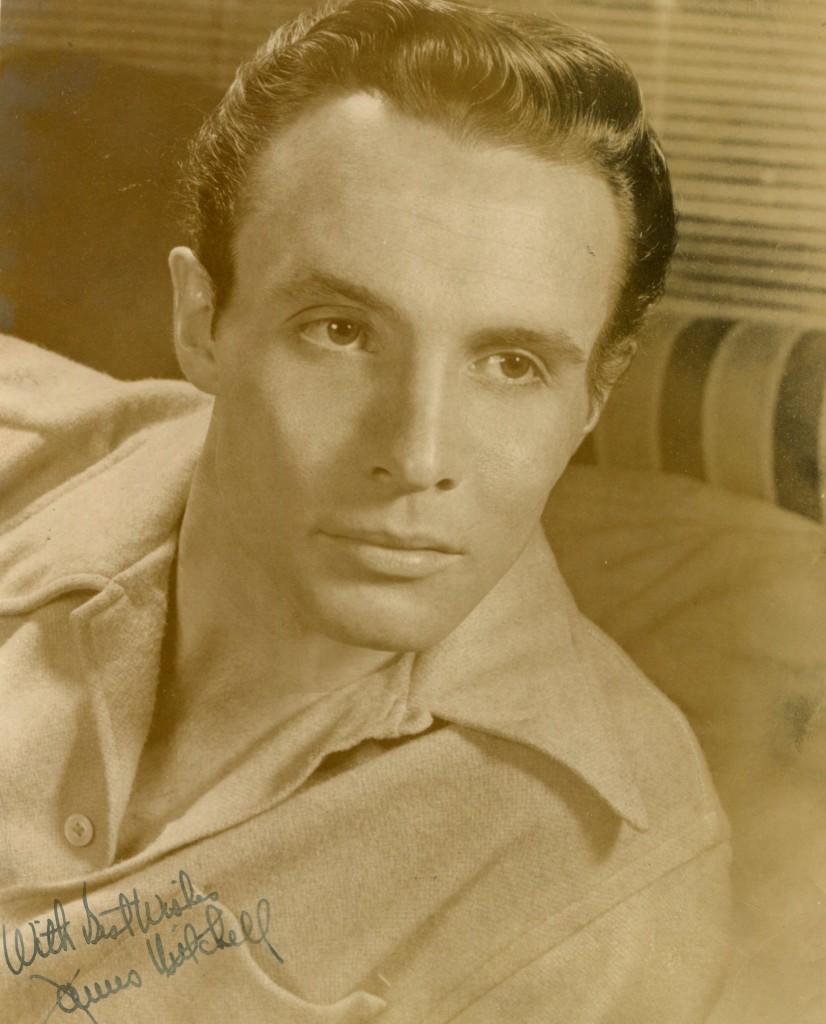
James Mitchell
James Mitchell
James Mitchell

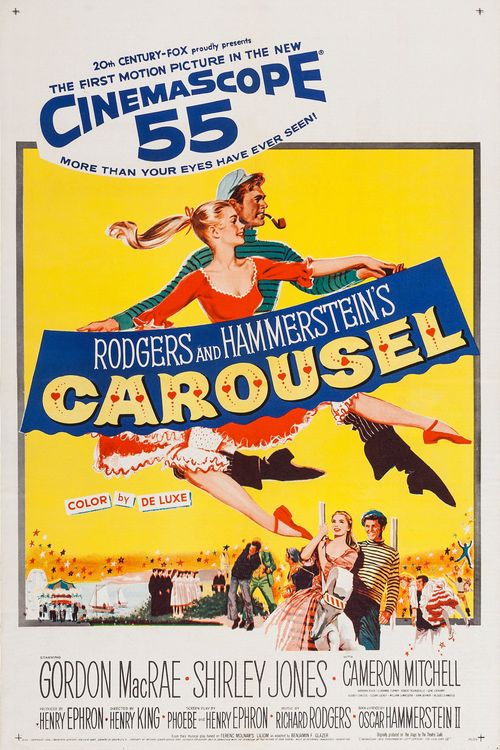
James Mitchell had two distinct careers in the performing arts.   Initially he was an acclaimed dancer in Broadway musicals and films including “Oklahoma” in 1955 and “Carousel” in 1956.   In his later years he starred for many years(until his death)  in the day time TV series “All My Children”.   He died in 2010 at the age of 89.

Ronald Bergan’s “Guardian” obituary:

There are legions of actors who are deeply grateful for the existence of long-running television soap operas. James Mitchell, who has died aged 89, was one of them. He enjoyed playing the wily patriarch Palmer Cortlandt in the popular US daytime soap All My Children from 1979 to 2008. It came at the right time in his career. At 59, his dancing days were over and his film acting had failed to catch fire.

The majority of loyal fans of All My Children were probably not aware that the debonair, grey-haired Mitchell, still svelte and handsome, had been a leading dancer for many years, particularly associated with the celebrated choreographer Agnes de Mille. According to De Mille, Mitchell had “probably the strongest arms in the business, and the adagio style developed by him and his partners has become since a valued addition to ballet vocabulary”.

Mitchell, whose parents emigrated from England, was born on a fruit farm in Sacramento, California. He was three years old when his mother left his father and returned to England with his two younger siblings. His farmer father, feeling unable to bring up his son alone, gave him up to foster parents. They were vaudevillians and Mitchell first appeared on stage as part of their act. Some years later his father, who had remarried, claimed him back. Mitchell was devastated. Life on a farm was not for him and he decided to get back on the stage as soon as he could.

At 17, Mitchell made for Los Angeles, where he studied at City College. At the same time, he was introduced to modern dance at the school of the famed teacher and choreographer Lester Horton. Mitchell soon joined Horton’s Dance Theatre of Los Angeles and was one of the Lester Horton Dancers who appeared in a few Hollywood musicals in the early 1940s. He was also featured in a South Sea Island dance duet with Bella Lewitzky in White Savage (1943), a camp piece of Technicolor exotica starring Maria Montez.

In 1944, Mitchell began his long partnership with De Mille when she cast him as a dancer in the Broadway musical Bloomer Girl starring Celeste Holm. He also appeared in the original Broadway productions of Brigadoon (1947) and Paint Your Wagon (1951), both choreographed by De Mille.

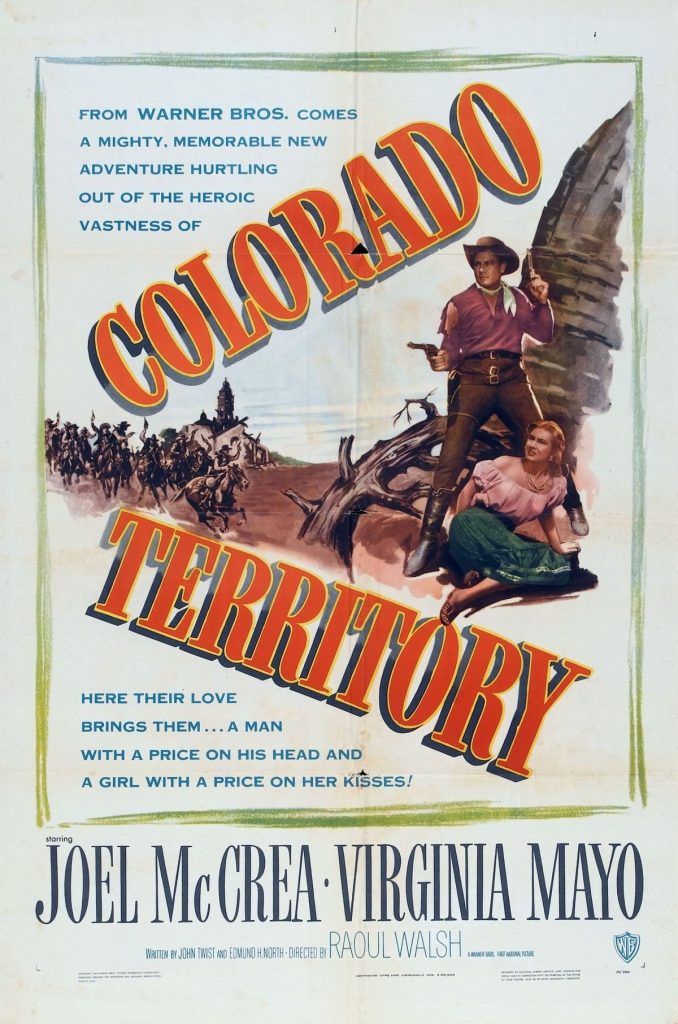
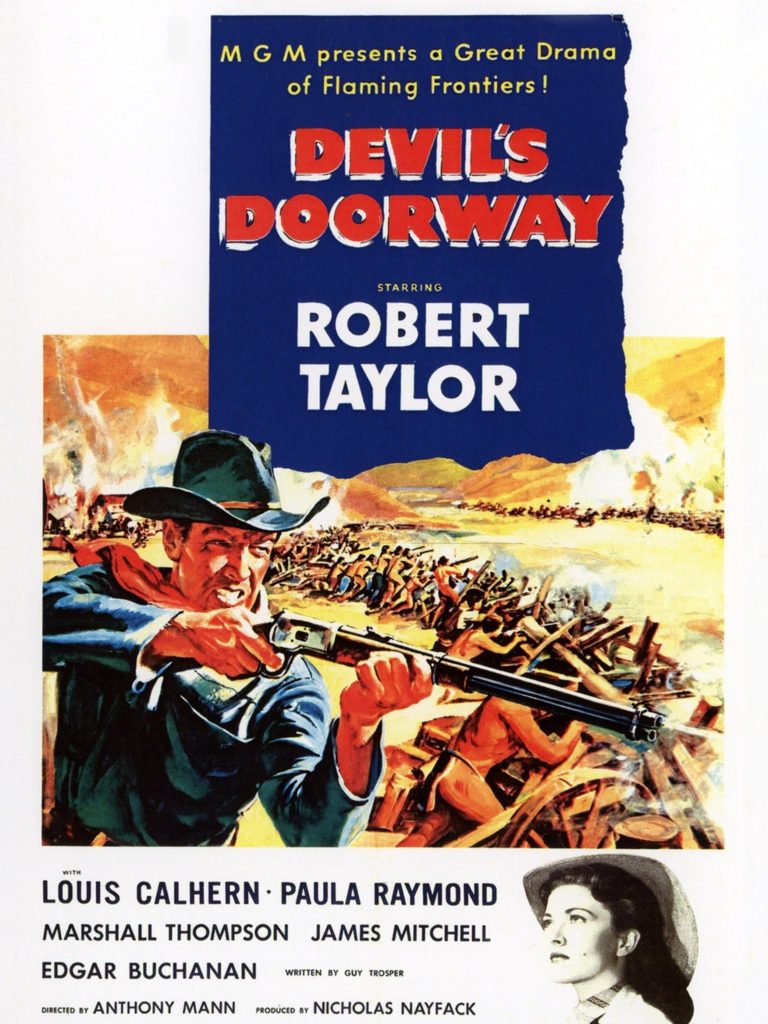
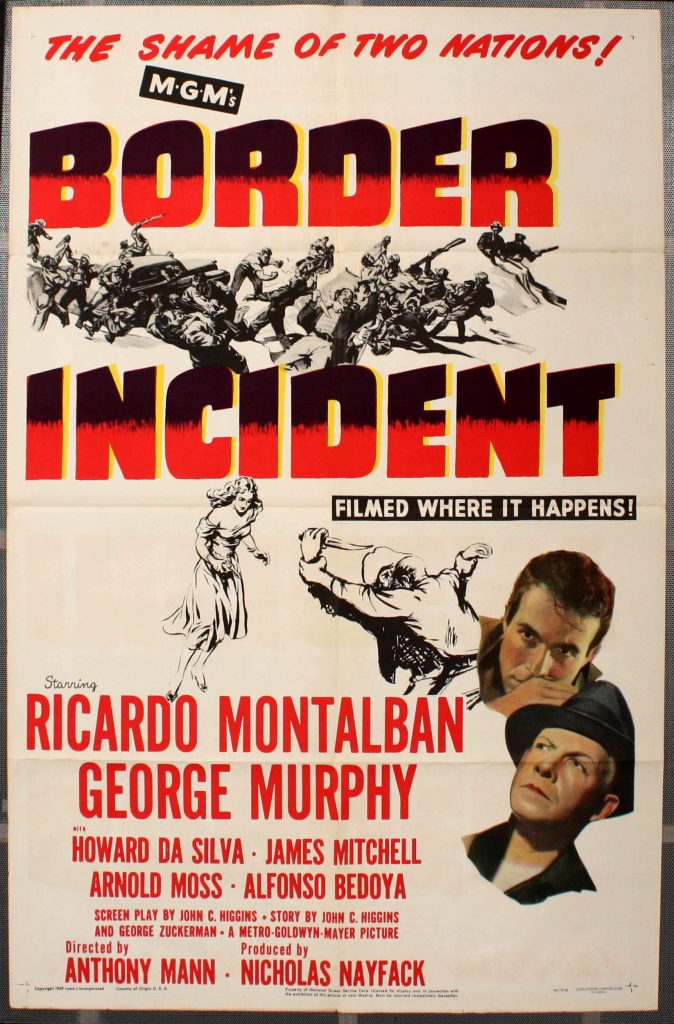
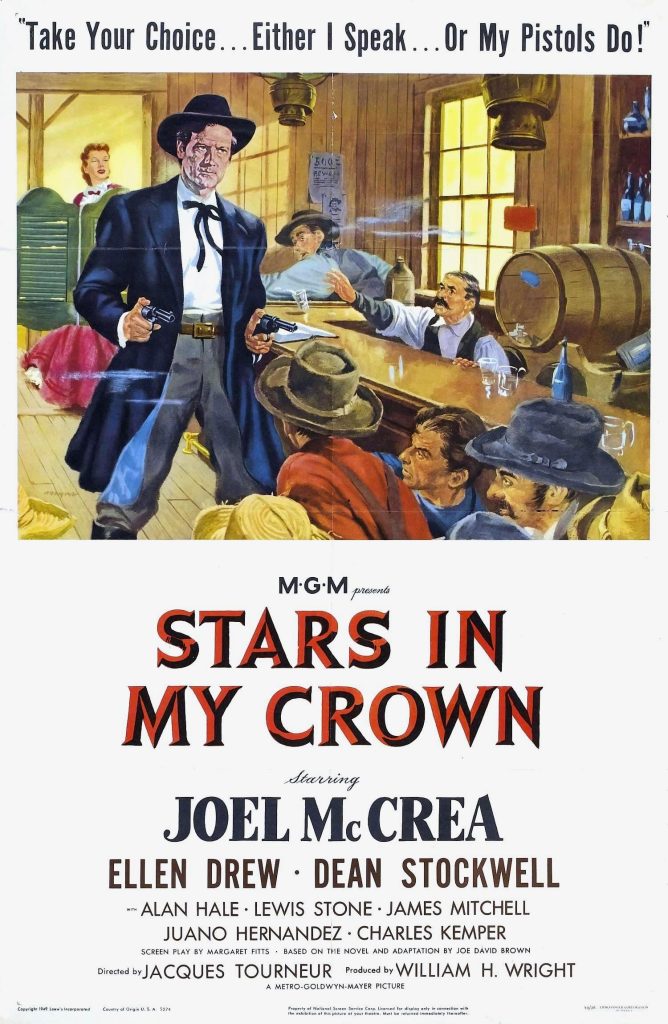
In the meantime, Mitchell was beginning to get non-dancing supporting roles in some good movies. In Raoul Walsh’s genuinely tragic western Colorado Territory (1949), he played outlaw Joel McCrea’s nasty cohort; again with McCrea, he was a young doctor in Jacques Tourneur’s Stars in My Crown (1950), and in two gripping Anthony Mann dramas, he was darkened and moustachioed as a Mexican migrant worker in Border Incident (1949), and darkened further as a Native American in Devil’s Doorway (1950).

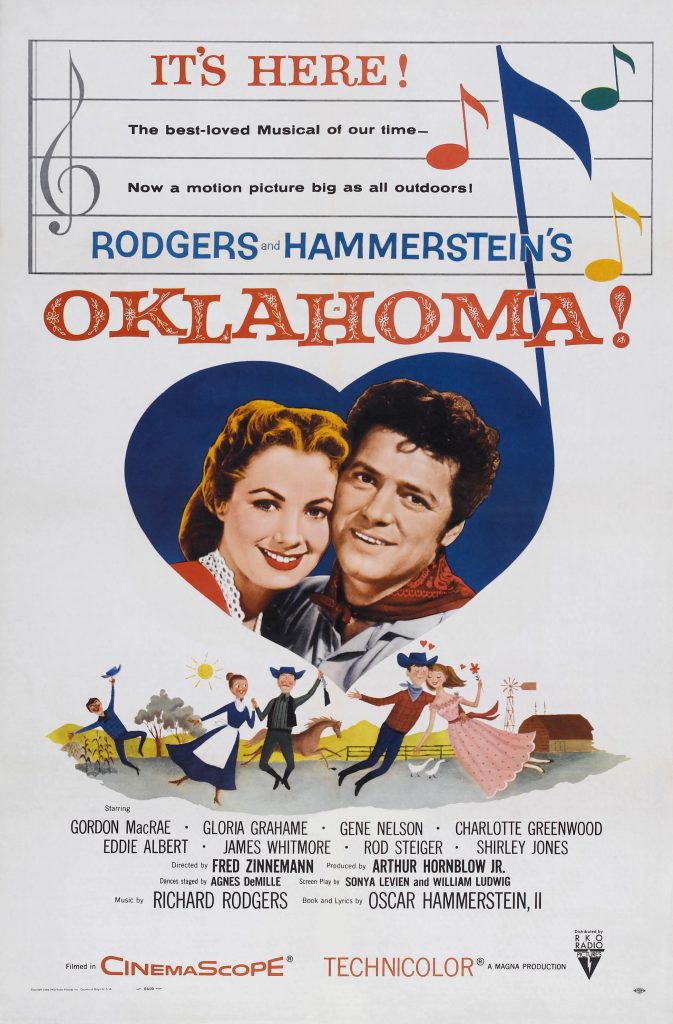
Mitchell also shone in a few film musicals in which he could display his dancing skills. As bayou fisherman Mario Lanza’s friend in The Toast of New Orleans (1950), he has a spirited duet with Rita Moreno, and an erotic one with Cyd Charisse in an Arabian Nights number from Deep in My Heart (1954), a biopic of the American composer Sigmund Romberg. A year later, he was reunited with De Mille on the movie version of Oklahoma! for the 20-minute dream ballet.

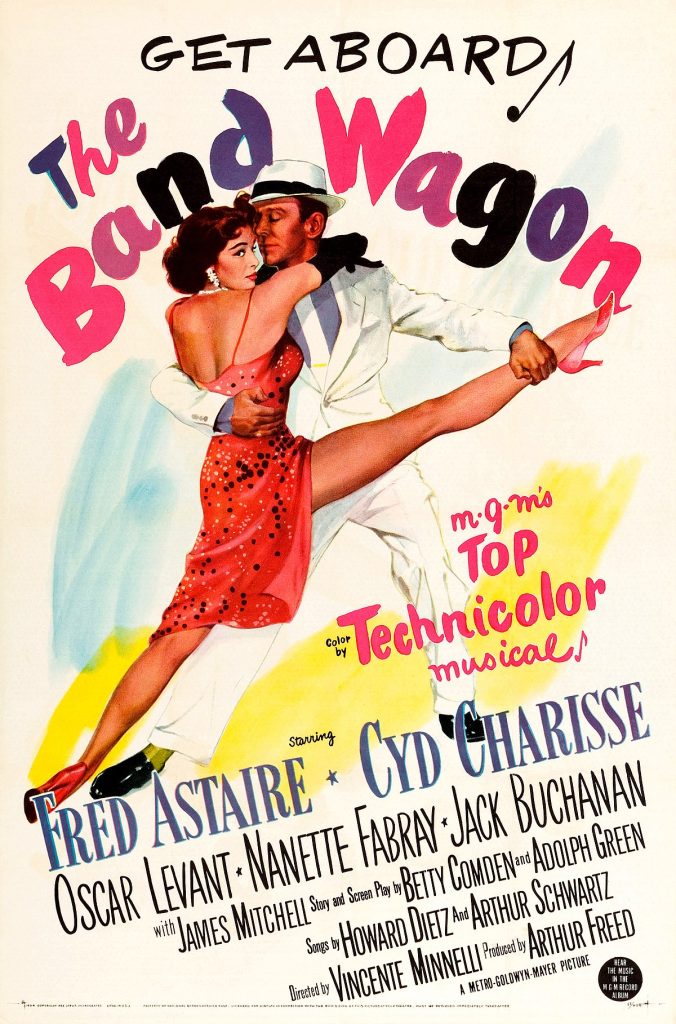
Ironically, Mitchell did not dance in the best musical in which he appeared. In Vincente Minnelli’s The Band Wagon (1953), he has the thankless role of Charisse’s manager, boyfriend and choreographer (an experience he disliked so much he refused to see the film) who is sniffy about his protege deserting the ballet for a Broadway musical. Not so Mitchell himself, who had leading roles in Carnival! (1961), as Marco the Magnificent, and Mack & Mabel (1974), as the movie director William Desmond Taylor.

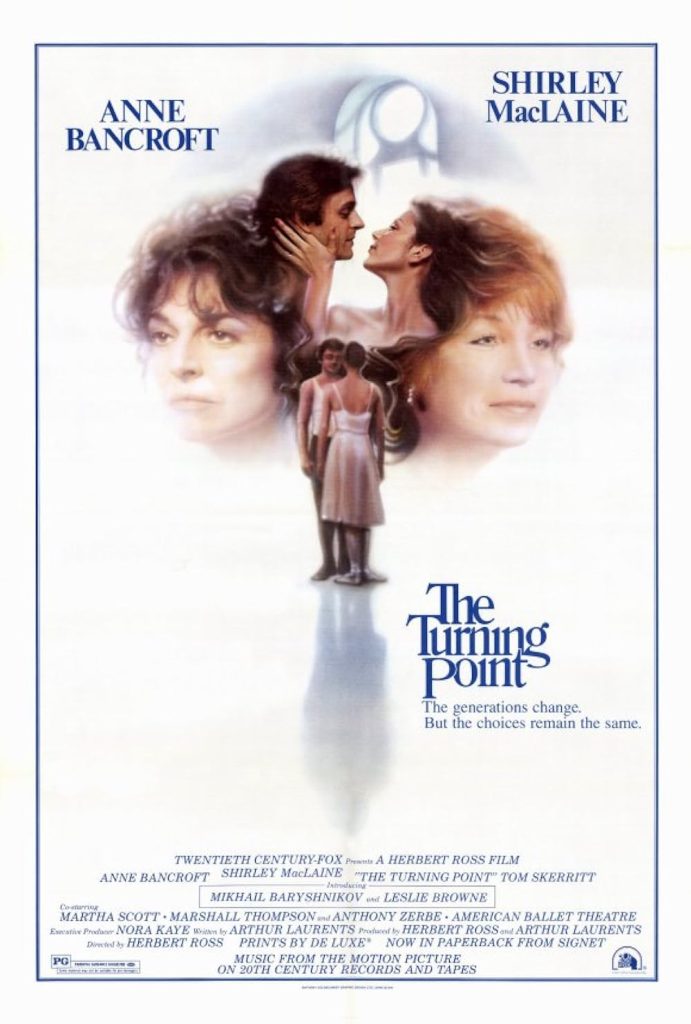
From 1979, Mitchell settled into the role of Palmer Cortlandt, a man audiences loved to hate. “He adored playing mean,” explained the costume designer Albert Wolsky, Mitchell’s partner since they met on the film The Turning Point in 1977. Albert survives him.

• James Mitchell, actor and dancer; born 29 February 1920; died 22 January

The above “Guardian” obituary can also be accessed online here.

James Cromwell
James Cromwell & Marie Mullen

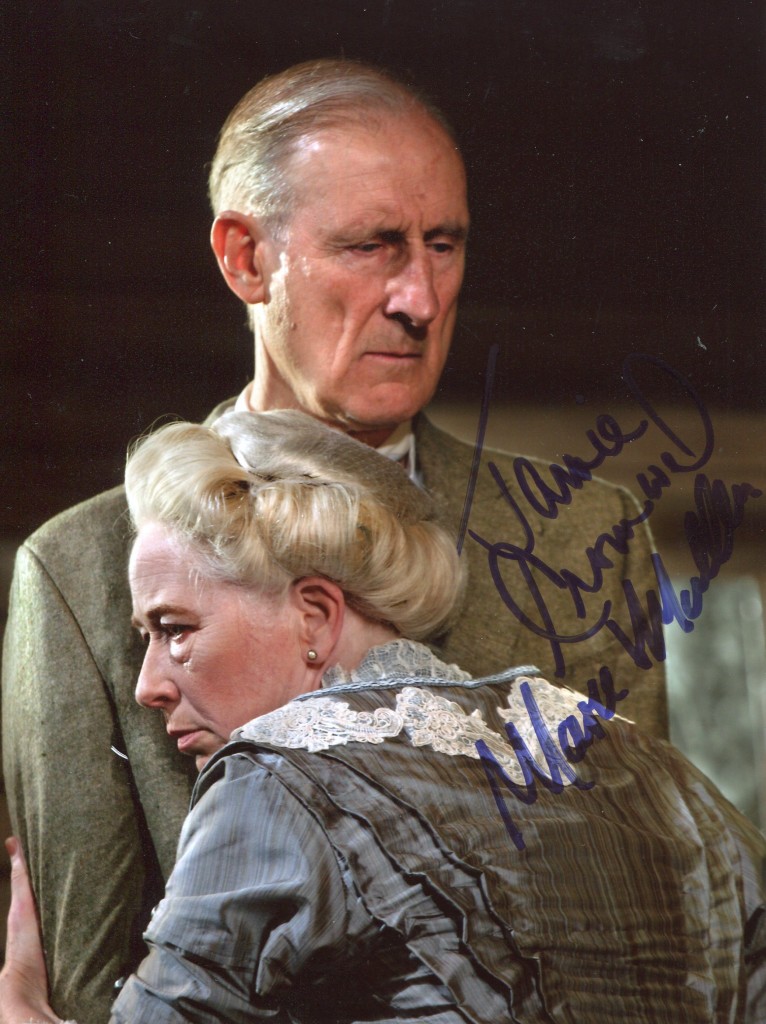
James Cromwell was born in Los Angeles in 1940.   He is the son of actress Kay Johnson and actor/director John Cromwell.   His films include “L.A. Confidential”, “Babe”, “The Green Mile” and as ‘George Bish Snr’ in “W”.   He has acted with Marie Mullen in Garry Hyne’s stage production in Galway of Eugene O’Neill’s “Long Day’s Journey Into Night”.

TCM overview:

Despite spending years honing his craft on stage and building a career on television and in film, actor James Cromwell spent the better part of two decades struggling to make his name in the shadow of his famous father, director John Cromwell. Though he found steady work on sitcoms like “All in the Family” (CBS, 1970-79) and on the big screen in films like “Murder by Death” (1976), Cromwell became so disillusioned trying to make it in show business that he spent 18 months trying to find himself; even hitchhiking across the Sahara Desert on his own. Cromwell began hitting his stride as a character actor in supporting roles in the 1980s, making his way in numerous made-for-television movies and miniseries, while earning some dubious acclaim as the nerdy father of an über-geek in “Revenge of the Nerds” (1984). He finally achieved critical acclaim and Academy Award recognition for his endearing performance in “Babe” (1995), which helped propel his career. But it was his portrayal of a murderous Machiavellian police captain in “L.A. Confidential” (1997) that made audiences aware of his diverse talents, which paved the way to more prominent roles in large-scale films like “The Green Mile” (1999), “The Sum of All Fears” (2002), “The Queen” (2006) and “W” (2008). He also landed high-profile television roles, most notably on “Six Feet Under” (HBO, 2001-05), which granted the ever-busy Cromwell the recognition he richly deserved.

Born on Jan. 27, 1940 in Los Angeles, CA, Cromwell was raised by his father, John Cromwell, a noted director blacklisted during the McCarthy era, and his mother, Kay Johnson, a prominent film actress who appeared in “Thirteen Women” (1932) and her husband’s picture, “Of Human Bondage” (1934). Growing up in a show business family no doubt instilled his desire to be an actor at an early age. But after attending The Hill School, a prestigious boarding school in eastern Pennsylvania, Cromwell set his sights on becoming an engineer, attending Middlebury College in Vermont, then Carnegie Institute of Technology (later renamed Carnegie Mellon University). After a year at Carnegie, Cromwell dropped out to pursue acting full-time, working regional theater as both an actor and a director in productions of “The Iceman Cometh” at the Goodman Theatre in Chicago, “Beckett” at the Cleveland Playhouse and “Othello” at the American Shakespeare Festival. Cromwell joined director John O’Neal’s Free Southern Theater in New Orleans, where the young actor had his first taste of racial injustice, leading to a lifetime of social and political activism, including a tour of bombed-out churches in the South during the 1960s.

While he remained politically active – he worked for the Black Panthers to arrange bail for their jailed leaders and was arrested himself at anti-war protests – Cromwell spent the next couple of decades struggling to establish his career. He made his first strides in the early 1970s while performing in a play at the Mark Tapper Forum in Los Angeles, where he was spotted and subsequently cast as Jerome “Stretch” Cunningham, comic foil for famed curmudgeon Archie Bunker (Caroll O’Connor), on “All in the Family.” Cromwell next landed a regular series role as Bill the Desk Clerk on the sitcom, “The Hot L Baltimore” (ABC, 1974-75), then made his feature film debut in “Murder by Death” (1976), playing the over-attentive chauffeur to French private investigator, Milo Perrier (James Coco). Continuing to appear on television, he was the absentee husband to the dim-witted daughter (Beverly Archer) of a Hollywood agent (Nancy Walker) on the short-lived sitcom, “The Nancy Walker Show” (ABC, 1976).

After the failed pilot-turned-TV movie, “The Girl in the Empty Grave” (NBC, 1977), Cromwell settled into a long string of supporting roles in television movies like “A Christmas Without Snow” (CBS, 1980) and “The Wall” (CBS, 1982). Back in features, he played a corrupt deputy sheriff in “Tank” (1982), then was the nerd father of an even nerdier son (Robert Carradine) being sent off to college in “Revenge of the Nerds” (1984), a role he reprised in the sequels, “Revenge of the Nerds II” (1987), “Revenge of the Nerds III: The Next Generation” (Fox, 1992) and “Revenge of the Nerds IV: Nerds in Love” (Fox, 1994). Meanwhile, he maintained a steady, albeit unrecognized presence on the small screen, appearing as the deputy chief of police in “The Last Precinct” (NBC, 1986), as Dana Ivey’s milquetoast husband in “Easy Street” (NBC, 1986-87), and as Bruce Weitz’s friend in “Mama’s Boy” (NBC, 1987-88). Following an episode of “Life Goes On” (ABC, 1989-1990), Cromwell was buried in the cast of “Things That Go Bump in the Night” (ABC, 1989) and had a bit more prominence in the disaster drama, “Miracle Landing” (CBS, 1990), a true story about an Aloha Airlines flight that managed to land despite having the top skin of its fuselage ripped off during flight.

In Arthur Hiller’s “The Babe” (1992), an endearing chronicle of the life and career of George Herman “Babe” Ruth (John Goodman), he appeared briefly as a monk at a boarding school for boys who introduces a young boy and future slugger to the game of baseball as a means of unleashing his pent-up anger. Then after two decades toiling in small, often meaningless roles, Cromwell finally earned his due in Chris Noonan’s “Babe” (1995), playing Farmer Hoggett, a gentle shepherd who recognizes the special qualities of a piglet adept at herding sheep. Cromwell gave a charming, joyful and wholly dimensional portrayal of the farmer, earning him a 1995 Oscar nomination for Best Supporting Actor. After tackling a supporting role in the Arnold Schwarzenegger action thriller “Eraser” (1996) and playing the inventor of the warp drive in “Star Trek: First Contact” (1996), Cromwell delivered an uncanny performance as banker and founder of the right-wing watchdog group Citizens for Decent Literature in Milos Foreman’s excellent biopic, “The People vs. Larry Flynt” (1996), which starred Woody Harrelson as the unflinching publisher of Hustler magazine.

Because he built up his resume playing goofballs on sitcoms, the bespectacled father of a nerd on film and a kindly farmer who befriends a talking pig, no one was prepared for the sheer cunning, manipulation and coldhearted evil he displayed in “L.A. Confidential” (1997), Curtis Hanson’s award-winning adaptation of James Ellroy’s labyrinth tome about police corruption in 1950s Los Angeles. Cromwell played Captain Dudley Smith, head of a Los Angeles precinct who turns a blind eye to violence and corruption. A political animal who tries to school Ed Exley, a young, but ambitious detective (Guy Pierce), Smith runs his department with a heavy hand, though he remains loyal to those willing to do his bloody bidding behind closed doors, which includes the uncontrollably violent Det. Bud White (Russell Crowe). In the end, the incorruptible Exley discovers that Smith has been a kind of crime boss, running drugs and committing murders, which leads to forming partnerships with White and “Hollywood” Jack Vincennes (Kevin Spacey) and confronting Smith in a violent showdown. Though overshadowed by the emergence of Russell Crowe as a star and the film itself at the Academy Awards, Cromwell nonetheless established himself as a multifaceted character performer.

Returning to a softer mode, Cromwell was cast as an Appalachian mountain man raising his part Native American grandson (Joseph Ashton) in the family drama “The Education of Little Tree” (1997) and reprised his role as Farmer Hoggett in the sequel “Babe: Pig in the City” (1998). With his star on the rise, he was seen in no less than four high-profile television and feature film projects the following year. He played a cold-hearted Army captain whose troubled soldier daughter is found dead in the big-screen adaptation of Nelson DeMille’s novel “The General’s Daughter” (1999) and earned an Emmy nomination for his deft portrayal of William Randolph Hearst in “RKO 281” (HBO, 1999), the critically acclaimed drama about the making of Orson Welles’ (Liev Schreiber) classic “Citizen Kane” (1941). Cromwell then had the pivotal role of a judge overseeing a murder trial in the Ethan Hawke weeper “Snow Falling on Cedars” (1999), followed by a small part as a private detective in the crime drama “A Slight Case of Murder” (TNT, 1999). The actor followed those projects up by appearing in the live televised version of the Cold War thriller “Fail Safe” (CBS, 2000) opposite George Clooney and Richard Dreyfuss, then supported Clint Eastwood, James Garner and Tommy Lee Jones in the comedic drama about aging astronauts going back into space in “Space Cowboys” (2000).

In 2001, Cromwell enjoyed a nice run on the small screen, beginning with an Emmy-nominated turn as a dying bishop in a story arc on the long-running medical drama, “ER” (NBC, 1994-2009). He subsequently co-starred in the adaptation of “The Magnificent Ambersons” (A&E, 2002) before undertaking the title role in the short-lived CBS fall drama “Citizen Baines” (CBS, 2001), about a former three-term U.S. Senator adjusting to life back in his home state after losing a bid for re-election. Cromwell – an outspoken actor who would take stances on various social and political issues – continued in a political vein on screen as well, playing the president in the Tom Clancy military thriller “The Sum of All Fears” (2002) and a resentful Vice President Lyndon Johnson in the cable biopic “RFK” (FX Network, 2002). The actor continued to leapfrog successfully between high-profile film and television projects, playing a scientist in the sci-fi thriller “I, Robot” (2004) and the warden in Adam Sandler’s remake of “The Longest Yard” (2005). After co-starring in the acclaimed HBO miniseries “Angels in America” (2003), about several interconnected lives in New York during the onset of the AIDS epidemic, Cromwell co-starred in a television remake of Stephen King’s horror classic “Salem’s Lot” (2004).

In 2004, Cromwell enjoyed another career-defining role in “Six Feet Under” (HBO, 2000-05), playing the much-married professor George Sibley, who weds the Fisher family matriarch Ruth (Frances Conroy) without revealing his dark secret. The actor stayed with the series through its final season. After playing Cardinal Sapieha in the miniseries “Pope John Paul II” (CBS, 2006) and Prince Philip to Helen Mirren’s Elizabeth II in “The Queen” (2006), Cromwell was a nice fit as Philip Bauer, father to anti-terrorist agent Jack Bauer (Kiefer Sutherland), on “24” (Fox, 2001-2010). He was next cast in the disappointing sequel “Spider-Man 3” (2007), playing police captain George Stacy, who was the father of the web-slinger’s friend and possible love interest Gwen Stacy (Bryce Dallas Howard). In perhaps one of his most anticipated roles, Cromwell portrayed former president George H.W. Bush in “W” (2008), director Oliver Stone’s love-it-or-hate-it biopic on President George W. Bush (Josh Brolin). Following supporting turns in the sci-fi/action thriller “Surrogates” (2009) and the heartwarming drama “Secretariat” (2010), Cromwell was part of an exceptional cast for the silent black-and-white critical darling, “The Artist” (2011).

Back on the small screen, he played American industrialist Andrew Mellon in three episodes of “Boardwalk Empire” (HBO, 2010- ) before portraying a doctor and former Nazi engaging in sadistic experiments on the second season of the anthology series “American Horror Story” (FX, 2011- ). His uncharacteristically sinister turn was well received and resulted in his first Emmy win in 2013.

The above TCM overview can also be accessed online here.

Jack Thompson
Jack Thompson
Jack Thompson
Jack Thompson

Jack Thompson is regarded as one of the major Australian actors to break through to international fame in the 1970’s.   He was born in 1940 in Sydney.   His movies include “Sunday Too Far Away”, “The Man From Snowy River” and in 1980 the brilliant “Breaker Morant”.   In 1983 he starred with David Bowie in “Merry Christmas, Mr Lawrence”.

TCM overview:

An Australian icon whose acting career paralleled that nation’s emergence into mainstream cinema, Jack Thompson first gained prominence as the star of the Aussie TV series “Spyforce”. He solidified his reputation during the 1970s with movies like “Petersen” (1974), “Sunday Too Far Away” (1975) and “The Chant of Jimmie Blacksmith” (1978) before giving an award-winning performance as the defense attorney in Bruce Beresford’s “Breaker Morant” (1980), his first film to get wide exposure in the USA. He also appeared in a small role as a horseman in George Miller’s “The Man From Snowy River” (1982), another movie from Down Under that became a hit with American audiences.

Thompson made his American television debut in the syndicated miniseries “A Woman Called Golda” (1982), starring Ingrid Bergman, and followed quickly with a turn opposite Lee Remick in the ABC movie “The Letter” (1982), a remake of the Bette Davis-Herbert Marshall version of the Somerset Maugham story. He played a supporting role in Paul Verhoeven’s first English-language movie, “Flesh + Blood” (1985), and his expanded international film career featured work in New Zealand (“Merry Christmas, Mr. Lawrence” 1982), Great Britain (“Black Rainbow” 1989) and the U.S. (“The Wind” 1992), not to mention continued efforts in his homeland (“Ground Zero” 1988).

Since his award-wining performance as Russell Crowe’s understanding father in the Australian film “The Sum of US” (1995), Thompson has acted primarily in the USA, receiving tremendous TV exposure, first for his role opposite Sally Field in the NBC miniseries “A Woman of Independent Means” (1995), and then in the CBS miniseries sequel “The Thorn Birds: The Missing Years” (1996). On the big screen, he lent his solid presence as the Chairman of the Joint Chiefs of Staff in John Woo’s “Broken Arrow” and as the Tennessee governor who refuses to pardon death row inmate Sharon Stone in “Last Chance” (both 1996). Thompson also appeared as Alicia Silverstone’s father in the muddled “Excess Baggage” and had one of his best roles as Savannah defense attorney Sonny Seiler in Clint Eastwood’s film version of “Midnight in the Garden of Good and Evil” (both 1997).

The above TCM overview can also be accessed online here.

Antonio Sabato Jnr.
Antonio Sabato Jnr
Antonio Sabato Jnr

Antonio Sabato Jnr. is the son of actor Antonio Sabato and was born in Rome in 1972.   His family moved to the U.S. when he was 13.   He began his career on American television in the series “General Hospital” in 1992.   His movies include “Jailbreakers”, “The Big Hit” and “Tribe”.

TCM overview:

An Italian-born  model-turned-actor, Antonio Sabato, Jr. first dazzled audiences in 1990 with his sexy performance in the Janet Jackson video “Love Will Never Do (Without You).” Off-screen, he fathered a child with then-girlfriend Virginia Madsen, and onscreen proved so popular in the role of the brooding Jagger Cates on “General Hospital” (ABC, 1963- ) that he broke out of daytime to star as Alonzo Solace, a pilot on the sci-fi series “Earth 2” (NBC, 1994-95) and as Heather Locklear’s abusive first husband on “Melrose Place” (Fox, 1992-99). A frequent guest star on various series, Sabato worked steadily in made-for-TV movies and genre projects, including playing an ex-Navy SEAL in “Codename: Wolverine” (Fox, 1996) or starring in the schlocky “Shark Hunter” (2001). He essayed a strong supporting turn as a mysteriously vanished gay man in the indie “Testosterone” (2003), played a personal trainer on the sitcom “The Help” (The WB, 2004) and returned to soap operas, first as a sexy sculptor on “The Bold and the Beautiful” (CBS, 1987- ) before reprising Jagger on “General Hospital: Night Shift” (SOAPnet, 2007-08). He won the reality competition “Celebrity Circus” (NBC, 2008) before earning his own dating show, “My Antonio” (VH1, 2009), which saw women competing for Sabato’s hand as well as the approval of his formidable mother. Although he never achieved an acting role that equaled audiences’ reactions to his beauty, Antonio Sabato Jr. carved out a lengthy acting career with a good-natured, likable self-awareness that only added to his allure.

Born Feb. 29, 1972 in Rome, Italy, Antonio Sabato, Jr. moved to Beverly Hills, CA when he was 13. Blessed with a rugged beauty and a body to match, he went from being a Calvin Klein underwear model to appearing alongside fellow genetic lottery winner Djimon Hounsou in the iconic 1990 Janet Jackson music video “Love Will Never Do (Without You),” directed by Herb Ritts. So powerful and alluring was Sabato’s image onscreen that he springboarded yet again to acting, landing the role of the bad boy with a heart of gold, Jagger Cates, on the perennial soap opera “General Hospital” (ABC, 1963- ). His smoldering character and fabled onscreen relationship with Karen Wexler (Cari Shayne) led to him landing mainstream attention, including a spot on People magazine’s 1993 “50 Most Beautiful People” issue and three Soap Opera Digest Award nominations. His Hollywood stock rising, Sabato played a killer in “Moment of Truth: Why My Daughter?” (NBC, 1993) and graduated from daytime television to play the cocky, gifted pilot Alonzo Solace on the Emmy-nominated sci-fi series “Earth 2” (NBC, 1994-95).

He welcomed a baby with his then-girlfriend, actress Virginia Madsen, in 1994. The actor next notched a short-term role on the influential nighttime soap “Melrose Place” (Fox, 1992-99) as Jack Parezi, the abusive, hot-tempered first husband of Amanda Woodward (Heather Locklear). He went on to play Kellie Martin’s beau in the TV movie “Her Hidden Truth” (NBC, 1995) and then a murderer in the based-on-true-life “If Looks Could Kill: From the Files of ‘America’s Most Wanted'” (Fox, 1996) and toplined as an ex-Navy SEAL in the well-received thriller “Codename: Wolverine” (Fox, 1996). Made-for-TV movies provided Sabato with a plethora of roles, including “The Perfect Getaway” (ABC, 1998) and “Fatal Error” (TBS, 1999), but he also took a supporting role in the Mark Wahlberg/Christina Applegate crime caper “The Big hit” (1998) and continued to accrue TV guest spots, including roles on “Ally McBeal” (Fox, 1997-2002), “The Outer Limits” (Showtime, 1995-2000; Sci Fi, 2001-02) and “Charmed” (The WB, 1998-2006).

Although Sabato worked steadily and was widely recognized, he settled into a lower-tier stardom, appearing most frequently in genre or low-budget projects, including the schlocky creature features “Shark Hunter” (2001) and “Bugs” (USA Network, 2003), as well as the Anna Nicole Smith-inspired oddity “Wasabi Tuna” (2003) and the indie “Testosterone” (2003), which cast Sabato as a mysterious Argentinian whose disappearance inspires his boyfriend to travel to South America. The actor nabbed a series regular role as a personal trainer on the sitcom “The Help” (The WB, 2004) and went on to book a guest spot on the ill-fated “Friends” (NBC, 1994-2004) spin-off “Joey” (NBC, 2004-06) and star in the cheesy terrorism thriller “Crash Landing” (2005). That same year, he returned to soap operas as the sexy Italian sculptor Dante Damiano on “The Bold and the Beautiful” (CBS, 1987- ). Although he earned two Image Award nominations for his work, Sabato was let go from the soap after a year.

His streak of made-for-TV genre films continued, including “Deadly Skies” (Here!, 2007), “Reckless Behavior: Caught on Tape” (Lifetime, 2007), “Destination: Infestation” (Lifetime Movie Network, 2007) and “Ghost Voyage” (Sci Fi Channel, 2008). Sabato also reprised his star-making role of Jagger Cates on “General Hospital: Night Shift” (SOAPnet, 2007-08) before booking guest spots on “NCIS” (CBS, 2003- ), “CSI: NY” (CBS, 2004- ), “Rizzoli & Isles” (TNT, 2010- ), “Bones” (Fox, 2005- ) and “Hot in Cleveland” (TV Land, 2010- ). Although Sabato had appeared on reality TV before, competing on the celebrity-focused “But Can They Sing?” (VH1, 2005) and winning “Celebrity Circus” (NBC, 2008), he starred on his own dating reality show, “My Antonio” (VH1, 2009), in which his mother helped him choose from a bevvy of beauties, including his ex-wife. Apparently the winner did not capture Sabato’s real-life heart, however, since in 2011 he fathered a child with Cheryl Moana Marie Nunes with the impressive name of Antonio Kamakanaalohamaikalani Harvey Sabato III.

By Jonathan Riggs

The above TCM overview can also be accessed online here.

Rob James Collier
Rob James Collier
Rob James Collier
Rob James Collier
Rob James Collier

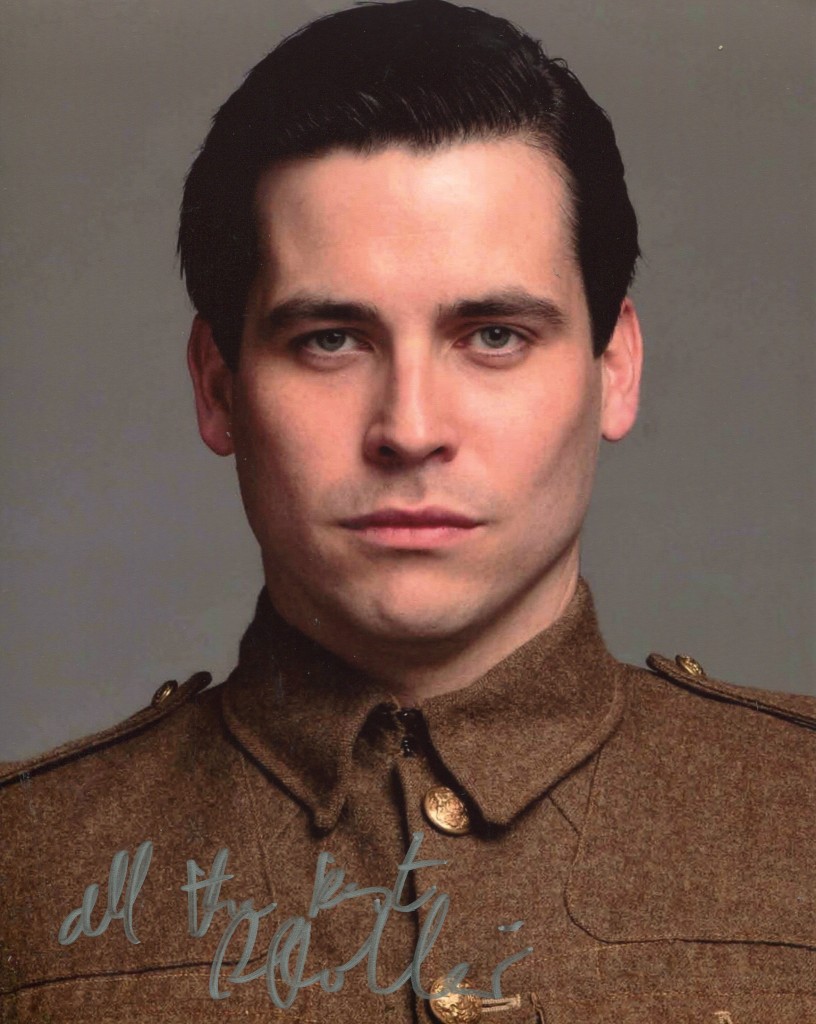
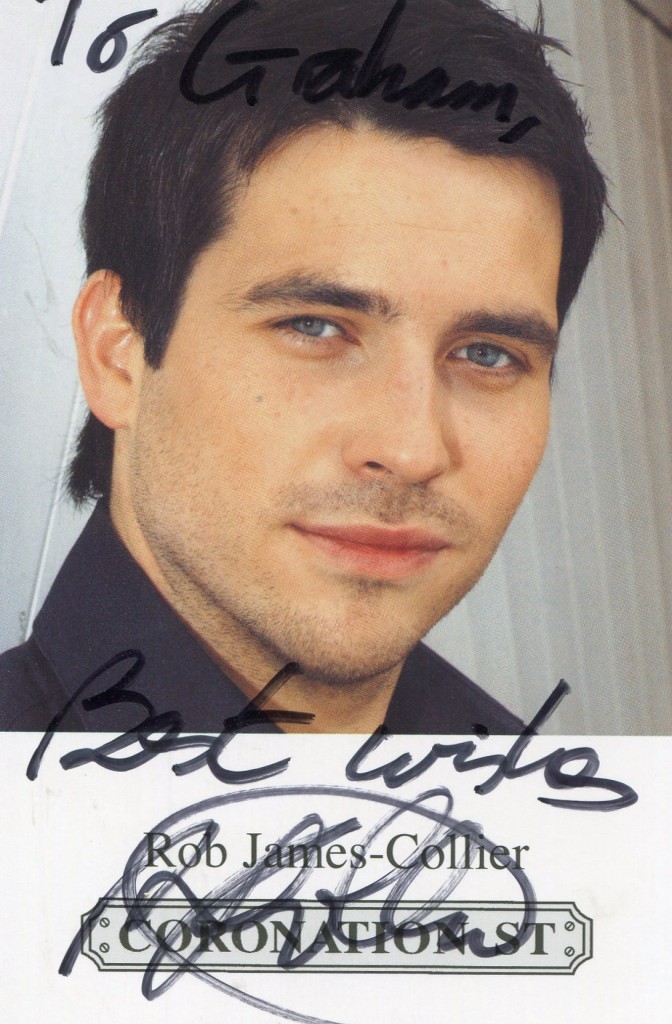
Rob James Collier stars as ‘Thomas Barrow’ in the very popular TV series “Downton Abbey”.   He also played ‘Liam Connors’ in “Coronation Street”.   He was also featured in the series “Shameless”..

IMDB entry:

Rob James-Collier was born on September 23, 1976 in Stockport, Greater Manchester, England as Robert James-Collier. He is an actor, known for Coronation Street (1960),Downton Abbey (2010) and Mercenaries (2011).)   Came into acting while doing a favor for a friend, who asked him to fill in for an actor who failed to show up for his friend’s film shoot. Following this experience, he started taking acting classes during his off hours from work. Modeled for Argos, where he appeared in the Autumn/Winter 2007 and Spring/Summer 2008 catalogs.   Won the Sexiest Male award at the 2007 and 2008 British Soap Awards in addition to “Best Exit” at the 2009 British Soap Awards. Also won Sexiest Male and Best Newcomer at the 2007 Inside Soap Awards. Found an acting coach in the Yellow Pages and began going to classes one night a week after work.Studied business at Huddersfield and marketing at the University of Manchester Institute of Science and Technology.

Kevin Rowland
Kevin Rowland
Kevin Rowland
 

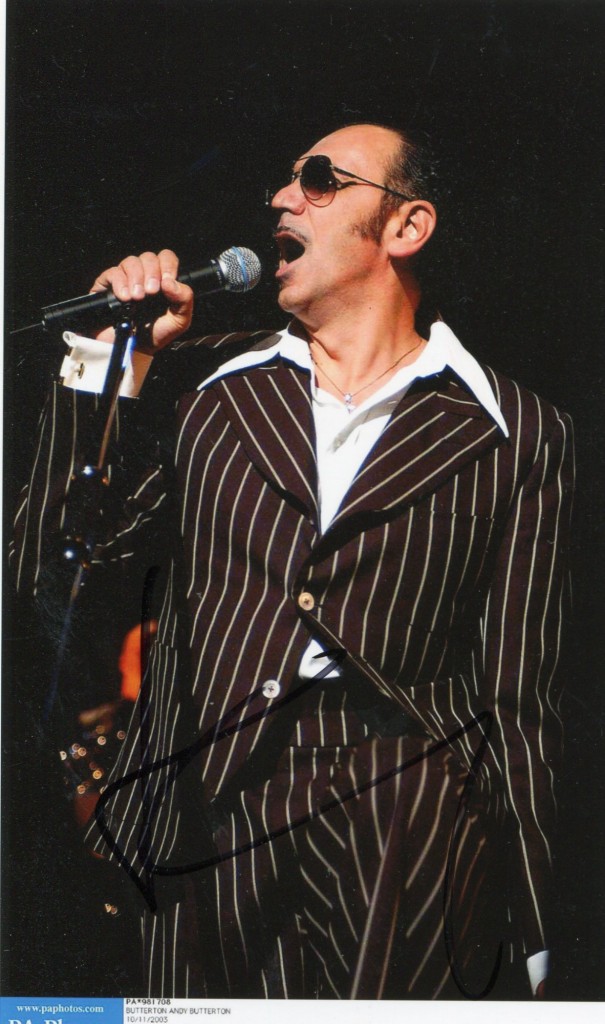
He was (born 17 August 1953) is an English singer-songwriter and lead singer for the pop band Dexys Midnight Runners, which had several hits in the early 1980s, the most famous being “Geno” and “Come On Eileen“.   Rowland was born in  Wolverhampton, England in  1953 to Irish parents from Crossmolina, Co. Mayo.[1] His first group, Lucy & The Lovers, were influenced by Roxy Music and turKevin Rowlandned out to be short-lived. His next project, punk rock act The Killjoys, were slightly more successful, releasing the single “Johnny Won’t Get To Heaven” in 1977. He  decided to form a new soul-influenced group, Dexys Midnight Runners. Many of the group’s songs were inspired by Rowland’s Irish ancestry and were recognisable through Rowland’s idiosyncratic vocal style

Trevor Eve

Trevor Eve

Trevor Eve

Trevor Eve has had a prolific career on television both in Britain and the U.S.   One of his early roles was playing Paul McCarthney in Willy Russell’s “John Paul, George and Ringo” on the stage.   He also had a major role in the 1979 version of “Dracula” with Frank Langella and Laurence Oliver.   Trevor Eve starred as Eddie Shoestring in the much-loved “Shoestring”.   Eve played a computer analyst who recovering from a nervous breakdown becomes a radio dj witch an ability to solve crimes.   The series was filmed in Bristol and the West Country.   Since 2000 he has starred as Boyd in the hughly popular TV series about cold cases “Waking the Dead”.

.

Edward Norton
Edward Norton
Edward Norton

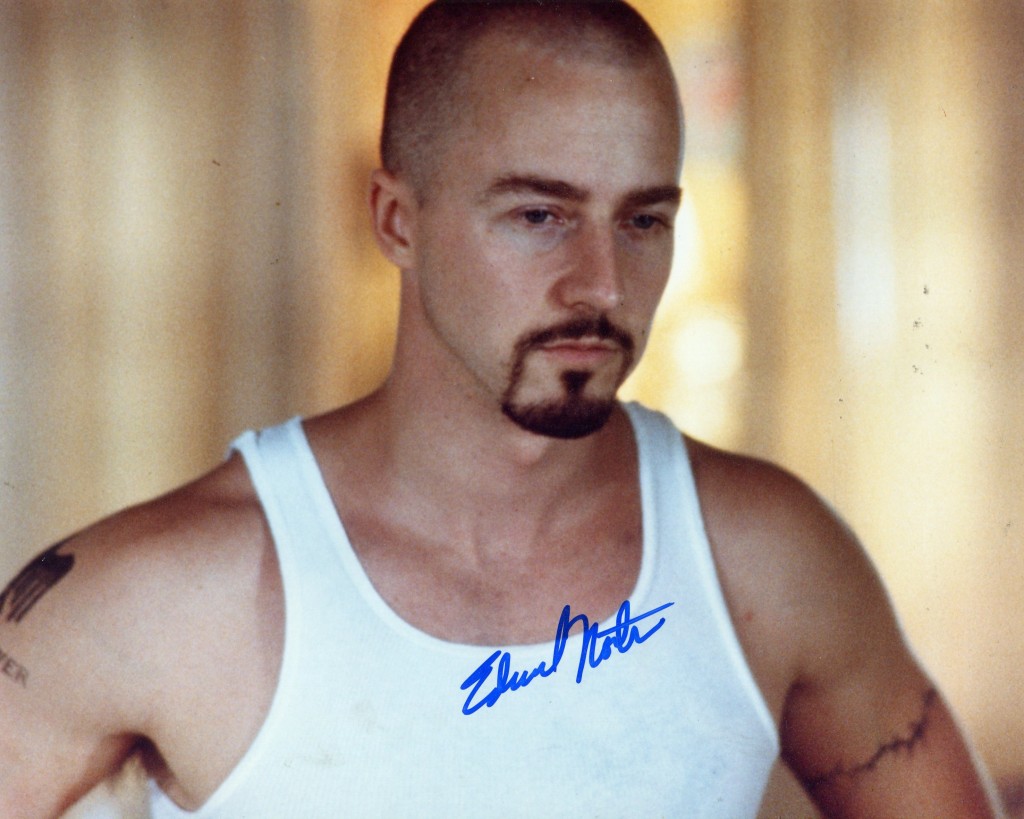
One of the most versatile actors of his generation, Norton’s range is astonishing.   Compare his performance as the far-right-wing skinhead thug in “American History X” to his work as the bookish quiet selfless doctor Walter Vane in “The Painted Veil”.   My favourite films of Norton’s are “The Fight Club” and “Primal Fear”.   It will be interesting to see his work evolve and mature.

TCM Overview:

A consistently first-rate actor who impressed audiences and critics alike with a disparate array of roles ranging from remorseless criminal to buttoned-up lawyer to period romantic lead, Edward Norton began as an actor but quickly adopted the roles of screenwriter, producer and director. The ambitious Ivy League grad stood out in Hollywood for his thoughtful, articulate manner and his tendency to eschew the “fame game” in favor of intense involvement in high quality films of varying box office success. He was undaunted and arguably fueled by films that explored darker, controversial sides of human nature, including “American History X” (1998), “Fight Club” (1999) and “25th Hour” (2002), but maintained a reputation as a film enigma with unexpected and successful turns in comedies like “Keeping the Faith” (2000) and period dramas including “The Illusionist” (2006). Fiercely opinionated in matters of art and politics, Norton occasionally found himself the target of verbal sniping from collaborators who clashed with him during productions, yet few questioned his talent and for putting everything he had into whatever project he immersed himself in.