Contemporary Actors

Collection of Contemporary Actors

Jimi Mistry
Jimi Mistry

Jimi Mistry was born in Scarborough, Yorkshire in 1973 of an Indian father and an Irish mother.   His movies include “East Is East”, “The Guru” and “Blood Diamond”.

“Entertainment.ie” article:

We still remember him well as that young fella from East is East (look it up, it’s brilliant) but now we’re getting used to the sight of Jimmy Mistry on the Coronation Street cobbles. The actor joined the cast as personal trainer and friend of Gary’s Khalid just last weekend and revealed that he had no qualms about jumping from the big screen to soap land.

“Not really” Mistry replied when Lorraine Kelly asked if the transition had been a difficult one to make. “I have to be honest with you, because it’s about the opportunity” he said. “I’ve done loads of things, a lot of travelling around the world doing this, that and the other.”

“I met with Stuart [Blackburn] the producer and there was an opportunity to join the show. Corrie has been a big favourite of mine over the years. It gave me a great opportunity and the great thing about doing something like this is that the writing is so fantastic.

“As an actor, you get to work every day. It’s a very rare thing for an actor and it’s a gift to be given, to go into a show like Corrie. It wasn’t really a tough decision for me.”

Ah Jimmy, sure won’t your Guru always have a special place in our hearts?

Betty White
Betty White
Betty White

Now 96, Betty White is the last surviving member of “The Golden Girls” where she played dim nice and kind Rose. She is now starring on TV in “Hot In Cleveland”. Movies include “Lake Placid” with Brendan Gleeson and “The Proposal” with Sandra Bullock.

TCM overview:

omic actress Betty White was a strong television presence for more than 50 years, both as a sitcom player and as an irreverent wit on scores of panel game shows. She was front and center at the birth of live television in the 1940s, serving as one of the medium’s earliest female producers – in addition to making her mark as a comedienne on sitcoms and popular game shows that depended on a fast quip. White’s regular appearances on the panels of “Liar’s Club” and “Password” nearly eclipsed her acting work until a supporting role on the acclaimed sitcom “The Mary Tyler Moore Show” (CBS, 1970-77) reestablished her primetime presence, earning her an Emmy for her angelic-faced but bawdy “happy homemaker,” Sue Ann Nivens. She went on to enjoy further sitcom successes with NBC’s surprise gal pal hit, “The Golden Girls” (NBC, 1985-1992), where she offered up daffy naiveté as Rose Nylund. As White’s status evolved into that of a revered pop culture icon, her razor wit was tapped nonstop for everything from “That ’70s Show” (Fox, 1998-2006) and “Boston Legal” (ABC, 2004-09) to a Facebook-instigated hosting stint on “Saturday Night Live” (NBC, 1975- ), which made her one of the hippest octogenarians in small screen history. Like television comedian Lucille Ball and other timeless talents from the early days of television, White remained a relevant comedic force for decades and was destined to live on in rebroadcasts forever.

Elizabeth White was born on Jan. 17, 1922 in the Chicago suburb of Oak Park, IL and raised in Beverly Hills, CA. She graduated from Beverly Hills High in 1939 and worked as a model and summer stock theater actress before breaking into broadcasting as a radio player. The dimpled, fair-skinned actress scored her first on-air work in 1949 on “Hollywood on Television” (1949-1952), a live local variety show that encompassed news, interviews and comedy skits and was produced live six days a week for a grueling five and a half hours. A regular comedy sketch on the show was spun off into a syndicated sitcom, “Life with Elizabeth” (1952-55), in which White starred as a spirited young wife opposite straight man husband Del Moore in domestic vignettes. White also served as co-producer of the show, which was a rare achievement for an actress at the time. White began making regular appearances as a panelist on game shows like “What’s My Line” (CBS, 1950-1975) and “Make the Connection” (NBC, 1955), as well as playing another young, hijinks-prone wife in the series, “Date With the Angels” (ABC, 1957-58), which she also produced. When that show failed, she helmed her own variety series “The Betty White Show” (ABC, 1958).

While appearing as panelist on the game show “Password” in 1961, White hit it off with the show’s host, Allen Ludden, to whom she was married from 1963 until his early death from cancer in 1981. White turned down an offer to join the team of NBC’s “Today” (NBC, 1952- ) and spent the majority of the 1960s as a mainstay on comedic panel game shows like “The Liar’s Club” (syndicated, 1969-1989), “What’s My Line” (CBS, 1950-1975) and “The Match Game” (NBC, 1962-69) to such an extent that many younger fans had no idea she was really an actor and not a career “TV personality.” That perception of White changed forever in 1970 when Mary Tyler Moore and Grant Tinker invited her to guest star in an episode of “The Mary Tyler Moore Show” as Sue Ann Nivens, host of WJM’s “Happy Homemaker” show. The inspired, against-type casting of White as a cheerful phony whose ever-smiling act belied the bawdy, acid-tongued man-chaser lying beneath led to a five season-long supporting character role for which White won two Emmy Awards and a renewed reputation as a comic actress. When the show came to an end, White was rushed into her own “The Betty White Show” (CBS, 1977-78) where she played a fading TV star.

The effort lasted one season before White was back on game shows and hosting the annual Tournament of Roses parade on NBC, which she had done since 1970. She also took on more acting roles than prior to her “MTM” breakout, opting for sweeter characters in TV movies-of-the-week, including “With this Ring” (ABC, 1978) and “The Best Place to Be” (NBC, 1979). In 1983, White finally accepted an offer to host her own game show, “Just Men!” (NBC, 1983), a short-lived NBC effort where she played off the deliciously lascivious persona she had perfected in Sue Ann Nivens. Her efforts earned her Daytime Emmy Award for Best Game Show Host. The same year, she began making occasional appearances on “Mama’s Family,” reprising the character of the nouveau-riche older sister she had played on the original sketch comedy incarnation of the white trash comedy on “The Carol Burnett Show” (CBS, 1967-1978) in the 1970s.

In 1985, everything changed and White’s career as beloved icon was solidified. She was offered the role of Blanche Devereaux, the over-sexed, middle-aged widow on “The Golden Girls” – the tale of four women of a certain age, sharing a home in the retiree stronghold of Florida. Tired of acting with libido in hand, she asked instead for the role of Rose Nylund, the doe-eyed, naive roommate from the Midwest who was all heart. NBC agreed and White rounded out a strong cast of entertainment veterans who were cautiously optimistic that TV audiences would show interest in a series about women over 50 – albeit, gutsy ones. The risk-taking show was embraced by Saturday night viewers of all ages, and White won a Best Actress Emmy in 1986 and nominations every subsequent year until 1992. When “The Golden Girls” ended in 1992, White joined co-stars Rue McClanahan and Estelle Getty on “The Golden Palace” (CBS, 1992-93) which moved their “GG” characters to a new network and a new locale – that of a modest hotel. As with many spin-offs, the show flopped, but CBS put White in “Bob” (CBS, 1992-93), the network’s latest series with Bob Newhart, in a futile attempt at adding some adrenaline into that show’s fading ratings. In 1995, White published the memoir Here We Go Again: My Life in Television and accepted the part of Shirley, mother to Marie Osmond, in the sitcom “Maybe This Time” (ABC, 1995). White earned an Emmy Award for a guest spot on “The John Larroquette Show” (NBC, 1993-96) and was given co-starring roles in the short-lived series “Me & George” (CBS, 1998) and “Ladies Man” (CBS, 1999-2001).

After an extended absence from the big screen, White provided some comic relief in a supporting role as a foul-mouthed widow in the thriller “Lake Placid” (1999). In a pair of considerably cleaner voice roles, she brought to life animated characters in the family feature “Whispers: An Elephant’s Tale” (2000) and “The Wild Thornberry’s: The Origin of Donnie” (2001). A respected comedy veteran always guaranteed to bring a nostalgic sparkle to the screen, White found herself busier than ever in the new millennium, making appearances in irreverent sitcoms like “That ’70s Show” and “Malcolm in the Middle” (Fox, 2000-06) and returning to the big screen in the comedy hit “Bringing Down The House” (2003) co-starring Steve Martin and Queen Latifah.

White was nominated for an Emmy Award for Best Guest Actress in a Comedy for an appearance on “Yes, Dear” (CBS, 2000-06) and the following year, the now 82-year-old firecracker who did not appear to age physically – almost a female version of Dick Clark – enjoyed a guest stint on the legal drama “The Practice” (ABC, 1997-2004), where she used her sweet little white-haired lady looks to hilarious effect as a conniving blackmailer with a rap sheet. She earned another Emmy nod and her well-received character was carried over into the spin-off series “Boston Legal,” where White continued to appear regularly for the next several years while holding down a day job as a recurring player on the soap, “The Bold and the Beautiful” (CBS, 1987- ). The Emmy train kept rolling when, in 2009, she earned a nod for Outstanding Guest Actress in a Comedy Series for her turn as the Crazy Witch Lady on an episode of “My Name Is Earl” (NBC, 2005-09). Back in features, she co-starred opposite Sandra Bullock and Ryan Reynolds in the romantic comedy, “The Proposal” (2009). At the end of the year, White turned in a hilarious cameo on “30 Rock” (NBC, 2006- ), riffing with star Tracy Morgan, whose character calls her after freaking out over a second celebrity death in the belief he may be number three.

The Betty Onslaught continued through 2010 when she starred alongside fellow old-timer Abe Vigoda in a popular ad for Snickers, which aired during “Super Bowl XLIV” and became that year’s most talked-about commercial. Meanwhile, a grassroots social networking campaign began that January, demanding White host “Saturday Night Live” (NBC, 1975- ). When the Facebook group reached upwards of 500,000 members, “SNL” producers were unable to ignore the call and in March cast her as host. Her episode aired on May 8, 2010, making White – at age 88 – the oldest host of the show. She even took the time to thank fans for the honor of hosting, saying “I didn’t know what Facebook was. Now that I do know what it is, I have to say, it seems like a huge waste of time.” Because the writers were unsure what she could do, they surrounded her with other famous comedic women, including Tina Fey, Amy Poehler and Maya Rudolph. But she more than proved capable of doing all they asked and more, playing the grandmother of bumbling action star MacGruber (Will Forte), a confused census interviewee, and a member of “CSI: Sarasota,” while also performing a death metal take on “Thank You for Being a Friend.” The episode earned the highest ratings for “SNL” in 18 months, while White later received an Emmy Award for Outstanding Guest Actress in a Comedy Series for her memorable appearance. Meanwhile, she landed a co-starring role on the comedy series “Hot in Cleveland” (TV Land, 2010- ), playing an acerbic Polish caretaker whose pointed barbs toward three middle-aged roommates (Valerie Bertinelli, Jane Leeves and Wendie Malick) alludes to a rather storied and sordid past. While the show became the biggest ratings-getter ever for the small cable station, White – whose role was originally a guest starring part until the producers made her a regular – earned her SAG and Emmy award recognition in 2011 and 2012.

 The above TCM overview can also be accessed online here.


Laurence Fox
Laurence Fox
Laurence Fox

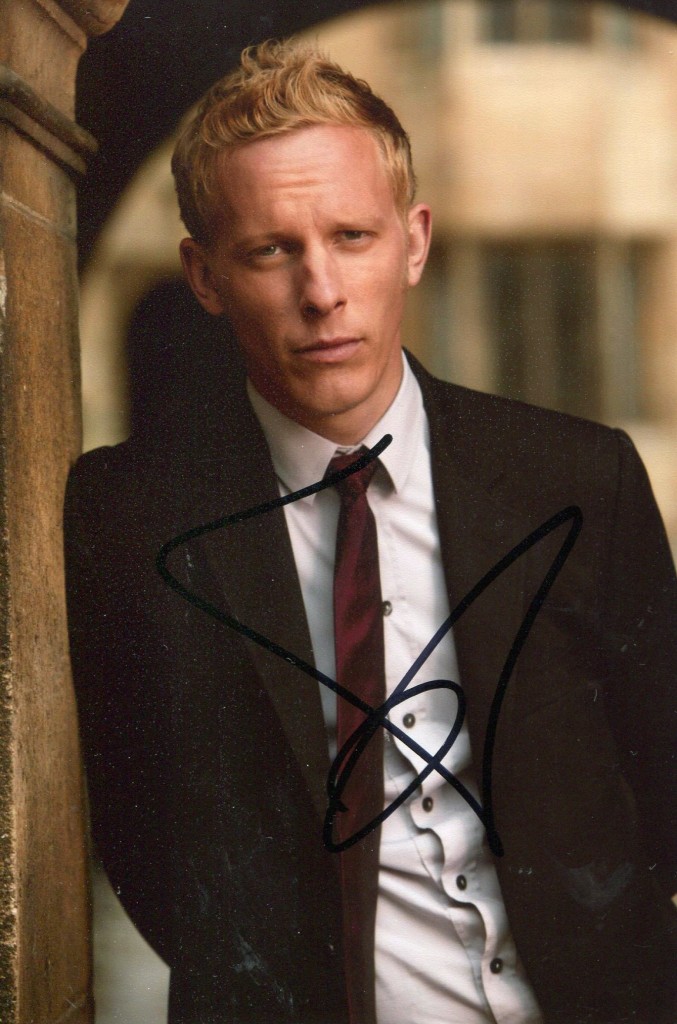
Laurence Fox is best known for his portrayal of ‘James Hathaway’ in the popular television series “Lewis”.   He was born in 1978 and is the son of acor James Fox.   His movies include “Becoming Jane” in 2007 and “The King’s Speech”.

IMDB entry:

RADA-trained Laurence Fox is the third son of the actor James Fox and his wife Mary. He is a rising British actor who has appeared in several important films, plays, and television programs.  He comes from a theatrical family and promises to have an illustrious career ahead of him.

– IMDb Mini Biography By: Huw Nathan

Smooth baritone voice   Son of actor James Fox, and nephew of actor Edward Fox and producer Robert Fox.   Attended the Royal Academy of Dramatic Art.   He is great friends with Matthew Goode.   Went to drama school with and was in the same year as fellow RADA actress Katherine Heath.  Cousin of actress Emilia Fox and Freddie Fox.   Married fellow actor Billie Piper at the Parish Church of St. Mary’s in Easebourne, West Sussex on New Year’s Eve. They met while starring in the West End play, “Treats”.   Son-in-law of Paul Piper.   David Tennant attended Fox’s wedding to former Doctor Who (2005) co-star Billie Piper(December 2007).   First child, a boy named Winston James Fox, was born on October 21, 2008. He weighed 6 lbs. 11 oz. Mother is Billie Piper.   Brother of Thomas FoxJack Fox, Robin Fox and Lydia Fox.   He played Prince Charles in Whatever Love Means (2005) and his maternal grandfatherKing George VI in W.E. (2011). His father James Fox played the latter’s father King George V in the same film. Furthermore, his cousin Emilia Fox played Queen Elizabeth II, Prince Charles’ mother and King George VI’s daughter, in The Queen (2009) whereas his uncle Edward Fox played the latter’s elder brother and predecessor King Edward VIII (theDuke of Windsor) in Edward & Mrs. Simpson (1978).   He played King George VI in W.E. (2011), in which his father James Fox played King George V. His uncle Edward Fox had previously played George VI’s elder brother and predecessor King Edward VIII (the Duke of Windsor) in Edward & Mrs. Simpson (1978).   His second child (with Billie Piper), a boy named Eugene Pip Fox, was born on April 5, 2012.
Gary Oldman
Gary Oldman
Gary Oldman

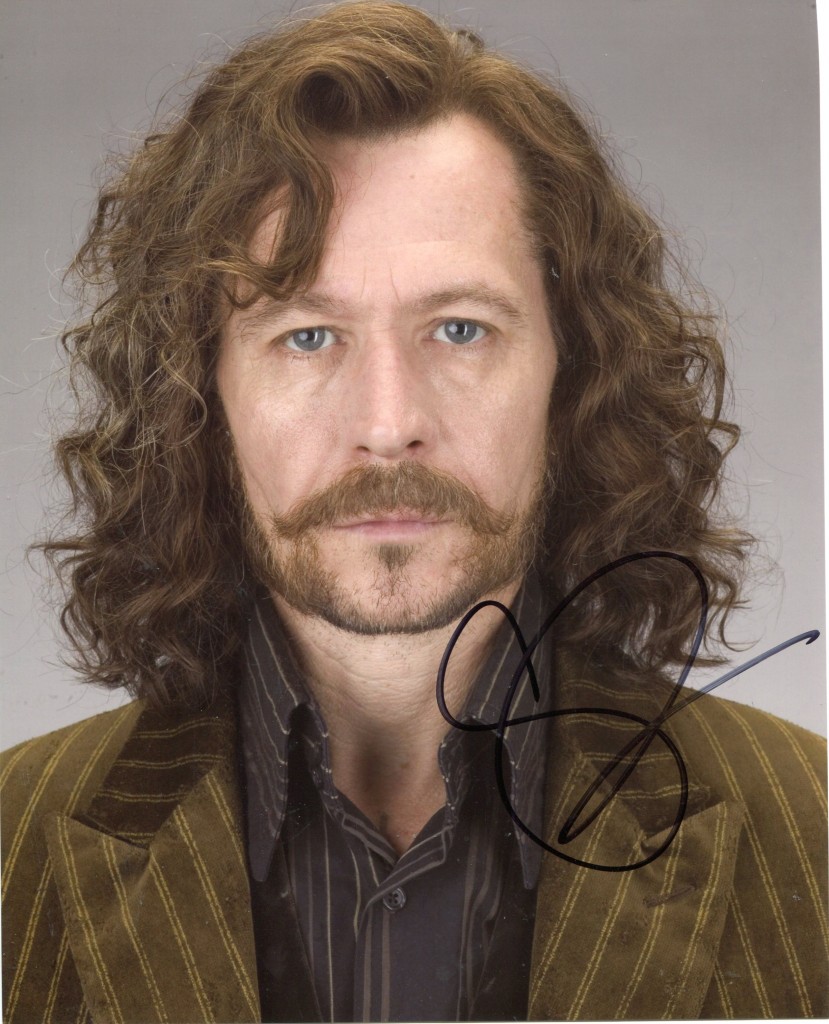
Gary Oldman is one of the best actors in movies to-day. He came to fame with his brilliant performance as ‘Sid Vicious’ in “Sid & Nancy” in 1986. He has had a string of worthwhile movies, the best I think is “Tinker, Tailor, Soldier, Spy”.

TCM overview:

From the start of his career, actor Gary Oldman displayed an edgy intensity that brought verve to his portrayals of ambiguous and obsessive personalities. Equally at home as either heroes or villains, Oldman gained a well-earned reputation as a brilliant chameleon who first staked his claim playing wayward Sex Pistols bassist Sid Vicious in “Sid and Nancy” (1986). Following acclaimed turns as playwright Joe Orton in “Prick Up Your Ears” (1987) and a slick attorney in “Criminal Law” (1989), the actor was eerily indistinguishable as Lee Harvey Oswald in Oliver Stone’s conspiracy-driven “JFK” (1991). Oldman added to his vast array of characters by playing the famous Count in “Bram Stoker’s Dracula” (1992), a dreadlocked drug dealer in “True Romance” (1993), Ludwig von Beethoven in “Immortal Beloved” (1994) and a terrorist leader in “Air Force One” (1997). In the new millennium, he was conservative senator who vigorously challenged the appointment of the first woman to the vice presidency in “The Contender” (2000) and was virtually unrecognizable as the mangled Mason Verger in “Hannibal” (2001). While sometimes associated with small films, Oldman excelled in blockbusters, playing the mysterious Sirius Black in “Harry Potter and the Prisoner of Azkaban” (2004) and several sequels, and Lieutenant Gordon in Christopher Nolan’s “Batman Begins” (2005) and “The Dark Knight” (2008). Though virtually unrecognized by awards until 2010’s “Tinker Tailor Soldier Spy,” Oldman nonetheless remained an actor held in high esteem among critics, audiences and fellow actors, thanks to scores of acclaimed roles under his belt.

The son of a welder and a housewife, Leonard Gary Oldman was born on Mar. 21, 1958 in New Cross, London, England. An academically indifferent student, Oldman dropped out of school at 16 and found a job as a store clerk. He soon discovered his métier on stage, becoming active in the Young People’s Theater in Greenwich, England. He later won a scholarship to attend the Rose Bruford College of Speech and Drama in Kent. Graduating in 1979 with a bachelor’s degree in theater arts, Oldman quickly found regular gigs on stage. Oldman’s hard work and trademark intensity made him a favorite in Glasgow in the mid 1980s, culminating in the lead role in Edward Bond’s socially-conscious drama, “The Pope’s Wedding.” A huge hit with critics, the play earned Oldman’s two of the British stage’s top honors: the Time Out’s Fringe Award for Best Newcomer of 1985-86 and the British Theatre Association’s Drama Magazine Award as Best Actor of 1985.

Segueing into television in the mid-to-late 1980s, Oldman brought some of his famous intensity to his small screen roles. An early example was evidenced in one of Oldman’s first screen performances as an explosive skinhead in director Mike Leigh’s telefilm “Meantime” (BBC, 1983). Oldman later consolidated his wild man persona with two very different, yet similarly doomed iconoclastic figures from English culture: punk rock legend Sid Vicious in the poignant and uncompromising cult classic “Sid and Nancy” (1986), and later the irreverent gay playwright Joe Orton in the finely tuned biopic “Prick up Your Ears” (1987). Though excellent in both roles, Oldman was more remembered for his turn as Vicious, portraying the heroin-addicted bassist in frighteningly accurate fashion. Meanwhile, Oldman continued his exploration of human darkness, traveling to North Carolina to play the mysterious long-lost son of Theresa Russell in Nicolas Roeg’s bizarre psychological drama “Track 29” (1987).

In the United States, Oldman displayed his remarkable talent for mimicking American accents and myriad regional dialects. The fruits of his labor resulted in Oldman giving convincing performances as a big-city attorney in “Criminal Law” (1988), a down-home Southern fried mental institution inmate in “Chattahoochee” (1990) and an Irish-American gangster in “State of Grace” (1990). But it was his dead-on impersonation of assassin Lee Harvey Oswald in Oliver Stone’s “JFK” (1991) that truly cemented his status as a human chameleon; few were able to distinguish the actor’s characterization from the stock footage of the real Oswald. Based on the strength of his performance in “JFK,” director Francis Ford Coppola offered him the lead in “Bram Stoker’s Dracula” (1992). As the titular bloodsucker, Oldman proved equally compelling in various incarnations – as a wizened old man, a dapper aristocrat and a snarling monster – standing out amid the lavish makeup and visually sumptuous costumes and sets. Oldman was predictably electrifying in his next outing, playing ruthless wannabe Rastafarian pimp Drexl Spivy in the Quentin Tarantino-scripted “True Romance” (1993). Though Oldman was onscreen for only a few minutes, his dominating performance echoed throughout the rest of the movie.

Like many actors, Oldman had his share of demons to battle – in his case, alcohol. Oldman’s off-screen binges led to occasional brushes with the law, including a 1991 arrest for driving under the influence. After he completed “The Scarlet Letter” (1995), Oldman checked into rehab and underwent treatment. Once sober, he returned to Hollywood to reactivate his career and raise money for “Nil By Mouth” (1997), a dream project he wanted to write and direct. Meanwhile, Oldman was seen in varying degrees of success, making villainous turns in “The Fifth Element” (1997), “Air Force One” (1997) and “Lost in Space” (1998). Finally, he managed to raise enough money – thanks to an assist from “Fifth Element” director Luc Besson – to make “Nil By Mouth,” a blistering semi-autobiographical examination of a working-class family torn apart by alcoholism. From its premiere at the Cannes Film Festival, where it picked up the Best Actress trophy for Kathy Burke (as the abused wife), to its 1998 theatrical release, the film earned substantial critical praise for its unflinching writing, assured direction and stunning performances.

Oldman next lent his vocal talents to the animated feature “The Quest for Camelot” (1998), then made a rare excursion into television to play Pontius Pilate in the CBS miniseries “Jesus” (1999-2000). Later in 2000, he was back on the big screen as a conservative U.S. senator attempting to block the appointment of a female colleague as the first woman vice president in “The Contender,” written and directed by Rod Lurie. The timely material – which included a sex scandal and pointed references to embattled U.S. president Bill Clinton – marked the actor’s first time as an executive producer. Rumors of a tension-filled the set were rampant prior to the film’s release and disputes between Oldman and Lurie soon became fodder for public consumption. Not one to suffer fools, Oldman expressed his unhappiness with his character’s depiction as the villain. While his arguments with Lurie and the film’s distributor DreamWorks played out in the press, “The Contender” failed to make its mark with audiences.

Oldman found himself in another situation with his prominent follow-up role as the exorbitantly wealthy, but hideously disfigured Mason Verger in “Hannibal” (2001). Some reported that the actor originally wanted screen credit. But when he was relegated to third billing, he allegedly opted to take no credit at all. Other articles claimed that he did not want to be identified for the sake of surprise, since the character required prosthetics that would render whoever played the role unrecognizable. Producer Dino De Laurentiis clearly stated at a press conference, however, that Oldman was indeed playing the role, pointing out that an actor of that stature deserved to be recognized for his contribution to the film. Although he spent much of his career playing psychotics and sadistic characters, Oldman underwent a career makeover in the mid-2000s similar to that of Sir Ian McKellen. Eschewing his more typical adult-oriented fair, Oldman began accepting a string of roles that played to younger audiences.

Among his likeable, more sympathetic characters was Sirius Black, a recurring character in the “Harry Potter” series. First introduced in “Harry Potter and the Prisoner of Azkaban” (2004), Oldman reprised his role for its two subsequent sequels, “Harry Potter and the Goblet of Fire” (2005) and “Harry Potter and the Order of the Phoenix” (2007). Around the same period, Oldman delighted comic-book fan boys around the world by taking the role of Gotham City Police Lieutenant (and later Commissioner) Jim Gordon in “Batman Begins” (2005), a reboot of the lucrative Batman film franchise. Oldman later reprised the role in “The Dark Knight” (2008). He next portrayed several characters in Disney’s 3-D animated take on the Charles Dickens classic, “A Christmas Carol” (2009), lending both voice and image to Jacob Marley, former business partner of Ebenezer Scrooge (Jim Carrey), Bob Cratchit and Tiny Tim. Goldman also voiced General Grawl in “Planet 51” (2009), an animated spoof on alien culture and 1950s Americana.

The following year, Goldman embraced his villainous side as a post-apocalyptic powerbroker opposite Denzel Washington in “The Book of Eli” (2010) then voiced the foul peafowl Lord Shen in the hugely successful animated sequel “Kung Fu Panda 2” (2011). That same year, he played a vengeful werewolf slayer in the critically panned fantasy-thriller “Red Riding Hood” (2011) and reprised the role of Sirius Black for the final chapter of the blockbuster franchise “Harry Potter and the Deathly Hallows – Part 2” (2011). Capping off an exceptionally busy season, Oldman admirably filled the shoes of the great Sir Alec Guinness when he took on the role of semi-retired Cold War-era spy George Smiley in the feature adaptation of John le Carré’s “Tinker Tailor Soldier Spy” (2011). While Guinness’ lauded interpretation for the BBC in the late-1970s had set the bar impossibly high, Goldman’s impressive run at the character was at the center of one of the U.K.’s highest grossing films of the year. Finally, after a long and versatile career filled with great performances, Oldman nabbed his first-ever Academy Award nomination with a Best Actor nod for “Tinker Tailor Soldier Spy.”

Sticking to a string of high-profile projects, Oldman returned for “The Dark Knight Rises” (2012), the emotive conclusion of Nolan’s Batman trilogy, and had a supporting part in John Hillcoat’s tense Prohibition-era drama “Lawless” (2012), both of which also featured fellow Brit Tom Hardy. After turning up with Marion Cotillard in a controversial religion-skewering video for David Bowie’s single “The Next Day,” Oldman went head-to-head with Harrison Ford in the poorly received corporate drama “Paranoia” (2013). Still in the midst of a hot streak, however, Oldman also filmed key roles in the sci-fi movies “RoboCop” (2014) and “Dawn of the Planet of the Apes” (2014).

The above TCM overview can also be accessed online here.

Rupert Everett
Rupert Everett
Rupert Everett
Rupert Everett
Rupert Everett
Rupert Everett
Rupert Everett

Rupert Everett came to film fame when he repeated his stage role in the film adaptation of “Another Country” in 1981.   He also starred in “Dance With A Stranger” with Miranda Richardson and “My Best Freind’s Wedding” with Julia Roberts.   A frequest stage performer is is currently starring on London’s West End in “The Judas Kiss” a play about Oscar Wilde.


Gary Brumburgh’s entry:

British-born Rupert Everett grew up in privileged circumstances but the wry, sometimes arrogant, intellectual was a rebel from the very beginning. At the age of 7 he was placed into the care of Benedictine monks at Ampleforth College where he trained classically on the piano. He was expelled from the Central School of Speech and Drama in London for clashing with his teachers and instead apprenticed himself at the avant-garde Glasgow Citizen’s Theatre in Scotland, performing in such productions as ‘Don Juan’ and ‘Heartbreak House’.

In 1984 Everett successfully filmed a lead role in Another Country (1984), which he had performed earlier on stage and shot to international attention, becoming one of England’s hottest new star. But again the wickedly sharp and suave rebel doused his own fire by clashing with the press and even with his own fans. In 1989 Everett openly declared his own homosexuality — an announcement that could have mortally wounded his film career. Instead, over time, it seems to have had the opposite effect. His career revitalized as Julia Roberts‘ gay confidante in My Best Friend’s Wedding (1997), and he has continued to impress notably in the classics area with Shakespeare in Love (1998) (as Christopher Marlowe), An Ideal Husband (1999) and A Midsummer Night’s Dream(1999) (as Oberon). Lately he has enhanced both films with his royal portrayals in To Kill a King (2003) and Stage Beauty (2004), and television with his effortlessly suave Sherlock Holmes in Sherlock Holmes and the Case of the Silk Stocking (2004). His predilection for smug and smarmy villains of late such as the cartoonish Dr. Claw inInspector Gadget (1999) has extended into voice animation with his “unprincely” Prince Charming character in Shrek 2 (2004).

In making his landmark decision to “come out”, Rupert becomes a living testament disproving the theory that a truly talented and successful romantic leading man cannot survive the career-killing stigma of being openly gay.

– IMDb Mini Biography By: Gary Brumburgh / gr-home@pacbell.net


Vernon Kay

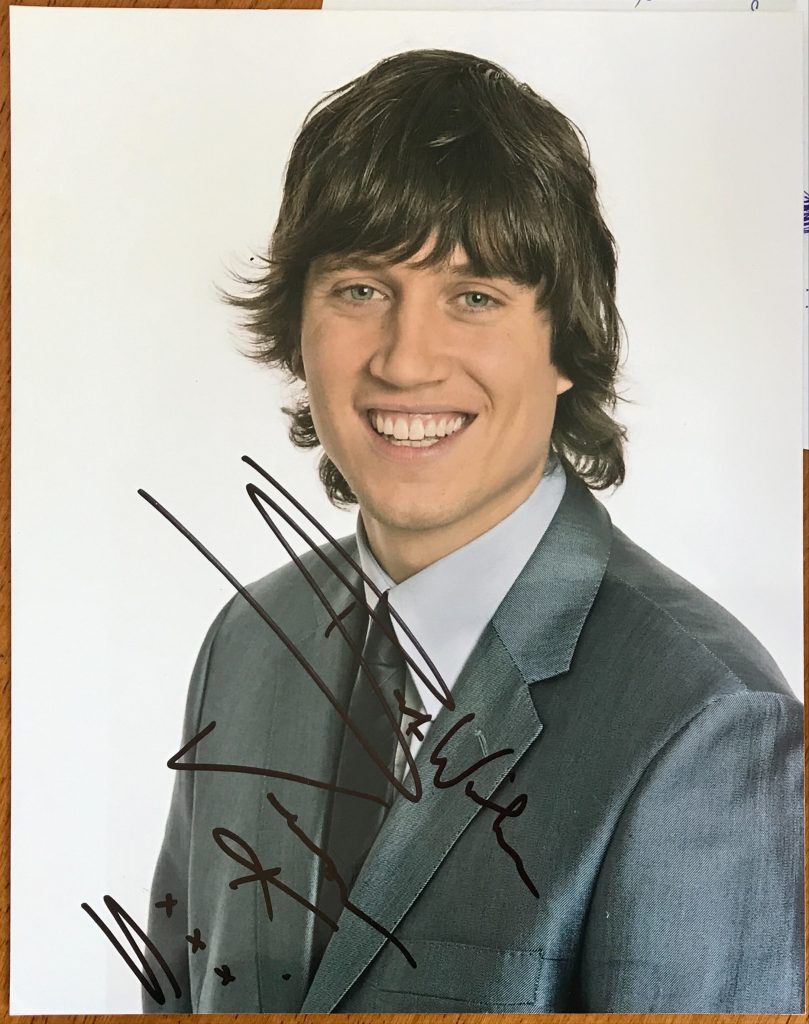
Vernon Kay was born in 1974 in Manchester.   He is known for his television work on such British shows as “All Star Family Fortune”.   He is married to TV presenter Tess Daly.

Bryan Ferry
Bryan Ferry
Bryan Ferry
Bryan Ferry
Bryan Ferry

Bryan Ferry is the epitome of style and cool.   He was born in Tyne & Wear in the North-East of England in 1945.   He was part of the great rock band ‘Roxy Music’ who came to fame in the 1970’s with such classics as “Virginia Plain” and “Do the Strand”.   In the 1980’s, ‘Roxy Music’ were eve better with hits like “Avalon” and “Same Old Scene”.   On film, Ferry has acted with Cillian Murphy in Neil Jordan’s “Life On Pluto”.

Chris Harvey’s 2013 article in “Telegraph”:

By what strange conjunction of planetdid Bryan Ferry find himself creating music for Baz Luhrmann’s spectacular 3D film of The Great Gatsby? The boy from a mining village who grew up to become one of the 20th century’s most impossibly glamorous figures supplying a soundtrack to Fitzgerald’s study of vaulting ambition and the invented self? The gods must appreciate irony, at least, for surely Ferry is Gatsby come to life.

It happened because of the album the former Roxy Music frontman created in 2012 with the Bryan Ferry Orchestra. The Jazz Age features instrumental versions of Ferry’s songs played in the style of Twenties jazz. Luhrmann had almost finished Gatsby when he heard it and got in touch. He persuaded Ferry to add daubs of music throughout the film, including a wonderful backdated update of Beyoncé’s Crazy in Love, with Emeli Sandé, and a recasting of the mournful, bluesy Love Is the Drug that appears on The Jazz Age as a stirring up-tempo number, with Ferry’s voice floating above it like the ghost of New Orleans.

We’re sitting talking about the film the night after Ferry has seen it for the first time. I ask him if Luhrmann’s riot of colour and sound captured the jazz age as he sees it in his imagination. “I kind of see it in black and white,” he laughs. He’s not really a fan of 3D and found himself wanting the odd slower sequence or passage amid the spectacle but looks forward to watching it in 2D, with a rewind button at hand. “I’m quite slow – younger audiences absorb images much faster than somebody of my generation,” he says.

Ferry is 67. It’s more than 40 years since he was beamed down from the Planet Glam to the Top of the Pops stage to sing Virginia Plain in glittery green eyeshadow. Yet even now when he lingers on a word, his eyelids flutter downwards and hover for a few moments before he pulls them up again, just as they did in that performance in 1972. He still has great hair. He’s wearing a blue shirt, darker blue tie, and leaning back on a comfortable sofa. He talks softly, in a voice that is oddly reminiscent of the Prince of Wales. I’m so surprised by this that afterwards I scour YouTube to try to trace the slow vanishing of his Tyne and Wear accent. But no, it seems he has always talked like this. Does he identify with Gatsby?

“Yes, who wouldn’t if you came from a very poor background like mine?” he says. But, as he points out, “it was rich in many ways”. Ferry grew up in Washington, five miles from Newcastle, at the time of the slum clearances in the city. “It’s a very unsophisticated world I grew up in. I would have fancied a house like Gatsby’s,” he adds, “big parties and the sea plane. He had it made really, but the obsession will always get you in the end.”

Ah, the obsession. Fitzgerald’s hero’s rise and his downfall are intimately linked to his obsessive love for the socialite Daisy, a woman he met and fell in love with when he was a penniless soldier. Has there been a Daisy in Ferry’s own life, I wonder.

“That’s a difficult one.” He pauses. “Well, yeah, I identify with his position, yeah.” This is followed by a long silence. “I think there are always things in your life that kind of slip away. Is it fate? Is it meant to be? I guess it’s like that. It’s a good reason, really, for making the most of everything that happens to you. If things in your life do go wrong you’ve got to move on to another thing.”

There have been many women in Ferry’s life. His four children, all boys, are from his 20-year marriage to a London socialite, Lucy Helmore, which ended in the early 2000s. In 2012 he married Amanda Sheppard, a former PR who is 36 years his junior.

Has he experienced Gatsby’s obsessiveness? “Yes, I once had this song, I didn’t call it ‘Slave to Obsession’ but that was one of the key lines. It’s called No Strange Delight, it’s on a Roxy album.” The song is on Flesh and Blood, recorded in 1980, roughly two years after Ferry’s girlfriend Jerry Hall, who had appeared on the cover of the 1975 album Siren, left him for Mick Jagger. The album also includes the delicate pop classic Over You (“Where strangers look for new love, I’m so lost in love – over you.”)

Ferry has written many eloquent songs about love over the years. What has experience taught him about it? “That it’s a bit of a riddle, really. The music that I write is generally quite emotional so it lends itself well to love songs, I don’t want to be singing particularly about wind farms or the war going on here, there or anywhere.

“A lot of the tunes are quite sad as well so without knowing it I get sucked into writing yearning, more intimate songs. Some of the lyrics I’ve done I’ve been very pleased with. It’s by far the hardest part of it but the music that comes out of me tends to be quite melodic, that’s what I think I’m best at, writing melody.” He smiles. “I’m trying to avoid your question as best I can. I don’t know anything about love at all.”

Gatsby, of course, is also about class, about the collision between old money and new. With his country house in Sussex, his house in London and his ability to flit between worlds, I wonder if Ferry feels that he has escaped the boundaries of class altogether. What class does he see himself as? “I’d say classless, definitely, I like to think. The class rigidity that some people still beat themselves up with in this country seems a bit old-fashioned to me now. I do think that standards should be high. I hate dumbing down and I hate political correctness. I identify with the Cavaliers rather than the Roundheads, I always have.”

In Sussex, does he move in aristocratic circles, with “old money”? “A little bit. I’m very private. I go out to dinner most nights when I’m in London, but when I’m in the country I like to stay in. I certainly know about country living and about town living. My music is very urban, I think. It’s always been about cities, people. My mother was very urban, my dad was very rural, and so I have a foot in both camps.”


He regrets that his parents weren’t around long enough to give his own children “the odd clip round the ear”. And he wishes his boys had worked in a factory at some point. What would they have gained? “Discipline maybe. Just the grind of it and knowing every day isn’t great, you know, that you can’t have what you want all the time. Just common sense, but they’ve learnt in other ways.”

Ferry is proud of his eldest son Otis’s progress “in his hunting world” – he’s a joint master of the Shropshire Hunt. It was Otis who in 2005 burst into the House of Commons to protest at the ban on hunting and received a jail sentence. How did it feel when his son was… “Locked up?” He finishes my question. “Very, very bad indeed, yeah, but I don’t like dwelling on it.”

Ferry’s father Fred, he says, was “very quiet, smoked a pipe, courted my mother for 10 years, walked the five miles through the fields to see her and go back again because he had to be up to milk the cows. He was essentially a farm labourer, a ploughman, with the horses. He was very proud of his medals for winning all these ploughing contests. They were opposites in a way, because my mother was very tuned in to the modern world.

“My mother would do all the organising, deal with the pocket money. As long as he had money for his tobacco and his racing pigeons he was fine. So he’d give her his 15 quid and get a pound back and that would last him the week, because he never drank. He would have one drink maybe on pigeon day. It was frugal beyond belief.”

How was it even possible to dream of an existence like his? “I didn’t think I was better than anyone,” he says, “but I didn’t want to be kept down. I didn’t want to work in the mine or the local steel factory, which were the two main sources of work in the area that I lived in.”

Ferry spent his holidays working in the factory, on building sites, then a tailor’s shop. All the while he wanted to be an artist, which then “kind of veered into music”. Encouraging him along the way were his primary school teacher – “dear Miss Swaddle” – who fed his imagination in a class of 50; teachers at his grammar school after he passed the 11-plus; the uncle he talked into taking him to see concerts when he was too young to go by himself (“Chris Barber, Count Basie and Dizzy Gillespie, Ella Fitzgerald – whoever passed through Newcastle I’d try to save up to see them”); and then when he went to Newcastle University to study art, there was his lecturer, the artist Richard Hamilton, who once described Ferry as “my greatest creation”.

Bryan Ferry with Roxy Music, circa 1972 (Rex Features)

Ferry continued to dream of being an artist and had moved to London to work as a ceramics teacher when he put together the fledgling Roxy Music. We talk about how the internet age has sparked renewed interest in rock’s most iconic figures, and many a high-profile reunion. Does Ferry feel that route is blocked to him, because of the tensions that forced the classic Roxy line-up apart? This is an oblique approach. I want to ask him about Brian Eno, who added the synthesised sounds that took Ferry’s classic songwriting into the art-rock beyond on Roxy’s first two albums. It’s no secret that Eno left Roxy Music in the summer of 1973 because of “musical differences” with Ferry. “I don’t want to damage Roxy [by talking about it],” Eno said at the time. “I mean, I really like the other members, and I (pause) really like Bryan in a funny way.”

Ferry leans forward. I can tell I’ve touched a nerve. “What would block it?”

There’s no turning back. There remains a perception that his relationship with Brian Eno, although cordial, means that they couldn’t work together again. Does that block it?

“Well, you know, Eno played on the first two albums but we did have a few albums after that and another eight years of our career. So it’s not just him and me, there are others, and we did get together again in 2001. We hadn’t played together in 18 years and we did a reunion tour. You didn’t see that one, then?”

Now I can tell he’s cross. No, I didn’t see it. “We played all round the world, it went incredibly well but it didn’t make me really want to go and record a group album again. It’s not that odd, though. Because it doesn’t seem natural to work with the same people for the whole of your life.”

“I’ve worked with Brian in the studio a couple of times since and that was really refreshing, but I wouldn’t want to work with him for a long period of time. We get on very well when we’re alone, it’s when other people start coming in with expectations and saying, part of you is missing…”

Ferry has continued to collaborate with others, he points out, noting that Nile Rodgers, who provides the guitar on Daft Punk’s recent number-one, Get Lucky, has played on all his solo albums since 1985. Of course, Eno, too, went on to collaborate extensively, including with Ferry’s equally enduring glam-rock rival David Bowie. I wonder if Ferry has been to the Bowie show at the V&A, just a couple of miles down the road from his west London studio. “I’m aware of it. I haven’t been, have you? I ought to go before it closes, actually.”

Like Bowie, Ferry grew up to be one of the iconic figures of his generation. He became one of the stars he idolised and dreamt of being. Is he ever surprised that he became one of those people, a Marilyn Monroe? “I always tell myself that the people I did idolise were just people,” he says. “Marilyn was a goddess of the screen, yet she’s just a poor lonely girl at the end of the day, sad. Even the Sun King, Louis XIV, he was just a guy. I don’t wake up in the morning and think I’m an icon or something, that’s kind of weird. I like going to work every day and trying to achieve something.” And with that Ferry has to leave for Cannes, where he’s performing at a party for The Great Gatsby. In my imagination, he arrives by seaplane, in glorious Technicolor.

The above “Telegraph” article can also be accessed online here.

Benedict Taylor

Benedict Taylor was born in 1960 in London.   He is the eldest of six children.  He lived in Nigeria for the first few years of his life.   He made his debut in “The Turn of the Screw” on television in 1974.   His movies include “The Watcher in the Woods” with Bette Davis and Carroll Baker,  “Every Time We Say Goodbye” with Tom Hanks and “Monk Dawson” with John Michie.

Linda Hunt
Linda Hunt
Linda Hunt

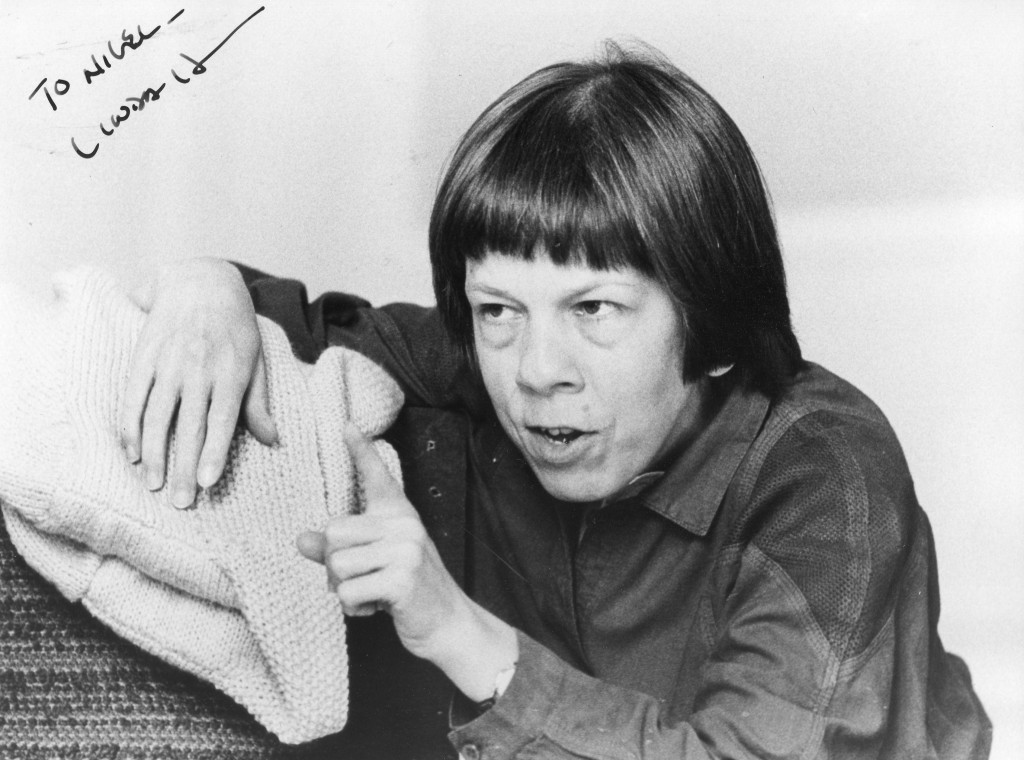
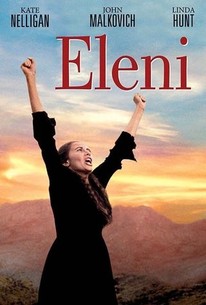
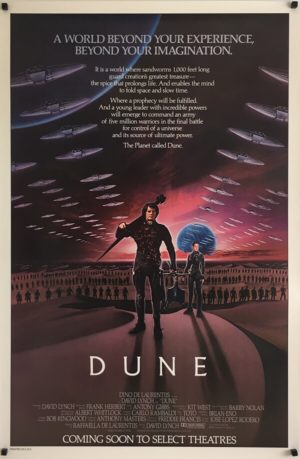
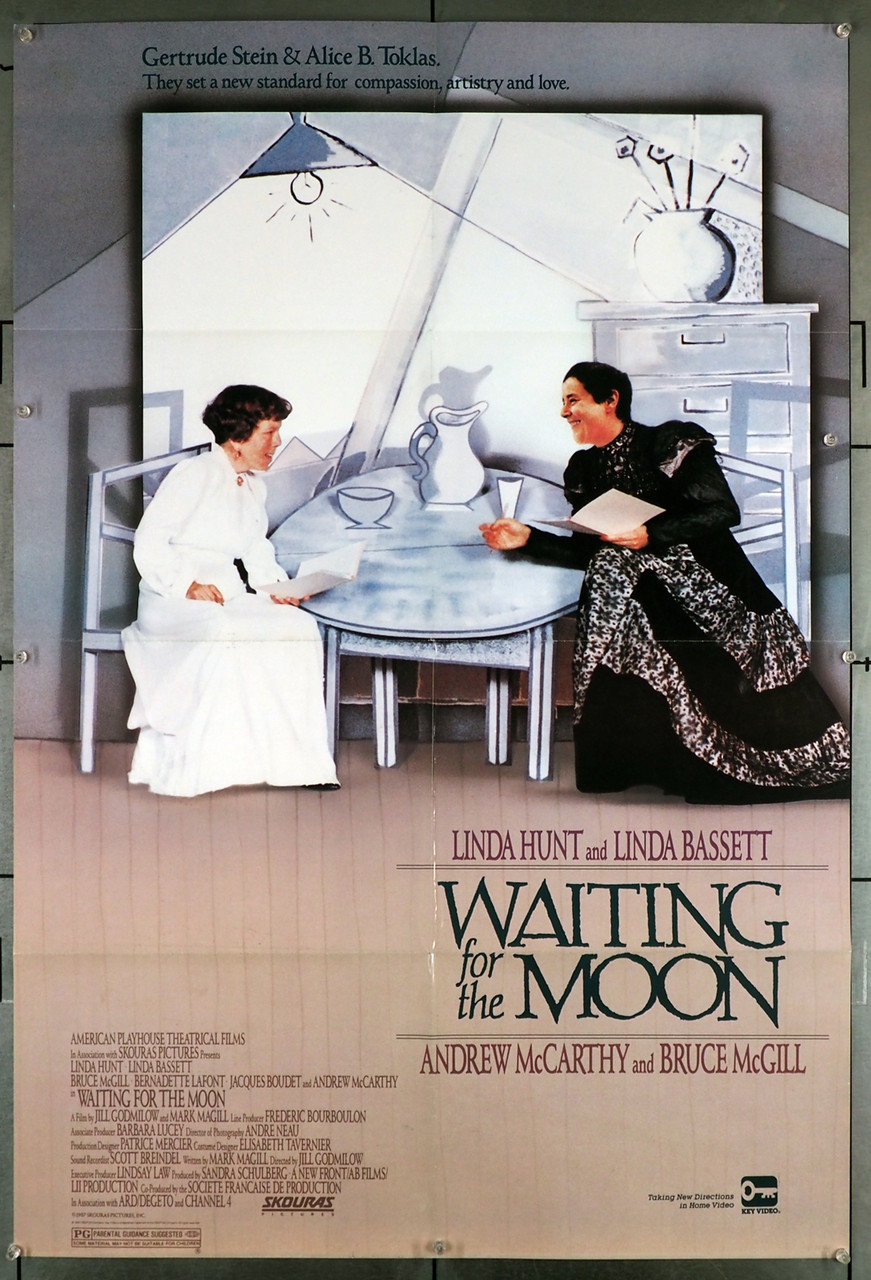
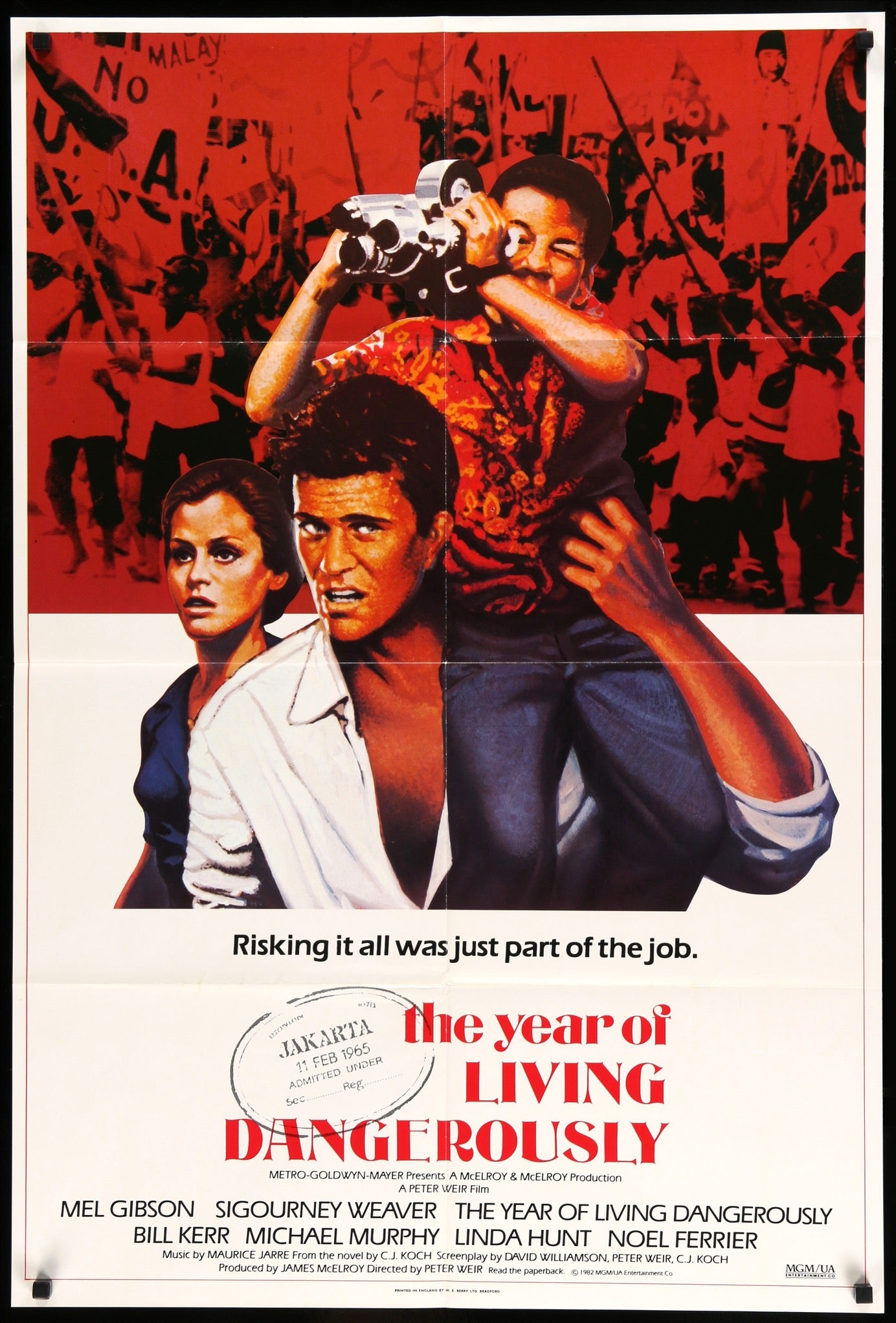
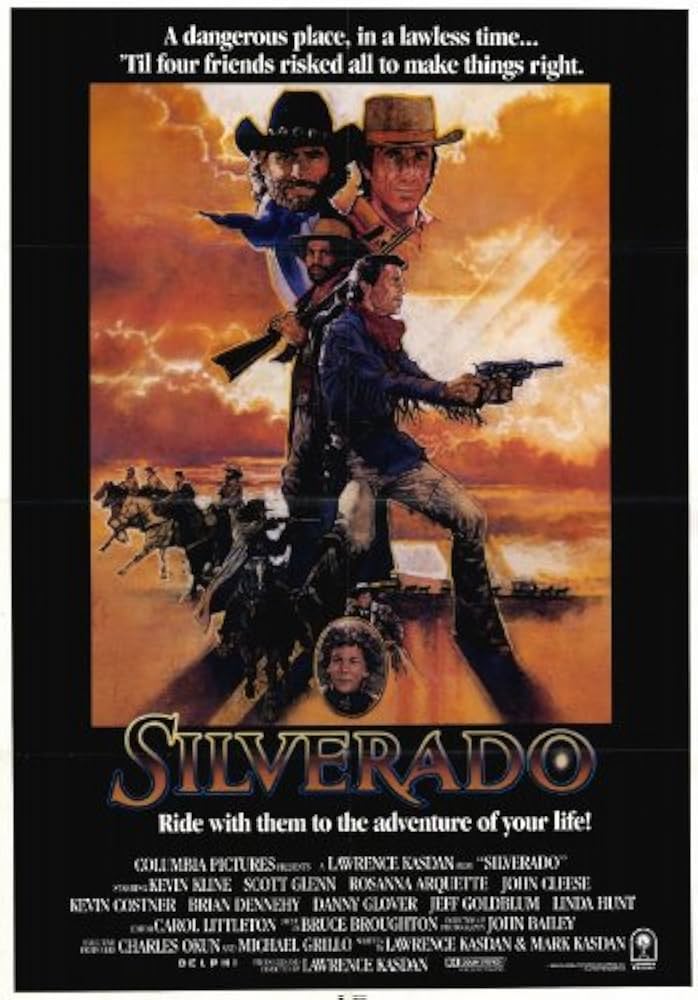
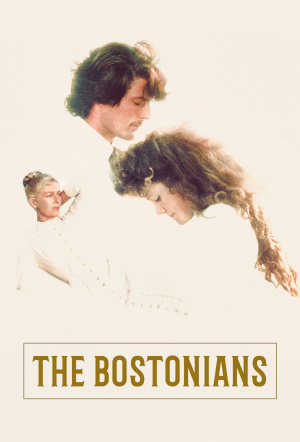
Linda Hunt won an Oscar for her astonishing performance as the male ‘Billy Kwan’ in 1982’s “The Year of Living Dangerously”.   She was born in 1945 in Morristown, New Jersey.  Her other movies include “The Bostonians” “Dune” and “Silverado”.

TCM overview:

Despite her diminutive 4-foot, 9-inch frame, actress Linda Hunt emerged as a prominent, Oscar-winning performer in only her second film, playing doomed Chinese-Australian photojournalist Billy Kwan in Peter Weir’s “The Year of Living Dangerously” (1982), which marked the first time in Academy Award history that an actor won for playing a character of the opposite sex. Her triumphant win led to a Tony-nominated performance in Arthur Kopit’s “End of the World” (1983) and a supporting role as a saloon keep in the revisionist Western, “Silverado” (1985), though opportunities later became few and far between. While she logged numerous film and television roles over the years, including a long-running recurring role as a judge on “The Practice” (ABC, 1996-2004), Hunt developed a second career as a busy voiceover artist. She lent her surprising baritone as a narrator on environmental specials, while voicing characters in both video games – most notably on the “God of War” series – and various animated projects like Disney’s “Pocahontas” (1995). By the time she was seen with regularity on such hit procedurals as “Without a Trace” (CBS, 2002-09) and “NCIS: Los Angeles” (2009- ), Hunt was a familiar presence in several different mediums; a testament to both her talent and her ability to overcome the odds.

Born on April 2, 1945, in Morristown, NJ, Hunt moved to Westport, CT with her family while still an infant. Burdened with a host of health problems since birth, Hunt was misdiagnosed with cretinism at six months of age. While in her teens, she was correctly diagnosed with hypo-pituitary dwarfism, a condition in which the pituitary gland fails to release enough growth hormone. Ironically, or perhaps consequently, Hunt grew up an unusual overachiever, undaunted by her condition. She took her first stab at acting at age 12 while performing in a production of “Flibbertigibbet” at Westport’s famed Silver Nutmeg Theater. Hunt moved to New York in the mid-1960s, where she found consistent work in summer stock theater. Concerned that her unusual physical type would limit her future as an actress, Hunt initially focused on becoming a stage director. But the lure of acting proved too powerful to resist, so in 1969, Hunt returned to Westport to study acting under dramatic coach, Robert Lewis.

In the early 1970s, Hunt began a longtime association with the Long Wharf Theater in New Haven. Her one-woman show based on the life of Joan of Arc won the actress rave reviews and even flickers of interest from Broadway. A year later, Hunt went to New York City and made her off-Broadway debut as the Player Queen in the New York Shakespeare Festival’s production of “Hamlet” in Central Park. This led to Hunt’s first major role as the Irish maid Nora in a 1973 production of Eugene O’Neill’s play, “Ah, Wilderness!” Originally directed by Arvin Brown for the Long Wharf Theatre, the play eventually moved to the Circle-in-the-Square Theatre along the Great White Way in New York, where it was taped for airing as a PBS special, “Theater In America” (1976). Hunt’s screen career began in the late 1970s, when she made her television debut in a “Hallmark Hall of Fame” presentation of Arthur Miller’s “Fame” (CBS, 1979). Adapted for the screen by the playwright himself, it was noteworthy that Miller specifically created Hunt’s role of Mona with the actress in mind.

The following year, Hunt made her official big screen debut in Robert Altman’s bloated and ultimately failed musical, “Popeye” (1980). Cast in a small supporting role as the feisty Mrs. Oxheart, Hunt’s appearance was a fortunately forgettable cameo lost in an even more forgettable film that dogged stars Robin Williams and Shelley Duvall for years to come. Her next film, however, permanently changed her career. Tapped to co-star in the controversial drama “The Year of Living Dangerously,” Hunt joined burgeoning young actors Mel Gibson and Sigourney Weaver in director Peter Weir’s complex drama. Based on a novel of the same name by Christopher Koch, the film told the complicated tale of an Australian journalist caught at the center of a foreign country’s political overthrow. Based on the real-life events of the attempted 1965 coup of Jakarta by Indonesia’s Communist party, “Dangerously” earned Hunt an Academy Award for Best Supporting Actress for her portrayal of Eurasian photographer, Billy Kwan. The first actor to ever win an Oscar for playing a role of the opposite gender, Hunt’s record stood untouched until 1999, when Hilary Swank won an Oscar for “Boys Don’t Cry.”

Despite her formidable talent, however, Hunt hit the proverbial glass ceiling. Though she remained consistently employed on stage – even winning two Obies and a Tony nomination in the 1980s and 1990s – the pedigree of her film work had slipped. Still, Hunt’s presence in movies managed to endure throughout this period. Among her higher profile roles were supporting turns in such critical favorites as “Silverado” (1985), in which she played Stella, a genial saloon proprietor, and the blockbuster comedy, “Kindergarten Cop” (1990), portraying a school principle disapproving of a rough-and-tumble cop (Arnold Schwarzenegger) going undercover as a kindergarten teacher to capture a wanted fugitive. In 1993, Hunt briefly returned to television, starring in the ill-fated space opera, “Space Rangers” (CBS, 1993), which was cancelled after just six episodes. After a brief dormancy in the mid-to late 1990s, during which time she only appeared in the horror dud, “The Relic” (1997), Hunt’s career underwent something of a renaissance when she turned to television. In 1997, Hunt created the role of Judge Zoey Hiller on David E. Kelly’s long-running legal dramedy, “The Practice.” A favorite recurring character for the show’s fans, Hunt reprised the role more than two dozen times before the show finally adjourned its run.

In 2003, Hunt joined the cast of the HBO drama “Carnivale” (HBO, 2003-05) for a 10-episode run as the mysterious voice of Management. In 2005, actress Hunt added an unlikely new credit to her resume: video game icon. As the resonant, authoritative voice of the Narrator for the award-winning “God of War” video game series, Hunt gained a whole new generation of fans unfamiliar with her acting work. Hunt reprised the voiceover role for the game’s sequel, “God of War 2.” Following a long vacation away from features, Hunt finally returned to the big screen with the blended family comedy “Yours, Mine, and Ours” (2005), starring Dennis Quaid and Rene Russo. While her role was hardly much of a challenge for the actress, the movie did at least allow Hunt a rare opportunity to flex her comedic muscles. Her next project continued in the same vein, as Dr. Mittag-Leffler in director Marc Forster’s twisted comedy, “Stranger than Fiction” (2006) starring Will Ferrell and Emma Thompson. After building a second career voicing narration for numerous PBS specials, including “Secrets of the Ocean Realm” (1997), “Woodrow Wilson” (2002) and “Auschwitz: Inside the Nazi State” (2004), Hunt joined the cast of the successful spin-off series, “NCIS: Los Angeles” (CBS, 2009- ), playing OSP Operations Manager Henrietta Lange.

 The above TCM overview can be accessed also online here.