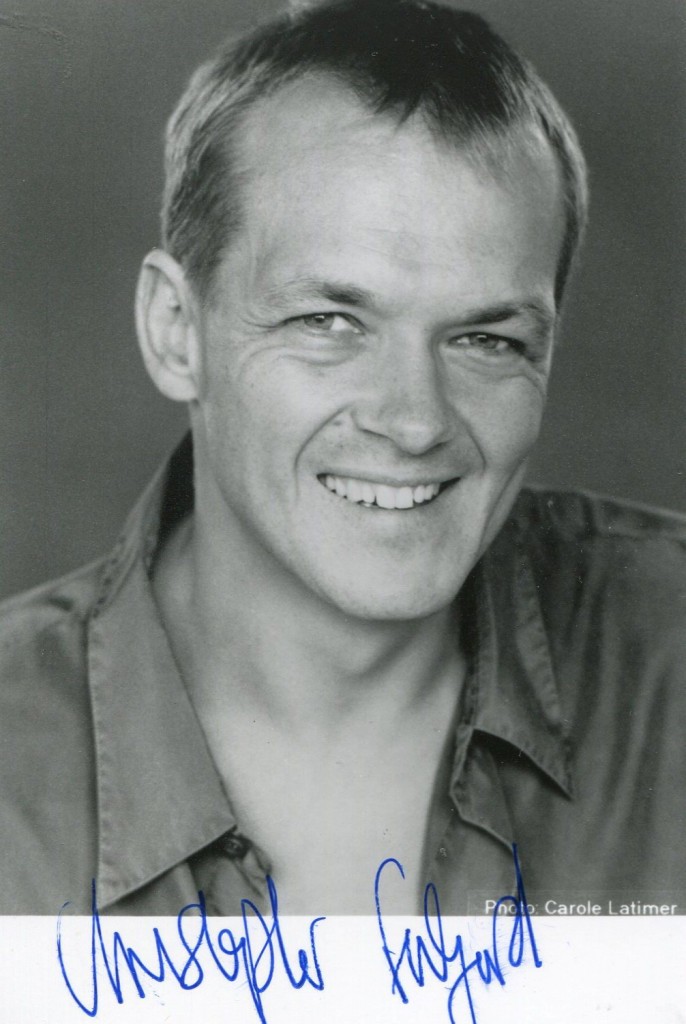
Christopher Fulford seems to have been featured in every major British television drama series over the past 25 years. Among his appearances are “A Touch of Frost”, “Inspector Morse”, “Judge John Deed”, “Waking the Dead”, “The Brief” and “Whitechapel”. He made his film debut in “The Ploughman’s Lunch” in 1983. His other movies include “Wetherby” and “A Prayer For the Dying”. He was born in London in 1955.
IMDB entry:
Fair haired British character actor Christopher Fulford has been a recognizable face on British TV and film for over 20 years in a variety of roles. Most recently he’s appeared in the BBC series Servants (2003) as the master butler and in Courtroom drama The Brief(2004). He’s appeared in many character driven roles on TV, usually in crime dramas such as A Touch of Frost (1992), Inspector Morse (1987), Silent Witness (1996), and Wire in the Blood (2002). Memorably he appeared as a suspected child murderer in Cracker(1993), a film which had a brilliant twist in the finale. He’s also appeared in many films, such as Jack the Ripper (1988), Resurrected (1989), Hotel (2001) and Eye See You(2002).
Alison Leggatt was born in 1904 in Kensington, London. Her first major film role was in David Lean’s “This Happy Breed” as ‘Aunt Sylvia’ in 1944. Other roles include “Waterloo Road”, “The Card” and “Far From the Madding Crowd” in 1967. She died in 1990.
IMDB entry:
Alison Leggatt was born on February 7, 1904 in Kensington, London, England as Alison Joy Leggatt. She was an actress, known for Far from the Madding Crowd (1967), This Happy Breed (1944) and The Day of the Triffids (1963). She died on July 15, 1990 in London.e and screen character actress who made her reputation in plays by John Osborne and Harold Pinter. Born into a wealthy family, she started acting against the wishes of her parents. In films, she was often cast as upper-crust ladies, kindly wives, disapproving mothers-in-law, landladies or housekeepers.
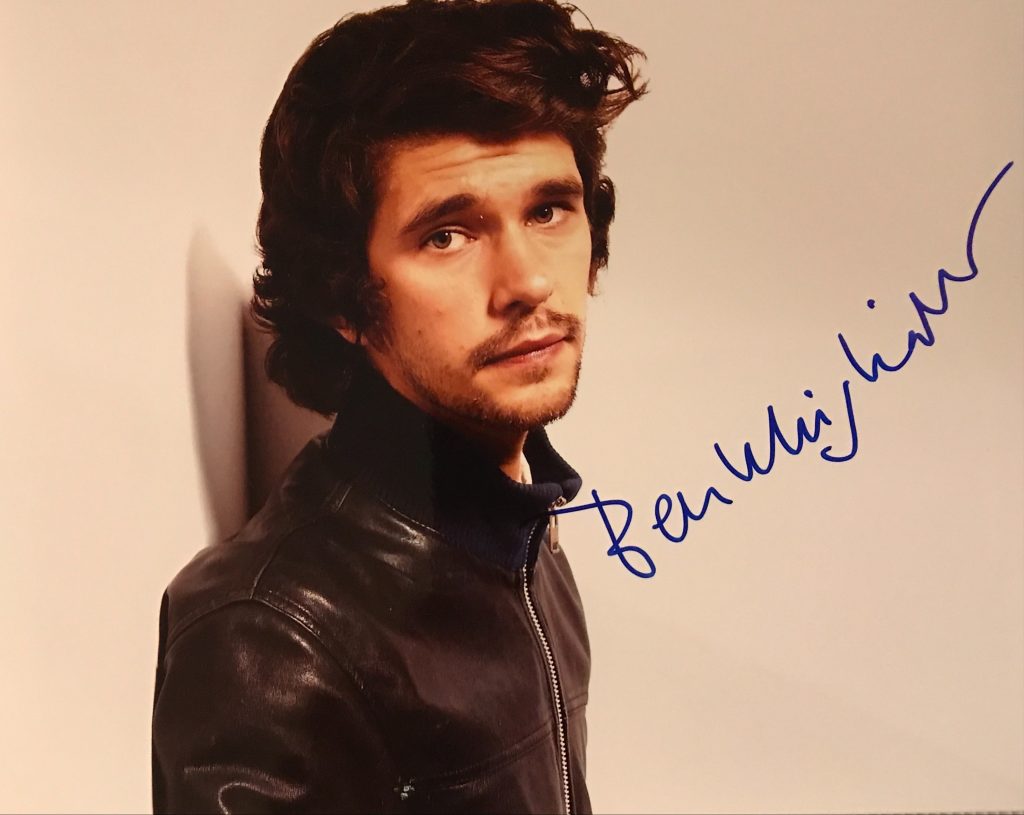
Ben Whishaw was born in 1980 in Clifton. He has starred on television in “Criminal Justice” and “The Hours”. On film he starred in the remake of “Brideshead Revisited” and as the new ‘Q’ in James Bond movie “Skyfall”.
TCM overview:
A veteran of the stage and former member of the esteemed Bancroft Players Youth Theatre, British actor Ben Whishaw quickly gained a reputation as one of England’s most talented young performers. Whishaw garnered considerable attention for his stage work with London’s Royal National Theatre and the Old Vic, prior to appearing in such U.K.-produced films as Matthew Vaughn’s “Layer Cake” (2004) and the Brian Jones rock-n-roll biopic “Stoned” (2005). Soon after, he made his belated entry into Hollywood as the star of the critically lauded period thriller “Perfume: The Story of a Murderer” (2007). Considered one of the U.K.’s most promising new stars, Whishaw continued to win acclaim for leading roles in feature productions like “Brideshead Revisited” (2008) and “Bright Star” (2009). Although he remained a presence on such British TV projects as “The Hour” (BBC, 2011- ), the young actor was soon taking part in major feature blockbusters, including “Cloud Atlas” (2012) and the James Bond film “Skyfall” (2012), in which he played tech wizard Q opposite his “Layer Cake” co-star, Daniel Craig. Still at the dawn of his already impressive career, options for the immensely talented and astute Whishaw appeared limitless.
Born on Oct. 20, 1980 in Hitchen, Hertfordshire, England, Ben Whishaw trained at the prestigious Royal Academy of Dramatic Art, alma mater of such stage luminaries as Patrick Stewart and Peter O’Toole. Prior to attending RADA, however, Whishaw landed important supporting roles in two 1999 U.K. films. The first was “The Trench,” a modestly produced, but powerful character piece set on the horrific battlefields of World War I. Incidentally, the film also starred a young actor named Daniel Craig, who would go on to international fame as the sixth James Bond in 2006. Whishaw’s second 1999 film, the French drama “Mauvaise passé,” was another well-received character study about a gigolo/escort visiting London. Directed by Michel Blanc, “Mauvaise Passe” paired Whishaw with French actor Daniel Auteuil and became a solid hit with the arthouse crowds.
It was in the theater, however, where Whishaw truly made his name. In 2003, Whishaw made his West End debut at London’s Royal National Theatre in their two-part, six-hour stage adaptation of “His Dark Materials,” based on the works of famed British fantasy novelist, Phillip Pullman. A year later, the 23-year-old Whishaw won the most effusive praise of his young career by playing the title role of “Hamlet” at the legendary Old Vic Theatre. Under the aegis of legendary stage director Trevor Nunn, Whishaw electrified audiences in this “all-youth” production of the Shakespearean classic.
Soon after graduating from RADA, Whishaw landed a handful of semi-substantial roles, with his best known being Jamie Foreman’s nephew, Sidney, in director Matthew Vaughn’s British comedic crime caper “Layer Cake” (2004). Though Whishaw’s role was relatively small, it was the sort of eye-catching showcase performance many young actors killed for. Indeed (not to mention, ironically,) it was Sidney’s willingness to do precisely that, which puts him in conflict with the film’s lead character, XXXX, played by Whishaw’s “Trench” co-star, Daniel Craig. The success of “Layer Cake” won Whishaw a plum supporting role in the sublime British comedy series, “Nathan Barley.” An ITV-produced sitcom about a cynical, loathsome media maven named Nathan Barley (Nicholas Burns), the show skewered the rapid rise of the internet and digital media. Though the program lasted only one season, critics adored it and were especially amused by Whishaw’s turn as the odd Pingu, one of Nathan Barley’s close circle of friends.
On the movie front, the winter of 2007 saw Whishaw’s career take off as never before. That year, Wishaw was cast in his first lead role in the thriller, “Perfume: The Story of a Murderer.” Based on the award-winning mystery by German author Patrick Süskind, “Perfume” was the story of Jean-Baptiste Grenouille, an orphaned misfit turned serial killer. Set in 18th Century France, the monstrous Grenouille was a respected maker of perfumes by day; a killer of women by night. Born with an uncanny and rare sense of smell, Grenouille’s obsession to capture the aromas, scents, and olfactory “essences” of his victims, formed the backbone of this most unusual murder mystery. With physicality an important component to his role, Whishaw’s performance benefited greatly from his stage training. It also gave the young actor confidence to hold his own with his esteemed co-stars, Dustin Hoffman and Alan Rickman. Released in Europe in September 2006, the film was a tremendous success and was well on its way to earning $100 million even before its scheduled U.S. release in early January 2007.
Already touted as one of the most promising young actors in the U.K., Whishaw journeyed to the States to join Cate Blanchett, Christian Bale and the late Heath Ledger in their roles as various incarnations of Bob Dylan in Todd Hayne’s acclaimed biographical collage “I’m Not There” (2007). Returning to home, he earned kudos for his portrayal of the flamboyant Lord Sebastian Flyte in an interpretation of Evelyn Waugh’s “Brideshead Revisited” (2008), as he did for his turn as poet John Keats in writer-director Jane Campion’s period romance “Bright Star” (2009). In a smaller contribution, the young actor appeared briefly as the spirit Ariel in Julie Taymor’s stylistic interpretation of Shakespeare’s “The Tempest” (2010), starring Helen Mirren as the sorceress Prospera. In a pair of television endeavors over the next two years, he played an ambitious television reporter embroiled in a conspiracy on the British Cold War era series “The Hour” (BBC2, 2011- ) then assumed the role of the titular monarch in an adaptation of Shakespeare’s “Richard II” (BBC2, 2012).
As the year came to a close, Whishaw appeared in the two biggest film productions of his young career, beginning with a key role in the highly anticipated epic sci-fi drama “Cloud Atlas” (2012). An exploration of the interconnectivity of the human race spanning Earth’s past, present and future, “Cloud Atlas” boasted an all-star ensemble that included Tom Hanks, Halle Berry and Susan Sarandon and the directorial team of Andy and Lana Wachowski and Tom Tykwer. A month later, Whishaw became the latest – and by far the youngest – science geek to provide hi-tech gadgetry to an unappreciative James Bond (Daniel Craig) in the 23rd 007 adventure “Skyfall” (2012).
The above TCM overview can also be accessed online here.
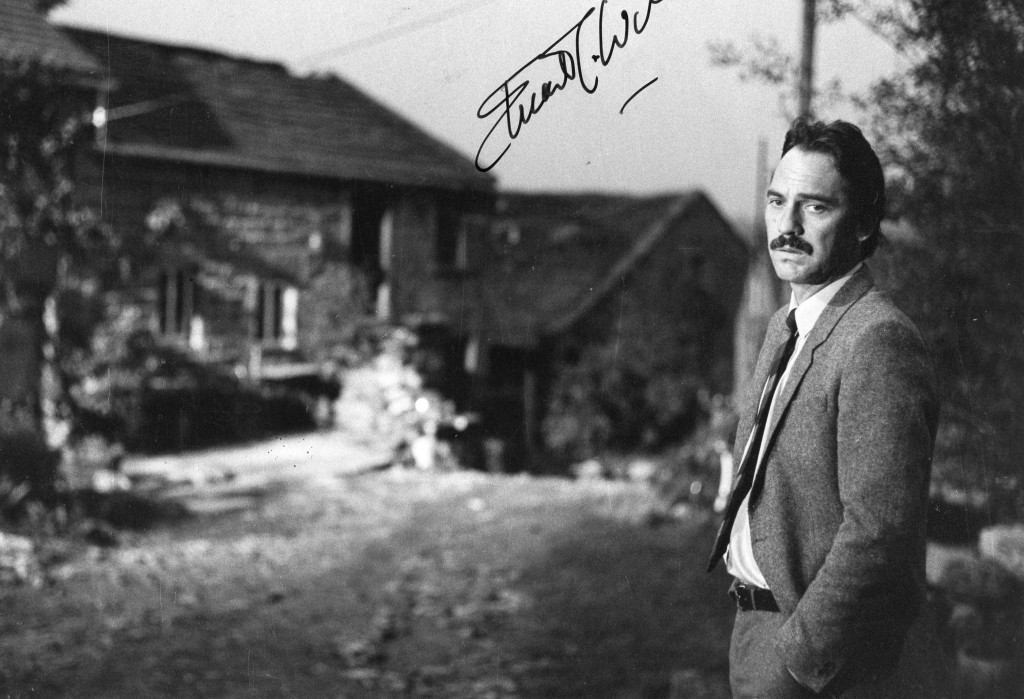
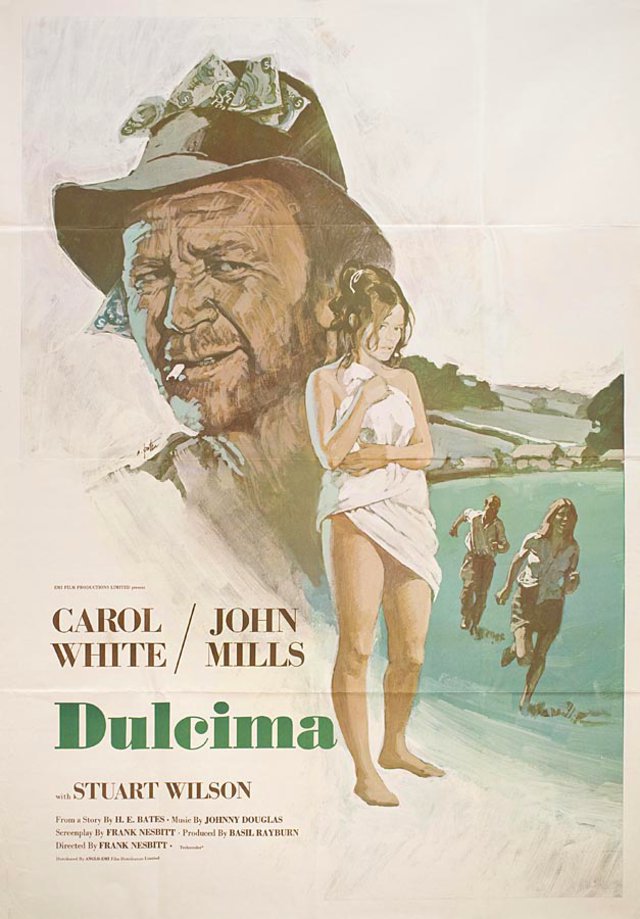
Stuart Wilson was born in Guilford, Surrey in 1946. He made his film debut with a major role in “Dulcima” with John Mills and Carol White in 1971. Other movies include “Wetherby” and in Hollywood “Lethal Weapon 3”, “The Age of Innocence” and “he Mask of Zorro”.
Stuart Wilson
TCM overview:
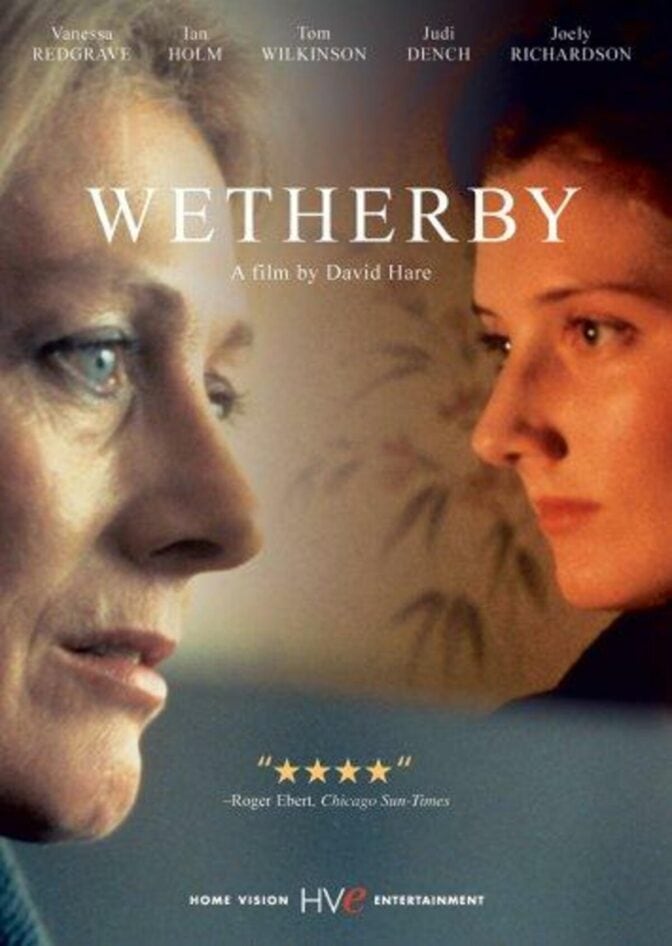
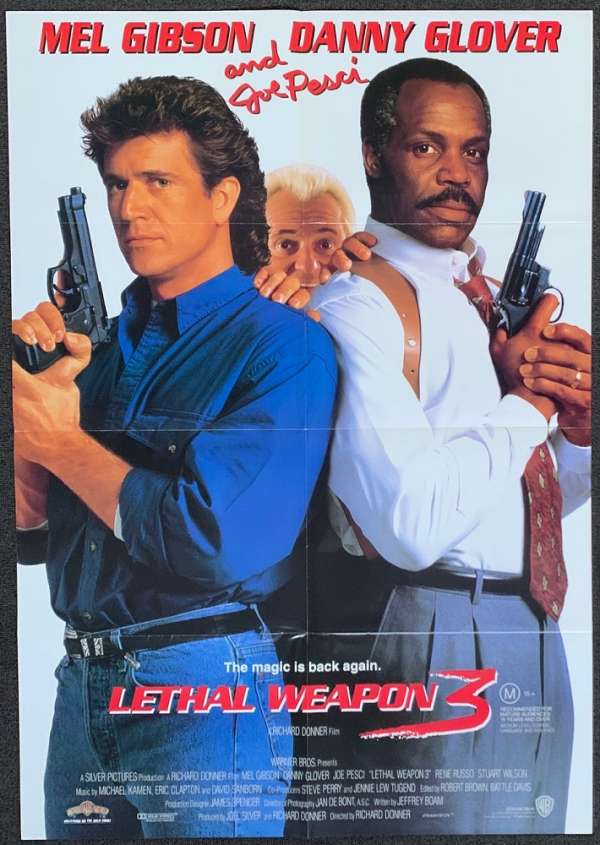
A handsome, dark-haired, often mustachioed, actor, Stuart Wilson became more familiar to American moviegoers as the corrupt cop in “Lethal Weapon 3” (1992). Discerning TV viewers might remember the performer from a string of prestige British shows, many of which aired in the USA on PBS. The stage-trained Wilson has a prominent supporting role in “The Pallisers” (1977) and cut a dashing figure as Vronsky to Nicola Pagett’s “Anna Karenina” (1978). In the syndicated “Running Blind” (1981), he was cast an undercover British agent while in the multi-part “The Jewel in the Crown” (1984), he played a British army major. After a turn as a policeman investigating a murder in David Hare’s superb “Wetherby” (1985), Wilson was cast as a titled Hungarian with mixed feelings about the treatment of Jews under the Nazis in the NBC miniseries “Wallenberg: A Hero’s Story” (also 1985).
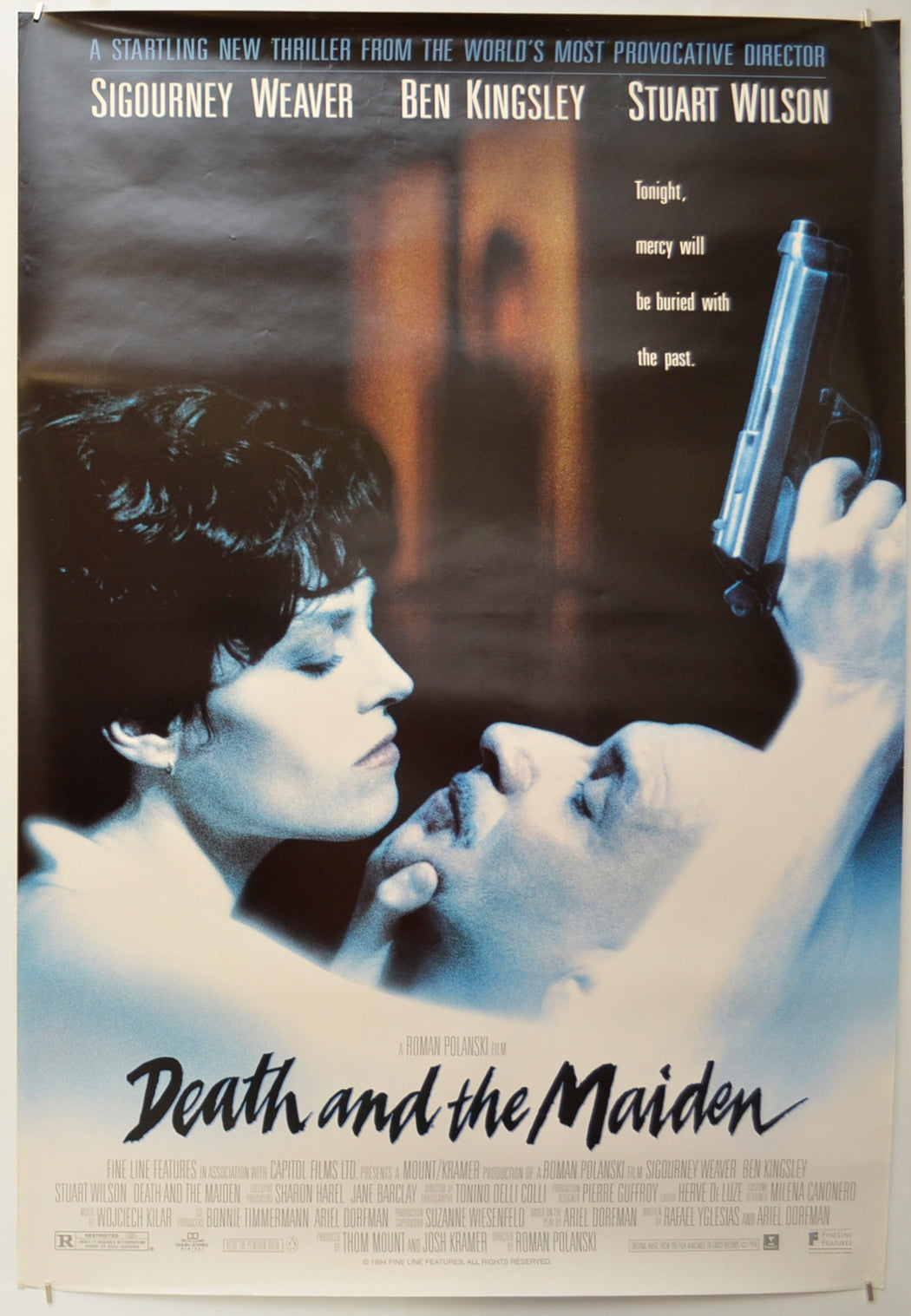
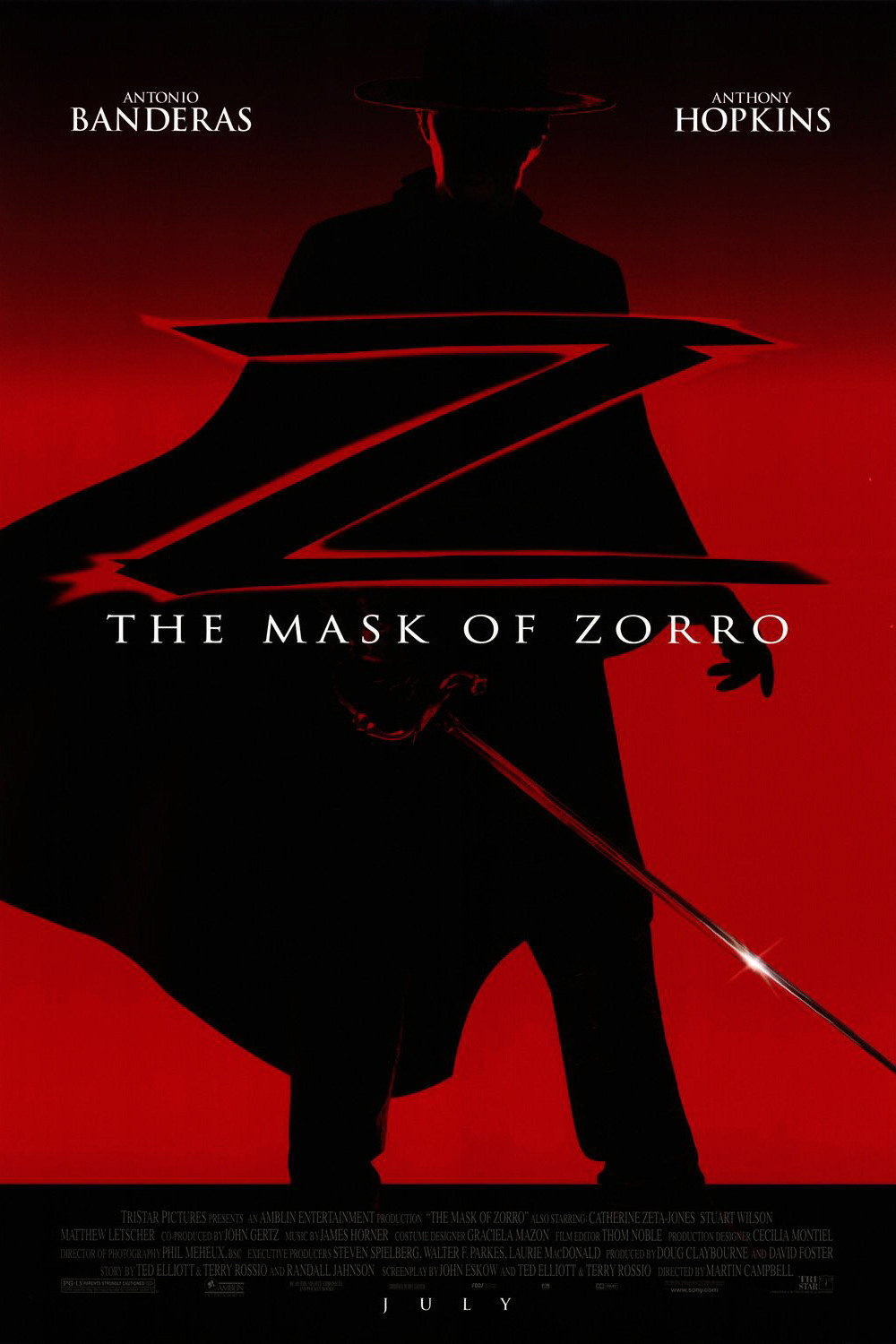
Once his profile in American films was enhanced with his villainous turn in “Lethal Weapon 3”, Wilson found more or less steady work in the States for a couple of years. He offered another villain, this time a gun-running mercenary, in “Teenage Mutant Ninja Turtles III”, then turned more genteel but retaining an air of mystery as a suitor to the Countess (Michelle Pfeiffer) in “The Age of Innocence” (both 1993). The following year, the actor was tapped to play the leader of an anarchic band of rebels in the muddled sci-fi actioner “No Escape”, cast as a diamond smuggler who seeks refuge in a sex retreat in the uneven comedy “Exit to Eden” and portrayed Sigourney Weaver’s husband in Roman Polanski’s film version of Ariel Dorfman’s play “Death and the Maiden”. Wilson went on play Helen Mirren’s lover in two installments of “Prime Suspect” in 1995 and 1996 before etching another nefarious character, the Spanish governor, in “The Mark of Zorro” (1998), opposite Antonio Banderas and Anthony Hopkins
The above TCM overview can also be accessed online here.
Stuart Wilson (born 1946) is arguably the “Greatest Villain You Know by Face, but Perhaps Not by Name.” A product of the elite British theatrical tradition, Wilson’s career is a masterclass in playing the intellectual antagonist. While he possesses the classic bone structure of a romantic lead, he consistently steered his career toward characters defined by a dangerous, calculating charm and a specific brand of high-status menace.
1. Career Arc: From the RSC to the Hollywood “Heavy”
The Classical Foundation (1960s–1970s): Wilson began his journey at the Royal Academy of Dramatic Art (RADA) and the Royal Shakespeare Company. His early career was defined by “prestige” television in the UK, often playing the lead in lavish literary adaptations like The Pallisers and I, Claudius.
The Global Breakthrough (1990s): After decades of being a respected name in British drama, Wilson made a definitive leap into Hollywood. He became the premiere choice for directors looking for a villain who was physically imposing but, more importantly, intellectually superior to the hero.
The Character Statesman (2000s–Present): In his later years, Wilson has moved into “Patriarch” roles, lending his gravitas to massive franchises and high-end television, while remaining a regular fixture on the London stage.
2. Critical Analysis of Key Performances
The Pallisers (1974) – The Sophisticated Cad
As Ferdinand Lopez in the massive BBC adaptation of Anthony Trollope’s novels.
Analysis: This was Wilson’s star-making role in Britain. He played a social climber of ambiguous origins who eventually spirals into despair.
Critique: Critics praised Wilson for his mercurial energy. He managed to make an essentially unlikeable character deeply sympathetic. He utilized a “nervous elegance”—a combination of perfect tailoring and a restless, hungry gaze—that captured the character’s internal conflict between ambition and self-loathing.
Lethal Weapon 3 (1992) – The High-Stakes Antagonist
As Jack Travis, the corrupt former police lieutenant.
Analysis: In a franchise known for its “over-the-top” villains, Wilson delivered a performance of chilling normalcy. He didn’t play Travis as a “madman,” but as a highly efficient, ruthless CEO of a criminal enterprise.
Critique: Critics noted that Wilson provided a necessary “weight” to the film. While Mel Gibson and Danny Glover provided the kinetic energy, Wilson provided the menace. His ability to deliver threats with a calm, almost professorial tone made him one of the most memorable adversaries in the 90s action genre.
The Mask of Zorro (1998) – The Aristocratic Rival
As Don Rafael Montero, the primary antagonist to both Anthony Hopkins and Antonio Banderas.
Analysis: This role required a “Grand Format” performance. Wilson had to match the theatricality of the Zorro legend while maintaining a sense of genuine emotional pain (his character’s obsession with Elena).
Critique: Wilson’s performance is a study in statuesque villainy. He used his height and his resonant voice to project absolute authority. Critically, he was lauded for his “dueling” ability—both verbal and physical. He treated the sword fights with the same rhythmic precision as his dialogue, making him a truly formidable counterpart to the heroes.
3. Style and Legacy: The “Civilized” Threat
Stuart Wilson’s acting style is defined by vocal authority and emotional restraint.
Attribute
Critical Impact
Vocal Cadence
Wilson has a specific, clipped way of speaking that suggests a man who is used to being obeyed; he uses silence as a tool of intimidation.
The “Gentleman” Villain
He rarely plays “low-class” criminals; he specializes in men who have a lot to lose, which adds a layer of desperation to their cruelty.
Physicality
Even into his later years, Wilson maintains a “soldierly” posture that gives his characters an immediate sense of discipline and danger.
The “British Villain” Paradigm
Critically, Stuart Wilson is a key figure in the “British Invasion” of Hollywood action cinema. Alongside actors like Alan Rickman and Jeremy Irons, Wilson helped create the archetype of the Intellectual Heavy. He proved that a villain could be scary not because he was strong, but because he was right—or at least believed he was.
Critical Note: Stuart Wilson is an actor of Technical Excellence. He never “chews the scenery”; he dismantles it with a surgical precision. Whether he is playing a Victorian climber or a modern-day corrupt cop, he brings a level of RSC-trained discipline to popular entertainment, elevating every script he touches
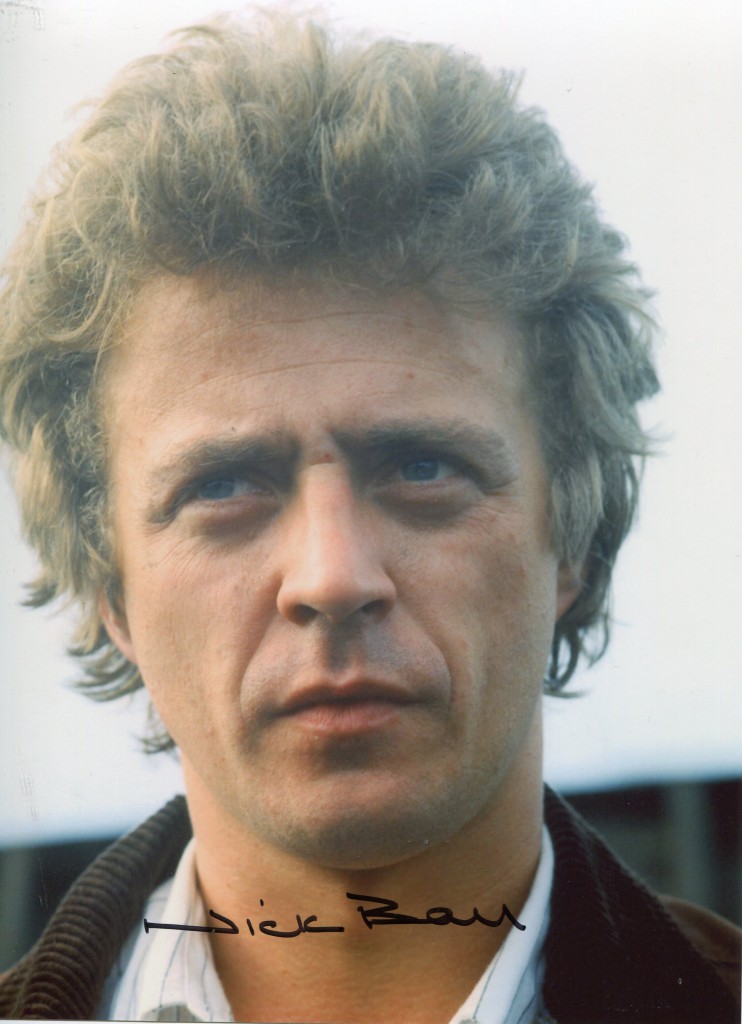
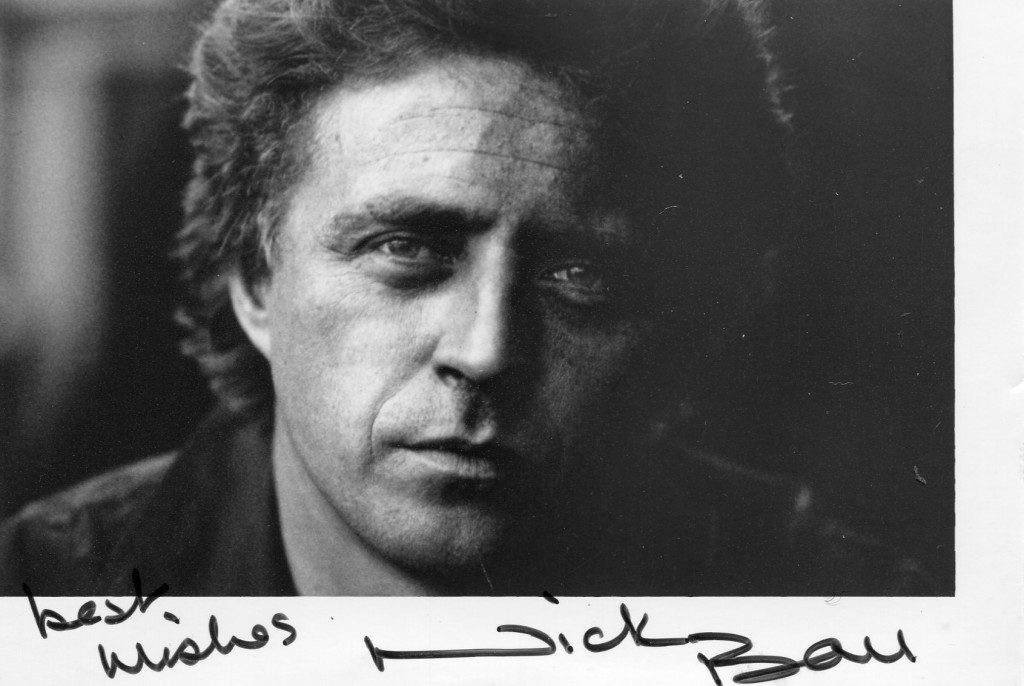
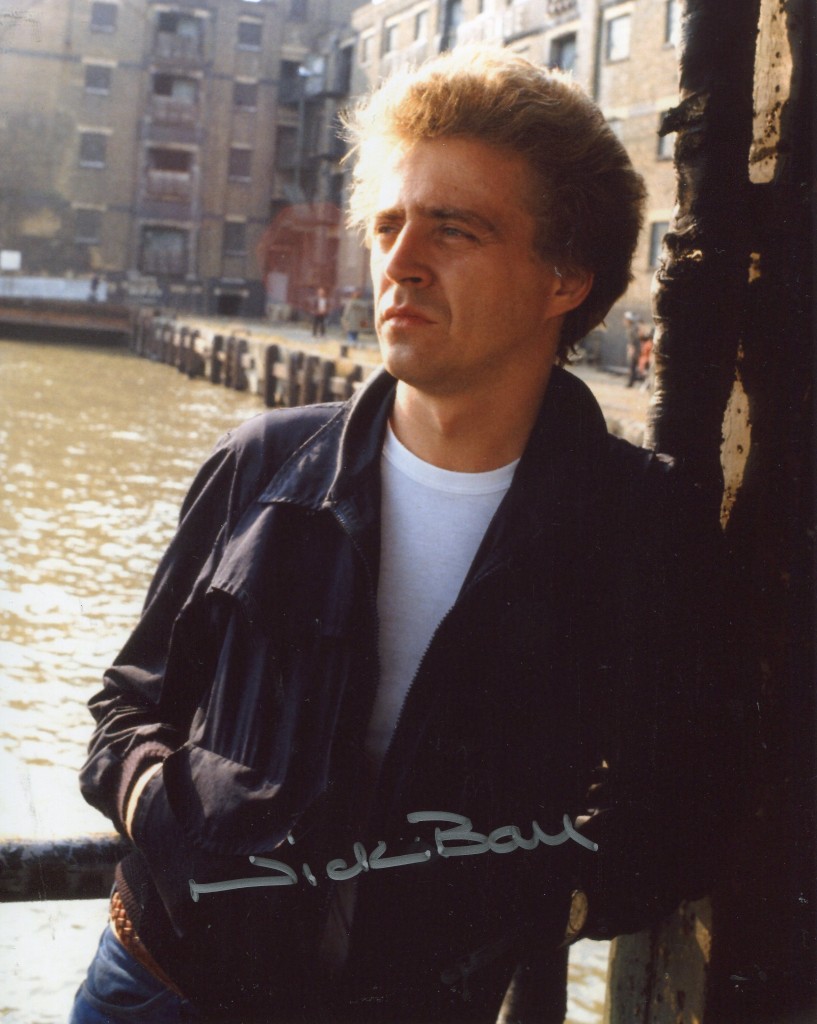
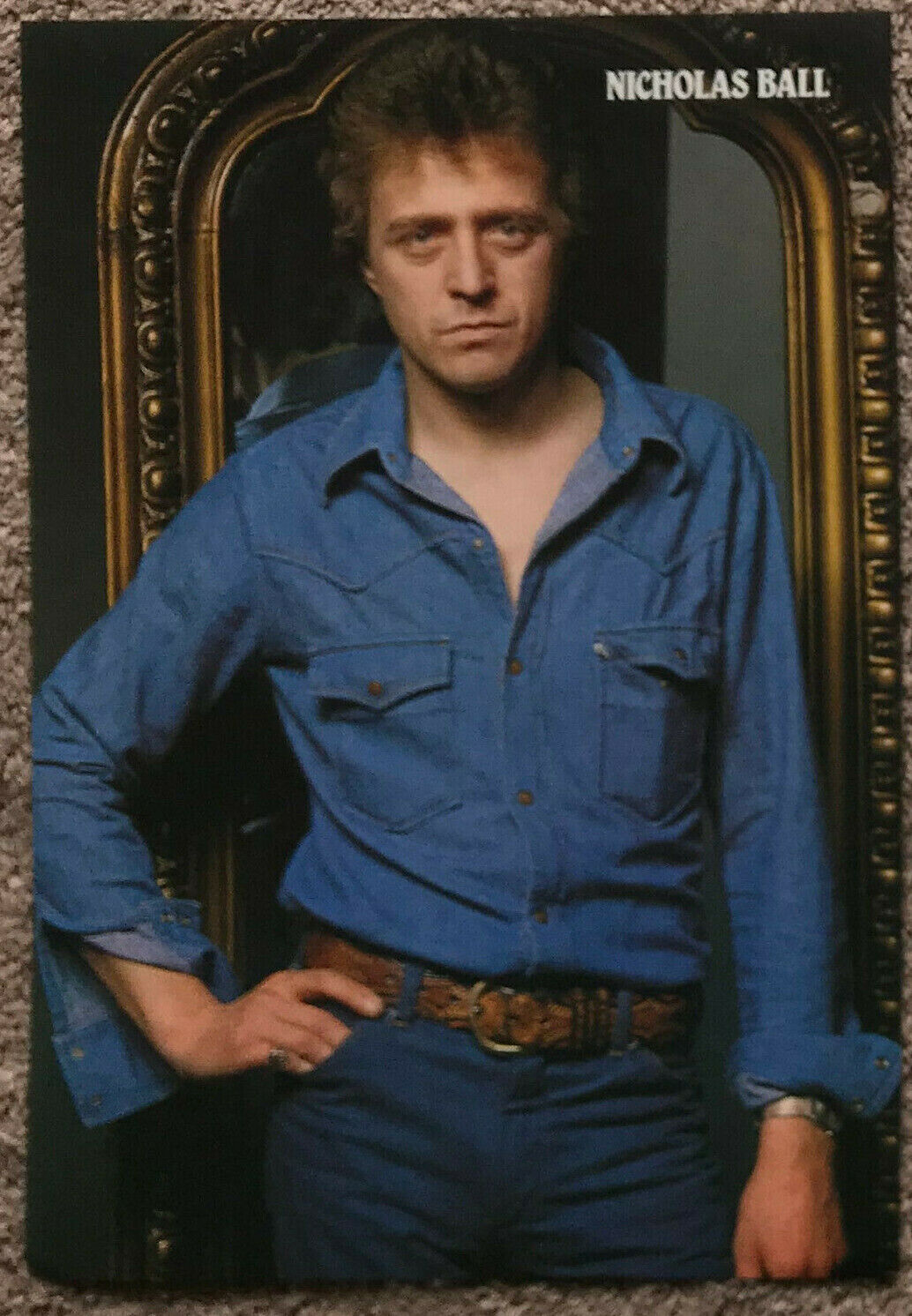
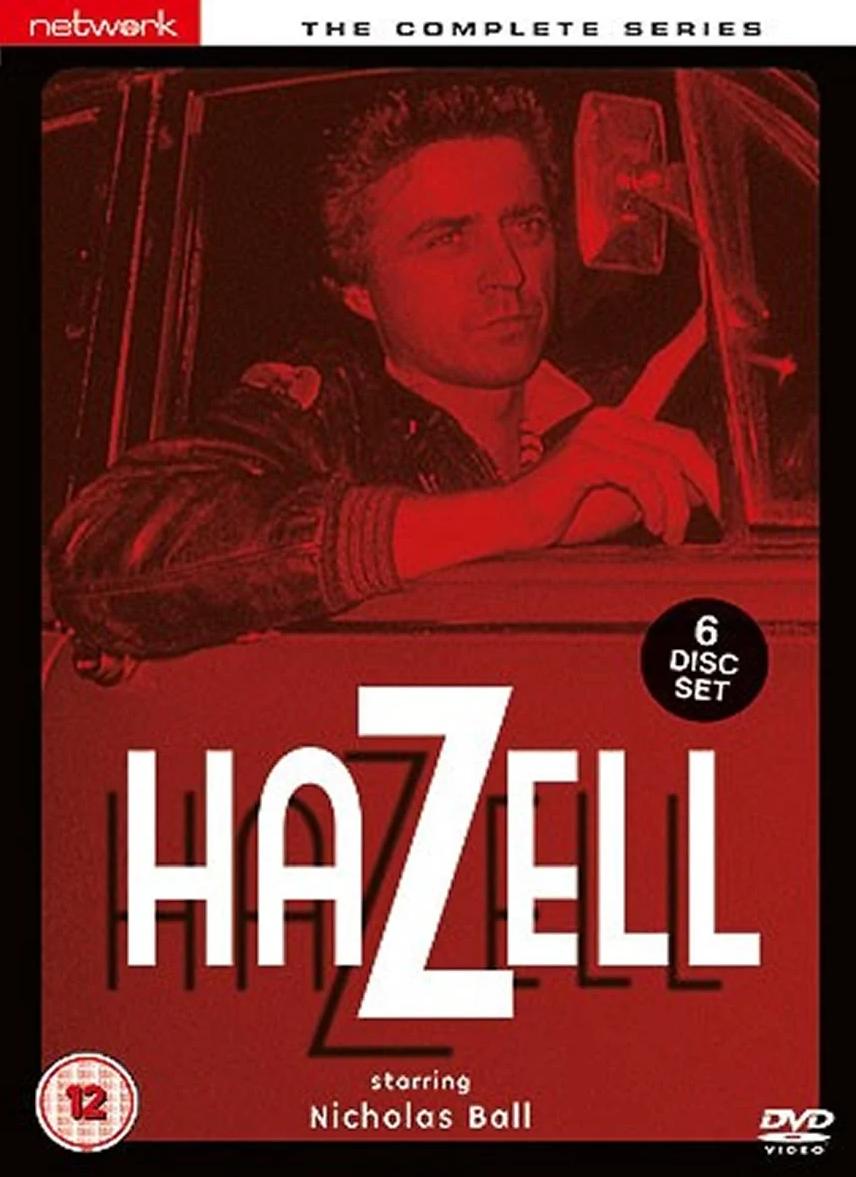
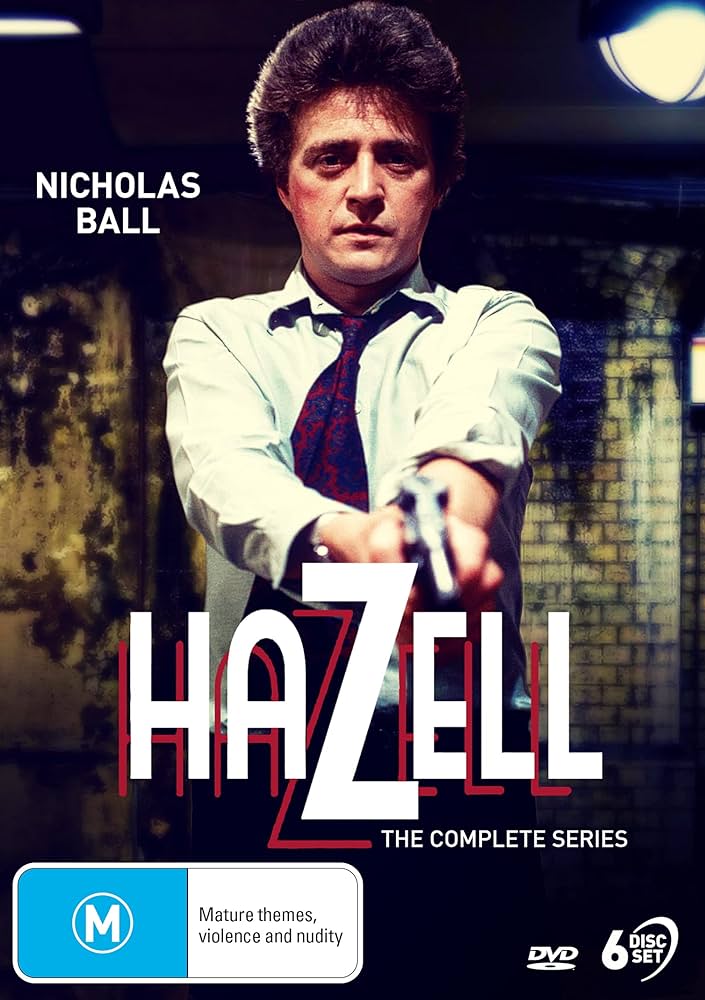
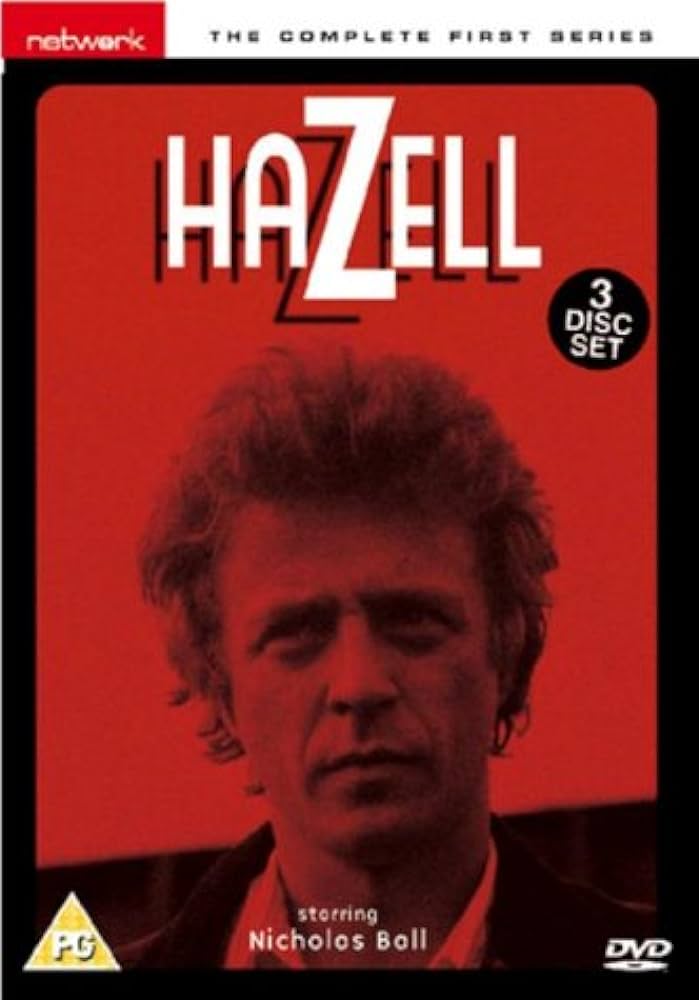
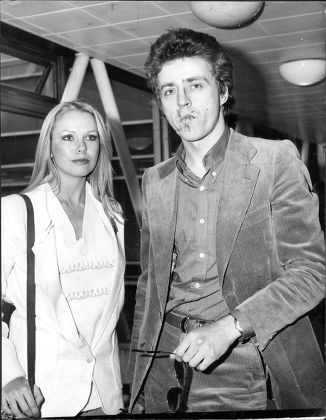
Nicholas Ball was born in 1946 in Royal Lemington Spa. He is best known for his iconic performance in the classic British TV series of the late 1970’s “Hazell”. He has also starred in “Eastenders” and “Footballer’s Wives”. “Red Dwarf” interview here.
Benita Humewas born in 1906 in London. She made her film debut in the U.K. in 1925 in “The Happy Ending”. By the mid 1930’s she was in Hollywood and made such movies as “Tarzan Escapes” and “Rainbow On the River”. She was married to the actors Ropnald Colman and George Sanders. She died in 1967.
IMDB entry:
Benita Hume was born on October 14, 1906 in London, England as Benita Humm. She was an actress, known for Tarzan Escapes (1936), The Private Life of Don Juan (1934) and Suzy (1936). She died on November 1, 1967 in Egerton, England. Her first Broadway play was Ivor Novello’s “Symphony in Two Flats” in 1930She started out as a pianist but pursued acting because she wanted “excitement”Portrayed Victoria Hall on NBC Radio’s “The Halls of Ivy” (1950-1952) with her husband Ronald Colman. Daughter, Juliet, born 1944 Trained at RADA; first stage appearance in 1924. With Ronald Colman was part owner of the San Ysidro resort in Santa Barbara, California. Brunette leading lady, on stage in London from the age of seventeen. On the other side of the Atlantic, she played a series of well-coiffed English ladies in RKO and MGM films of the 1930’s, but never quite made the grade as a star. She eventually quit acting for the role of a leading socialite, as wife first to Ronald Colman then George Sanders.
The above IMDB entry can also be accessed online here.
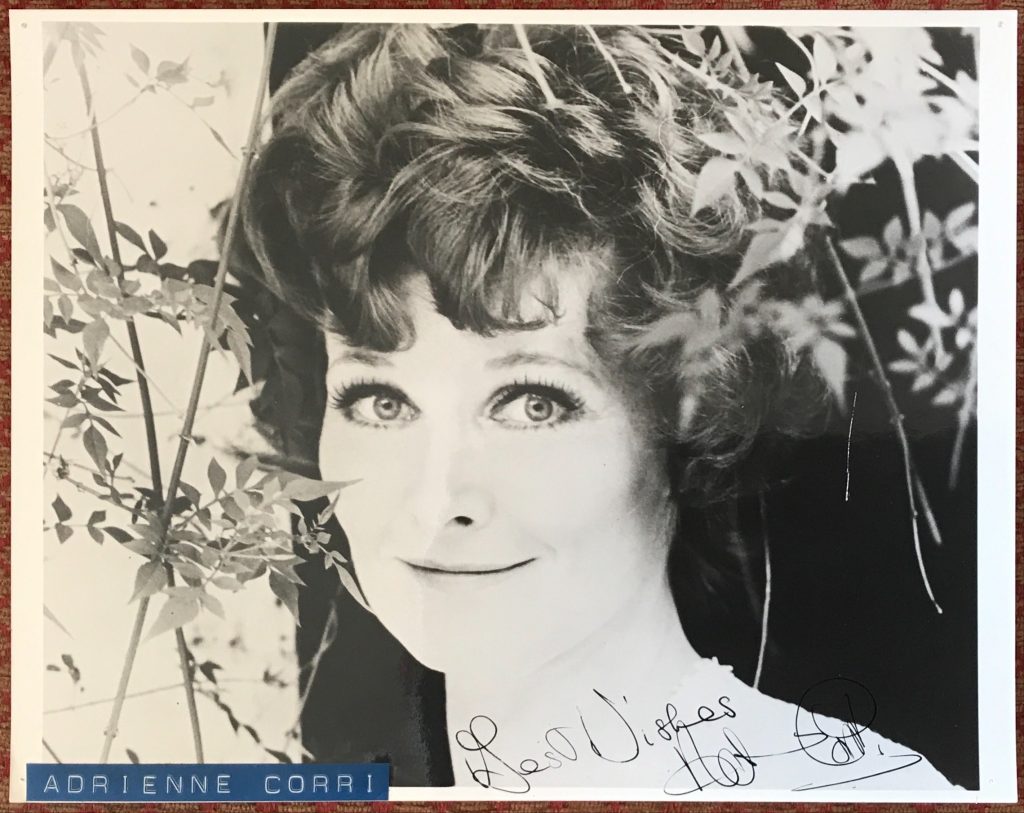
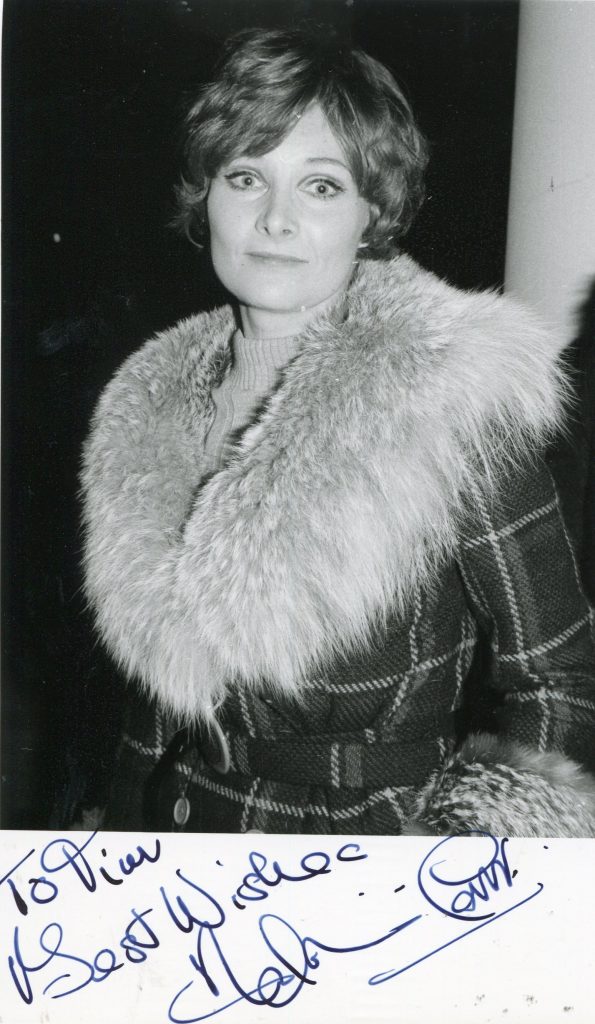
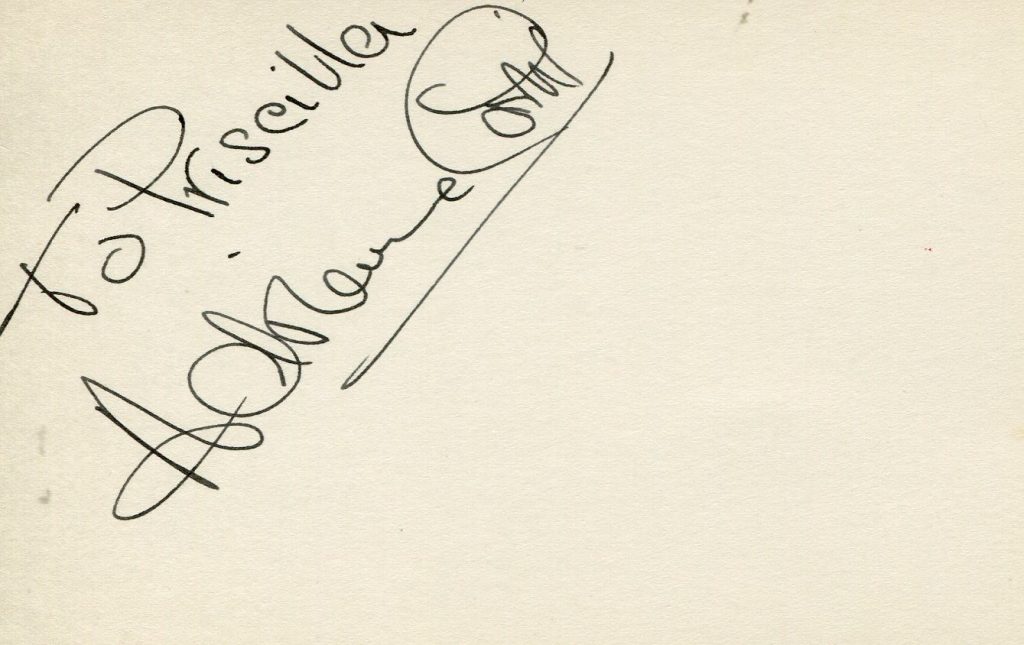
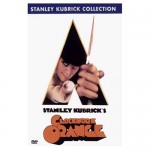
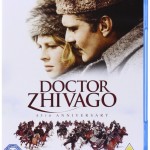
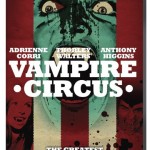
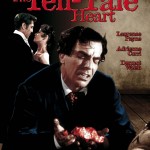
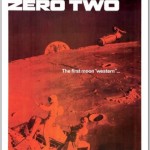
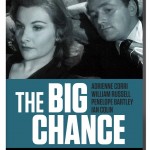
Adrienne Corri was born in 1931 Glasgow. Despite having significant roles in many films, Adrienne Corri is likely to be remembered for one of her smaller parts, that of Mrs. Alexander, the wife of the writer Frank Alexander, in the 1971 A Clockwork Orange. . Though the scene lasts barely three minutes Corri appeared in many excellent films, notably as Valerie in Jean Renoir‘s The River (1951), as Lara’s mother in David Lean‘s Dr. Zhivago (1965) and in the Otto Preminger thriller Bunny Lake is Missing. She also appeared in a number of horror and suspense films from the 1950s until the 1970s including Devil Girl from Mars, The Tell-Tale Heart, A Study in Terror and Vampire Circus. She also appeared as Therese Duval in Revenge of the Pink Panther. The range and versatility of her acting is shown by appearances in such diverse productions as the 1969 science fiction movie Moon Zero Two where she played opposite the ever dependable character actor Sam Kyd (Len the barman), and again in 1969, in Twelfth Night, directed by John Sichel, as the Countess Olivia, where she played opposite Alec Guinness (Malvolio).
Her numerous television credits include Angelica in Sword of Freedom (1958), Yolanda in The Invisible Man episode “Crisis in the Desert”, a regular role in A Family at War and You’re Only Young Twice, a 1971 television play by Jack Trevor Story, as Mena in the Doctor Who story “The Leisure Hive” and guest starred as the mariticidal Liz Newton in the UFO episode “The Square Triangle”. She also was in two episodes of “Danger Man,” the first being the well-known surreal “The Ubiquitous Mr. Lovegrove,” (1965) as assistant to Mr. Alexander, Elaine, as well as “Whatever Happened To George Foster,” (1965) in which she played Pauline, a journalist acquaintance of “John Drake.” In 1979 she returned to Shakespeare when she appeared in the BBC Shakespeare production of Measure for Measure, as the earthy, cheroot-smoking keeper of a bawdy house, Mistress Overdone.
She had a major stage career, appearing regularly both in London and in the provincial theaters. There is a story that, when the audience booed on the first night of John Osborne‘s The World of Paul Slickey, Corri responded with her own abuse: she raised two fingers to the audience and shouted “Go fuck yourselves”.[3] Note that Billington only repeats the story, without confirming or providing any evidence of its truth. During the making of Moon Zero Two, she poured a glass of iced water inside James Olson’s rubber space suit, in which uncomfortable state he was obliged to wear it for the remained of the day’s shooting.[4] (as per Wikipedia)
She died in March 2016.
“Guardian” obituary by Ronald Bergan in March 2016:
Adrienne Corri, who has died aged 85, was an actor of considerable range and versatility whose career ranged from the high – with Shakespearean roles alongside Ralph Richardson and Alec Guinness – to the decidedly low, including appearances in many quota quickies and low-budget horror movies that showcased her striking red-haired beauty. Although seen regularly on big and small screens in the 1950s and 60s, Corri is mainly remembered for her participation in the short but notorious gang rape scene from Stanley Kubrick’s A Clockwork Orange (1971). Despite complaining to Kubrick about the multitude of takes, Corri retained a friendship with the director for a short while afterwards. One Christmas she gave him a pair of bright red socks, a reference to the scene, in which she is left naked but for such garments.
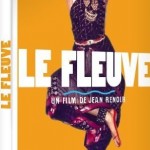
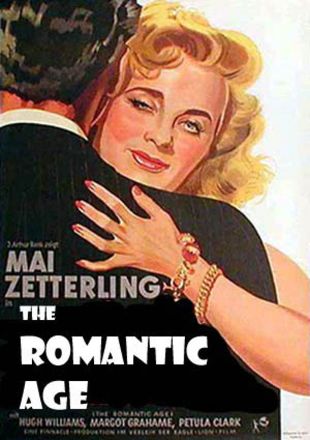
She was born Adrienne Riccoboni, with an Italian father, in Edinburgh and while still in her teens attended Rada. She made her first appearance as a sexy schoolgirl in The Romantic Age (1949), a blend of prurience and prudery typical of certain British comedies of the time. After a walk-on role as a young Christian girl in Quo Vadis (1951), shot in Rome, she was off to India to appear in her best film, Jean Renoir’s The River (1951), a poetic evocation of life among the British in post-second world war Bengal. Corri, her red hair standing out in splendid Technicolor, is the most mature, voluptuous and spoiled of three teenage girls, all suffering adolescent pangs for a young war hero. In 1953 Picturegoer magazine described Corri as having “no nice-little-girl-next-door nonsense about her”.
The first of her three-and-a-half Hammer movies (the half being the second part of Journey into Darkness, 1968), was The Viking Queen (1967), a silly sword-and-sandal epic, in which Corri was an anti-Roman pro-druid princess who snaps and snarls and goes to war with relish. In Moon Zero Two (1969), a lunar western, she plays a sheriff on the moon, with holsters built into her thigh-length plastic boots. Vampire Circus (1972) sees Corri as a fiery gypsy with evil intent who runs the supernatural circus playing in a 19th century European town. Hammer, the “House of Horror”, influenced other British productions, some of which featured Corri. In Devil Girl from Mars (1954), she played a spunky Scottish barmaid who tries to keep her man from being whisked away to Mars by the eponymous alien for breeding purposes. Corridors of Blood (1958) shows Corri as a despicable lowlife character getting Boris Karloff to write false death certificates for the people she and her partner have killed.
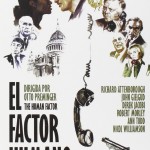
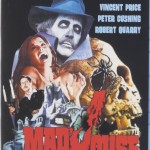
In The Tell-Tale Heart (1960), adapted from Edgar Allan Poe’s story, a timid librarian is obsessed by Corri, the flower seller who lives across the street and who, like many horror-movie heroines, has a tendency to undress by a window without closing the curtains. There were two films in which Corri bravely disguised her beauty: she played a disfigured prostitute in A Study in Terror (1965), which pitted Sherlock Holmes against Jack the Ripper, and in Madhouse (1974), she was bald and wore a mask to hide her face, mutilated in a car accident. Her character also talks to spiders as if they were her babies. More prestigious, but less interesting, were her minor roles in three of her friend Otto Preminger’s movies, Bunny Lake Is Missing (1965), Rosebud (1975) and The Human Factor (1979), and as the mother of Lara (Julie Christie) in David Lean’s Dr Zhivago (1965). Among her dozens of television parts were Milady de Winter in the BBC series of The Three Musketeers (1954) and various appearances in episodes of ABC’s Armchair Theatre (1956-60).
She featured in several BBC Plays of the Month, in one of which she was Violet in George Bernard Shaw’s Man and Superman (1968), alongside Maggie Smith, and she played Olivia in ITV’s Twelfth Night (1969), in a cast that included Richardson (Toby Belch), Guinness (Malvolio), Joan Plowright (Viola) and Tommy Steele (Feste). In Measure for Measure (1979) she was the cheroot-smoking bawdy-house keeper Mistress Overdone, and she was last seen in two episodes of Lovejoy (1992). Corri also gained acclaim on stage – she was part of the Old Vic company (1962-63), and appeared on Broadway in Jean Anouilh’s The Rehearsal (1963). In 1959, she had a leading role in John Osborne’s The World of Paul Slickey, a bitter musical satire on the tabloid press, which received the ire of critics and public alike. On the first night, Corri is reported to have given the booing audience a two-fingered salute.
In addition to her acting, Corri wrote The Search for Gainsborough (1984), an excellent art “whodunit” in diary form in which she set out to prove that an unattributed portrait of David Garrick that she came across in a run-down theatre in Birmingham was an early work by the young Thomas Gainsborough.
She had an almost decade-long, tempestuous marriage to the actor Daniel Massey, which ended in 1968. “We were agonisingly incompatible, but we had an extraordinary physical attraction,” claimed Massey.
Corri is survived by a son, Patrick, and a daughter, Sarah, from a relationship in the mid-50s with the film producer Patrick Filmer-Sankey.
• Adrienne Corri (Adrienne Riccoboni), actor, born 13 November 1930; died 13 March 2016
Adrienne Corri (1931–2016) was an actress of striking presence, known for her vibrant red hair, fierce Scottish-Italian temperament, and a career that defied easy categorization.While she never quite achieved the “A-list” leading lady status of some of her contemporaries, she was a prolific and fearless performer who thrived in the avant-garde, the high-classical, and the unapologetically “B” movie.
1. Career Arc: The Fearless Polymath
Corri’s career is a testament to versatility, spanning over four decades across international cinema, highbrow theater, and cult television.
The International Breakthrough (1951): After a teen debut in The Romantic Age, Corri was cast by the legendary Jean Renoir in The River. Filmed in India, this technicolor masterpiece used Corri’s red hair and youthful intensity to represent a specific kind of adolescent turbulence.
The Genre Queen (1950s–1970s): Corri became a staple of British horror and sci-fi.From the campy cult classic Devil Girl from Mars (1954) to Hammer’s Vampire Circus (1972), she embraced “disreputable” roles with the same vigor she brought to the classics.
The Kubrick Controversy (1971): Late in her film career, she took the role of Mrs.Alexander in A Clockwork Orange.After two other actresses walked off the set due to the intensity of the scene, Corri—at age 40—accepted it, reportedly winning Stanley Kubrick’s respect with her toughness and professionalism.
2. Critical Analysis of Key Performances
The River (1951) – The Voluptuous Rebel
Playing Valerie, one of three girls vying for the attention of a wounded soldier, Corri provided the film’s emotional friction.
Analysis: In a film noted for its Zen-like calm and poetic pace, Corri is the “fire.” She captures the awkward transition from child to woman with a raw, “un-Victorian” physicality.
Critique: Renoir’s direction highlighted her as a force of nature. Critics at the time noted she had “no nice-little-girl-next-door nonsense,” a quality that would define her career.
A Clockwork Orange (1971) – The Professionalism of Horror
In the infamous “Singin’ in the Rain” home invasion scene, Corri played the writer’s wife.
Analysis: It is a role of pure victimhood, yet Corri’s performance is notable for its technical precision. She collaborated with Kubrick to “choreograph” the violence like a dance, ensuring the scene remained a piece of cinematic art rather than mere exploitation.
Critique: Her willingness to take this role after others refused cemented her reputation as an “actor’s actor”—someone who prioritized the director’s vision and the truth of the scene over her own public image.
Doctor Zhivago (1965) – The Subtle Matriarch
In David Lean’s epic, she played Amelia, the mother of Lara (Julie Christie).
Analysis: This role allowed Corri to showcase her ability to age up and play “prestige” drama. She effectively conveys the desperation of a woman losing her status and her grip on her daughter.
Critique: Though a smaller role, it proved she could hold her own in grand-scale epics, providing a grounded, tragic counterpoint to the central romance.
3. Style and Legacy: “The Fiery Dissident”
Adrienne Corri was defined by a specific set of characteristics that made her a favorite of idiosyncratic directors.
Performance Attribute
Impact
Intellectual Rigor
She was a serious art historian off-screen (writing a book on Thomas Gainsborough), which translated into a very deliberate, intelligent screen presence.
Defiance
Known for her sharp tongue and lack of vanity, she famously gave a “two-fingered salute” to a booing theater audience in 1959.
Physical Transformation
She was one of the few “glamour” actresses willing to be disfigured or made “ugly” for a role, as seen in A Study in Terror and Madhouse.
The “Cult” Legacy
Corri’s legacy is split: to the general public, she is a face from some of the 20th century’s greatest films (The River, Dr. Zhivago, A Clockwork Orange).To cult fans, she is a sci-fi and horror icon who brought a level of Shakespearean gravitas to even the most low-budget “quota quickies.”
Critical Note: Corri’s career serves as a bridge between the stiff, theatrical style of early British cinema and the raw, uninhibited “New Wave” of the 60s and 70s. She was often “too much” for the 1950s but perfectly timed for the 1970s.
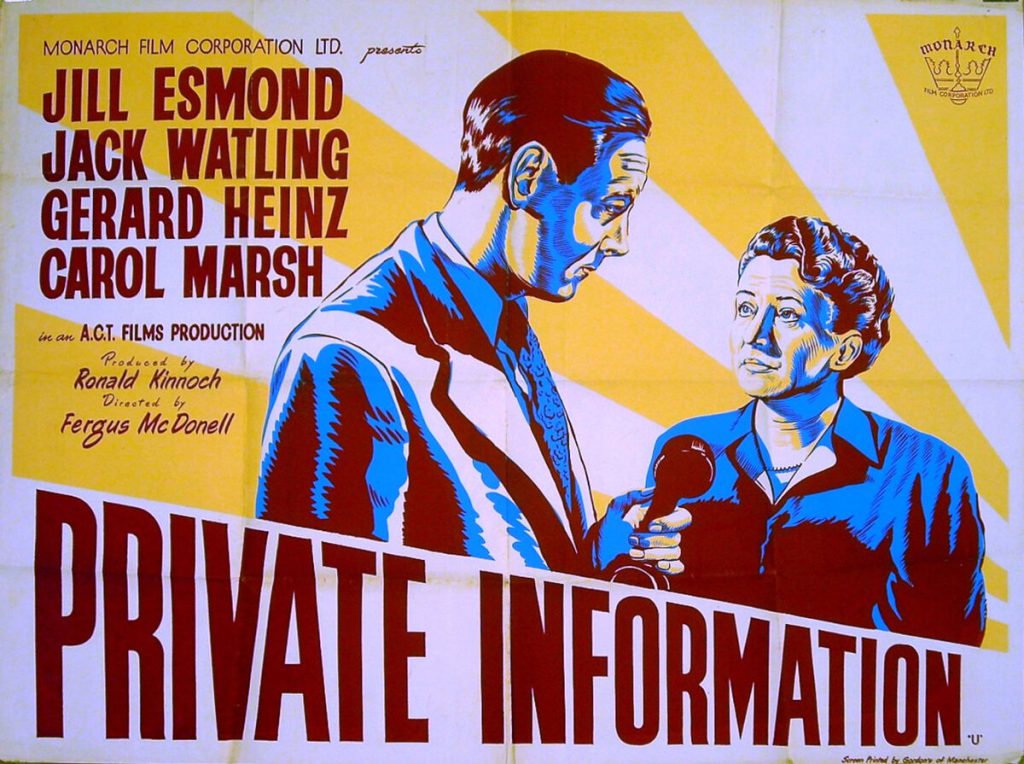
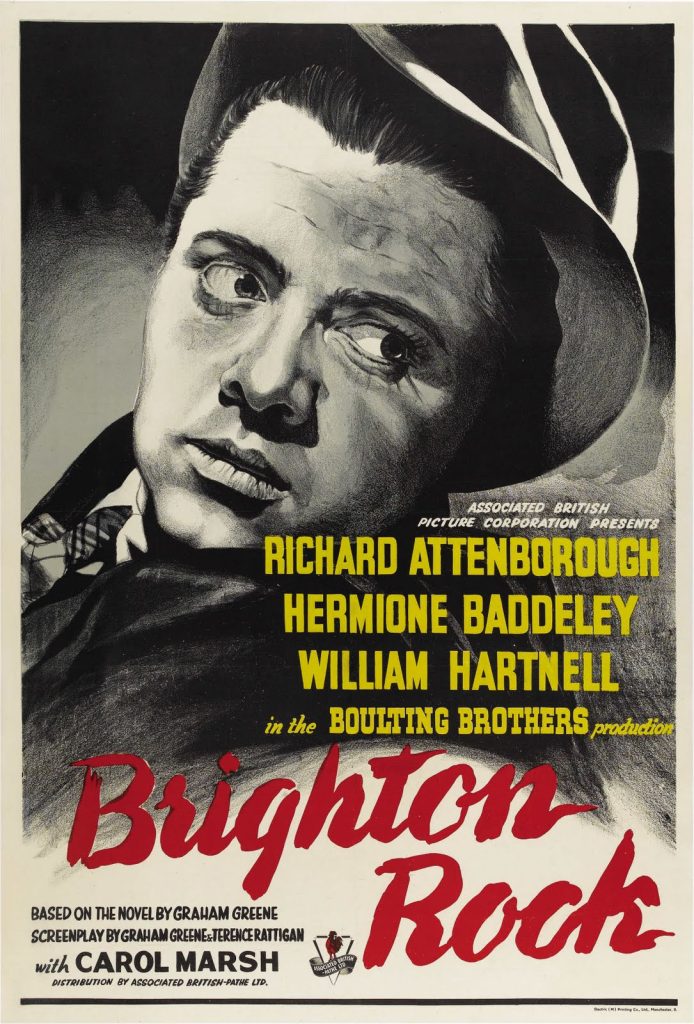
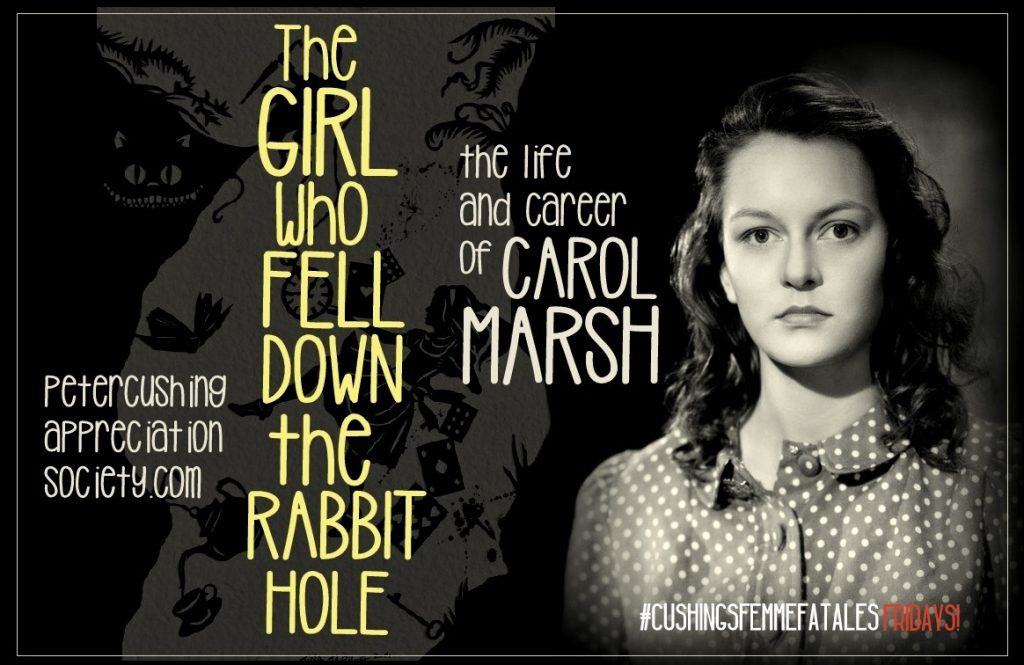
Carol Marsh is best known for her poignant performance as the waitress Rose in 1949’s classic British film noir “Brighton Rock” opposite Richard Attenborough’s sinister Pinky.
“Telegraph” obituary:
She was only 20 when she read for the part with the producer John Boulting and the star of the film, Richard Attenborough. As the impressionable young woman who falls for and marries the vicious small-time gangster Pinkie Brown (played by Attenborough), Carol Marsh turned in a performance of powerful pathos.
The close of Graham Greene’s novel, in which Rose returns home looking forward to listening to Pinkie’s recorded “love letter”, has been called one of the great harrowing finales of 20th-century English literature.
Before Pinkie is killed falling from the pier, he records a message for the doting, oblivious Rose in a “make-your-own-record” booth: “You wanted a recording of my voice, well here it is. What you want me to say is, ‘I love you’. Well, I don’t. I hate you, you little slut… “
But the film differs from the book in that, when Rose plays the record, the needle “sticks” – and she hears only “I love you”, repeated over and over again.
Carol Marsh was born Norma Lilian Simpson on May 10 1926 in Southgate, north London, the daughter of an architect and surveyor. She was educated at a convent school in Hammersmith where she often performed in school plays. Her first desire was to sing, and she won a £7-a-year scholarship to the Royal Academy of Music, where she studied speech and drama, with singing as a second subject.
She went on to the Rank Charm School before joining Rank’s repertory company at Worthing, where her performances in As You Like It and White Heather won high praise.
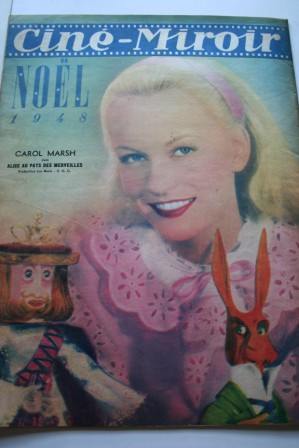
After Brighton Rock (for which she changed her name to Carol Marsh) she dyed her hair platinum for the title role in Alice in Wonderland (1949). In the same year she was in three comedies: Marry Me, Helter Skelter, and The Romantic Age, in which she appeared with Mai Zetterling and Petula Clark.
She was the fragile, delicate yet ghoulishly determined Lucy, Christopher Lee’s ill-fated victim, in the 1958 Hammer production of Dracula, the first colour version of Bram Stoker’s classic. In the 1951 film of Scrooge, with Alistair Sim in the title role, Carol Marsh played the old skinflint’s sister Fan, who dies giving birth to his nephew, Fred.
Her career continued into the 1960s with films such as Man Accused and parts in television dramas, among them The Adventures of Sir Lancelotand Dixon of Dock Green. In the 1970s she appeared in the record-breaking West End play The Mousetrap.
She had made her television debut in 1950 in The Lady’s Not For Burning, starring Richard Burton and Alec Clunes. She was Miranda in a children’s version of The Tempest, and Alexandra in Little Foxes (both 1951). She featured in the 1959 Trollope serial The Eustace Diamonds, playing Augusta Fawn, and was Mrs Blacklow in the Arnold Bennett serialLord Raingo of 1966.
She was busier on radio, and was a member of the BBC Drama Rep at intervals between 1966 and 1979.
Later in life, Carol Marsh shunned publicity. But when she was in her sixties, the journalist Nigel Richardson traced and interviewed her for his travel book Breakfast in Brighton (1996).
“People kept telling me, ‘When the next film comes out you’ll be a star forever’,” she told him. “But it never happened.”
By then she was living a reclusive life in Bloomsbury, “with no one to please and no one to hurt me”. When Richardson praised her luminous performance in Brighton Rock, she replied that the thought of how good she might have been “crucified” her: “I’ve never seen the film and I couldn’t bear to.”
Carol Marsh died on March 6; she was unmarried.
The above “Telegraph” obituary can also be accessed online here.