American born Gary Cockrell originally trained as a dancer and choreographer before turning to acting. He had studied with Matt Maddox in New York and had danced in several Broadway productions before joining the cast of West Side Story. The play was first performed at the Winter Garden in New York in 1957 before transferring to London’s West End in 1958. Gary moved to London, with the production, which took place at Her Majesty’s Theatre, and lived there throughout the 1960’s and 1970’s. He left West Side Story to play the leading acting role in Tennessee Williams Orpheus Descending at both the Royal Court Theatre and the Mermaid Theatre. Following this, he starred in a production of The Golden Touch at the Piccadilly Theatre and performed in the musical Carnival at the Lyric Theatre in Shafetsbury Avenue.
Although he was based in London, he worked as an actor on both sides of the Atlantic. In Britain, he had a leading role in the television series The Corridor People and guest-starred in series such as The Saint, Danger Man and The Persuaders. He had a supporting role in Stanley Kubick’s controversial film Lolita and appeared in Gonks Go Beat!. In America, he played opposite Steve McQueen in the film The War Lovers and had small roles in The Americanisation of Emily, The Bedford Incident and Man in the Middle. He acted on television in Wagon Train and Route 66.
He left the UK to live in St. Lucia in the West Indies, where he opened a hotel. Today, Gary is retired and lives in St. Lucia with his wife, Marie.
SMALL, sparkling and immaculately turned out, there’s still something of the film star about Margaret Barton.
Not the modern film star, you understand, with their entourages and their diva-ish ways, but a British film star of the black and white era. And a big one at that. Margaret may be better known as Mrs James of Wimborne these days, trustee of the music charity set up with her husband Raymond in memory of their son, Michael. But for one night only on April 8 she’ll be gracing the town’s Tivoli Theatre for a gala screening of her most famous film: Brief Encounter.
“I am very excited,” she says, in a voice as clear and crisp as new-fallen snow. That voice is nothing like the one she employed 60 years ago as Beryl, the put-upon junior tea-girl in Brief Encounter, but Margaret is nothing if not a fine actress. So good, in fact, that far from having to audition for her most famous part, she was picked out by the film’s director David Lean and by its writer, Noel Coward, who had seen her performing in the West End.
“It was very flattering indeed because it was my first film.”
Exciting enough, then, but what no one could possibly have foreseen was that this little film about unrequited middle-class love in a suburban town, which mainly takes place at a train-station tea-room, would become a cult classic, still being screened worldwide, and now just about to be released on Blu-Ray.
“Nobody had any idea of what it would become,” says Margaret. “David Lean would have been utterly surprised. I think he thought it was a nice little film to put into the schedules and he wasn’t going to think about it too much. But he worked on it very hard and was a lovely director.” On set at Denham film studios, where she was chauffeured each day, Lean took Margaret under his wing. “I was only 18 and he used to ask me down on the set, just to see what Celia Johnson and Trevor Howard (the actors playing the main characters) were going to do in a little bit of scene that he was directing.” Because of this Margaret had a ring-seat view at the making of cinematic history. She was able to observe the acting skills of Celia Johnson, who plays bored housewife Laura Jesson, and who was nominated for an Oscar for her performance. “She was a lovely person and I worked with her again in later years,” she says.
Another firm favourite on the set was Stanley Holloway, who played the station master. “Waiting for them to set up the next scene with the lighting and sound could be boring but Stanley used to go through some of his recitations to keep us amused,” she says. Why does she think the film remains so popular? “It’s partly to do with the music they used, the Rachmani-nov concerto Number 2. That piece was David Lean’s idea and it just fits like a hand in a glove.”
Margaret also believes the steam trains with their mournful whistles were another element that cemented the film in the public consciousness. “People love the nostalgic setting of the railway station.” And, of course, the film was shot in atmospheric black and white, with lighting that Margaret says took ‘hours’ to create. As the sole surviving member of the principal cast – she was seventh on the bill – Margaret has found herself as keeper of the Brief Encounter flame.
“I still get letters from all over the world; America, Australia, Italy, there’s even a Friends of Brief Encounter. ”What do they most want to know? “Mainly they ask ‘would they be able to remake it now’ and I usually say no, I’m afraid not, because I think they would have been in bed together the first time they met! “It’s that sort of nostalgic feeling for the past that I think people love.”
After losing their only son, Michael, to cancer when he was just 31, she and husband Raymond, a former Professor at the Guildhall School of Music and Drama, have built a fabulous memorial to him in the shape of the Michael James Music Trust. “We support young people to get through their training and become especially good musicians as Michael was,” says Margaret. “He was a former assistant organist at the Minster and an organ scholar at Durham University.” It was because of Michael that Margaret abandoned her acting career. “I did carry on when he was a baby but after a while realised he needed me at home.” Now Margaret works for the trust and as a public speaker. Naturally, there is one topic that everyone wants to hear about.
“I know it sounds funny because it was so long ago but in a way I am still working for Brief Encounter,” she smiles.
Her other movies include “Temptation Harbour” and “Good-Time Girl”.
The above “Daily Echo” can also be found online here.
Lorraine Chase was born in 1951 in Deptford, Kent. She was featured in an advert for ‘Campari’ in 1975 that made her a national figure in the UK. She wnet on to star on TV and the stage and is best known for her long running role in “Emmerdale”.
IMDB entry:
Lorraine started her career as a model in the 70s and did numerous modelling jobs until the famous advert for Campari which spawned her very famous catchphrase “Nah, Luton Airport!” An all-rounder she has tried it all, modelling, journalism, stage and TV. Her role as Stephanie in Emmerdale comes after a tough year out of the limelight.
– IMDb Mini Biography By: Anon
In 2000, she was almost killed in a car crash when the car she was driving plummeted 30 foot down a bridge and she had to be cut from the wreckage. She spent four day in hospital with facial injuries and had to have part of her ear sewed back on after it was ripped off.
Lorraine is well known for her strong cockney accent, and people often need to translate what she says because of her frequent use of cockney slang
Bears a striking resemblance to actress Sheree Murphy and Emmerdale executive producer Steve Frost chose her to play Sheree’s mother in the program especially for the likeness.
Marked her first year in long running soap Emmerdale. [September 2003]
The above IMDB entry can also be accessed online here.
John Gordon Sinclair was born in Glasgow in 1962. He came to fame with his performance in “Gregory’s Girl” in 1981. Other movies include “Local Hero” and “Walter and June”.
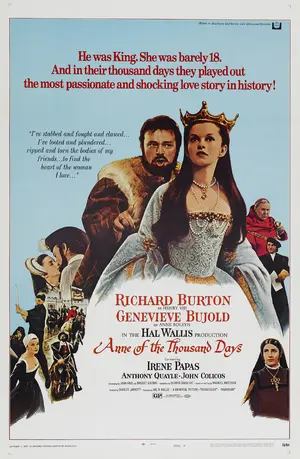
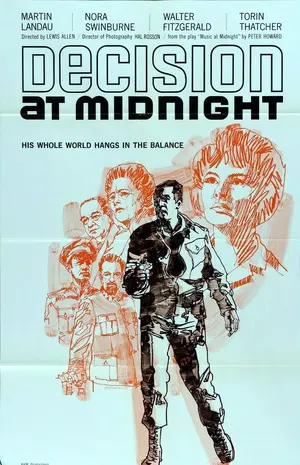
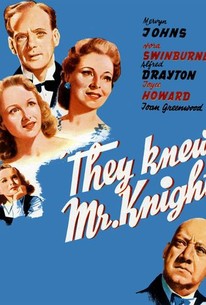
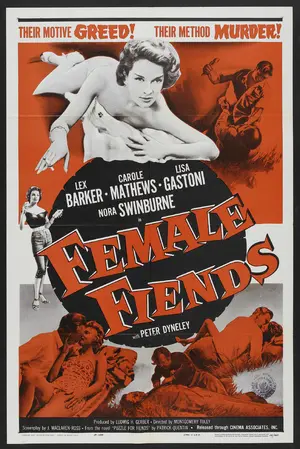
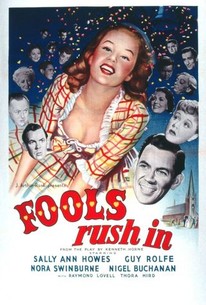
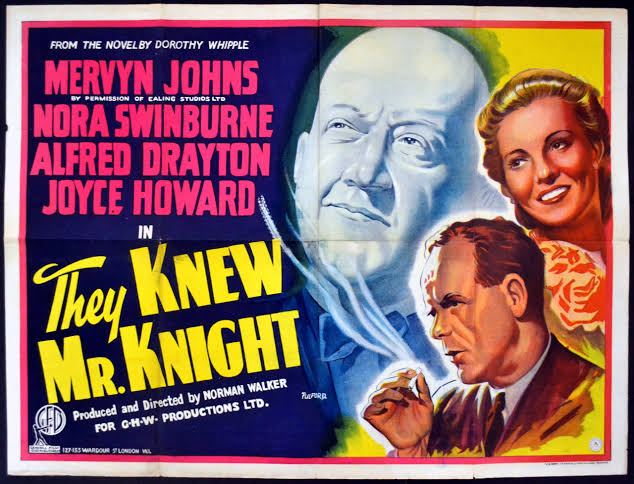
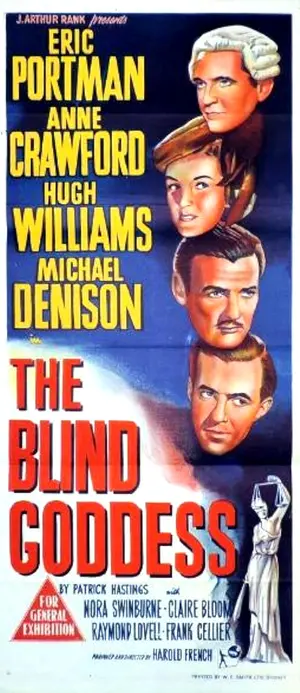
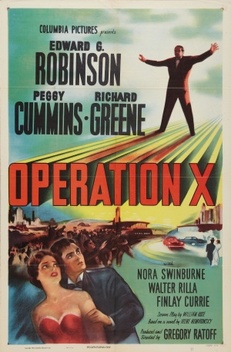
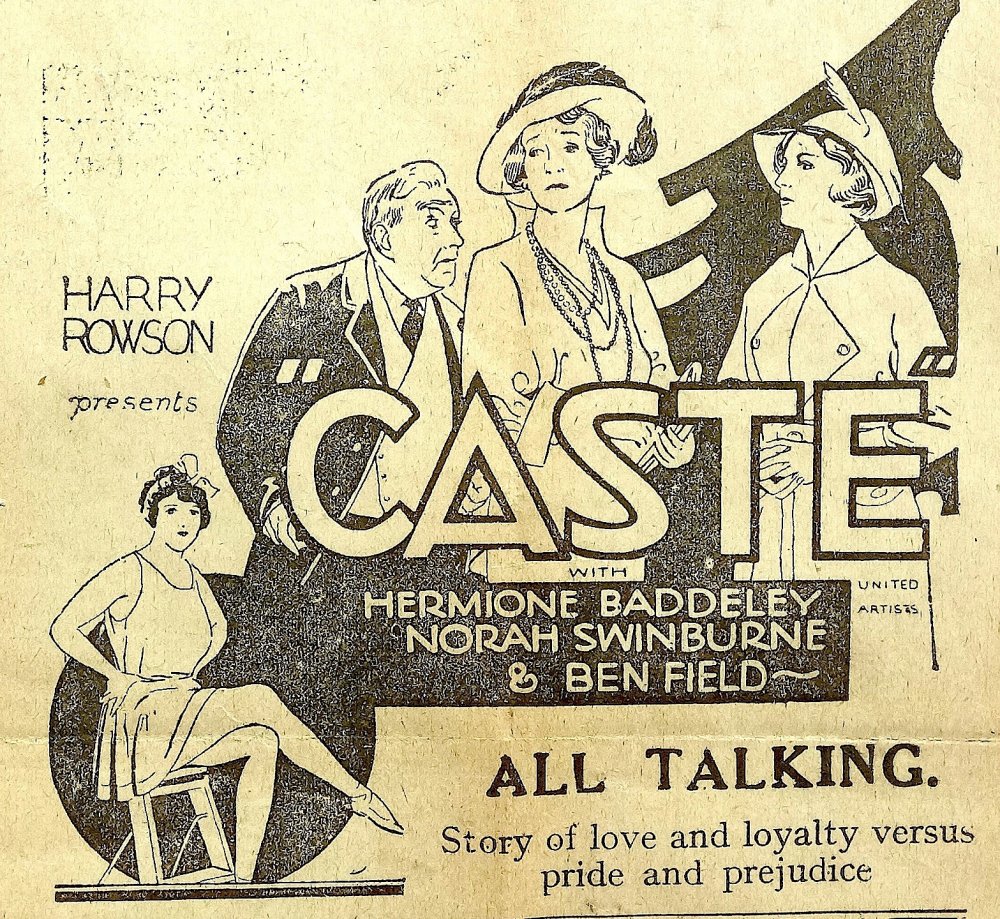
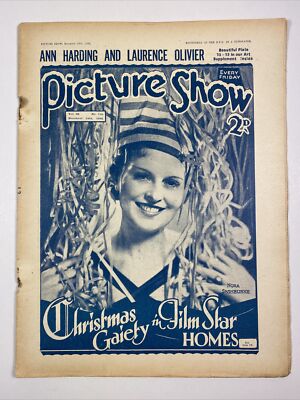
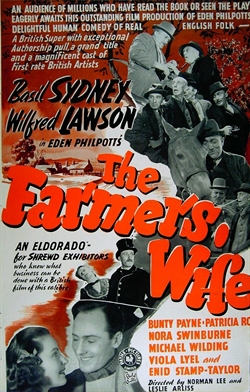
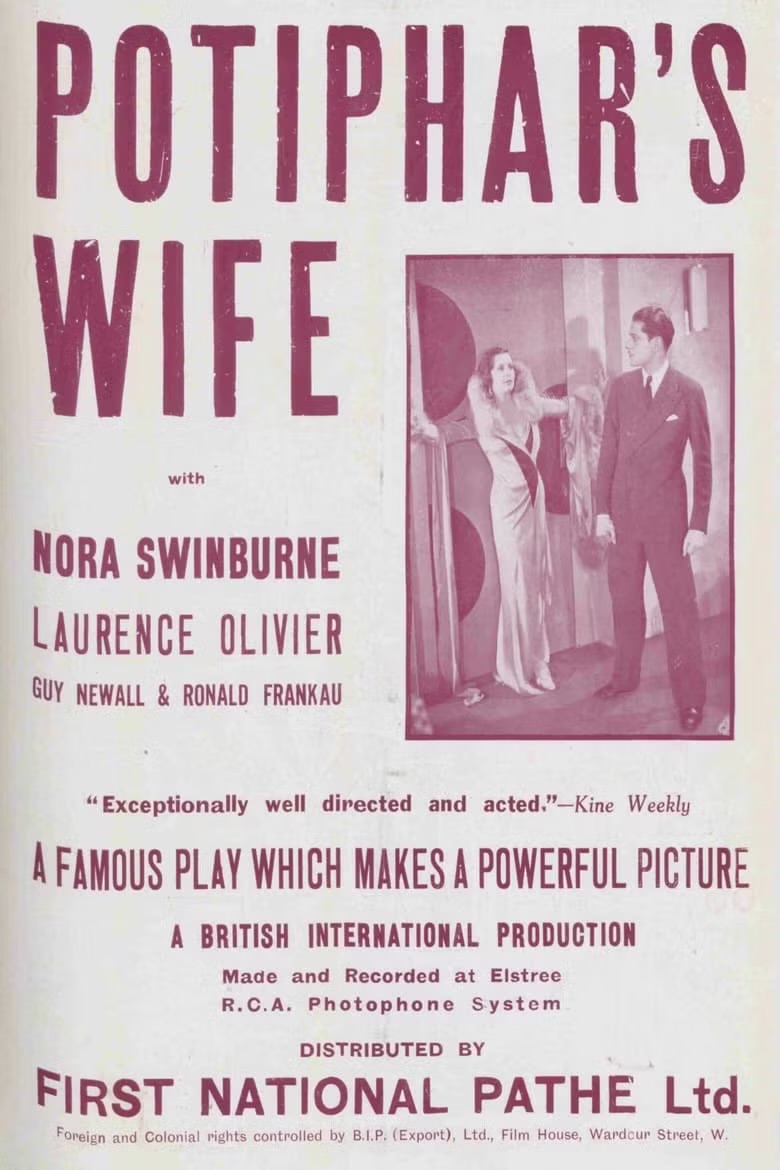
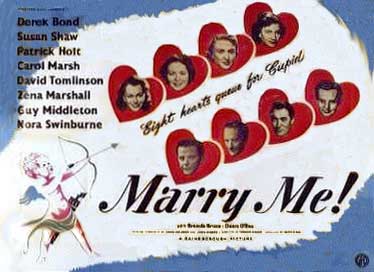
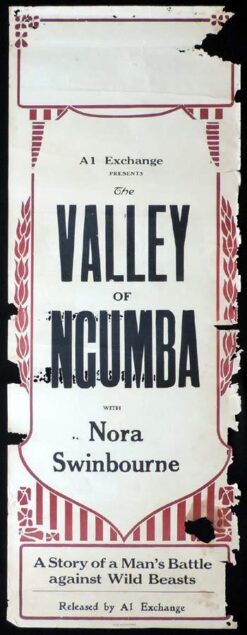
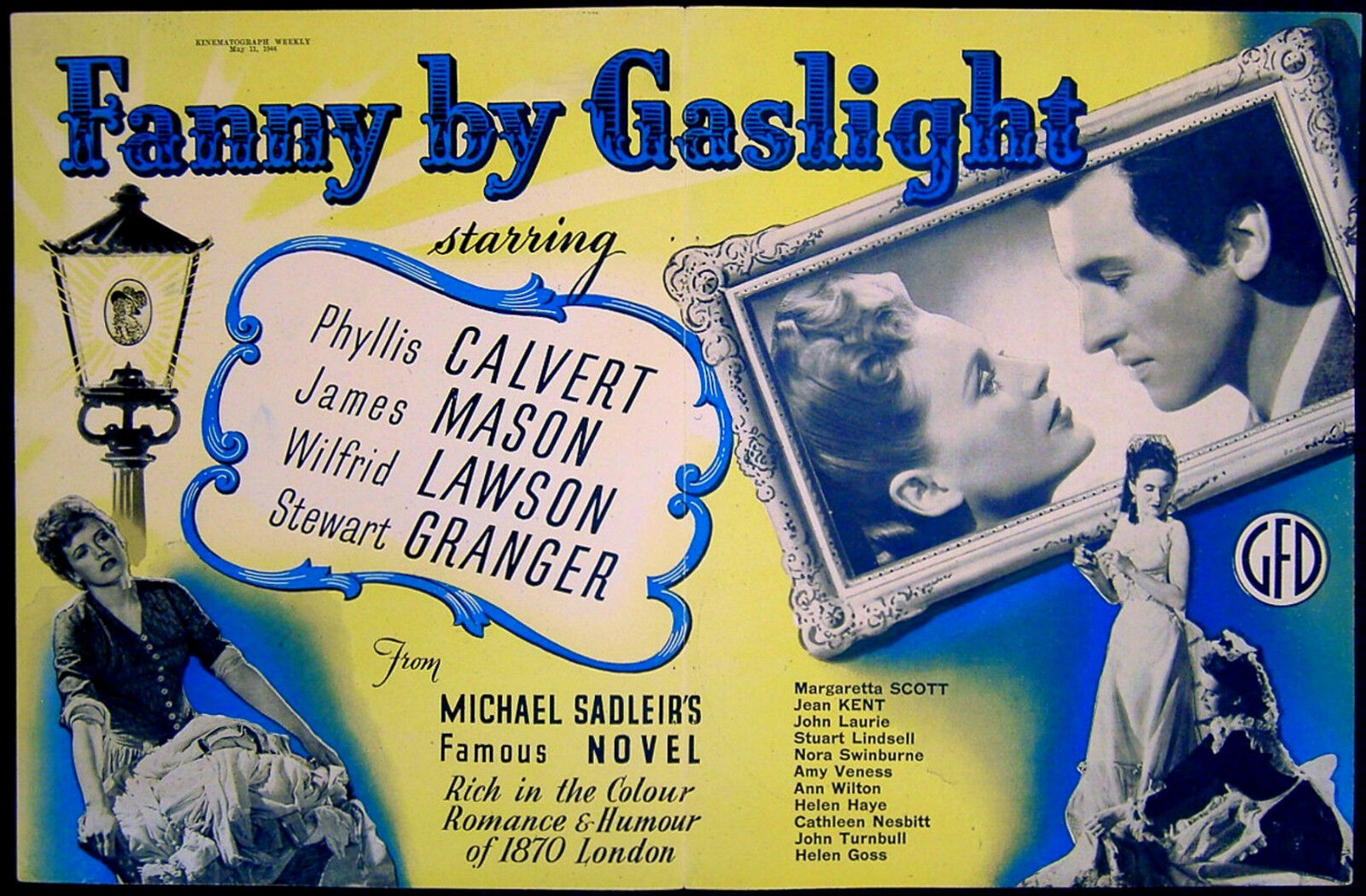
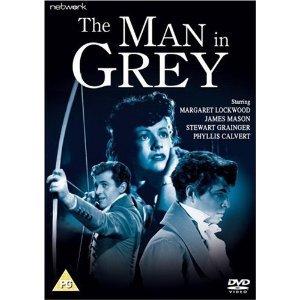
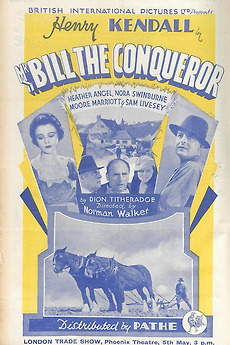
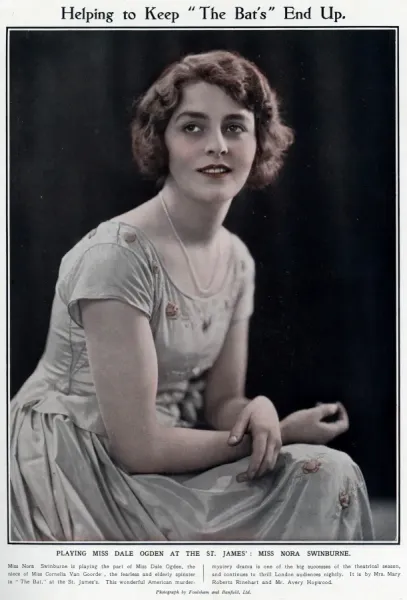
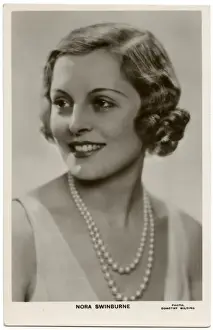
Nora Swinburne was born in 1902 in Bath. She studied drama at RADA and made her stage debut in London 1914 in “Paddy Pools”. Her films include “Branded” in 1920, “The Man in Gray” in 1943, “Fanny By Gaslight”, “Jassy” and “Anne of the Thousand Days” in 1969. She was married to actor Esmond Knight. She died in 2000 at the age of 97.
Eric Shorter’s “Guardian” obituary:
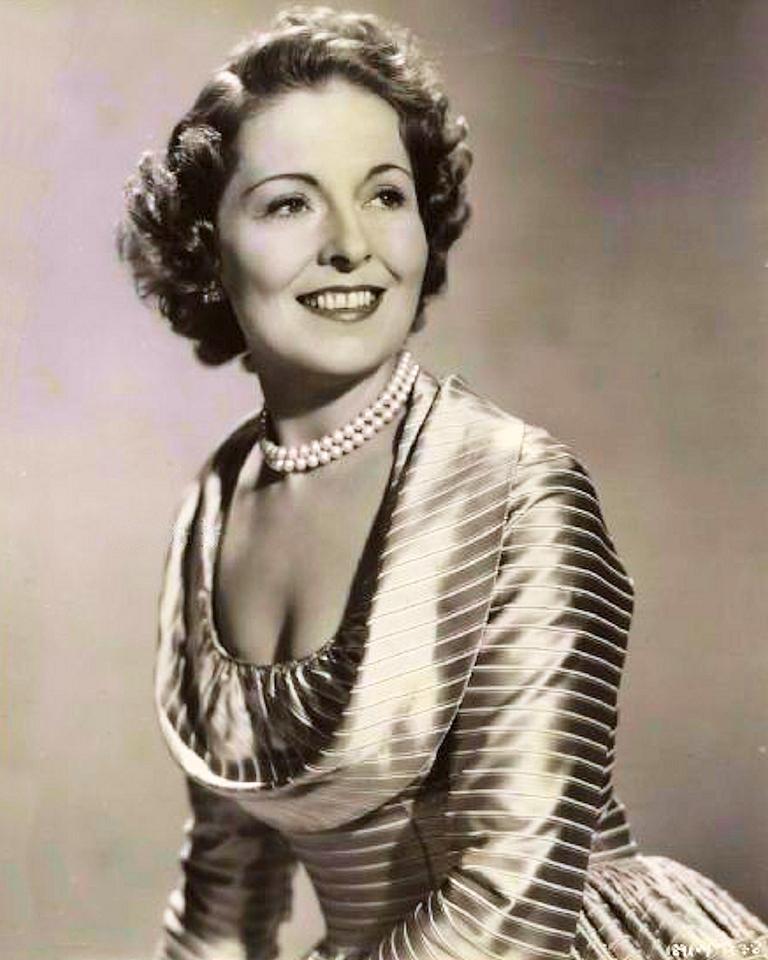
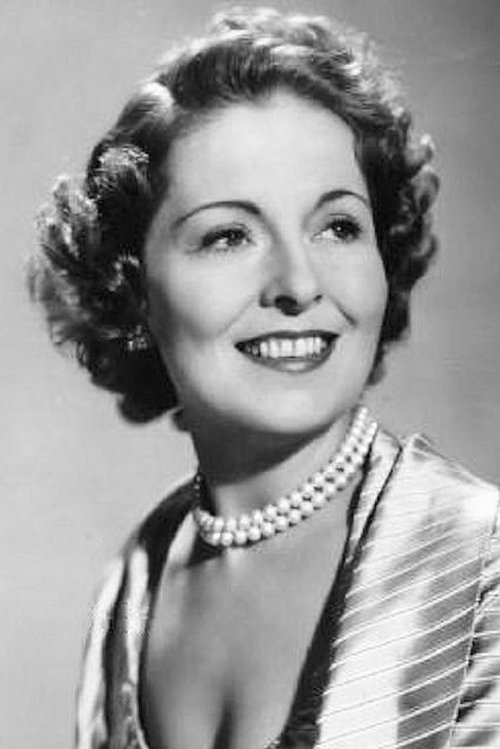
Whatever she did on the West End stage – and her career spanned more than 60 years – the actress Nora Swinburne, who has died aged 97, did with grace and poise. Here was a profile of striking beauty: a touch haughty, perhaps, but with a hint of that silent command to which playgoers and filmgoers were content to be subject in the heyday of light comedy. She was also intelligent enough to enliven the most routine dramaturgy – and between the wars it could indeed be mechanical.
How many other actresses knew how to twirl three rows of pearls as expertly and expressively as to make James Agate doubt, in Daphne du Maurier’s The Years Between (1947), whether – in her supposed widowhood as a woman of parliamentary ambition – Swinburne would care “twopence whether working-class houses are provided with baths or not?” Who could more effectively lighten a dark scene of marital strife, or keep the home fires burning more brightly, even down to the handling of the drawing-room tongs (when, by rare chance, no servant was there to do it)?
Nearly all of Swinburne’s plays were set amid the middle or upper-middle classes, with her caressing voice to smooth many a troubled male brow, or her beguiling feminity to bestow consolation on an anxious husband. If she did not dominate all the stage drawing-rooms of the period, her gracious presence brought dignity and a dry wit to scores of forgotten farces.
Is it ill-mannered now to wonder why she seemed so often, and for so long, to have played the same kind of ladylike part? To wonder, in a word, why she never developed into a more powerful actress? The short answer may be that Swinburne’s attractive art flourished in an era when drawing-room comedy, however silly, pleased. Audiences could be sure of seeing, without envy or disdain, their social betters leading sometimes lurid lives of graceful and secure splendour, so unlike the lives of most spectators. It was a distraction from reality.
So, for the stage-struck daughter of a west country toy manufacturer, who trained at the Royal Academy of Dramatic Art and, at 14, got her first West End chance in something called Paddly Pools, the spirit of the age was on her side. When the troops who survived the trenches came home on leave, they crowded those theatres playing revues and musical comedy. By then, the young Elinore Johnson (she soon changed her name) was part of Clive Currie’s Young Players learning the ropes.
Swinburne would appear in up to three West End plays every season. And even when the demand for floozies and flappers in such trivial-sounding shows as This And That, Yes, It’s You I Want, Lovers’ Leap, and Married For Money began to dwindle in the 1940s, her theatrical presence was such that no playgoer felt able to miss it. Even the sternest critics said she never bored them, however boring her part.
The upshot was two or three more decades on stage, including two stints with the ’69 Theatre, Manchester, playing Violet in TS Eliot’s The Family Reunion (1973) and Julia Shuttleworth in The Cocktail Party (1975). Then she retired.
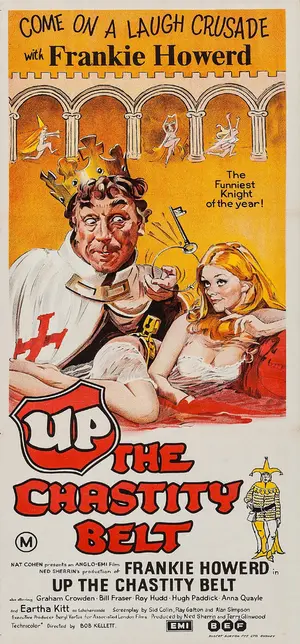
Meanwhile, since 1919, there had been a less intense career both in silent cinema and the talkies. Her films ranged from Branded (1920) to Up The Chastity Belt (1971). Quartet (1948), drawn from Maugham short stories, was perhaps the best. But Swinburne’s heart was always in the theatre. Between the wars, she sailed twice to Broadway; and in 1938 went successfully into management with Peter Blackmore’s Lot’s Wife, in which she played the title role.
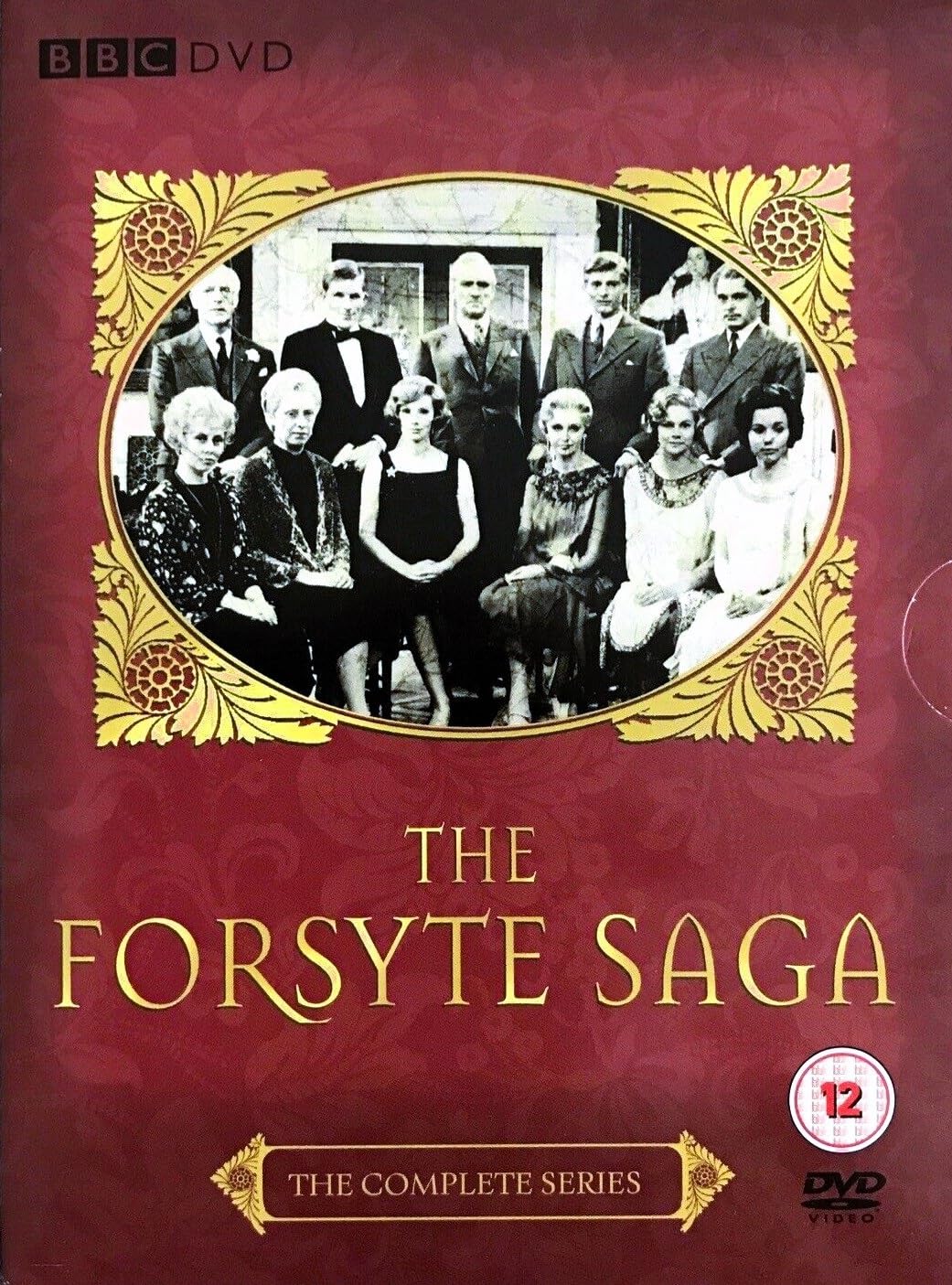
In Turgenev’s A Month In The Country (1943), Swinburne took over the role of Nathalia Petrovna from Valerie Taylor, and from Diana Wynyard in Lillian Hellman’s Watch On The Rhine. Later stage credits included Mrs Arbuthnot in Wilde’s A Woman Of No Importance (1953), Peter Coke’s Fool’s Paradise (1959), in which she co-starred with Cicely Courtneidge, and Donald Howarth’s All Good Children (1964). Her television roles included Aunt Hester in the Forsyte Saga (1967).
There was a walkover look about much of her acting. But when it looks easy it seldom is. In the name part of Maugham’s Caroline (Arts Theatre, 1949), for example, Swinburne played the siren, as Harold Hobson remarked, “gently and charmingly”. It was a familiar role for her to be “an object of desire”.
Nora Swinburne was thrice married and twice divorced; her first husband was the actor Francis Lister; her second was Edward Ashley-Cooper; and her third was the actor Esmond Knight, who died in 1987.
She leaves her son Francis, from her first marriage.
Nora Swinburne, actress, born July 24 1902; died May 1 2000
Gary Brumburgh’sentry:
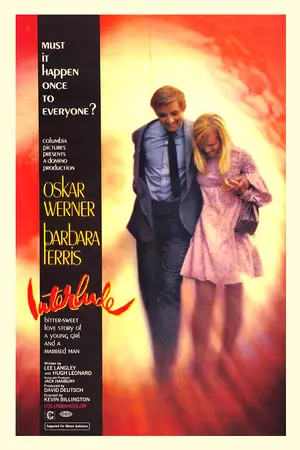
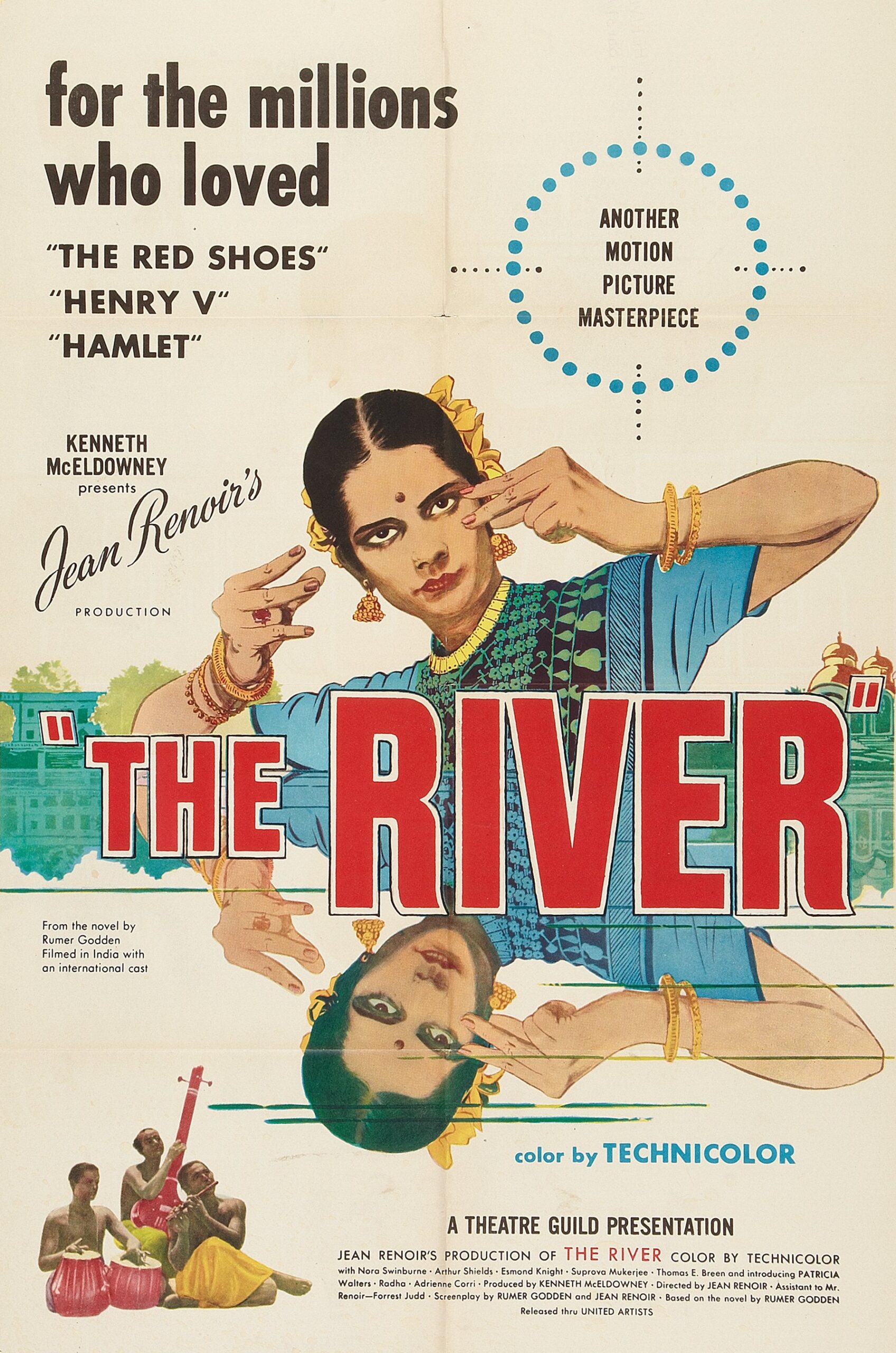
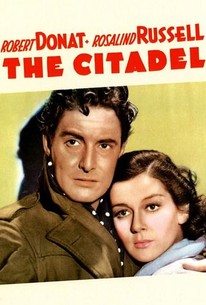
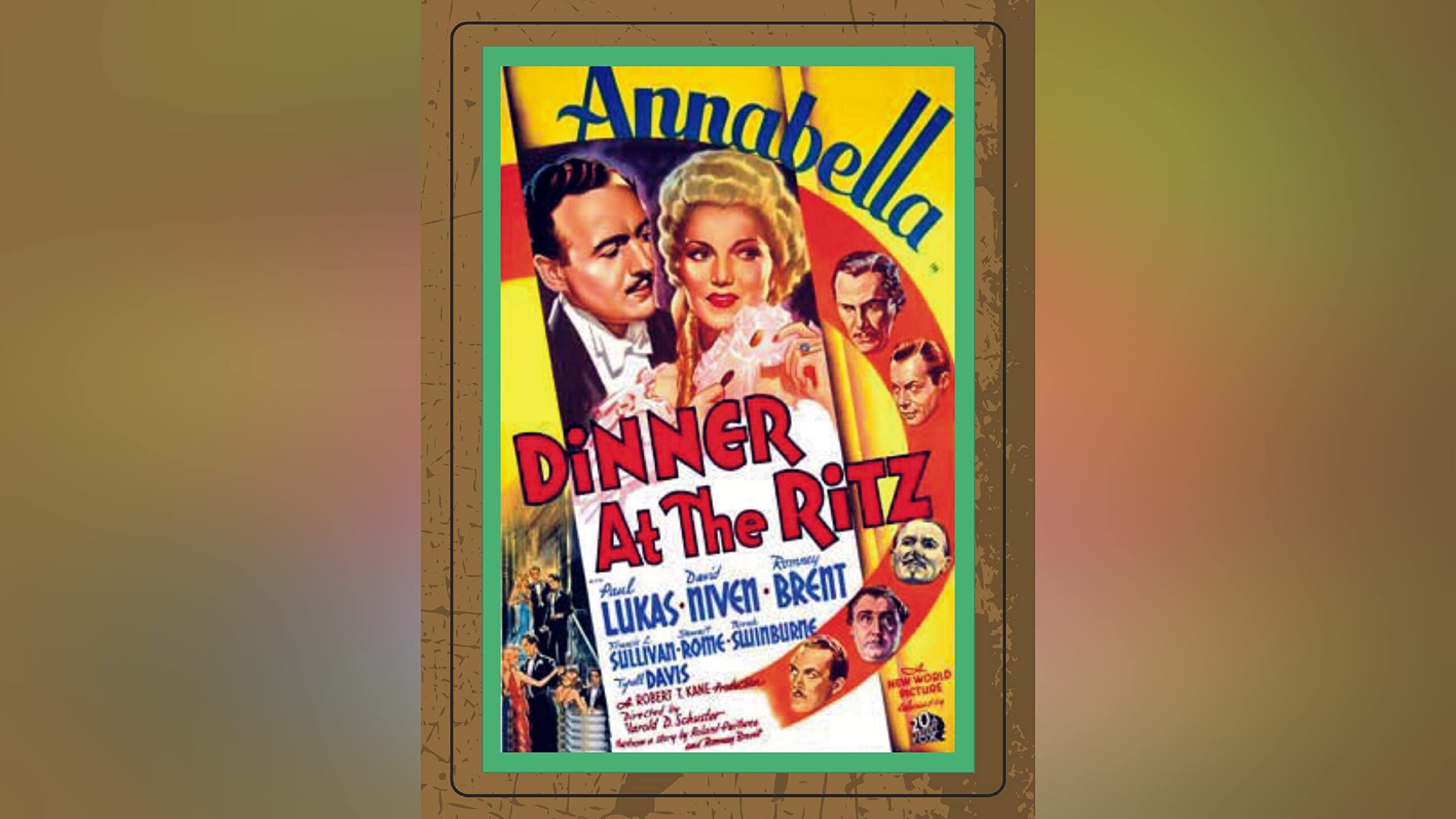
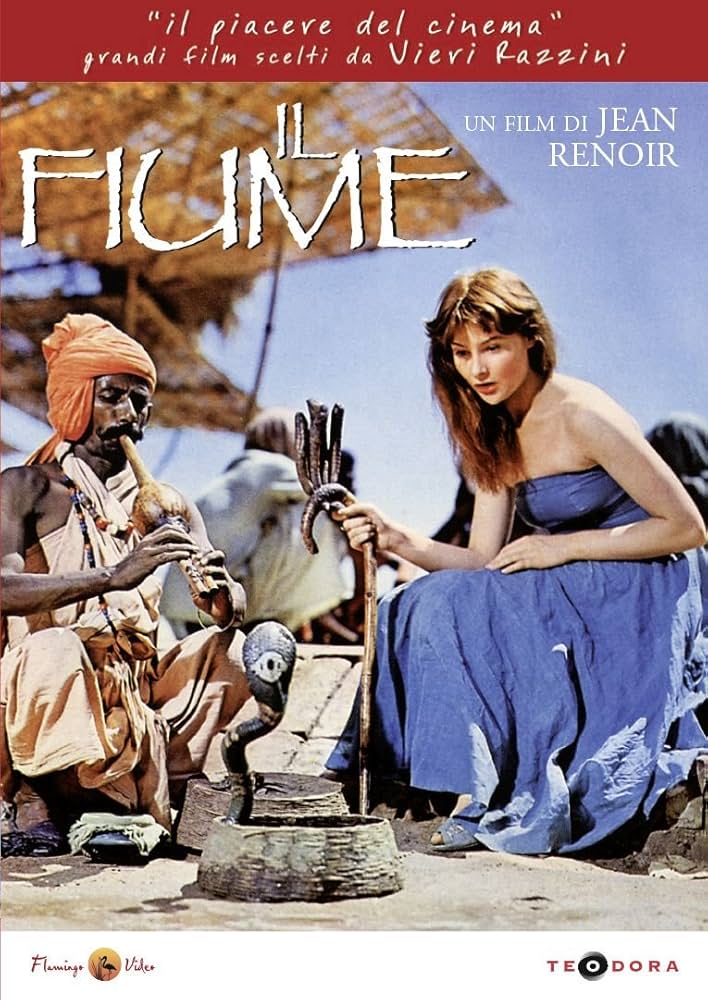
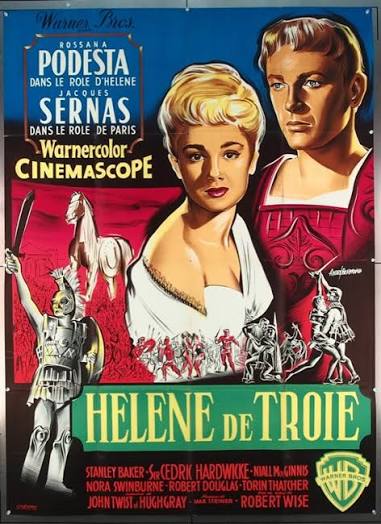
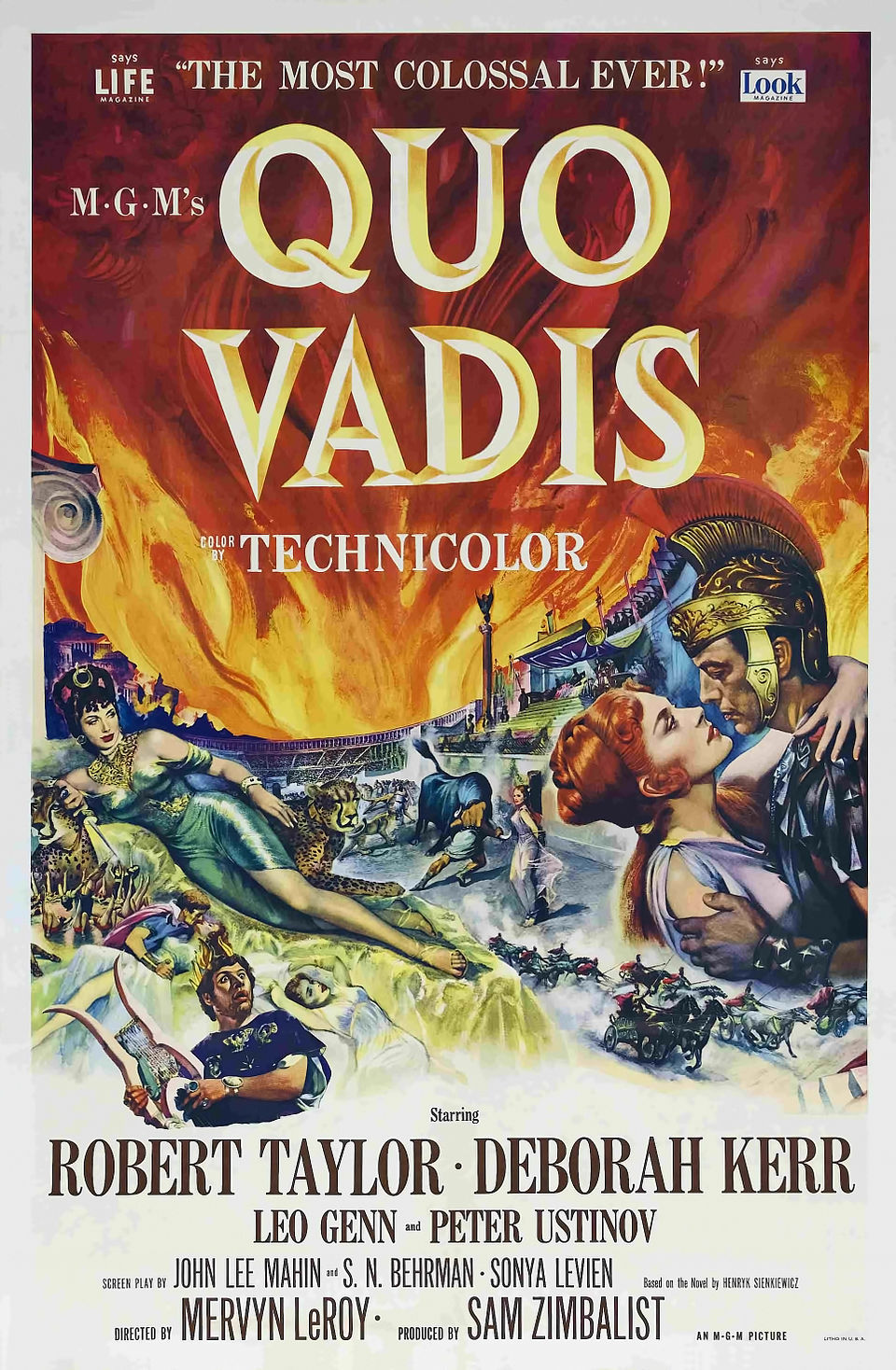
nown for her genteel ways and stately beauty in tea service drama, British actress Nora Swinburne was born Elinore Johnson on July 24, 1902, in Bath, England. Performing on stage as both actress and dancer from the age of 10, her father, Henry Swinburne Johnson, manufactured toys for a living. She was a member of Clive Currie‘s Young Players in 1914 and appeared in shows during that year. Educated at Rosholme College, she trained for the arts at the Royal Academy of Dramatic Art. Building up her stage reputation with such pieces as “Suzette” (1917), “Yes, Uncle!” (1918), “Scandal” (1919), and the title role in “Tilly of Bloomsbury” (1921), her attractiveness proved quite suitable for films, entering silent pictures in 1920. She appeared in a handful of sophisticated fare throughout the early part of the decade such as Branded (1920), The Fortune of Christina McNab (1921), Hornet’s Nest (1923), and A Girl of London (1925). Divorced from actorFrancis Lister, she was married to actor Edward Ashley at the time she met Esmond Knight while appearing in the play “Wise Tomorrow” in 1937. Actually, both actors were married at the time, but they engaged in a long, discreet affair until both were free. They finally married in the late 1940s and enjoyed a long union together. They would appear in several plays over the years from “Autumn Crocus” (1939) to “The Cocktail Party” (1974). Ms. Swinburne enjoyed great theatrical success playing the role of Dinah Lot in the play “Lot’s Wife” (1938), which she subsequently reproduced under her own management, and later replaced Diana Wynyard in the memorable war drama “Watch on the Rhine” in 1943. By the advent of sound, Ms. Swinburne had been related to opulent supports in films, usually appearing as ladylike mothers or socialite types in plush Gainsborough dramas. Some of her later films would include Perfect Understanding(1933), The Citadel (1938), The Man in Grey (1943), Man of Evil (1944), Jassy (1947),Christopher Columbus (1949), Quartet (1948), The River (1951) (with husband Knight),Quo Vadis (1951) (as Pomponia), Helen of Troy (1956) (as Hecuba), Decision at Midnight(1963) (again with Knight), Interlude (1968) and Anne of the Thousand Days (1969). An avid gardener by nature, Ms. Swinburne would die of old age in 2000, thirteen years after husband Knight.
– IMDb Mini Biography By: Gary Brumburgh / gr-home@pacbell.net
Nora Swinburne (1902–2000) was the quintessential “Lady of the British Screen.” In a career that spanned seven decades—from the silent era to the 1970s—she became the definitive portrayer of upper-middle-class dignity, maternal grace, and suppressed emotional depth.
Critically, Swinburne’s work is a study in English restraint. While her contemporaries often leaned into theatricality, Swinburne mastered a “cinematic stillness” that allowed her to project high status and moral authority without ever raising her voice.
The Analytical Overview: The “Dignified Constant”
1. The Silent Star & Early Talkies (1920s–1930s)
Swinburne began as a stage actress and a youthful lead in silent films. By the 1930s, she had become a staple of “Quality” British cinema.
The Man Who Changed His Mind (1936): Starring opposite Boris Karloff, she provided the essential “human” ground to Karloff’s mad-scientist trope.
Critical Analysis: In this era, Swinburne was often cast as the “idealized Englishwoman.” Critics noted her “luminous composure.” She possessed a rare ability to look entirely at home in high-society settings while maintaining a relatable, sympathetic interiority. She was the face of “aspirational stability” for a pre-war British audience.
2. The Peak of Maturity: The River (1951)
Her collaboration with the great Jean Renoir in The River remains a critical high-water mark.
The Role: The Mother.
Critical Analysis: In this Technicolor masterpiece set in India, Swinburne’s performance is defined by its rhythmic calm. Renoir’s style demanded a lack of “acting,” and Swinburne delivered a performance of pure presence.
The Insight: She acted as the “anchor” of the family, embodying a sense of cycle and continuity. Critics praised her for capturing the quiet tragedy of a woman who understands the fragility of her family’s life but chooses to meet it with grace rather than hysteria.
3. The Religious Epic: Quo Vadis (1951)
In one of the biggest films of the 1950s, Swinburne played Pomponia, the noblewoman who has secretly converted to Christianity.
Critical Analysis: Amidst the roaring lions and the scenery-chewing of Peter Ustinov (Nero), Swinburne provided a stark, spiritual contrast. * The Technique: She utilized a “stately minimalism.” She didn’t need to shout to show strength; her performance was rooted in a sturdiness of conviction. This role cemented her international reputation as the go-to actress for roles requiring “ancient” or “eternal” dignity.
4. The Grand Matriarch (1960s–1970s)
As she aged, Swinburne transitioned into the “Grand Old Lady” of British TV and film.
The Forsyte Saga (1967): As Aunt Ann, she represented the old Victorian guard.
Anne of the Thousand Days (1969): As Lady Elizabeth Boleyn.
Critical Analysis: In her later years, Swinburne’s acting became even more economical. She used her “aristocratic profile” and a precise, melodic vocal delivery to convey weight. She was the “living history” of British acting, representing a lineage of professionalism that stretched back to the Edwardian era.
Technical Summary: The “Swinburne Profile”
Feature
Nora Swinburne’s Style
Vocal Profile
Measured, clear, and “clipped” in the classical British tradition.
Physicality
Impeccable posture; she used “stillness” as a form of power.
The Niche
The “Moral Anchor”—the woman whose approval the protagonist desperately seeks.
Legacy
She bridged the gap between 19th-century theatrical poise and 20th-century screen realism.
The Collaborative Legacy: Swinburne and Esmond Knight
It is critically relevant to note her 41-year marriage to actor Esmond Knight. After Knight was blinded during WWII, Swinburne became his eyes, helping him memorize scripts and blocking. This real-life dedication often bled into her performances; there was a tangible empathy in her work, a sense that her characters were deeply “attuned” to the needs of those around them.
Summary: The Architecture of Grace
Nora Swinburne was never a “firebrand” actress. Instead, she was an architect of atmosphere. She understood that in cinema, dignity is often more compelling than histrionics. Her career is a testament to the power of the “Supporting Lead”—the actor who doesn’t necessarily drive the plot, but who defines the moral and social world in which the plot takes place.
Owen Teale was born in 1961 in Wales. He made his TV debut in 1984 in “The Mimosa Boys”. In 1989 he made his movie debut in “War Requiem”. Currently in “Game of Thrones”.
IMDB entry:
Owen Teale trained at the Guildford School of Acting. He was married to actress Dilys Watling and they had one son before their divorce in the mid 1990s.
– IMDb Mini Biography By: Anonymous
While in his teens, Owen Teale occasionally worked at Porthcawl Little Theatre. In September 1980 he was accepted by the Guildford School of Acting and by Christmas of 1983 had obtained his Equity card. His first proper work was as a dancer in the musical “Cabaret” in Plymouth, Devon. Subsequently he was approached by BBC-TV and landed a role in The Mimosa Boys (1984). Two years spent as a jobbing actor were followed by roles in the stage version of “The Fifteen Streets”, “When She Danced” and “The Comedy of Errors”. In 1990 he appeared in Robin Hood (1991) starring Patrick Bergin and immediately after finishing this film, he joined the Royal Shakespeare Company at Stratford upon Avon.
Gerard Butler was born in 1969 in Paisley, Scotland. He has become one of the major international movie stars of the 2000’s. He made his film debut in 1997 in “Mrs Brown” with Billy Connolly and Judi Dench. Other films include “Tomorrow Never Dies”, “Reign of Fire” and “The Phantom of the Opera”.
TCM overview:
With his thick Scottish brogue and manly scruff, Gerard Butler rose to big screen fame as an appealing hero in stylish, battle-oriented epics. His first big break came with the title role in Joel Schumacher’s “Phantom of the Opera” (2004) in which Butler sang his heart out, but no one really listened. The viewers who did considered him a second-rate Michael Crawford, so Butler’s supposed star-making vehicle stalled. But it became quickly apparent that he really drew the crowds when donning a shield and little else, charging into battle as a seemingly invincible warrior. Woman swooned while men stood and cheered Butler on in the historic actioners “Beowulf and Grendel” (2005) and “300” (2007), where, in the latter, he essayed the sword-wielding King Leonidas of Sparta to an over $400 million worldwide box office take. Riding the crest of post-“300″fame – during which Entertainment Weekly named him fifth on their “Ultimate Male Hottie” list – Butler proved that even with a shirt on, he still possessed appeal while grounded in the here and now. Other late-decade work included an uneven mix of action and romantic comedy films, such as “RocknRolla” (2008), “The Ugly Truth” (2009), “Gamer” (2009), and “The Bounty Hunter” (2010), alongside rumored love interest, Jennifer Aniston. By 2011, Butler’s leading man credentials were firmly established; the only question that remained was whether or not he could parlay that reputation into a sustainable career as a headlining star.
Born in Glasgow on Nov. 13, 1969, Butler moved to Montreal, Canada when he just six months old. Following the break-up of his parents two years later, his mom moved Butler and his two siblings back to Scotland, where they grew up in her home town of Paisley. The youngster was an avid moviegoer as a youth, developing the acting itch and joining the Scottish Youth Theatre, where one of his first stage roles was as a street urchin in “Oliver!” Though the seeds were sown early on, Butler veered down a very different avenue before becoming a professional actor, enrolling in the law program at Glasgow University, where he achieved exceptional grades, served a term as president of the school’s law society, and earned an honor’s degree. But he found himself uncertain about his career choice, so after graduation, moved to Los Angeles for a short time and appeared as an extra in “The Bodyguard” (1992), starring Kevin Costner and Whitney Houston. After dipping his toe unsuccessfully in the Hollywood pool, he returned to Scotland and began a traineeship at a top law firm in Edinburgh. But the lure of Tinseltown still lingered.
Two years later, after seeing a stage performance of “Trainspotting” at the Fringe Festival in Edinburgh, Butler concluded that he had made the wrong career move. He left law practice and pursued acting while working a series of odd jobs, including an obligatory stint as a waiter. During this time, he amassed a resume of stage roles in the lesser-known Shakespeare tragedy, “Coriolanus,” and as the lead in the same production of “Trainspotting” that had rekindled his desire to act. Butler transitioned to film with a supporting role in the historical drama “Mrs. Brown” (1997), starring Dame Judi Dench and Billy Connolly. A small role the 18th installment in the James Bond series, “Tomorrow Never Dies” (1997) was followed with a steady stream of British film work in “Fast Food” (1998), “One More Kiss” (1999), and an adaptation of Chekhov’s “The Cherry Orchard” (1999). Butler scored a leading role as the title character in Wes Craven’s “Dracula 2000” (2000), but despite the Craven tag, the movie flopped with audiences and critics alike. He followed up with “Harrison’s Flowers” (2002), a sobering drama set in war-torn Yugoslavia, co-starring Adrien Brody and Andie MacDowell.
With his starring role in the epic television miniseries, “Attila” (USA Network, 2001), Butler made such an impression that he was sought out by directors for similarly heroic actioners. The following year, he co-starred alongside Christian Bale and Matthew McConaughey in “Reign of Fire” (2002), an international hit about a medieval fire-breathing dragon terrorizing the streets of futuristic London. He enjoyed an enviable position alongside Angelina Jolie in “Lara Croft Tomb Raider: The Cradle of Life” (2003), before shifting gears to play a professor in the Michael Crichton adaptation “Timeline” (2003), which came and went without much notice. Joel Schumacher provided Butler with his leading man opportunity in 2004’s “The Phantom of the Opera” (2004), hopeful that the actor could bring the right blend of sensitivity to the commanding character. But the casting choice was not well-received, with Butler being a tad too handsome to inspire fear. Even more off-putting was the fact that, while not a bad singer, Butler had only a passable singing voice for a role that required power, control and passion, thus not making anyone forget the definitive vocals of the famed stage Phantom, Michael Crawford.
Despite the anti-climactic outcome of what should have been the star-making role of his career, Butler continued to broaden his range with a starring role as a stranger who becomes the World’s Greatest Dad to a nine-year-old deaf boy in “Dear Frankie” (2005), a manipulative Miramax drama. But better projects laid ahead, as Butler returned to battle – this time on the big screen – in “Beowulf & Grendel” (2006), starring as the legendary Norse warrior who faces off with the mystical monster, Grendel, in the adaptation of the literary landmark. Butler earned his share of positive notice for imbuing the foul-mouthed, swashbuckling role with a hint of the historic poem’s human themes. For his testosterone-fueled efforts, he was rewarded with a starring role as Spartan King Leonidas in “300” (2007), Frank Miller’s lavish comic book take on the famous Battle of Thermopylae between 300 Spartan warriors and the massive army of Persia’s King Xerxes. The extremely violent production drew huge audiences for its bold, sepia-toned visual style and enormously staged battle sequences. Butler’s abs alone were ticket-worthy, with the actor sheepishly being asked his workout regime in nearly every interview with the media during the film’s publicity blitz. After breaking box office records for the month of March, the unlikely hit went on to earn over $400 million in international box office sales.
Now a certified blockbuster star and certified “hottie” by every magazine and website in the world, Butler and longtime manager Alan Siegel launched their own production shingle, Evil Twins, in 2008. Their first project hoped to showcase the successful action fantasy star in another light, with Butler playing closer to home as an assistant district attorney in the thriller “Law Abiding Citizen.” Meanwhile, the actor reigned in his curse-riddled battleground training in the considerably tamer family adventure “Nim’s Island” (2008), appearing in a dual role that showed his potential as a sensitive dad, as well as a seafaring adventurer. Later in the year, he appeared in the latest stylized heist from British director Guy Ritchie, “Rocknrolla” (2008). While appearing in the modest romantic comedy, “The Ugly Truth” (2009) opposite Katherine Heigl, and the brutal actioner, “Gamer” (2009) released in quick succession, Butler was garnering headlines of a different kind while he shot the action comedy, “The Bounty” (2010) opposite media magnet, Jennifer Aniston. Portrayed as a bit of playboy throughout the summer of 2009, the press followed he and Aniston’s every move on and off set, marking Butler’s first real introduction to tabloid scrutiny. Meanwhile, he starred in the negatively received biopic, “Machine Gun Preacher” (2011), playing the real-life Sam Childers, a former biker gang member who converted to Christianity and traveled to the Sudan, where he saved hundreds of children from being abducted by a renegade guerilla group. Following the commercial and critical failure of that film, Butler was again under tabloid scrutiny; this time for entering the Betty Ford Clinic in February 2012 to treat an alleged addiction to painkillers, which he had been taking since the grueling production of “300.”
The above TCM overview can also be accessed online here.