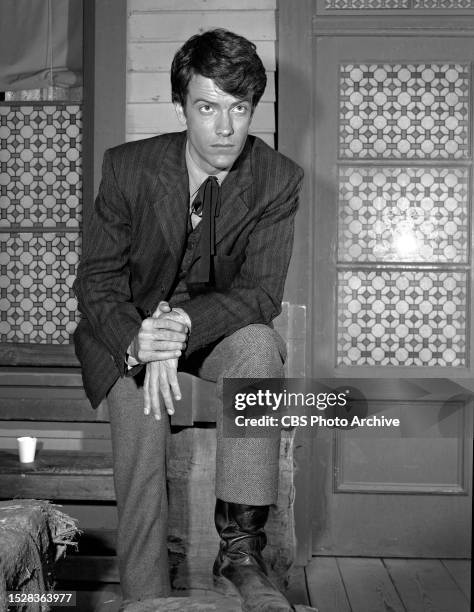
Wave. A member of the post-James Dean generation of “sensitive rebels,” Kinsolving possessed a singular, fragile screen presence that suggested a deep, internal wounding.
While his career was brief—spanning only seven years before he voluntarily walked away from Hollywood—a critical analysis of his work reveals an actor who was perhaps too “modern” for the rigid studio system of the early 1960s.
I. Career Overview: The Rapid Rise and Silent Exit
Act 1: The Broadway Pedigree (1958–1959)
The son of a prominent Episcopal minister, Kinsolving bypassed the typical starlet route, debuting on Broadway in The Desert Incident (1958). His breakout stage role was in the Richard Nash play Girls of Summer, where he showcased a “brooding, lyrical intensity” that immediately caught the attention of Hollywood scouts.
Act 2: The Oscar-Nominated Peak (1960)
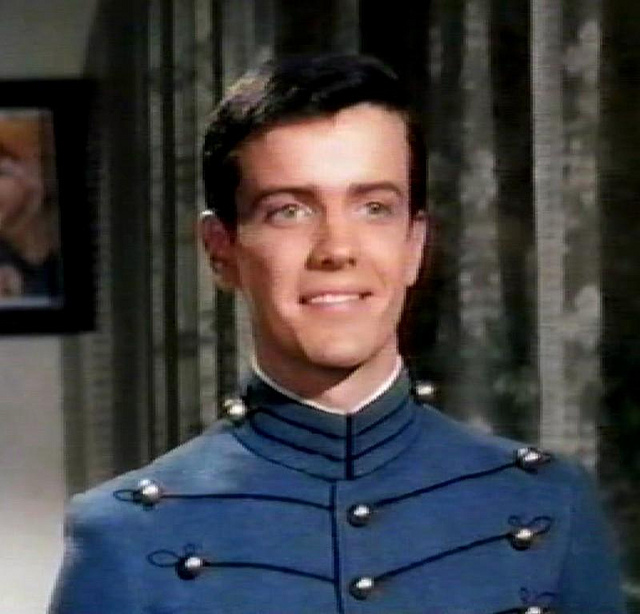
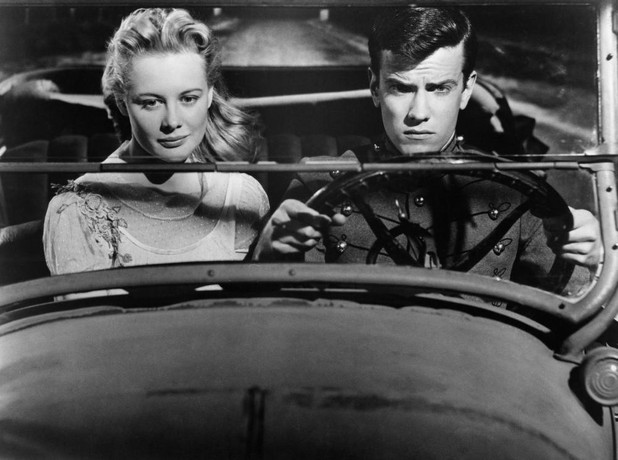
Kinsolving’s film debut in The Dark at the Top of the Stairs (1960) is his definitive contribution to cinema. Playing Sammy Goldenpuppy—a shy, Jewish military school cadet facing midwestern prejudice—he earned a Golden Globe nomination and was widely considered a frontrunner for an Academy Award. This role established him as the “archetype of the lonely outsider.”
Act 3: The Disillusionment (1961–1966)
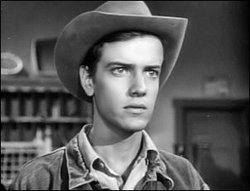
Despite his success, Kinsolving found the Hollywood machinery stifling. He worked steadily in prestige television (The Twilight Zone, The Outer Limits, Gunsmoke), often playing characters haunted by visions or social alienation. By 1966, he grew disillusioned with the industry’s artifice and retired at age 28 to open a restaurant and pursue a private life. He died tragically young at age 36 from a respiratory illness.
II. Critical Analysis: The Aesthetics of the “Fragile Masculinity”
1. The Sammy Goldenpuppy Breakthrough: The Dark at the Top of the Stairs
Kinsolving’s performance is a masterclass in understated pathos.
-
The Technique: While his contemporaries (like Warren Beatty) utilized a more aggressive, sexualized energy, Kinsolving played Sammy with a crystalline vulnerability. He used a soft, hesitant vocal delivery and avoided direct eye contact, effectively communicating the character’s status as a perpetual “guest” in a hostile world.
-
Critical Impact: Critics of the era noted that Kinsolving didn’t “act” a tragedy; he embodied it. His final scene—a polite, heartbreaking exit before his off-screen suicide—is cited by film historians as one of the most devastating moments in 1960s melodrama. He brought a “sacrificial” quality to the screen that was rare for male actors of that period.
2. The Sci-Fi Intellectual: The Twilight Zone and The Outer Limits
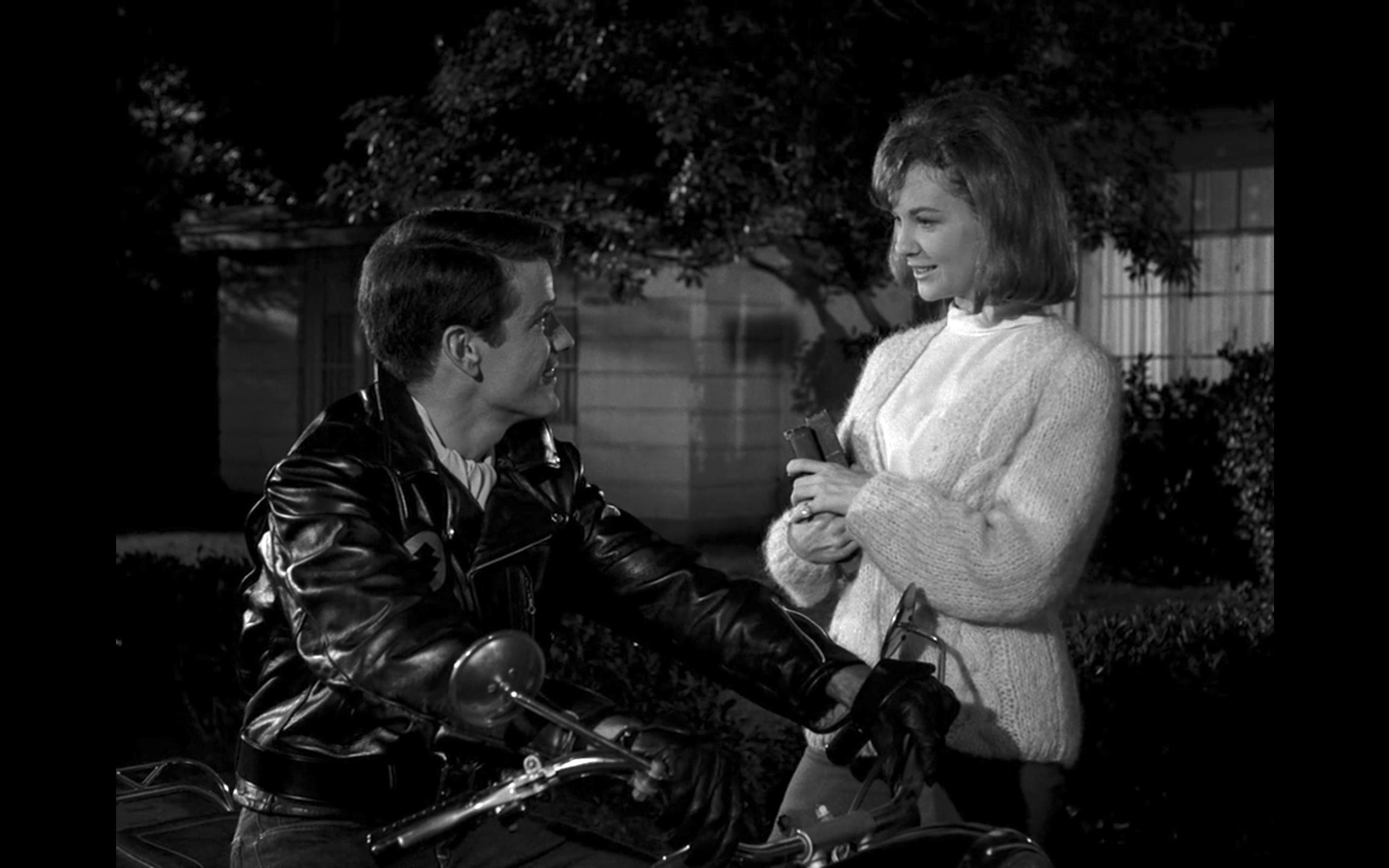
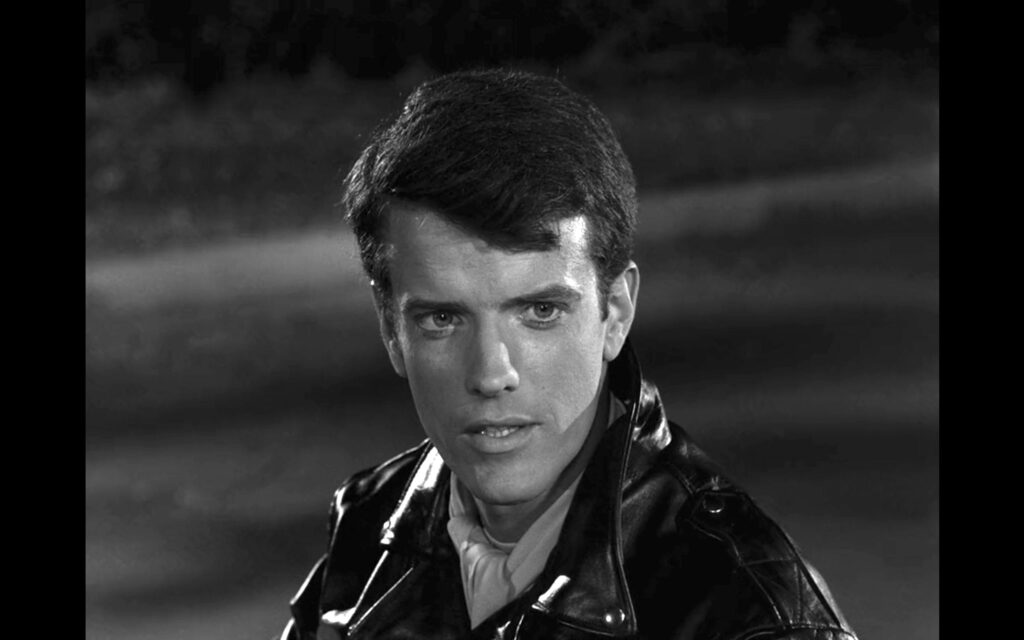
In the episode “Black Leather Jackets” (Twilight Zone) and “The Guests” (Outer Limits), Kinsolving was cast as the “alien” or the “stranger.”
-
The Performance: He utilized his strikingly handsome but “otherworldly” features to play characters who were physically present but mentally elsewhere.
-
Analysis: Critically, Kinsolving was the perfect actor for the Cold War paranoia of 1960s television. He portrayed the “alien” not as a monster, but as a sensitive intellectual burdened by knowledge. He excelled at playing the “Poetic Outsider”—a man who is too gentle for the harsh realities of his environment.
3. The “Anti-Dean”
While often compared to James Dean, Kinsolving lacked Dean’s “actorly” mannerisms.
-
The Difference: Where Dean was theatrical and jittery, Kinsolving was still and observant.
-
Critical View: Analysts suggest that Kinsolving was closer in spirit to Montgomery Clift. He had a “wounded-bird” quality that made audiences feel protective of him. This made him a difficult fit for the “leading man” roles of the mid-60s, which required a more robust, conventional heroism.
III. Major Credits and Comparative Roles
| Work |
Medium |
Role |
Significance |
| The Dark at the Top of the Stairs |
Film |
Sammy Goldenpuppy |
Golden Globe Nominee; a landmark in “Outsider” cinema. |
| The Twilight Zone (1964) |
TV |
Scott |
Defined the “Gentle Alien” archetype. |
| All Fall Down (1962) |
Film |
Hedy |
A rare turn in a gritty, John Frankenheimer drama. |
| The Outer Limits (1964) |
TV |
Wade Norton |
Showcased his ability to anchor high-concept sci-fi in human emotion. |
| The Explosive Generation (1961) |
Film |
Dan |
A “Teen Rebellion” film that critiqued social conformity. |
Final Reflection
Lee Kinsolving was a “star of the threshold.” He arrived at a moment when Hollywood was moving away from the studio system but hadn’t quite embraced the gritty realism of the 70s. His legacy is one of uncompromising sensitivity. He remains a ghost of the 1960s—a reminder that some of the most powerful performances come from those who refuse to play the game and choose, ultimately, to step out of the frame entirely