
Peter Arne

Peter Arne
Peter Arne
Peter Arne
Peter Arne
 

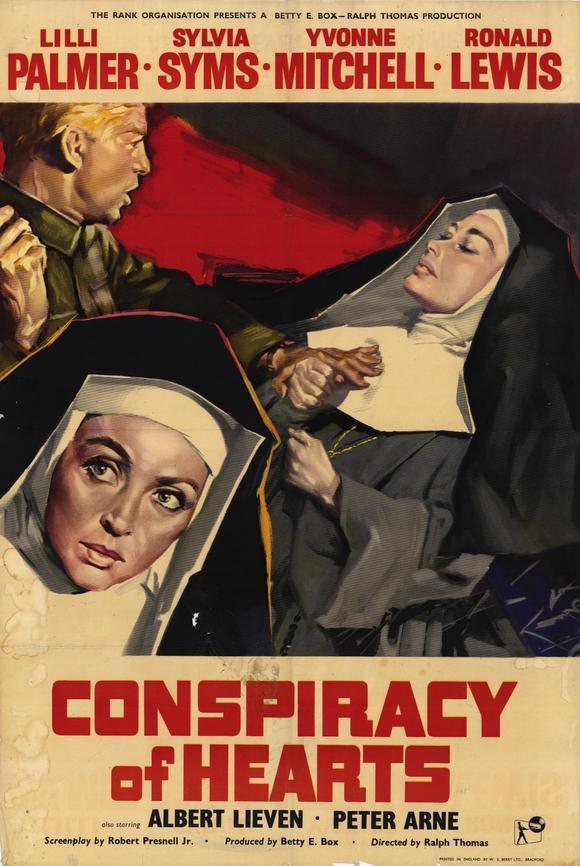
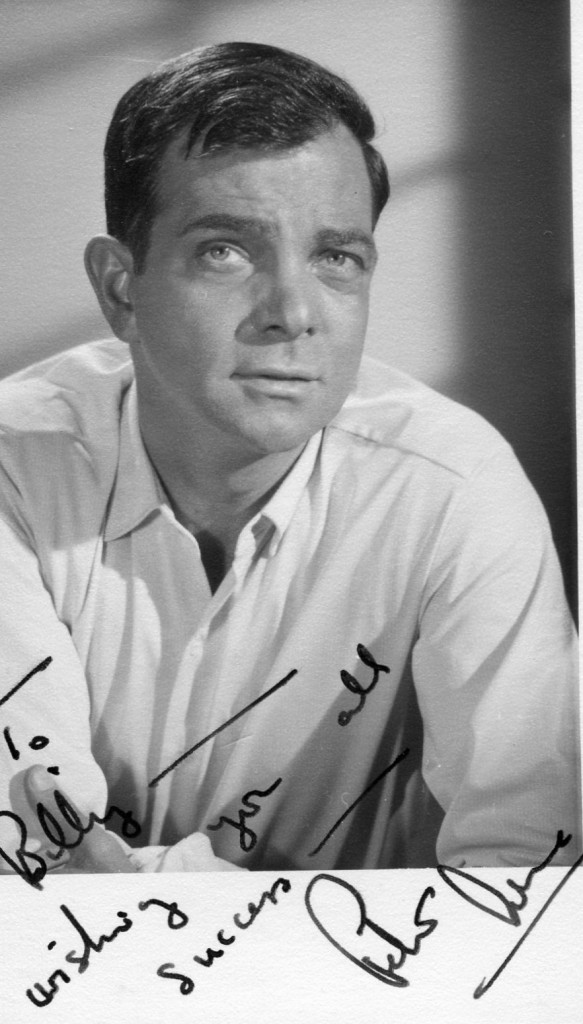
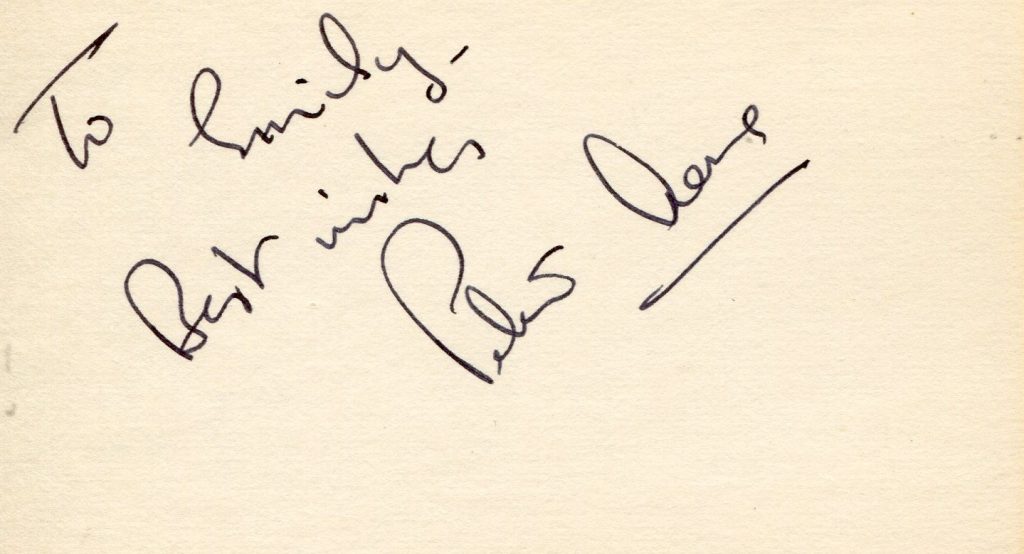
Peter Arne was born in Kuala Lumpar, Malaya in 1930 to a Swiss-Franch mother and an American father.   His first film in 1944 was “Fot Those in Peirl”.   Among his film credits are “The Purple Plain”,  “The Moonraker”, “High Tide at Noon” and “Conspiracy of Hearts” in 1959.   Sadly he was murdred in his apartment in Knightsbridge in London in 1983.

IMDB mini biography:

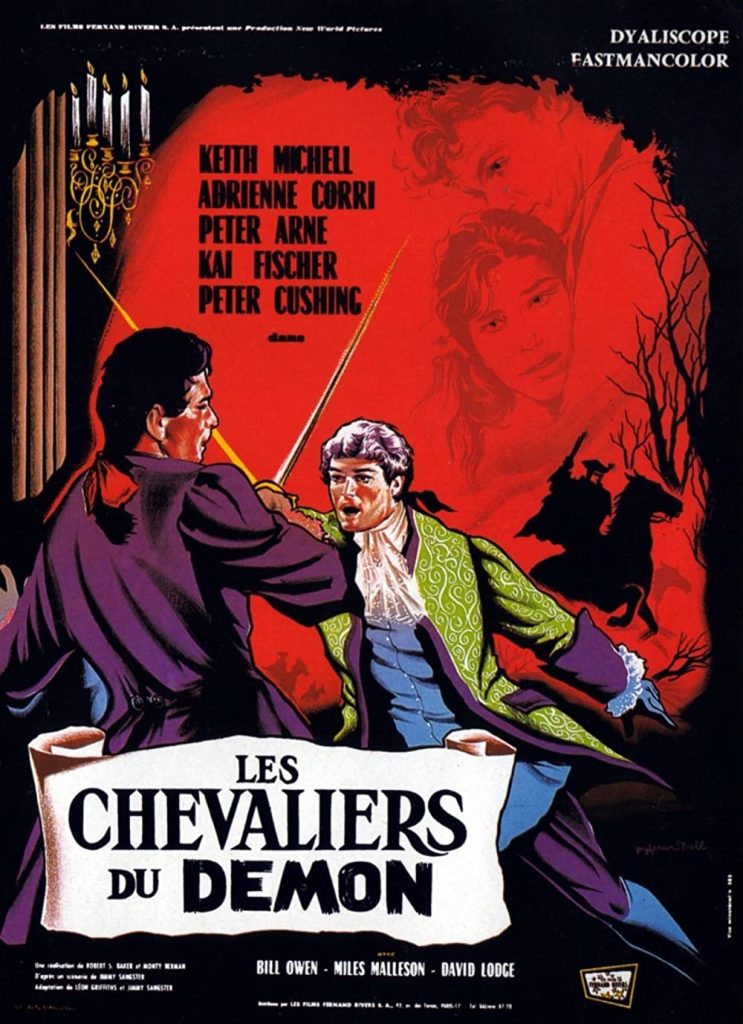
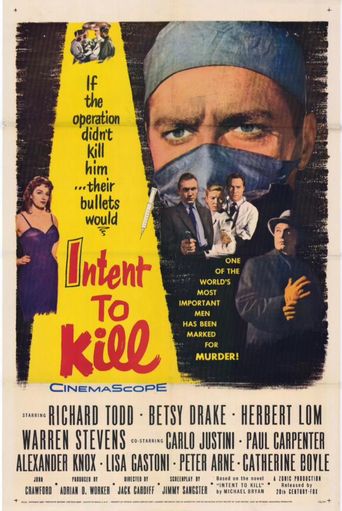
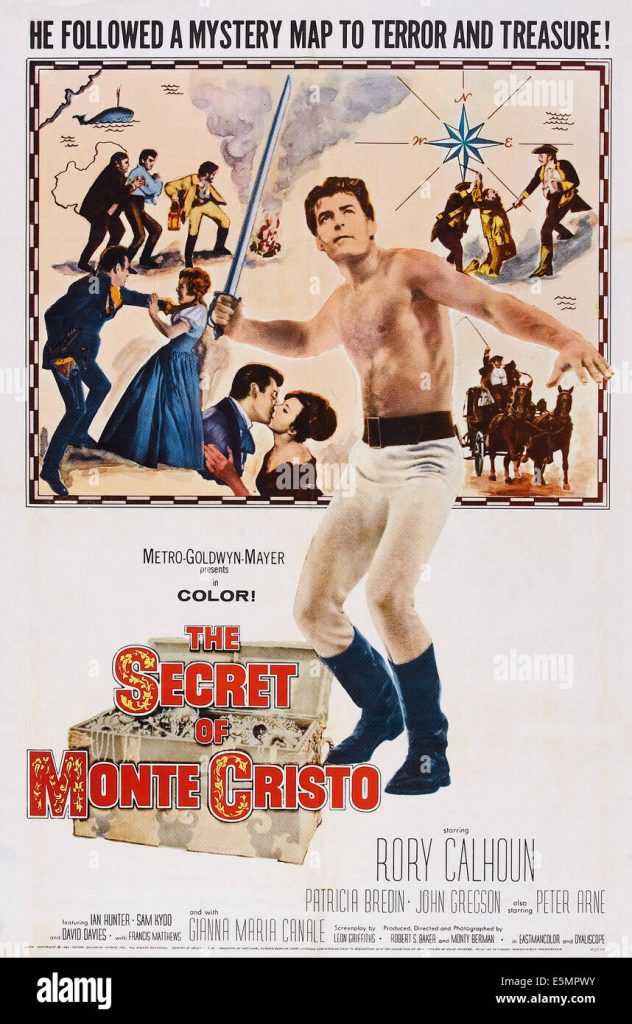
Peter Arne was for a short time the perfect villain in British film. After a couple of roles in war movies (The Purple Plain (1954) and The Cockleshell Heroes (1955)) and a Tarzan movie (Tarzan and the Lost Safari (1957)) he became a villain in Strangers’ Meeting(1957). From than on he continued to play sinister types in The Moonraker (1958), Intent to Kill (1958), Breakout (1959), Conspiracy of Hearts (1960), The Hellfire Club (1961) andThe Secret of Monte Cristo (1961). He was very convincing as a Cromwell officer, an Italian camp commander or a Nazi officer. Several times he had sword fights as a devious count. In 1962 he was a pirate sidekick of Christopher Lee in The Pirates of Blood River(1962), but a new kid on the block by the name of Oliver Reed challenged him and killed him halfway through the picture. It seemed like a symbolic fight because for a while Oliver Reed played the roles in Hammer Pictures that Peter Arne could have played and Arne moved to TV roles. His days as a leading actor were over and he continued work in TV and in bit parts in features. Sometimes directors he worked with before brought him back for a little role. In 1972 he got a nice break with “The Stallion”, a TV movie in which he starred with a horse. He was also in a couple of Blake Edwards movies. He became an antique dealer with his sister as a sideline. He died at the age of 63.

– IMDb Mini Biography By: Thys Ockersen

Peter Arne (1920–1983) was one of the most distinctive “villains for hire” in British cinema and television. With his sharp, angular features, impeccably clipped mid-Atlantic accent, and a gaze that could shift from icy detachment to sudden violence, Arne became the go-to actor for playing high-status antagonists, slippery bureaucrats, and sadistic henchmen.

Career Overview

Born Peter Albrecht Bernhard Arne in British Malaya to a Swiss-French mother and a Polish-Russian father, Arne’s “exotic” but refined background made him difficult to pigeonhole into the rigid British class-casting of the 1950s.

  • The Military and Stage Beginnings: After serving as a pilot in the Royal Air Force during WWII, Arne began his career in regional repertory theatre. His breakthrough came on the London stage in the mid-1950s, which quickly led to a contract with Associated British Picture Corporation.

  • The “Technicolor Villain” (1950s–1960s): He became a staple of adventure films and war epics, often playing the “outsider” or the treacherous officer. Notable roles in this era include The Moonraker (1958) and Ice Cold in Alex (1958).

  • The Cult Television Icon (1960s–1970s): Arne found his greatest longevity in the “Golden Age” of British filmed television, appearing in almost every major action-adventure series of the era, including The AvengersDanger ManThe Saint, and The Prisoner.

  • The Final Act (1980s): His career ended tragically in 1983 when he was murdered in his London apartment, just as he was enjoying a career resurgence with roles in the Pink Panther series and Champion.


Critical Analysis of His Work

1. The Aesthetics of the “Polished Predator”

Arne’s primary critical contribution was his ability to make villainy seem intellectually superior. Unlike the “thug” actors of his generation, Arne projected a sense of high culture and effortless authority.

  • Analysis: In films like “Ice Cold in Alex”, he played an officer who was technically efficient but morally suspect. Critics often noted his “reptilian” stillness; he had a way of standing perfectly still while his eyes scanned the room, suggesting a character who was always three steps ahead of the protagonist. He specialized in the “civilized monster”—someone who would discuss fine wine while ordering a kidnapping.

2. The Master of the “Euro-Villain”

Because of his heritage and his mastery of accents, Arne was often cast as characters whose nationality was ambiguous but whose threat was clear.

  • Analysis: During the Cold War era of British cinema, Arne filled the niche of the “debonair foreigner.” He was rarely cast as the hero because his screen presence was considered too “enigmatic” or “shifty” for the traditional British leading-man mold. However, he used this to his advantage, bringing a cosmopolitan complexity to roles that might have been one-dimensional in the hands of a less skilled actor.

3. The “Pink Panther” and Comedic Self-Correction

In the 1970s and 80s, director Blake Edwards utilized Arne’s severe image for comedic effect in the Pink Panther films (notably Return of the Pink Panther and Trail of the Pink Panther).

  • Analysis: By playing his roles with absolute, straight-faced gravity amidst the chaos of Peter Sellers, Arne proved he was a master of tonal counterpoint. The “Arne Archetype”—the stern, unyielding professional—became the perfect foil for slapstick. His ability to maintain dignity while the world collapsed around him was a testament to his technical discipline.

4. Television as a Canvas for Range

While film cast him as a villain, television allowed Arne more breathing room.

  • Analysis: In his multiple guest appearances on The Avengers, he showcased a flair for the surreal and the eccentric. He understood the “heightened reality” of 1960s television, often delivering lines with a slight, ironic “wink” to the audience that suggested he was in on the joke.


Key Filmography and TV Work

Work Year Role Significance
Ice Cold in Alex 1958 British Officer A high-tension performance in a classic war drama.
The Moonraker 1958 Edmund Tyler Established him as a formidable period-drama antagonist.
The Avengers (TV) 1961-67 Various Appeared in four different roles, showcasing his versatility.
The Return of the Pink Panther 1975 Colonel Sharki A late-career highlight showcasing his deadpan comedic utility.
Straw Dogs 1971 Phil Riddaway A brief but chilling role in Sam Peckinpah’s controversial masterpiece.
The Prisoner (TV) 1967 Number Two Played the lead antagonist in the episode “Many Happy Returns.”

In summary: Peter Arne was the “Dark Mirror” of British cinema. He provided the necessary friction that made heroes like John Steed or Roger Moore’s Simon Templar look good. While he rarely got the girl or saved the day, his technical precision and distinctive “menace-with-manners” made him one of the most memorable character actors of his generation

Leave a Reply

Your email address will not be published. Required fields are marked *