

MICHAEL PRAED (WIKIPEDIA)
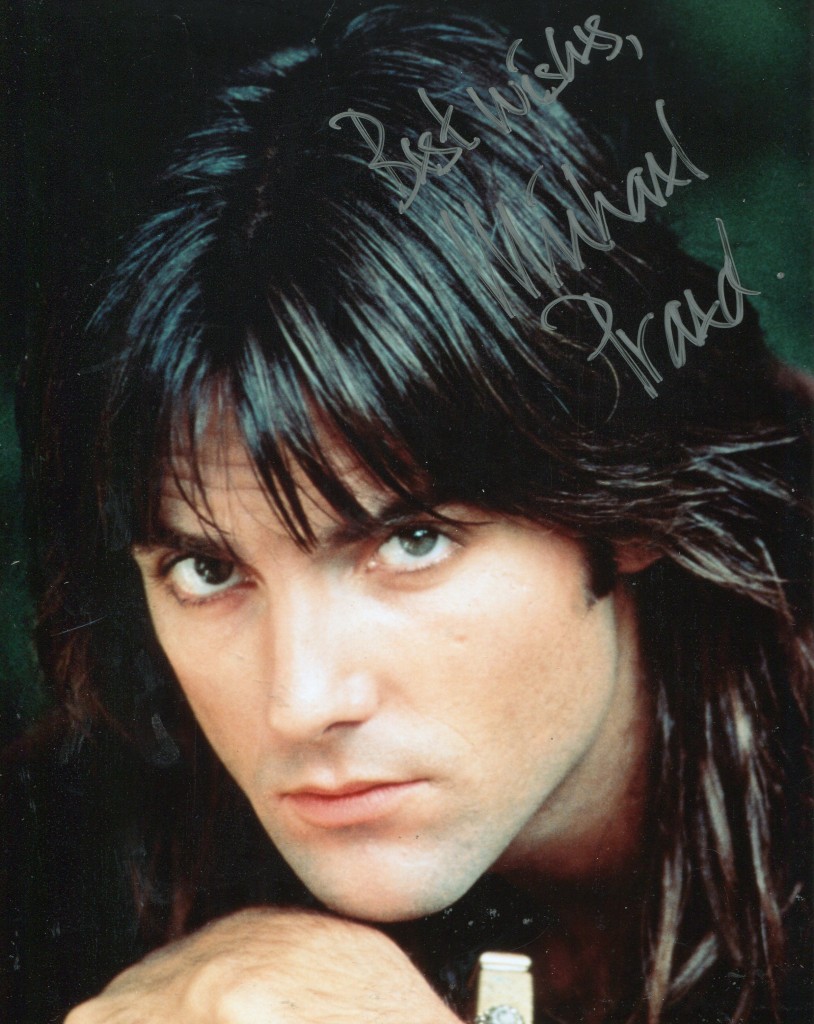
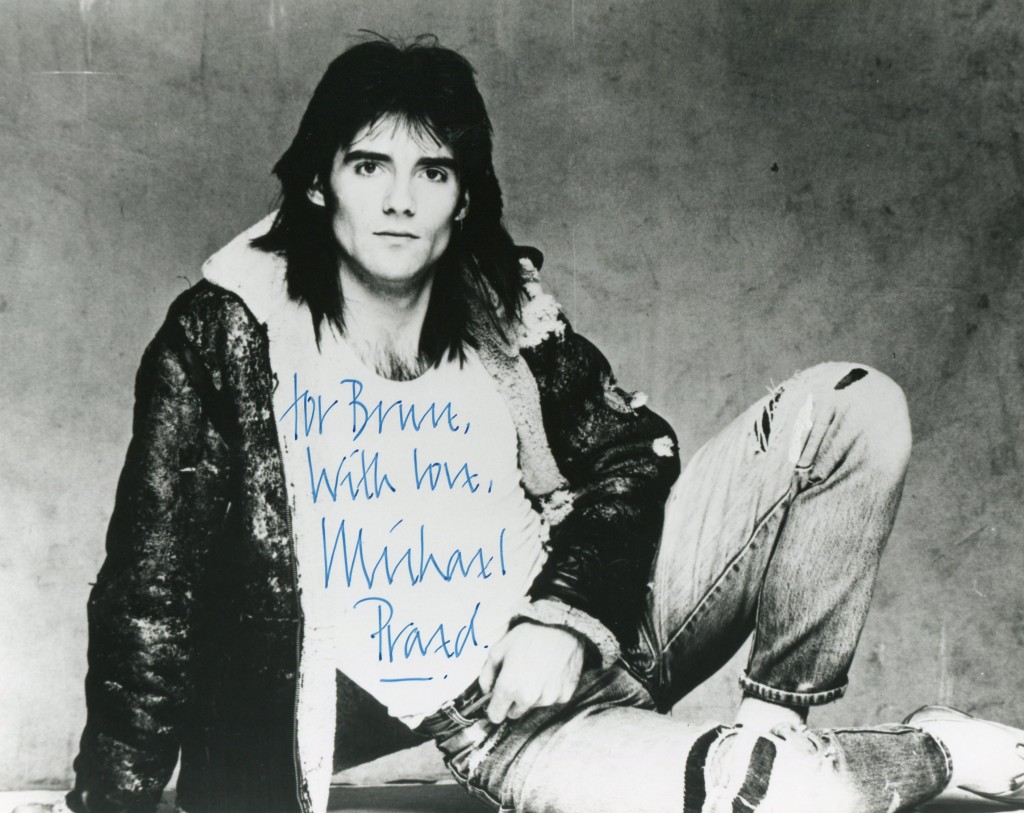
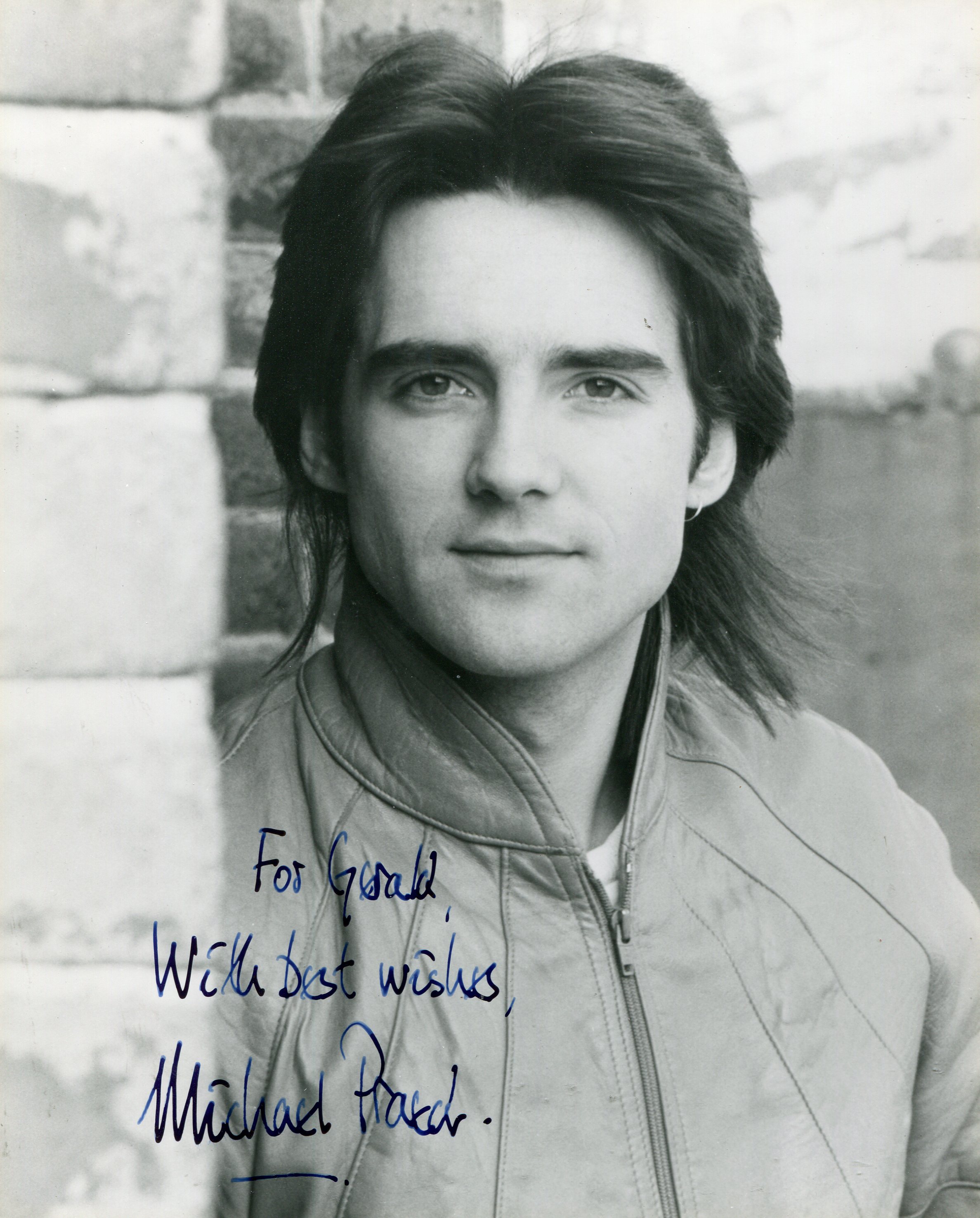
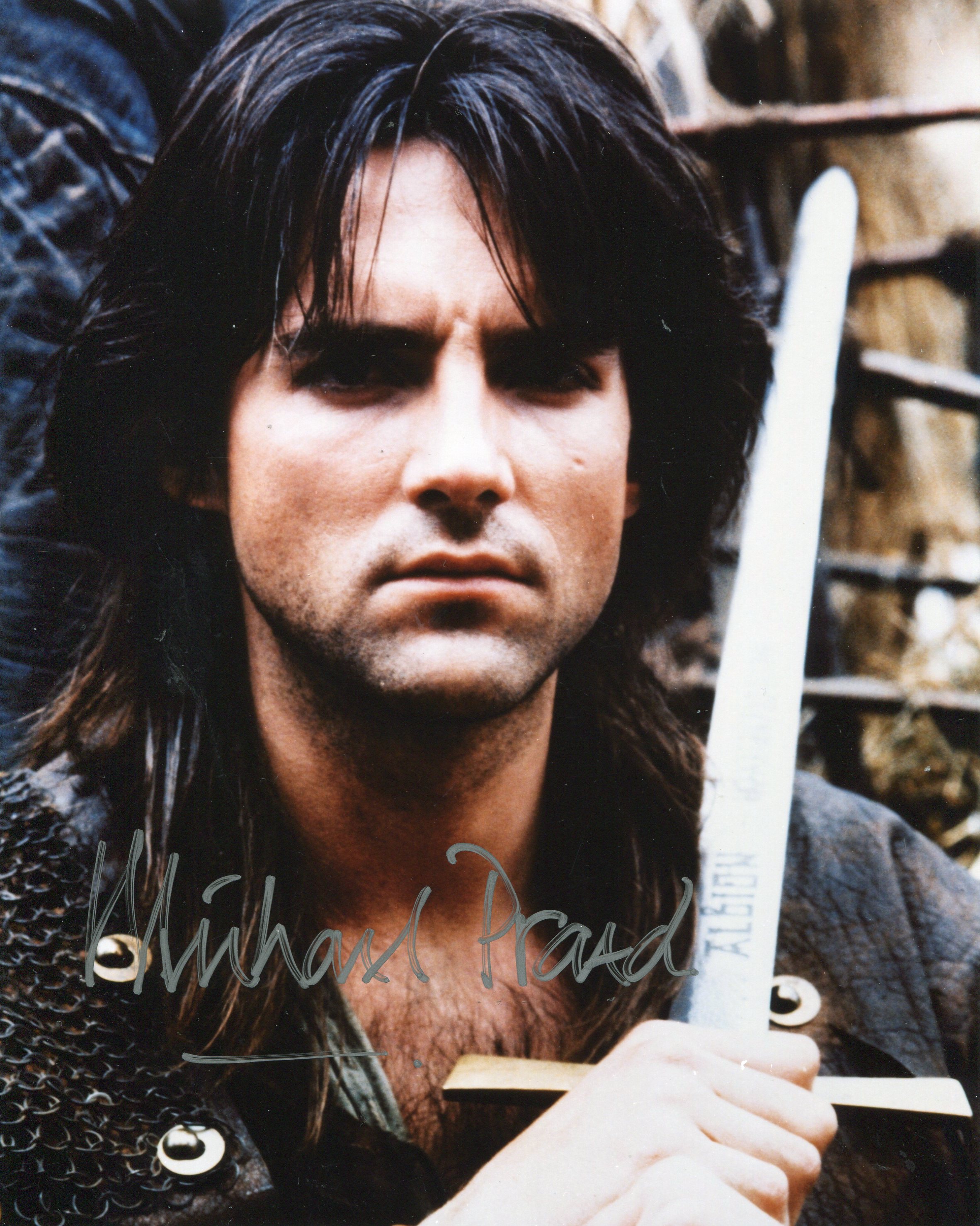
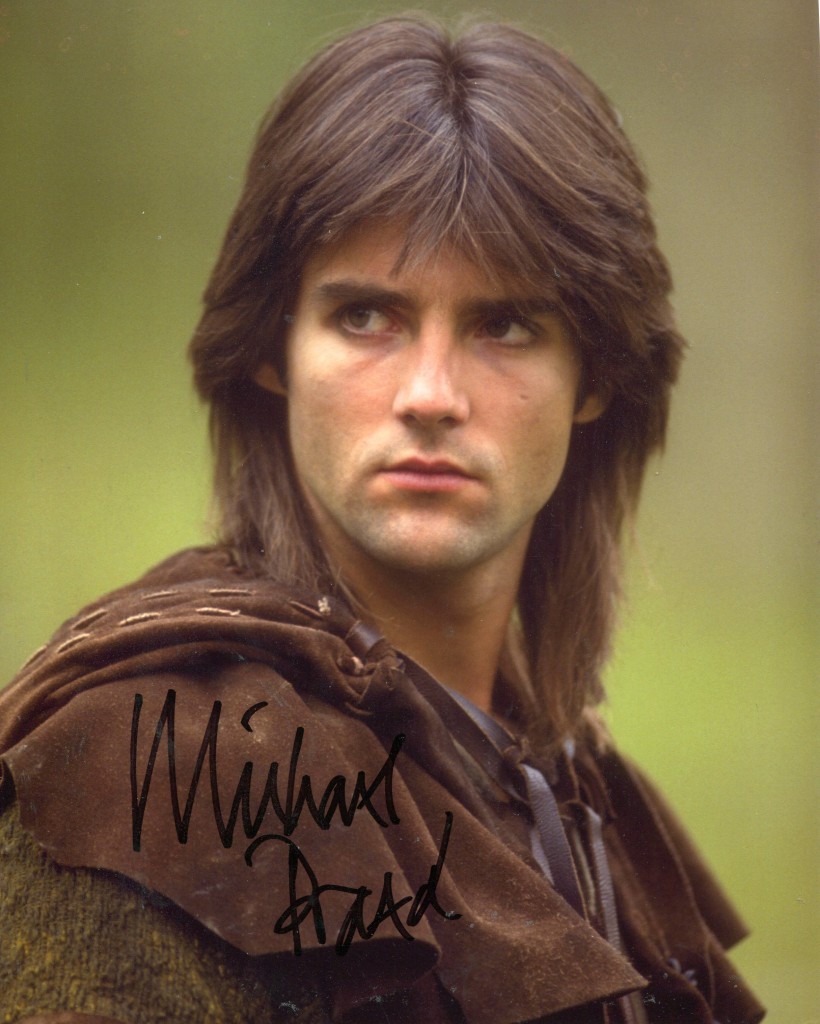
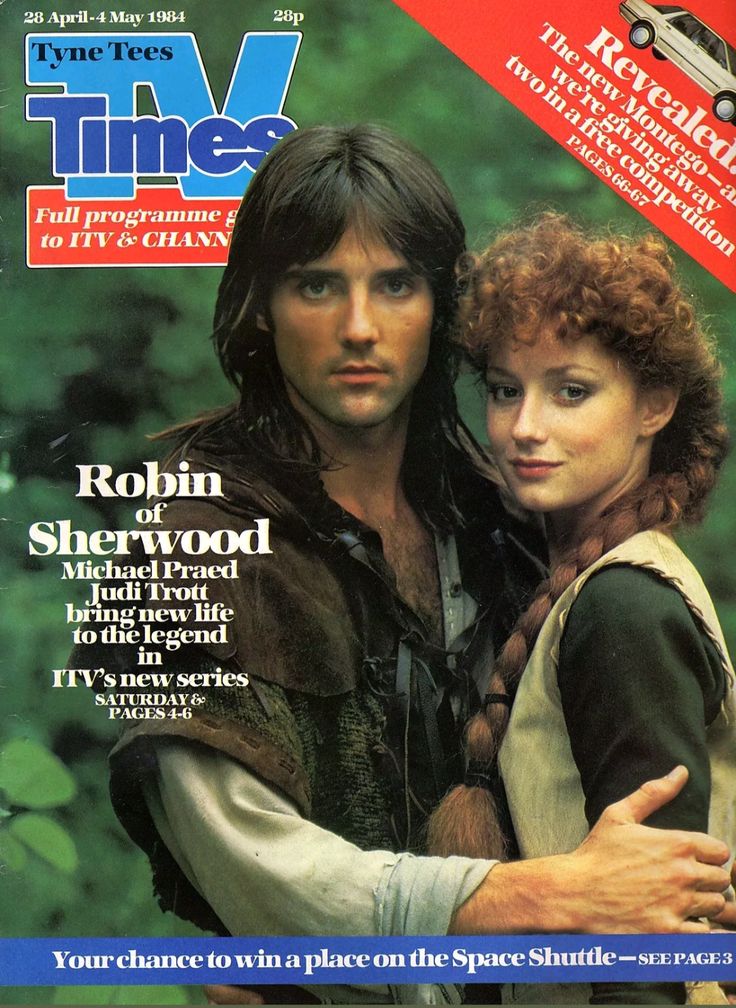
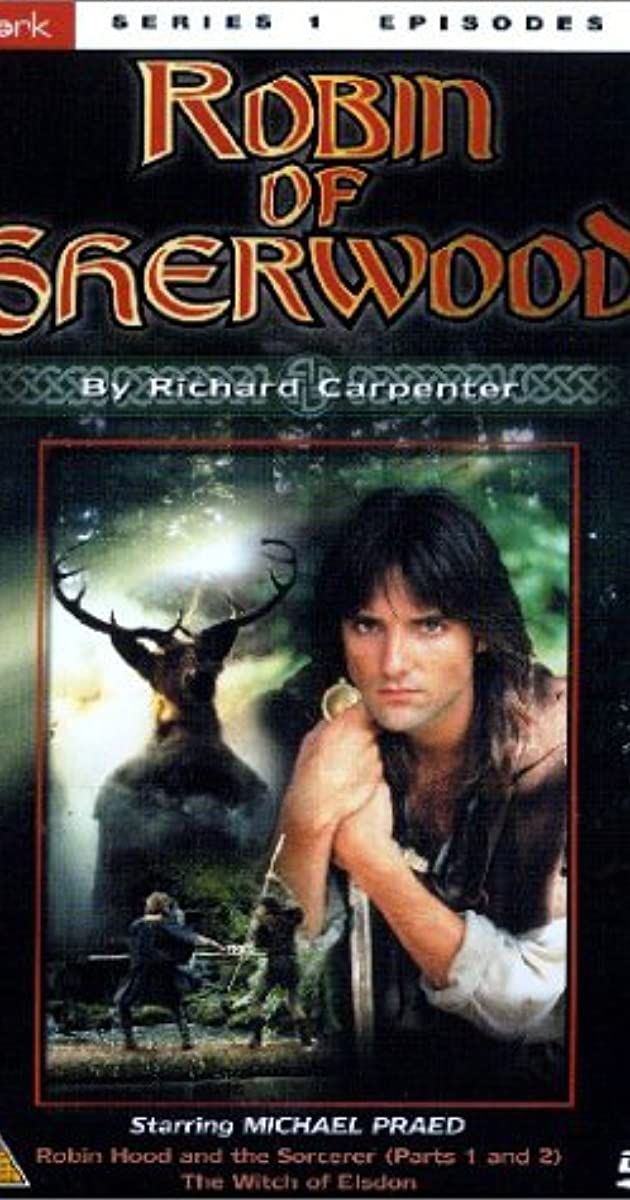
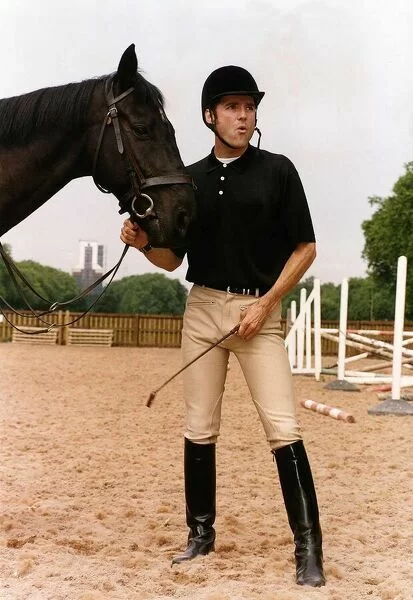
Michael Praed is a British actor, probably best remembered for his role as Robin of Loxley in the British television series Robin of Sherwood, which attained cult status worldwide in the 1980s.
Praed was born in Berkeley, Gloucestershire, and educated at the independent school Eastbourne College, after which he became an actor. He discovered that the British actors’ union Equity already had a “Michael Prince” among its members, so he chose a surname out of a telephone book to use as a stage name. The name Praed is a Cornishword meaning “meadow”.
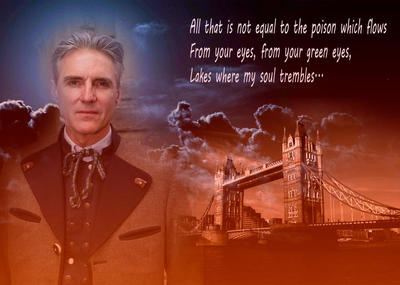
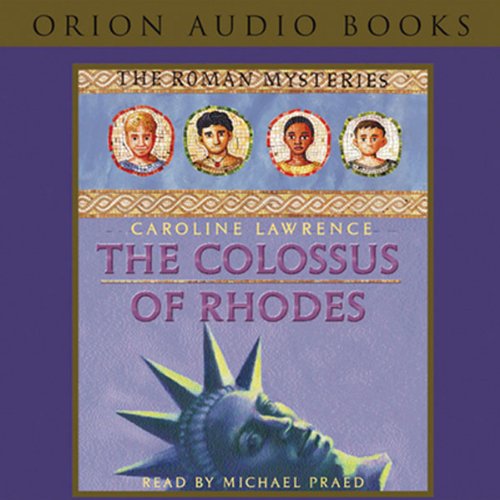
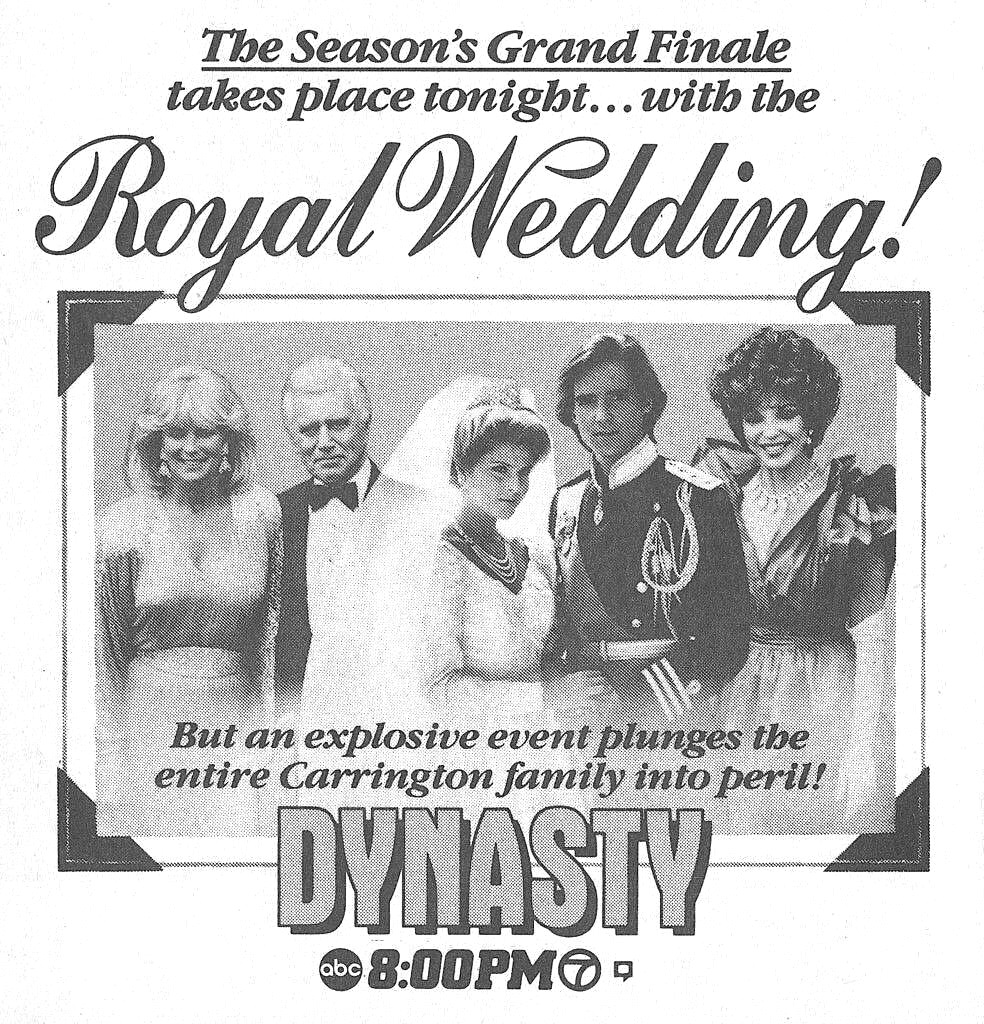
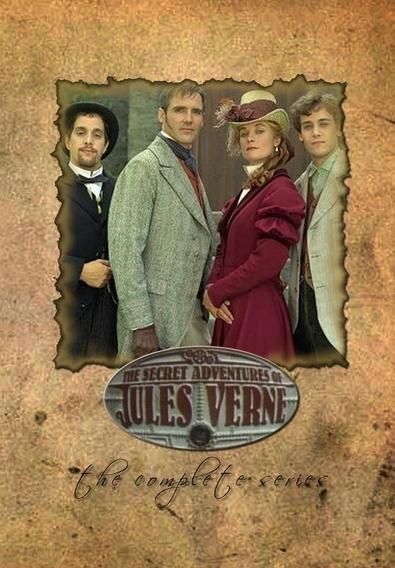
Praed is remembered for his roles as Prince Michael of Moldavia on the American primetime soap Dynasty and as Phileas Fogg in The Secret Adventures of Jules Verne(2000). He is also known in the British Isles for his stage work in musicals and drama and lately for his narrations



Career overview
Praed
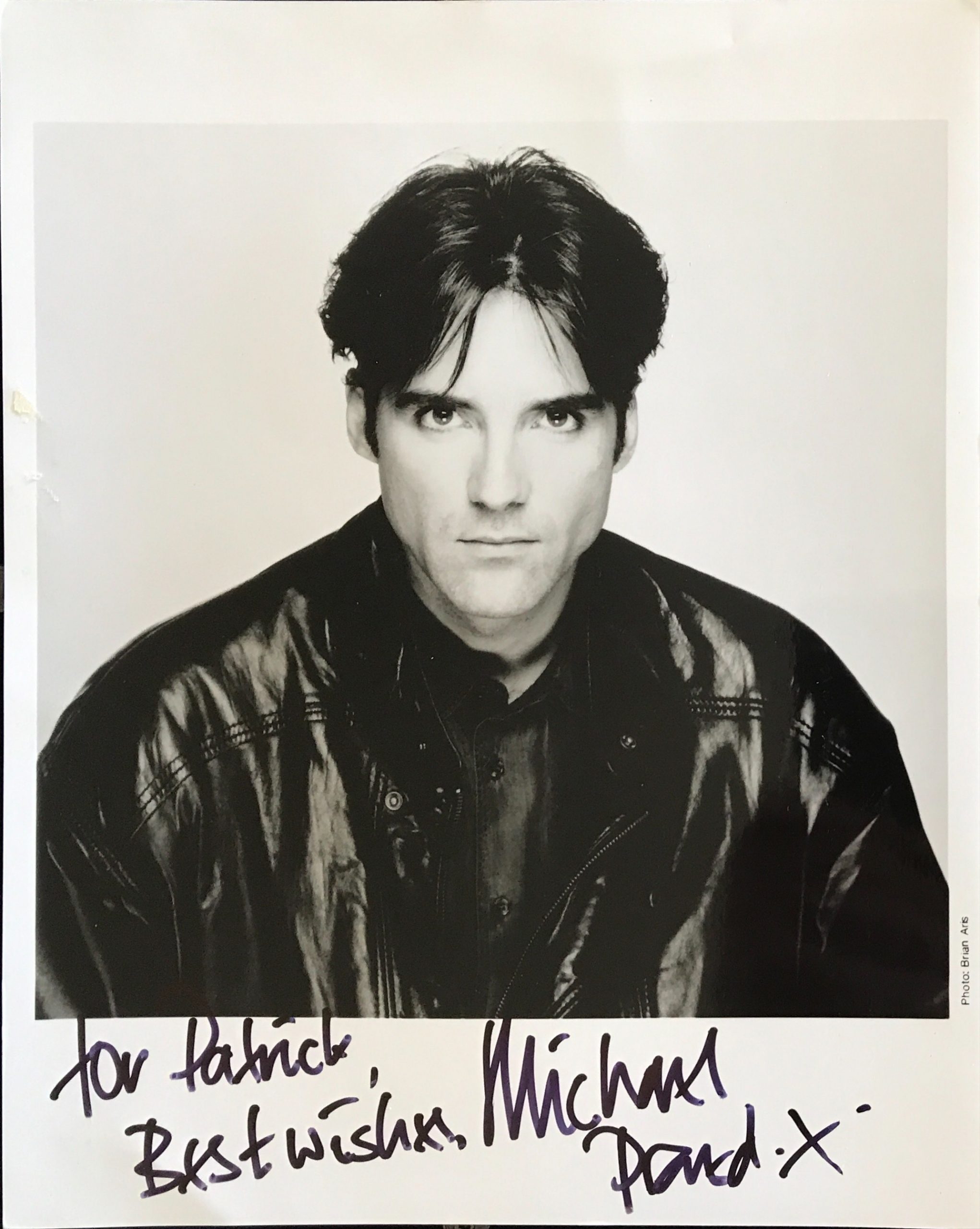
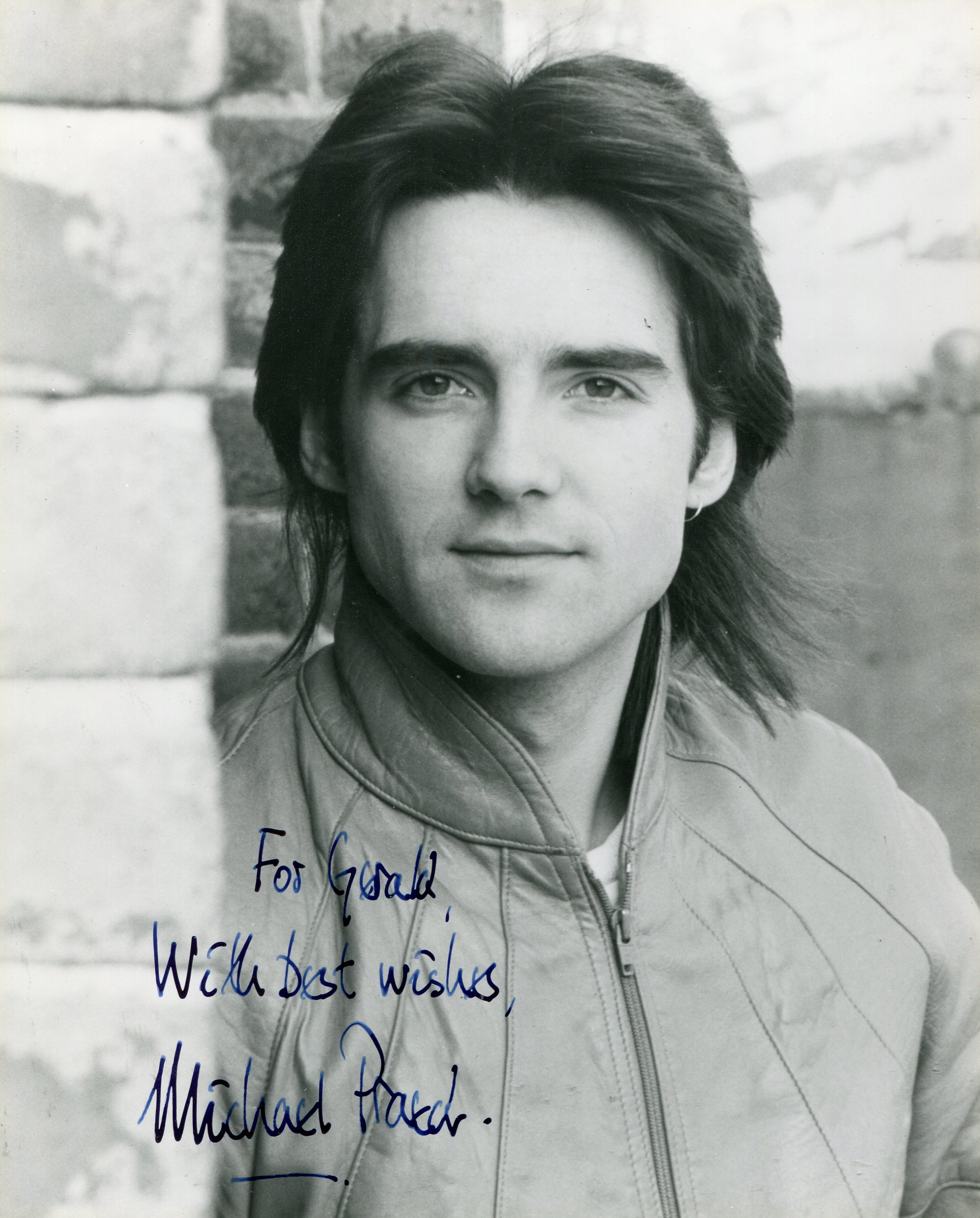
Michael Praed (born Michael David Prince, 1 April 1960) is a British actor and narrator whose career has spanned stage, television, and film since the early 1980s. Best known internationally for playing Robin of Loxley in ITV’s Robin of Sherwood and Prince Michael of Moldavia in Aaron Spelling’s Dynasty, he has combined leading‑man romanticism with a sustained commitment to theatre, musicals, and narration work. His trajectory illustrates the adaptability of British actors who move fluidly between screen and stage across several decades.
Early life and training
Praed was born in Berkeley, Gloucestershire, and educated at Eastbourne College before training at the Guildhall School of Music and Drama. Because Equity already had a “Michael Prince,” he adopted “Praed” from a telephone book—ironically, it’s a Cornish word meaning “meadow” .
He began his career in repertory theatre and the West End, gaining attention with Joseph Papp’s 1982 revival of The Pirates of Penzance, in which he starred opposite Tim Curry . The production’s mix of comedy, music, and period romance showcased his light tenor voice and debonair charm—traits that became central to his screen persona.
Television breakthrough: Robin of Sherwood (1984–85)
Praed’s defining early role came with Robin of Sherwood, where producer Richard Carpenter cast him as the mystical outlaw Robin of Loxley. The BAFTA‑winning series blended folklore, Arthurian mysticism, and gritty historical realism. Praed’s performance balanced charisma and introspection: a heroic idealist aware of his destiny yet tinged with melancholy. His graceful swordsmanship and serious tone differentiated this Robin Hood from earlier swashbuckling versions. The series achieved cult status, and Praed’s portrayal remains its emotional core .
Hollywood and prime‑time visibility: Dynasty (1985–86)
After two successful seasons, Praed left Robin of Sherwood for Broadway’s The Three Musketeers. That American exposure led directly to his casting on the ABC soap Dynasty as Prince Michael of Moldavia—a romantic rival and eventual husband to Amanda Carrington. Appearing in nearly 30 episodes, he delivered the polished exoticism expected of 1980s prime‑time melodrama. While Dynasty heightened his international profile, its glossy conventions constrained his subtler acting instincts: his dignified restraint sometimes clashed with the series’ operatic tone .
Film and stage work (late 1980s–1990s)
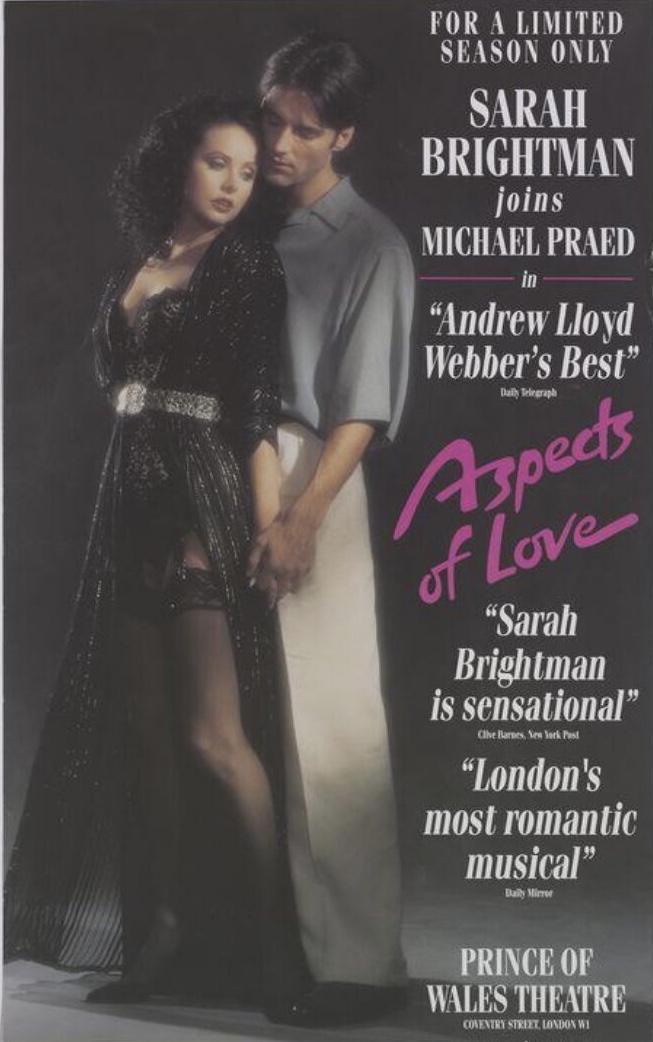
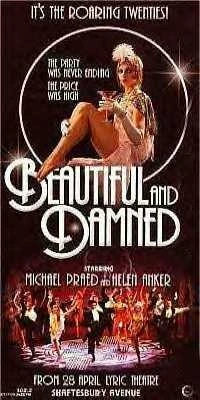
Following Dynasty, Praed appeared in science‑fiction and thriller films such as Nightflyers (1987) and Writer’s Block (1990), then returned to theatre—his enduring professional base. He headlined Rogers and Hammerstein’s Carousel in Ireland (1991) and played the romantic lead in the London production of Andrew Lloyd Webber’s Aspects of Love.
The mid‑1990s saw a mix of stage and television: Harold Pinter’s The Caretaker, the West End revival of Design for Living (opposite Rachel Weisz), and the national tour of Barry Manilow’s Copacabana: The Musical . His smooth vocal tone, control, and poise made him an ideal fit for musical and period pieces.
He also starred as Jake Lovell in ITV’s miniseries adaptation of Riders (1993) from Jilly Cooper’s novel—another blend of romance and class intrigue that played to his polished appeal.
Continued versatility: narration and contemporary television
Since the 2000s, Praed has diversified:
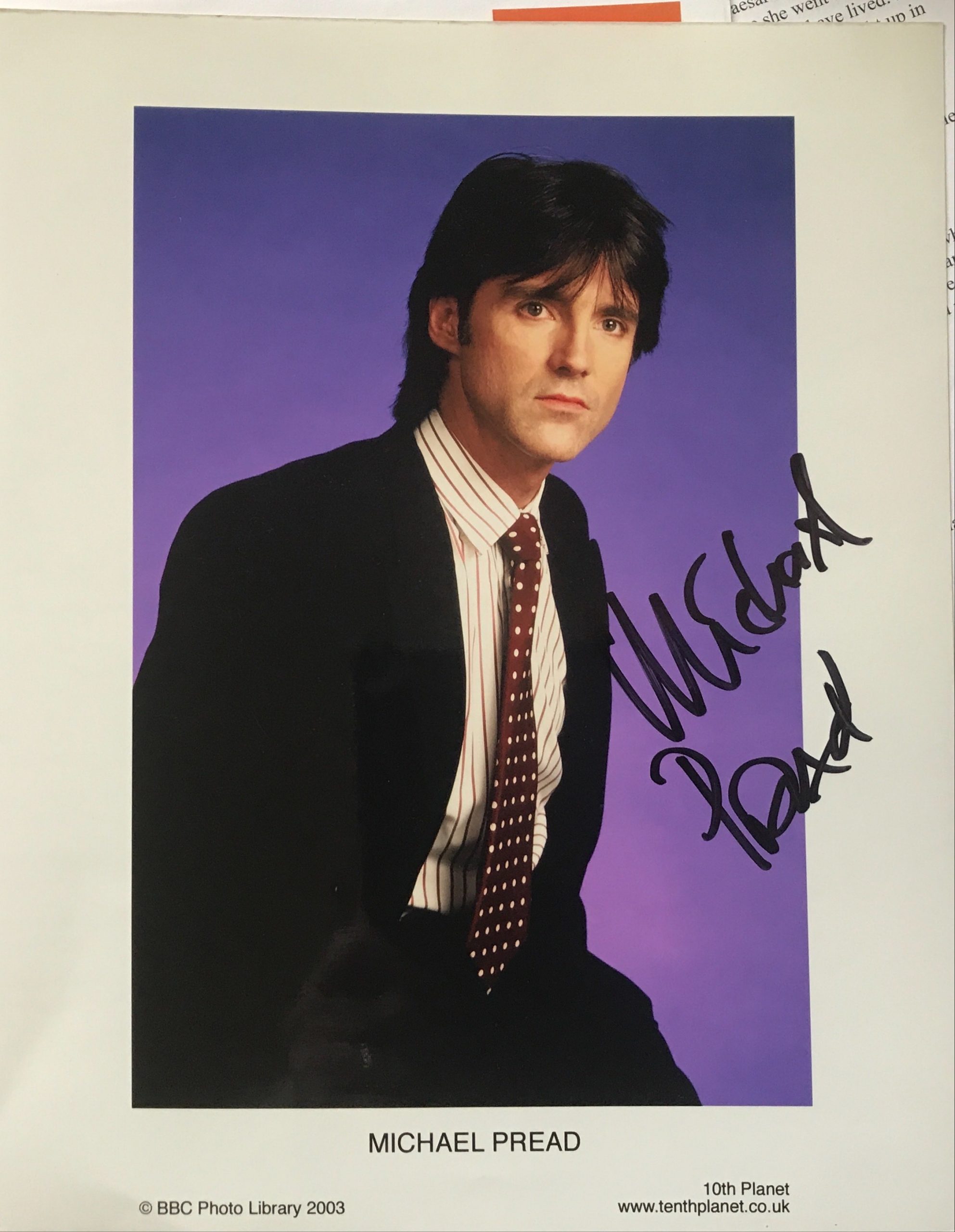
- Narration – regular voice for BBC’s historical documentary series Timewatch since 2003 . His articulate, measured delivery evokes authority reminiscent of classic British documentary style.
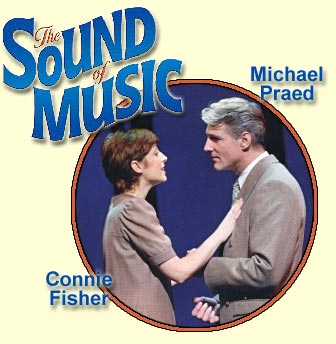
- Stage revival – played Captain von Trapp in a national tour of The Sound of Music (2009).
- Soap opera return – joined Emmerdale (2016–2019) as Frank Clayton, grounding the character with empathy and quiet intensity until his on‑screen death .
Across decades he has remained active in British theatre, balancing musicals, touring productions, and dramatic revivals.
Acting style and screen persona
- Poised romanticism: Tall, articulate, and even‑tempered, Praed projects classical grace comparable to 1940s matinee idols, tempered by modern self‑awareness.
- Controlled emotion: Prefers subtle expression—an inward focus that reads as integrity or quiet melancholy.
- Vocal authority: A finely modulated instrument used effectively in narration and song; his BBC voice‑over career underscores this strength.
- Range within restraint: While not a chameleon performer, he brings steadiness and sophistication across drama, fantasy, and historical genres.
Strengths and limitations
Strengths
- Command of language and movement shaped by theatre.
- Ability to humanize archetypal or romantic roles.
- Professional adaptability—seamlessly shifting between mediums and continents.
Limitations
- His classical polish sometimes limits access to rougher or more contemporary character types.
- Career defined more by consistency than by landmark reinventions; he never cultivated the celebrity aura of contemporaries who specialized in film.
Legacy and critical assessment
Michael Praed’s career exemplifies disciplined longevity rather than stardom. He remains emblematic of the well‑trained British actor who integrates stage and screen work while maintaining personal integrity—valuing craft over publicity. His Robin of Loxley remains one of television’s most nuanced adventure heroes: spiritual, fallible, and ahead of its time in psychological realism.
Today, audiences know him as both a nostalgic icon of 1980s fantasy television and an enduring professional voice of historical narration. His work demonstrates that quiet consistency and classical training can yield a career of impressive range and dignity, proving that lasting artistry often resides just beyond the glare of celebrity