

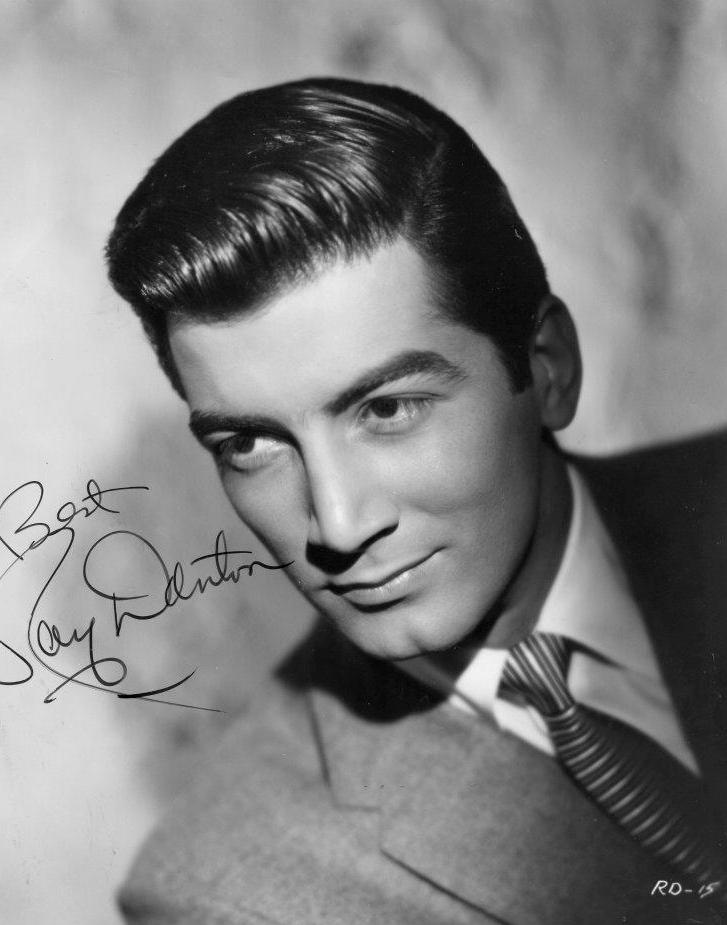
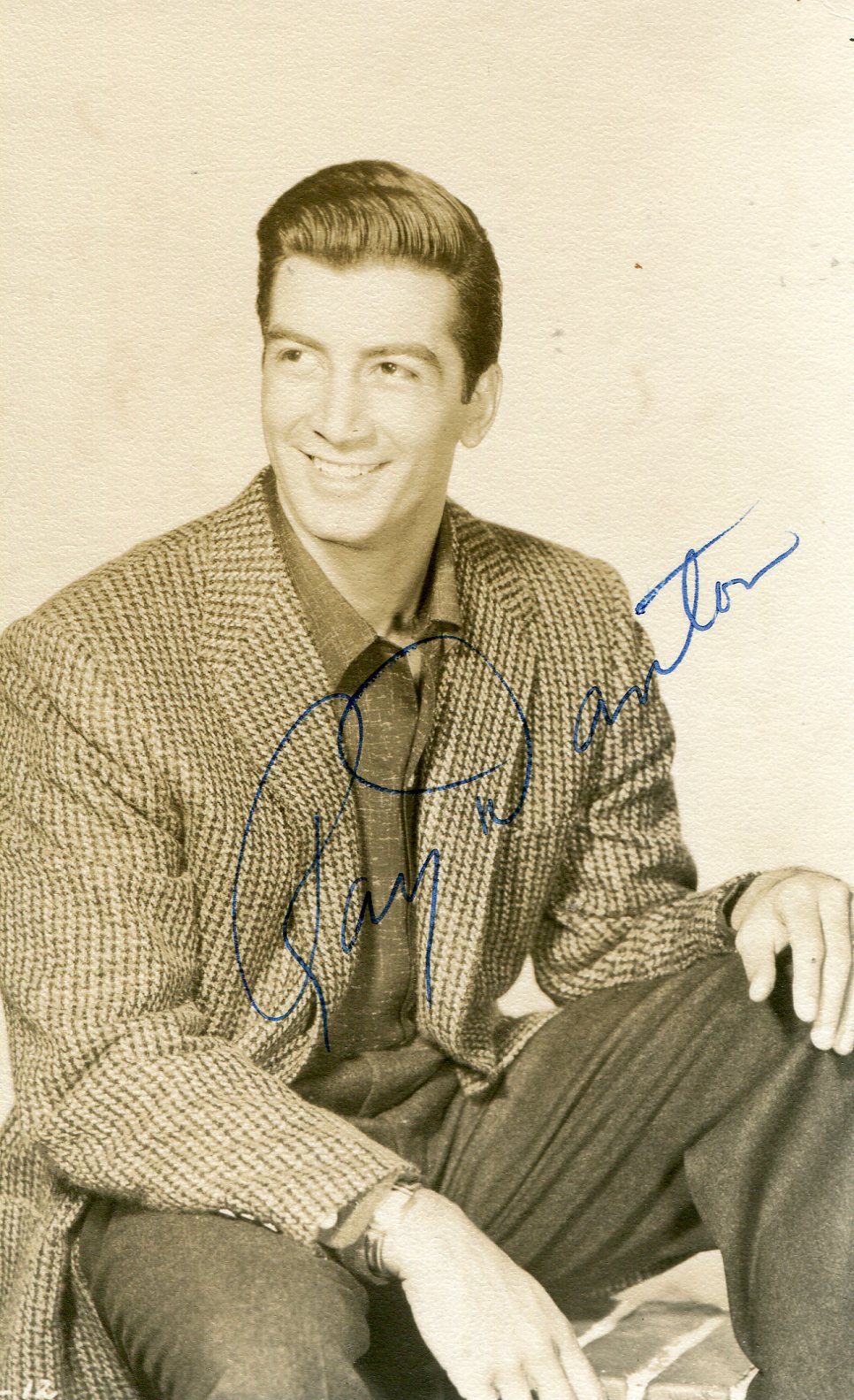
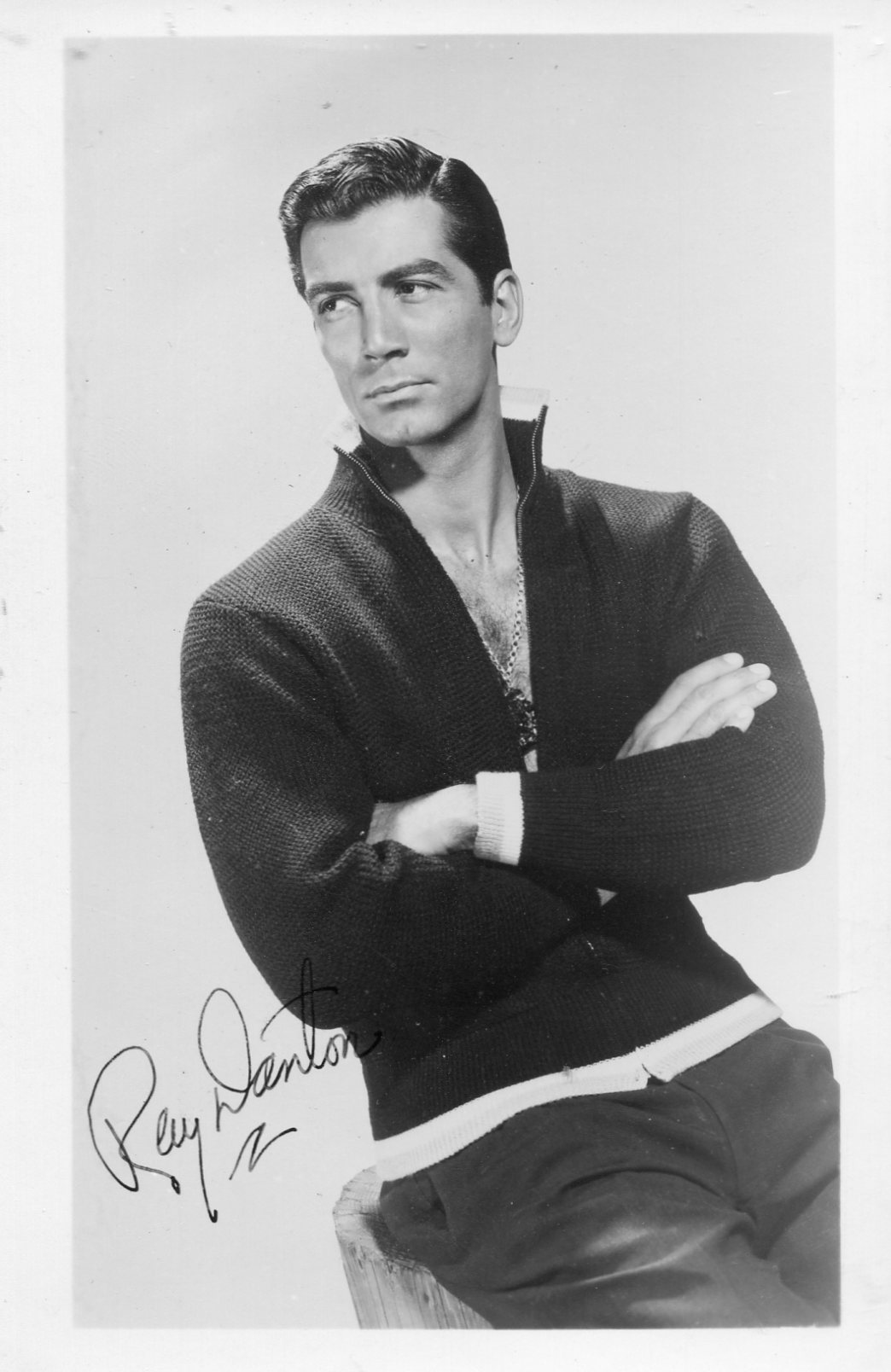
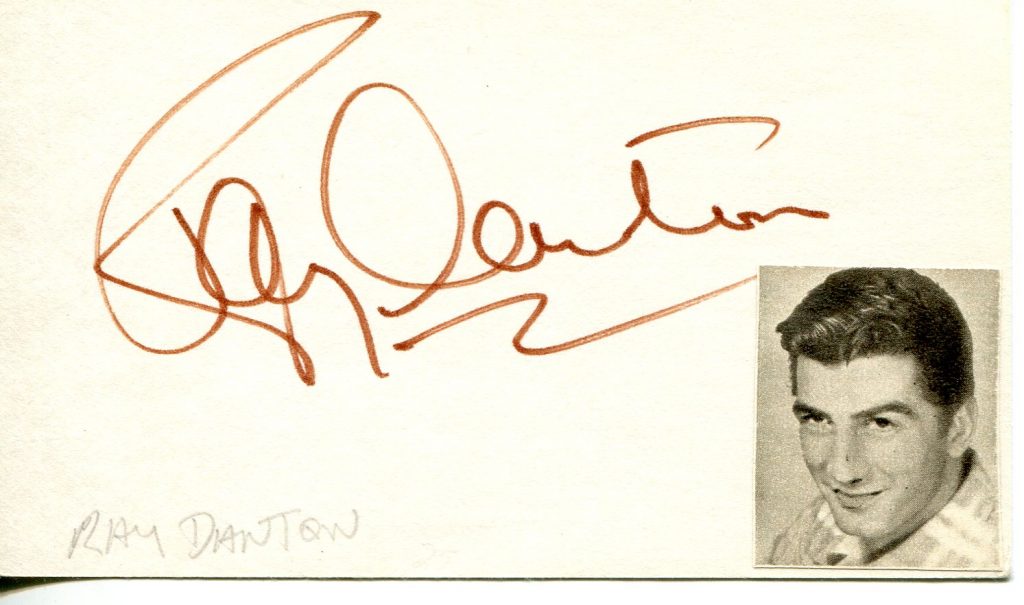

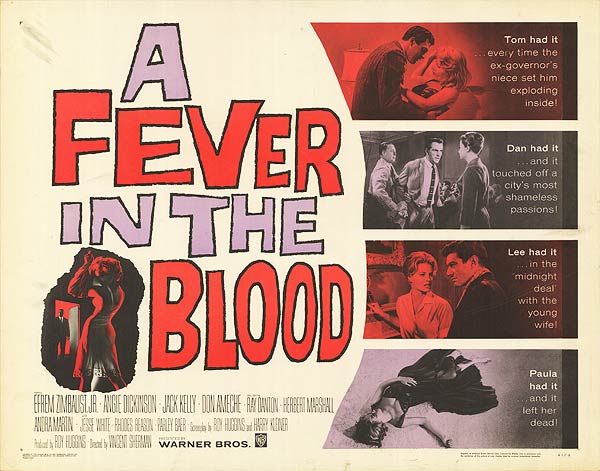
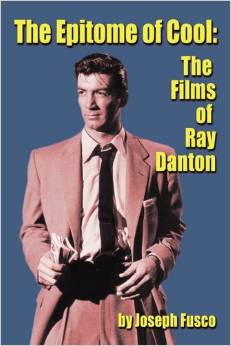
Ray Danton (1931–1992) was an American film, television, and stage actor—later a director and producer—who built a singular career defined by its duality: on-screen as a suave, dangerous antihero, and off-screen as a craftsman who made the move from mid-century studio player to transatlantic filmmaker. His body of work reflects a fascinating slice of postwar Hollywood, where masculinity, menace, and moral ambiguity converged across genres from noir to biographical drama.
Early Life and Formation (1931–1954)
Born Raymond Caplan in New York City, Danton entered entertainment early, performing on NBC radio’s Let’s Pretend in 1943 at age twelve . His disciplined professional training at Carnegie Tech (now Carnegie Mellon University) and early stage work—including in London opposite Tyrone Power in Mister Roberts—grounded him in classical technique and a keen sense of timing.
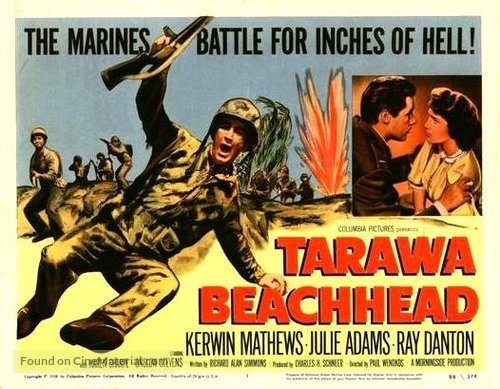
Military service in the Korean War (1951–1953) briefly interrupted his career, but that experience arguably deepened his later portrayals of hardened, cynical men.
Hollywood Emergence and Universal Years (1955–1958)
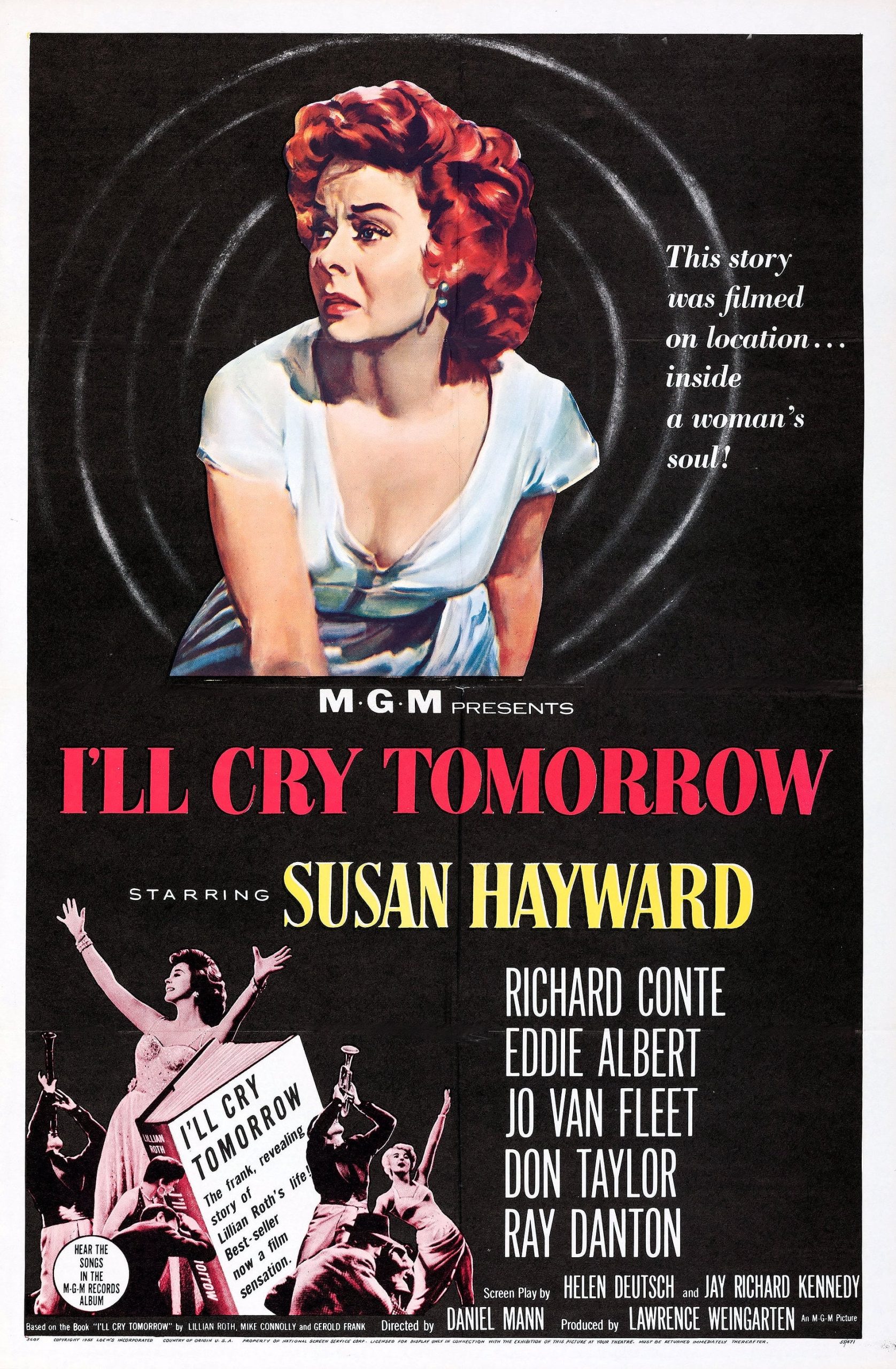
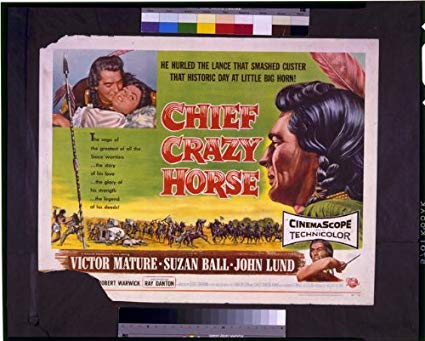
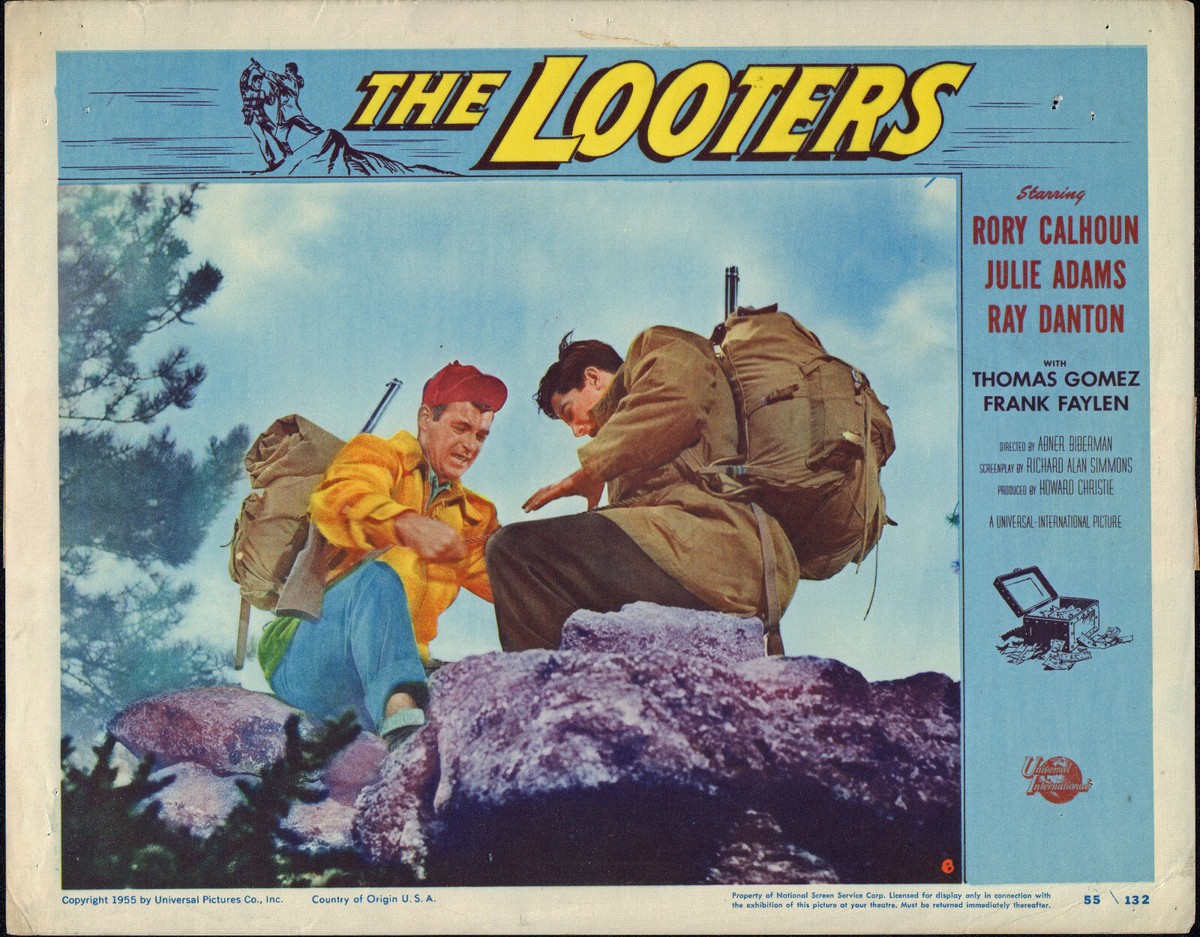
Returning to civilian life, Danton signed with Universal Pictures, debuting in Chief Crazy Horse(1955) as Little Big Man—already hinting at the brooding undercurrent that became his trademark. Films like The Looters (1955) and I’ll Cry Tomorrow (1955) established his screen persona: the sharply dressed, morally ambivalent man whose charm borders on menace .
A breakthrough came with his Golden Globe Award in 1956 as Most Promising New Male Star. Yet even early on, Danton was cast less as a conventional hero than a figure of danger—reflecting the mid-1950s fascination with psychological realism and flawed masculinity in postwar American cinema.
Warner Bros. Period and Criminal Archetype (1958–1962)
His transition to Warner Bros. positioned him within the studio’s stable of tough, romantic leading men, but Danton’s specialty became the “menacing cool.”
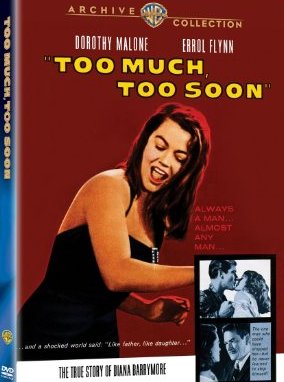
- The Night Runner (1957) and Too Much, Too Soon (1958) cemented his type: magnetic but emotionally wounded men.
- The Rise and Fall of Legs Diamond (1960)—his signature role—epitomized the antihero of late noir. As gangster Jack “Legs” Diamond, Danton rendered ruthlessness with eerie composure, balancing bravado with an undercurrent of desperation. Critics and later historians compare his performance to James Cagney’s archetypal gangster roles, but less volatile and more self-aware—an embodiment of decayed postwar glamour .
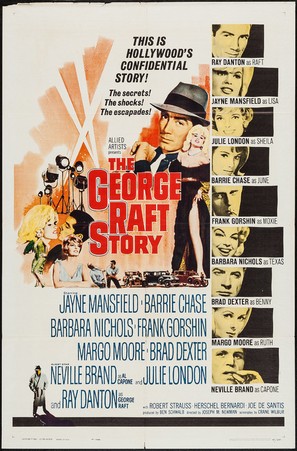
- He reprised the persona in Portrait of a Mobster (1961) and the biopic The George Raft Story(1961), portraying real-life toughs with a knowing theatricality that verged on commentary; his Raft oscillates between self-parody and genuine pathos.
These roles positioned Danton at the intersection of noir fatalism and early 1960s cynicism—his polished menace reflecting both the obsolescence of the classic gangster and the rise of the morally conflicted modern man.
European Interlude and Independent Ventures (1963–1970s)
Like many American actors of his generation, Danton expanded into European coproductions during the 1960s. He worked extensively in Italy and Spain on adventure and crime films that blended Hollywood sensibility with European artifice . This phase showcased his versatility—effortlessly alternating between English and Italian productions, often as spies, soldiers, or gentleman rogues.
While these pictures rarely achieved critical acclaim, they reflected Danton’s adaptability and sustained his international profile in a transitional decade when Hollywood opportunities narrowed for mid-tier leading men.
Directing and Television (1970s–1980s)
By the 1970s, Danton pivoted toward direction, aligning with the shifting economics of popular entertainment. His directorial debut, The Deathmaster (1972) for American International Pictures, merged horror with subcultural commentary—a reflection of drive-in aesthetics and post-Vietnam disillusionment.
More substantially, his later work as a television director—for series including Quincy, M.E., The Incredible Hulk, Magnum, P.I., and Cagney & Lacey—revealed an intuitive grasp of episodic rhythm and character pacing . While rarely auteurist, his TV direction displayed a professional fluency and understanding of narrative efficiency characteristic of old-studio training.
Critical Analysis and Legacy
Ray Danton’s acting career embodies the evolution of the 1950s American male archetype—from stoic soldier to disillusioned criminal, from gallant lover to self-aware antihero.
Distinctive Traits:
- Vocal poise and measured rhythm: his line delivery was unhurried, giving villainy an unnerving calm.
- Physical precision: crisp gestures and sartorial awareness created presence beyond dialogue.
- Cynicism as allure: Danton’s characters charm through danger, a quality bridging noir and early 1960s cool.
His performances in Legs Diamond and The George Raft Story remain exemplary studies in how Hollywood glamorized moral decay—his smooth exterior undercut by existential vacancy. Where contemporaries like Rod Steiger or Richard Widmark radiated intensity, Danton specialized in stillness, his menace emanating from control.
Critically, while his later directing work lacked the recognition of his acting period, it marks him as part of the mid-century generation of actor-craftsmen who sustained television as a serious narrative form.
Conclusion
Ray Danton’s career represents a bridge between classic noir and modern screen realism, a microcosm of postwar American masculinity refracted through stylish cynicism. His longevity—spanning radio, film, and television—demonstrates both his adaptability and his quiet artistry. Though seldom ranked among Hollywood’s canonical greats, his best roles live on as precise studies in seductive danger: performances that illuminate the thin line between control and corruption in the American myth of success.