

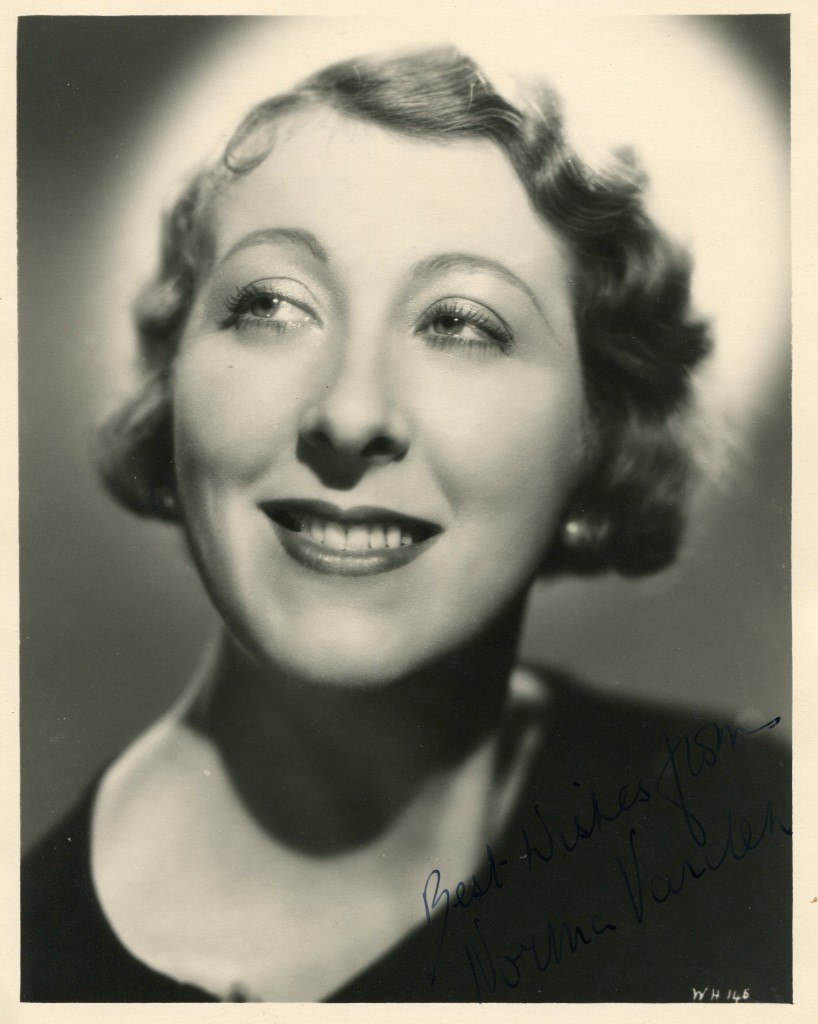
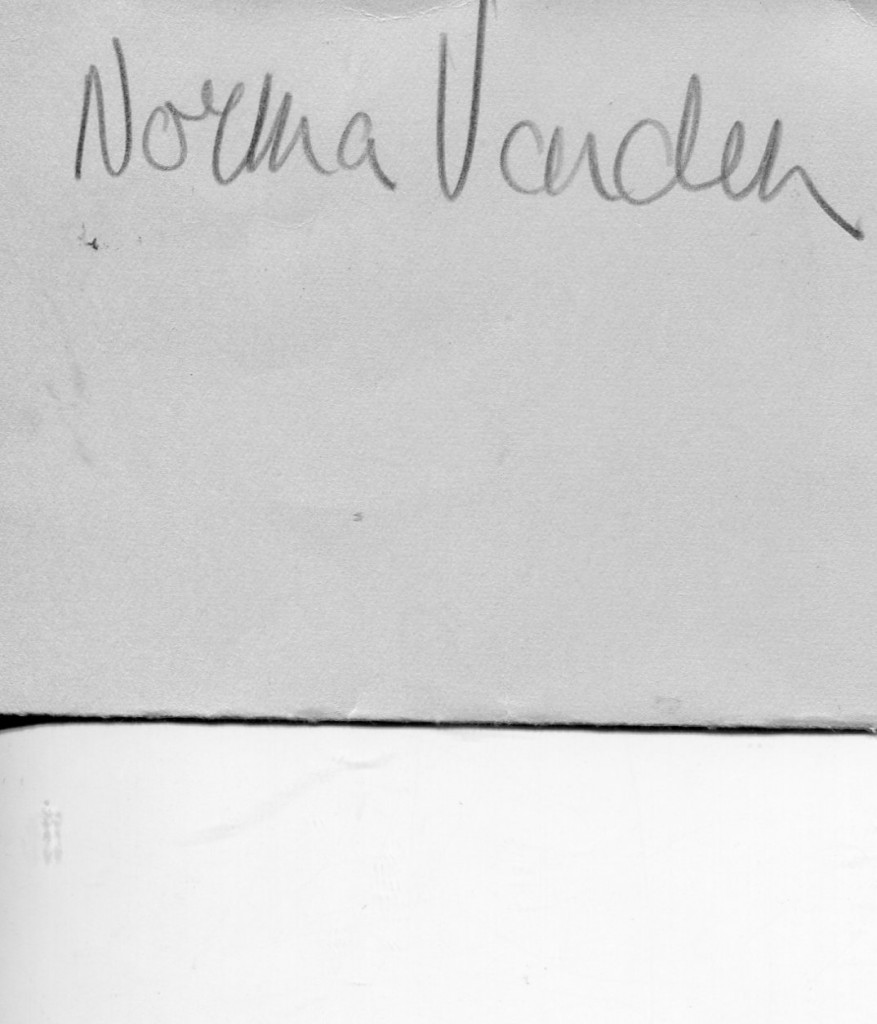
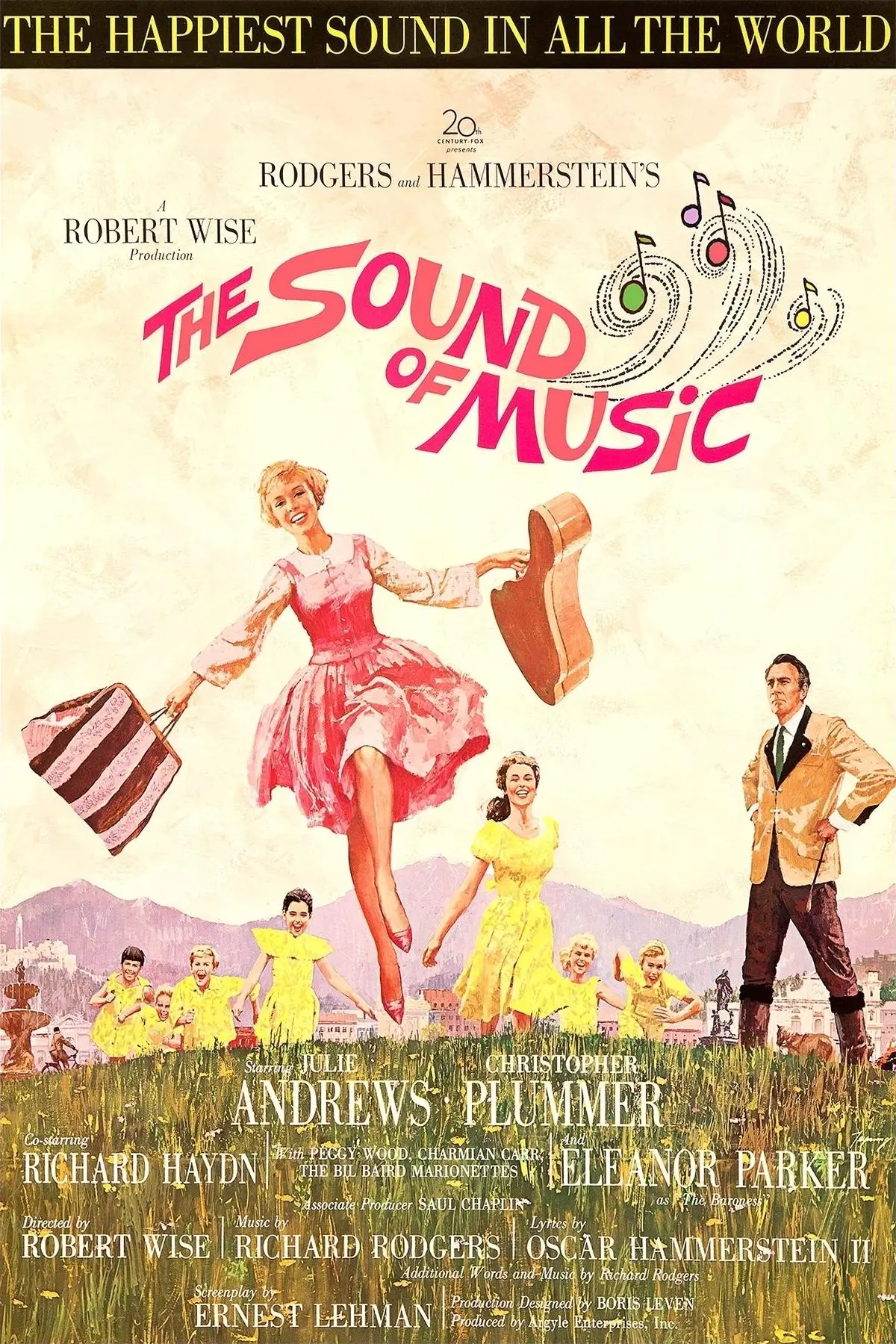
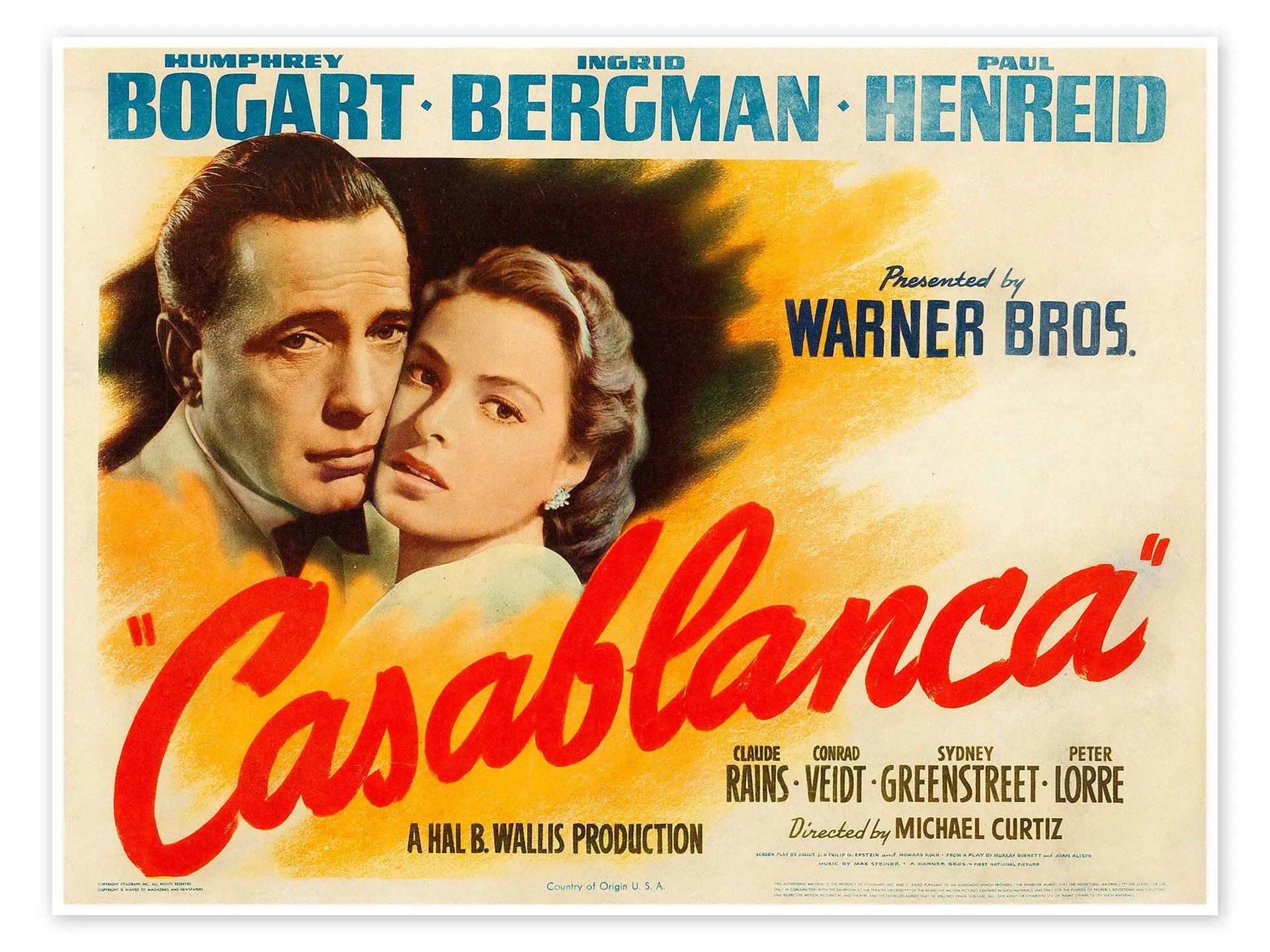
Norma Varden was one of the most profilic of character actors in Hollywood films from the early 1940’s up until the late 1960’s. She was born in London in 1898. She began her career on the British stage and was particularily associated with the famous Aldwych farces. Her film debut was in 1922 in “The Glorious Adventure”. Her more famous UK films include “Evergreen” with Jessie Matthews in 1934 and “Shipyard Sally” with Gracie Fields in 1939. Her Hollywood films began with “The Earl of Chicago” in 1940 and included such classics as “Waterloo Bridge”, “Casablanca”, “Random Harvest”, “The White Cliffs of Dover”, “National Velvet”, “Forever Amber”, “The Secret Garden”, “Strangers on a Train”, “Witness for the Prosecution” and “The Sound of Music”. She retired from acting in 1969 and died in Santa Barbara in 1989 at the age of 90.
Gary Brumburgh’s entry:
The daughter of a retired sea captain and his much-younger wife, actress Norma Varden was born and raised in turn-of-the-century London. A piano prodigy, she studied in Paris and appeared in concert in England during her teenage years. Acting, however, became her career of choice, studying at the Guildhall School of Music. She took her very first stage bow in a production of Peter Pan. In the adult role of Mrs. Darling, she was actually younger than the actors playing her children. In years to come, Norma would play a number of mature, lady-like roles that were much older than she was.
She performed Shakespeare in repertory and was at first cast in dramatic plays such as The Wandering Jew (1920-her West End debut) and Hamlet (1925) as the Player Queen. In various acting companies, she eventually found a flair for comedy and became the resident character comedienne for the famous Aldwych Theatre farce-ers from 1929 to 1933 à la Marx Bros. foil Margaret Dumont. Finding success there in the comedies A Night Like This and Turkey Time, she later recreated both roles on British film a couple of years later. She went on to prove herself a minor but avid scene-stealer in such movies asEvergreen (1934), The Iron Duke (1934), Stormy Weather (1935) and East Meets West(1936), quickly finding an amusing niche as a haughty society maven. She played both benevolent and supercilious with equal ease — her height (5’7-1/2″), elongated oval face, vacant manner, plummy voice and slightly drowsy eyes adding immensely to the look and amusement of her characters.
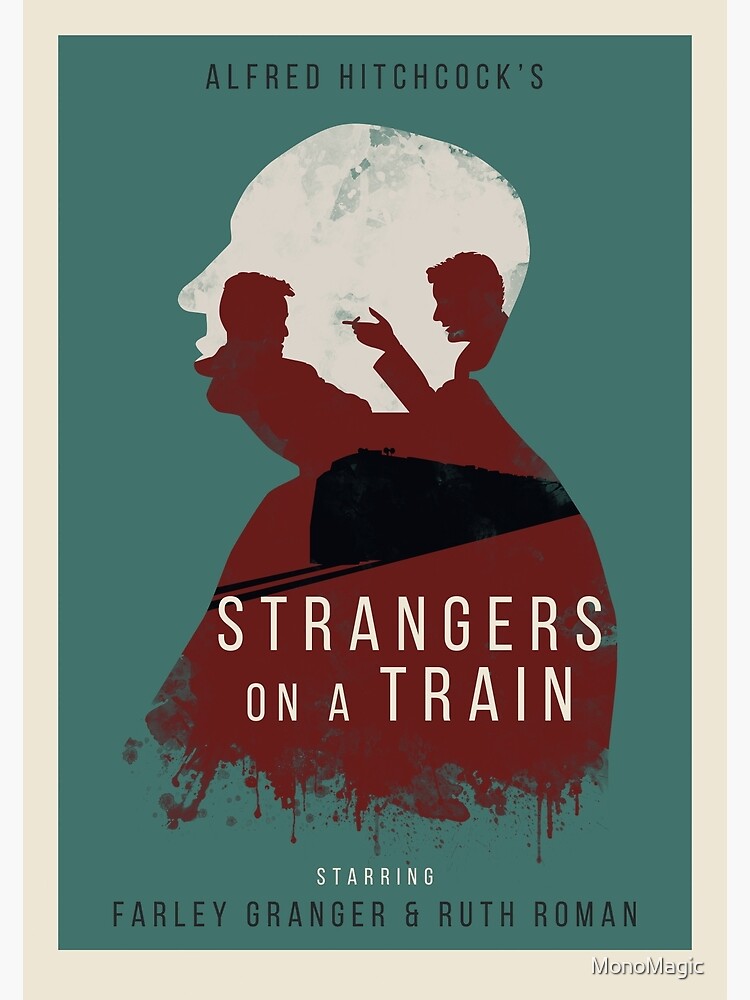
In the early 1940s, the veteran actress visited California, accompanied by her ailing, widowed mother, for a take on the warmer climate and decided to permanently settle. Again, she found herself in demand as a now silvery-haired duchess, queen or Lady something, albeit in less meaty, sometimes even unbilled parts. Although she could dress down when called upon as a bar maid, nurse and landlady, she usually was asked to provide the requisite atmosphere for glossy, opulent settings. Her more noticeable roles came as lecherous Robert Benchley‘s wealthy, put-upon wife in The Major and the Minor (1942); the vile Lady Abbott in Forever Amber (1947); the giddy socialite nearly strangled by Robert Walker in Hitchcock’s classic Strangers on a Train (1951); the impressively bejeweled wife of Charles Coburn who Marilyn Monroe fawns over inGentlemen Prefer Blondes (1953); and the Von Trapp housekeeper Frau Schmidt in The Sound of Music (1965).
Norma became a steadfast radio and TV comedy foil during the 40s, 50s and 60s, often at the mercy of a Lucille Ball or Jack Benny. Her longest radio part was as Basil Rathbone‘s housekeeper on his Sherlock Holmes radio series. On TV, she appeared in such shows as Mister Ed (1958), The Beverly Hillbillies (1962), Bewitched (1964) andBatman (1966) She had recurring roles as Betty Hutton’s aunt on The Betty Hutton Show(1959) and as Shirley Booth‘s neighbor on Hazel (1961). Never married, Norma’s mother passed away in 1969, and the actress retired shortly after. She died of heart failure in 1989, a day before her 91st birthday.
– IMDb Mini Biography By: Gary Brumburgh / gr-home@pacbell.net
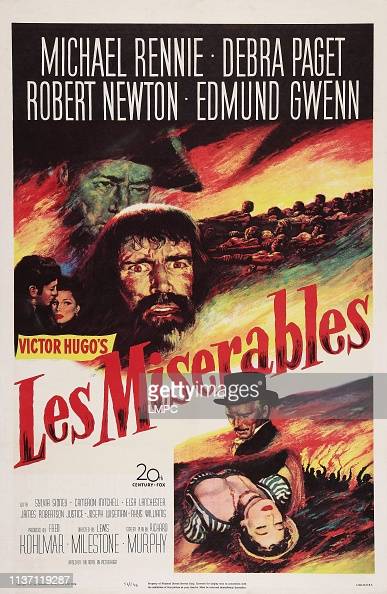
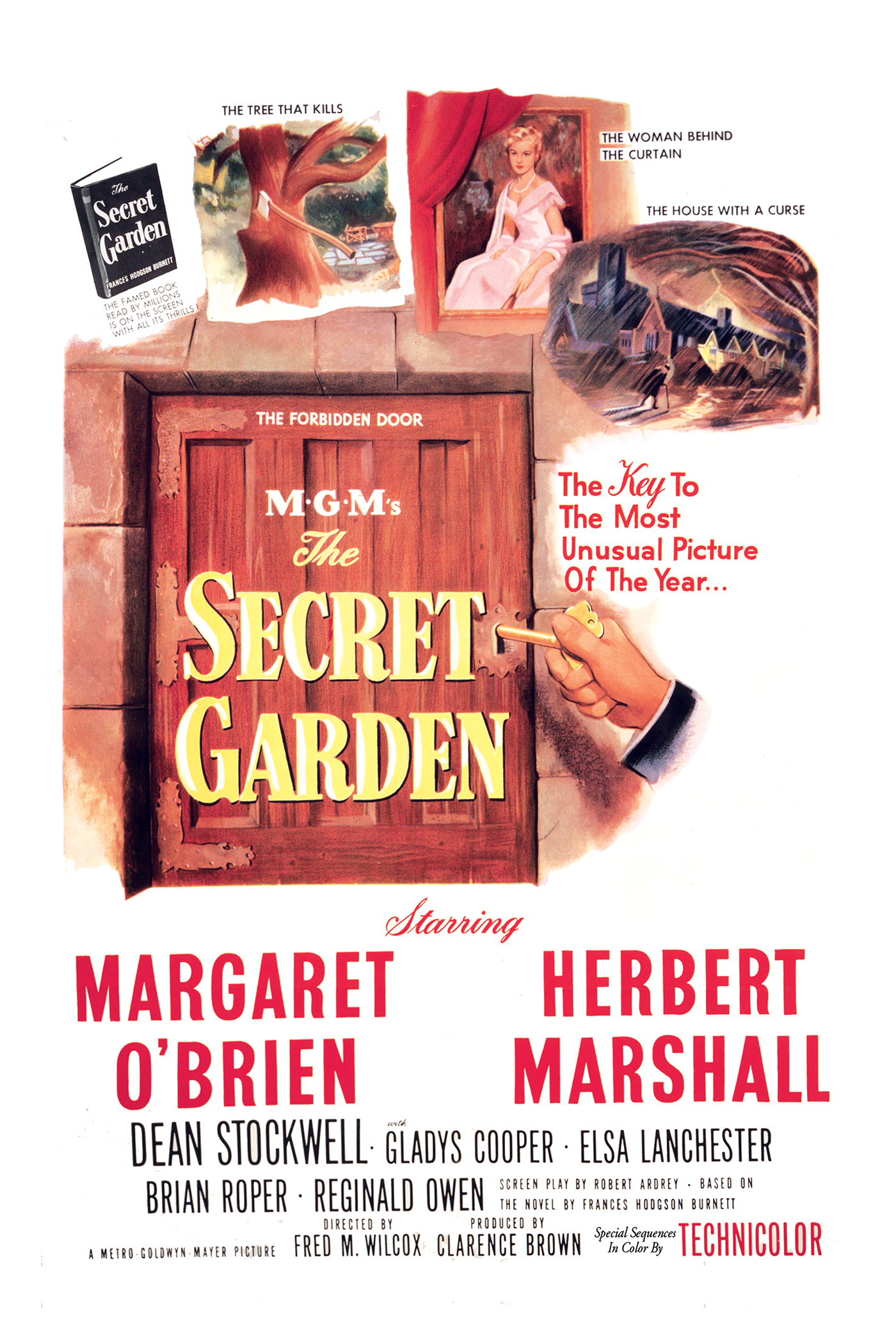
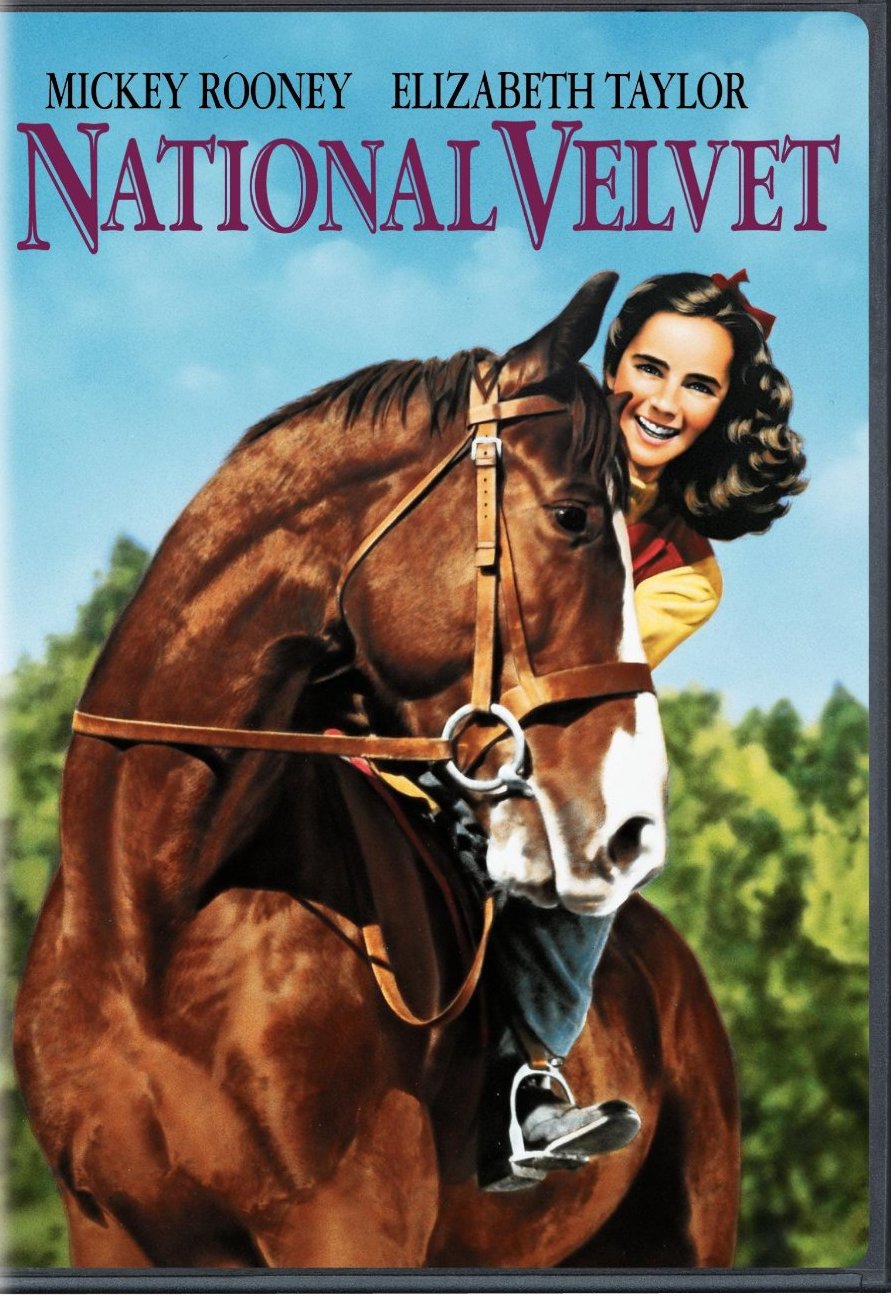
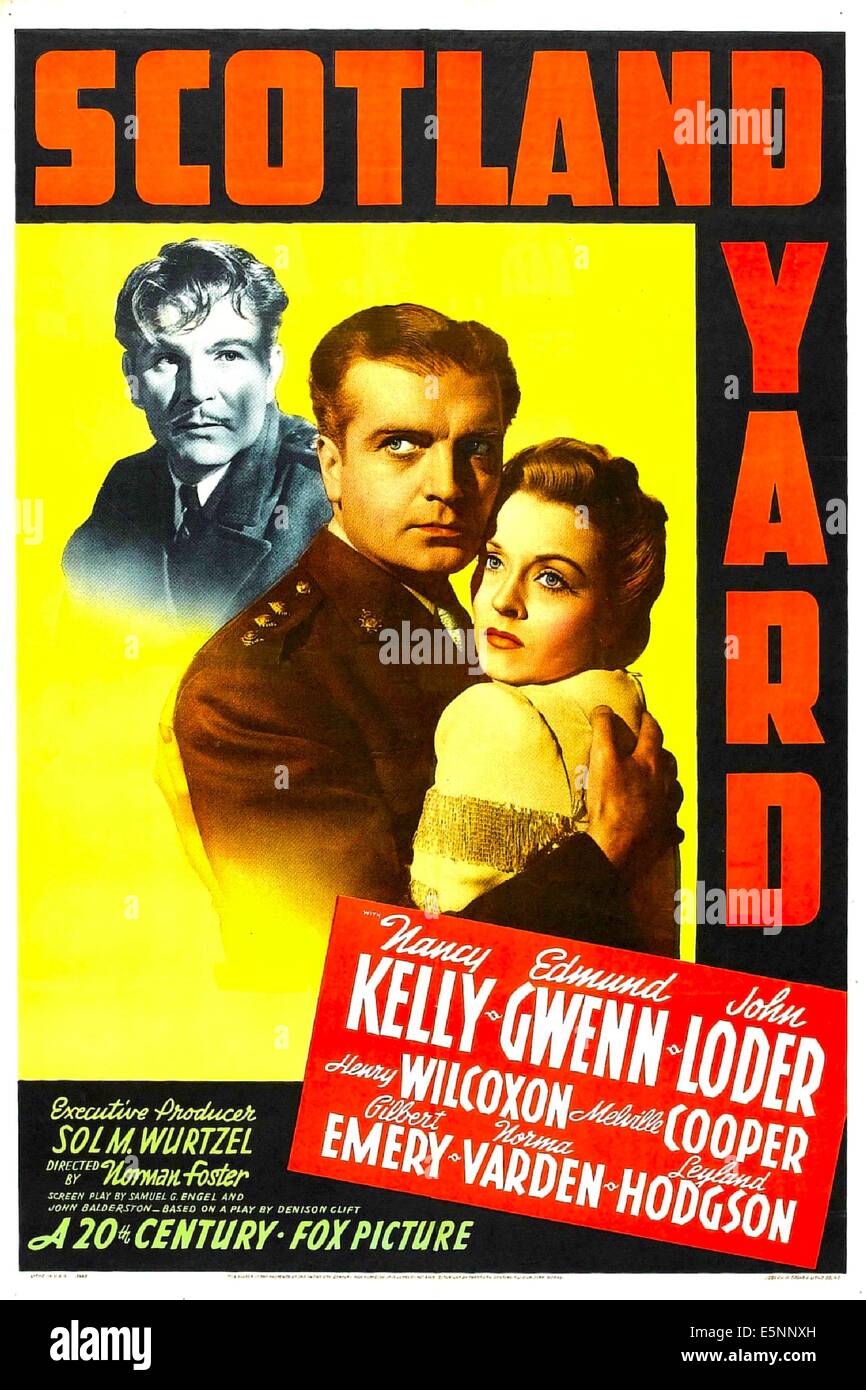
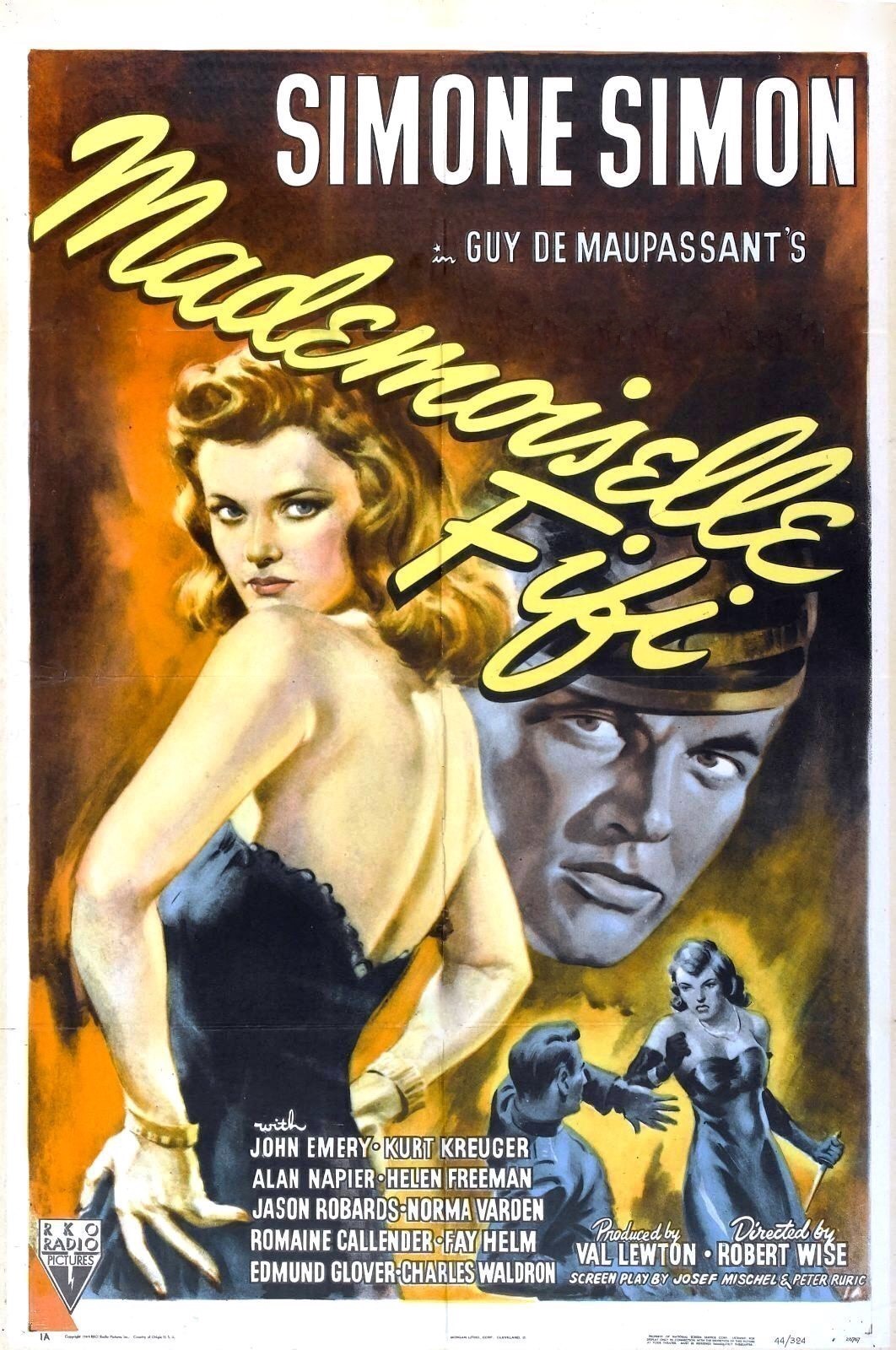
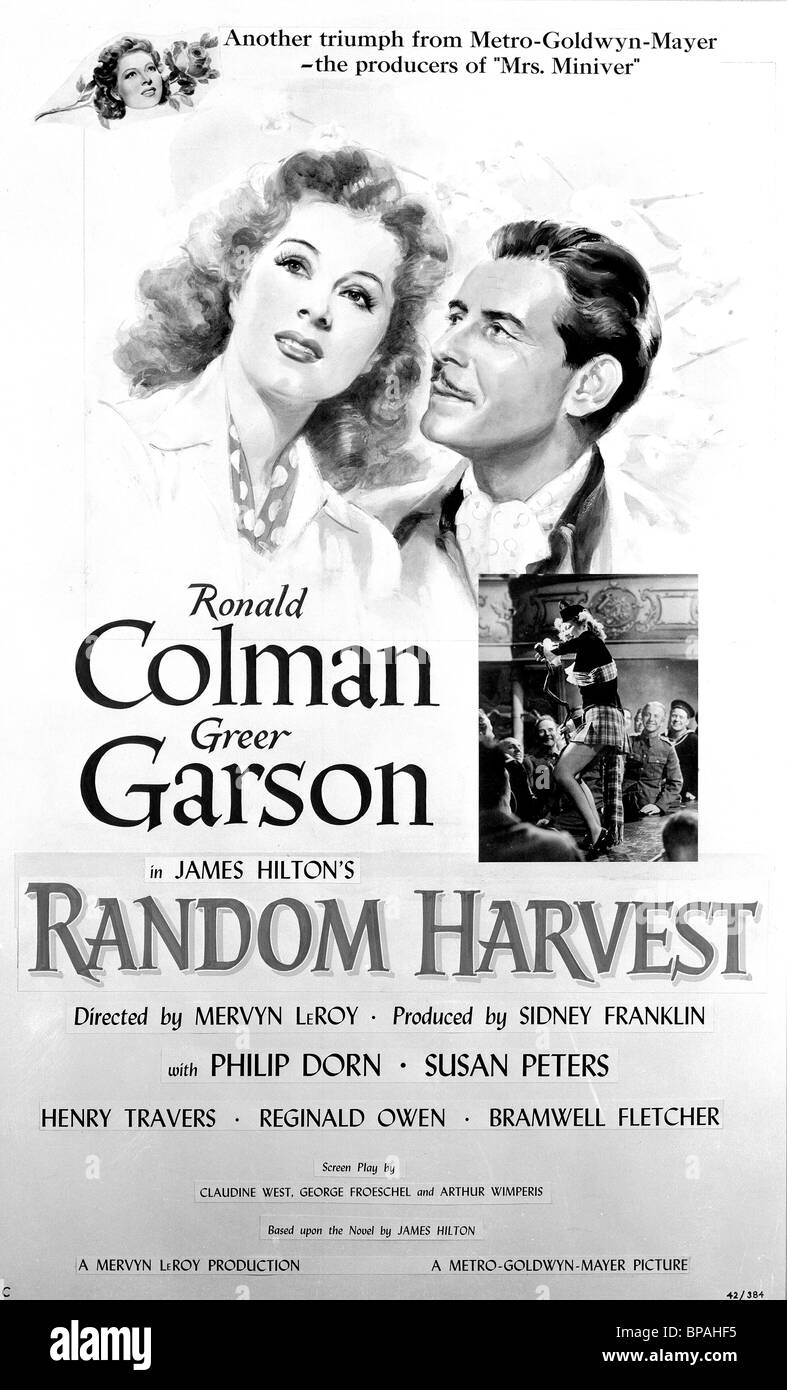
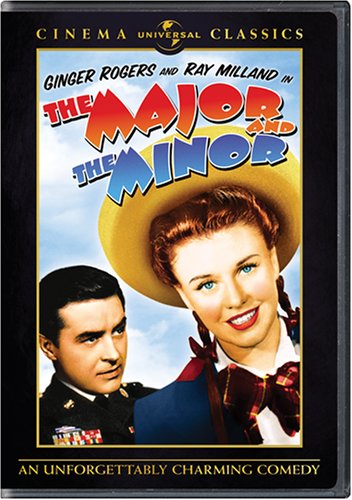
Career overview
Norma Varden (1898 – 1989) was an English‑American character actress whose long career bridged the British stage, early British sound cinema, and classic‑era Hollywood. Known for her urbane comic timing and polished diction, she specialized in playing upper‑class women—duchesses, dowagers, teachers, or housekeepers—roles that she imbued with warmth, wit, and a hint of satire. Over five decades she appeared in more than 100 films and television shows, steadily earning the reputation of a consummate supporting player ( ).
Early life and stage formation
Born Norma Varden Shackleton in London, the daughter of a retired sea captain, she was a child prodigy pianist who studied in Paris and performed concerts in England before turning to acting. She trained at the Guildhall School of Music and Drama and made her professional stage debut as Mrs Darling in Peter Pan. Under the mentorship of actress Kate Rorke she joined repertory theatre and made her West End debut in The Wandering Jew (1920).
Through the 1920s she built a varied stage résumé, including Shakespeare and farce, and from 1929 to 1933 became part of the Aldwych Theatre company, where she played in Ben Travers’s celebrated comedies such as A Night Like This and Turkey Time. Critics compared her skill as a comic foil to that of Margaret Dumont in the Marx Brothers films .
British film career (1930s)
Varden moved into British films during the 1930s—Evergreen (1934), The Iron Duke (1934), and East Meets West (1936)—developing her trademark persona: the “formidable but endearing” society matron. Her tall frame, plummy voice, and gift for underplayed befuddlement made her instantly recognizable. By the end of the decade she was an established supporting performer in both screen comedy and lighter drama .
Move to Hollywood and film work (1940s–1960s)
Varden relocated permanently to California around 1940, partly for her mother’s health. Her rich accent and cultivated manner made her invaluable to Hollywood studios eager for “authentic” English atmosphere in wartime productions.
Key performances include:
- The Major and the Minor (1942) – Robert Benchley’s fussy wife, a comic gem.
- Casablanca (1942) – the uncredited wife of a diamond dealer, a fleeting but vivid cameo.
- National Velvet (1944) and The Green Years (1946) – benevolent, patrician supporting turns.
- Forever Amber (1947) as the haughty Lady Abbott.
- Strangers on a Train (1951) – the giddy socialite nearly strangled by Robert Walker in Hitchcock’s suspense classic.
- Gentlemen Prefer Blondes (1953) – Lady Beekman, the wealthy owner of Marilyn Monroe’s coveted tiara, demonstrating pitch‑perfect comic timing.
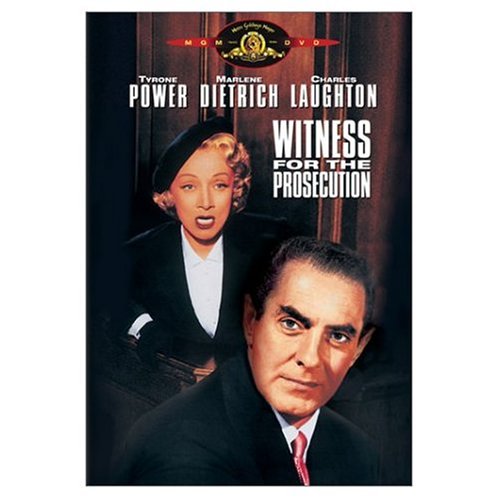
- Witness for the Prosecution (1957) – as the doomed widow Emily French, her dignified gravitas grounds the mystery.
- The Sound of Music (1965) – Frau Schmidt, the Von Trapp housekeeper, another master‑class in understatement ( ).
Her ability to play “aristocratic Englishwoman,” “nervous spinster,” “eccentric aunt,” or “sympathetic servant” with equal conviction made her indispensable to directors seeking texture without distraction.
Radio and television
Parallel to her film work, Varden enjoyed steady employment on American radio comedy—she was Basil Rathbone’s housekeeper in his Sherlock Holmes broadcasts—and later became a familiar face on television. She made comic guest appearances in I Love Lucy, The Jack Benny Program, Perry Mason, Hazel (6 episodes), Bewitched, and Batman . Her creative consistency and genial professionalism endeared her to audiences across media.
Acting style and persona
- Refined comic naturalism: Varden excelled at timing the pause or incredulous glance—the humor arising from her characters’ self‑importance or confusion.
- Precision of speech and movement: Her theatrical training lent every line crisp articulation; slight physical exaggeration conveyed class consciousness without cruelty.
- Duality—haughty yet humane: She balanced satire of social pretension with emotional warmth, ensuring that her “snobs” never became villains.
- Longevity through adaptability: Shifting easily from British farce to Hollywood melodrama to situation comedy kept her relevant for half a century.
Strengths and limitations
Strengths
- Remarkable reliability and versatility as a supporting player.
- Distinctive comic persona that directors could drop into almost any social milieu.
- Professionalism bridging stage, film, radio, and television eras.
Limitations
- Typecasting: her refined voice and bearing confined her largely to variations on the same “society woman” trope.
- Lack of leading opportunities; she worked within character parts rather than against them.
Critical evaluation and legacy
Contemporary critics seldom singled her out except to praise “another scene‑stealing turn by Norma Varden.” In retrospect, that dependable scene‑stealing defines her legacy: she represented the unflashy excellence of classic Hollywood’s supporting core. Her presence lent verisimilitude and amusement wherever she appeared—be it Casablanca’s Moroccan opulence or The Sound of Music’s Austrian household.
Scholars of British émigré actors note Varden’s importance as part of the cadre of classically trained performers who gave Hollywood ‘English polish.’ When she died in Santa Barbara in 1989, Los Angeles Times obituaries described her as “a lady of effortless grace who made character acting an art of civility.”
In summary
Norma Varden’s career exemplifies disciplined longevity. From concert‑hall prodigy to Aldwych comedienne to Hollywood’s favorite grande dame, she worked across nearly seventy years with subtle humor, professional steadiness, and the kind of grace that keeps “minor” characters indelibly alive