
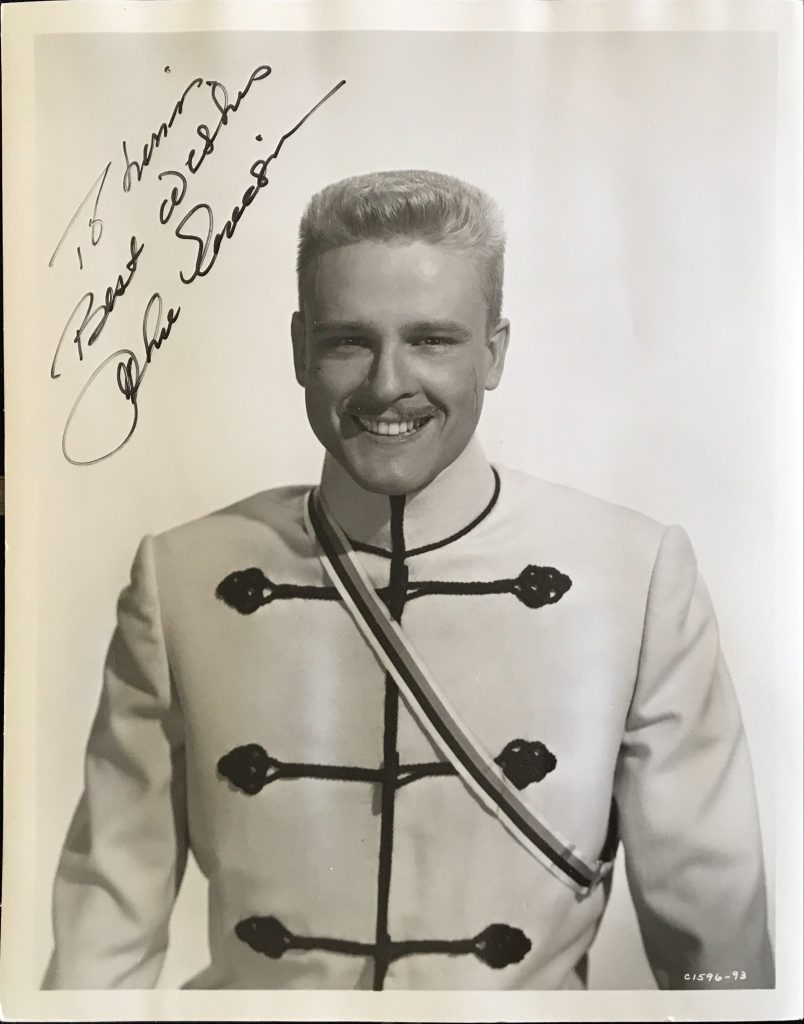
Hollywood reporter in 2020
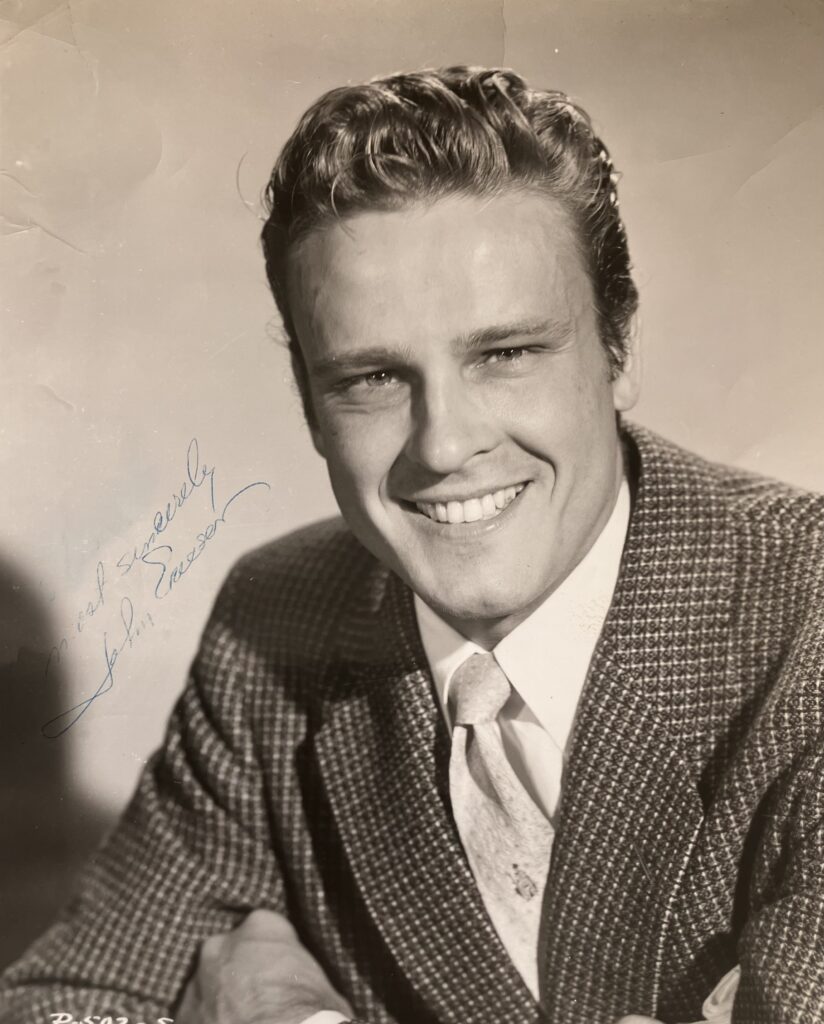
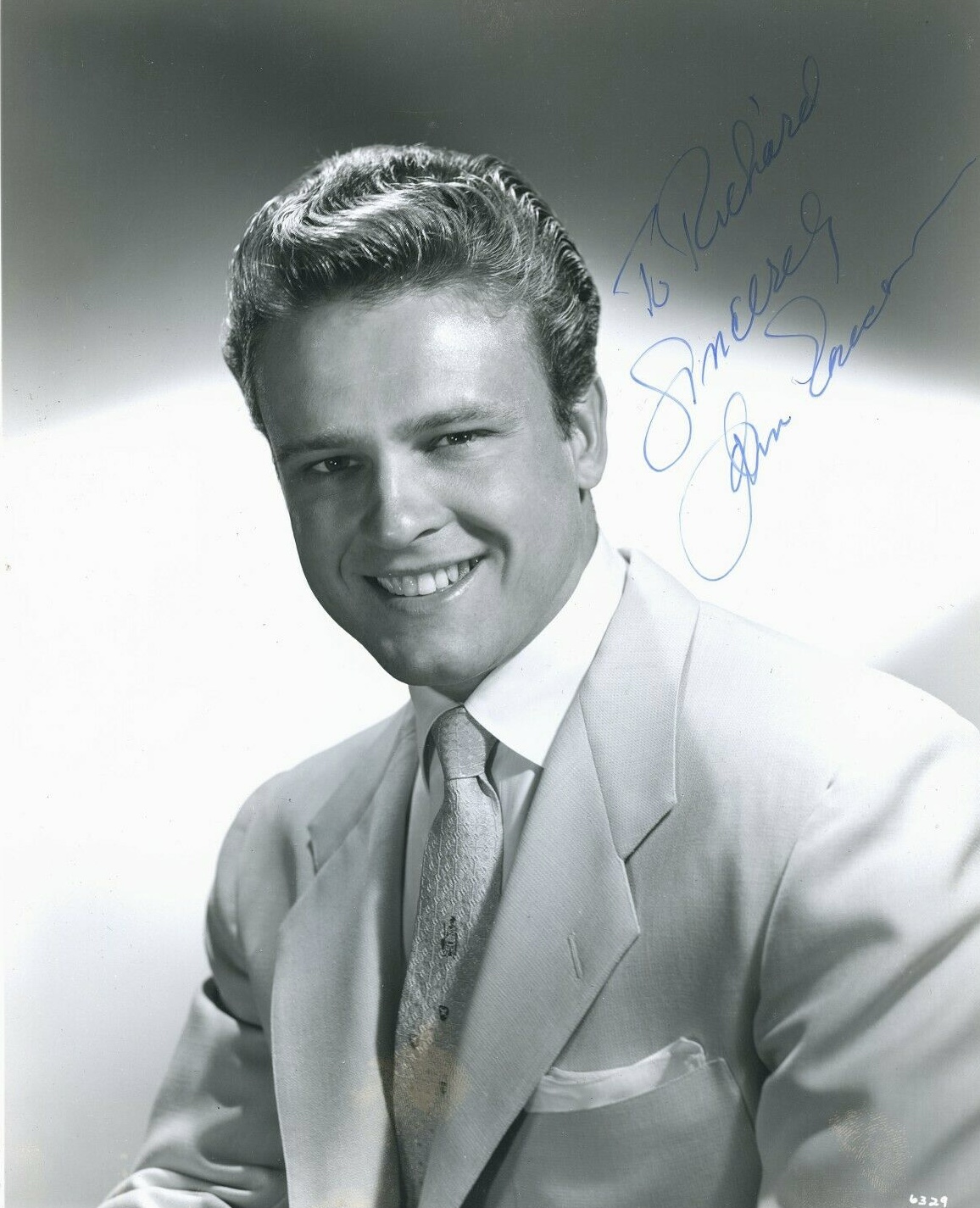
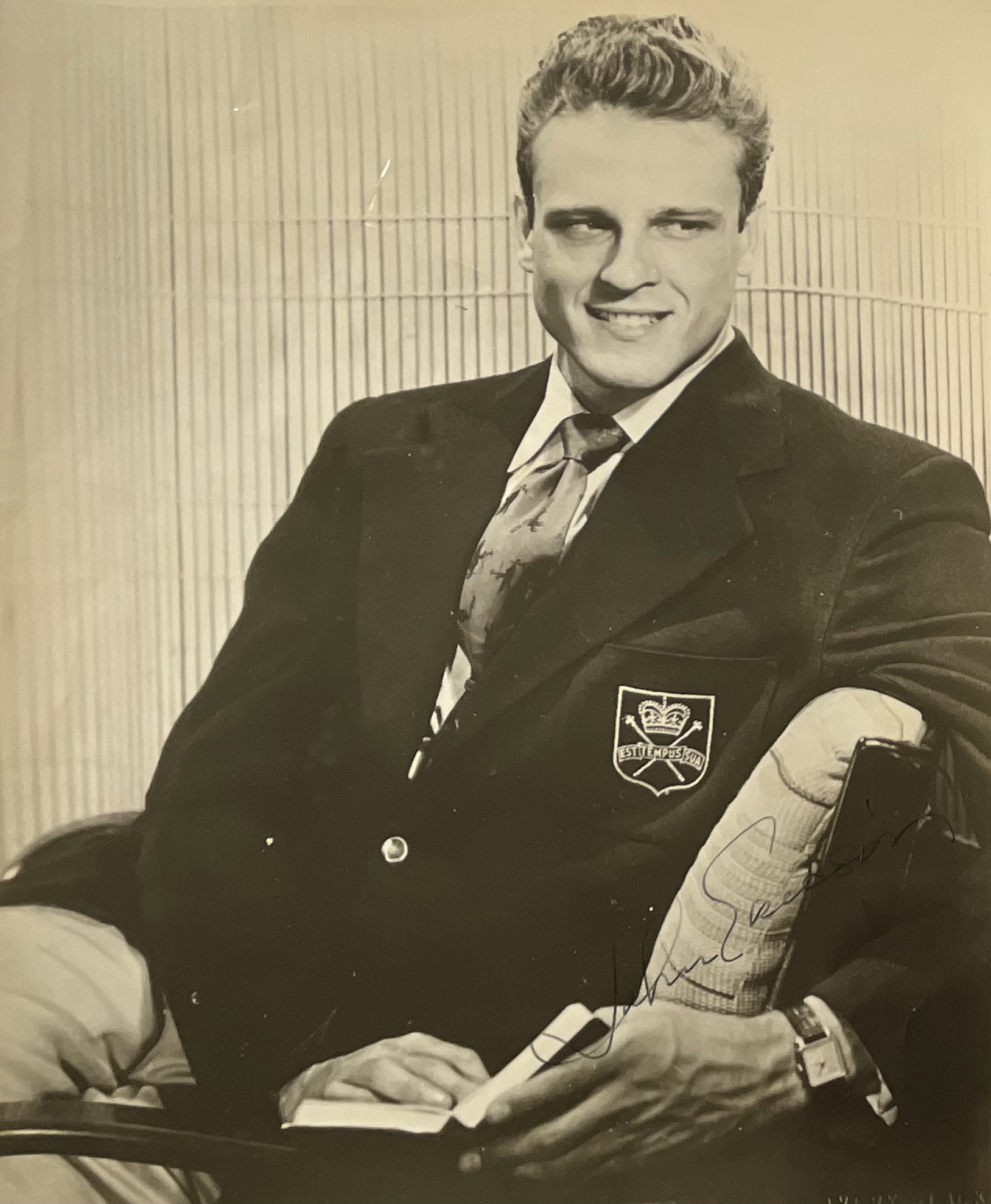
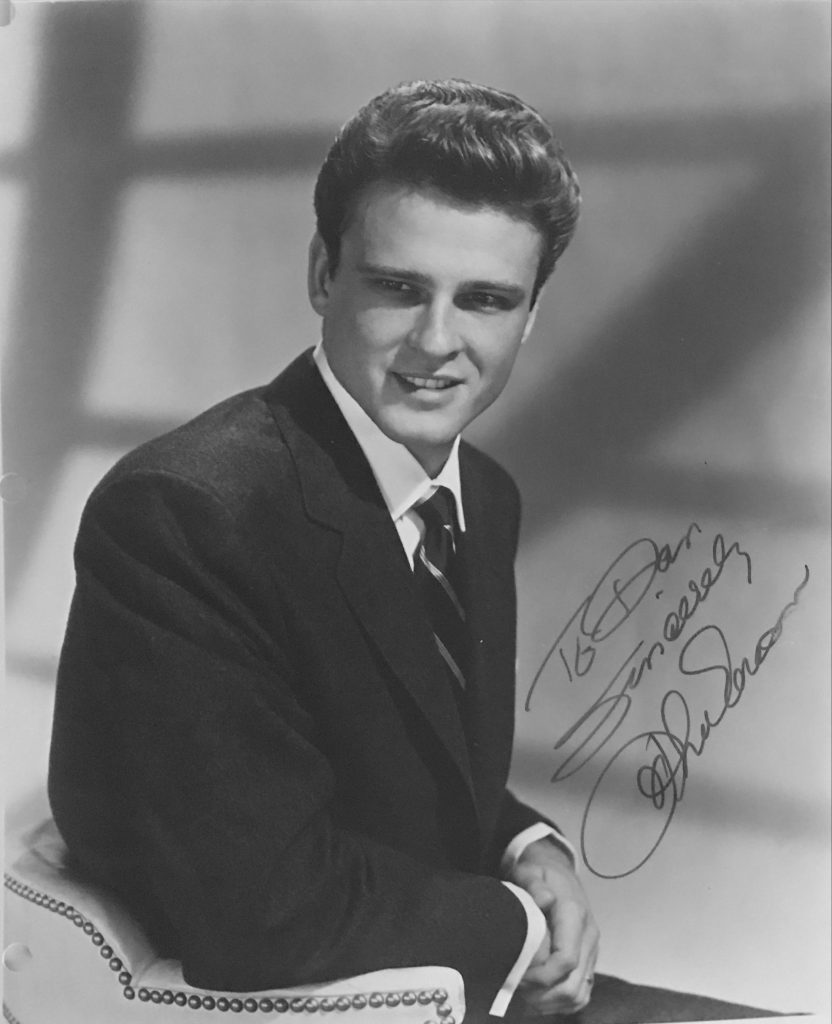
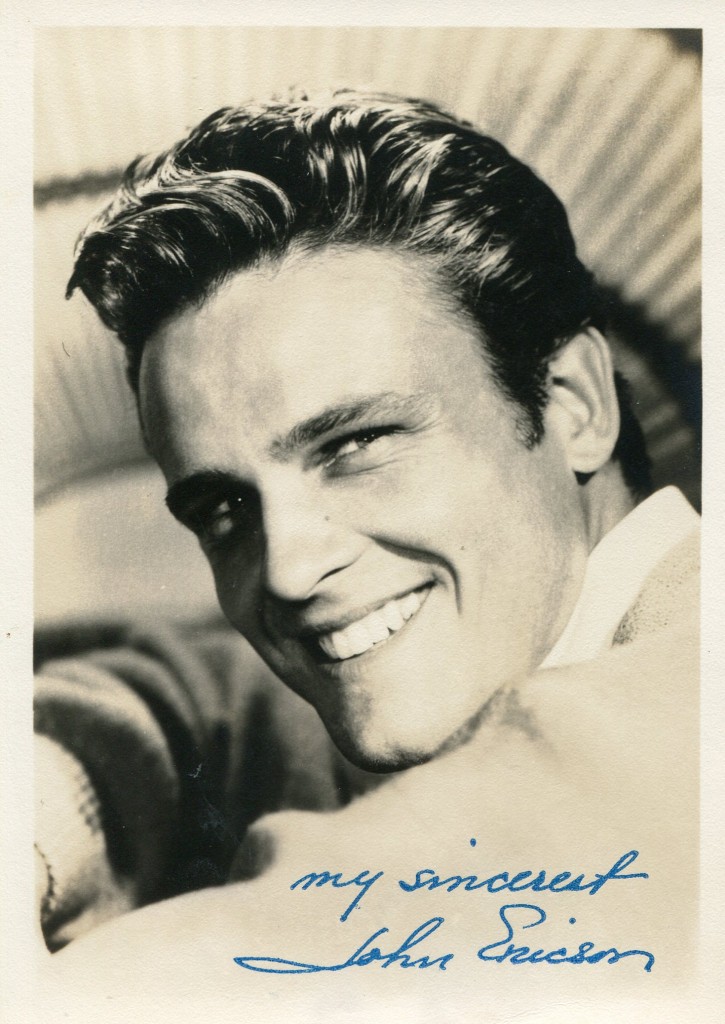
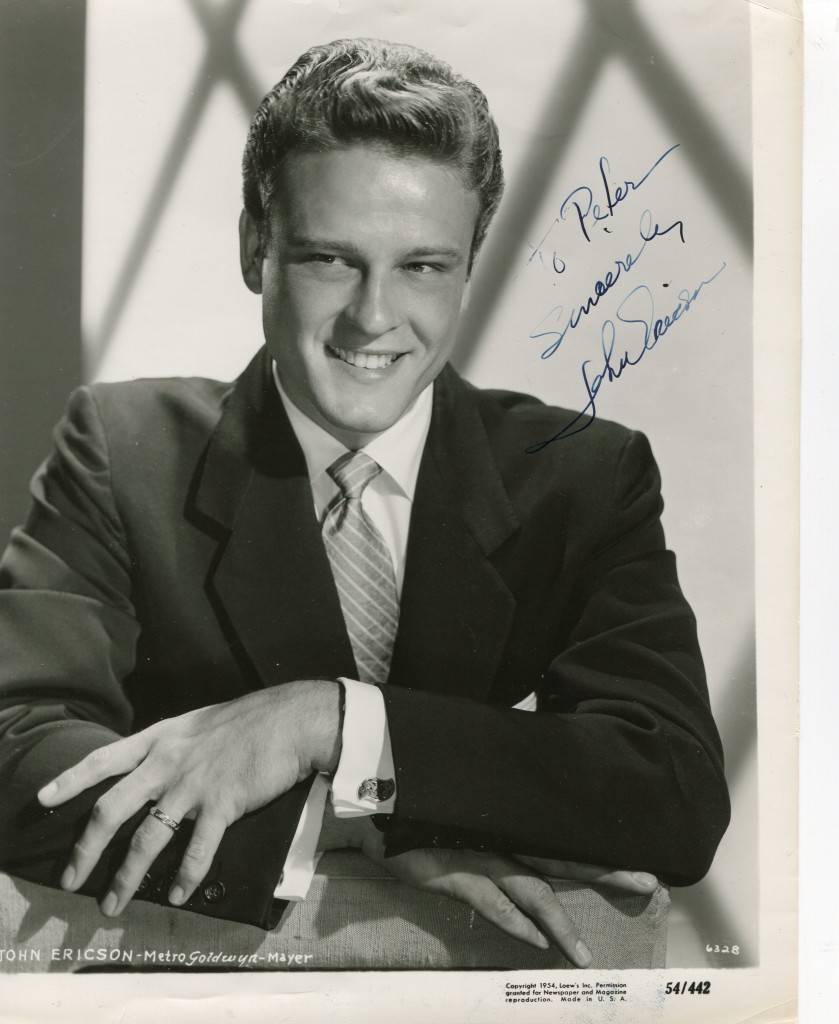
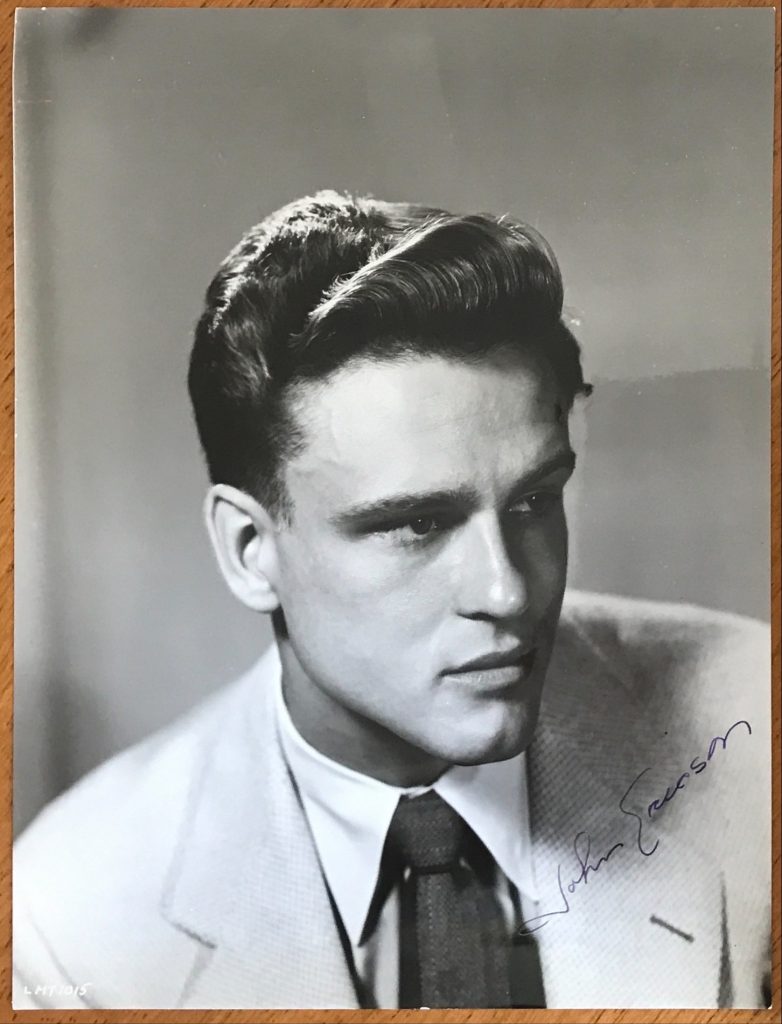
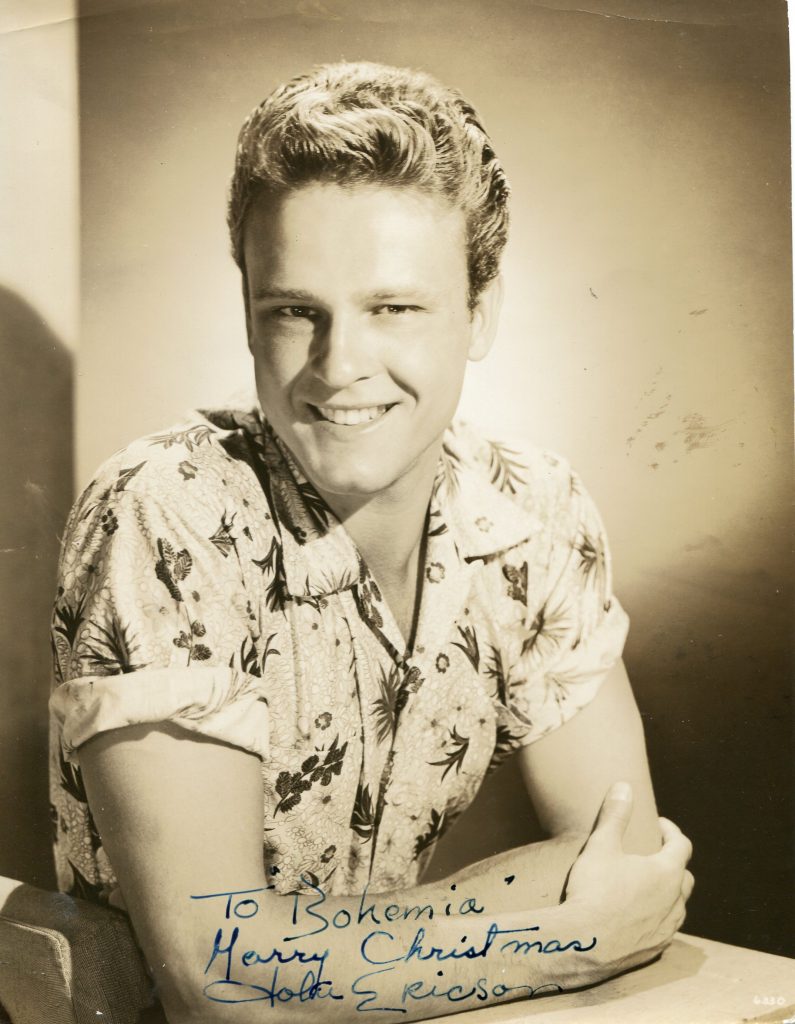
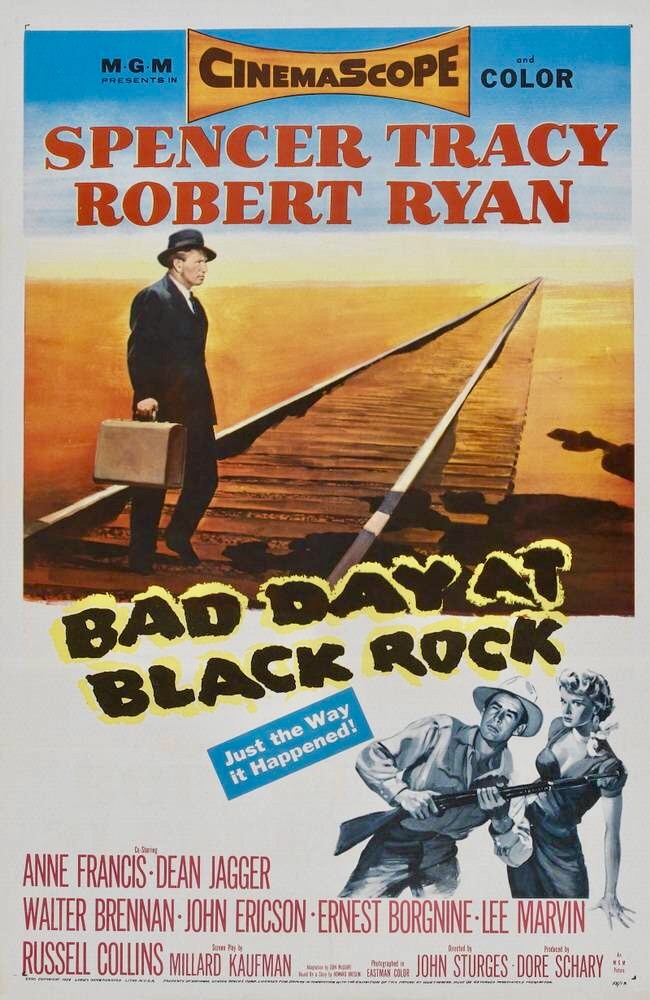
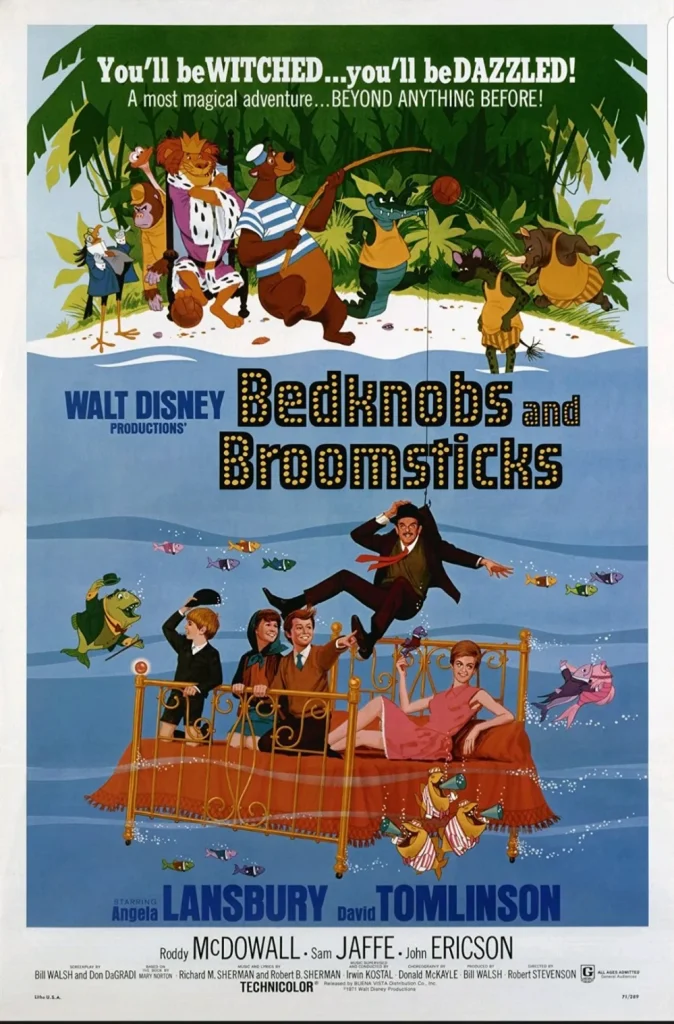
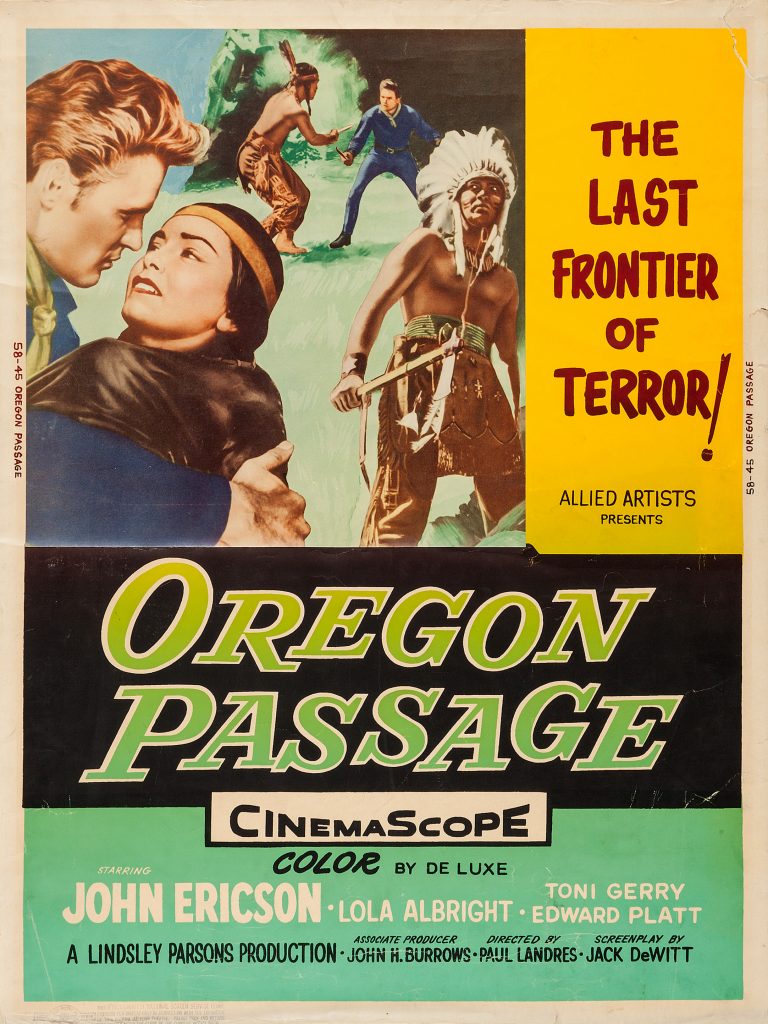
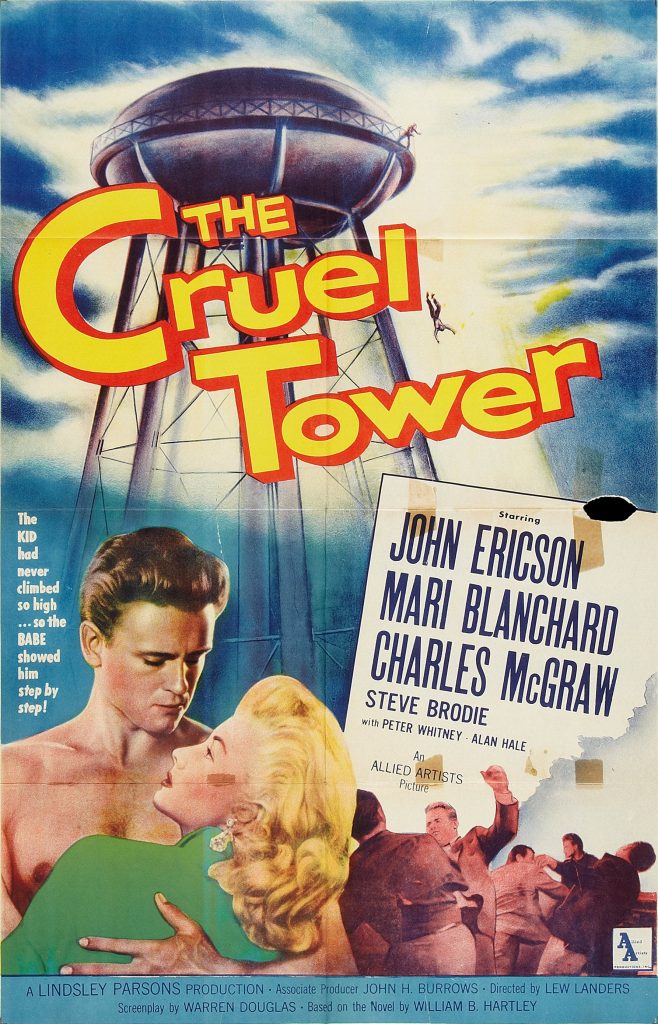
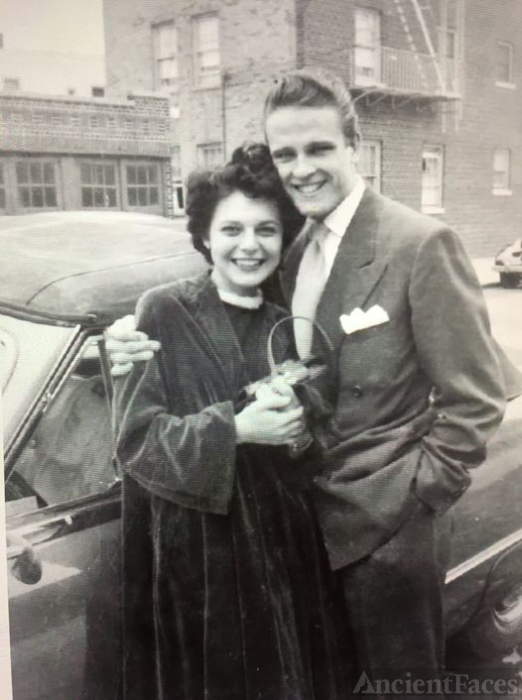
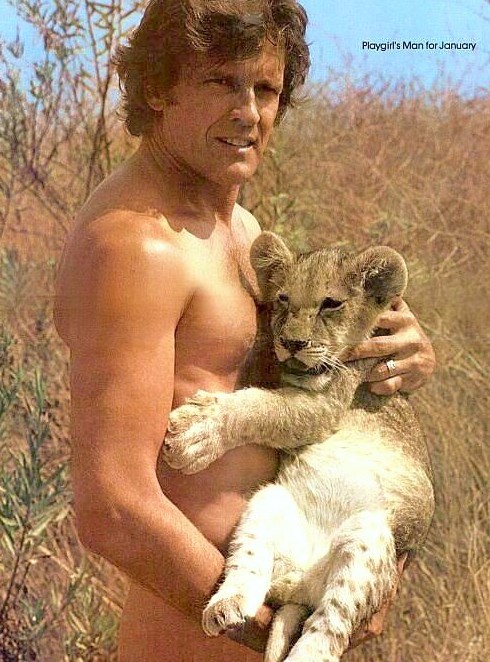
John Ericson, who starred alongside Anne Francis on TV’s Honey West and with Spencer Tracy in Bad Day at Black Rock and with Angela Lansbury in Bedknobs and Broomsticks, has died. He was 93.
Ericson died Sunday of pneumonia in Santa Fe, New Mexico, where he had been living since the mid-1990s, a family spokesman said.
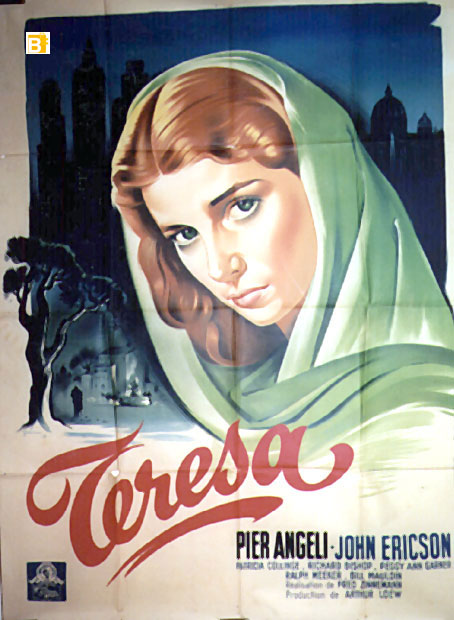
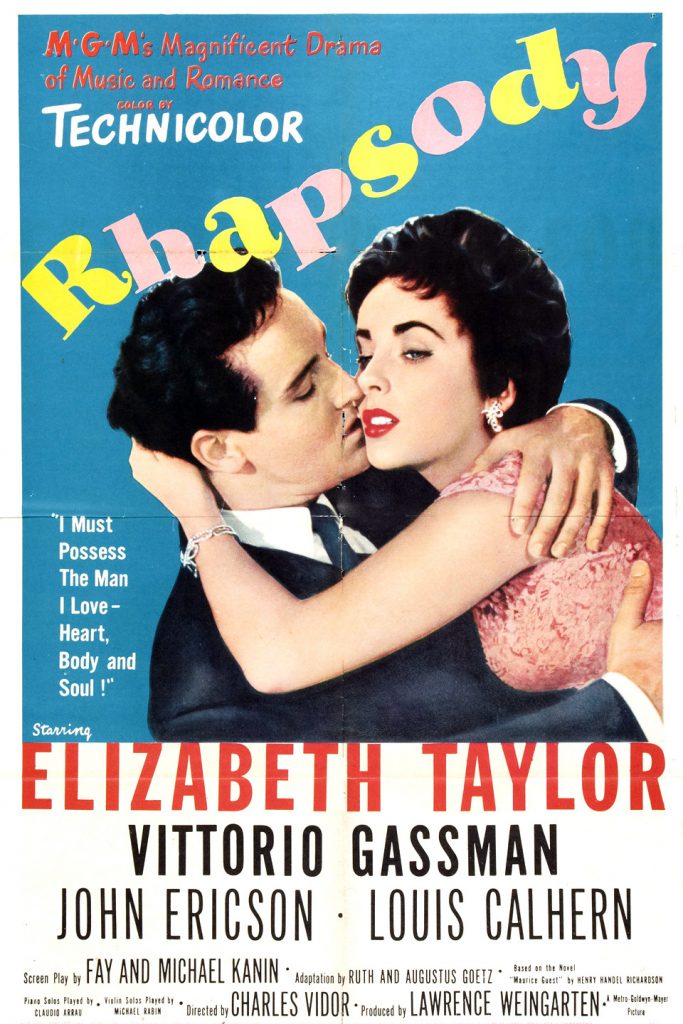
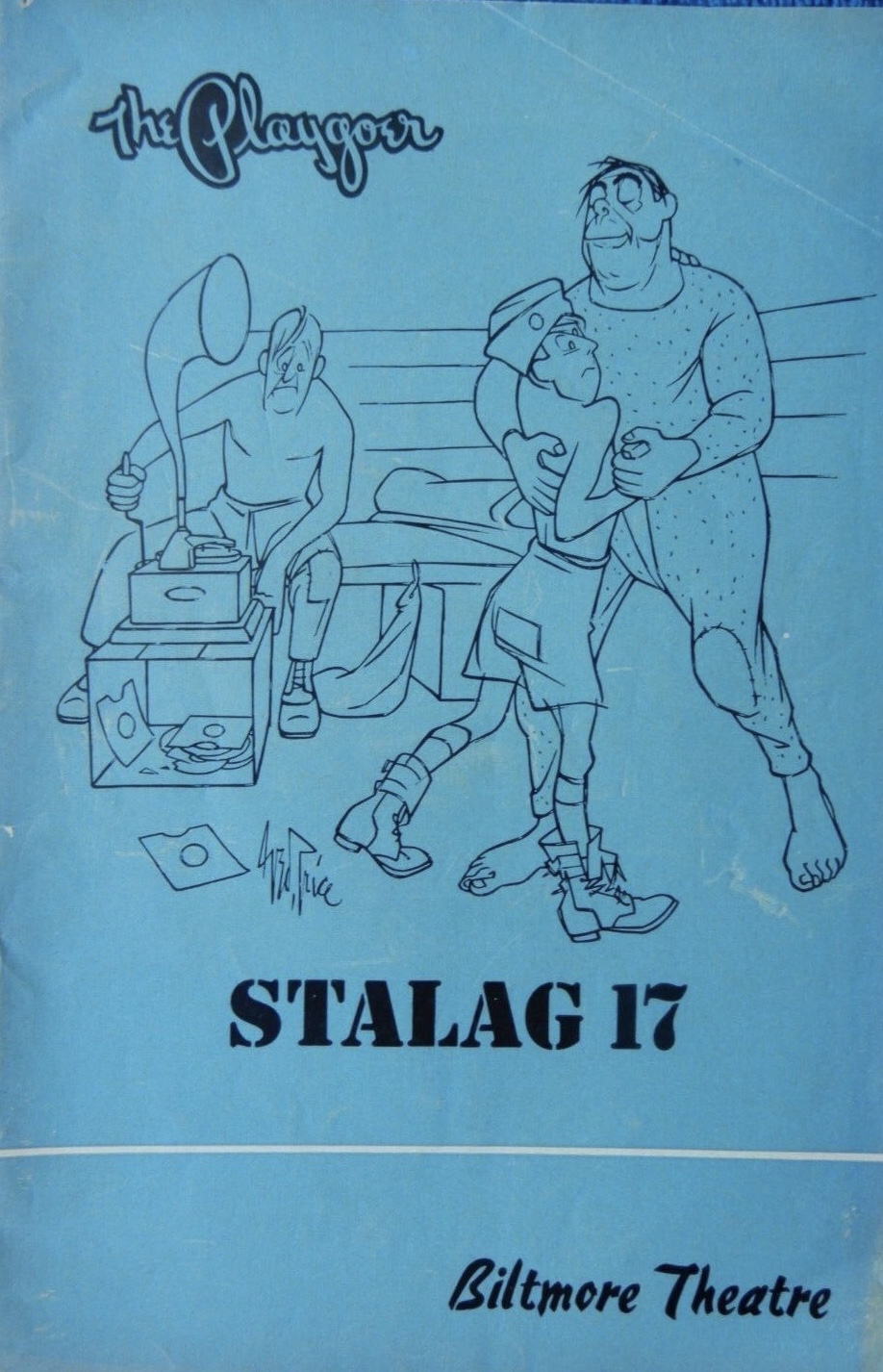
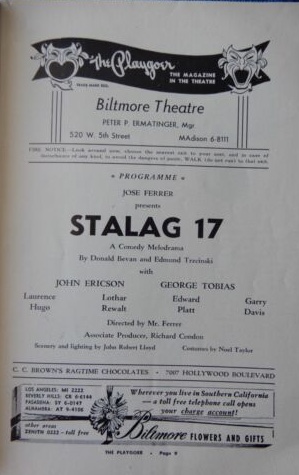
Ericson appeared on Broadway in the original production 1951 of Stalag 17, directed by José Ferrer, and he made his film debut inTeresa (1951), directed by Fred Zinnemann. Three years later, he starred with Elizabeth Taylor in Rhapsody (1954).
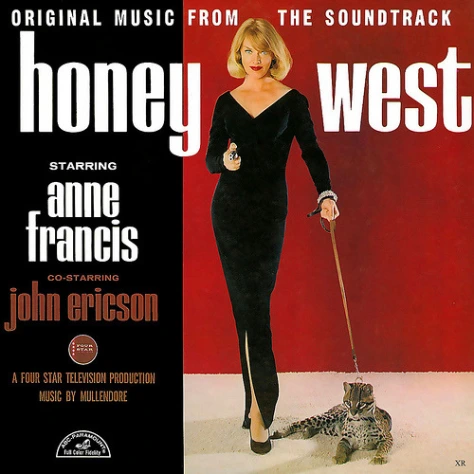
Ericson played “Man Friday” Sam Bolt opposite Francis’ private eye title character and a pet ocelot named Bruce on ABC’s Honey West, produced by Aaron Spelling. The action show lasted just one 30-episode season (1965-66), but Francis’ karate kicks lived long afterward in reruns and in syndication.
He and Francis had played brother and sister in John Sturges’ classic Bad Day at Black Rock (1955).
Born Joseph Meibes on Sept. 25, 1926, in Düsseldorf, Germany, Ericson studied at the American Academy of Dramatic Arts in New York in the same class as Grace Kelly, Jack Palance and Don Rickles.
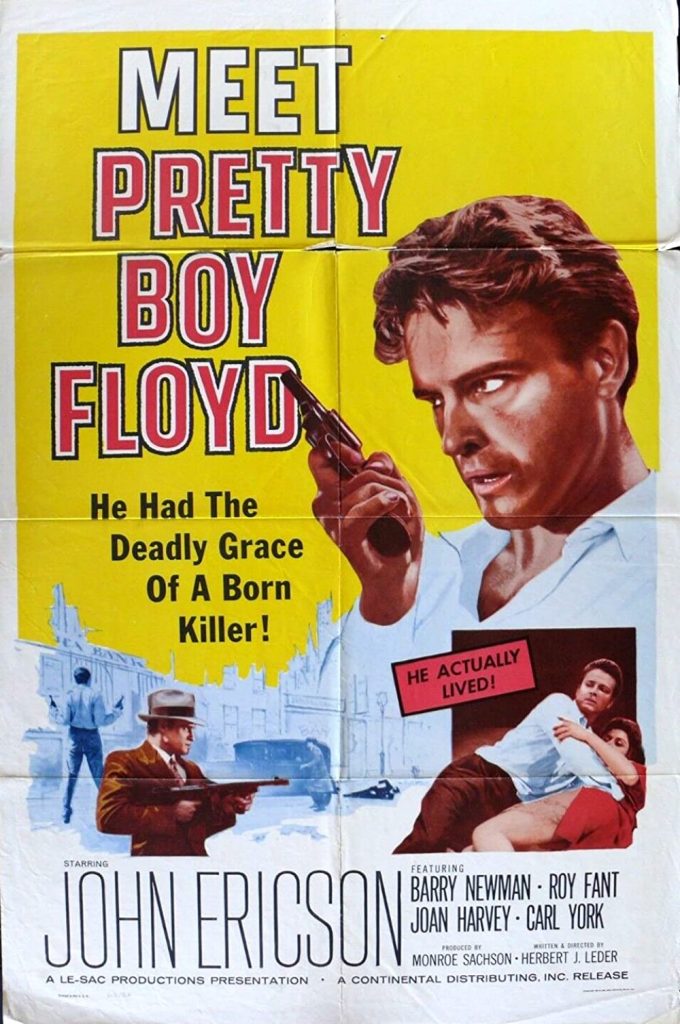
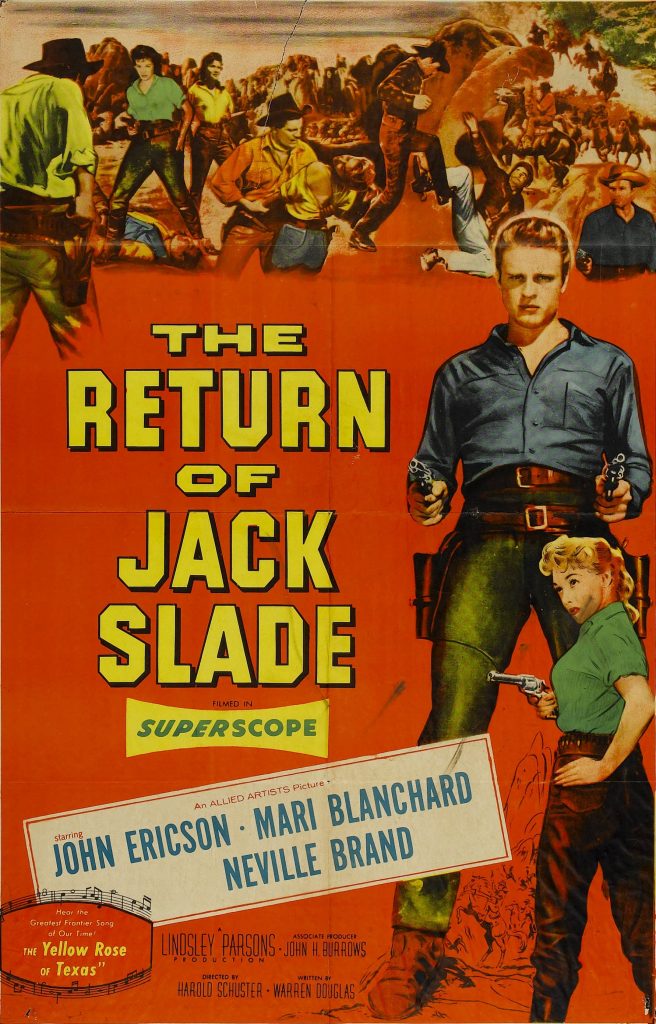
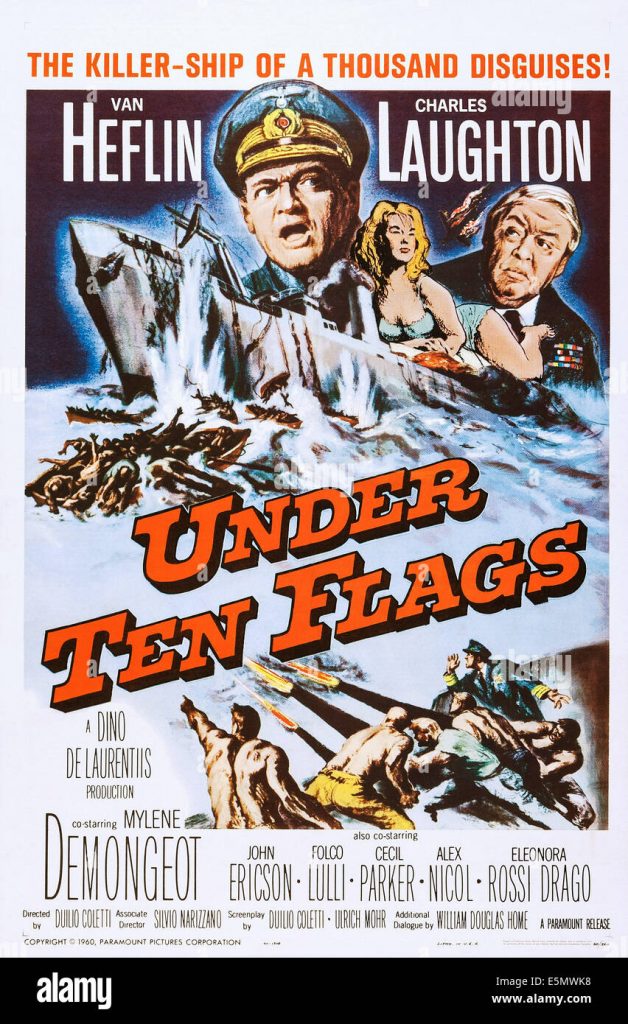
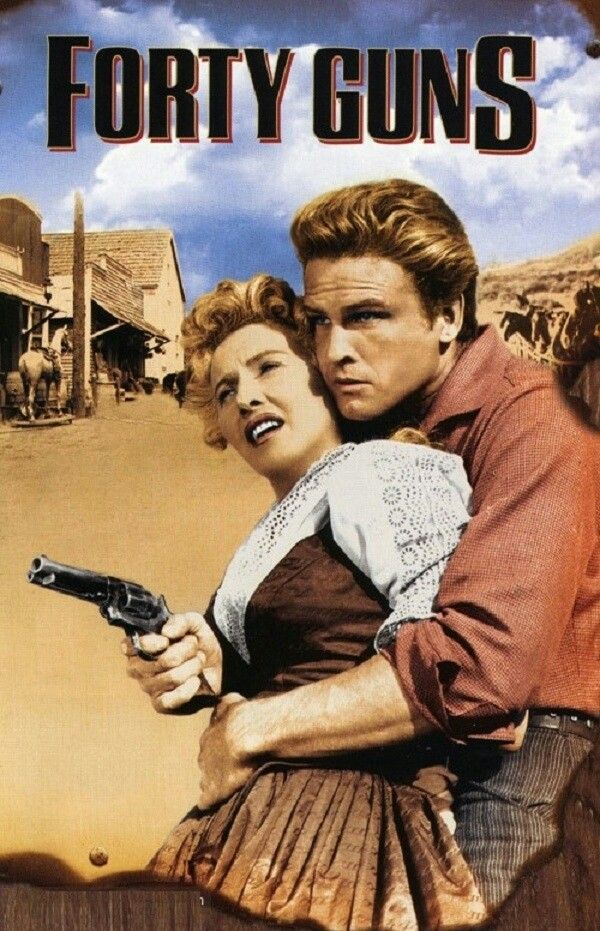
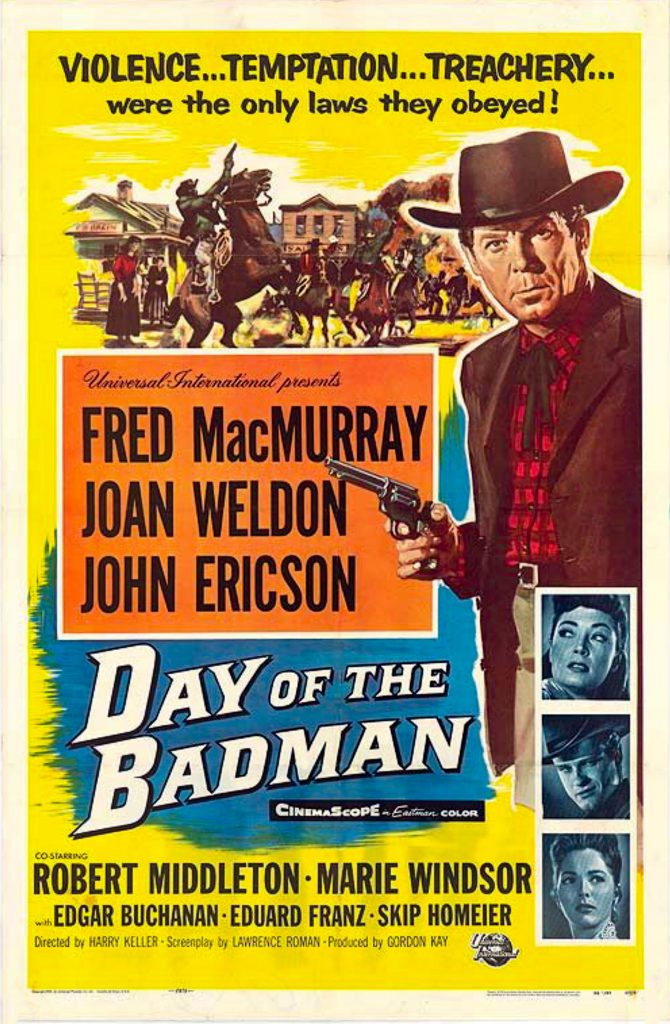
He went on to portray the title bad guy in Pretty Boy Floyd (1960), and his credits also included Forty Guns (1957), starring Barbara Stanwyck, and Day of the Badman (1958), featuring Fred MacMurray.
On television before and after Honey West, Ericson showed up on Shirley Temple’s Storybook; Wagon Train; The Fugitive; Bonanza; Marcus Welby, M.D.; Police Woman; CHiPs; General Hospital; and many other shows.
Survivors include his wife, Karen, and daughter, Nicole
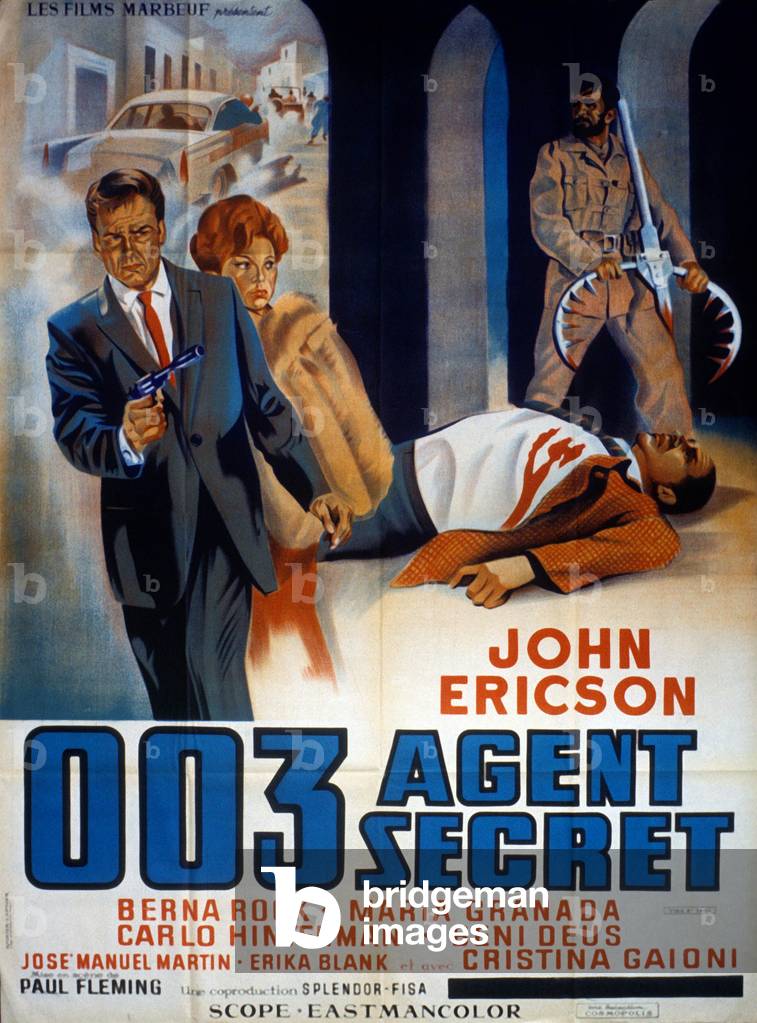
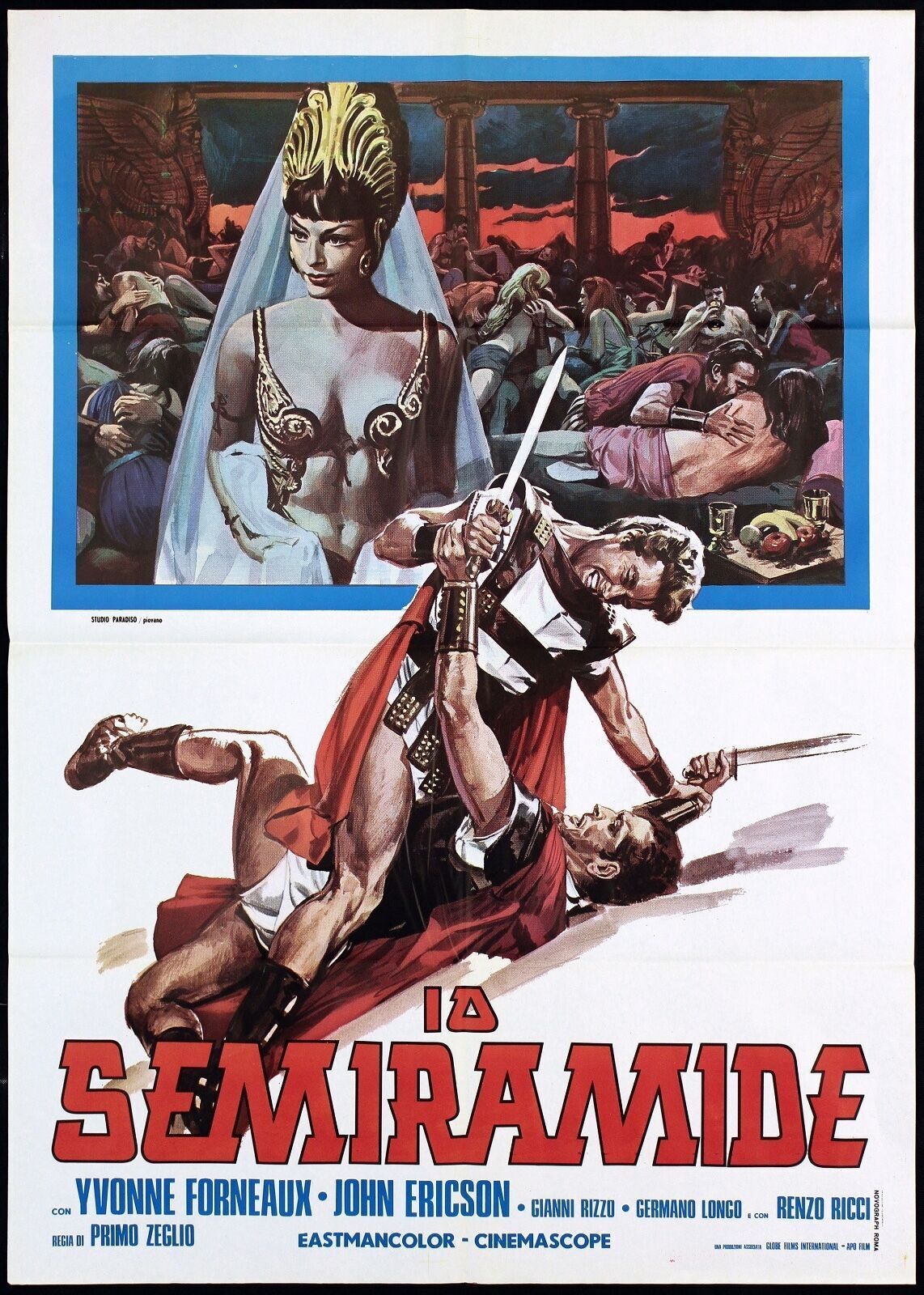
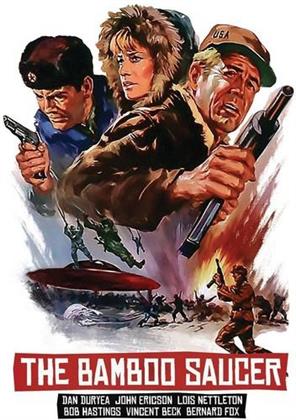
Career overview
John Ericson (born Joachim Alexander Ottokar Meibes, 1926 – 2020) was a German‑born American actor whose career bridged the post‑war MGM studio era and the television age. Trained in New York’s American Academy of Dramatic Arts, where he studied alongside Grace Kelly and Don Rickles, Ericson developed into one of Hollywood’s quietly dependable leading men of the 1950s and an enduring character actor on television thereafter.
Early life and theatrical beginnings
Ericson was born in Düsseldorf and moved to the United States as a child. After U.S. Army service in World War II he enrolled at the American Academy of Dramatic Arts, graduating in the same cohort as Grace Kelly and Jack Palance . On stage he earned early notice when José Ferrer cast him as the manipulative airman J.J. Sefton in the original Broadway production of Stalag 17 (1951). The play’s success brought an MGM contract and entry into feature films.
MGM years: rising young lead (1950s)
Ericson’s screen debut came in Fred Zinnemann’s Teresa (1951), a proto‑“kitchen‑sink” psychodrama opposite Pier Angeli. He quickly became part of MGM’s mid‑1950s stable of earnest, all‑American leading men. Key films include:
- Rhapsody (1954) opposite Elizabeth Taylor, showcasing a romantic but insecure musician;
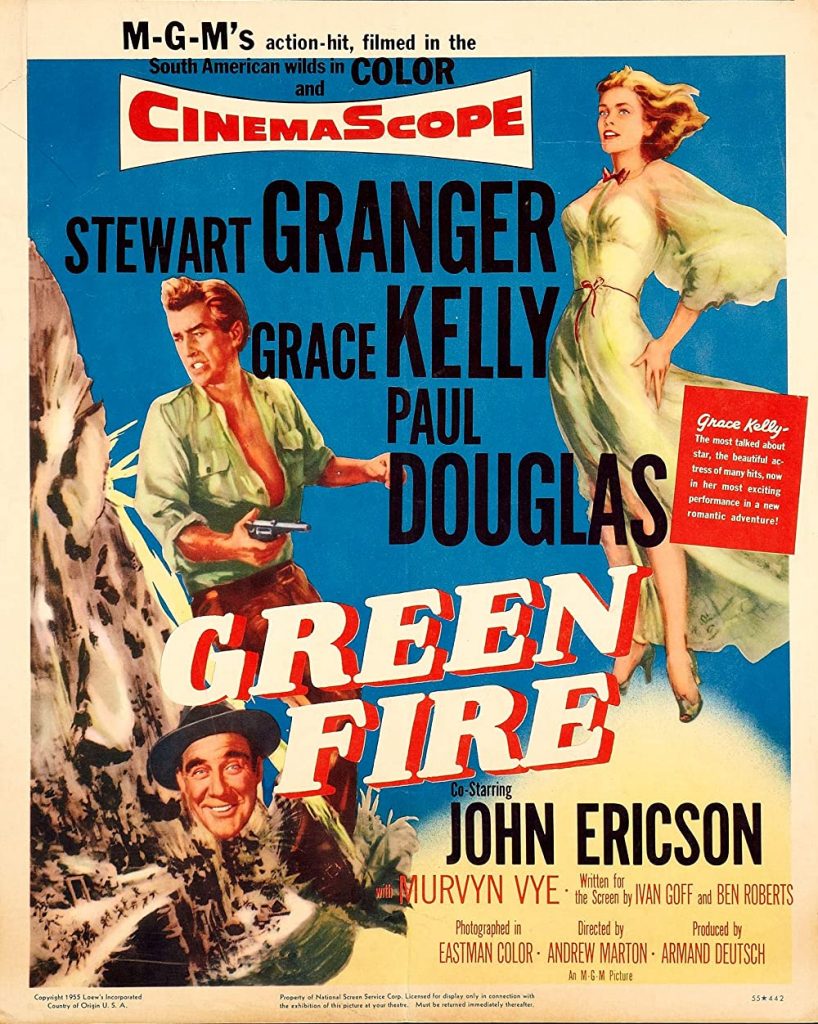
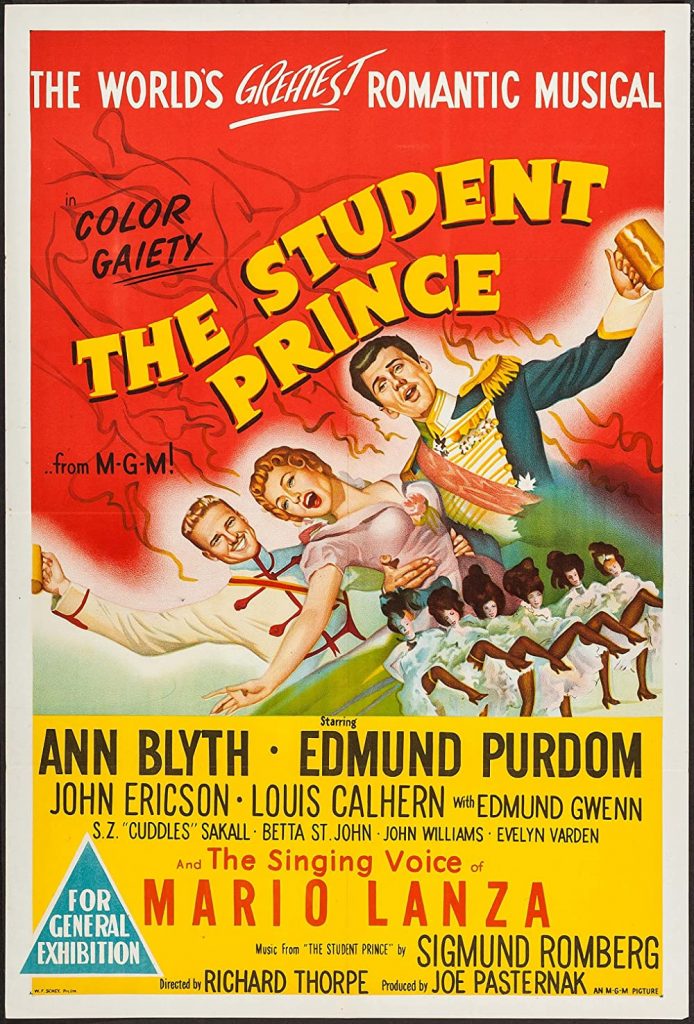
- The Student Prince (1954) and Green Fire (1954), both demonstrating his reliability in romantic and adventure settings;
- Bad Day at Black Rock (1955), where he held his own amid Spencer Tracy and Robert Ryan as one of the small‑town antagonists;
- Forty Guns (1957), a taut western produced by Samuel Fuller, in which Ericson matched Barbara Stanwyck’s intensity as her conflicted younger brother.
In these films Ericson embodied the clean‑cut, emotionally transparent male lead of the time—earnest rather than flamboyant. Critics found him believable but understated; his natural sincerity often made him a useful counterweight to more dominant stars.
Transition to television and sustained career (1960s–1980s)
As film opportunities narrowed with the decline of the studio system, Ericson moved decisively into television, the new home for contract‑era actors. He appeared on dozens of popular series—Wagon Train, Bonanza, Gunsmoke, Rawhide, The F.B.I., Marcus Welby M.D., and later CHiPs and Murder, She Wrote—illustrating the range of the working professional actor .
His best‑known television work was as Sam Bolt, partner to Anne Francis’s glamorous private eye in Honey West (1965–66). The show’s playful gender inversion—Francis as lead detective, Ericson as competent but secondary partner—mirrored evolving 1960s attitudes toward male–female dynamics and gave him a pop‑culture toehold beyond studio pictures.
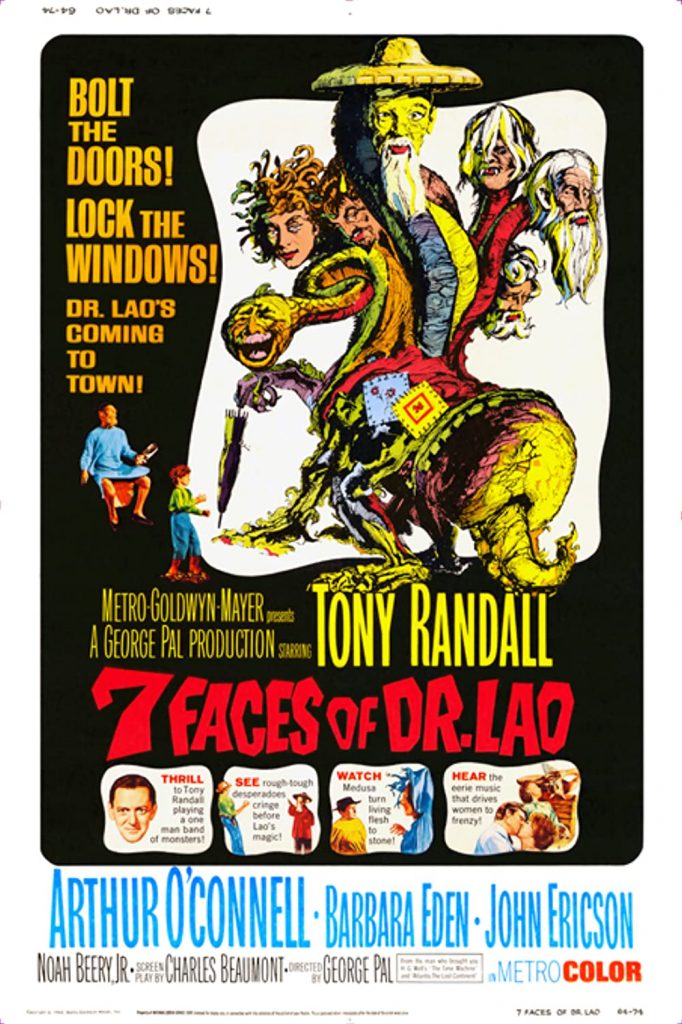
Even as his visibility shifted to episodic television, he made intermittent film appearances: the biopic Pretty Boy Floyd (1960); George Pal’s fantasy 7 Faces of Dr. Lao (1964); and Disney’s Bedknobs and Broomsticks (1971).
Acting style and screen persona
- Naturalism and clarity: Ericson favored sincerity over style. His performances emphasized emotional directness—ideal for the earnest veterans, professionals, and romantic moralists he often played.
- Versatile masculinity: Neither a square‑jawed action lead nor a neurotic anti‑hero, he occupied the middle ground: educated, conscientious, often the voice of reason amid melodrama.
- Voice and movement: His training gave him articulate speech and unforced physical confidence, essential on both stage and small screen.
This grounded authenticity served television particularly well, where medium‑close shots favored subtle, truthful reactions rather than theatricality.
Critical and commercial position
At MGM he was appreciated as a steady contract player rather than a potential superstar; consistent supporting and co‑starring assignments kept him visible but rarely granted him headline status. On television, by contrast, his adaptability made him prolific. By 2010 he had logged appearances in nearly seventy programs across six decades .
Industry peers valued his professionalism—the actor who could drop into an anthology or guest role and deliver precisely what the scene required. His Hollywood Walk of Fame star (Category: Television, awarded 1960) recognizes that durable contribution more than singular fame.
Strengths and limitations
Strengths
- Solid technical grounding and credibility.
- Ability to shade sympathetic characters with moral complexity.
- Longevity across evolving media formats.
Limitations
- A certain reserve meant he rarely projected the intense charisma required for top‑tier stardom.
- Often cast as “the decent man,” which narrowed his chance to display range.
Later years and evaluation
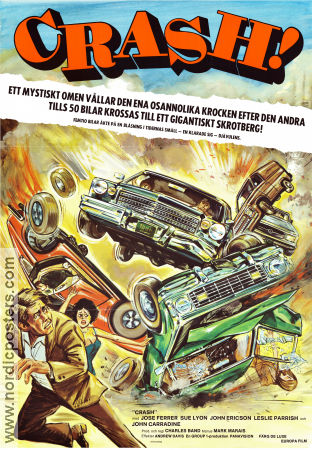
Ericson continued working through the 1980s and made a final on‑screen appearance in 2008’s Crash. He died in Santa Fe in 2020 at the age of 93, ending nearly sixty years of professional activity.
In retrospect, John Ericson exemplifies the dependable craftsman actor of mid‑century American entertainment: classically trained, adaptable, modest in persona but essential to the fabric of film and television storytelling. His body of work—ranging from Teresa and Rhapsody to Honey West—illustrates how stable professionalism sustained Hollywood’s creative ecosystem long after the studio star system itself disappeared.