

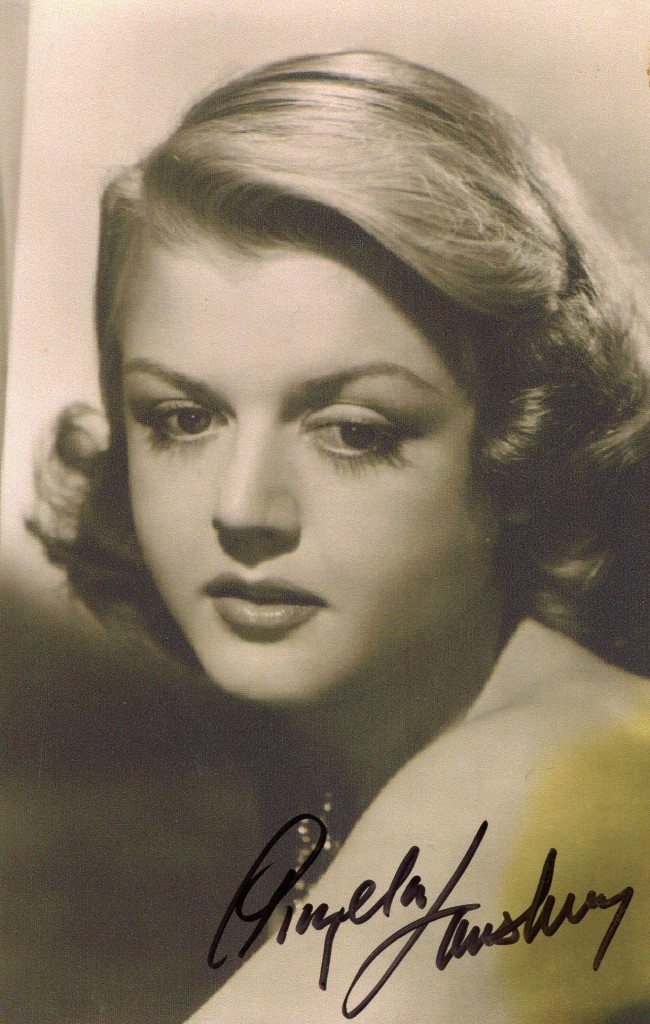
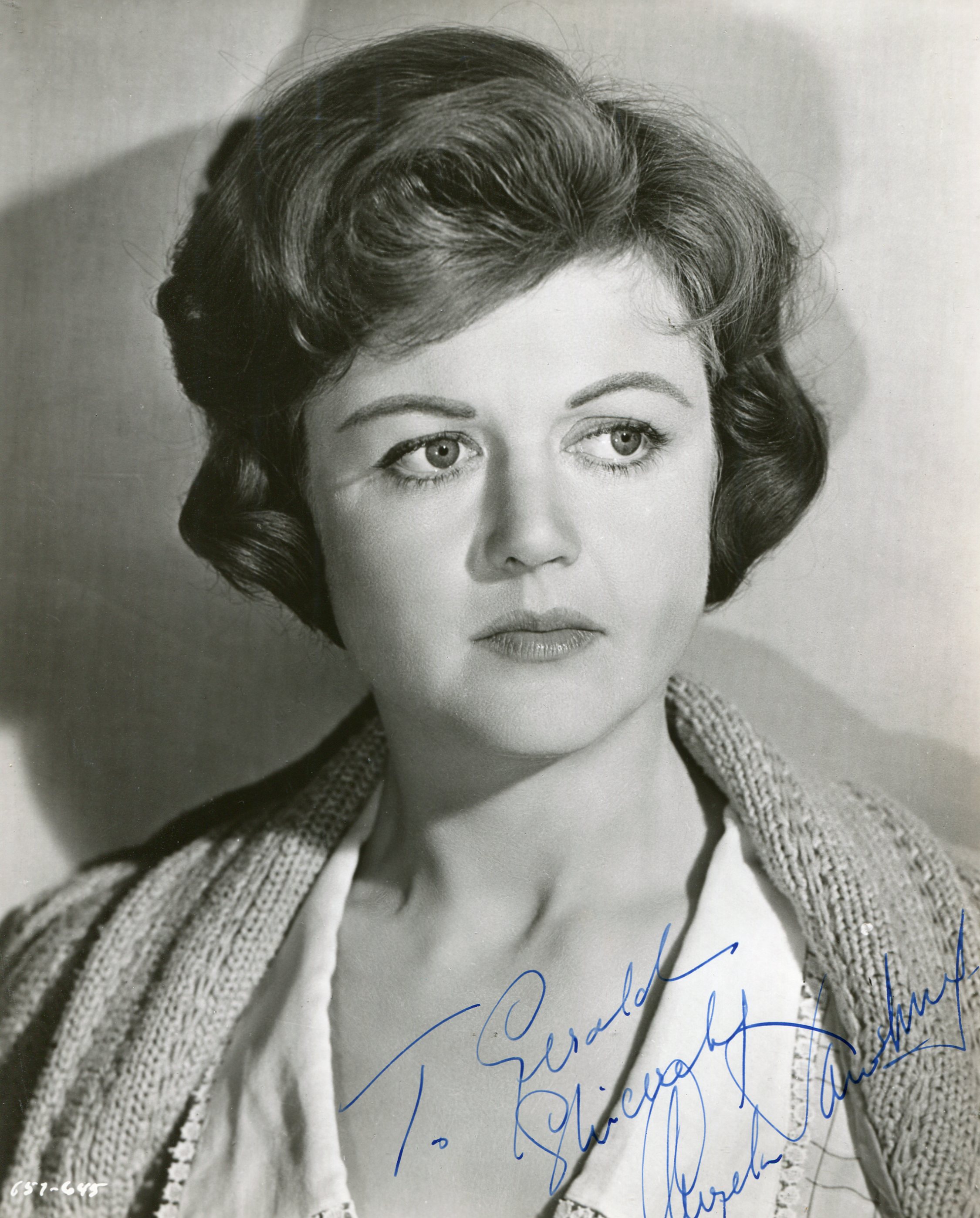
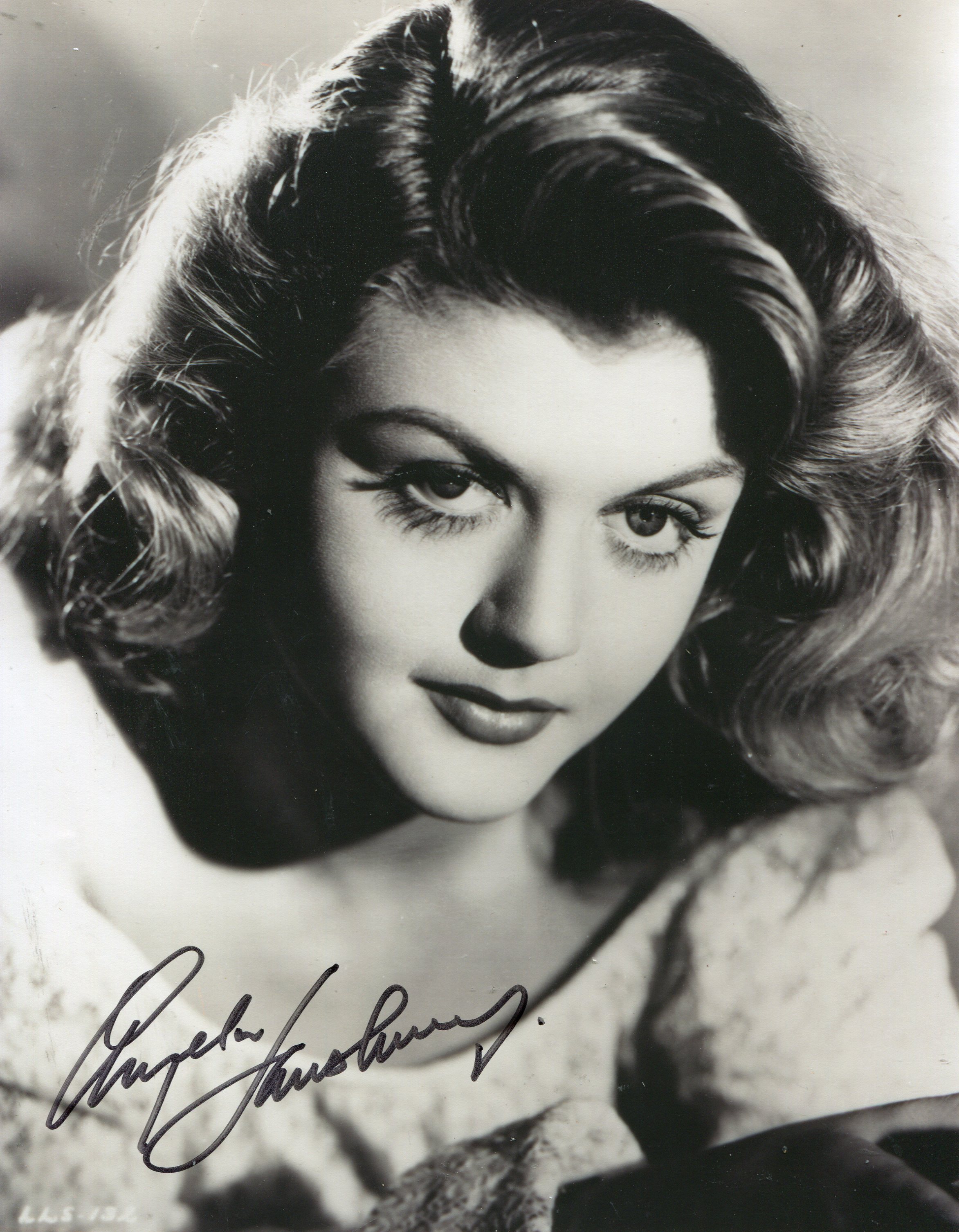
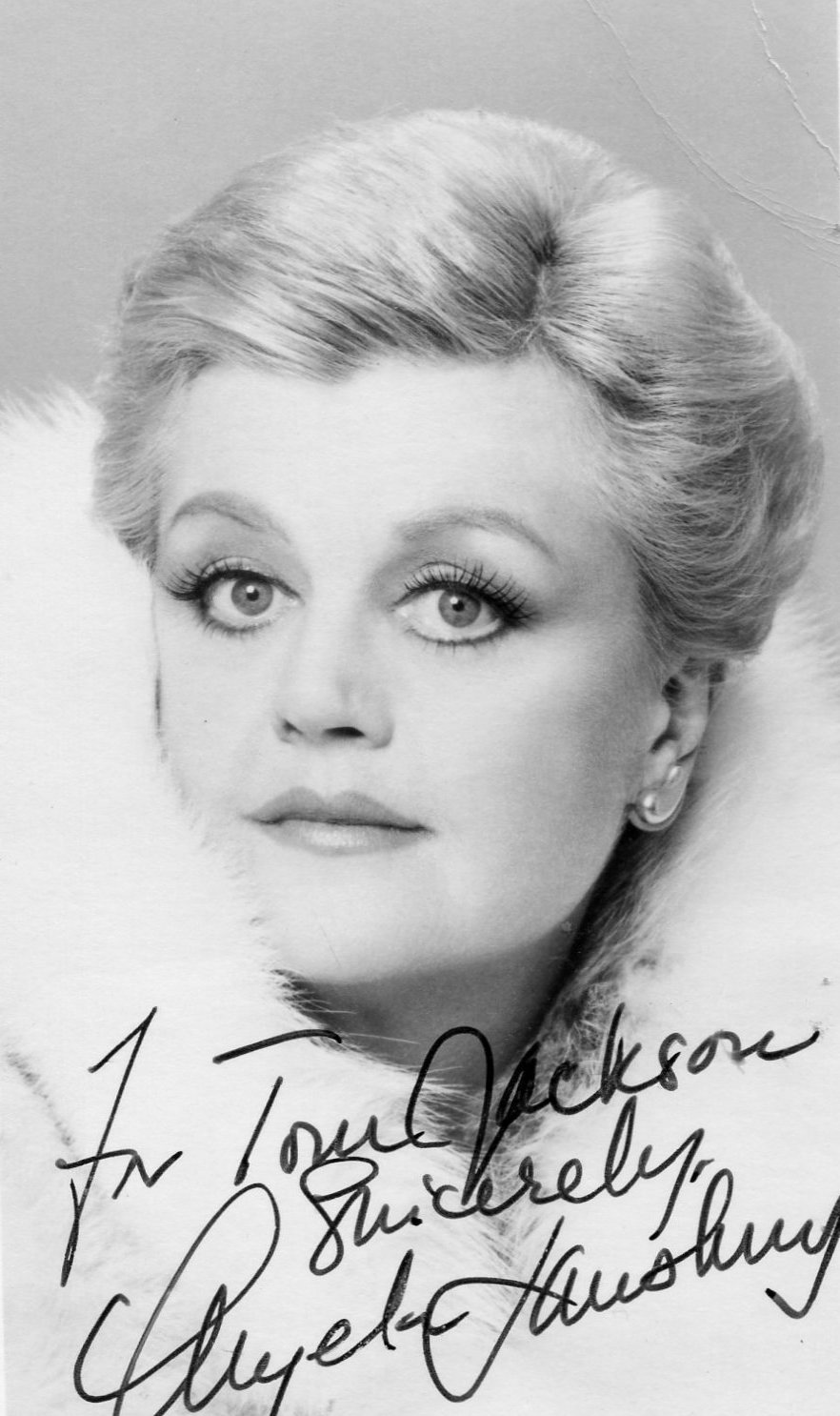
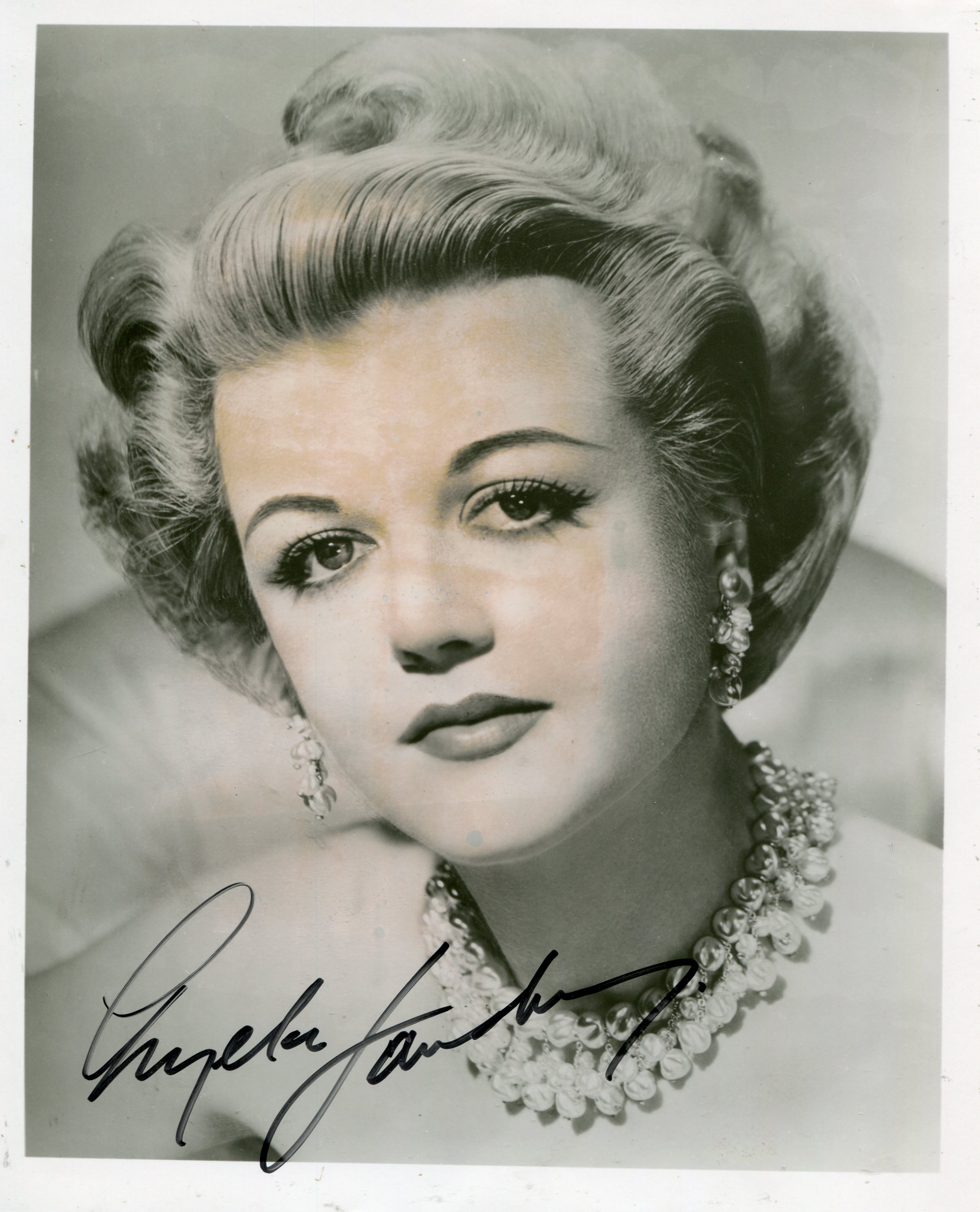
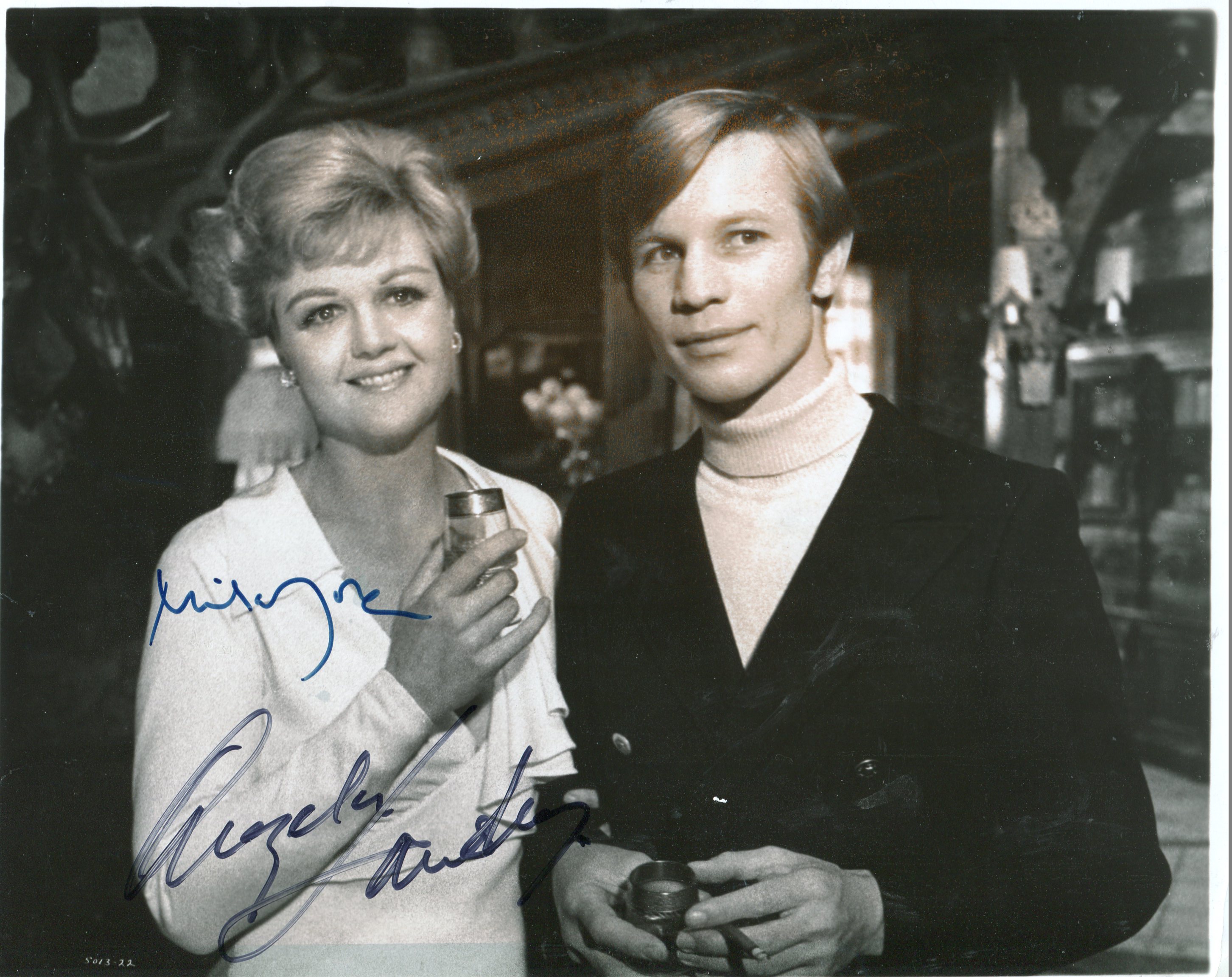
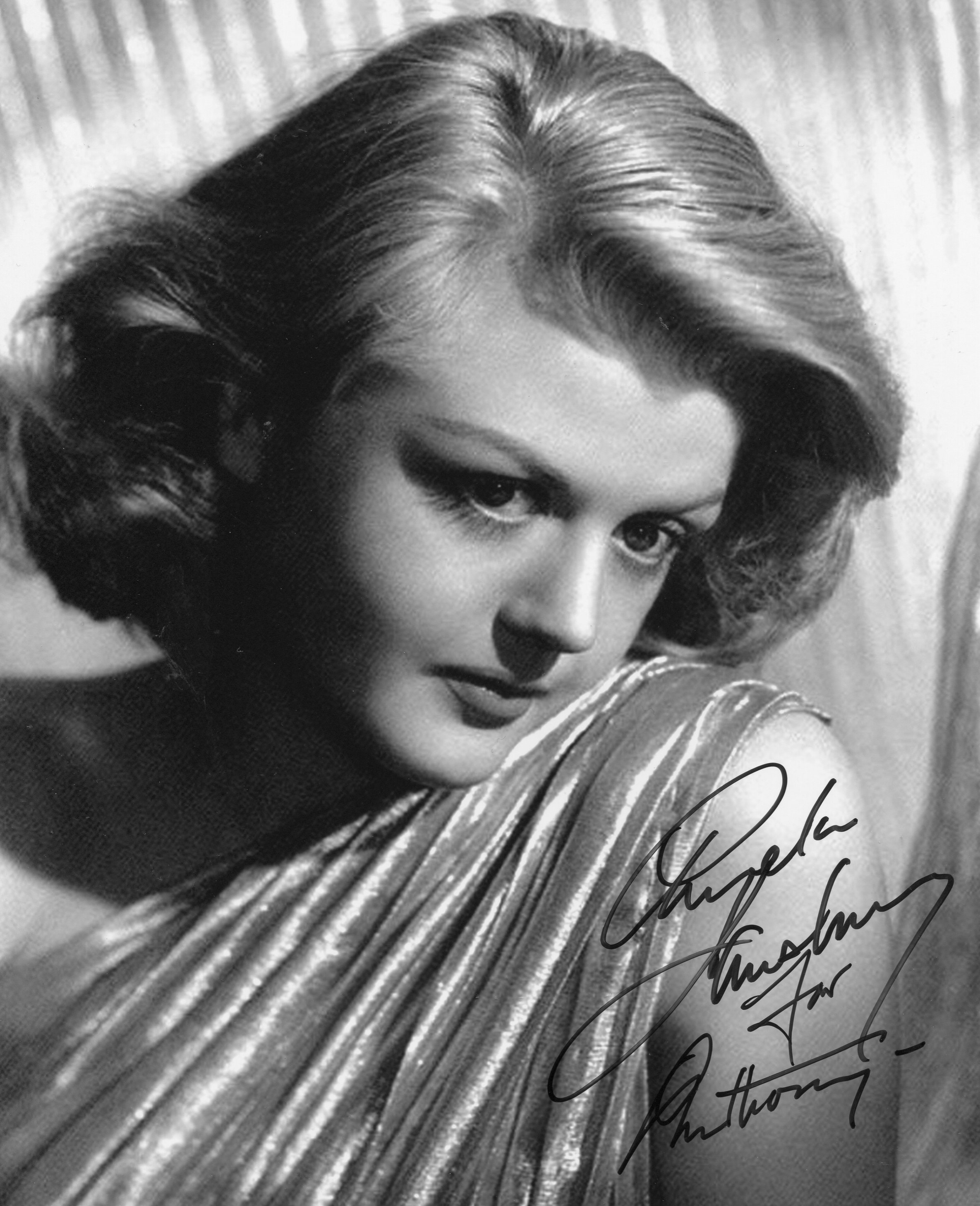
The Guardian obituary in 2022.
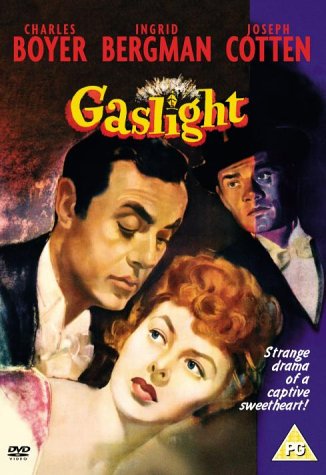
Although she was born in London, and retained a classic English poise all her life, Angela Lansbury, who has died aged 96, was a Hollywood and Broadway star for more than seven decades, and one who was completely unclassifiable. On her film debut, she played Ingrid Bergman’s cockney maid in George Cukor’s Gaslight (1944) and was promptly nominated for an Oscar, though she was never to win one. She graduated to play Laurence Harvey’s evil, possibly incestuous, mother – although she was only three years older than Harvey – in John Frankenheimer’s The Manchurian Candidate (1962), and then a dotty amateur witch in Disney’s follow-up to Mary Poppins, Bedknobs and Broomsticks (1971).
This versatility, allied to her natural grace, vitality and chastely appealing features – her eyes were full, blue and unblinking, her face almost perfectly round, her mouth a cupid’s bow from the studio era – propelled her to stage stardom in Jerry Herman’s Mame (1966) and, in London at the Piccadilly theatre in 1973, as the show-stopping Mama Rose in Gypsy, by Jule Styne, Stephen Sondheim and Arthur Laurents.
Lansbury had been initially reluctant to assume Ethel Merman’s mantle in Gypsy but, like Merman, she gave the performance of her life, full of steel and tenderness in equal measure. Her performance was more nuanced and needy than Merman’s; the critic Robert Cushman described “a slow steady build towards magnificence.
But she became best known worldwide for Murder, She Wrote, an American television series running from 1984 to 1996, with four subsequent TV films. She played the incisive and level-headed Jessica Fletcher, a retired English teacher, mystery writer and amateur sleuth in the coastal town of Cabot Cove, Maine, a sleepy location with a criminal body count as delightfully high and unlikely as in Midsomer Murders.
“It really was a fluke success,” Lansbury said, “and came at a time when that kind of family entertainment seemed needed.” She added that, of all the characters she played, Fletcher was the one most like herself: intuitive and sensitive, a voice of calm and reason in a troubled time. She gradually assumed ownership of the CBS series. Peter Shaw, whom she had married in 1949, was joint director of the production company; her son, Anthony, and stepson, David, were executive producers, her brother Bruce was supervising producer.
Family was always of paramount importance to Lansbury. She came from strong, muscular stock: her father, Edgar Lansbury, was a lumber merchant and one-time member of the Communist party and mayor of Poplar (his father was George Lansbury)
She was educated at South Hampstead high school for girls and trained at the Webber Douglas Academy of Dramatic Art. Her father died in 1934, and her mother merged her family – Angela and her younger twin brothers, Edgar and Bruce – with that of a former British Army colonel in India, Lecki Forbes, under one roof in Hampstead.
It was not a happy arrangement.
At the outbreak of war, Moyna decamped with her children to New York, and Angela continued her training for two more years at the Feagin school. While her mother toured Canada in a variety show for the troops, Angela did cabaret turns in Montreal. When Moyna’s agent sent her to Hollywood for an audition, she decided to move the children out there with her
Nothing much happened at first, so mother and daughter took jobs as sales clerks at Bullocks Wilshire, the art deco department store in Los Angeles, while continuing to audition. Angela was still only 17 when she landed the role in Gaslight, and this set a pattern of playing older than her age. A notable exception was The Picture of Dorian Gray (1945), in which she played Sibyl Vane, the chirpy music-hall singer, a role that brought her second Oscar nomination; through her co-star, Hurd Hatfield, she met her future husband, Shaw. She had been married previously, for just nine months, to the actor Richard Cromwell, who was almost twice her age.
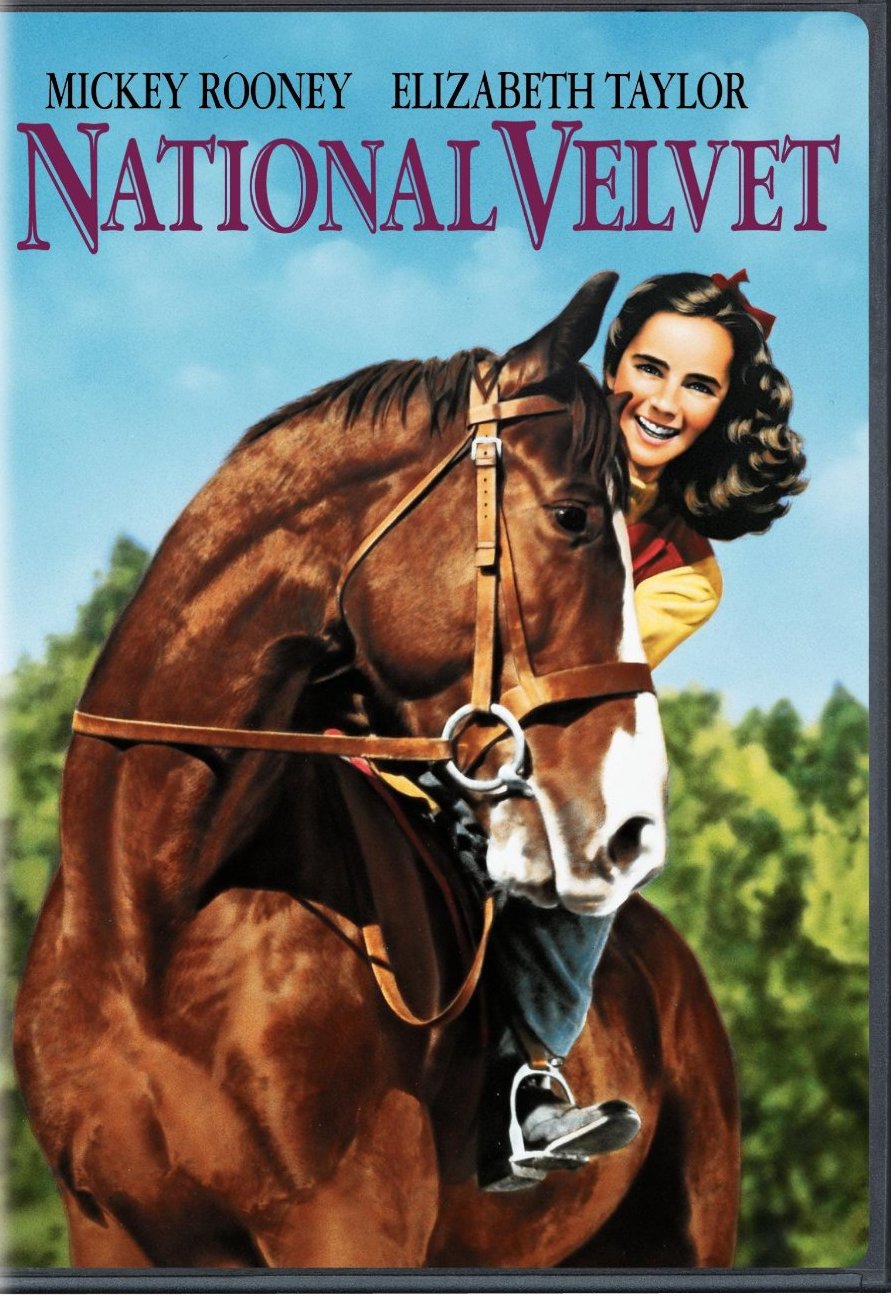
By this point a Hollywood fixture, Lansbury played Elizabeth Taylor’s older sister in National Velvet (1944), sang Jerome Kern’s How’d You Like to Spoon With Me? in Till the Clouds Roll By (1946), fooled with Danny Kaye in The Court Jester (1955), peaked in glory in The Manchurian Candidate, with her third and final Oscar nomination, and joined another great cast list in The Greatest Story Ever Told (1965), which David Lean took over as director from George Stevens.
Lansbury took American citizenship in 1951, and made her Broadway debut opposite Bert Lahr in Feydeau’s Hotel Paradiso in 1957, following with Helen in Shelagh Delaney’s A Taste of Honey in 1960 and, most significantly, Cora Hooper Hoover, the corrupt mayor in Sondheim and Laurents’s 1964 flop Anyone Can Whistle. The show, which has since become a concert favourite, closed in a week, but Lansbury came out of it with flying colours, commended by critics for her agility and engaging personality; she was even likened to a young Bette Davis.
This led to her Mame acclaim, and her first Tony award. Lansbury played Auntie Mame, a free-spirited woman who picks herself off the floor of the stock market crash to sing Bosom Buddies (Lansbury duetted with Bea Arthur) and who ultimately recoups her fortunes by marrying a southern aristocrat. She won a second Tony in Herman’s next show, Dear World (1969), a musical based on Jean Giraudoux’s The Madwoman of Chaillot, in which she appeared to be dressed in “a wedding cake made of cobwebs”, according to the critic Walter Kerr.
A belated London debut followed in 1972, when she joined the Royal Shakespeare Company at the Aldwych in Edward Albee’s All Over, playing the mistress of a dying man, locked in battle with Peggy Ashcroft as his wife. She took Gypsy back to Broadway in 1974 for a few months, winning her third Tony, then joined the National theatre at the Old Vic in 1975 to play a fairly youthful, glamorous Gertrude to Albert Finney’s thickset, plainspoken and powerful Hamlet, directed by Peter Hall; the production was part of the opening season in the National’s new home on the South Bank in 1976.
Back on Broadway, she hit another great milestone in Sondheim and Hugh Wheeler’s Sweeney Todd (1979), playing the gleefully cannibalistic, pie-making Nellie Lovett (and winning a fourth Tony) opposite Len Cariou’s demon barber in a dark and scintillating production by Hal Prince that played on Broadway for a year before touring the US for another 11 months.
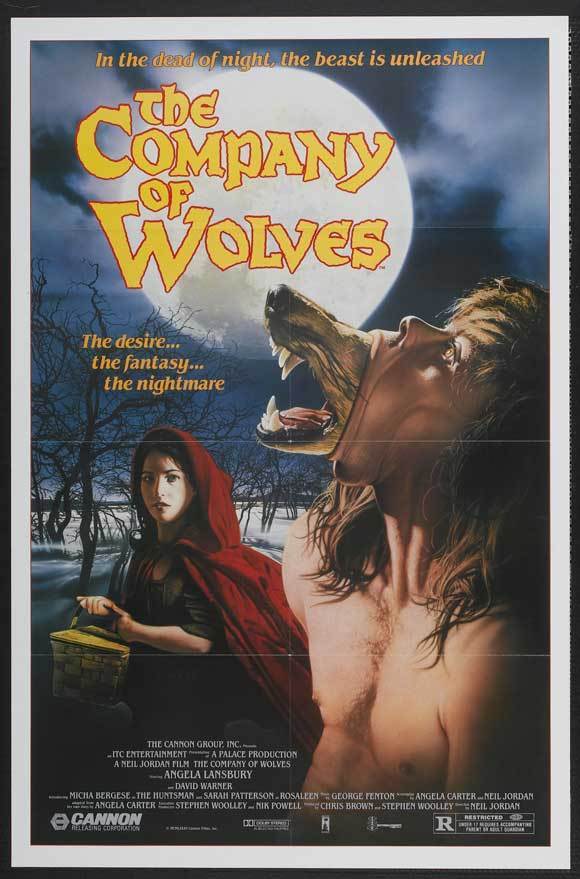
Before Murder, She Wrote, a series of starry film roles included John Guillermin’s Death on the Nile (1978) with Peter Ustinov, David Niven, Bette Davis, Mia Farrow and Maggie Smith; Guy Hamilton’s The Mirror Crack’d (1980), in which she did some sleuthing stretches by playing Agatha Christie’s Miss Marple, with Elizabeth Taylor, Kim Novak, Tony Curtis and, in his penultimate movie, Rock Hudson; Wilford Leach’s rocked-up The Pirates of Penzance (1983), opposite Kevin Kline as the Pirate King; and Neil Jordan’s wonderfully weird The Company of Wolves (1984), in which she played yet another eccentric old granny figure.
She did voices for two animated movies – Beauty and the Beast (1991, for Disney) and Anastasia (1997, for 20th Century Fox) – but was not in a feature movie again until she played Great Aunt Adelaide in Kirk Jones’s Nanny McPhee (2005), starring and written by Emma Thompson. Subsequently, she was with Jim Carrey in Mr Popper’s Penguins (2011).
For many years, Lansbury kept a home in County Cork, Ireland, where she and Shaw would spend two months each year while maintaining their base in Brentwood, Los Angeles. She rented an apartment in New York in 2007 to return to Broadway in Terrence McNally’s Deuce, a specially crafted two-hander for her and Marian Seldes about former tennis partners reliving past glories while watching a match at Flushing Meadow, and switching their heads from side to side during the rallies.
The play was not a huge hit, but Lansbury was electrifying and was greatly moved by the affection with which audiences greeted her. She had not been on Broadway since a possibly ill-advised 1983 revival of Mame.
Regarded by now as a national treasure, in 2009 she won her fifth Tony as Madame Arcati in Noël Coward’s Blithe Spirit, wearing a bright red wig and “with a superfluity of bad jewellery, the gait of a gazelle and a repertory of poses that bring to mind Egyptian hieroglyphs”, wrote Ben Brantley of the New York Times.
At the end of the same year in New York, she appeared for six months as Madame Armfeldt in Trevor Nunn’s Menier Chocolate Factory revival of Sondheim and Wheeler’s A Little Night Music, winning plaudits for her nostalgic litany of fading qualities in Liaisons: “Where is style? Where is skill? Where is forethought? Where’s discretion of the heart? Where’s passion in the art? Where’s craft?”
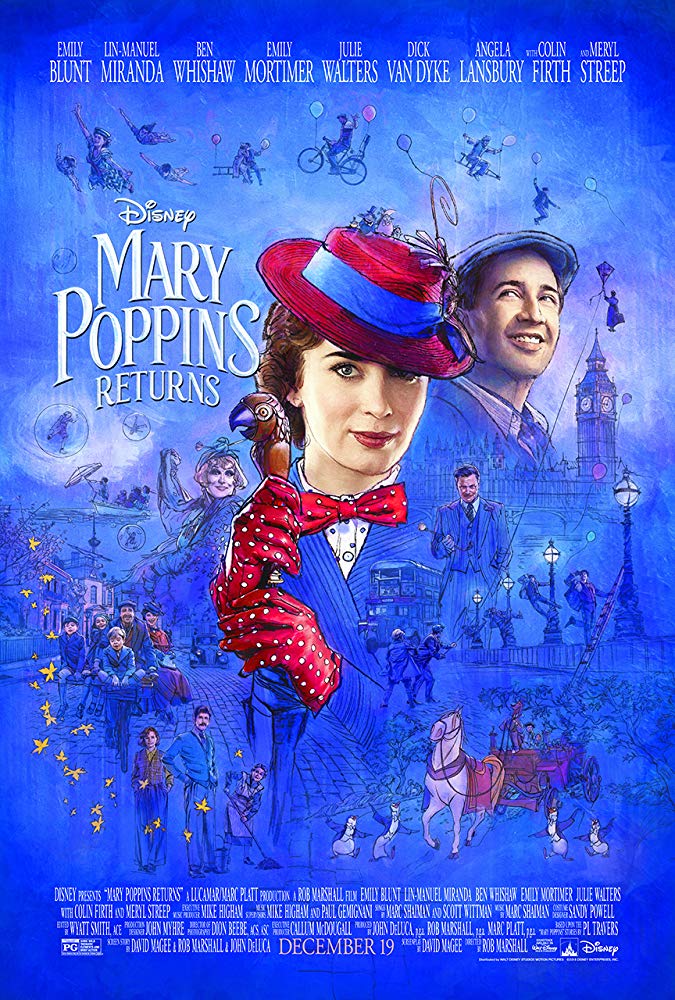
The Academy of Motion Picture Arts and Sciences compensated for her lack of an Oscar with an award for “some of cinema’s most memorable characters” in 2013, and the following year she was made a dame, and took Madame Arcati to the Gielgud theatre in London. She was Aunt March in the BBC’s adaptation of Little Women (2017), and in 2018 she both appeared as a balloon-seller in Mary Poppins Returns, and joined up with another member of that cast, Dick Van Dyke, as guardian angels in the Christmas tale Buttons.
Shaw predeceased her in 2003, and she is survived by Anthony, David, her daughter, Deirdre, three grandchildren, five great-grandchildren and her brother Edgar.
Note from Liam Bluett.
Angela Lansbury always had a special place in her heart for Ireland. When she was a child, her mother Moyna McGill used to bring her family on holiday in the 1930s to Achill Island in Co Mayo. They stayed in a large mansion house called Corymore and many years later Angela and her husband Peter Shaw named their production company of the TV series “Murder She Wrote” after Corymore House.
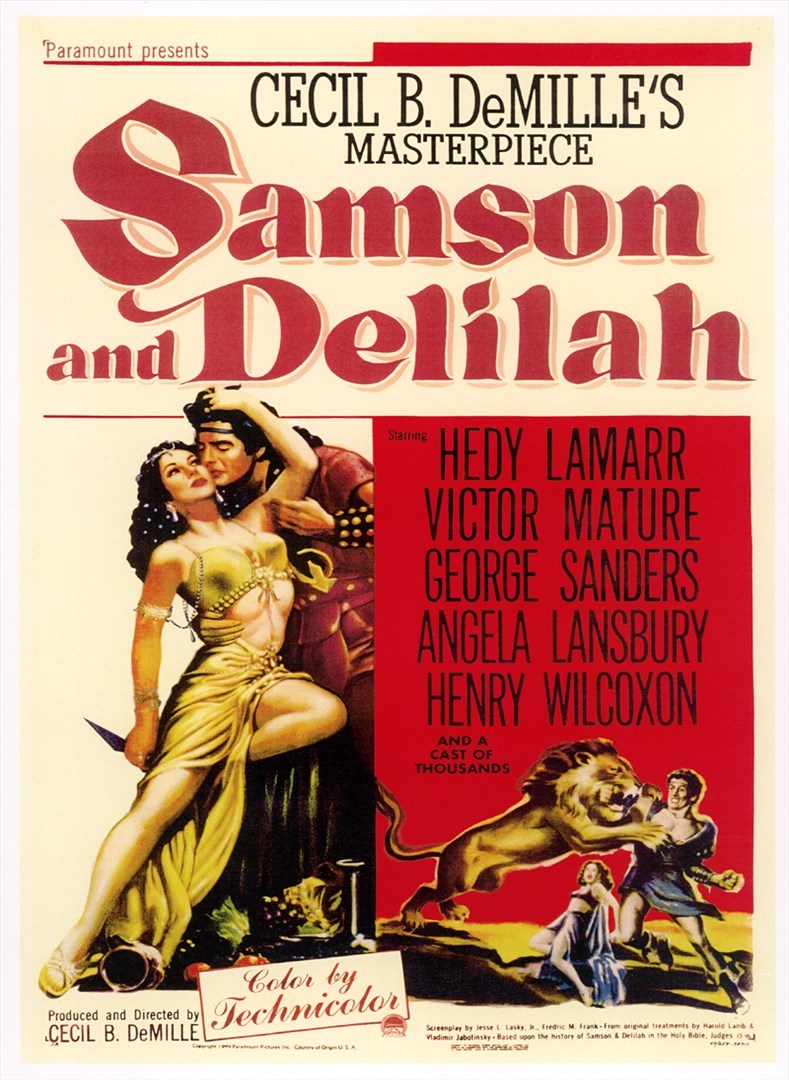
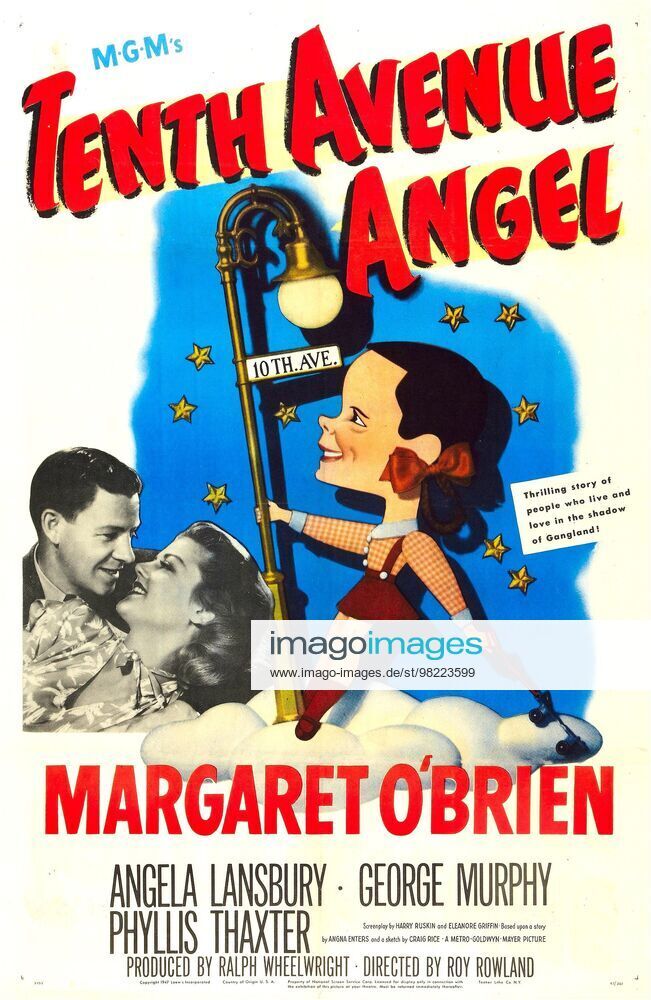
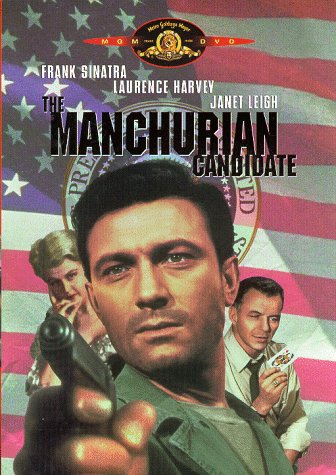
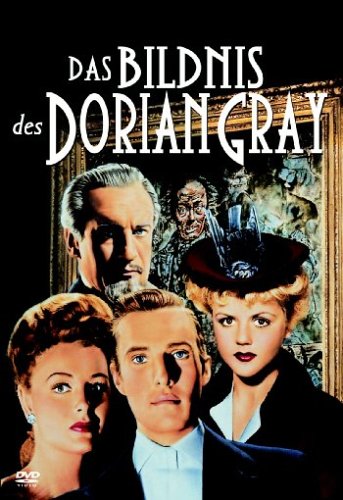
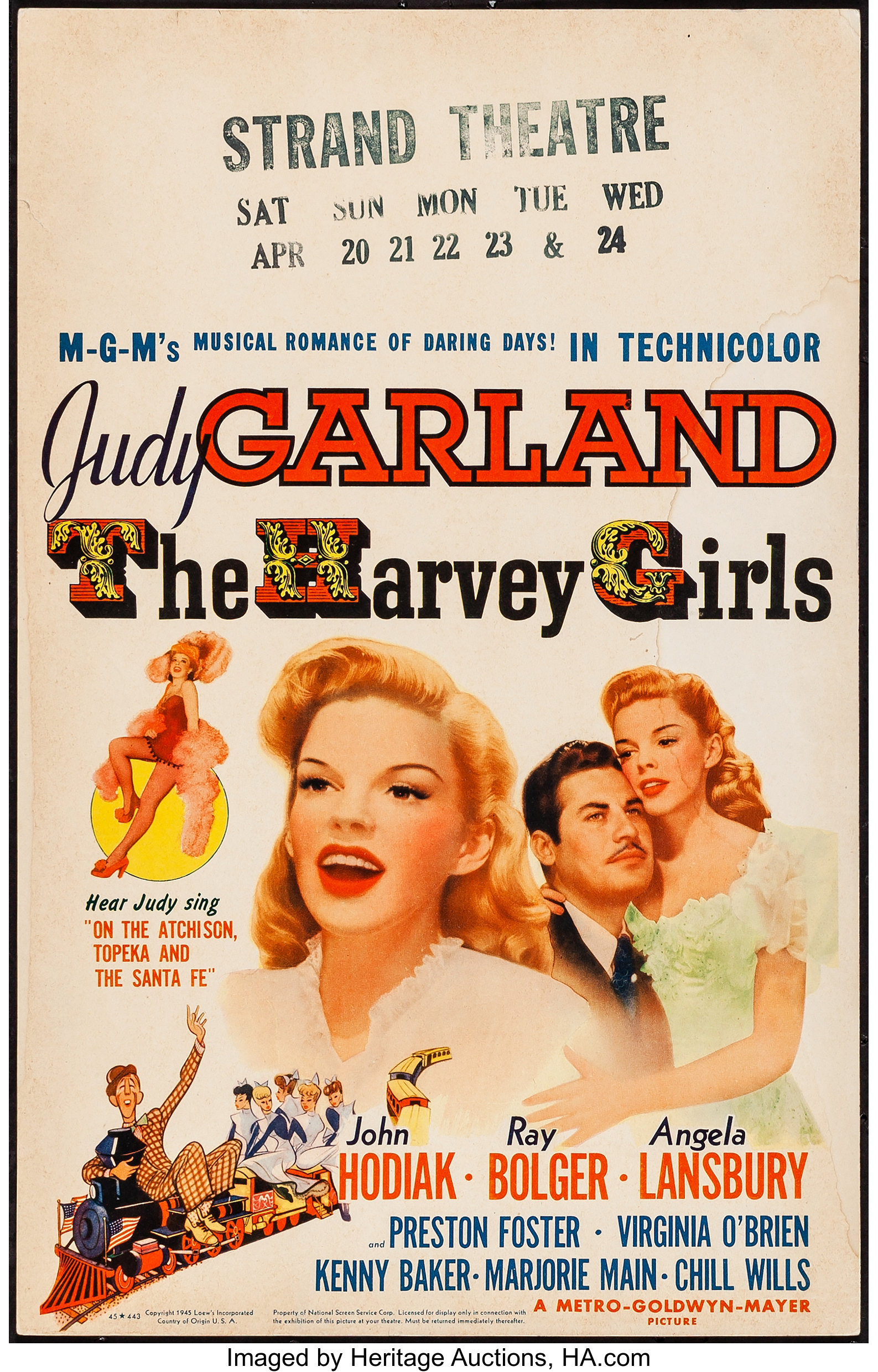
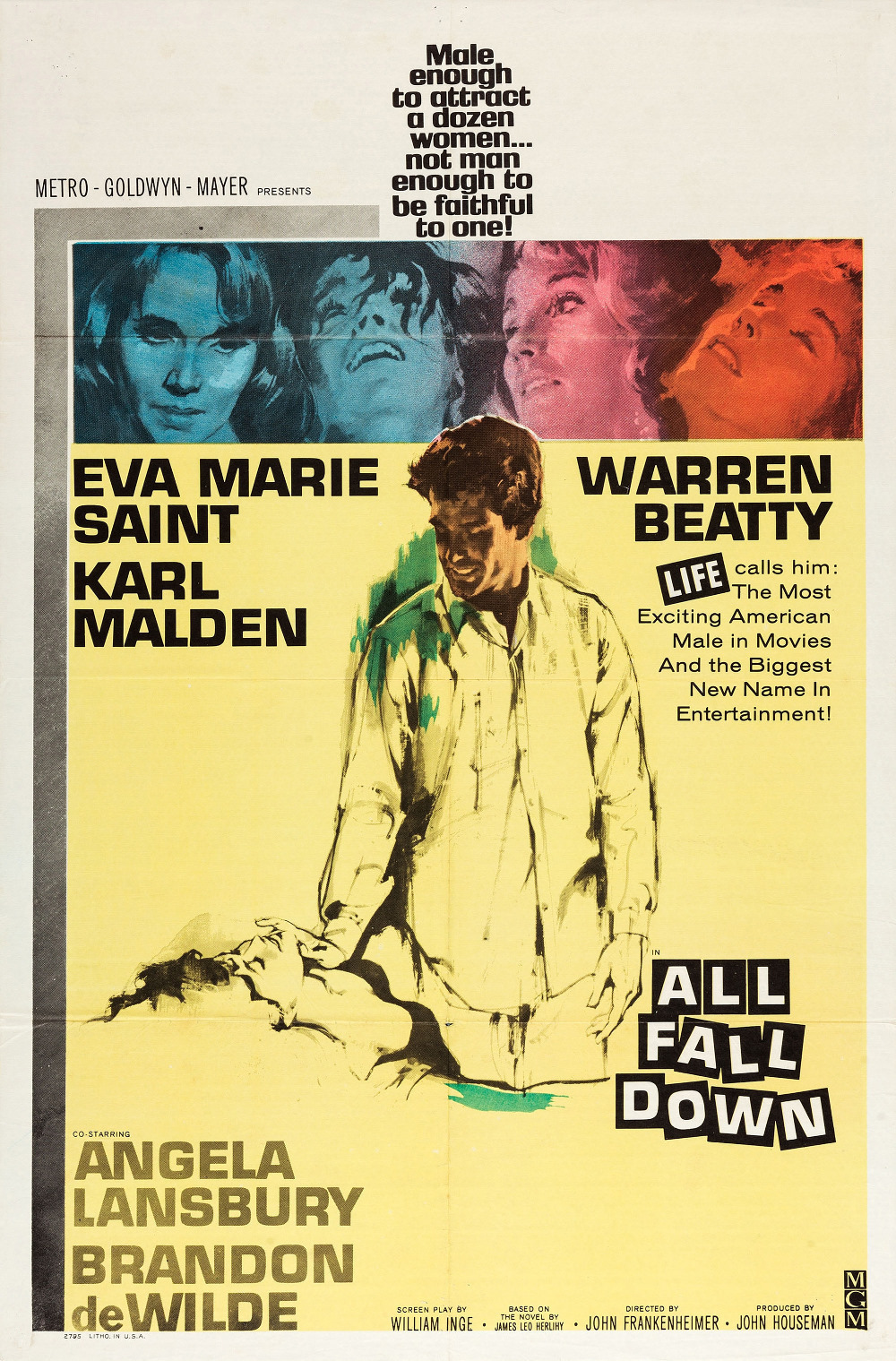
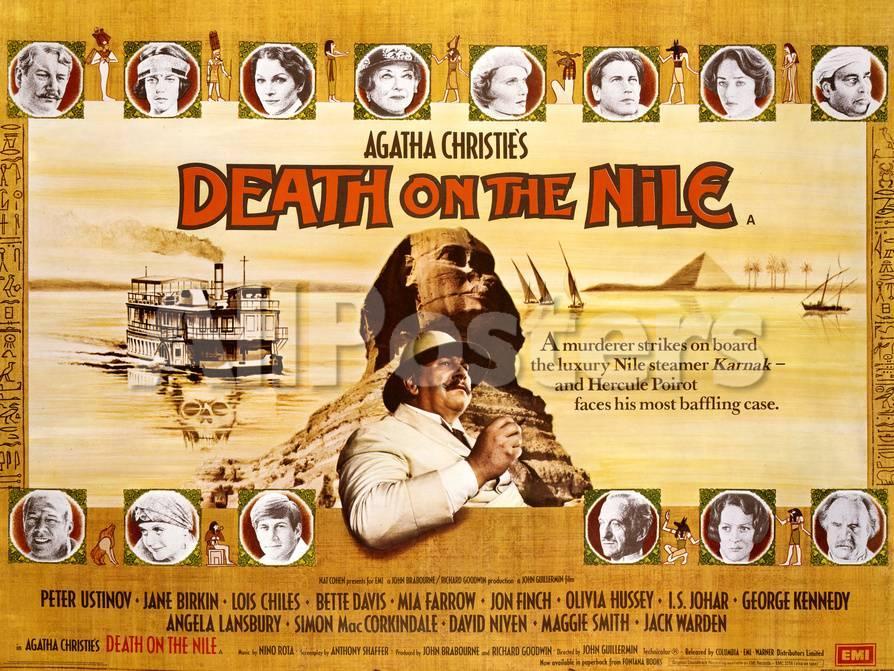
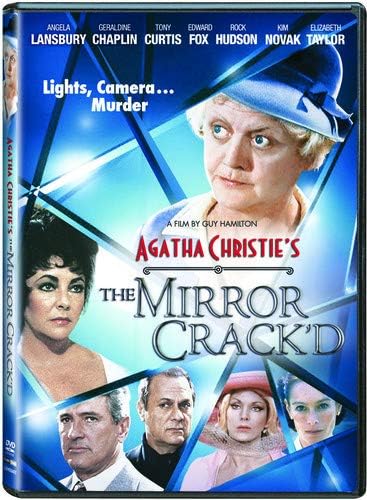
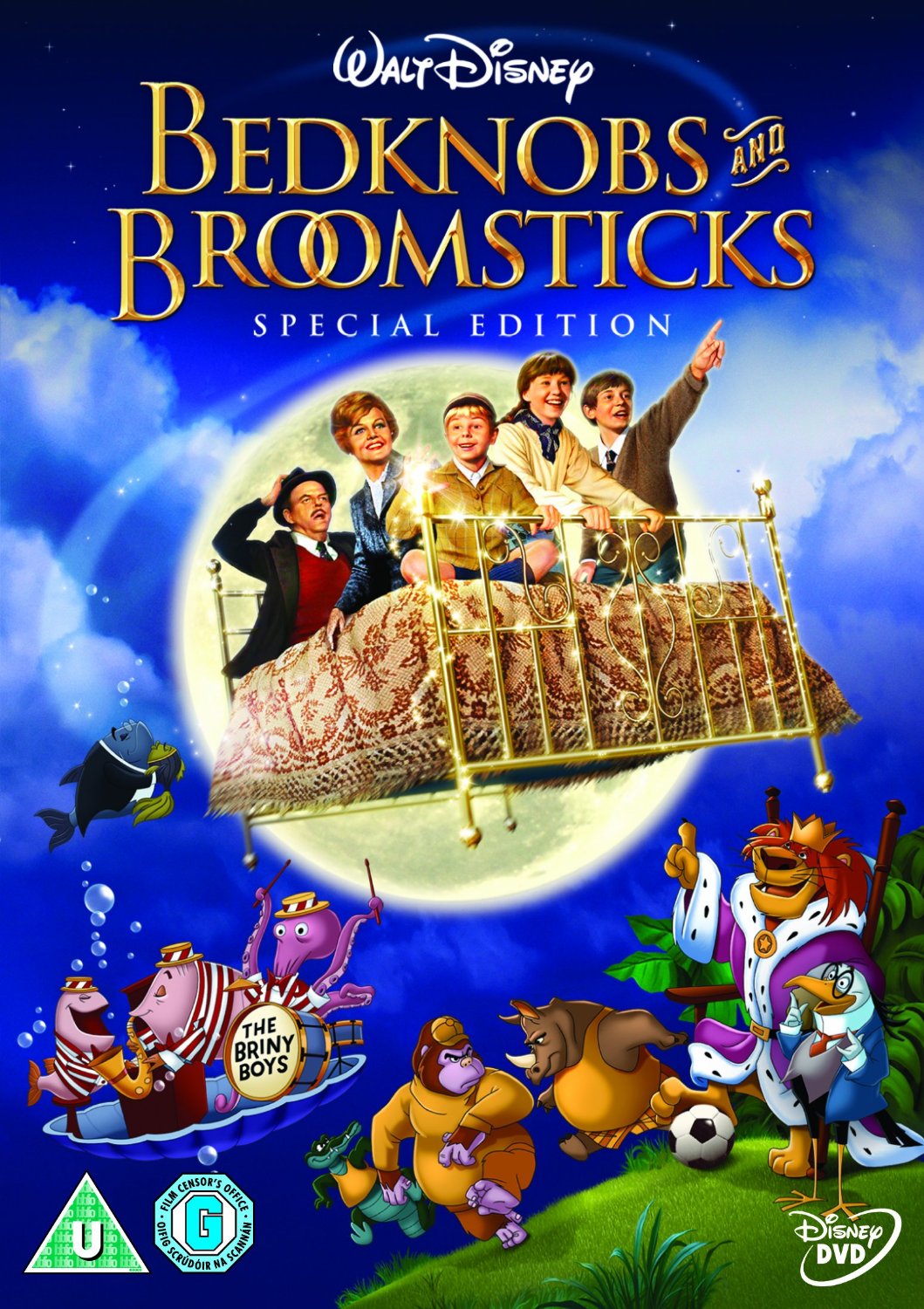
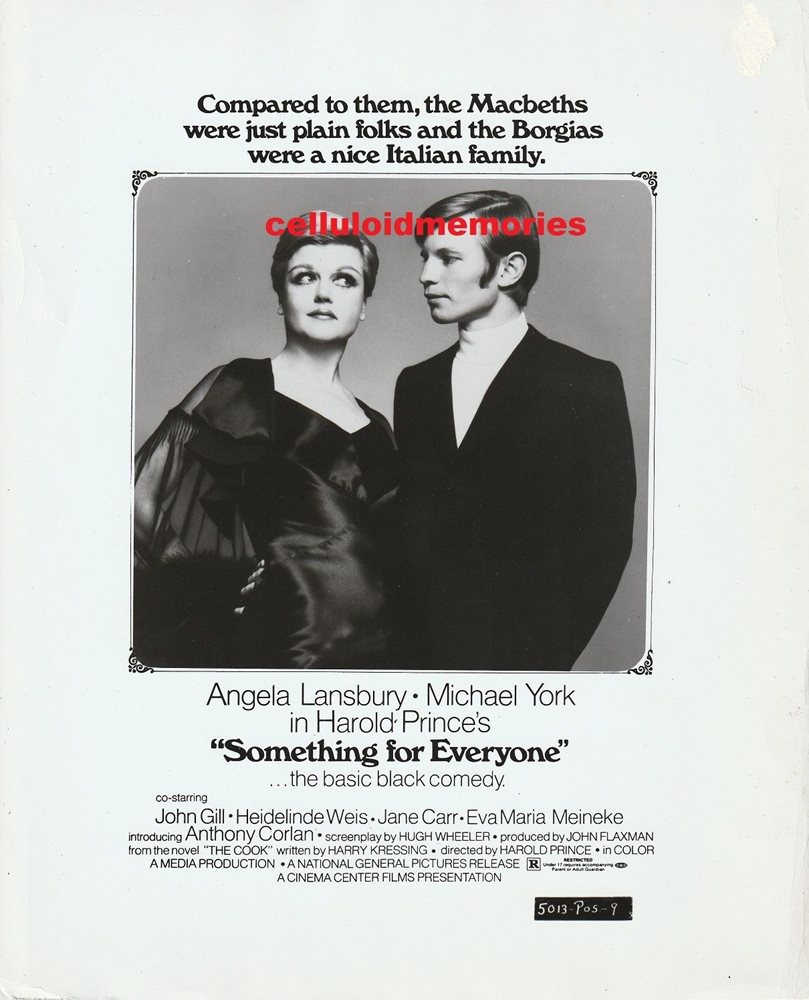
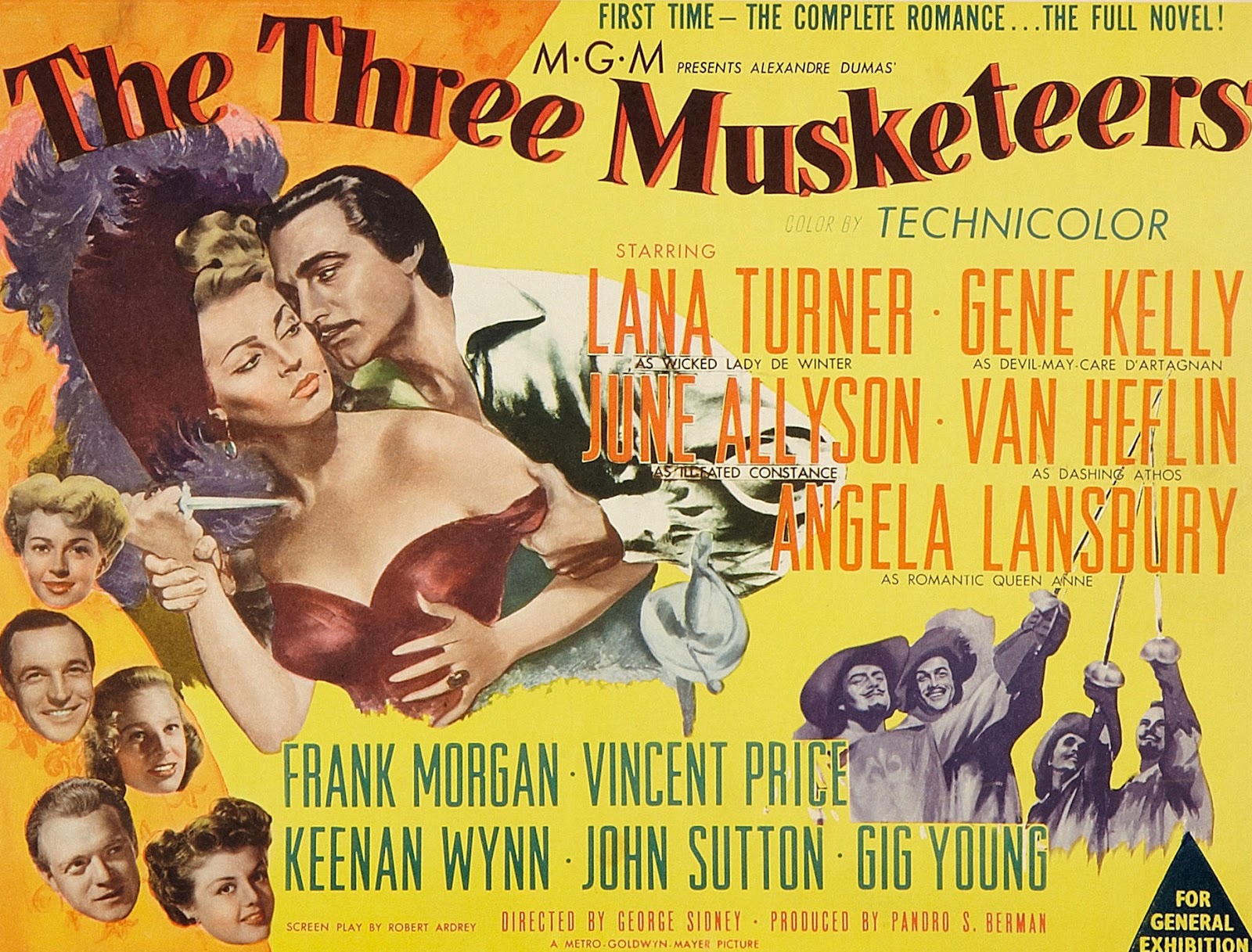

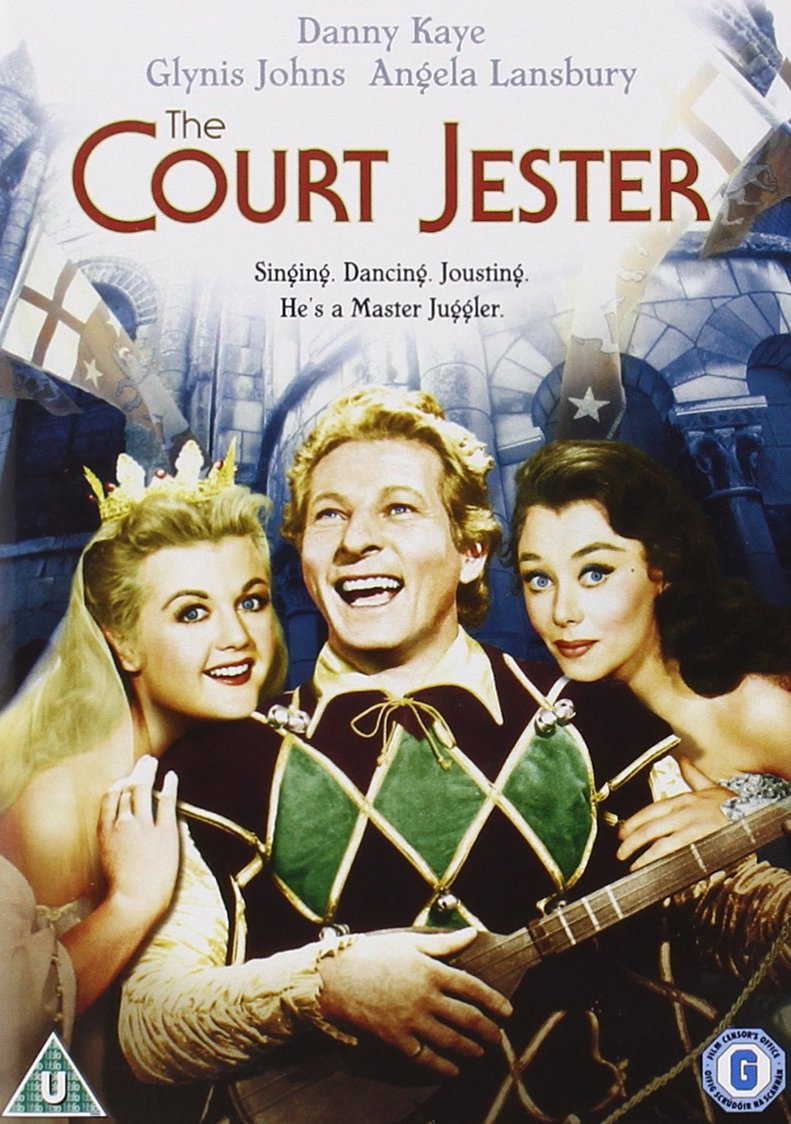
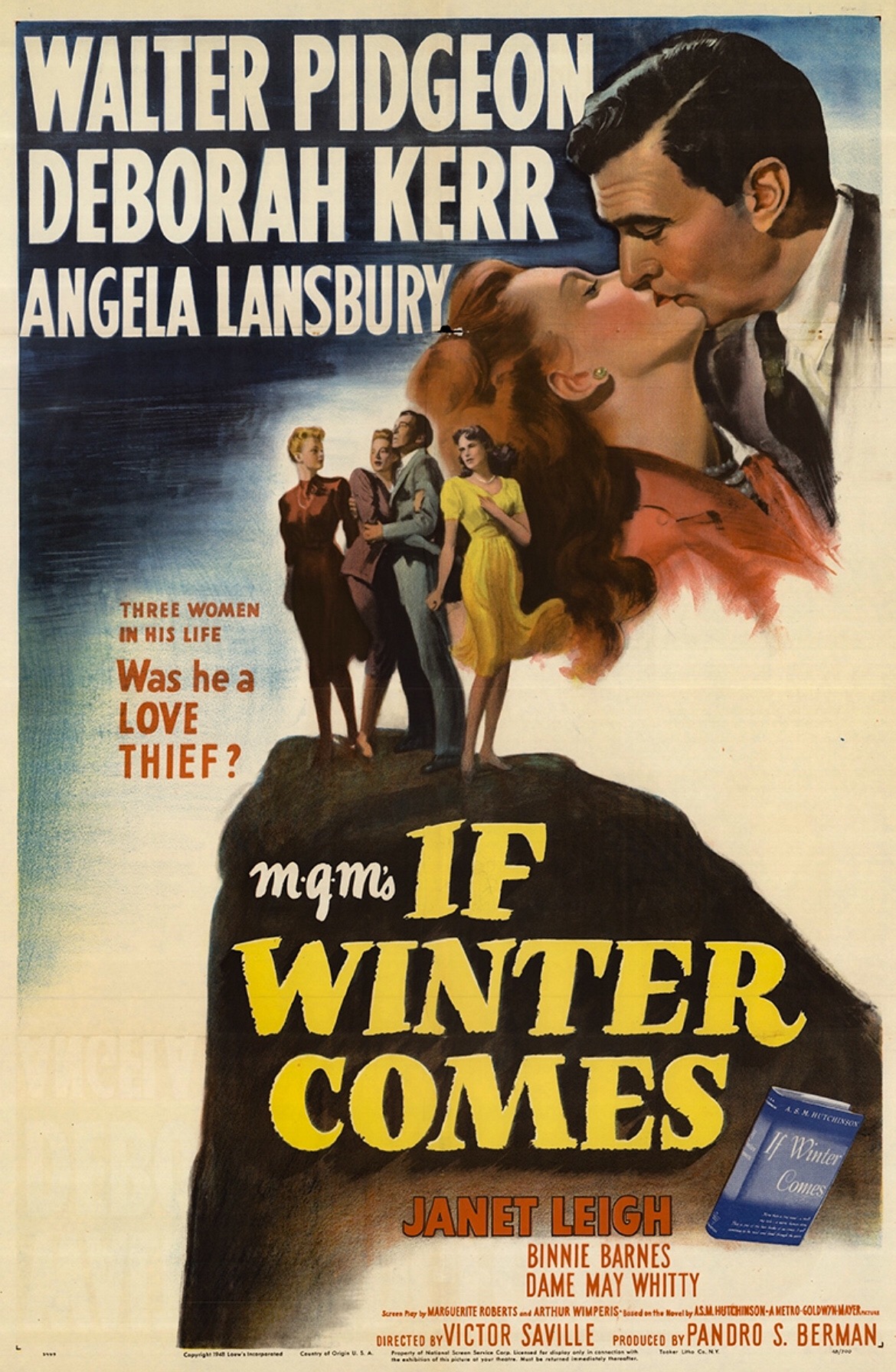
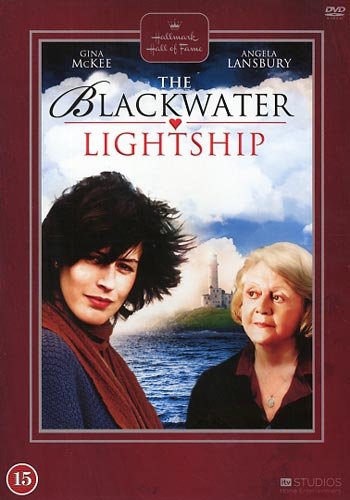
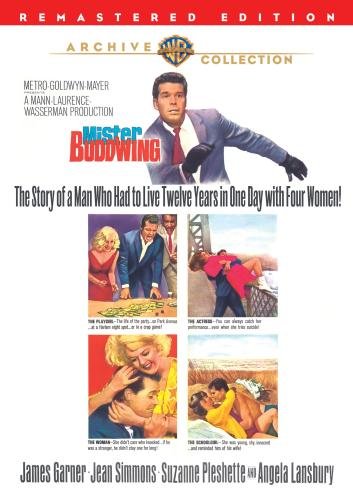
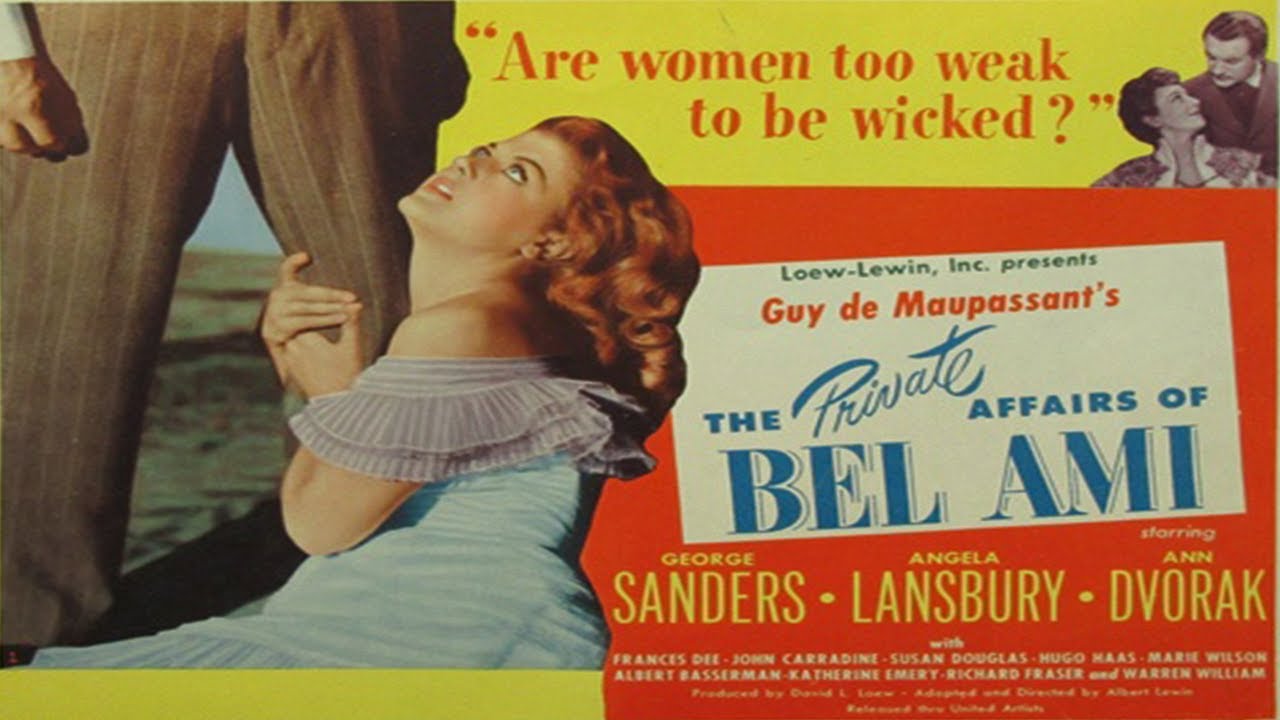
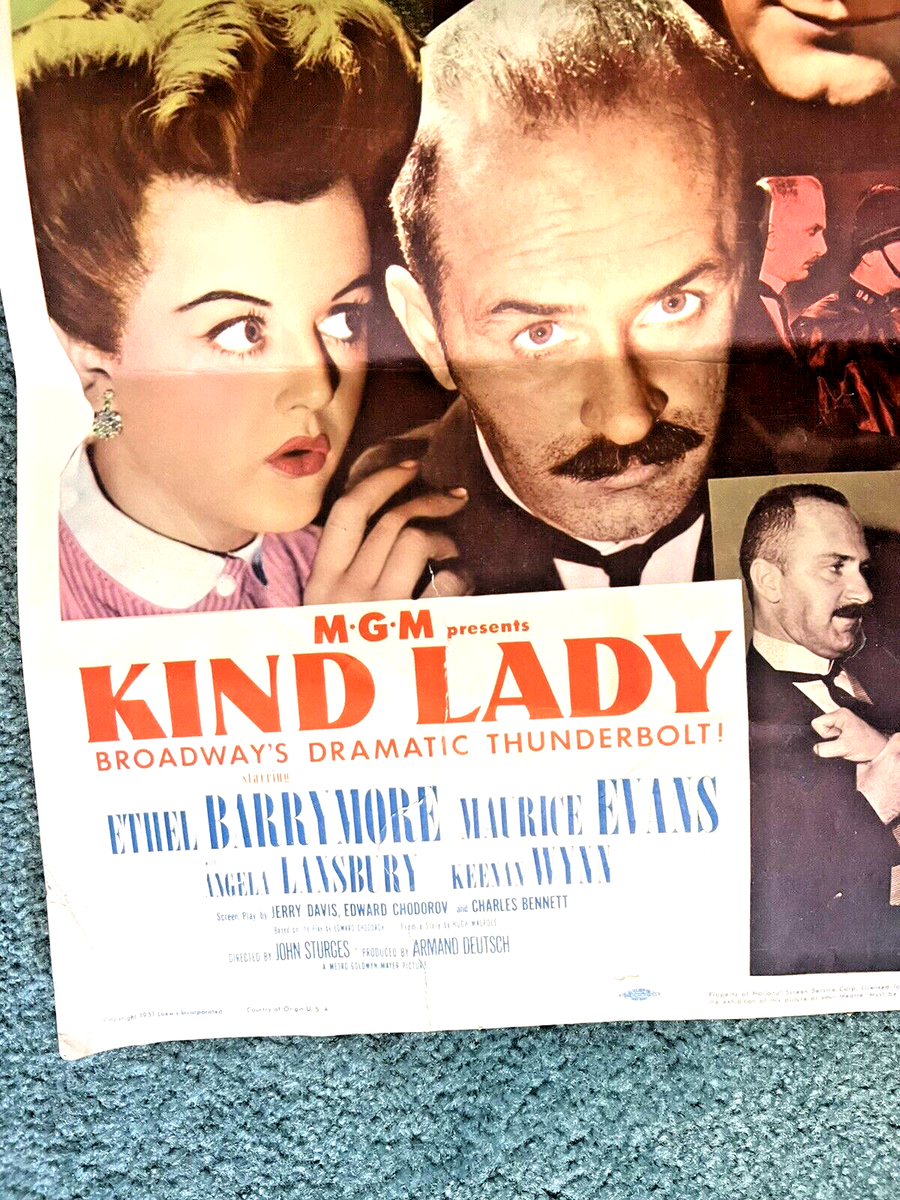
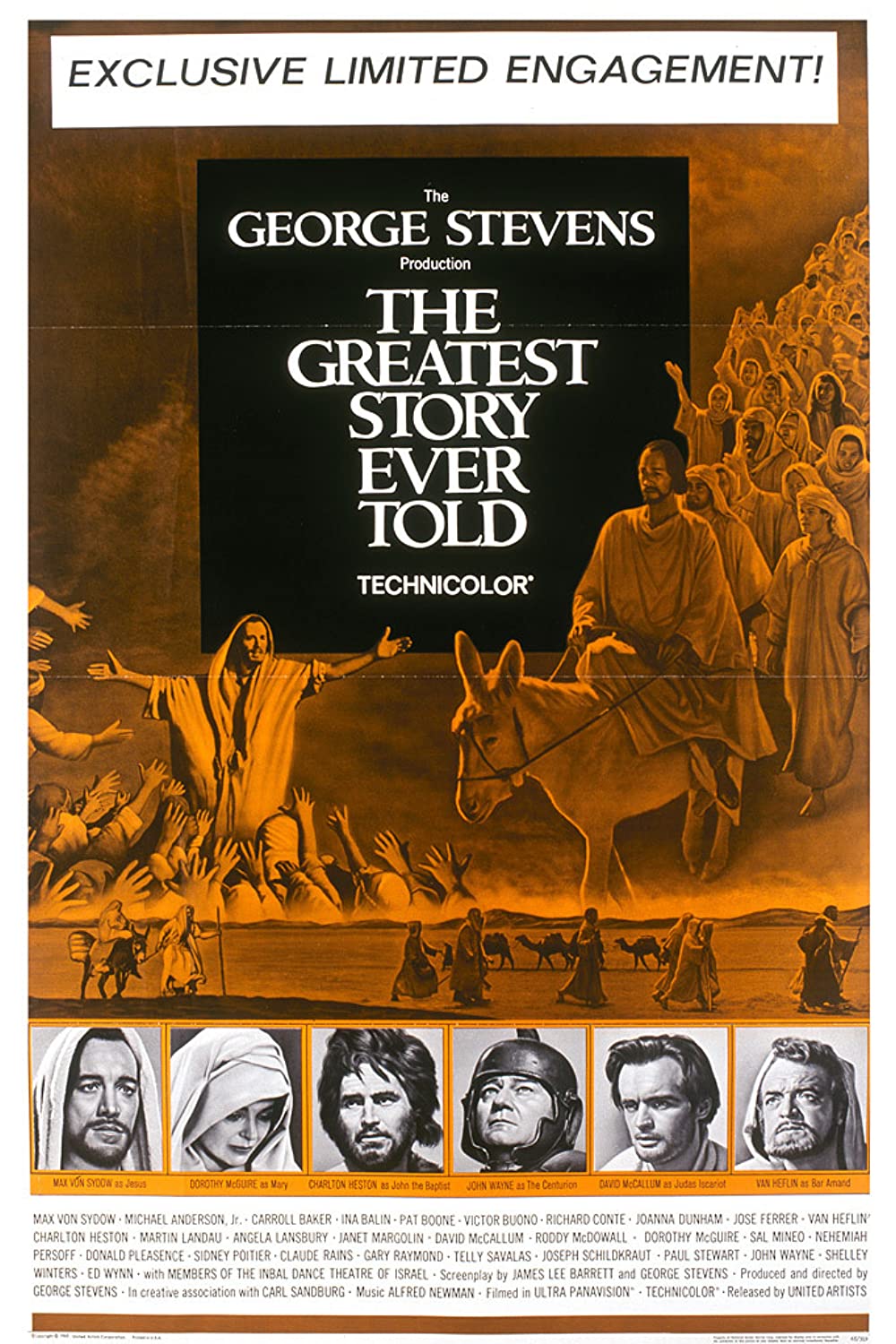
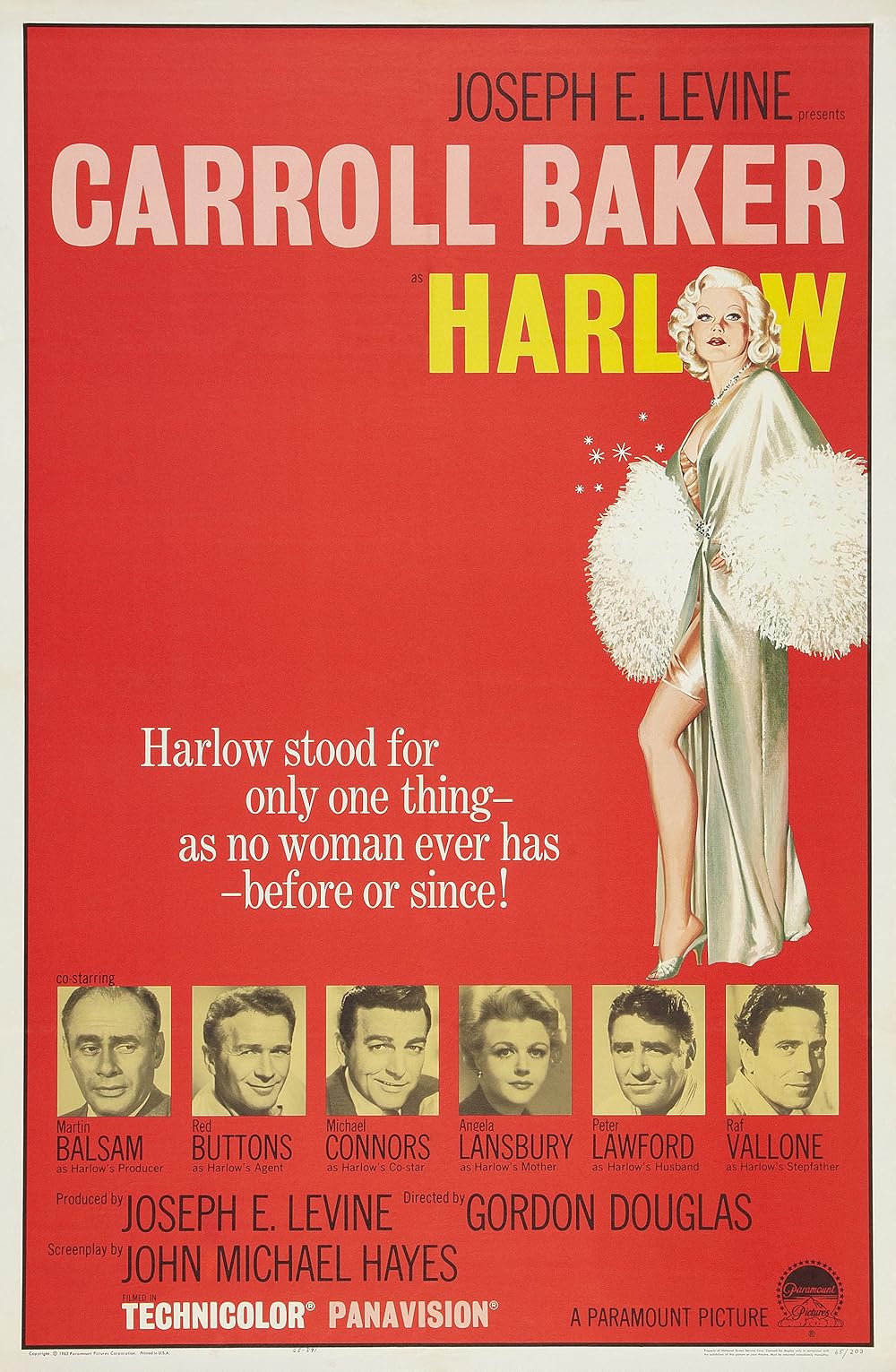
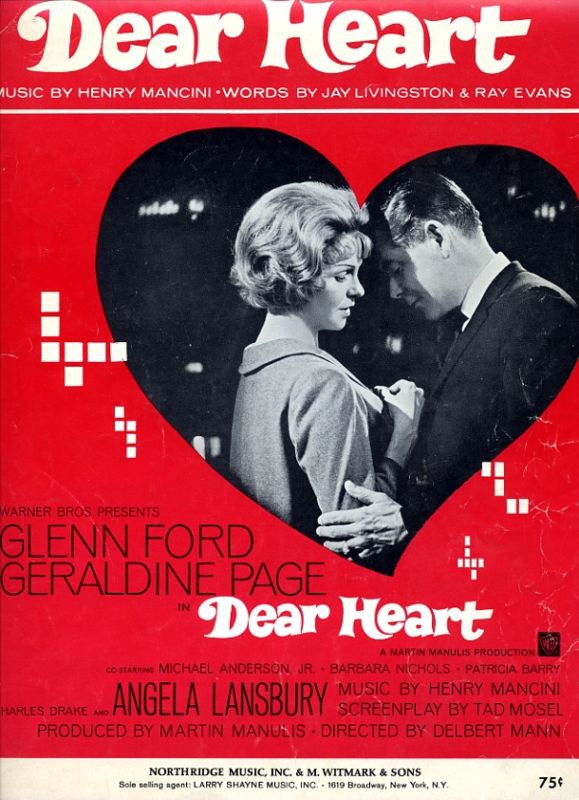
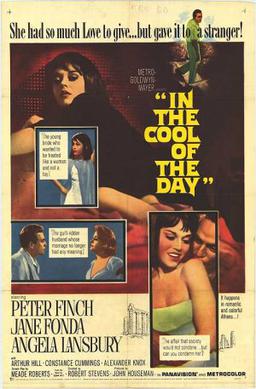
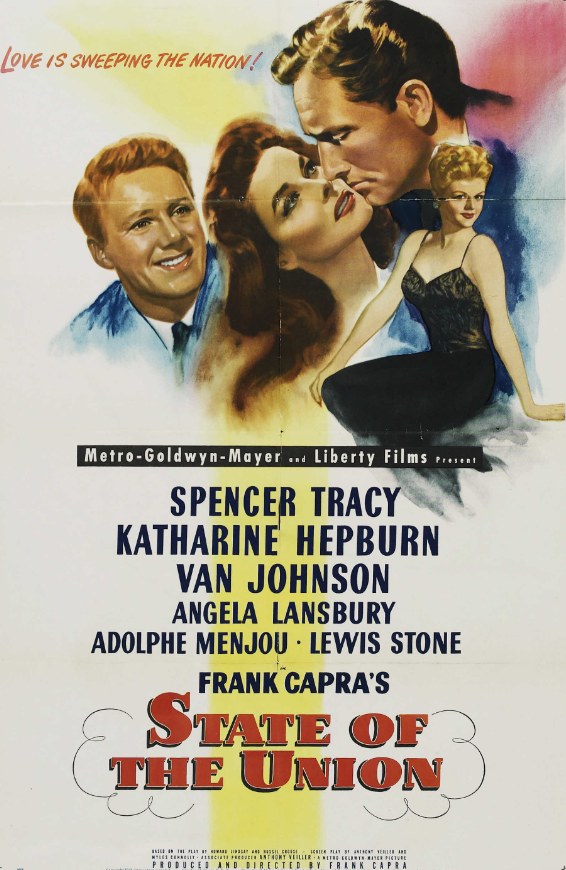
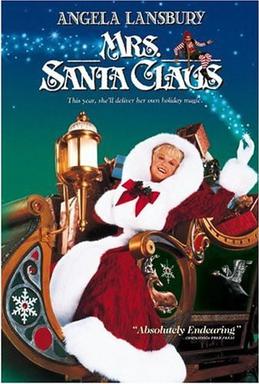

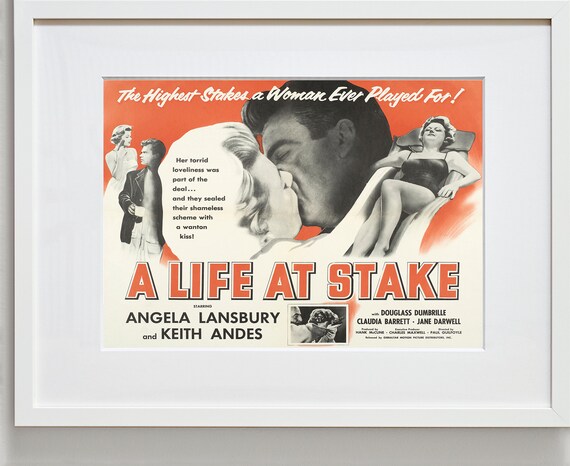
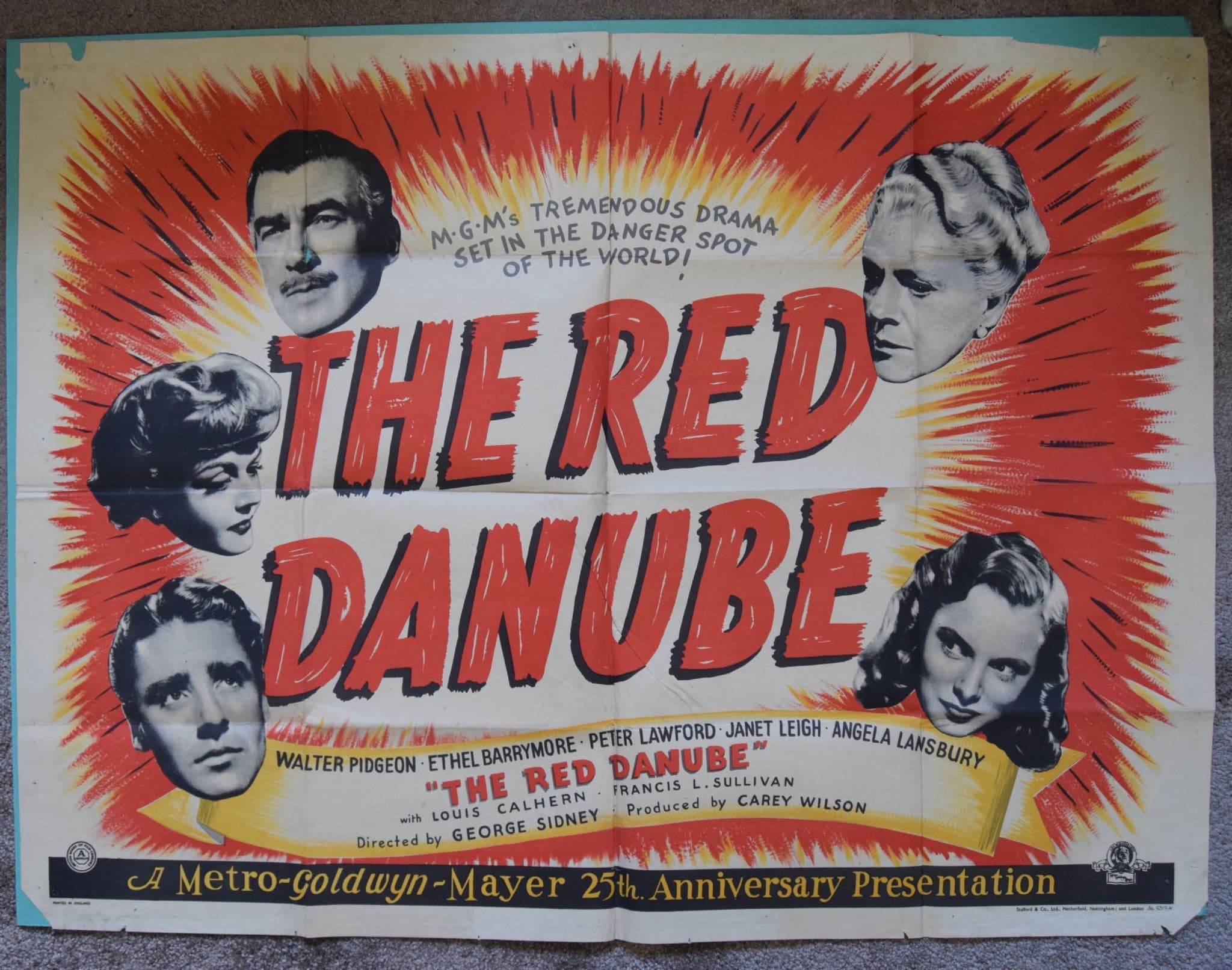
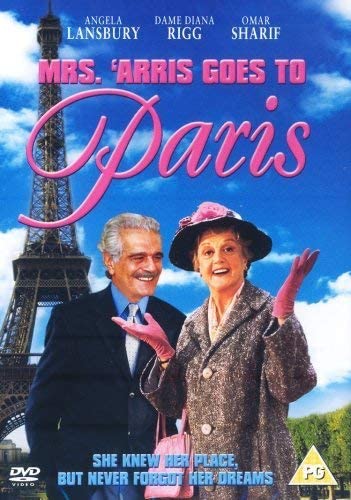
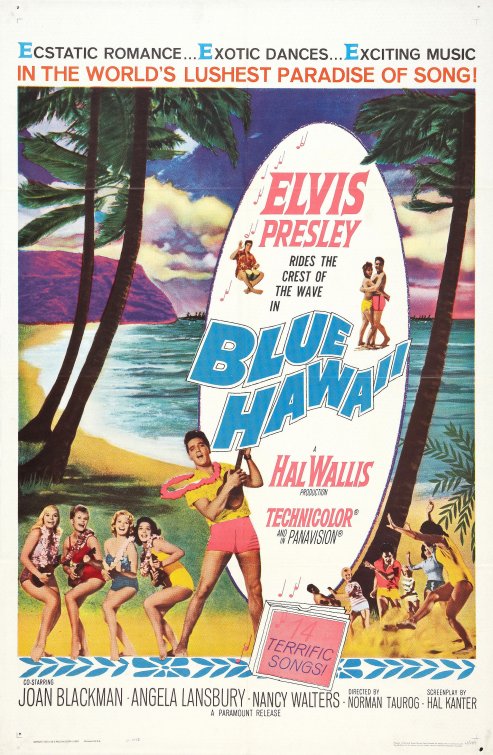
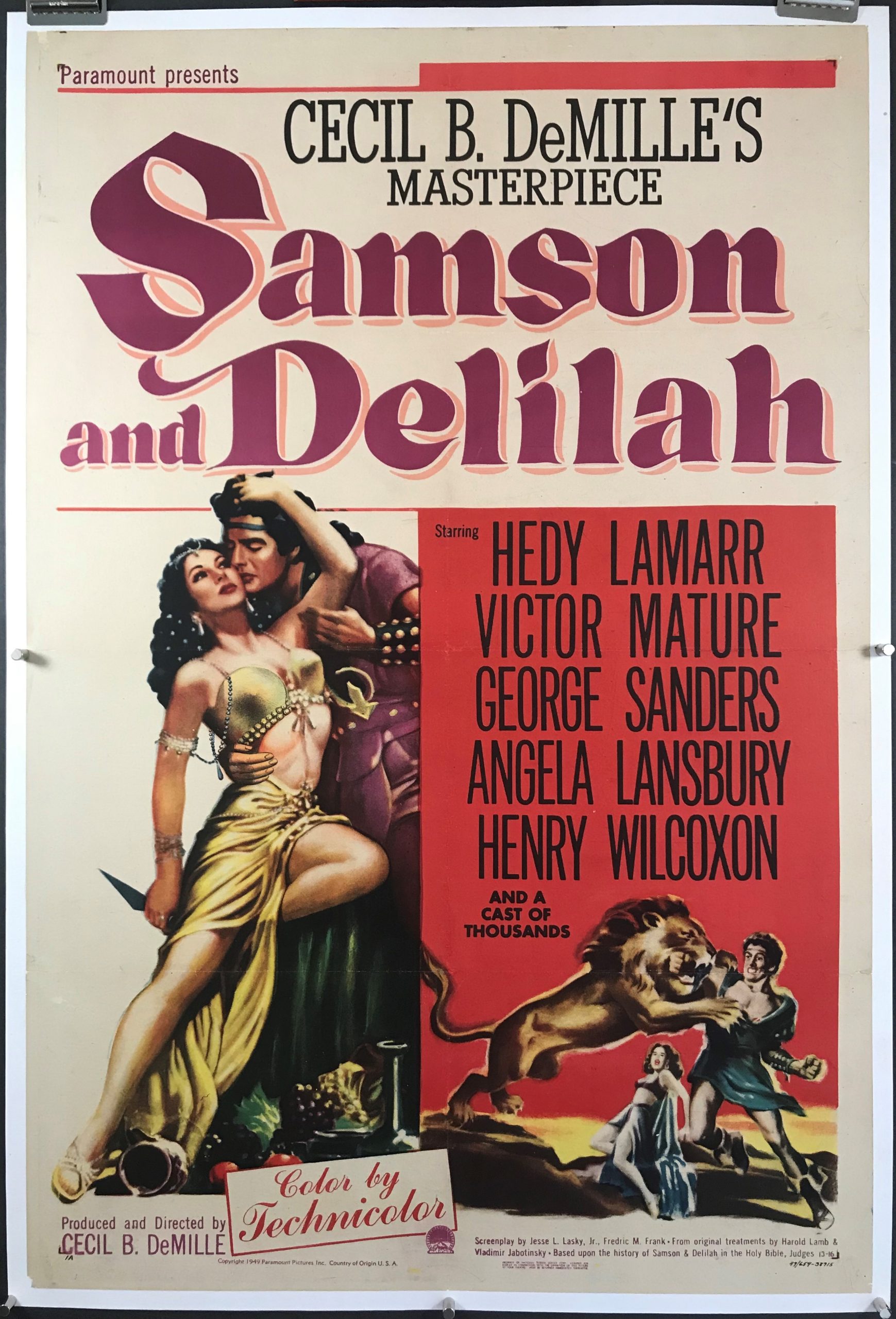
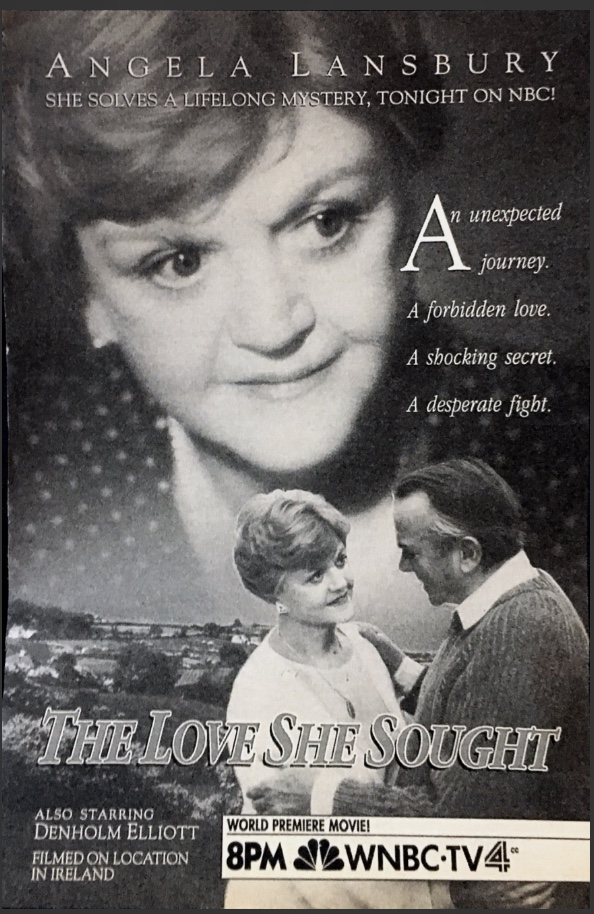
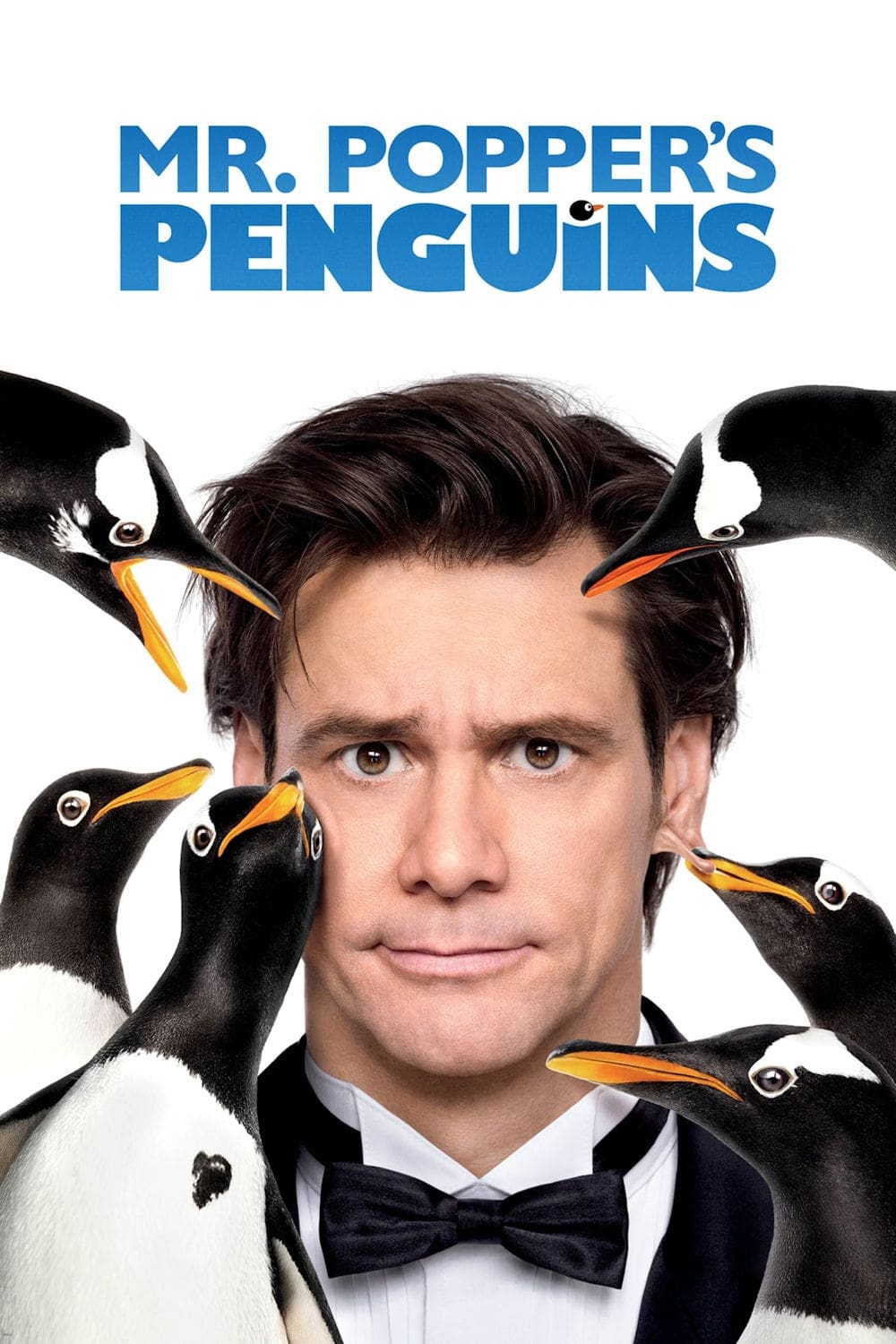
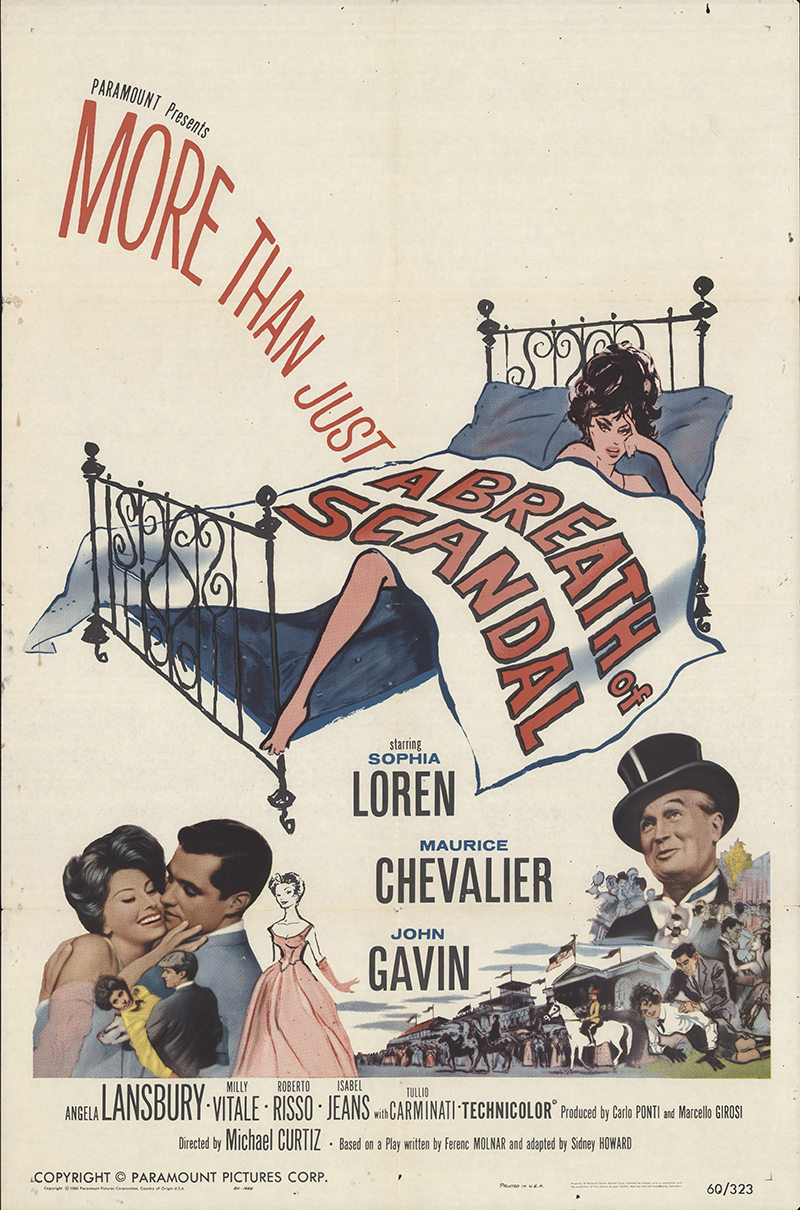
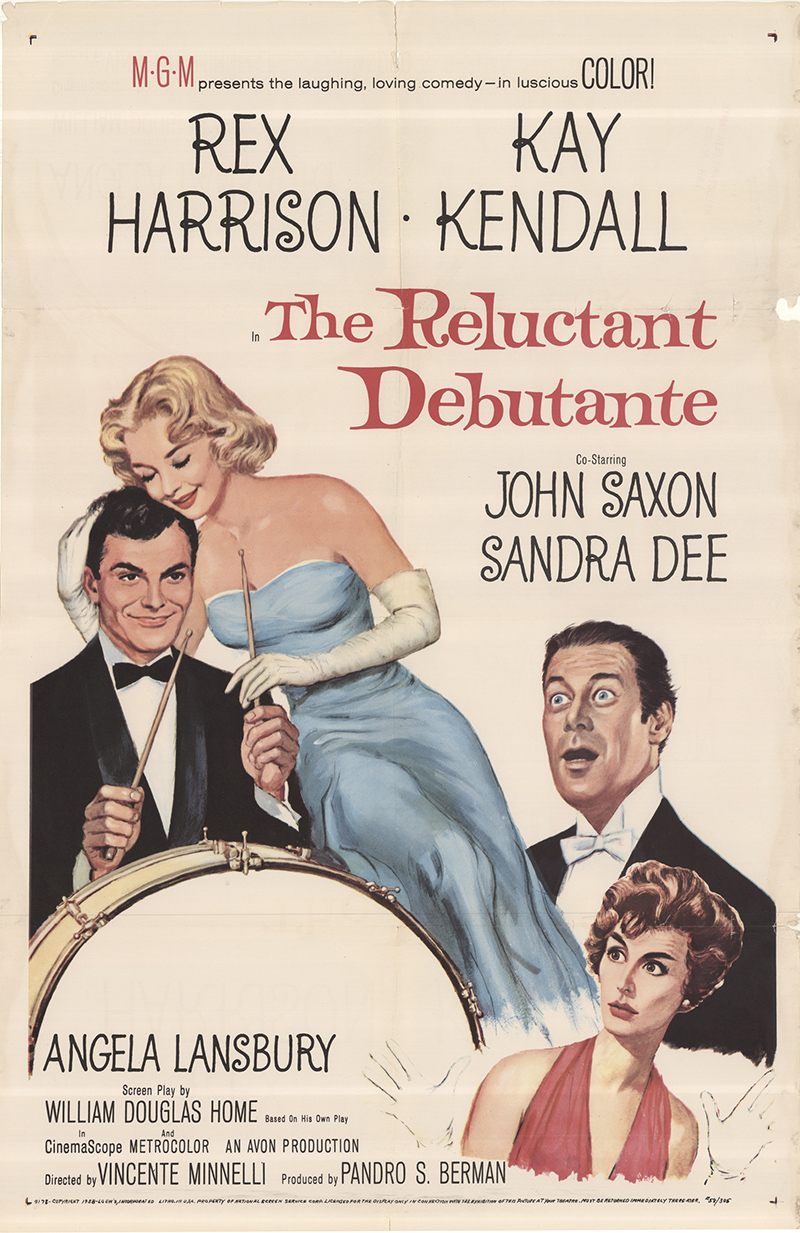

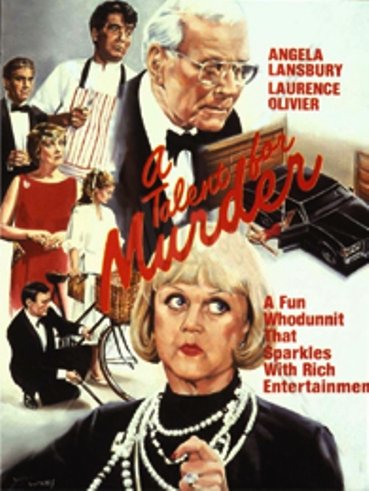
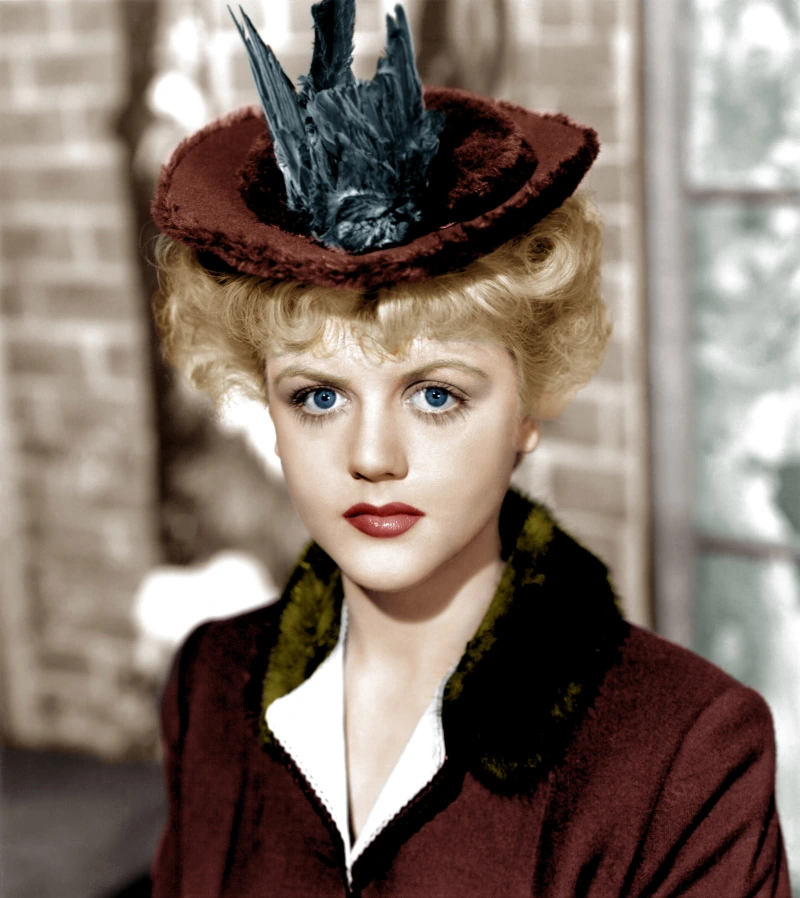
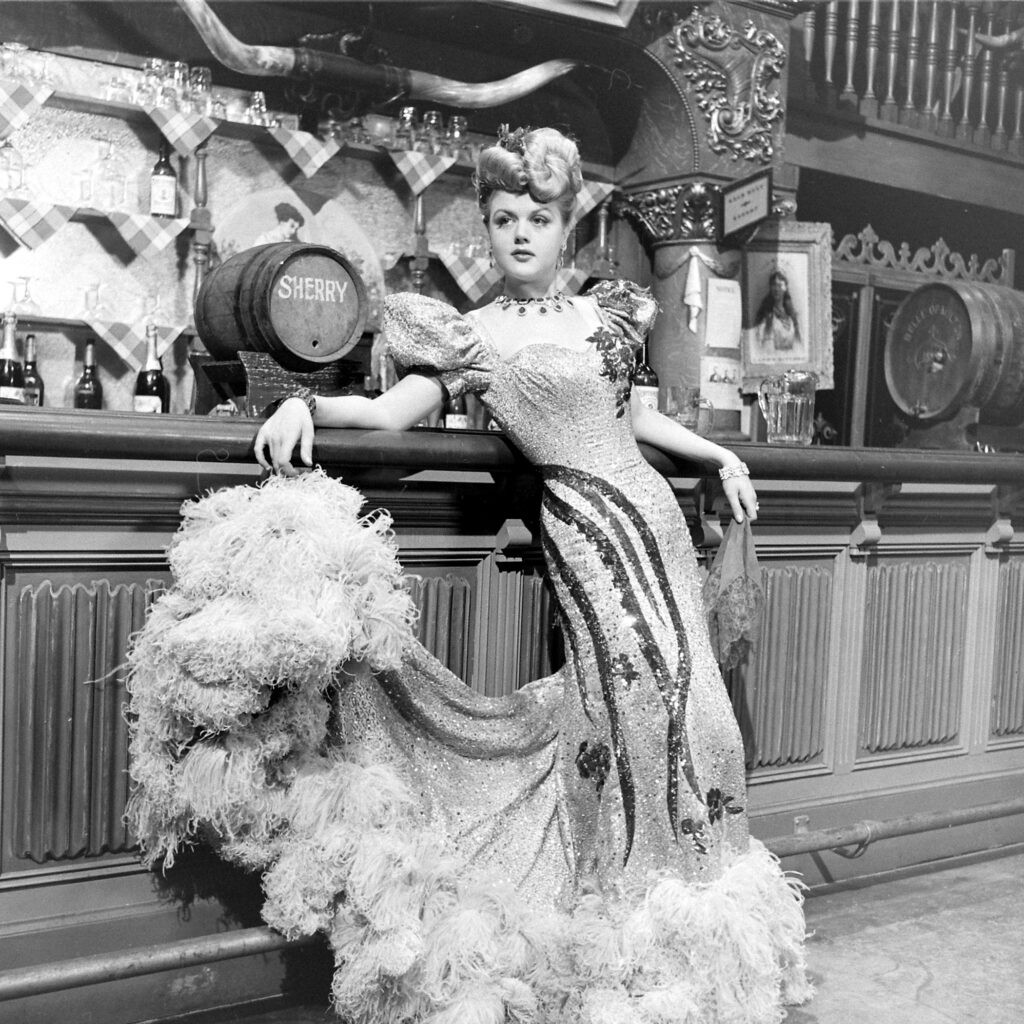
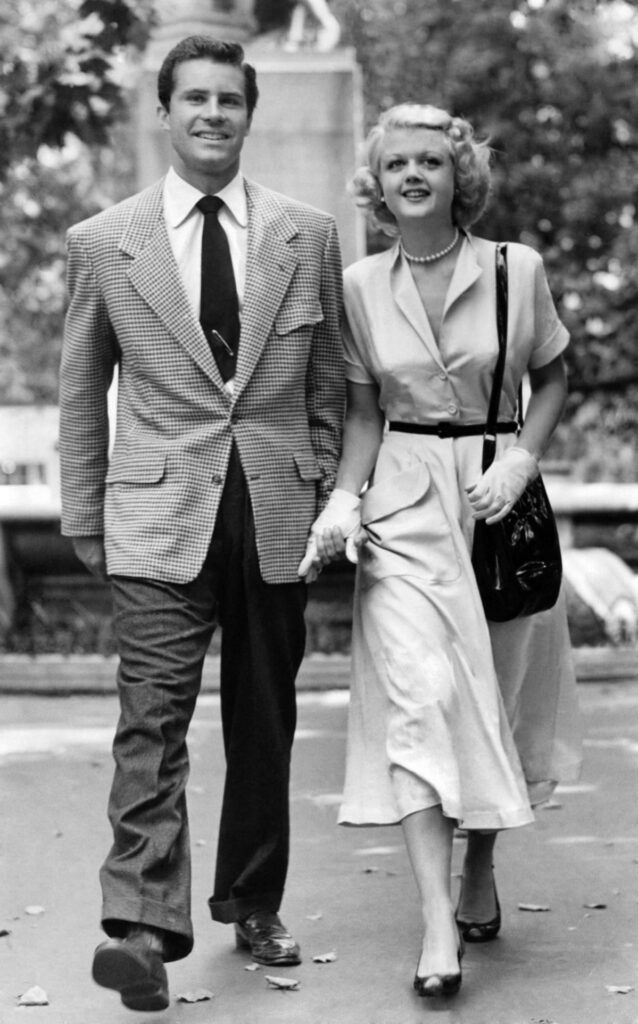
Angela Lansbury was a titan of the performing arts whose career spanned seven decades, across film, theater, and television. A critical analysis of her work reveals a performer of extraordinary technical versatility—often described as a “character actress in a leading lady’s body”—who possessed the rare ability to inhabit both the most sinister villains and the most comforting maternal figures with equal conviction.
I. Career Overview: The Three Acts
1. Act I: The MGM “Character” Years (1944–1960)
Lansbury’s career began with immediate acclaim. At age 18, she earned an Oscar nomination for her film debut as the conniving maid in Gaslight (1944).
The “Older” Woman: Despite her youth, MGM often cast her as women ten or twenty years her senior. She played the tragic Sibyl Vane in The Picture of Dorian Gray (1945) and the icy, manipulative Eleanor Iselin in The Manchurian Candidate (1962), a performance widely cited as one of the greatest villainous turns in cinema history.
2. Act II: The Queen of Broadway (1966–1980)
Frustrated by Hollywood’s limitations, Lansbury pivoted to the musical stage.
The Mame Watershed: In 1966, she took the lead in Mame, transforming into a flamboyant, life-affirming icon.
Sondheim Collaborations: She became a definitive interpreter of Stephen Sondheim, most notably as the cannibalistic Mrs. Lovett in Sweeney Todd (1979). This era solidified her as a performer of immense vocal range and comedic timing.
3. Act III: The Global Matriarch (1984–2014)
Lansbury achieved a level of fame rarely seen in late career when she took the role of Jessica Fletcher in Murder, She Wrote.
The TV Icon: For 12 seasons, she was the face of the “cozy mystery,” becoming the most nominated actress in Emmy history without a single win (a statistic often cited as one of the industry’s great oversights).
Disney Voice Work: She became a beloved figure for a new generation as the voice of Mrs. Potts in Beauty and the Beast (1991).
II. Detailed Critical Analysis
1. The Mastery of “The Mask”
Critically, Lansbury’s acting is defined by her chameleon-like ability to alter her physical essence. * The Manchurian Coldness: In The Manchurian Candidate, she used a “deadened, predatory stillness.” She managed to be terrifying without ever raising her voice, projecting a sense of power that was purely psychological.
The Lovett Elasticity: In contrast, as Mrs. Lovett, she was a whirlwind of “grotesque energy”—using her eyes and her comic “cluck” to make a murderer seem oddly endearing. Critics note that her background in British music hall traditions allowed her to blend high drama with physical comedy seamlessly.
2. The “Jessica Fletcher” Paradox
While Murder, She Wrote was often dismissed by high-brow critics as light entertainment, Lansbury’s performance was a masterclass in understated naturalism.
The Intellectual Lead: Lansbury fought to ensure Jessica was never “doddering.” She insisted the character be sharp, athletic, and fiercely independent. Critically, she managed to make a woman who was constantly surrounded by death feel like a “warm embrace.” She understood that the success of the show rested on the audience’s desire to spend time in her company, not just the solving of the puzzle.
3. Vocal Intelligence
Lansbury was not a “belter” in the traditional Broadway sense, but she was an “actor who sang.” * Phrasing as Character: Whether singing “The Worst Pies in London” or “Beauty and the Beast,” she prioritized the lyrics and the character’s intention over the melody. Critics praise her vocal work for its narrative clarity—every breath and pause served the story.
Iconic Performance Comparison
| Character | Work | Year | Critical Legacy |
| Nancy Oliver | Gaslight | 1944 | Defined the “Scheming Ingénue” archetype. |
| Eleanor Iselin | The Manchurian Candidate | 1962 | Regarded as the ultimate “Cold War Villain.” |
| Mrs. Lovett | Sweeney Todd | 1979 | A masterclass in “Macabre Comedy.” |
| Jessica Fletcher | Murder, She Wrote | 1984–96 | Created the definitive “Amateur Sleuth” of the 20th century. |
Angela Lansbury was the “Ultimate Pro.” She was an actress who never allowed herself to be “typed,” moving from the dark shadows of film noir to the bright lights of Broadway and the comforting living rooms of television. Her legacy is one of “Technical Grace”—a performer who could play the devil or an angel, and make you believe in both.