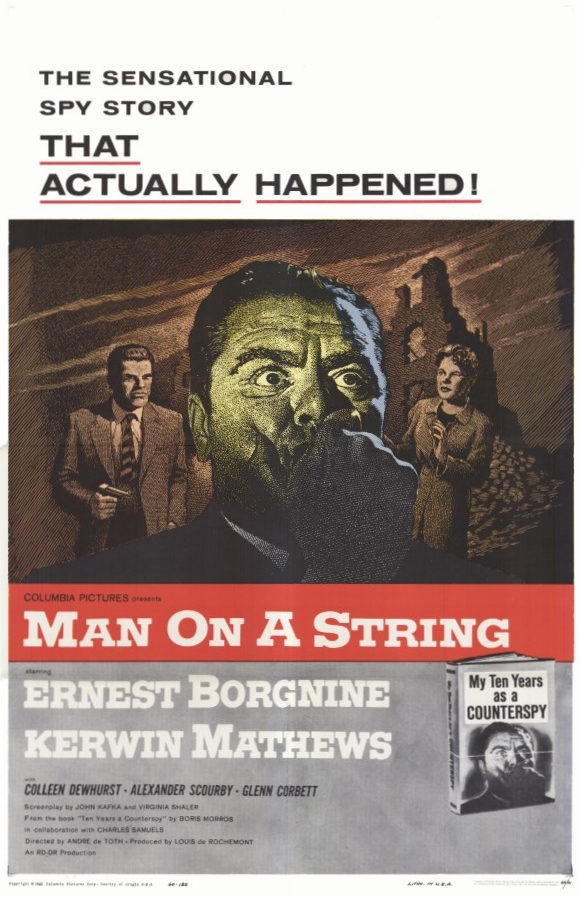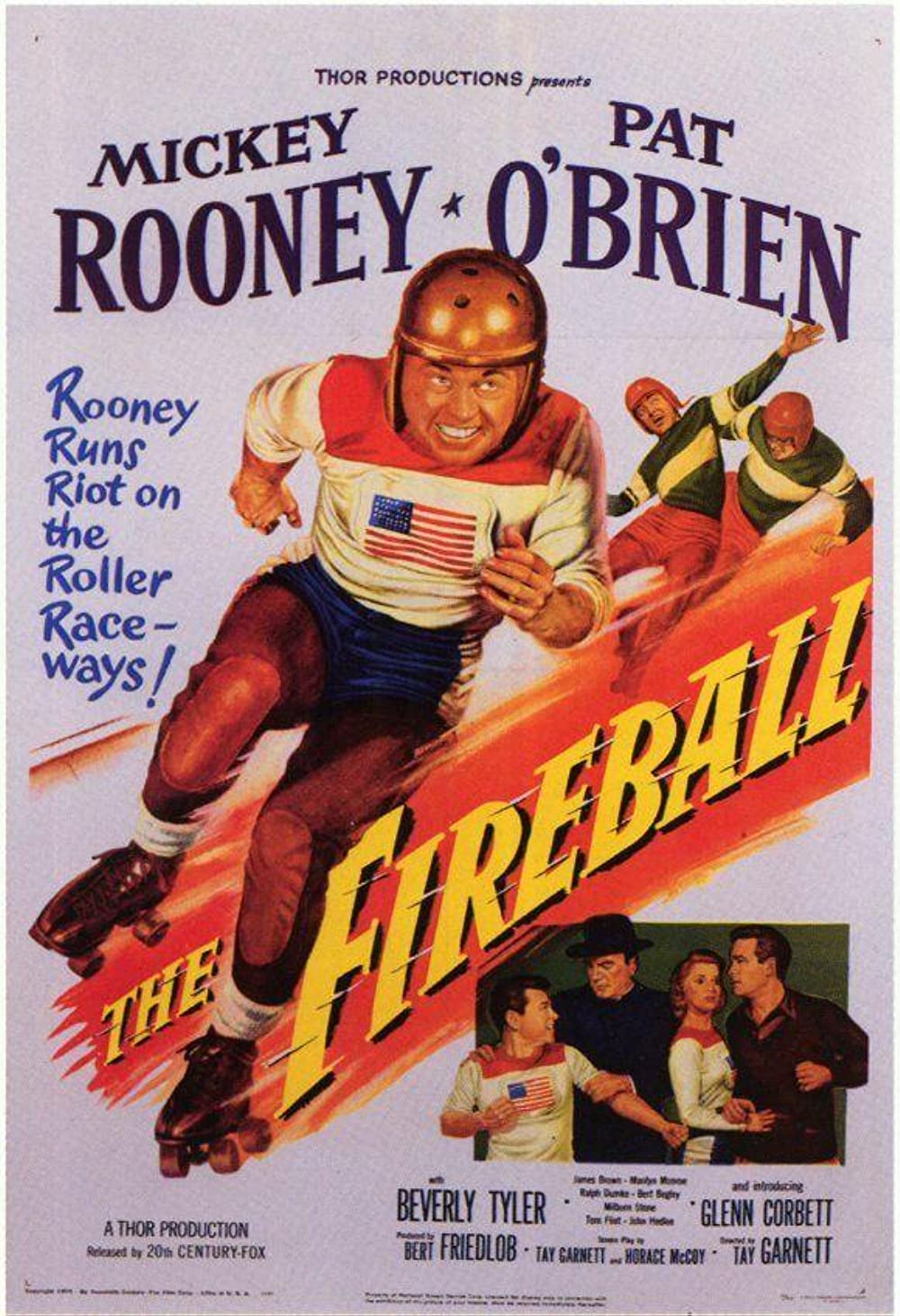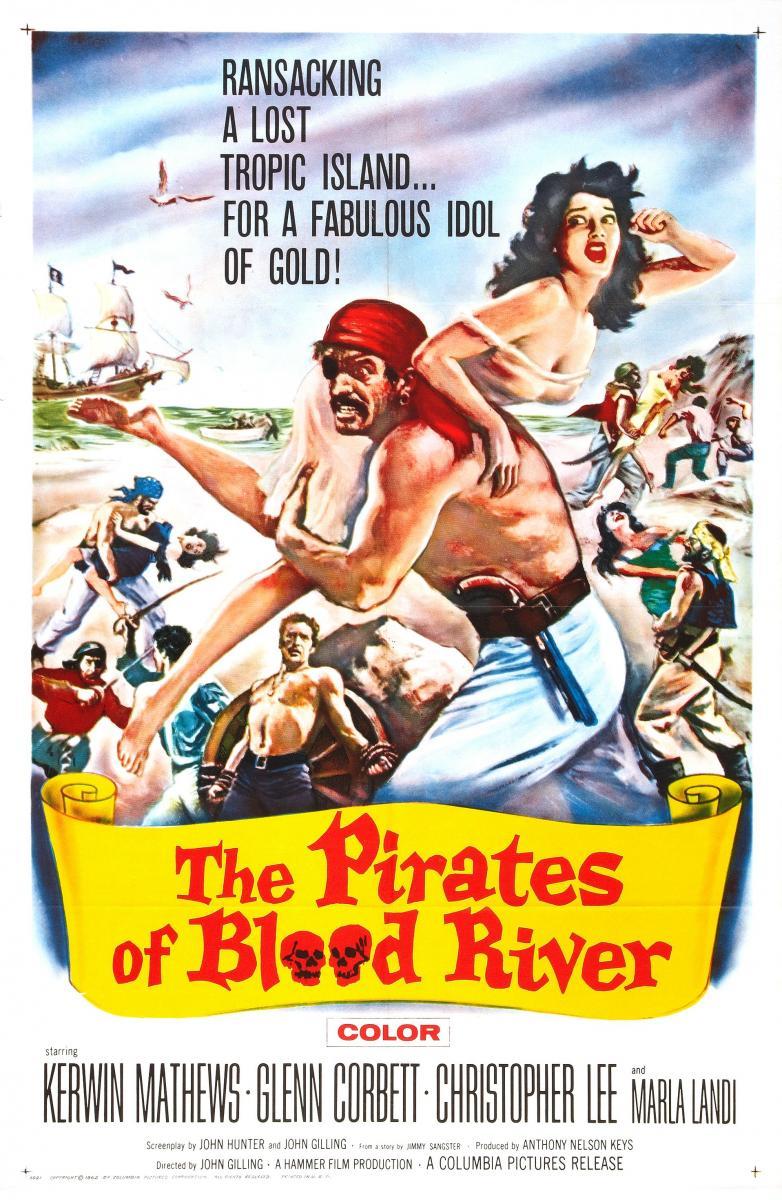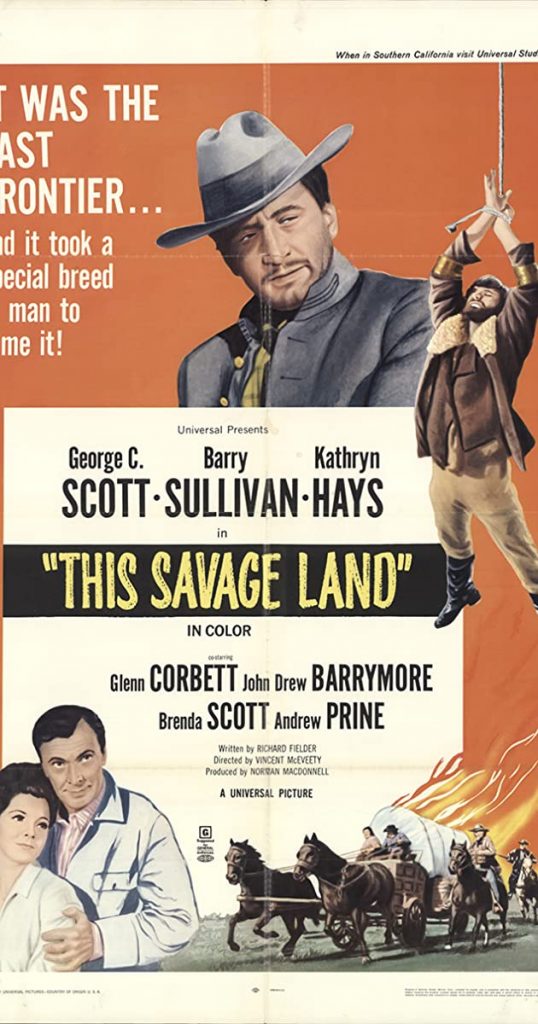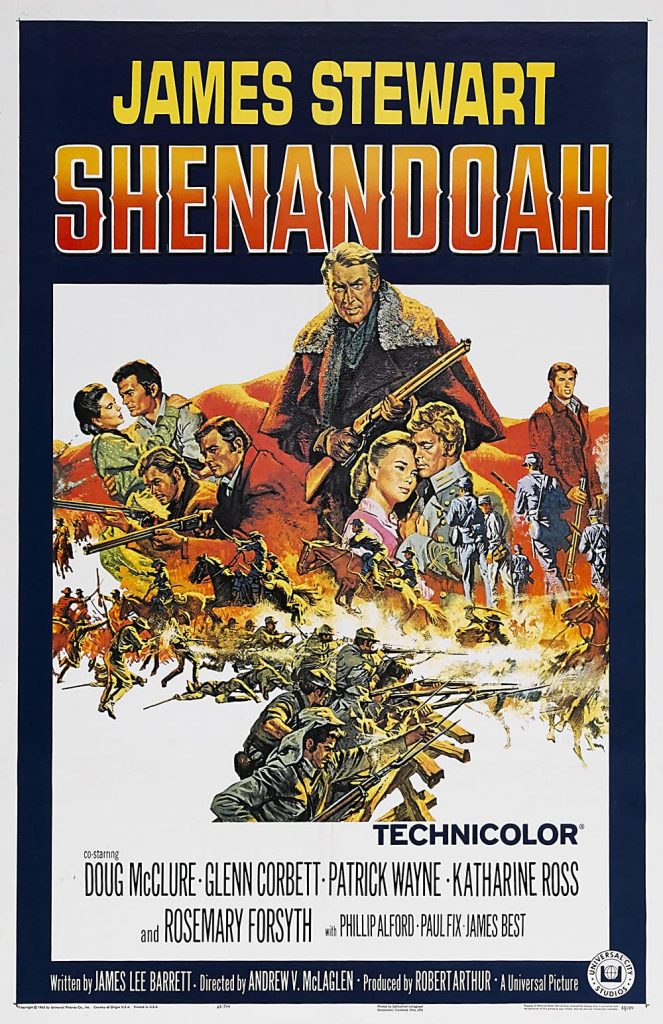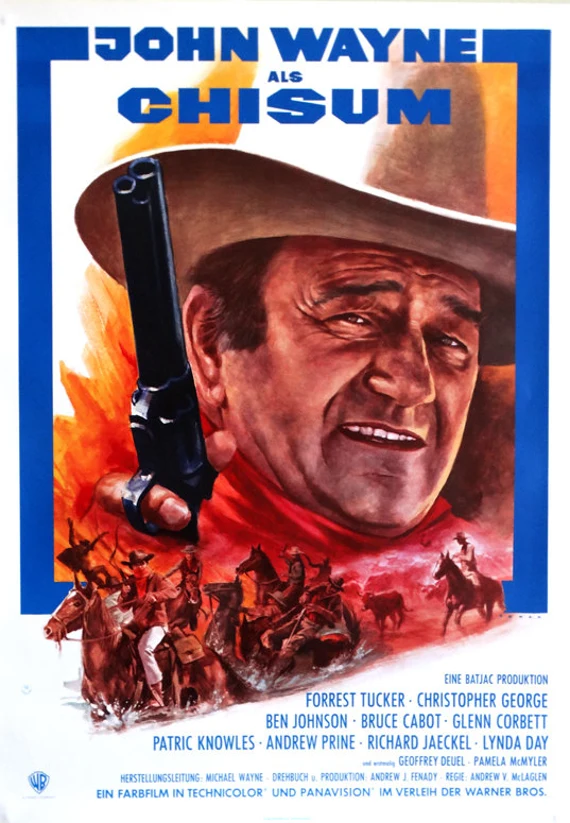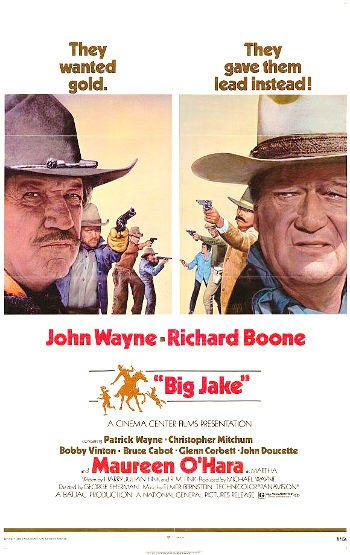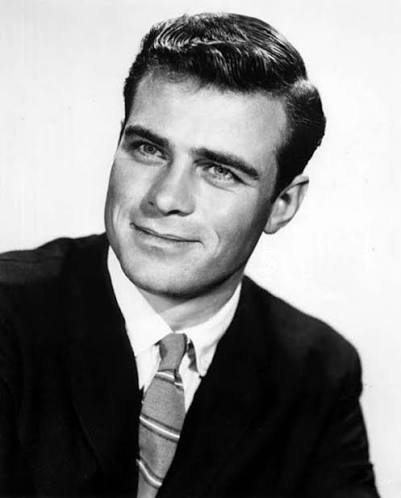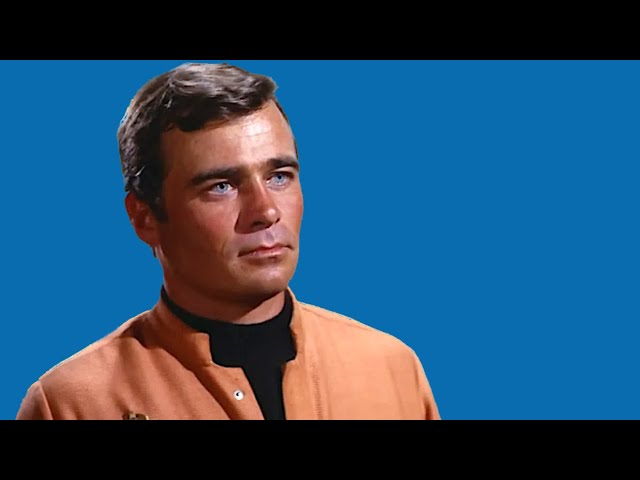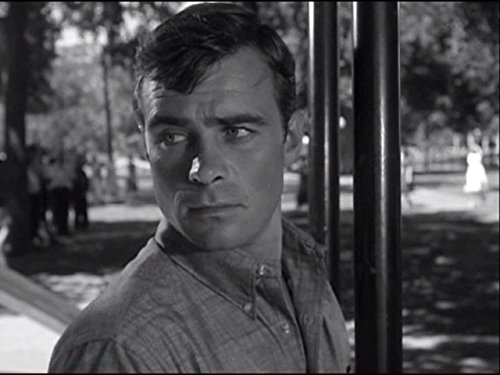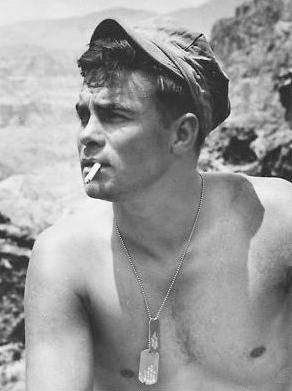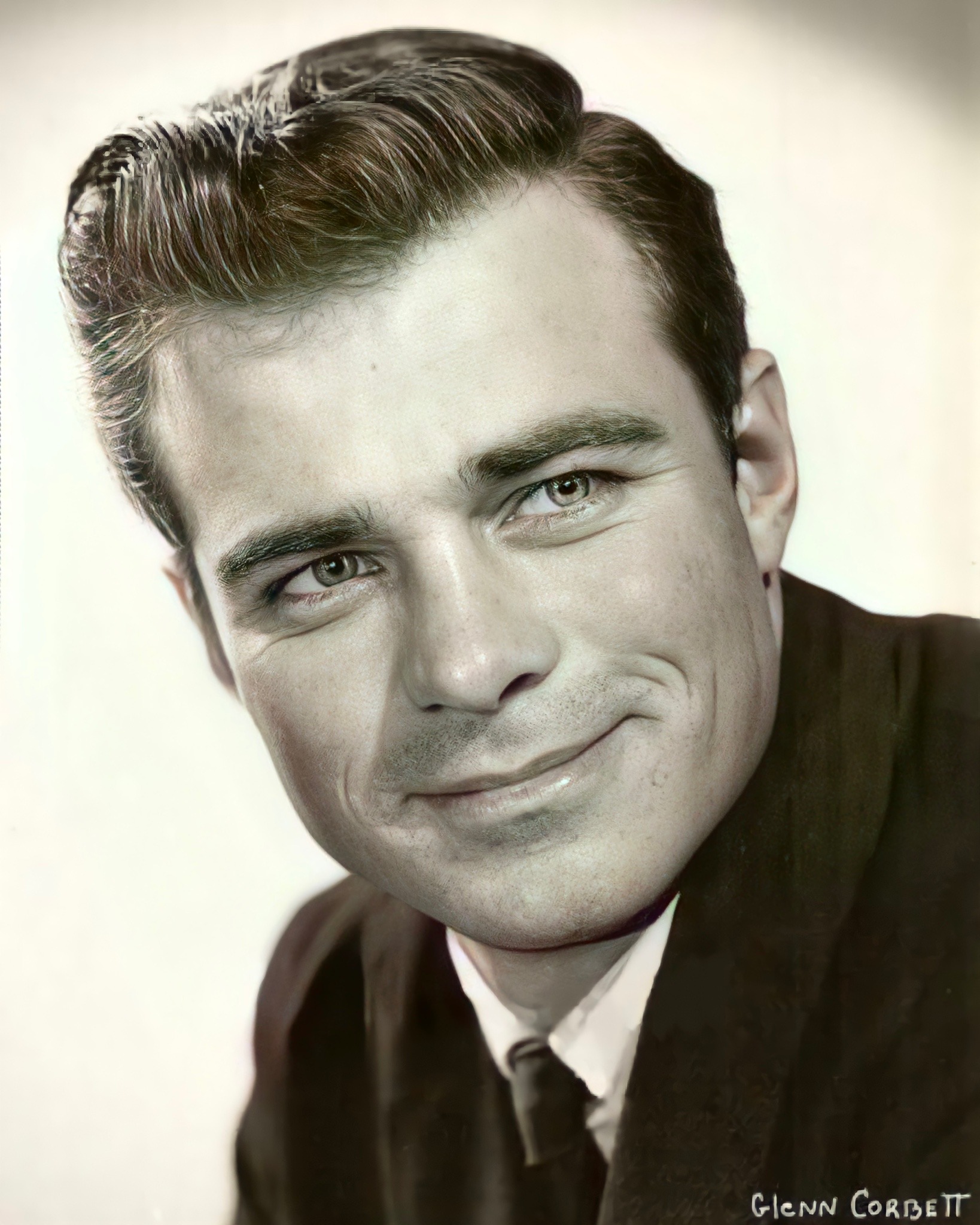

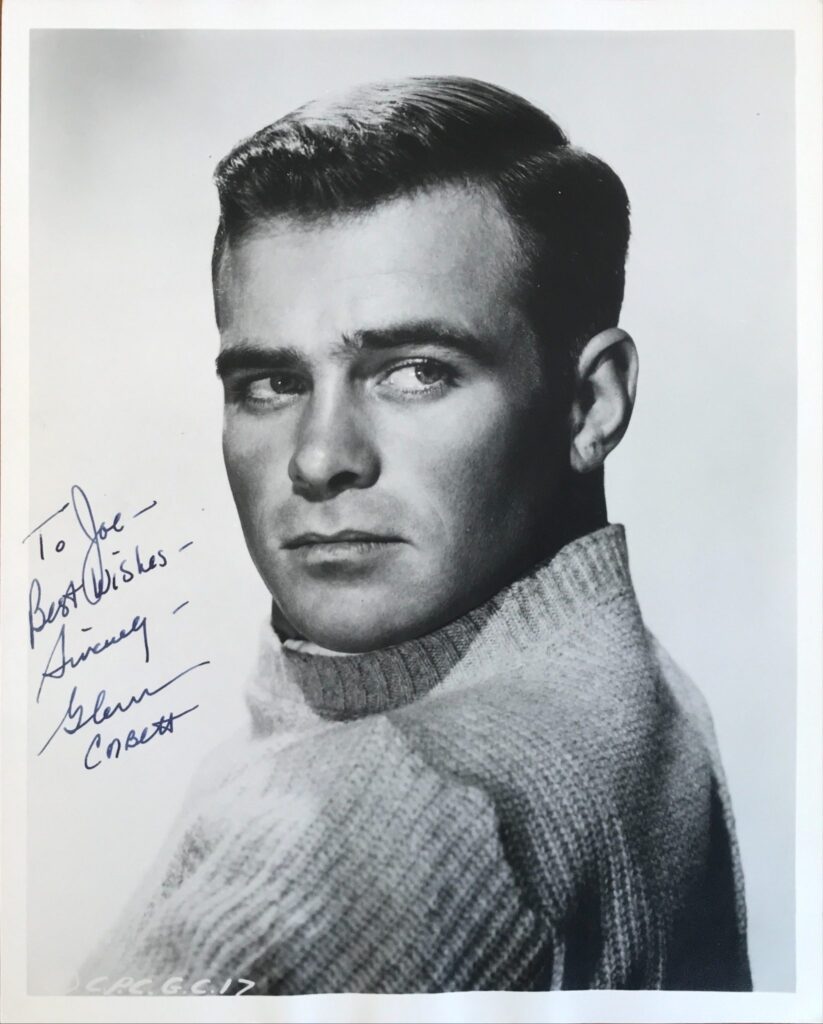
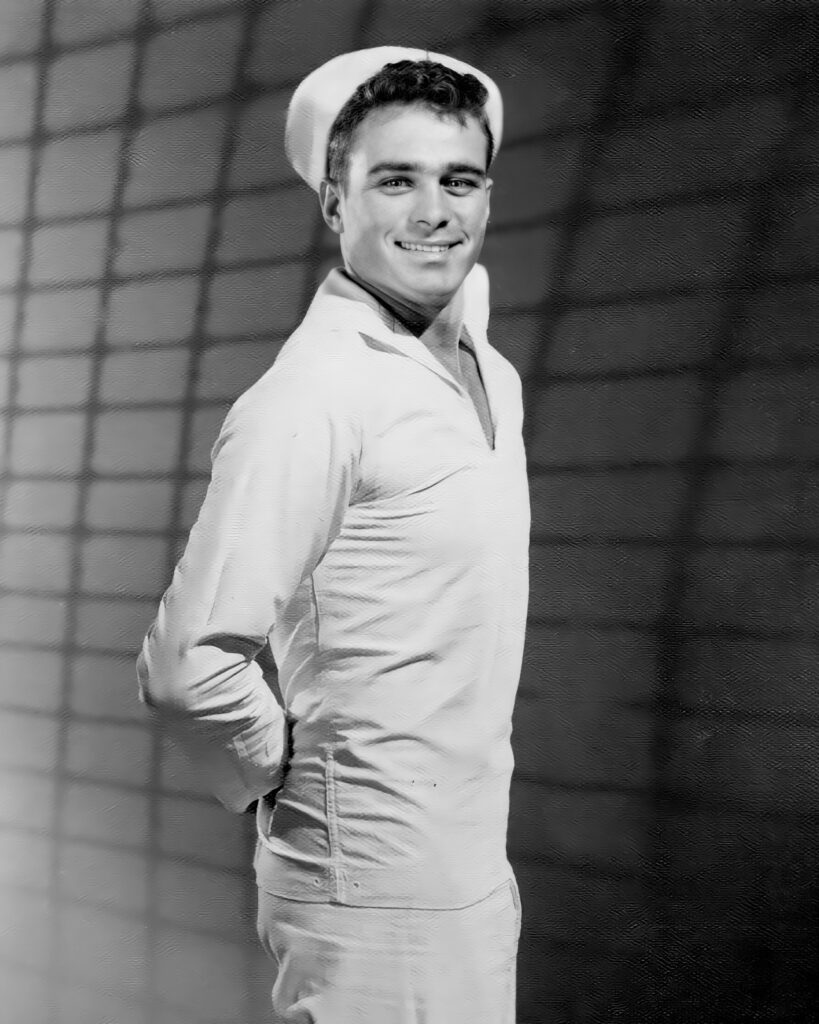
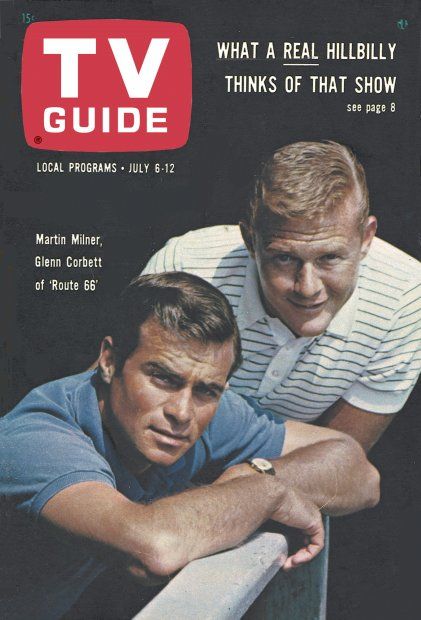
Actor Glenn Corbett died Jan. 16 in San Antonio after a six-month battle with lung cancer. He was 59.
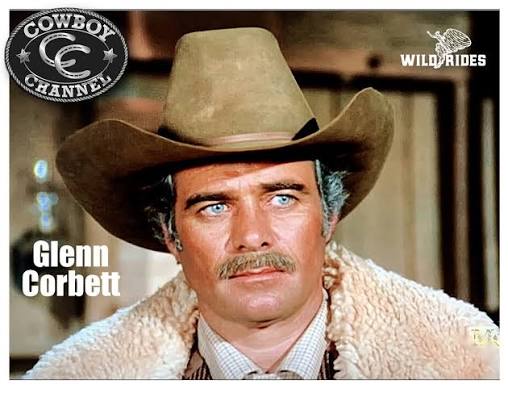
An L.A. native, he attended Occidental College appearing in numerous plays and eventually made the move to the big screen essaying the role of Pat Garret in the John Wayne starrer “Chisum.”
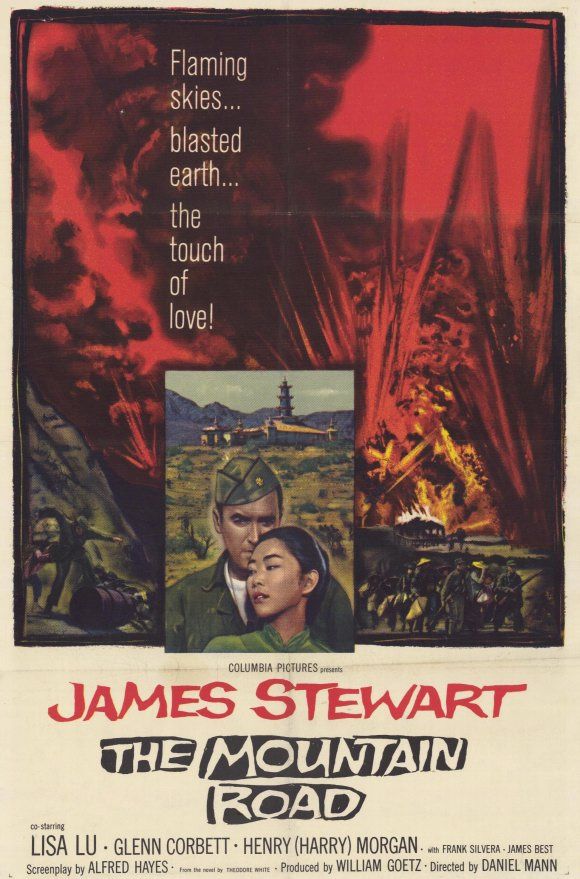
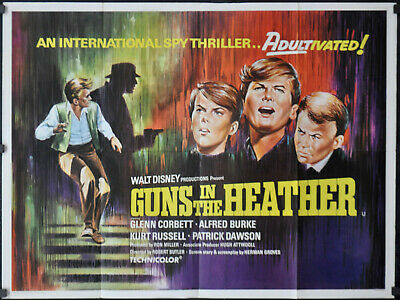
Additional film credits included “Shenandoah,””The Mountain Road” and “Shadow Force.”
TV work included “Route 66,” when Corbett replaced George Maharis as the co-star of the series. He also had a recurring role on “Dallas” and when his character was eliminated from the story line, stayed with the production company as dialogue director. He held that position for three years.
He is survived by his daughter, Jocelyn, and son, Jason. Both live in Los Angeles.
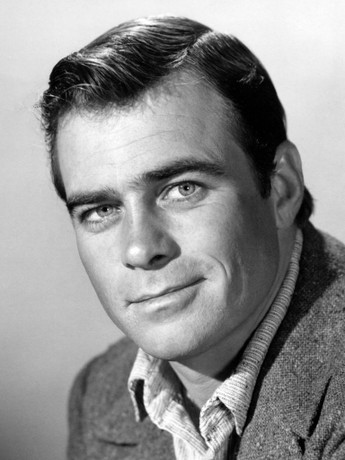
Glenn Corbett (1933–1993) was an American actor best known for steady work on television from the late 1950s through the 1970s and for occasional supporting turns in features. He built a long career as a reliable, rugged presence in Westerns, crime dramas and popular series of the period.
Career overview
Early training and stage: Corbett began in regional theater and touring productions before moving to Los Angeles to pursue screen work. His stage background gave him a solid technical foundation and a command of plainspoken delivery.
Television prominence: Corbett’s principal visibility came from TV. He guest‑starred widely on the era’s dominant series (Westerns, police procedurals and anthology shows) and held at least one notable regular role on a major series in the early 1960s, which brought him national recognition and steady work.
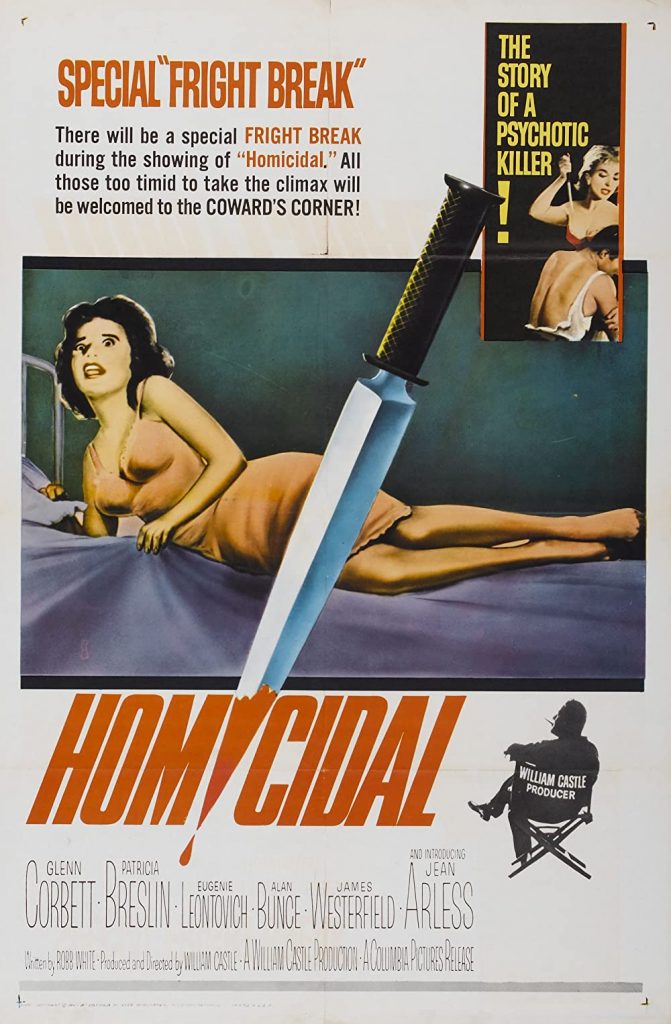
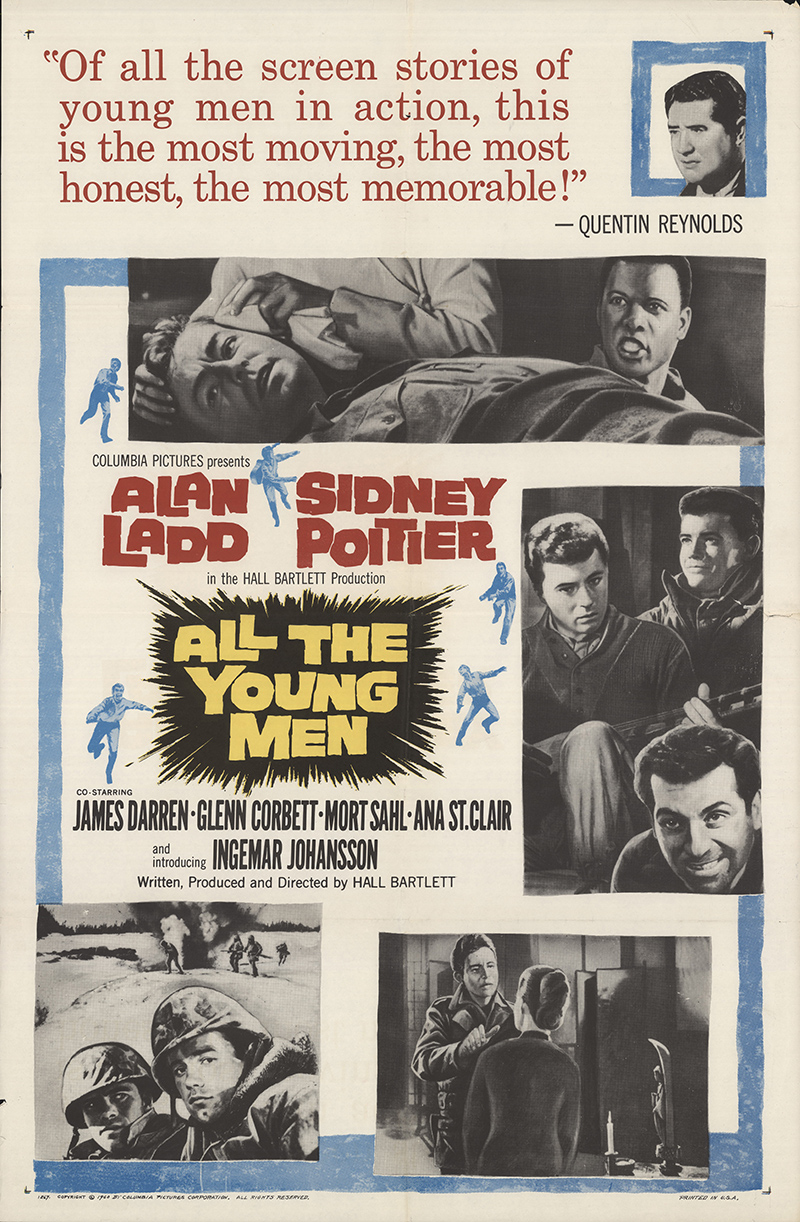
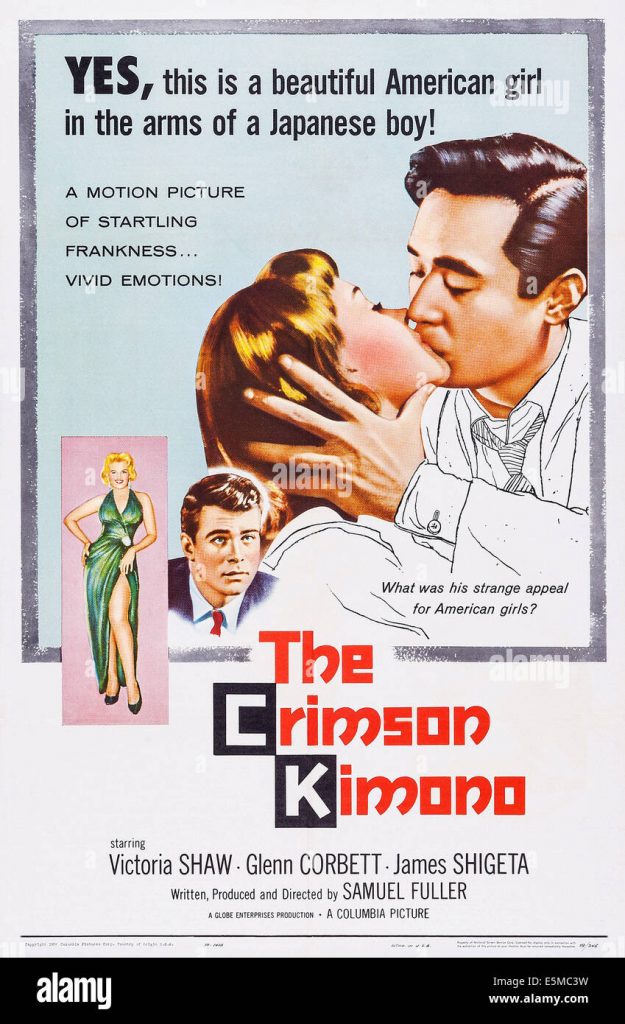
Film work: He appeared in a number of feature films, typically in supporting or co‑starring parts that used his rugged good looks and straightforward acting style—often in gritty or action contexts rather than prestige art‑house vehicles.
Later career and steady character work: Through the 1970s and into the 1980s Corbett continued to work in television and film, moving between episodic guest spots, recurring parts and occasional TV movies. He maintained a career as a dependable character actor rather than a headline star.
Acting style and screen persona.
Rugged, masculine screen identity: He was frequently cast as soldiers, cowboys, policemen, or other blue‑collar/authority figures. His looks and bearing made him credible in roles that required physical competence and moral steadiness.
Critical analysis — strengths
Scene presence without showiness: Corbett could make supporting parts memorable by grounding them in realism—helpful in ensemble-driven series and in films that required credible, workaday heroes or antagonists..
Critical analysis — limitations and constraints
Typecasting: The industry tended to cast him within a fairly narrow band of masculine supporting types, limiting opportunities for dramatically diverse or deeply nuanced starring roles.
Lack of signature starring vehicle: Corbett never had a widely recognized film role that redefined his public image; his career is best read as that of a consummate character actor rather than a transformative star.
Relative critical invisibility: Because much of his work was episodic television or secondary film roles, he received modest critical attention compared with actors who pursued high‑profile auteur projects or stage-to-screen breakthroughs.
Legacy and significance
Representative working actor of mid‑century TV: Corbett’s career is a useful example of how dependable supporting performers sustained American television and genre filmmaking in the 1950s–70s.
Cult and fan recognition: For viewers of classic TV and Westerns, his recurring appearances and memorable guest turns make him a recognizable and fondly remembered presence.
Professional model: He exemplifies a pragmatic career path—craft-focused, steady employment, and the capacity to adapt as the industry moved from studio film dominance to television-centered production.