

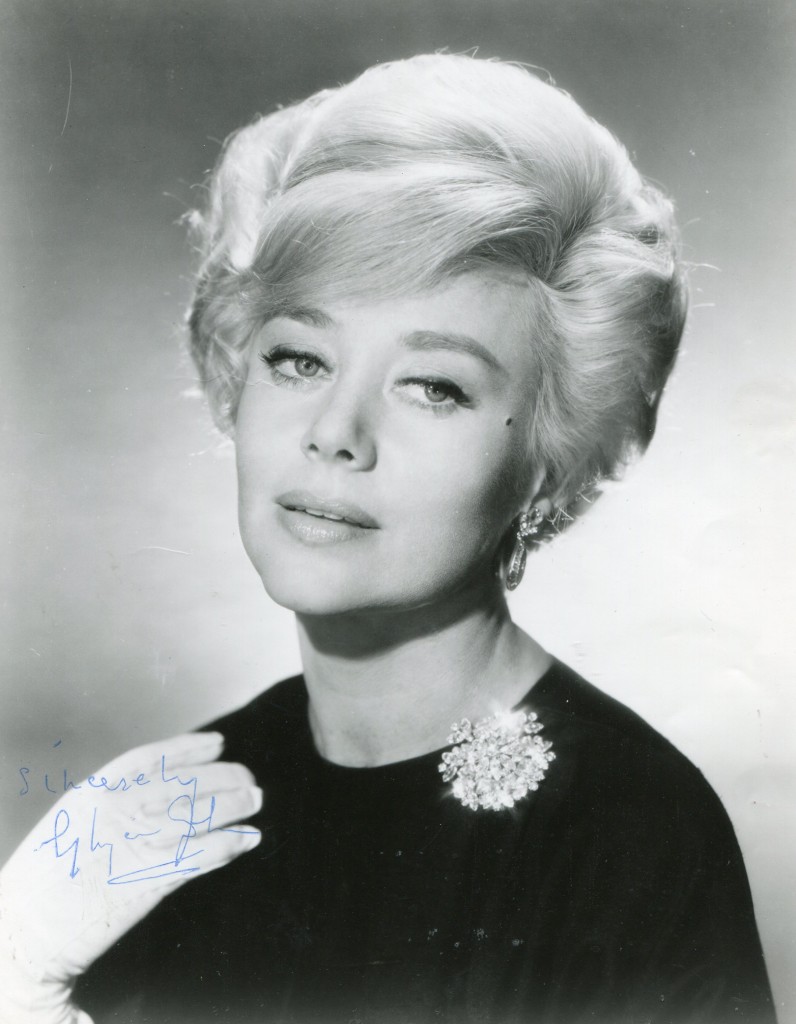
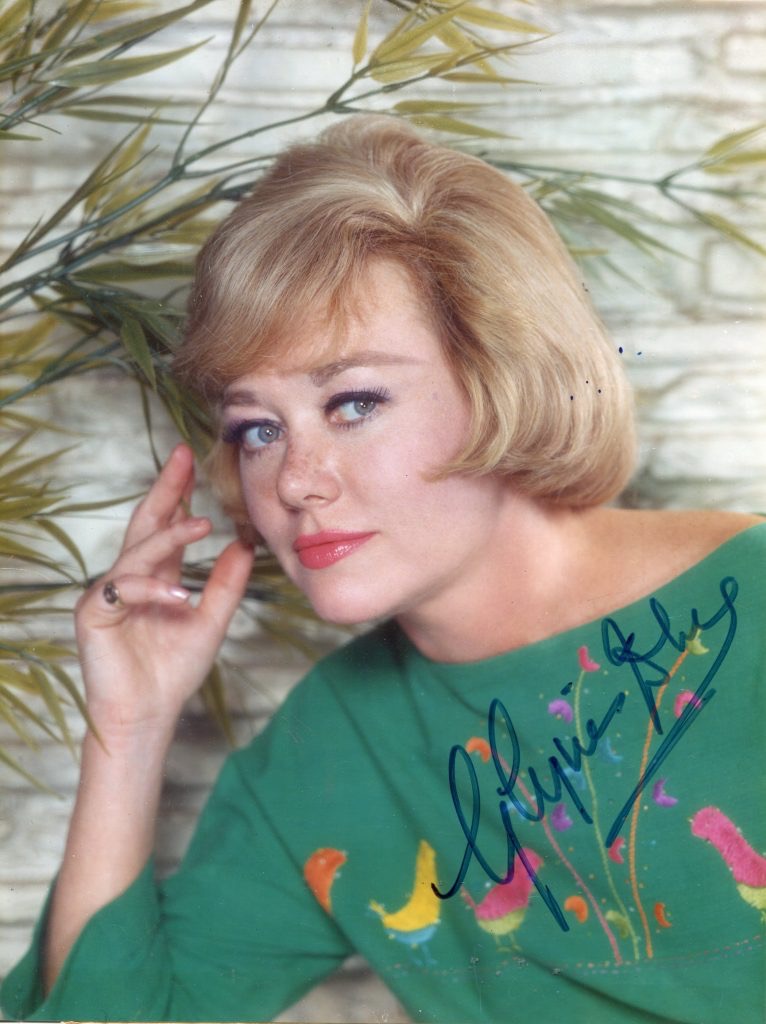
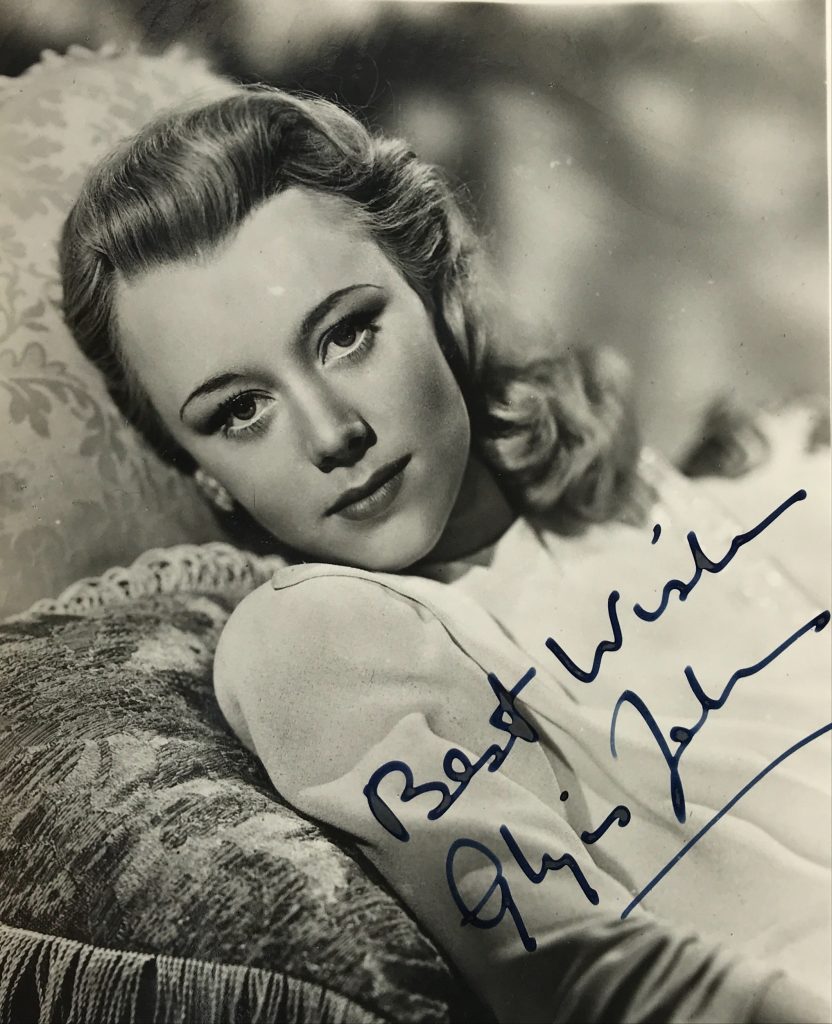
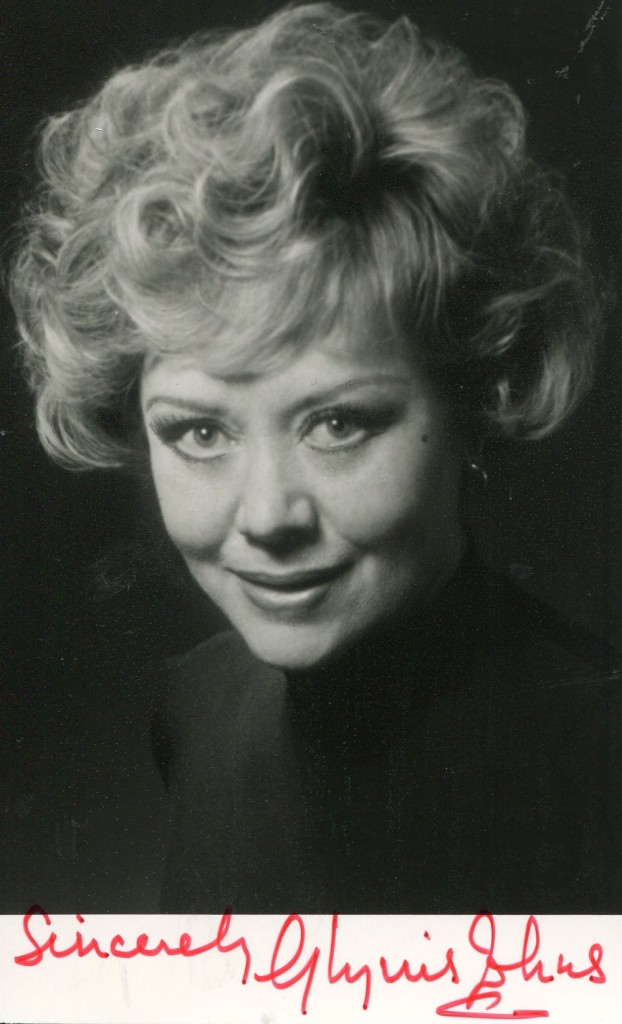
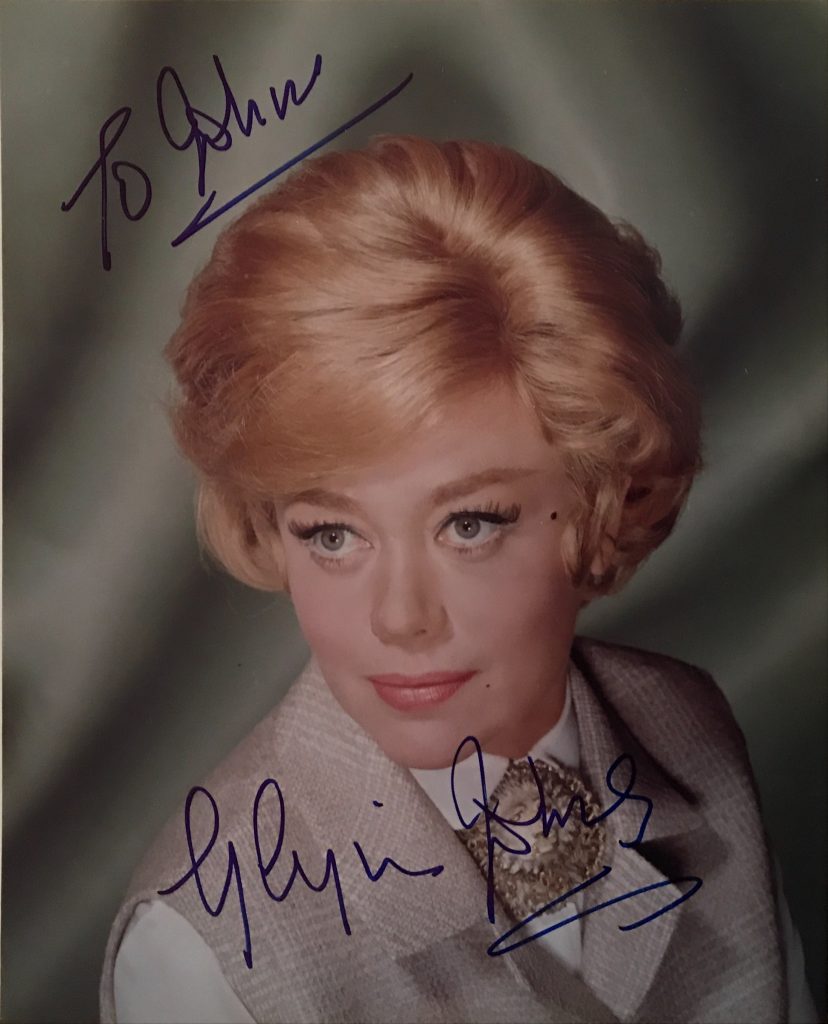
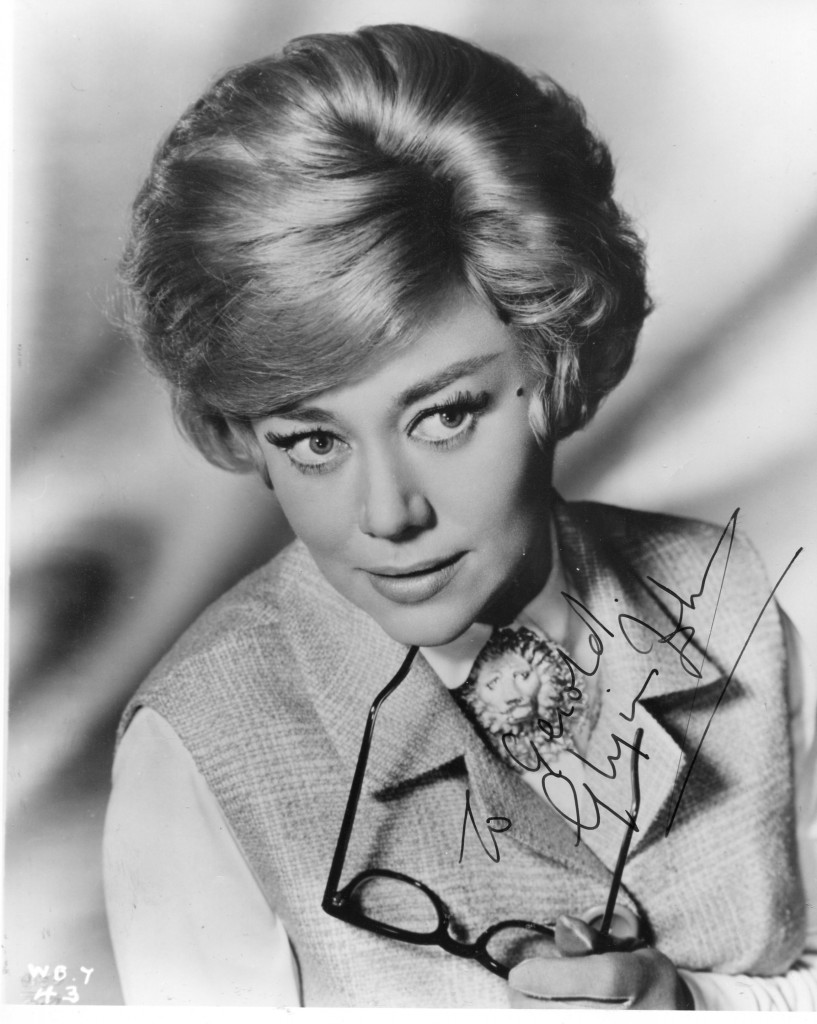
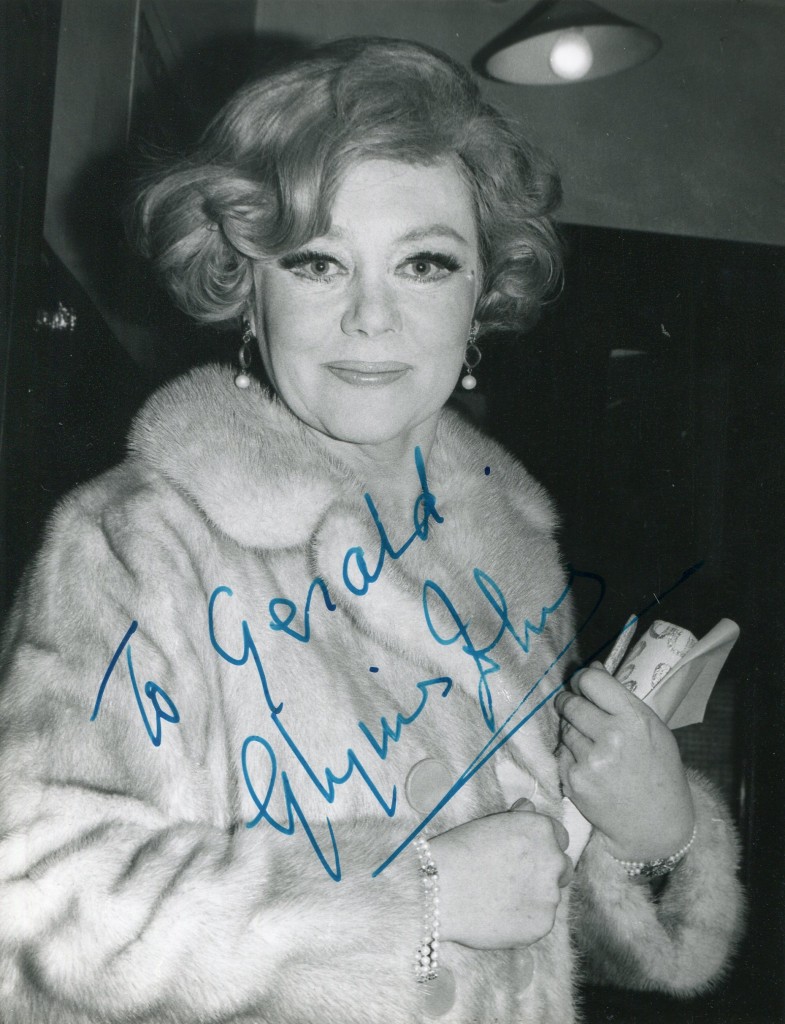
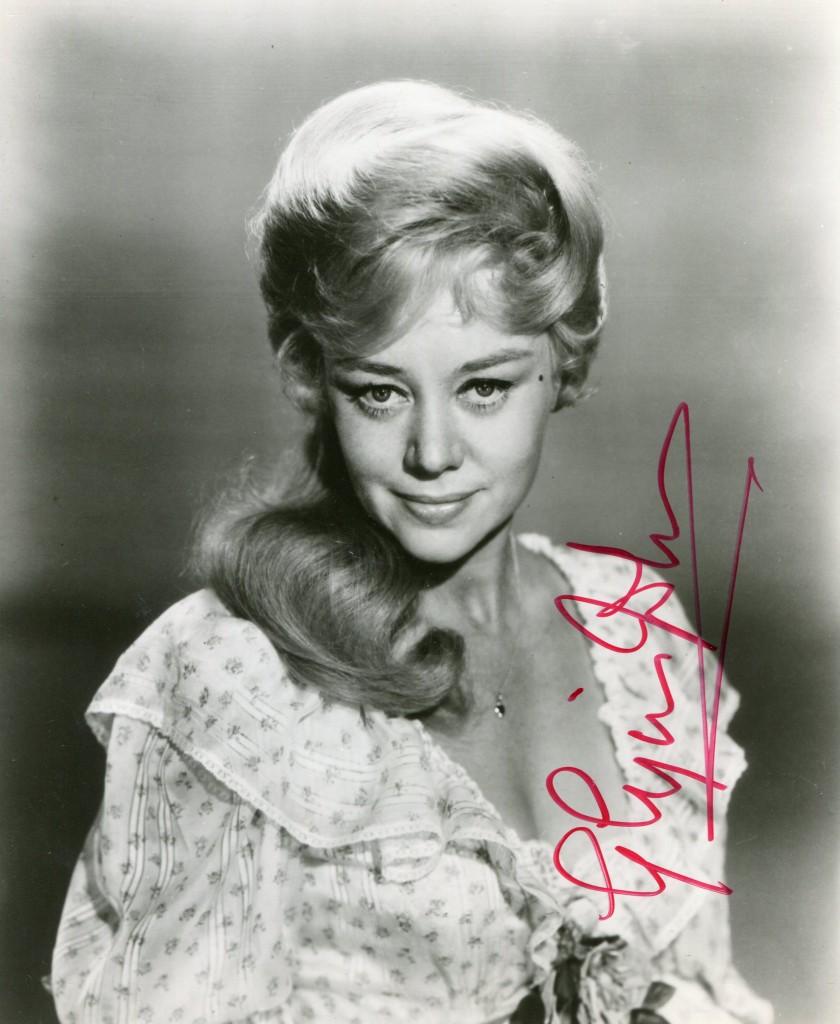
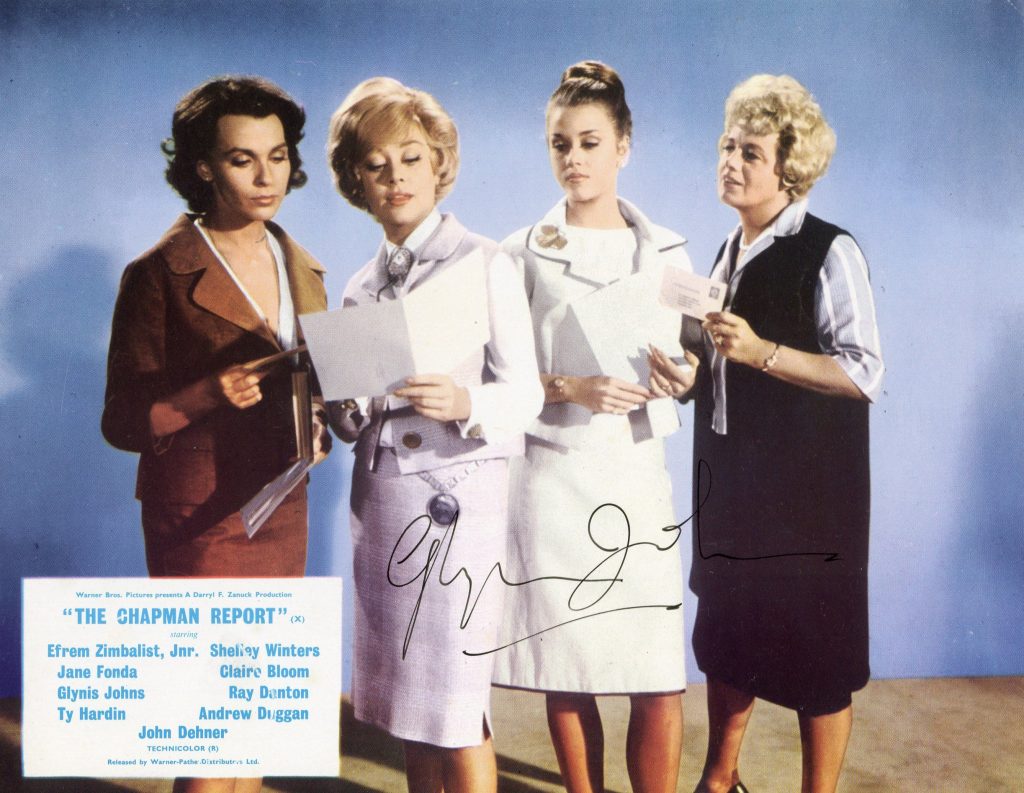
The times obituary
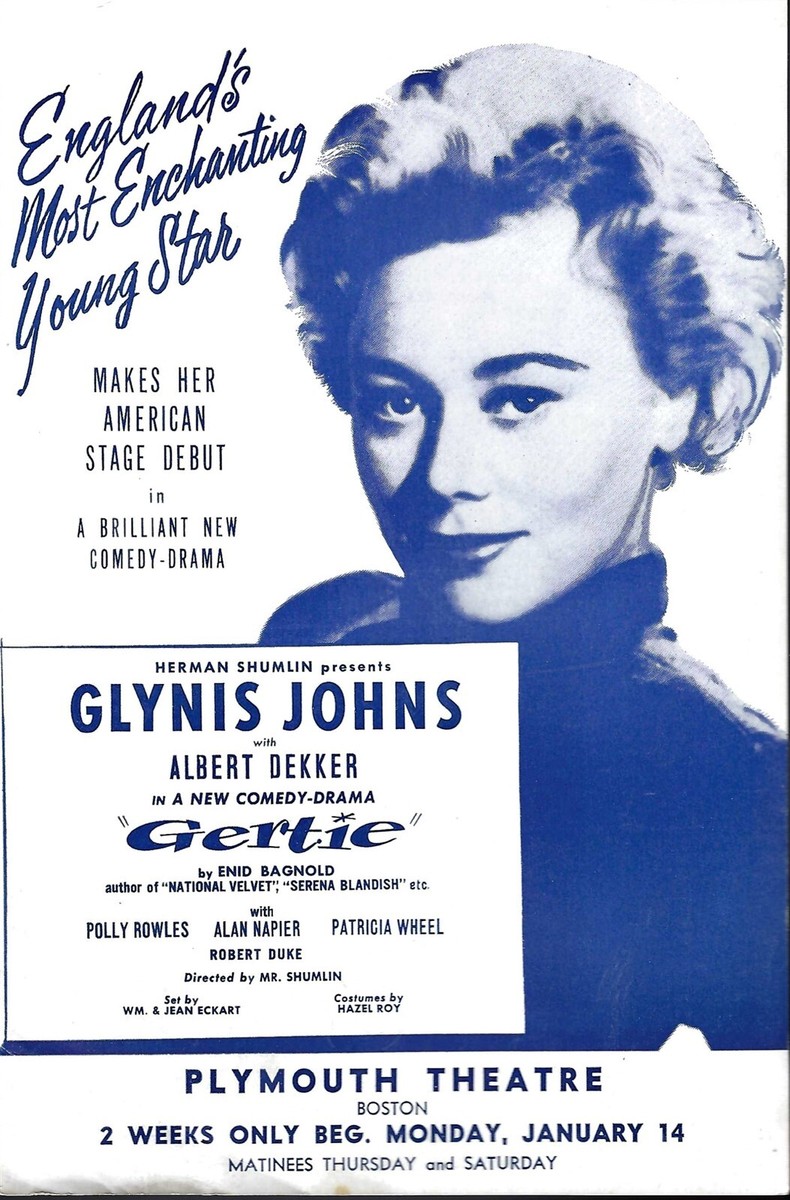
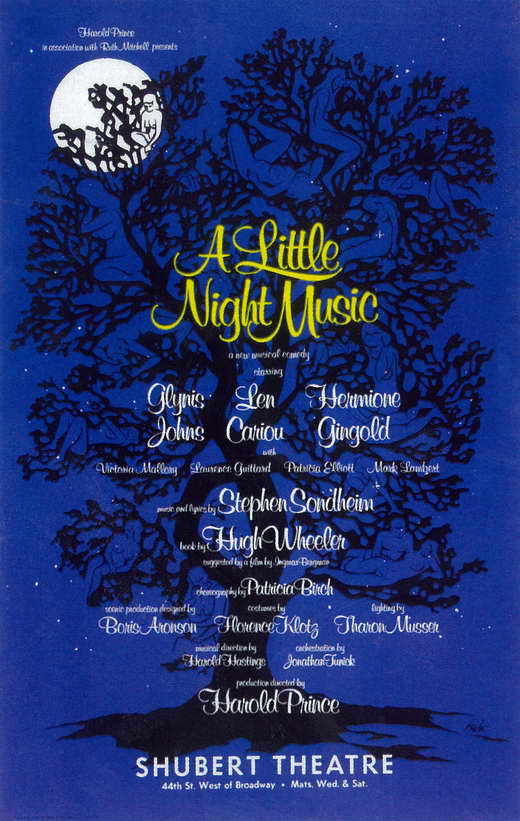
Glynis Johns was best known for playing Winifred Banks, the distracted suffragette wife of David Tomlinson’s Mr Banks in the Disney film Mary Poppins(1964), but it was as Desirée Armfeldt in Stephen Sondheim’s musical comedy A Little Night Music (1973) that she achieved stage immortality, particularly with the heartbreaking ballad Send in the Clowns.
The number was a late addition after Sondheim, seeing how the director Harold Prince had staged a particular scene, realised that a song was required. Although Johns’s voice, variously described as smoky, silvery or wistful (what Sondheim equated with “a rumpled bed”), meant she was unable to sustain long notes, forcing Sondheim to write short phrases. “We were already in rehearsal and Steve wrote it overnight,” recalled Johns, who won a Tony award for her role. “He played it next morning on the piano and it was just perfect, the simplest thing he has ever written. I knew after one or two bars that it was a wonderful song and I couldn’t stop the tears rolling down my cheeks.”
Johns’s bravura performance nearly did not happen. During the final week of previews she was admitted to hospital. The producers announced a week’s postponement and there were rumours that Johns would not return. Yet in the best tradition of the theatre she vowed that the show must go on, alarming her doctors by rejoining the cast after two days. The rest is showbusiness history. A Little Night Music opened on schedule, most of the critics cheered, and bouquets of praise rained down on Johns’s curly blond head. “I was not going to have anybody else sing my songs,” declared Johns, who lived to become the world’s oldest surviving actress from the golden age of Hollywood.
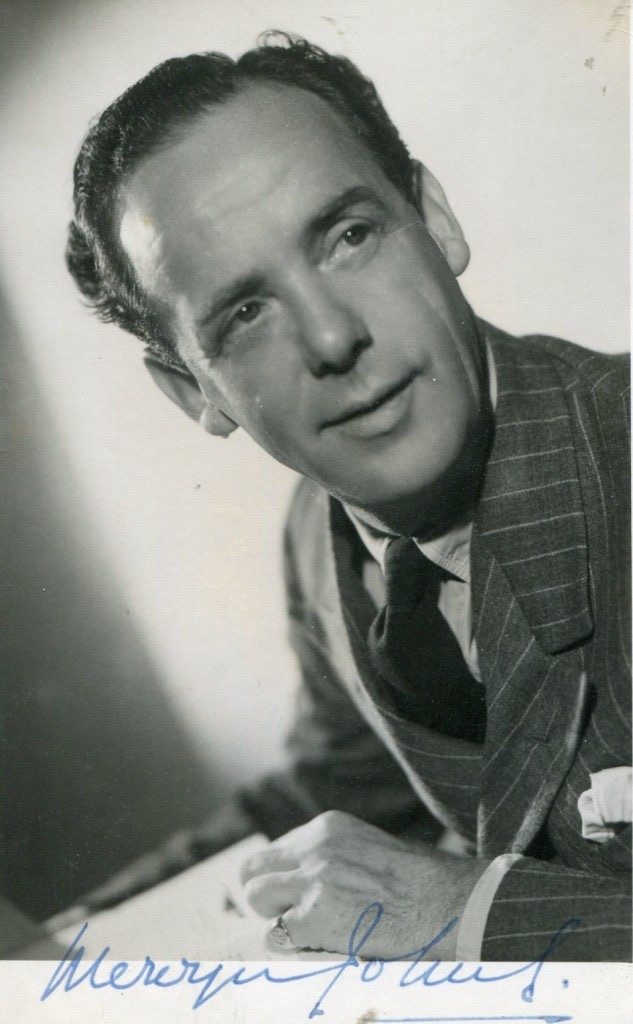
Glynis Margaret P Johns was born in 1923 in Pretoria, South Africa, where her parents were touring. Her father, Mervyn Johns, who was of Welsh origin, was a leading character actor and later appeared with his daughter in the film The Halfway House (1944). Her mother, Alice, was an Australian concert pianist who performed under the name Alys Steele-Payne.
When Glynis was five the family, who were Christian Scientists, returned to England, settling first in Bristol, where she was educated at Clifton High School for Girls, and later in London, where she attended South Hampstead High School. She was drawn to dancing from a young age: “I had degrees to teach ballet by the age of 10; I was an advanced teacher by 12.”
In 1935 she appeared as a child ballerina in Buckie’s Bears at the Garrick Theatre, which led to her being cast in 1936 as Napoleon’s daughter in an Old Vic production of St Helena. A year later she played Mary Tilford, a victimised schoolgirl in a West End staging of Lillian Hellman’s The Children’s Hour. She recalled a friend of her mother “calling to say ‘How could you let your daughter act in a play about … that?’ – lesbianism not having become breakfast table conversation at that point. I heard mother whisper back, ‘It’s all right, she doesn’t know what it’s about’ so I got mad and shouted, ‘Oh yes I do!’ even though I didn’t have a clue.
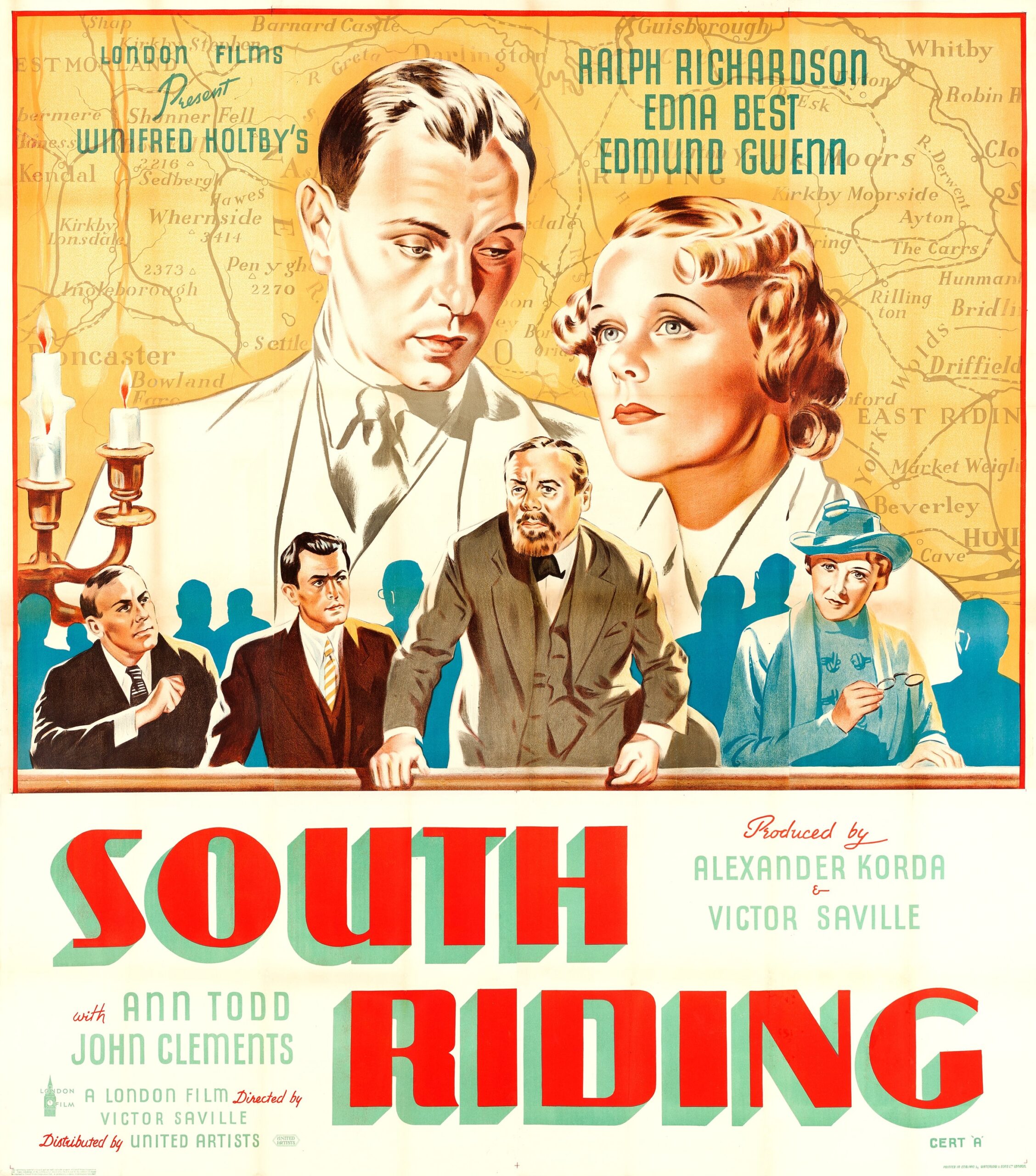
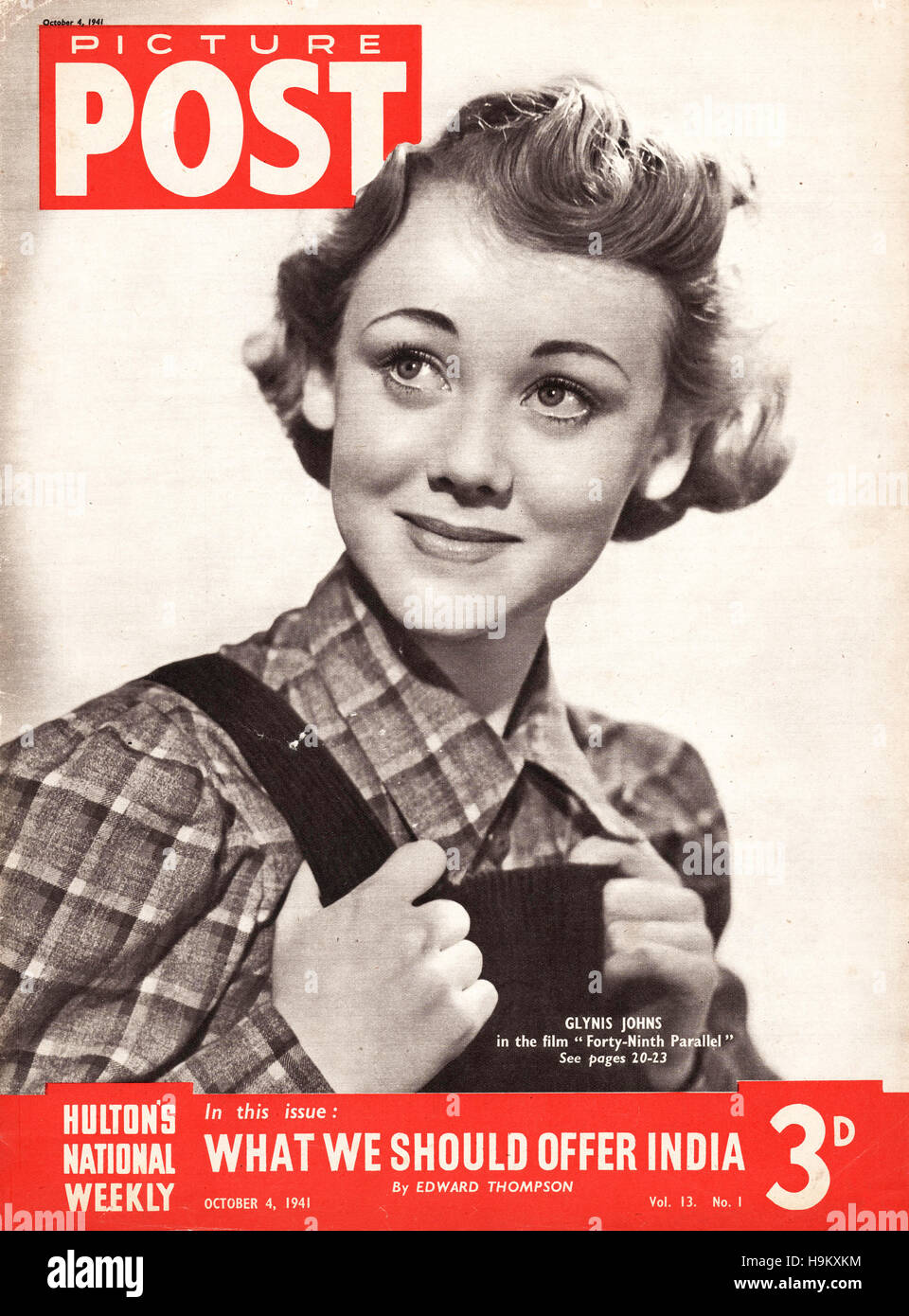
After stage appearances in The Melody That Got Lost, Judgement Day and A Kiss for Cinderella, Johns, now aged 14, made her screen debut in Victor Saville’s South Riding (1938), showing promise as the headstrong daughter of a local politician played by Ralph Richardson. There were several more film appearances before she stepped in at short notice after Elizabeth Bergner walked out of 49th Parallel (1941), a spy thriller starring Laurence Olivier, a stage contemporary of her father.
Acting, she once said, would not have been her choice of career. “They were situations that were hard for parents to turn down,” she added. “It’s difficult to turn down a chance to star with Laurence Olivier, to say, ‘No, she has to go to school’. They had a big decision to make; I don’t know if I would’ve done any better than they did.” Yet at times she dreamt of alternatives. “I wanted to be a scientist. I would’ve loved to go on and on and on at the university. But you can’t do everything in life. And I didn’t have any choice at the time. War broke out when I was 16; I was doing theatre in the blackouts.”
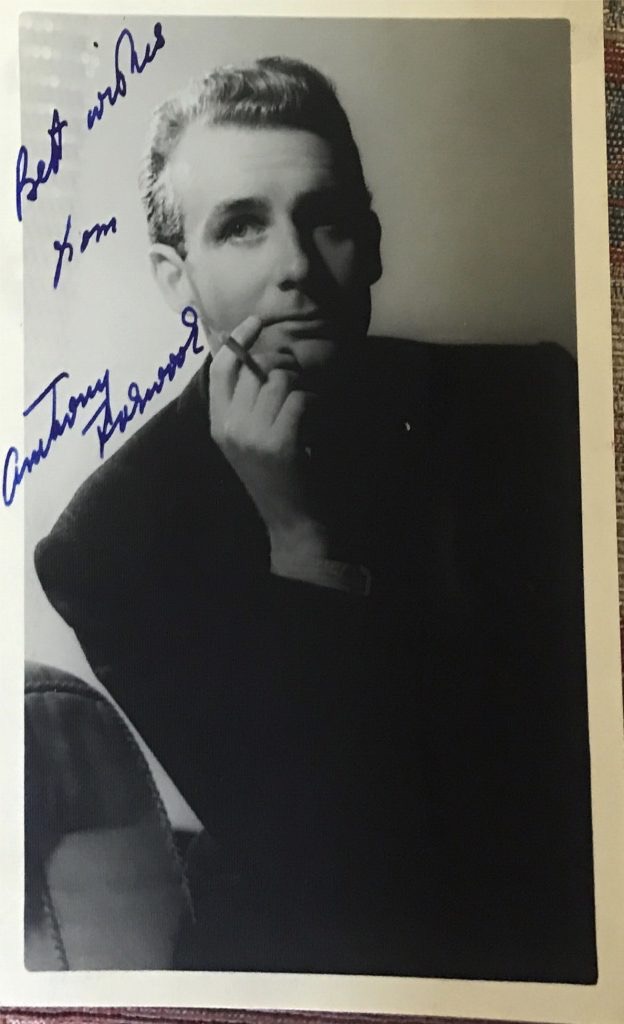
There was also the first of a quartet of marriages when, in 1942, she married Lieutenant Anthony Forwood, who later became Dirk Bogarde’s partner and manager. They were divorced in 1948 and in 1951 she broke off an engagement to Antony Darnborough, the film producer. That was followed by marriages to David Foster (1952-56), a Second World War hero who became the chairman of Colgate Palmolive International; Cecil Henderson (1960-62), also a businessman; and Elliott Arnold (1964-73), an author. Gareth, a son from her first marriage who was also an actor, died before her.
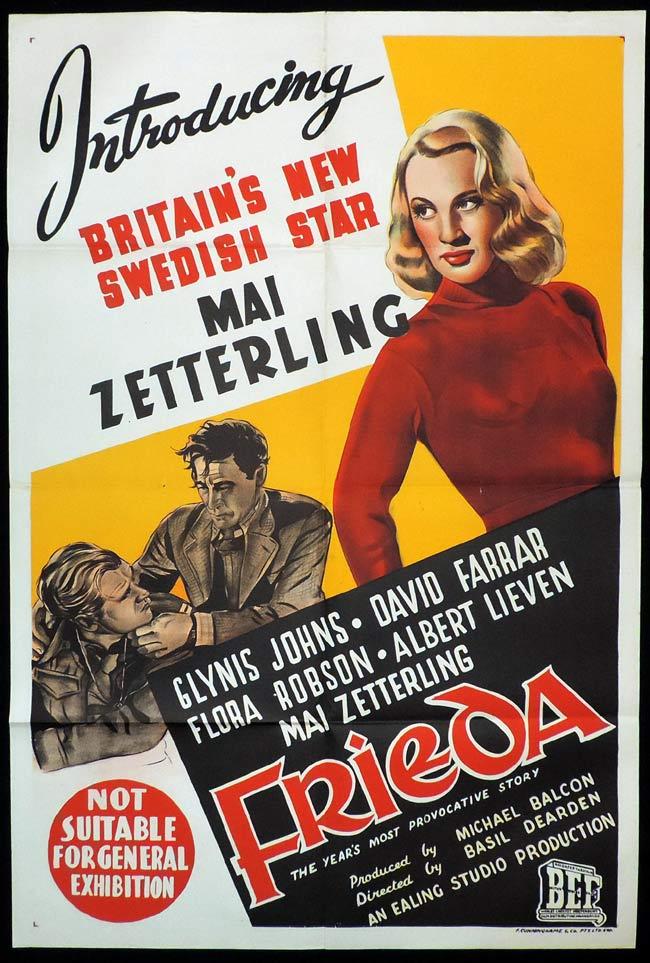
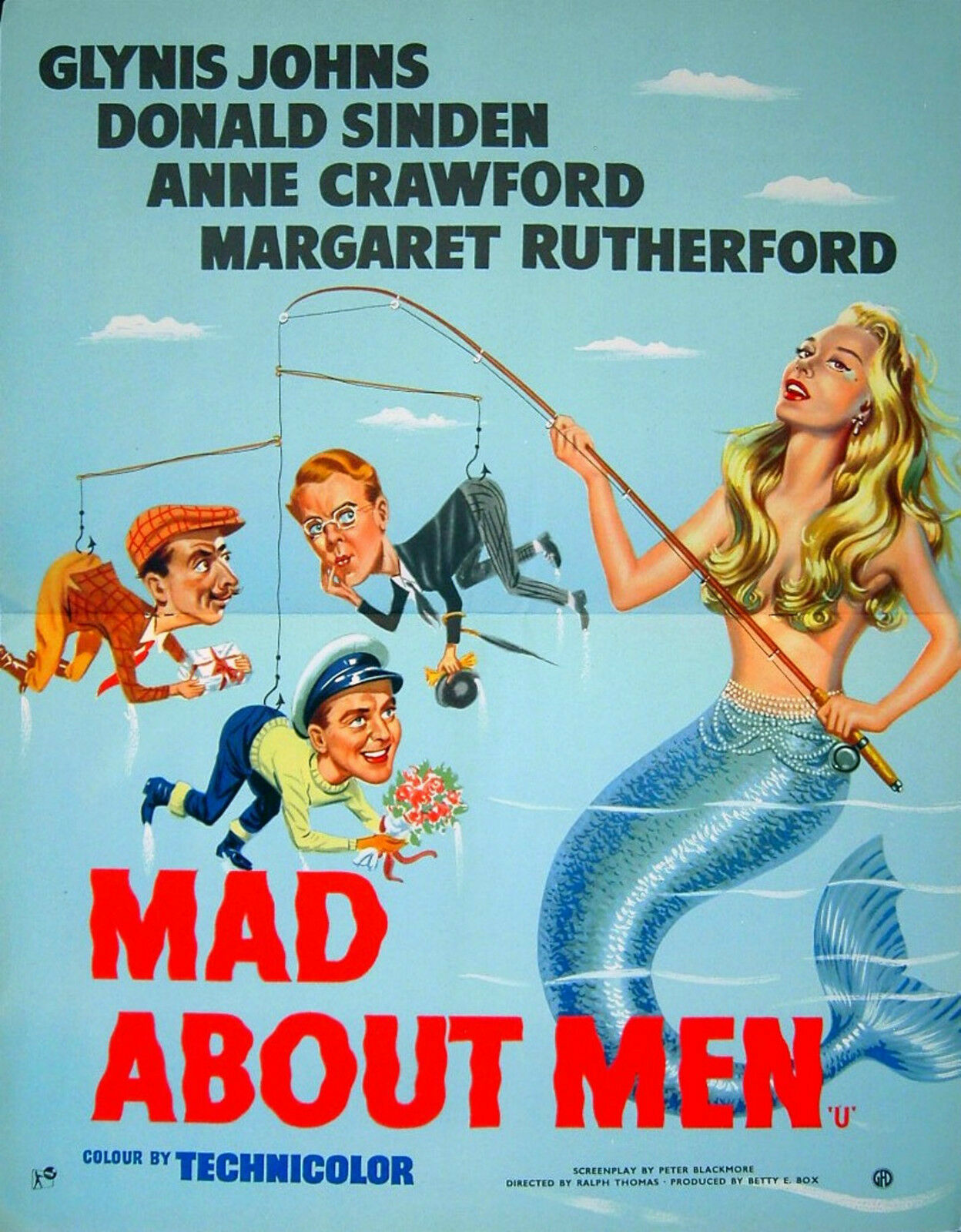
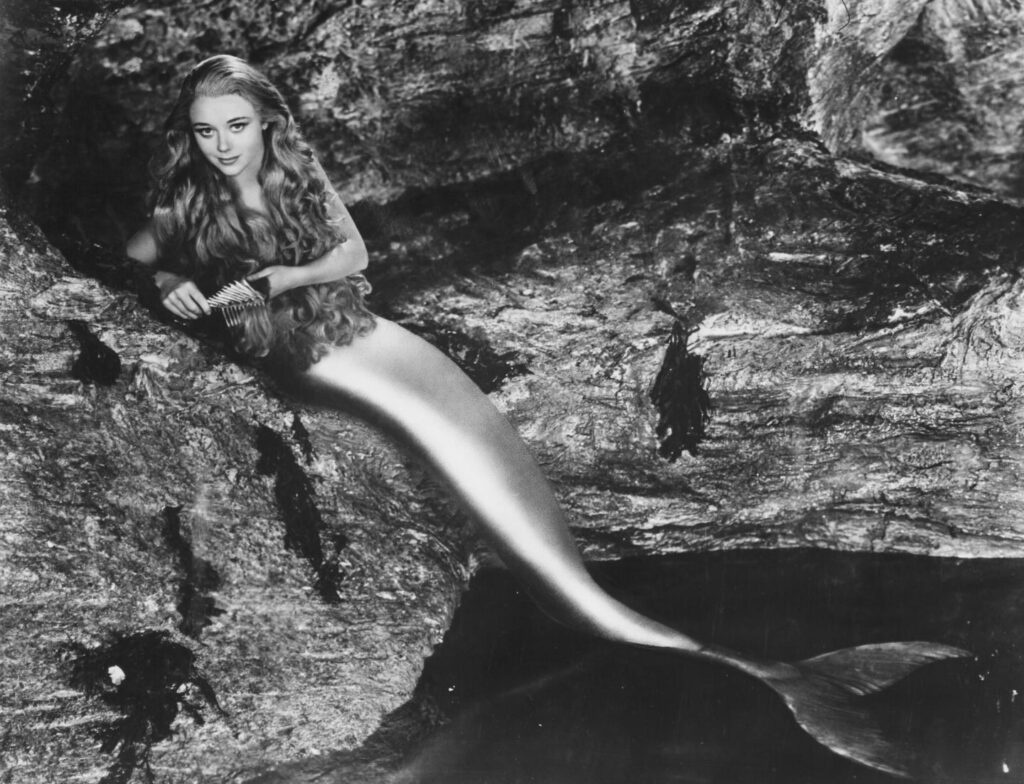
Johns returned to the London stage at age 19 to take the title role in Peter Pan. More film roles came her way, including a starring turn as a flirtatious mermaid in the popular fantasy-comedy Miranda (1948) with Googie Withers. “I was quite an athlete,” she recalled. “My muscles were strong from dancing, so the tail was just fine. I swam like a porpoise.” She reprised the part for the comedy sequel Mad About Men (1954), with the boy-crazy mermaid once again causing mischief. Yet there were also serious roles, such as in the wartime film Frieda(1947) and The Great Manhunt (1950), a thriller starring Douglas Fairbanks Jr and Jack Hawkins.
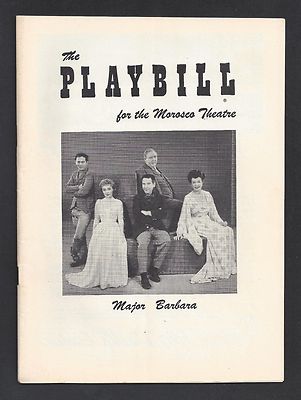
Her Broadway career took off with a well-received production of George Bernard Shaw’s Major Barbara starring Charles Laughton, who also directed. She recalled walking through Central Park with Laughton, who took her to the Metropolitan Museum of Art almost every day but would let her look at only one painting each visit. “Charles said I could only appreciate one, properly, a day,” she said.
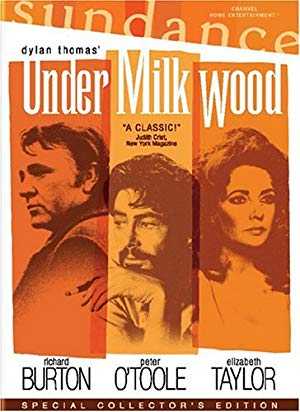
Back on the big screen she was nominated for an Oscar for her supporting turn as a hotelkeeper who sets her sights on a matrimonially-adverse Peter Ustinov in The Sundowners (1960), co-starring Robert Mitchum and Deborah Kerr. It was one of four films in which she appeared that were nominated for best picture Oscars, the others being 49th Parallel, Around the World in 80 Days (1956), which won, and Mary Poppins. Johns also appeared opposite Danny Kaye in the tongue-twisting family favourite The Court Jester (1955) and as James Stewart’s practical wife in Dear Brigitte (1965). Fiercely proud of her Welsh roots, she particularly enjoyed working on screen opposite Richard Burton in the film version of Dylan Thomas’s Under Milk Wood (1972).
The story goes that Johns was under the impression she would be cast as Mary Poppins in the famous film. When she sat down with Walt Disney he dealt with the misunderstanding by promising her that Richard and Robert Sherman, the songwriters, had written a big number that she would be able to hear immediately after lunch. The Shermans took their cue and wrote furiously, presenting her with Sister Suffragette, a rare intrusion of feminism into a Disney film.
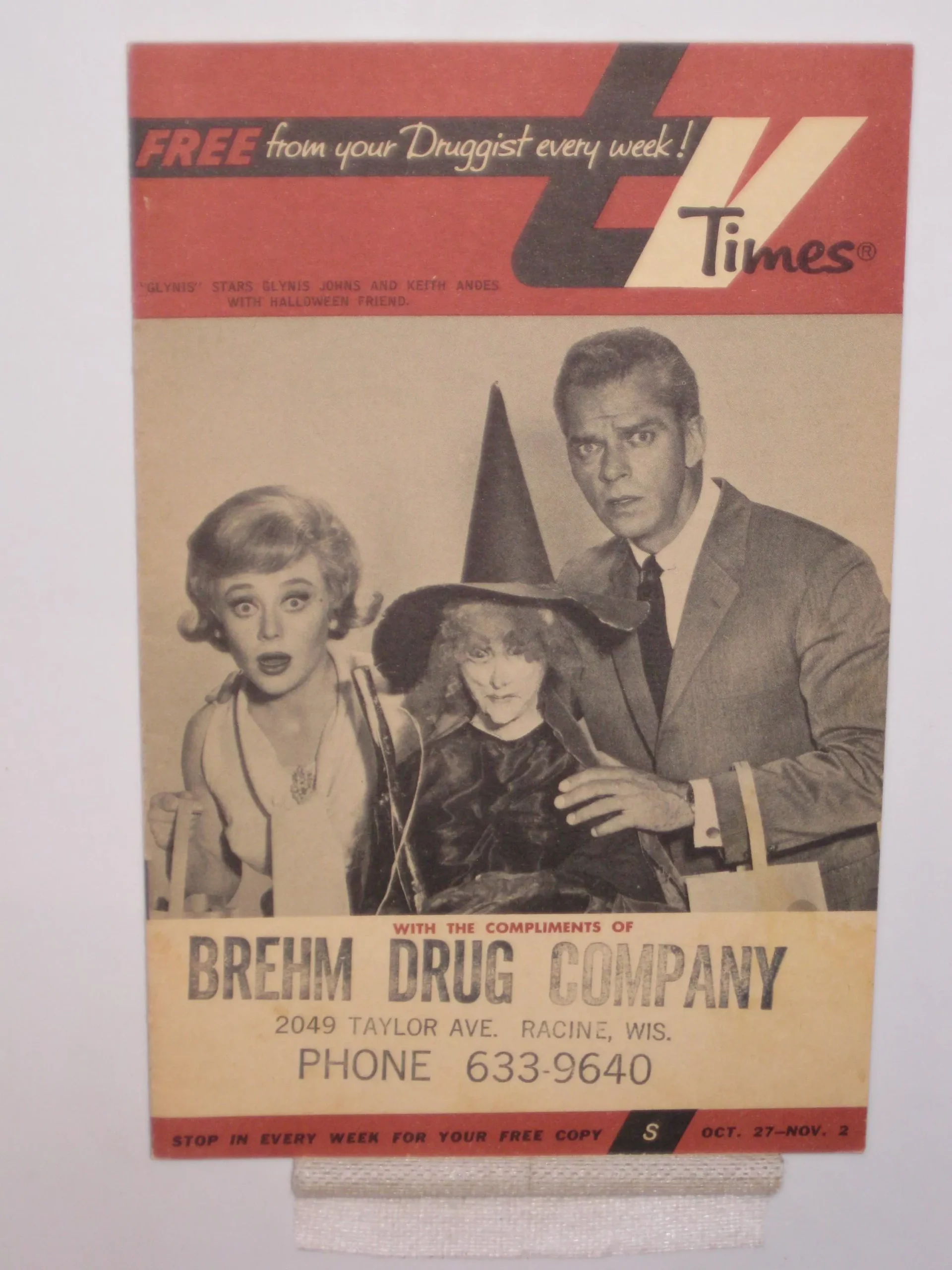
Her own television sitcom, Glynis (CBS, 1963), was a short-lived effort that cast her as a novice mystery writer and amateur sleuth who solves murders, but she then had fun with tongue-in-cheek villainy as Lady Penelope Peasoup in several 1967 episodes of the camp TV adaptation of Batman
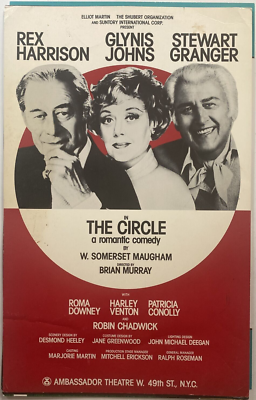
After an extended period away from the camera Johns played the perpetually perky Trudie Pepper in Coming of Age (1988-89). She returned to Broadway in a 1989 revival of the Somerset Maugham play The Circle, starring opposite Rex Harrison and Stewart Granger. In 1991 she took part in a Los Angeles revival of A Little Night Music, this time portraying Madame Armfeldt, the mother of the character she had originated on Broadway.
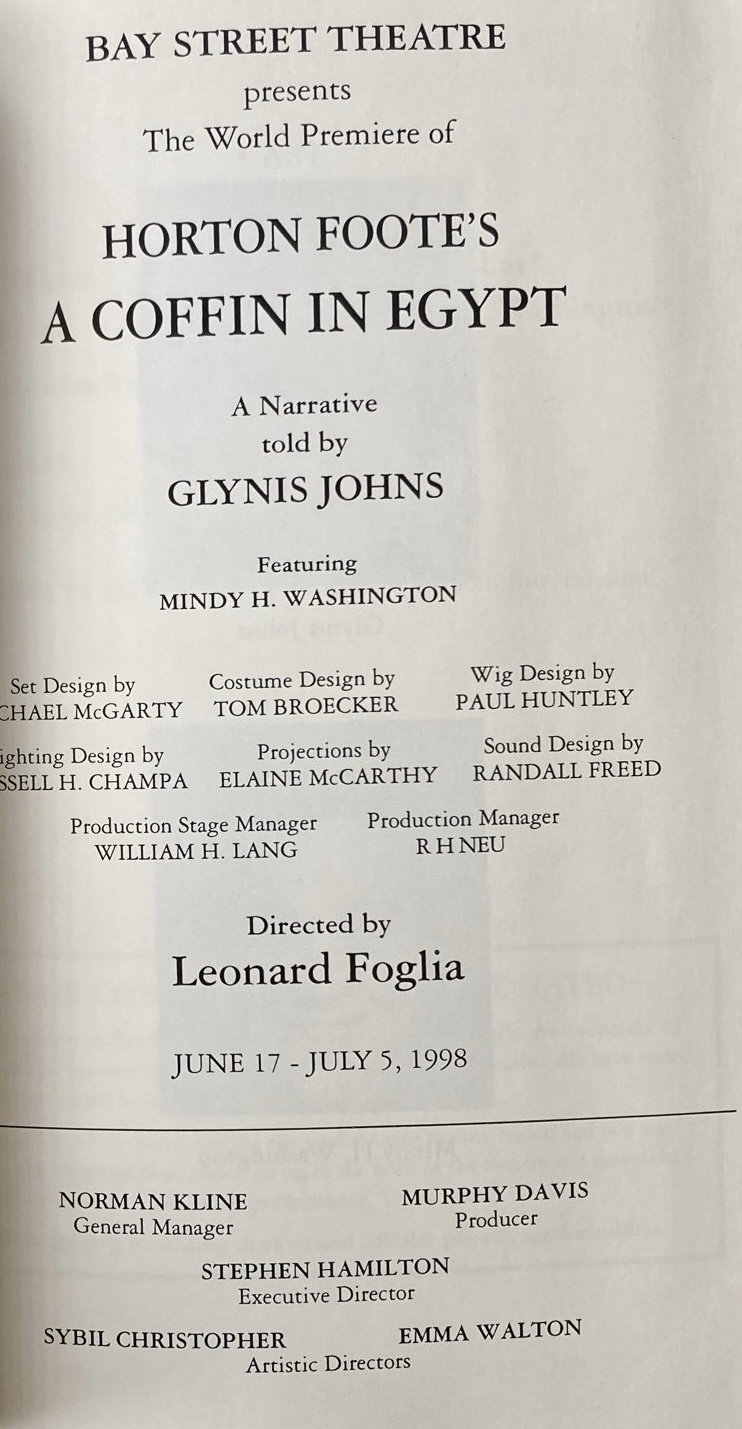
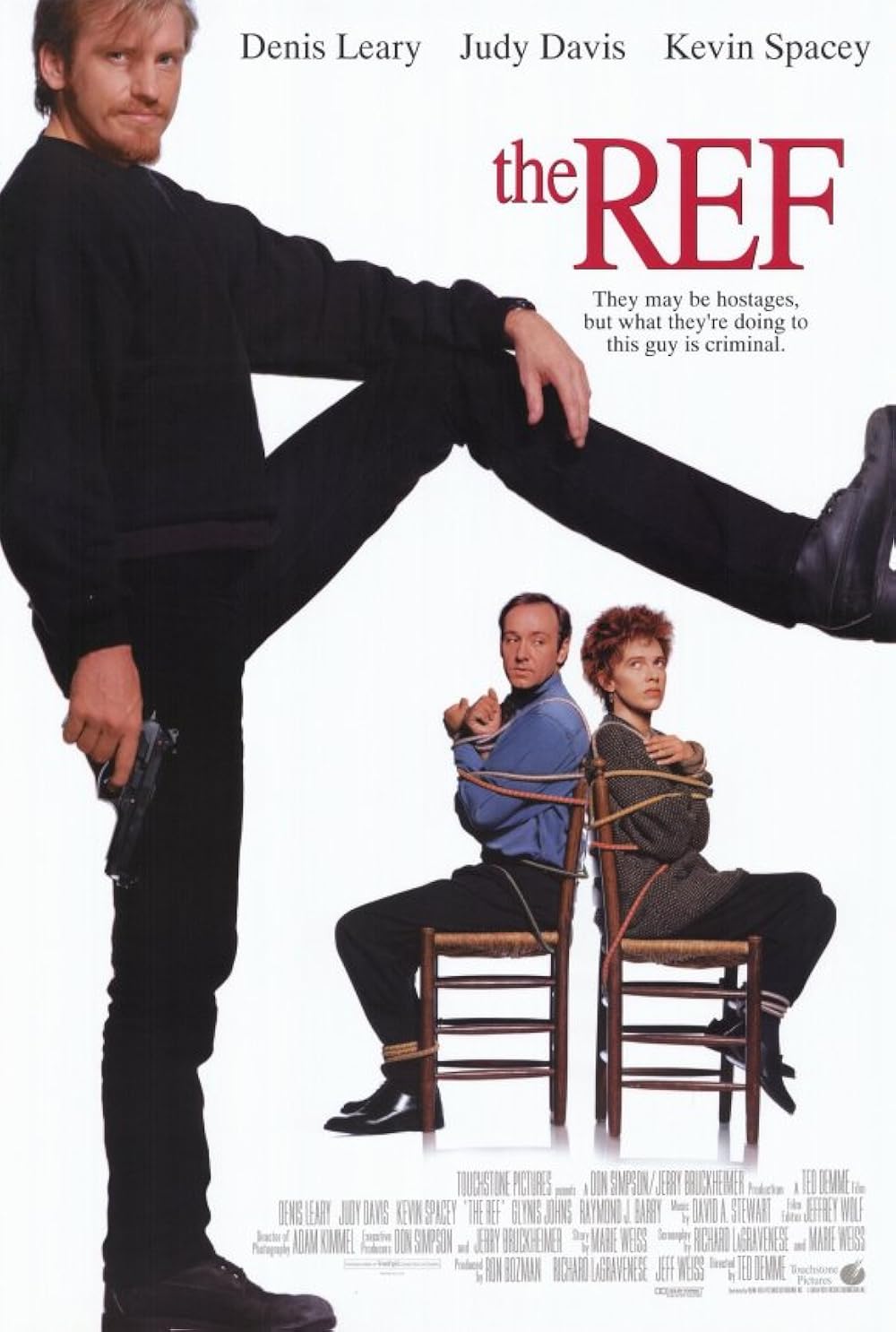
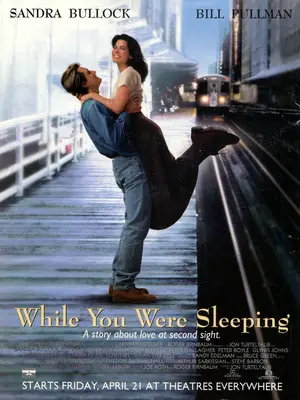
In later years her spunky persona lent itself readily to roles as eccentric grandmothers in comedic efforts such as The Ref (1994) and While You Were Sleeping (1995). One of her final stage performances was in a 1998 Long Island staging of Horton Foote’s play A Coffin in Egypt, playing a 90-year-old grand dame reminiscing about her life on and off a Texas ranch. Meanwhile, she had settled in Santa Monica, California, becoming a naturalised US citizen and a staunch Republican.
Blessed with sparkling blue eyes and a seductive, husky voice, she retained a smooth complexion and platinum blond hair. In 1998 she was named a “Disney Legend”. Yet Sondheim’s Send in the Clowns was the number she always wanted to be remembered for. “He wrote Clowns for me, you know.”
Glynis Johns, actress, was born on October 5, 1923. She died on January 4, 2024, aged 100
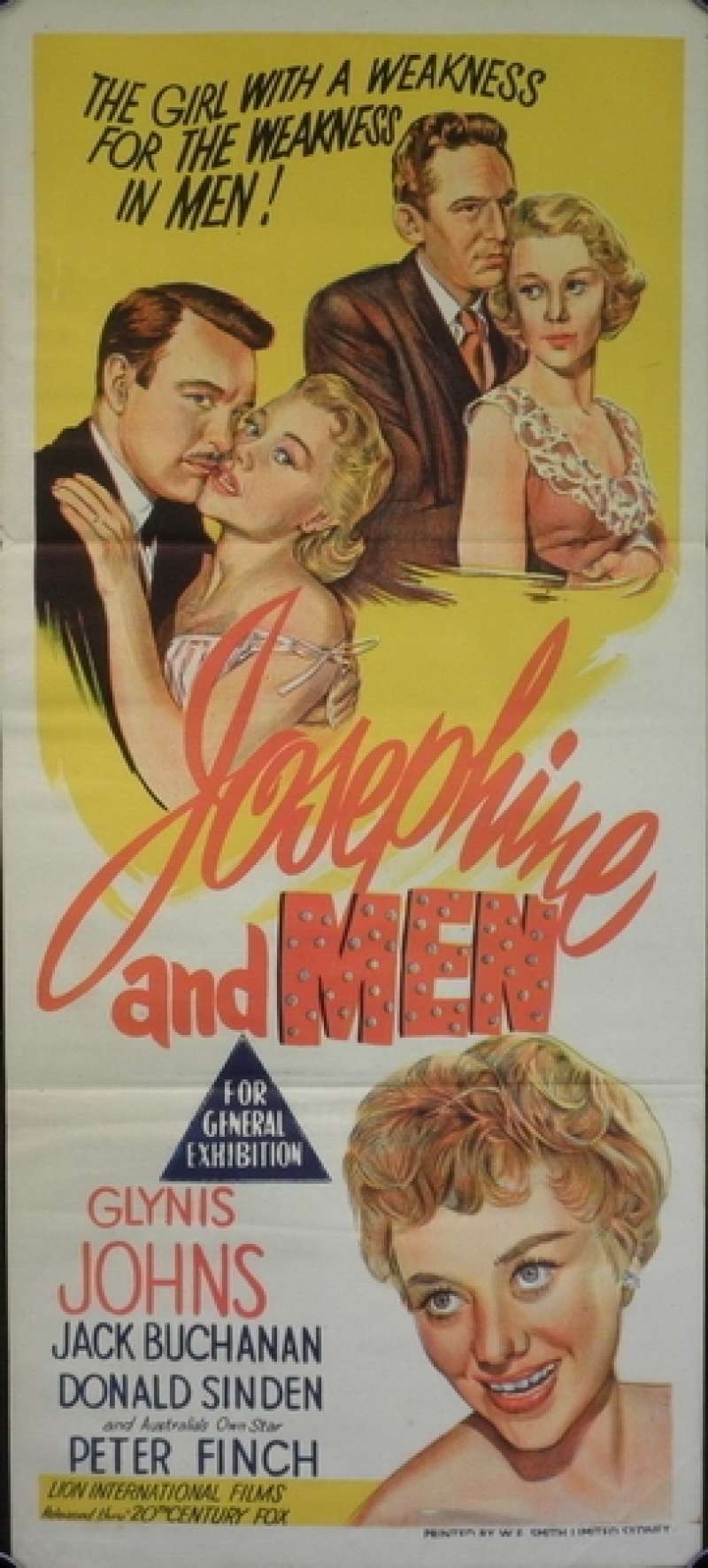
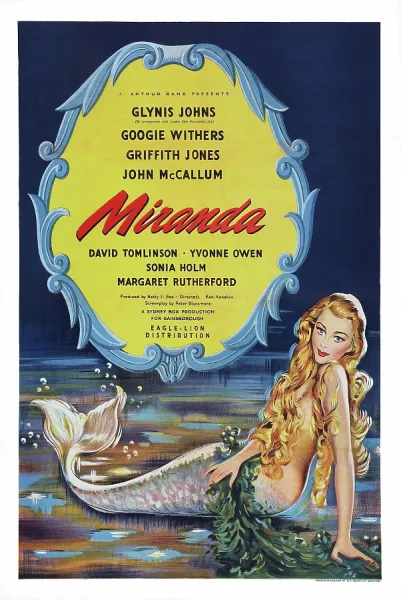
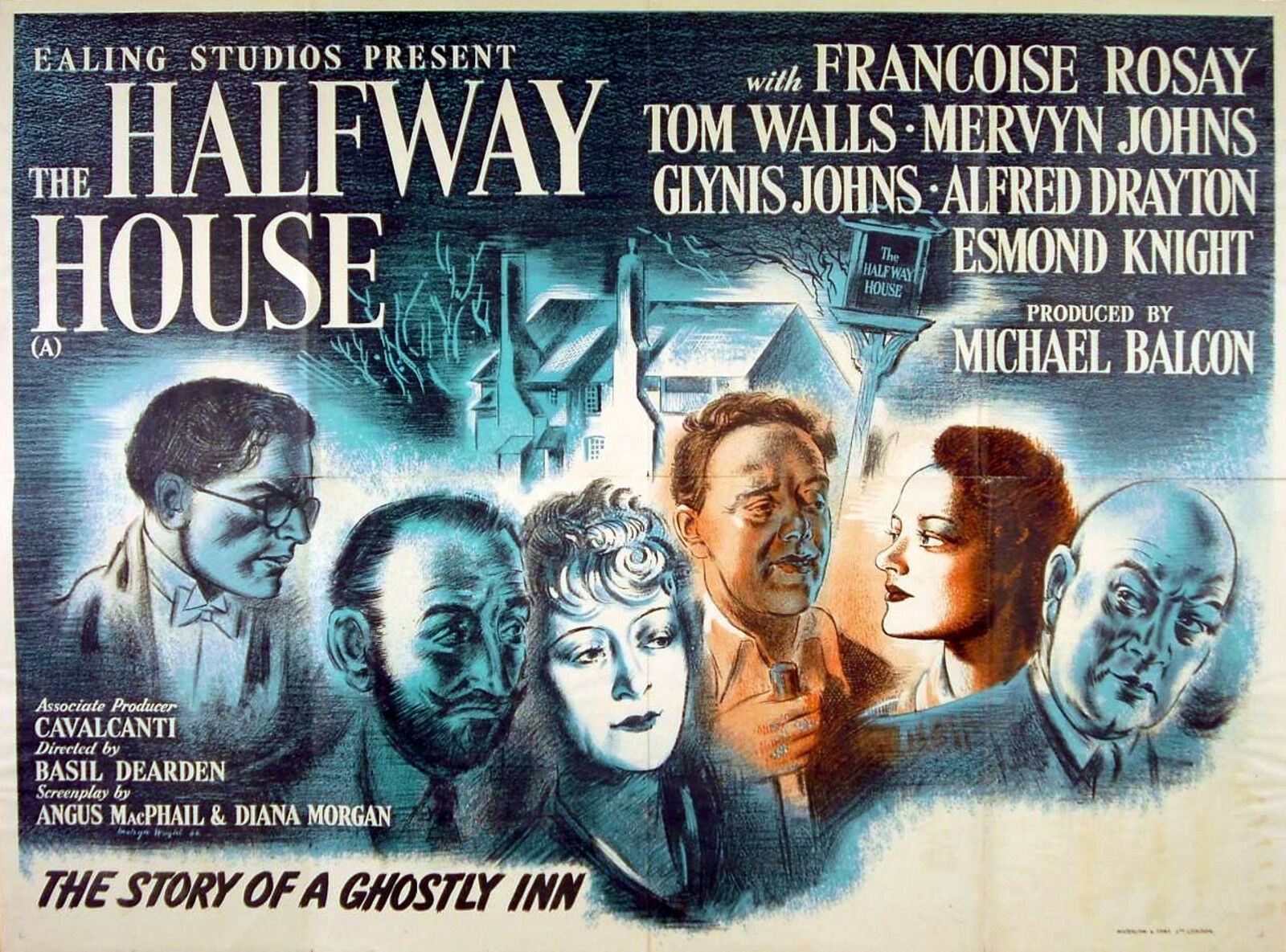
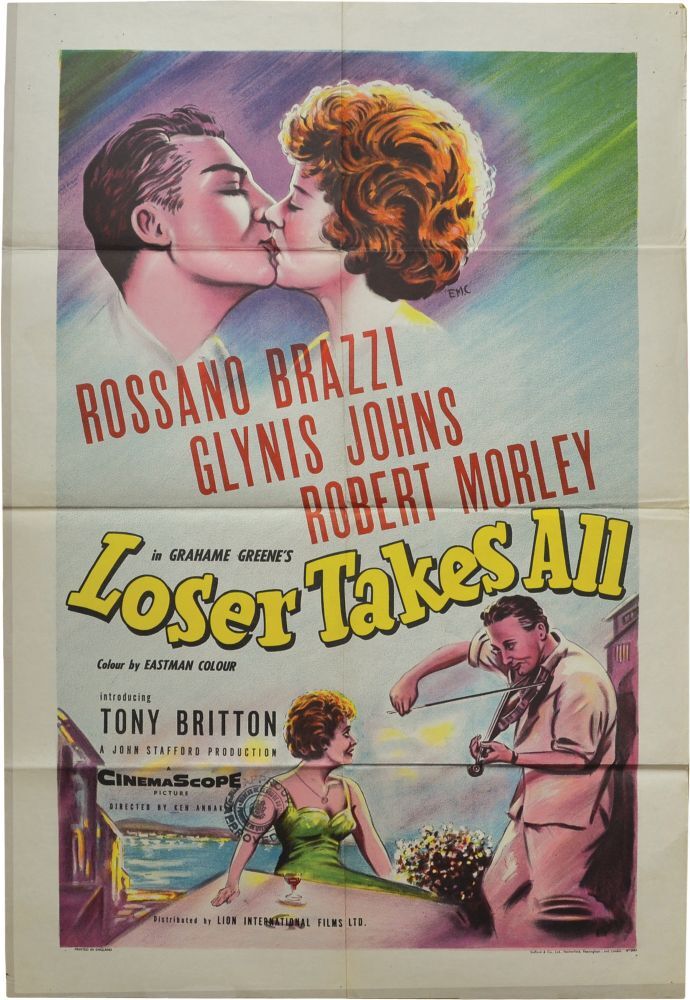
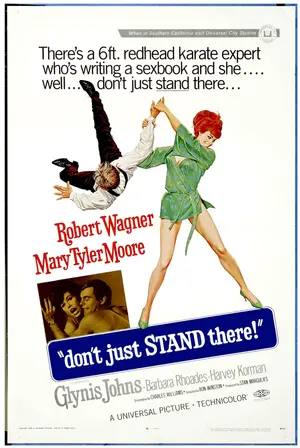
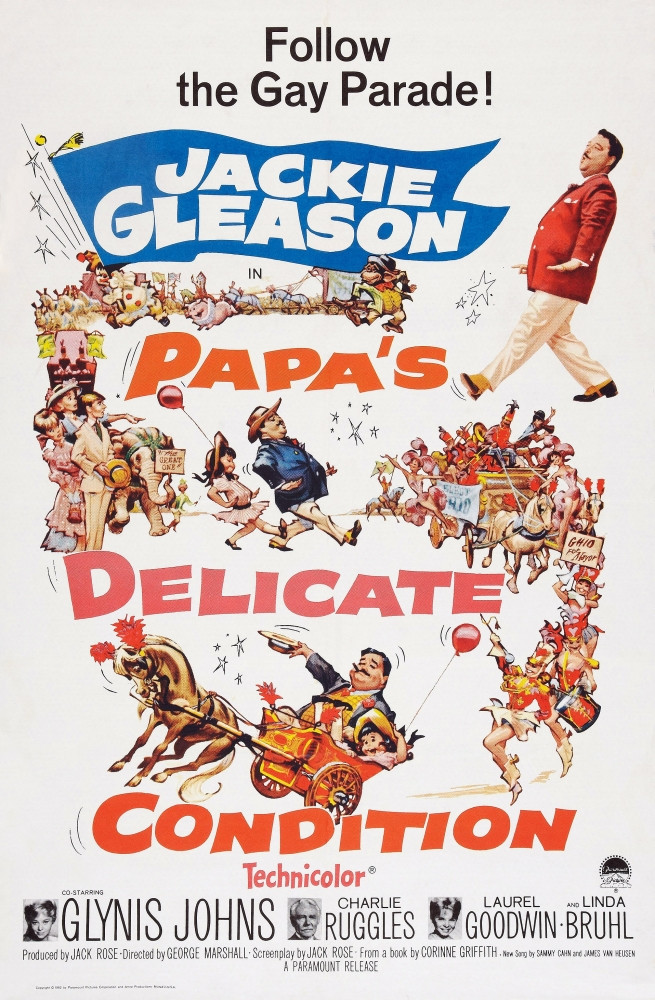
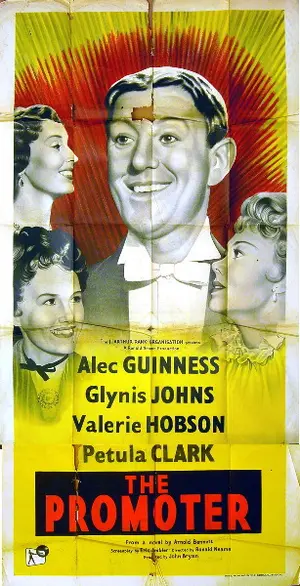
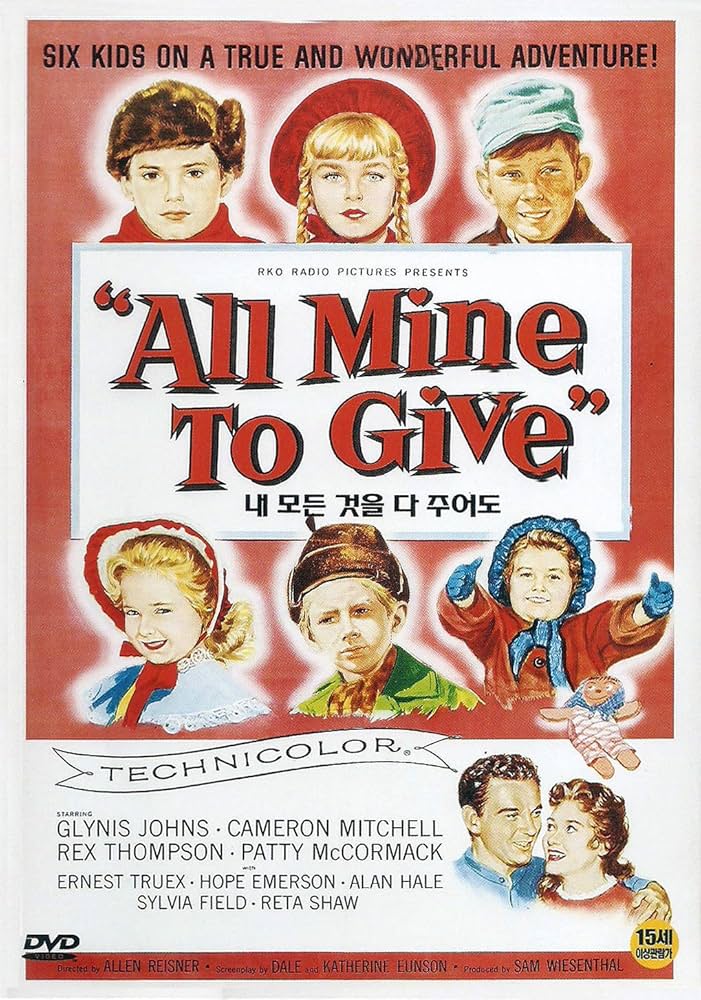

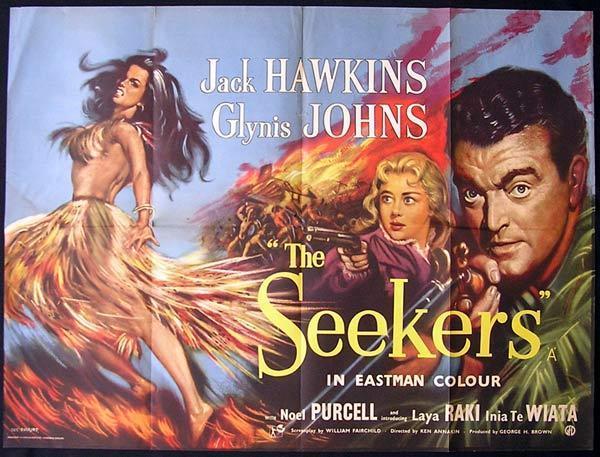

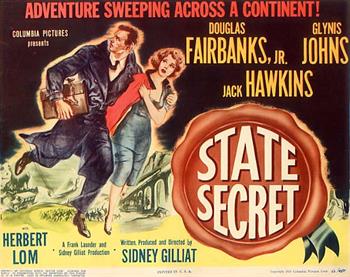
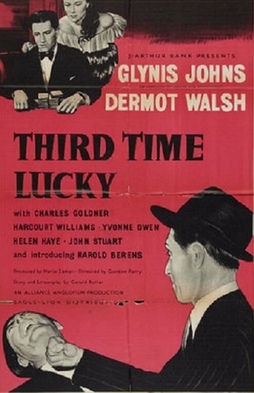
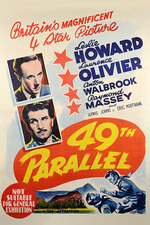
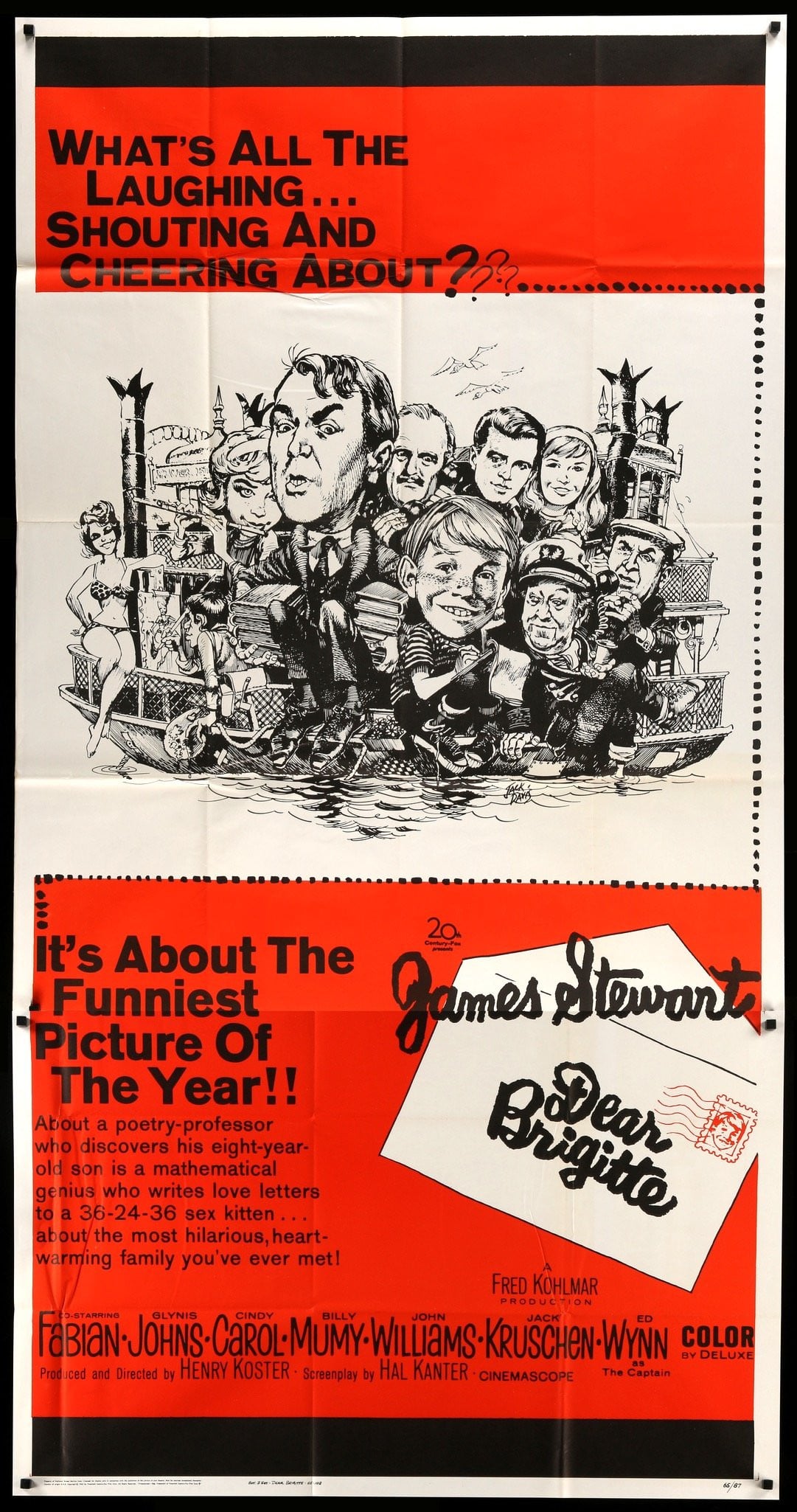
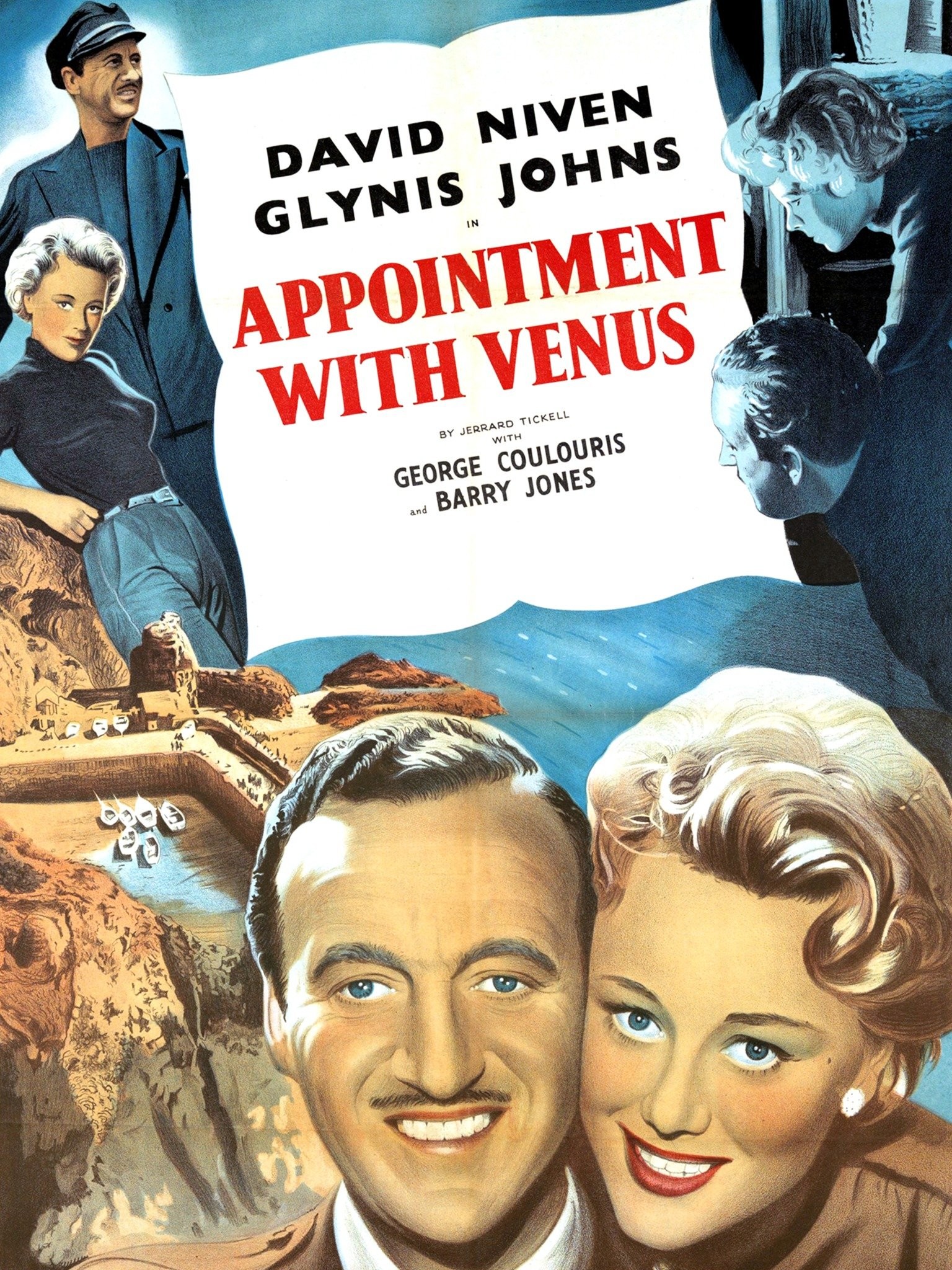
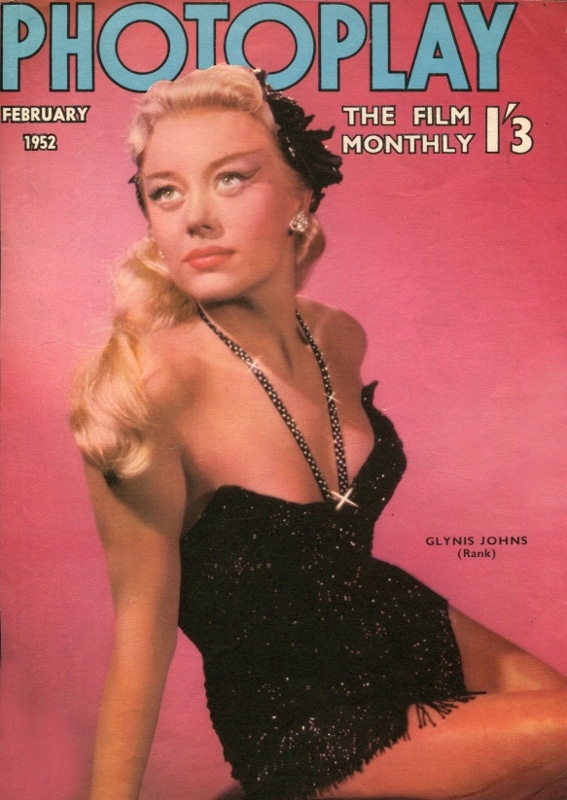
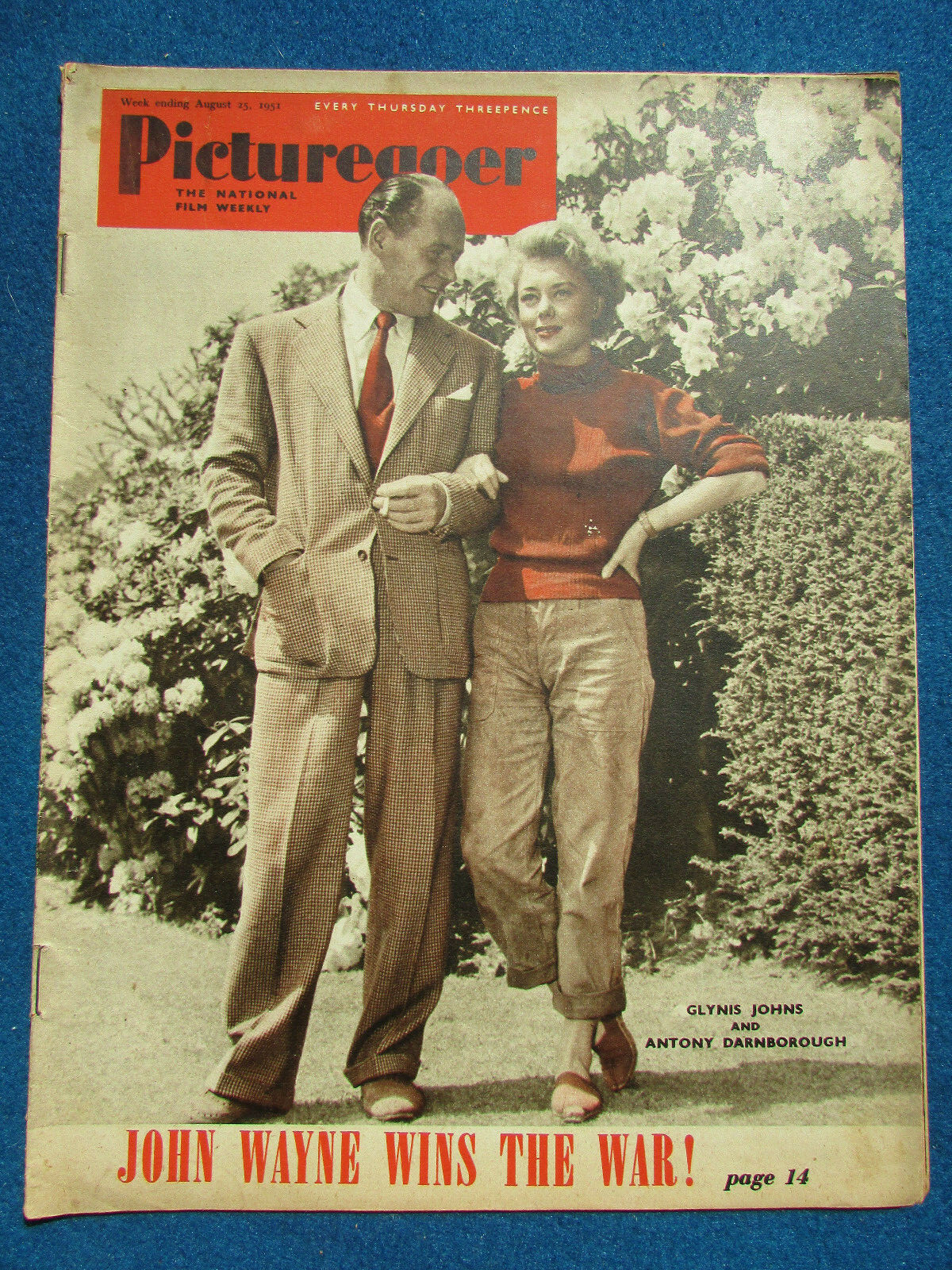
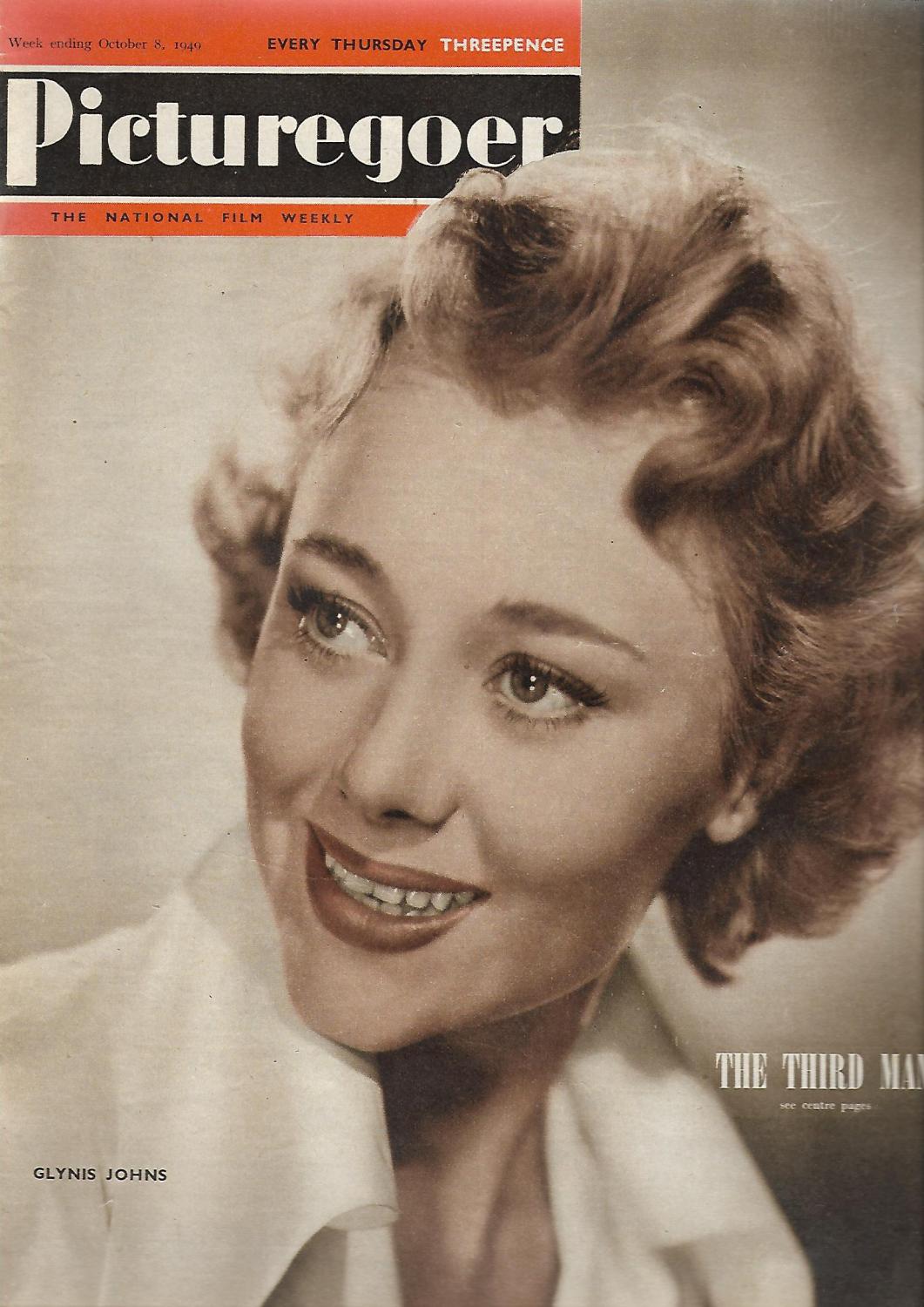
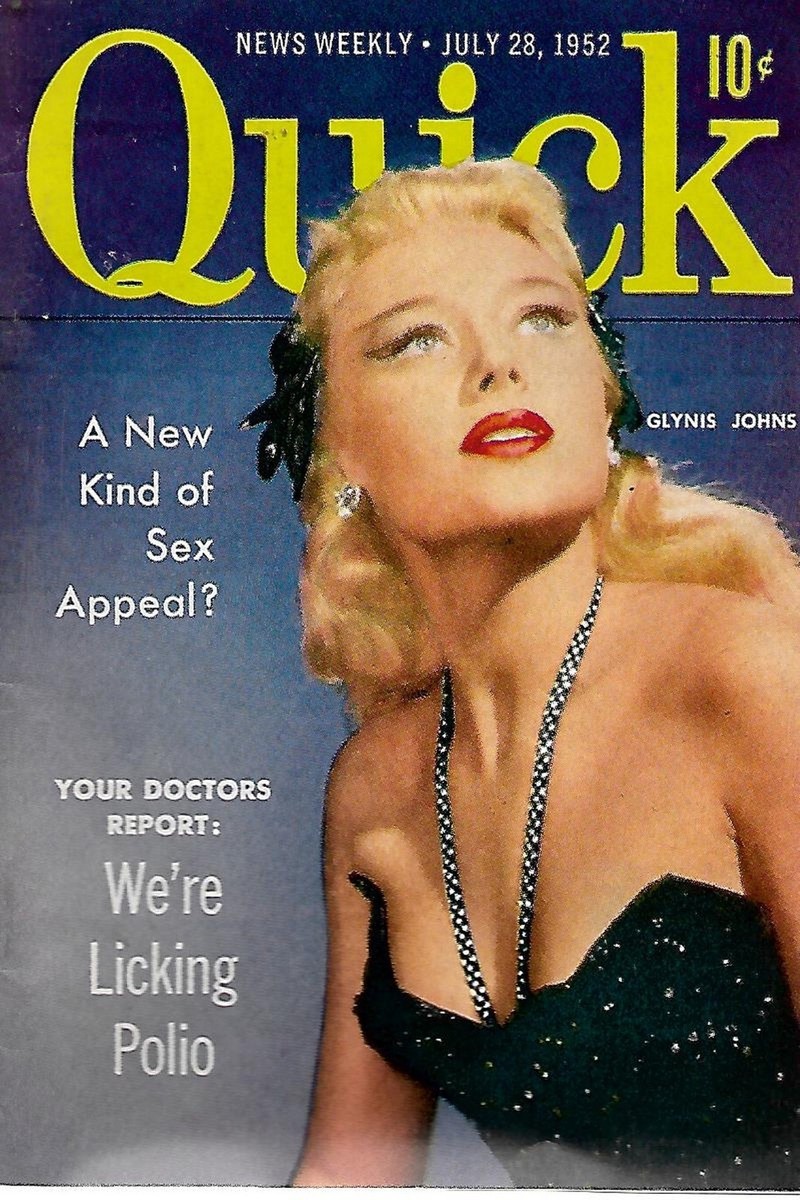
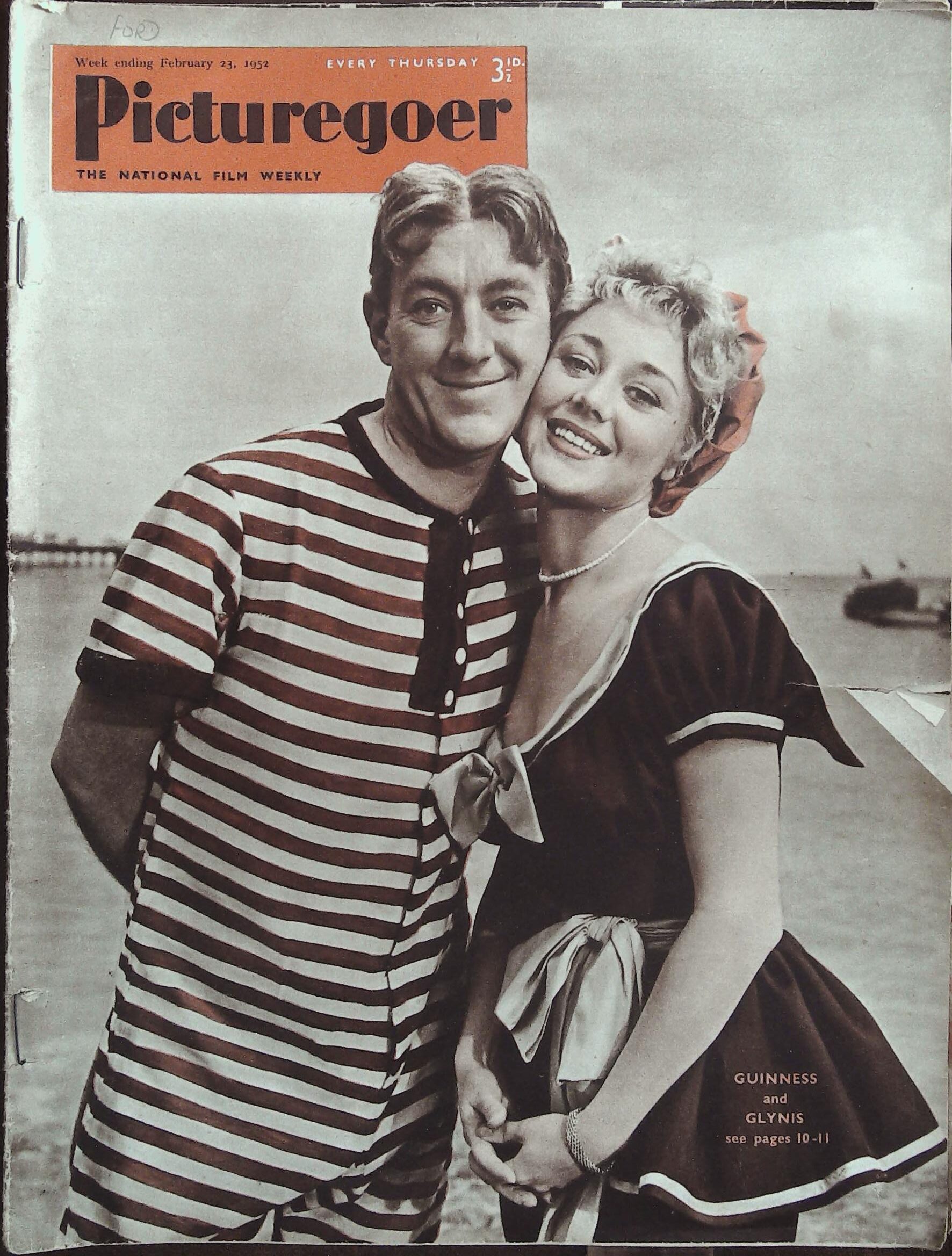
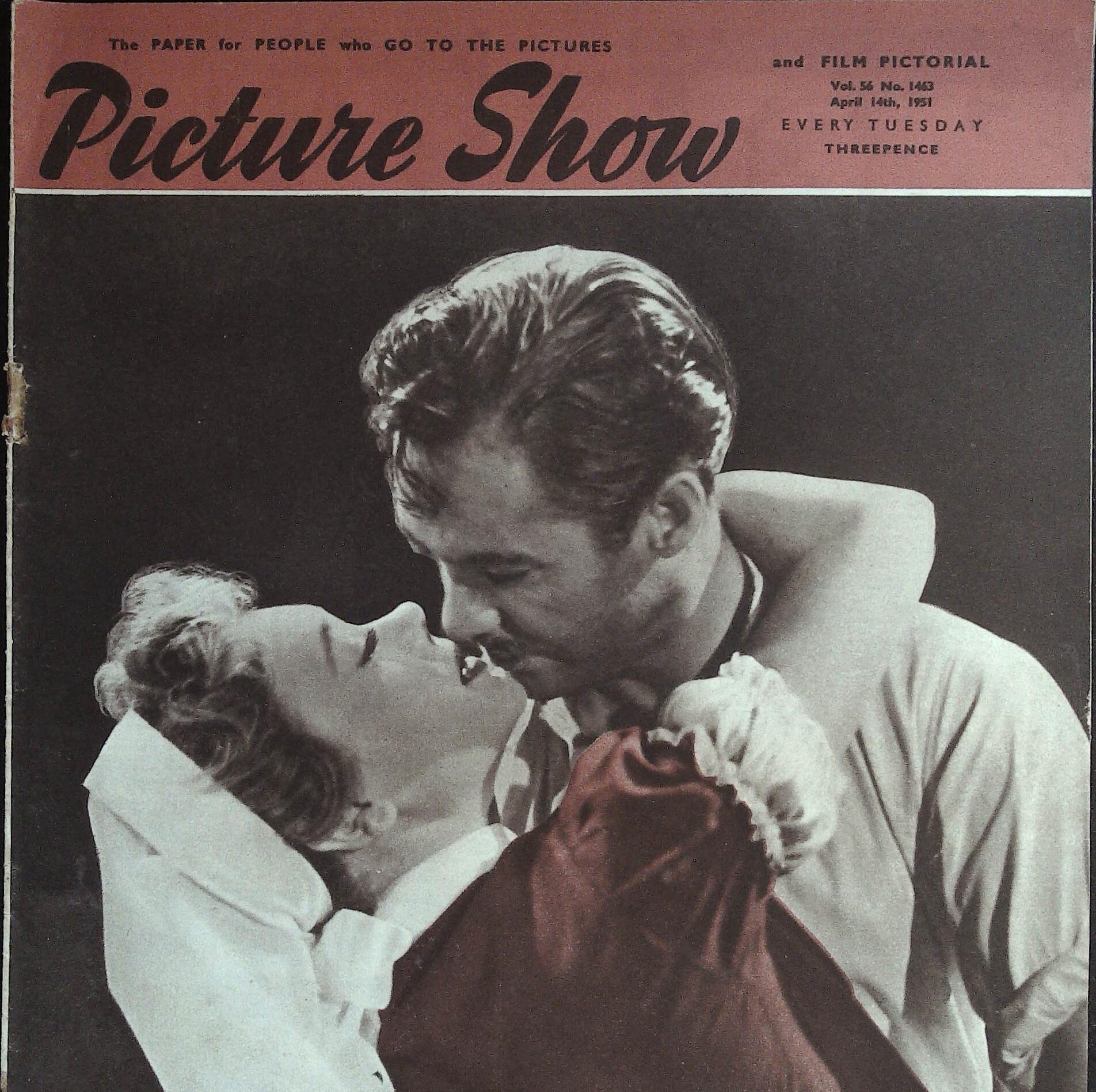
15 Important films in her body of work.
1. The Halfway House (1944)
A British supernatural wartime drama where Johns played Rhonda Fleming.
One of her first major screen roles.
Helped establish her as a promising actress in British cinema.
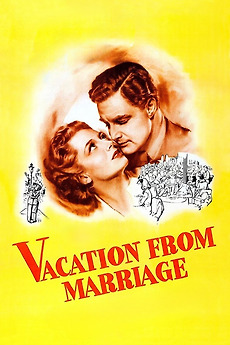
2. Perfect Strangers (also titled Vacation from Marriage)
A romantic wartime drama starring Robert Donat.
Johns played the young wife whose marriage changes during WWII.
Widely praised for its realistic portrayal of relationships during wartime.
3. Miranda
A fantasy comedy about a mermaid visiting London.
Johns plays the friend of the man who brings the mermaid home.
Became a popular British comedy classic.
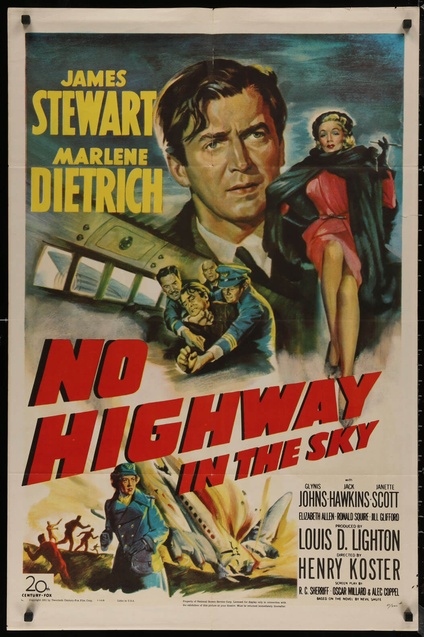
4. No Highway in the Sky
A suspense drama starring James Stewart.
Johns played Marjorie Corder, a flight attendant.
One of her first important international films.
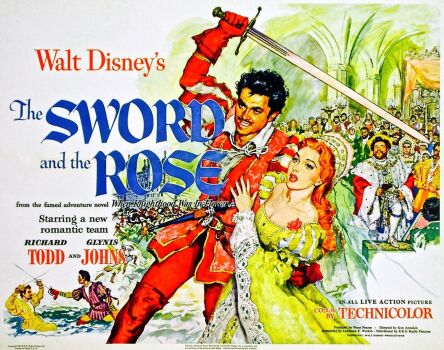
5. The Sword and the Rose
A historical Disney film about Mary Tudor.
Johns starred as Mary Tudor.
One of her few leading roles in a major studio production.
6. The Court Jester
A musical adventure comedy starring Danny Kaye.
Johns played Maid Jean.
Now regarded as a cult comedy classic.
7. Around the World in 80 Days
The Oscar-winning epic adventure starring David Niven.
Johns had a cameo appearance.
One of the biggest films of the decade.
8. The Sundowners
Directed by Fred Zinnemann.
Johns received an Academy Award nomination for Best Supporting Actress.
Often regarded as her finest dramatic performance.
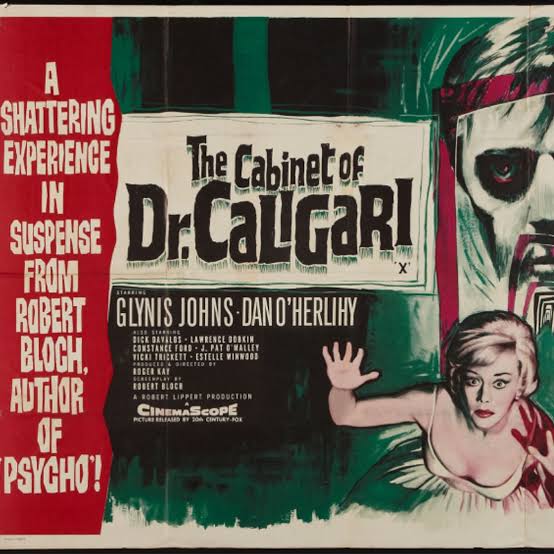
9. The Cabinet of Caligari
A psychological thriller loosely inspired by the silent classic.
Johns played the central mysterious figure in a surreal story.
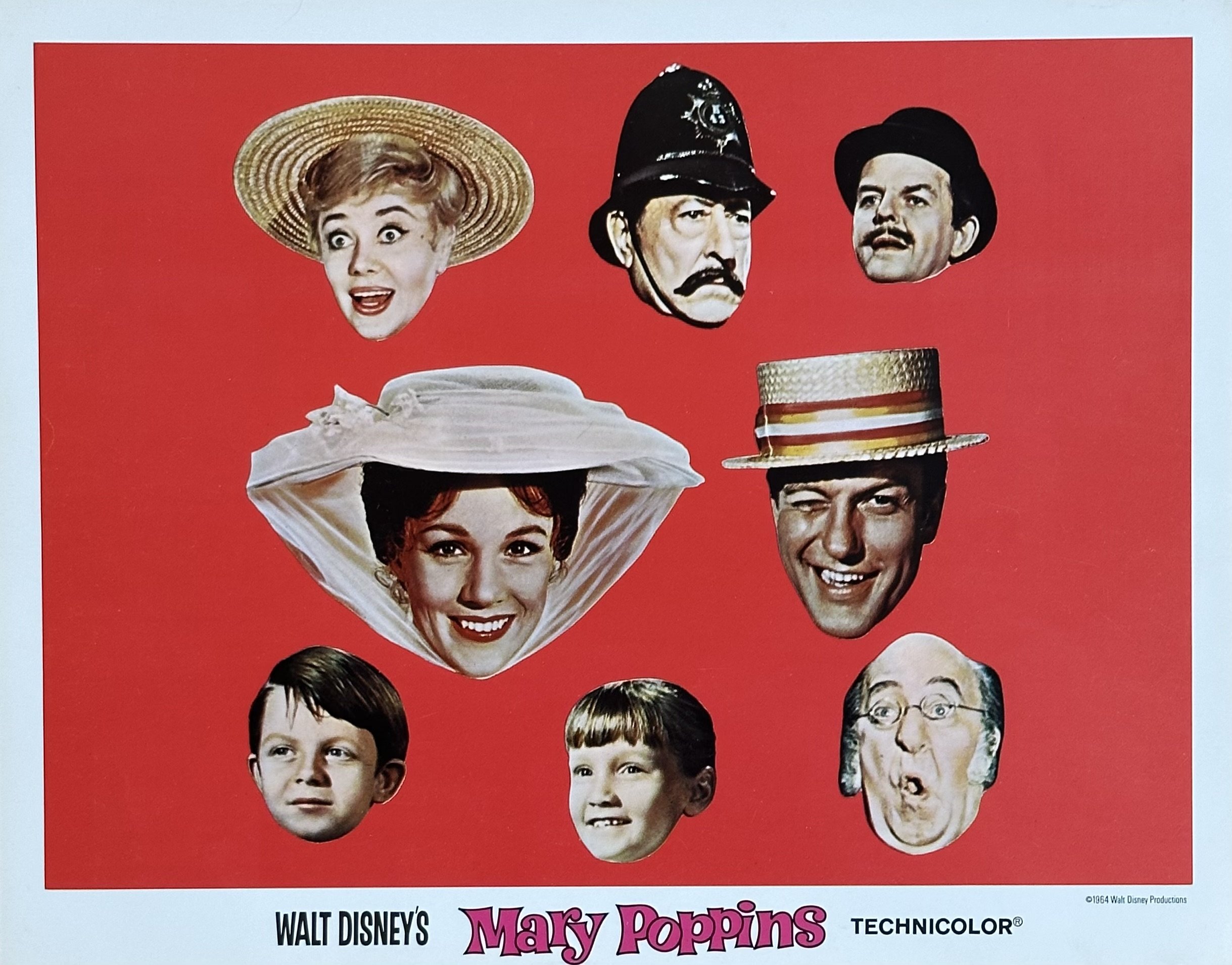
10. Mary Poppins
The famous Disney musical starring Julie Andrews.
Johns played Winifred Banks, the suffragette mother.
Her performance of “Sister Suffragette” became memorable.
11. Dear Brigitte
A family comedy starring James Stewart and Brigitte Bardot.
Johns played the mother of a child prodigy.
12. The Ref
A dark Christmas comedy starring Denis Leary.
Johns played the sharp-tongued mother-in-law.
Her performance was widely praised for its comic timing.
13. While You Were Sleeping
A romantic comedy starring Sandra Bullock.
Johns played Elsie, a warm and lovable family friend.
Introduced her to a new generation of audiences.
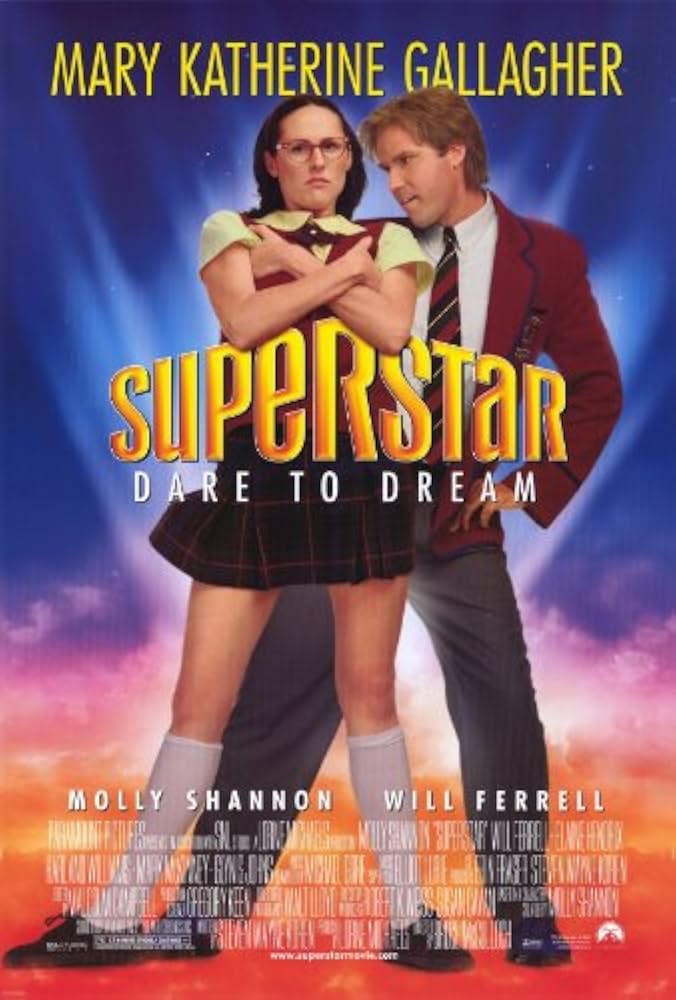
14. Superstar
A comedy based on the Saturday Night Live character played by Molly Shannon.
Johns played the grandmother.
15. Scooby-Doo
A live-action adaptation of the classic cartoon.
Johns played the elderly owner of the haunted island