

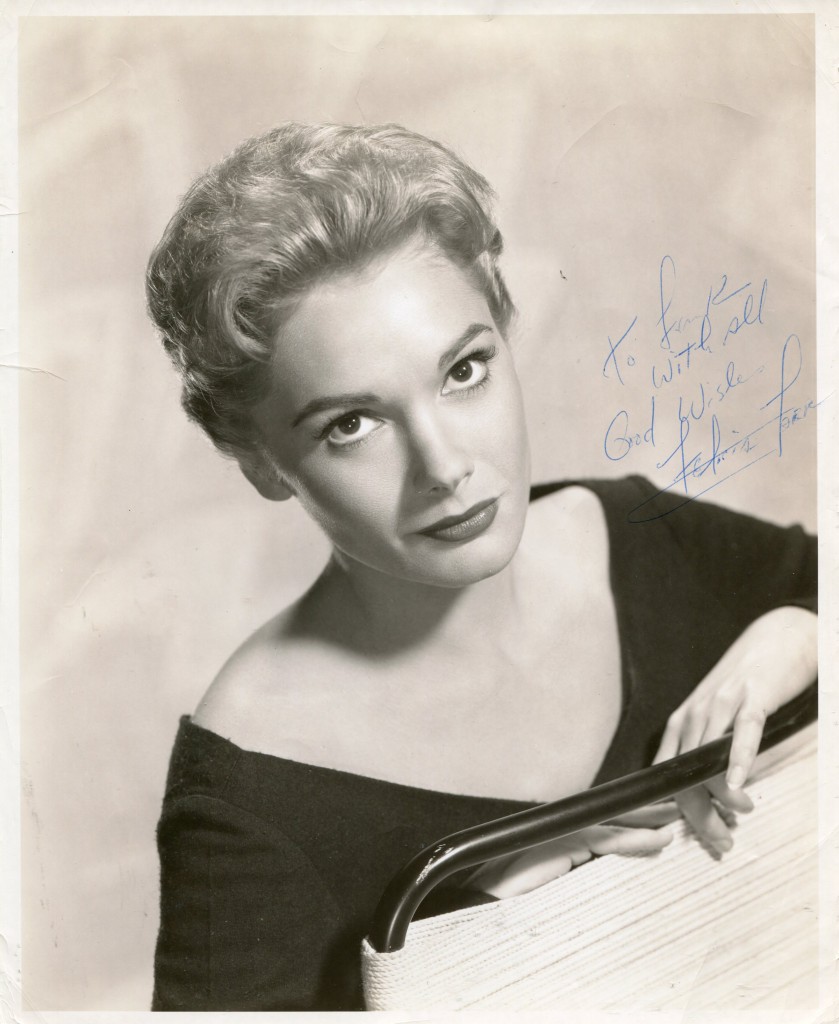
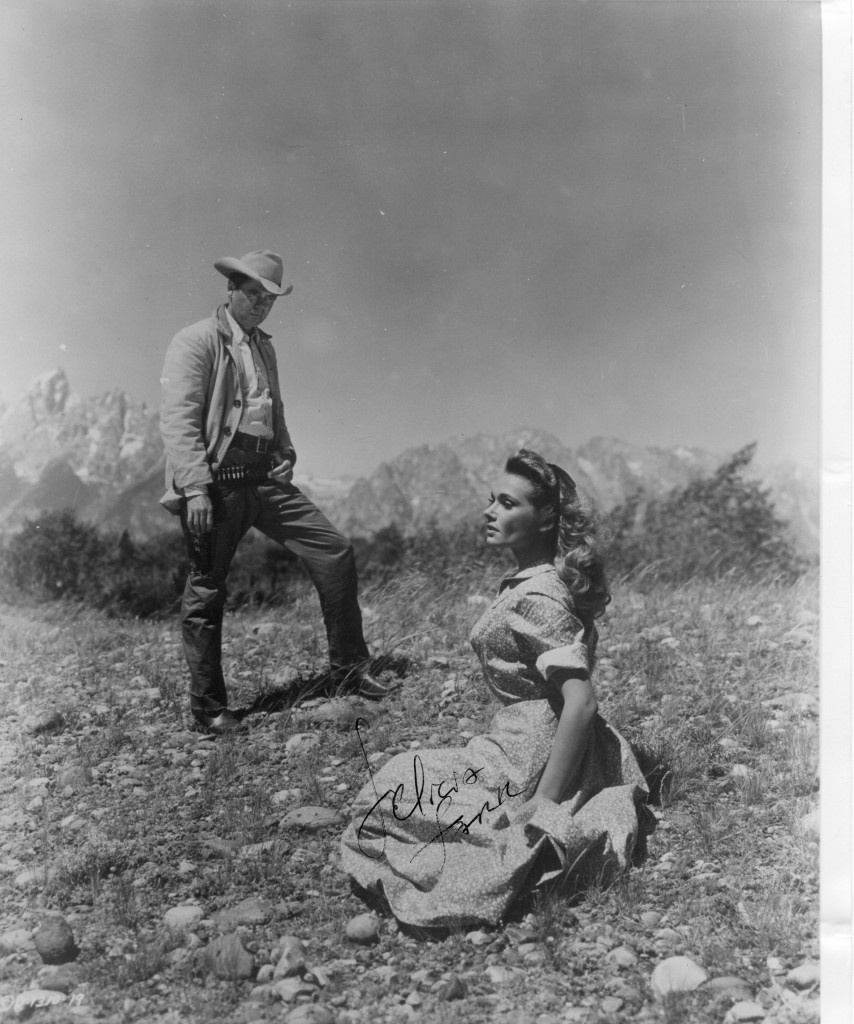
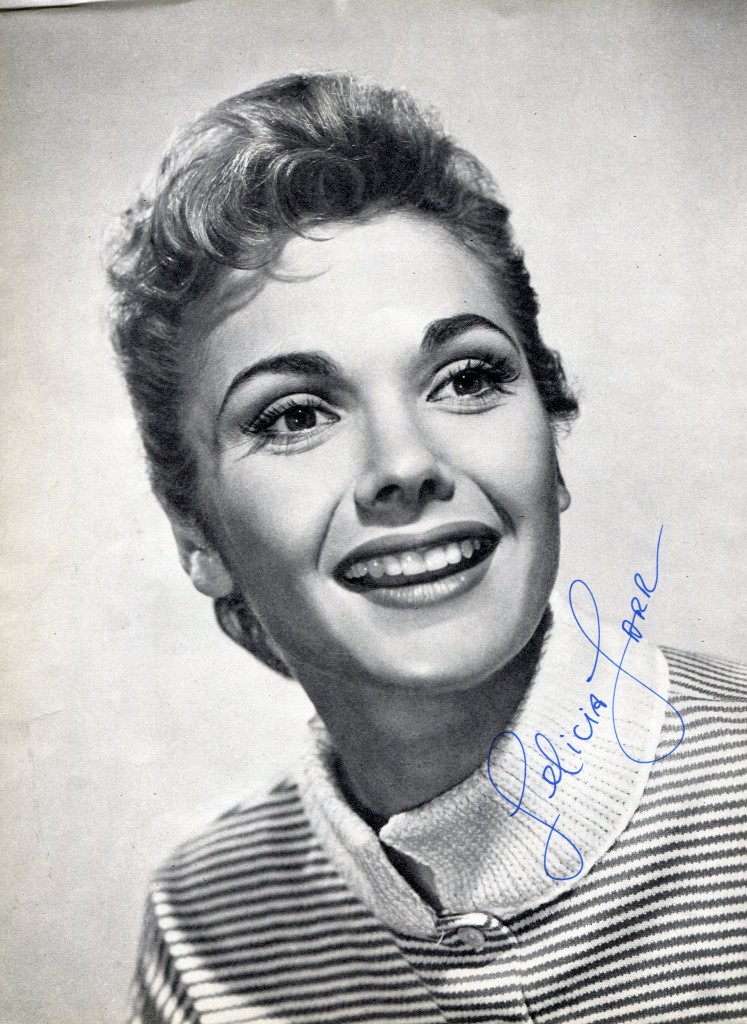
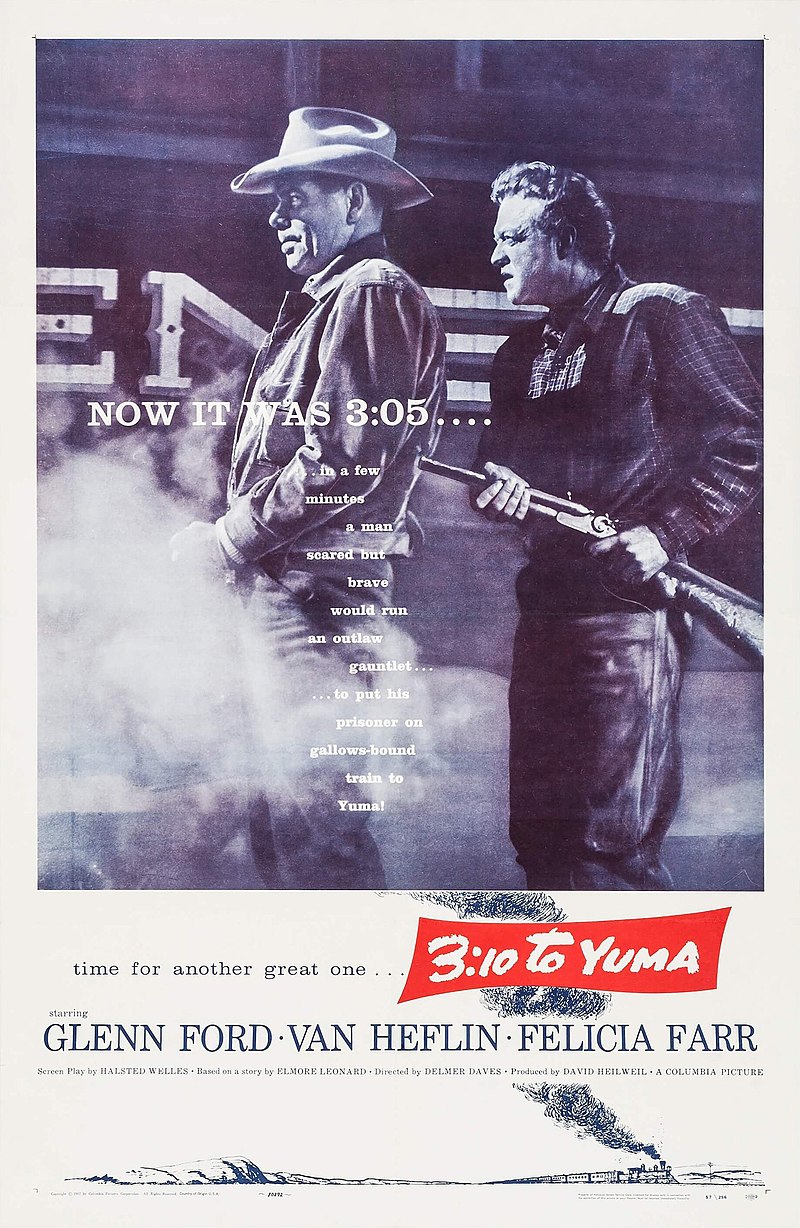
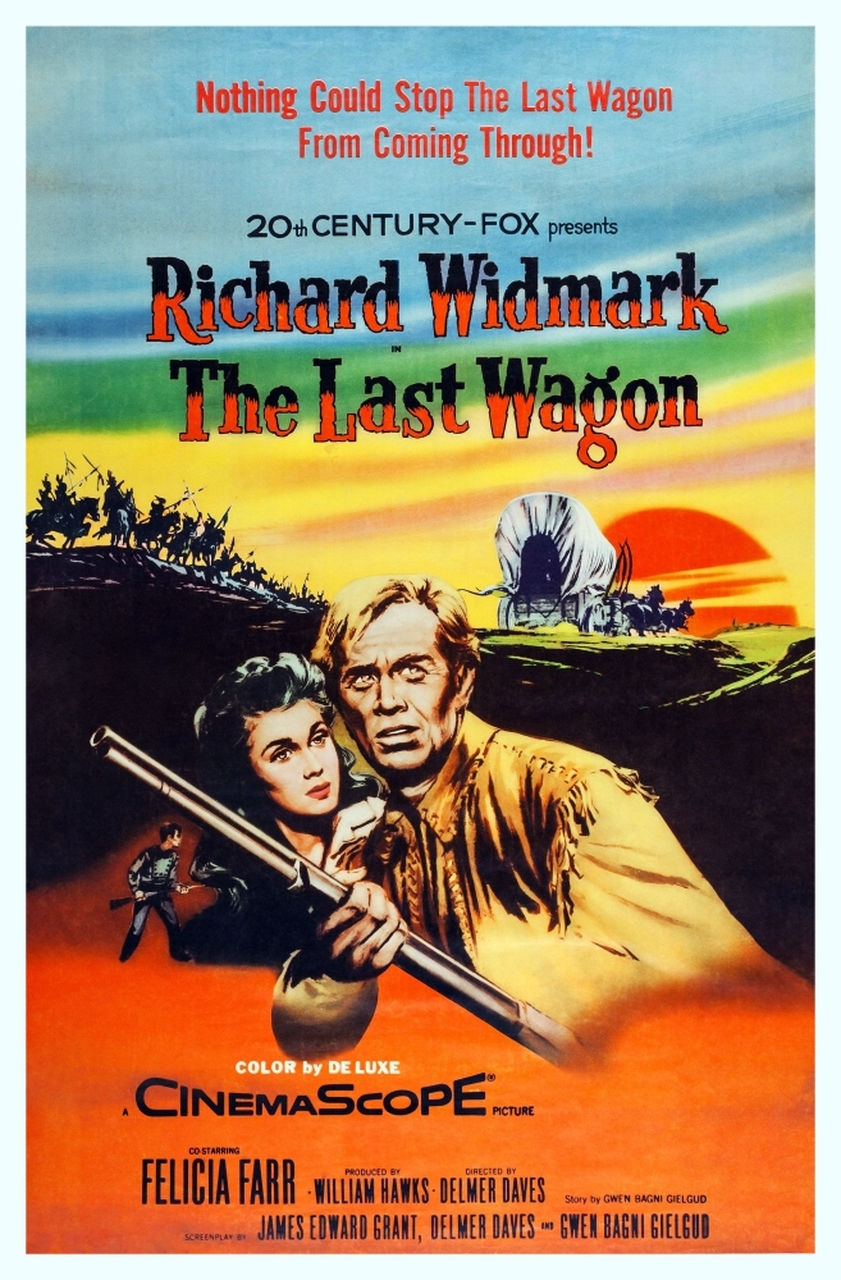
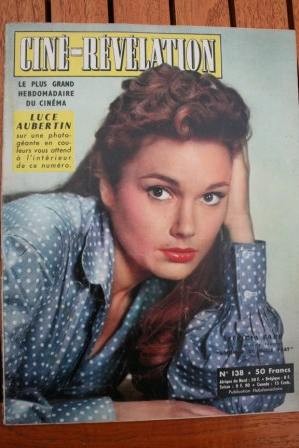
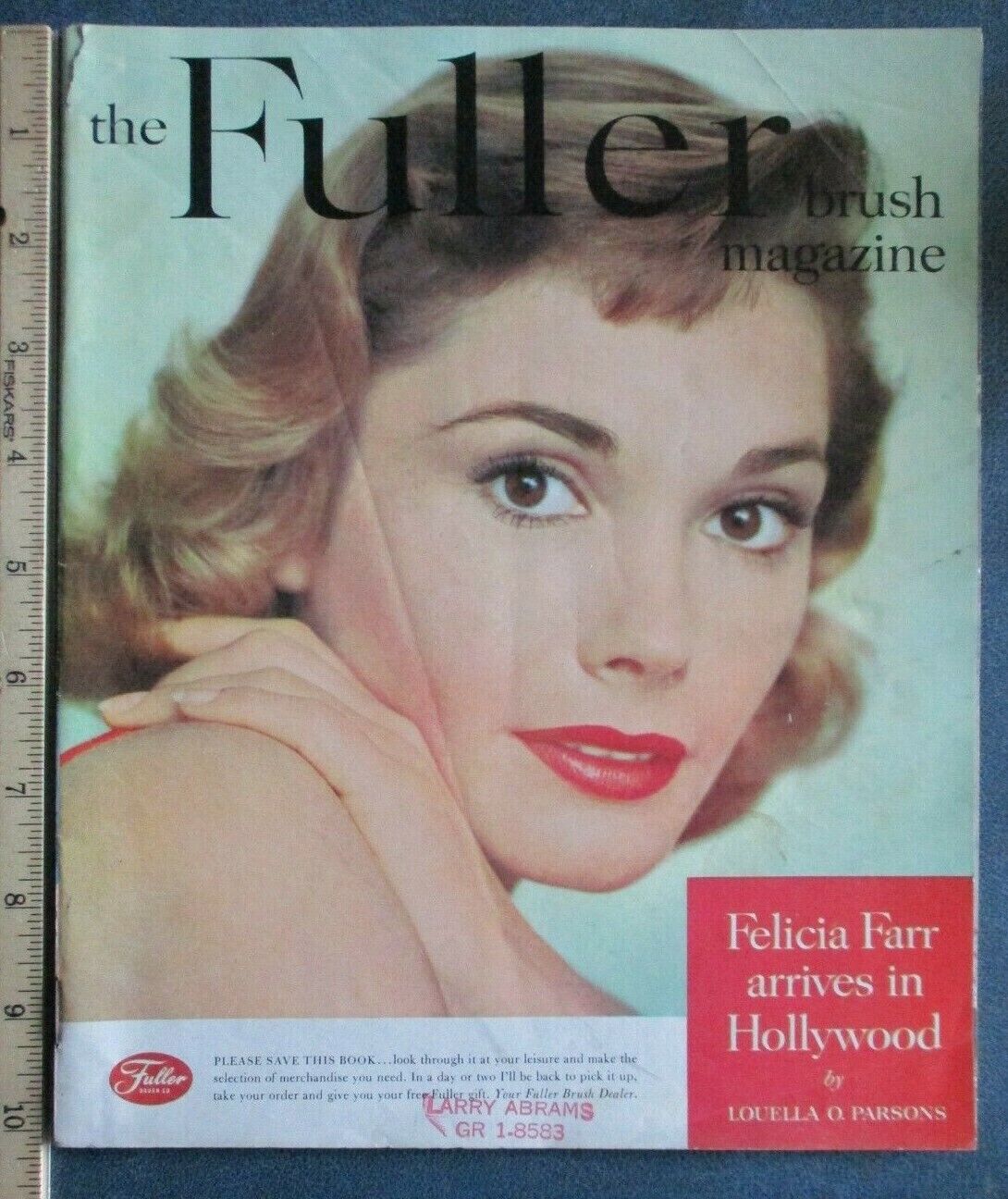
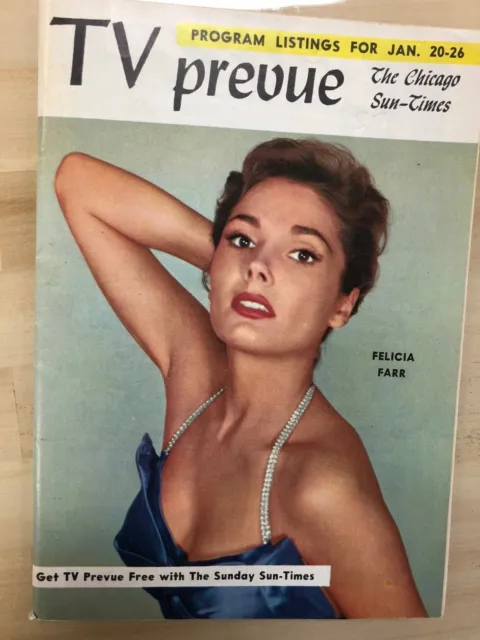
Born Olive Dines, Felicia Farr appeared in several modeling photo shoots and advertisements during the 1950s and 1960s. Her earlist screen appearances date from the mid-fifties and included the Westerns Jubal (1956) and 3:10 to Yuma (1957), both starring Glenn Ford and The Last Wagon (1956) starring Richard Widmark.
Lee Farr was her first husband, a marriage which produced a daughter, Denise Farr Gordon, who became the wife of actor Don Gordon. Farr’s second husband was the film star Jack Lemmon; they married in 1962, while Lemmon was filming the comedy Irma La Douce in Paris, and remained married until his death in 2001
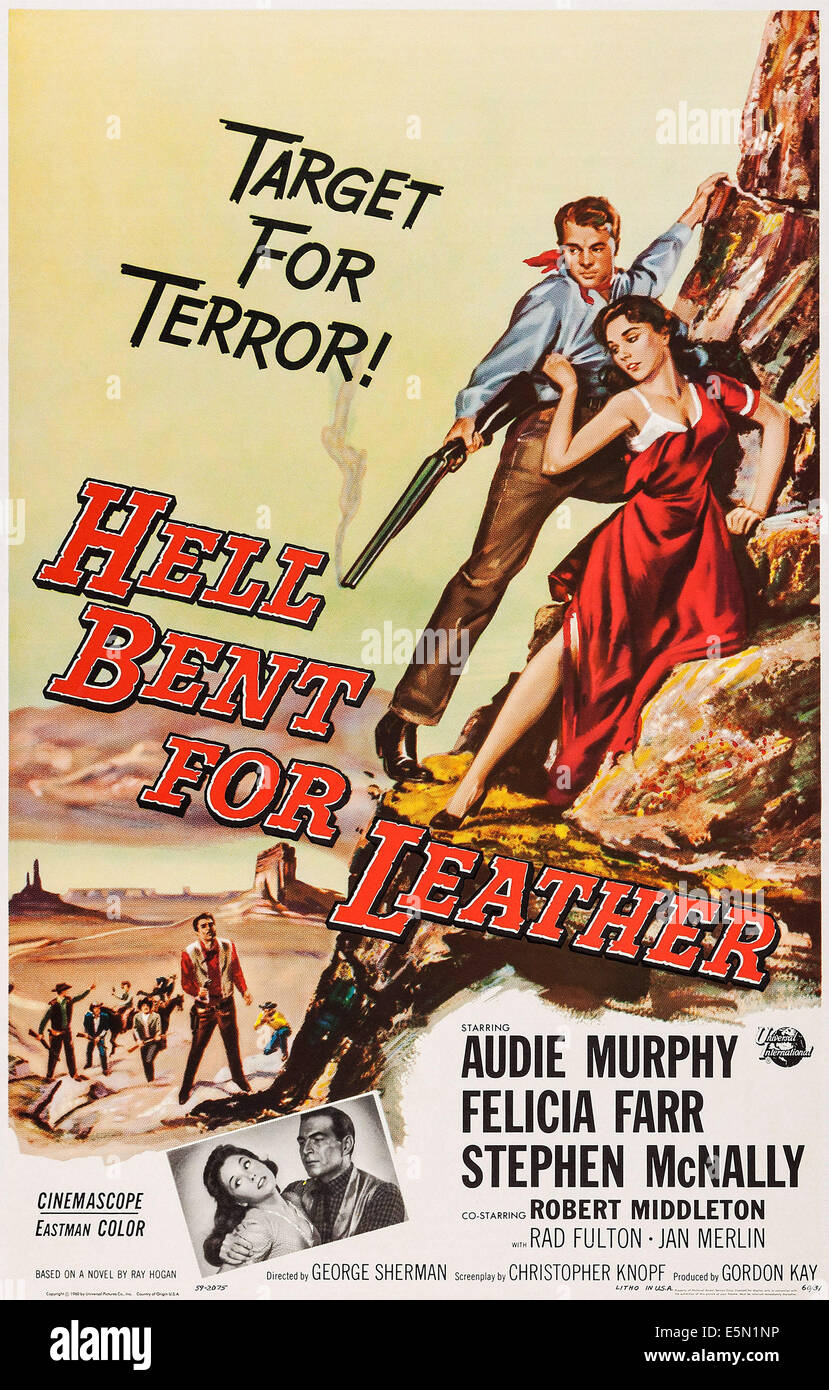
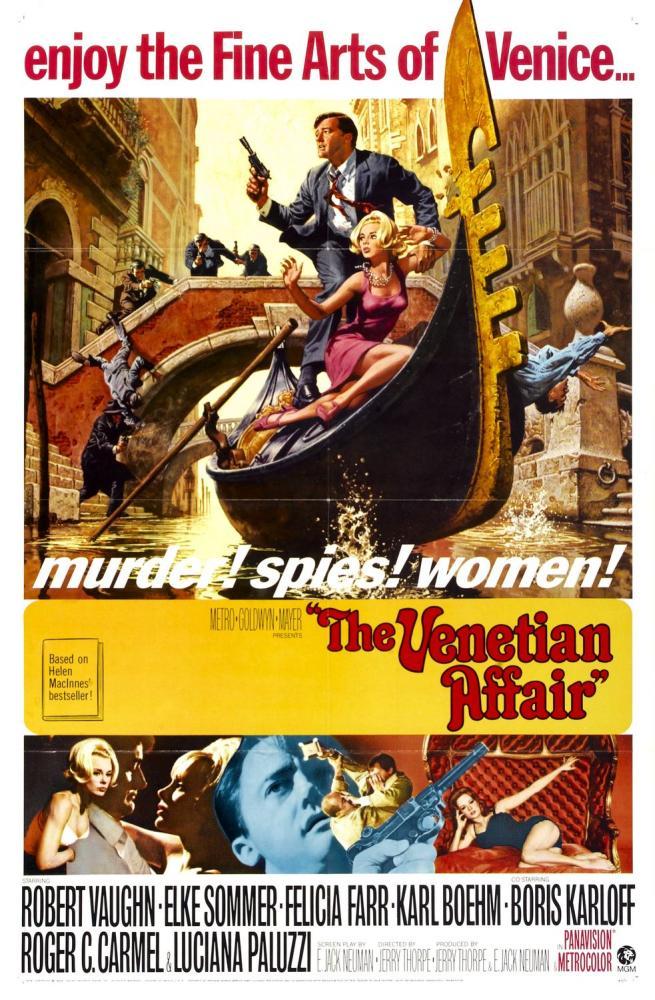
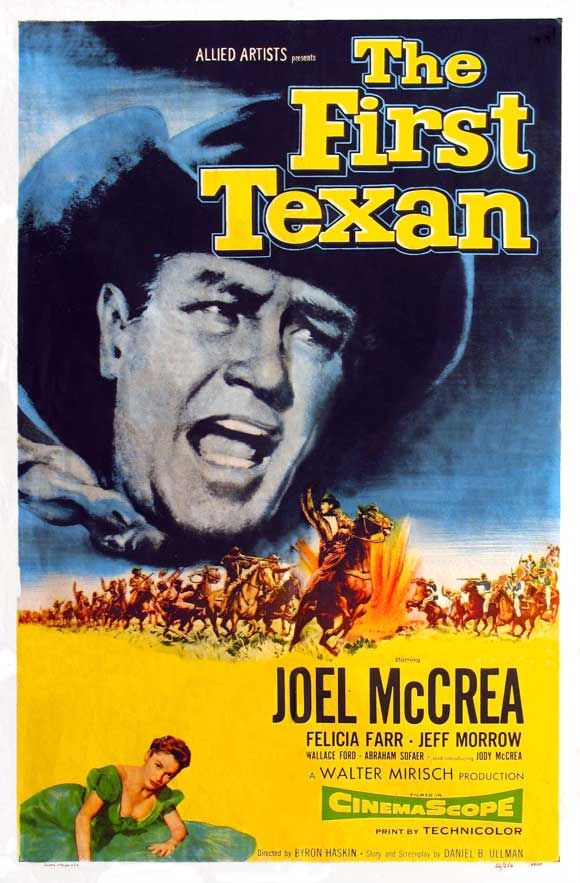
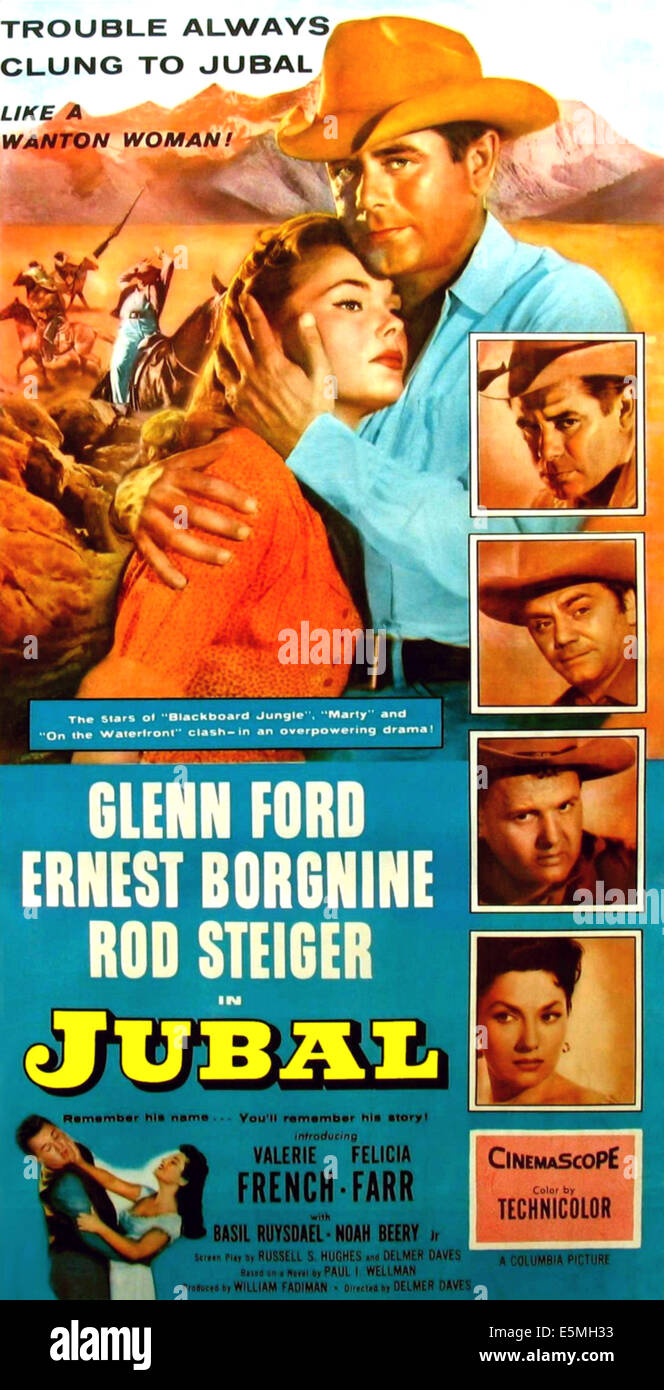
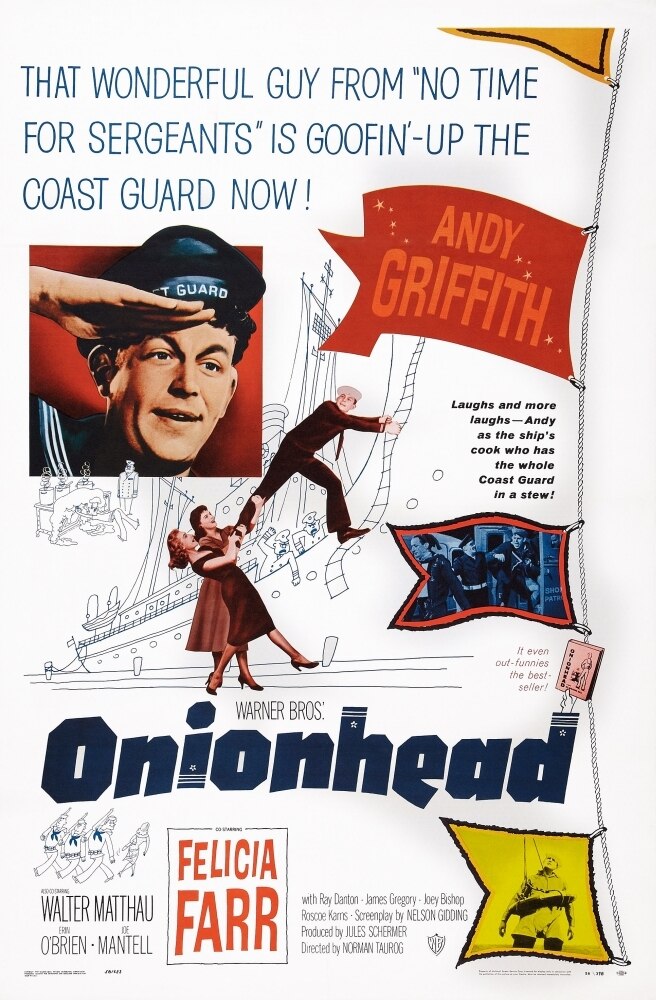
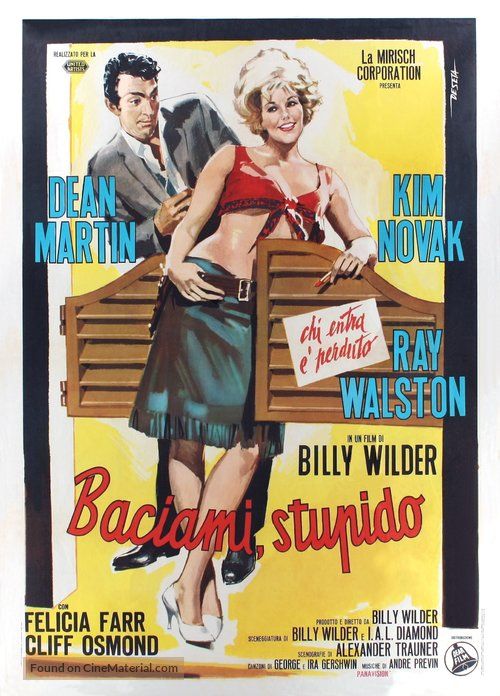
Career overview of Felicia Farr
Felicia Farr’s career is best understood as a mid-tier but highly versatile studio-era trajectory, spanning modelling, contract film work, and later television. Born Olive Dines in 1932, she entered the entertainment industry not through formal acting prestige routes but via commercial modelling in the early 1950s, a common pathway for women entering Hollywood at the time.
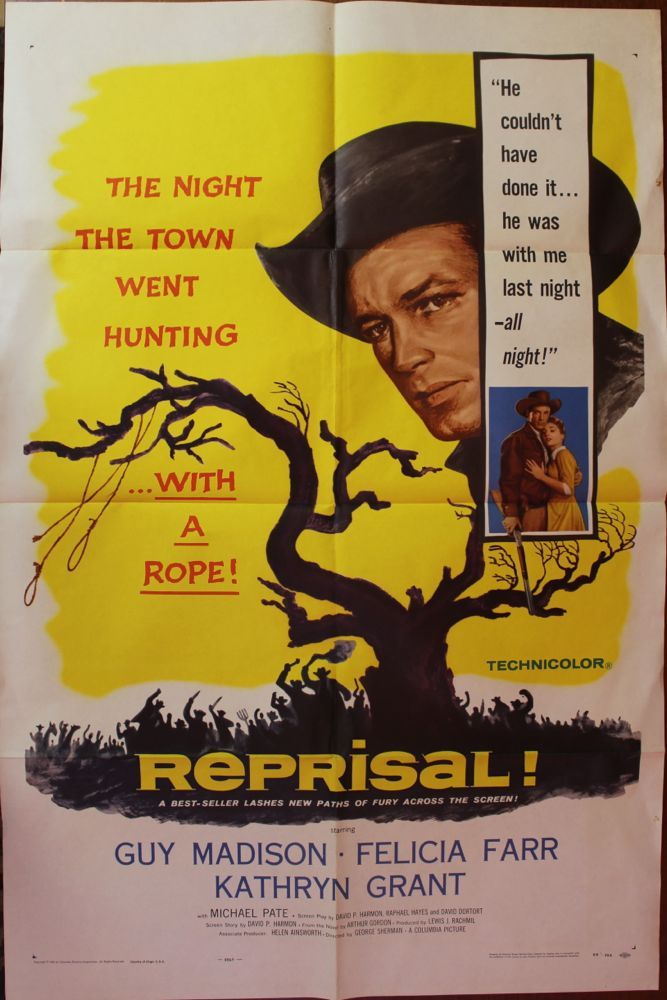
Her transition to film came rapidly after signing a seven-year contract with Columbia Pictures in 1955, situating her firmly within the classical studio system.
Early film career: Westerns and supporting roles (mid–late 1950s)
Farr’s early career is dominated by American Westerns, including:
- Jubal (1956)
- The Last Wagon (1956)
- 3:10 to Yuma (1957)
These films often cast her opposite established male stars like Glenn Ford, reflecting her position as a supporting female lead within male-driven narratives.
Critical observation:
Farr’s early roles rarely allowed for deep character development; instead, they adhered to genre conventions of the Western, where female characters functioned as moral anchors, romantic interests, or narrative catalysts. This limited her ability to establish a distinctive screen persona compared to contemporaries like Katharine Hepburn, who cultivated strong authorial identities through role selection.
Transition and diversification (1960s–1970s)
By the 1960s, Farr’s career followed a familiar pattern for many studio-era actresses:
- Movement from film into television (e.g., Bonanza, The Alfred Hitchcock Hour)
- Occasional returns to cinema in character roles
Her notable film appearances include:
- Kiss Me, Stupid (directed by Billy Wilder)
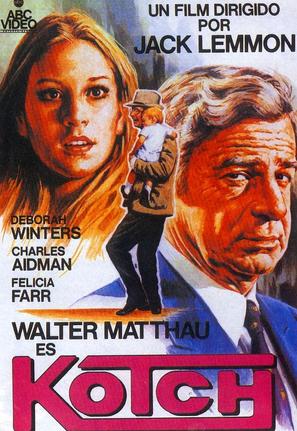
- Kotch
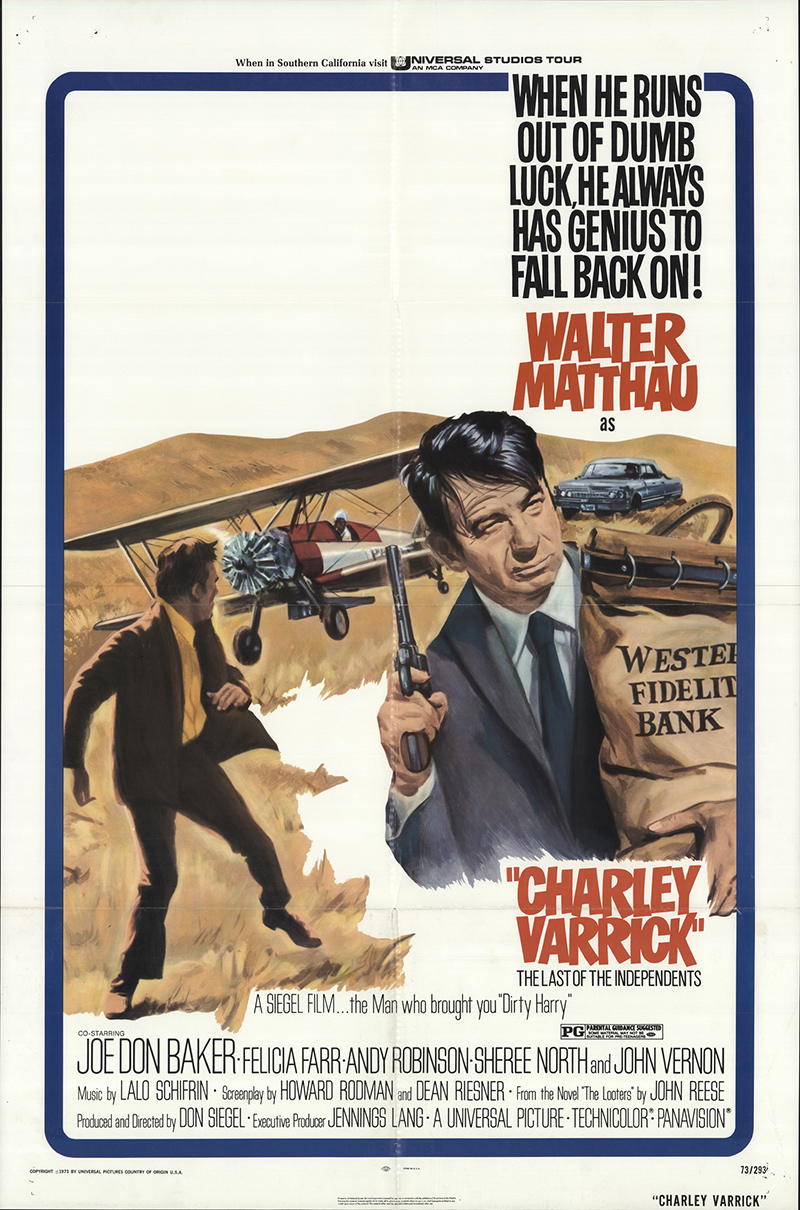
- Charley Varrick
Critical observation:
This phase highlights a shift from ingénue to character actress, but without a major breakthrough role. Even in Kiss Me, Stupid, a high-profile project, Farr occupies a secondary comedic function, overshadowed by stronger star personas (e.g., Dean Martin).
Her television work—over 30 appearances—demonstrates professional adaptability, but also signals a decline in cinematic centrality, a common trajectory for actresses whose careers were tied to studio contracts rather than auteur collaborations.
Later career and sporadic appearances (1980s–2010s)
Farr’s later work consists of occasional roles such as:
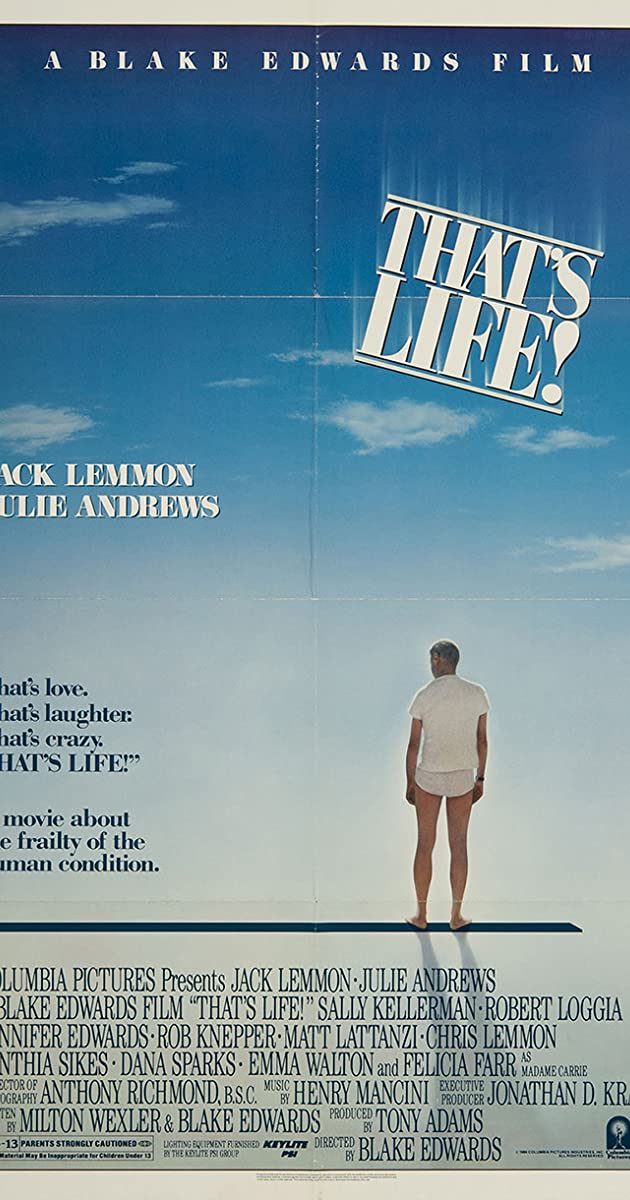
- That’s Life!
- The Player (cameo appearance)
She remained intermittently active until 2014, though largely outside mainstream prominence.
Critical observation:
Unlike some contemporaries who reinvented themselves in independent cinema or theatre, Farr’s later career suggests gradual withdrawal rather than reinvention, reinforcing the idea that her career was structurally shaped by (and limited to) the studio-era system.
Critical analysis of her work and legacy
1. A “contract player” rather than a star auteur
Farr exemplifies the “contract player” model of 1950s Hollywood:
- Cast in multiple films within a narrow timeframe
- Limited control over roles
- Dependent on studio assignment rather than personal brand
This explains why, despite appearing in respected films like 3:10 to Yuma, she did not achieve iconic status