


SIMONE SIMON OBITUARY IN “THE GUARDIAN” IN 2005.
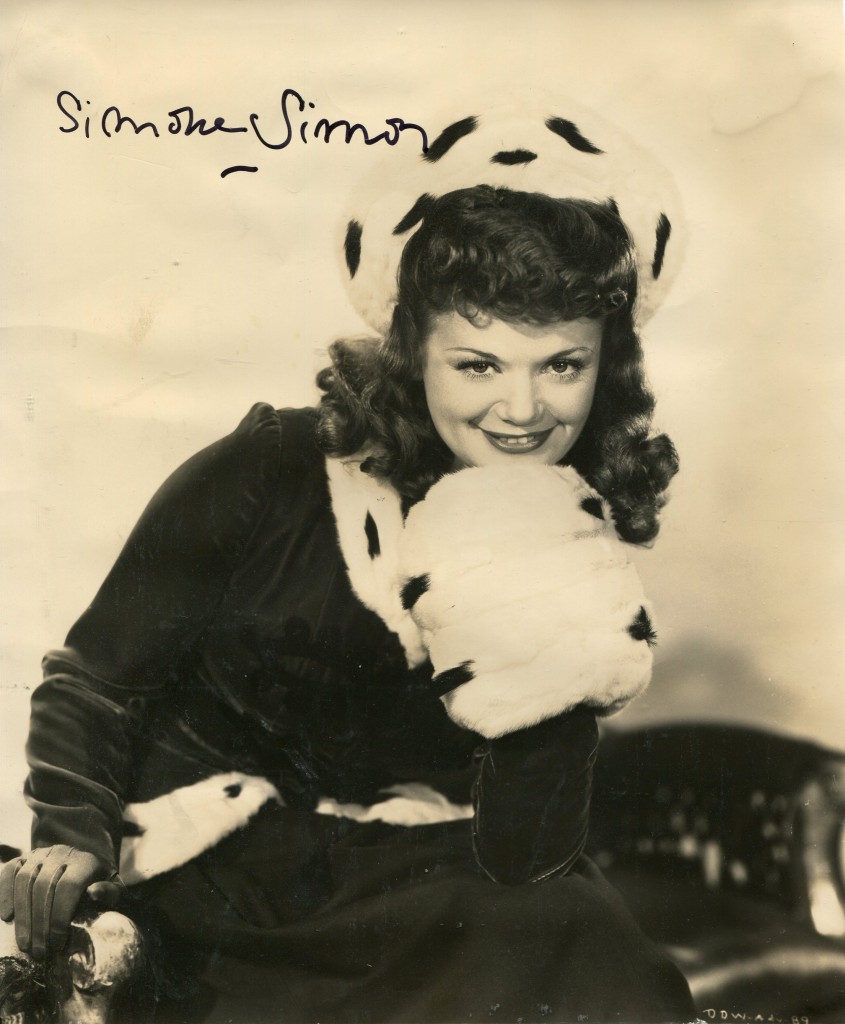
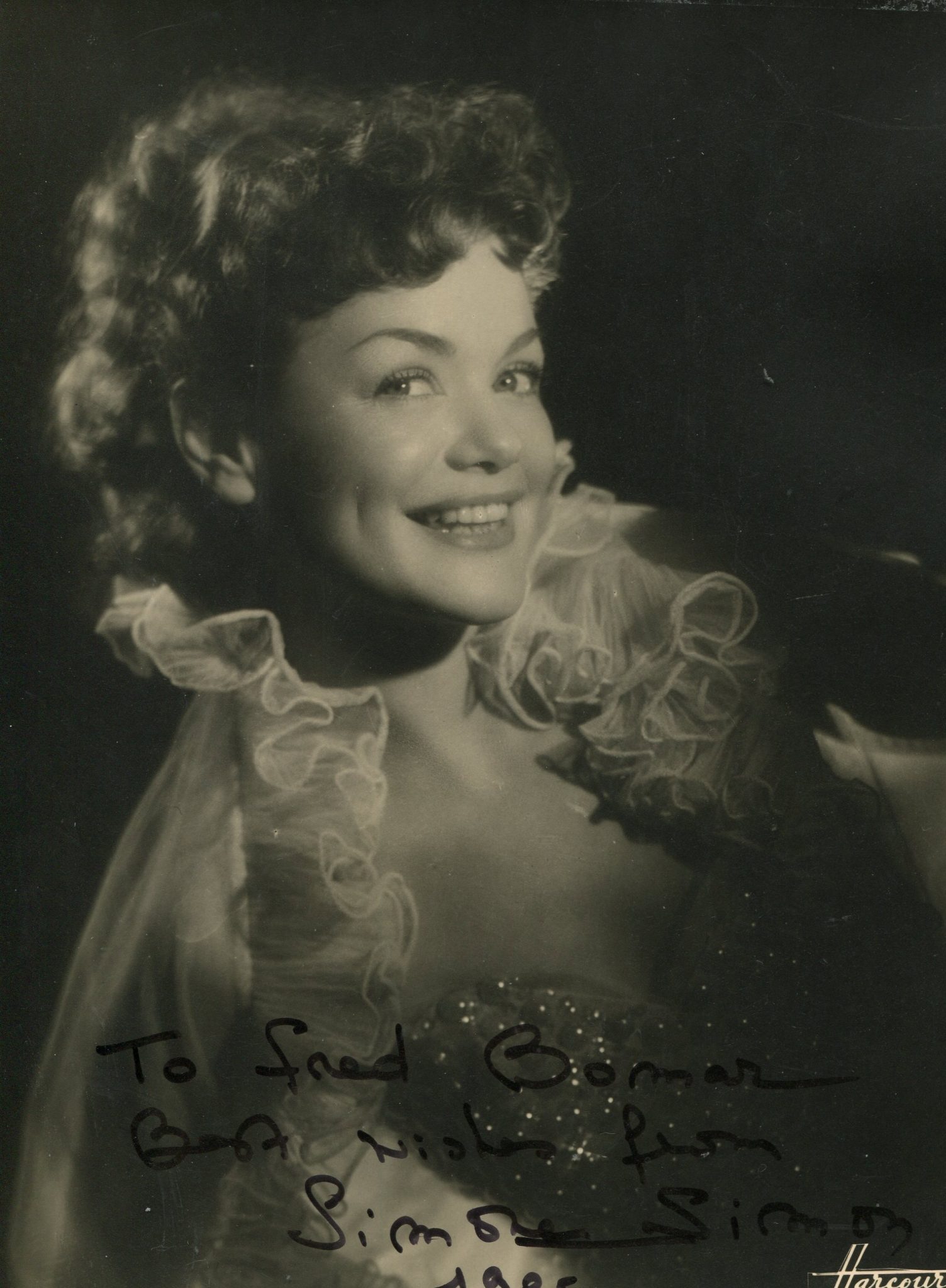
Almost two decades before Brigitte Bardot, the epithet “sex kitten” could have been applied even more appropriately to Simone Simon, who has died aged 94.
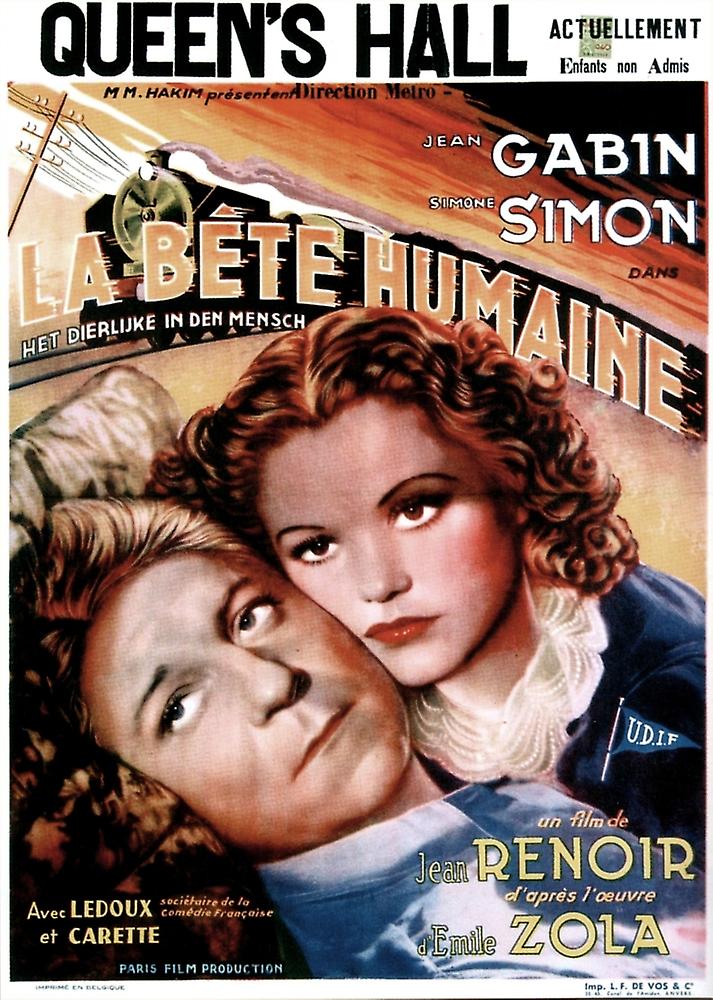
Jean Renoir described the character Simon played in La Bête Humaine (1938) thus: “Severine is not a vamp. She’s a cat, a real cat, with a silky coat that begs to be caressed, a short little snout, a big, slightly beseeching mouth and eyes full of promises.” To add to the analogy, Simon is first seen in the film at a window, gently stroking a white kitten.
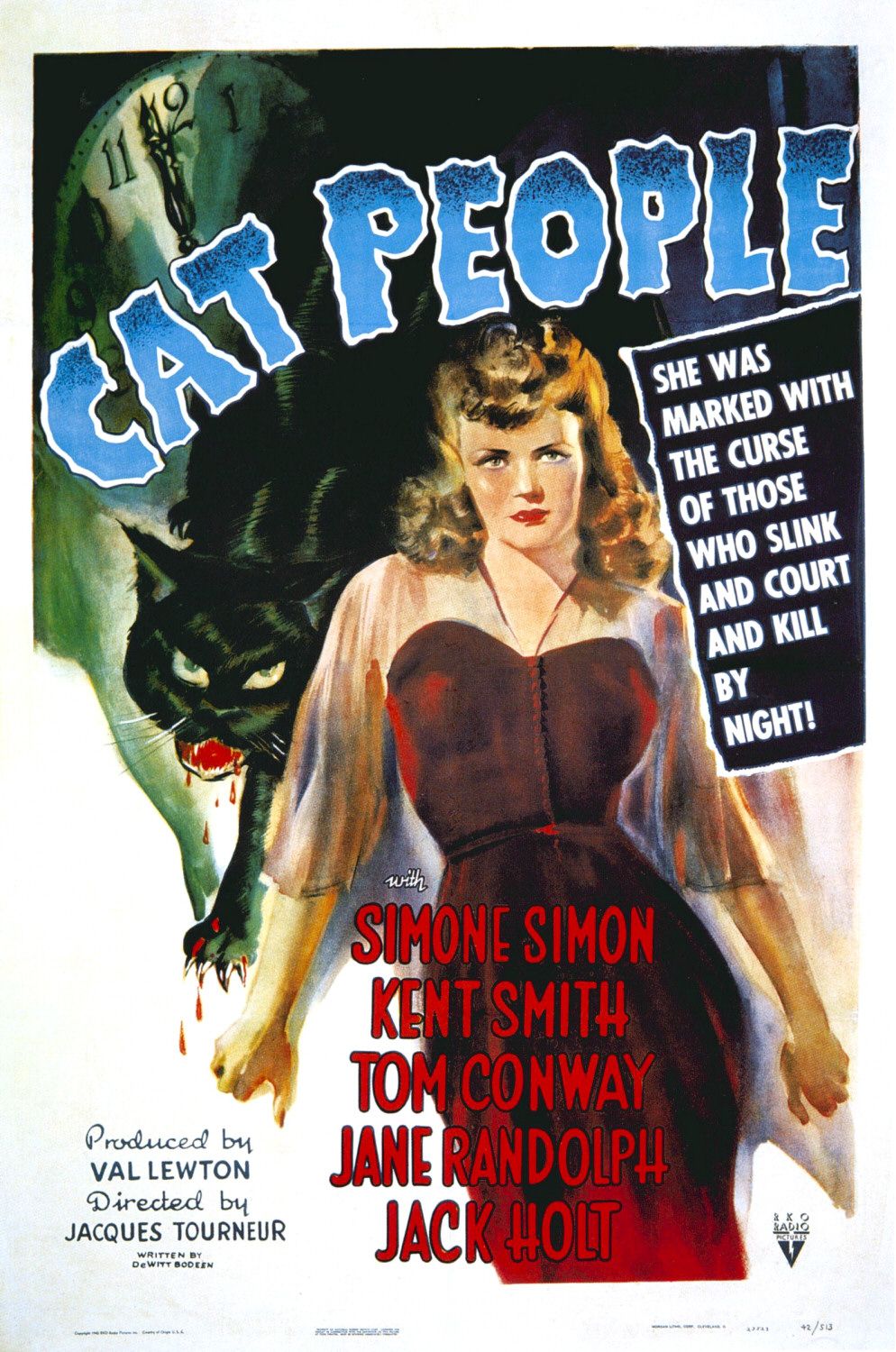
But her most famous role was in Cat People (1942) as Irene, a Serbian-born fashion artist living in New York, who is haunted by the fear that she is descended from a race of cat-women who turn into panthers when sexually aroused. “Kiss me or claw me!” read the ads.
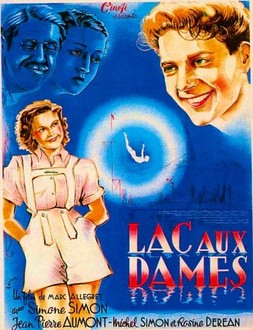
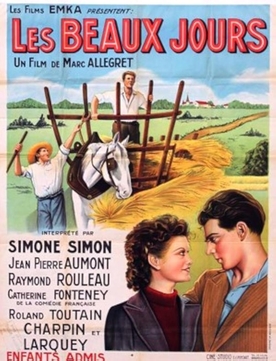
Simone Simon, the daughter of a French engineer and an Italian mother, was born in Béthune and brought up in Marseilles. At 19, she went to Paris, where she worked briefly as a fashion designer, a model and cabaret singer, before making her screen debut as a singer in Le Chanteur Inconnu (1931). It was her fourth film, Lac Aux Dames (1934), directed by Marc Allégret, that made her a star. In the Colette screenplay, Simon is a mysterious child of nature called Puck, who entrances Jean-Pierre Aumont, the swimming instructor at a mountain lake resort.
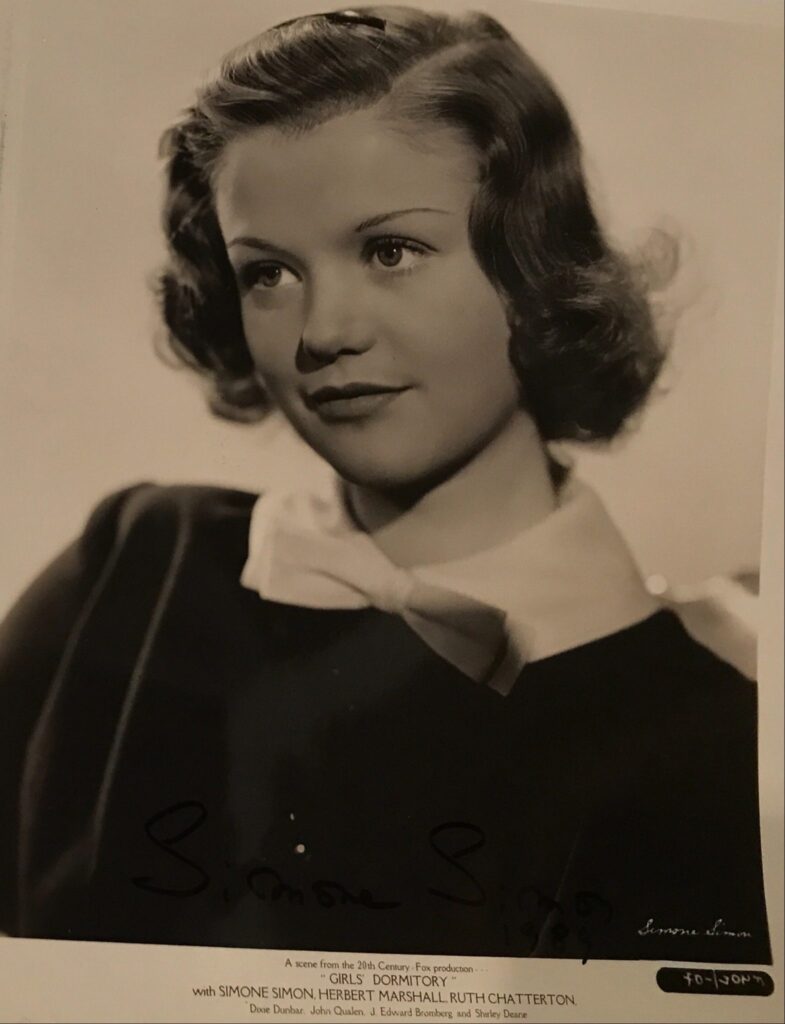
It led to a contract with 20th Century Fox, who exploited her child-woman sensuality. In her Hollywood debut, Girls’ Dormitory (1936) she played a student at an Alpine finishing school who falls for Herbert Marshall, the headmaster, even though he is old enough to be her father. At the end of this Lolita-esque tale, Simon (actually 25) steps aside for an older woman..
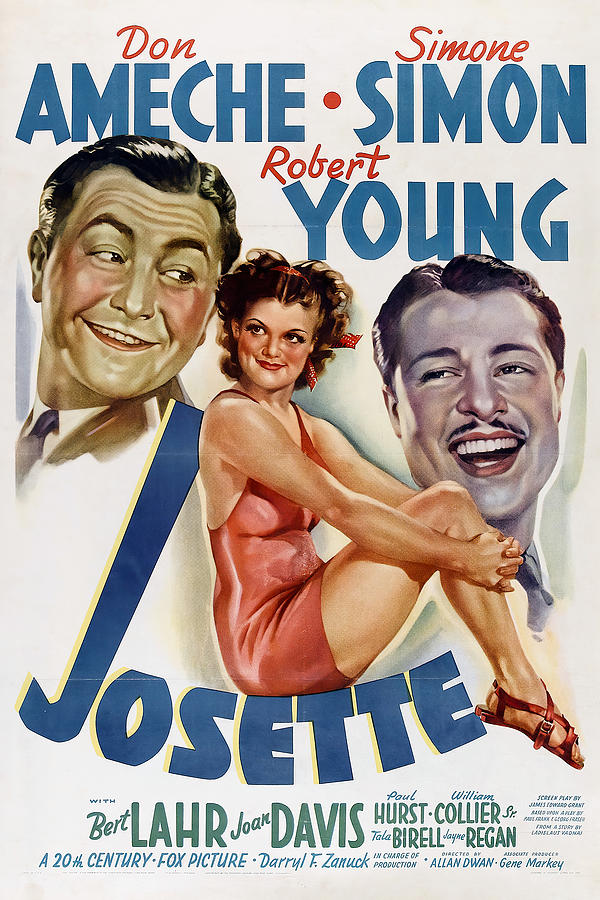
In the redundant remake of the Janet Gaynor-Charles Farrell silent melodrama Seventh Heaven, Simon is a woman with a shady reputation, whom Parisian sewer-worker James Stewart has given shelter in his slum apartment. “Diane, don’t ever leave me, or like a candle, I’ll go out,” he says. This was followed by Love And Hisses (1937), in which she actually sang the Bell Song from Delibes’ Lakmé in what the New York Times described as “a thin, inexpressive little voice”. She then took the title role in a bit of fluff called Josette (1938), being fought over by Don Ameche and Robert Young.
No wonder she found herself in conflict with Fox, both over the material and her salary, and she arrived back in France on August 8 1938, 10 days before shooting began there on La Bête Humaine. For the role of Severine, who persuades her lover Lantier (Jean Gabin) to murder her husband, the producers originally suggested Gina Manès, then pushing 43, who had played various femme fatale roles. Renoir refused vehemently: “I claimed, and still claim, that vamps have to be played by women with innocent faces. Women with innocent faces are the most dangerous ones! Also, you don’t expect it, so there is an element of surprise! I insisted we use Simone Simon, which we did, and I don’t think we were sorry.” (Curiously, Manès was seriously injured by a tiger in a circus in 1942, when Simon was filming Cat People.)
Following the glowing reviews Simon received for her performance – a teasing mixture of innocence, perversity and sensuality – she asked for 800,000 francs on Renoir’s next film, La Règle Du Jeu, almost one third of the projected budget, much more than the producers were willing to pay. She was offered a better deal by RKO in Hollywood, returning to play, literally, a vixen from hell in the Faustian All That Money Can Buy (1942). Then came Cat People, in which she portrayed, with sensitivity and restraint, a tortured creature, as terrifying to herself as others
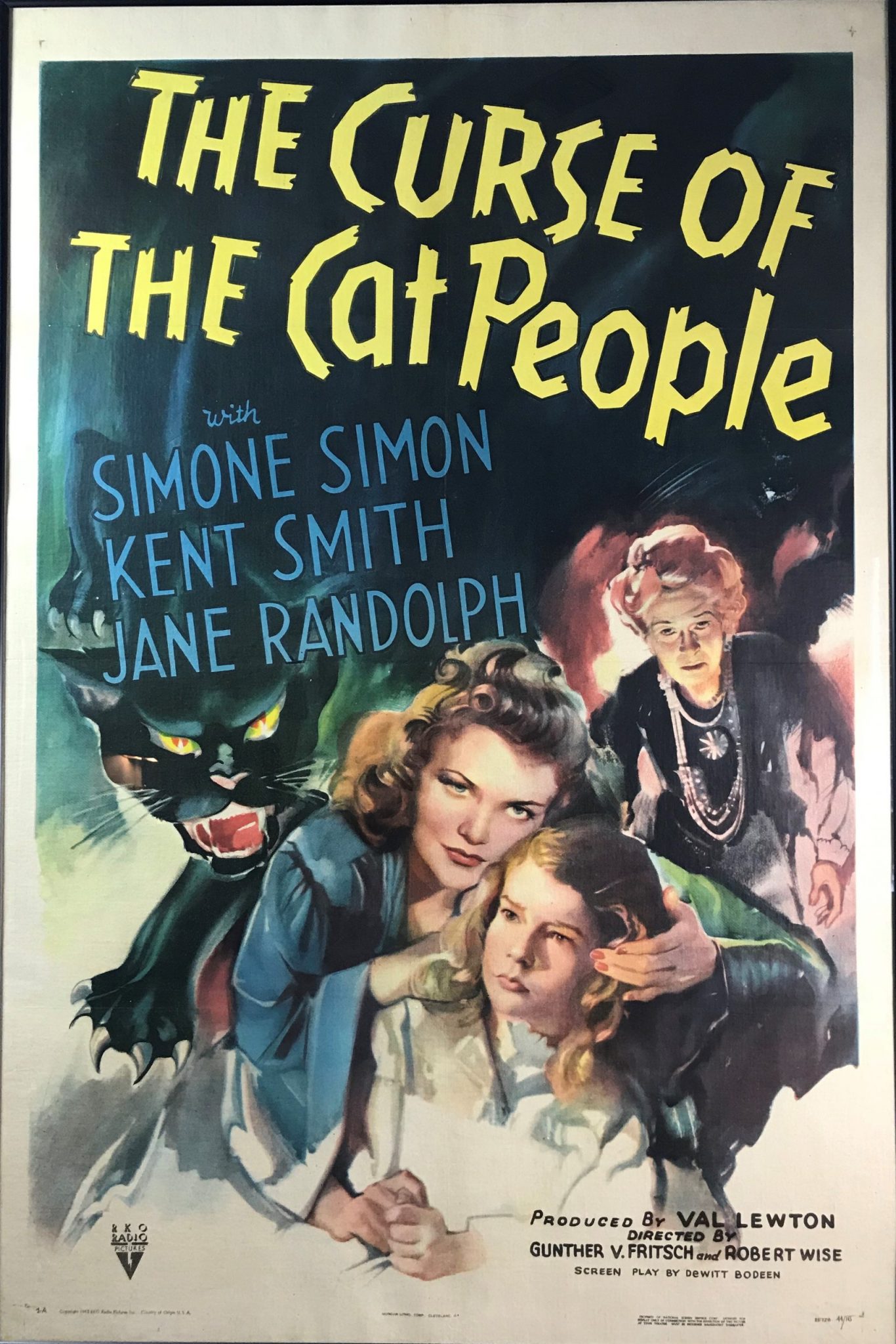
Although RKO advertised The Curse Of The Cat People (1944) with the legend “The Beast Woman Haunts The Night Anew!”, it was not strictly speaking a horror film. In it, Simon again played Irene, now seemingly back from the dead to become an adviser and friend to the lonely six-year-old daughter of her ex-husband. Only seen by the little girl, she drifts through the film in an ethereal manner.
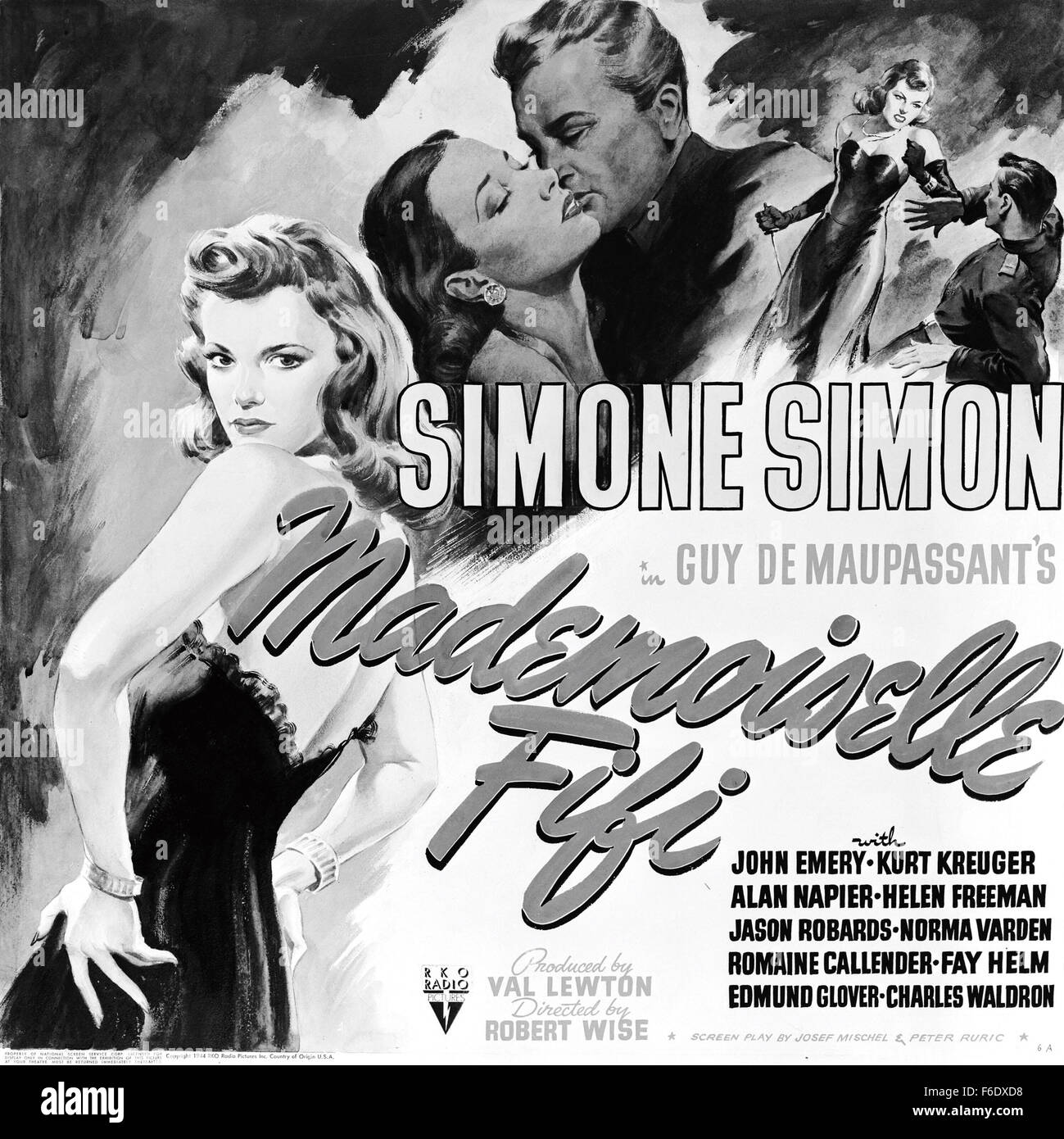
Simon’s last American film was Mademoiselle Fifi (1944), a hymn to French resistance, though set during the Franco-Prussian war of 1870. Based on Maupassant’s Boule De Suif, the title role was in fact, the nickname given to a sadistic Prussian officer occupying a small French village, and Simon is the laundress with whom he meets retribution.
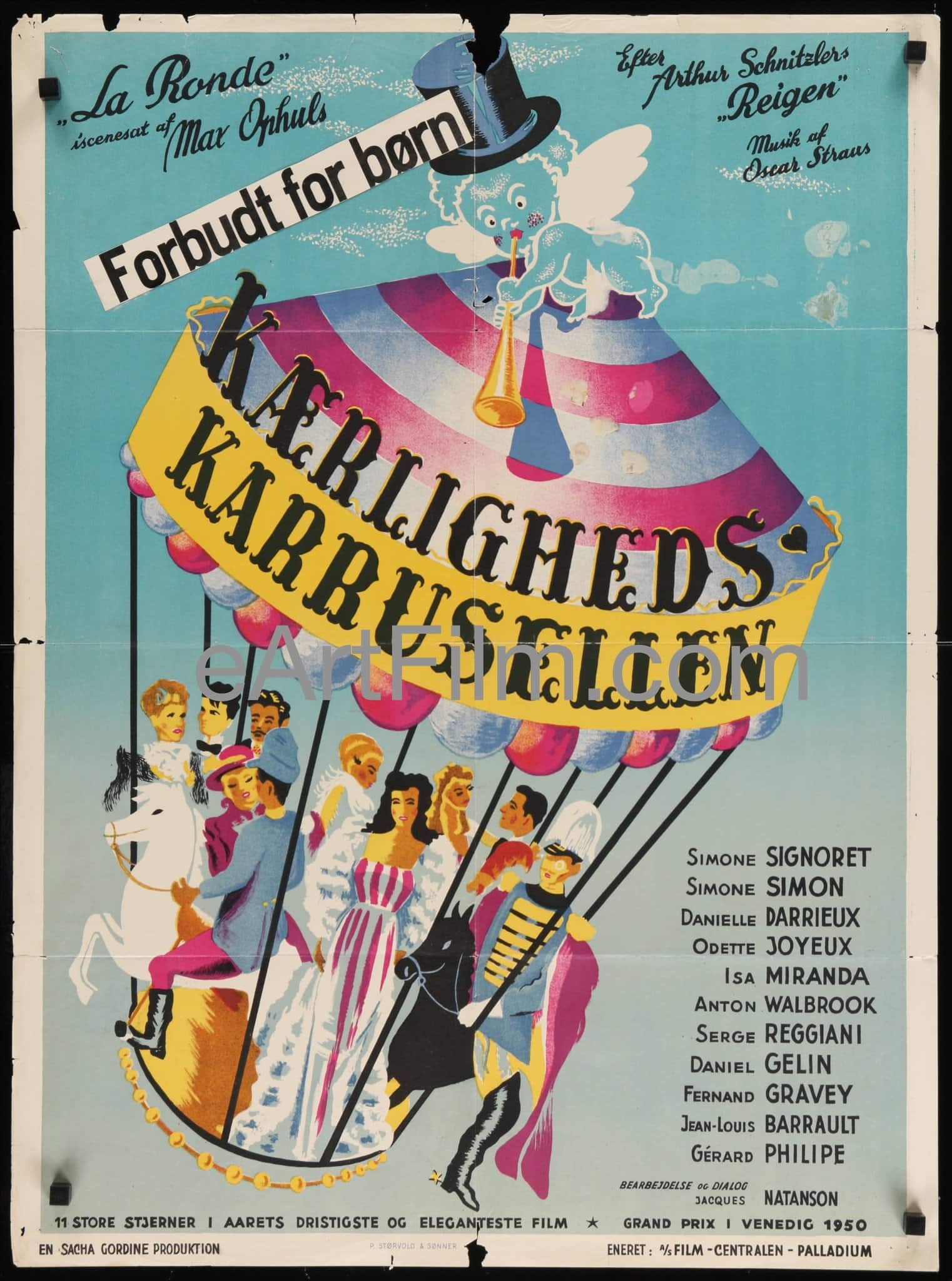
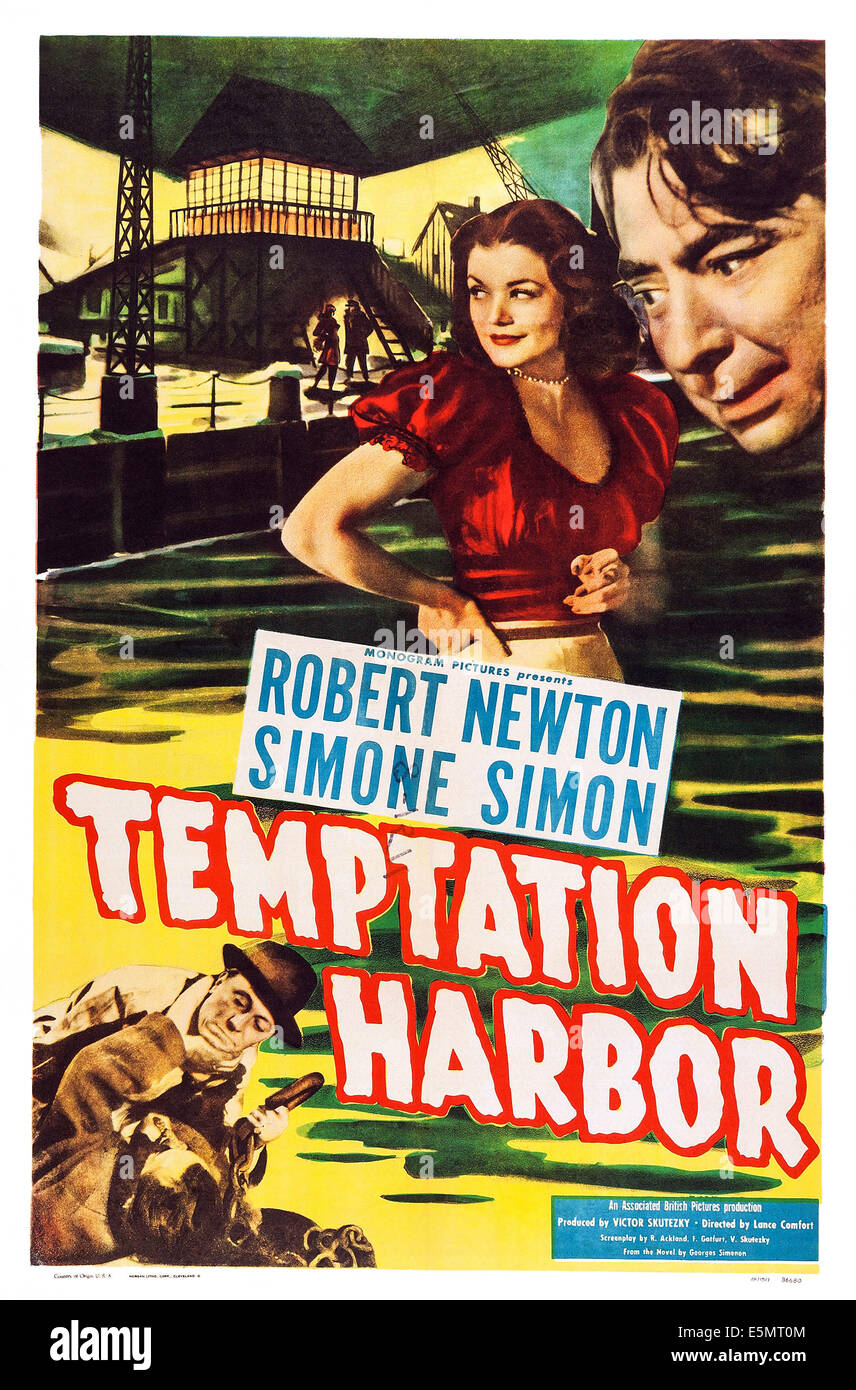
The war over, Simon returned to Europe, playing a mercenary showgirl in the British-made Temptation Harbour (1947), and the chambermaid in Max Ophuls’ La Ronde (1950), who, after being seduced by a soldier, seduces a student.
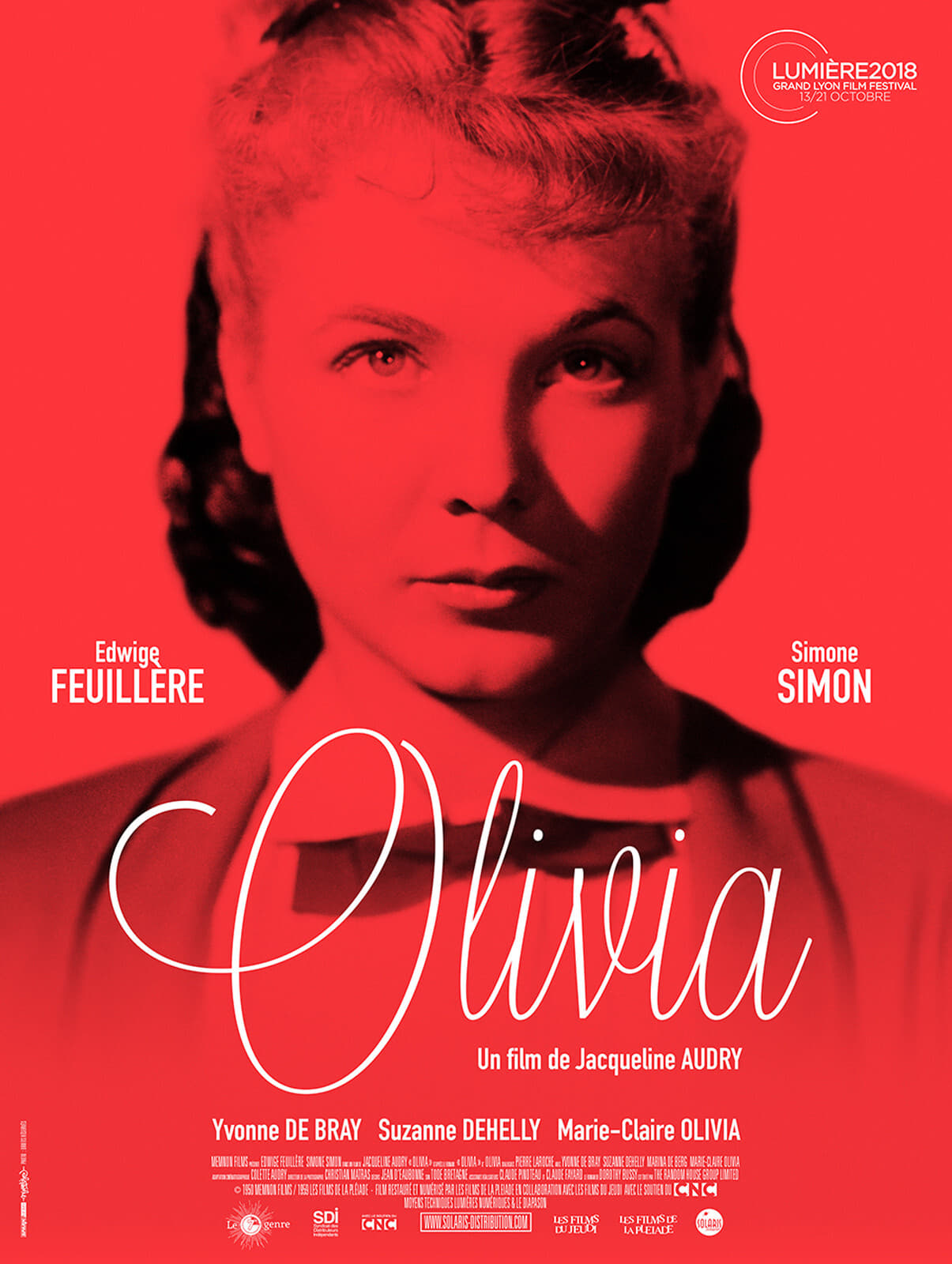
Jacqueline Audrey’s Olivia (1951) was full of hothouse emotions and lesbian undertones with Simon and Edwige Feuillère as sisters who run a girls’ boarding school, dividing the establishment into two factions.
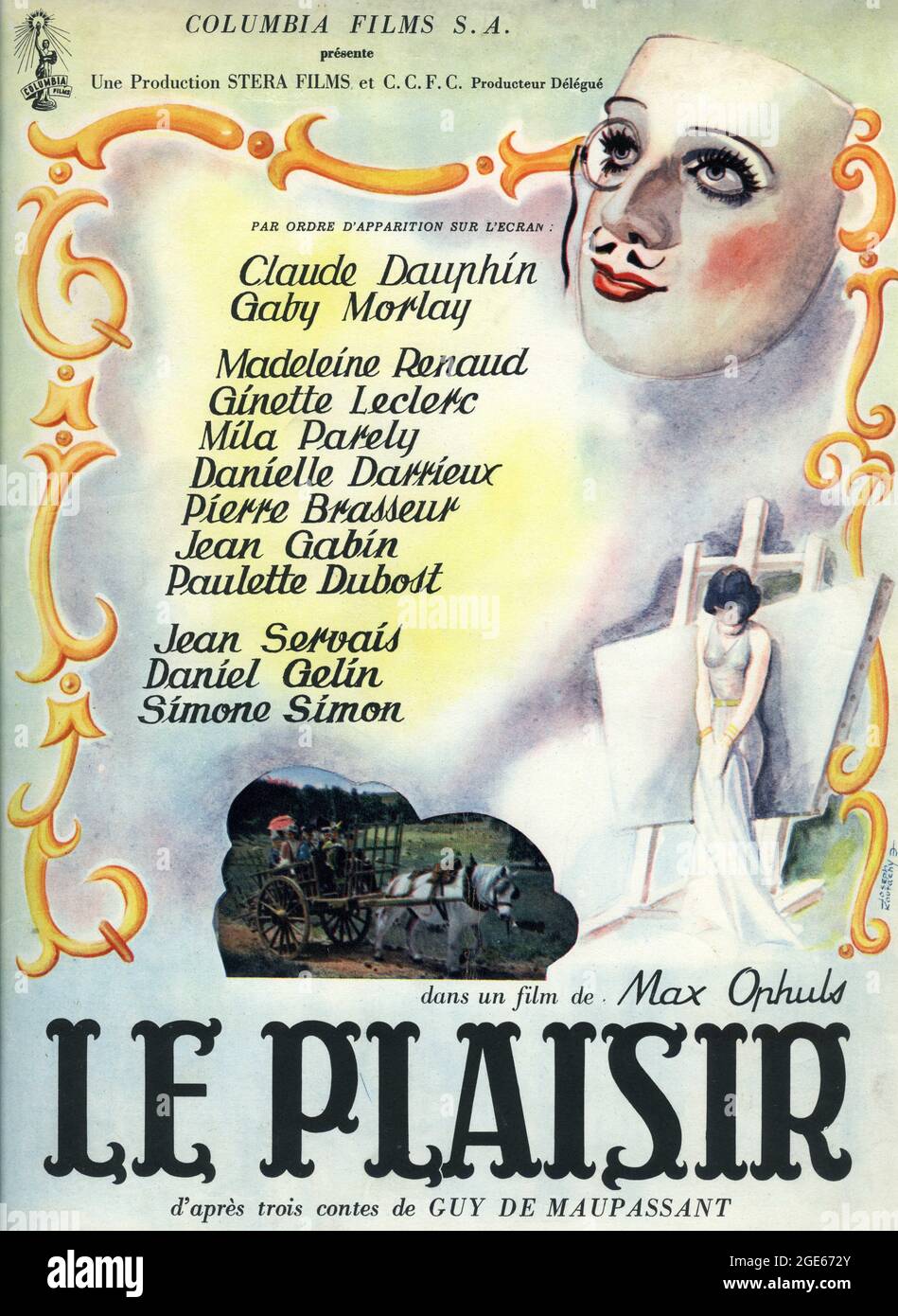
For Ophuls again, she appeared in another Maupassant tale, Le Plaisir (1952), as the model and mistress of an artist whom she forces to marry her out of sympathy when she cripples herself attempting suicide. Simon retired after The Extra Day (1956), a British picture in which she played a French film star.
A few years ago, during the making of the Omnibus TV documentary on Jean Renoir, Simone Simon was asked for an interview. She refused, saying that she did not want to appear on camera as she was “a very old woman”. Perhaps it was a wise decision, as she has left us with a vision of a lovely, young woman.
· Simone Simon, actor, born April 23 1910; died February 22 2005.




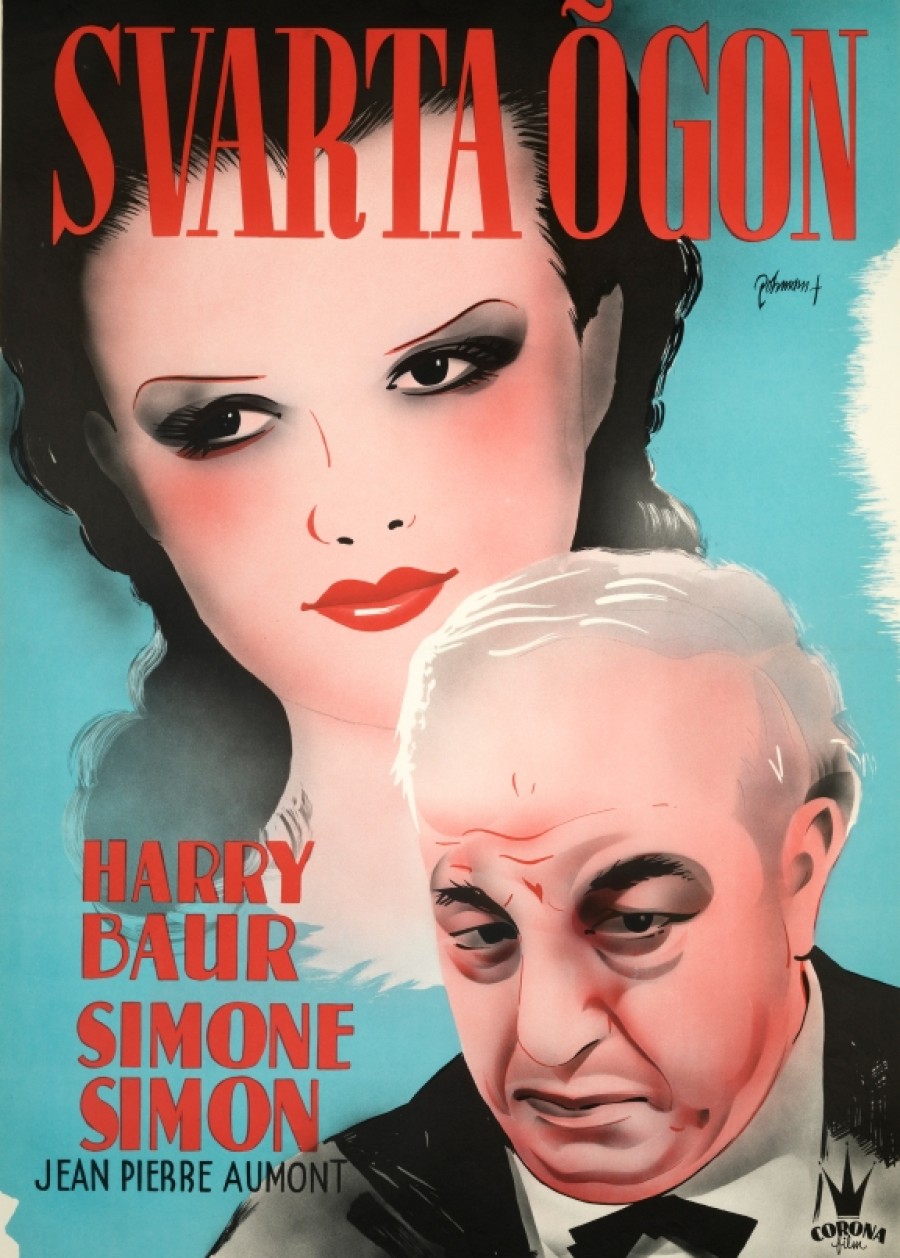
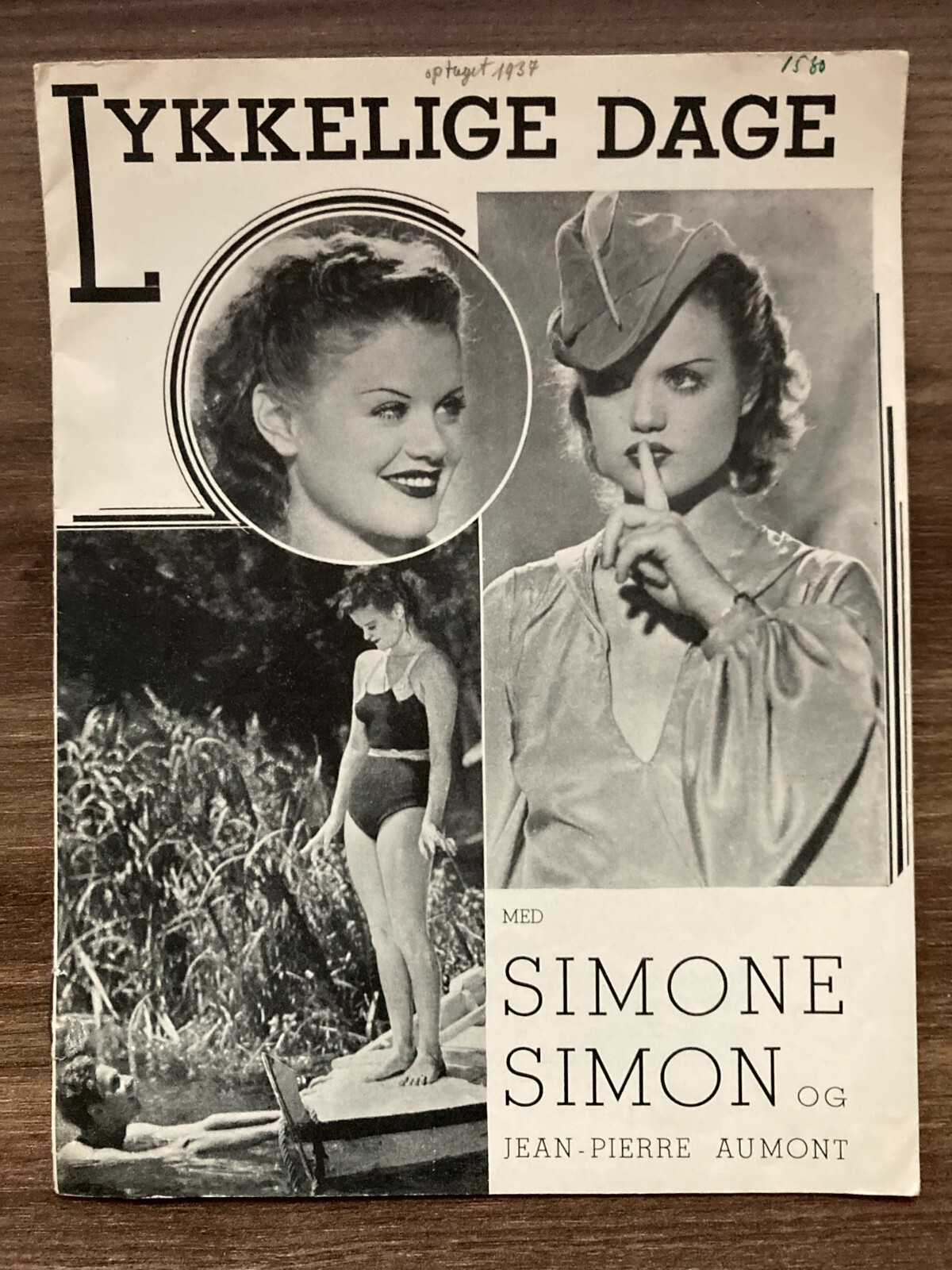





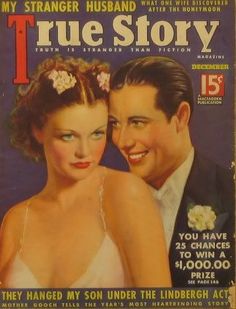
The independent obituary in 2005.
Simone Simon was a delightfully kittenish actress, whose triangular face and gamine figure were often called feline, an appropriate description of an actress whose most famous American film was the classic Val Lewton production Cat People. In her native France, she worked with some of the finest directors, including Renoir and Ophuls, in such films as La Bête humaine, La Ronde and Le Plaisir, and, in the perception of her as a “sex kitten”, she could be described as a precursor of Brigitte Bardot.
Simone Simon, actress: born Béthune, France 23 April 1910; died Paris 23 February 2005.
Simone Simon was a delightfully kittenish actress, whose triangular face and gamine figure were often called feline, an appropriate description of an actress whose most famous American film was the classic Val Lewton production Cat People. In her native France, she worked with some of the finest directors, including Renoir and Ophuls, in such films as La Bête humaine, La Ronde and Le Plaisir, and, in the perception of her as a “sex kitten”, she could be described as a precursor of Brigitte Bardot
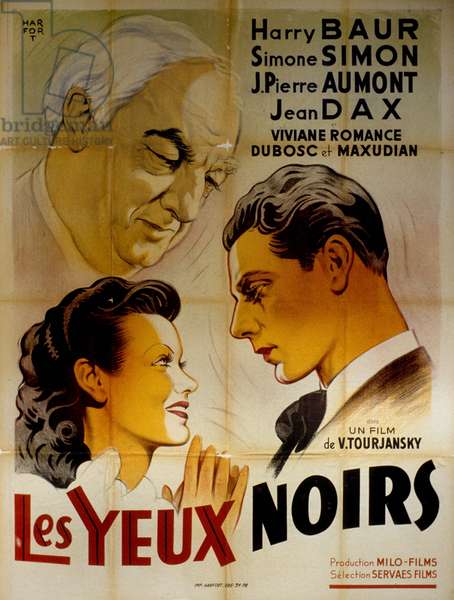
Born in 1910 (or 1911) in Béthune, France, the daughter of a French engineer and an Italian housewife, she grew up in Marseilles. She worked briefly as a singer, model and fashion designer in Paris before making her screen début in Le Chanteur inconnu (“The Unknown Singer”, 1931).
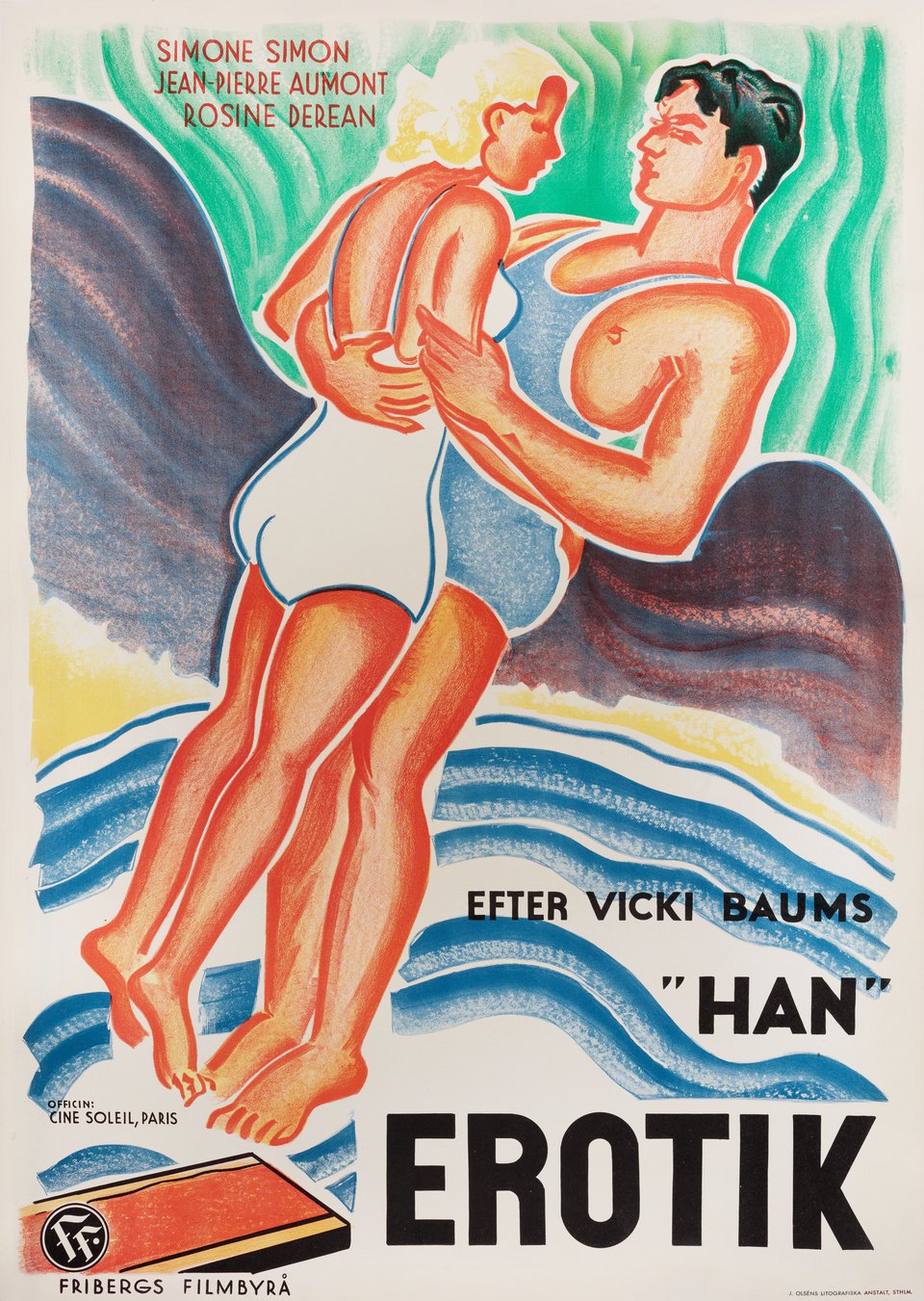
She achieved prominence with her role opposite Jean-Pierre Aumont in Marc Allégret’s lightweight but delicately handled Tyrolean romance Lac aux dames ( Ladies Lake, 1934), adapted by Colette from Vicki Baum’s novel. The film made stars of both Simon and her leading man, and shortly afterwards she was offered a Hollywood contract by Darryl F. Zanuck at 20th Century-Fox, although, as often happened with continental leading ladies, the studio seemed unsure what to do with her.
Her first American film, Girls’ Dormitory (1936), is remembered now mainly as Tyrone Power’s first speaking part. He had just one line, “Can I have this dance?”, addressed to Simon in the final scene, but it provoked such a response from the public that he was propelled to instant stardom. Simon also made an impression, the New York Times critic Frank Nugent suggesting “that Congress cancel a substantial part of France’s war debt in consideration of its gift of her to Hollywood”.
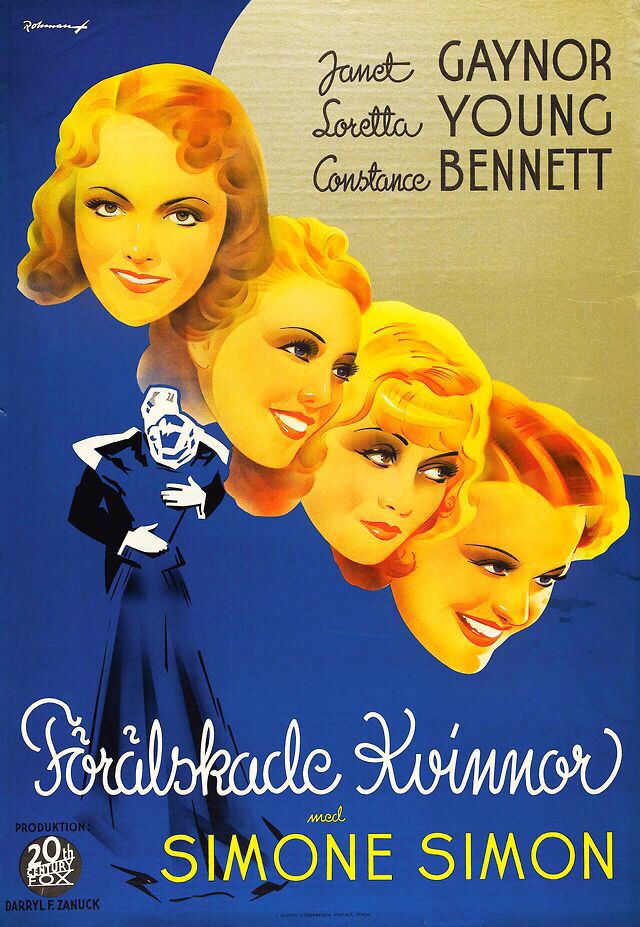
She was one of four girls finding romance in Budapest in Ladies in Love(1936), which had one of the studio’s favourite themes – working girls hiring a lavish apartment to make an impression on boyfriends. A minor comedy, Love and Hisses (1937), was followed by her best role from this period, as the tragic waif of Seventh Heaven (1937), although her leading man, James Stewart, hardly made a convincing Parisian sewer worker, and the film was judged inferior to the 1927 silent version with Janet Gaynor and Charles Farrell.
After Allan Dwan’s amusing but slight comedy Josette (1938), Simon returned to France and made one of her finest films, Renoir’s La Bête humaine (1938) co-starring Jean Gabin. An updated version of Zola’s 1890 novel, it was part of the “poetic realism” cycle of sombre romances that especially characterised the work of Marcel Carné and Julien Duvivier in the 1930s. Its emotionally charged tale, of a train driver who falls in love with the wife of a railwayman that the couple plan to kill, was exquisitely directed, beautifully played by the coquettish Simon and brooding Gabin, and was a huge hit.
Hollywood beckoned again, and she returned with a bewitching portrayal of an unearthly seductress in William Dieterle’s The Devil and Daniel Webster (1941), an adaptation of Stephen Vincent Benét’s fable about a simple farmer who sells his soul to the devil. Simon later confessed she thought the piece “too heavy-handed.
She was then cast in the film for which she is best remembered, as the tragic heroine who turns into a cat when jealous, in Jacques Tourneur’s Cat People (1942). One of the most intelligent and haunting of “B” movies, with two sequences, one set in a swimming pool and the other in a deserted street, that are among the most eerily disturbing ever put on film, it has deservedly become a classic, and was so popular in its day that, despite its brief running time (73 minutes), it often played as the prime attraction.
Declassified records, which became available at the UK Public Records Office in 2002, revealed that during 1942 Simon was watched by the FBI, because she was dating Dusko Popov, a “double agent” who worked for MI5. She gave him a loan of £10,000 late in 1942, before he left for Lisbon, and the couple broke up in 1943, with Simon apparently not recovering the loan
After the great success of Cat People, its producer Lewton was asked to do a sequel with the title The Curse of the Cat People (1944). He eschewed the obvious and with the director Robert Wise made a gripping psychological thriller about a lonely child, with Simon (whose character had died at the end of the previous film) appearing as a friendly spirit. Lewton and Wise had less success with Mademoiselle Fifi (1944), although Simon was agreeably spunky as the brave French laundress of Guy de Maupassant’s story, defying the Prussian invaders of 1870. She later claimed that US censorship harmed the film.
Her other movies in the US were minor, and at the end of the Second World War she returned to Paris, where she made her stage début in Le Square du Pérou (“Peru Square”, 1945). In 1947, she journeyed to the UK to star opposite Robert Newton in Lance Comfort’s powerful Temptation Harbour (1947). Adapted from a story by Georges Simenon, it evoked La Bête humaine in its downbeat tale of a railway worker and a gold-digger.
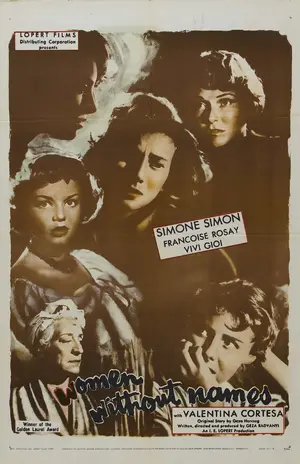
In France, Simon’s work was sporadic but included three notable movies. She and Edwige Feuillère were owners of an 1880s girls’ boarding school in Jacqueline Audry’s controversial Olivia (1950, aka The Pit of Loneliness), which had censor boards outraged at its portrayal of lesbianism. The same year, she was one of several stars in Max Ophuls’s witty version of Arthur Schnitzler’s play depicting love as a bitterly comic merry-go-round, La Ronde, which won the British Film Academy’s Best Film award.
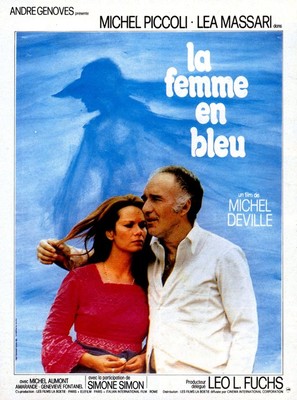
In 1952 she made a second film with Ophuls, Le Plaisir, based on three stories by Maupassant. In the third episode, ” La Modèle“, she was the lovesick model of a philandering artist (Daniel Gelin). When a suicide attempt leaves her crippled, he marries her out of pity, and in the haunting last shot is seen wheeling her along the beach. She returned to the stage in La Courte paille (“The Short Straw”, 1967) and made her last film, La Femme en bleu (“The Woman in Blue”), in 1973.
Tom Vallance
Career Overview and Critical Analysis of Actress Simone Simon
Simone Simon (23 April 1910 – 22 February 2005) was a French film actress whose career bridged the cinemas of Europe and Hollywood from the early 1930s into the 1970s. She is best remembered internationally for her haunting lead role in the classic horror film Cat People (1942) and its sequel The Curse of the Cat People (1944), but her body of work — encompassing French poetic realism, American studio cinema, horror classics, and Max Ophuls’s elegant dramas — reveals a distinctive cinematic presence shaped by her “kittenish,” enigmatic screen persona.
Early Life and Entry into Film
Simone Thérèse Fernande Simon was born in Marseilles, France, to a French father and an Italian mother, but spent much of her childhood moving between Europe and Africa before settling in Paris. Initially pursuing work as a fashion designer, model, and singer, she was discovered by director Victor Tourjansky, winning her first film role in Le chanteur inconnu in 1931.
Her early career in French cinema was quickly distinguished: she rose to prominence with performances in films like Lac aux dames (1934) directed by Marc Allégret, which she later cited as a foundational role that cemented her screen identity.
Critical Point
Simon’s early French work established her as an actress of alluring mystery and poise, often cast as an enigmatic or seductive figure — qualities that became hallmarks of her screen persona throughout her career.
Hollywood Transition and Struggles (Mid‑1930s)
Drawn to Hollywood by Darryl F. Zanuck and signed by 20th Century Fox in 1935, Simon arrived amid a major publicity campaign, billed as “Europe’s Sweetheart.”
She made her American film debut with Girls’ Dormitory (1936), a romantic drama that won her attention but did not translate into sustained star status. Several high‑profile projects — including A Message to Garcia and Under Two Flags— faltered due to production issues, replacement, or studio dissatisfaction, partly linked to her heavy French accent and unfamiliarity with the Hollywood system.
Despite the substantial marketing behind her arrival, Simon’s early Hollywood period was marked by sporadic success, inconsistent roles, and frustrations that prevented her from achieving major American stardom.
Return to France and Renaissance (Late 1930s)
Unhappy with Hollywood and eager for artistically gratifying work, Simon returned to France in the late 1930s and delivered what would become one of her critically lauded performances in Jean Renoir’s La Bête Humaine (1938), based on Émile Zola’s novel.
In this film, she played Séverine Rubaud, a complex character whose predatory allure and psychological depths gave Simon an opportunity to move beyond the ingenue typecasting of her early career.
Critical Commentary
Renoir’s praise for her role reflected Simon’s capacity for layered performance — balancing innocence, sensuality, and inner turmoil — qualities that elevated her beyond mere screen beauty into dramatic substance.
Val Lewton, Cat People, and Cult Classic Status (1940s)
With the outbreak of WWII, Simon returned to Hollywood, this time signing with RKO Radio Pictures and achieving her most enduring fame in genre cinema:
- The Devil and Daniel Webster (1941) — as the demonic temptress Belle.
- Cat People — as Irena Dubrovna, a Serbian bride haunted by a feline curse.
- The Curse of the Cat People (1944) — reprising her character in a more wistful, ghostly variation.
While contemporary reviewers were mixed — and some critics suggested she relied too much on “kittenish” mannerisms in Cat People — the film has since become a cult classic and is widely regarded as one of the most atmospheric horror films of the era.
Critical Analysis
Simon’s performance in Cat People is remarkable not for grand theatrics but for its subtle restraint and psychological ambiguity. Her portrayal relies on expressive facial micro‑movements, nuanced body language, and an undercurrent of repressed desire and fear — qualities that became part of the film’s lingering effect and contribute to its enduring status. While some early critics saw limitations in expressiveness, later assessments recognize her as integral to the film’s psychological horror aesthetic.
International Art Cinema and Later French Career (1950s–1970s)
After WWII, Simon returned permanently to Europe and appeared in films that showcased her maturity as an actress:
- Max Ophuls’s La Ronde (1950) — playing a seductive chambermaid in a series of linked romantic vignettes that examined class and desire.
- Le Plaisir (House of Pleasure) (1952) — adapting de Maupassant’s tales of love and betrayal.
Her last screen appearance was in La Femme en Bleu (1973), marking a career spanning four decades but with noticeably fewer high‑profile parts after the mid‑1950s.
Critical Point
In these post‑war art films, Simon moved beyond genre typecasting into roles requiring depth, sexual complexity, and dramatic nuance. Despite fewer leading roles, her work with directors like Ophuls reaffirmed her stature as an international cinema actress rather than a Hollywood commodity.
Screen Persona and Artistic Legacy
Feline Charm and Screen Identity
Simon’s screen image — often described as “feline,” kittenish, or imbued with enigmatic sensuality — was consistently used by both European and American filmmakers. This persona, while sometimes limiting her range in Hollywood, became an aesthetic asset in atmospheric films like Cat People, where ambiguity and simmering sexuality were central to the narrative.
Transnational Career
Unlike many actors of her era who remained in one national cinema, Simon straddled French poetic realism and American studio film, contributing meaningfully to both. Her work in French classics like La Bête Humaine and in genre cinema underscores a versatility that resists simple categorization.
Constraints and Typecasting
Her career also exemplifies the tension between image and substance: Hollywood’s emphasis on her look and exotic appeal often overshadowed her dramatic potential, while language barriers and studio politics limited access to richer leading roles.
Overall Critical Assessment
Artistic Strengths:
- A uniquely expressive screen presence that combined innocence, sensuality, and psychological depth.
- Ability to convey complex inner life with subtle gestures and voice work rather than overt dramatics.
- Success in both art cinema and genre film, contributing to lasting cult and critical interest.
Limitations:
- Hollywood period marked by miscasting and underuse of her talent.
- Typecasting as femme fatale/“cat‑like” presence limited opportunities for a broader range of characters.
- After WWII, fewer starring roles despite artistic achievements in European cinema.
Historical and Cinematic Significance
Simone Simon stands as a transitional figure between European poetic cinema and classic Hollywood genre filmmaking. Her work in Cat People — particularly — has become emblematic of how mood, suggestion, and psychological performance can define a film’s legacy as much as plot or spectacle. Across French and American films, her screen presence contributed to evolving representations of women who are mysterious, sexually ambivalent, and psychologically layered, prefiguring later cinematic archetypes in noir and horror.
Selected Key Films
- Le chanteur inconnu (1931)
- Lac aux dames (1934)
- La Bête Humaine (1938)
- Girls’ Dormitory (1936)
- The Devil and Daniel Webster (1941)
- Cat People (1942)
- The Curse of the Cat People (1944)
- La Ronde (1950)
- Le Plaisir (1952)
- La Femme en Bleu (1973)
Summary:
Simone Simon’s acting career reflects a remarkable blend of transnational cinema, evocative screen persona, and under‑recognized depth. Though constrained at times by studio politics and typecasting, her performances in both art‑house and genre film — especially in French cinema and RKO horror — demonstrate a singular ability to evoke atmosphere, complexity, and psychological intrigue that continues to fascinate critics and film lovers alike.
persona.
| Year | Film | Country/Industry | Role Type | Acting Qualities / Critical Notes |
|---|---|---|---|---|
| 1931 | Le chanteur inconnu | France | Supporting | Early screen debut; introduced charm and presence; exploratory stage-like gestures |
| 1934 | Lac aux dames | France | Lead | Poetic realism; nuanced expressions; emotional subtlety and romantic tension |
| 1936 | Girls’ Dormitory | Hollywood | Lead | Studio-driven “European charm”; limited emotional range; emphasized beauty and freshness |
| 1938 | La Bête Humaine | France | Lead (Séverine) | Complex, morally ambiguous; internalized tension; dramatic depth praised by Renoir |
| 1941 | The Devil and Daniel Webster | Hollywood | Supporting | Exotic/femme fatale; restrained gestures; presence over psychological nuance |
| 1942 | Cat People | Hollywood | Lead (Irena) | Iconic suspense/horror role; controlled tension, subtle fear and sexuality; cult classic |
| 1944 | The Curse of the Cat People | Hollywood | Lead (Irena) | More wistful, ethereal; nuanced emotion under studio constraints; reinforced enigmatic persona |
| 1950 | La Ronde | France | Supporting (chambermaid) | Sexual sophistication; elegant timing; refined comic and romantic interplay (Ophuls) |
| 1952 | Le Plaisir | France | Supporting | Dramatic subtlety; narrative integration; depth and maturity in character interpretation |
| 1973 | La Femme en Bleu | France | Lead | Late-career European drama; understated emotional depth; reflective and mature performance |