

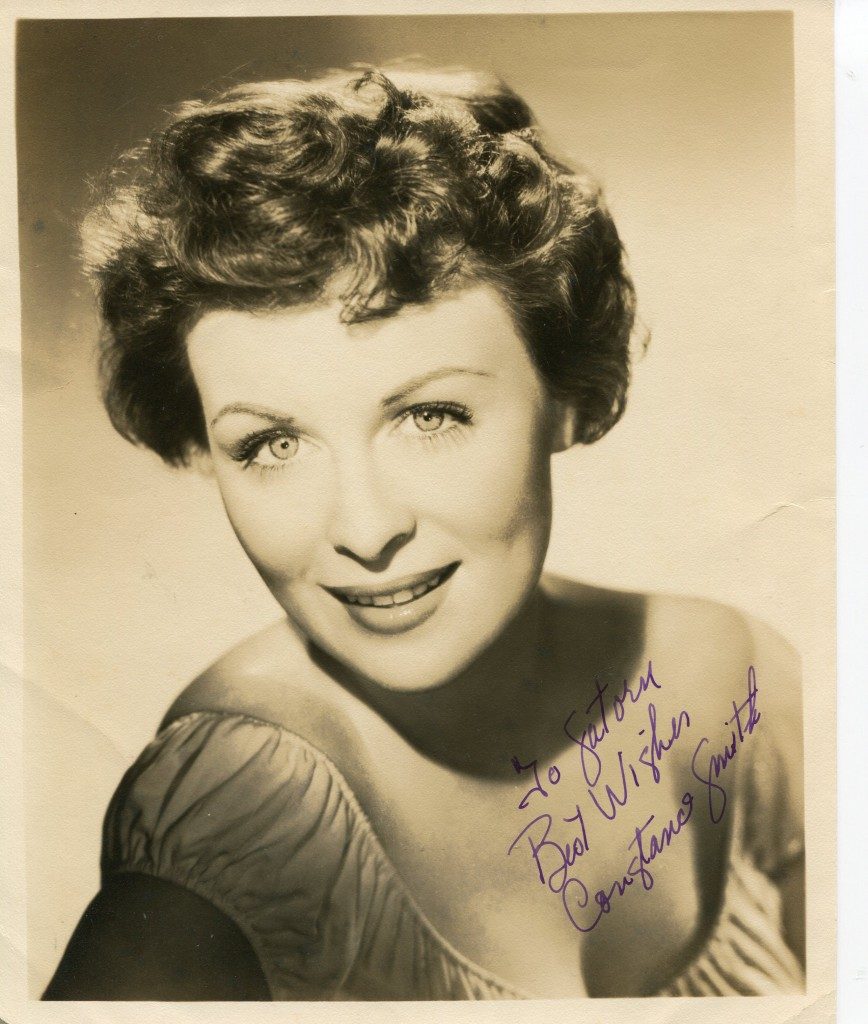
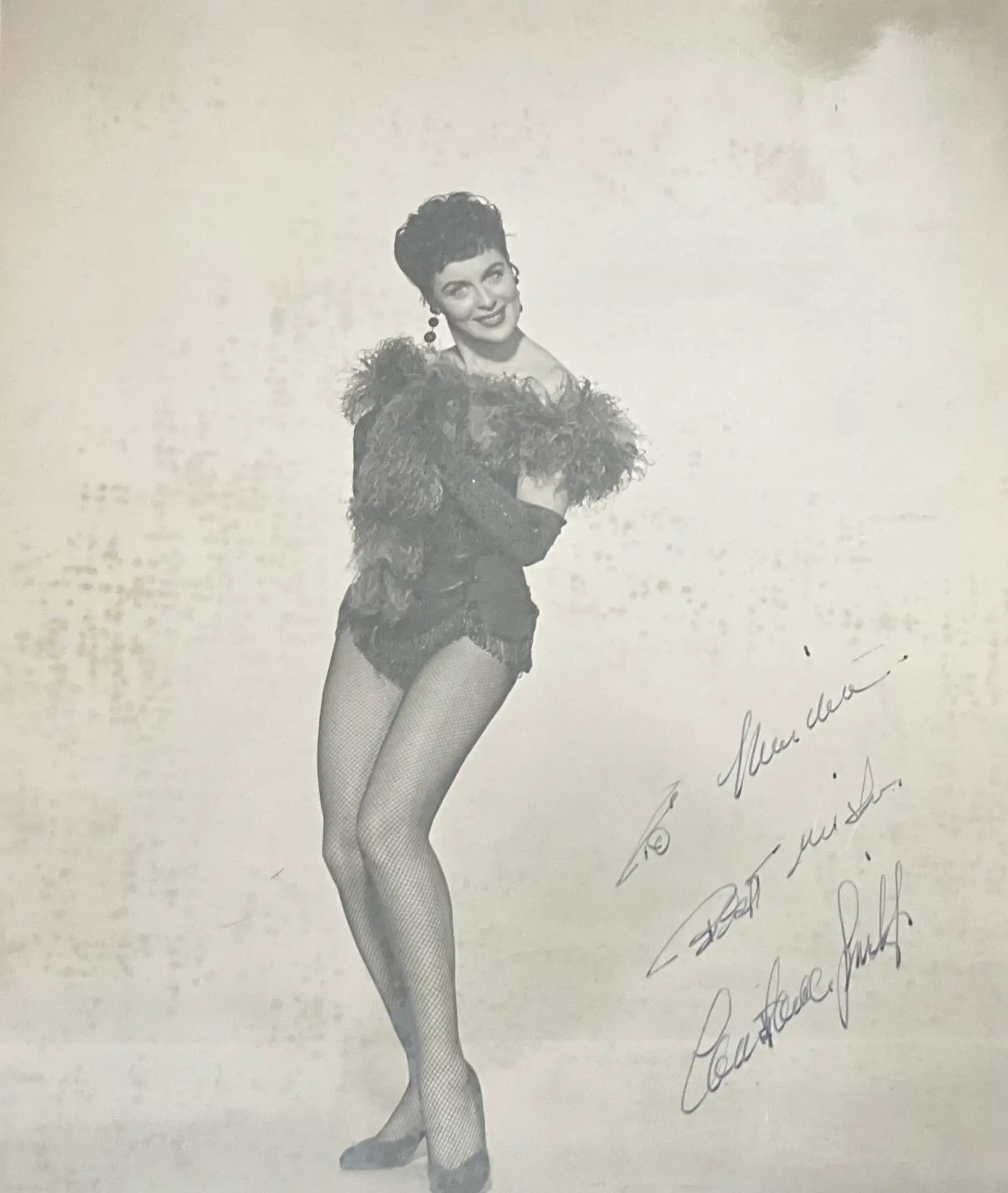
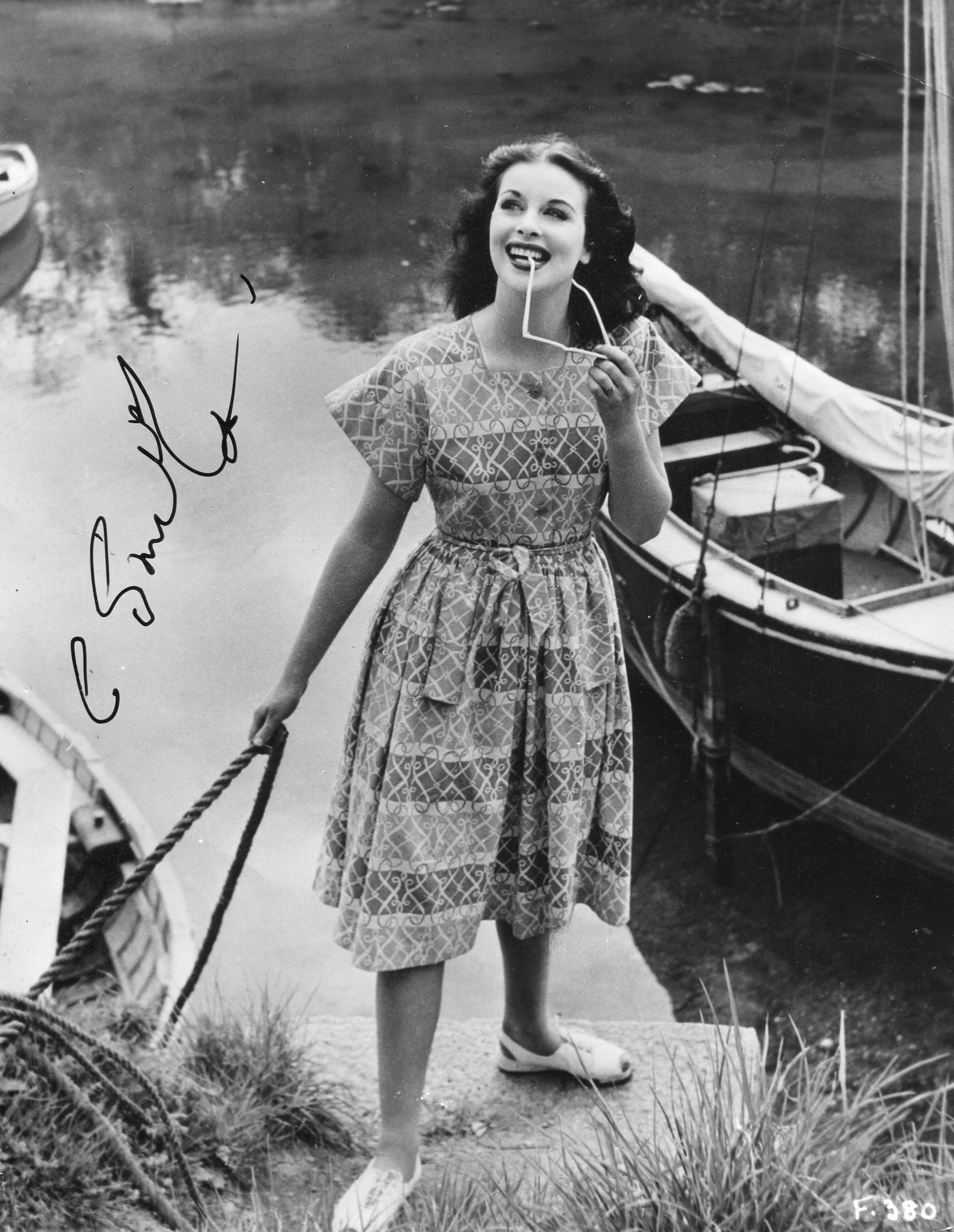
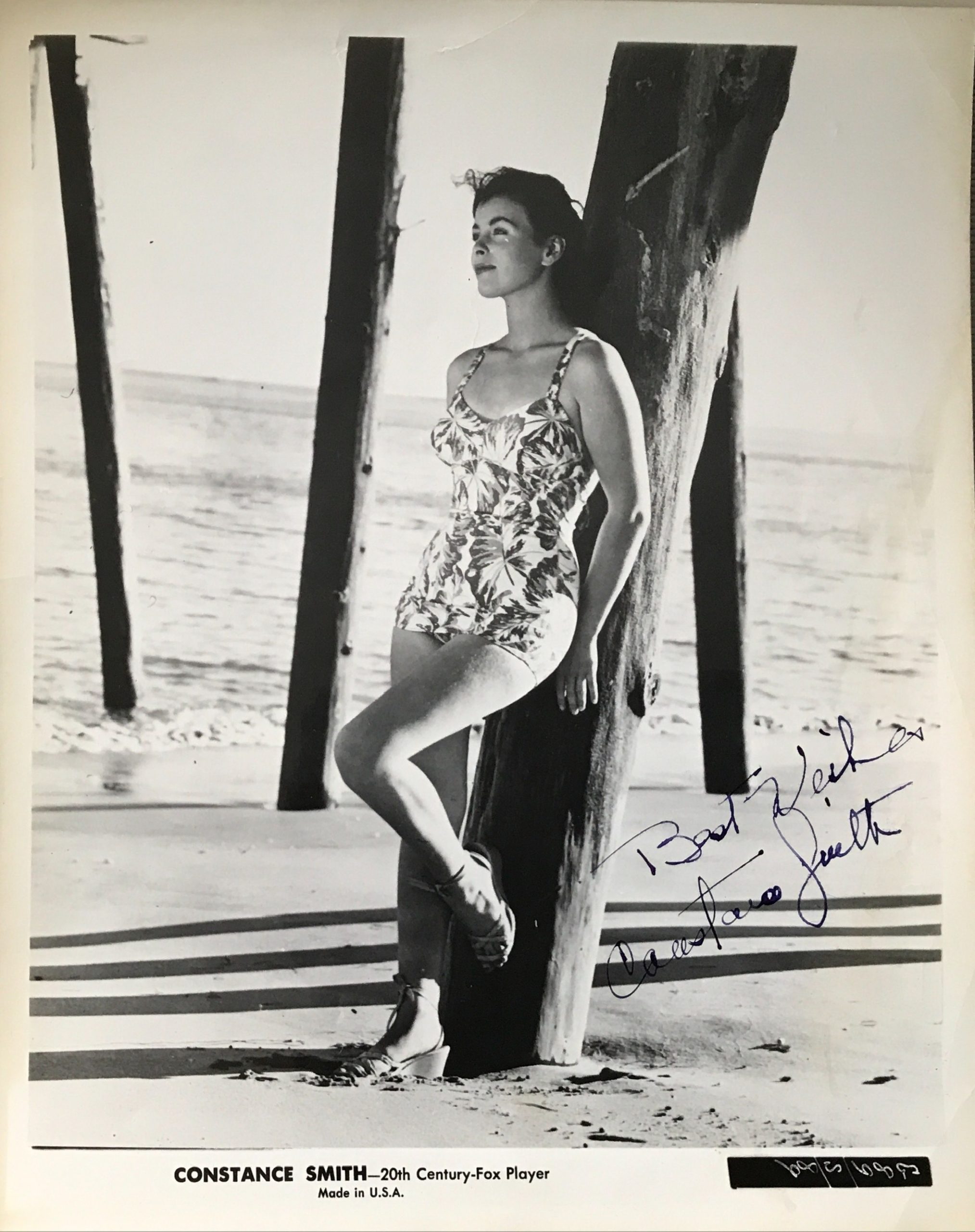
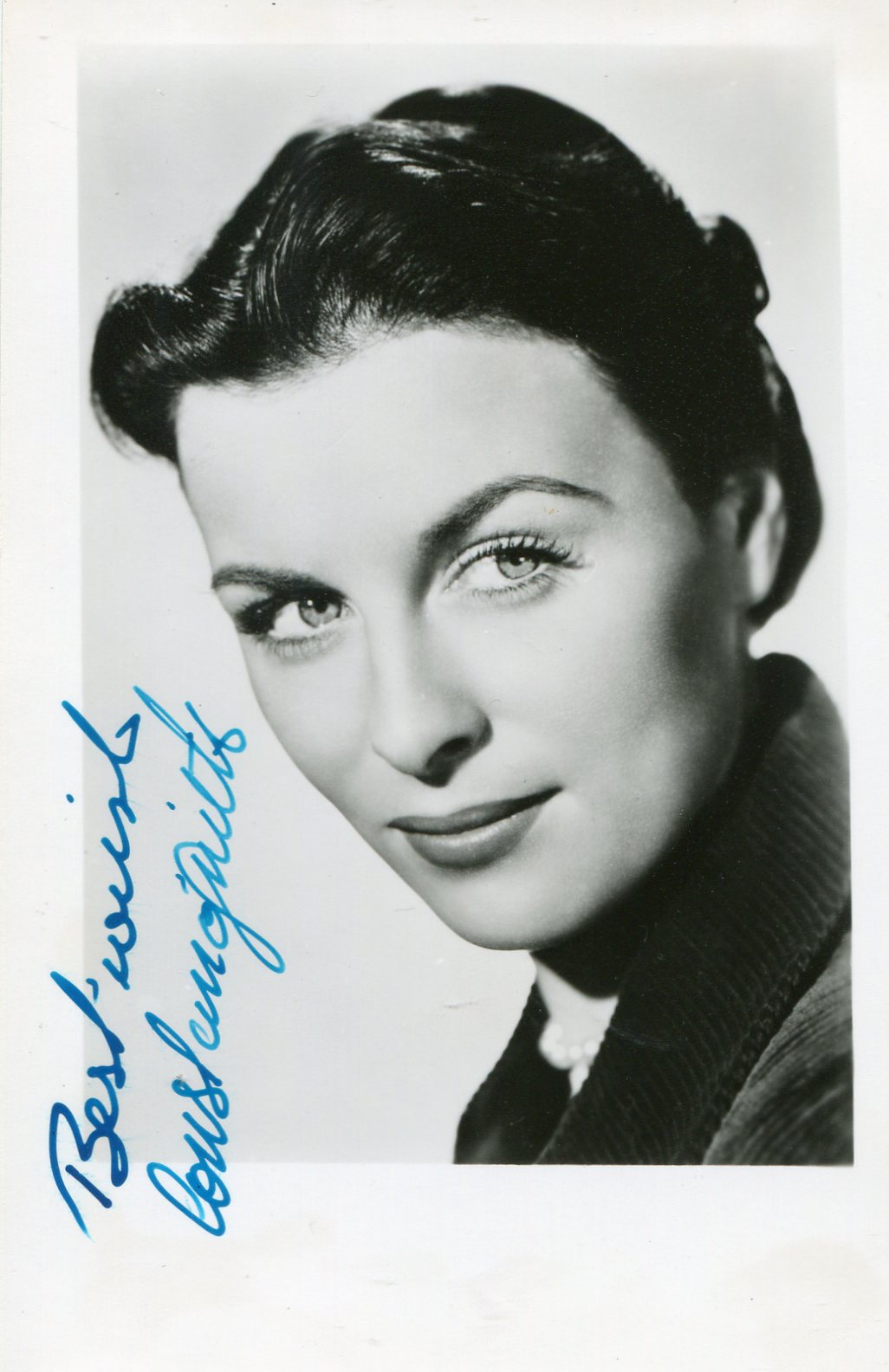
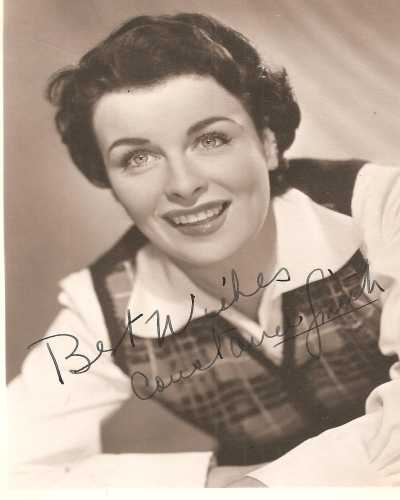
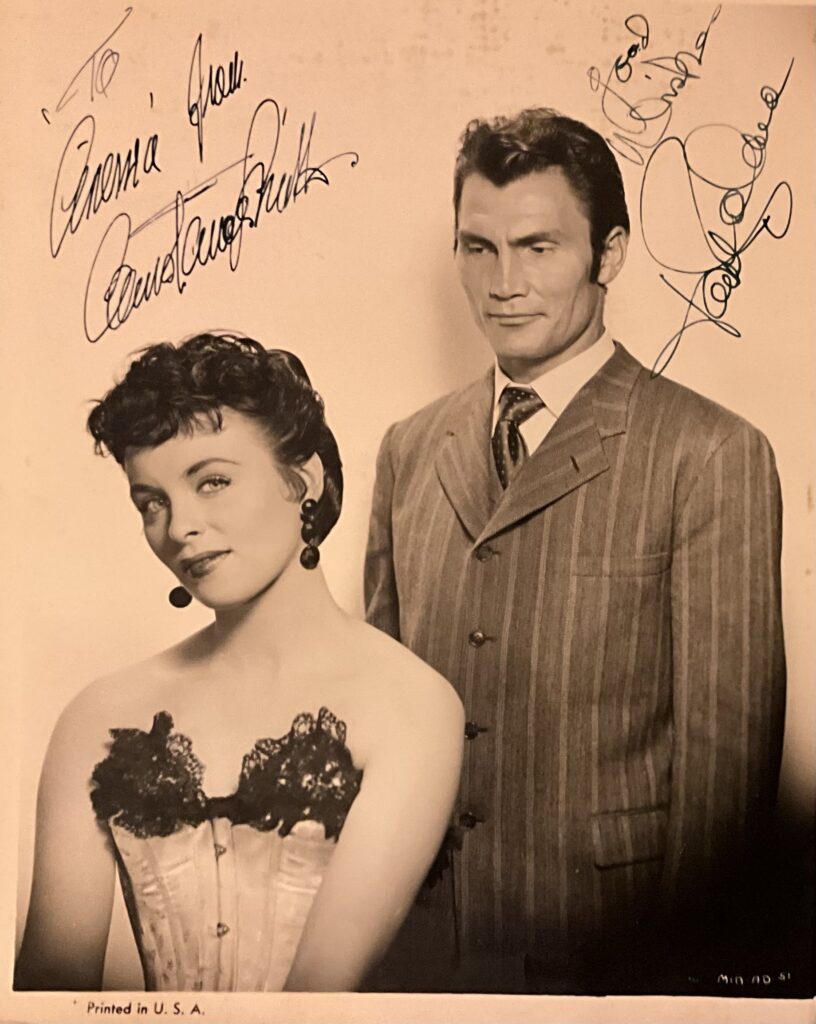
CONSTANCE SMITH “IRISH POST” ARTICLE.
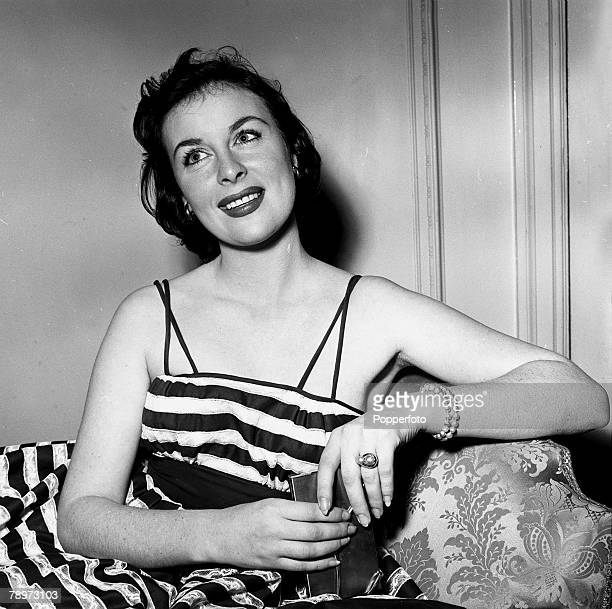
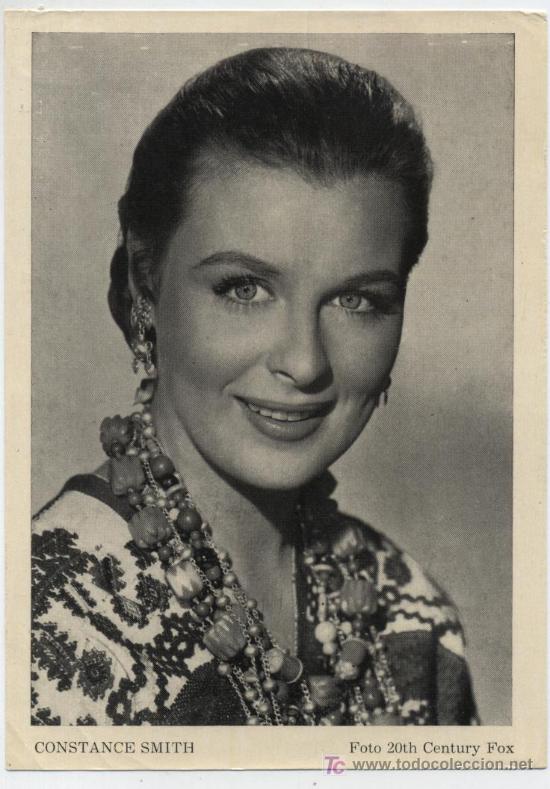
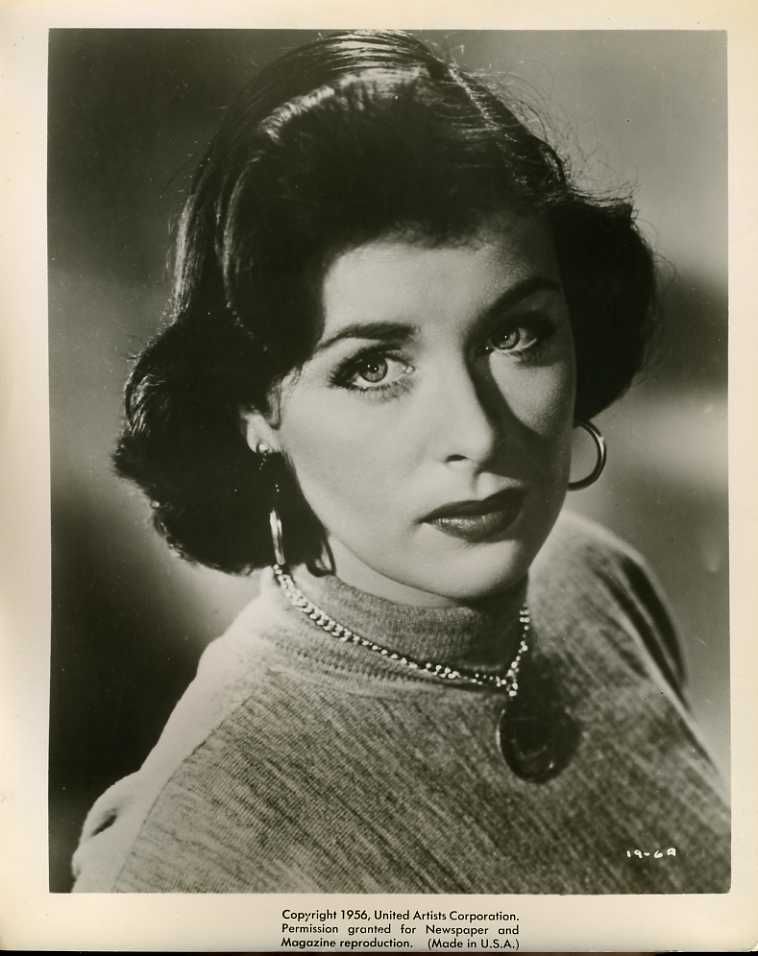
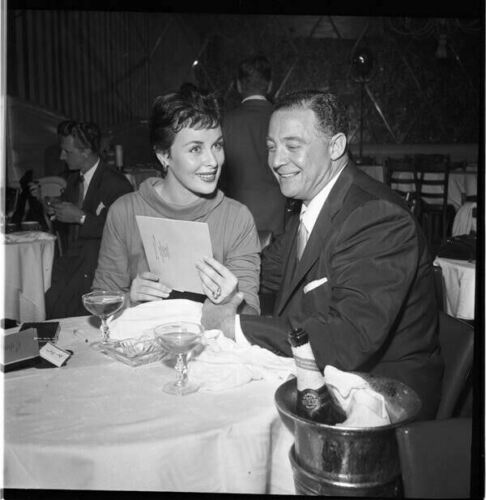
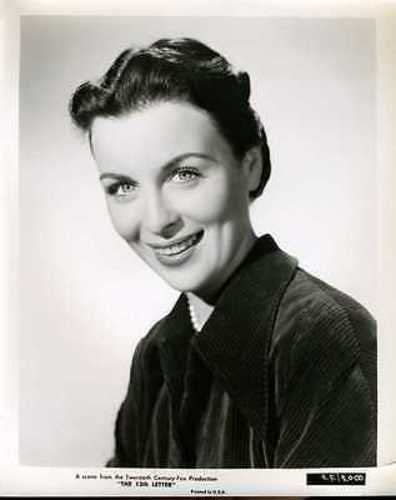
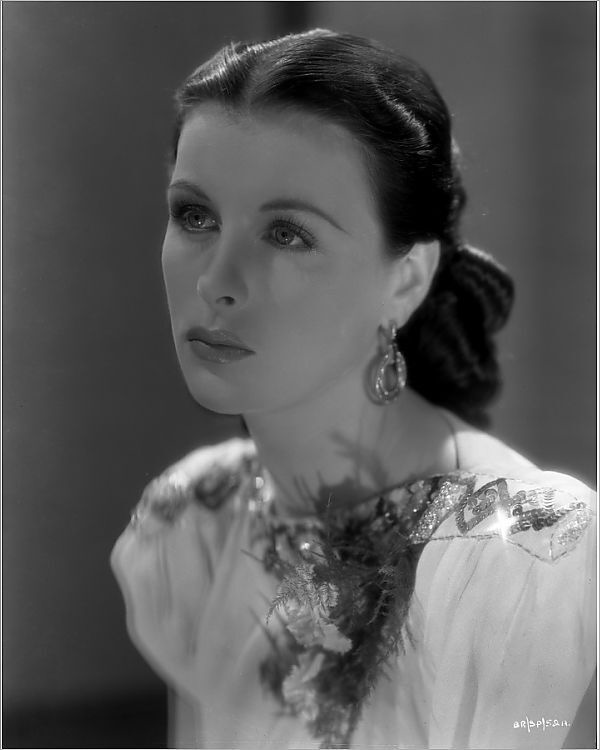
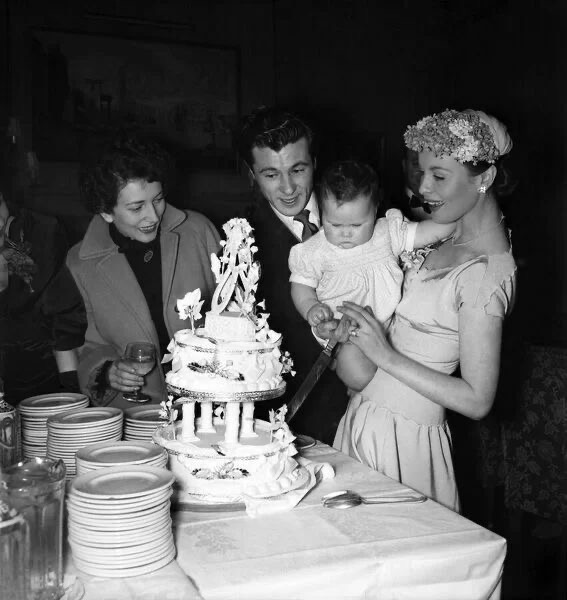
Dubbed the ‘new Grace Kelly’, Irish actress Constance Smith was a big-screen starlet before drink and drug addiction led her to an impoverished death 10 years ago. As a fusion of dark beauty queen, femme fatale and flawed heroine, Smith was a film performer whose own life might have served the plot of a lush fifties melodrama, say one directed by Douglas Sirk.
Constance who?
People might wonder if they’ve either forgotten her name or never even heard of her, but in the 1950s she was a promising Hollywood newcomer to the Fox studio and presented an award at the 1952 Oscars, a responsibility that carries the peer respect of the film industry. She was born impoverished in Limerick city, in 1928 and last month marked 10 years since her death, in London, almost penniless and almost completely forgotten.
Despite this, Smith’s lifetime experiences almost reflected the arc traced by any memorable movie character or story protagonist. Talk about ups and downs. Smith followed a path from poverty to celebrity to notoriety to obscurity. As a young actress she was, for a short period, the special muse of Darryl F. Zanuck, invited and initially welcomed into the rarefied air of Hollywood.
As an older woman she was, for a short period, the special guest of Her Majesty, imprisoned for knifing her husband in a drunken domestic dispute. The husband, maverick documentary maker Paul Rotha, escorted her to the prison gates and met her there on her release. Smith and Rotha then remained a couple, on and off, for decades until his death.
But Smith’s dusky sexual allure always had a bewitching effect on her men. She had three husbands, including one who was the son to an Italian Fascist senator, who regarded his daughter-in-law as a shoeless Irish peasant. More significantly, she married Bryan Forbes, the challenging British film-maker who madeWhistle Down the Wind (1961) and The L-Shaped Room (1962).
Forbes witnessed first-hand how the studio system first supported then crushed Smith in her Hollywood career, and it’s tempting to imagine that some of what he saw influenced his dystopian sci-fi drama The Stepford Wives (1975).
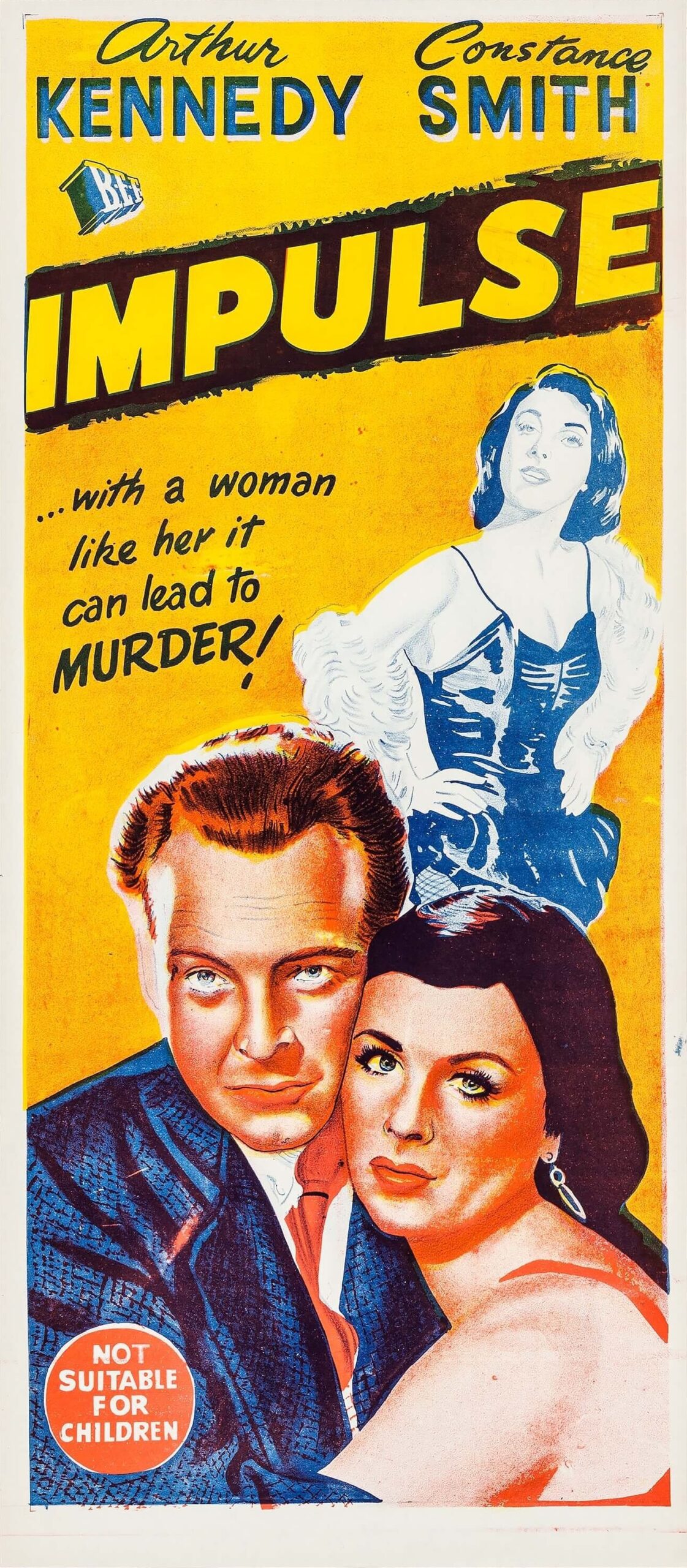
Having been first cosseted by Zanuck and the Fox studio, Smith was summarily dumped. Fox had forced her into an abortion and tried, unsuccessfully, to make her change her name. Forbes later wrote: “When the blow fell… the Hollywood system allowed of no mercy. She was reduced to the status of a Hindu road sweeper.” The difficulty for Smith was making her mark in American cinema when Irish performers were thought suited to mildly-exotic, fiery or fantastical roles, rather than the darker, sultry ones that fitted her looks. Yet with Jack Palance in Man in the Attic (1951) and in Impulse (1957), she showed signature noir-like qualities. Palance once called her the “Dublin Dietrich”. Elsewhere she was dubbed “an intelligent man’s Elizabeth Taylor” and she was frequently termed the new Maureen O’Hara or Grace Kelly. Smith originally earned her chance in movies by winning a Hedy Lamarr look-a-like competition and perhaps her acting development was hindered by constant comparisons to established figures. Later, when she fell out of the limelight and into drink and drugs addiction,
she worked as a cleaner and workmates remarked that she looked familiar but they couldn’t place her. “It seems regrettable that Constance Smith should have been so completely forgotten given that she was once, if briefly, a Hollywood star,” observes Ruth Barton, film scholar and author of Acting Irish in Hollywood.
It’s to Barton’s credit that she does the proper work of an historian, which is to retrieve from the past those details that make us rethink what we believe we know. How few of us knew there was an Irish film figure of such intrigue? We might nowadays recall Smith’s name with the likes of O’Sullivan, O’Hara and Kelly, had her fortunes not turned so sour. In Emeralds in Tinseltown, Steve Brennan and Bernadette O’Neil’s glossy span of the Irish influence upon Hollywood, the authors relegate Smith to the also-rans section. Barton, meanwhile, rescues her from the dustbin of history.
But while we should remember Constance Smith, we should not pity her. While perhaps we should mourn her as a faded talent, we should not patronise her as a tragic victim. Instead, she was a survivor, even an inspiring one, who found some success in a most demanding field, absorbing the blows as best she could when the sinister side of that success turned upon her.
Perhaps Hollywood was over-subscribed with dark-haired beauties in the forties and fifties, when Dorothy Lamour, Jane Russell, Gene Tierney and Ava Gardner literally dominated the scene.
Certainly we should not see Constance Smith as tragic merely because she lost her fame, a phenomenon that’s often a hollow reed. What’s sad is that she never fully realised her potential as a drama performer, even while her own life was so dramatic.
She was not quite right for those flamboyant, flame-haired roles played by Maureen O’Hara or the pristine, ice-queen personas of Grace Kelly. She was more a Scarlett O’Hara type, who rolled with the punches as her world crumbled around her, and lived by the mantra that “tomorrow is another day
DICTIONARY OF IRISH BIOGRAPHY:
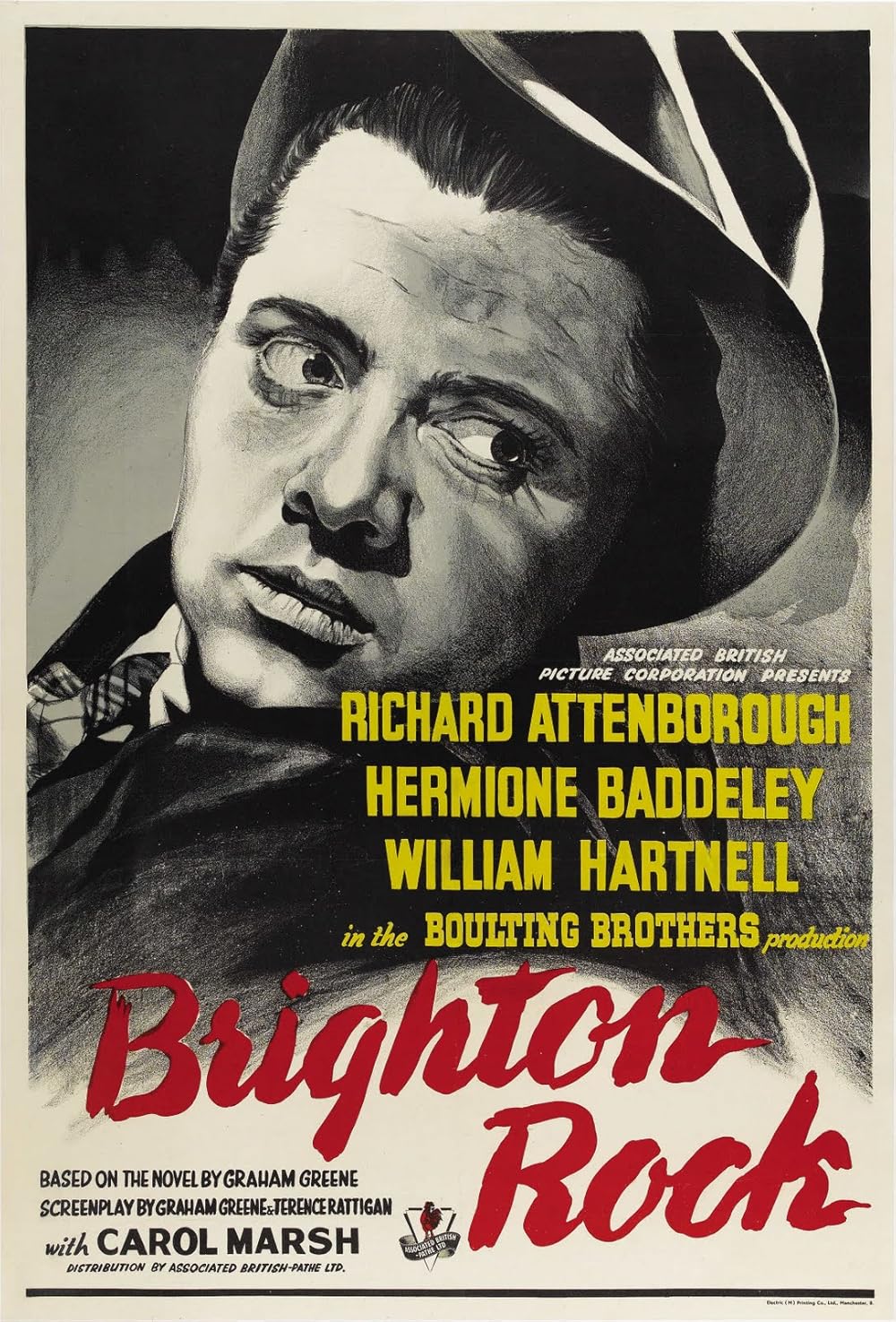
Constance Mary (1928–2003), actor, was born in January or February 1928 in Limerick. Her father, a Dublin native who had served in the British army during the first world war, was working on construction of the Ardnacrusha power station; her mother Mary was from Limerick. On completion of the station in 1929 the family moved to Dublin; her father died soon thereafter. One of seven or eight children, Constance was reared in extreme poverty in a one‐room flat in Mount Pleasant Buildings, Ranelagh, and was educated at St Louis convent primary school, Rathmines. She worked in a local chip shop, an O’Connell Street ice‐cream parlour, and as a domestic servant. A blue‐eyed brunette, strikingly beautiful from a young age, in January 1946 she won a special prize in the Dublin film star doubles contest (as Hedy Lamarr), on foot of which she was screen-tested by the Rank Organisation, and signed to a seven‐year contract. Moving to London, she was groomed in etiquette, poise, and acting technique in the Rank acting school (the so‐called ‘charm school’). She first appeared on screen in an uncredited, but eye‐catching role, as a cabaret singer in the underworld classic Brighton rock (1947); she was engaged for a time to the film’s director, John Boulting. Though never cast in a Rank film, she appeared in several independent productions, including Room to let (1950), as the daughter of a landlady whose mysterious new tenant turns out to be Jack the Ripper. About 1950 she was sacked by Rank, supposedly for objecting to criticism of her Irish accent; she also resisted the studio’s efforts to change her name.
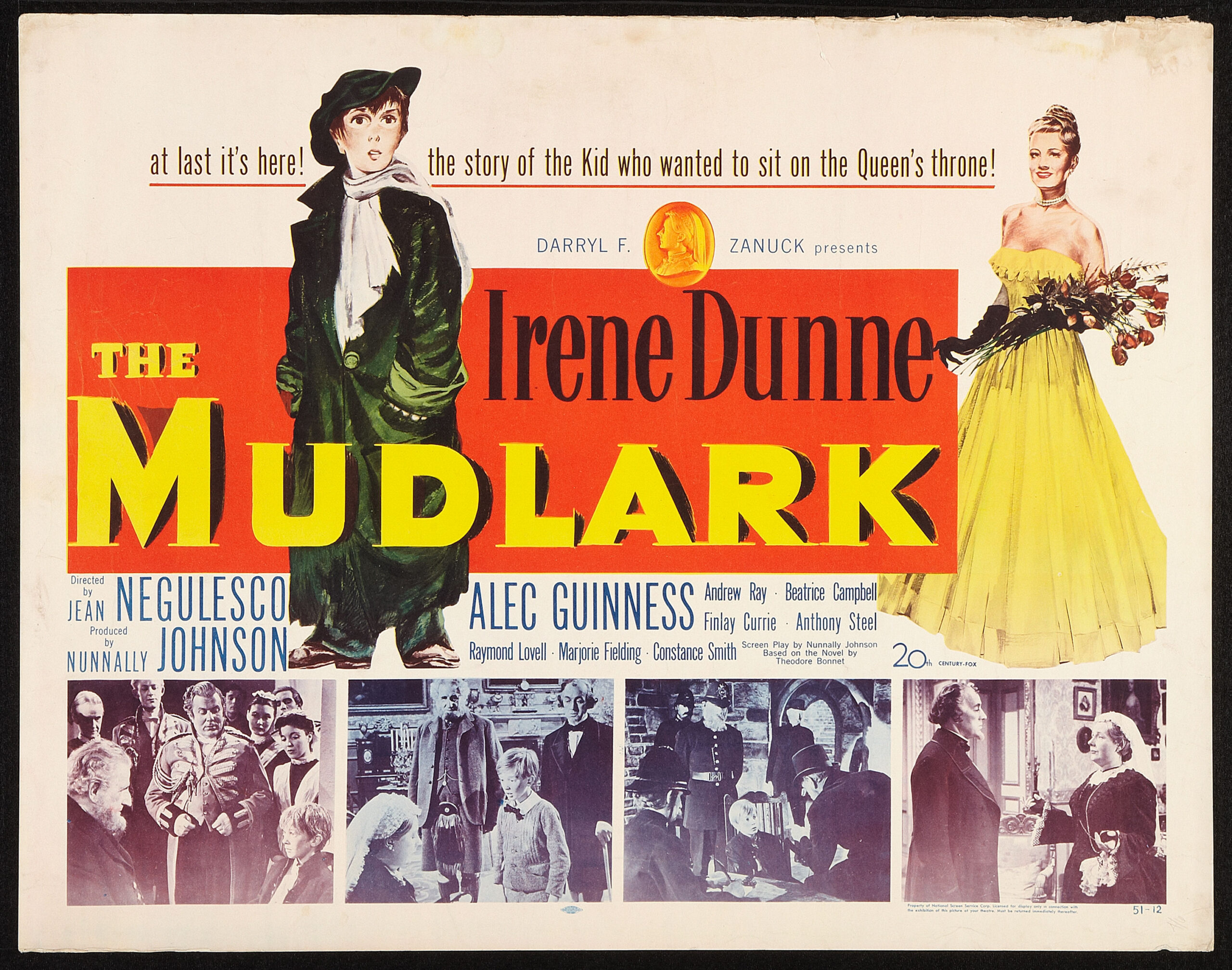
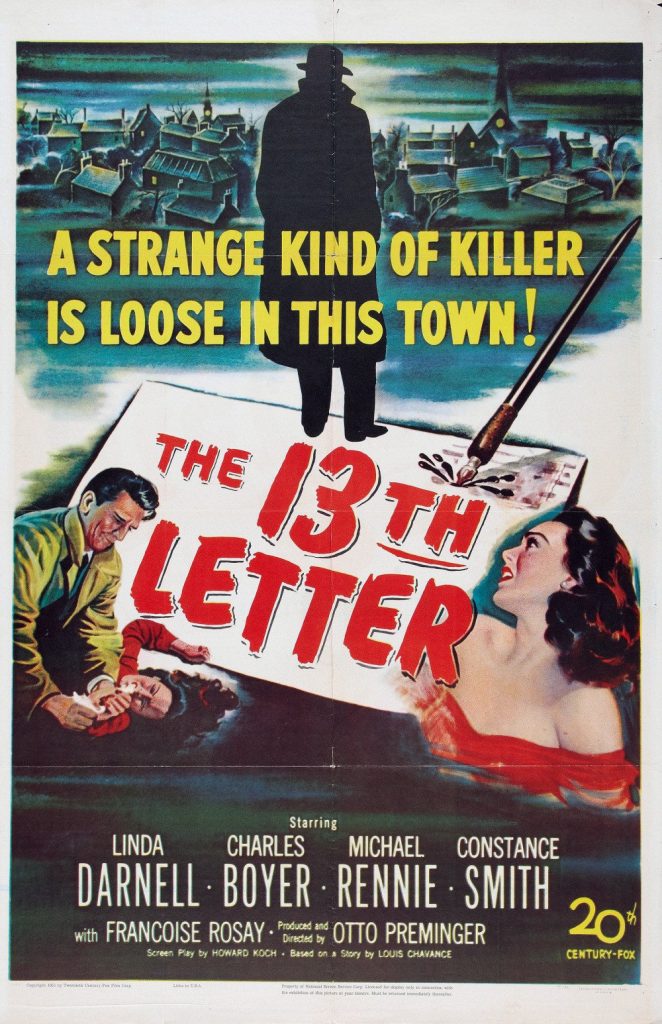
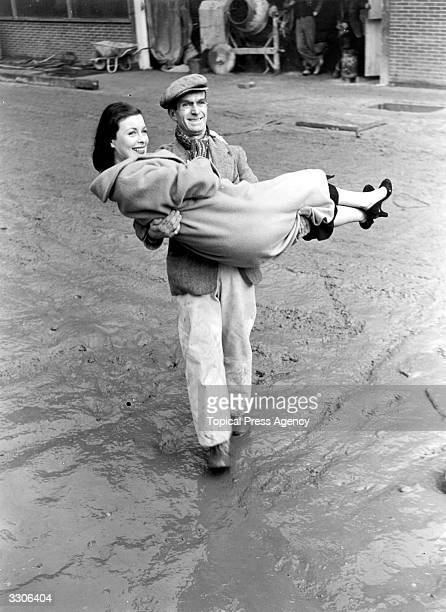
Her vivacious performance as an Irish maid in The mudlark (1950) attracted the attention of Darryl Zanuck, head of production at Twentieth Century Fox, who signed her to a seven‐year contract, and vigorously promoted her as his Emerald Isle discovery. En route to Hollywood, she worked on location in Canada in Otto Preminger’s impressive film noir The 13th letter (1951), as the wife of a hospital doctor (played by Charles Boyer) in a small Québec village, who is suspected, on the basis of poison‐pen letters, of an adulterous involvement with a newly arrived English doctor (played by Michael Rennie). Cast in a coveted role opposite Tyrone Power in The house in the square (1951), she returned to London for filming, but was soon embroiled in studio politics, and uncomfortable in a part too demanding for her experience and skills. After six weeks on set she was abruptly dropped, her role was recast, and her scenes re‐shot.
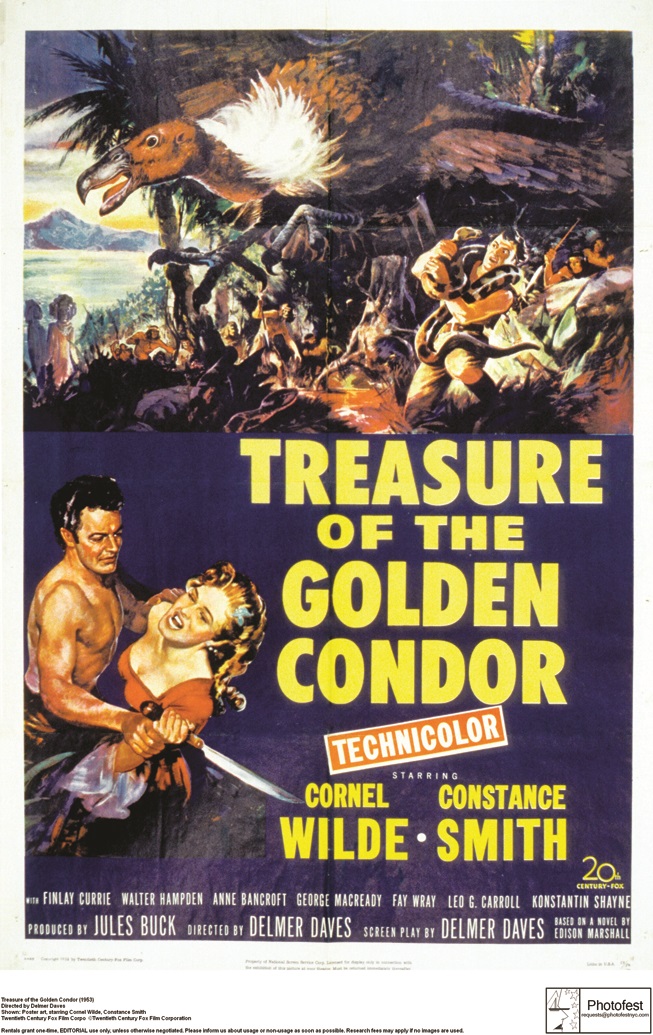
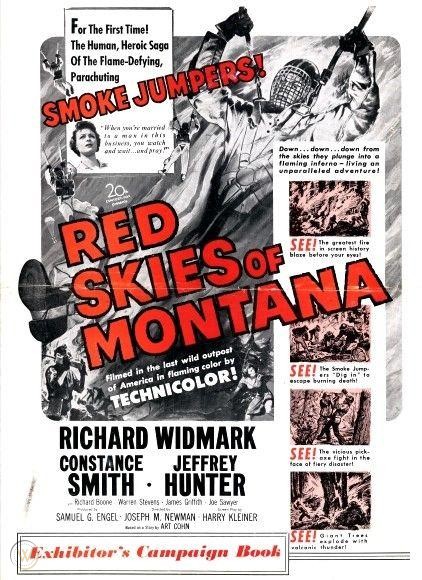
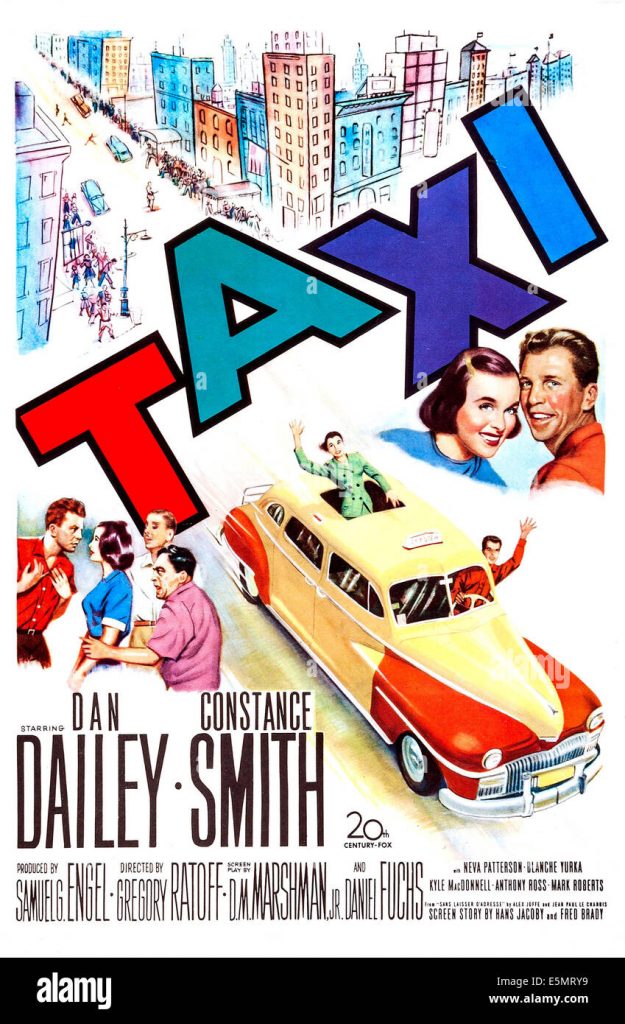
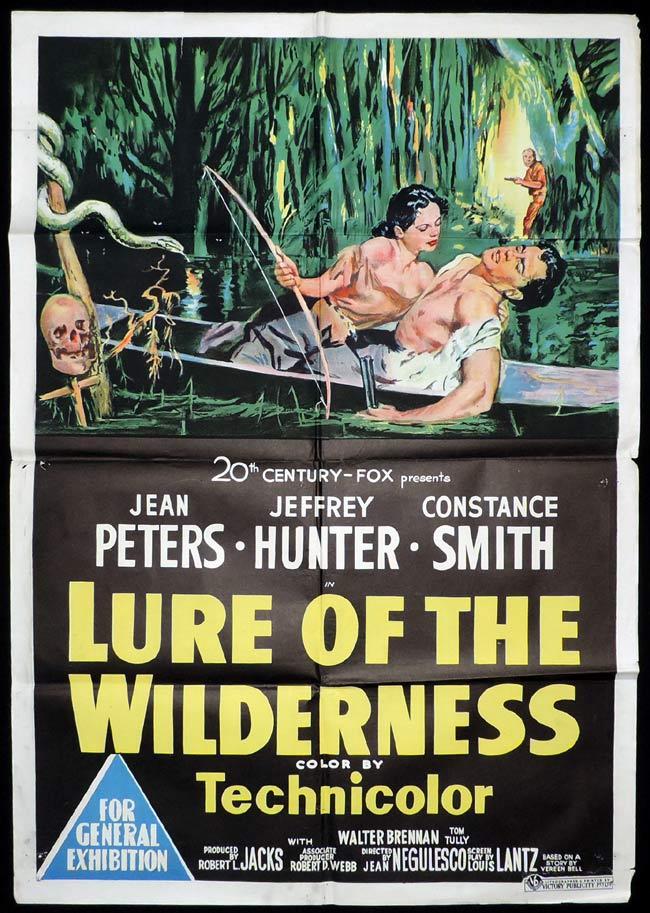
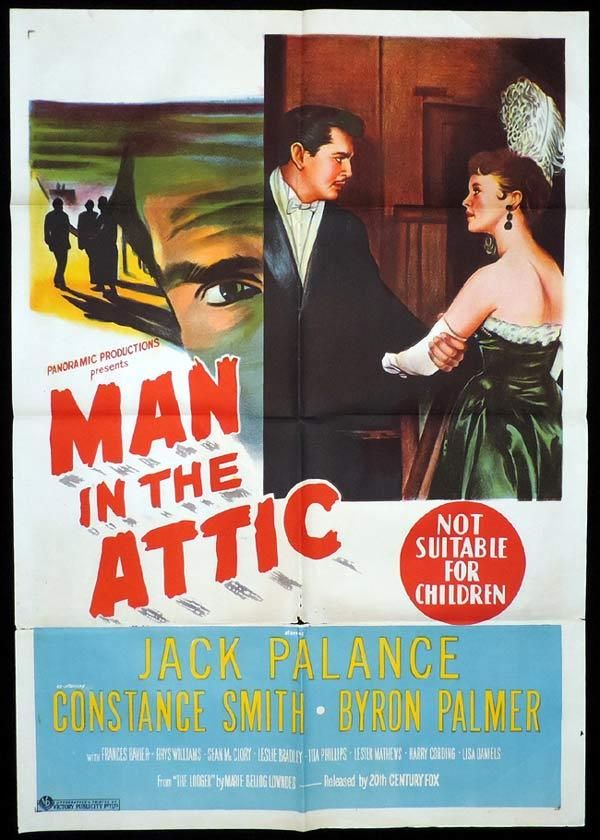
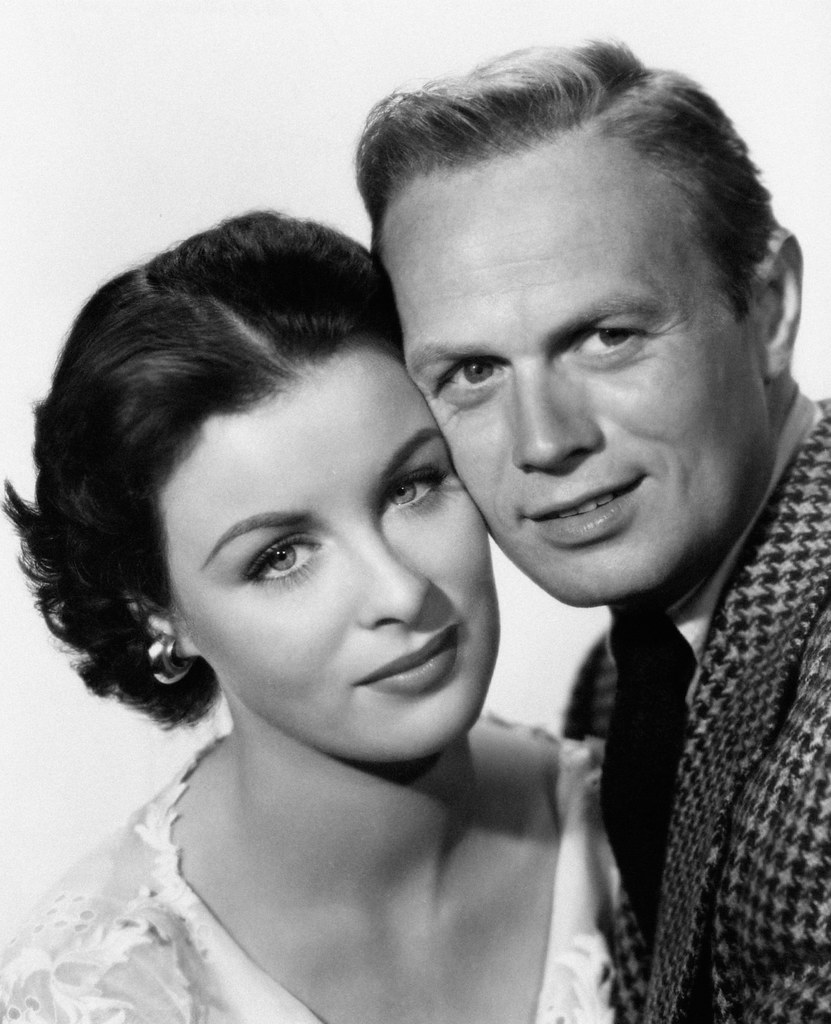
Despite this setback, for the next few years she was cast by Fox in starring roles opposite some of the studio’s leading male actors. Nonetheless, her own star status seems to have been generated more by intensive studio publicity than by the quality or success of her movies. She appeared on the cover of Picturegoer, the leading British film magazine of the period (March 1951), and was a presenter at the 1952 Academy awards ceremony. Her image was that of a spirited, innately rebellious individualist, unafraid to defy studio manipulation – qualities attributed by the entertainment press to her Irish ethnicity. One industry colleague remembered her as ‘the intelligent man’s Elizabeth Taylor’ (Barton, 117). Her credits included Red skies of Montana(1952), as the wife of the chief of a crew of forest‐fire‐fighters, played by Richard Widmark; Lure of the wilderness (1952), with Jeffrey Hunter; Treasure of the golden condor (1953), opposite Cornel Wilde; and Taxi (1953), as a newly landed Irishwoman assisted by a New York cabdriver in searching for the American husband who abandoned her. She gave a lively and rounded performance in Man in the attic (1953), another take on the Ripper legend, as the showgirl niece of the murderer’s landlord and his wife, a role that highlighted her singing and dancing talents. Her co‐star, Jack Palance, suggested that she be billed ‘the Dublin Dietrich’, and some reviewers detected her potential as a live nightclub performer.
By 1954 she had left Fox; it is possible that the mental instability and problems with alcohol that would later become obvious were already afflicting her career. She appeared with Richard Conte in an intriguing noir, The big tip off (1955), and made two films in London: Tiger by the tail (1955), as the reliable English secretary of an American journalist pursued by gangsters, and Impulse(1955), as a seductive femme fatale. Her star waning, in the latter 1950s she made five films in Italy, where she was promoted as a brunette Grace Kelly. Giovanni dalle bande nere (The violent patriot) (1956), a costume swashbuckler, played the USA drive‐in circuit. Her last film was La congiura dei Borgia (1959).
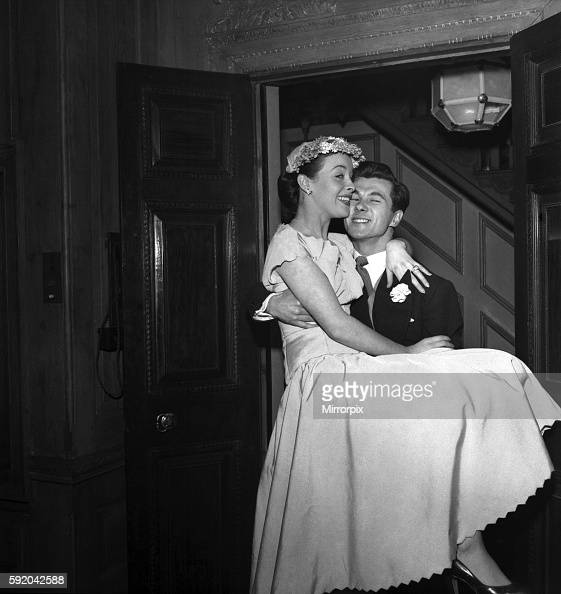
Smith married firstly, after a whirlwind romance in London (1951), Bryan Forbes , an aspiring British actor, and later a successful screenwriter, director, novelist, and memoirist. Though he followed her to Hollywood, the marriage had broken by the end of the year, but not before Smith had succumbed to studio pressure and terminated a pregnancy by abortion. The couple divorced in 1955. She married secondly, in Italy (1956), Araldo Crollolanza , the photographer son of a former fascist senator (who opposed the match and disinherited him); the marriage failed by 1959. In the latter year Smith began a relationship with Paul Rotha (1907–84), a leading British documentary filmmaker, film historian, and critic, whose portfolio included two films of Irish interest: No resting place (1951), a fiction film about Irish travellers, and Cradle of genius (1958), a short documentary on the history of the Abbey theatre, which received an Oscar nomination. Smith accompanied Rotha to Germany and Holland during research and filming of a documentary on the life of Adolf Hitler (1961) and a fiction film based on the Dutch wartime resistance (1962). The couple shared leftist, anti‐imperialist political convictions, and a passion for jazz music; Smith painted, and cultivated her interest in the fine arts, while Rotha contemplated writing a book about her life and casting her in films. Ominously, they also shared an addiction to heavy drinking; ferocious rows, often physically violent, became a commonplace. In December 1961 Smith knifed Rotha in the groin and slashed her own wrists in their London flat; pleading guilty to unlawful and malicious wounding, she served three‐months’ imprisonment in Holloway. Defence counsel at her trial referred to two previous suicide attempts, and described her as ‘a poor but beautiful girl who was squeezed into a situation of sophistication and fame when emotionally quite unable to cope with it’ (Times, 12 Jan. 1962).
For the next two decades Smith and Rotha continued their turbulent, on‐again, off‐again relationship, marked by mutual alcoholism, unemployment, increasing financial hardship, episodes of domestic violence, and Smith’s repeated suicide attempts, and admissions to psychiatric hospitals and halfway hostels. During intermittent periods of recovery, she worked as a cleaner and (incredibly) in childcare. After stabbing Rotha in the back in 1968 she received three‐years’ probation; another stabbing in 1975 resulted in a second term of imprisonment. The couple, who married in 1974, did not break up permanently till 1979. In the early 1980s Smith was living destitute and homeless in London; former colleagues would see her, virtually unrecognisable, drinking in Soho Square. The few friends who attempted to retain contact lost track of her in the mid 1980s. She is reported to have died of natural causes 30 June 2003 in Islington, London.
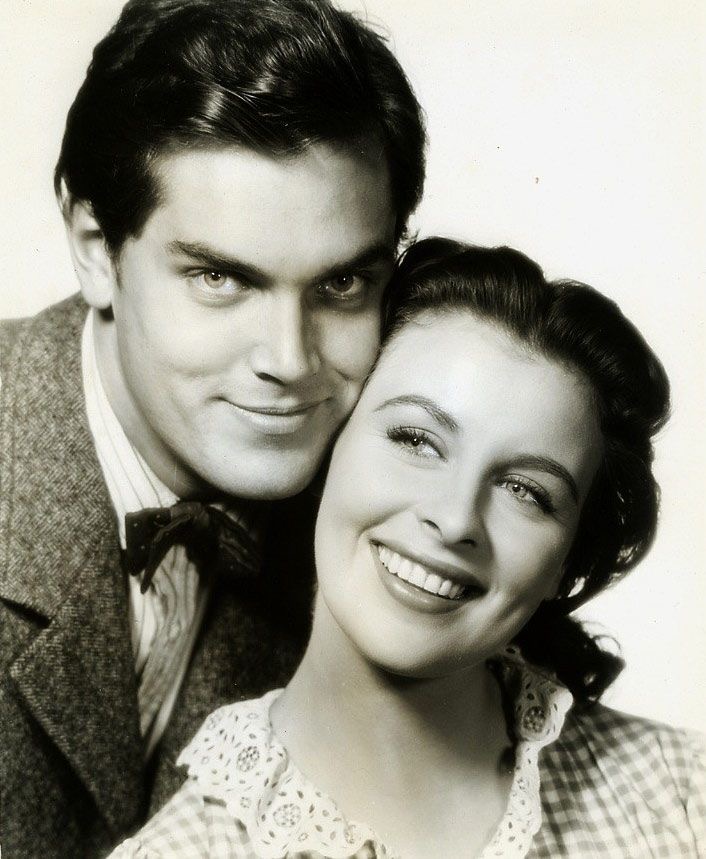
LIMERICK LIFE ARTICLE IN 2016
Constance Smith was born in 1928 at 46 Wolfe Tone Street, just a short walk from Limerick train station. It was to be an auspicious sign for the little girl who would grow to be a celebrated actor; her extraordinary life would transport her from that small terraced house in Limerick to a convent in Dublin, from a Hollywood mansion to an Italian villa and finally, from Holloway Prison to a sad, troubled end in a London hostel.
While most film fans are familiar with Irish movie stars of the past such as Maureen O’Hara, Peter O’Toole and Richard Harris, few people, even in Limerick, are aware of Constance Smith and her short-lived Hollywood career. Ruth Barton is an academic and author of Acting Irish in Hollywood: from Fitzgerald to Farrell in which she dedicates a chapter to Constance Smith, to retrieve her and other lost stars “from historical oblivion”. Much of what you’ll read below emanates from her painstaking research.
Constance Smith was born to Mary Biggane, a Limerick native, and Sylvester Smith, a former British soldier and veteran of World War One. Initially, her father, a Dubliner, worked as a labourer at the Ardnacrusha plant, but when the project was completed in 1929, he moved his family back to the capital. There they settled in a one-room tenement in Mount Pleasant Buildings, Ranelagh, described by the Irish Times as a ghetto, “used by the Corporation as dumping grounds for problem families.”
Life was arduous and often dangerous in the slums of Mount Pleasant. Communal toilets were poorly maintained, overflowing rubbish bins were infested with rats, and cold, lung-choking air seeped through the damp brick walls; it was little wonder that Irish infant mortality rates were among the highest in Europe at the time. Indeed, many of Constance’s ten siblings did not make it to adulthood.
The only respite from the grinding poverty was a sort of ad-hoc community theatre which developed among the residents. Groups gathered together in the evenings, sang songs from penny-sheets, performed skits for one another and, if the owner was feeling generous, listened through open windows to the street’s one wireless radio. It was in this way that Constance likely received her first training in the dramatic arts.
Constance’s father died when she fifteen. Unable to support her surviving children on her own, Mary Biggane sent her daughter to St. Louis Convent School in Rathmines. The headstrong teenager escaped early, however, taking casual jobs as a shop girl and housemaid to support herself.
It was this latter position that set her on the path to stardom. In 1945 she was placed in a ‘big house’ in Rathmines and the family for whom she worked encouraged her to enter a ‘Film Star Doubles’ contest in The Screen, an Irish film-industry publication. She went on to take first place – dressed as Hedy Lamarr in a borrowed dress – at the magazine’s ball, attended by local actors, theatre producers and crucially, international talent scouts.
She was invited to screen-test at Denham Studios in England by Rank Organisation, who saw potential in the beautiful, sultry-eyed young woman. In 1946 she signed a seven year contract with the group and was put through the rigours of their ‘charm school’ at Highbury, in London. This was essentially a factory for starlets, in which young ingénues were taught elocution, breathing exercises and comportment, along with more traditional drama lessons and script rehearsals. Objecting, perhaps, to spending her time balancing books on her head, Constance lasted only a few years in the school. She resisted attempts to change her name (‘Tamara Hickey’ was suggested, straddling the line between thrillingly exotic and reassuringly local) and steadfastly clung to her Irish accent, a refusal which eventually led to her dismissal from Rank Organisation. Her private life was faring better, however, as she became engaged to British film producer John Boulting.
Once again, life was to take a fortuitous turn for Constance. She won a small part playing an Irish maid in the film The Mudlockin 1950, receiving £20 per day for five weeks. In four short years, she had come a long way from a position as a housemaid for £2 a week. She was spotted in this film by Darryl Zanuck, a legendary Hollywood mogul and co-founder of the movie studio 20th Century Fox. He took a close interest in her – whether his intentions were purely professional is unknown – and championed her as an undiscovered star. She was granted a seven year contract with the studio and placed opposite Tyrone Power in The House in the Square, to begin shooting in London in 1950. The movie was a big, all-star production, and the media fanfare began early.
However, the young, untrained actor struggled to perform alongside experienced heavy-weights such as Power. Midway through filming she found herself unceremoniously dumped from the picture, losing all the publicity and career momentum it had brought. The studio cited illness, and replaced her with Ann Blyth, reshooting all her scenes at a rumoured cost of £100,000. Constance was devastated, but found comfort on the shoulder of a successful British actor named Bryan Forbes (best known for directing The Stepford Wives, 1975), whom she married in 1951.
Back in Hollywood, she found herself packaged and presented as a beautiful but feisty Irish ‘colleen’, the new Maureen O’Sullivan (remembered as Jane in the Tarzan movies). Whether acting on her own volition or that of the studio’s, Constance had an abortion just before Christmas of 1951. 20th Century Fox paid the $3,000 fee.
Her marriage failed soon after, but her career was steady. She shot a number of films, receiving praise for her sensuous, noirish performances from fellow actors (Jack Palance referred to her as the ‘Dublin Dietrich’) and the occasional breathless review from critics. One paper, in the parlance of the time, noted that she possessed “a pair of the nicest gams to ever leave the Old Sod.” In 1952 she was invited to present a trophy at the Annual Academy Awards.
Having parted company with 20th Century Fox, she signed with Bob Goldstein in 1954, who promptly put her to work filming the thriller Tiger in the Tail, in London. Frustrated by the lack of first-rate roles, she left for Italy in 1955, casting off her rebel charm to reinvent herself as the descendent of Irish aristocrats. There, she met an Italian photographer named Araldo di Crollolanza and married him a year later, at the age of twenty-eight. His father – a Fascist senator who had served under Mussolini – reportedly disinherited his son upon learning of the union, even going so far as to refer to his new daughter-in-law as a ‘barefoot Irish peasant’. She made four films in Italy, but her career began to falter and she took an overdose of sleeping tablets in 1958. Her husband left her and she returned to England.
In 1959 she met Paul Rotha, a married man of fifty-two and a much-celebrated filmmaker and writer. They couldn’t have made a more different pair; a neat, precise and serious Englishman, who fell in love with a tempestuous, free-spirited and creative Irishwoman. Theirs was a predictably fiery relationship, only made more difficult by their mutual propensity for hard drinking. They shared similar socialist-leaning political beliefs though, both avowedly anti-fascist and anti-imperialist. Constance was no longer acting, but she remained well-known in film-industry circles in London. She was, one contemporary noted, ‘an intelligent man’s Elizabeth Taylor’.
Together, she and Rotha travelled to Germany to research a documentary on Adolf Hitler’s life. There, they met close aides to the dictator, as well as survivors of the concentration camps. She was said to be greatly affected by this experience.
In 1961, the couple visited Constance’s birthplace, calling to the house on Wolfe Tone Street in Limerick. They were greeted with much fanfare by Constance’s former neighbours, many of whom clamoured for photographs and autographs. The purpose of the visit, Rotha told reporters, was for research – he intended to write a book on his Constance’s life, entitled ‘A Weed in the Ground’, a project which failed to materialise.
Back in London, the couple’s relationship was growing increasingly turbulent. Their fights were frequent and quite often physical; after one altercation Rotha’s face was so badly bruised that he had to postpone an overseas trip. In 1961 a particularly nasty row very nearly turned fatal when Constance stabbed Rotha, leaving him lying on the floor of his flat, bleeding heavily. She also tried to slash her own wrists.
Rotha recovered from his extensive injuries, and supported his lover during her trial in 1962. In court, Constance’s defence team made much of her poverty-stricken childhood, her failed movie career and her traumatic experience in post-war Germany. She was given a three month sentence, and upon her release from Holloway Prison she was met at the gates by Rotha.
They were reunited, but the period was not a happy one. They sold their story to a tabloid newspaper, which salaciously reported their living together out of wedlock. Constance’s mental health deteriorated and she spent time in psychiatric care. In 1968, she stabbed Rotha again, this time sinking a steak knife into his back. The court placed a restraining order against Constance but again, Rotha stood by her. They eventually married in 1974, some fifteen years since they had first met. It was to be her third and final marriage.
Time in prison hadn’t quietened her demons however, and Constance was back in Holloway Prison in 1975, for yet another stabbing offence. While she made a half-hearted attempt to leave Rotha, she quickly returned to him, and together, they descended into a spiral of alcohol abuse, poverty and physical violence. The once highly-respected author and filmmaker took to charging visitors £50 for interviews, along with a bottle of Scotch for himself and Vodka for his wife.
By 1978 they were effectively homeless, and Constance had taken a job as a hospital cleaner. Around this time, after almost twenty years together, the couple broke up. Rotha wrote at the time, “my wild Irish wife has finally left me, gone God knows where.”
Constance Smith’s final act was slow to play out, despite the fiercely harsh circumstances of the latter years of her life. She lived for a while in destitution, losing toes to frostbite and drinking on the streets of Soho. She spent the next two decades on a miserable carousel of psychiatric hospitals, hostels and homelessness, before eventually dying of natural causes in Islington in 2003.
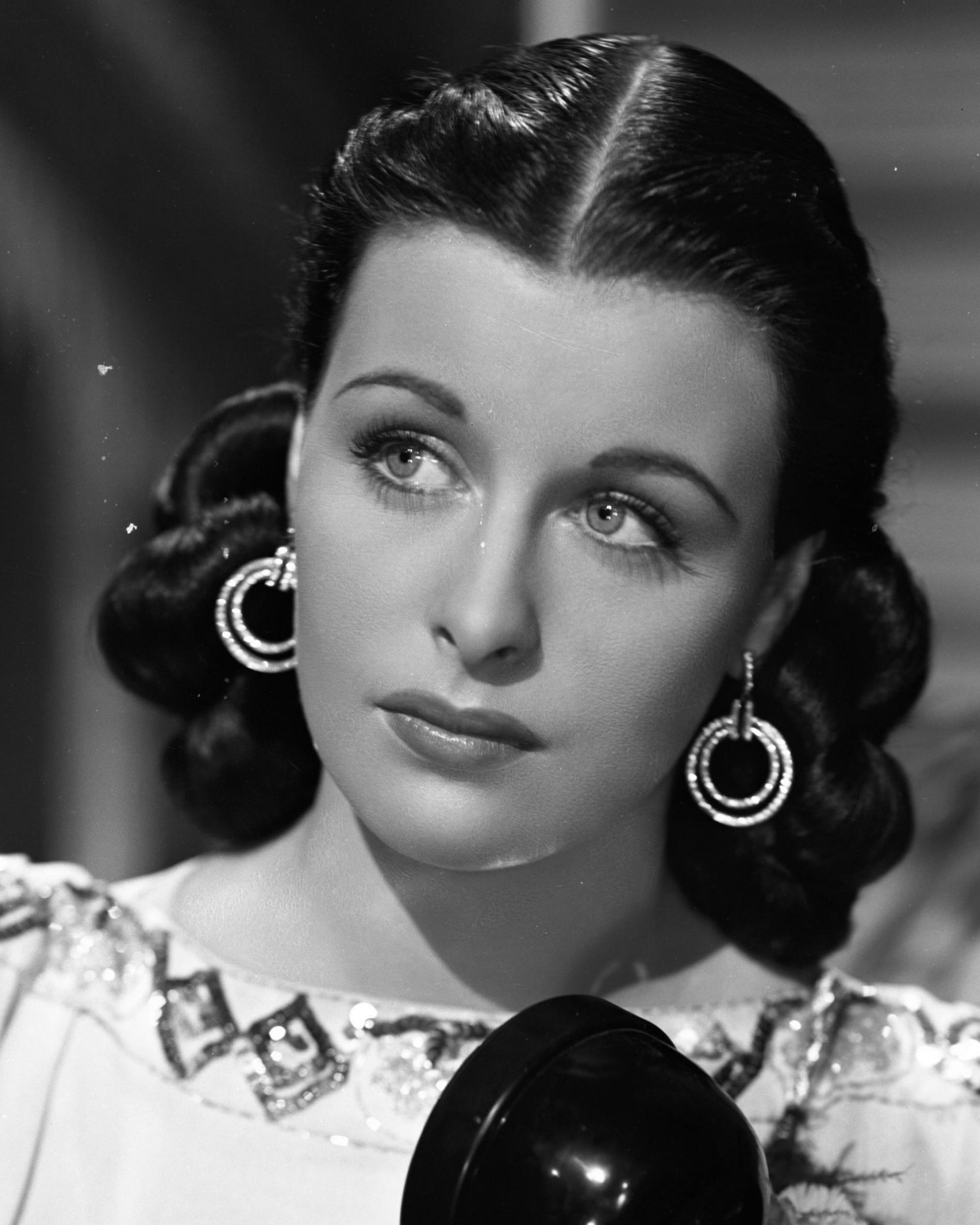
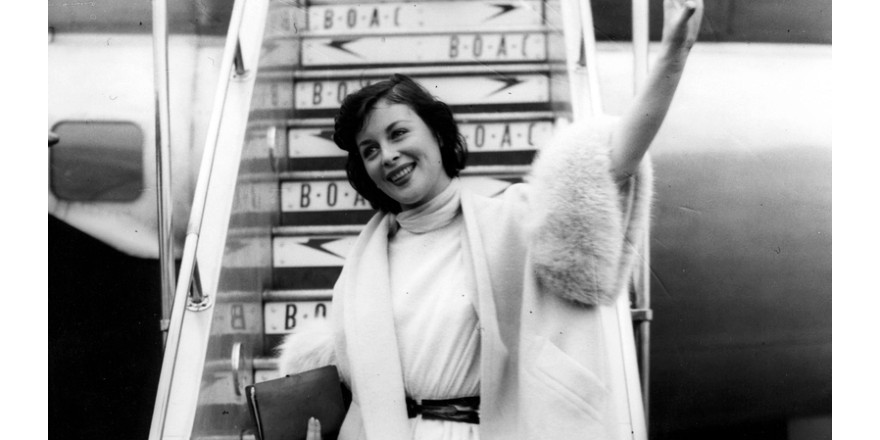
Career Overview and Critical Analysis of Constance Smith
Constance Smith (7 February 1929 – 30 June 2003) was an Irish actress whose life and career trace a dramatic arc from promise and early Hollywood visibility to professional disappointment, personal struggle, and obscurity. She is remembered less for lasting artistic impact than as a cautionary tale about the volatility of mid‑20th‑century Hollywood and the vulnerabilities artists faced within the studio system.
1. Origins and Entry into Film
Born in Limerick, Ireland, Smith was the eldest of 11 children in a working‑class family. After her father’s death in childhood and a difficult upbringing, she won a Dublin beauty contest at age 16—a competition intended to find someone resembling Hollywood star Hedy Lamarr. This victory led to a screen test and ultimately her entry into acting, largely at the insistence of her mother.
Early Formation
- Moved to London and briefly entered the Rank Organisation’s “Charm School,” a training ground for potential stars.
- Studio executives were reportedly put off by her temperament and attitude, and she was released before gaining significant roles.
- She then worked in British B films, often in uncredited parts, steadily building experience but not momentum.
This early period shows Smith as visually striking and presence‑driven but underdeveloped as a performer—partly due to limited training opportunities and partly due to her own resistance to industry demands. Her reluctance to conform to studio expectations (e.g., resisting a name change) hinted at both independence and a naivety about Hollywood’s power structures.
2. Hollywood Contract and Early Roles
Smith’s breakthrough came in 1950, when she was cast as an Irish maid in The Mudlark (1950), a supporting but noticeable role that attracted attention from Hollywood. 20th Century Fox offered her a contract, signaling high industry hopes for her career.
Under contract at Fox she appeared in:
- Red Skies of Montana (1952) – a disaster melodrama
- Lure of the Wilderness (1952) – adventure film
- Taxi (1953) – drama
- Man in the Attic (1953) – thriller
- Treasure of the Golden Condor (1953) – adventure
- Impulse (1954) – morality thriller
These films reveal a range—from melodrama to noir‑inflected suspense—but none truly showcased her as a leading dramatic presence. While she worked steadily, she rarely anchored narratives or delivered performances that critics later cited as noteworthy.
Critical Assessment
Smith’s work in these films was often praised in period press for her beauty, presence, and charisma, but not treated as a depicter of emotionally rich or transformative characters. She tended to portray:
- supportive romantic interests
- emotionally fragile or vulnerable figures
- women in peril or moral tension.
Her physical allure was a focal point, but her performances lacked the psychological complexity or interpretive depththat would have distinguished her from many contemporaries. This may have reflected both limited direction from studios and Smith’s own struggle to translate potential into craft.
3. Professional Setbacks and Industry Dynamics
Despite early promise, Smith’s Hollywood trajectory stalled. A telling example was her initial casting opposite Tyrone Power in I’ll Never Forget You (1951), only to be replaced by Ann Blyth shortly before filming. This decision reflected studio doubts about her readiness and was a significant missed opportunity to solidify her star image.
The expiration of her contract in 1953 was effectively a turning point: without solid breakout success and amid ongoing industry sexism and control of star images, she struggled to secure roles of status. The pattern was not unique—many young contract actors in the 1950s found themselves promoted and then discarded when they failed to quickly deliver commercial or critical breakthroughs.
4. Creative Struggles and Late Film Work
After Hollywood, Smith attempted to revive her career in European films, particularly in Italy. Her roles included:
- Un po’ di cielo (1955)
- The Violent Patriot (1956)
- Addio per sempre! (1958)
- Conspiracy of the Borgias (1959) as Lucrezia Borgia
These parts, while giving her screen preserves, were mostly in genre or historical films that lacked visibility in mainstream markets and critical discourse. Although portraying Lucrezia Borgia had potential dramatic flair, it did not reverse her diminishing profile.
5. Personal Struggles and Their Impact
Smith’s personal life was marked by turmoil, which interwove with her professional decline:
- A brief marriage to British director and writer Bryan Forbes (1951–1955) ended amid career and personal stress.
- Reports note she underwent an abortion during her Fox contract, suggestive of the pressures studios exerted on female actresses in that era.
- She developed drug and alcohol dependency, attempted suicide in Rome, and later experienced repeated legal and health crises, including prison sentences related to violent incidents with her partner, documentary historian Paul Rotha, whom she later married.
- In later decades she lived intermittently homeless and in hospitals, sometimes working as a cleaner before dying in London in 2003 largely forgotten by the film public.
This convergence of personal difficulty and professional setbacks illustrates the lack of support structures for actors at the time and the enduring harms of early stardom pressure and exploitation.
6. Legacy and Cultural Interpretation
Smith’s legacy is not defined by a body of celebrated work but by the narrative of unfulfilled potential and Hollywood’s failure to nurture her talents. In Irish cultural memory she has been the subject of documentaries like Constance Smith — Hollywood Tragedy (2018) and stage portrayals that frame her life as a tragic theatre of beauty, rebellion, and systemic disregard.
Critical Perspective
Her career highlights a few critical issues:
1. Studio System Infantilization: Despite beauty and initial promise, she was not given roles deep or challenging enough to allow her craft to evolve. Early casting seemed based on looks rather than nuanced character potential, which limited her artistically.
2. Resistance as Reputation: Smith’s reluctance to “play ball” with name changes and studio directives may be reinterpreted today as integrity, but in 1950s Hollywood it branded her as “difficult” and undermined opportunities.
3. Psychological Toll: The combination of limited artistic fulfillment, personal losses, and industry rejection likely contributed to her later struggles. Her story has been retold as a Hollywood tragedy that mirrors broader patterns of exploitation and abandonment.
Summary: Critical Assessment
- Trajectory: From beauty contest winner and promising contract player to secondary roles and eventual obscurity.
- Acting Impact: While attractive and presentable, her screen work seldom displayed dramatic depth that attracted enduring critical acclaim.
- Industry Dynamics: Her career exposes the rigid and unforgiving nature of the studio system, especially toward women who did not fit narrow archetypes or exhibit “easy” compliance.
- Personal Struggles: These not only mirrored her professional decline but were exacerbated by it, leading to a lifetime of instability.
In film history, Smith is a symbolic figure—a case study of unfulfilled talent shaped and constrained by systemic pressures rather than a sustained artistic influence.
visible.
📽️ Notable Screen Performances by Constance Smith
**1. The Mudlark (1950) — Kate Noonan
🔎 Significance: This role was the first to draw Hollywood’s attention to Smith, showcasing her natural screen presence and earthy appeal after years in minor British films. It was enough to earn her a studio contract with 20th Century Fox.
📌 Critical note: Smith’s performance here is most impactful for its visibility rather than dramatic weight — she stands out in a supporting part largely because of her charisma and striking beauty.
**2. Red Skies of Montana (1952) — Peg Mason
🔎 Significance: In this action‑drama about forest firefighters, Smith had one of her first Hollywood supporting roles under the Fox banner.
📌 Critical note: The role allowed her to demonstrate a sturdy, approachable presence rather than star glamour. It was an early indication that she could carry screen time credibly — though the material did not demand great emotional complexity.
**3. Lure of the Wilderness (1952) — Noreen McGowan
🔎 Significance: A studio adventure film that placed Smith opposite rising leading men.
📌 Critical note: The part revealed Smith’s romantic‑heroine potential, but the script’s conventionality limited opportunities for layered performance. Her screen presence remained an asset, but dramatic nuance was seldom required.
**4. Man in the Attic (1953) — Lily Bonner
🔎 Significance: A Gothic thriller that paired Smith with Jack Palance, one of her most intense co‑stars.
📌 Critical note: This is widely viewed as one of her better dramatic showcases — the genre’s mood allowed her to shift from bucolic ingénue to something edgier and more psychological. Contemporary coverage often noted her noir‑like screen qualities (e.g., petulance, smoldering intensity).
**5. Impulse (1954) — Laila
🔎 Significance: This suspense film provided Smith with a rare opportunity to play a more conflicted female lead.
📌 Critical note: Her brooding allure fit the noir‑tinged tone, and the role is sometimes cited as one of her few chances to transcend the “pretty supporting player” stereotype. Yet the film’s modest stature limited how far her performance could resonate in broader cinematic memory.
6. Italian Films (1955–1959)
After her Fox contract ended, Smith sought work in European cinema where she appeared in:
- Un po’ di cielo (1955) — Nora
- The Violent Patriot (1956) — Emma Caldana
- Addio per sempre! (1958) — Lucia
- Conspiracy of the Borgias (1959) — Lucrezia Borgia
📌 Critical note: These roles were perhaps her most ambitious on paper, offering varied period and dramatic settings. However, the productions were largely genre or historical films with limited distribution, and they did not provide the platform for her to realize a deeper acting identity. They remain fascinating curios but not widely regarded as definitive showcases of her talent.
🎬 Performance Themes and Critical Patterns
Across these roles, several patterns emerge:
✔️ Screen Presence / Charisma
Smith consistently brought a magnetic visual appeal rooted in her striking looks and expressive eyes. That quality was often the most commented‑on aspect of her performances.
✔️ Emerging Dramatic Potential
When scripts allowed — particularly in Man in the Attic and Impulse — she showed hints of psychological complexity and femme‑fatale nuance, suggesting her range could extend beyond ingénue parts.
✖️ Limitations of Material
Most of her studio work was in mid‑tier studio productions or B‑pictures that didn’t fully exploit her acting capabilities — and with Fox shifting investment away from her after a few years, she had few opportunities to work with more accomplished directors or scriptwriters.
✖️ Career Interruptions
Hollywood’s intervention in her personal life — including a forced abortion and refusal to tailor her image to industry expectations — undermined momentum and possibly limited roles that could have better showcased her skills.
🧠 Critical Summary of Best Performances
| Title | Why It Matters | Critical Takeaway |
|---|---|---|
| The Mudlark (1950) | First notice by Hollywood | Presence over complexity |
| Red Skies of Montana (1952) | Studio adventure showcase | Solid screen presence |
| Man in the Attic (1953) | Gothic thriller | Best demonstration of nuance |
| Impulse (1954) | Noir‑tinged lead | Hinted at deeper dramatic potential |
| Italian Period Films | European work | Ambitious settings without breakout impact |
🎞️ In essence: Smith’s strongest performances are those where the material invited emotional or psychological depth— particularly in Man in the Attic and Impulse. These roles let her presence evolve beyond surface charm into something more complex. However, uneven material, limited opportunities from her studio, and career disruptions meant her dramatic potential was seldom fully realized on film.
📌 Retrospective Assessment — How Historians and Critics View Her Career
1. Documentary and Public Memory
Smith’s life and career were revisited in the 2018 documentary Constance Smith — Hollywood Tragedy, which frames her story as a dramatic rise and fall in the classic Hollywood mould. The film emphasizes that she was once hailed as a potential major star — comparisons even included being “the next Grace Kelly” — but ultimately was undone by industry pressures and personal struggles.
Key themes in the documentary:
- She was discovered through physical appearance and charisma, not crafted through gradual artistic development.
- Her refusal to conform to studio demands (e.g., name change, accent) is depicted as simultaneously admirable and professionally damaging.
- Interviews with contemporaries reflect on how her temperament, independence, and unwillingness to be “packaged” by Hollywood limited the roles she could get.
This retrospective often interprets Smith as a cautionary figure — emblematic of how talent and potential can be thwarted by systemic pressures and personal adversity in the studio era.
2. Critical Reappraisal in Print and Online Histories
Modern film historians and cultural commentators have sometimes tried to reclaim Smith’s career from obscurity, though assessments remain mixed.
For example, film scholar Ruth Barton notes that it is “regrettable” that Smith has been forgotten given that she was once a bona fide Hollywood starlet. Her performances in mid‑century Hollywood films like Man in the Attic and Impulsedisplay a kind of noir‑tinged mystery and screen presence fulfilled by few of her contemporaries, even if the films themselves were not mainstream classics.
Some commentators describe her as:
- a fusion of dark beauty, femme fatale aura, and emotional vulnerability — qualities that could have made her roles richer had she been cast in more substantial projects.
- compared at times to other screen icons (e.g., “Dublin Dietrich”) because of her striking looks and atmospheric screen presence.
This kind of reassessment is often less about specific performances and more about the thematic resonance of her life and image within Hollywood history.
3. Cultural and Stage Representations
Beyond film scholarship, theatre productions like Connie (2025) resurrected Smith’s life story for new audiences. Reviews note that the narrative of her life — from a working‑class Irish background to Hollywood glamour and back to obscurity — continues to captivate because it mirrors the “classic star‑and‑tragedy arc” of mid‑century film myth.
Critics of the stage adaptation also note that:
- her story is powerful but familiar — reflecting the predictable arc of a “doomed starlet”.
- the production’s emotional impact is sometimes limited because her life fits so cleanly into a tragic genre trope.
This reflects a broader strand in cultural commentary: Smith’s legacy is often understood less in terms of specific artistic achievement and more as a cultural myth about Hollywood’s exploitation and oblivion.
🧠 Key Critical Themes in Retrospection
🌟 Unfulfilled Potential
Most retrospective accounts focus on what she could have become rather than what she did become — suggesting that Hollywood’s studio system failed to nurture her talent, and that the roles available to her lacked emotional and narrative complexity.
💥 Defiance and Independence
Critics often highlight that Smith’s refusal to play by studio rules (e.g., resisting name or accent changes) was a double‑edged sword:
- it evidenced personal integrity,
- but it also likely limited her career advancement in an industry that rewarded conformity.
This perspective frames her not as weak or untalented, but as an actor out of sync with Hollywood’s machinery.
🧠 Psychological and Personal Contexts
Some historical discussions — particularly in local Irish media and biographical pieces — interpret her downfall as intertwined with mental health struggles, addiction, legal troubles, and life instability, rather than simply being a failed acting career.
That approach tends to humanize her story, positioning her as a complex figure shaped by external pressures and inner turmoil, instead of a mere footnote in Hollywood history.
📊 Contemporary Scholarly View
Film historians who mention Smith today typically do so in broader surveys of Hollywood’s forgotten starlets, often using her as a case study of:
- the perils of typecasting and studio control in the Golden Age
- the gendered pressures on actresses to conform to image norms
- the fragility of stardom when not backed by sustained directorial or narrative support
Her name is seldom invoked for specific performances in major films — unlike peers such as Maureen O’Hara or Grace Kelly — but she remains a fascinating subject for cultural film history and gender studies because her career demonstrates how industry structures and personal resistance shaped an actress’s trajectory.
✍️ Summary — Modern Critical Evaluation
Overall, modern evaluation of Constance Smith’s work and legacy tends to emphasize:
- Her brief spotlight in 1950s Hollywood as a symbol of potential unrealized.
- Her independent spirit and defiance of studio norms, which endeared her to some and alienated her from studio power.
- Her subsequent life struggles, which transformed her narrative into a broader cautionary tale about celebrity and vulnerability.
- Retrospective attempts to rescue her story from oblivion, through film history scholarship and cultural portrayals.
Her legacy is therefore less about critical acclaim for discrete film performances and more about what her career illustrates about Hollywood’s politics of image, power, and memory.