

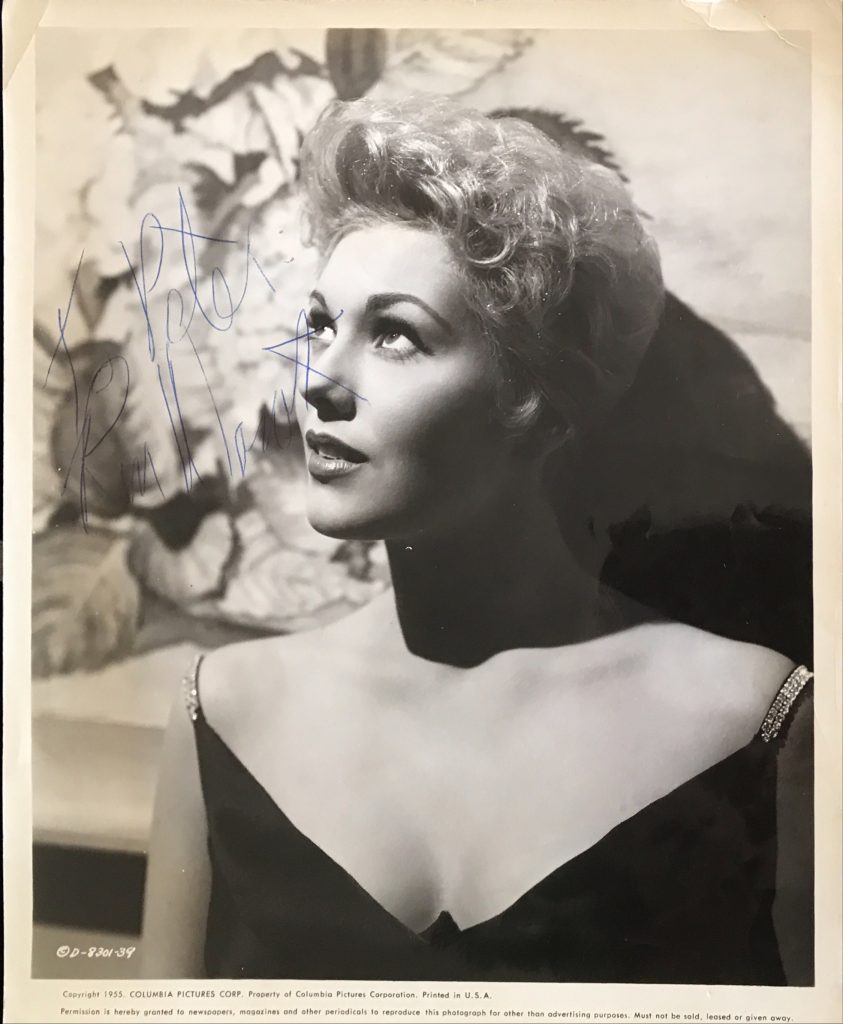
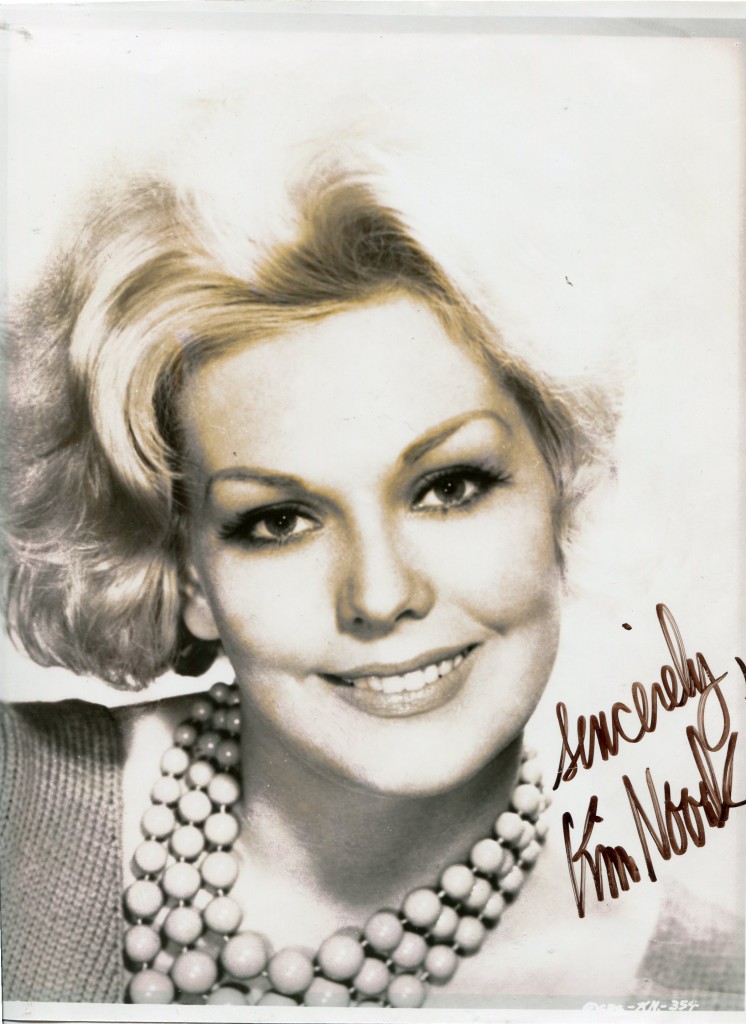
Kim Novak was born in Chicago, Illinois on February 13, 1933 with the birth name of Marilyn Pauline Novak. She was the daughter of a former teacher turned transit clerk and his wife, also a former teacher. Throughout elementary and high school, Kim did not get along well with teachers. She even admitted that she didn’t like being told what to do and when to do it.
Her first job, after high school, was modeling teen fashions for a local department store. Kim, later, won a scholarship in a modeling school and continued to model part-time. Kim later worked odd jobs as an elevator operator, sales clerk, and a dental assistant. The jobs never seemed to work out so she fell back on modeling, the one job she did well.
After a stint on the road as a spokesperson for an appliance company, Kim decided to go to Los Angeles and try her luck at modeling there. Ultimately, her modeling landed her an uncredited role in the RKO production of The French Line (1953). The role encompassed nothing more than being seen on a set of stairs.
Later a talent agent arranged for a screen test with Columbia Pictures and won a small six month contract. In truth, some of the studio hierarchy thought that Kim was Columbia’s answer to Marilyn Monroe. Kim, who was still going by her own name of Marilyn, was originally going to be called “Kit Marlowe”. She wanted to at least keep her family name of Novak, so the young actress and studio personnel settled on Kim Novak.
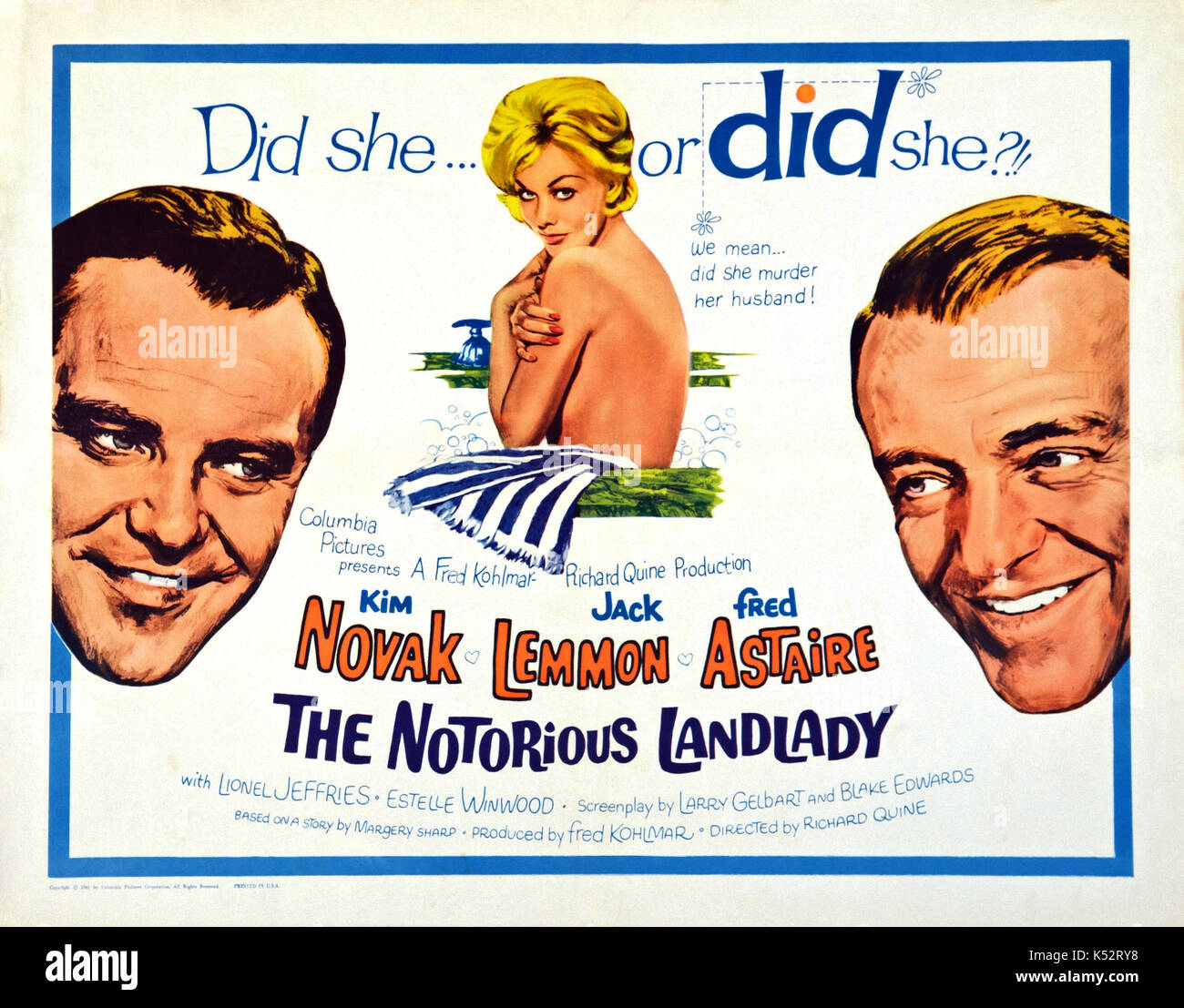
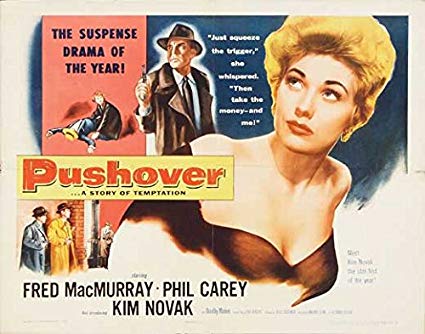
After taking some acting lessons, which the studio declined to pay for, Kim appeared in her first film opposite Fred MacMurray in Pushover (1954). Though her role as “Lona McLane” wasn’t exactly a great one, it was her classic beauty that seemed to capture the eyes of the critics. Later that year, Kim appeared in the film, Phffft (1954) with Jack Lemmon and Judy Holliday. Now more and more fans were eager to see this bright new star. These two films set the tone for her career with a lot of fan mail coming her way.
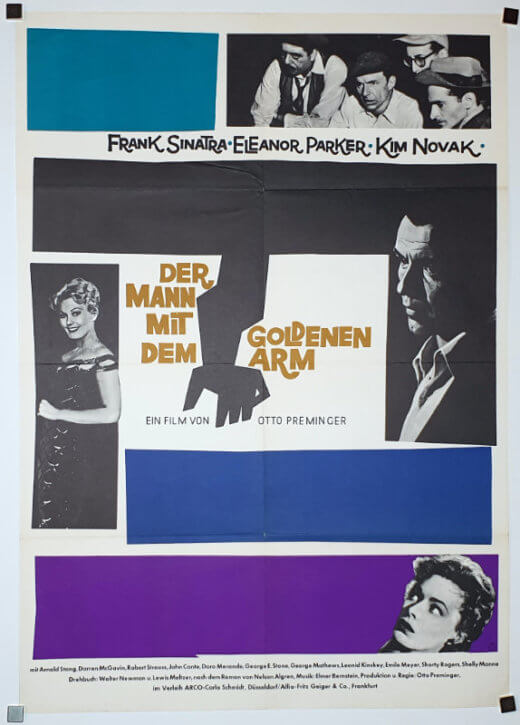
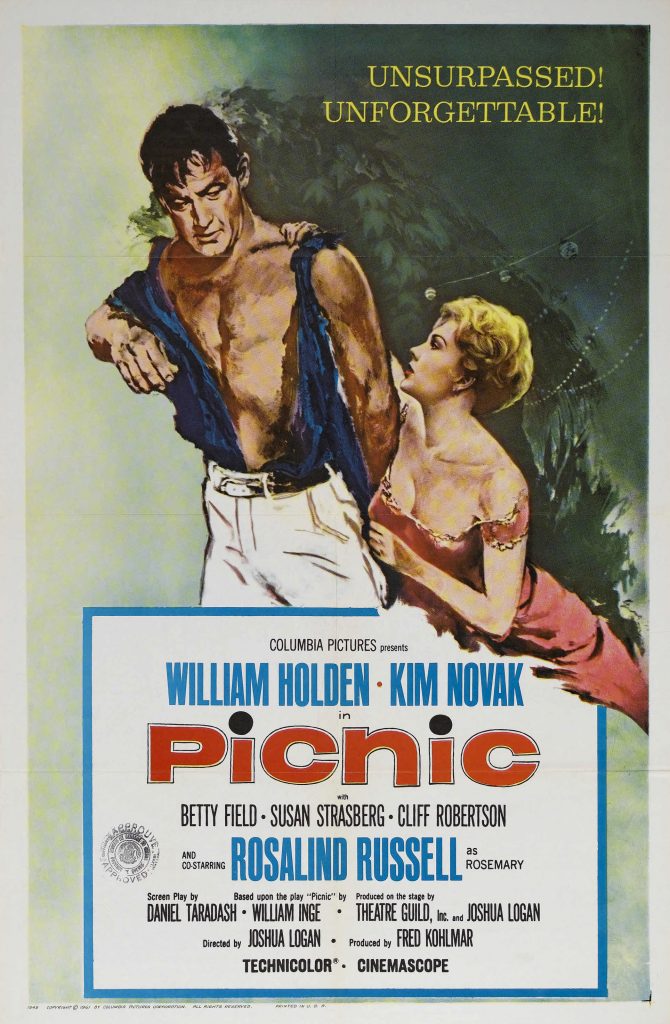
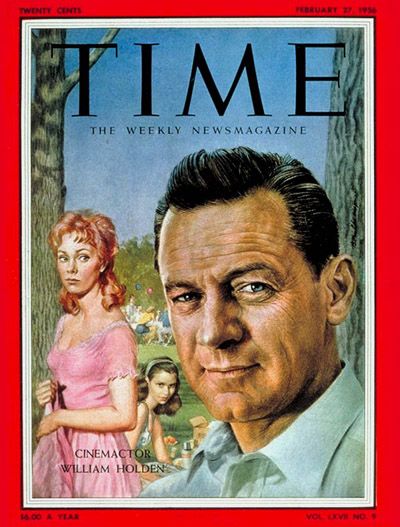
Her next film was as “Kay Greylek” in 5 Against the House (1955). The film was well-received, but it was her next one for that year that was her best to date. The film was Picnic (1955). Although Kim did a superb job of acting in the film as did her co-stars, the film did win two Oscars for editing and set decoration. Kim’s next film was with United Artists on a loan out in the controversial Otto Preminger film The Man with the Golden Arm (1955). Her performance was flawless, but it was was Kim’s beauty that carried the day. The film was a big hit.
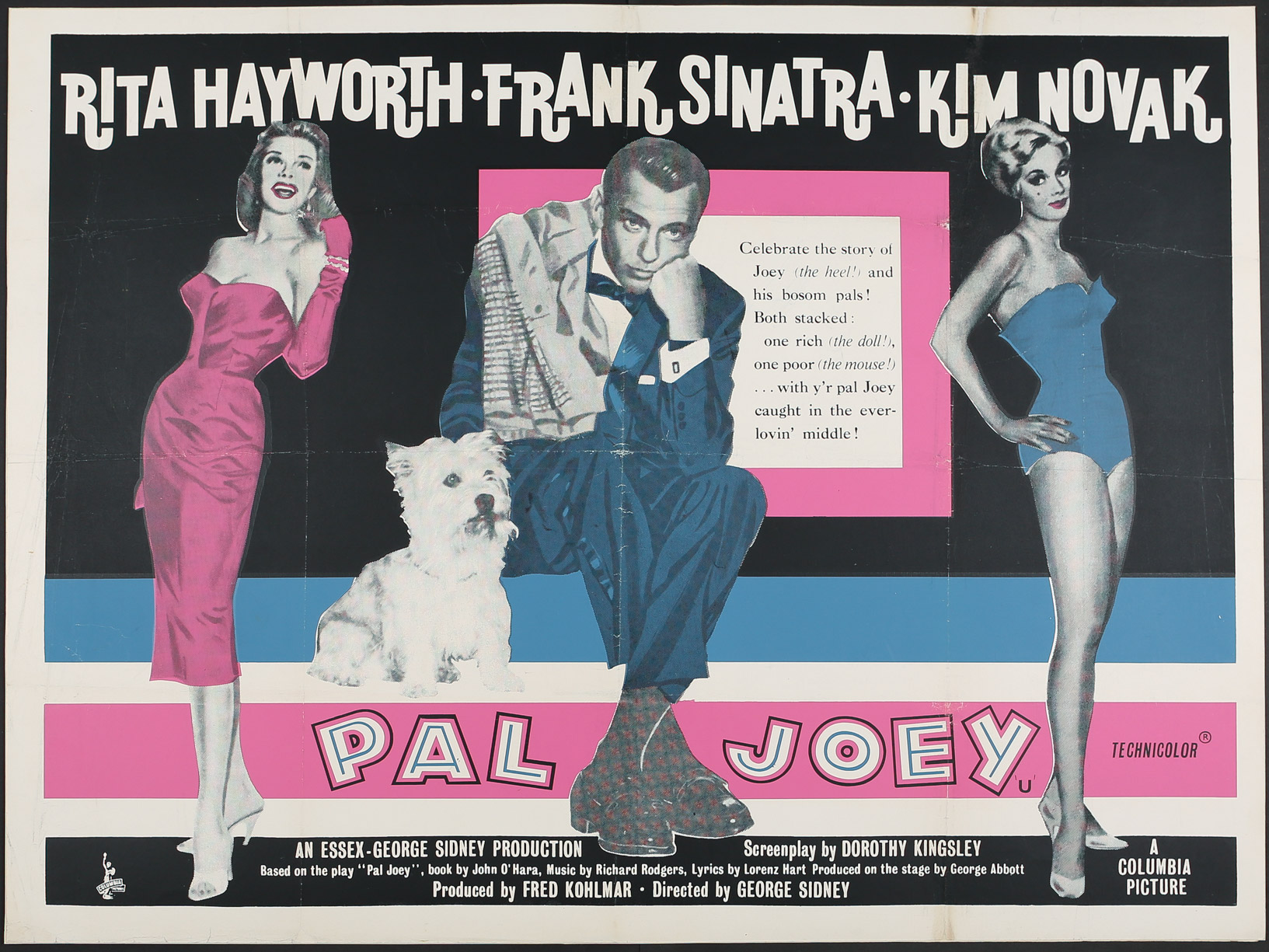
In 1957, Kim played “Linda English” in the hit movie Pal Joey (1957) with Frank Sinatra and Rita Hayworth. The film did very well at the box office, but was condemned by the critics. Kim really didn’t seem that interested in the role. She even said she couldn’t stand people such as her character.
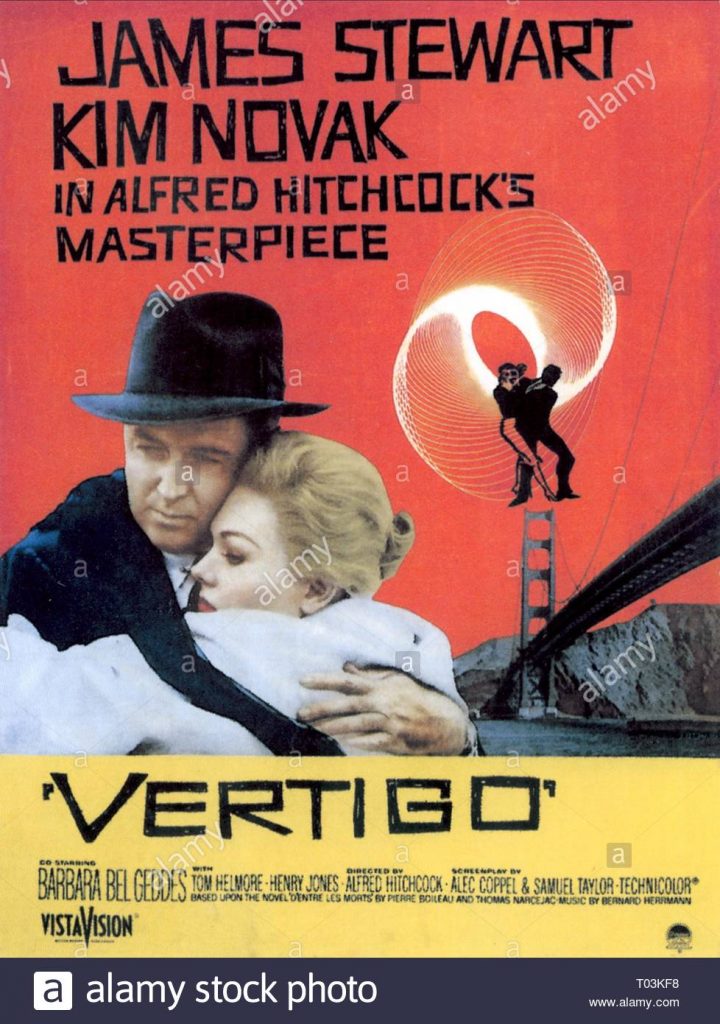
That same year, Novak risked her career when she started dating singer/actor Sammy Davis Jr.. The interracial affair alarmed studio executives, most notably Harry Cohn, and they ended their relationship in January of the following year. In 1958, Kim appeared in Alfred Hitchcock’s, now classic, Vertigo (1958) with James Stewart. This film’s plot was one that thoroughly entertained the theater patrons wherever it played. The film was one in which Stewart’s character, a detective, is hired to tail a friend’s wife (Kim) and witnesses her suicide. In the end, Stewart finds that he has been duped in an elaborate scheme.
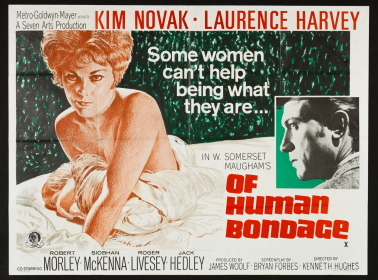
Her next film was Bell Book and Candle (1958) which was only a modest success. By the early 1960s, Kim’s star was beginning to fade, especially with the rise of new stars or stars that were remodeling their status within the film community. With a few more nondescript films between 1960 and 1964, she landed the role of “Mildred Rogers” in the remake of Of Human Bondage (1964). The film debuted to good reviews.
In the meantime, Kim broke off her engagement to director Richard Quine and embarked on a brief dalliance with basketball player Wilt Chamberlain. While filming The Amorous Adventures of Moll Flanders (1965), she had a romance with co-star Richard Johnson, whom she married, but the marriage failed the following year.
Kim stepped away from the cameras for a while, returning in 1968 to star in The Legend of Lylah Clare (1968). It was a resounding flop, perhaps the worst of her career. However, after that, Kim, basically, was able to pick what projects she wanted. After The Great Bank Robbery (1969) in 1969, Kim was away for another four years until she was seen with then-boyfriend Michael Brandon in a television movie called The Third Girl from the Left (1973), playing a veteran Las Vegas showgirl experiencing a midlife crisis.
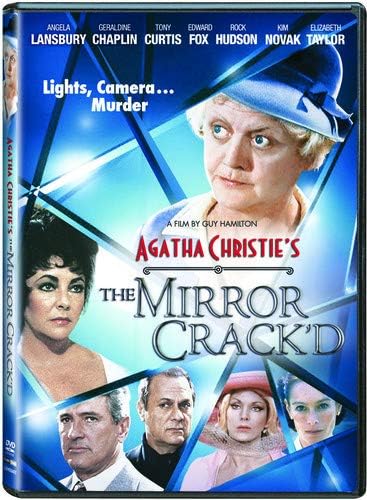
In a personal development, Novak met equine veterinarian Robert Malloy in October 1974 and the couple married in 1976. Subsequent films were not the type to get the critics to sit up and take notice, but afforded her the opportunity to work with strong talent. She appeared to good effect in Satan’s Triangle (1975), Just a Gigolo (1978), The Mirror Crack’d (1980) and Malibu (1983).
In 1986 and 1987, Kim played, of all people, “Kit Marlowe” in the TV series Falcon Crest (1981). In 1990, she starred alongside Ben Kingsley in The Children (1990), a fine independent film shot in Europe. It was not widely distributed, thus few got to see Novak giving one of her most powerful performances.
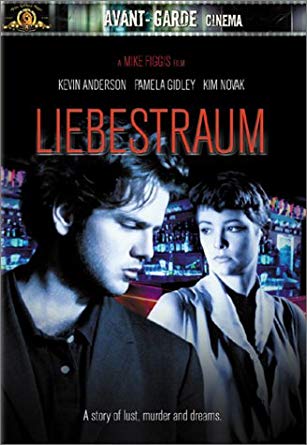
Her last film, on the silver screen, was Liebestraum (1991), in which she played a terminally ill woman with a past. The film was a major disappointment in every aspect. Kim clashed with director Mike Figgis over how to play her character. Consequently, the role was cut to shreds. Kim has ruled out any plans for a comeback and says she just isn’t cut out for Hollywood.
Her last film, on the silver screen, was Liebestraum (1991), in which she played a terminally ill woman with a past. The film was a major disappointment in every aspect. Kim clashed with director Mike Figgis over how to play her character. Consequently, the role was cut to shreds. Kim has ruled out any plans for a comeback and says she just isn’t cut out for Hollywood.
Fortunately, she has found long-lasting happiness outside her career. She lived in Eagle Point, Oregon with her husband Bob, until his death in 2020, on a ranch where they raised horses and llamas. Kim is also an accomplished artist and has exhibited her painting in galleries around the country. She enjoys riding, canoeing and expressing herself through paint, poetry and photography.
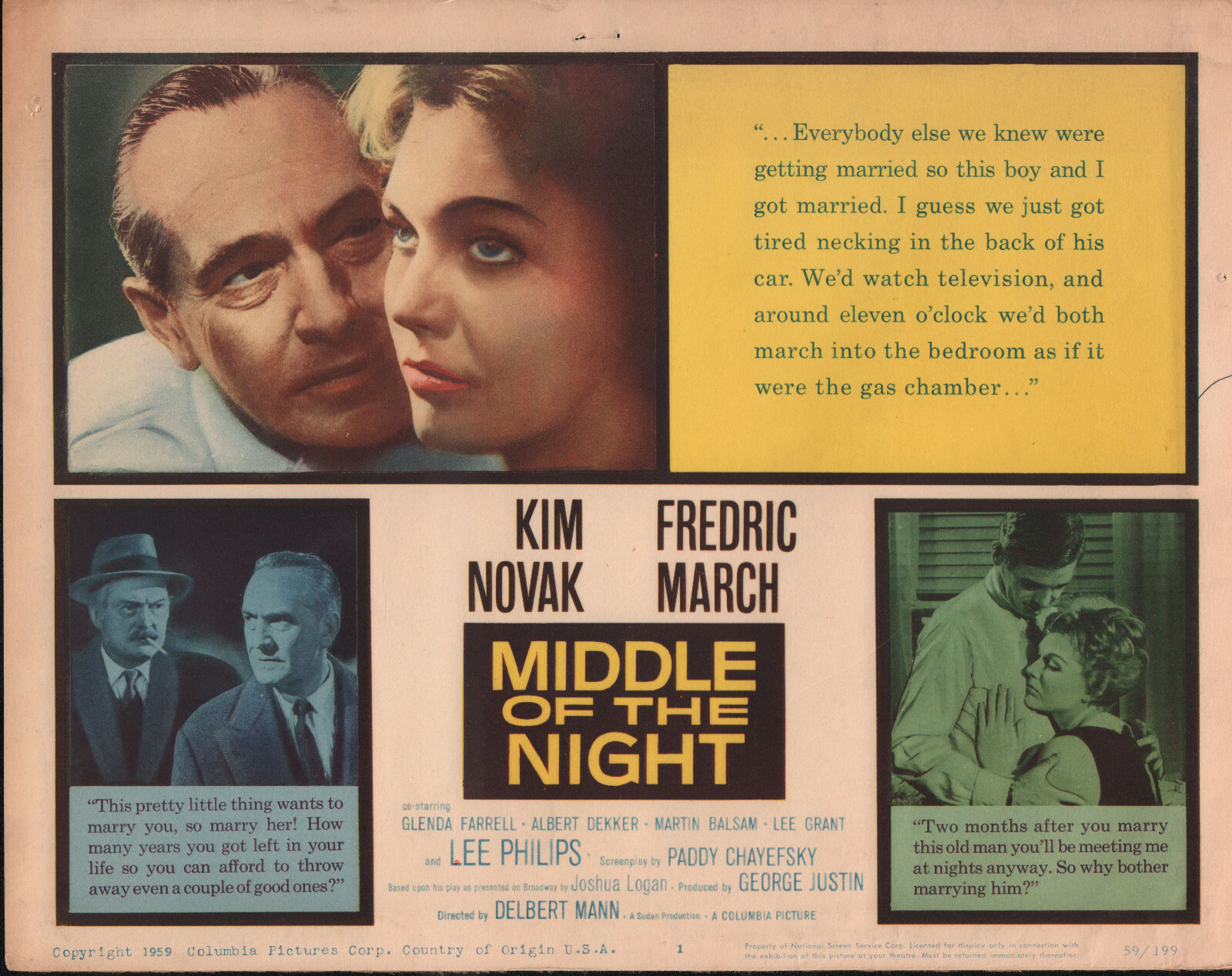
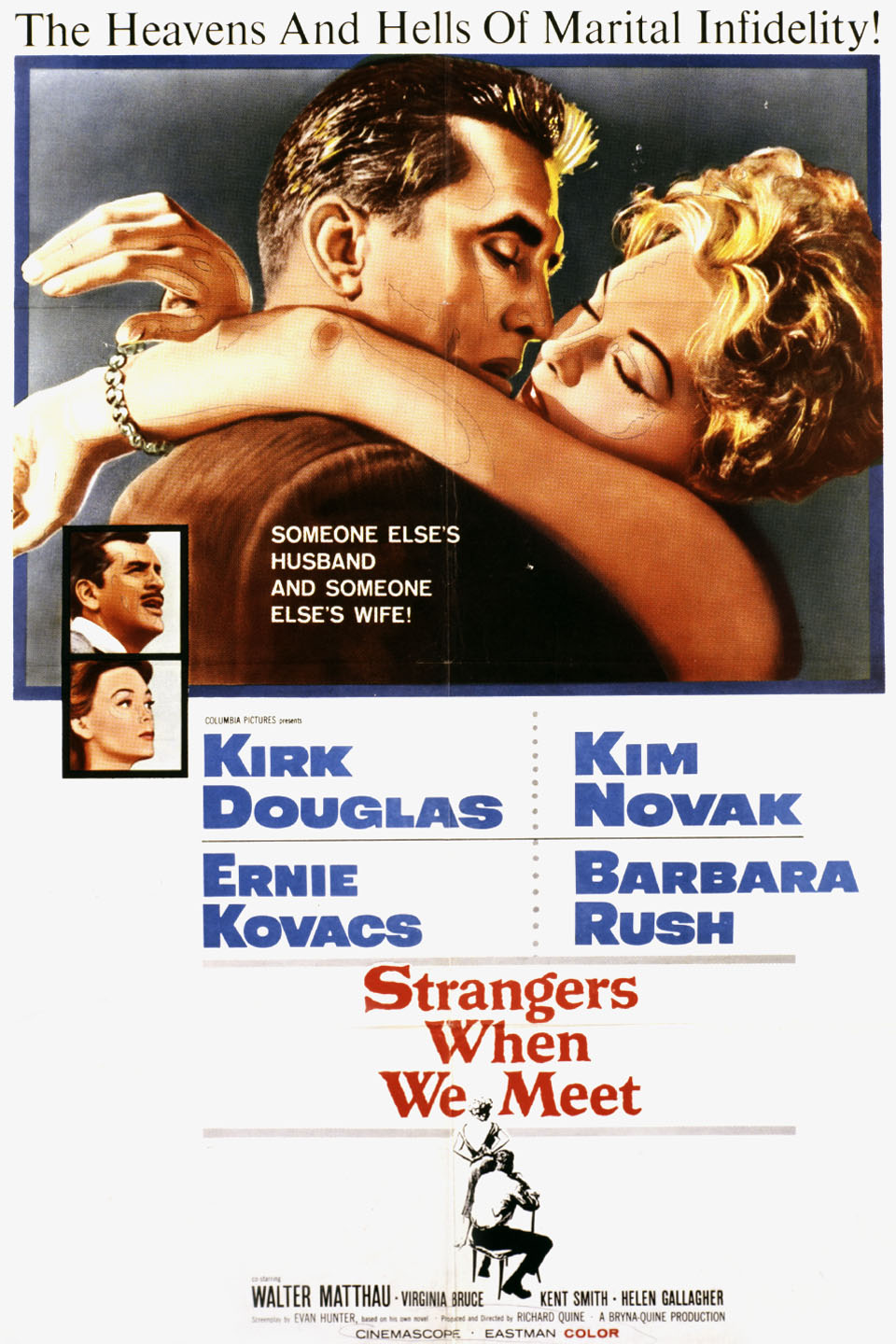
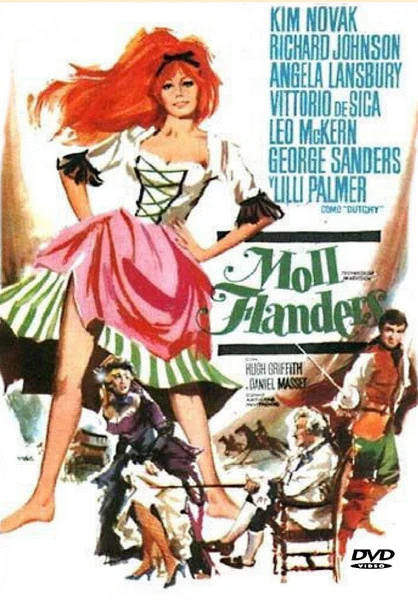
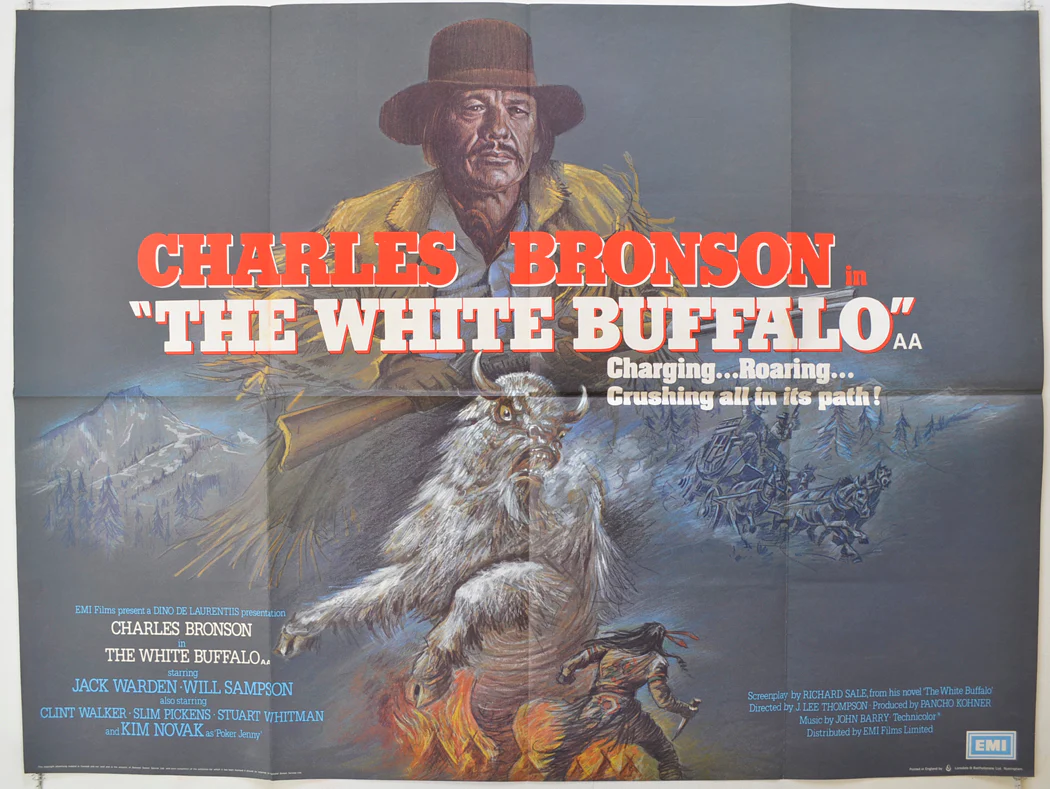
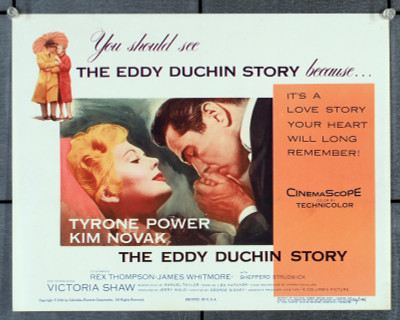
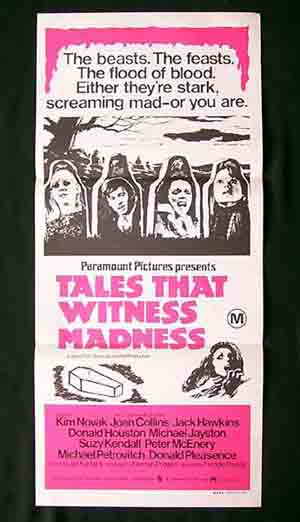
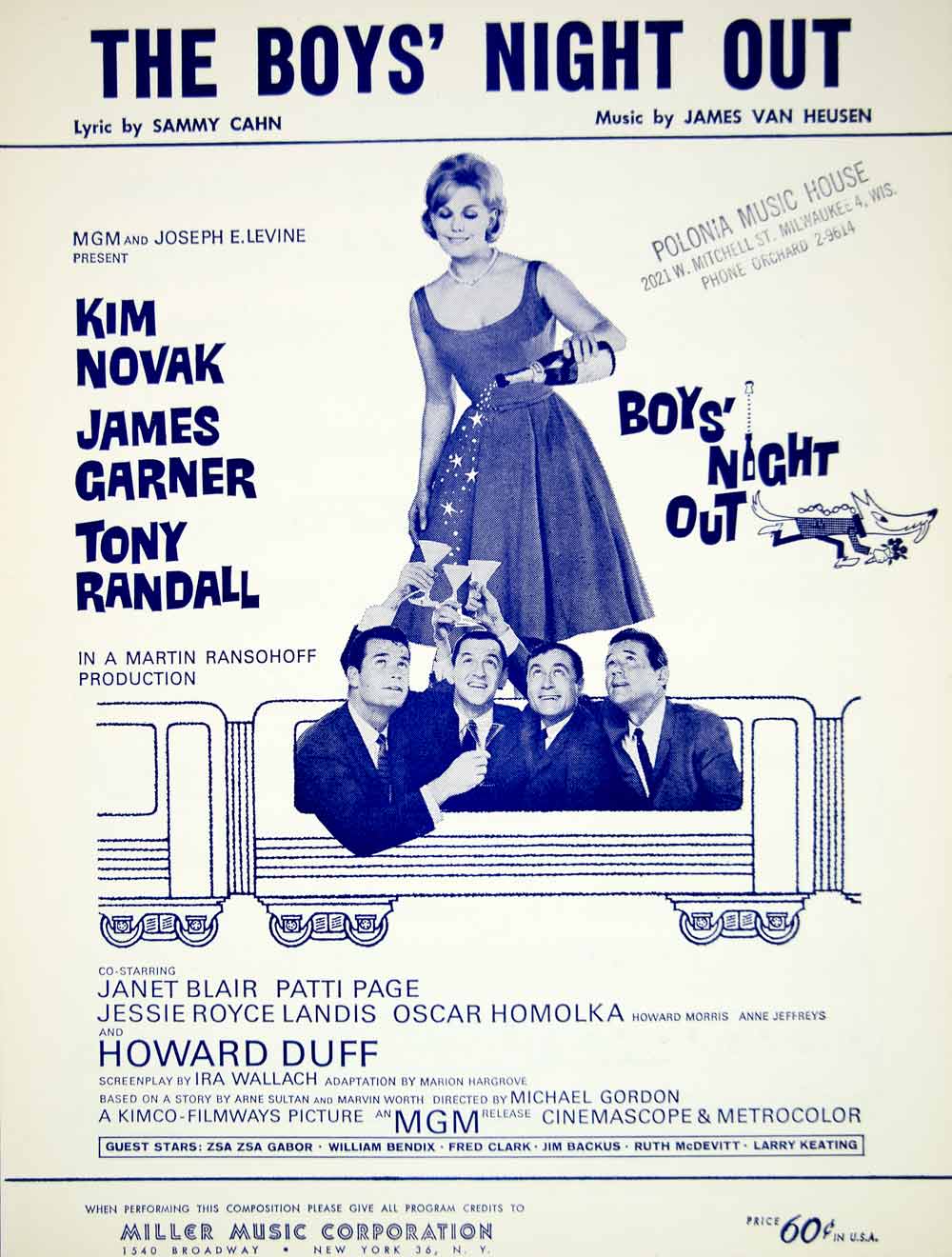
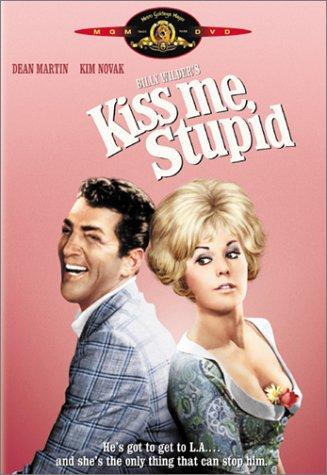
Career overview of Kim Novak
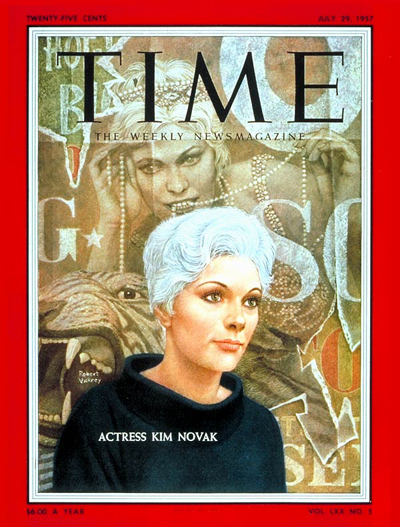
Kim Novak (born 1933) is one of the most enigmatic figures of classical Hollywood, an actress whose career embodies the tension between studio-manufactured stardom and personal resistance to it. Though she appeared in a number of popular films in the 1950s–60s, her enduring reputation rests heavily on a small number of performances—most notably one that has become central to film history.
Early career: Columbia contract and constructed stardom (mid-1950s)
Novak was signed and developed by Columbia Pictures as a successor to established blonde stars. Early films include:
- Picnic (with William Holden)
- The Man with the Golden Arm (with Frank Sinatra)
Critical analysis:
- Novak’s early performances reveal:
- A hesitant naturalism
- Emotional vulnerability that contrasts with the polished glamour expected of studio stars
- She often appears slightly out of sync with her roles, which can read as:
- Limited technique
- Or, more interestingly, a resistance to artificiality
Key insight:
From the beginning, Novak does not fully conform to the studio ideal of controlled, performative femininity, creating a tension that defines her screen presence.
Peak and defining work: Vertigo (1958)
Novak’s most important role is in:
- Vertigo (directed by Alfred Hitchcock)
She plays dual roles: Madeleine Elster and Judy Barton.
Critical analysis of the performance
- Novak constructs two distinct but intertwined identities:
- Madeleine: ethereal, distant, almost unreal
- Judy: grounded, insecure, emotionally exposed
- Her performance hinges on:
- Physical stillness and gaze
- Subtle shifts in voice and posture
Key achievement:
- She embodies the film’s central theme: the construction and manipulation of identity
Critical reinterpretation:
- Earlier criticism often framed Novak as limited
- Modern analysis recognises her performance as:
- perfectly aligned with Hitchcock’s project
- Expressing alienation, objectification, and fragmentation
Insight:
What once appeared as stiffness can now be read as intentional opacity, reinforcing the film’s psychological and thematic concerns.
Post-Vertigo: commercial success without consolidation (late 1950s–1960s)
Novak continued to appear in popular films such as:
- Bell, Book and Candle
- Pal Joey
Critical observation:
- These roles emphasise:
- Glamour
- Romantic or comedic appeal
However:
- They do not fully utilise the complexity revealed in Vertigo
Limitation:
Novak’s career becomes divided between:
- A single, deeply complex role
- A series of more conventional star vehicles
Decline and withdrawal (late 1960s–1970s)
By the late 1960s, Novak’s film appearances decreased significantly.
Factors include:
- Conflicts with studio control
- Personal dissatisfaction with roles
- Changing industry dynamics
She largely withdrew from acting, making only occasional later appearances.
Acting style and screen persona
Novak’s acting is characterised by:
- Stillness and inwardness
- Emotional vulnerability
- A certain opacity or unreadability
Her screen persona combines:
- Sensuality
- Fragility
- Detachment
Critical limitation:
- She lacks:
- Vocal dynamism
- Wide expressive range
But:
Critical reinterpretation:
- These qualities contribute to a unique and modern form of screen presence, particularly suited to psychologically complex roles.
Critical analysis of her career
1. Resistance to the studio system
Novak’s career reflects:
- A struggle between:
- Studio-imposed identity
- Personal authenticity
Insight:
Her performances often carry a sense of unease with performance itself, which becomes artistically valuable in retrospect.
2. The reinterpretation of “limitations”
What was once seen as:
- Stiffness
- Inexpressiveness
Is now often viewed as:
- Minimalist acting
- A form of emotional withholding
3. The singularity of Vertigo
Her legacy is overwhelmingly shaped by one film.
Implication:
- She is a canonical figure through association with a masterpiece
- But her broader career lacks similar peaks
4. Gender, objectification, and performance
In Vertigo, Novak becomes:
- Both subject and object
- Performer and constructed image
Critical insight:
Her career can be read as a commentary on:
- The objectification of actresses
- The instability of identity within Hollywood
5. Absence of reinvention
Unlike some contemporaries:
- Novak does not significantly reinvent herself in later years
Result:
- Her career remains concentrated and finite, rather than evolving
Overall evaluation
Strengths:
- Unique screen presence
- Deeply effective in psychologically complex roles
- Central performance in one of cinema’s most important films
Limitations:
- Narrow range
- Inconsistent filmography
- Lack of sustained artistic development
Conclusion
Kim Novak’s career is best understood not through breadth, but through intensity and singularity:
- She was not a versatile or prolific actor
- Nor a fully realised studio star
Yet:
In the right context, she produced a performance that redefined how identity, desire, and illusion could be expressed on screen.
Her legacy rests on a paradox:
- What once appeared as limitation
- Now reads as modernity
Making her one of the most critically re-evaluated actresses of classical Hollywood cinema