

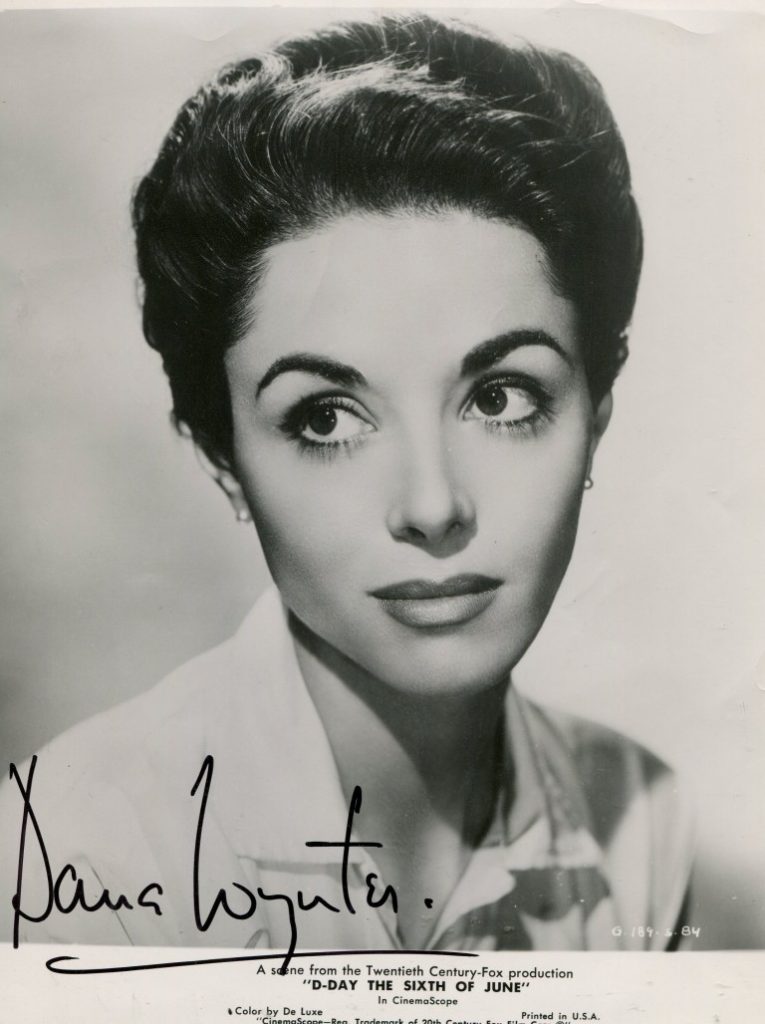
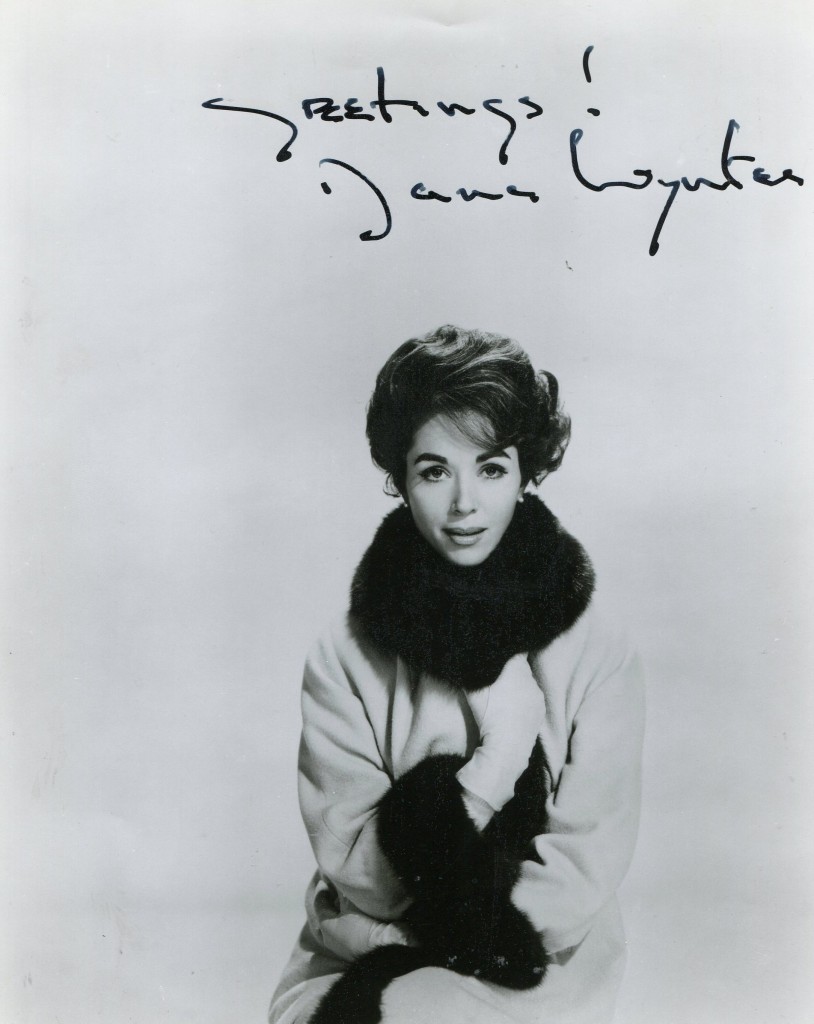
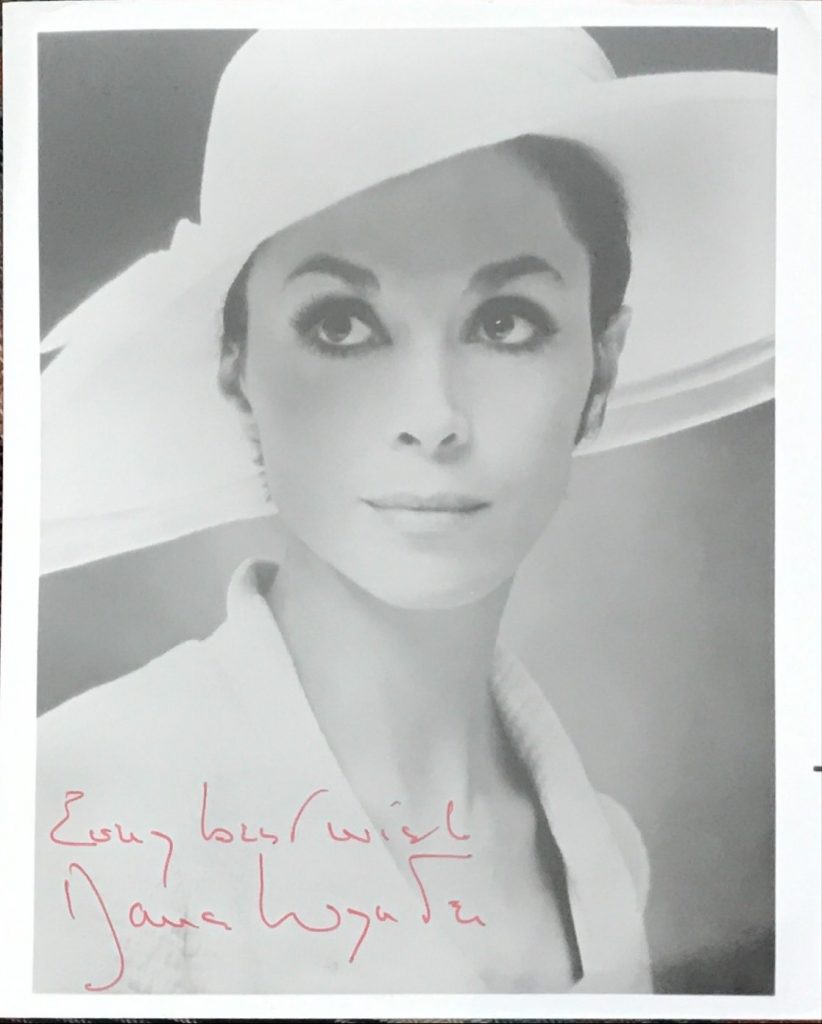
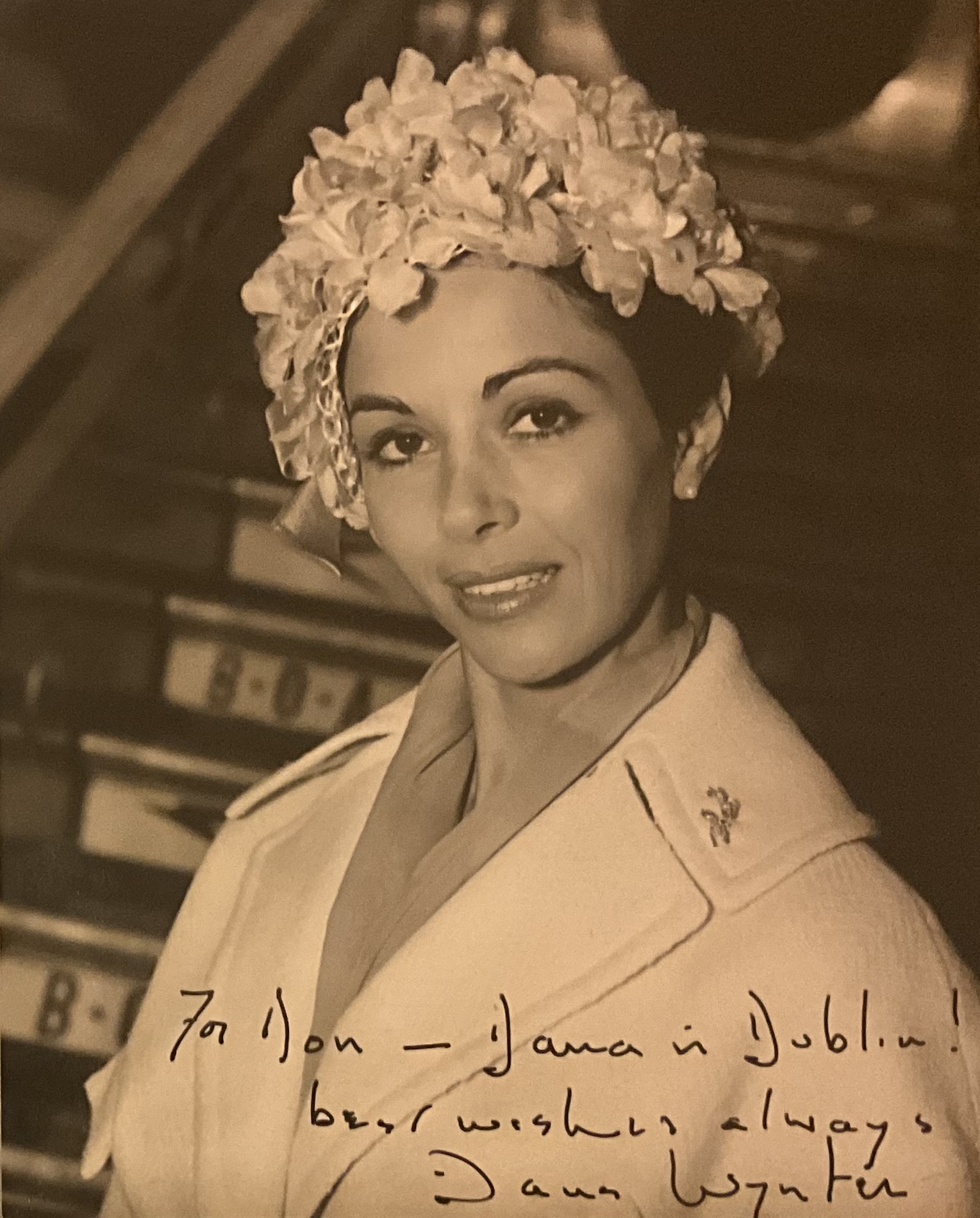
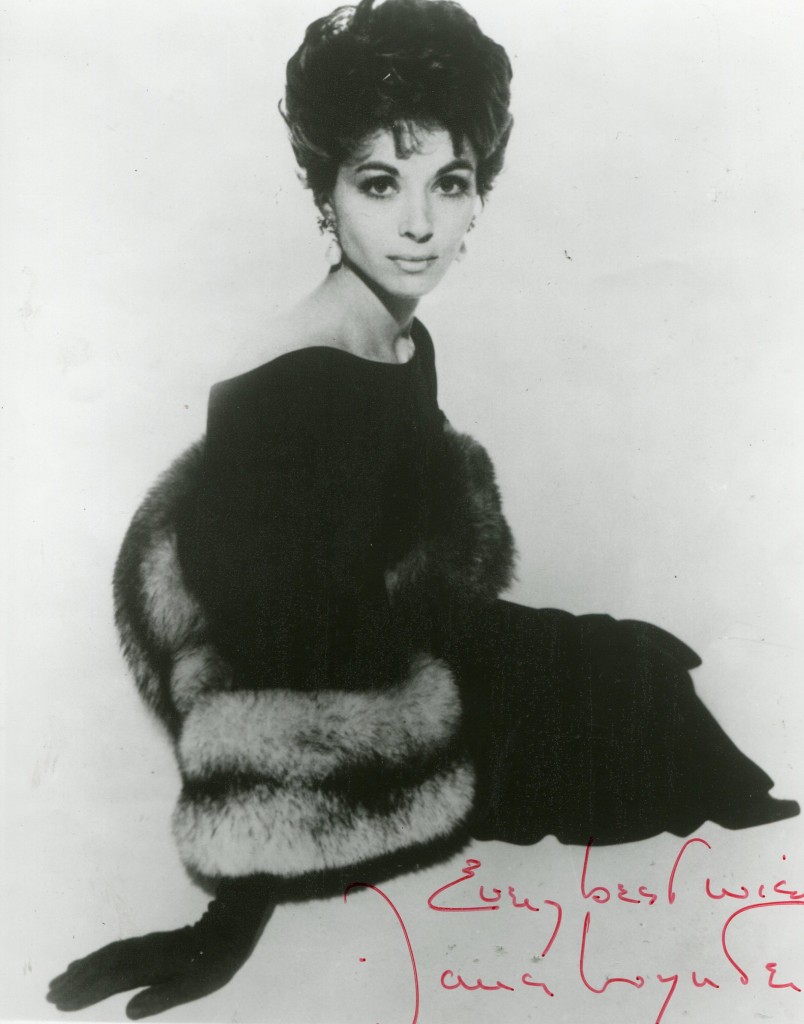
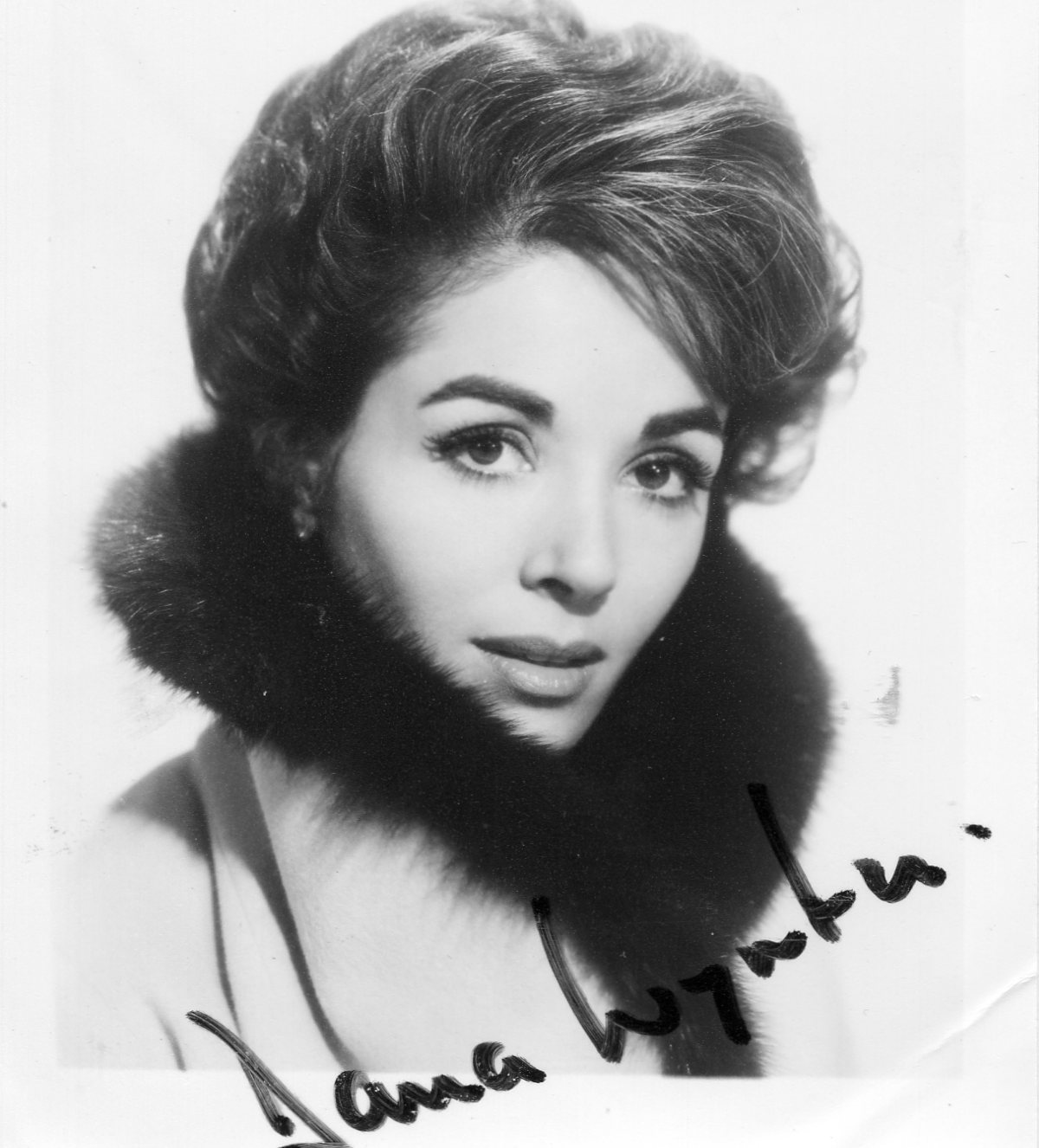
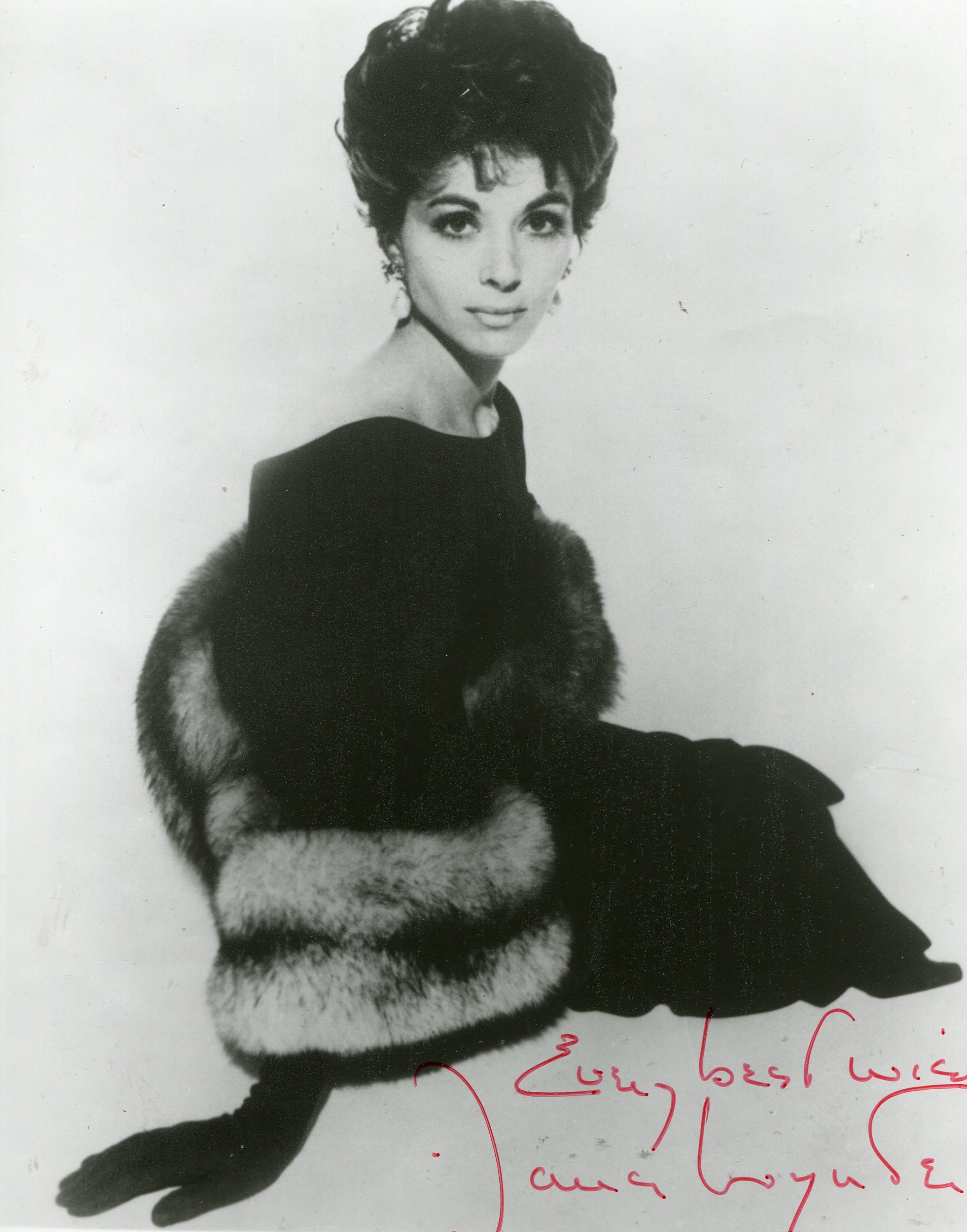
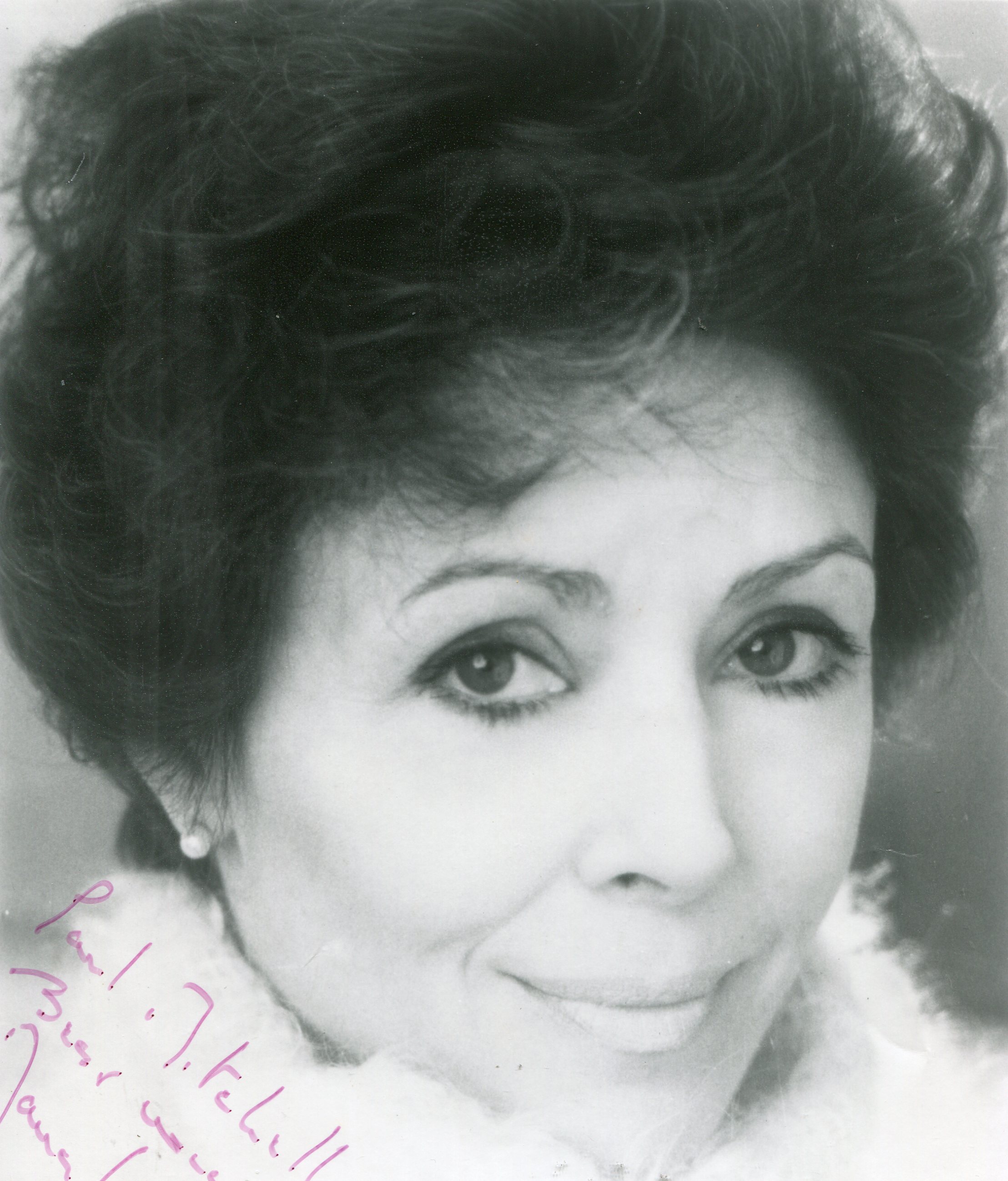
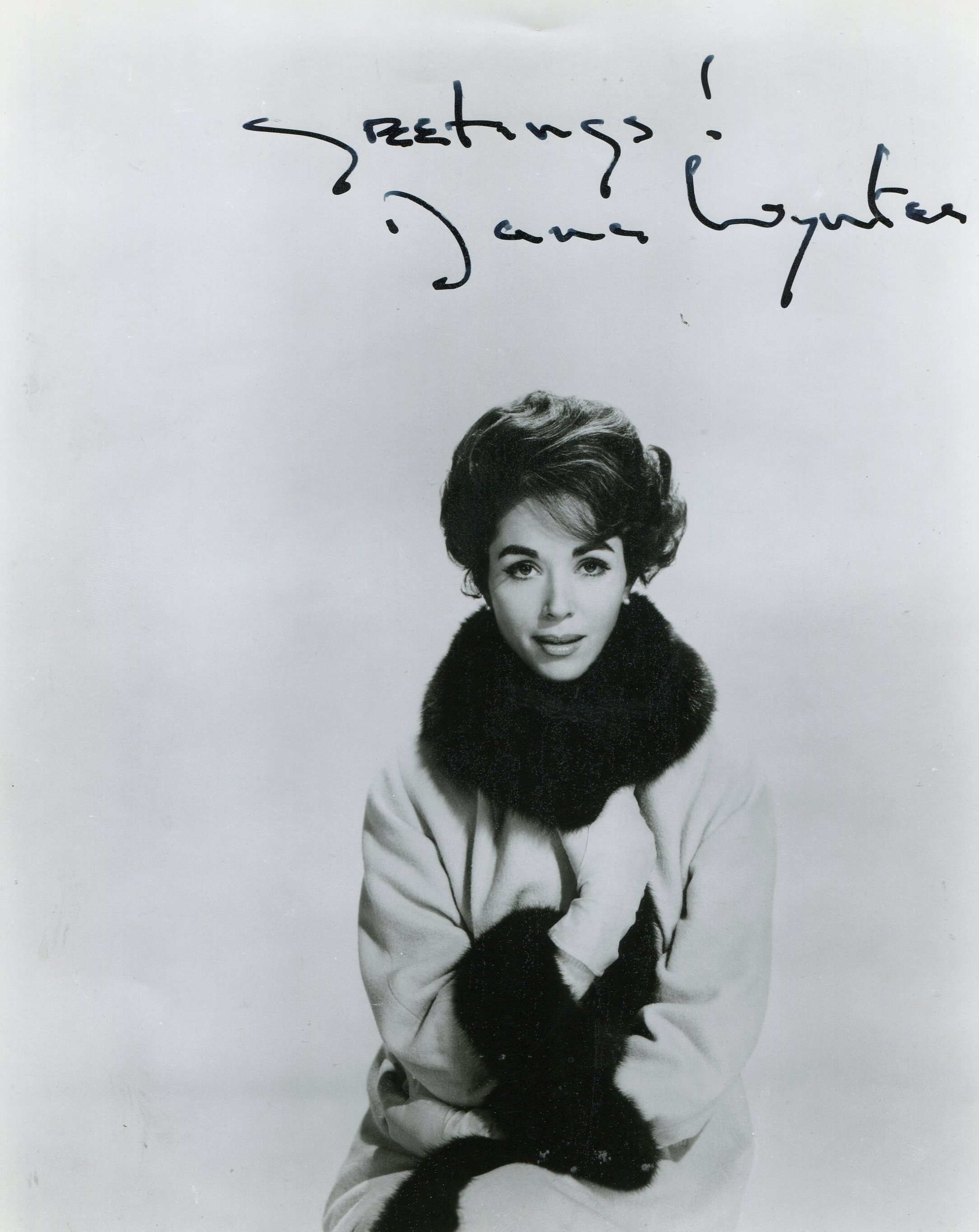
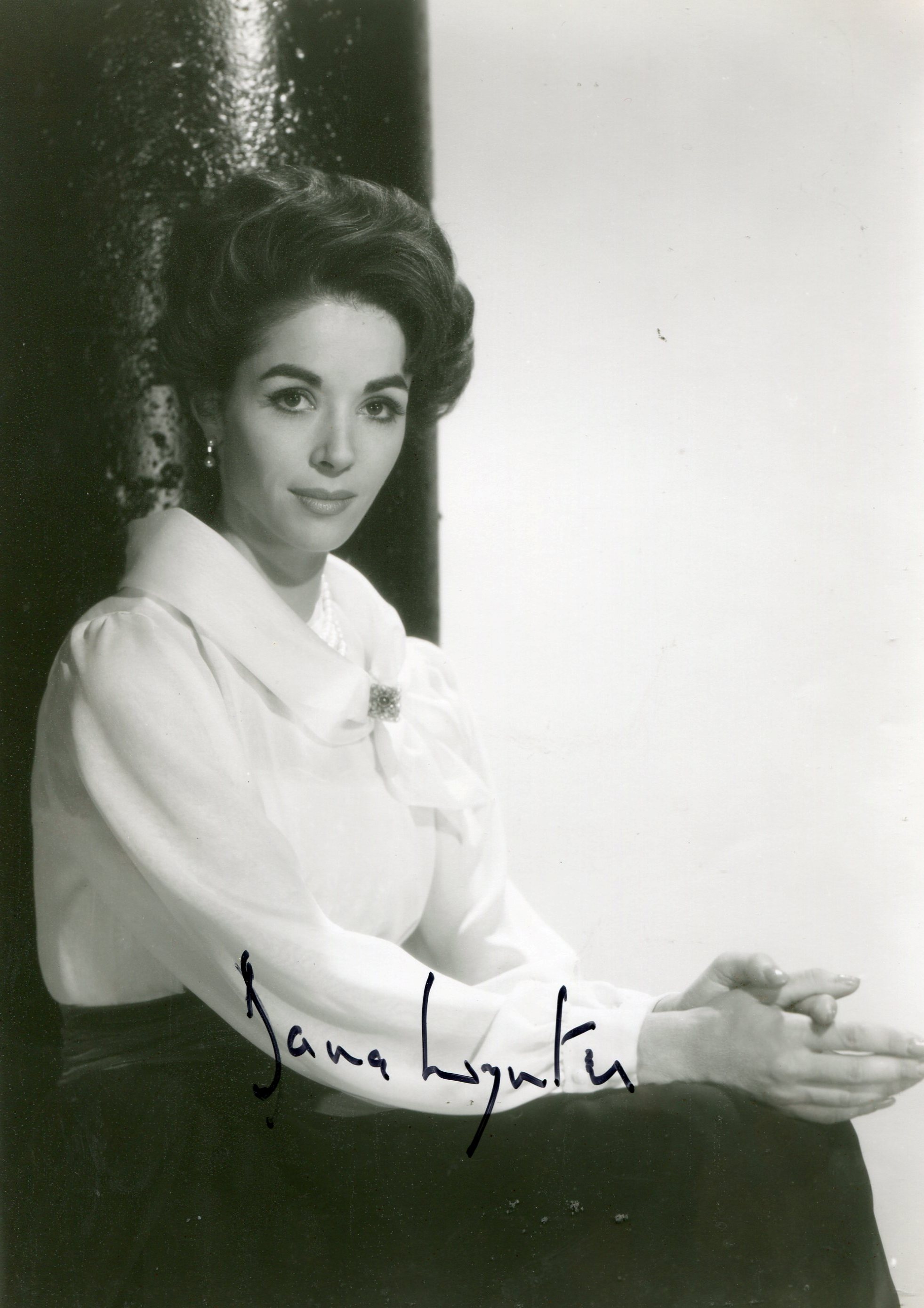
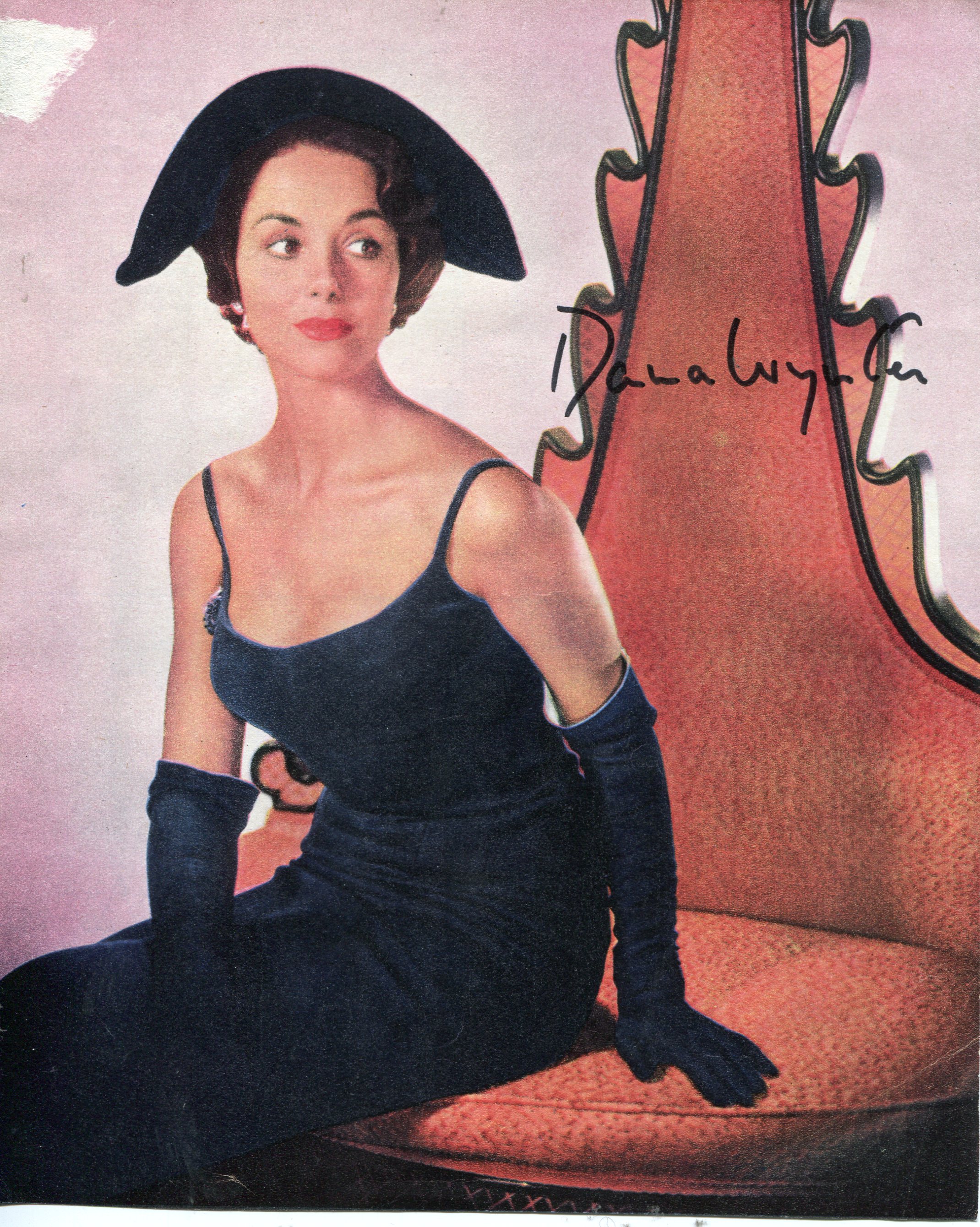
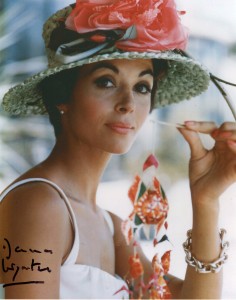
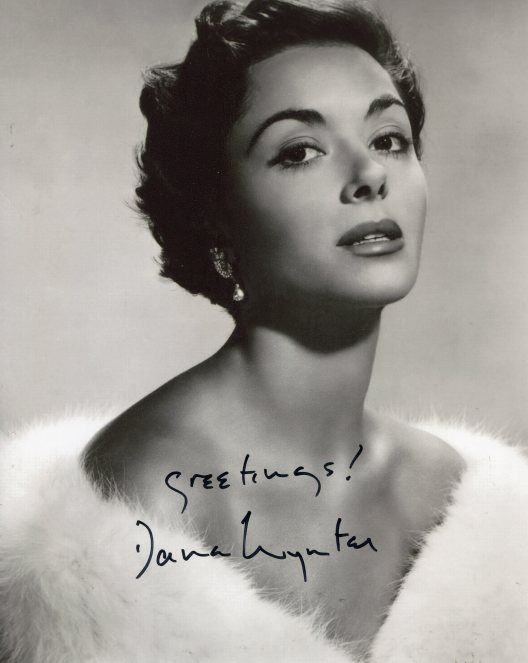
The Guardian Obituary in 2011.
It could be argued that the strikingly beautiful, dark-haired Dana Wynter, who has died aged 79, did not have the film career she deserved. One of the reasons may have been that she was under a seven-year contract to 20th Century Fox, a studio that gave her few chances to display her histrionic talents. As proof, Wynter’s best film, Don Siegel’s Invasion of the Body Snatchers (1956), was produced by Allied Artists, one of the “Poverty Row” studios.
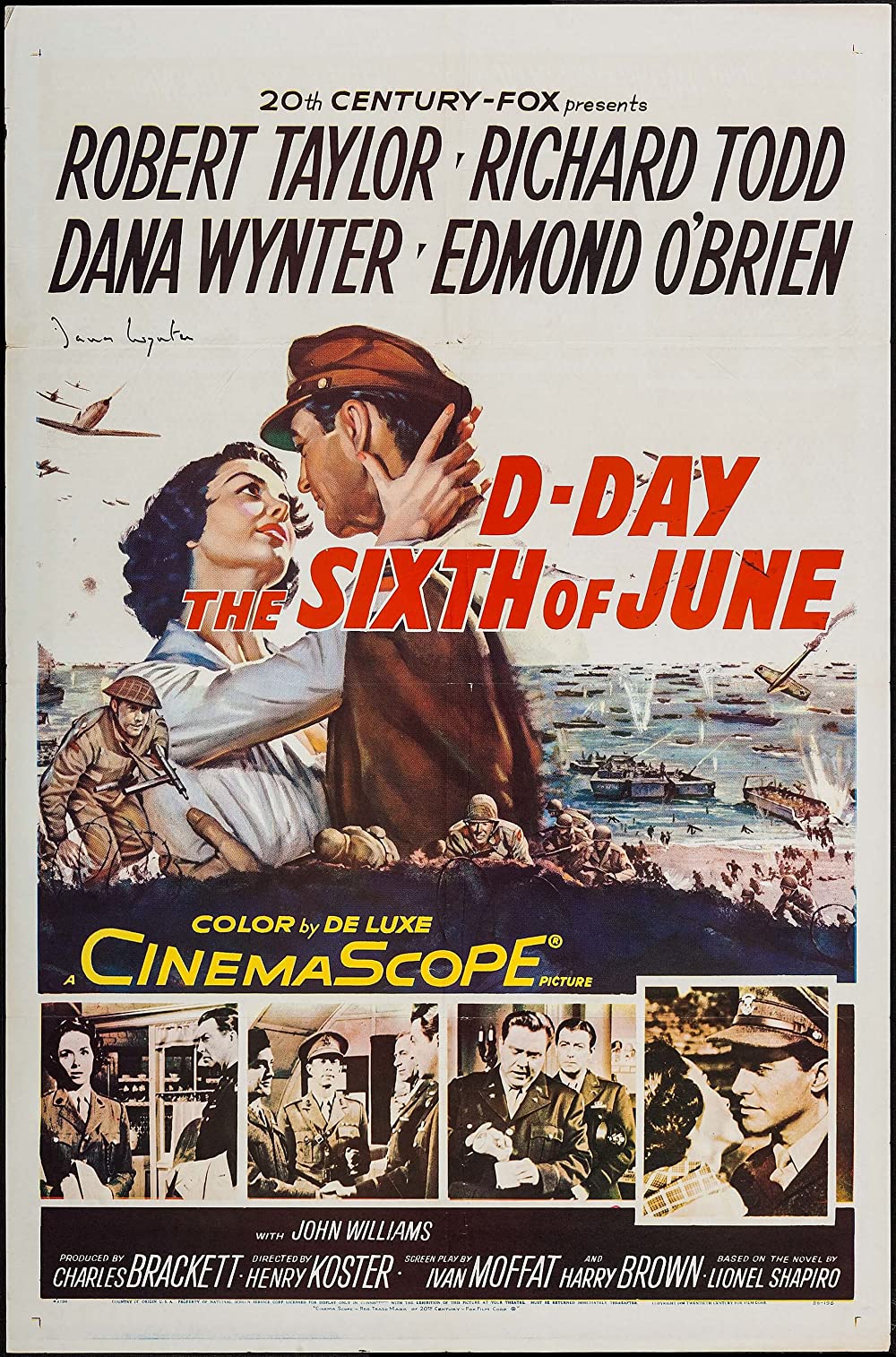
Nevertheless, it was Fox that made the demure Wynter into a star, featuring her in five rather hollow, self-important CinemaScope pictures. Some of her own frustration with her image is implied in D-Day: The Sixth of June (1956) when, as a British Red Cross worker, she tells a married American army captain with whom she is romantically involved: “You think I’m pure and angel-like because I’m English, my voice is crisp and my father’s a brigadier. But I’m not pure and angel-like
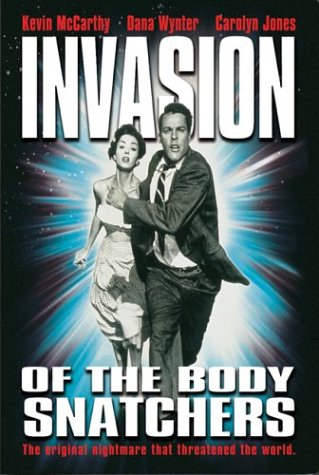
Unfortunately, Wynter rarely had an opportunity to prove it. Perhaps that is what makes the ending of Invasion of the Body Snatchers so chilling – as the doctor (Kevin McCarthy) suddenly realises that Wynter, as the woman he loves, has turned into an inhuman pod person.
Wynter, the epitome of the “English rose”, was born Dagmar Winter, in Berlin, where her father, a celebrated surgeon, and her Hungarian mother were living at the time. She went to school in England and Southern Rhodesia (now Zimbabwe), and studied medicine at Rhodes University in South Africa. But after a year, she dropped her medical studies and returned to England, determined to take up acting.
Credited as Dagmar Wynter, she appeared in bit parts in British films, and in two European-made Hollywood productions: The Crimson Pirate (1952) and Knights of the Round Table (1953). In 1953, aged 22, having gained an American agent, Wynter arrived in New York, where she immediately got work on television, prior to taking up her Fox contract in Hollywood.
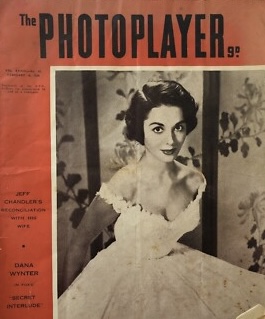
The studio first cast the unknown as a southern belle in The View from Pompey’s Head (aka Secret Interlude, 1955), in which her beauty, rather than her acting, attracted notice. Playing an adulterous woman, Wynter found it hard to live up to the publicity: “Not since Scarlett and Jezebel has the south produced such a woman!”
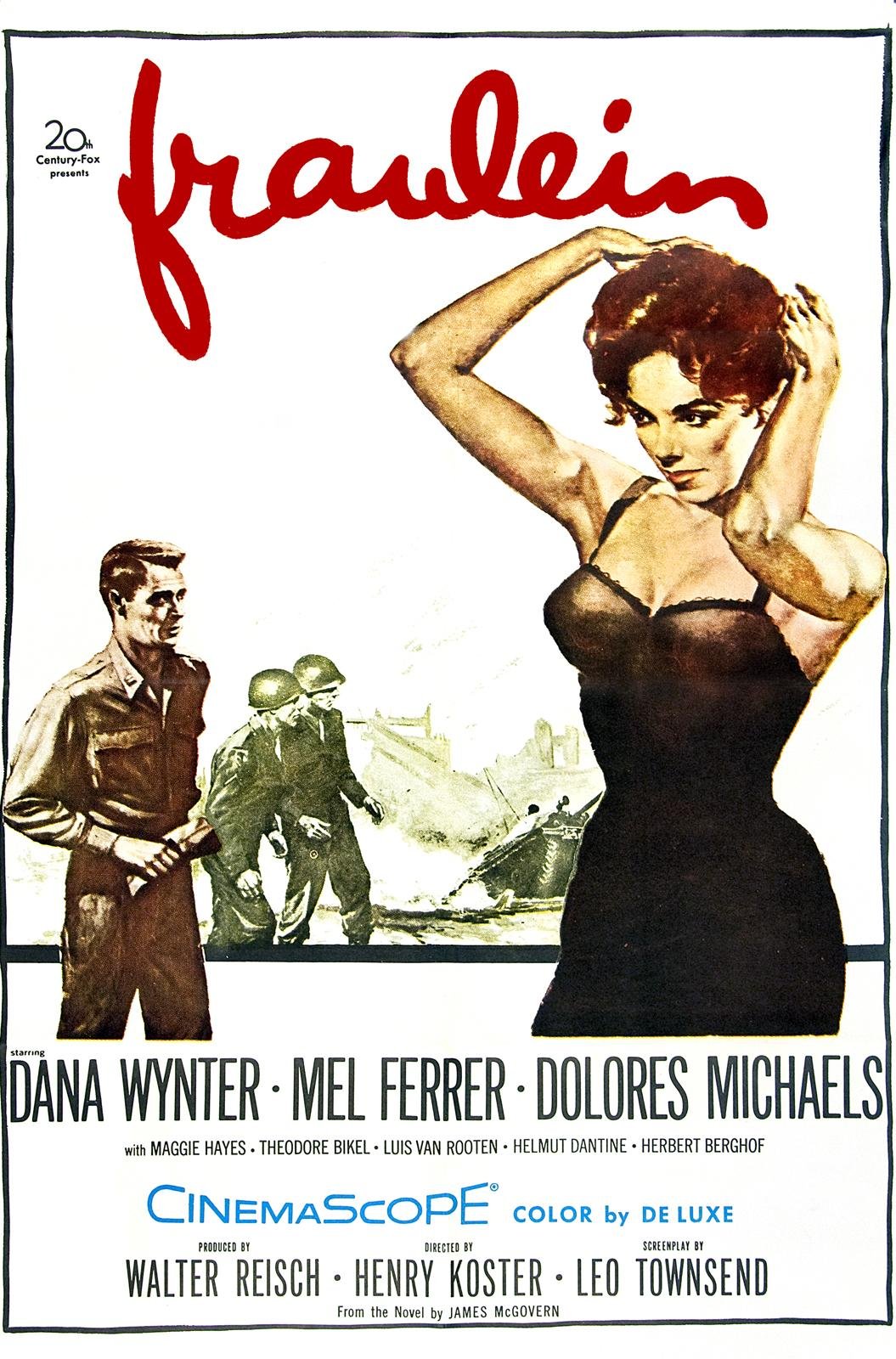
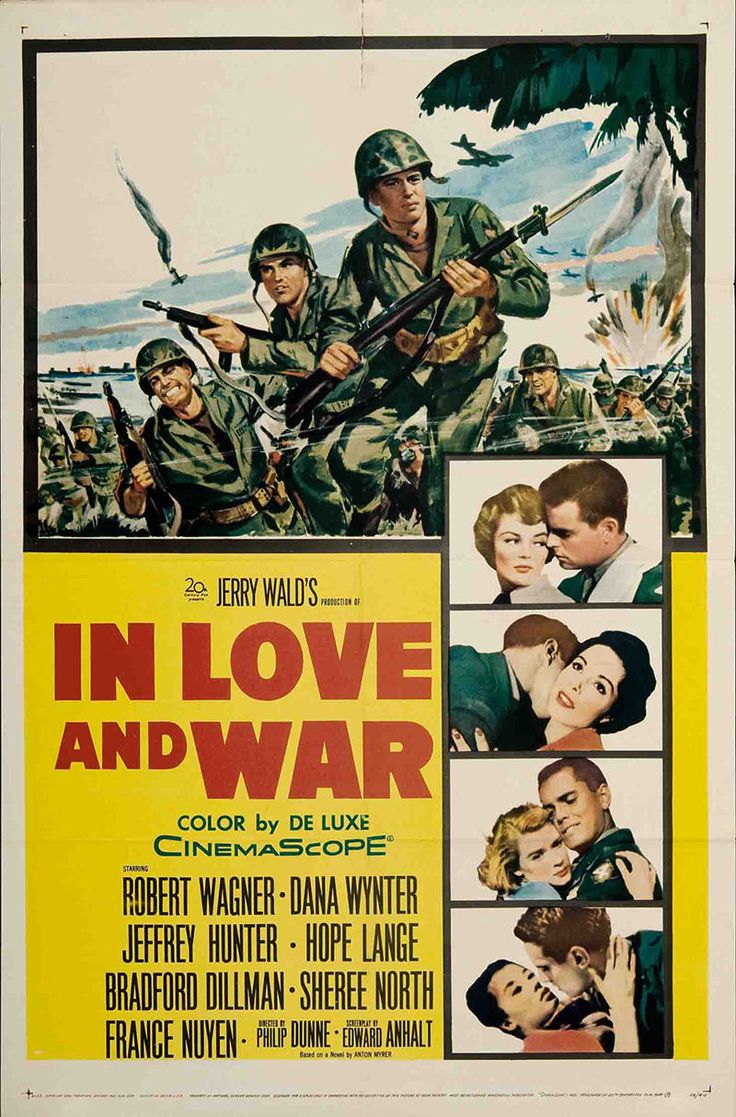
With a slight German accent and her hair lightened, Wynter was quite touching as a displaced woman in postwar Berlin who falls in love with an American army officer (Mel Ferrer) in Fräulein (1958). She gave a glimpse of what she was emotionally capable of in the same year’s In Love and War, as a self-styled “rich tramp” who drinks and attempts suicide when abandoned by her soldier fiance (Bradford Dillman).
Wynter’s Fox contract ended with the British-made Sink the Bismarck! (1960), in which she played a briskly efficient Wren who helps to slightly loosen Kenneth More’s stiff upper lip, by lending him a sympathetic ear.
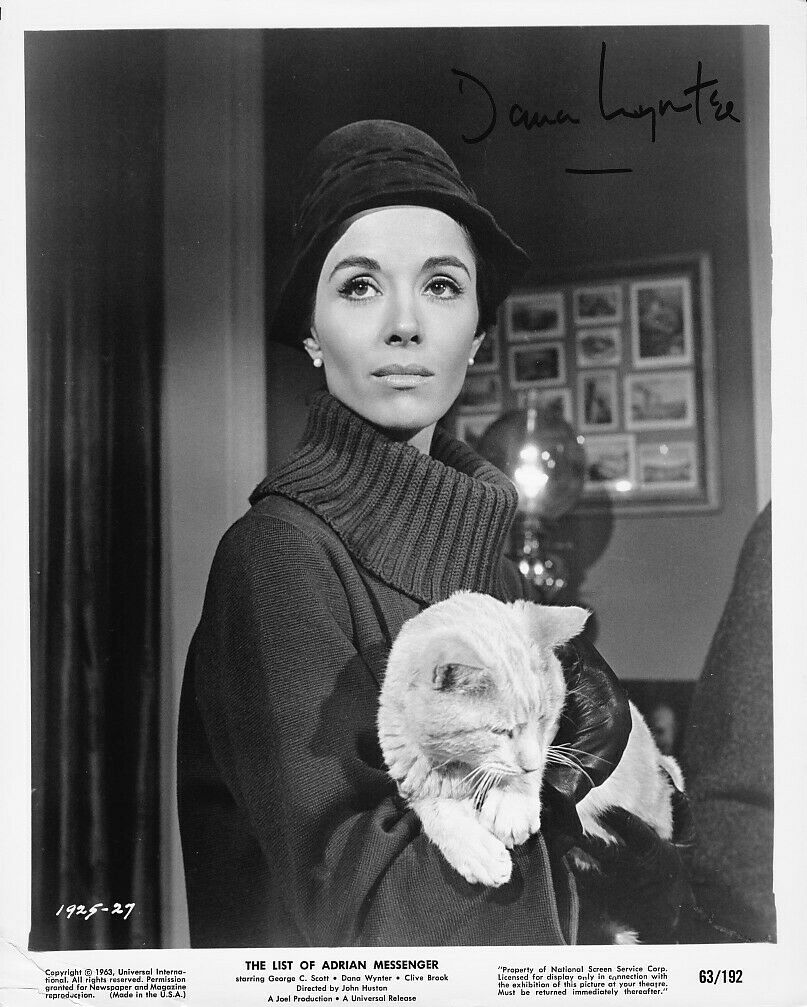
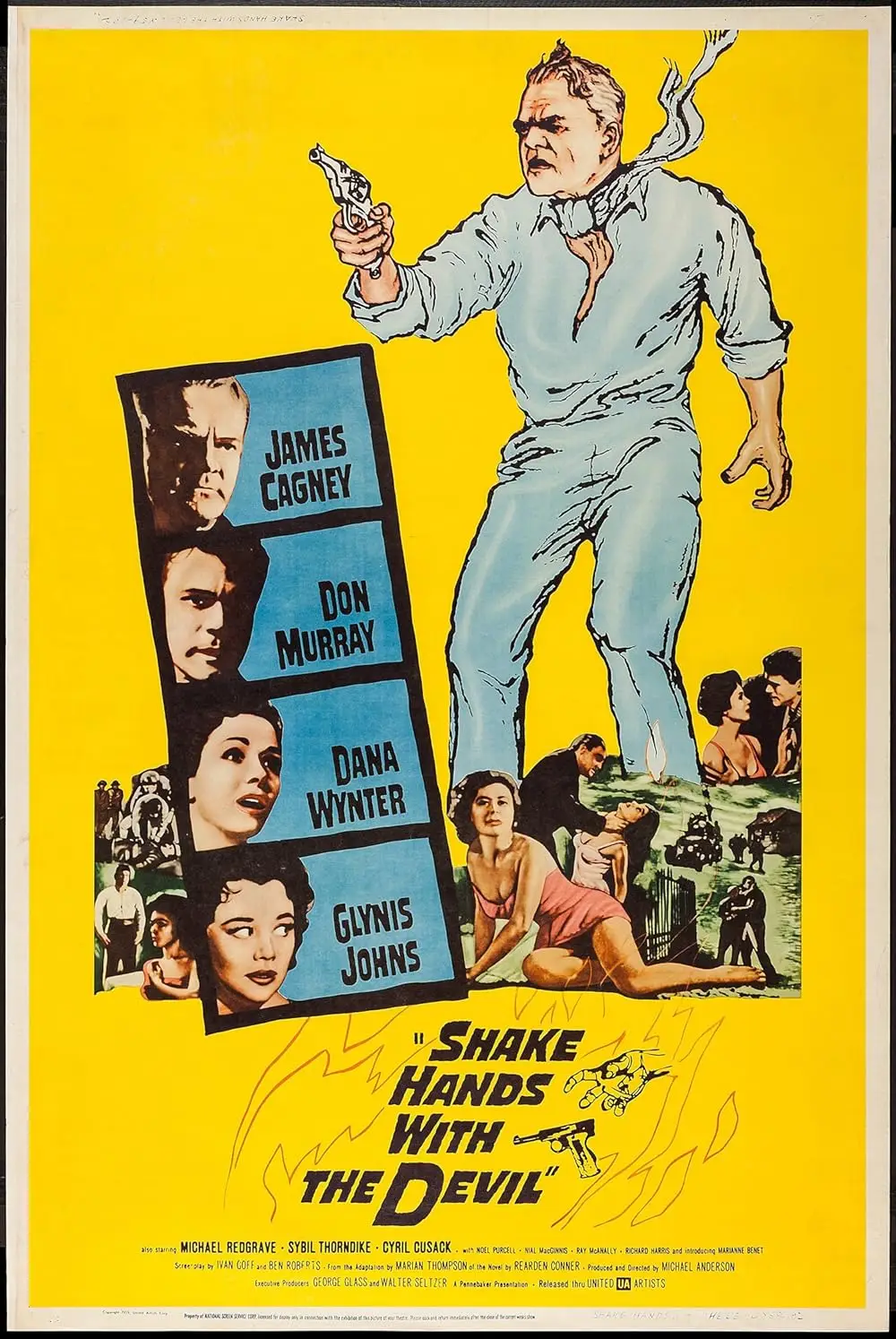
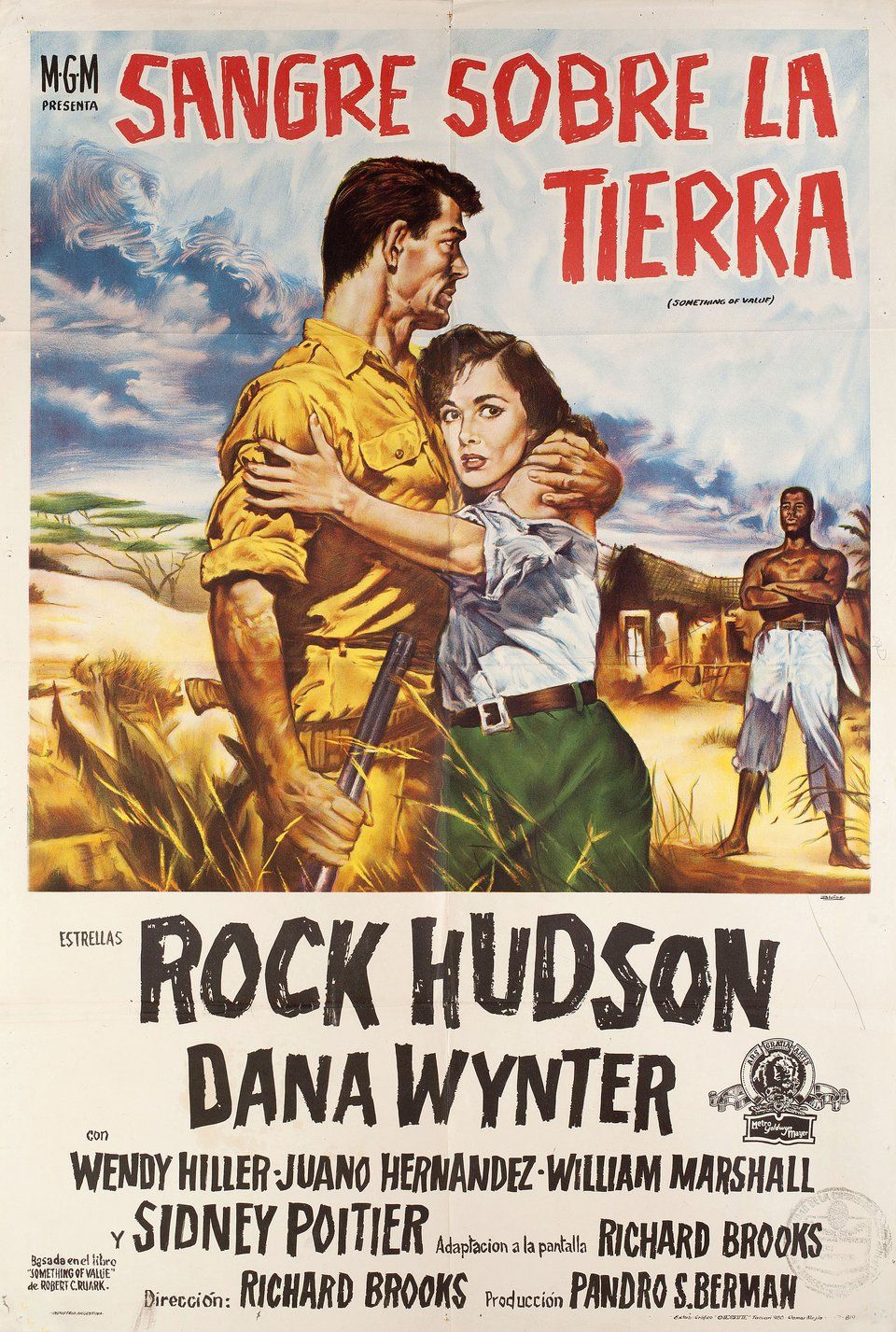
She was little more than decorative as Rock Hudson’s white settler fiancee in MGM’s Mau-Mau drama Something of Value (1957); as a daughter of a politician kidnapped by the IRA in Shake Hands With the Devil (1959); and as Lady Jocelyn Bruttenholm in John Huston’s gimmicky whodunnit The List of Adrian Messenger (1963). The latter two films were shot in Ireland, where Wynter and her husband, Greg Bautzer, a divorce lawyer to many a Hollywood star, made their second home. They later divorced.
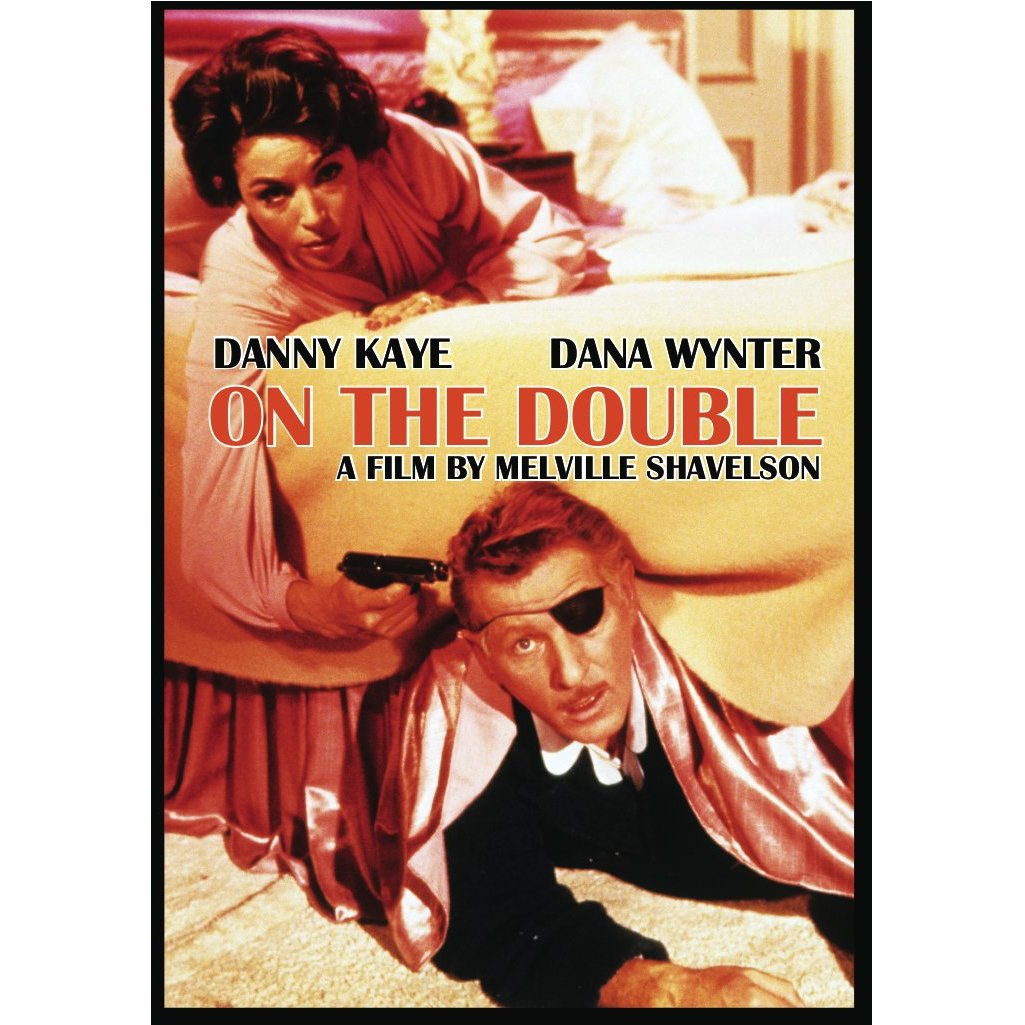
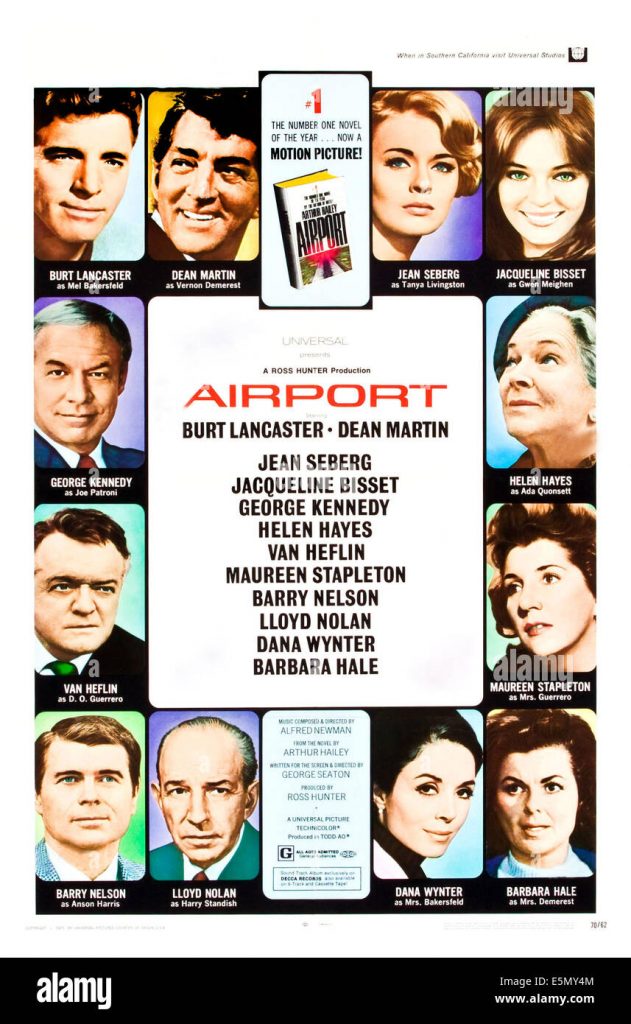
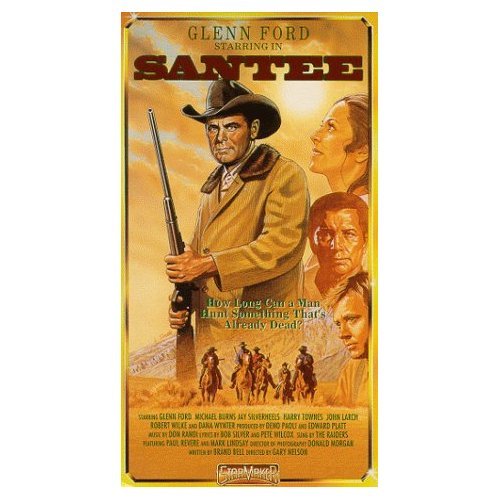
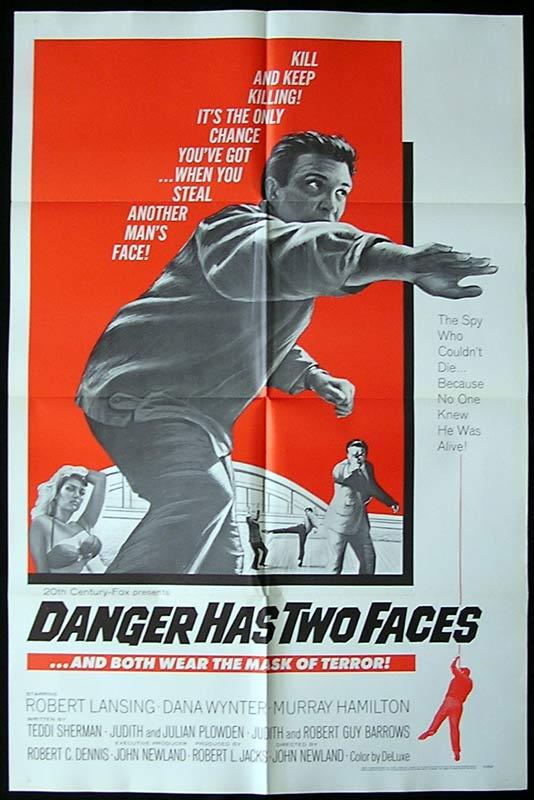
Wynter played another aristocrat, this time opposite Danny Kaye, in On the Double (1961); she was bounty hunter Glenn Ford’s wife in Santee (1973), her only western; and airport manager Burt Lancaster’s neglected wife in Airport (1970), the film that initiated a cycle of disaster movies. After a relatively small role as Yves Montand’s rich American wife in Jean-Paul Rappeneau’s Le Sauvage (Call Me Savage, 1975), Wynter concentrated her energies on television, a medium in which she felt more comfortable and where expectations were lower.
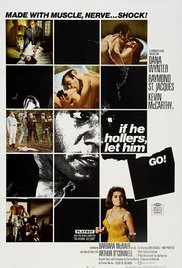
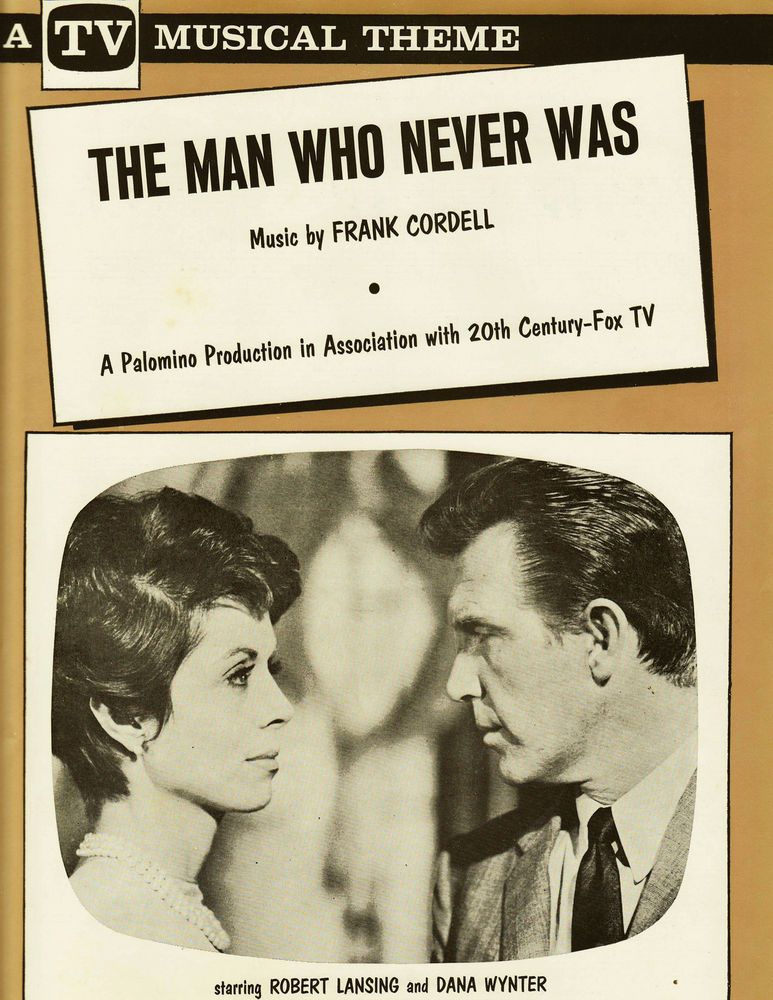
She had already made an impact as the wife of a double agent in 18 episodes of the series The Man Who Never Was (1966-67) and as a guest star in other shows. It was perhaps inevitable, given her list of uppercrust roles, that Wynter should portray Queen Elizabeth in the indigestible made-for-TV movie, The Royal Romance of Charles and Diana (1982). In the mid-1980s, she took up journalism and wrote the column Grassroots, about life in California and County Wicklow, for the Guardian.
She is survived by her son, Mark.


Irish independent Obituary in 2011.
THE PASSING of leading Hollywood actress Dana Wynter was met with much sadness by her neighbours and friends in County Wicklow.
She was born Dagmar Winter in Berlin, Germany 1931 and was the daughter of Dr. Peter Wynter and his wife, Jutta Oarda. She grew up in England and when she was 16 moved to Southern Rhodesia.
He acting career began in 1951, and she went on to appear in numerous movies, while also appearing on TV and on stage.
During the 1950s and 1960s she appeared in movies alongside such other stars as Rock Hudson, Sidney Poitier, Robert Wagner, James Gagney and George C. Scott.
She is perhaps best known for her role in ‘Invasion of the Body Snatchers,’ a 1956 science fiction film which in 1994 was selected for preservation in the United States National Film Registry by the Library of Congress. In June 2008 the film was included in the American Film Institute’s ‘ Ten Top Ten’ list, the best ten films in ten ‘classic’ American film genres.
While filming in County Wicklow in 1967 she fell in love with a house in Glenmacnass and ended up purchasing the property two years later. She became popular face locally and mixed well with her neighbours, who held her in very high regard. She also had many famous visitors call to her home, including the likes of Sean Connery, Jacqueline Bisset and Jacques Cousteau
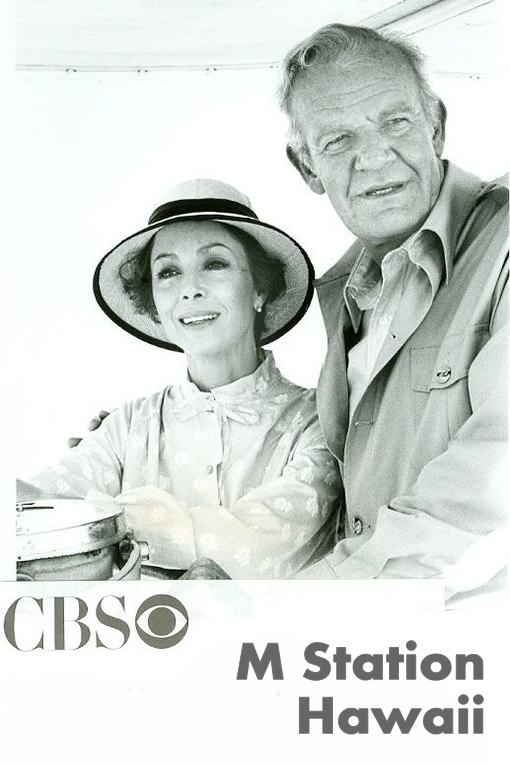
For the next 20 years or so she appeared as a guest in countless numbers of TV shows. She starred with Robert Lansing in the ABC spy thriller ‘ The Man who Never Was’ in the late 60s and acted in series including ‘ Wagon Train,’ ‘ The Love Boat,’ ‘Magnum P.I.’ and ‘Cannon.’
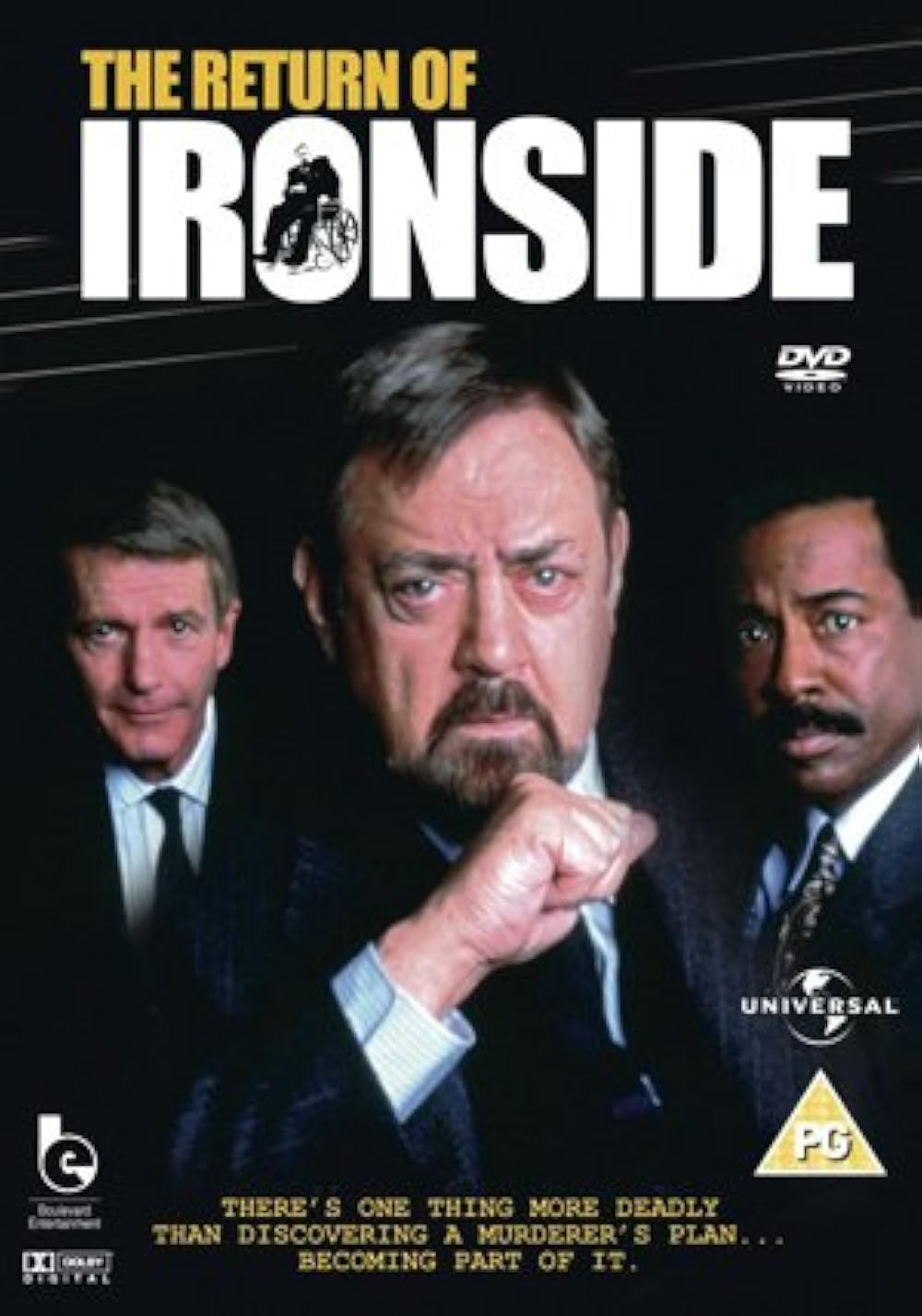
From 1978 to 1980 she appeared in the Irish soap opera ‘Bracken’ and went on to play Raymond Burr’s wife in ‘ The Return of Ironside’.
She became the author of the ‘Grassroots’ column for the newspaper ‘ The Guardian’ in London. Her work often concentrated on her life in Ireland, leading her to use titles such as ‘ Irish Eyes’ for a number of her publications.
In recent years she moved back to California but still kept her residence in Glenmacnass. She passed away in Ojai Valley Community Hospital’s Continuing Care Centre earlier this month.
She is survived by her son Mark Bautzer from her marriage to Greg Bautzer.
Ms. Wynter’s ashes will be returned in the summer to the place which held such a special place in her heart, County Wicklow


Irish times obituary in 2011.
DANA WYNTER:DANA WYNTER, who has died in Ojai, California, aged 79, was an actor whose screen roles included one of the leads in the iconic Invasion of the Body Snatchers.
For the happy few, she was also and mostly a writer. A very good writer. Her memoirs, Other People, Other Places, published in 2005, and her extensive correspondence are a testimony to it. As are her letters to so many different people in so many different places in life. These ranged from Comdt Jacques Cousteau to former US president Richard Nixon, from priests all over the world to shepherds and neighbours in her narrow valley of Glenmacnass, Co Wicklow. They also included directors and actors in Hollywood to animal rights activists and from dedicated artists to charming dilettantes – all exhibit a tremendous natural talent, a perfect ear and a sharp eye, qualities that she brought to full fruition as she became a contributor for publications as diverse as the Guardian, Country Living, the National Reviewor The Irish Times, among others.
Here is her terse description of how George Sanders told Zsa-Zsa Gabor that their marriage (her third at that stage; there are nine to date) was over. “The hum of the hair dryer indicated human presence in the dressing room, and he approached his quarry who was sitting under the machine reading about herself in a glossy fan magazine. Vain attempts at attracting attention ended in a firm rap on the hood of the dryer and she did, briefly, look up, he claimed, but without lifting the hood. Sanders then raised his voice. ‘Zsa-Zsa – I’m leaving you. Forever. Sorry about the marriage. I’ll write’. Obviously not having heard any of this, Zsa-Zsa nodded, flashed a bright smile, waggled her fingers at him and returned to her reading.”
Fast, precise, pitiless. This is how stars used to divorce and it was how Dana Wynter wrote.
Her style might have been influenced by her one and only marriage to Gregson Bautzer, the most famous divorce lawyer of Los Angeles. But her irony, her impeccable sense of humour, her taste and distaste had deeper roots.
Dana Wynter was born Dagmar Winter in Berlin, the daughter of a British surgeon father and a Hungarian mother. She was raised in Scotland, England, Rhodesia and South Africa, on stage in London, on air with Orson Welles and on screen in Hollywood. She learned, at an early age, how small the outside world was. This compelled her to draw on the ground an even smaller circle around her feet with the rule, known only to her, to never cross it
She divorced her only husband, celebrity attorney Greg Bautzer, in 1981. She and Bautzer had one child – Mark Ragan Bautzer, born in 1960.
In Hollywood, she was described as an oasis of elegance. The film Shake Hands with the Devil (starring James Cagney) brought her to Ireland, where she made a deal with herself that it would be her home for the next 30 years. A sign hung on her gate that said: “You would be more welcome if you had called first.” She often sat in her beautiful library to read Irish poets and Russian novelists.
To a visiting friend, she might say: “Tonight, we’ll have a nice dinner together and tomorrow you will be on your merry way.” The less, the merrier.
Dana Wynter had found her place and her style, and each of her sentences, spoken or written, showed that she was ready to defend them at all costs.
Her newspaper columns and letters illustrated her writing skill. A sample, in which she described an incident at her cottage in Wicklow.
“Why the pheasant chose this particular house is still not clear. Maybe he understood that we were dog-less and firm in our resolve to be free of the domination of any pet, perhaps our thatched roof reminded him of his origins. Or the answer could be more simple – that it was less of an effort to come here than to the neighbouring farmhouse under the great waterfall, an uphill march even when aided by hops, flutters and arching swoops
This limpid style brings forth in a flawless metaphor the simplicity of a beautiful life, where hopping and swooping are no longer considered necessary. It was one of her many lives. In an article titled St Patrick’s Angels, she wrote: “When their time as choristers is over and the voice must rest, most of the boys go on to take up another instrument . . . ”
She died from congestive heart failure having suffered from heart disease in later years. Her son Mark said she “stepped off the bus very peacefully”.
Dana Wynter: born June 8th, 1931; died May 5th, 2011
Career overview
Dana Wynter (born Dagmar Winter, 1931 – 2011) was a German‑born, British‑raised actress whose cool intelligence, poise, and emotional restraint made her a distinctive leading lady in 1950s–60s Hollywood. She was best known internationally for her role in Invasion of the Body Snatchers (1956), where her understated humanity helped ground one of cinema’s most enduring parables about conformity and fear. Her career—across film, television, and later journalism—combined cosmopolitan sophistication with integrity of craft.
Early life and training
Wynter was born in Berlin to a German surgeon father and a Romanian mother who was a linguist. She was educated in England and later in Southern Rhodesia (now Zimbabwe), where she initially studied medicine at Rhodes University before switching to acting . Upon returning to England, she worked in theatre before an American agent spotted her in a stage production in the early 1950s. She moved to New York in 1953, appearing in live television dramas such as Studio One and Robert Montgomery Presents .
Her professional polish and natural European elegance quickly set her apart. By 1955 she was signed by Twentieth Century Fox to a seven‑year contract — an era when studios were searching for actresses who could project urbane, international glamour.
Hollywood ascent: defining roles (1955 – early 1960s)
Wynter achieved worldwide recognition with Invasion of the Body Snatchers (1956), directed by Don Siegel. As Becky Driscoll, she conveyed both warmth and a quiet modernity that humanized an abstract sci‑fi premise. Her chemistry with Kevin McCarthy gave the film its emotional center; in its climactic revelation scene, her transformation into one of the “pod people” provided a chilling personification of lost individuality .
Her success in that film led to steady assignments at Fox and MGM:
- Something of Value (1957), opposite Rock Hudson and Sidney Poitier, displayed her moral seriousness amid topical racial drama.
- Fraulein (1958) cast her as a displaced German woman navigating postwar chaos—a role that drew on her own European background.
- Sink the Bismarck! (1960) showed her in uniformed composure as a naval assistant, the calm professional counterpoint to Kenneth More’s commander.
Across these projects she was not a flamboyant star but a stabilizing presence—“a welcome serenity in the chaos around her,” as Tom Vallance observed in his obituary .
Range and television work (1960s – 1980s)
During the 1960s Wynter expanded to comedy—On the Double (1961) opposite Danny Kaye—and thrillers such as The List of Adrian Messenger (1963). She co‑starred in the spy series The Man Who Never Was (1966), reflecting television’s hunger for cosmopolitan intrigue. By the late 1960s she was working steadily on U.S. and British television, with respected guest appearances on The Alfred Hitchcock Hour, Mission: Impossible, Hart to Hart, and The Rockford Files.
Her elegance remained a constant: commentators often likened her to Grace Kelly for her cultivated diction and quiet confidence . Yet unlike Kelly, Wynter rarely played royalty or fantasy; her characters were professionals—the doctor’s assistant, the codebreaker, the journalist—steeped in realism.
Acting style and screen persona
- Composed intelligence: Wynter excelled at suggestion rather than declaration. Emotion flickered beneath calm surfaces, giving scenes tension without melodrama.
- Transatlantic elan: Her merged European and British upbringing gave her diction and movement a cosmopolitan fluency, ideal for mid‑century Hollywood’s global outlook.
- Moral clarity with empathy: Even in thrillers or science fiction, she radiated integrity—she often represented conscience or sanity against moral panic.
This combination placed her within a tradition of the “civilized heroine,” distinct from the overt sensuality that was becoming fashionable in the 1960s.
Later career, writing, and activism
From the mid‑1970s Wynter reduced her acting workload, turning toward journalism and humanitarian causes. She contributed essays to The Guardian, National Review, and Irish periodicals, collecting some in her memoir Other People, Other Places (focused on her experiences across four continents) .
She also became active in animal‑welfare advocacy and environmental issues, maintaining residences in California and County Wicklow, Ireland. Her intellect and compassion off‑screen mirrored the values that had defined her best performances. Wynter died in 2011 in Ojai, California, aged 79.
Critical evaluation
Strengths
- Graceful authenticity; rarely appeared to “act.”
- Excellent partner in ensemble drama—her stillness gave co‑stars space.
- Longevity anchored in adaptability: she transitioned smoothly from studio contracts to live television and later writing.
Limitations
- Her trademark restraint limited casting for roles demanding overt passion or eccentricity.
- After leaving Fox, she never regained the same level of film visibility; as Hollywood’s female archetypes shifted toward volatility and method intensity, her controlled style looked conservative.
Influence and legacy
Wynter represents a vanishing ideal of mid‑century sophistication—an actress who brought intelligence and emotional credibility to every project. Invasion of the Body Snatchers ensures her place in popular culture, but her body of work also stands for a transitional moment when leading women could be both glamorous and thoughtful.
Critic James Rosin summarized her enduring appeal: “charming, cultured and compassionate… acting, authoring and activism all informed by grace” . In a career spanning continents and mediums, Dana Wynter proved that screen elegance can coexist with moral intelligence—a legacy still admired wherever classic cinema is studied.