

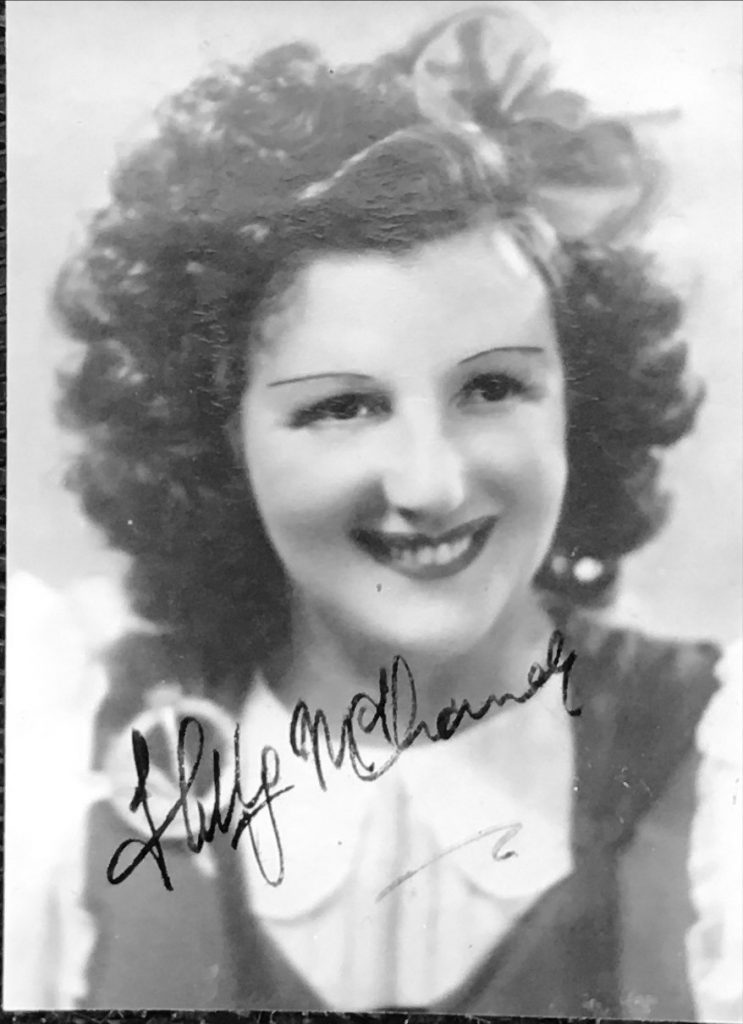
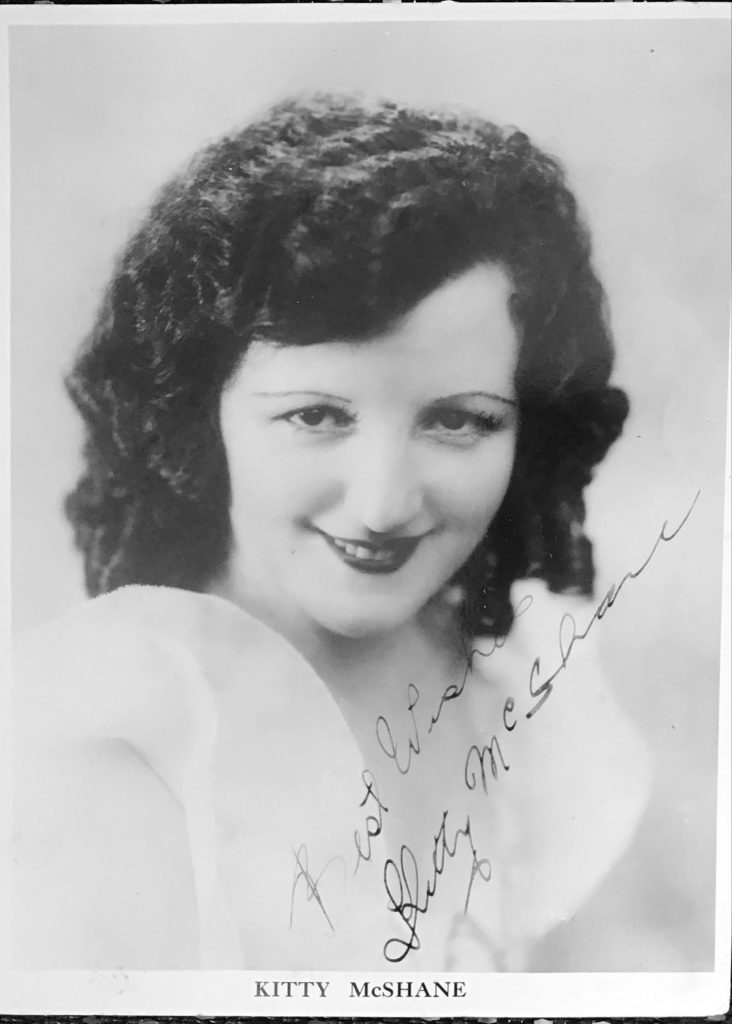
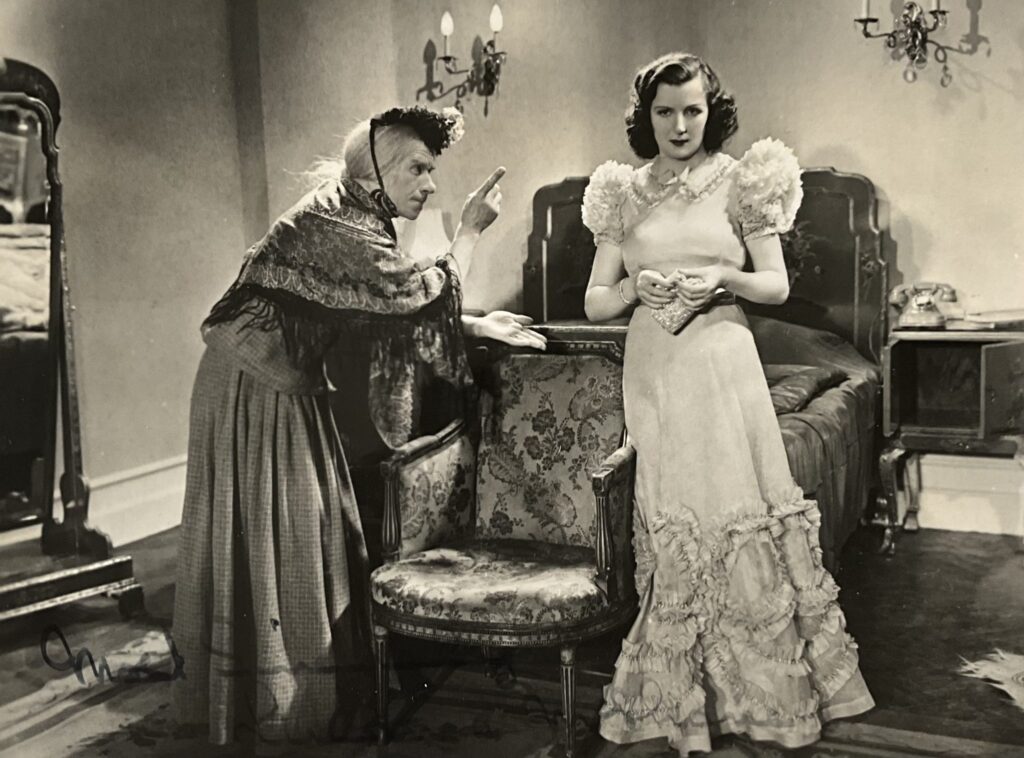
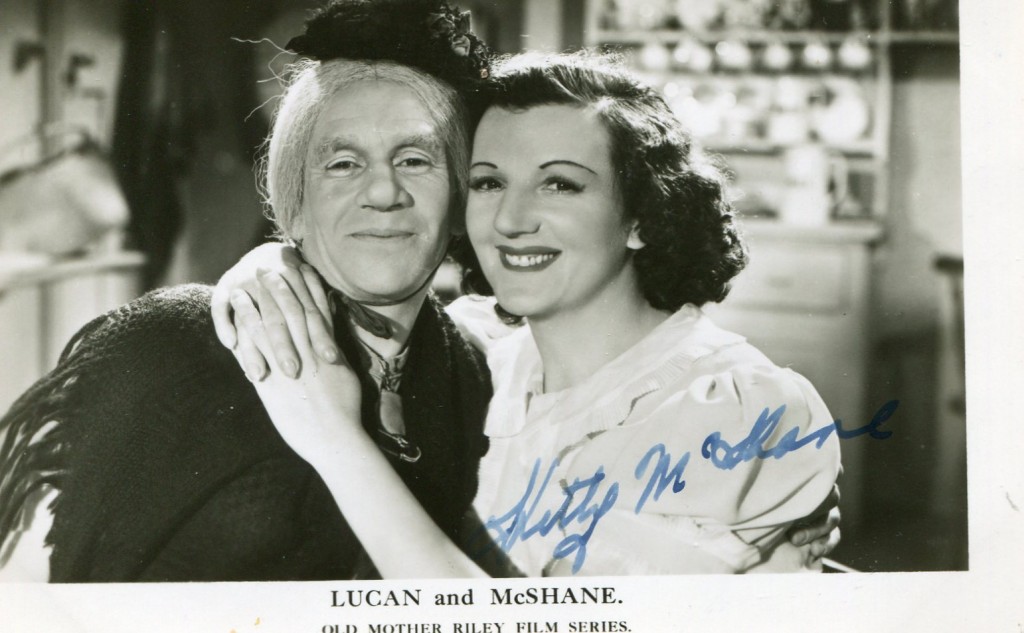
Kathleen McShane was only 15, but must have been mature for her age, when she met and married Arthur Lucan, 26-year-old English comedian on tour in Ireland, in 1913. The act of Lucan and McShane was a music hall favorite for nearly 40 years. They gradually evolved the stage characters of Old Mother Riley (Lucan in drag) and her attractive daughter Kitty, whose flighty, wayward ways occasioned many of Mother’s hilarious tirades. Kitty appeared in 14 of the 15 low-budget but popular Old Mother Riley films made from 1937-1952. Besides playing “straight” for Lucan’s comedy, Kitty carried the love interest in the films, always being single at the start of a new film even if marriage was impending in the last. Arthur and Kitty’s own marriage ended in separation by 1951; in Kitty’s last film, Old Mother Riley’s Jungle Treasure (1951), their scenes were filmed on separate days! Kitty opened a beauty salon, which failed, while Arthur continued to support her, making one more film and many stage appearances before his sudden death in a theatre. The widowed Kitty enlisted an impersonator (usually Roy Rolland) to carry on the act, but with little success. She was found dead in her London home at age 66; the cause was not reported.
Note on Kitty McShane’s grave:
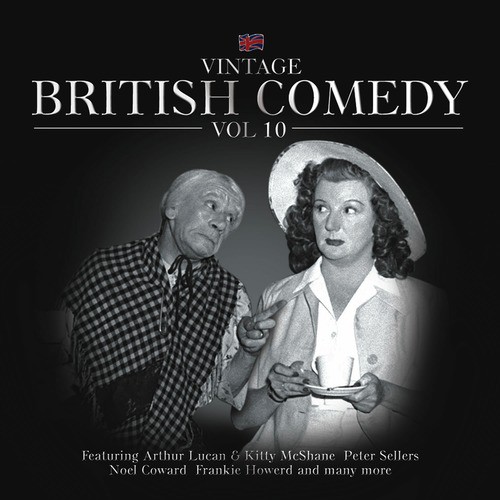
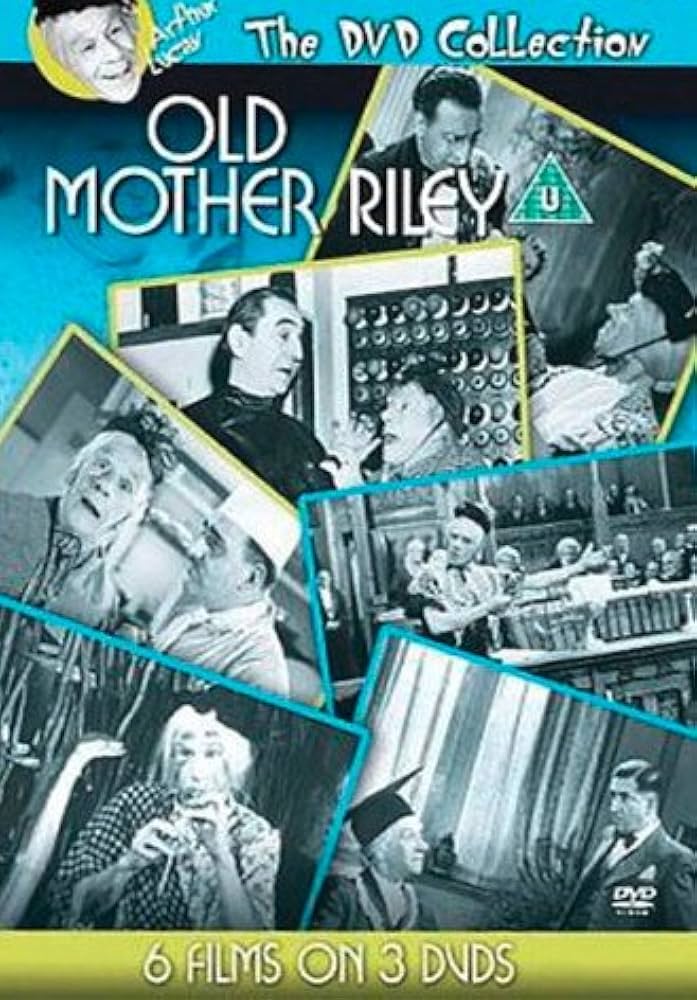
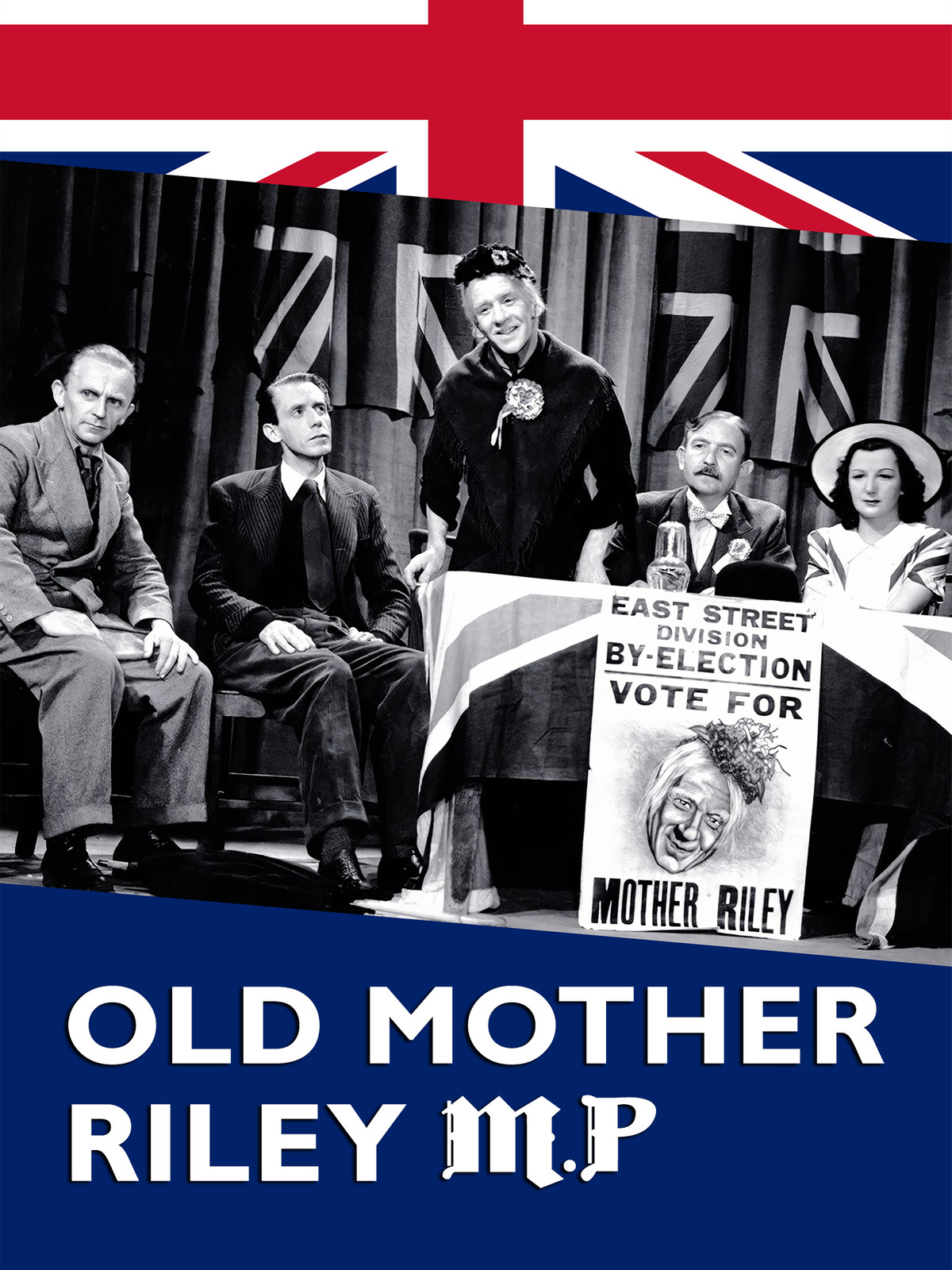
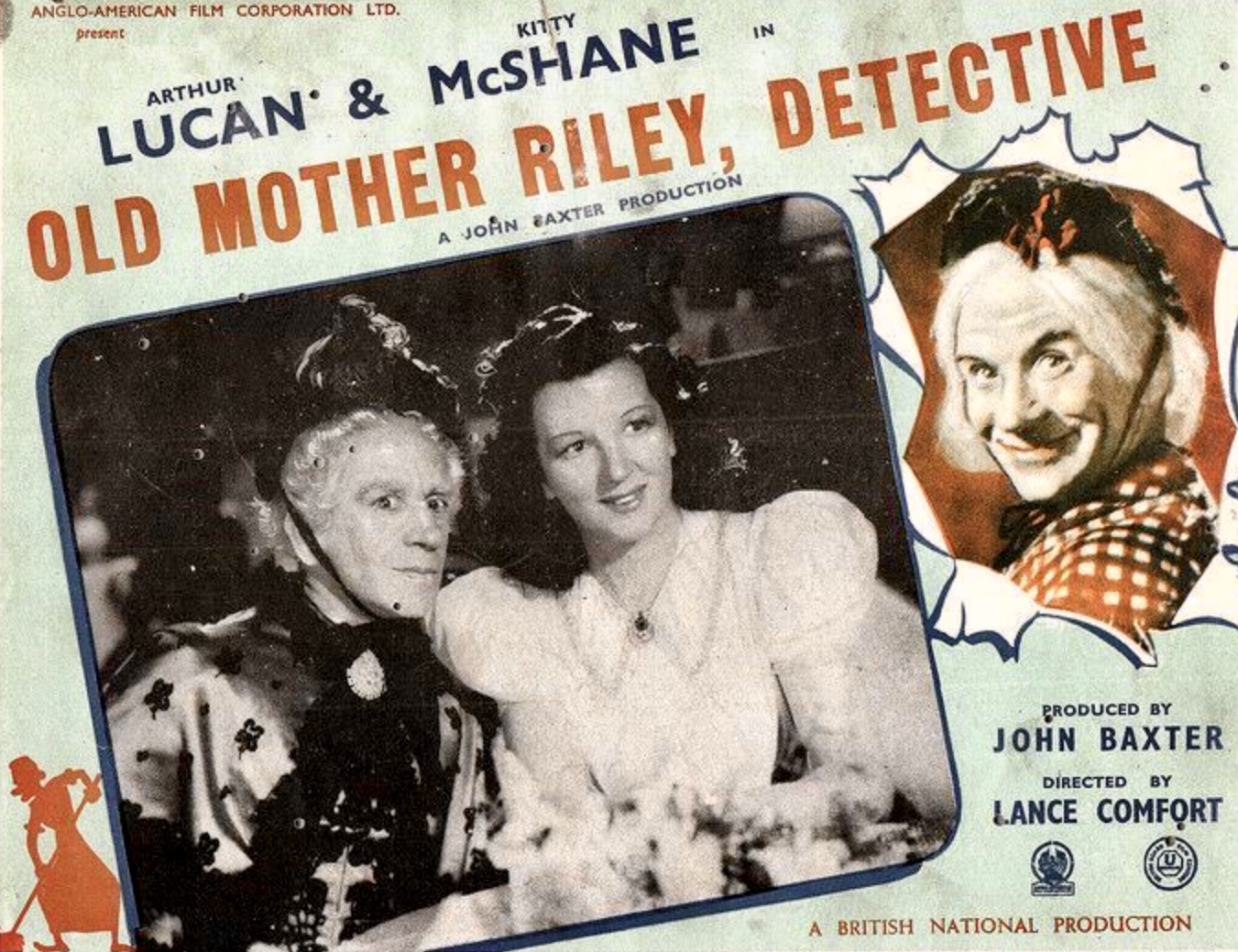
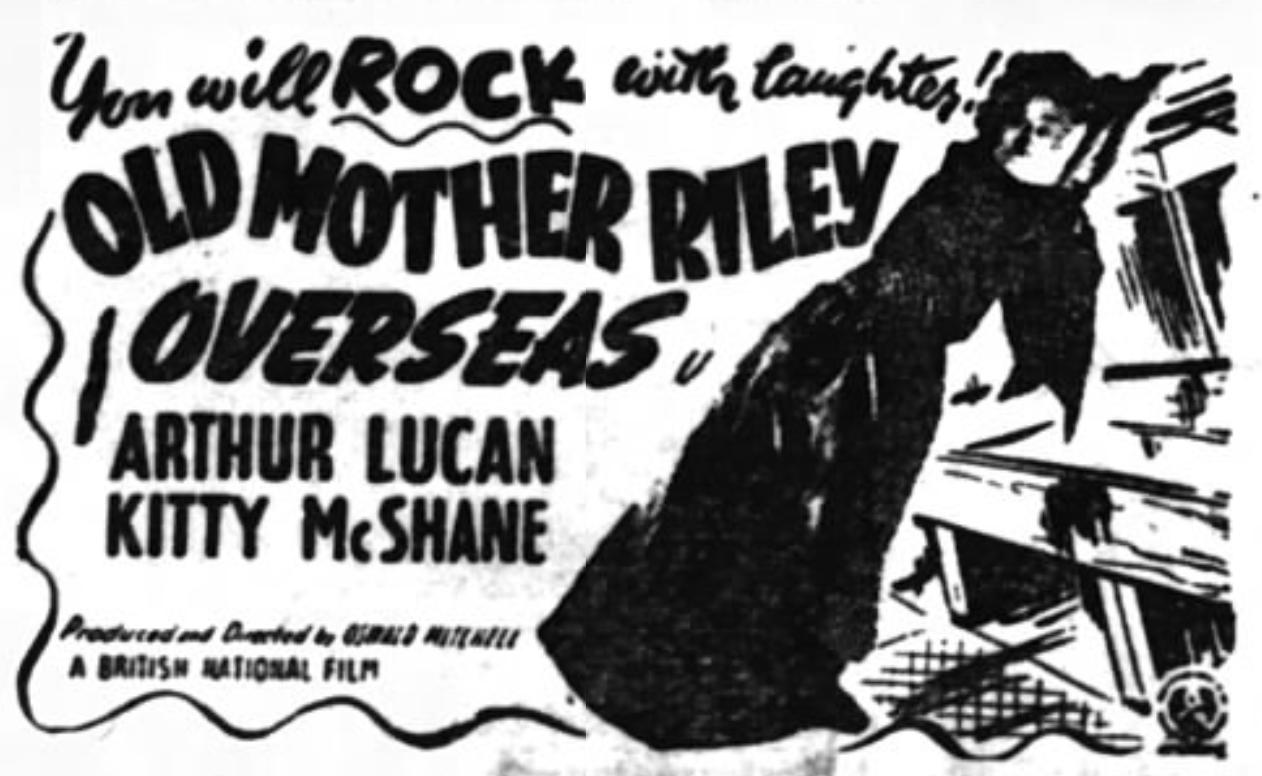
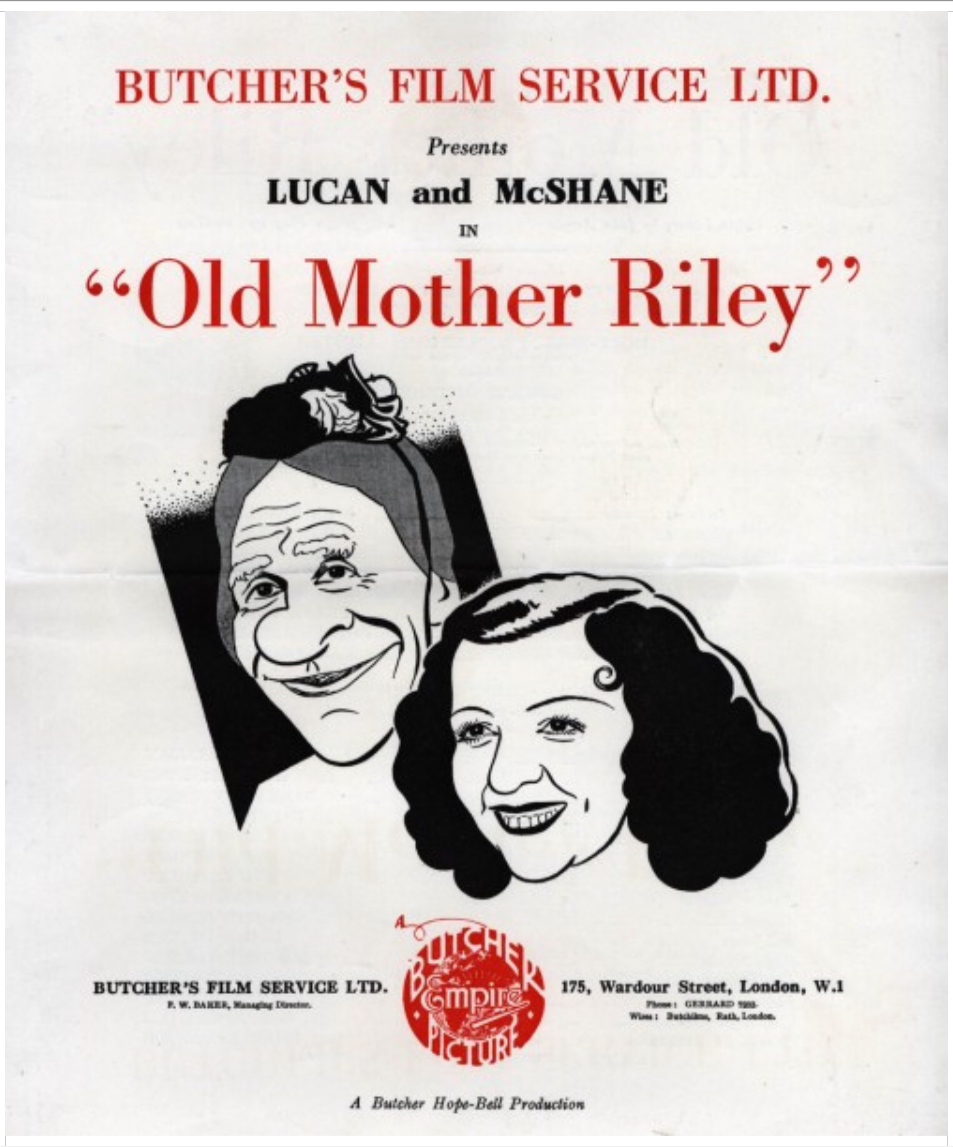
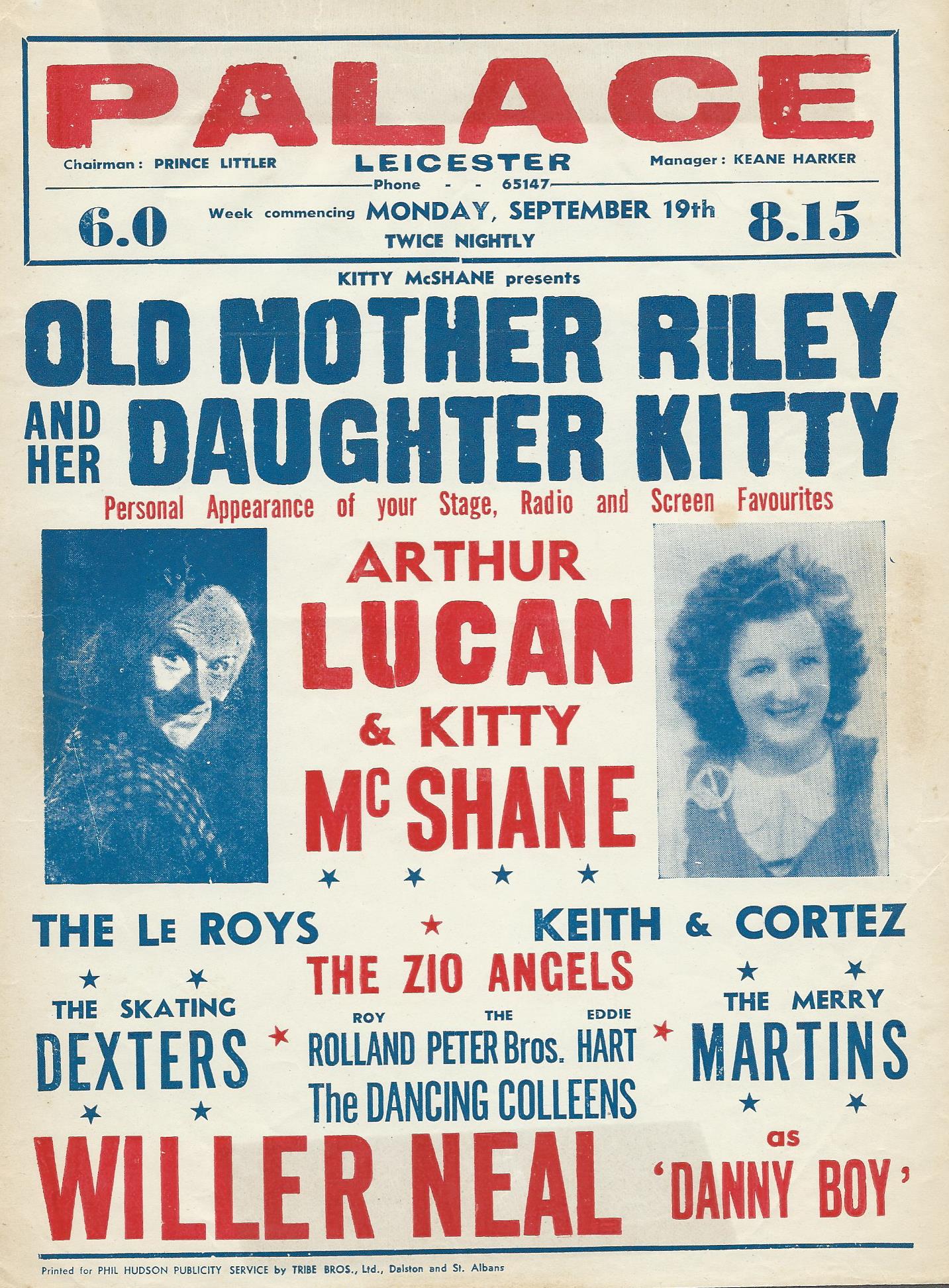
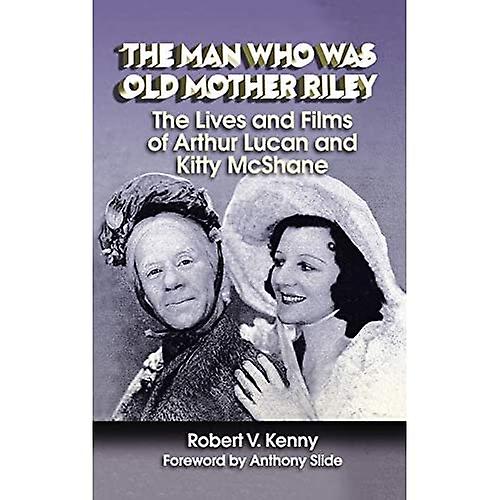
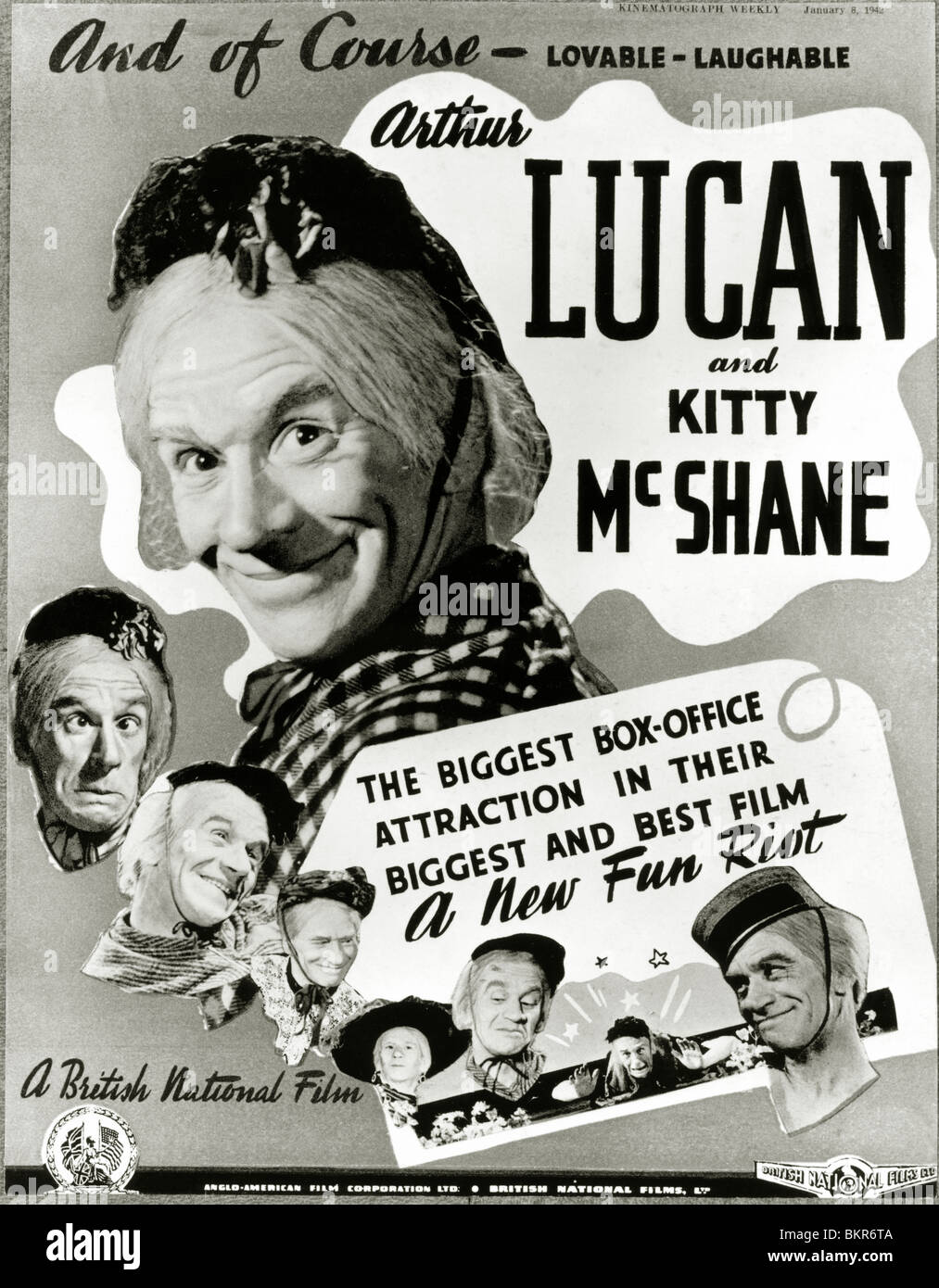
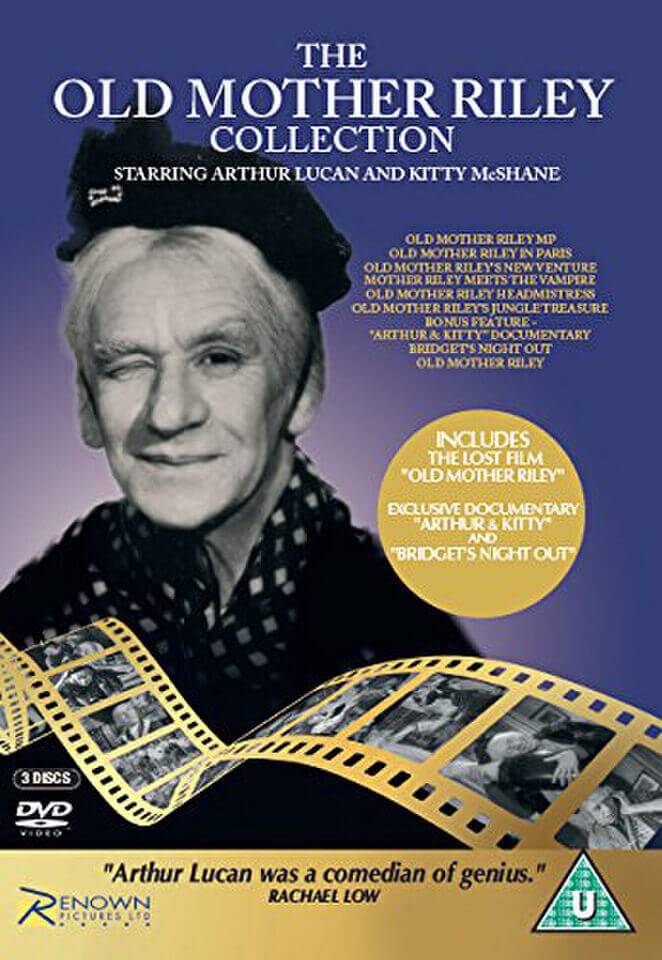
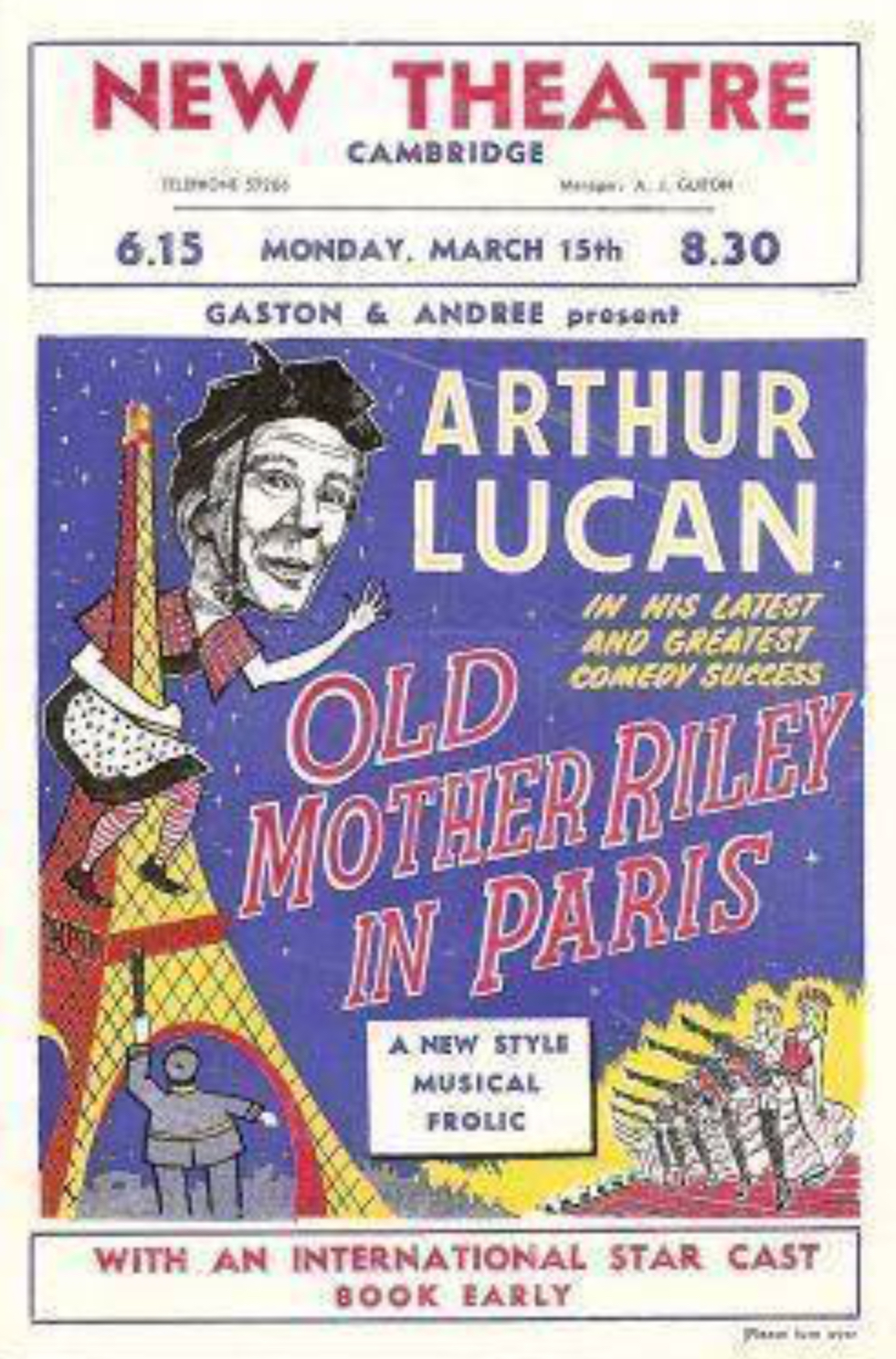
Kitty McShane (1897–1964) was a singular figure in the history of British variety and cinematic comedy. A critical analysis of her work reveals an actress who existed in a unique “Symmetric Partnership” with her husband, Arthur Lucan. Together, they created the “Old Mother Riley” phenomenon—a franchise that served as a “Security Blanket” of working-class humor for a Britain navigating the Great Depression and World War II.
While Lucan was the transformative genius behind the matriarch, McShane was the essential “Kitchen Sink” Anchor; she provided the reality, the romantic subplot, and the vocal melody that allowed the absurdity of Mother Riley to resonate.
I. Career Overview: From Dublin Halls to Cinematic Franchise
1. The Variety Roots (1910s–1934)
Born in Dublin, McShane was a product of the rigorous Irish and British music hall circuits.
The Partnership: After marrying Arthur Lucan in 1913, she became the “straight woman” in their sketches. Critically, this period is analyzed as the development of her “Reactive Naturalism.” She learned how to hold a stage against a whirlwind of slapstick, a skill that requires immense timing and a “thick skin.”
2. The “Old Mother Riley” Era (1934–1952)
McShane played Kitty Riley, the daughter of the titular character, in 14 feature films.
The “Domestic Static”: While Lucan provided the “High-Energy” chaos, McShane provided the “Domestic Friction.” She played the daughter who was simultaneously embarrassed by and fiercely loyal to her mother.
The Musical Element: McShane was a trained singer with a “sweet, clear soprano.” In films like Old Mother Riley in Society (1940), her musical interludes acted as a “Savoury” break from the comedy, grounding the films in the Musical Hall tradition of the era.
3. The Final Act and Legacy
As the “Kitchen Sink” realism of the late 1950s began to emerge, the stylized variety of McShane and Lucan fell out of fashion.
The Decline: Her final years were marked by the breakdown of her marriage and the struggle to adapt to a changing industry. However, critics now view her as a “Pioneer of the Franchise,” one of the first women to co-anchor a multi-film cinematic universe based on a single character dynamic.
II. Detailed Critical Analysis
1. The “Architecture” of the Straight Woman
Critically, McShane is often unfairly overshadowed by Lucan. However, analysts of comedy note that she was a master of “The Burden of Sanity.” * The Still Center: In the midst of Mother Riley’s “Noir-ish” frantic energy, McShane remained perfectly composed. She used her physicality as a “Fixed Point”—standing upright and maintaining a refined, “Modern” posture that made her mother’s raggedness even funnier. This is a “Major Dundee” discipline; she held the line so the star could charge.
2. The “Vocal Contrast”
McShane possessed a distinctive Irish lilt that she could sharpen for comedic effect or soften for sentiment.
The Acoustic Bridge: Her voice bridged the gap between the “Old World” (her mother) and the “New World” (the society her mother often crashed). Critics note that her delivery was often “clipped and precise,” suggesting a woman who was striving for a higher social standing. This brought a layer of Social Realism to the slapstick—the “Irish Immigrant” story hidden inside a comedy.
3. The “Symmetric” Co-Dependency
The “Mother/Daughter” dynamic was, in reality, a “Husband/Wife” psychodrama.
The Surreal Subtext: Critically, there is a “Noir” fascination with the fact that McShane was playing the daughter to her husband-in-drag. Analysts point out that this created a “Bizarrely Authentic” tension.Because they were a real-life couple, their arguments on screen had a “Kitchen Sink” grit that you didn’t find in other comedies of the 1930s. They weren’t just “acting” a row; they were lived-in domestic frictions.
Iconic Performance Highlights
| Work | Role | Year | Critical Achievement |
| Old Mother Riley | Kitty Riley | 1937 | Established the “Daughter-as-Anchor” archetype. |
| Old Mother Riley in Society | Kitty Riley | 1940 | Showcased her “Musical Sophistication.” |
| Old Mother Riley’s Ghosts | Kitty Riley | 1941 | Provided “Gothic Sincerity” to a horror-comedy. |