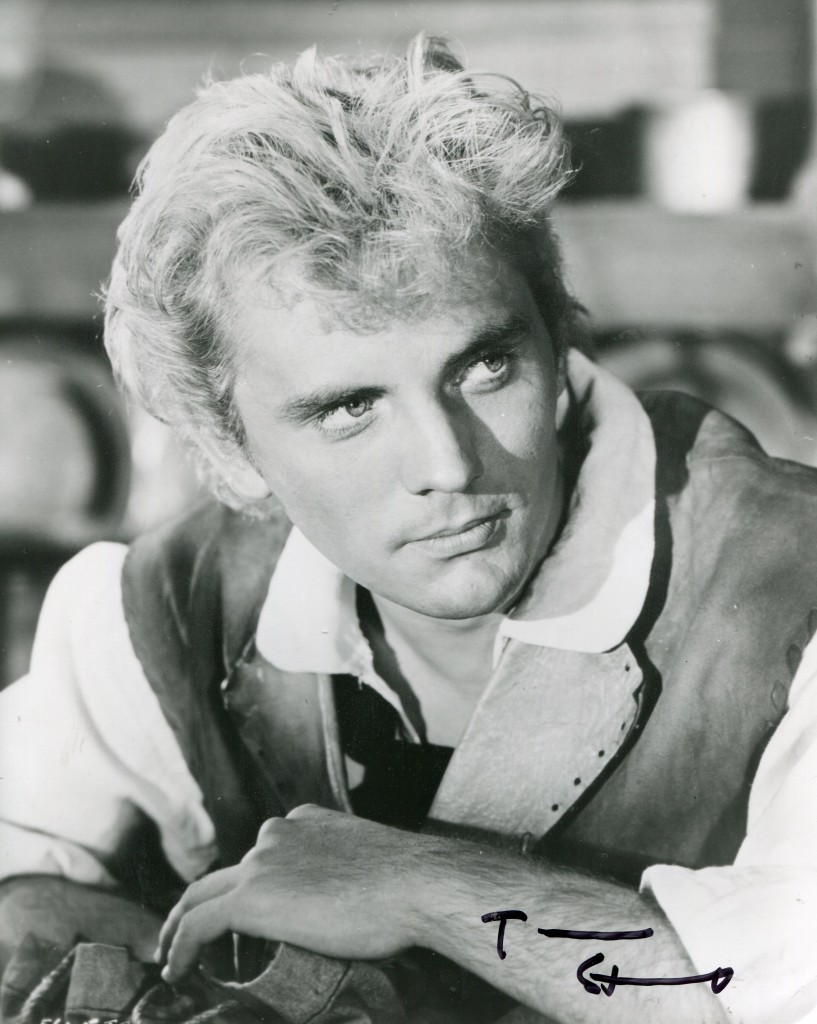
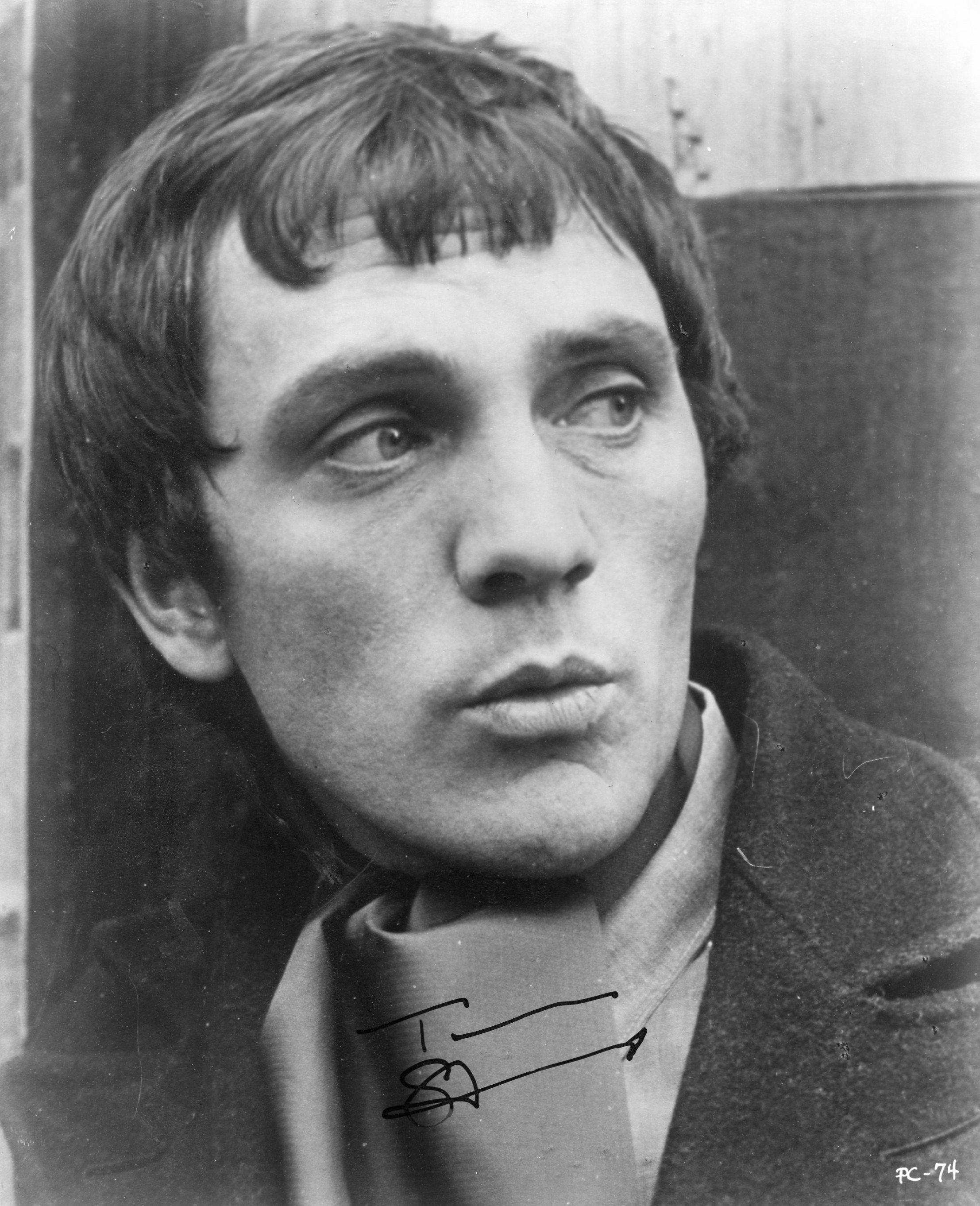
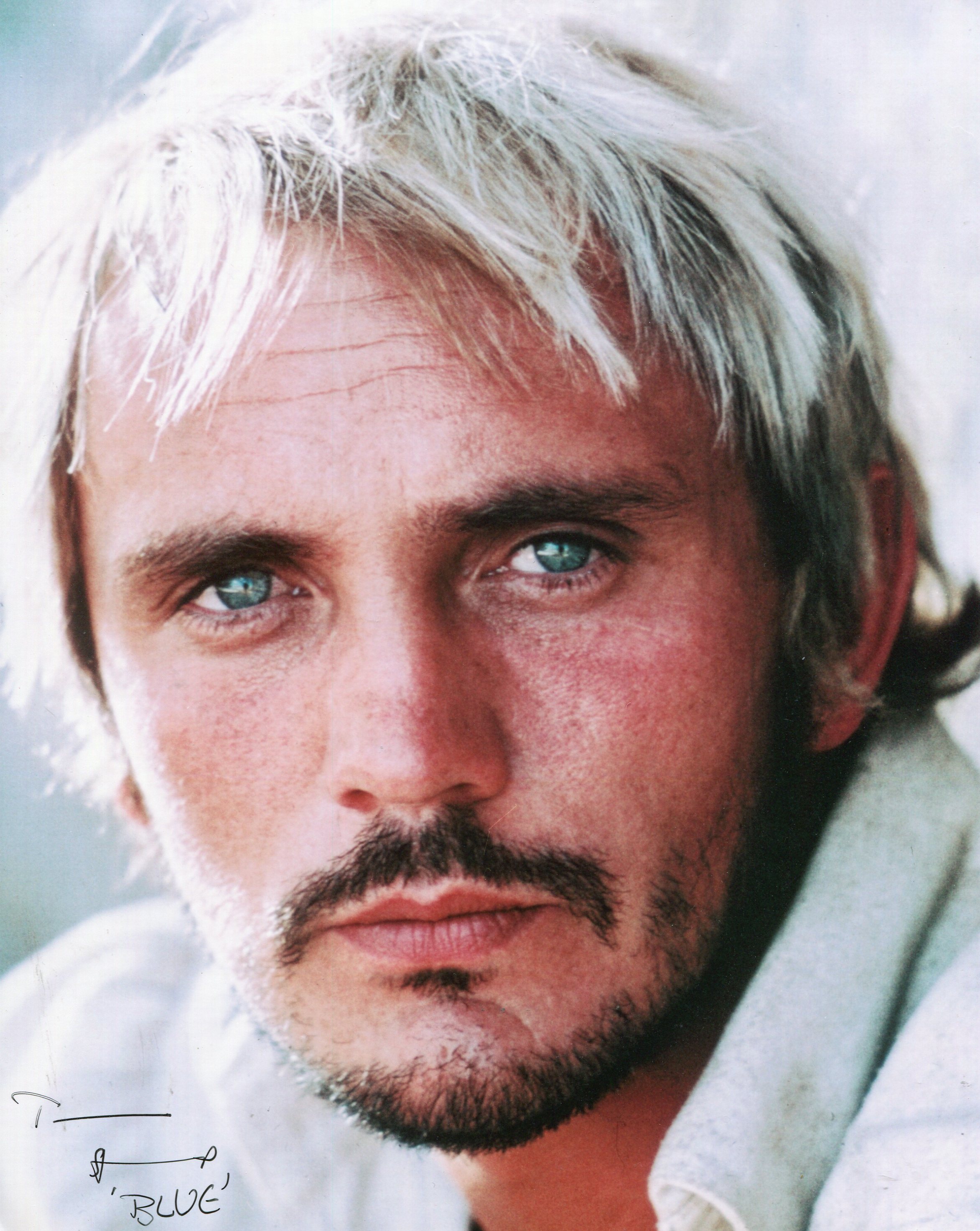
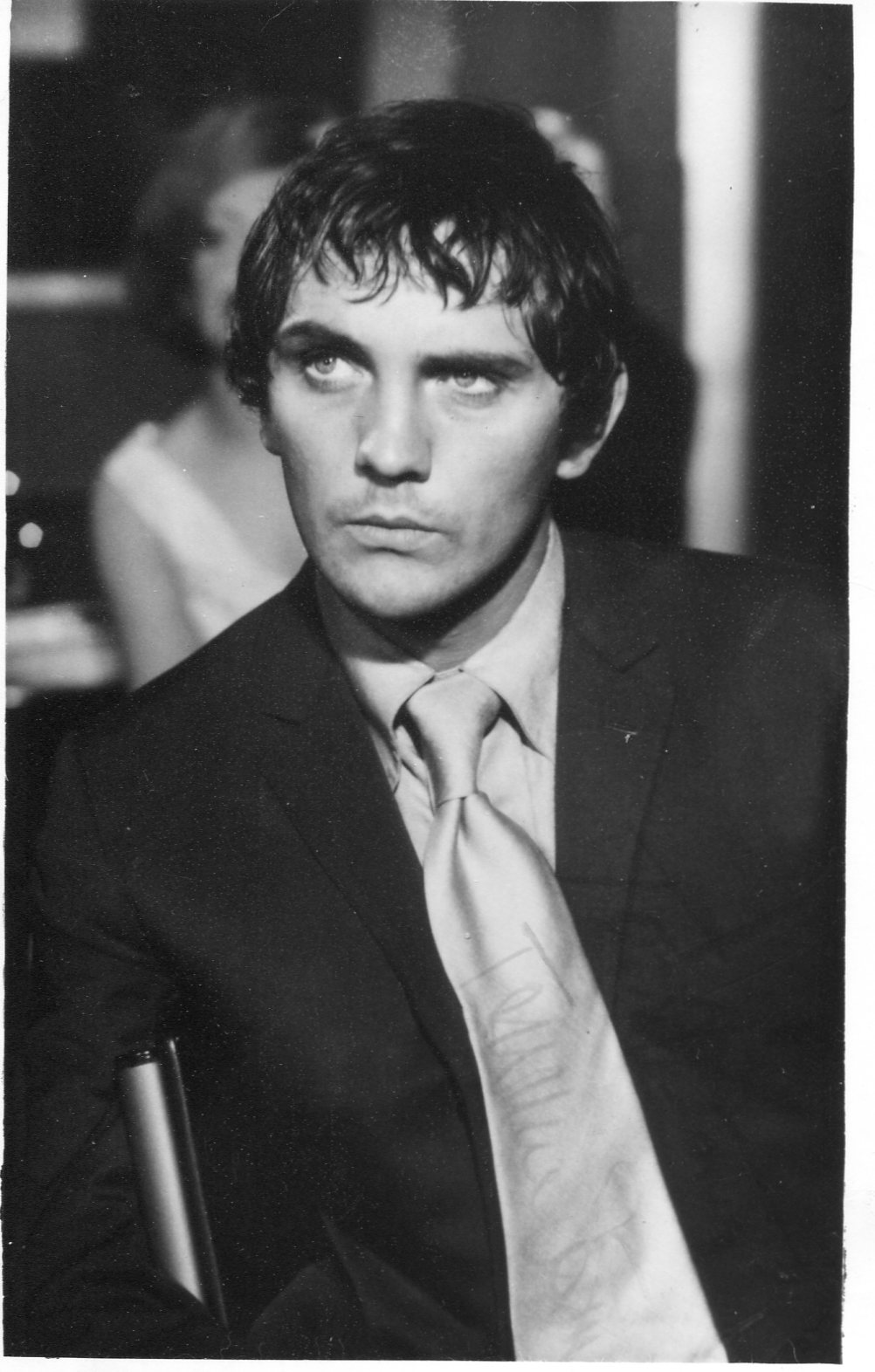
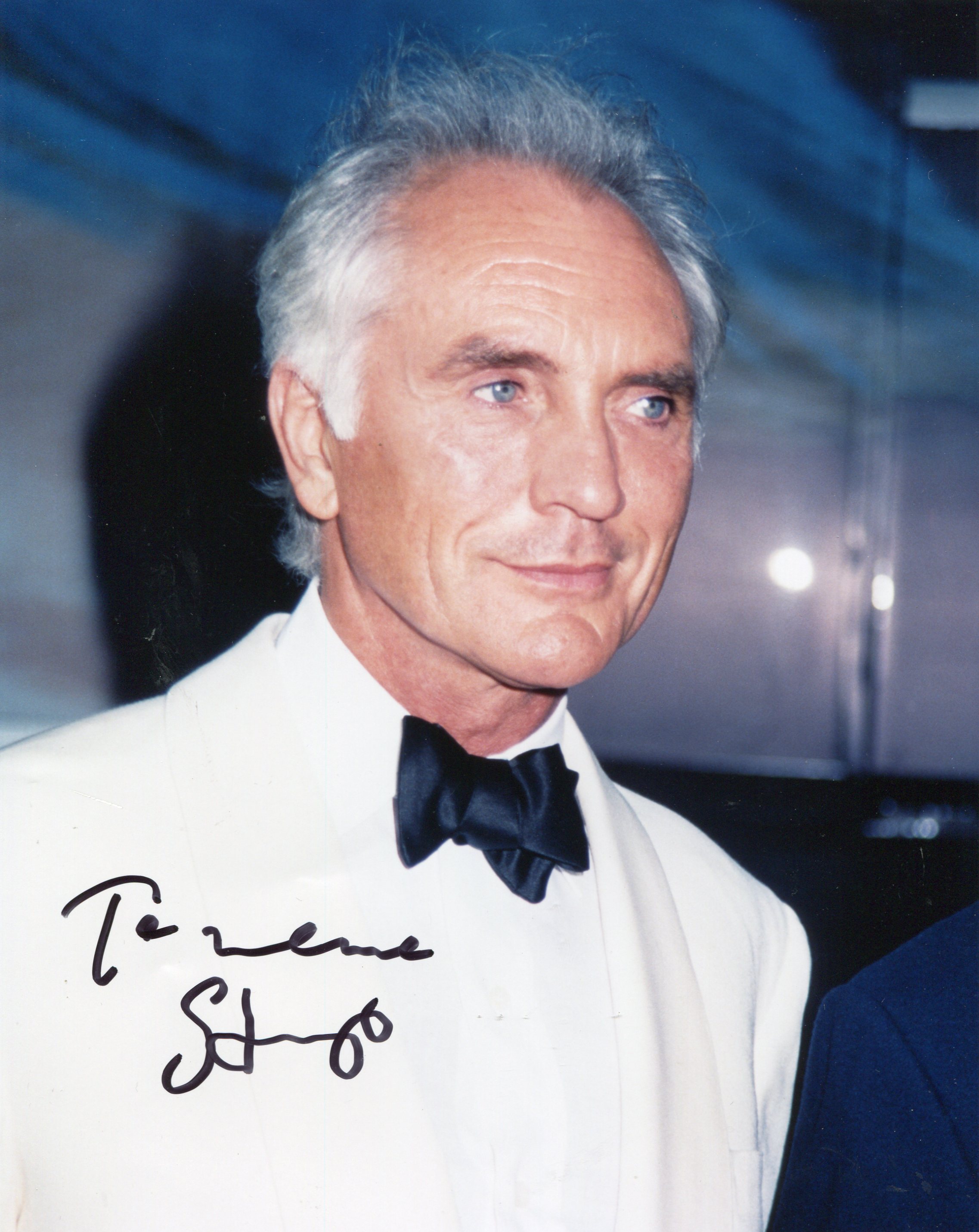
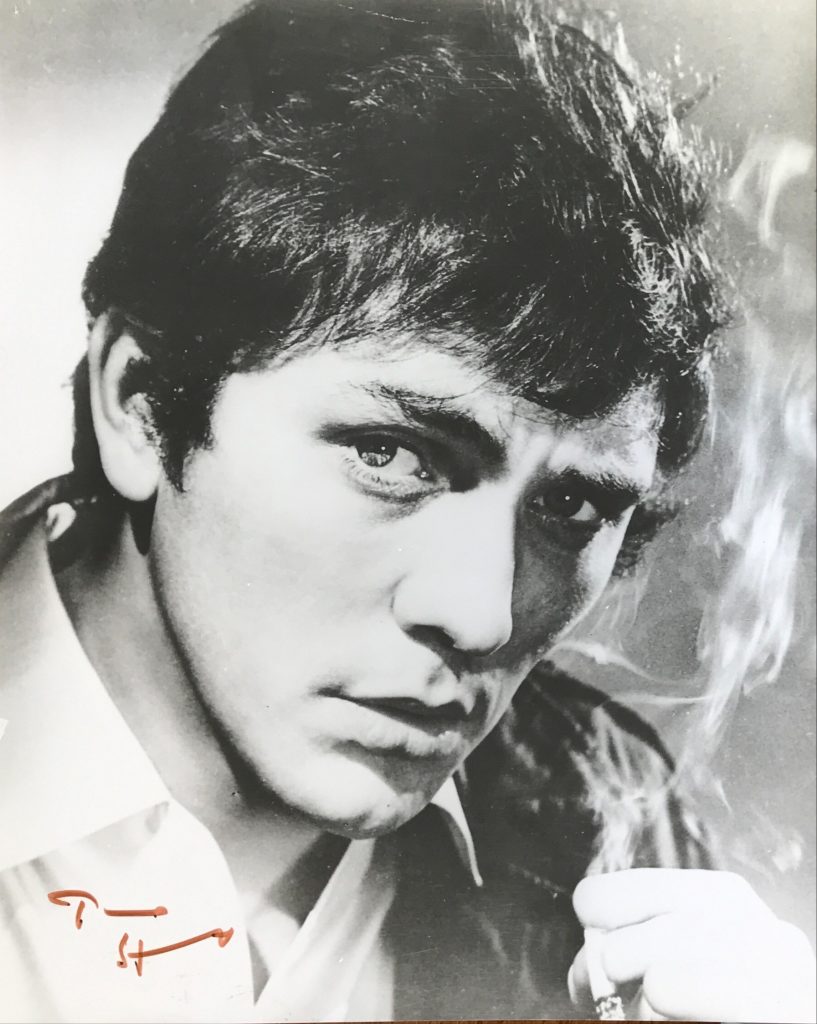
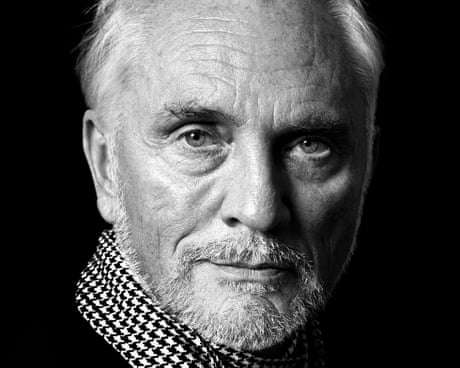
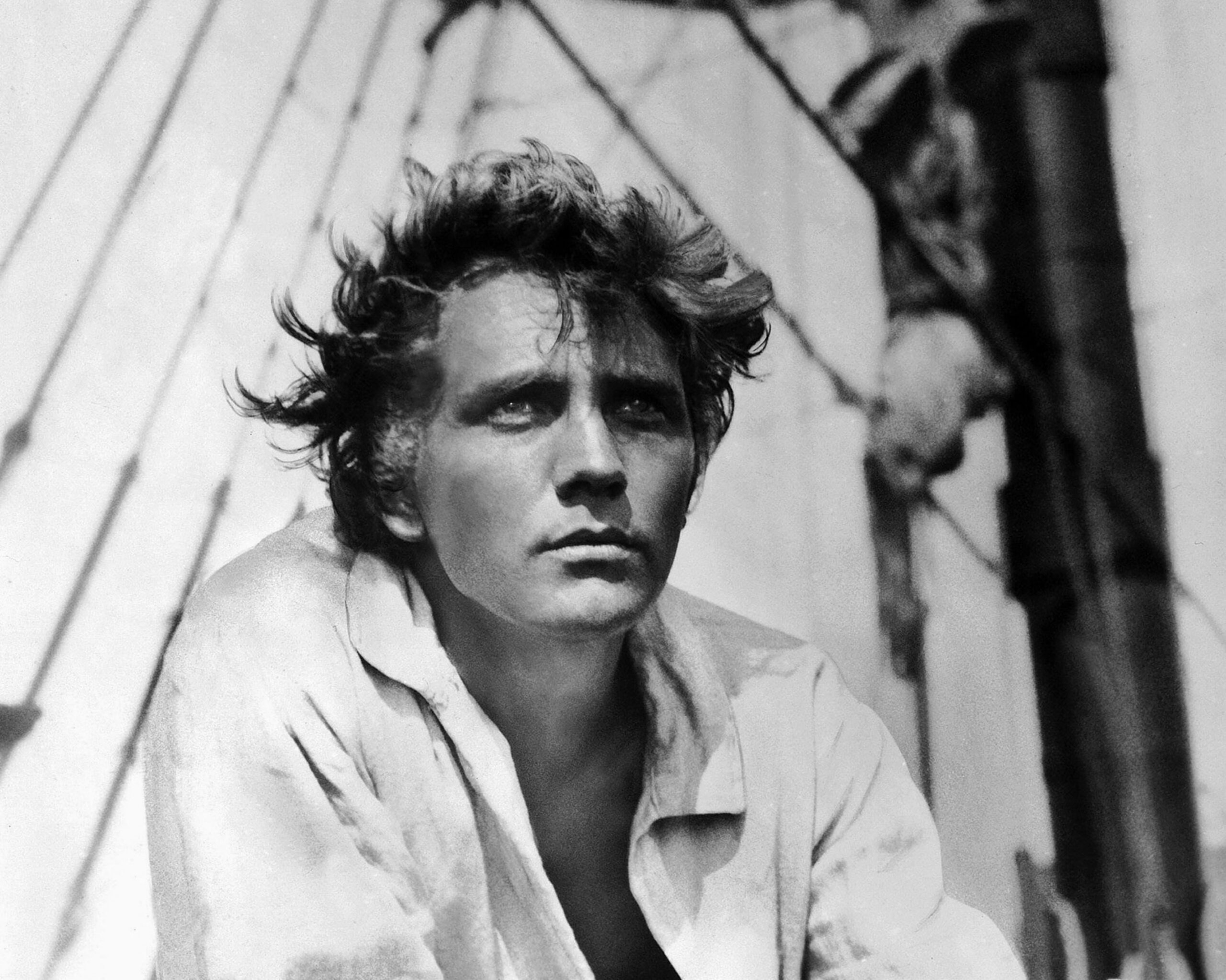
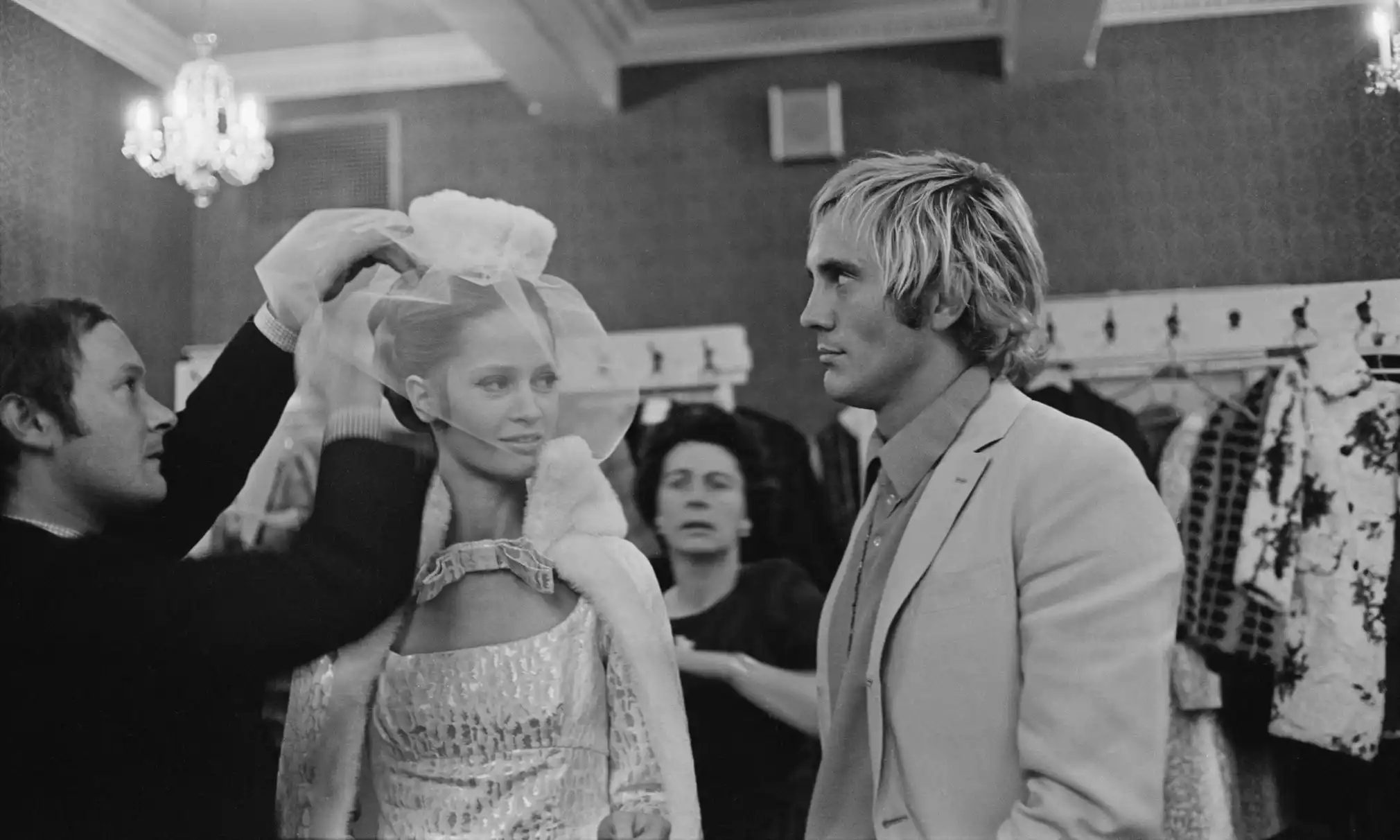
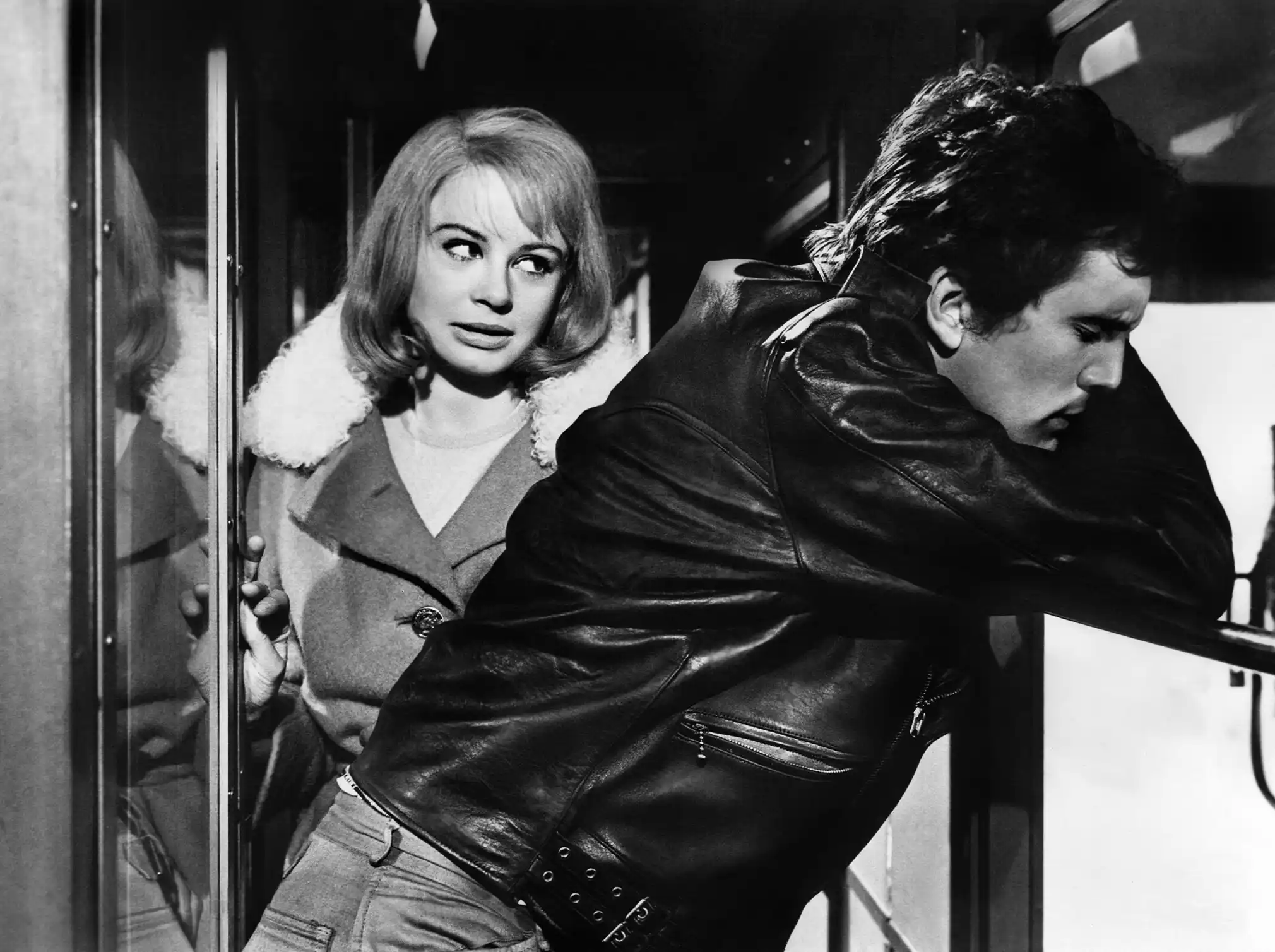
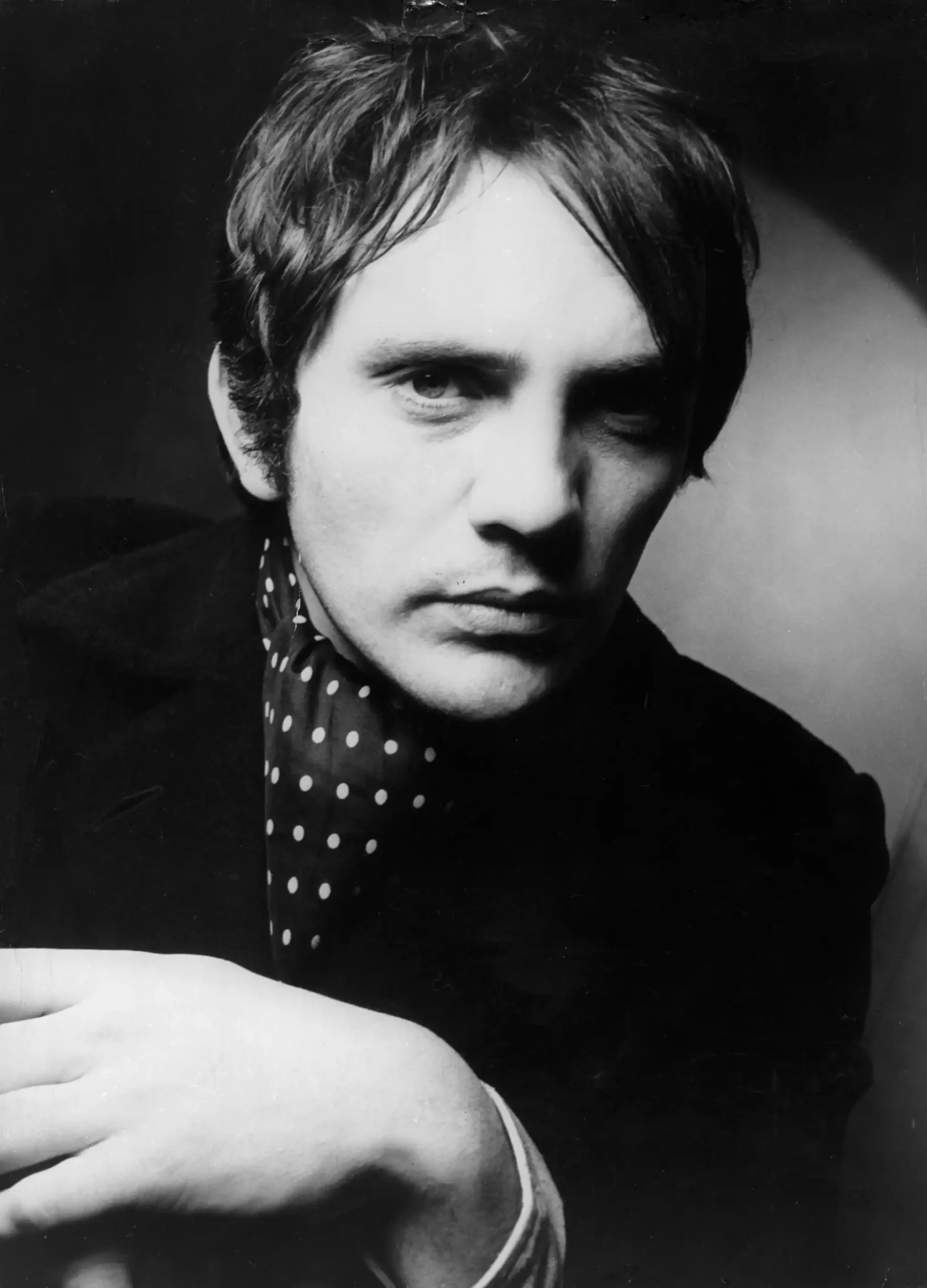
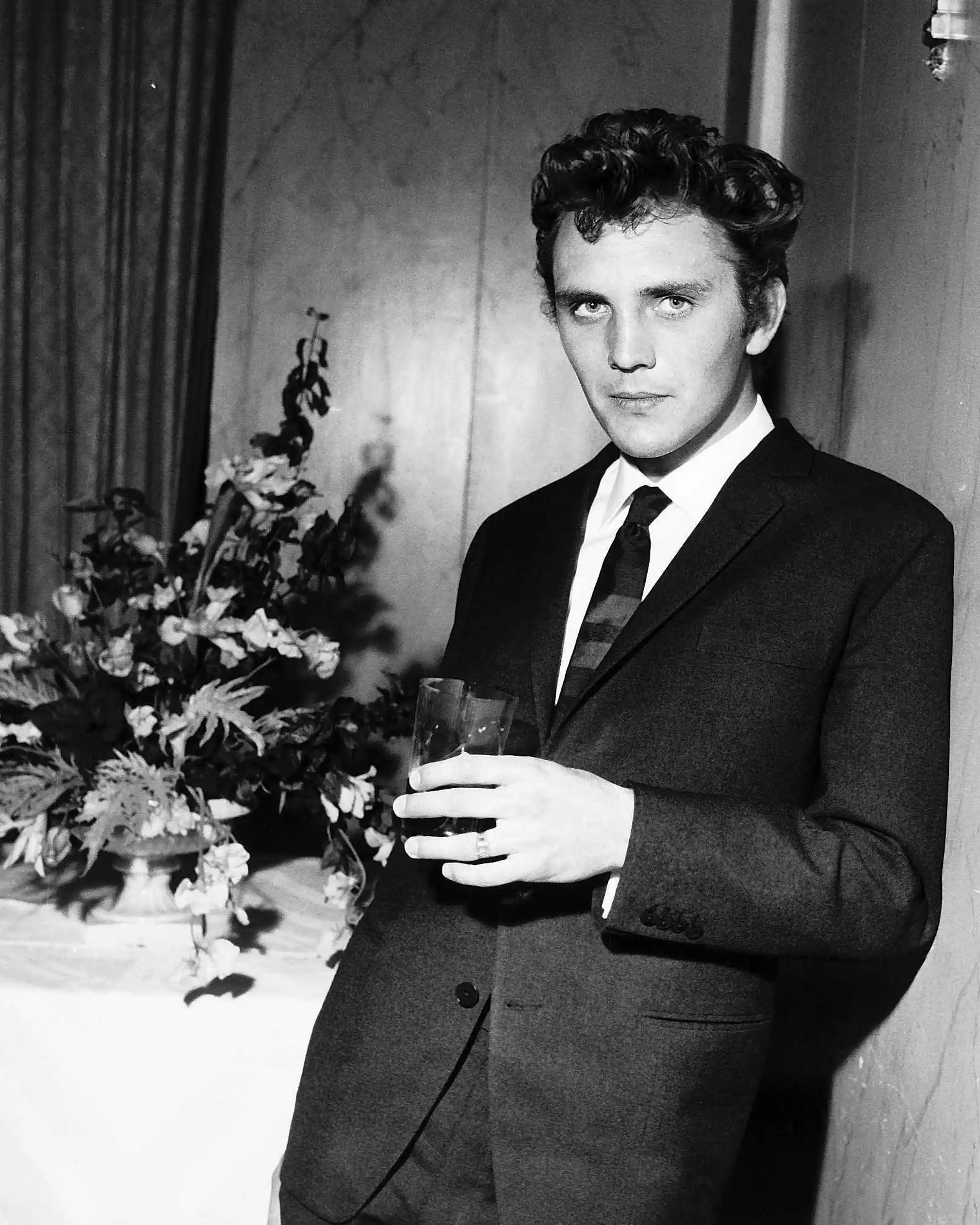
Astranger arrives, makes love to everyone and then leaves,” said Pier Paolo Pasolini to Terence Stamp, outlining the plot of his 1968 classic Theorem. “That’s your part.” Stamp exclaimed: “I can play that.” It was the role that the man was born to play and would play, with subtle variations, throughout his career.
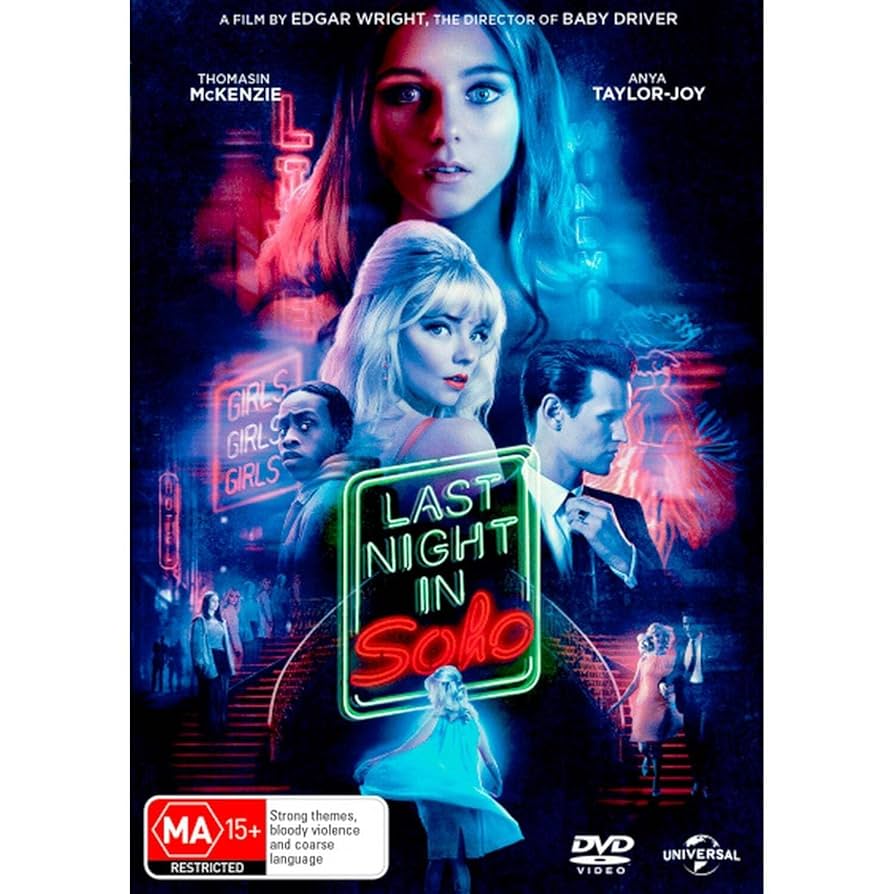
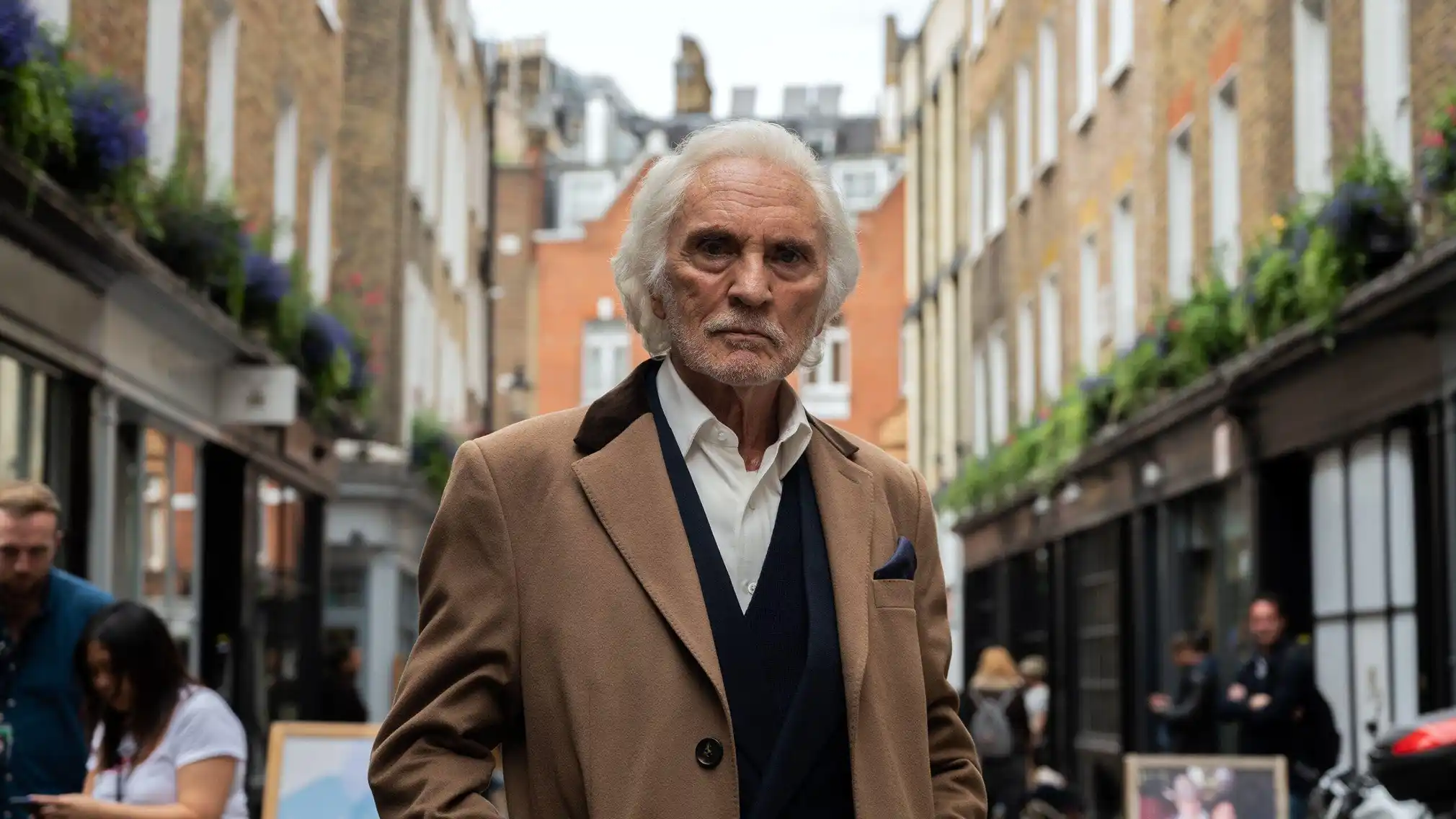
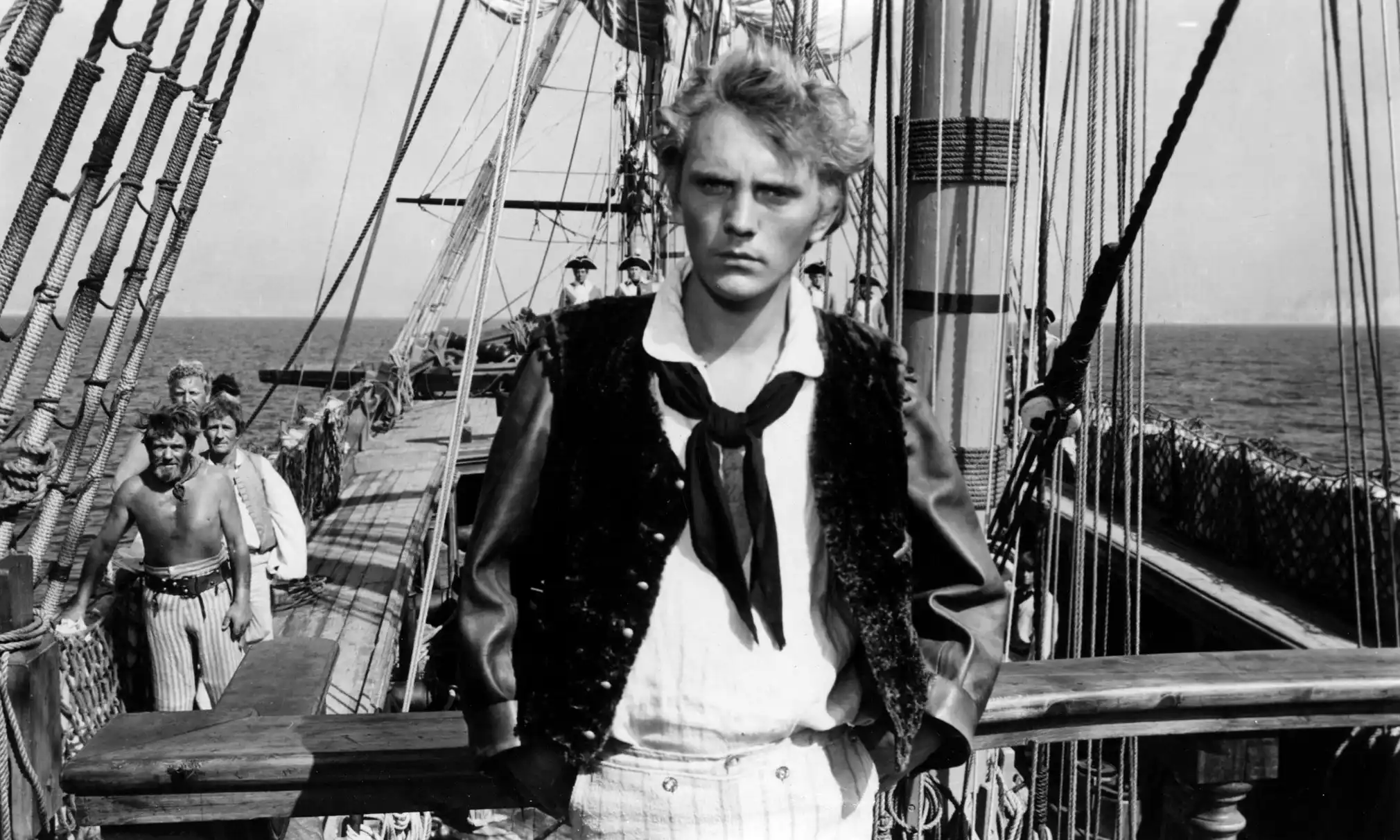
From his first appearance as the eerily beautiful sailor in 1962’s Billy Budd through to his last manifestation as “the silver-haired gentleman” in Edgar Wright’s Last Night in Soho, Stamp remained a brilliantly, mesmerisingly unknowable presence. He was the seductive dark prince of British cinema, an actor who carried an air of elegant mystery. “As a boy I always believed I could make myself invisible,” he once said. He showed up and made magic, but he never stuck around for as long as we wanted. Terence Stamp has died at the age of 87.
Terence Stamp, face of 60s British cinema and star of The Limey and Superman, dies at 87
Read more
Stamp’s talent was timeless but he was a creature of the 60s, forged in the crucible of postwar social mobility and as much a poster boy for the era as his one-time flatmate Michael Caine. “Terry meets Julie, Waterloo station, every Friday night,” Ray Davies sang on the Kinks’s Waterloo Sunset and while he wasn’t necessarily singing about Stamp and Julie Christie – at least not consciously – the actors and the song have now become intertwined, part of a collective cultural fabric, to the point where that mental image of the two of them by the Thames is almost as much a part of Stamp’s showreel as his actual 60s pictures.
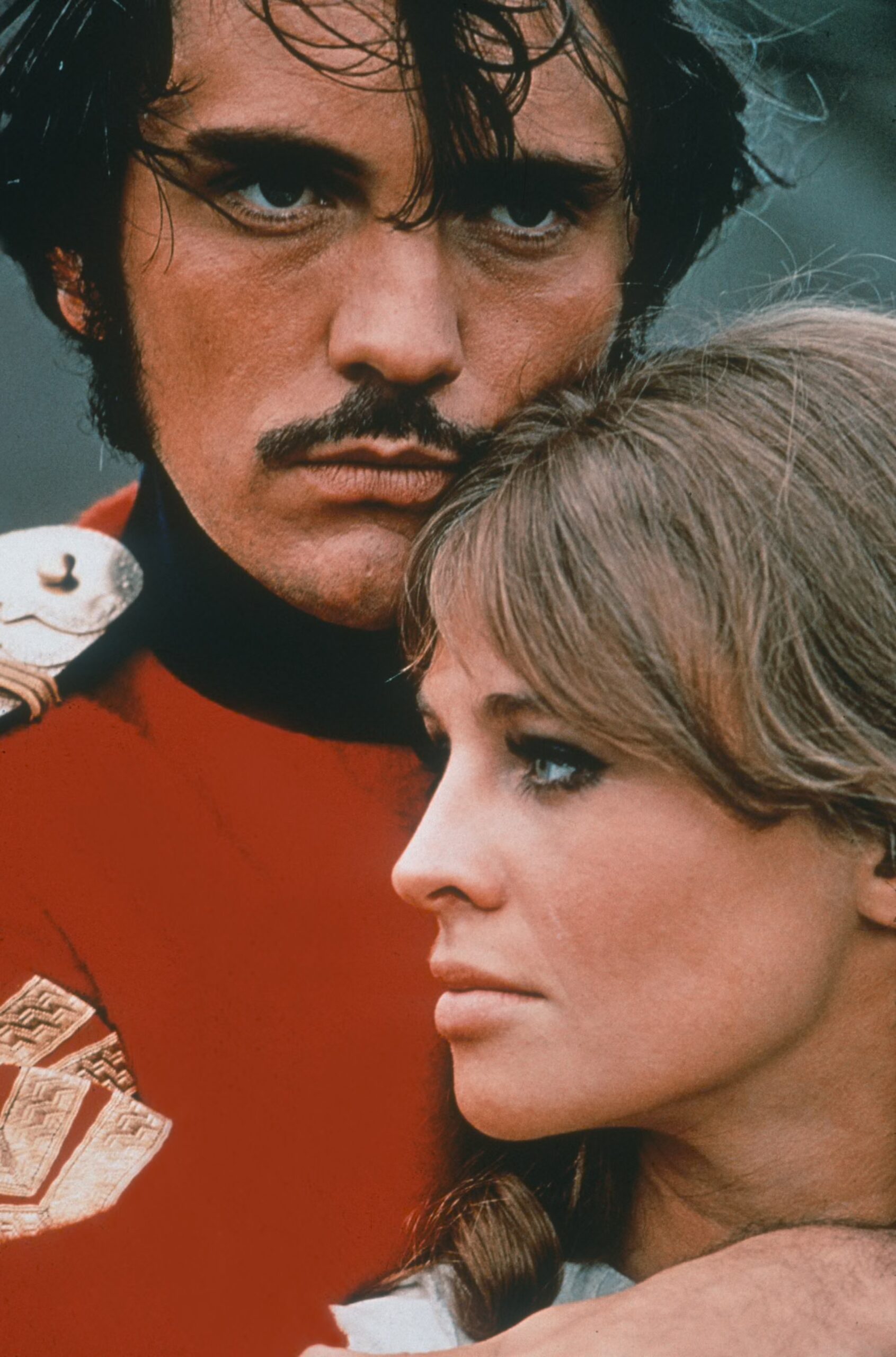
He was born in London’s East End, the son of a tugboat coalman who regarded acting with horror, and his rough-hewn swagger lent a crucial grit and danger to his refined matinee idol aesthetic. He gave a superb performance – full of seething chippy rage – in 1965’s The Collector, a role that won him the best actor prize at Cannes, made an excellent dastardly lover in Far from the Madding Crowd and whipped up a storm in Federico Fellini’s uproarious Toby Dammit. But he was always a more febrile movie actor than his compatriots – Caine, Sean Connery, Richard Harris, Peter O’Toole – and so his career proved more fragile and never truly bedded down.
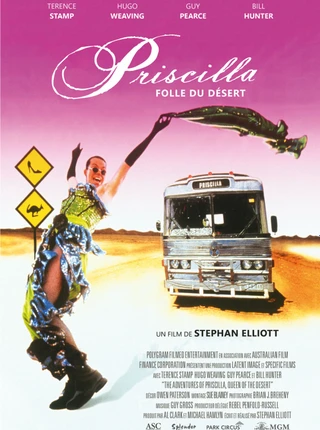
“When the 60s ended, I almost did too,” he once said, ruefully acknowledging a decade-long slump that only came to an end when he was cast as General Zod in 1978’s Superman. In the subsequent years he played too many off-the-peg Brits – thuggish gangsters, evil businessmen – in subpar productions, although this only made his occasional great role feel all the more precious. Stamp was at his full-blooded best in Stephen Frears’s 80s crime drama The Hit, sparked briefly as the devil in The Company of Wolves and was fabulous as Bernadette in 1994’s Priscilla, Queen of the Desert
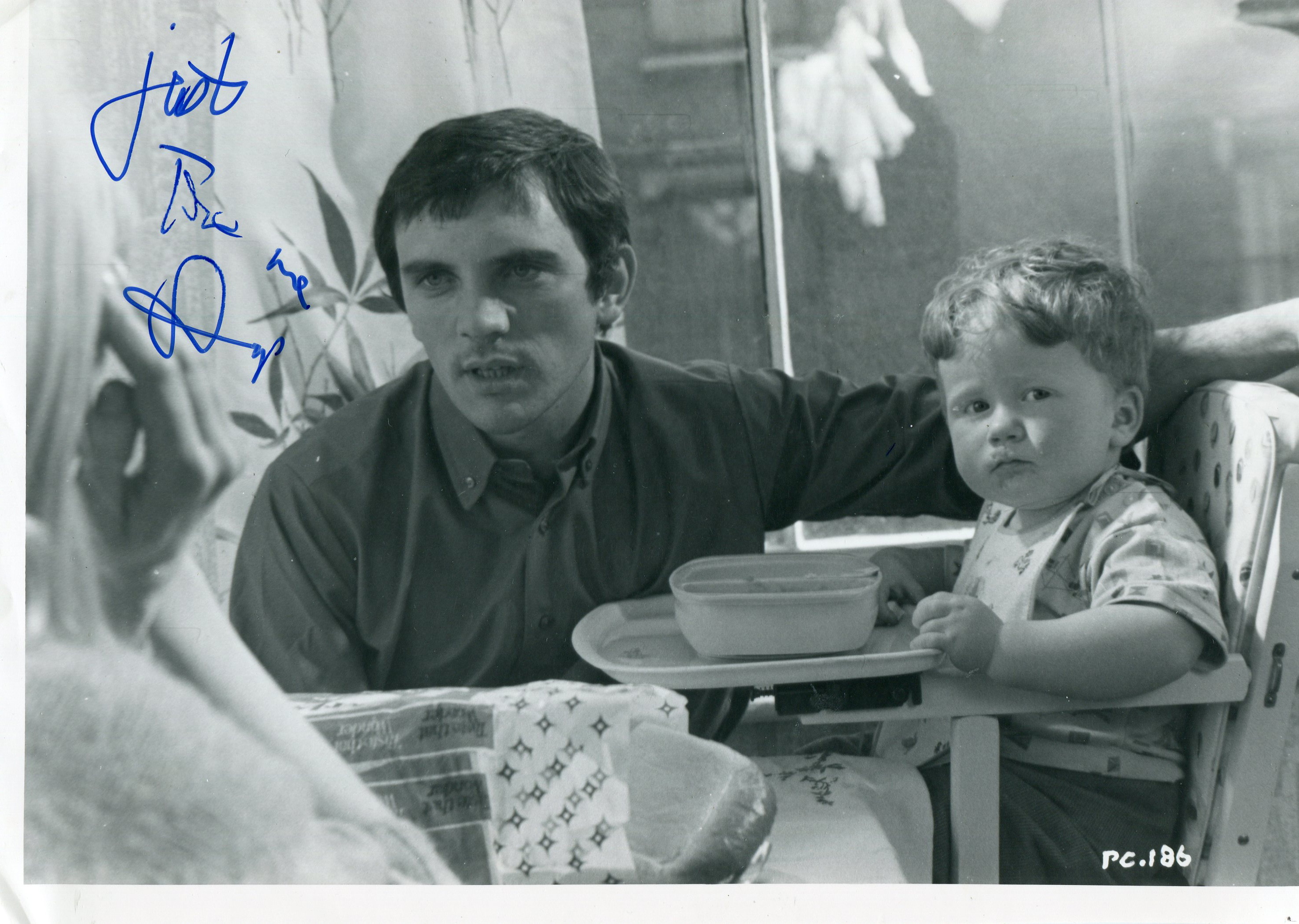
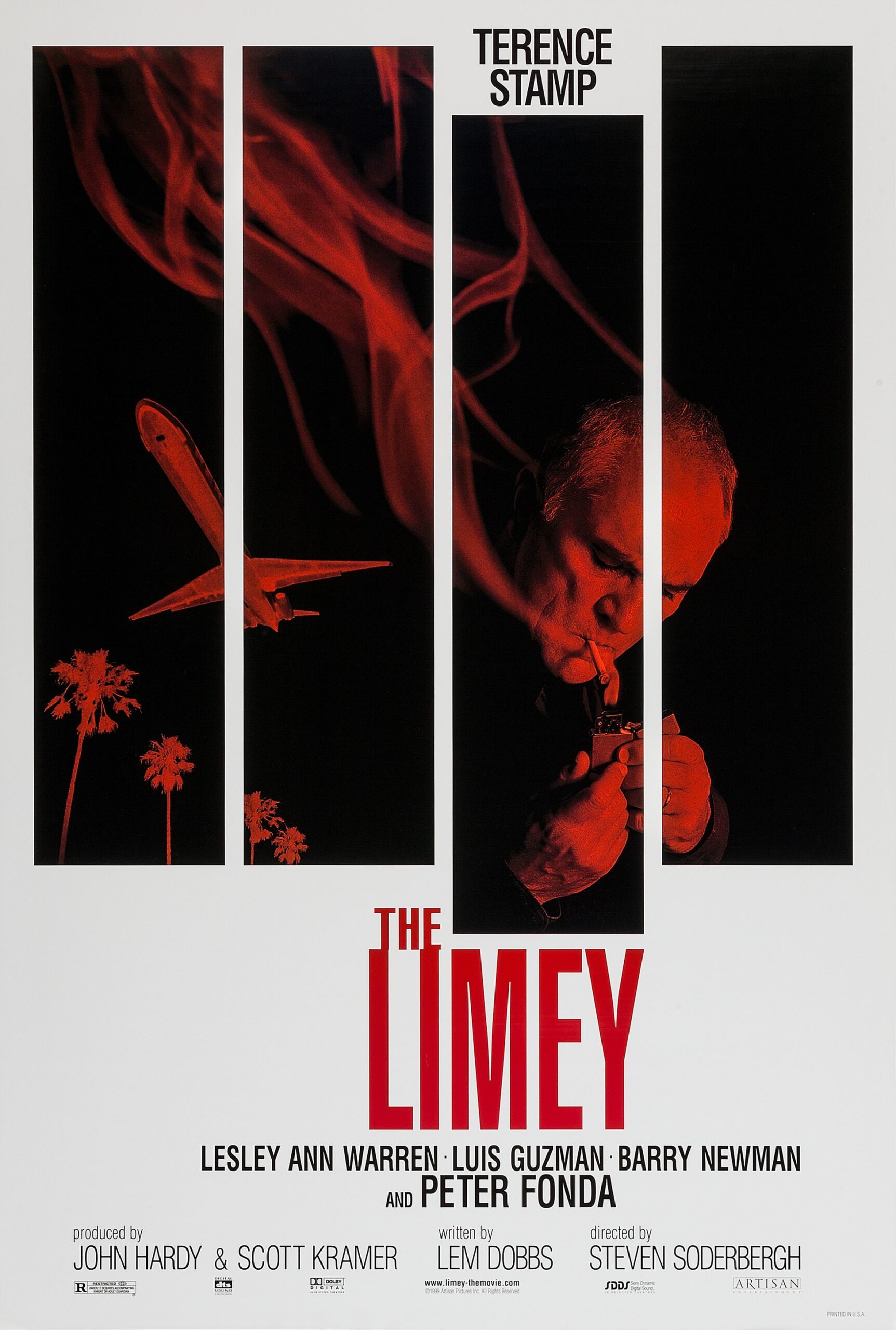
But his great later role – and arguably the ultimate Stamp performance – was in The Limey, Steven Soderbergh’s 1999 revenge tale. Soderbergh cast him as Wilson, an ageing career criminal who haunts LA like a ghost. It’s a film that is implicitly about Stamp’s youth and age, beautifully folding the present-day drama in with scenes in Ken Loach’s Poor Cow to show what happened to the golden generation of swinging 60s London – and by implication, what happens to all of us
Somewhere along the way, wending his way up the coast to Big Sur, Stamp’s knackered criminal stops being a ghost and becomes a kind of living sculpture, a priceless piece of cinema history, returned for one last gig to seduce the world and set it spinning before heading off towards the sunset.
The Guardian Obituary in 2025.
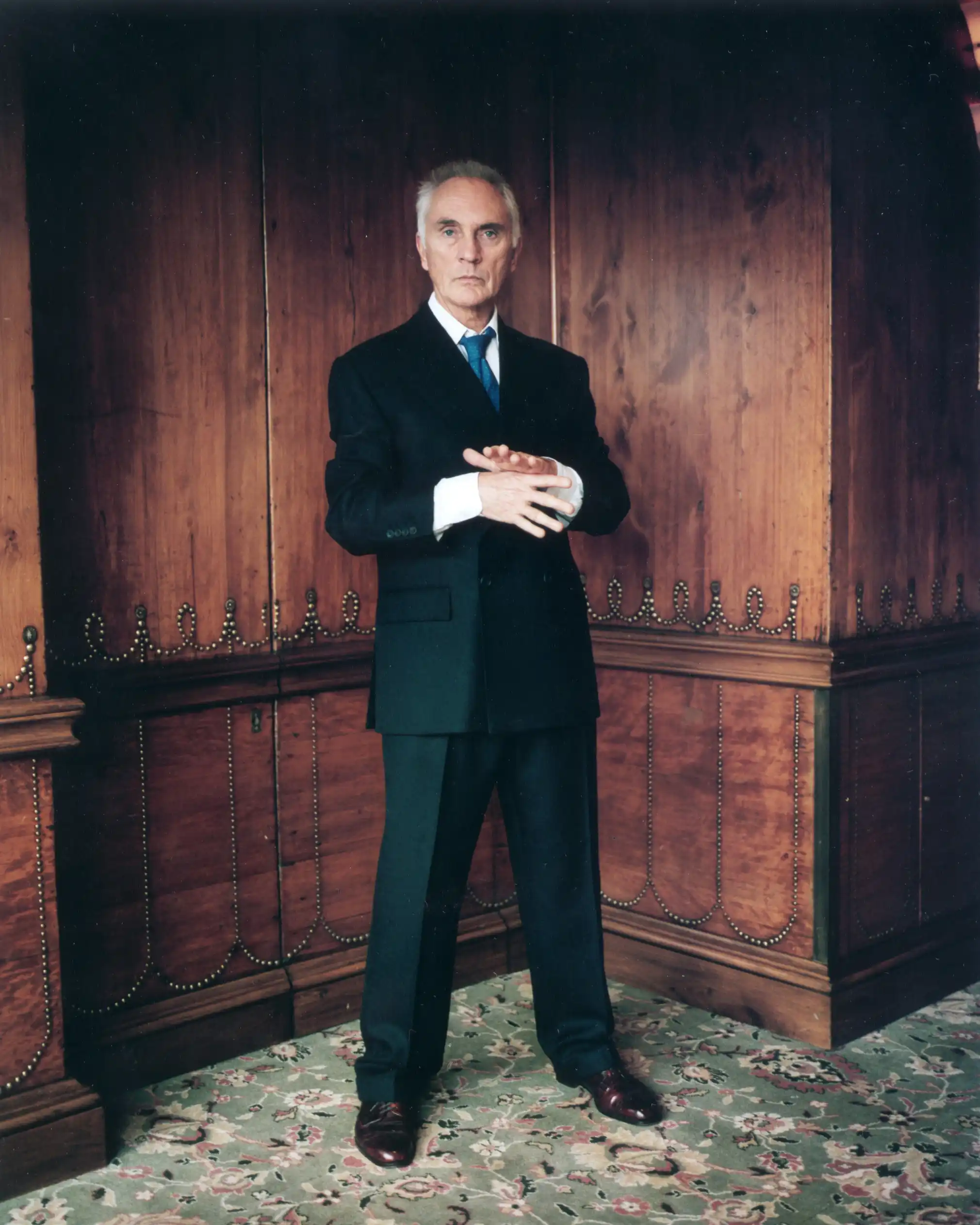
Terence Stamp, who has died aged 87, was a leading cultural figure of the Swinging Sixties. Despite his extensive and varied work in the decades that followed, the strikingly handsome British actor will always be associated with that exhilarating period, when he was in demand by some of the best directors of the day.
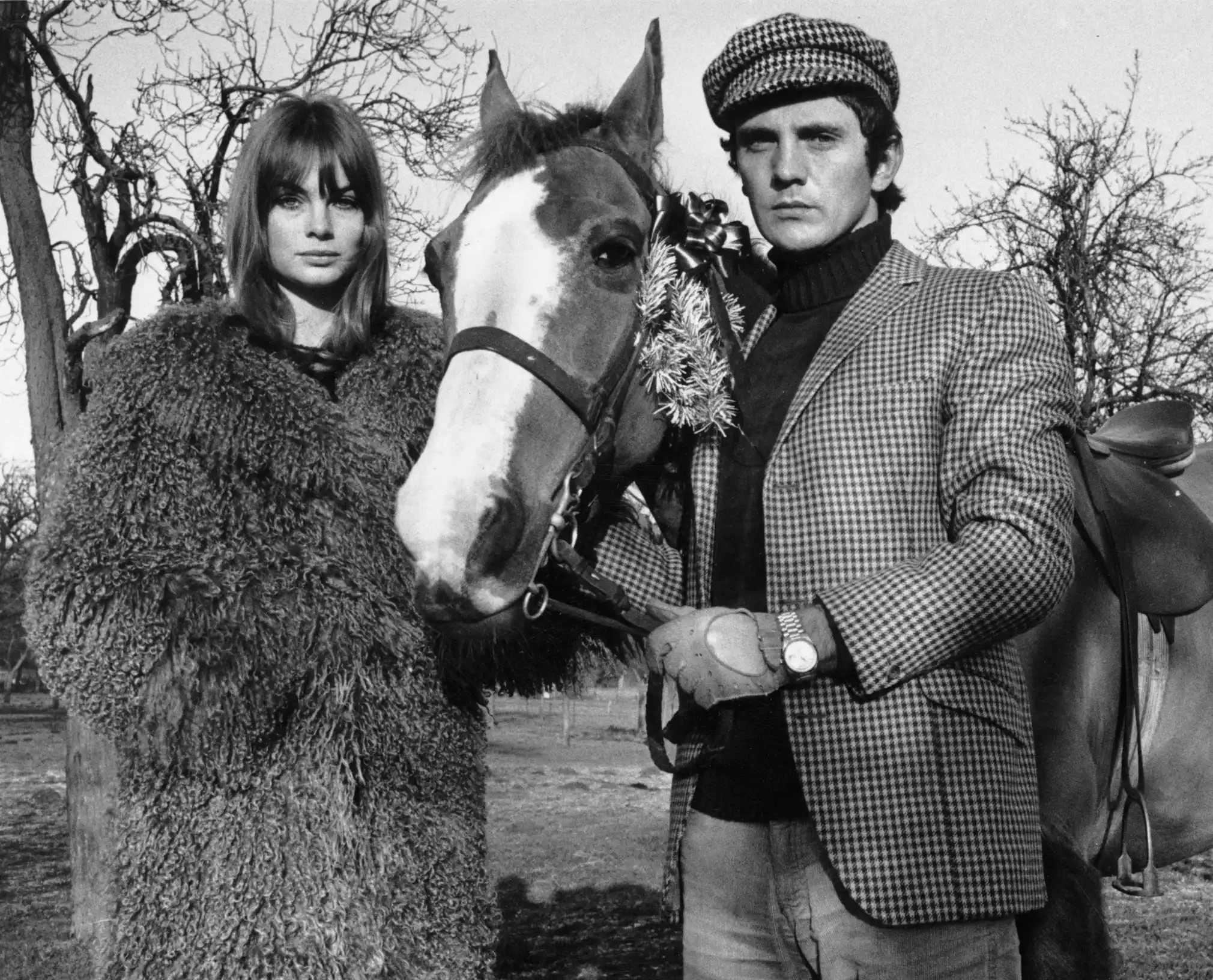
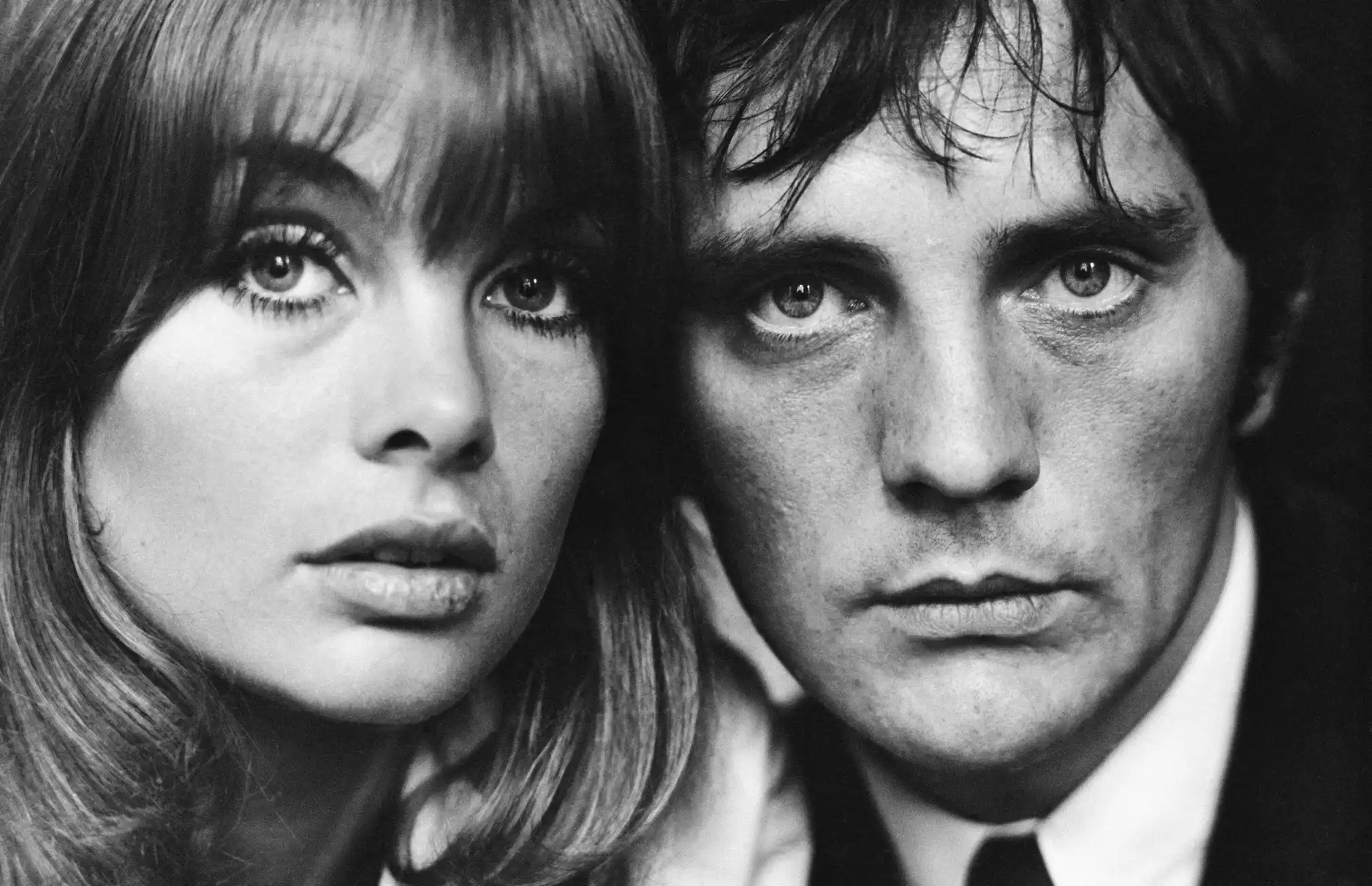
Born in Stepney, east London, Terence was the eldest of five children of Ethel (nee Perrott) and Thomas Stamp, a tugboat captain. He was fortunate that his career began at the time when it helped an actor to have working-class origins. Following Michael Caine, Albert Finney and Tom Courtenay, the cockney Stamp was catapulted into stardom in his early 20s, enjoying all the accoutrements that went with celebrity. This included a romance with Julie Christie, and a three-year relationship with the top fashion model Jean Shrimpton, who made headlines when she left the photographer David Bailey for him.
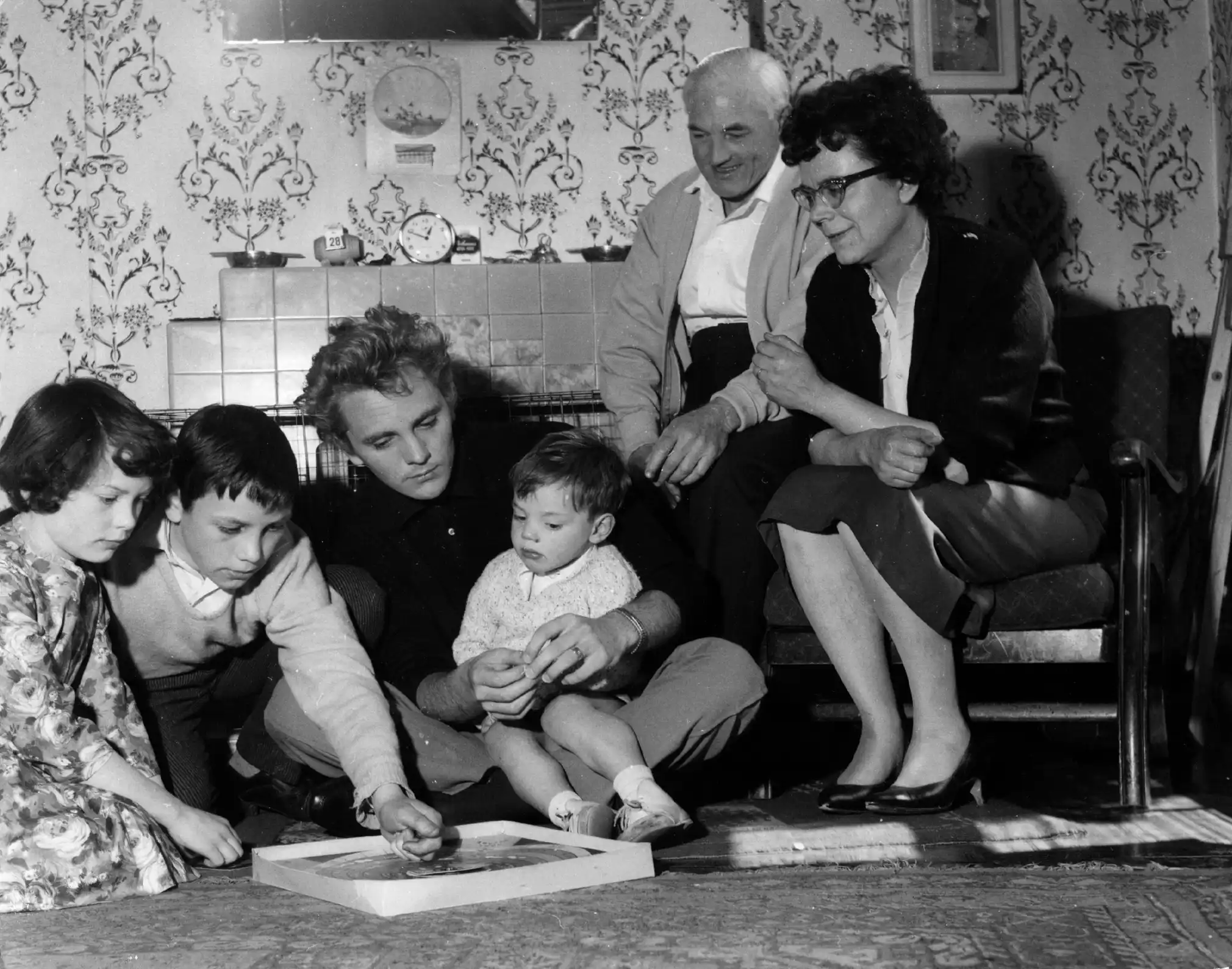
Stamp spent his early years in the East end until the blitz forced the family to move to Plaistow, then in Essex. As his father was away for long periods in the Merchant Navy, Terence and his siblings were brought up mostly by their mother, grandmother and aunts.
On leaving Plaistow grammar school, Stamp worked in several advertising agencies in London, all the time wanting to be an actor. But, as he recalled: “It wasn’t until I saw James Dean in East of Eden that I began to think that maybe I could actually do this.” He then applied for and won a scholarship to the Webber-Douglas Academy of Dramatic Art in South Kensington
He had a spell as assistant stage manager, then actor, with a repertory company in Devon, before making his London stage debut in A Trip to the Castle at the Arts Theatre, in 1960. However, more important, in the same year, was the four-month tour in Willis Hall’s second world war army drama The Long and the Short and the Tall, in which the 21-year-old Stamp played Private Sammy Whitaker, the callow wireless operator, with 27-year-old Caine as the rebellious private “Bammo” Bamforth. The two Londoners struck up a friendship and moved together into a flat.
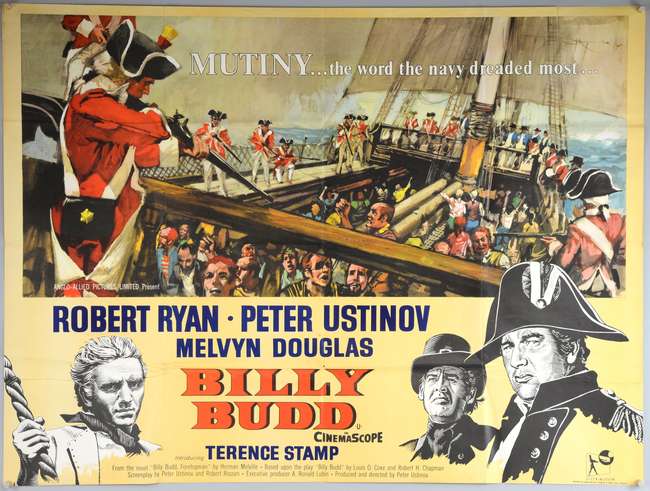
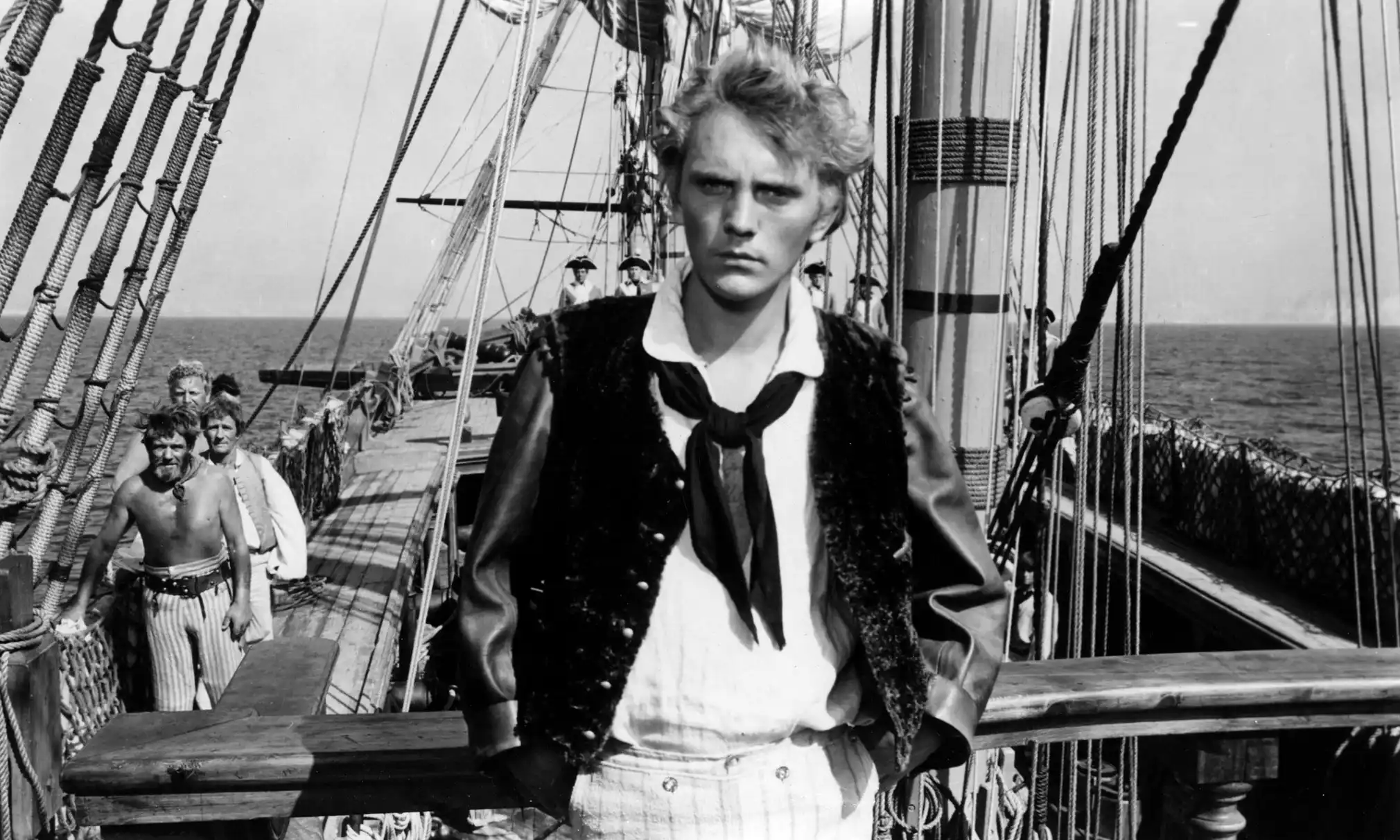
It was the younger actor who first broke into the big time when Peter Ustinov, looking for a handsome young man to play the title role of the ill-fated seaman in his film version of Herman Melville’s Billy Budd (1962), cast the unknown Stamp, more on the strength of his appearance than his experience.
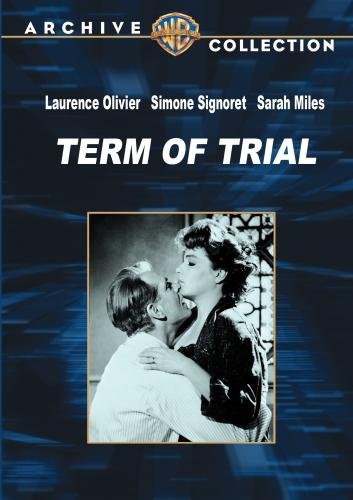
Ustinov’s gamble paid off because Stamp, whose dark hair was dyed blond for the role, managed to convey the essence of Melville’s stammering angelic innocent, and gain himself a best supporting actor Oscar nomination. At the same time, he was seen in the far-from-angelic part of the school bully in Term of Trial (1962)
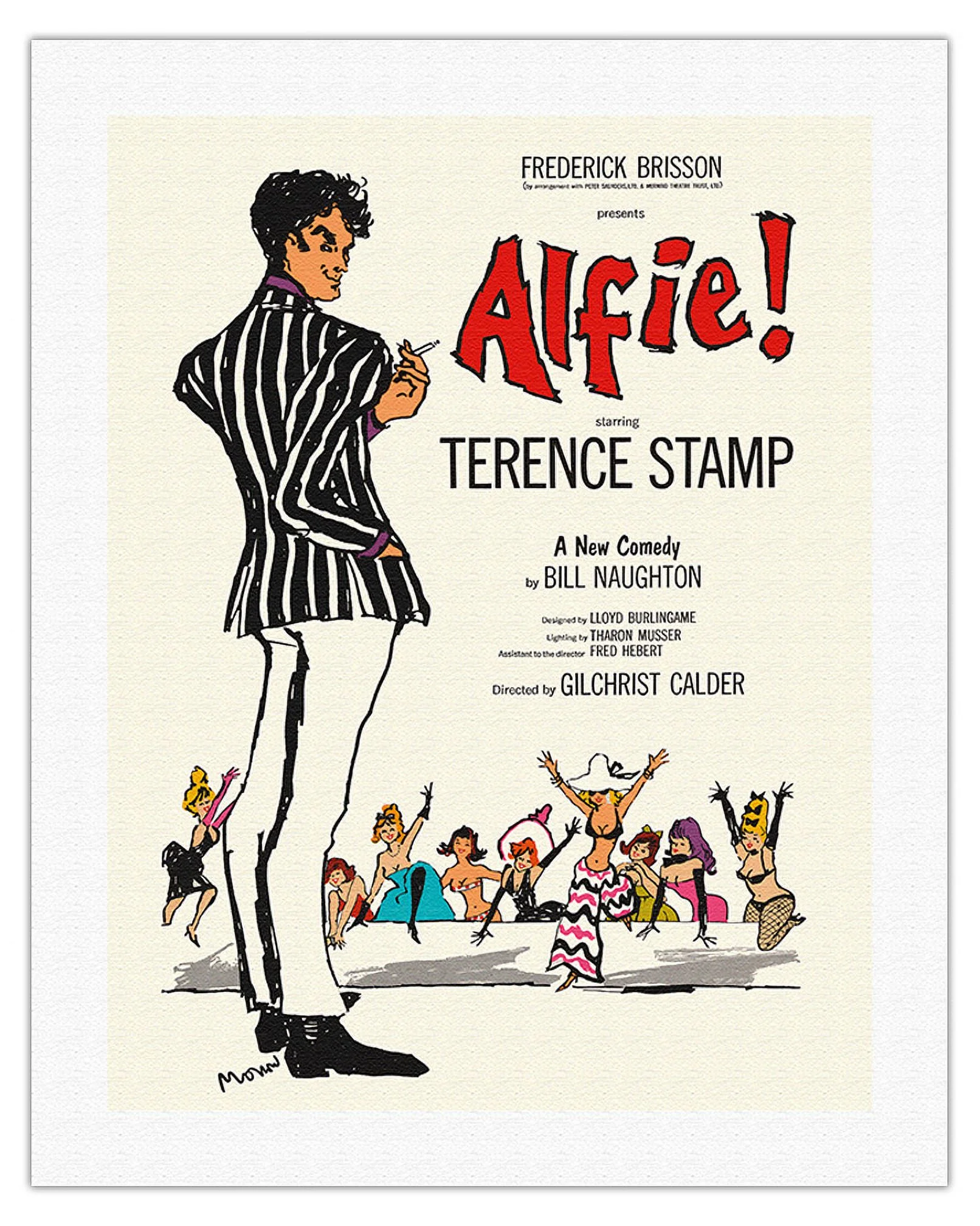
In December 1964, Stamp went to Broadway to star in Bill Naughton’s Alfie but, despite good reviews, the play ran for only 21 performances. (Although he was offered the chance to star in the film version of the play, Stamp turned it down, recommending his pal, Caine.)
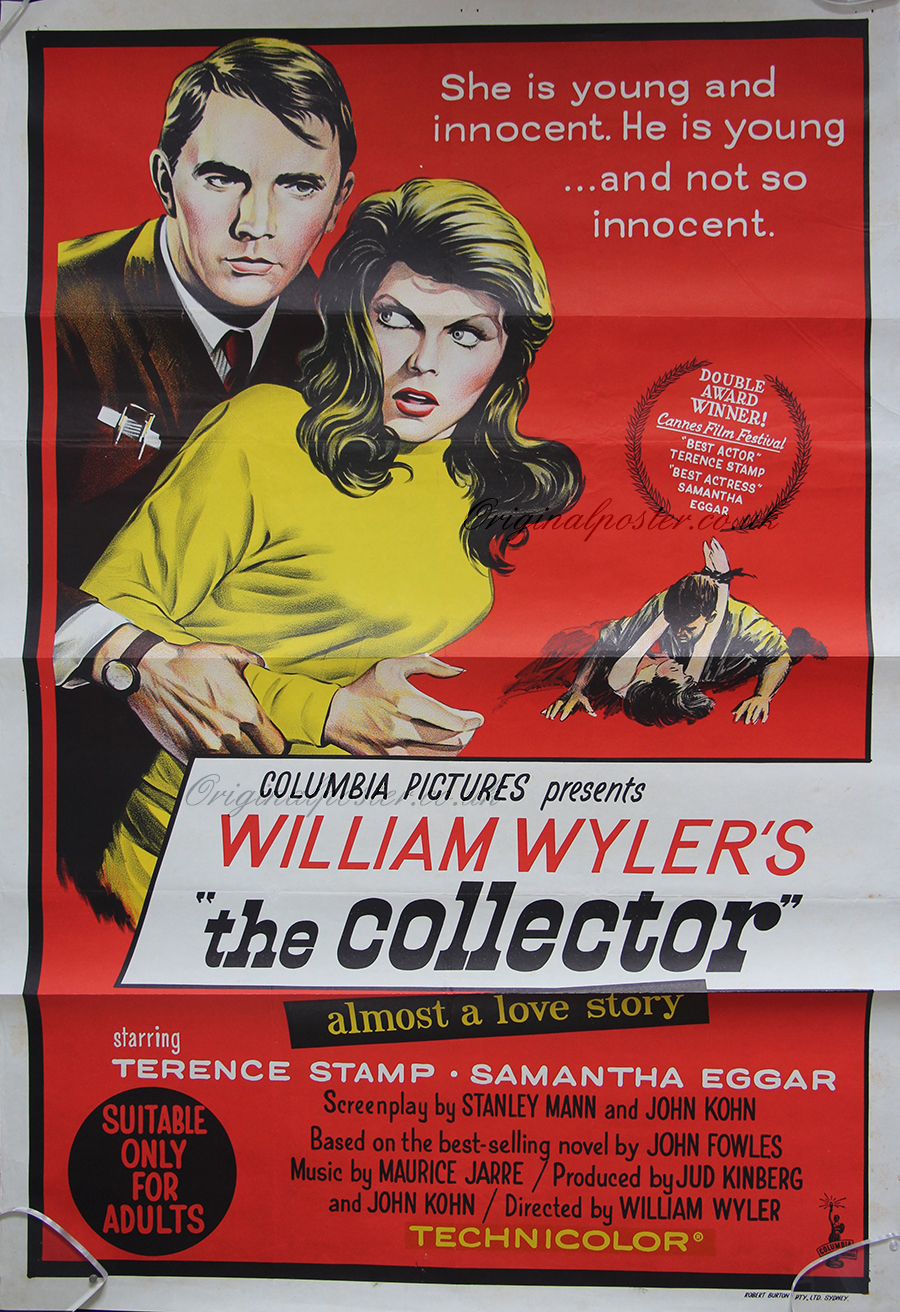
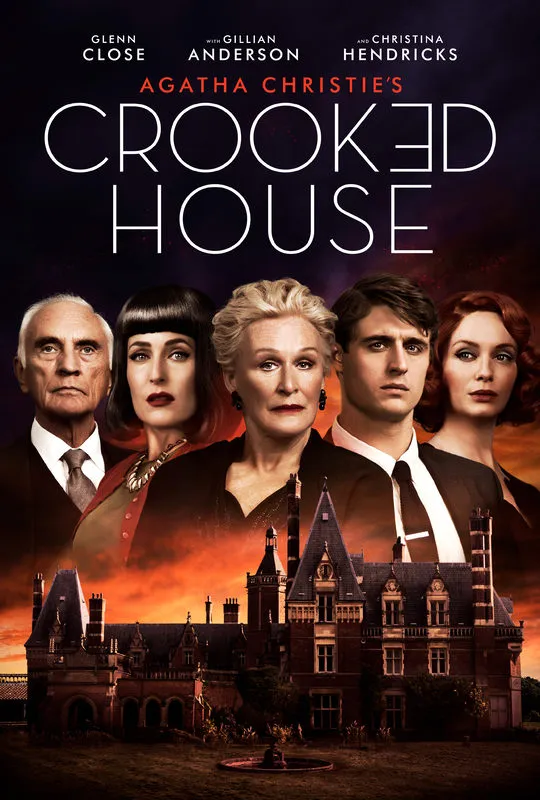
Instead, he was handed a plum role in William Wyler’s The Collector (1965), an adaptation of the bestselling novel by John Fowles. He played a warped office clerk and amateur lepidopterist who kidnaps a young art student (Samantha Eggar) in the hope that she will come to love him. In truth, the character of the “collector” worked better on the page, but Stamp was touchingly shy and gauche and won the best actor award at that year’s Cannes festival.
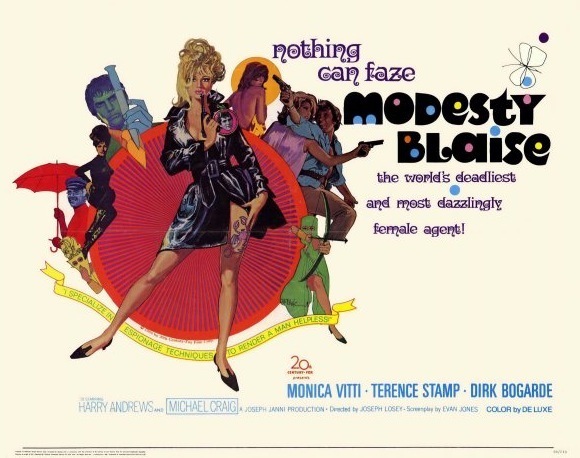
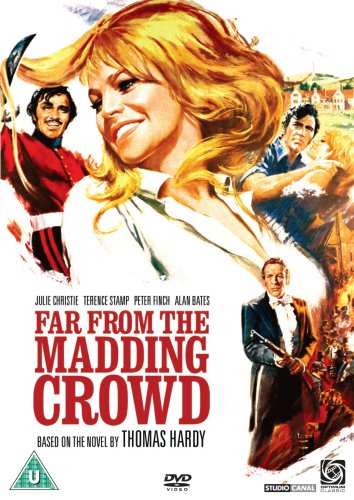
Stamp then sent up his modish image in Joseph Losey’s Modesty Blaise (1966), playing Willie Garvin, the cockney, knife-throwing sidekick of Monica Vitti’s eponymous sexy spy. The next year, he appeared as the swaggering sword-brandishing Sergeant Troy in John Schlesinger’s adaptation of Thomas Hardy’s Far from the Madding Crowd, and then adjusted to the miserabilist “kitchen-sink” realism of Ken Loach’s Poor Cow. In this other side of the London coin, Stamp was touching as the sensitive but irresponsible lover of Carol White, as Joy.
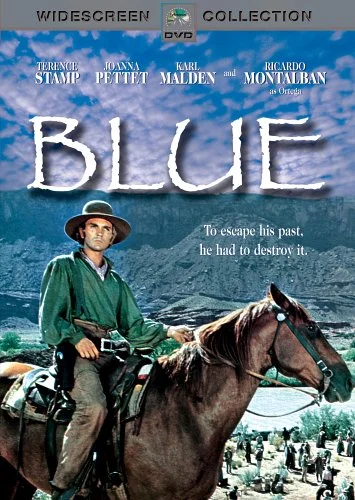
In 1968, after unwisely starring as a Mexican bandit in the turgid western Blue – the title refers to the colour of the hero’s eyes – Stamp gave two extraordinary performances in two extraordinary films in Italy, one exploiting the satanic side of his beauty and the other the angelic side. In the Federico Fellini episode from Spirits of the Dead (three tales by Edgar Allan Poe), called Toby Dammit, Stamp plays a film star who, after making a movie in Rome, gets very drunk and is pursued by the devil while speeding around the Eternal City in his Maserati. According to Stamp: “Fellini embodied the transcendent. He was more than a great director, he was like the guru.”
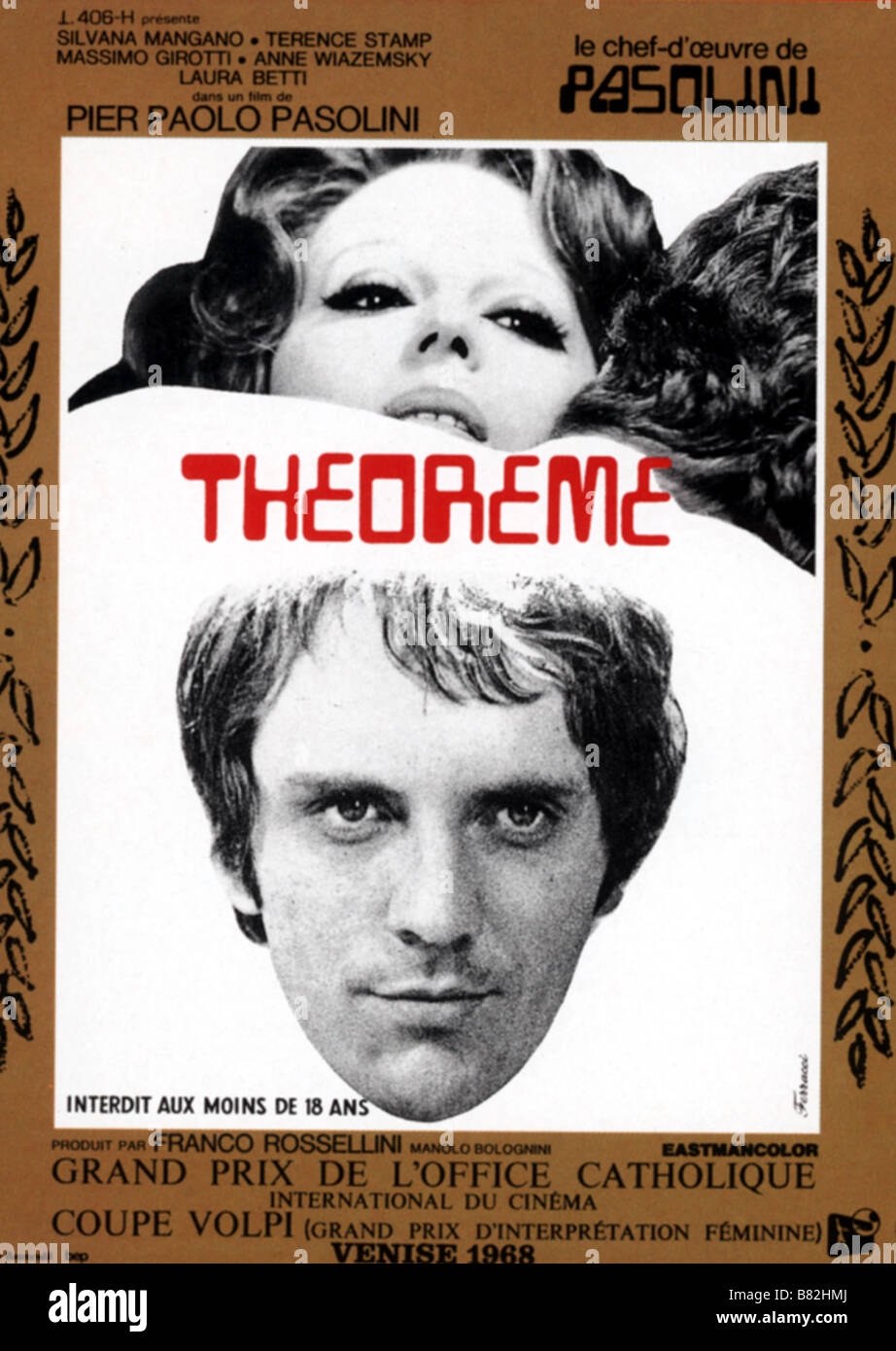
In Pier Paulo Pasolini’s Teorema, Stamp convinced as a handsome young man who ingratiates himself into the home of a rich industrialist and sleeps with every member of the family – the father, the mother, the daughter, the son and the maid. This fable set out to prove that once the family was liberated from its bourgeois existence by the mysterious young stranger, it goes mad because sex is the one thing it cannot control. The film was the apotheosis of Stamp, the 60s sex symbol.
During his sojourn in Italy, Stamp was perfectly cast as French poète maudit Arthur Rimbaud in Nelo Risi’s A Season in Hell (1971), but by the time it was released, he had taken off for India, seemingly because of the breakup of his relationship with Shrimpton. “That’s what turned me inwards,” he remembered. “If I’d just been a little bit more dumb, I would have chased after the next supermodel.”
Stamp made occasional appearances in films during the next eight years, and spent long periods at an ashram in Pune, in Maharashtra, India, meditating and studying the teachings of Bhagwan Shree Rajneesh.
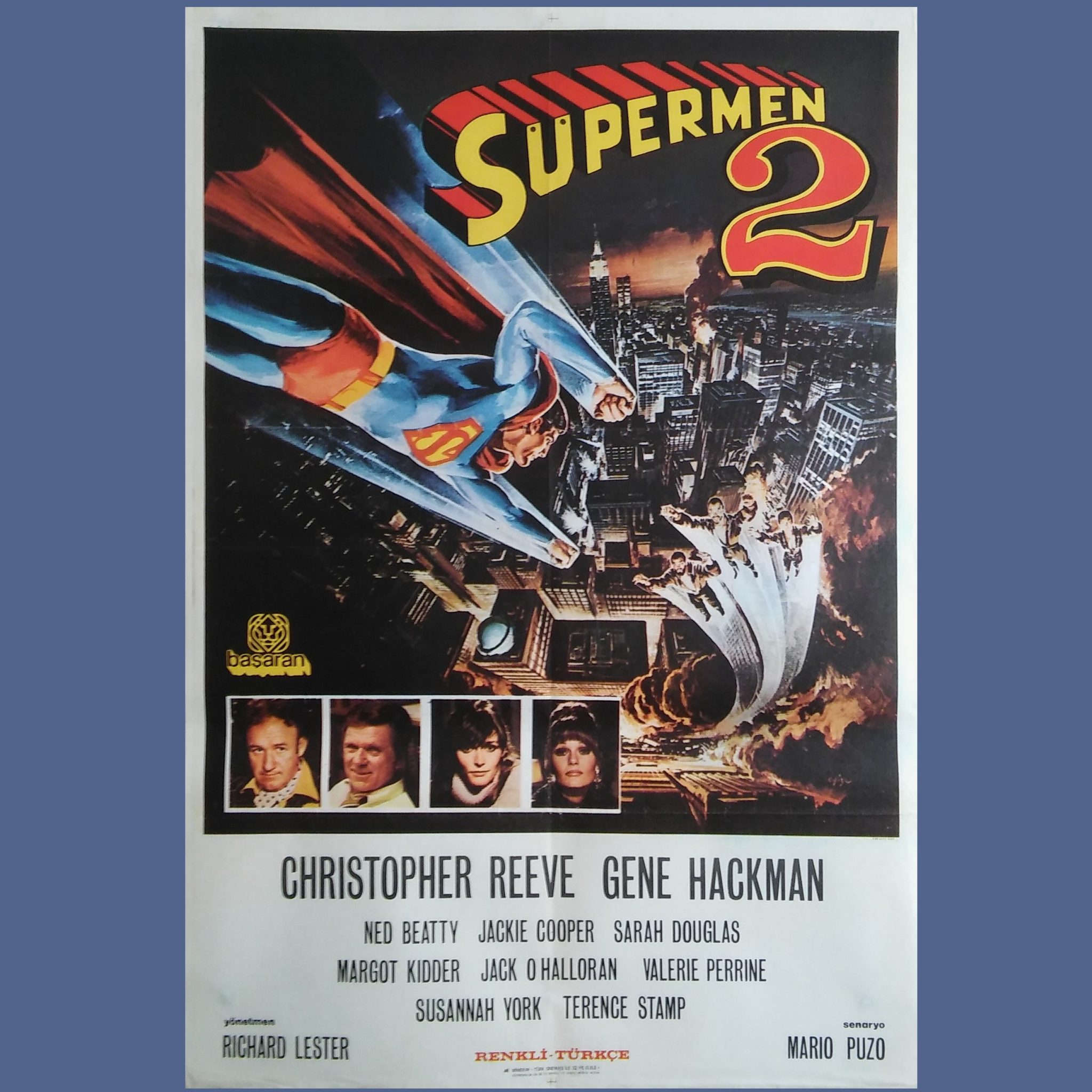
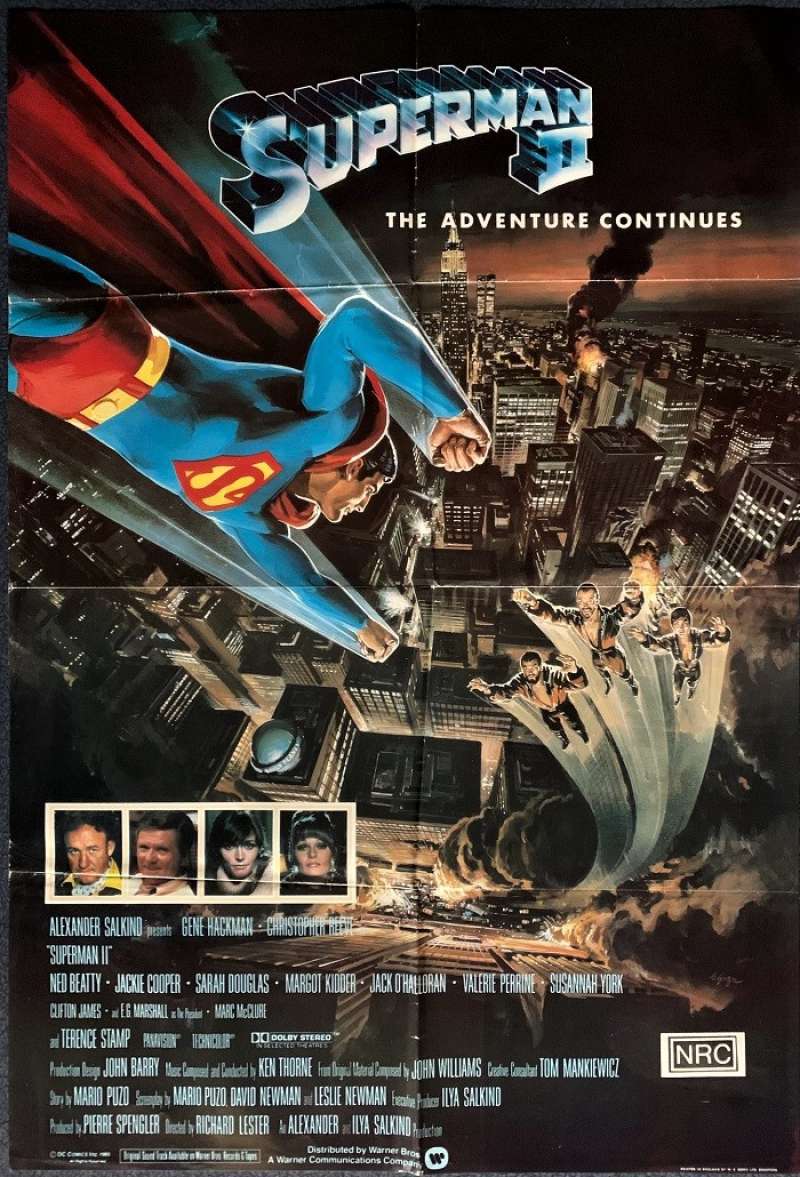
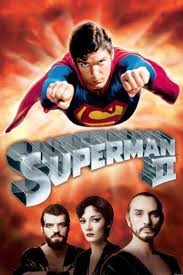
After being almost invisible for a decade, Stamp, his good looks and his charisma intact, returned to the limelight as the arrogant arch villain General Zod in Superman (1978) and Superman II (1980). Stamp derived much amusement from the evil comic book character by adopting a calm, detached attitude to his acts of destruction, almost bored with the ease with which he and his two cohorts have taken over the Earth.
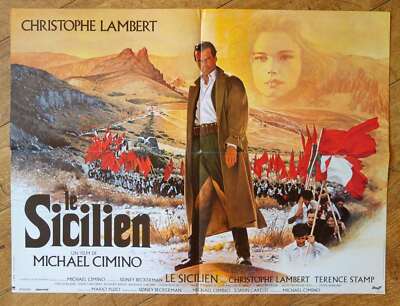
From then on Stamp was back in the consciousness of audiences, mainly as a villain – General Zod being the prototype – appearing in an average of two or three films a year, some good, some best forgotten. In Stephen Frears’s The Hit (1984), he is a British ex-con exiled in Spain; in Oliver Stone’s Wall Street (1987), he is Sir Larry Wildman – the nemesis of the stock market speculator Gordon Gekko (Michael Douglas) – who lends the word “mate” an emphasis of menace, and in the title role of Steven Soderbergh’s The Limey (1999), he is another ex-con, this time seeking revenge for the murder of his daughter.
In the latter, there is an ingenious and moving moment when Soderbergh cuts in an extract from Poor Cow as a flashback to the character’s youth. All at once we see the contrast between the 28-year-old and the balding, grey-haired, 60-year-old actor.
In a departure from anything he had ever done before, Stamp dragged up for Stephan Elliott’s 1994 cult comedy classic The Adventures of Priscilla, Queen of the Desert (1994), playing Bernadette Bassenger, a trans woman and performer who joins two drag queens in a road trip across the Australian outback – with lines such as: “I’ll join this conversation on the proviso that we stop bitching about people, talking about wigs, dresses, bust sizes, penises, drugs, night clubs, and bloody Abba!”
Stamp’s fan base was considerably added to with an appearance, albeit a short one, in Star Wars: Episode I – The Phantom Menace (1999) as Chancellor Valorum. In 2008, he played one of the conspirators planning to assassinate Hitler in Valkyrie, which starred Tom Cruise as Colonel Claus von Stauffenberg, each actor using his own accent. Stamp also provided the voice of Jor-El, aka Superman’s dad, in 19 episodes of the TV series Smallville from 2003 to 2011.
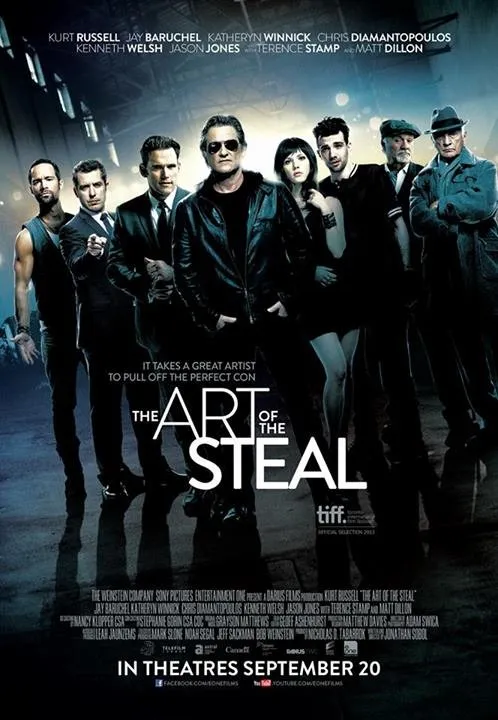
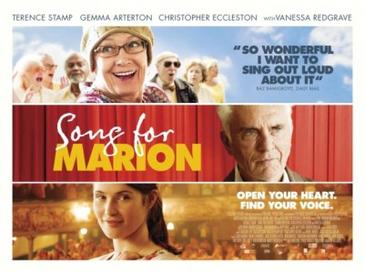
In Song for Marion (2012), a “sweet-natured, if modestly conceived” comedy-drama about a choir of sixtysomethings, he played the curmudgeonly Arthur, persuaded to join in the singing by his terminally ill wife Marion (Vanessa Redgrave). Other later films included the heist caper The Art of the Steal (2014), and Tim Burton’s time-loop fantasy Miss Peregrine’s Home for Peculiar Children (2016), adapted from the bestselling novel by Ransom Riggs.
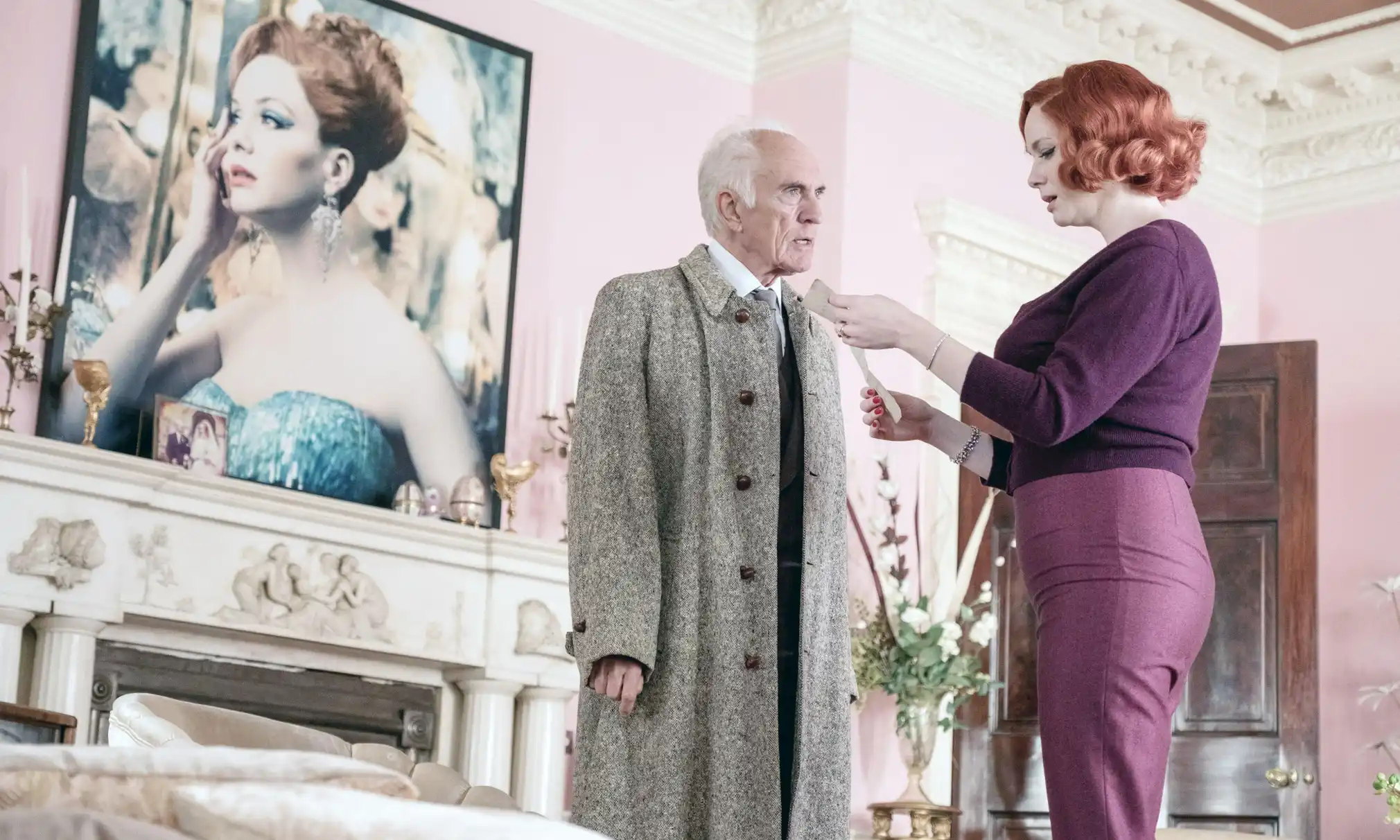
He made a guest appearance in the television series of Philip Pullman’s His Dark Materials in 2020 and his last film role was in Edgar Wright’s psychological horror Last Night in Soho (2021).
In addition to his acting, Stamp published three volumes of memoirs, and a cookbook to provide alternative recipes for those, like him, who are wheat and dairy intolerant.
In 2002, Stamp married Elizabeth O’Rourke, an Australian pharmacist. They were divorced a little more than five years later.
Terence Stamp, actor and writer, born 22 July 1939; died 17 August 2025
Terence Stamp (born 1938, Stepney, London) stands as one of the most distinctive screen actors of modern British and international cinema. Over more than six decades, he has embodied an extraordinarily wide range of masculine identities—angelic youth, sexual outsider, working‑class rebel, tragic aesthete, villain, mystic, and elegiac elder. His career falls into at least three distinct phases: the explosive emergence amid the British New Wave of the 1960s; a midlife retreat and spiritual reorientation in the 1970s–80s; and a remarkable late‑career renaissance that reasserted his singular magnetism within contemporary film.
Early Formation and Breakthrough (1950s–1962)
Born into a working‑class family in East London, Stamp studied at the Webber Douglas Academy of Dramatic Art and quickly captured attention for his striking beauty, intense gaze, and self‑possessed stillness. His early training emphasized precision of diction and emotional economy—traits that would dominate his mature screen persona.
After repertory work and an understudy role at the Royal Court, he made his film debut in Peter Ustinov’s Billy Budd(1962), based on Melville’s novella. As the innocent sailor persecuted by Claggart, Stamp radiated moral purity and vulnerability; his performance earned him an Academy Award nomination and the BAFTA for Best Newcomer. Critics compared him to Montgomery Clift and James Dean in his ability to meld physical beauty with spiritual sensitivity.
The Times called it “a performance of beatific gravity,” and American critic Bosley Crowther praised “the glow of inner light he gives to goodness.” This first screen appearance established the essential paradox of Stamp’s career: an actor of great serenity whose allure often provokes destruction.
British New Wave Stardom (1963–1967)
Stamp quickly became a cornerstone of the Swinging London cinematic and cultural moment—an image as much as an actor, blending working‑class authenticity with fashion‑world charisma. Photographed by Bailey, associated with Julie Christie and Jean Shrimpton, Stamp embodied a new, sensuous Englishness.
The Collector (1965)
Directed by William Wyler, this adaptation of John Fowles’s novel secured Stamp’s reputation as a major dramatic actor. As Frederick Clegg, a repressed bank clerk who kidnaps an art student (Samantha Eggar), Stamp subverted his beauty to chilling effect. His performance earned a Cannes Best Actor Prize (shared with Rod Steiger). Critics were divided—some found his performance so psychologically opaque as to be frighteningly inhuman, others hailed its precision and restraint. Retrospectively, it stands as a landmark exploration of control and erotic pathology, prefiguring the cool cruelty of later British cinema (Kubrick, Losey).
The Collector revealed core characteristics:
emotional compression;
fascination with power and captivity;
tension between surface calm and subterranean turmoil.
Other 1960s highlights
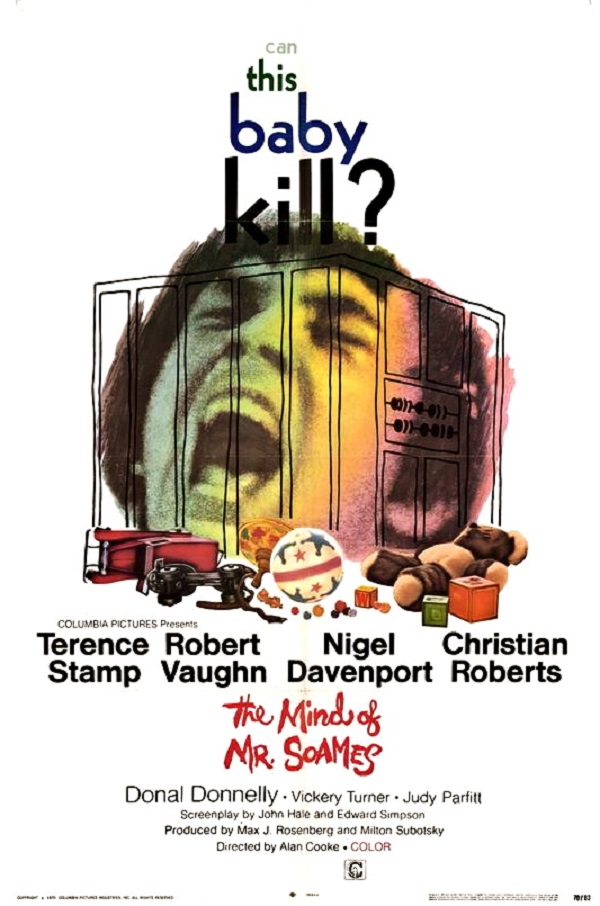
The Mind of Mr. Soames (1969) – as an adult waking from lifelong coma, Stamp fused childlike innocence and existential confusion.
Far from the Madding Crowd (1967) – as Sergeant Troy, he dramatized destructive masculinity with exotic grace, wielding a sword and sensual charm emblematic of 1960s permissiveness.
Joseph Losey collaborations (including Modesty Blaise, 1966): stylized satire where his detached wit suited Losey’s ironic vision.
By the decade’s end, he was both cultural icon and serious actor—an aestheticized embodiment of the decade’s self‑love and alienation.
Withdrawal and Transformation (1970s–mid‑1980s)
After personal upheaval—his relationship with Jean Shrimpton ended, roles waned, and his film Hu‑Man (1975) failed—Stamp turned inward. He lived years in India and Italy, studying meditation and esoteric philosophy (especially under the influence of the spiritual teacher Krishnamurti). The resulting absence from mainstream cinema became legend.
When he returned, his introspection had deepened his screen presence: less the romantic idol, now a figure of calm menace or mystical detachment.
Superman (1978) and Superman II (1980)
As General Zod, Stamp created one of cinema’s most memorable comic‑book villains. His icy elegance and biblical phrasing (“Kneel before Zod!”) transformed pulp villainy into liturgy. Critics noted how his minimalism—cool stare, clipped enunciation—contrasted powerfully with the genre’s bombast. What might have been kitsch became mythic through refinement.
The Hit (1984)
Stephen Frears’s existential crime drama marked Stamp’s true artistic renewal. As Willie Parker, an ex‑gangster awaiting execution by his onetime associates (John Hurt and Tim Roth), he offered a masterclass in quiet transcendence. His serenity, humor, and stoic death‑readiness juxtaposed spiritual enlightenment with criminal fatalism. Critics, especially in Britain, hailed it as one of the decade’s most remarkable performances. Time Out described his presence as “Bressonian—stillness imbued with moral curiosity.” Stamp himself cited the role as the culmination of his meditative years.
Mature International Phase (1986–2000s)
Freed from the trappings of youth, Stamp became a superb character actor across European and American cinema—always composed, charismatic, slightly otherworldly.
Wall Street (1987)
As corporate raider Sir Larry Wildman, he injected gravitas and ironic detachment, his clipped British regality a moral mirror to Michael Douglas’s flamboyance. Critics admired his authority—an emblem of the establishment against 1980s greed.
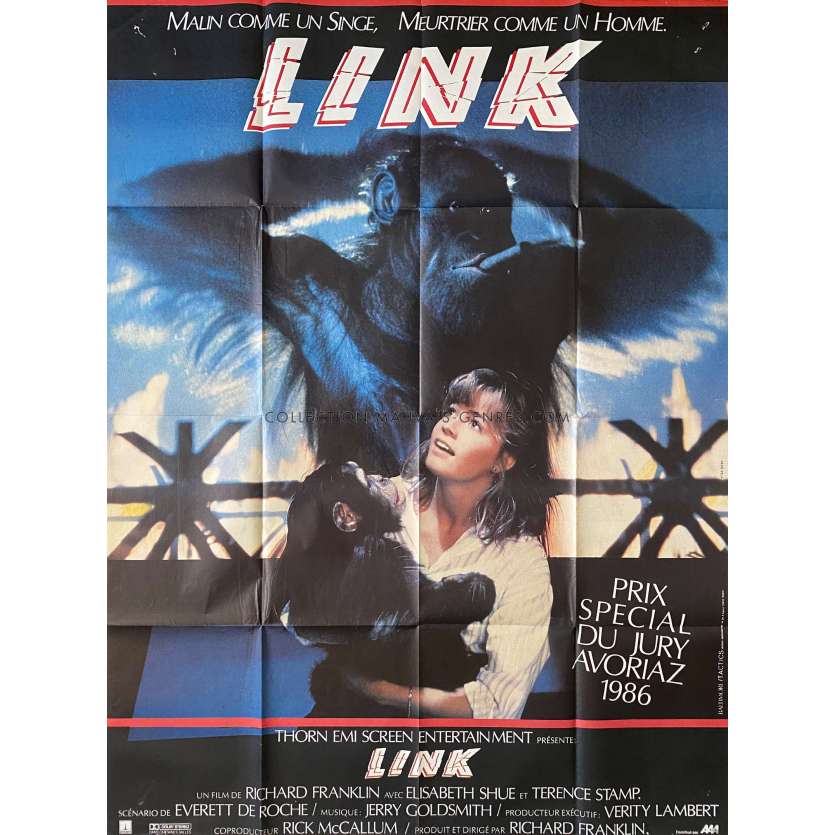
The Company of Wolves (1984)* and Link (1986)
In British fantasy and horror, he supplied mythic undertones; even in brief appearances, his ethereal aura endowed genre with gravitas.
Priscilla, Queen of the Desert (1994)
His dazzling turn as aging trans woman Bernadette remains one of his most beloved performances. Mixing camp steeliness with wounded dignity, Stamp humanized drag iconography. Critics like David Thomson called it “career‑redefining—complex, wry, and strangely tender.” The role reclaimed him as an artist unafraid of vulnerability, bridging his outward serenity and inner melancholy.
The Limey (1999)
Steven Soderbergh’s neo‑noir revenge film is often cited as his greatest late‑career triumph. As an aging ex‑con avenging his daughter’s death, Stamp delivered minimalist mastery—laconic, haunted, both violent and aching. Soderbergh’s insertion of footage from Poor Cow (1967) as flashbacks created a self‑reflexive dialogue between youthful and aged Terence Stamp. Critics hailed it as a meta‑performance: the haunted survivor looking back on his cinematic past. The Village Voice called him “the most heartbreakingly self‑aware presence in modern film noir.”
This era re‑established Stamp as the quintessential elder statesman of style—his presence alone enough to lend ritual significance to a film.
Later Work (2000s–present)
In the twenty‑first century, Stamp has alternated between prestige cinema, genre fare, and cameos that exploit his iconic authority:
The Hunger Games: Catching Fire (2013) – urbane restraint as statesman “Plutarch’s predecessor” Caesar Flickerman (deleted scenes) or elder advisors; carried gravitas across limited screen time.
Song for Marion (2012) (released as Unfinished Song in the U.S.) – a tender domestic performance as a widower learning to sing in a choir, echoing his youthful introspection with newfound warmth.
Yes Man (2008) and Big Eyes (2014) – wry supporting turns using his clipped wit for irony rather than menace.
Critics increasingly framed his late career as “a meditation on poise,” the stillness of early beauty transformed into wisdom.
Critical Analysis: Style and Meaning
1. Physical and Vocal Precision
Stamp’s defining tools are composure and enunciation. His slow, musical speech and sculpted face combine classical discipline with cinematic intimacy. He rarely gestures; his power lies in silence and velvet diction. This economy creates moral gravity—he makes stillness eloquent.
2. Paradox of Beauty
Early on, reviewers obsessed over his looks; as he aged, he converted beauty into formality, even menace. His appeal lies not in accessibility but in aesthetic distance: he is the rare actor whose magnetism depends on withholding emotion until revelation becomes transcendent.
3. Spiritual Undertone
From Billy Budd to The Hit and The Limey, his characters often wrestle with redemption, detachment, and mortality. The influence of Eastern philosophy and meditation shapes his acting ethos: a preference for truth over display, contemplation over explosion.
4. Thematic Dualities
Innocence vs. corruption (Billy Budd, Far from the Madding Crowd).
Captivity vs. transcendence (The Collector, The Hit).
Age vs. youth / self‑mythologizing (The Limey).
Masculinity and androgyny (Priscilla), expanding the boundaries of male identity.
5. Performance Lineage
Stamp’s sculptural presence aligns him with European minimalists—Dreyer’s actors, Bresson’s models—more than with the Method vivacity of his American contemporaries. Critics often contrast him with Albert Finney: where Finney erupted, Stamp radiated. His art is control under pressure.
Legacy
Terence Stamp’s contribution lies in transforming screen beauty into metaphysical gravitas. His work bridges the British New Wave’s social realism, the stylized alienation of 1970s European cinema, and the reflective melancholy of late‑20th‑century minimalism. Few actors have aged with such thematic cohesion—the youthful angel becoming the reflective witness to lost purity.
He remains a master of stillness, an actor whose aura carries the story as much as dialogue. From the innocent martyr of Billy Budd to the spectral avenger of The Limey, Stamp exemplifies how acting can evolve from sensuous immediacy into philosophical presence.
Summary: Terence Stamp’s career traces a full spiritual arc—from incandescent youth to contemplative maturity. Through his unique blend of grace, detachment, and intelligence, he redefined screen masculinity as something at once sensual and self‑aware. Whether saint, sinner, or sage, he has imbued every role with moral clarity and a haunting awareness of the passage of time—qualities that make him one of cinema’s most enduring and enigmatic presences.
Terence Stamp’s performance in Alfie was not part of the later famous 1966 Michael Caine film, but rather the original stage production, which opened at London’s Criterion Theatre in 1963, written by Bill Naughton and directed by Donald McWhinnie. It’s important to clarify that Stamp created the role of Alfie Elkins on stage, two years before Caine’s screen version made the story widely known.
Because theatre criticism archives from early‑1960s London were print‑bound, detailed reviews can be harder to locate, but several contemporaneous notices from the Evening Standard, The Stage, and later retrospective references in The Guardian and The Times help reconstruct the reception of Stamp’s work.
Contemporary Critical Reception (1963)
When Alfie premiered, reviews highlighted Stamp’s blend of charm and moral opacity in portraying Naughton’s amoral Cockney womaniser. The performance startled critics used to more theatricalised working‑class types.
The Stage (July 1963) described Stamp as “mesmerically relaxed yet insinuating; his Alfie disarms the audience with charm even as he exposes his own callousness.”
The Evening Standard likened his minimalism to “a camera actor’s realism transposed to the stage,” praising his “silky, cruel ease.”
Milton Shulman in The Sunday Express commended Stamp’s “instant star quality… a mixture of matinee idol smoothness and East‑End cynicism,” though he wondered whether the actor’s beauty made the cynicism “too forgivable.”
The performance earned attention as part of the kitchen‑sink realism movement then sweeping British theatre—Stamp’s quiet naturalism, almost filmic, aligned more with the British New Wave actors of the time (Richard Harris, Albert Finney) than traditional stage technique.
Retrospective Appraisal
Later commentators tended to see Stamp’s Alfie as a key precursor to his film stardom:
According to his obituary in the Telegraph (2025), the part “announced Stamp’s effortless command of sexual charisma and moral detachment—qualities that soon defined the British New Wave screen male” .
High On Films notes that Alfie, together with his debut in Billy Budd, “made him a new kind of leading man—working‑class cool infused with aesthetic intelligence” .
The Guardian later described the performance as “the prototype of Stamp’s dark‑prince roles—beautiful, seductive, and faintly unknowable” .
These summaries underline that critics viewed Stamp’s Alfie not as purely comedic or charming but as morally unsettling: a study in narcissism rendered magnetic by stillness and physical beauty.
Critical Assessment
In retrospect, his Alfie can be seen as a hinge between realism and iconography in British acting:
Acting Style: Stamp brought camera‑style intimacy to a small theatre, using low vocal pitch and deliberate pacing that some thought overly detached but others found hypnotic.
Character Interpretation: He underplayed Alfie’s swagger, presenting him less as a jokey womaniser than as existentially hollow—a reading later film adaptations softened.
Influence: His portrayal influenced Michael Caine’s subsequent film approach as well as the broader archetype of the self‑aware male antihero of 1960s British cinema.
Summary
Critically, Terence Stamp’s work in Alfie was admired for its restraint, sensual intelligence, and quiet menace. Although the play itself was received as a sharp social snapshot, most reviewers considered Stamp the revelation—transforming an amoral chancer into something mythic. Today, scholars see the stage Alfie as the missing link between the introspective innocence of Billy Buddand the detached erotics of his later screen persona