

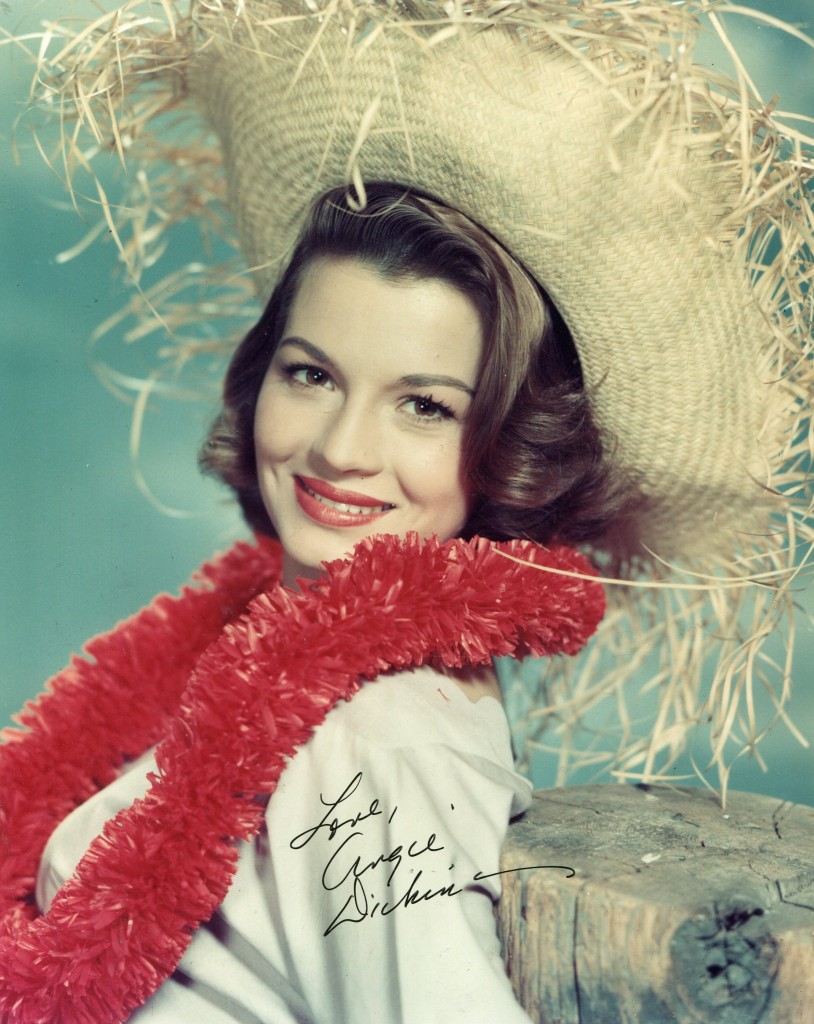
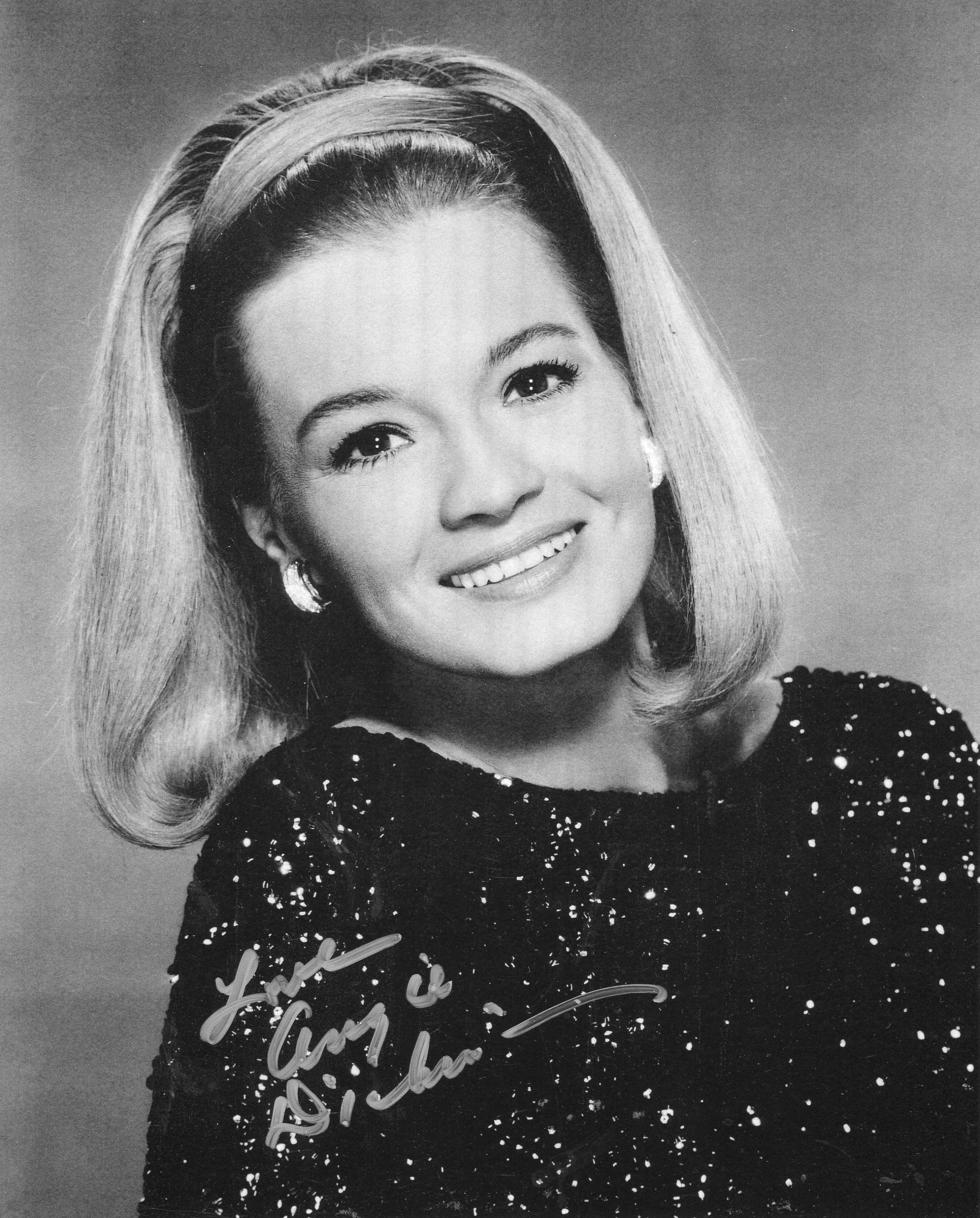
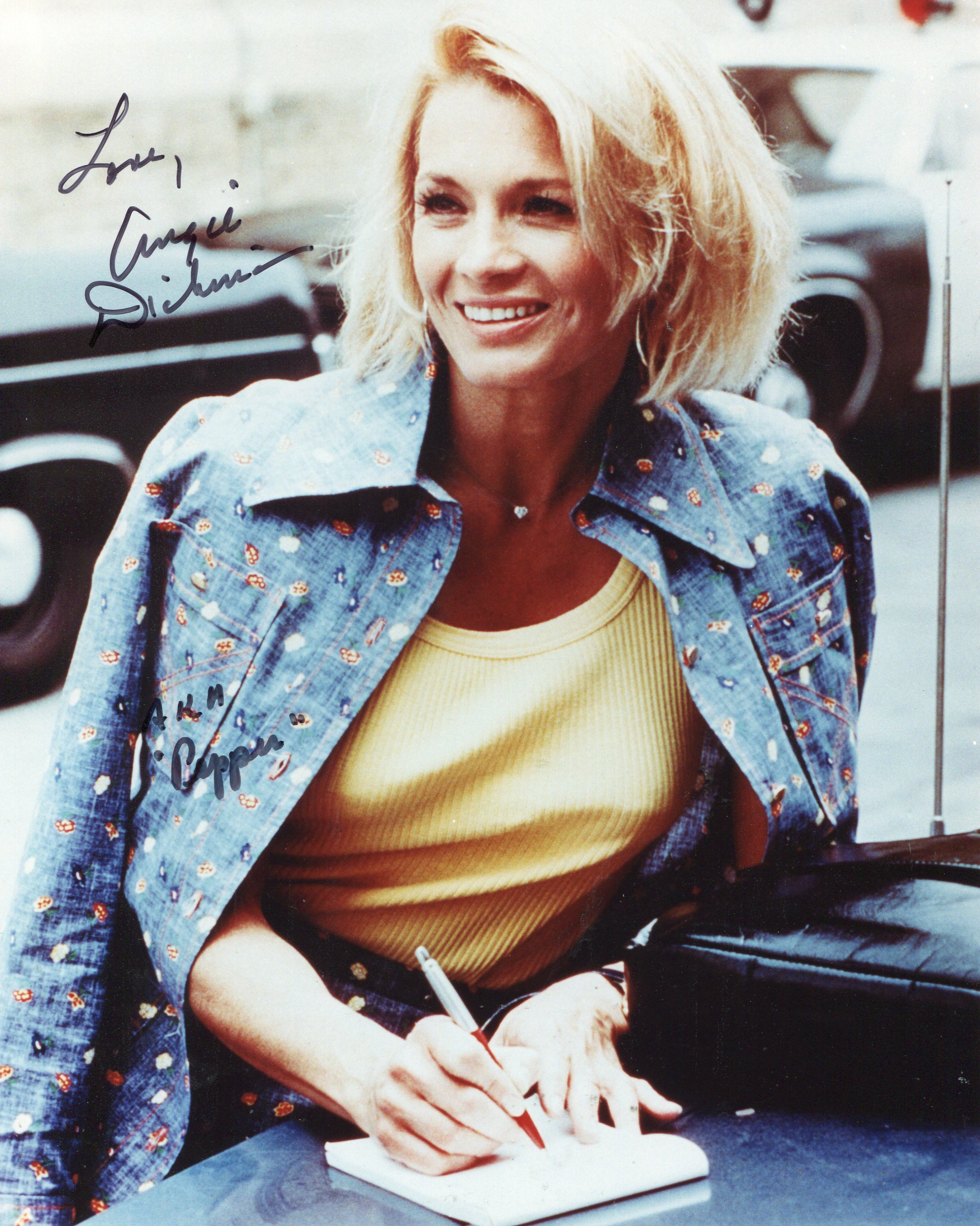
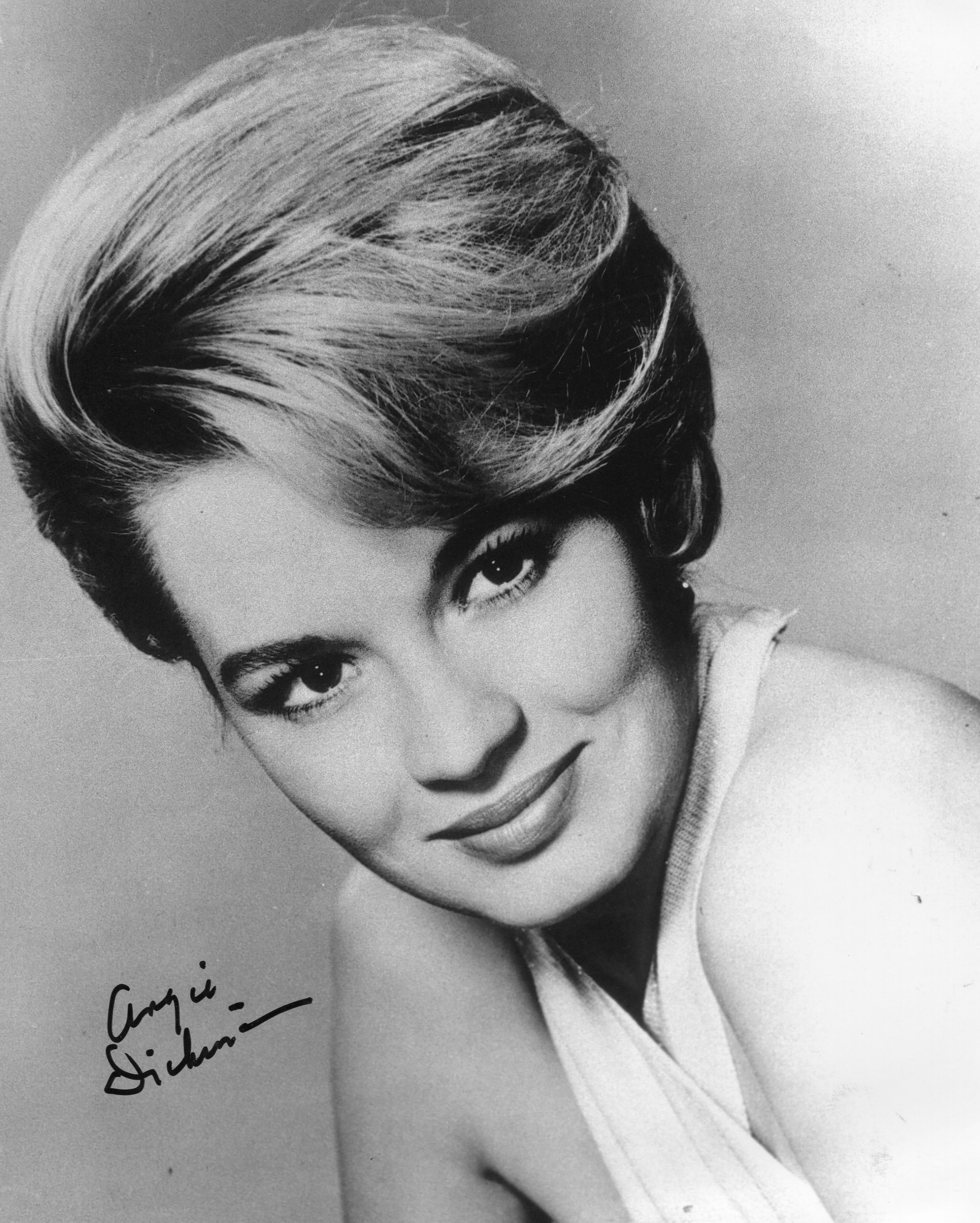
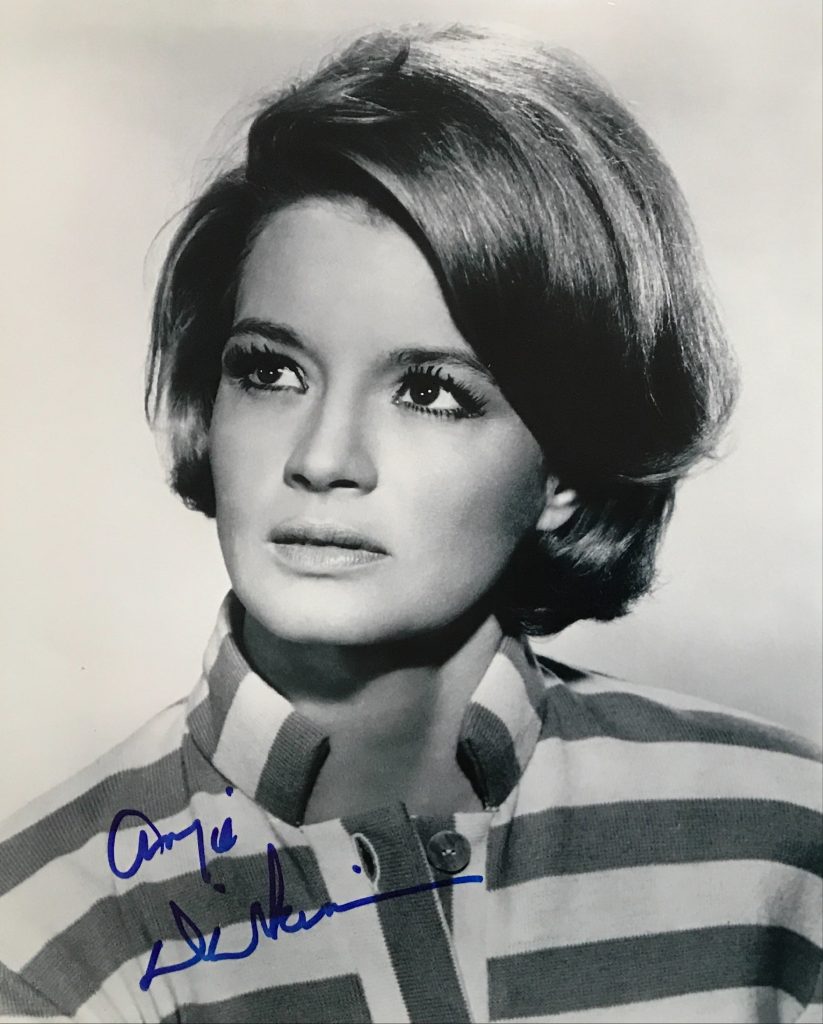
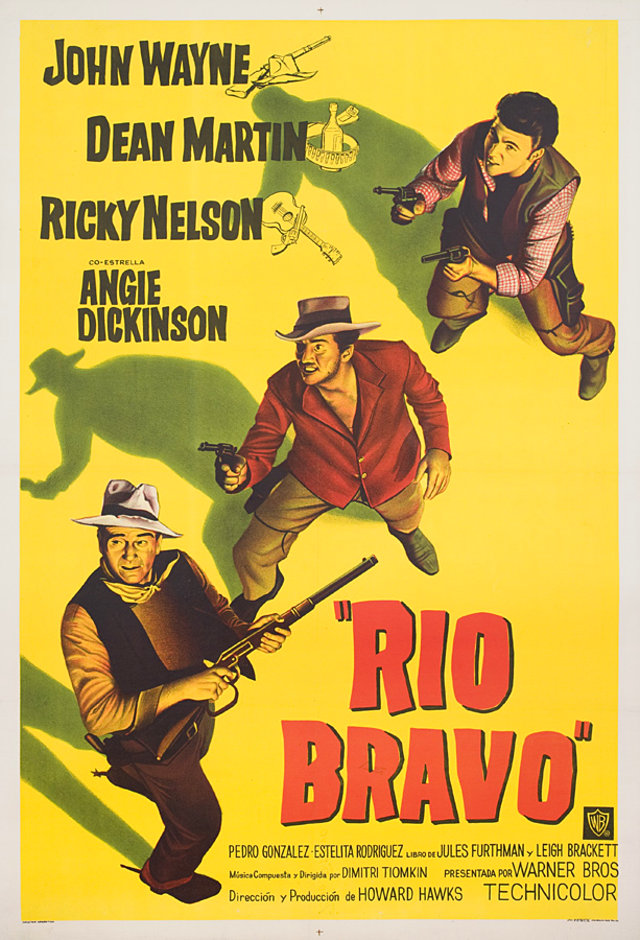
Angie Dickinson was born in Kulm, North Dakota, in 1931, the daughter of Mr. and Mrs. L. H. Brown. Mr. Brown was the publisher of The Kulm Messenger. The family left North Dakota in 1942 when Angie was 11 years old, moving to Burbank, California. In December of 1946, when she was a senior at Bellamarine Jefferson High School in Burbank, she won the Sixth Annual Bill of Rights Contest. Two years later her sister Janet, did likewise. Being the daughter of a printer, Angie at first had visions of becoming a writer, but gave this up after winning her first beauty contest. After finishing college she worked as a secretary in a Burbank airplane parts factory for 3-1/2 years. In 1953 she entered the local Miss America contest one day before the deadline and took second place. In August of the same year she was one of five winners in a beauty contest sponsored by NBC and appeared in several TV variety shows. She got her first bit part in a Warner Brothers movie in 1954 and gained television fame in the TV series The Millionaire (1955) and got her first good film role opposite John Wayne and Dean Martin in Rio Bravo (1959). Her success then climbed until she became one of the nation’s top movie stars.
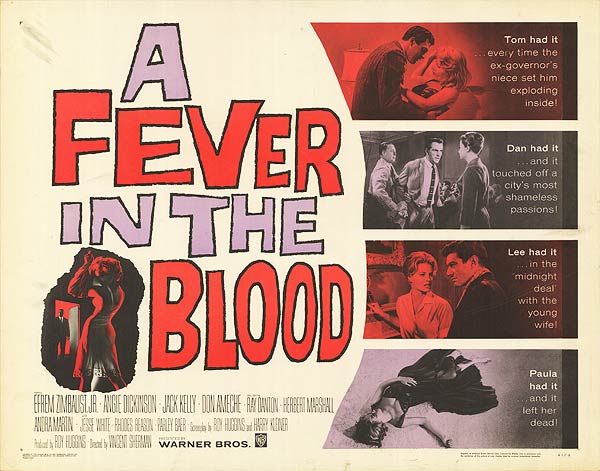
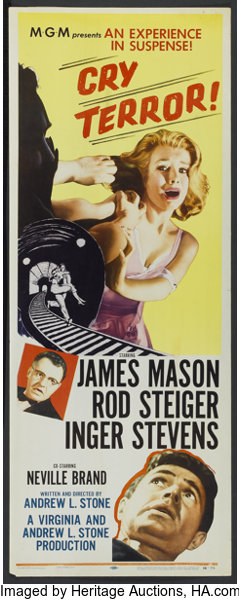
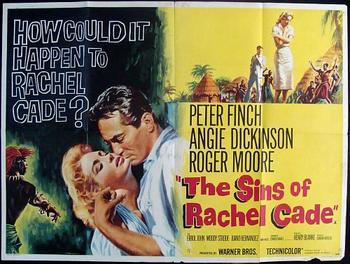
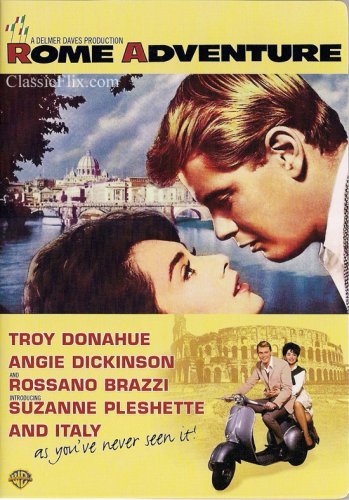
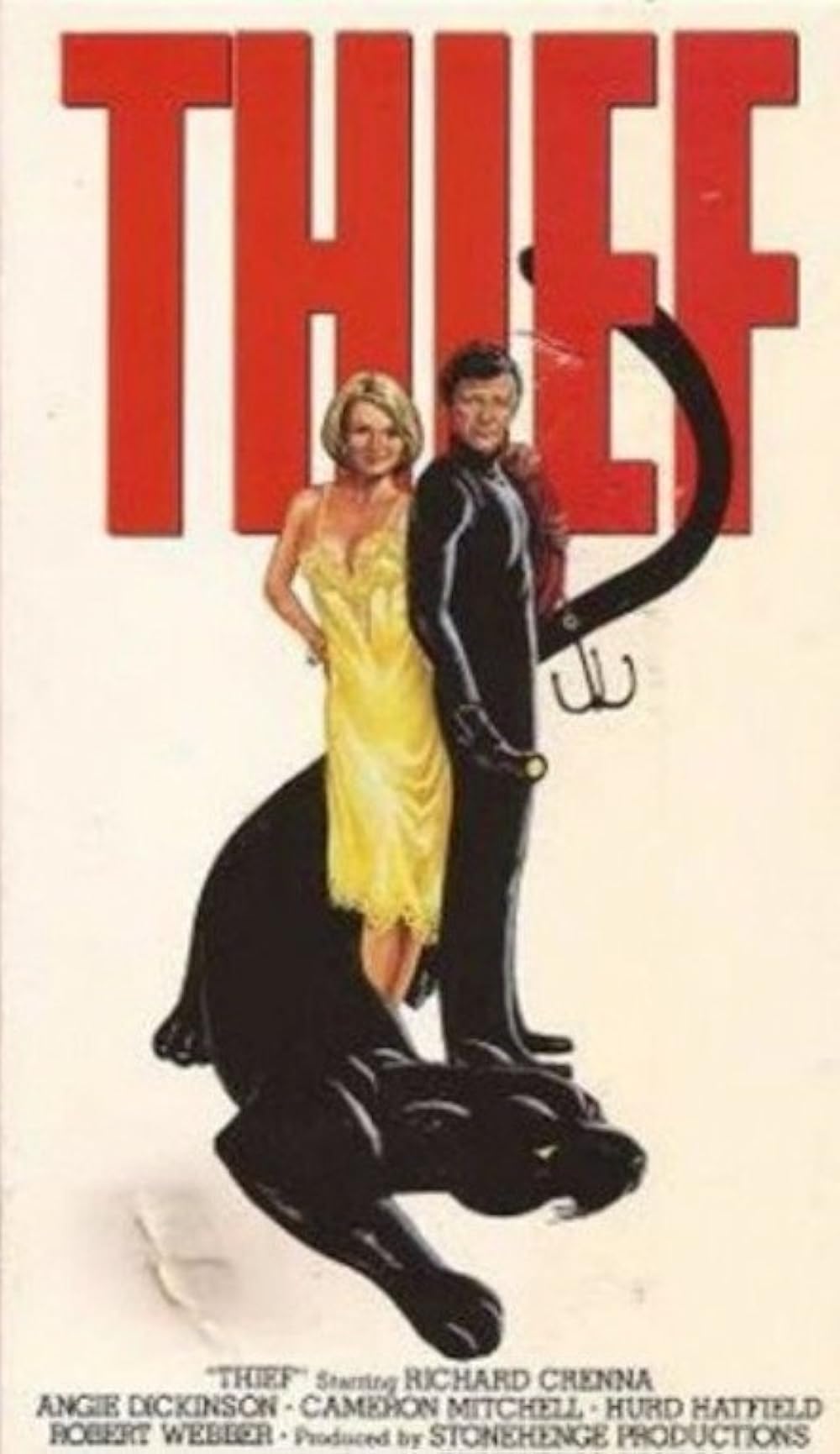
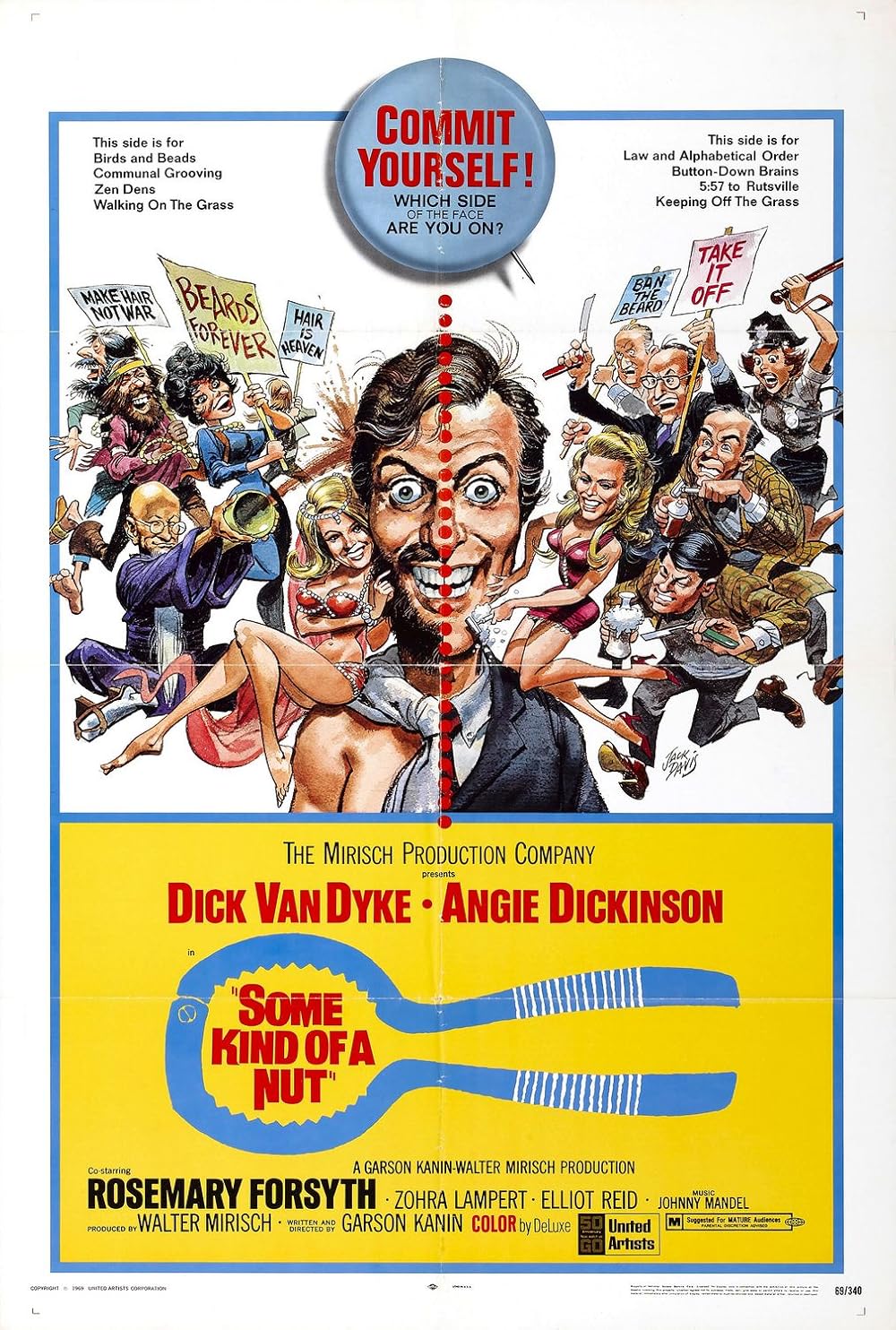
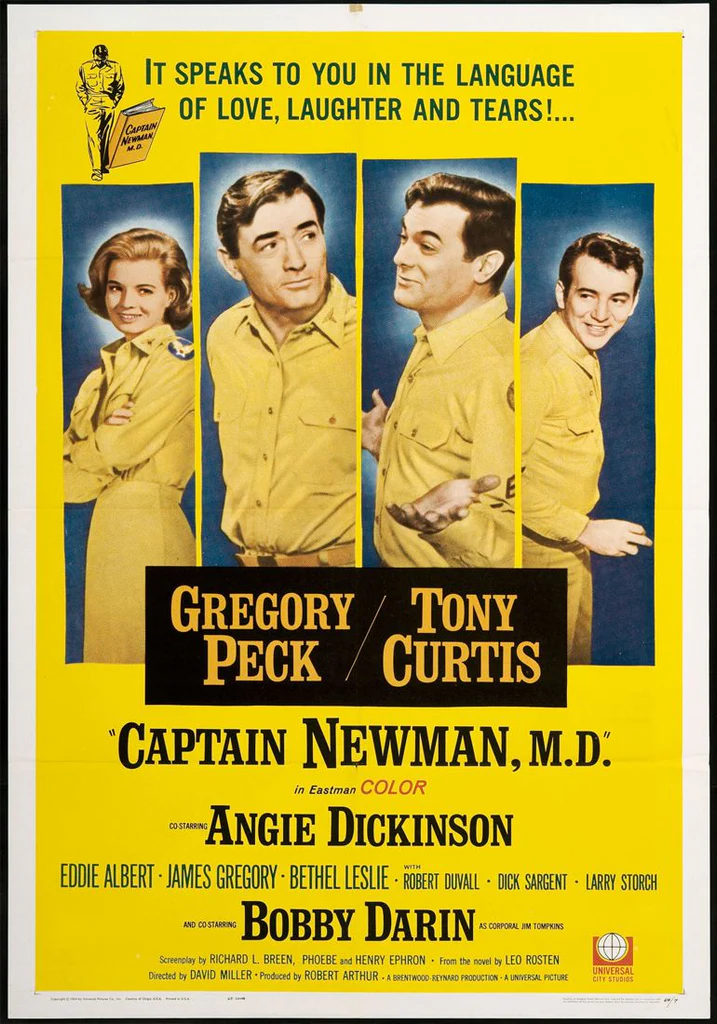
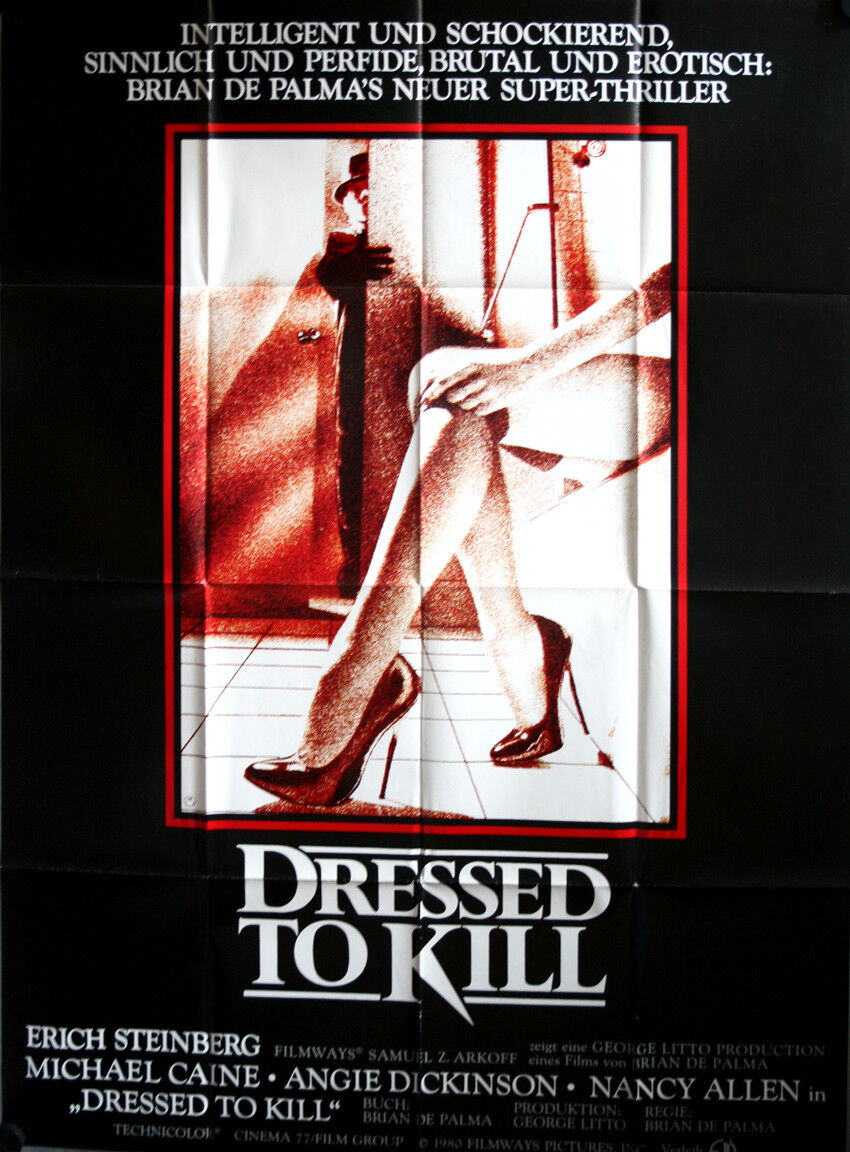
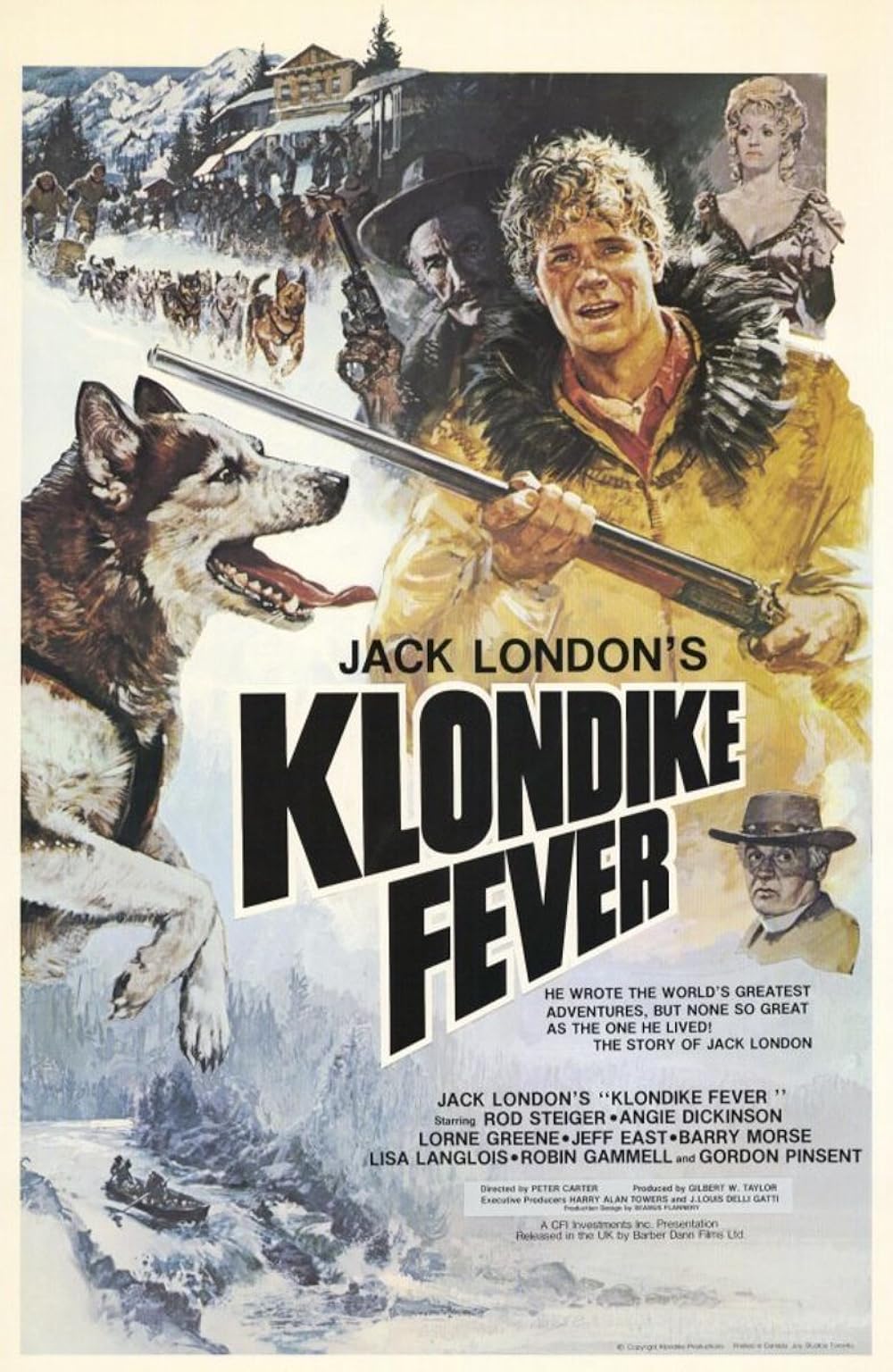
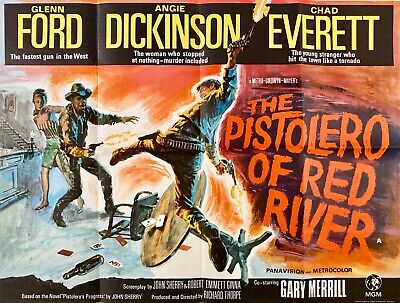
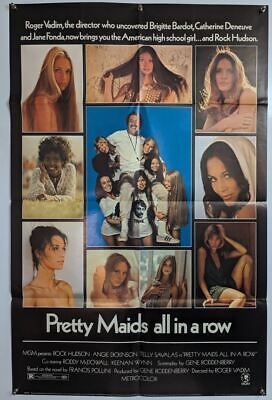
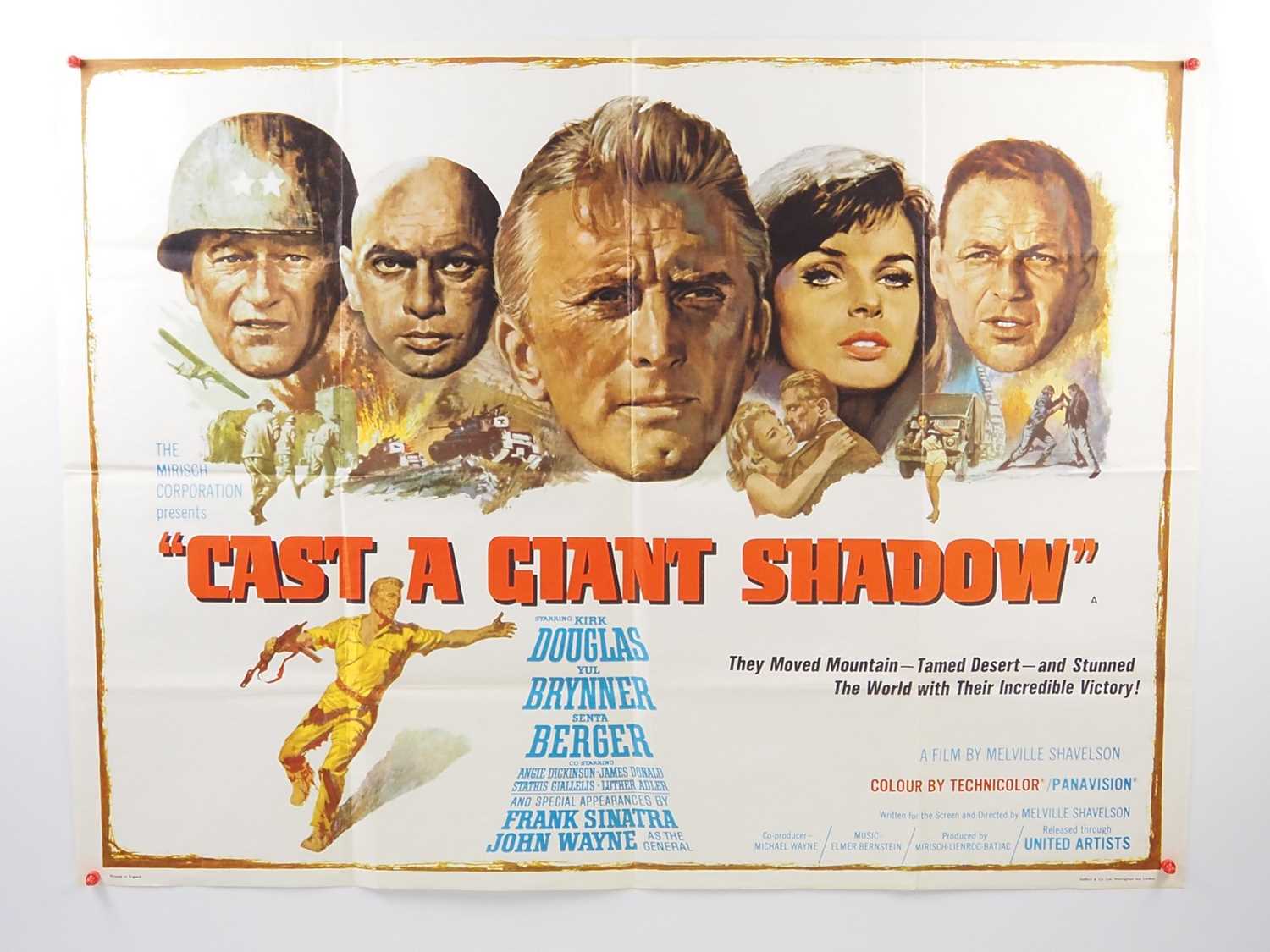
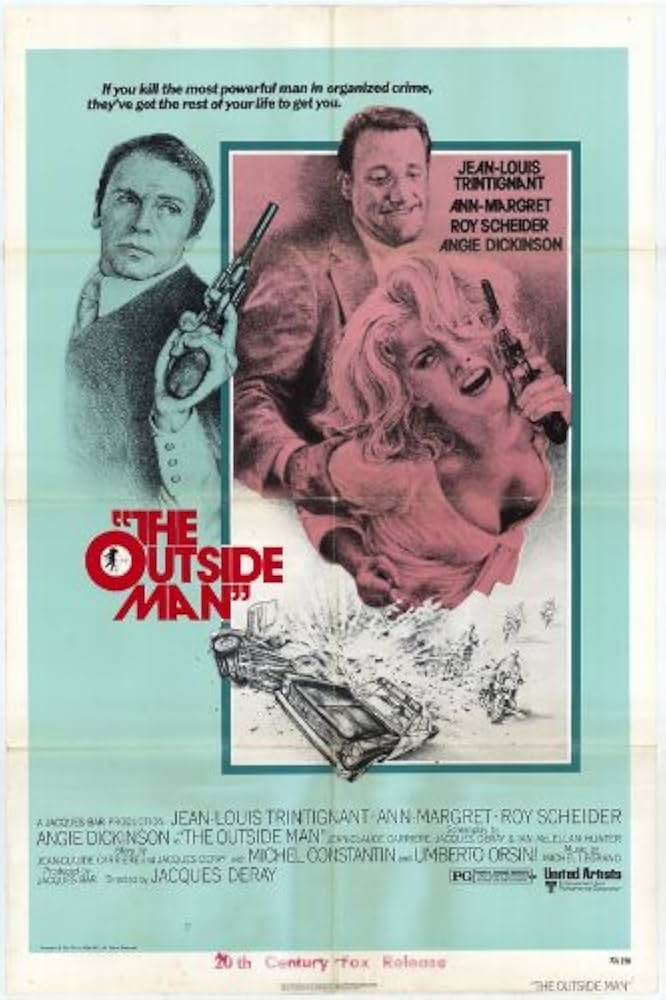
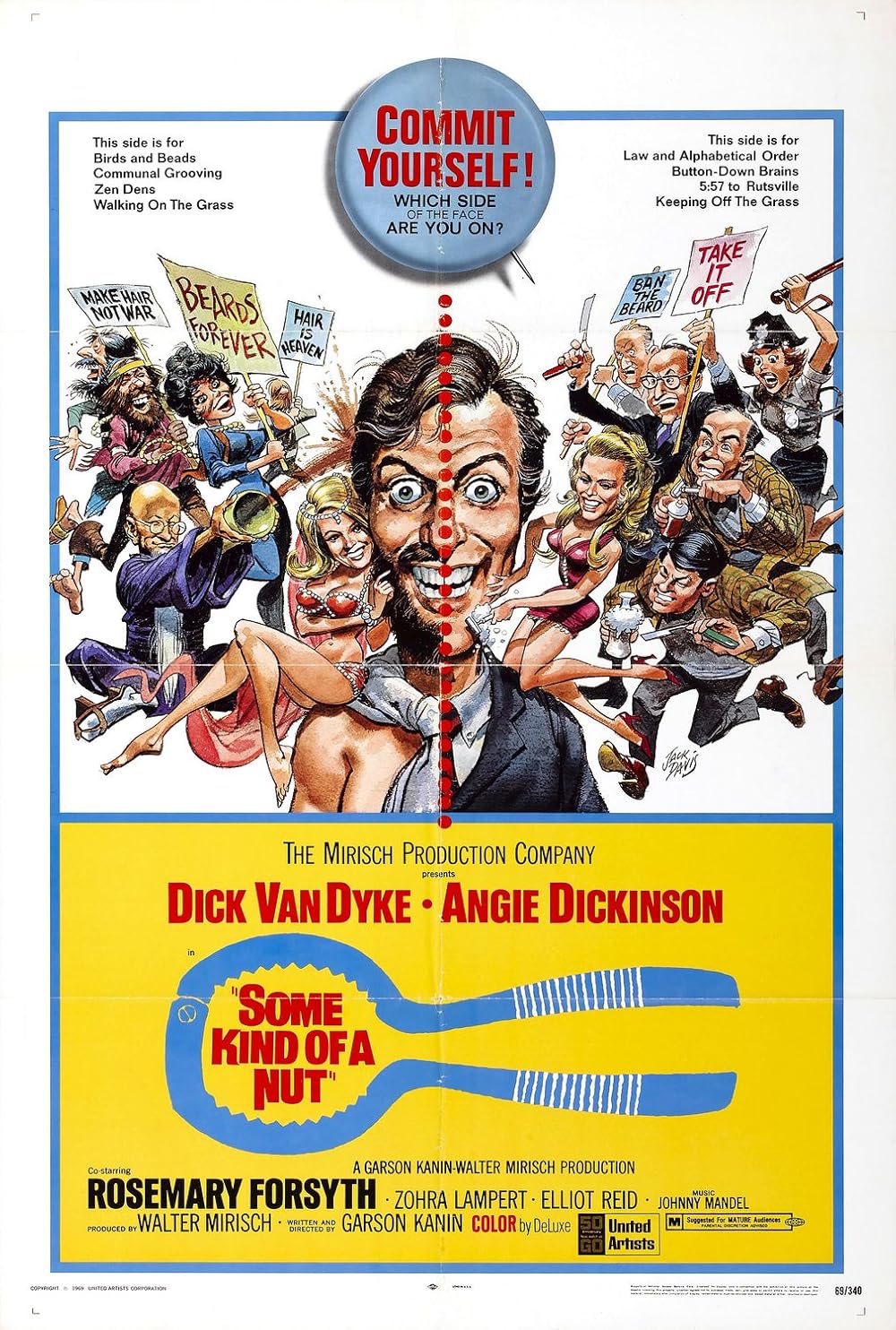
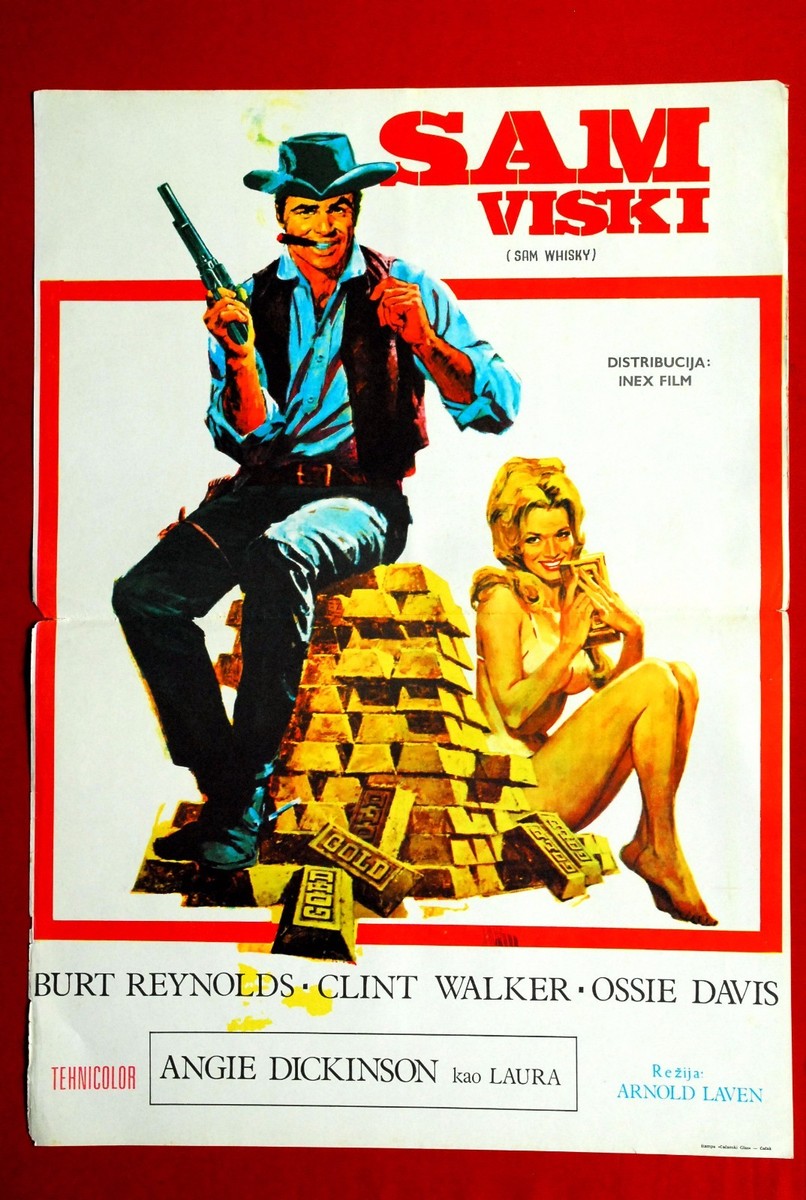
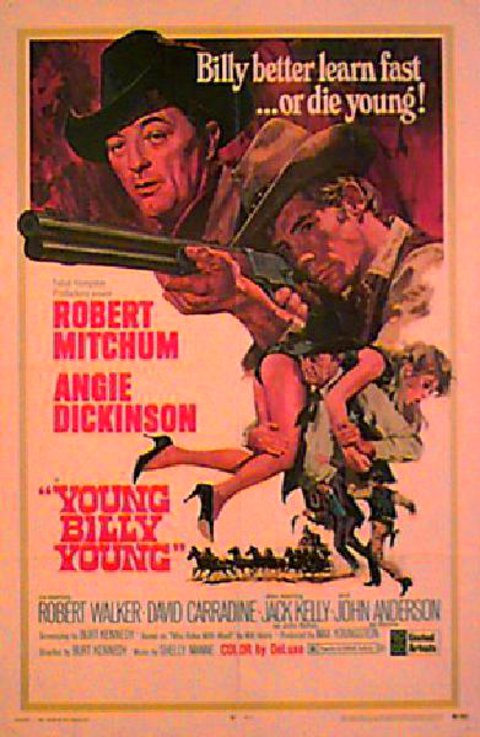
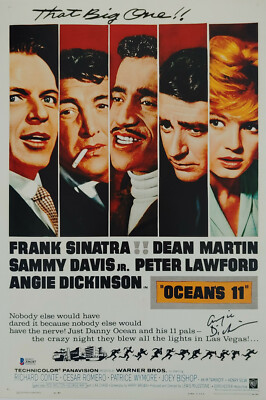
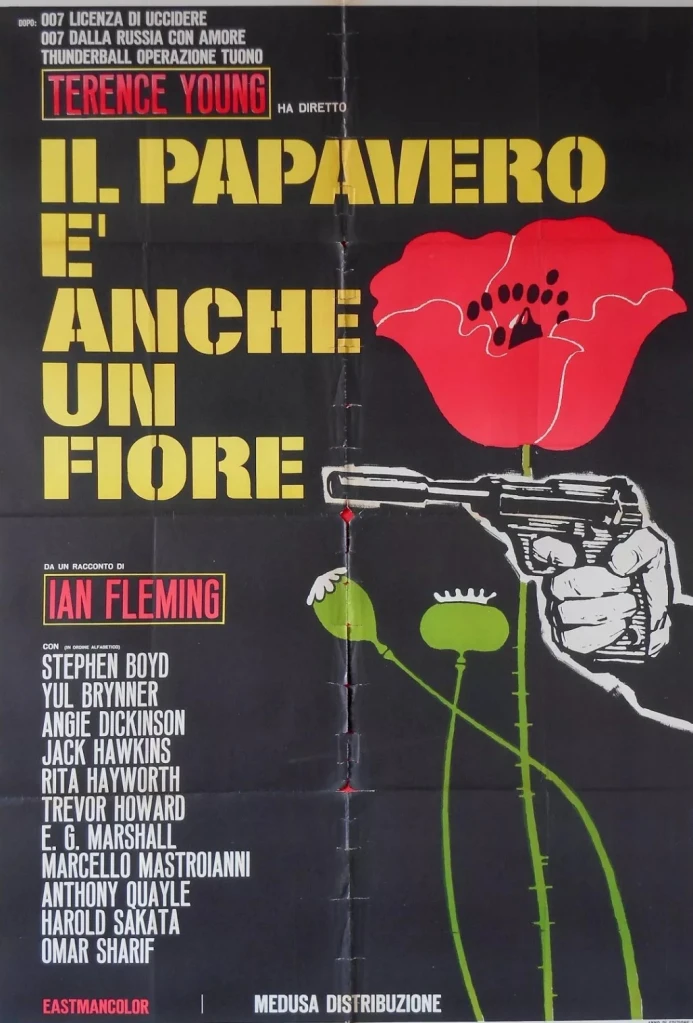
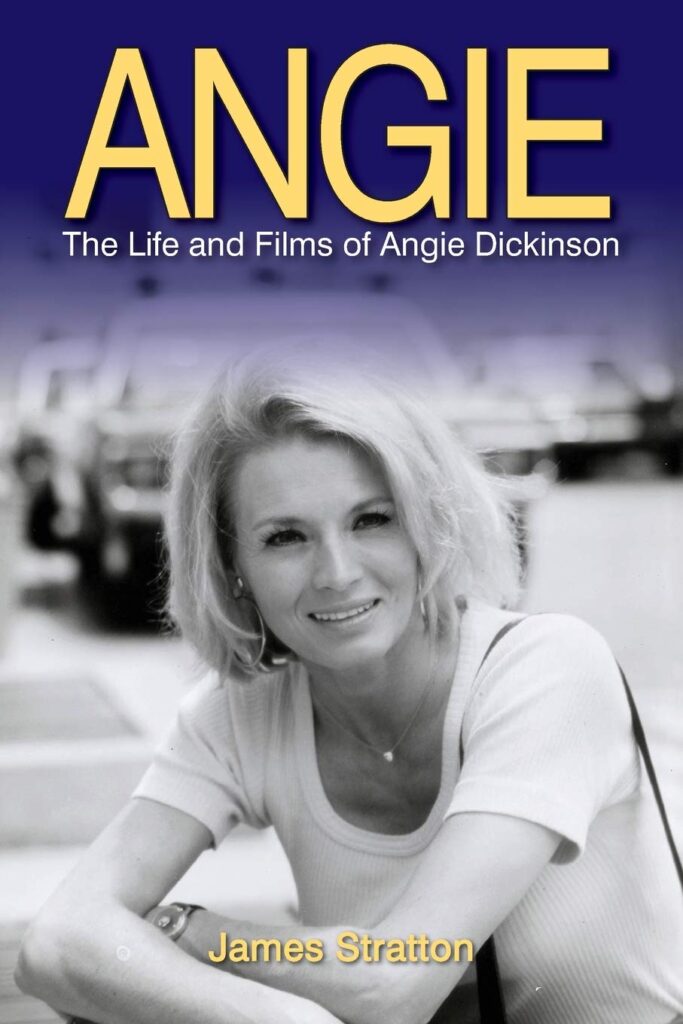
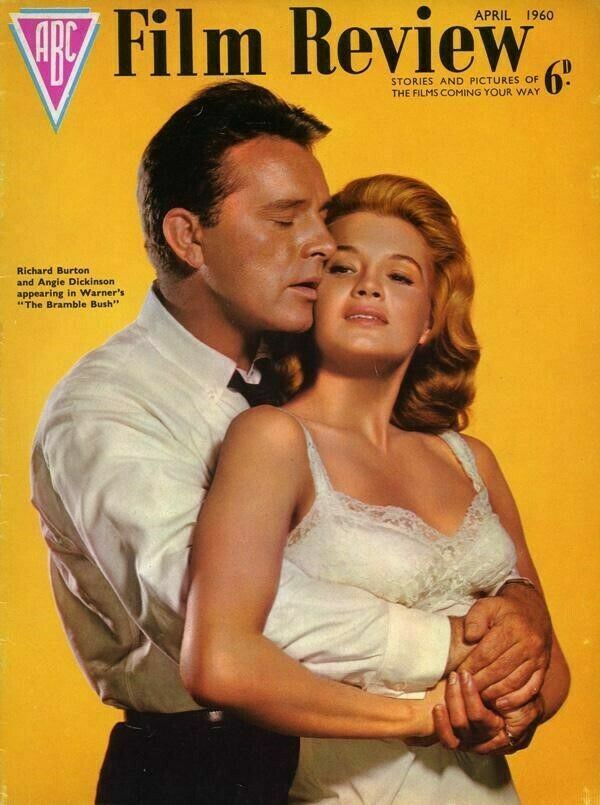
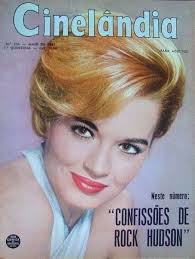
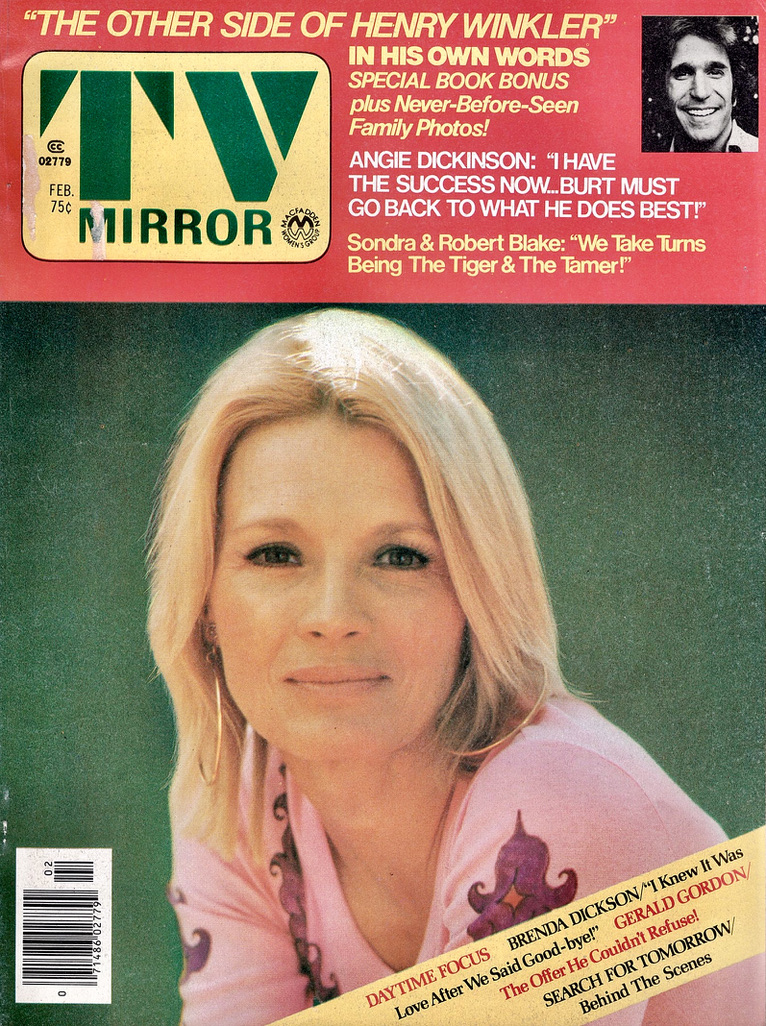
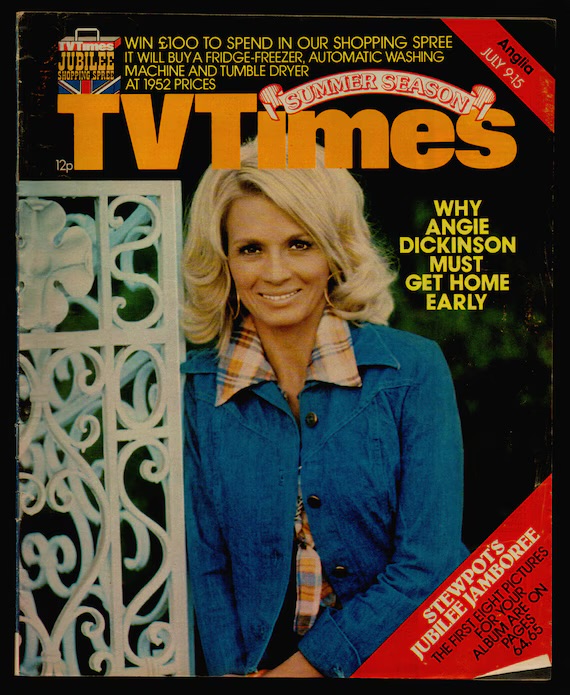
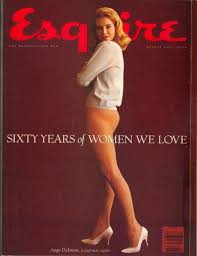
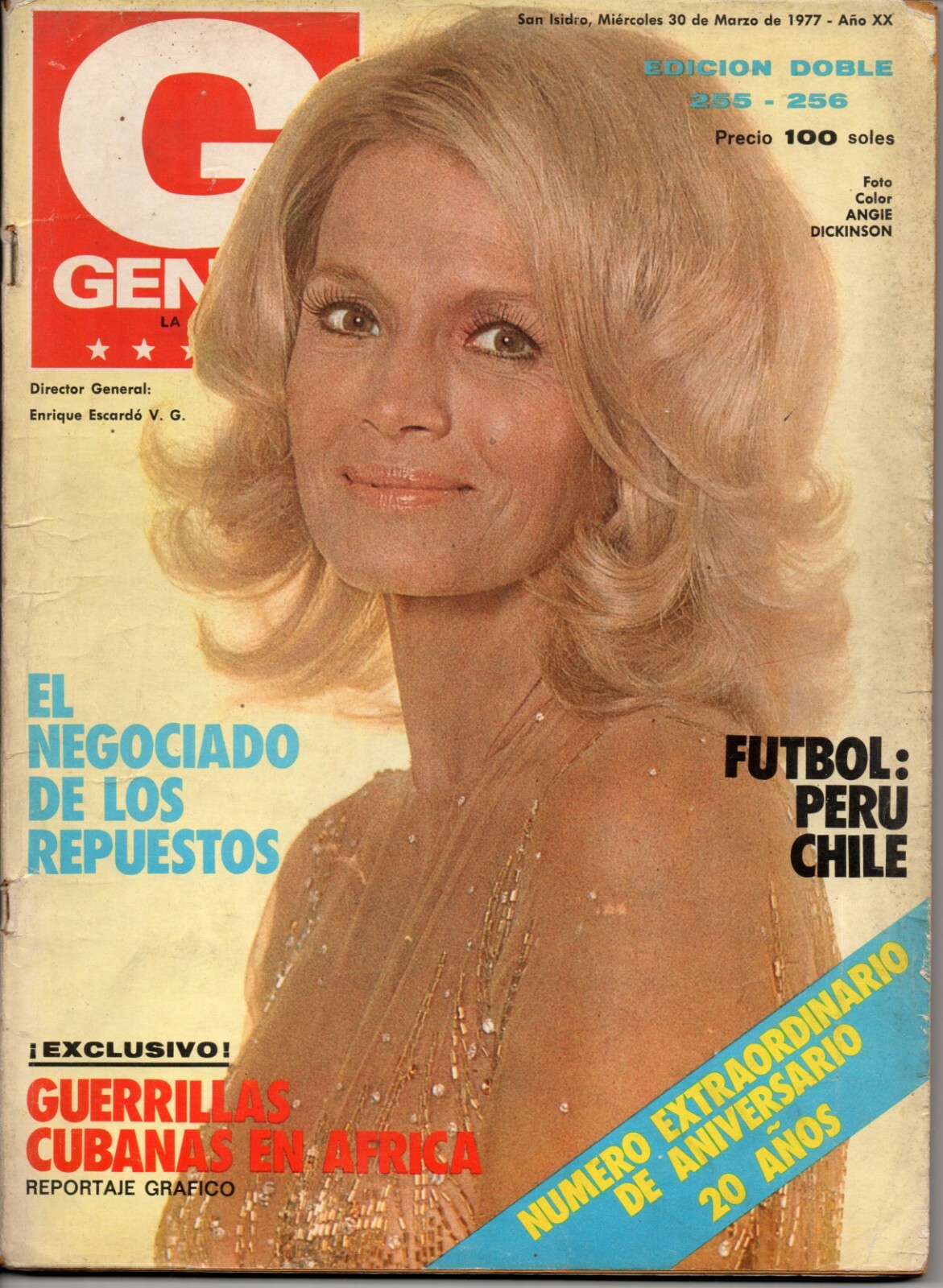
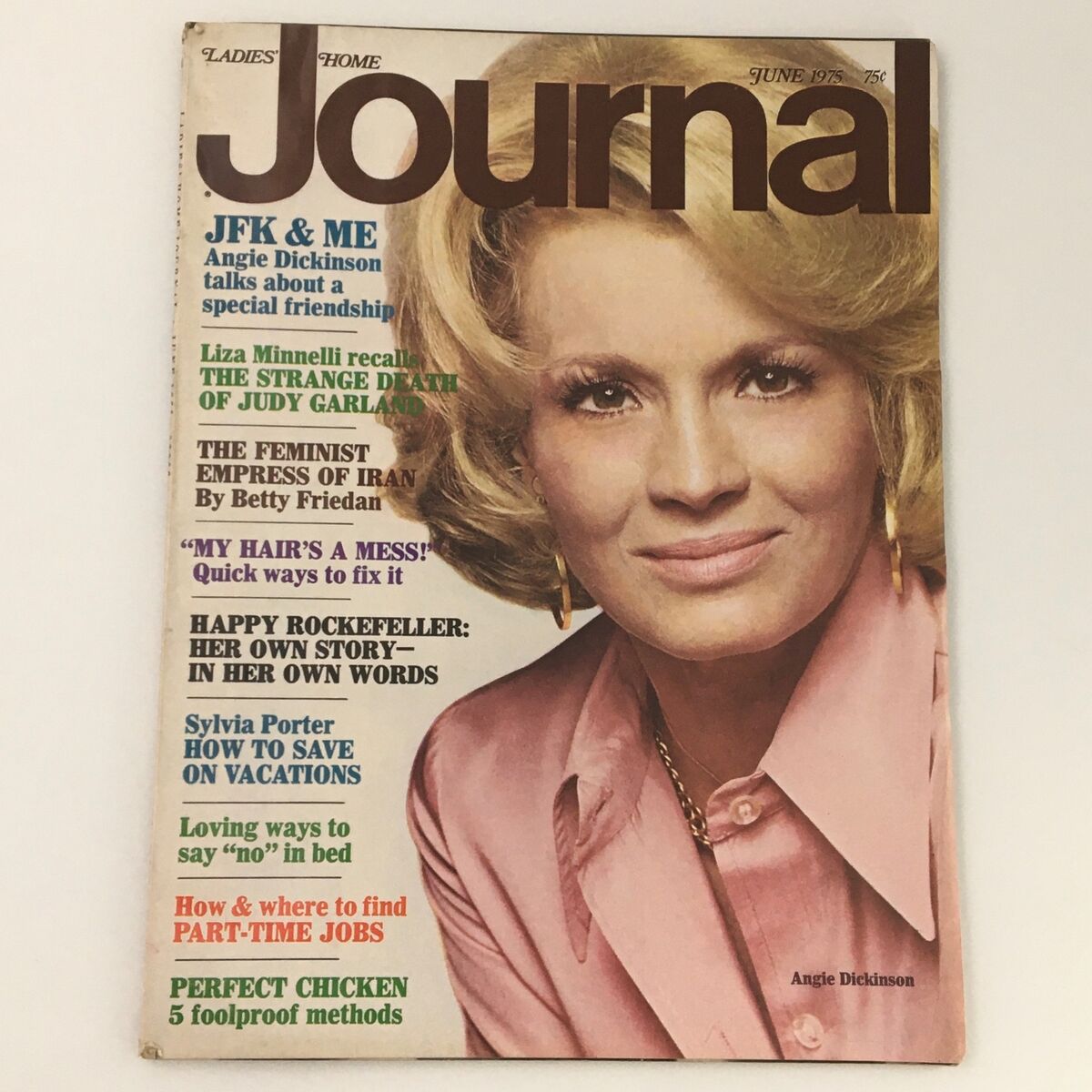
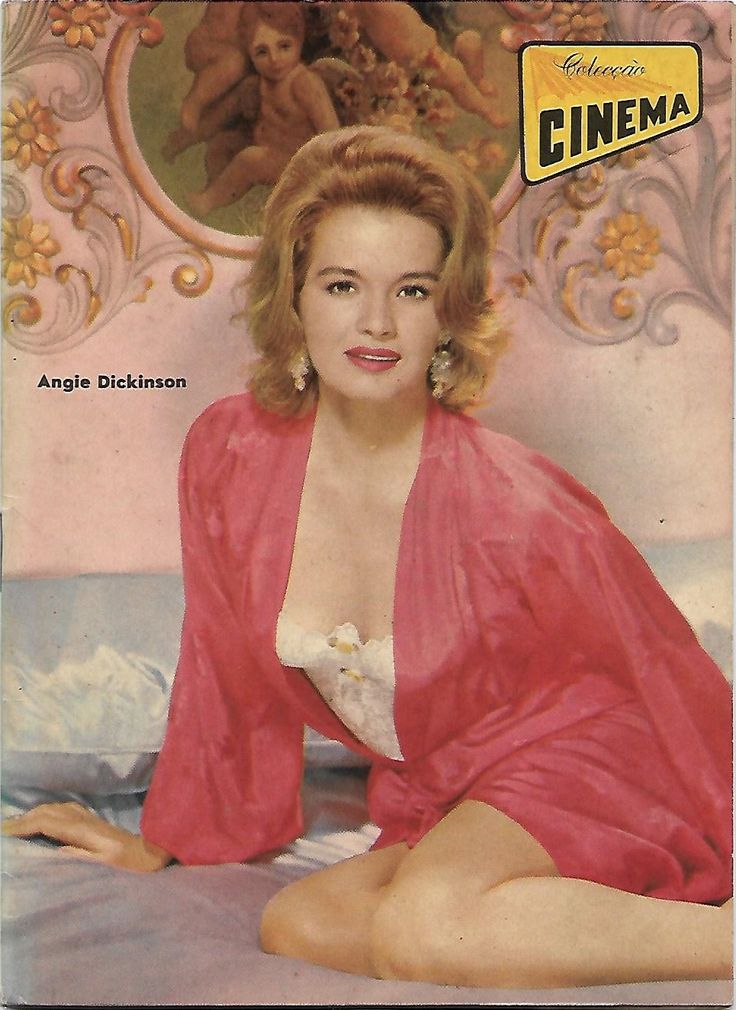
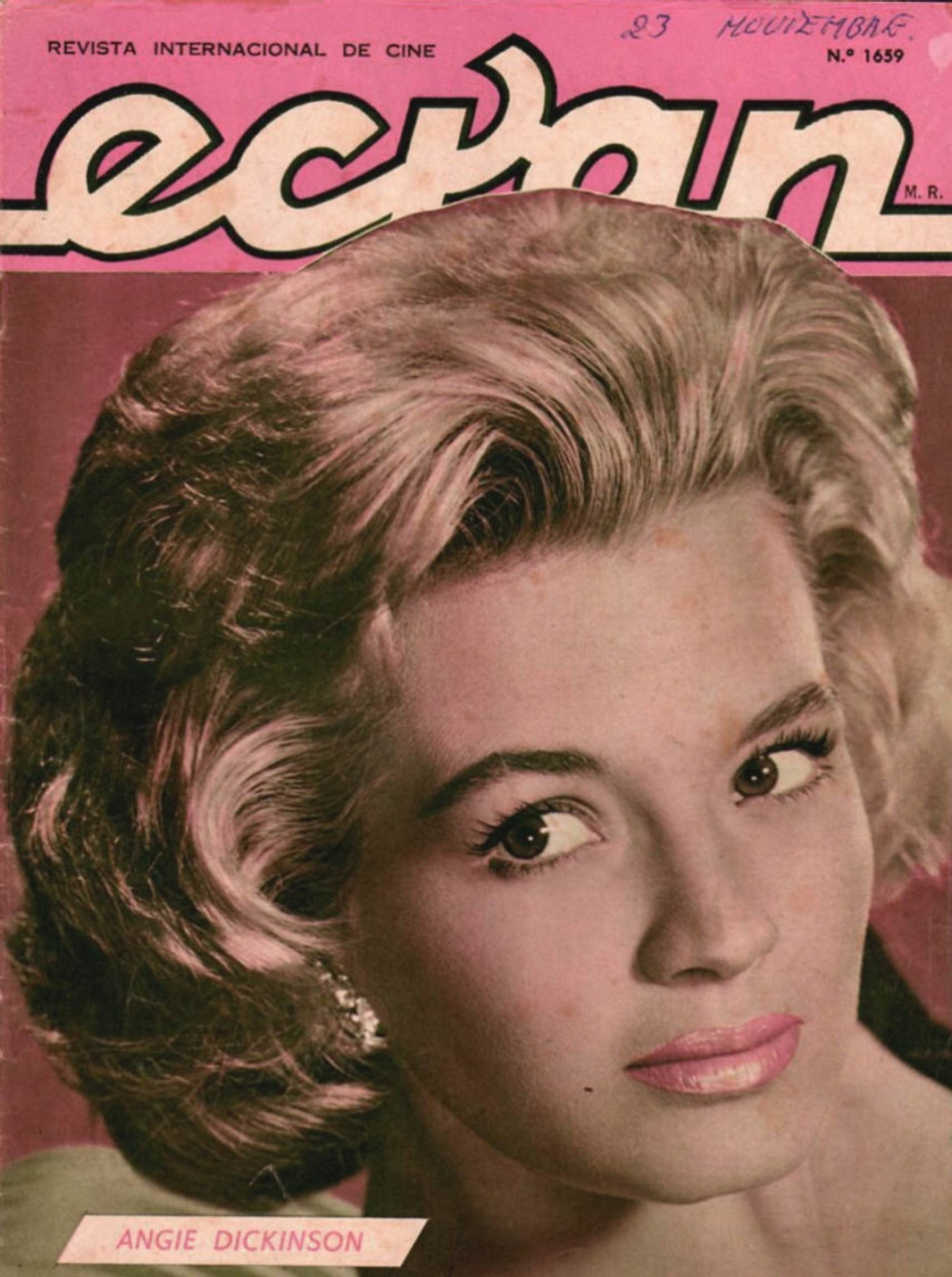

While many of the actresses of the 1950s and 60s were marketed as either “vamps” or “victims,” Angie Dickinson (born 1931) carved out a unique space as the “Cool Professional.” Known for her intelligence, her legendary legs, and a low-register voice that suggested both authority and intimacy, she became a bridge between the classic Hollywood studio system and the gritty, realistic era of 1970s television.
Career Overview: From Poker Games to Police Squads
1. The Breakthrough: The Hawksian Woman (1959)
After several years of bit parts in Westerns and TV procedurals, Dickinson was cast by director Howard Hawks in “Rio Bravo.” Playing “Feathers,” a card-playing drifter, she became the definitive “Hawksian Woman”—sexually confident, witty, and able to trade barbs with icons like John Wayne without losing an ounce of her femininity.
2. The Leading Lady of the “Cool” (1960s)
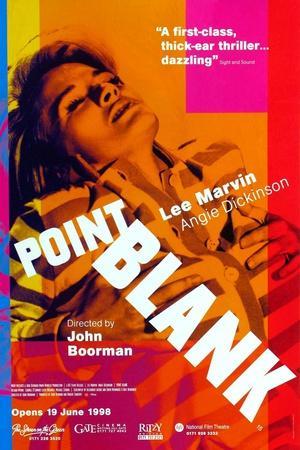
She became a staple of 1960s cinema, often cast as the smart, capable woman in a “man’s world.” She starred in the original Ocean’s 11 (1960) as the long-suffering wife of Frank Sinatra’s character and delivered a powerhouse performance in the neo-noir classic “Point Blank” (1967) opposite Lee Marvin.
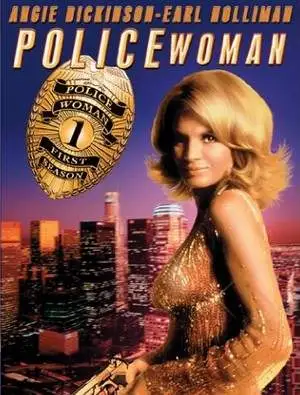
3. The Television Revolution: Police Woman (1974–1978)
Dickinson made history as Sergeant “Pepper” Anderson in Police Woman. This was the first successful hour-long dramatic television series to feature a woman in the lead role. It changed the landscape of American TV, proving that a female lead could anchor an action-driven procedural.
4. The De Palma Masterclass: Dressed to Kill (1980)
In her late 40s, Dickinson delivered one of her most daring and critically acclaimed performances in Brian De Palma’s erotic thriller Dressed to Kill, showcasing a sophisticated, vulnerable sexuality that challenged Hollywood’s ageist tropes.
Detailed Critical Analysis: The “Unflappable” Presence
1. Subverting the “Love Interest” in Rio Bravo
In most Westerns of the 1950s, women were either “schoolmarms” or “dance hall girls.”
Analysis: Dickinson’s Feathers was a revelation. She played the character with a dry, ironic wit. Critics praised her for her “unflappable” quality; she didn’t chase the hero, she challenged him. Her chemistry with John Wayne was built on intellectual parity, setting a new standard for female representation in the genre.
2. The Architecture of the Noir Heroine: Point Blank
In John Boorman’s Point Blank, Dickinson played Chris, a woman caught in a violent criminal underworld.
Technical Analysis: Dickinson used a style of minimalist reaction. In a film defined by fragmented editing and cold aesthetics, she provided the “human heat.” Critics noted her ability to convey deep-seated weariness and calculation through her eyes alone, making her one of the few actresses who could match Lee Marvin’s legendary “stillness.”
3. Police Woman: Redefining the “Action Heroine”
As Pepper Anderson, Dickinson had to navigate a difficult balance: being a credible undercover cop while maintaining the “glamour” demanded by 1970s network TV.
Critical Insight: Dickinson avoided the “tomboy” trope. She used her femininity as a tactical tool, often going undercover in high-glamour roles to catch criminals. This was a sophisticated subversion; she wasn’t “playing a man,” she was playing a woman who knew exactly how to use her societal visibility to her advantage. Critics credited her with making the “professional woman” aspirational to millions of viewers.
4. The “Bravery” of Dressed to Kill
Her performance as Kate Miller, a sexually frustrated housewife, is often cited as a high-water mark of her technical skill.
Critical View: The film’s famous wordless opening sequence in a museum is a masterclass in physical acting. Dickinson conveyed a complex mix of guilt, desire, and trepidation through her movement and facial expressions. Critics praised her for her lack of vanity, portraying a woman of middle age with a raw, honest eroticism that was rarely seen in mainstream cinema.
Key Filmography & Critical Milestones
| Year | Title | Role | Note |
| 1959 | Rio Bravo | Feathers | The role that made her a superstar. |
| 1967 | Point Blank | Chris | A landmark of 60s neo-noir. |
| 1974–78 | Police Woman | Sgt. Pepper Anderson | Won a Golden Globe; 3 Emmy nominations. |
| 1980 | Dressed to Kill | Kate Miller | Won a Saturn Award for Best Actress. |
| 2001 | Ocean’s Eleven | Boxing Spectator | A cameo in the remake of her own 1960 hit. |
Angie Dickinson’s legacy is defined by competence and charisma. She was never a “starlet” who faded; she was a professional who adapted. By maintaining her dignity and her “cool” across Westerns, Noirs, and TV procedurals, she proved that a woman’s power in Hollywood didn’t have to be loud to be felt. She remains the definitive example of the “Graceful Authority Figure.”