

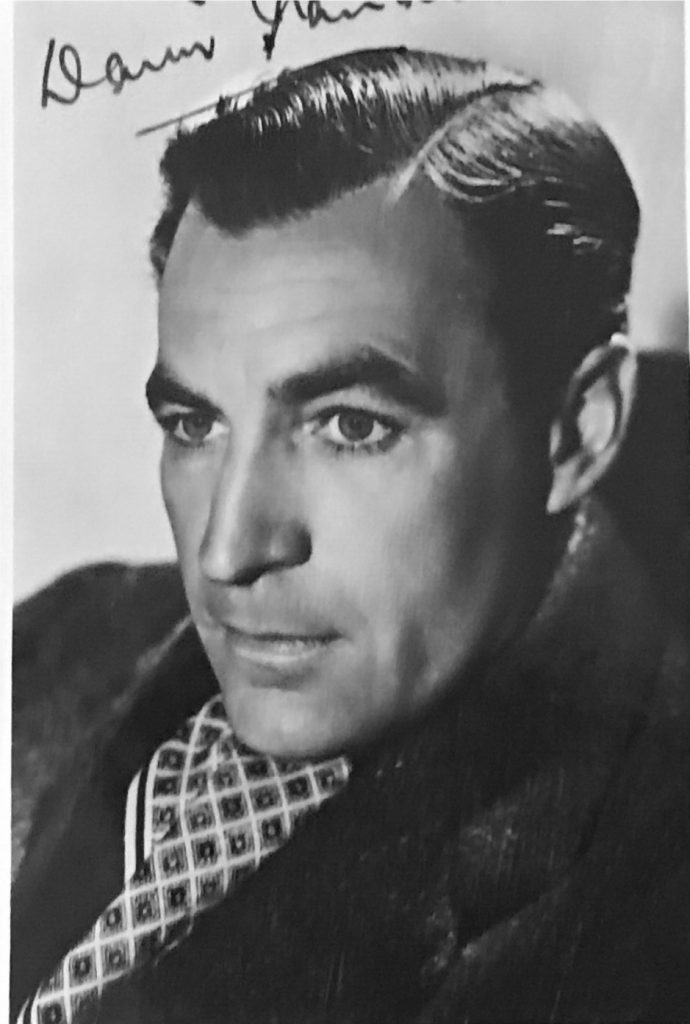
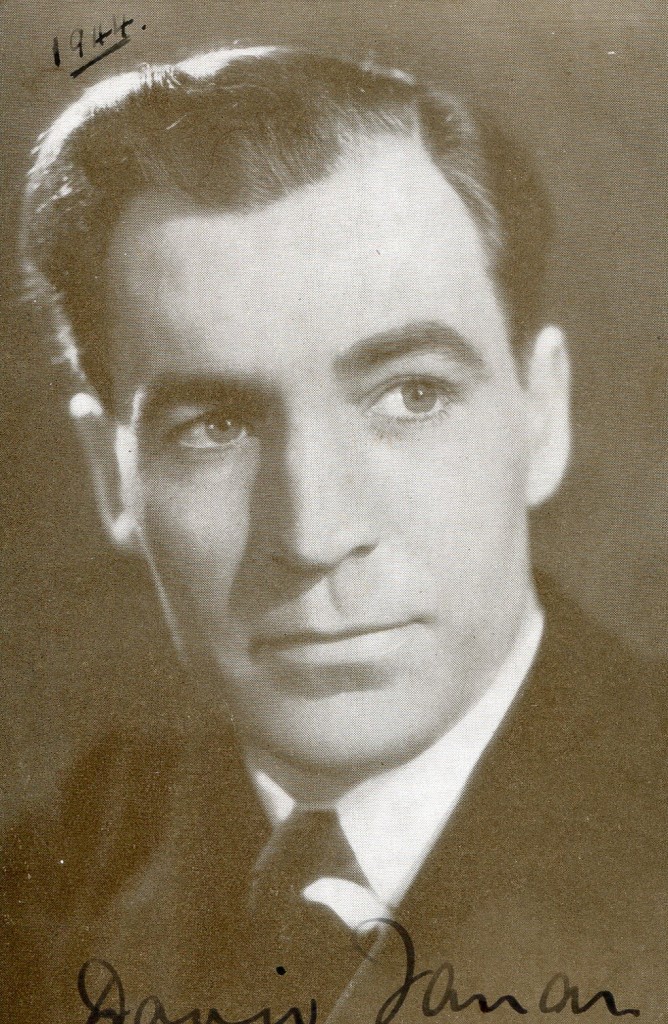
David Farrar was born in 1908 in Forest Gate, London. His most well known films are those that he made for Powell & Pressburger, “Black Narcissus” in 1947 with Deborah Kerr, “The Small Back Room” with Kathleen Byron and “Gone to Earth” with Jennifer Jones in 1952.He retired from acting in 1962 and died in 1995 in South Africa at the age of 87.
His “Independent” obituary:
Born in Forest Gate, London, in 1908, Farrar joined the Morning Advertiser on leaving school at 15 and worked as a journalist until deciding on a stage career in 1932. With his wife he ran a repertory company until he entered films in 1937 with a role in the Jessie Matthews musical Head Over Heels, the first of several minor roles as he learnt the differences between stage and screen acting.
In the enjoyable Boy’s Own adventure tale Sexton Blake and the Hooded Terror (1938) he was Granite Grant, an agent on the track of the Black Quorum, “the greatest crime organisation of the century”. Later he starred as Detective Blake himself in two films, Meet Sexton Blake (1944) and The Echo Murders (1945). In Alberto Cavalcanti’s Went the Day Well? (1942) Farrar was one of the Germans masquerading as British soldiers in an English village, chillingly ordering the execution of five children as a reprisal for an attempted escape; but he was more typically cast as an heroic commander of an air-sea rescue unit in Charles Crichton’s fine piece of wartime propaganda For Those In Peril (1944) and an intelligence officer fighting the Nazis in The Lisbon Story (1946).
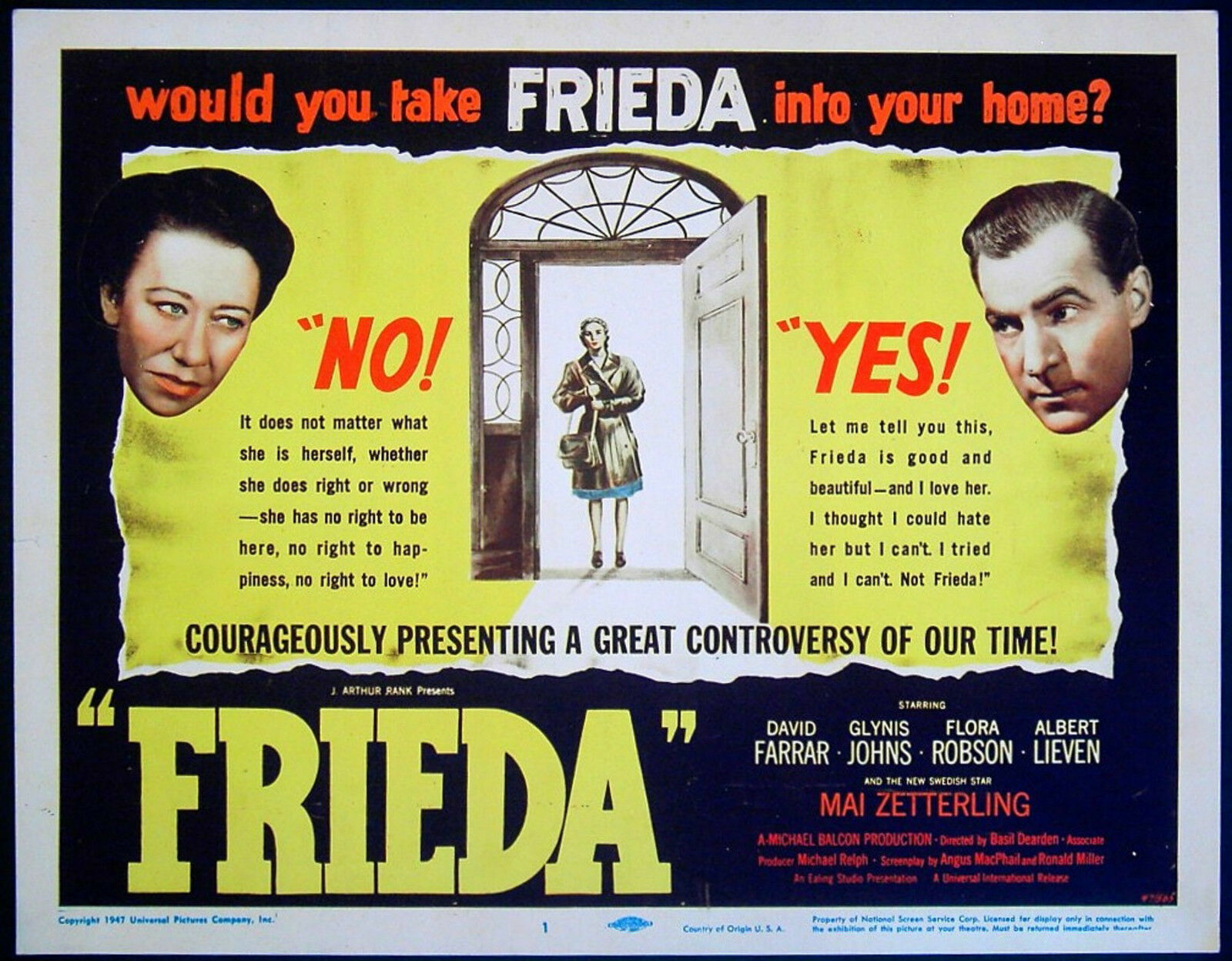
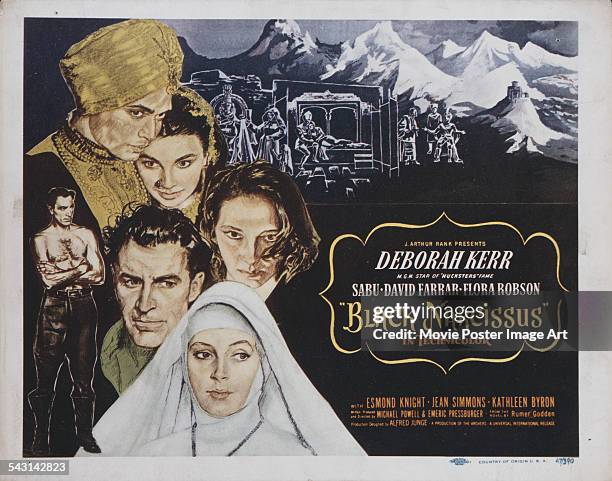
Farrar’s breakthrough from reliable leading man to star came the following year with his casting as the officer who brings home a German wife in Basil Dearden’s Frieda, and as the agent overseeing the Himalayan palace converted to a nunnery in Powell and Pressburger’s masterpiece Black Narcissus. Clothed only in khaki shorts for most of the film, he represents the world the nuns have forsaken: “Ever since you came here you’ve all gone crazy,” he tells the nuns’ leader Deborah Kerr. “Well, drive one another crazy and leave me out of it.” Ultimately he provokes such sexual hysteria in one of the nuns (Kathleen Byron) that in the film’s delirious climax she dons vivid make-up and attempts murder. His final parting with Kerr is touchingly tinged with unspoken regret, while the film’s penultimate close- up of Farrar’s rain-streaked face watching the nuns go is extraordinarily moving.
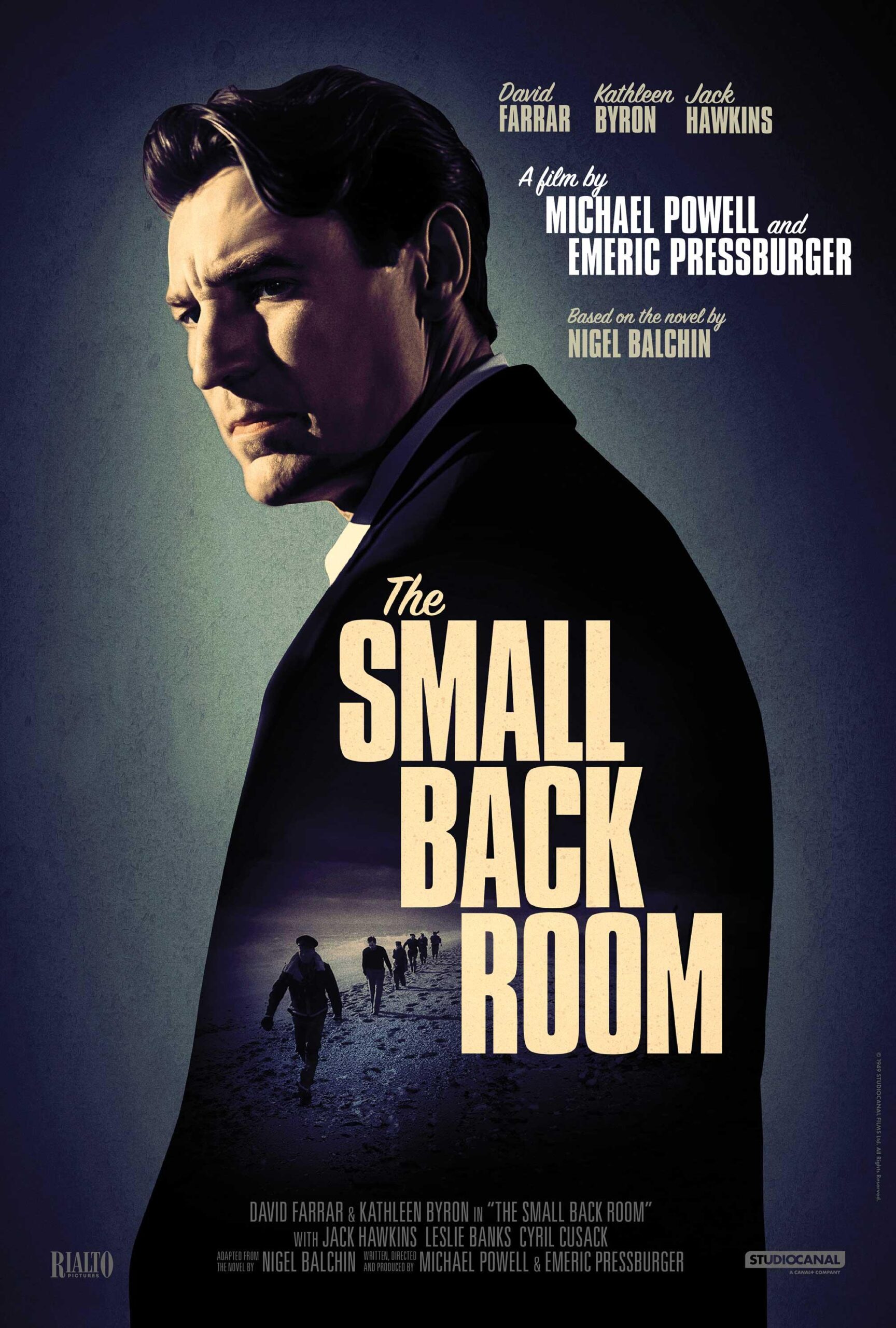
Powell and Pressburger had signed Farrar to a three-film contract and he was impressive as the government backroom scientist with a tin foot in their excellent adaptation of Nigel Balchin’s The Small Back Room convincingly combining integrity and self-pity. Farrar was given a true star’s entrance in the film, the camera tracking along a bar of customers until coming to rest upon the actor’s back. His character’s name is called and he turns to face the camera in full close-up. In the film’s most controversial sequence his fight to resist easing his pain with alcohol is depicted by a surreal dream sequence in which Farrar is threatened by a 15ft-high whisky bottle.
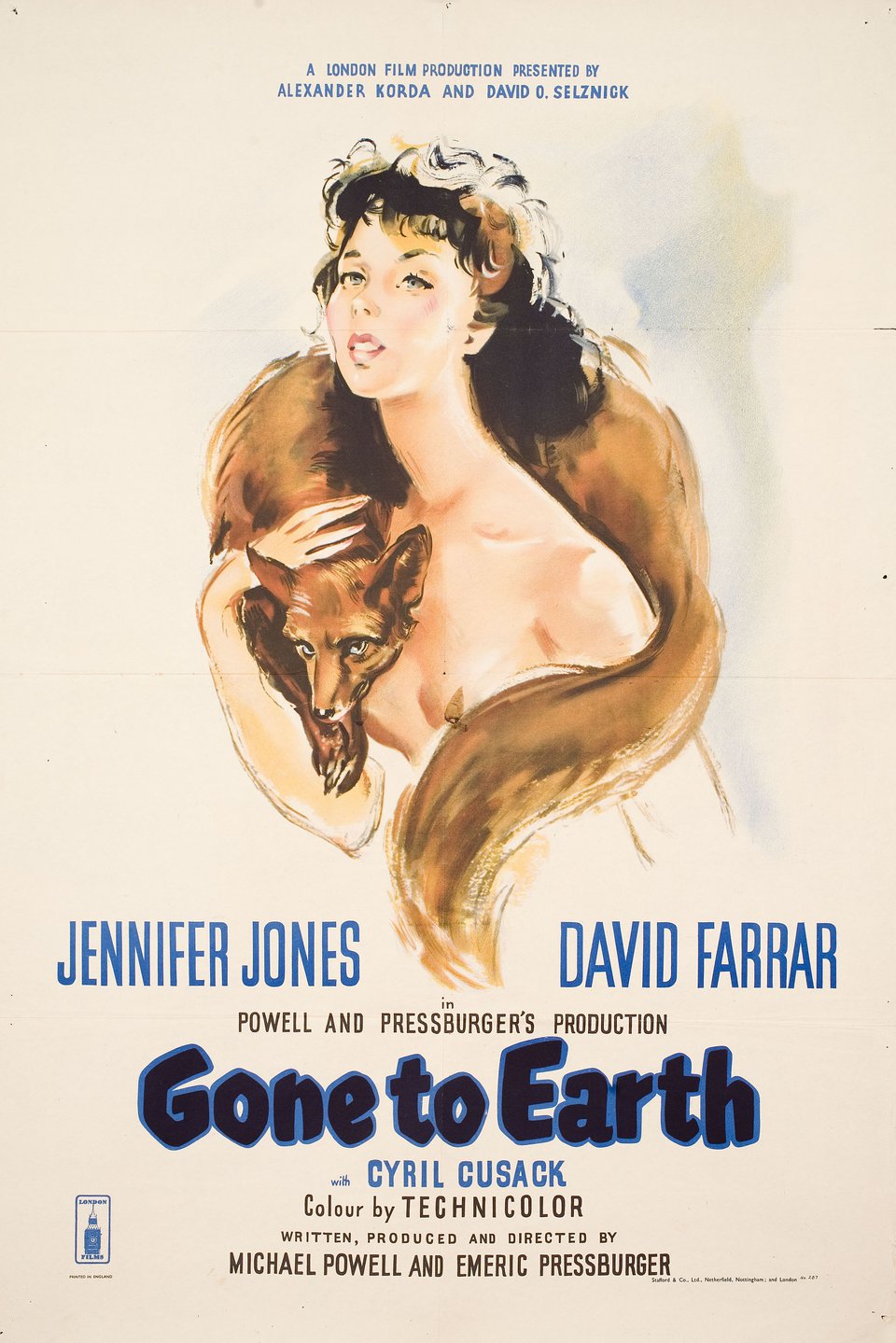
In the team’s wildly melodramatic Gone to Earth (1950) Farrar entered the spirit of things with his wicked squire who seduces an innocent country girl then tries to hunt down her pet fox.
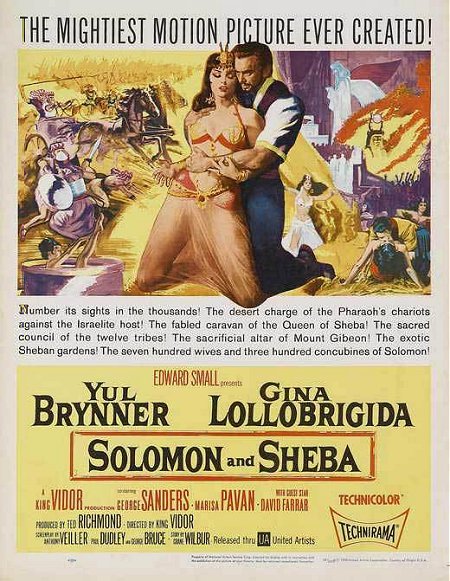
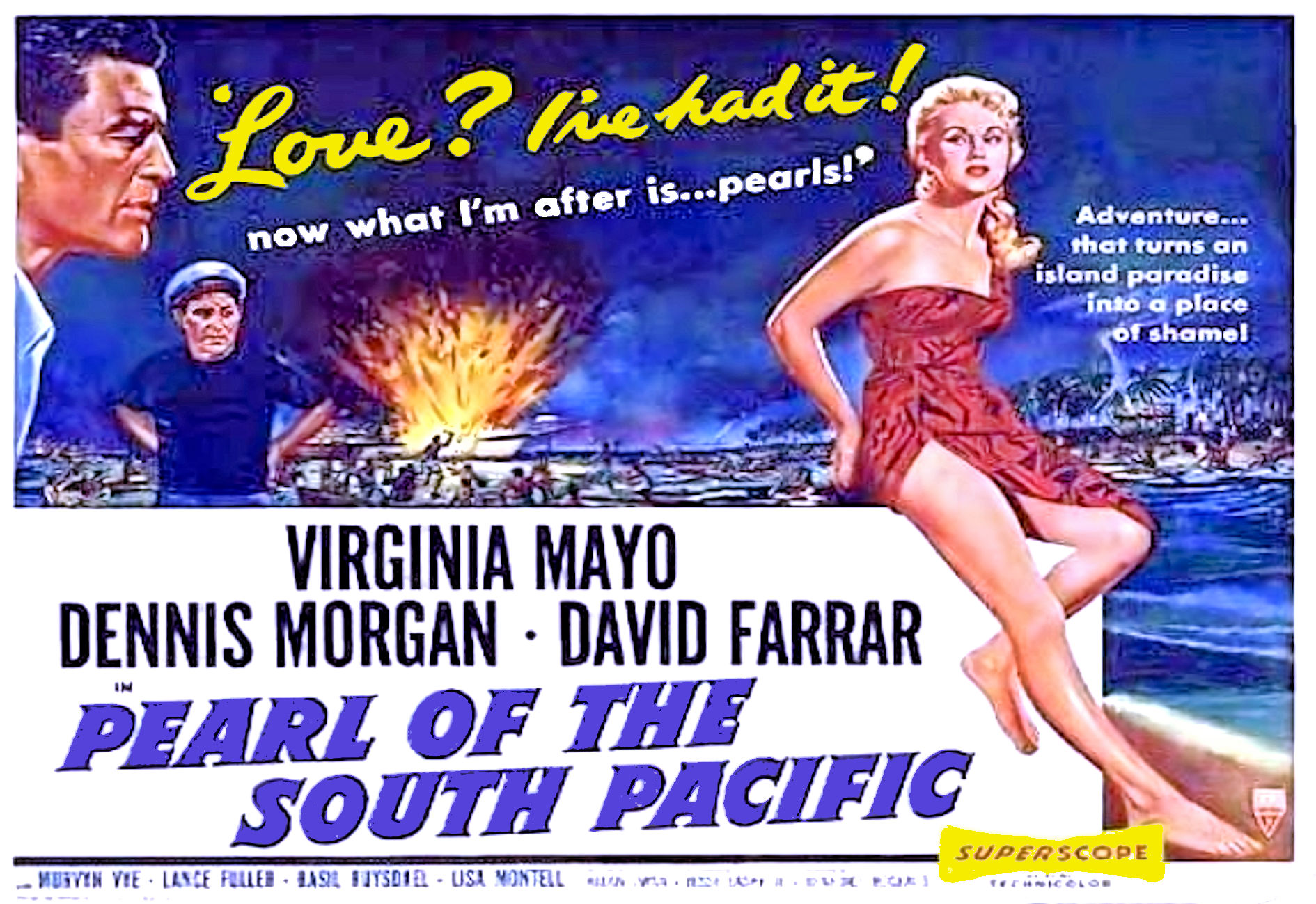
Farrar later cited these three films along with Frieda and Basil Dearden’s Cage of Gold (1950), a thriller co-starring Jean Simmons, as the artistic highlights of his career. In Cage of Gold he had argued successfully with the producer Michael Balcon that he be allowed to play the villain rather than the less colourful hero. Three years later, perhaps in light of the Hollywood successes of Simmons, Kerr, James Mason and Stewart Granger, Farrar went to the United States and, although he professed to love the “money, glamour and star treatment as only Hollywood can do it”, his career declined into supporting and mainly villainous roles in undistinguished adventure and costume pictures.
He returned to Britain for two minor films, including Beat Girl (1959), but after his role as Xerxes in The 300 Spartans (1960) he retired, eventually settling in South Africa.
Never ashamed to admit to an actor’s conceit, Farrar told one interviewer, Brian McFarlane: “I’d always been the upstanding young man and I was afraid of the parts that were being hinted at for uncles or for the girl’s father instead of her lover! I just felt ‘the hell with it all’ and walked out into the sunset.”
Tom Vallance
David Farrar, actor: born London 21 August 1908; married 1931 Irene Elliot (died 1976; one daughter); died 31 August 1995.

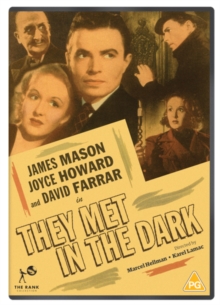
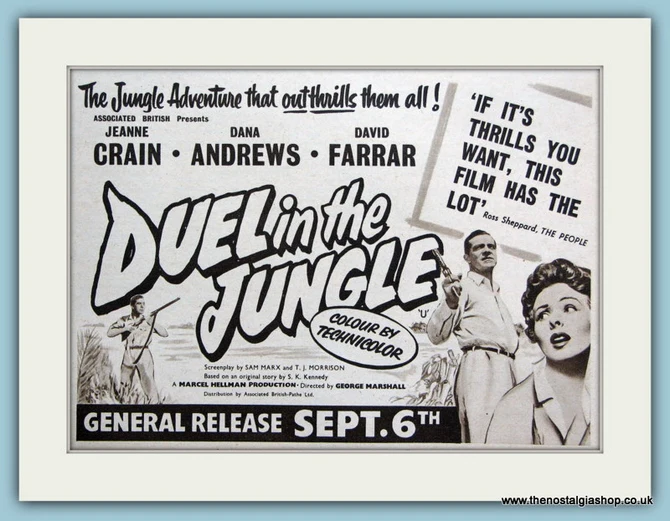
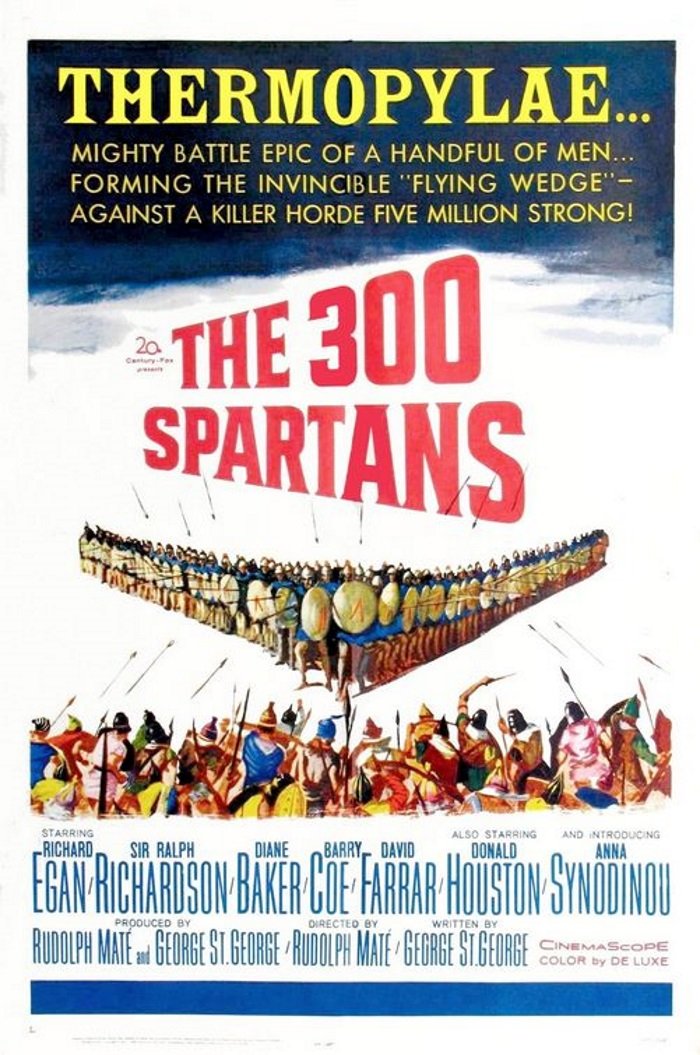
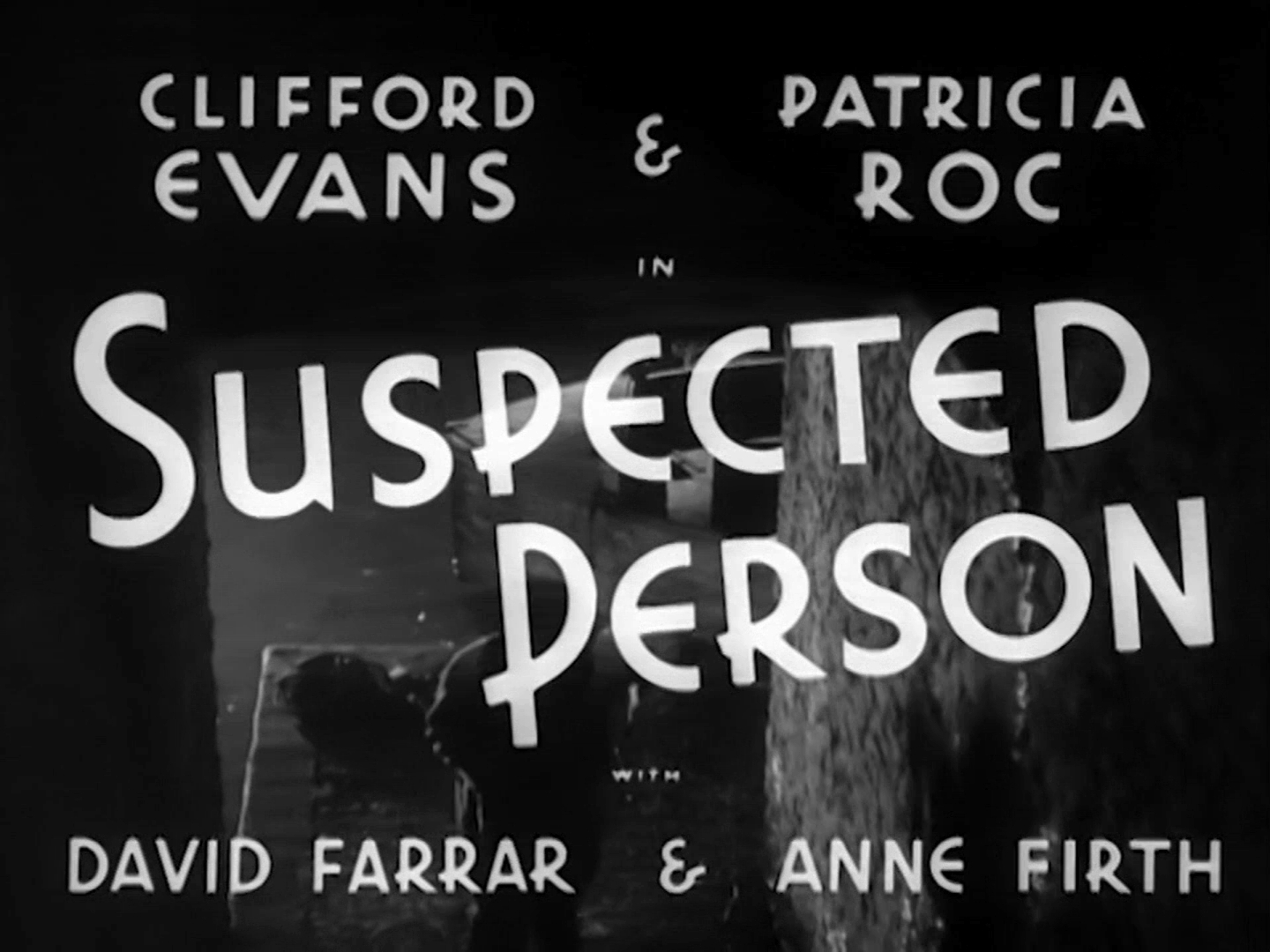
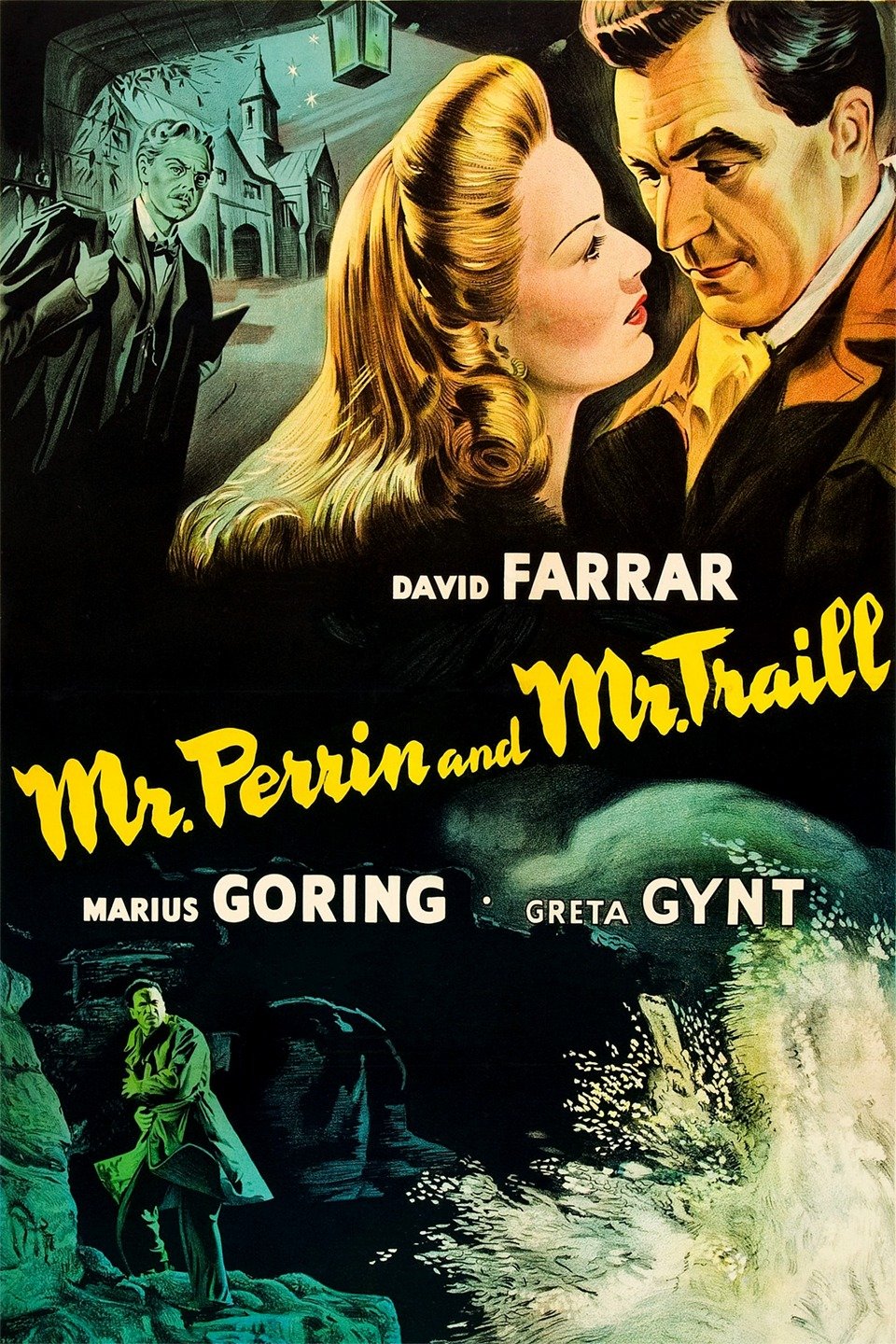

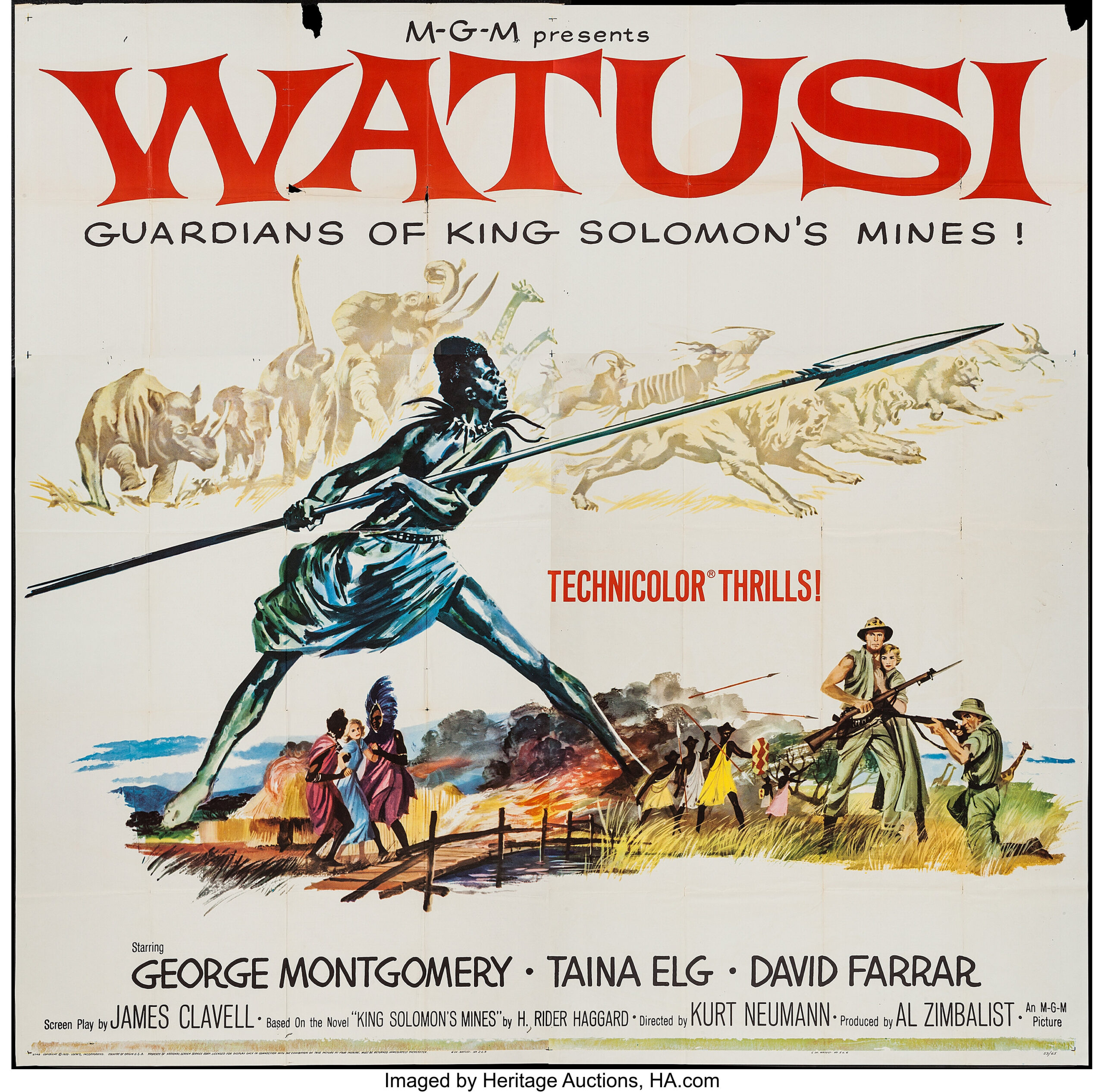
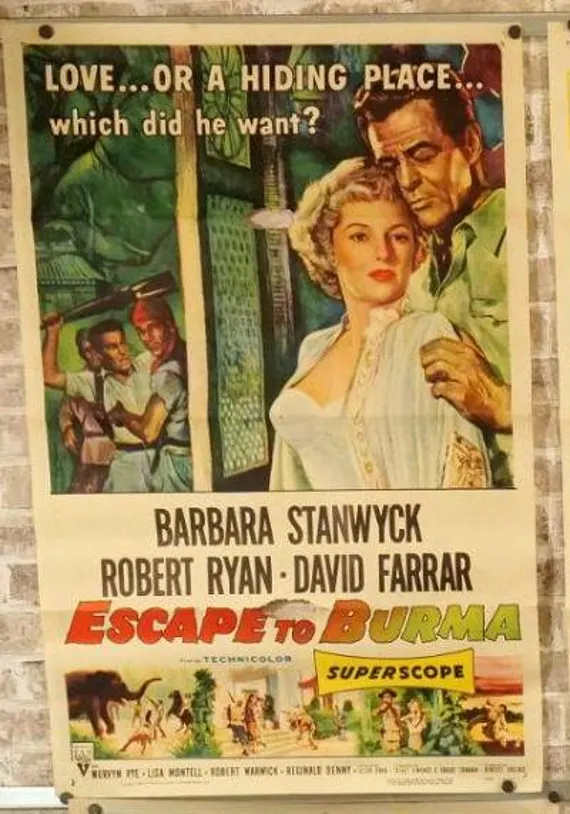
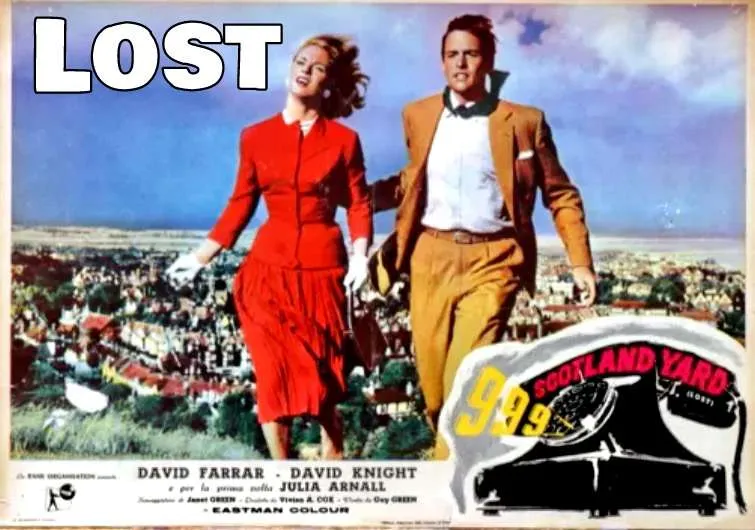
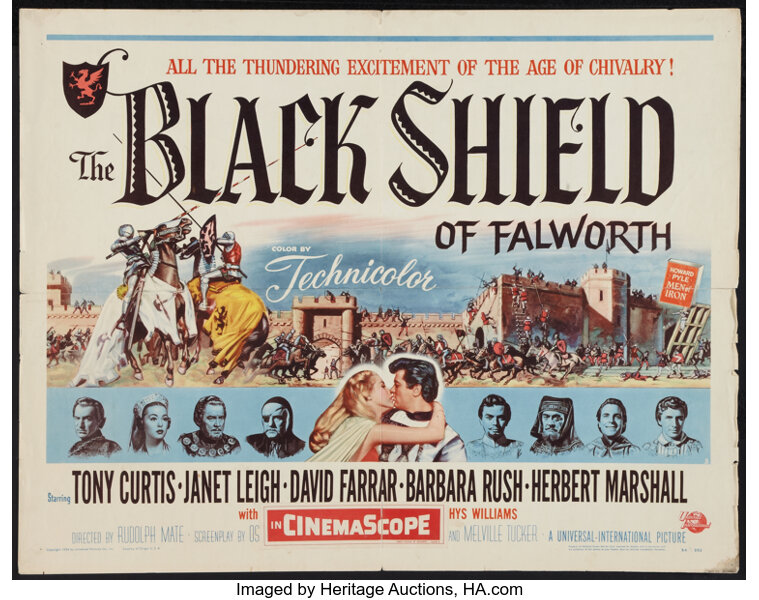
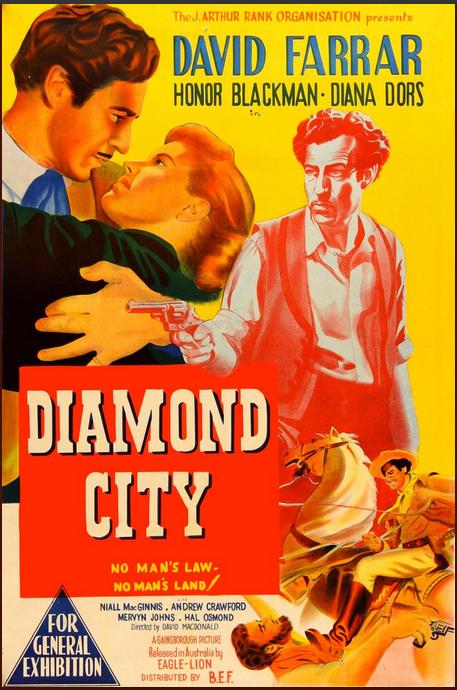
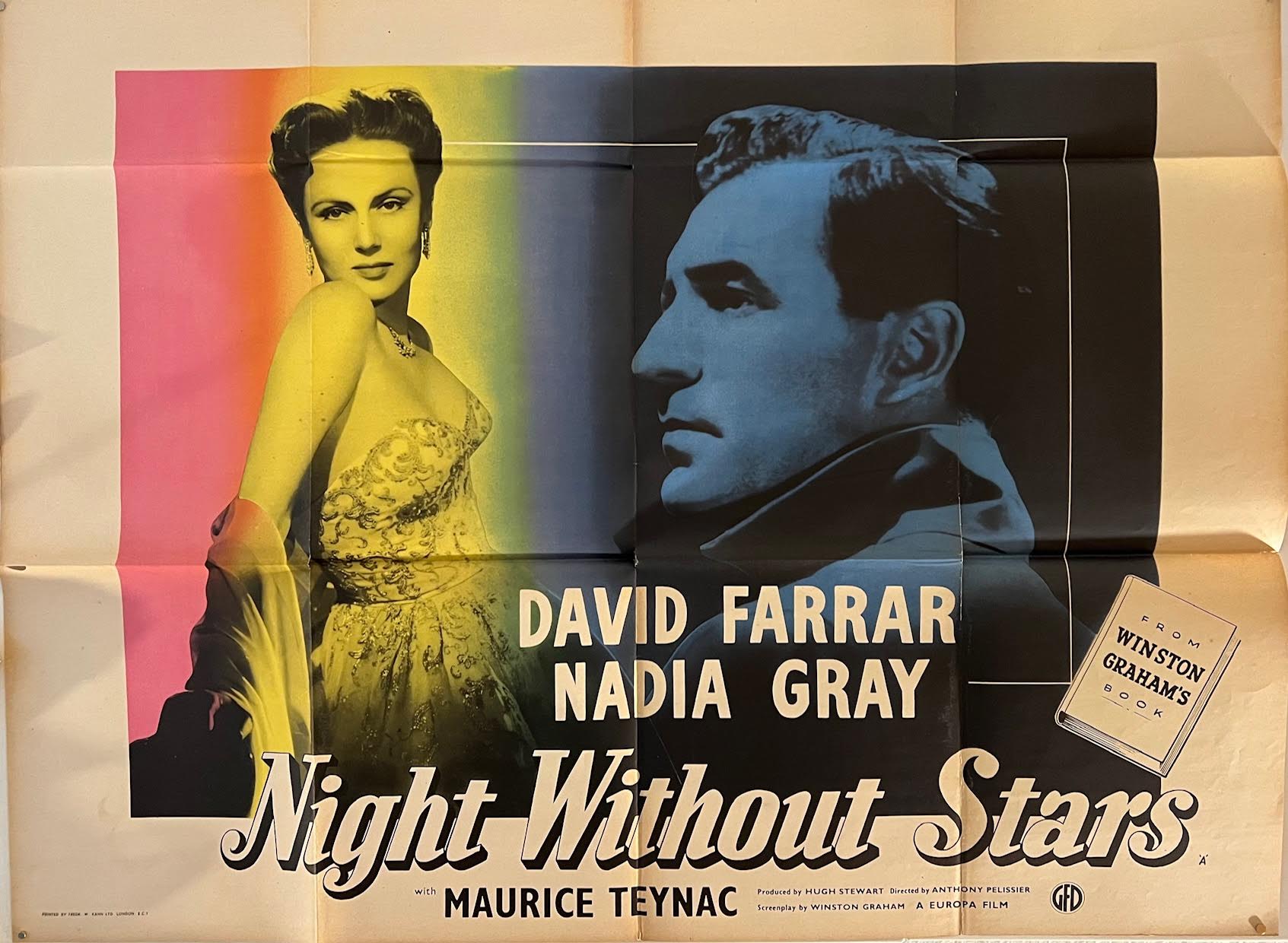
David Farrar (1908–1995) was an actor of “brooding, saturnine intensity” who became the definitive anti-hero of 1940s British cinema. While he was a popular leading man, his critical legacy is inextricably linked to his three-film collaboration with the legendary filmmaking duo Michael Powell and Emeric Pressburger (The Archers).
Farrar possessed what Powell described as a “physical appeal rare among British actors”—a blend of intellectual authority and raw, masculine sensuality that bridged the gap between the refined gentleman and the modern “cynic.”
I. Career Overview: The Journalist to the Anti-Hero
1. The Early Professional (1930s)
Farrar was a late bloomer in acting, having worked as a journalist for the Morning Advertiser until his mid-20s.
The “Sexton Blake” Years: He gained fame as the iconic detective Sexton Blake in a series of thrillers (Meet Sexton Blake, The Echo Murders). These roles established him as a reliable, square-jawed hero, but they gave little hint of the darker layers he would later uncover.
2. The Archers and the Golden Age (1947–1950)
Farrar’s career was transformed when he joined Powell and Pressburger’s “stock company.”
The Breakthrough: In Black Narcissus (1947), he played Mr. Dean, a cynical, hyper-masculine agent in the Himalayas. His performance—often leaning casually against walls in short-shorts—was a shock to the buttoned-up standards of British cinema and made him a global sex symbol.
The Masterpiece: In The Small Back Room (1949), he delivered his finest performance as Sammy Rice, a crippled, alcoholic bomb-disposal expert. It remains one of the most haunting portrayals of post-traumatic stress and physical pain in film history.
3. The Hollywood Transition and “The Sunset” (1950s–1962)
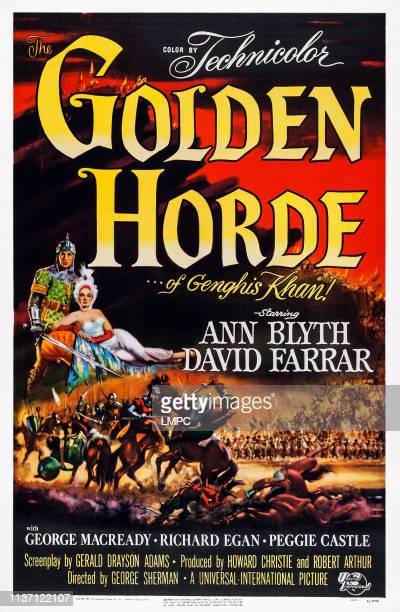
Like many of his peers, Farrar was lured to Hollywood, but the studio system largely wasted him in villainous roles in historical epics like The 300 Spartans (1962), where he played King Xerxes.
The Abrupt Retirement: In 1962, at age 54, Farrar famously quit acting. He remarked that he was tired of being offered “uncles and fathers” instead of lovers. He “walked out into the sunset,” moving to South Africa and never acting again.
II. Detailed Critical Analysis
1. The “Open Shirt” Masculinity
Critically, Farrar was a pioneer of eroticized masculinity in British film.
The Black Narcissus Effect: In a film about repressed nuns, Farrar’s Mr. Dean served as the “unconscious desire” made flesh. Critics noted that he didn’t need to “act” virile; his presence alone challenged the sanctity of the convent. Unlike the polite, repressed leading men of the era (like Trevor Howard), Farrar brought a “dangerous” quality to his romance that felt authentically primal.
2. The Internalized Hero
In The Small Back Room, Farrar redefined what a British hero could be.
The Anti-Hero Archetype: Sammy Rice is not “upstanding”; he is self-pitying, bitter, and addicted to painkillers. Farrar used a “clipped, irritable” vocal style to convey the character’s internal agony.
The Physical Performance: Critics have long praised his “bottled-up” physicality in this role. The way he looked at a giant whiskey bottle in a surreal hallucination sequence is cited as a masterclass in conveying psychological craving without a single word.
3. The Villain as Victim: Gone to Earth (1950)
In his third film for The Archers, Farrar played the “wicked squire” Jack Reddin.
Subverting Melodrama: A lesser actor would have played Reddin as a cartoon villain. Farrar, however, brought a “lusty, malevolent grace” to the role. Critics analyzed his performance as a study in predatory obsession, making the character both terrifying and, in a strange way, the only honest person in a hypocritical village.
Iconic Performance Comparison
| Character | Work | Year | Critical Achievement |
| Mr. Dean | Black Narcissus | 1947 | Created the archetype of the “cynic as sex symbol.” |
| Sammy Rice | The Small Back Room | 1949 | A definitive portrayal of the “damaged” post-war hero. |
| Jack Reddin | Gone to Earth | 1950 | Transformed a melodrama villain into a complex symbol of primal will. |
| Robert Dawson | Frieda | 1947 | Tackled the social taboo of a British soldier bringing home a German wife. |
David Farrar’s legacy is that of the “Archer’s Secret Weapon.” He provided Michael Powell with a specific kind of “earthy, complicated” male energy that grounded their high-concept fantasies. Though his career ended prematurely by his own choice, his work in the late 1940s remains a benchmark for psychological realism in British cinema.