

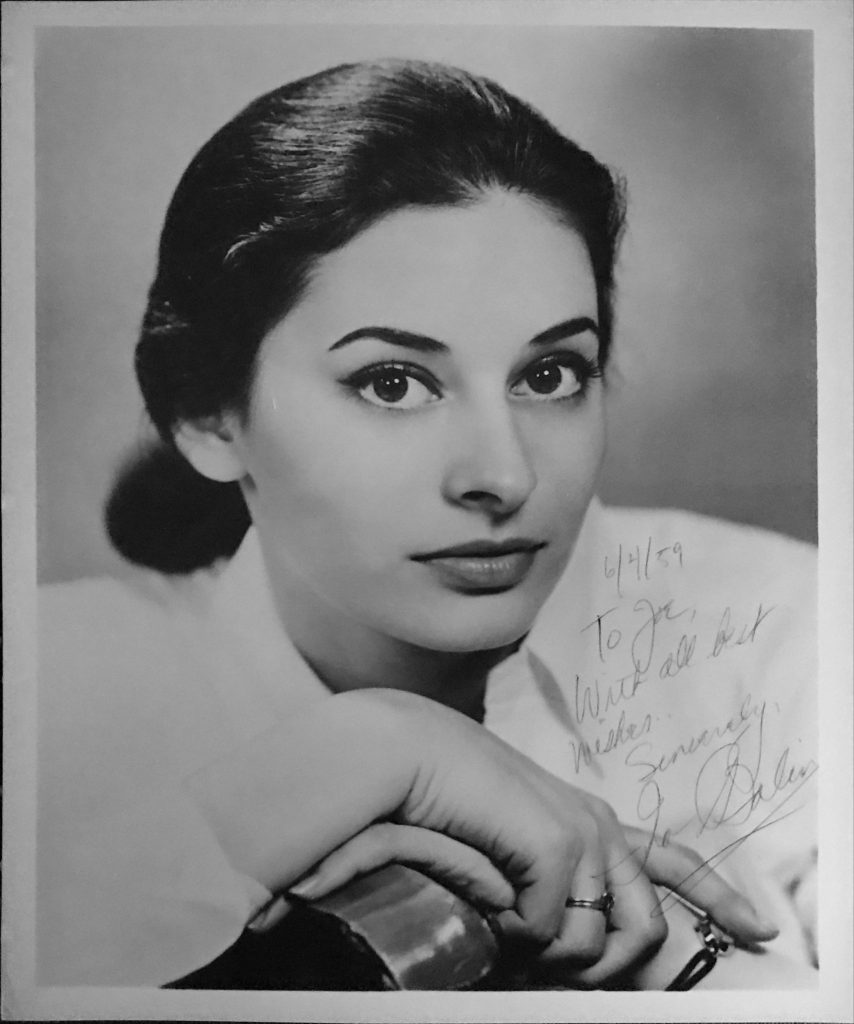
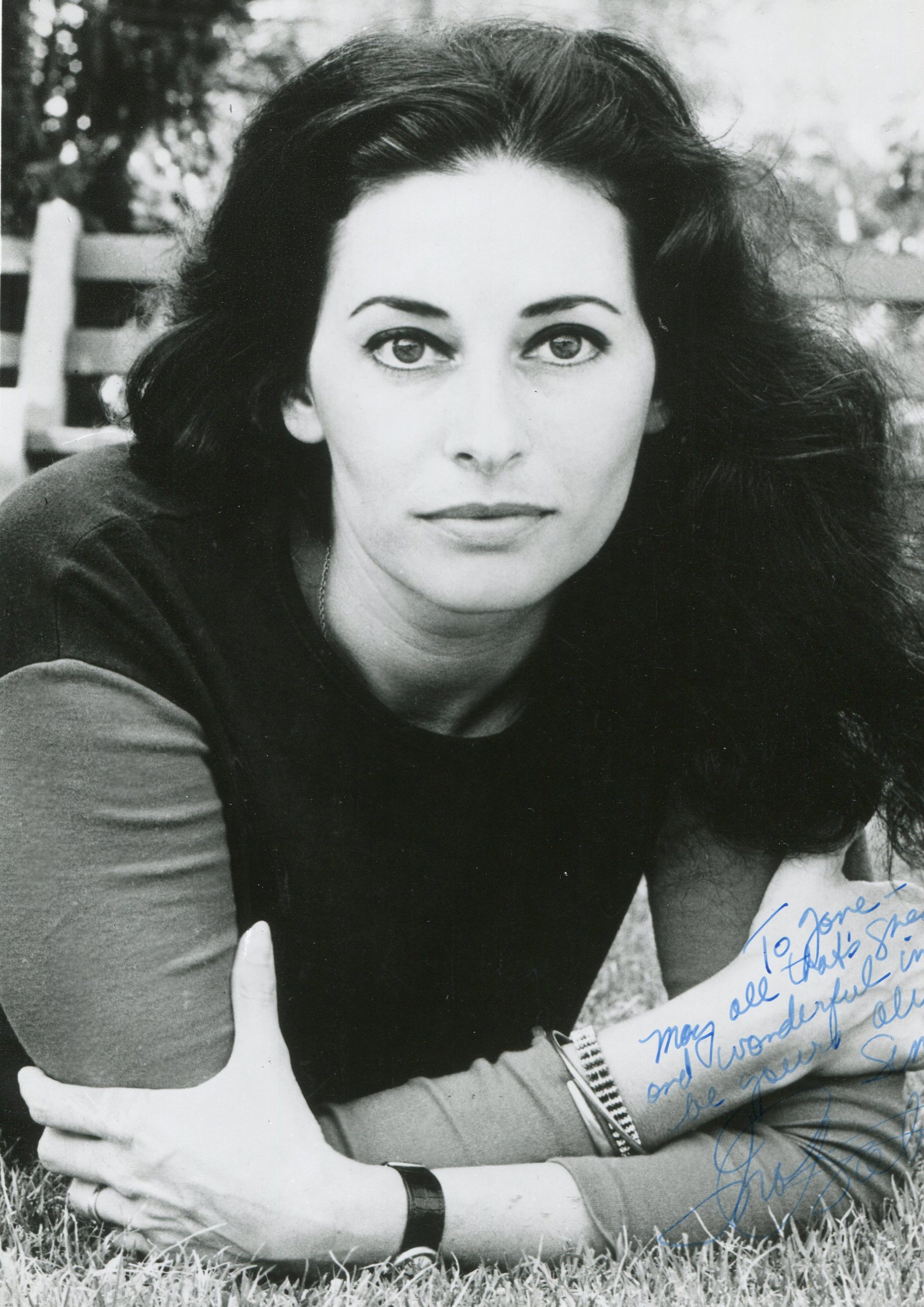
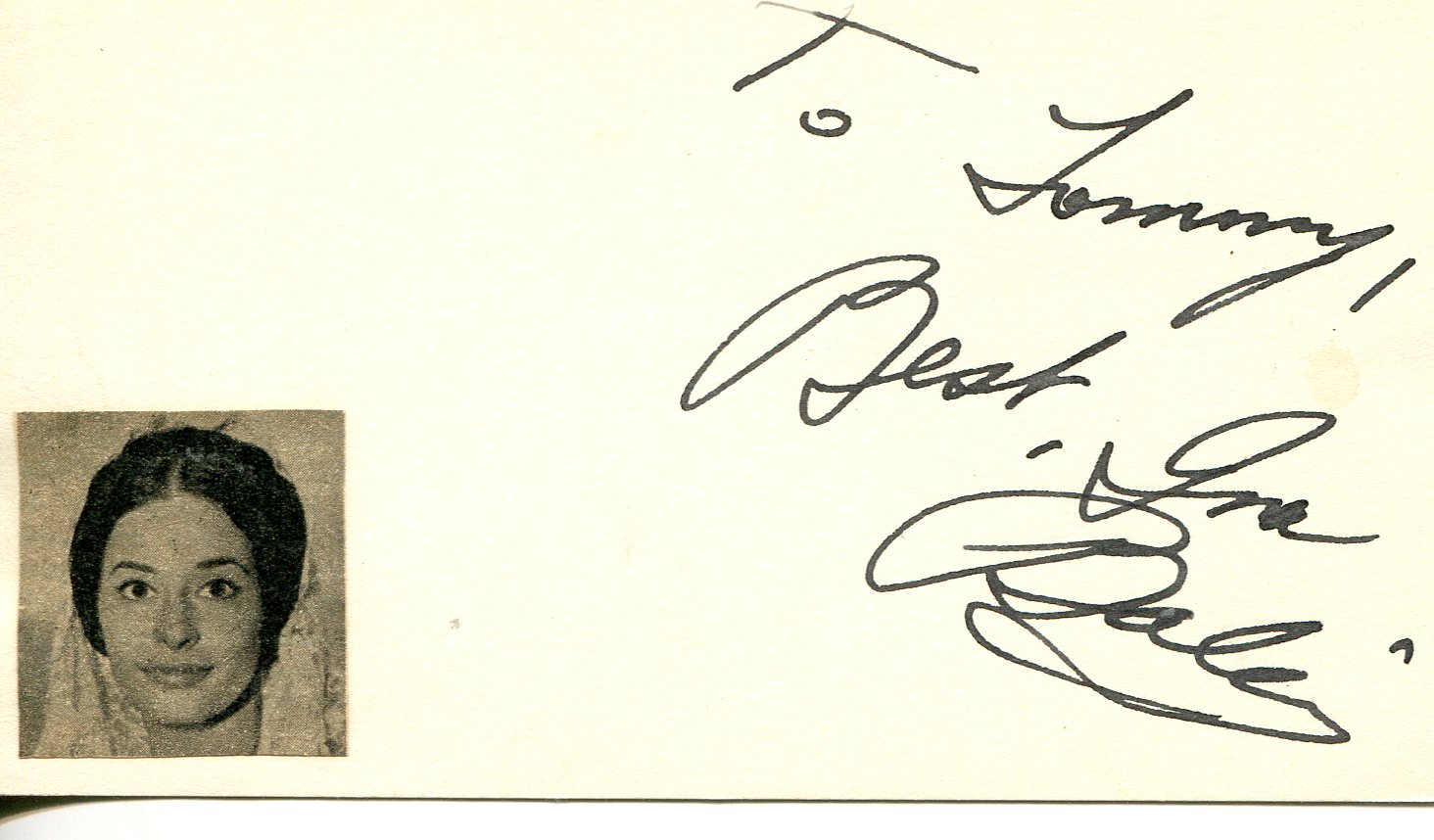
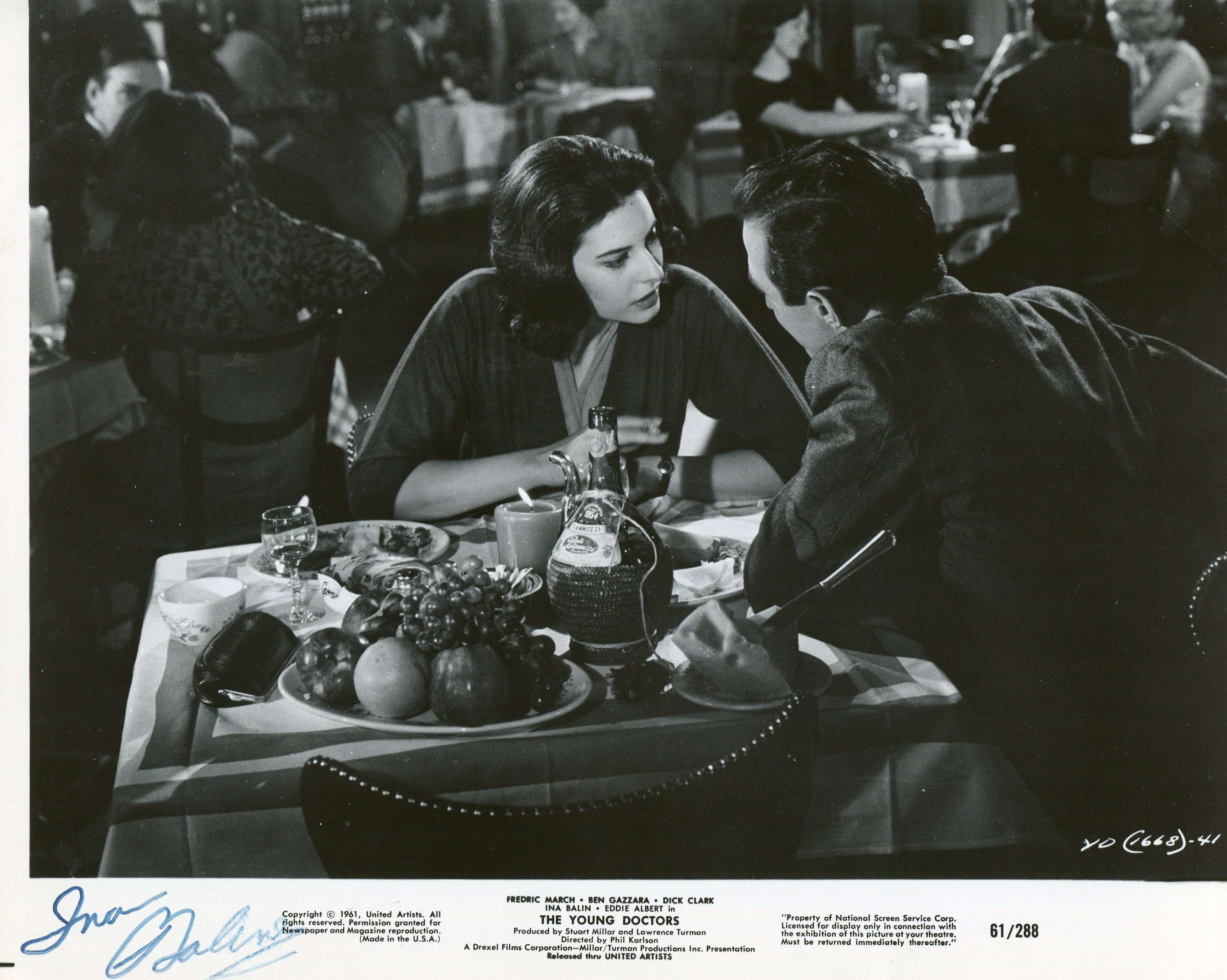
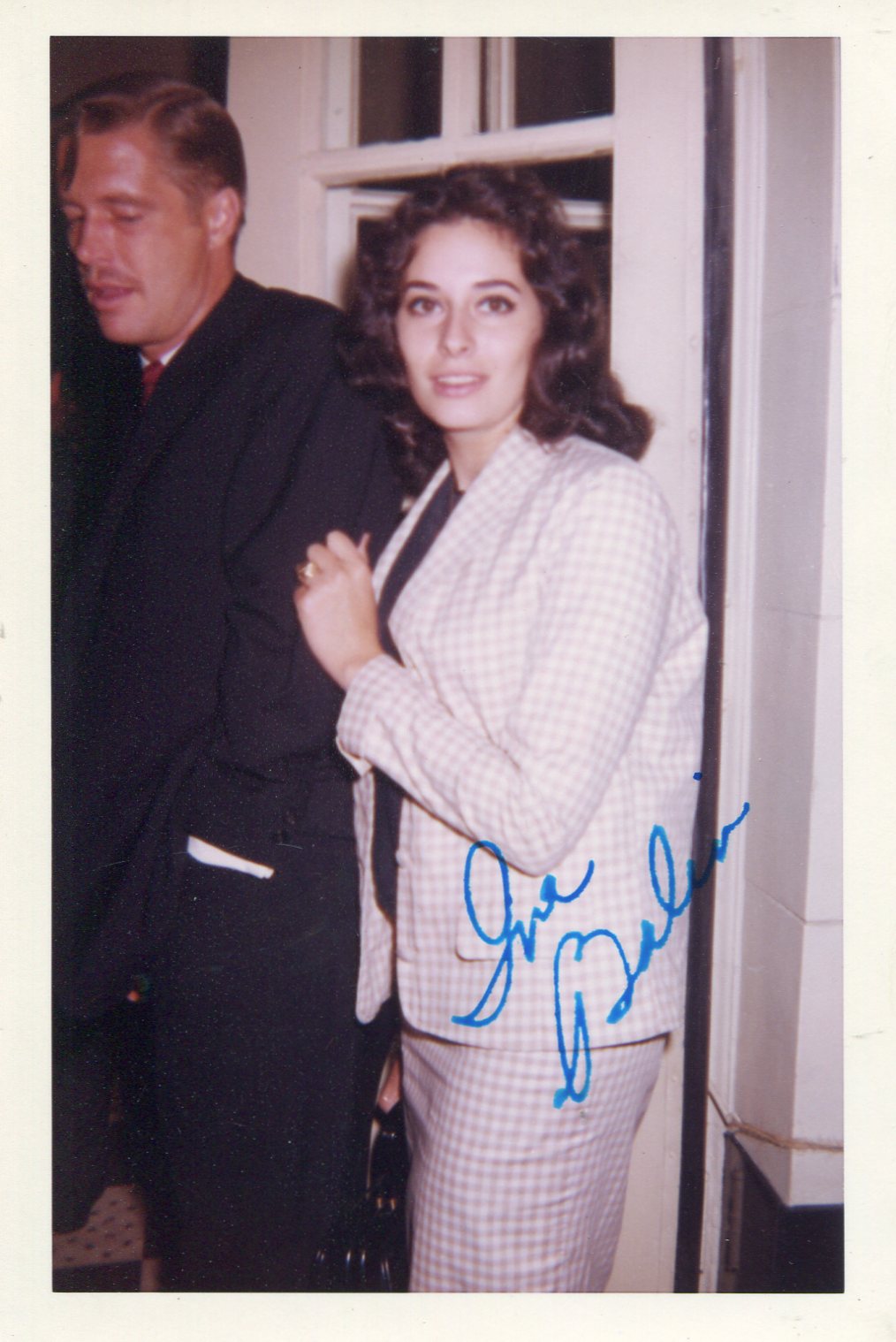
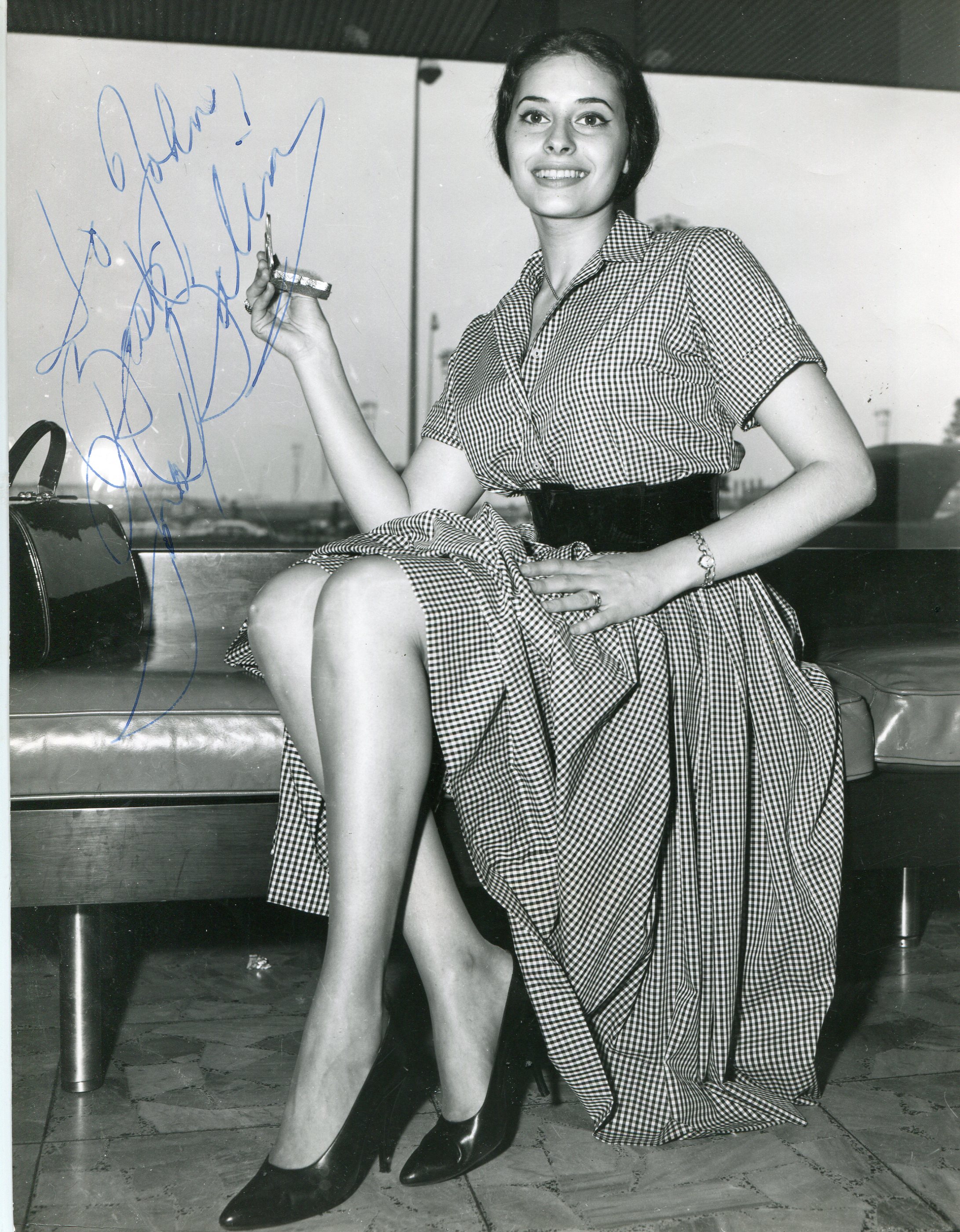
Brooklyn-native actress Ina Balin (née Rosenberg) was born on November 12, 1937, into a Jewish family of entertainers. Her parents were Betty (nee Friedman) and Sam Rosenberg, .Her father was a dancer/singer/comedian who worked the Borscht Belt. He later quit show business to join his family’s furrier business.
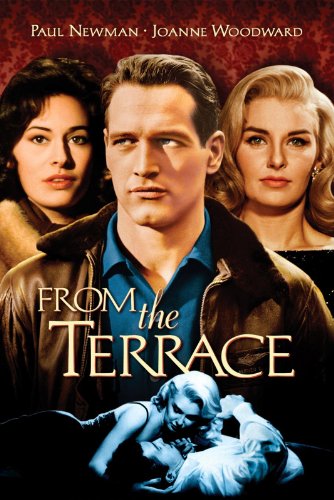
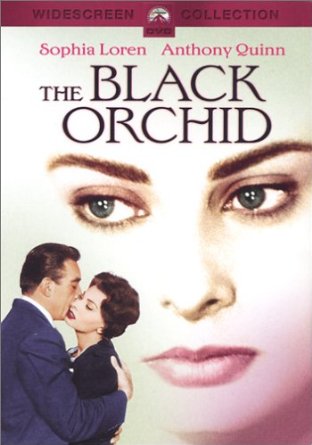
Starring Ponti’s wife, Sophia Loren, and Anthony Quinn, Ina received impressive notices as Quinn’s sensitive, grown daughter. Considered one of 20th Century Fox’s most promising new talents, she received a special “International Star of Tomorrow” Golden Globe for this early work. A major career disappointment occurred when the film version of Compulsion (1959) was made and Ina’s ethnic role of “Ruth Goldenberg” was transformed into a non-ethnic part (Ruth Evans) that wound up starring Diane Varsi. Ina was given an unbilled part in the movie. The sting of that studio transgression was somewhat softened when she was nominated for a Golden Globe Award for “Best Supporting Actress” for her intensive performance in the Paul Newman/Joanne Woodward soaper, From the Terrace (1960), as Newman’s love interest. She found herself typecast by the studio and eventually felt compelled to leave.
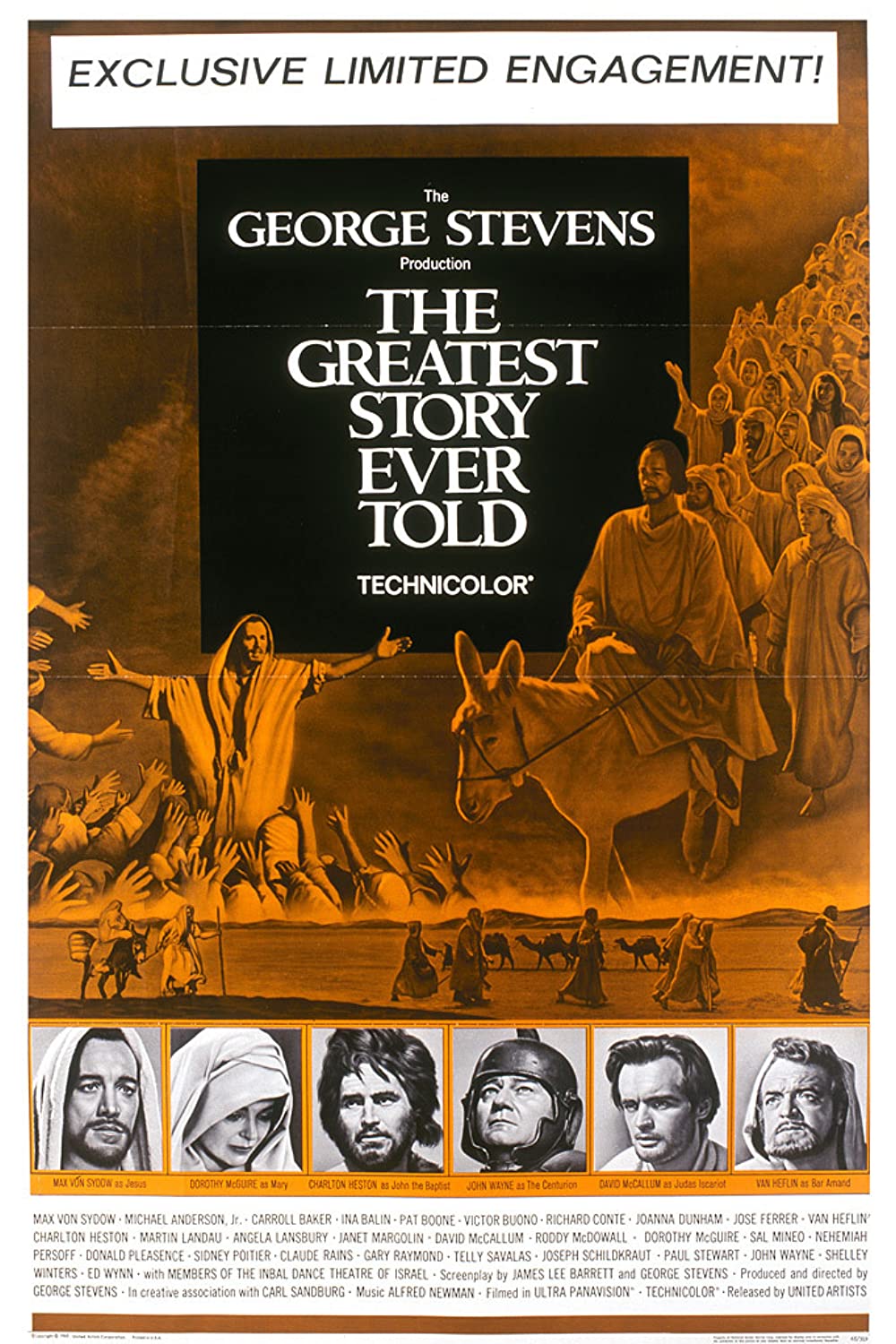
A soft, slender, but intent-looking actress who could play various types of ethnicities (Jewish, Italian, Mexican, Spanish, Greek, et al.), she had a lovely, quiet glow but could easily display the fiery temperament of an Anna Magnani when called upon. In the 1960s, however, she was overshadowed by a number of her leading men in their respective showcases. She appeared in many Westerns, often as the girlfriend or love interest of the hero. There was little room for any actor to generate interest upon themselves when playing opposite the likes of an Elvis Presley, Jerry Lewis and/or John Wayne. In other situations, her roles were merely decorative, less showy, or proved less integral to the main plot, such as her secondary role as “Martha” in The Greatest Story Ever Told (1965). While Ina maintained a fine balance of TV roles ranging from the dramatic (Bonanza (1959), Mannix (1967), Quincy M.E. (1976), Voyage to the Bottom of the Sea (1964)) to the humorous (The Dick Van Dyke Show (1961), Get Smart (1965)), the one big acting role which could have set her apart from the others never materialized.
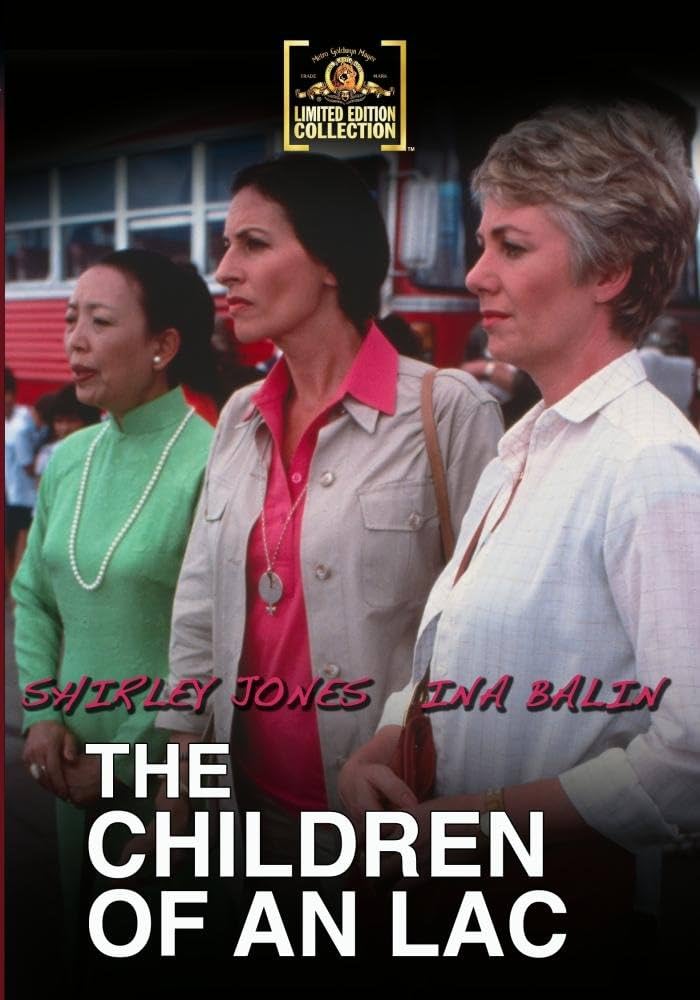
Subsequent pictures such as the cult film The Projectionist (1970) and The Don Is Dead (1973) and her assorted appearances in several TV-movies failed to advance her status in Hollywood. And then her life changed…dramatically. As the first woman to ever participate in a handshake tour of a South Vietnam military hospital in the late 1960s, Ina toured Vietnam with the USO in 1970 and was greatly affected by the entire experience. It also triggered a series of trips back to the war-torn region. As a Board Member of the An Lac orphanage in Saigon, she courageously took part in the full-scale evacuation of nearly 400 orphans in 1975 during the fall of the city to the Communists. She eventually adopted three of the 219 children who managed to be flown out of the country. In 1980, the dramatic rescue was replayed via a TV film in which Balin portrayed herself. The well-received The Children of An Lac (1980) also starred Shirley Jones (as fellow rescuer “Betty Tisdale”) and Beulah Quo (as the concerned Vietnamese woman who ran the orphanage).
Ina never managed to fulfill her promising, Golden Globe-winning potential for she was diagnosed and eventually succumbed, at the age of 52 from pulmonary hypertension. A single parent, she was survived by her three children.

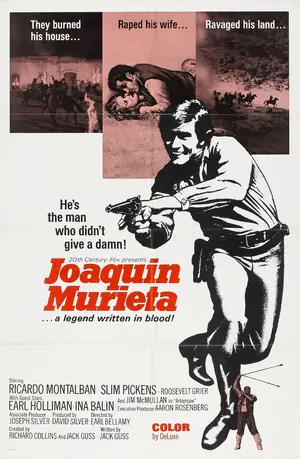

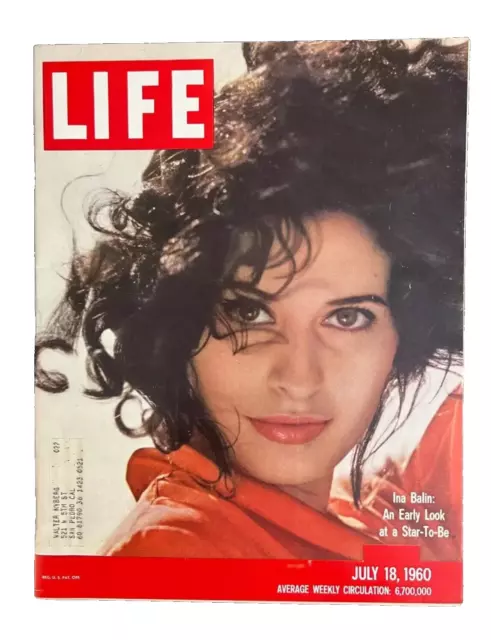
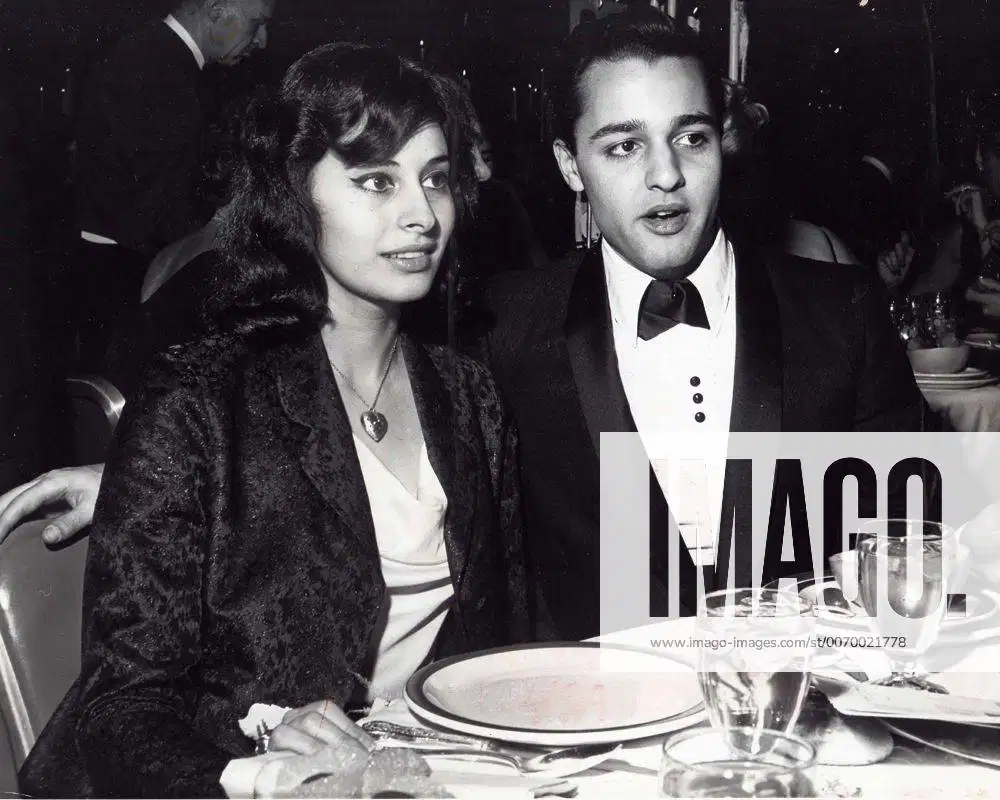
Ina Balin was an American stage, film, and television actress whose career spanned roughly three decades (late 1950s–1980s). Though she achieved early critical recognition and worked steadily across multiple media, her trajectory illustrates a recurring Hollywood phenomenon: the promising young actress who receives early acclaim but is gradually repositioned into supporting roles and television work rather than sustained film stardom.
Her career therefore offers an interesting case study in post-studio-era Hollywood career structures, gendered casting practices, and the transitional landscape between film and television acting in the 1960s–1980s.
1. Early Life and Formation of an Acting Career
Born Ina Rosenberg in Brooklyn in 1937, Balin grew up in a family connected to show business: her father worked as a performer in the Borscht Belt circuit and her mother was a dancer.
Several factors shaped her early career trajectory:
- Exposure to entertainment from childhood
- Early academic completion (graduating high school at 15)
- Training in performance and stage work
- Entry into summer stock theatre and Broadway, the traditional training ground for mid-20th-century American actors.
Her breakthrough stage performance came in the Broadway comedy A Majority of One, for which she won the Theatre World Award in 1959, a prize that often signaled promising theatrical talent.
Critical context
Theatre recognition was crucial at the time: Hollywood frequently scouted Broadway for new dramatic talent. Balin’s stage success positioned her as a serious dramatic actress rather than a mere screen beauty, though Hollywood publicity often emphasized her physical attractiveness.
2. Film Breakthrough and Early Hollywood Promise (1959–1965)
Balin’s film debut came in The Black Orchid (1959) opposite Sophia Loren and Anthony Quinn.
However, her major breakthrough occurred with From the Terrace (1960), where she played the mistress of a corporate executive portrayed by Paul Newman.
The role earned her:
- Golden Globe – New Star of the Year
- Golden Globe nomination for Best Supporting Actress
Critical evaluation of From the Terrace
The role of Natalie Benzinger demanded a combination of:
- emotional vulnerability
- sensual charisma
- moral ambiguity
Balin’s performance was notable because she avoided the stereotype of the purely manipulative mistress. Instead she conveyed a mixture of sincerity and desperation that made the character sympathetic.
Critics at the time saw her as a major emerging dramatic talent, and the industry briefly positioned her as a potential leading actress.
3. Hollywood Career Plateau
Despite this promising start, Balin’s film career never developed into sustained A-list stardom.
Important films from the early 1960s include:
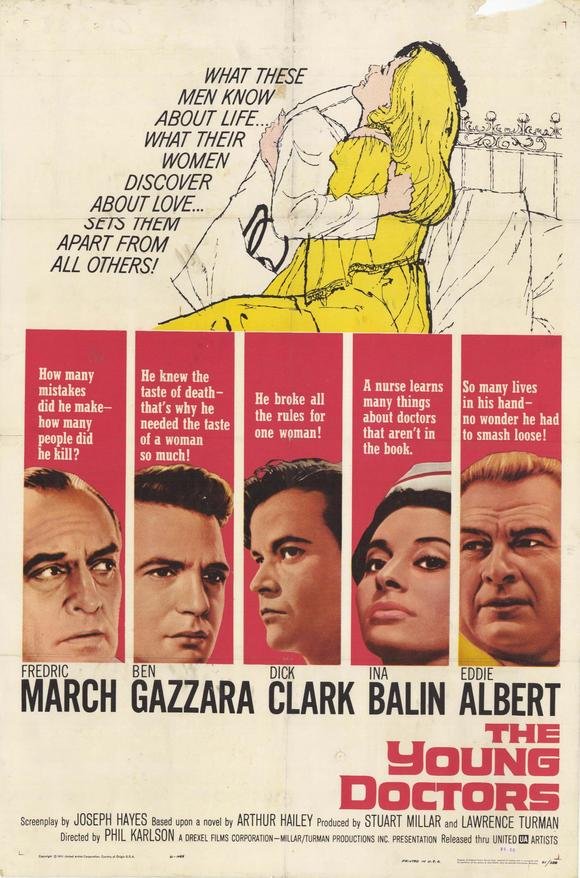
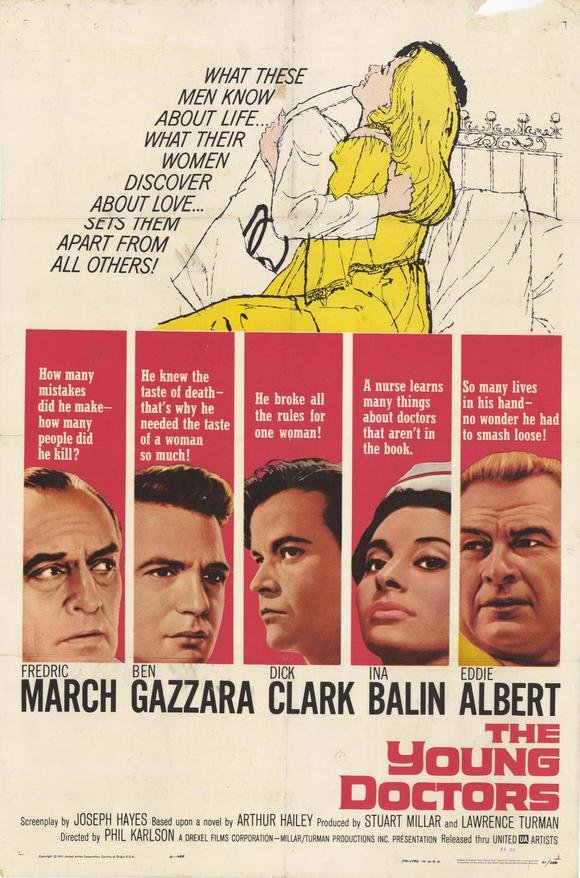
- The Young Doctors (1961)
- The Comancheros (1961) with John Wayne
- The Patsy (1964) with Jerry Lewis
- The Greatest Story Ever Told (1965)
Critical assessment
Her film career illustrates a classic “secondary-lead” trajectory:
- Early recognition (Golden Globe win)
- Casting in mid-tier prestige or genre films
- Gradual shift into supporting roles
Several factors contributed:
1. Studio system collapse
By the early 1960s, the old studio star-building apparatus was disappearing. Actors who might previously have been groomed for major careers often lacked consistent studio backing.
2. Typecasting
Balin was frequently cast as:
- the romantic interest
- the sympathetic “other woman”
- cultured or cosmopolitan characters
While she handled these roles well, they limited her dramatic range.
3. Competition
The era produced many rising actresses competing for similar parts—among them Natalie Wood, Shirley MacLaine, and Jane Fonda.
4. Transition to Television (1960s–1980s)
Like many film actors whose cinematic opportunities declined, Balin transitioned successfully to television.
She appeared in numerous series, including:
- The Dick Van Dyke Show
- Bonanza
- Get Smart
- Voyage to the Bottom of the Sea
- The Six Million Dollar Man
- Battlestar Galactica
- Magnum, P.I.
- Quincy, M.E.
Critical evaluation
Television allowed Balin to demonstrate:
- versatility (drama, comedy, science fiction, crime)
- reliability as a character actor
- ability to anchor episodic narratives
However, the format rarely gave her career-defining roles, reinforcing her reputation as a strong but underutilized performer.
5. Humanitarian Work and Autobiographical Film
A remarkable dimension of Balin’s life occurred outside acting.
During the Vietnam War, she worked with USO tours and became involved with a Saigon orphanage. During the fall of Saigon in 1975, she helped evacuate hundreds of children and later adopted three Vietnamese girls herself.
Her experiences were dramatized in the TV movie:
- The Children of An Lac (1980)
In the film she played herself, an unusual example of an actor dramatizing their own humanitarian actions.
Critical significance
This project represents a rare case where:
- celebrity activism
- autobiographical storytelling
- television drama
merged into a single production.
It arguably constitutes the most culturally meaningful work associated with Balin, even though it lies outside traditional film-career metrics.
6. Acting Style and Screen Persona
Strengths
Critics and viewers often noted several distinctive traits:
1. Emotional transparency
Balin had an expressive face capable of conveying vulnerability without melodrama.
2. Naturalistic delivery
Her acting style fit the post-method realism emerging in late-1950s Hollywood.
3. Intelligent glamour
Unlike purely decorative actresses, Balin projected intelligence and seriousness.
Limitations
However, her screen persona was also constrained by:
- Hollywood’s preference for clearly defined “types”
- lack of a signature role
- the shift toward youth-culture films in the late 1960s.
7. Late Career and Death
Balin continued working intermittently in film and television through the 1980s, appearing in productions such as:
- The Comeback Trail (1982)
- Vasectomy: A Delicate Matter (1986)
She died in 1990 at age 52 from complications related to chronic lung disease while awaiting a lung transplant.
8. Overall Critical Assessment
Artistic legacy
Ina Balin occupies an interesting place in American screen history:
- not a major star
- but a respected supporting actress with strong early promise
Her career highlights include:
- early Golden Globe recognition
- sustained television presence
- notable humanitarian achievements
Why she is often considered “underrated”
Film historians frequently cite three reasons:
- The collapse of the studio star system limited career development for many actors emerging around 1960.
- Gendered casting norms constrained actresses to romantic or secondary roles.
- Television migration obscured performers who might otherwise have developed larger film careers.
In retrospect, Balin’s career reflects a transition period in Hollywood, when many talented actors found themselves navigating a rapidly changing industry.
✅ In summary:
Ina Balin’s career demonstrates how early critical acclaim does not always translate into long-term film stardom. Yet through steady television work, occasional strong film performances, and extraordinary humanitarian activity, she created a legacy that is both artistically respectable and personally remarkable.
The career of Ina Balin fits into what some film historians informally describe as a “transitional generation” of actresses—performers who emerged around 1957–1963, showed strong early promise, but whose film careers were constrained by the collapse of the studio system and the cultural upheavals of late-1960s cinema.
Below is a ranking of actresses whose career trajectories most closely resemble Balin’s, based on several factors:
- early critical recognition
- brief or moderate film prominence
- gradual movement to television or supporting roles
- absence of sustained A-list stardom despite talent.
1. Diane Baker
Similarity level: Very high
Key films:
- The Diary of Anne Frank
- Journey to the Center of the Earth
- Marnie
Why she resembles Balin
Both actresses:
- debuted around the same time
- played intelligent romantic or dramatic roles
- were positioned as potential major stars.
Difference
Baker had greater longevity and later appeared in major films such as The Silence of the Lambs.
2. Suzanne Pleshette
Key films:
- The Birds
- Rome Adventure
Similarity
- intelligent, sophisticated screen presence
- strong early Hollywood visibility.
Difference
Her long-running role in The Bob Newhart Show made her far more famous than Balin.
3. Hope Lange
Key films:
- Peyton Place
- The Best of Everything
Similarity
- early prestige film roles
- strong dramatic ability.
Difference
Lange transitioned very successfully to television and won Emmy awards.
4. Diane McBain
Known for:
- Claudelle Inglish
- Spinout
Similarity
- Warner Bros. contract actress
- early promise but diminishing film opportunities.
She became mostly a television guest star.
5. Yvette Mimieux
Key films:
- The Time Machine
- Light in the Piazza
Similarity
- ethereal beauty and early acclaim
- roles often emphasizing innocence or vulnerability.
Difference
She had several leading roles but still struggled to maintain major stardom.
6. Tuesday Weld
Key films:
- Pretty Poison
- Play It as It Lays
Similarity
- critically admired performances
- inconsistent career trajectory.
Difference
Weld became a cult critical favorite with Oscar nominations.
7. Carroll Baker
Key films:
- Baby Doll
- The Carpetbaggers
Similarity
- early fame followed by industry difficulties.
Difference
Her career decline involved studio disputes and scandal, unlike Balin’s quieter transition.
8. Joey Heatherton
Known for:
- Where Love Has Gone
Similarity
- early visibility in the 1960s
- gradual shift away from major acting roles.
9. Elizabeth Ashley
Key films:
- Ship of Fools
Similarity
- theatre-trained dramatic actress
- strong supporting roles.
Difference
Ashley remained more prominent on Broadway.
10. Diane Varsi
Key films:
- Peyton Place
- Wild in the Streets
Similarity
- early acclaim
- unconventional career path away from Hollywood.
The “Lost Generation” of Early-1960s Actresses
These actresses collectively represent a historically interesting moment in film history.
They arrived:
- after the dominance of classic stars like
- Elizabeth Taylor
- Audrey Hepburn
but before the rise of New Hollywood icons such as
- Jane Fonda
- Faye Dunaway.
As a result, many talented performers—including Ina Balin—were caught between two eras.
✅ Key conclusion
Ina Balin’s career is not unusual but rather representative of a broader group of actresses whose:
- early critical promise
- strong professional skills
- and visible screen presence
did not translate into long-term film stardom due to structural changes in Hollywood during the 1960s.