

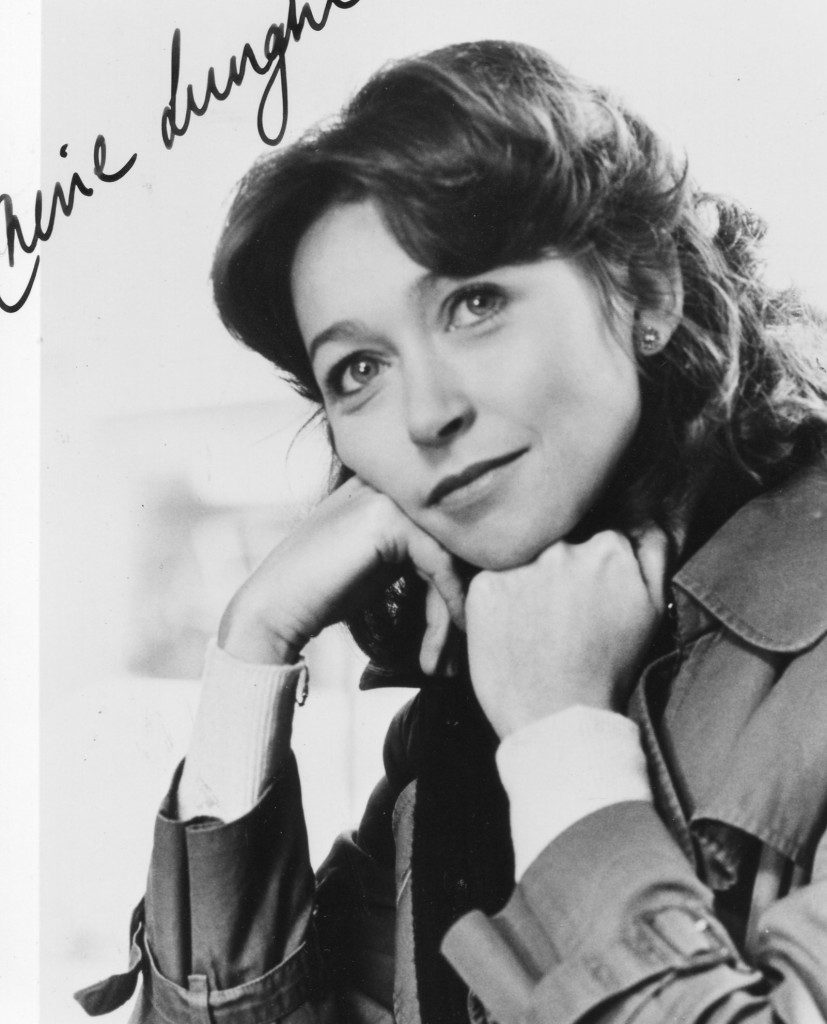
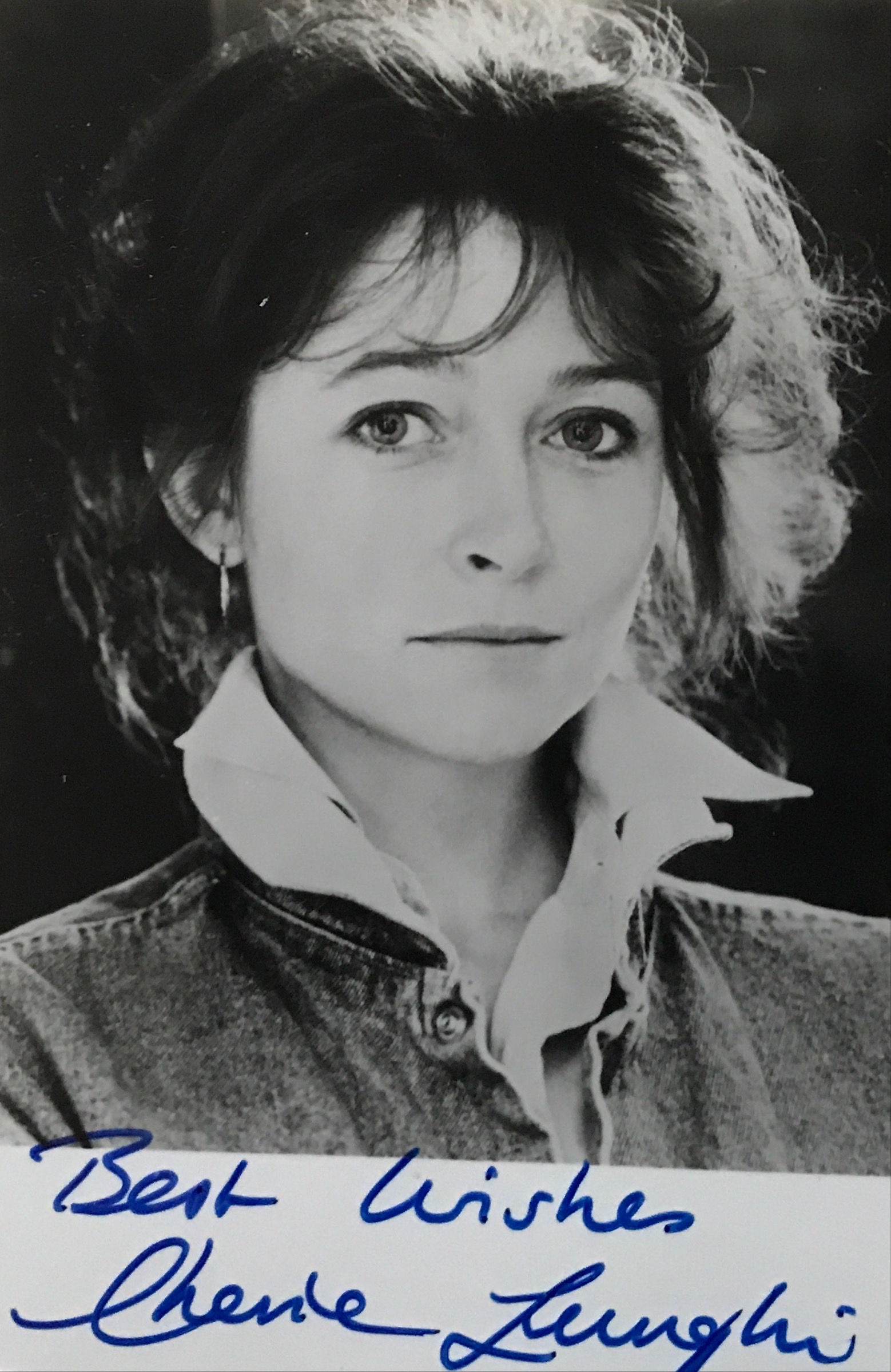
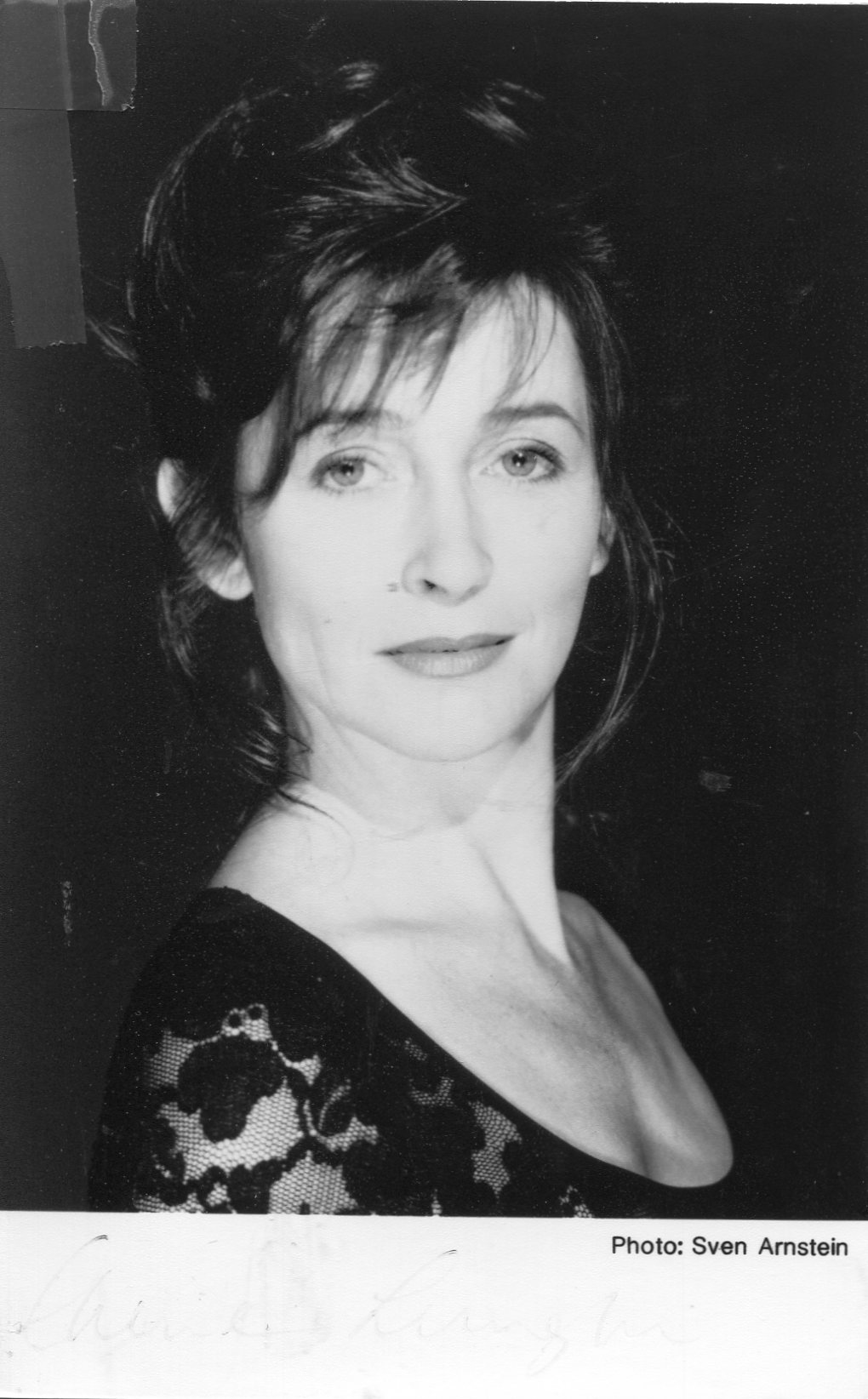
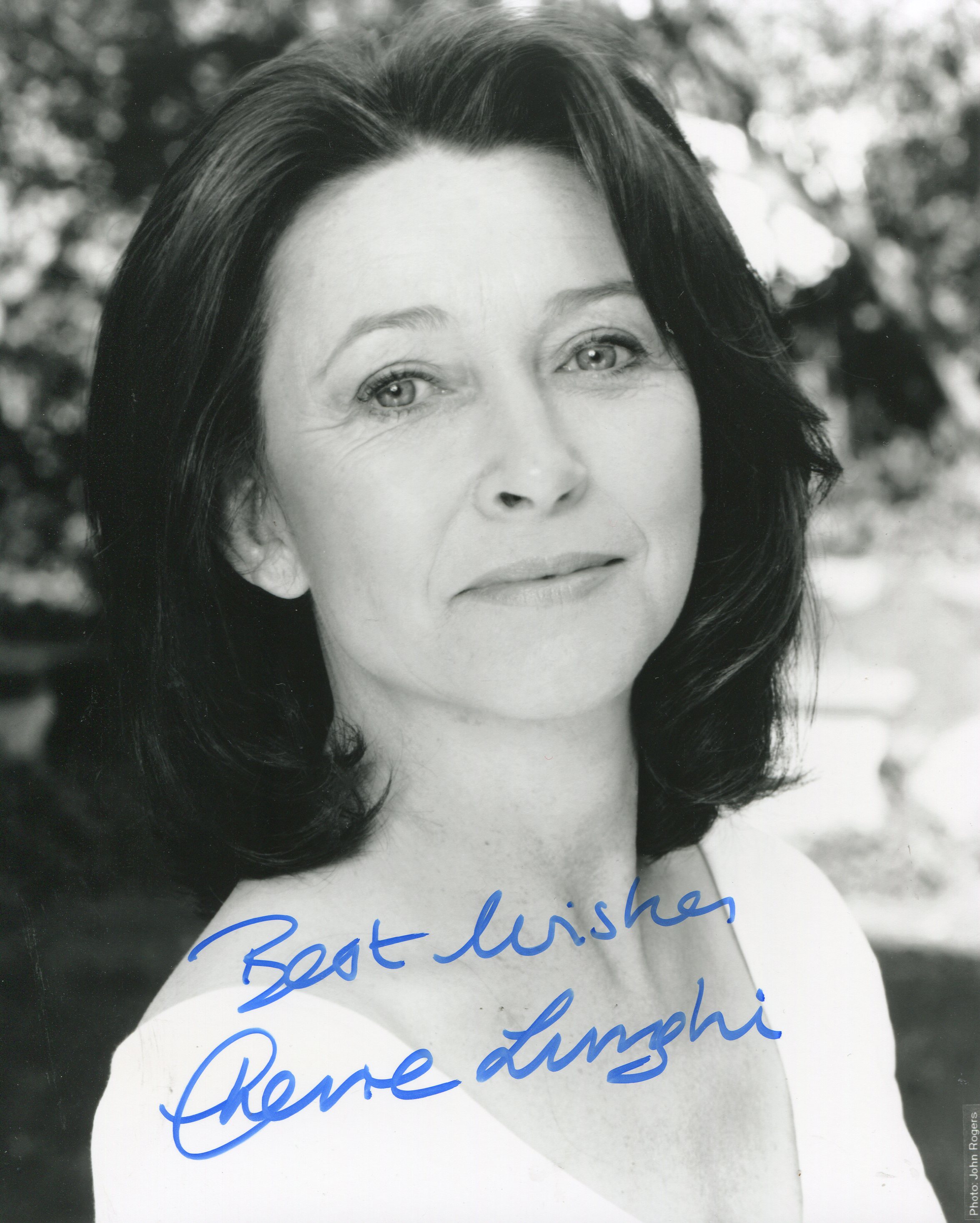
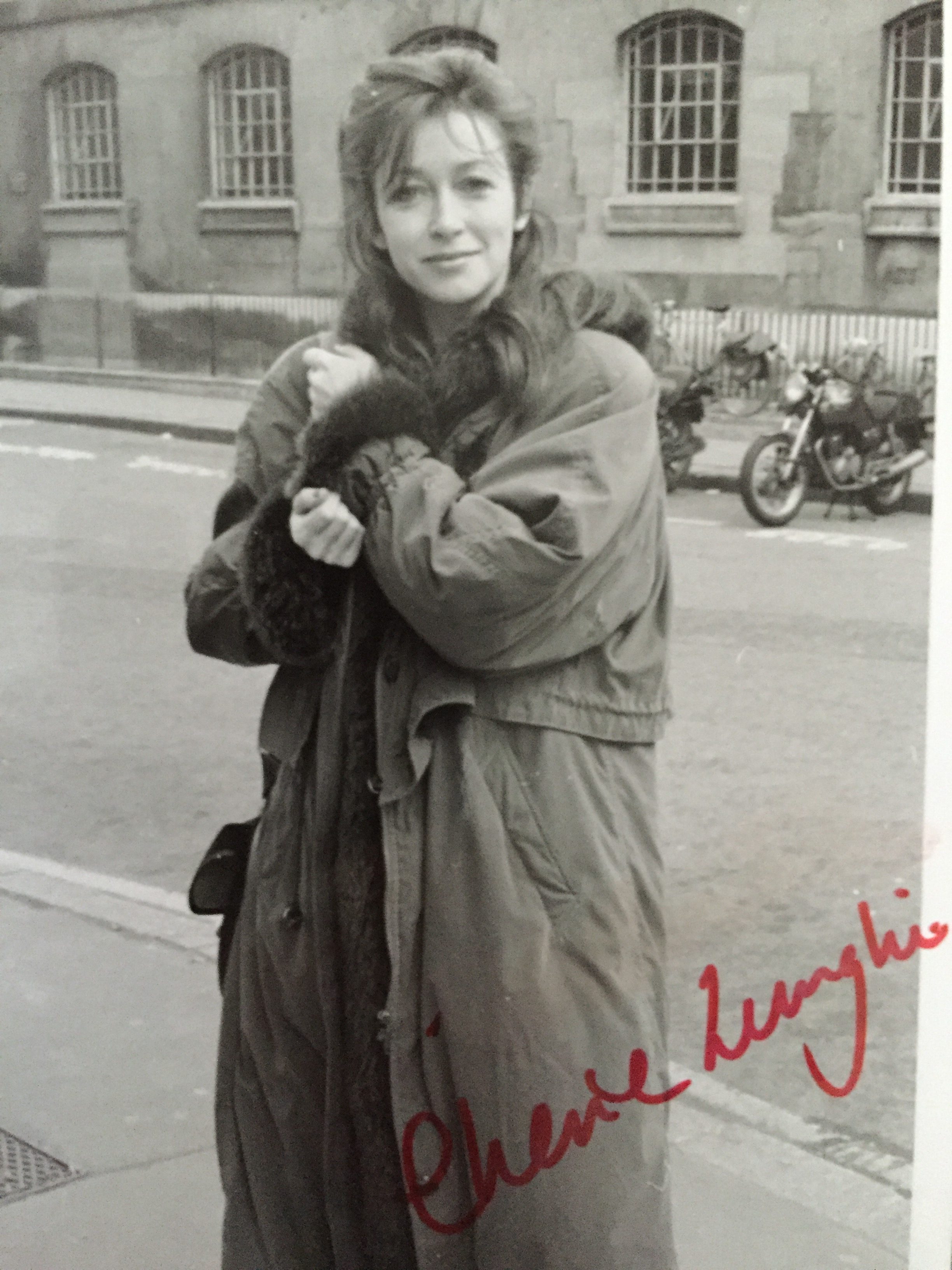
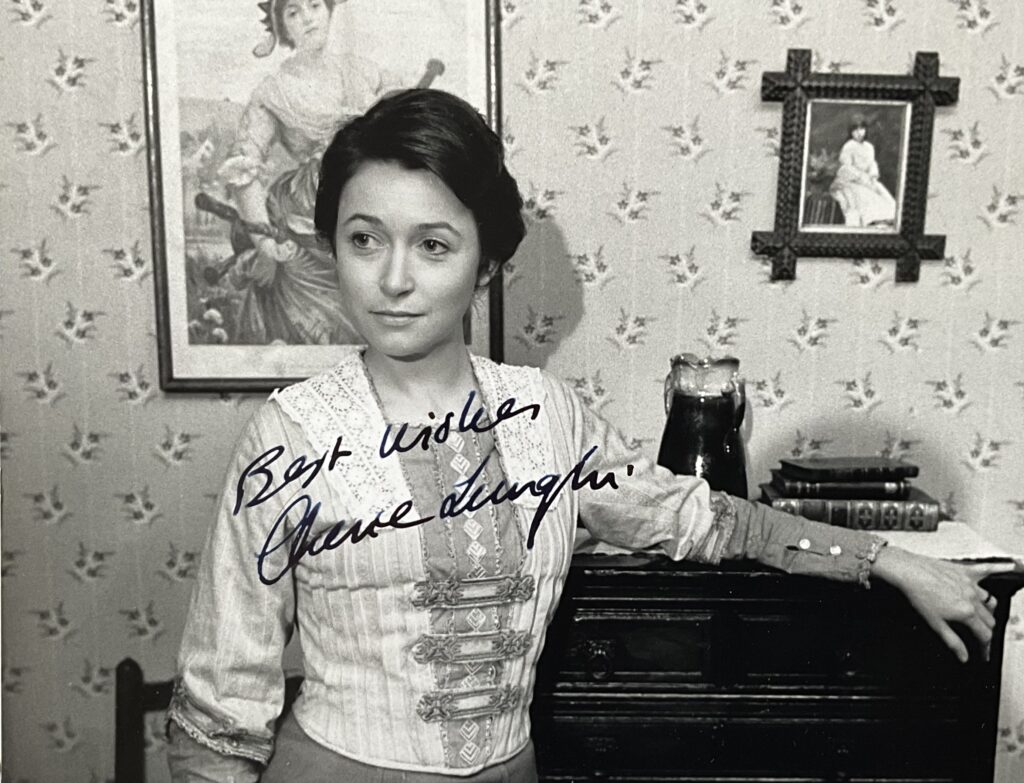
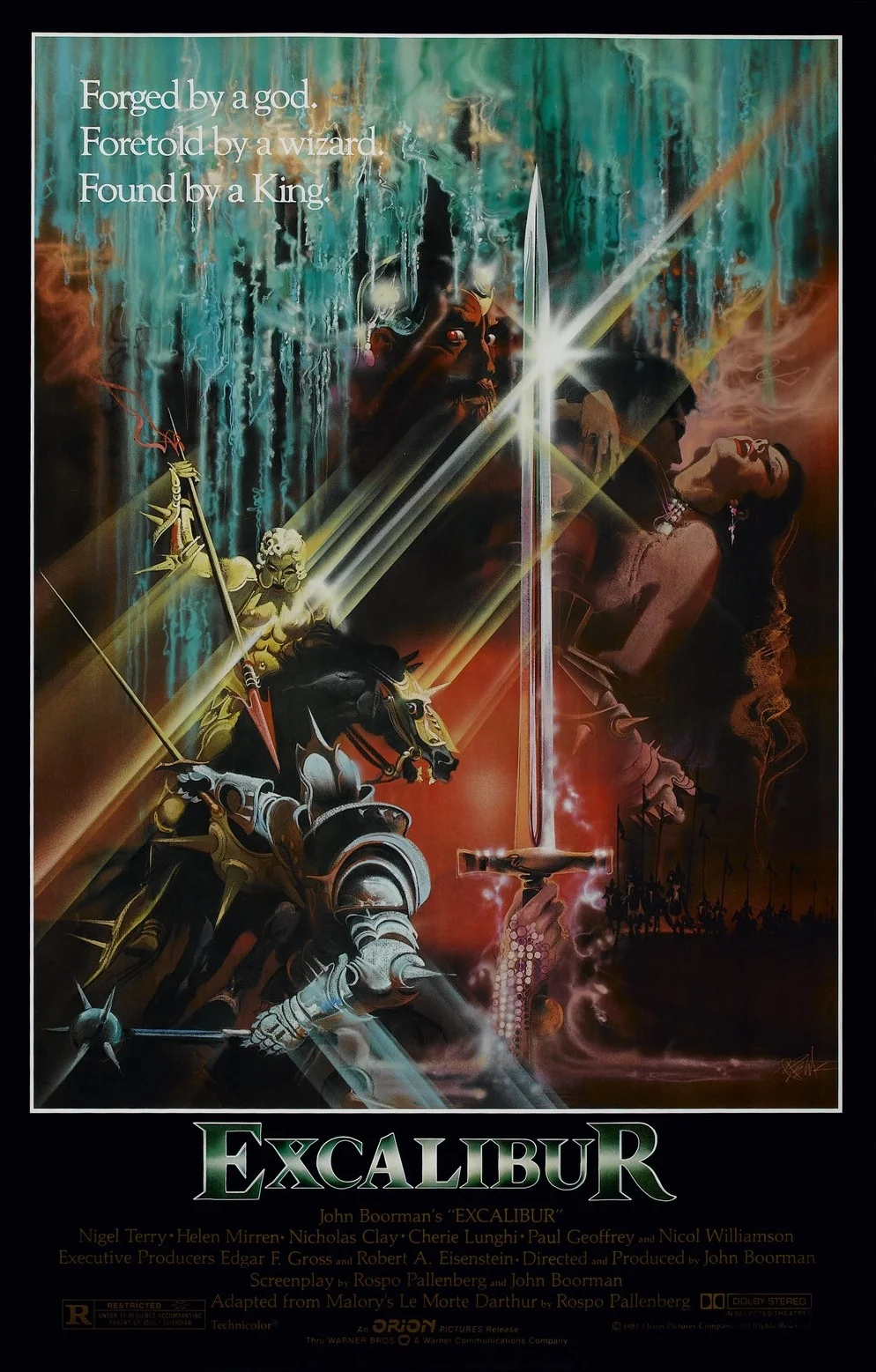
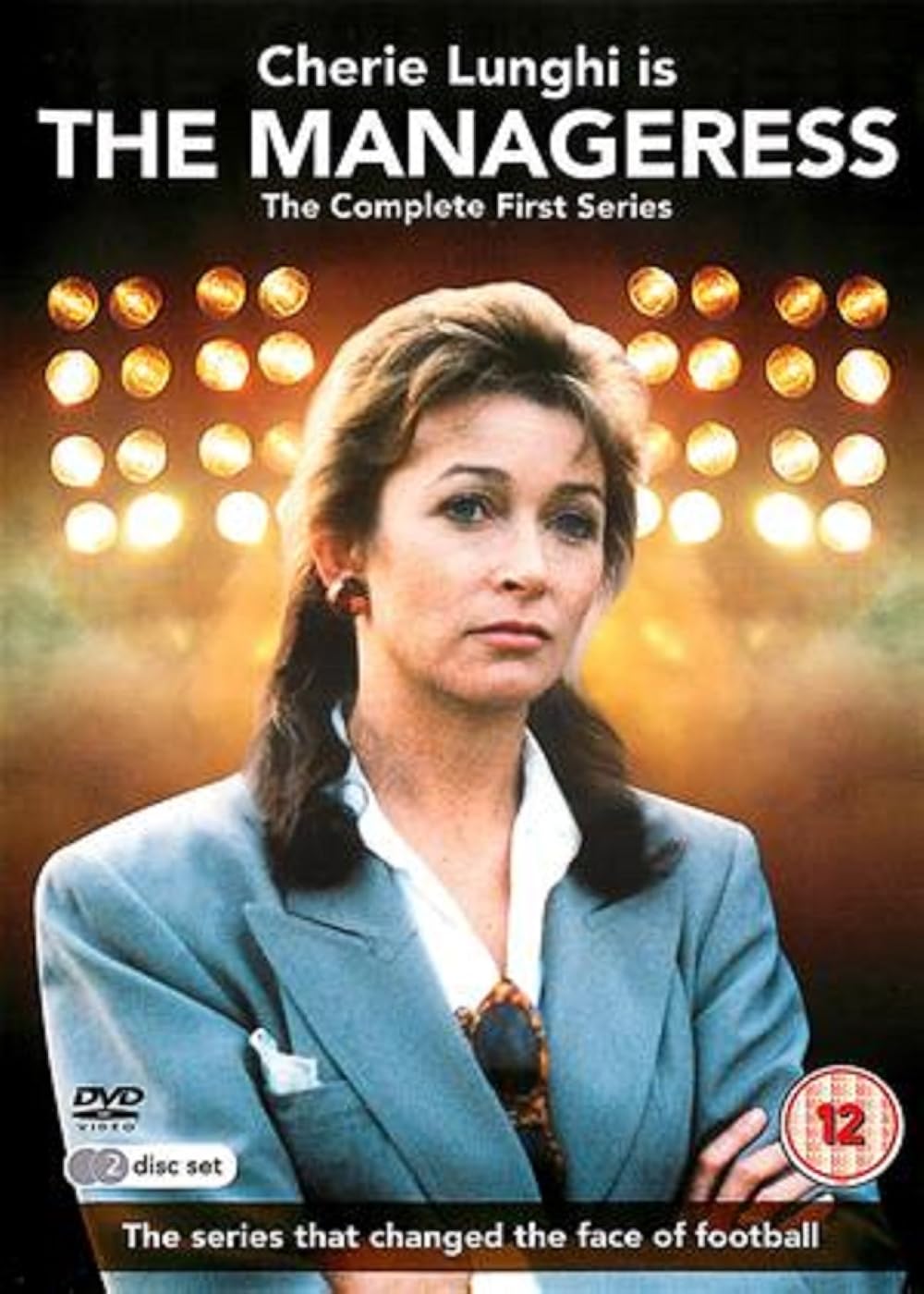
Cherie Lunghi is one of the most talented actresses currently in British film and television. She was born in 1952 in Nottingham. Her first major film part was as ‘Guinevere’in John Boorman’s tale of the Knights of the Round Table “Excalibur” in 1981. She starred in “The Mission” opposite Robert De Niro and Aidan Quinn. She had a popular run in the title role, of an executive running a football team, “The Manageress” and is also well-known for a series of’Kenco’ adds.. Recently she made an impact on “Strictly Come Dancing” on BBC.
TCM overview:
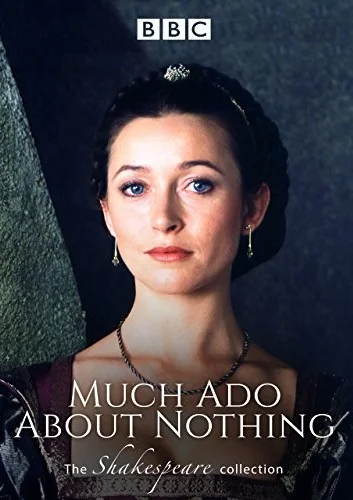
Leading lady of the British stage as well as British and American TV and films, beginning in the 80s. Cherie Lunghi first won attention in “Excalibur,” the 1981 feature film in which she was a rather sexually aware Guenevere to Nigel Terry’s King Arthur. In 1985, she was Michal, who caught the eye of Richard Gere in “King David” (1985), and was opposite Bryan Brown in the love story “Parker” (1984). Lunghi has also had key roles in “Mary Shelley’s Frankenstein” (1994) and “Jack and Sarah” (1995). She began as a stage actress with the Royal Shakespeare Company in England, appearing in productions of “As You Like It,” “The Winter’s Tale” and “King Lear.” Later, Lunghi would also star on the West End in “The Homecoming.”
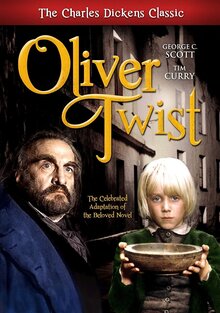
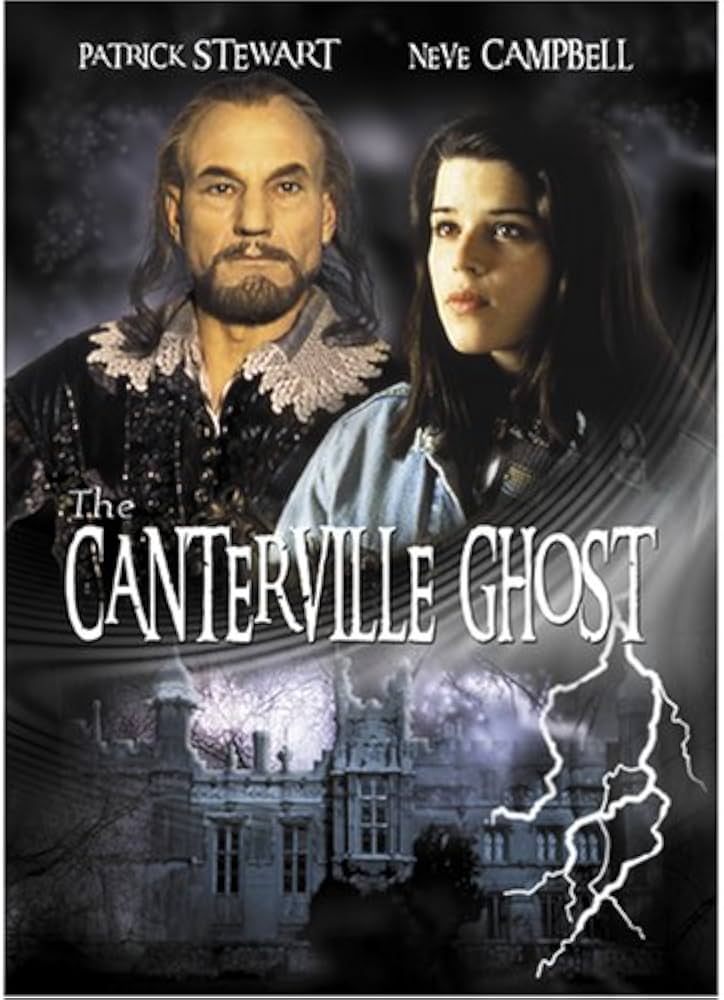
American audiences may be more familiar with her work through TV. Lunghi’s first significant network role was as Nancy, the female lead of “Oliver” in a CBS production (1982). She played the sheltered daughter of Donald Pleasance lured into pregnancy by Ian Charleson and giving birth to a girl who grows up to become the central character of “Master of the Game,” a 1984 miniseries starring Dyan Cannon for CBS. Also in TV movies, Lunghi was interned by the Japanese in the World War II Singapore-based story, “Silent Cries” (1993), and was the undaunted Lucille Otis in ABC’s remake of “The Canterville Ghost” (1996). Lunghi has starred in one American series, the short-lived 1992 ABC effort, “Covington Cross,” in which she was reunited with Nigel Terry, her Arthur in Excalibur, this time playing her concerned father in the English countryside. The series had only a short run
Maul Online Article
2012:
They used to say life begins at 40.Actress Cherie Lunghi, however, insists that 60 now marks the same turning point – even if it means acquiring a bus pass.
On reaching the landmark birthday this week she insisted that times have changed, and what was once viewed as old age has simply become an extended middle age.
Miss Lunghi said: ‘We dress and do our hair more youthfully than our mothers’ generation. ‘I have become quite accepting of the passing years. Nowadays 60 is the new 40.
‘I am extremely content and open to whatever life has to offer – including my bus freedom pass.’
She added in an interview with The Lady magazine that while once she was tempted to try and hold back the years by using Botox, she has given up because it is expensive and too time consuming.
Miss Lunghi, who made her name playing Guinevere in the 1981 film Excalibur and starred in The Manageress on TV, explained: ‘I didn’t get attached to Botox. It is costly and you have to remember to keep doing
I am simply not such a slave to my vanity and I don’t want to be, because as you get older you really have to start accepting the inevitable.
‘The more you fight and try to hang on to what you had, the unhappier and more disappointed you will be. It’s a shame because we spend so much of our youth unaware of what we have.
‘There is so much pressure to be thin and you constantly compare yourself to others. But confidence is something that comes with age and experience – it has to be earned along the way.’
The star is appearing alongside Kacey Ainsworth, Isla Blair and Denise Welch in a nationwide tour of comedy drama Steel Magnolias.
Miss Lunghi, who has a 24-year-old daughter from her relationship with British film director Roland Joffe, revealed that she is single.
She said: ‘I’m a romantic, and will only marry for love where there’s respect and compatibility. I’d like to be with someone if the right person came along. I really like male company. I like the male mind.
‘You would think men would want an independent woman who’s got her own interests and life, who’s been around the block a few times and is capable of being a bloody good partner





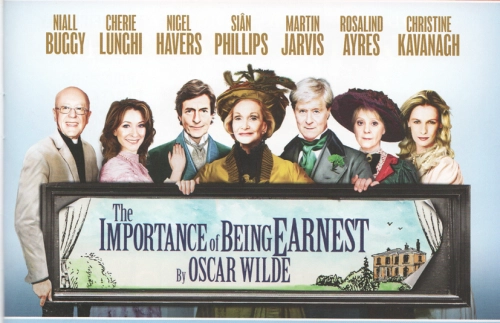
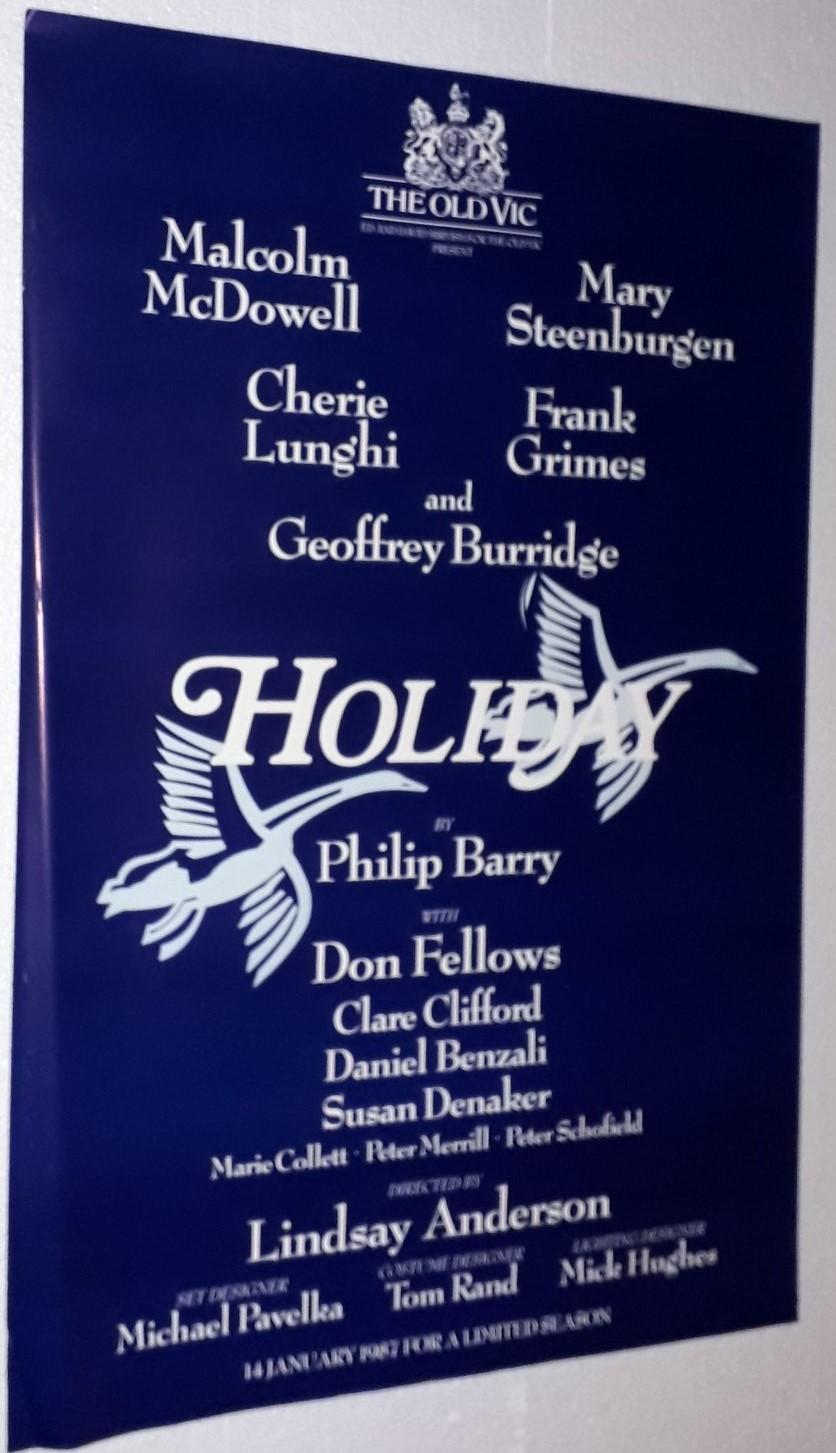
Career overview
Cherie Lunghi (born 1952) is an English actress whose career has spanned stage, film, television, radio and voice work. Trained in theatre and active from the 1970s onward, she is best known internationally for her luminous screen presence in John Boorman’s Excalibur (1981), and domestically for a long run of substantial television and stage roles. Her work shows a consistent through‑line: a performer comfortable in period and contemporary registers who reliably brings emotional clarity and a quietly magnetic presence to ensemble and lead parts alike.
Career overview
Theatrical roots and training: Lunghi established herself in theatre, gaining experience in repertory and sizeable stage roles. That foundation shaped a disciplined technique—vocal control, attention to text and an ensemble sensibility—that she carried into screen work.
Breakthrough on film: Her best‑known film role is as Guinevere in Excalibur (1981). The part showcased her mix of classical beauty and interior intelligence and remains a signature performance that introduced her to international audiences.
Television prominence: Lunghi built a steady television career across British drama, taking lead and substantial supporting roles in adaptations, original dramas and series. She has been a familiar face on British screens for decades, valued for her ability to anchor both modern psychological pieces and historical narratives.
Range of media: Beyond stage and screen, Lunghi has worked in radio drama and narrated/documentary projects, extending her career into voice work where her diction and tonal range are assets.
Longevity and adaptability: Rather than pursuing Hollywood stardom, Lunghi consolidated a durable career in the UK and Europe—moving between theatre seasons and recurring television work, and continually reinventing herself within a stable professional niche.
Critical analysis
Artistic strengths
Screen charisma and interiority: Lunghi combines an arresting physical presence with a capacity for inward feeling. She seldom resorts to showy mannerisms; instead she registers character through small, telling gestures and tonal shifts, which gives even brief scenes emotional weight.
Classical technique applied to naturalism: Her stage training is apparent in pristine vocal work and careful textual listening, but she adapts that craft to the camera’s intimacy—allowing subtle facial micro‑expressions and silences to carry meaning.
Versatility across period and contemporary material: Lunghi handles period dialogue and modern speech with equal plausibility, making her a strong choice for literary adaptations and contemporary psychological drama alike.
Ensemble intelligence: She is an actor who improves company pieces—adept at reacting, supporting a lead without disappearing and creating believable relational dynamics.
Recurring kinds of roles and persona
Poised, morally complex women: Lunghi often plays emotionally layered characters—women negotiating power, desire and compromise—rather than simple archetypes. Her roles frequently require balancing dignity with vulnerability.
Period heroines and modern intimates: Casting often places her in historical settings (where her bearing and vocal command register well) as well as in intimate contemporary dramas that demand attention to detail.
Typecasting toward a certain refinement: Her classical looks and manner have sometimes led to casting that emphasizes reserve and nobility, which can narrow opportunities for broad comic roles or more overtly volatile characters.
Profile more national than global: While her Excalibur role gave her international recognition, Lunghi’s career has been concentrated in British and European production—meaning she is critically appreciated and well known in those contexts but less of a household name outside them.
Dependence on quality material: Her subtlety is best showcased in scripts and productions that trust understatement; in broader or poorly written material her talents can be underused.
Artistic significance and legacy
A model of the actor‑as‑craftsperson: Lunghi represents the class of British performers who sustain long careers by moving fluently between stage and screen, privileging good roles and solid ensemble work over celebrity.
Contribution to period and literary drama: Her performances have helped anchor numerous adaptations and historical dramas, supplying moral weight and humane intelligence to the projects she joins.
Reliability and range: Critics and colleagues often cite her steadiness and range—she can carry a central role or enrich a supporting one—making her a valued presence in British acting circles.
Overall assessment Cherie Lunghi’s career is notable for its consistency, craft and tasteful restraint. She is not a star of tabloid notoriety but a respected actor whose best work rewards close viewing: restrained, emotionally precise performances that lend authority and depth to both period spectacles and contemporary character pieces.