

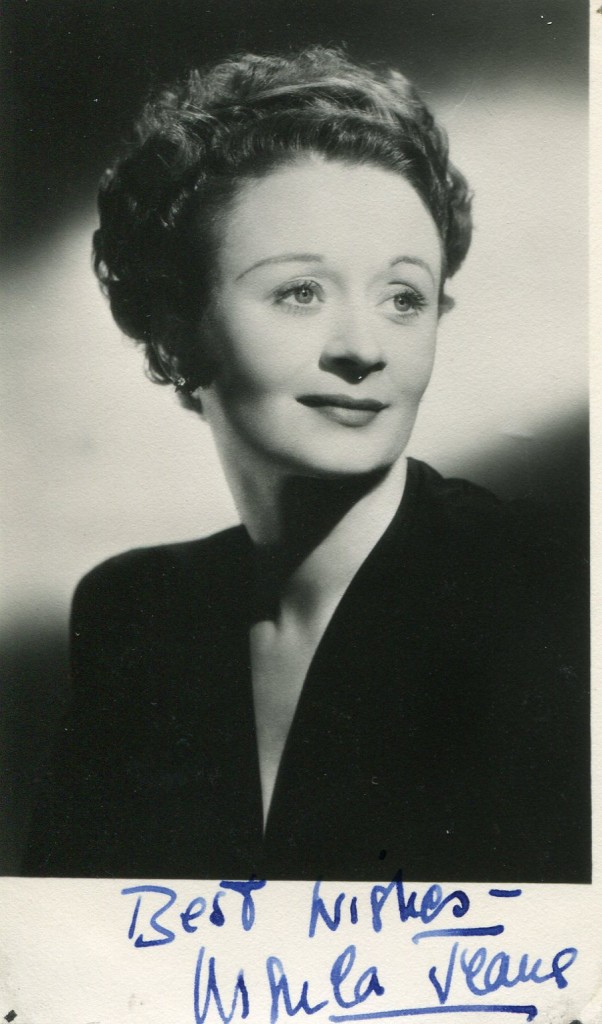
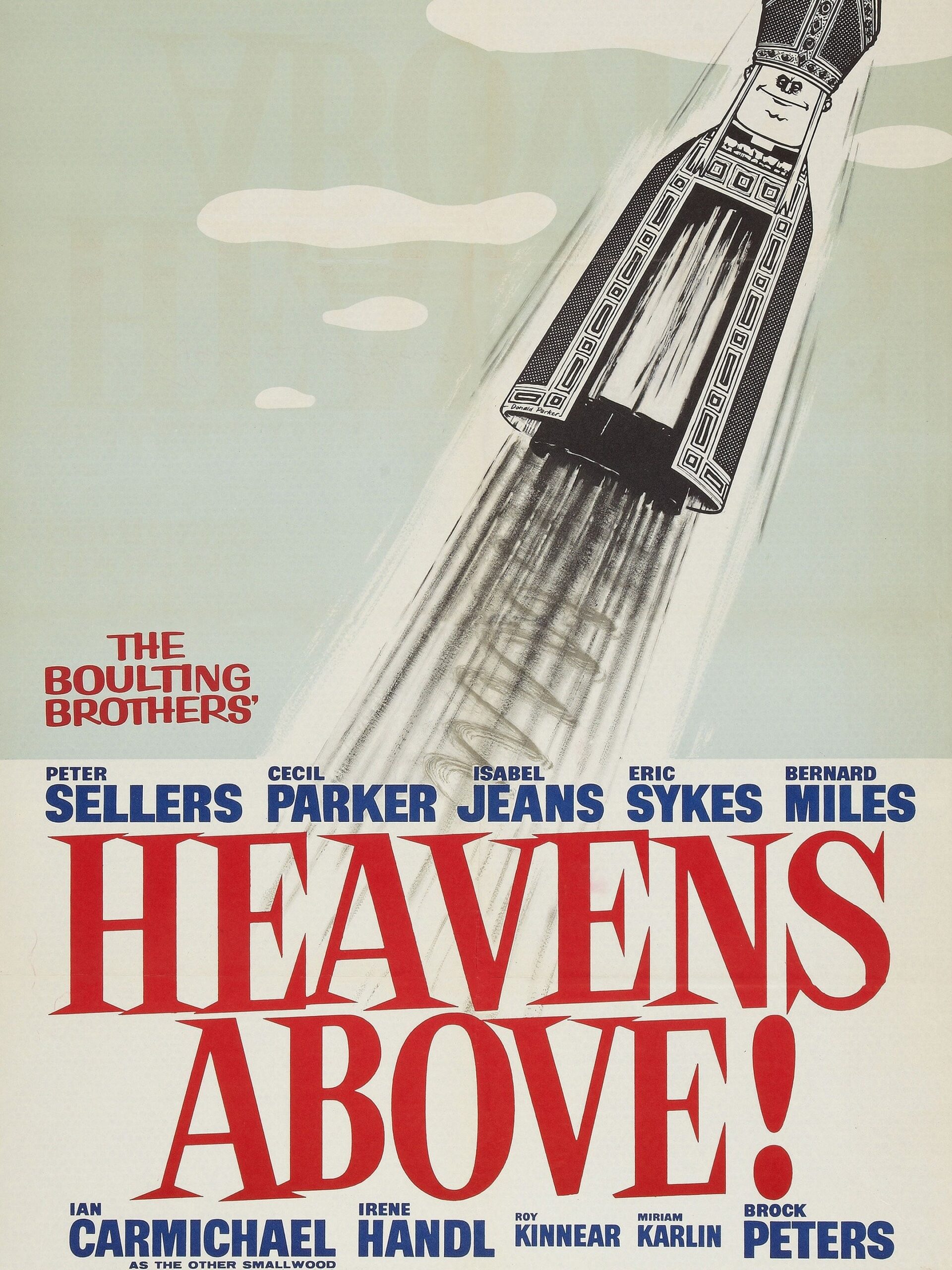
Ursula Jeans was born in 1906 in Simla, India. Her sister Isabel was also an actress. Ursula made her stage debut on the London stage in 1925. She was married to the actor Roger Livesey until her death in 1973. Her movies include “Friday the Thirteenth” in 1933″Over the Moon”, “The Dambusters”, “North West Frontier” and “Heaven’s Above”.
IMDB entry:
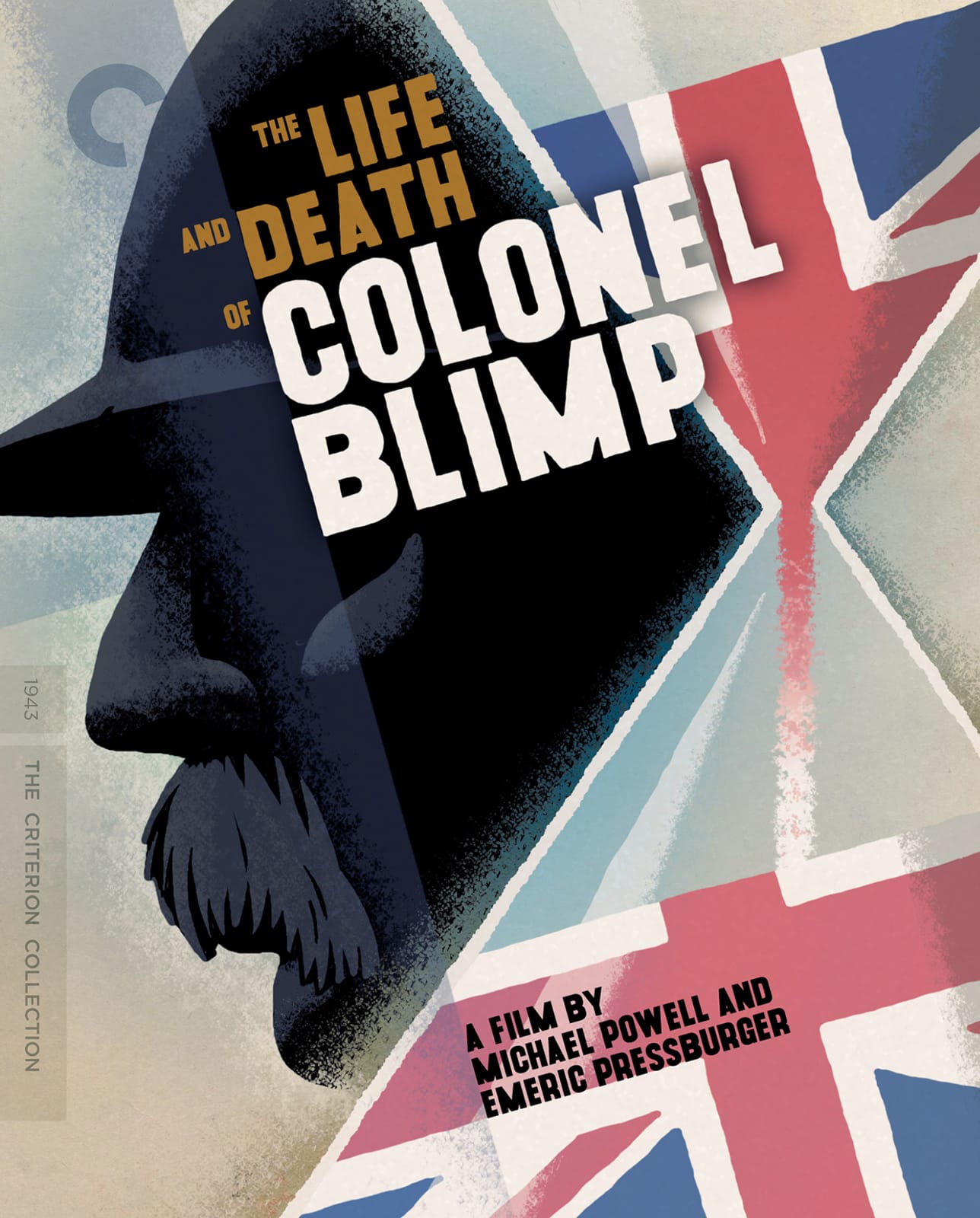
Fair-haired, blue-eyed British actress with a long career on the London stage. She was born Ursula Jean McMinn in India, schooled in London and trained for acting at RADA. Ursula made her theatrical debut at the Criterion Theatre in 1922. From the 1930’s, she specialised in classical plays by Shakespeare and Shaw, performing primarily at the Old Vic and with the Sadler’s Wells Company. During World War II, she worked under the auspices of the Entertainments National Service Association (ENSA), along with her second husband, the actor Roger Livesey. They often appeared together on stage and enjoyed a particularly successful run on the West End in a play written specifically for them by J.B. Priestley: “Ever Since Paradise”. In the late 1950’s, the Liveseys toured Australia and New Zealand in “The Reluctant Debutante”. On screen, they had previously appeared in both the stage and screen versions of The Life and Death of Colonel Blimp(1943).
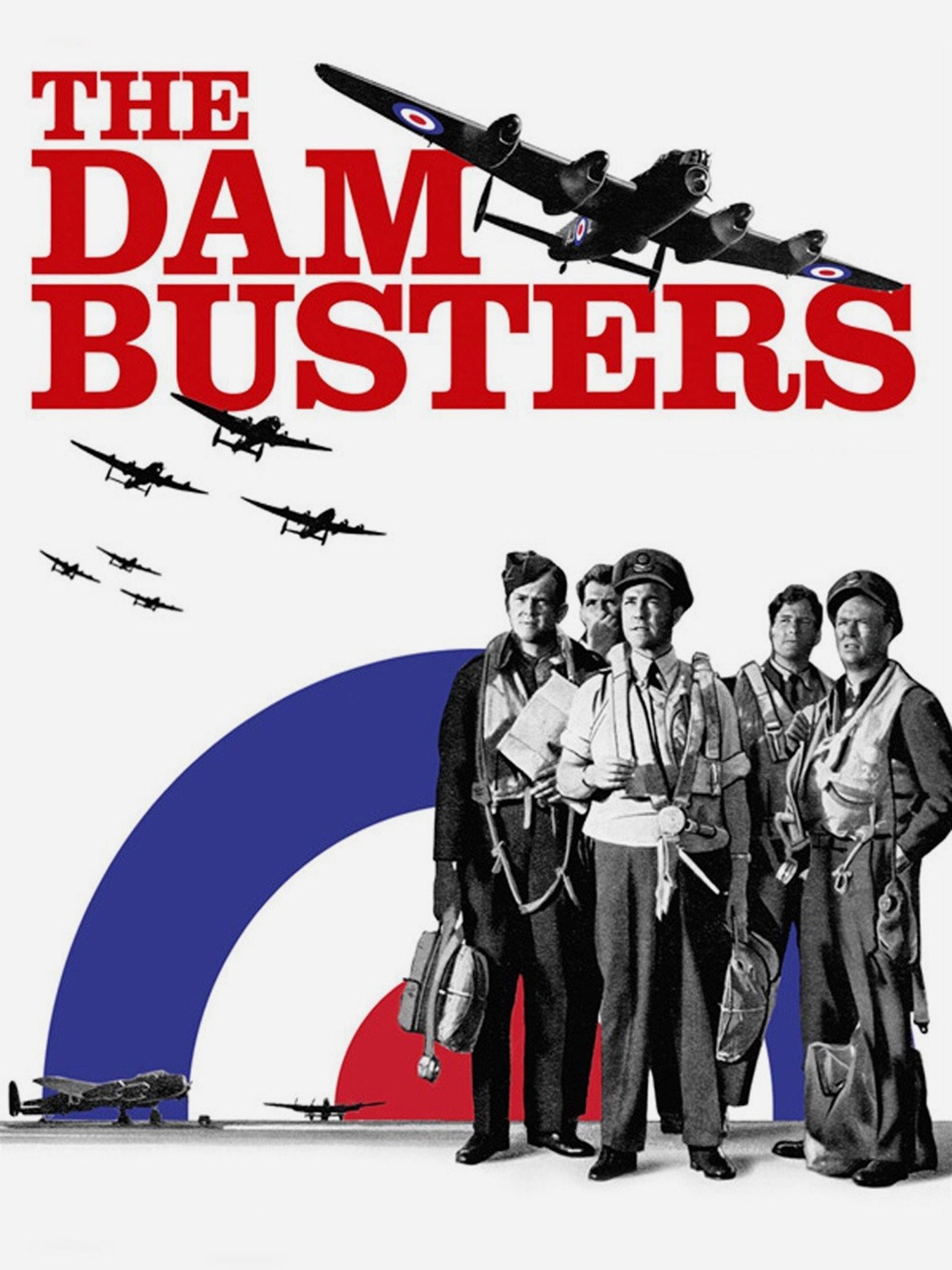
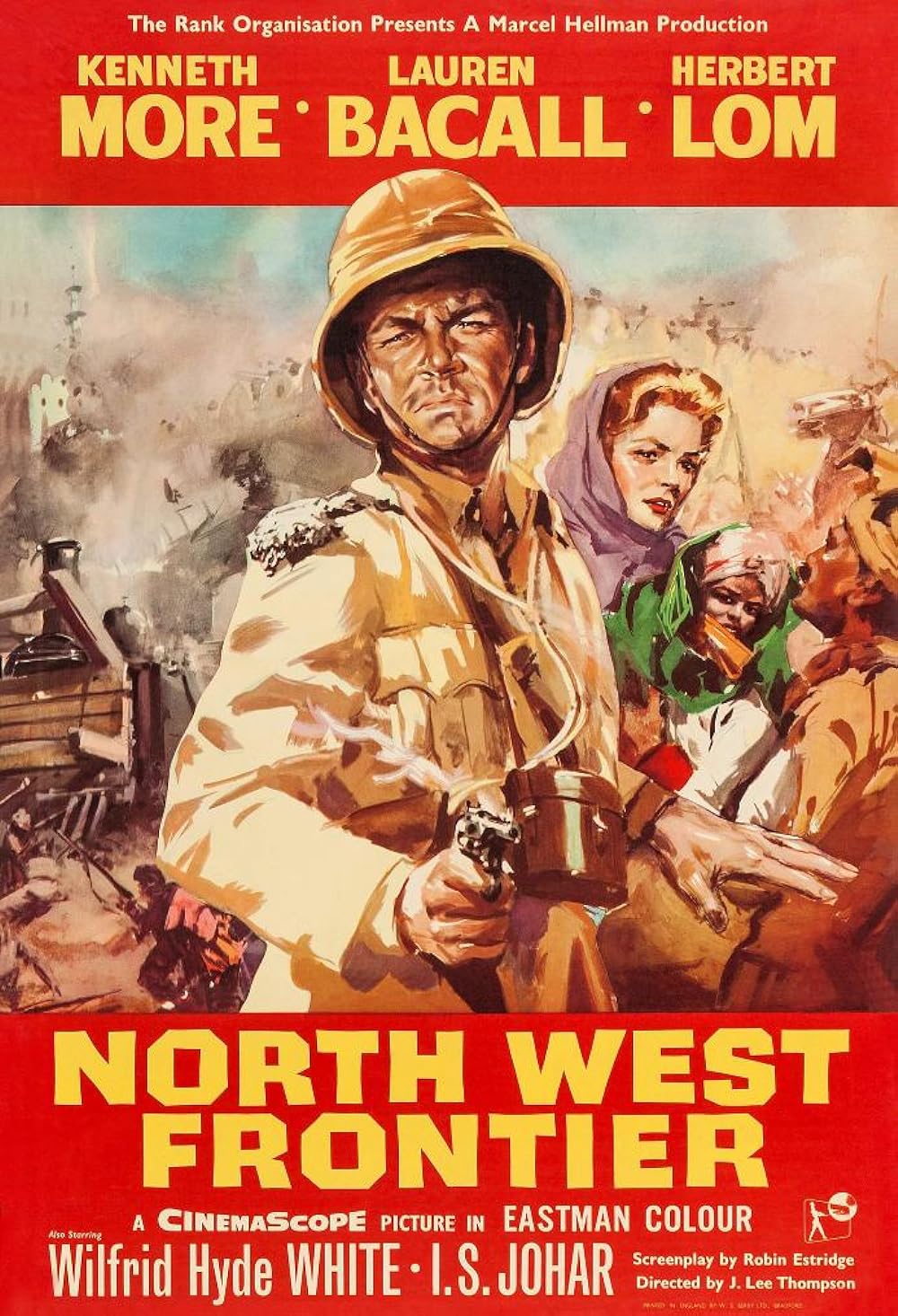
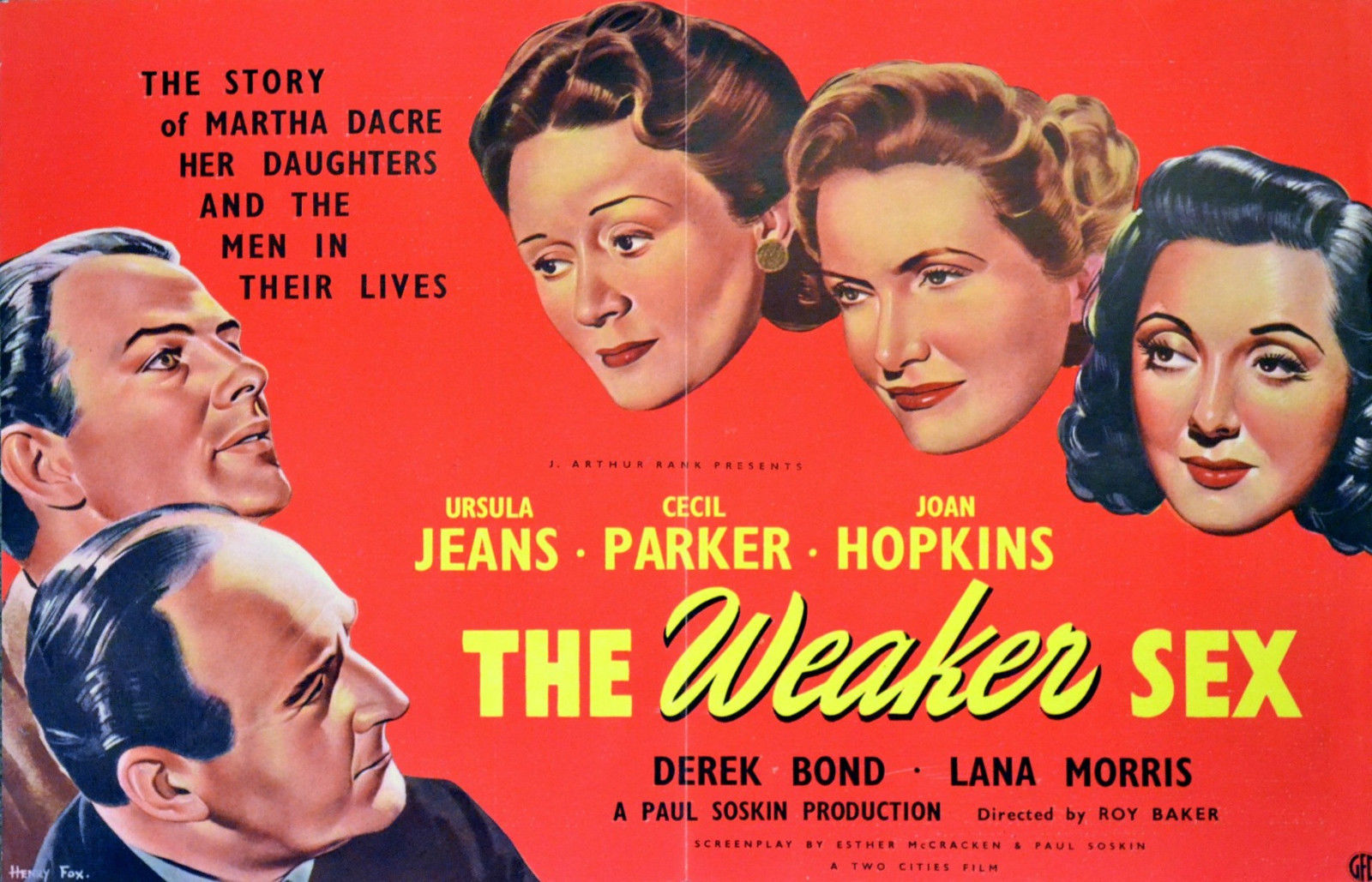
Ursula’s relatively few film roles generally saw her as genteel, devoted wives, like her Mrs. Molly Wallis in The Dam Busters (1955). She was rather more effective, however, as the officer’s wife Lady Windham in North West Frontier (1959), or as the middle-class widow Martha Dacre, coming to terms with the aftermath of the war in The Weaker Sex(1948).
– IMDb Mini Biography By: I.S.Mowis.
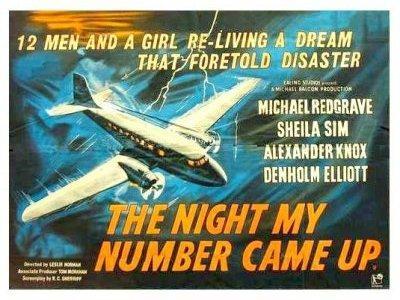
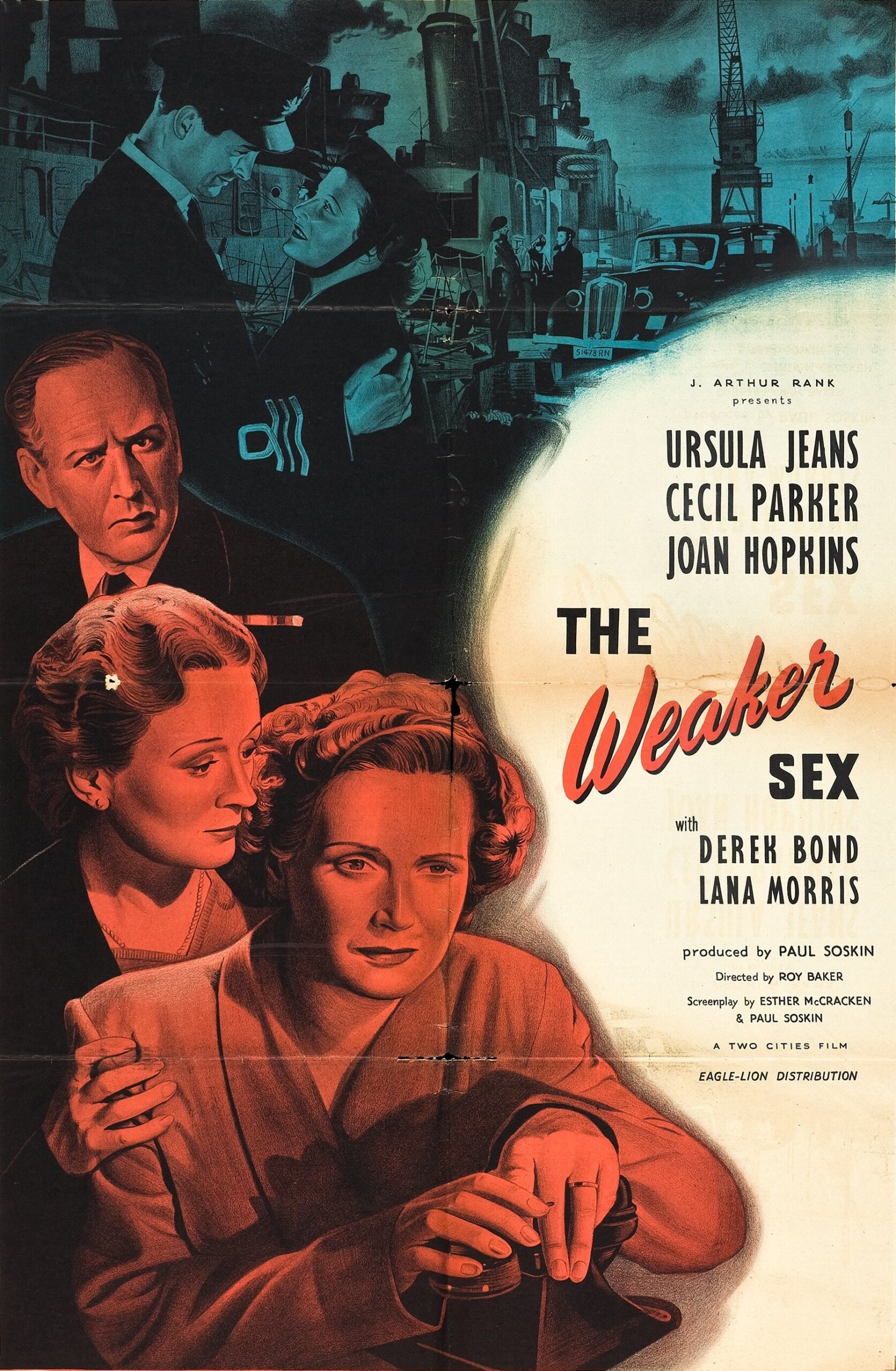
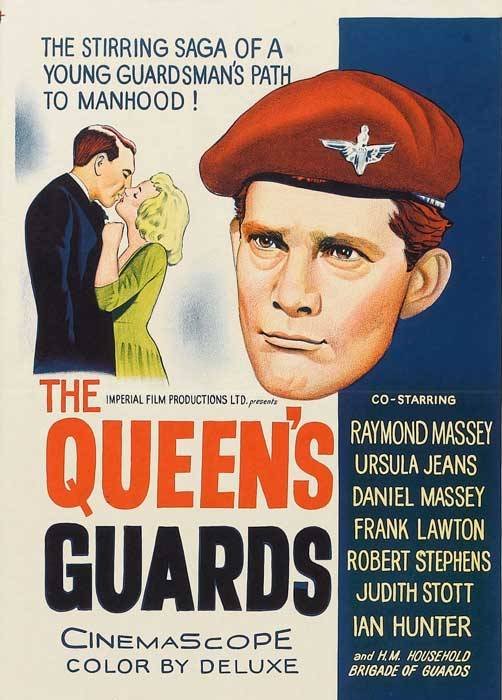
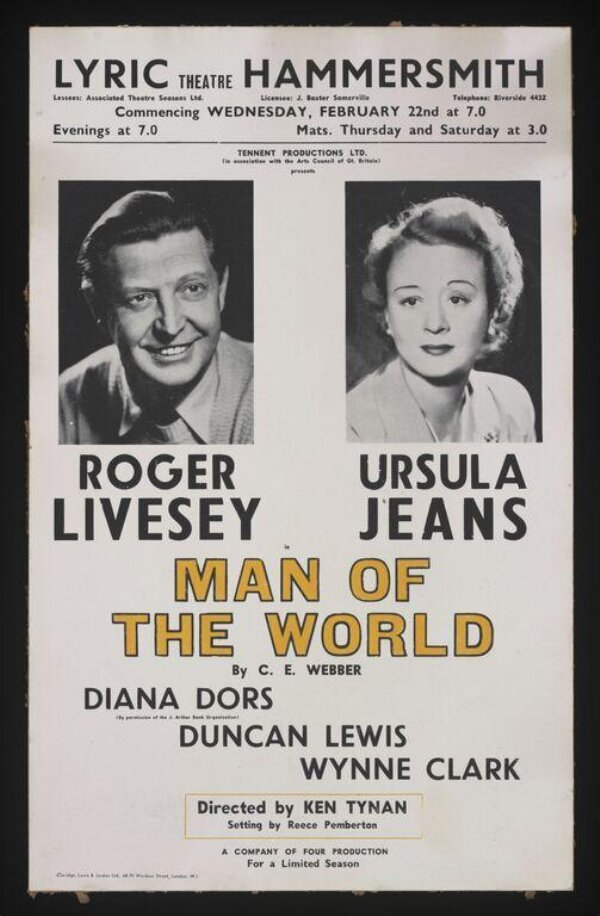
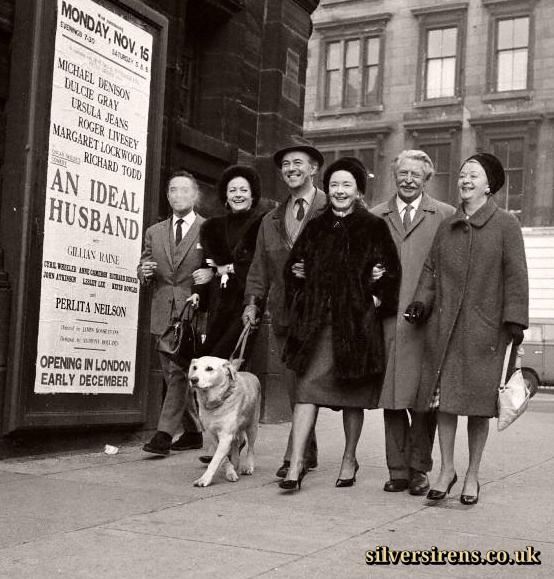
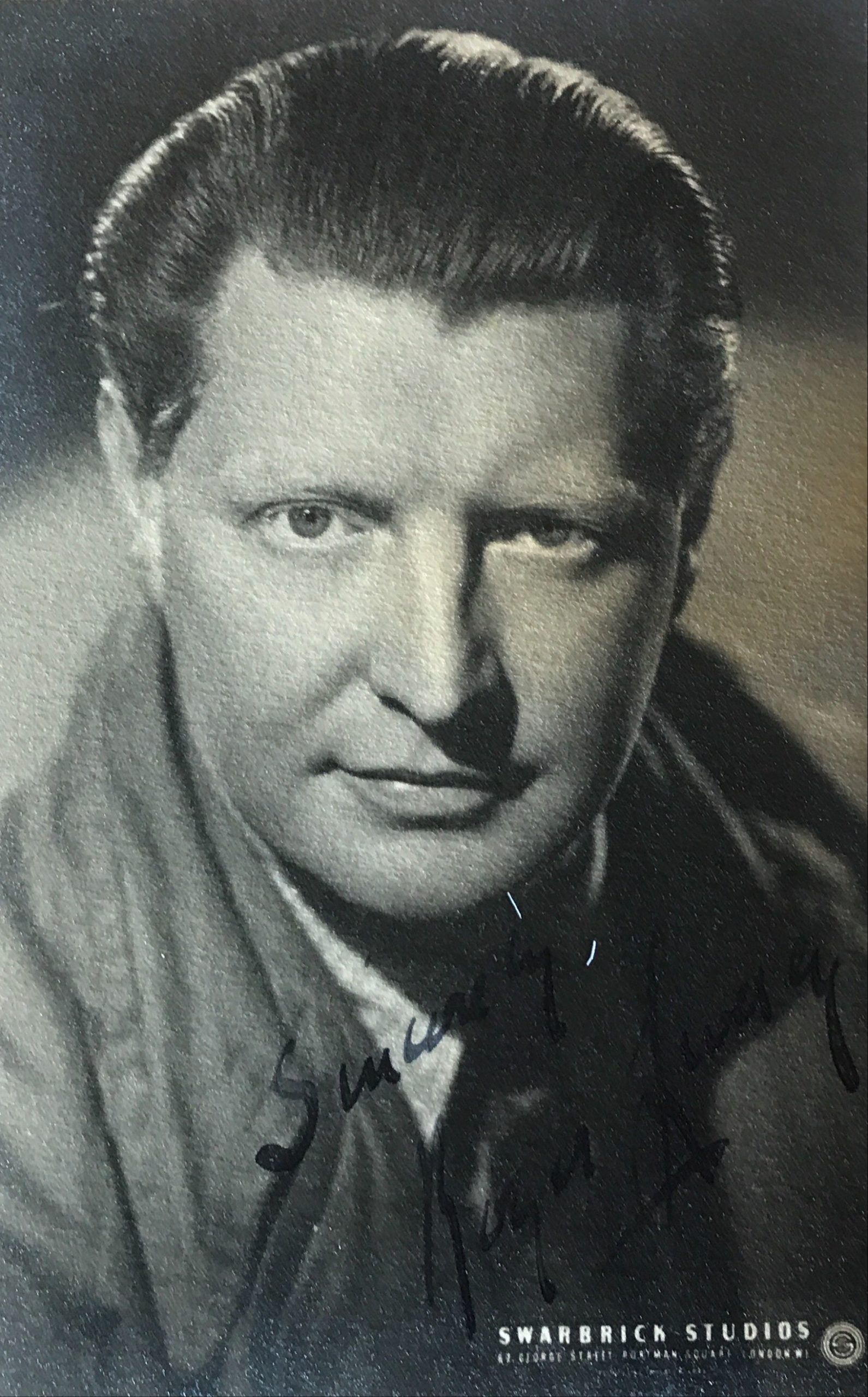
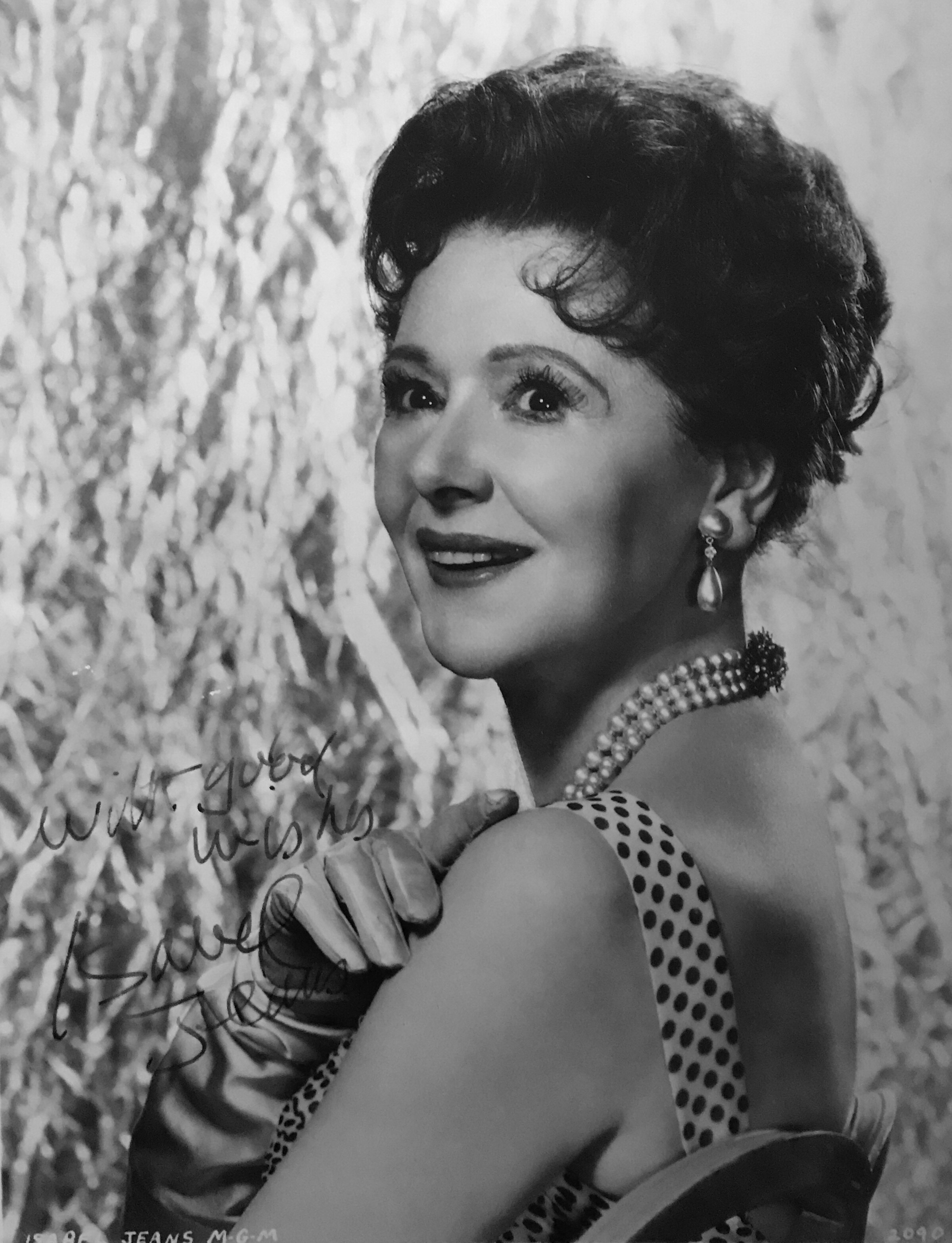
Ursula Jeans was an actress who personified a certain brand of “cool” British intelligence. While she often worked in the shadow of her husband, Roger Livesey, a critical look at her fifty-year career reveals a performer of sharper edges and more versatile “character-starring” capabilities than she is often credited with.
If Livesey was the “warm growl” of British cinema, Jeans was the clear, ringing bell—precise, technically impeccable, and possessing a gift for playing women who were as formidable as they were graceful.
The Analytical Overview: More Than a “Leading Lady”
Jeans’ career can be divided into three distinct phases, each showing a different facet of her technical range.
1. The Pre-War Ingénue (1920s–1930s)
Educated at RADA, Jeans entered the profession with a high-gloss technical finish. Her early work was defined by a “shimmering” quality—she was the blonde, blue-eyed beauty who could deliver rapid-fire wit.
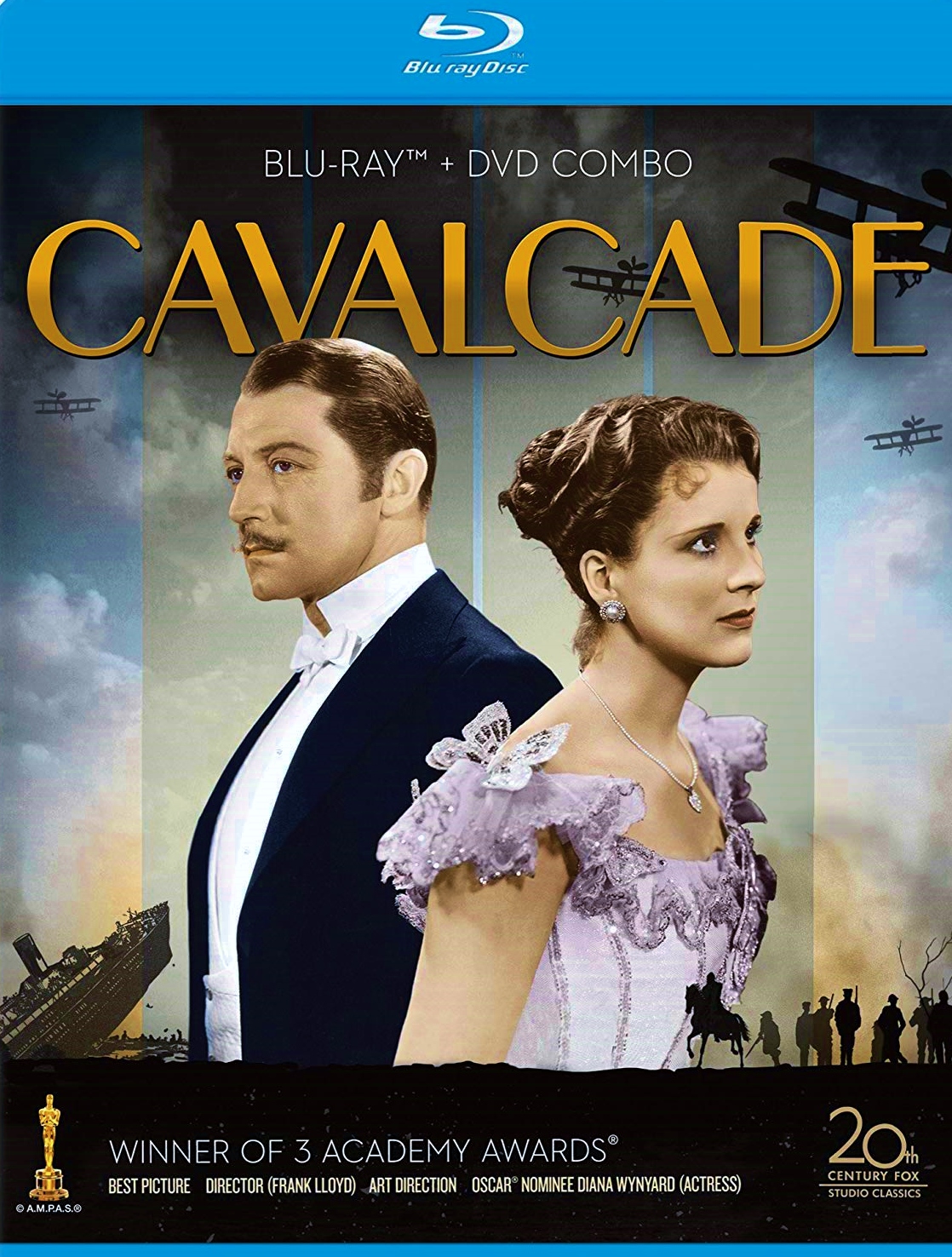
Cavalcade (1933): In this Oscar-winning epic, Jeans played Fanny Bridges. It remains one of her most vital screen roles because it required her to transition from a vibrant music-hall singer to a sophisticated, modern cabaret star.
Critical Insight: Unlike many of her contemporaries who struggled with the transition to “talkies,” Jeans had a microphone-ready voice—crisp and authoritative—which allowed her to play social climbers and upper-class wits with equal conviction.
2. The Wartime Pillar (1940s)
During the war, Jeans’ screen and stage persona matured into something more “redoubtable.” She became the face of the resilient British woman—less decorative and more vital.
The Life and Death of Colonel Blimp (1943): While Livesey played the lead, Jeans played Frau von Kalteneck. Though a smaller role, her performance provided a necessary contrast to the film’s Englishness; she brought a cosmopolitan, grounded reality to the German sequences that anchored the film’s international themes.
The Weaker Sex (1948): This is perhaps her most significant leading film role. Playing Martha Dacre, a housewife navigating the aftermath of the war, Jeans delivered a masterclass in understated stoicism. * Critical Insight: Critics noted that Jeans had a unique ability to convey “thinking” on screen. She didn’t need grand gestures; her eyes often told the story of a character’s internal calculation or hidden grief.
3. The “Grand Dame” of Character (1950s–1960s)
In her later years, Jeans became a go-to actress for “formidable” women—mothers, wives of diplomats, and aristocrats who were often the smartest people in the room.
North West Frontier (1959): As Lady Windham, she held her own against the high-octane energy of Kenneth More and Lauren Bacall. She played the “Empire Matron” without sliding into caricature, infusing the role with a dry, observational wit.
The Dam Busters (1955): Playing Mrs. Wallis (wife of Barnes Wallis), she provided the domestic emotional core of the film. It was a “supportive wife” role, but Jeans played it with a level of intellectual partnership that made it feel modern.
Critical Comparison: Jeans vs. Livesey
While Roger Livesey was lauded for his heart, Ursula Jeans was admired for her head. | Attribute | Ursula Jeans’ Style |
| :— | :— |
| Acting Mode | Intellectual and precise; high “clarity of thought.” |
| Vocal Profile | Sharp, melodic, and capable of cutting through a crowded stage. |
| Screen Presence | Often served as the “rational center” of a scene. |
| Versatility | Moved easily between Shakespearean tragedy and West End farce. |
The “Classical” Anchor
It is important to remember that Jeans was a heavyweight at the Old Vic. In the 1930s, she played roles like Viola in Twelfth Night and Cecily in The Importance of Being Earnest alongside the likes of Charles Laughton and Flora Robson. Her stage work was characterized by a “musicality”—she treated dialogue like a score, ensuring every syllable landed with intent