

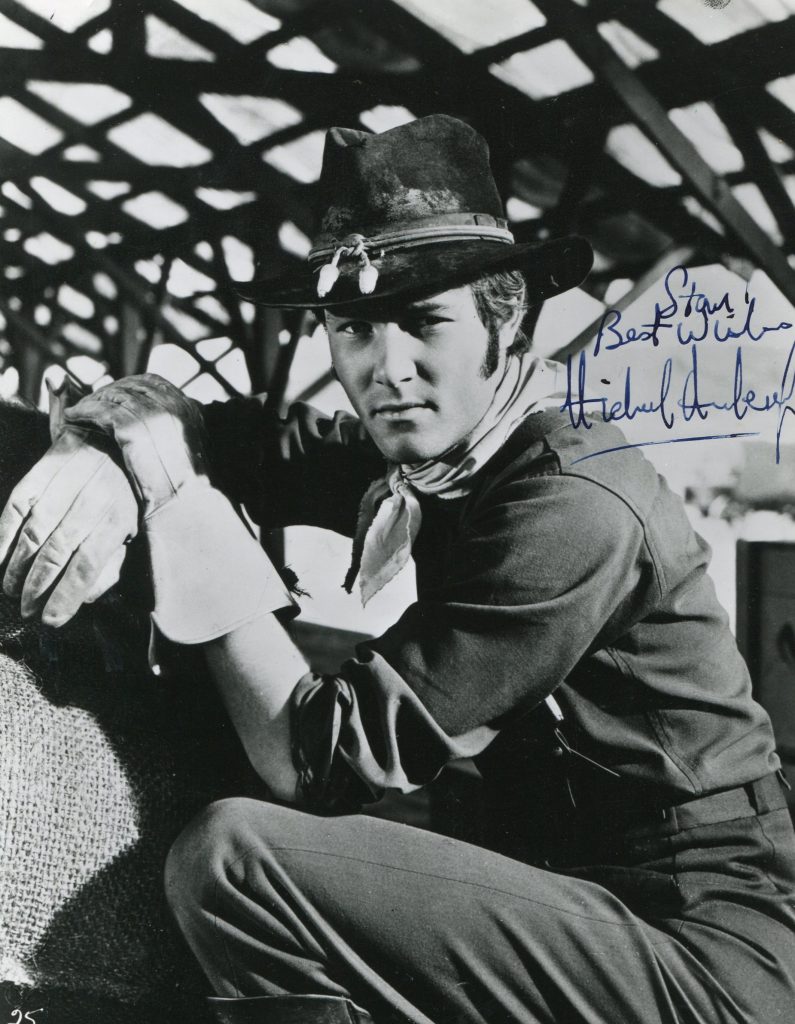
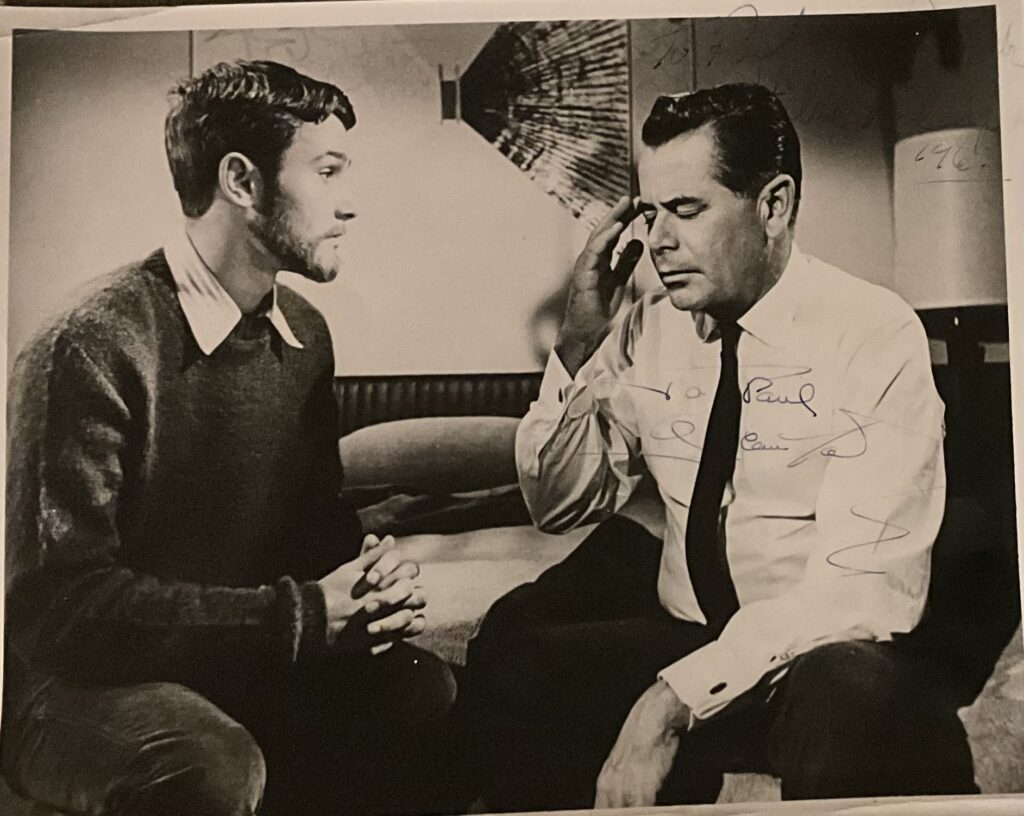
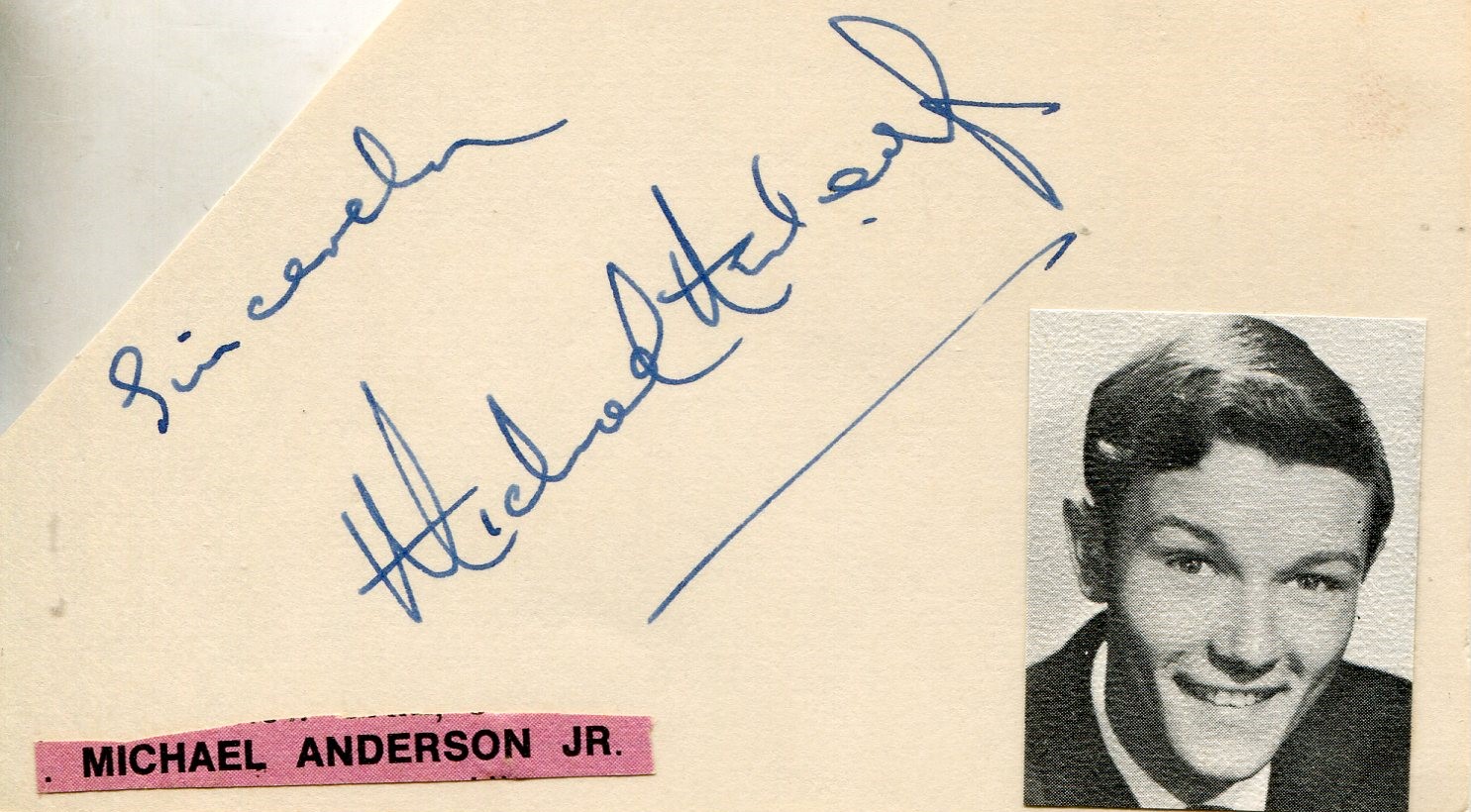
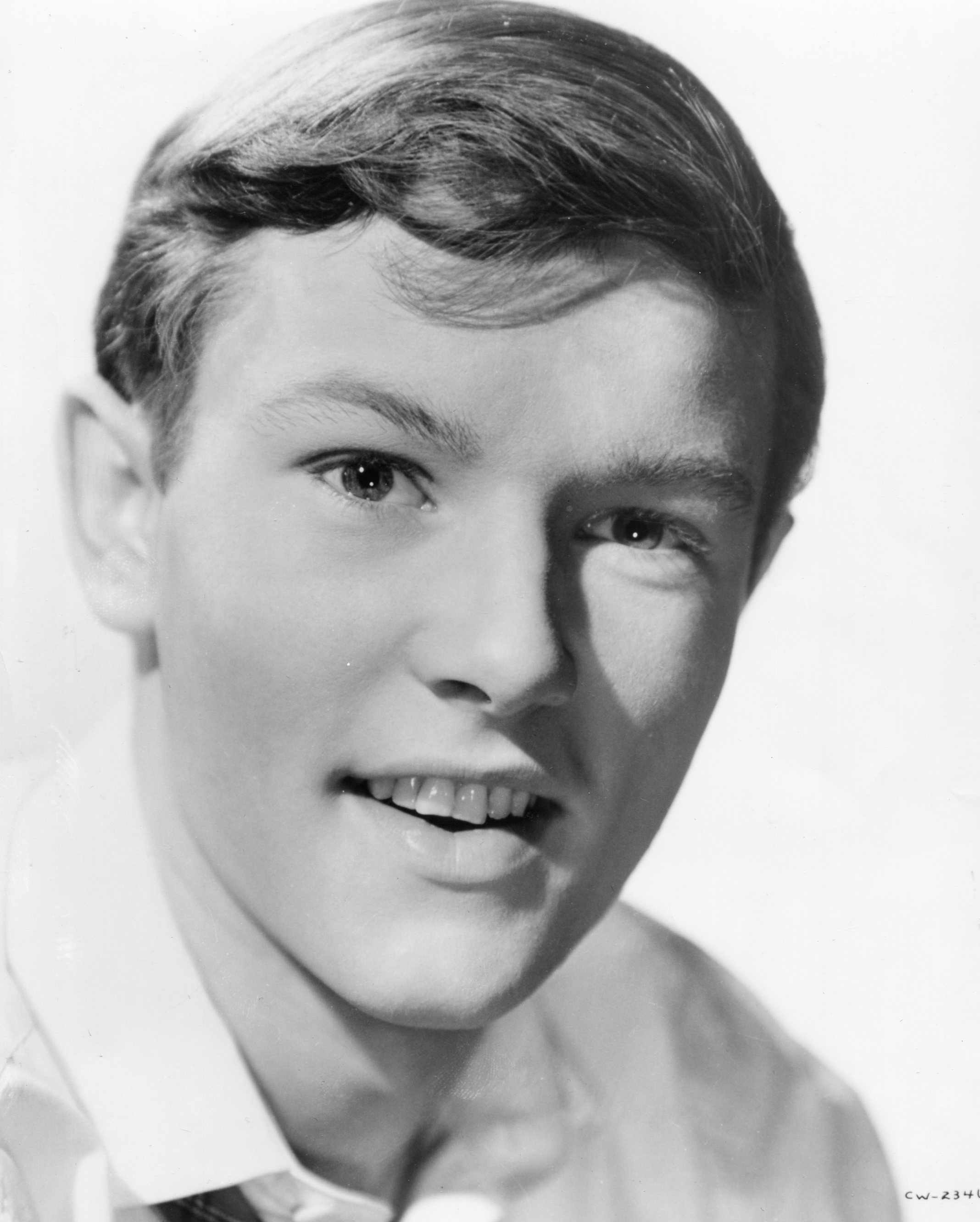
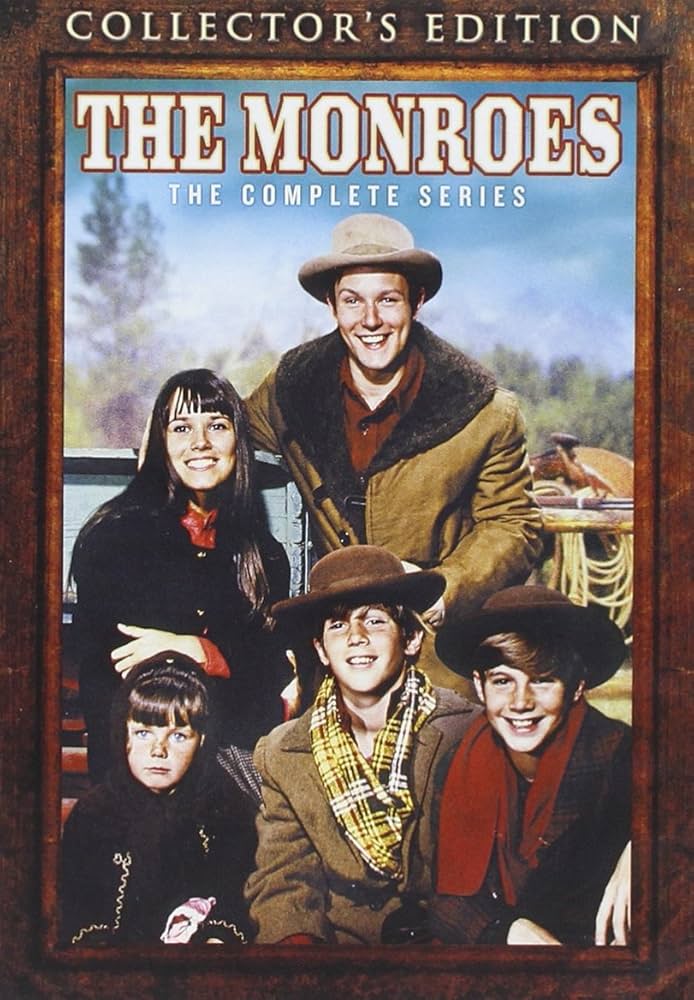
Michael Joseph Anderson Jr. (born 6 August 1943) is a British and American retired actor whose 40-year career includes roles in The Sundowners, In Search of the Castaways, The Sons of Katie Elder, and Logan’s Run. During the 1966 television season he starred as Clayt Monroe in The Monroes
Anderson was born in Hillingdon, England on 6 August 1943, the son of Betty Jordan and film director Michael Anderson. He grew up wanting to act in his father’s films. He studied drama and ballet at Arts Educational Schools, London, and by the age of 8 began performing on live radio and television shows. He also danced with the London Festival Ballet, now the English National Ballet.
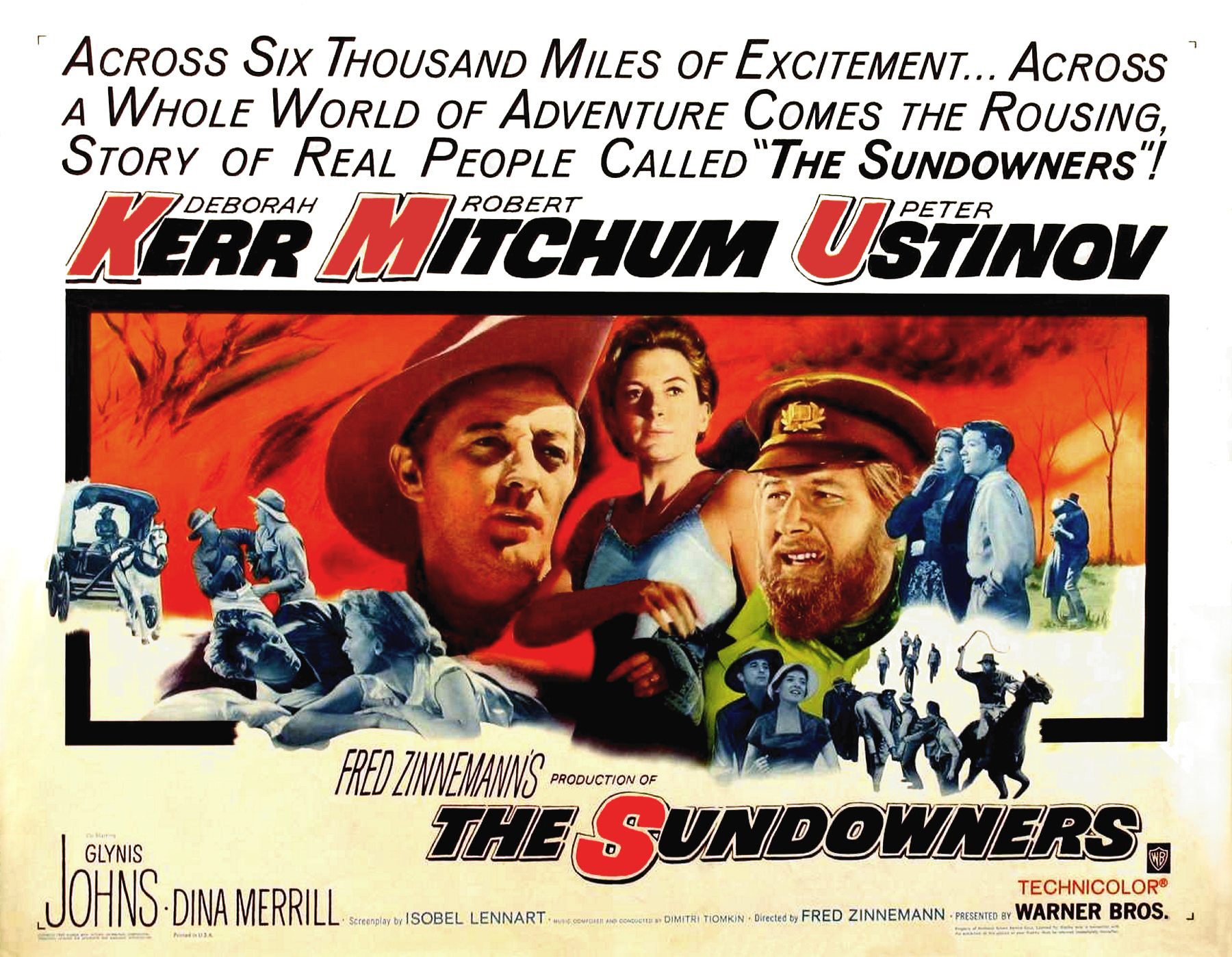
Anderson’s first major American film was The Sundowners (1960). In 1962 he was cast as John Glenarvan in the Walt Disney film In Search of the Castaways.
From 7 September 1966, to 30 August 1967, Anderson played 18-year-old Clayt Monroe, one of five orphaned siblings, in the ABC Western series The Monroes. Before the series filming began it was reported that Anderson “spent five months getting rid of his English accent.”
In 1976, Anderson finally had a chance to act in one of his father’s films, playing Doc in Logan’s Run.
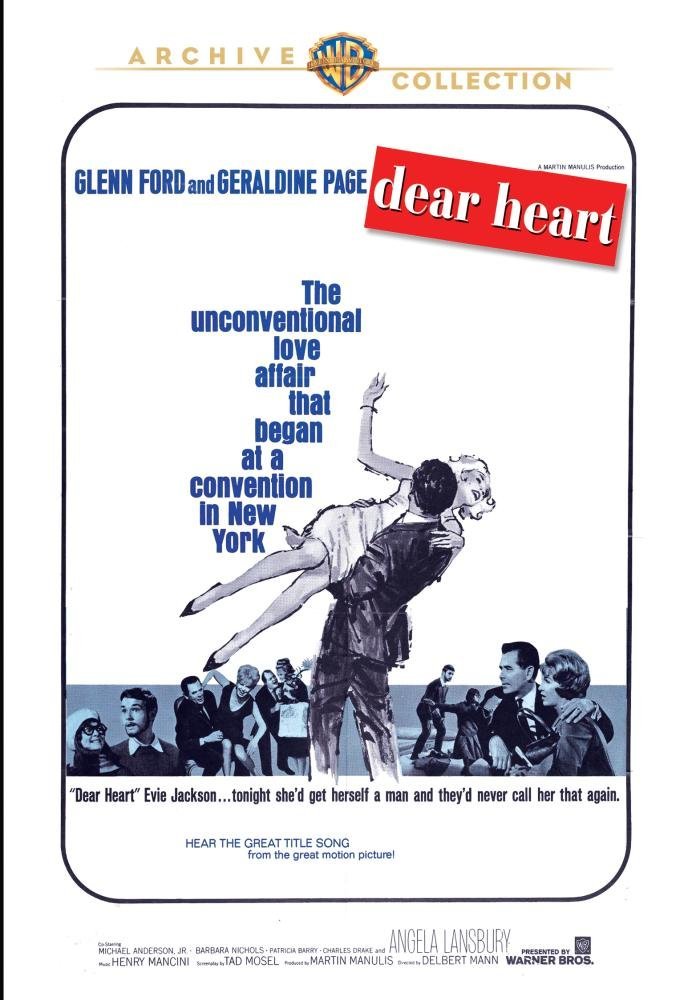
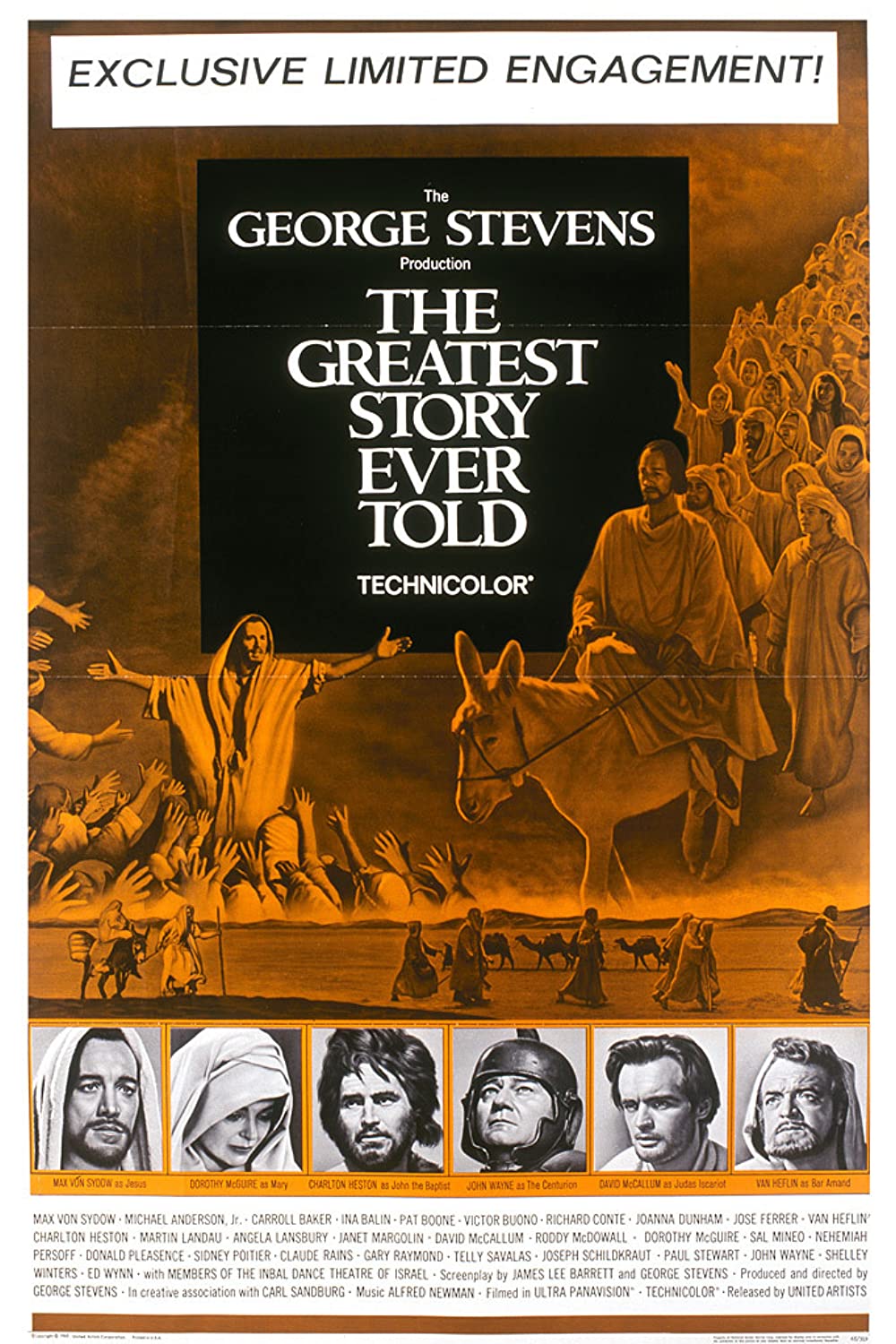
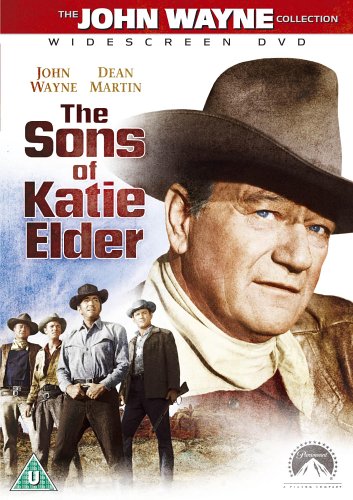
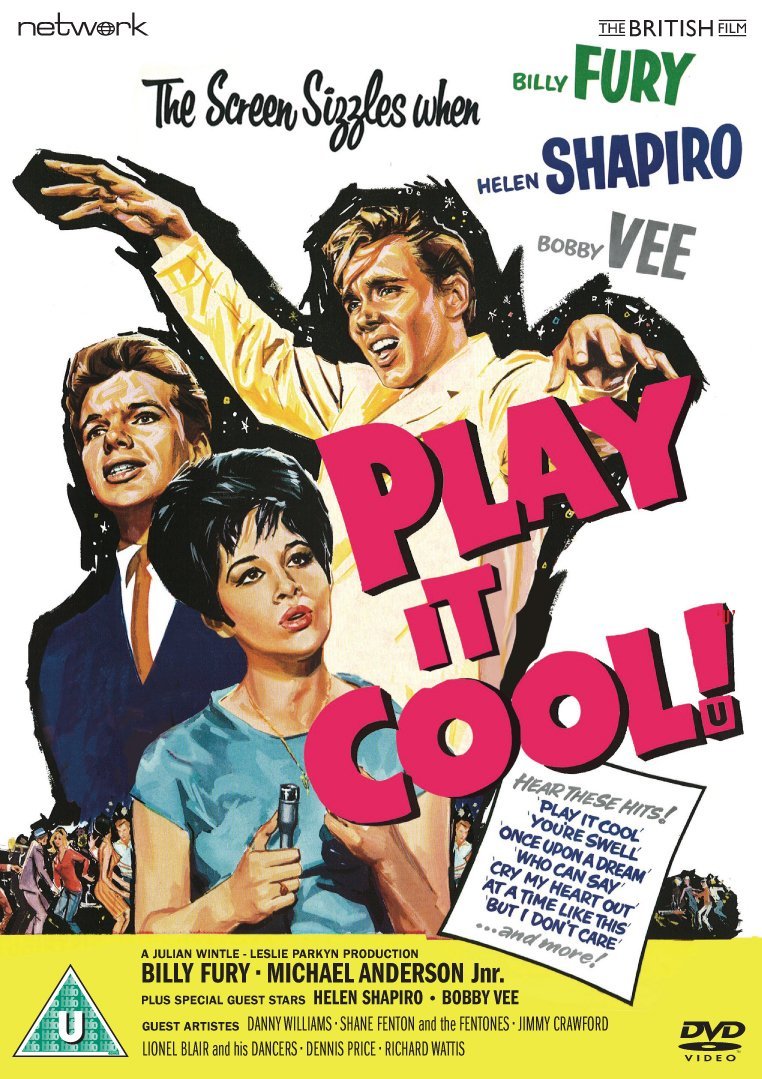




Michael Anderson Jr. (born 1943) is an actor whose career provides a fascinating window into the transition from the “Studio Era” to the “New Hollywood” of the 1960s and 70s. The son of acclaimed British director Michael Anderson (Around the World in 80 Days), he possessed a youthful, clean-cut earnestness that made him the perfect “Point of View” character for the audience—the young man through whose eyes we experienced vast, often violent historical epics.
A critical analysis reveals an actor of understated naturalism who excelled at playing the “observational” hero, often holding his own against massive screen icons by playing the “quiet truth” of a scene.
I. Career Overview: The Young Leading Man
1. The International Debut (1950s–1960)
Anderson Jr. began his career as a teenager, often working in British and international productions.
The “Sundowners” Milestone: His breakout came in The Sundowners (1960), playing the son of Robert Mitchum and Deborah Kerr. Critically, he was praised for his “unforced” chemistry with these titans, establishing his persona as the soulful, hardworking youth of the frontier.
2. The Epic Era (1962–1965)
In the early 60s, he became a staple of high-budget Hollywood spectacles.
The Greatest Story Ever Told (1965): As James the Just, he was part of George Stevens’ massive biblical tapestry.
The Sons of Katie Elder (1965): In one of your favorite genres, the 1950s/60s Western, he played Bud Elder, the youngest of the brothers (opposite John Wayne and Dean Martin). This remains one of his most beloved roles, where he represented the “future” of the family—the educated brother the others fought to protect.
3. The Television Star (1966–1970s)
He made a successful transition to television as the lead in the Western series The Monroes (1966–1967).
The “Protector” Archetype: Playing a young man trying to keep his orphaned siblings together in the wilderness, he leaned into the “Kitchen Sink” realism of survival, making the Western feel personal and domestic rather than just mythic.
II. Detailed Critical Analysis
1. The “Observer” in the Western
Critically, Anderson Jr. is analyzed for his reactive strength. In The Sons of Katie Elder, he was surrounded by “shouters”—Wayne’s authority and Martin’s charisma.
The Silent Anchor: Anderson Jr. played Bud with a watchful intelligence. He didn’t try to out-alpha John Wayne; instead, he played the “moral conscience” of the group. Analysts point out that his performance provided the emotional stakes of the film—we care about the violence because we see how it affects the “innocent” brother.
2. The “Clean-Cut” Counterculture
In the late 60s, while many actors were leaning into the “Rebel” trope, Anderson Jr. maintained a gentle, disciplined dignity.
The Earnest Outsider: In films like The Glory Guys (1965), he brought a sense of Victorian duty to the screen. Critics note that he had a “transparent” face—you could see his characters thinking, weighing their options, and feeling the weight of their decisions. He didn’t use “Method” tics; he used a clear, theatrical precision.
3. The “Legacy” Performance
Because he often worked with his father (notably in Logan’s Run in 1976 as the “Doc”), there is a sense of filmic continuity in his work.
The Bridge Between Eras: He had the “stiff upper lip” of the British school of acting, but the “relaxed physicality” of American cinema. In the 40s Noir style thrillers he appeared in, he often played the one character who remained “uncorrupted,” providing a necessary contrast to the darkness of the genre.
Iconic Performance Highlights
| Work | Role | Year | Critical Achievement |
| The Sundowners | Sean Carmody | 1960 | Defined the “Coming-of-Age” arc in a prestige epic. |
| The Sons of Katie Elder | Bud Elder | 1965 | A masterclass in “Quiet Integrity” alongside John Wayne. |
| The Monroes | Clayt Monroe | 1966–67 | Brought “Domestic Realism” to the TV Western. |
| Logan’s Run | Doc | 1976 | Showcased his “Mature Authority” in a Sci-Fi classic. |