


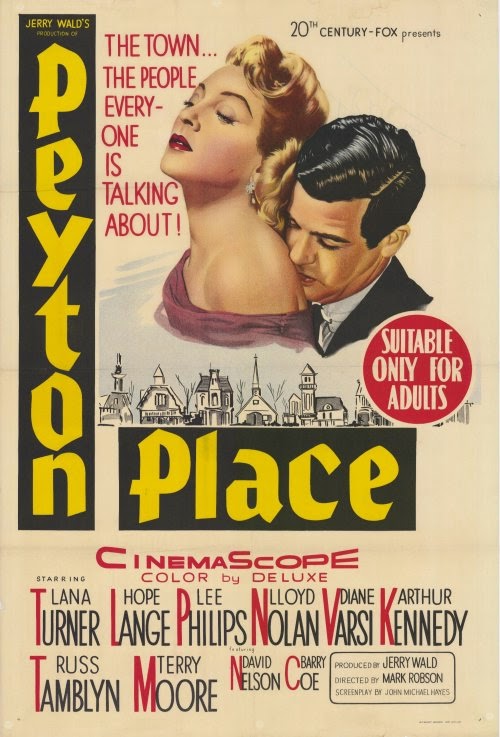
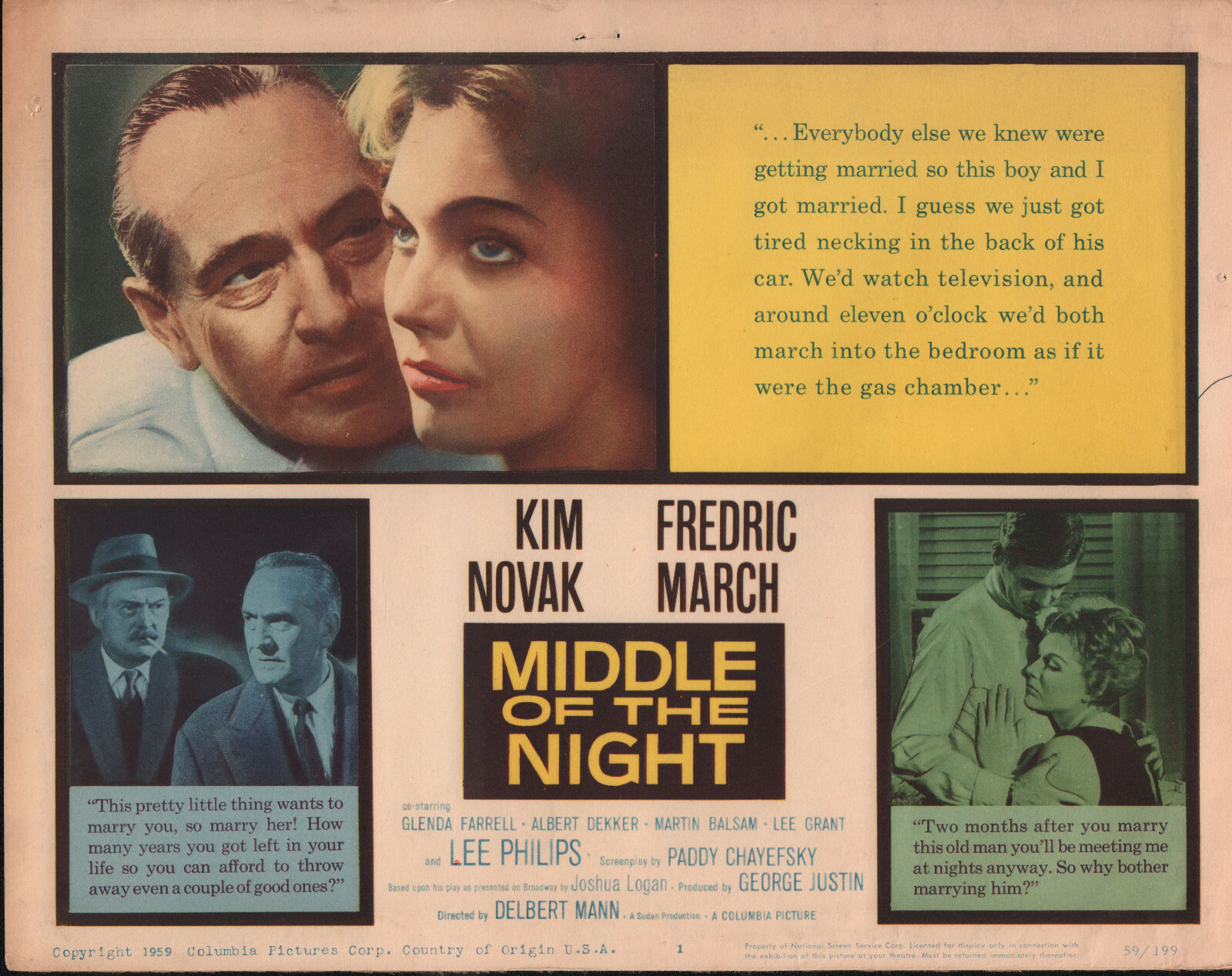
Lee Philips had the leading male role inthe movie “Peyton Place” opposite Lana Turner in 1957 but nothing he did before or afterwards acheived the same level of fame. He was born in 1927 in New York. He began his career on the stage and acted in several television shows before playing Dr Michael Rossi in the hughly successful “Peyton Place”. It is odd that he did not then become a major star of film. His subsequent movies include “The Hunters” in 1958 with Robert Mitchum and May Britt and “Middle of the Night” with Fredric March and Kim Novak. He turned to television directing and had a very profilic career. Lee Philips died in 1999 at the age of 72.
His Wikipedia entry{
Lee Philips (January 10, 1927 – March 3, 1999) was an American actor and director.
Philips’ acting career started on Broadway, and peaked with a starring role as Michael Rossi in the film adaptation of Peyton Place opposite Lana Turner.
In the 1960s his career shifted towards directing, with credits ranging from the television series of Peyton Place to The Dick Van Dyke Show. He still did occasional acting, such as his appearance in 1963 in “Never Wave Goodbye”, a two-part episode of The Fugitive. Also in 1963, he played a lead role in “Passage on the Lady Anne”, an hour-long episode of The Twilight Zone; he returned to the show the following year in the episode “Queen of the Nile”, where he plays a reporter named Jordan ‘Jordy’ Herrick. He appeared in Flipper in 1964 and also made two guest appearances on Perry Mason in 1965: as Kevin Lawrence in “The Case of the Golden Venom,” and murderer Gordon Evans in “The Case of the Fatal Fortune.” Also guest starred on the Combat!: episode: “A Walk with an Eagle”. He directed Dick Van Dyke on several episodes of Diagnosis: Murder. In 1973 he directed The Girl Most Likely to… starring Stockard Channing.
Philips died from progressive supranuclear palsy in 1999.
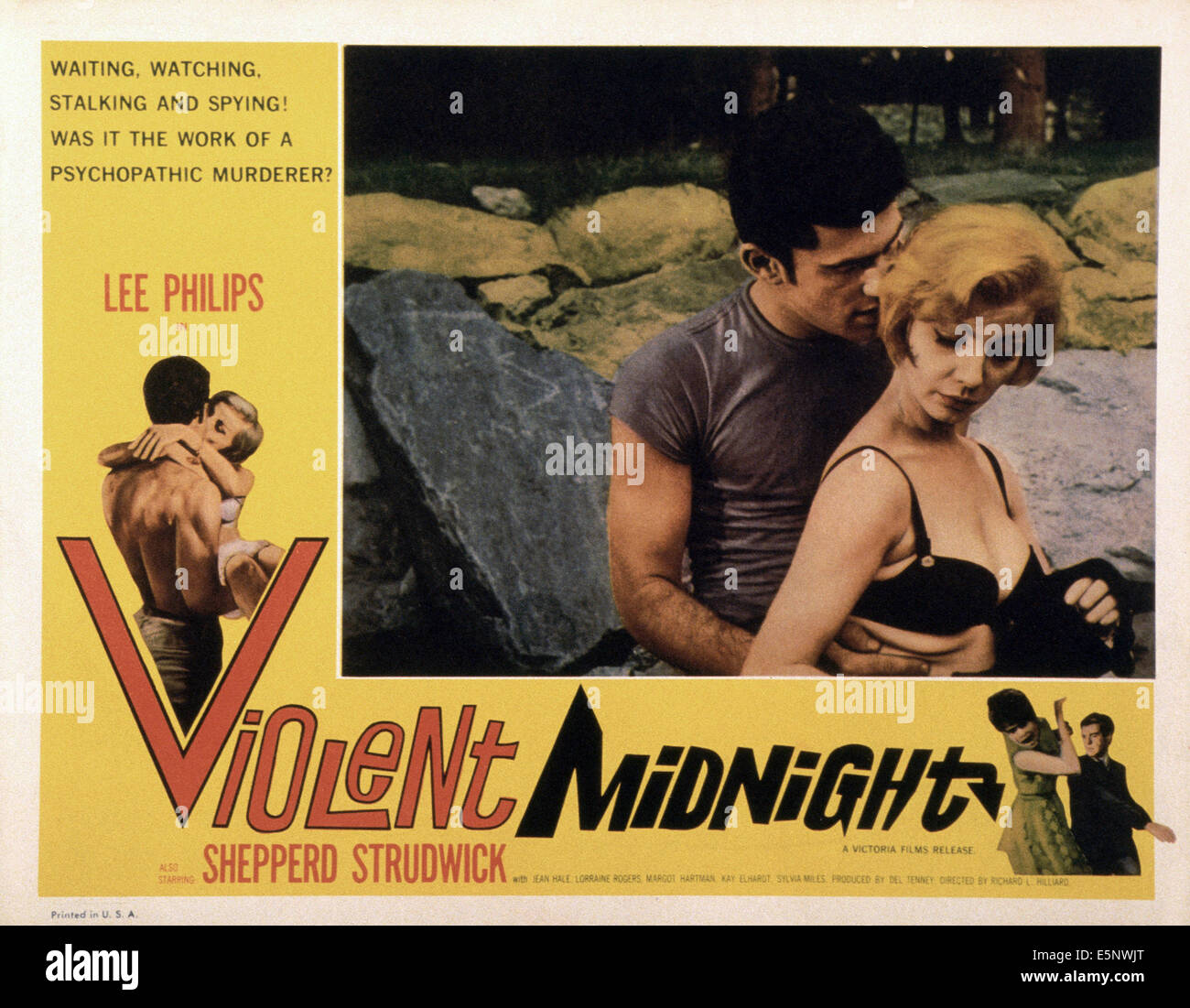

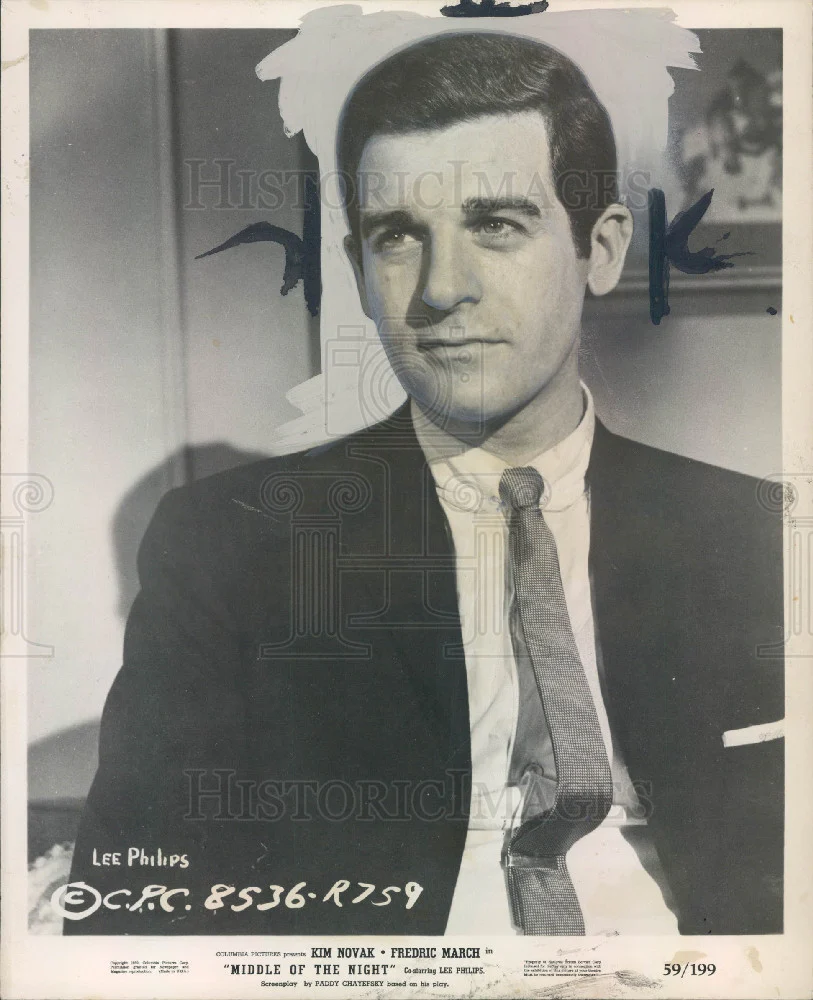
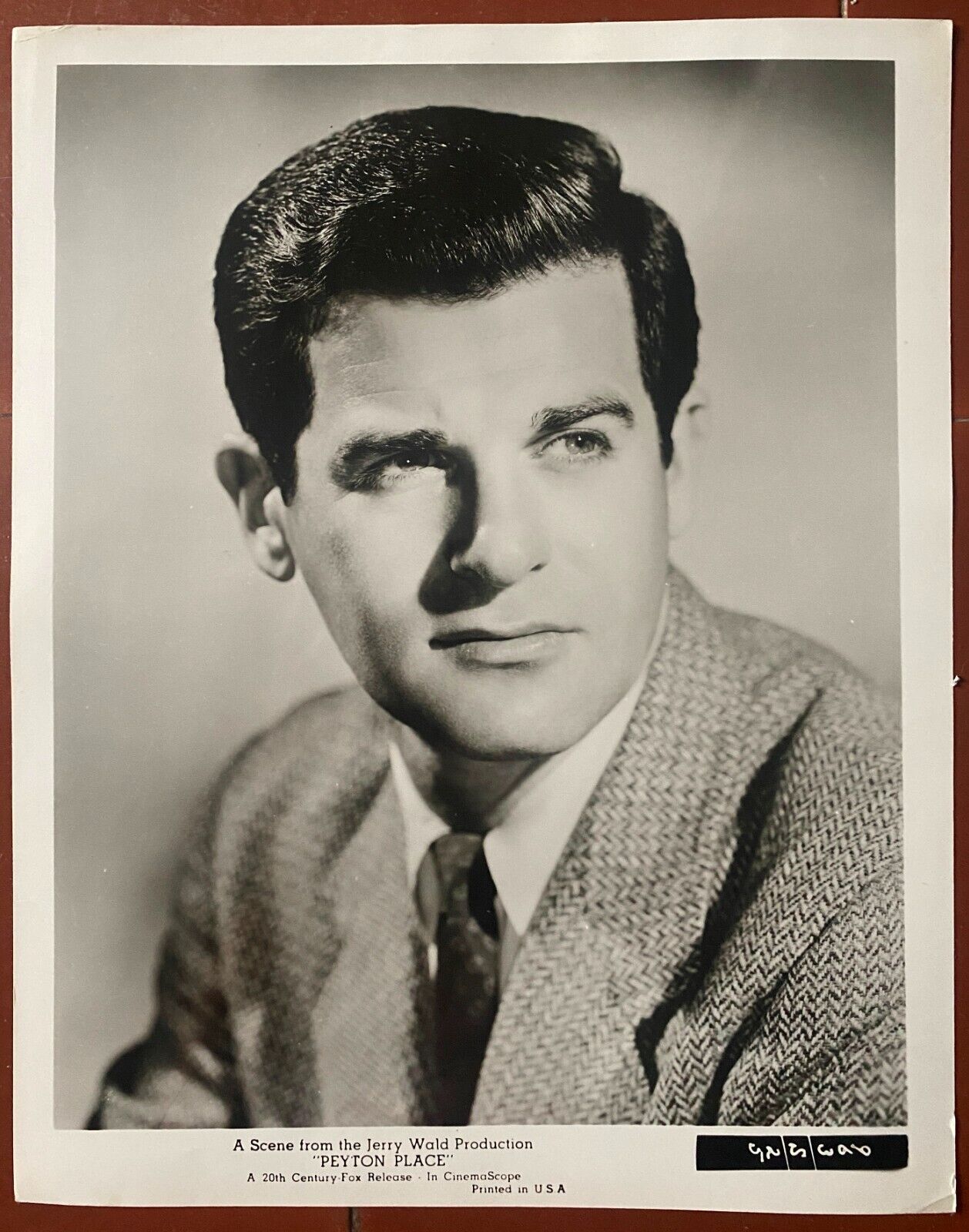
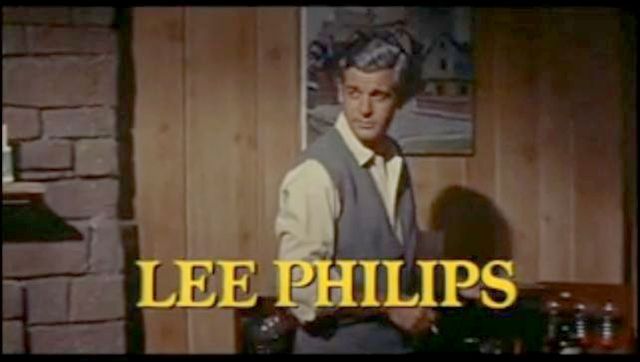
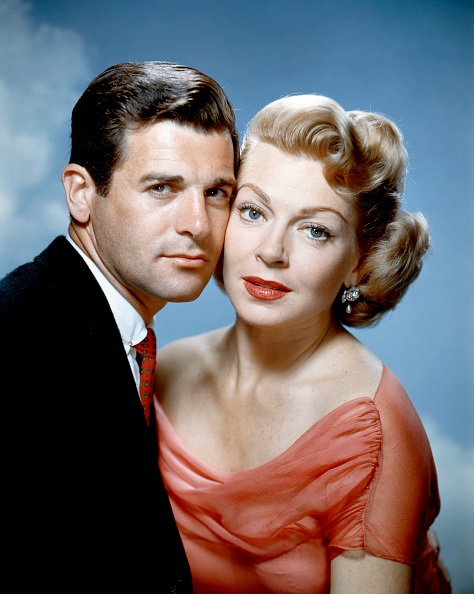
Lee Philips (1927–1999) represents a distinct “transitional” figure in American entertainment. While he initially rose to fame as a promising dramatic lead in the late 1950s—possessing a rugged, intellectual intensity—he ultimately found his greatest critical and commercial success behind the camera.
His career is a fascinating study of an artist who mastered the “language of the actor” only to use that knowledge to become one of the most prolific directors of the “Golden Age of Television.”
1. Career Arc: The Reluctant Heartthrob to the Director’s Chair
The Broadway Foundation: Philips began his career on the New York stage, most notably appearing in the original production of Middle of the Night. This “Method-adjacent” background gave him a grounded, naturalistic style that contrasted with the more theatrical acting of the early 50s.
The Hollywood Peak (1957–1961): He was catapulted to stardom when he was cast as the male lead in the film adaptation of the scandalous bestseller Peyton Place. For a brief window, he was positioned as a rival to actors like Paul Newman.
The Pivot to Directing (1960s–1990s): Recognizing the limitations of “Leading Man” longevity, Philips moved into directing. He became a staple of the episodic television boom, directing everything from The Andy Griffith Show and The Dick Van Dyke Show to MASH* and The Waltons.
The Television Movie Specialist: In the 1970s and 80s, he became a specialist in the “Movie of the Week” format, earning an Emmy for directing The Games (1970).
2. Critical Analysis of Key Performances
Peyton Place (1957) – The Rational Romantic
As Michael Rossi, the progressive, outsider school principal who challenges the town’s repressed morality.
Analysis: Philips’ performance is the moral spine of the film. In a narrative filled with melodrama and hysteria, he provided a calm, intellectual center. He utilized a “quiet” masculinity, relying on thoughtful delivery rather than bravado.
Critique: Critics of the era noted that Philips brought a “New York sensibility” to the role. He played Rossi not just as a love interest for Lana Turner, but as a catalyst for social change. Modern analysis highlights his chemistry with Turner as being based on mutual intellectual respect, which was a progressive shift for 1950s cinema.
The Hunters (1958) – The Psychological Soldier
As Lt. Ed Pell, a fighter pilot during the Korean War.
Analysis: This role allowed Philips to play against his “intellectual” type. He portrayed a pilot struggling with fear and a lack of discipline, providing the “unstable” element in a cast that included Robert Mitchum.
Critique: Philips was praised for his unfiltered vulnerability. In a genre (the war film) that often demanded stoicism, Philips showed the “nerves” of combat. Critics noted his ability to convey internal panic through physical twitchiness and a defensive, sarcastic vocal tone.
Middle of the Night (Broadway, 1956) – The Domestic Foil
Analysis: On stage, Philips played the “George” character—the younger man caught in a complex web of May-December romance and family duty.
Critique: This performance is often cited as the foundation of his “realistic” style. Critics praised his listening skills on stage, noting that he was able to maintain dramatic tension even when the focus was on his legendary co-stars (Edward G. Robinson).
3. Style and Legacy: The “Actor’s Director”
As a director, Philips’ style was defined by character-driven intimacy. Because he had been an actor, he understood how to create a “safe” space for performances to flourish.
| Attribute | Critical Impact |
| Naturalistic Pacing | In his directed work (especially MASH*), he favored a conversational, overlapping dialogue style that felt less “written” and more lived-in. |
| Visual Subtlety | He avoided flashy camera work, preferring to let the performance dictate the frame. His camera was always “observational” rather than intrusive. |
| Versatility of Tone | He was one of the few directors who could move seamlessly from the high comedy of The Mary Tyler Moore Show to the quiet drama of The Waltons. |
The “Rossi” Archetype
Critically, Lee Philips’ acting legacy is tied to the “Enlightened Male” of the late 1950s. He represented a bridge between the “tough guy” era and the “sensitive man” era of the 1960s. He was a performer who wasn’t afraid to look “civilized” on screen.
Critical Note: Lee Philips is a rare example of a “Star” who found greater artistic fulfillment by becoming a “Craftsman.” While he had the looks and talent to remain a leading man, his choice to shape the visual language of American television left a far more pervasive mark on culture. He was the invisible hand behind decades of the most beloved performances in television history