

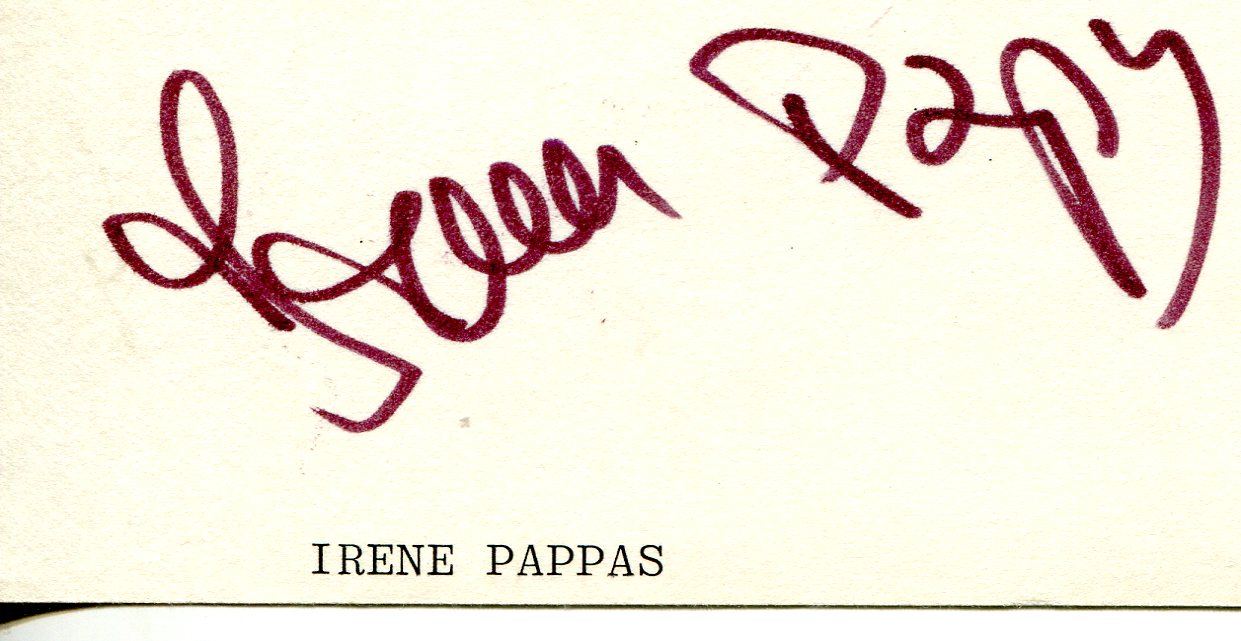
The Guardian Obituary in 2022
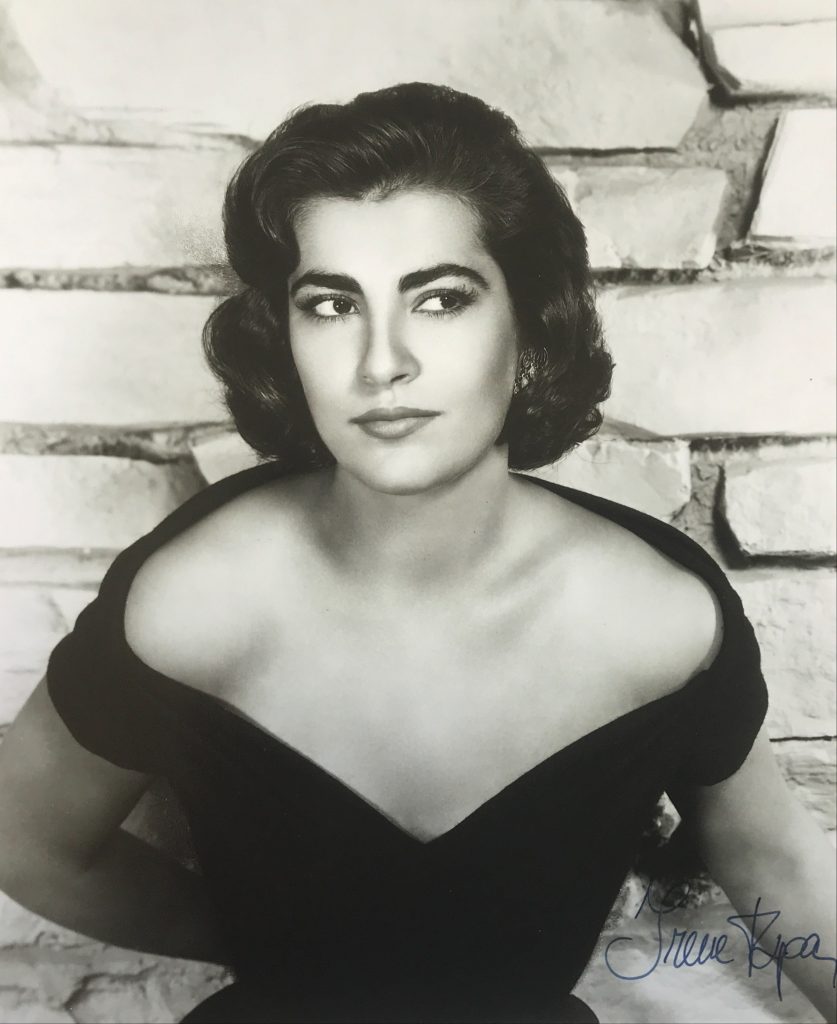
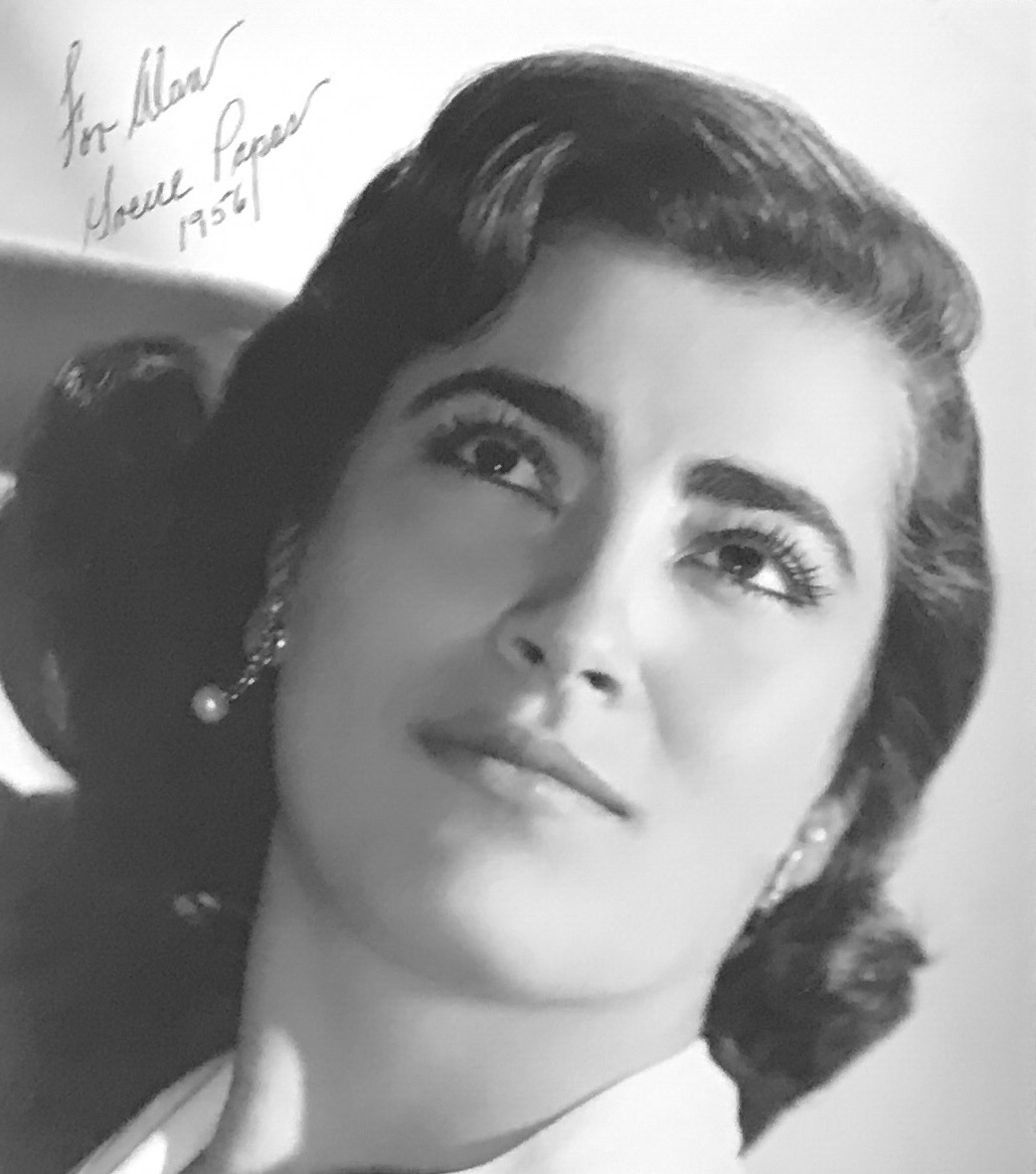
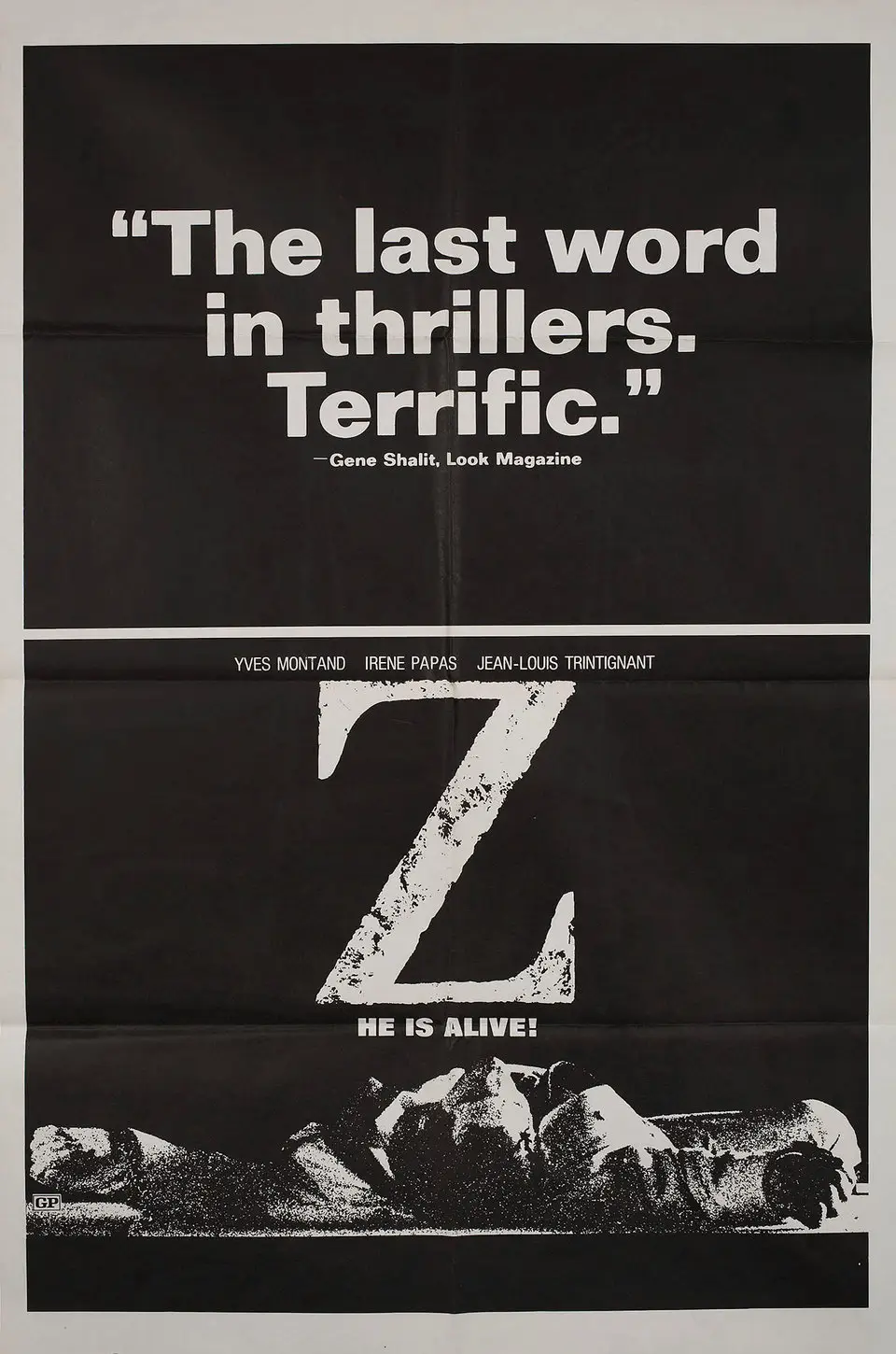
It is apposite that Irene Papas, who has died aged 93, was at her peak when playing the heroines in film versions of classical Greek tragedies. Notwithstanding her many roles in a wide range of Hollywood, international and Greek films, including The Guns of Navarone (1961), Zorba the Greek (1964) and Z (1969), Papas always gave the impression that there was an Electra, Antigone or Clytemnestra bubbling beneath the surface.
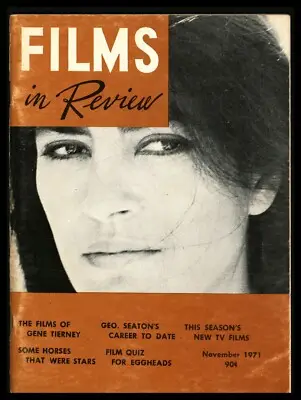
She balanced expertly between theatrical tradition and the cinema closeup, her strong, expressive face being especially eloquent in moments of silent suffering.
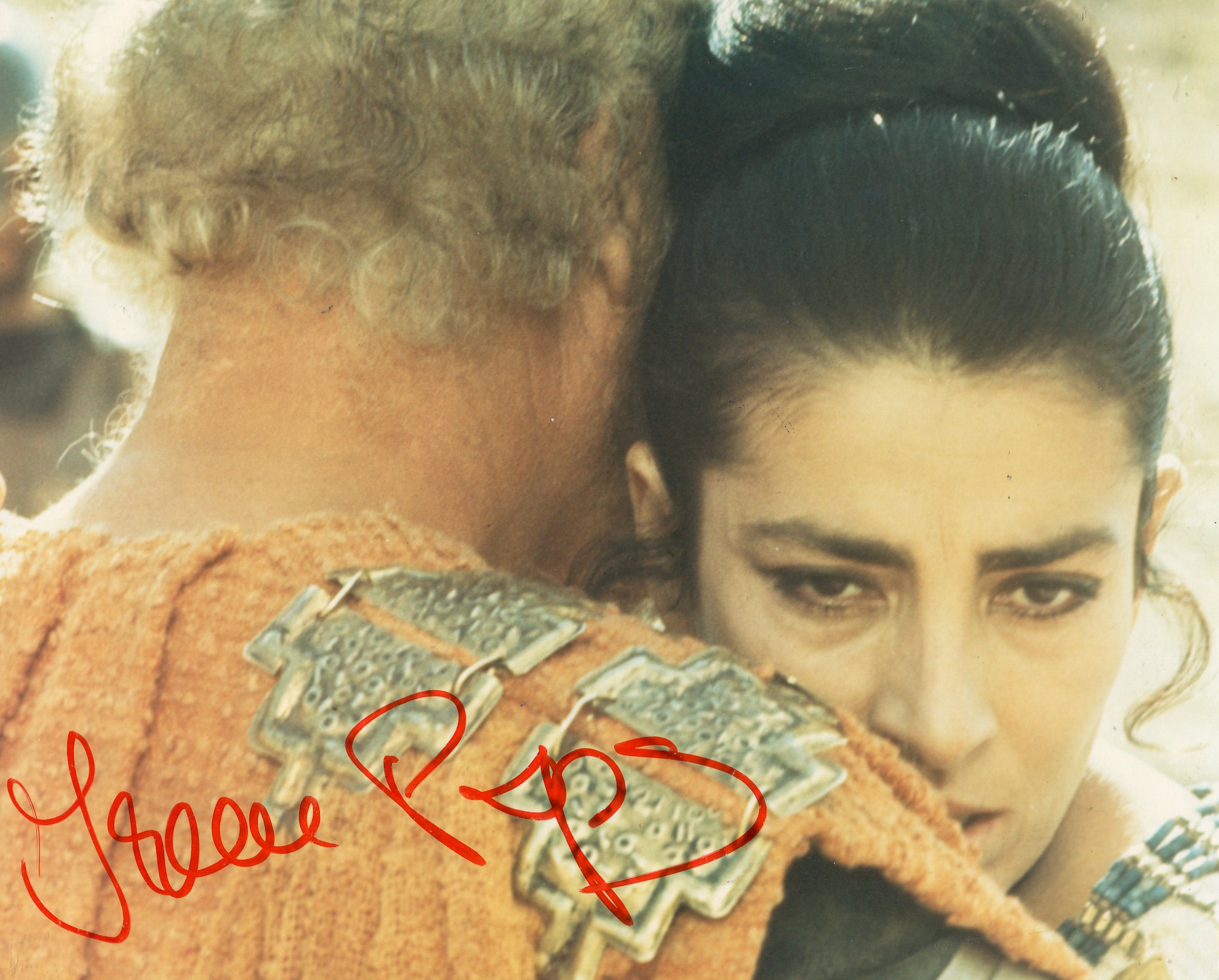
All the films of the Euripides trilogy – Electra (1962), The Trojan Women (1971) and Iphigenia (1976) – directed by Michael Cacoyannis, were dominated by Papas’s dramatic beauty in closeup against realistic Greek landscapes, and proved that the ancient myths could grip modern audiences. It was Cacoyannis, with whom Papas made six films, including Zorba the Greek, who brought out her talent in full.
The daughter of teachers, she was born Eirini Lelekou in a village near Corinth, and attended the royal drama school in Athens. She started her career in her teens as a singer and dancer in variety shows before launching her film career in 1948, by which time she had married the director Alkis Papas.
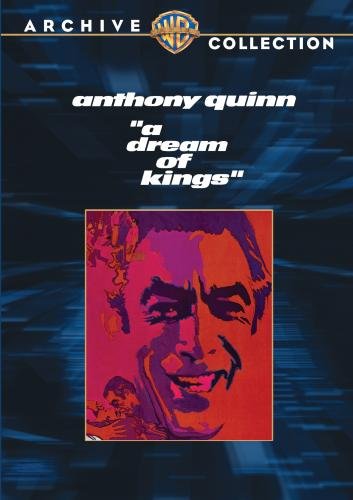
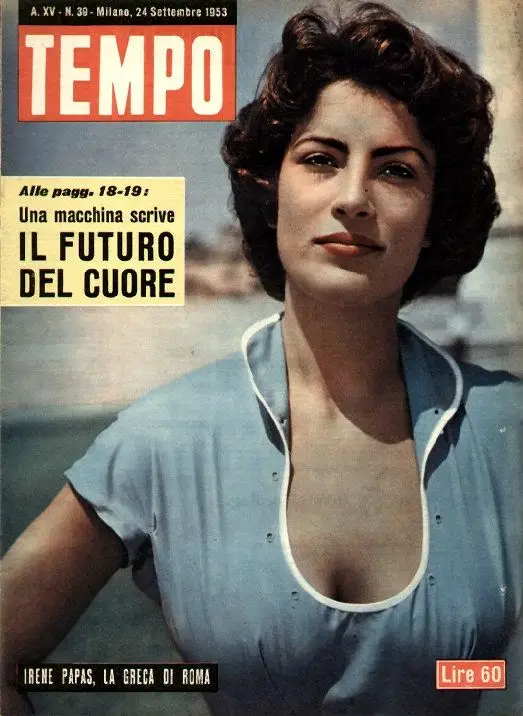
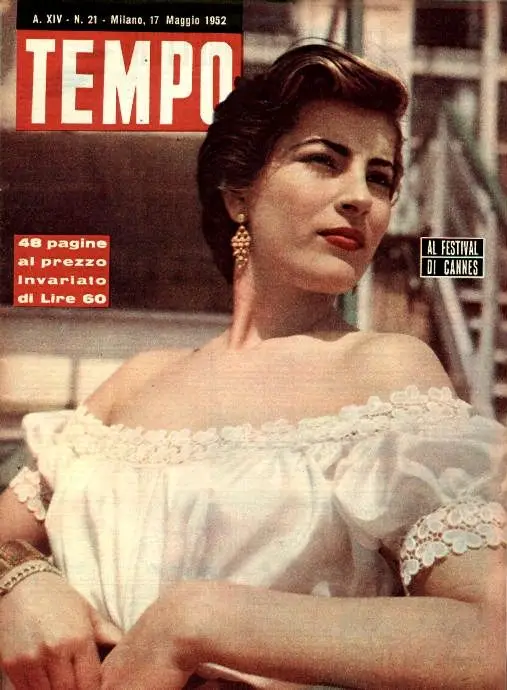
After two minor films in Greece, she signed a contract in Italy, where she was underused. Among them were two sword and sandals epics, Theodora, Slave Empress (1954) and Attila (1954), in which she played second fiddle – in the first to Gianna Maria Canale, and in the second to Sophia Loren with Anthony Quinn in the title role. Papas would co-star with Quinn in several films, in which they were a combustible duo
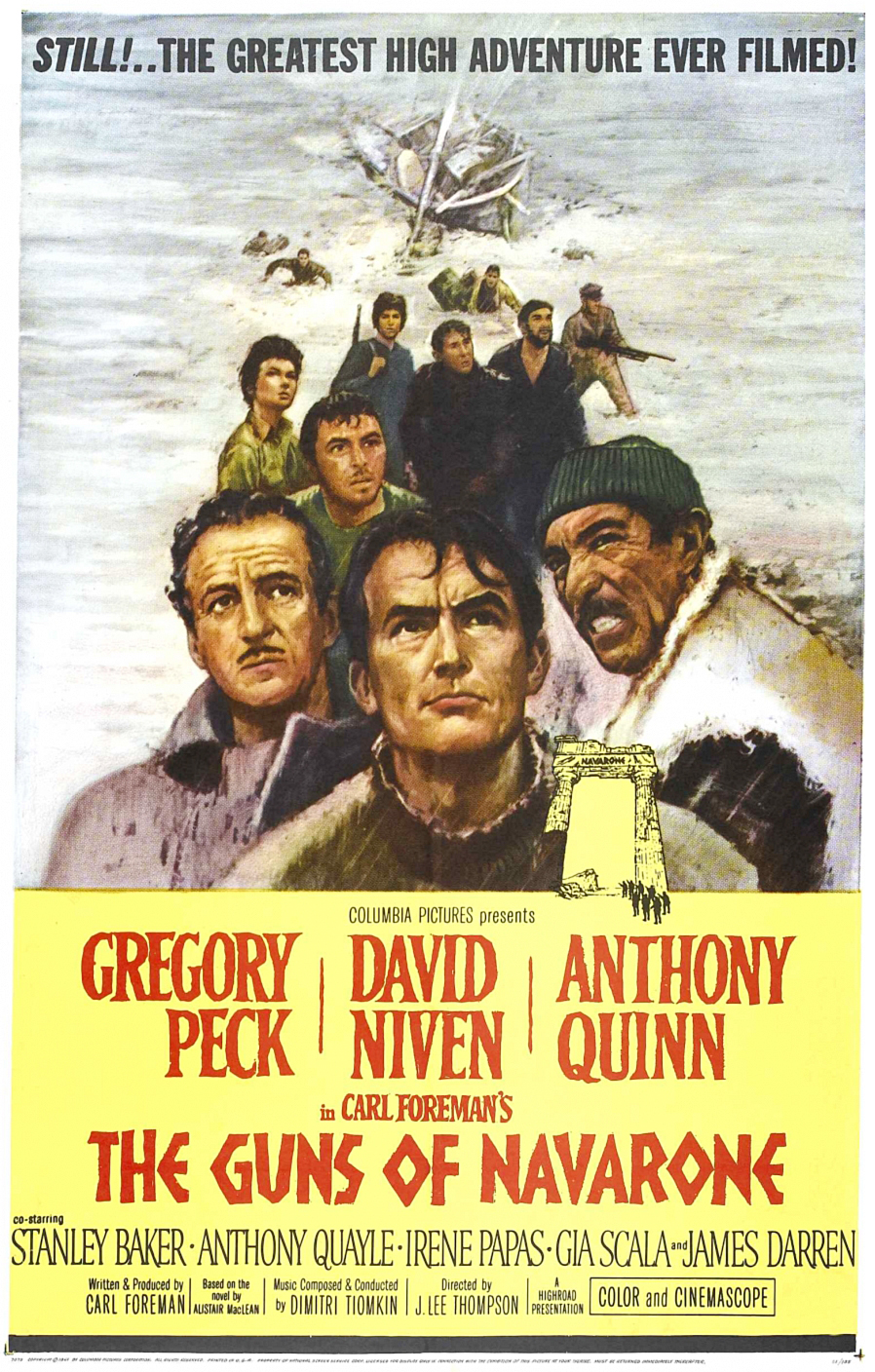
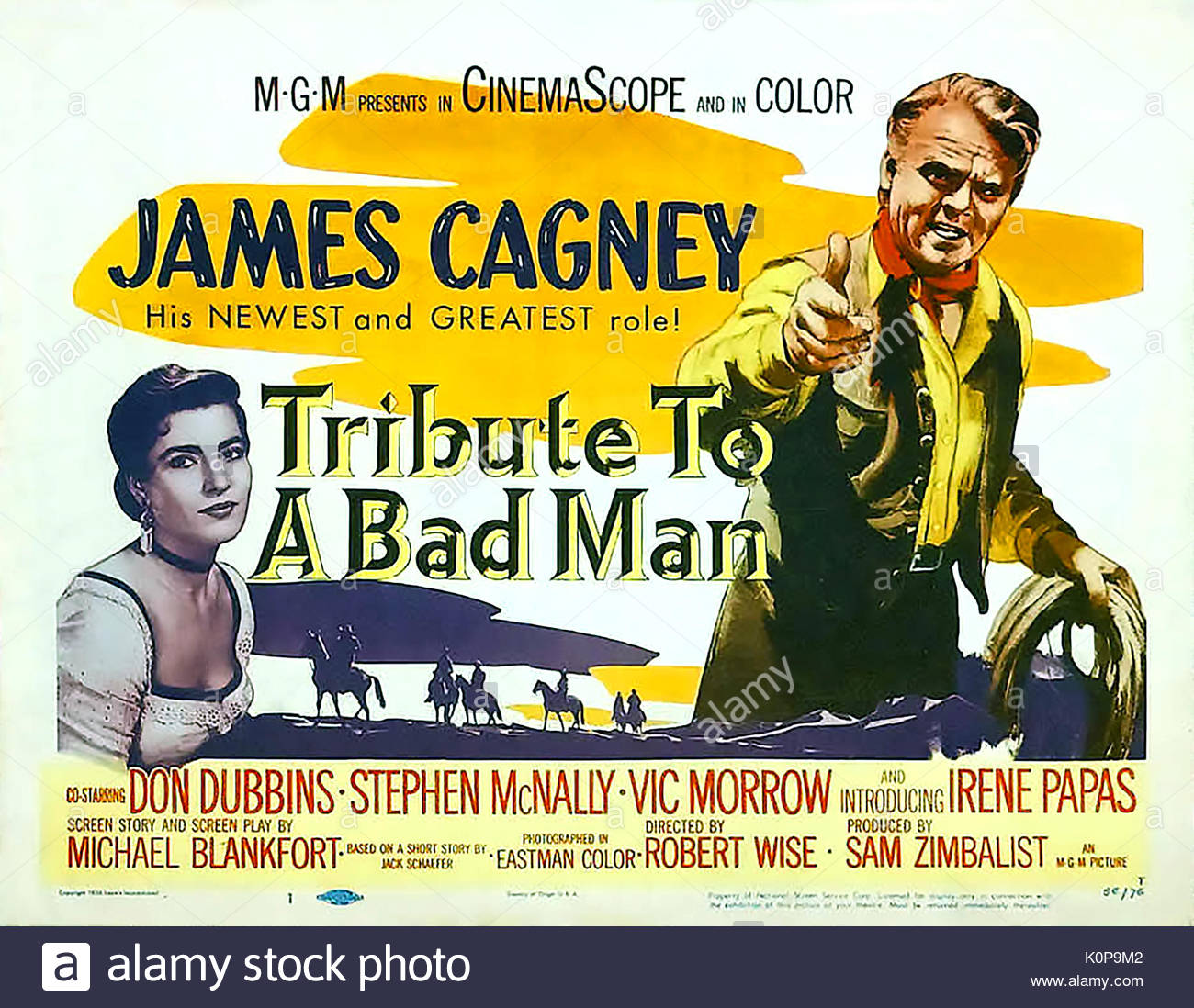
She made an impressive Hollywood debut as the lover of a ruthless cattle baron (James Cagney) in the Robert Wise western Tribute to a Bad Man (1956). This was the female lead role and she consolidated her star status as the valiant resistance leader in the war adventure The Guns of Navarone.
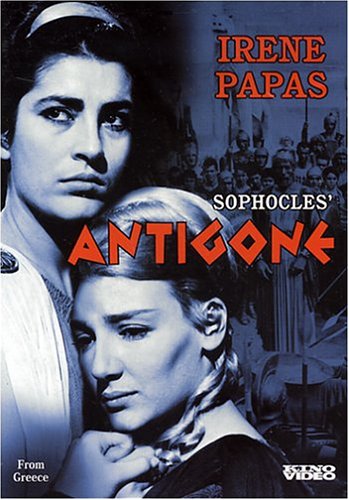
In the same year, 1961, Papas took on her first Greek tragedian role in Antigone. Directed by George Tzavellas in such a way to make Sophocles’s poetic parable come across with lucidity, it allowed Papas as the intractable heroine to demonstrate her elegiac power
Papas as Electra, in her first film with Cacoyannis, prompted the critic Dilys Powell to exclaim: “I had never thought to see the face of the great Apollo from the Olympia pediment live and move. Now I have seen it.” Roger Ebert, looking back on the Oscar-nominated film 10 years later, said: “The funereal figures of the Greek chorus – poor peasant women scattered on a hillside – still weep behind Electra, and I can never forget her lament for her dead mother. I thought then, and I still think, that Irene Papas is the most classically beautiful woman ever to appear in films.”
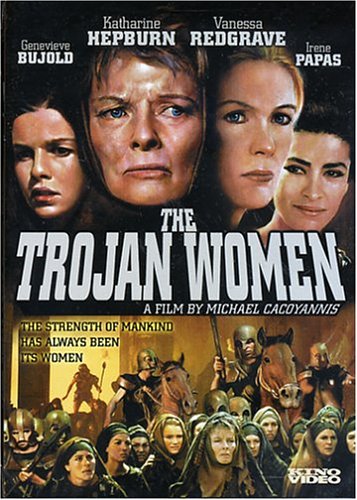
The Trojan Women lost the power, poetry and beauty of the ancient Greek language by being in English, but the multinational cast of Katharine Hepburn (Hecuba), Vanessa Redgrave (Andromache), Geneviève Bujold (Cassandra) and Papas as a seductive Helen of Troy, compensated somewhat. The Oscar-nominated Iphigenia (based on Cacoyannis’s stage production of Iphigenia at Aulis), the last of his Euripides trilogy, had Papas, by now in her 50s, giving a forceful performance as Clytemnestra.
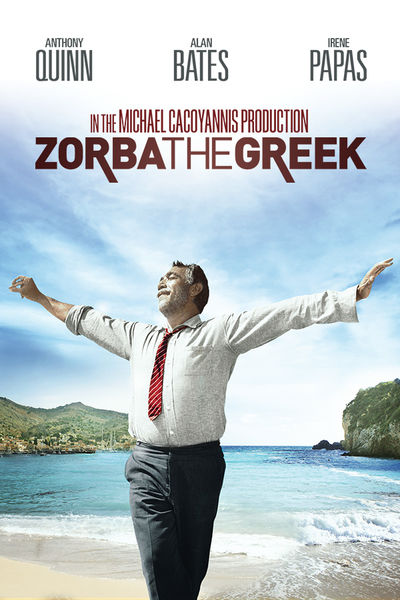
Between the first and second Euripidean films, Papas played the lonely widow in Zorba the Greek who, after making love to an English writer (Alan Bates), is stoned by the Cretan villagers. The character has little dialogue, but Papas’s face and body language are eloquent enough
Papas went on to play other widows, notably in two political thrillers, Elio Petri’s We Still Kill the Old Way (1967) and Costa-Gavras’s Z. The latter clearly pointed the finger at the colonels’ totalitarian regime in Greece, which Papas – who lived in exile in Italy from 1967 to 1974 – called “the fourth Reich
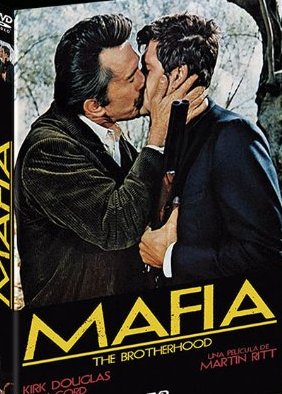
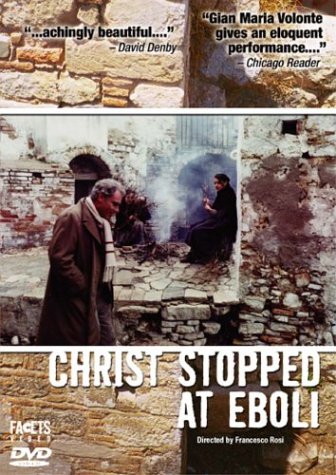
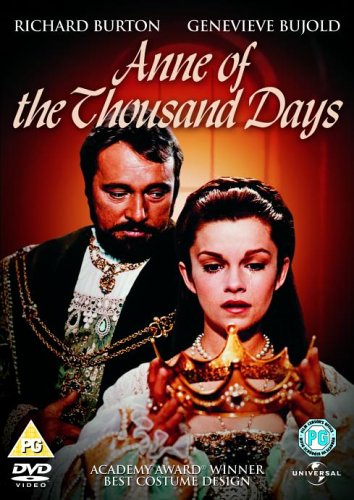
In 1968, among the first work Papas undertook in Italy was the mafia drama The Brotherhood, opposite Kirk Douglas, and the television miniseries The Odyssey, in which she played Penelope. She had now become a travelling player, playing Spaniards such as Catherine of Aragon in Anne of the Thousand Days (1969) or Italians such as the lusty housekeeper in Francesco Rosi’s Christ Stopped at Eboli (1979). In the 1970s and 80s, Papas made an average of two films a year, many of them unworthy of her talents.
Happily, she had the chance to shine on Broadway in two plays by Euripides, in the title role of Medea (1973) and as Agave in The Bacchae (1980), the latter directed by Cacoyannis. Of her Medea, the New York Times critic wrote: “Irene Papas, who has often played aggrieved and grieving women, brings to the role a controlled intensity, an innate intelligence, and an implacably stubborn anger.”
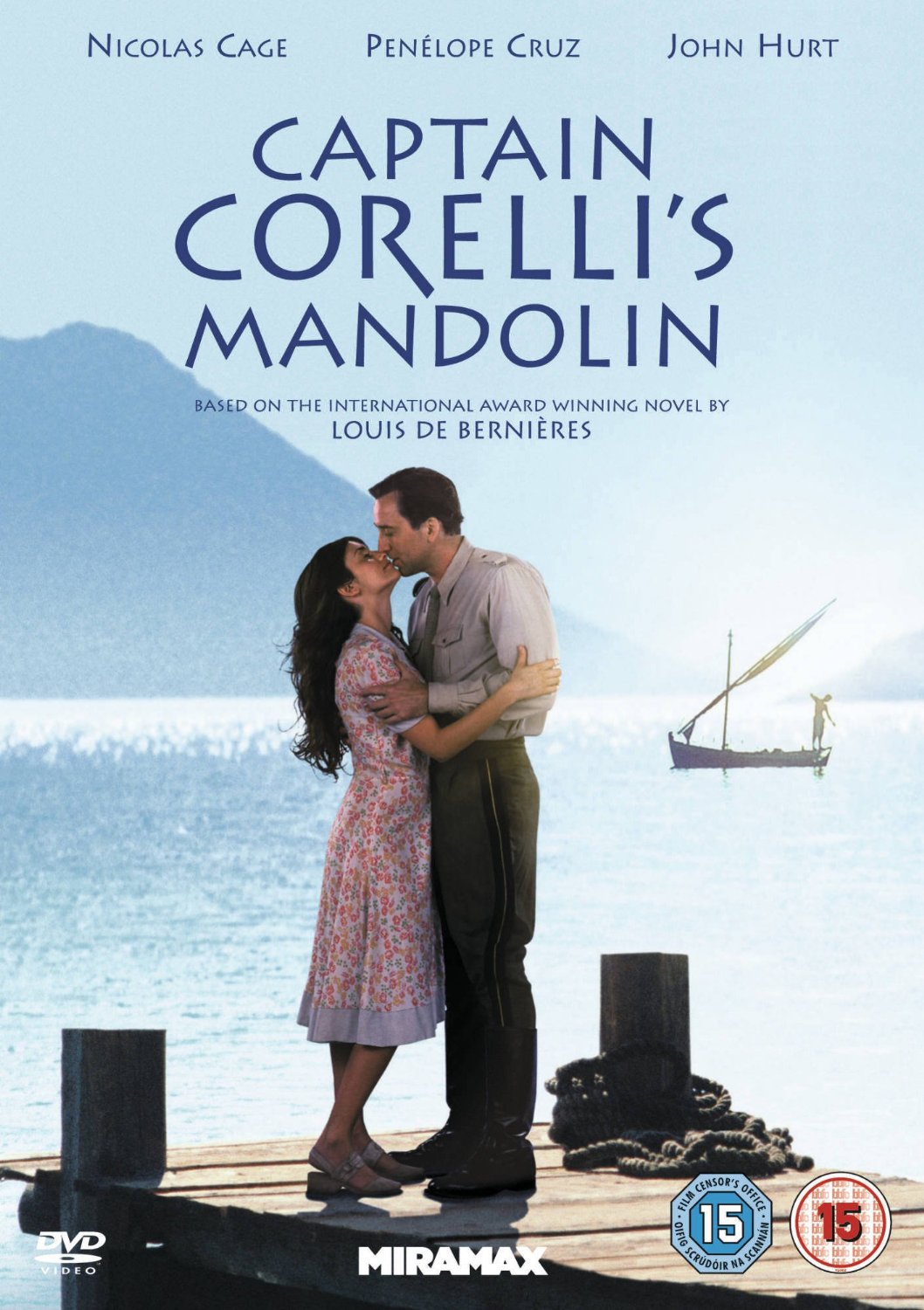
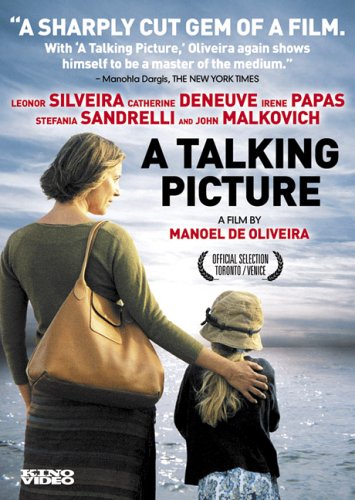
In films, she began to get supporting roles, bringing fire and authenticity as mothers and grandmothers as in Rosi’s Chronicle of a Death Foretold (1987) and Captain Corelli’s Mandolin (2001) before making a superb exit from cinema in Manoel de Oliveira’s multilingual A Talking Picture (2003).
At one point in the film, on board a cruise ship in the Mediterranean, Papas keeps the passengers spellbound by singing a Greek folk song. Her beautiful contralto voice can also be heard on discs of songs by Vangelis and Mikis Theodorakis.
After leaving the cinema, Papas appeared in Euripides’ Hecuba on stage in Rome in 2003, and directed Antigone at the Greek theatre in Syracuse in 2005. She also devoted herself to the establishment of schools of acting in Rome and Athens.
Papas’s first marriage ended in divorce in 1951, and her second marriage, to José Kohn, in 1957, was annulled.
Irene Papas, actor, born 3 September 1929; died 14 September 2022

Career overview
Irene Papas (1929 – 2022) was one of Greece’s most renowned actresses and a major international presence on stage and screen. Over more than fifty years she built a reputation for the elemental power of her performances: stoic, impassioned, and steeped in Mediterranean gravity. Though best known abroad for films such as The Guns of Navarone (1961), Zorba the Greek (1964), and Z (1969), her strongest artistic identity derived from the heroines of Greek tragedy she embodied for film and theatre (; ).
Early life and training
Born Eirini Lelekou in Chiliomodi, Corinthia, Papas was the daughter of two teachers—her father a drama instructor and her mother a schoolteacher . She grew up performing scenes from tragedy for local children, later studied voice, dance, and acting at the National Theatre of Greece Drama School, and graduated in 1948 . She began on the Greek stage in plays by Ibsen, Shakespeare, and Aeschylus before moving into film in 1951. From the start she displayed the qualities that would define her—emotional directness, regal carriage, and a voice resonant enough to fill classical amphitheatres.
International breakthrough (1950s–1960s)
Papas’s combination of sculptural beauty and emotional intensity drew foreign directors to Greece during the post‑war boom in international co‑productions. Her breakthrough came with The Guns of Navarone (1961), where she played the partisan Maria Pappadimos opposite Gregory Peck. The role introduced her stately strength and quiet magnetism to global audiences .
The following years confirmed her as both an art‑house and mainstream presence:
- Antigone (1961) – for which she won Best Actress at the Berlin Film Festival ; critics compared her austerity to a figure carved from marble.
- Electra (1962) – as the revenge‑driven daughter she combined ferocity with moral clarity.
- Zorba the Greek (1964) – her brief but haunting performance as the ostracized widow opposite Anthony Quinn turned a few minutes of screen time into tragedy incarnate, her silence and physical stillness carrying the weight of myth.
- The Trojan Women (1971) – alongside Katharine Hepburn, Papas’s Andromache embodied collective grief; she won the National Board of Review’s Best Actress award .
In these films she fused cinematic naturalism with the grandeur of classical theatre, becoming internationally synonymous with “Greek tragedy” itself.
Acting style and screen persona
- Voice and physical presence: Reviewers often cited her deep, musical contralto and expressive posture—attributes that made her as commanding on screen as on stage.
- Archetypal intensity: Papas seldom played ordinary women; her characters carried mythic weight. Whether ancient heroine or modern widow, she projected an incorruptible dignity that suggested the survival of ancient Greece in modern form.
- Minimalism: Though often surrounded by spectacle, her technique was disciplined and spare—long silences, measured speech, glances loaded with withheld emotion.
- Moral gravitas: She rejected sentimentality, presenting suffering as endurance rather than victimhood.
This fusion of classical authority and cinematic intimacy gave her performances an elemental power rarely equaled by contemporaries.
Later career (1970s–1990s)
Papas sustained international work for another three decades. Major later credits include: - Iphigenia (1977), in which she played the queen Clytemnestra, adding maternal anguish to her gallery of tragic heroines.
- Christ Stopped at Eboli (1979, Francesco Rosi) and Lion of the Desert (1980, Moustapha Akkad), which broadened her repertoire to political and historical realism.
- Captain Corelli’s Mandolin (2001), her final film, where every gesture recalled the gravitas of her earlier work.
She also continued to appear on stage in Greece, Italy, and the United States—most famously at New York’s Circle in the Square in Iphigenia in Aulis (1968) .
Broader contributions and recorded work
Beyond acting, Papas was a gifted singer, releasing several albums including Songs of Theodorakis (1968), which displayed a deep, folk‑inflected contralto voice . Her collaborations with composer Mikis Theodorakis linked her image to the sound of modern Greek identity.
Critical evaluation
Strengths - Unparalleled ability to embody archetypal female strength and suffering.
- Seamless blending of ancient theatrical discipline with film realism.
- Cultural authenticity that lent credibility to Mediterranean and epic cinema.
Limitations - Typecasting in “tragic Greek woman” roles restricted thematic range.
- Her stoic, hieratic manner sometimes read as remoteness in lighter material.
Nevertheless, even when confined within archetype, Papas transcended cliché through moral depth and emotional restraint. She brought to post‑war cinema a presence critics compared to Garbo’s but stripped of artifice—a model of classical purity in the modern medium.
Legacy
Irene Papas’s career helped define international perceptions of Greek culture and female heroism. She bridged national and global cinema, representing both her homeland’s mythic tradition and a universal language of dignity and resistance. Awards from Berlin, the National Board of Review, and lifetime honors such as the Golden Lion (2009) recognize that achievement .
To later generations she remains less a conventional movie star than a symbol: the tragic muse of Greek film, proof that simplicity of gesture and truth of feeling can give myth contemporary life.