

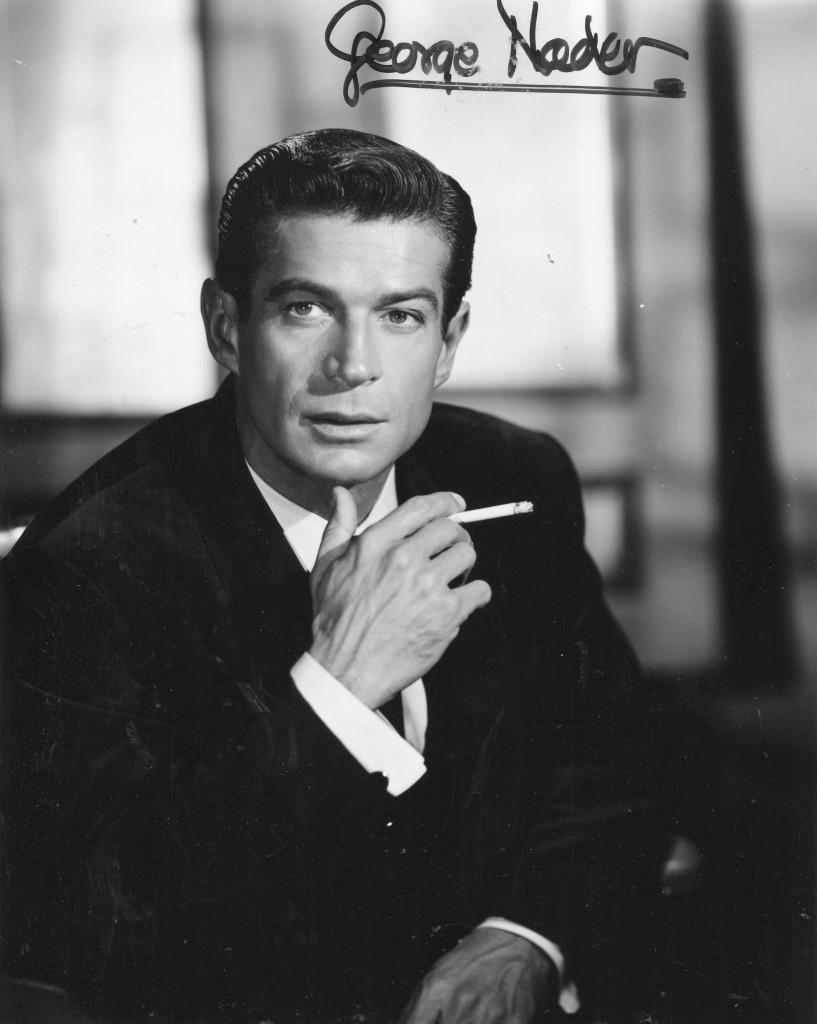

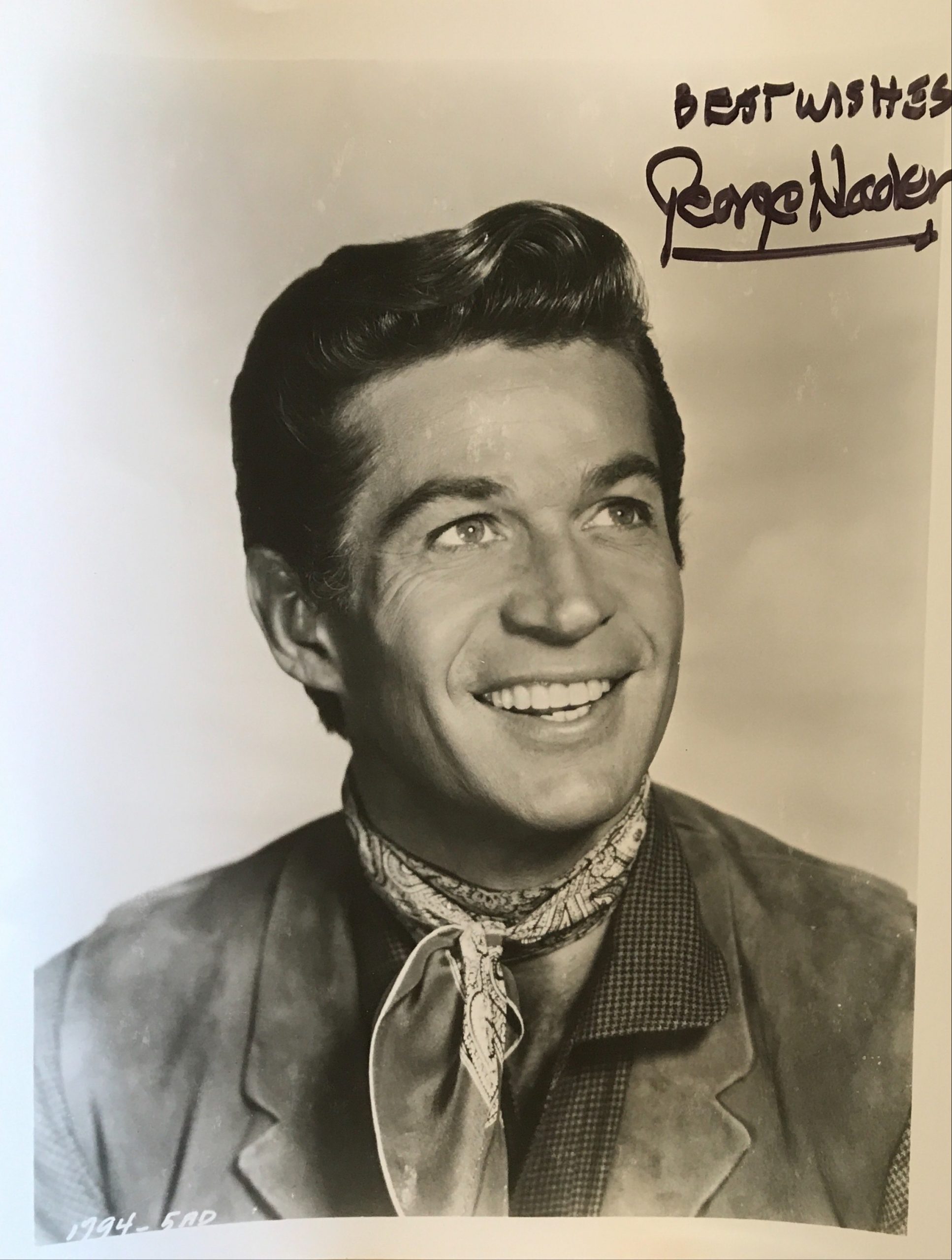
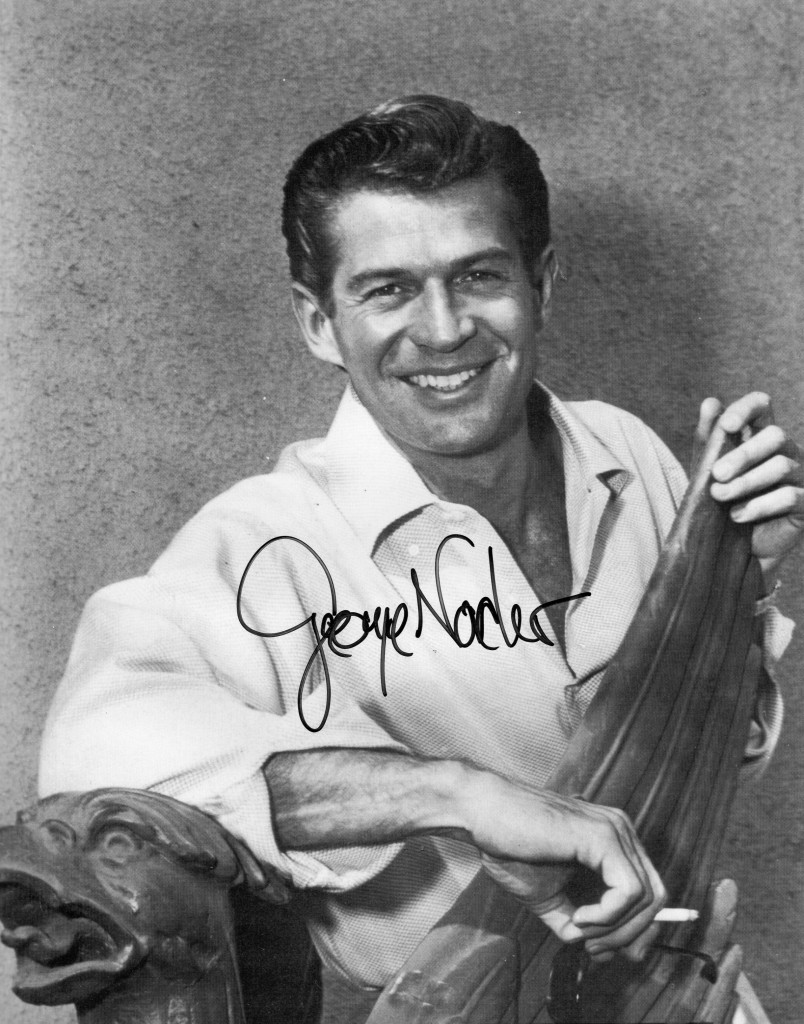
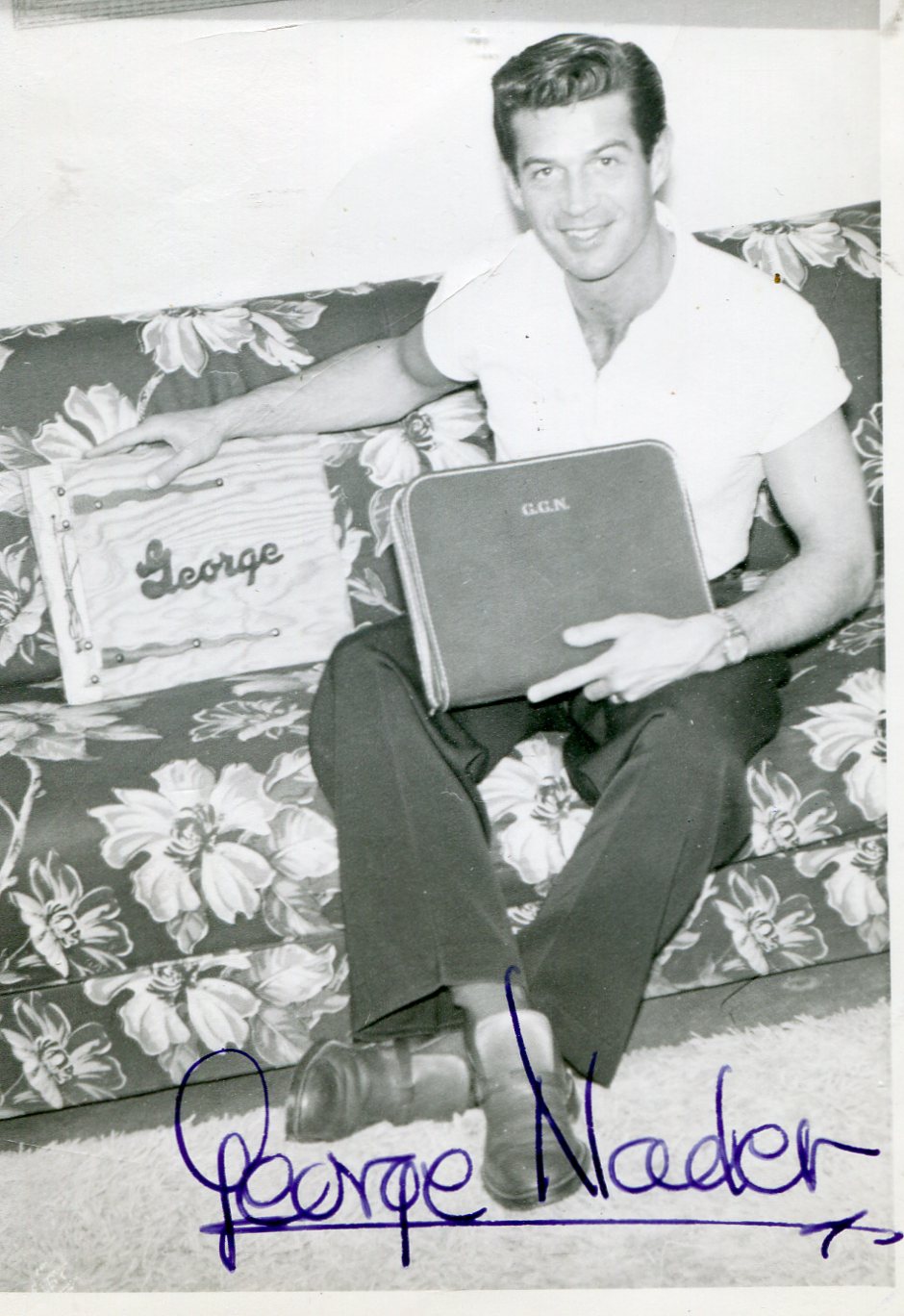
GEORGE NADER OBITUARY IN “THE GUARDIAN” IN 2002
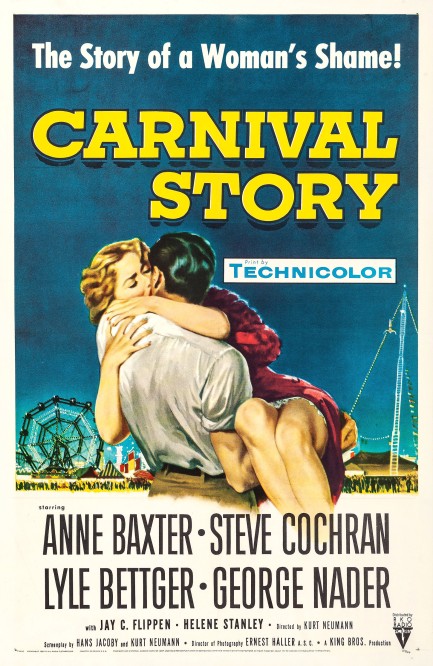
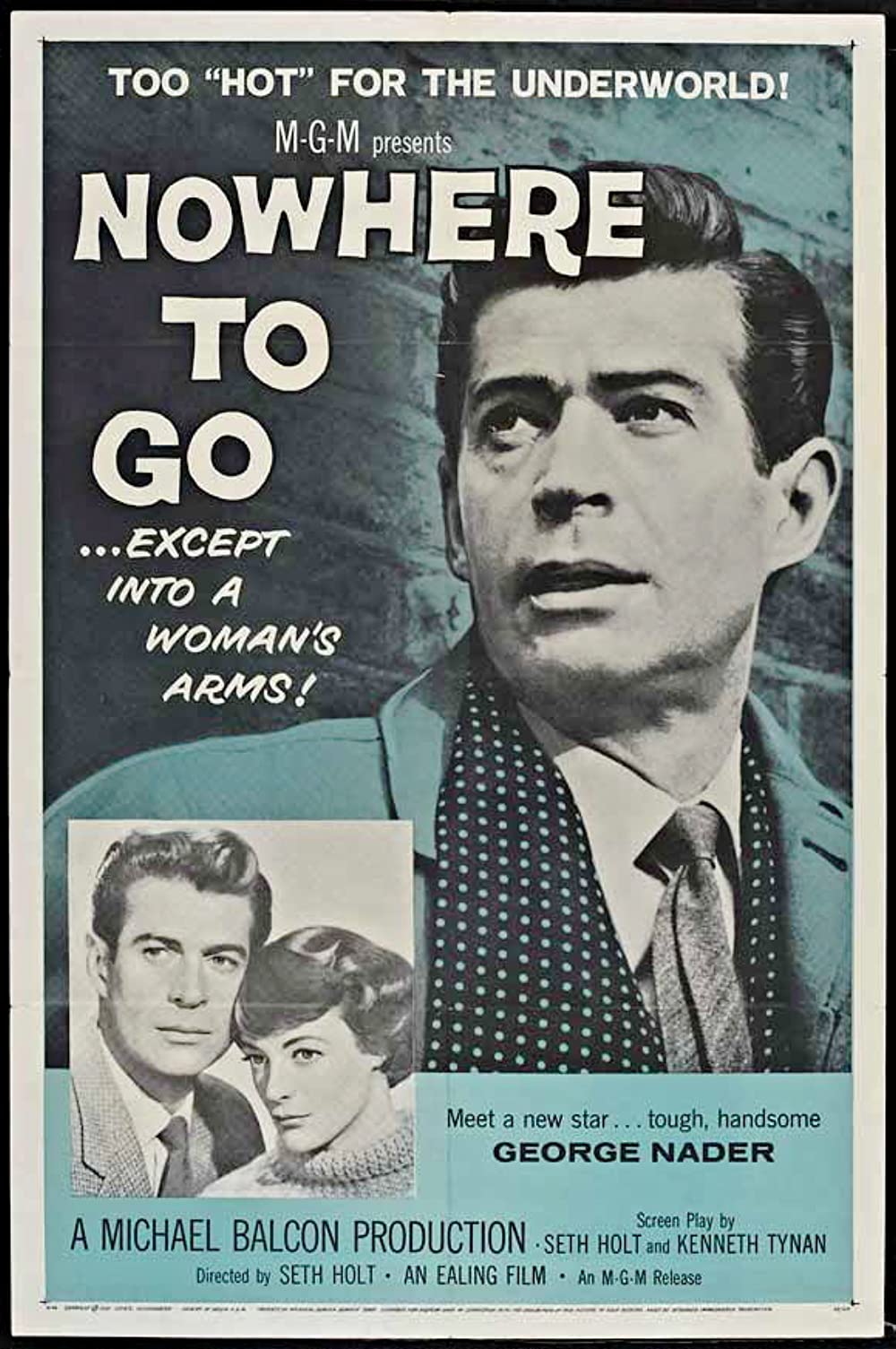
George Nader was born in 1921 in Pasadena, California. He began his film career in 1950 and was under contract to Universal Studios. Among his films are “Carnival Story”, “Away All Boats” and “The Unguarded Moment”. In the mid-1970’s he suffered an eye injury which resulted in him withdrawing from acting and he turned to writing. His 1978 novel”Chrome” is particularly good. He died in 2001. His nephew is the actor Michael Nader.
Ronald Bergan’s “Guardian” obituary:
Standing 6ft 1in and weighing 180lbs, the he-man film star George Nader, who has died aged 80, was a constant subject of beefcake photos in the 1950s, and frequently exposed his chest in the movies. He stayed in shape most of his life by lifting weights and swimming, and Universal Studios kept trying to bolster his masculine image by setting him up on dates with starlets
In the moral climate of the 1950s, gay stars like Rock Hudson, Tab Hunter and Anthony Perkins were terrified of being exposed, so they all had “beards”, women who provided them with an emblem of spurious virility. But Nader refused to play the game and, although he was not exactly out of the closet, he never married, was seldom seen alone dating a woman, and lived with his longtime companion Mark Miller, who survives him. The couple, who were close friends of Rock Hudson – and beneficiaries of his estate – would often visit restaurants with him.
Many years later, in 1978, Nader had no fears about publishing a homoerotic sci-fi novel called Chrome. The book, now in its sixth printing, tells of a young space cadet who falls in love with a beautiful male robot. In a world where “to love a robot is death”, the earth authorities tear the lovers apart, exiling one to space, the other to earth. Obviously a metaphor about the place of gay men in society, the story is well-written and holds together on its own merits.h
While writing the book, Nader must have found it difficult to forget his first starring role, in Robot Monster (1953), which has, at least, gained a camp reputation as one of the worst films ever made. In it, the poker-faced Nader is one of the last “hu-mans” in existence, battling against the dreaded Ro-man, a gorilla in a space helmet. Shot in four days in Hollywood, in 3-D and stereophonic sound for a paltry $16,000, it raked in more than $1m on its initial run, and got its leading man recognised
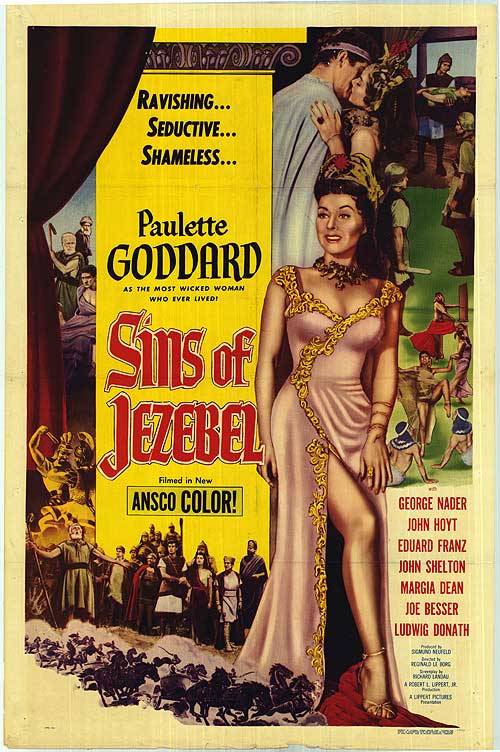

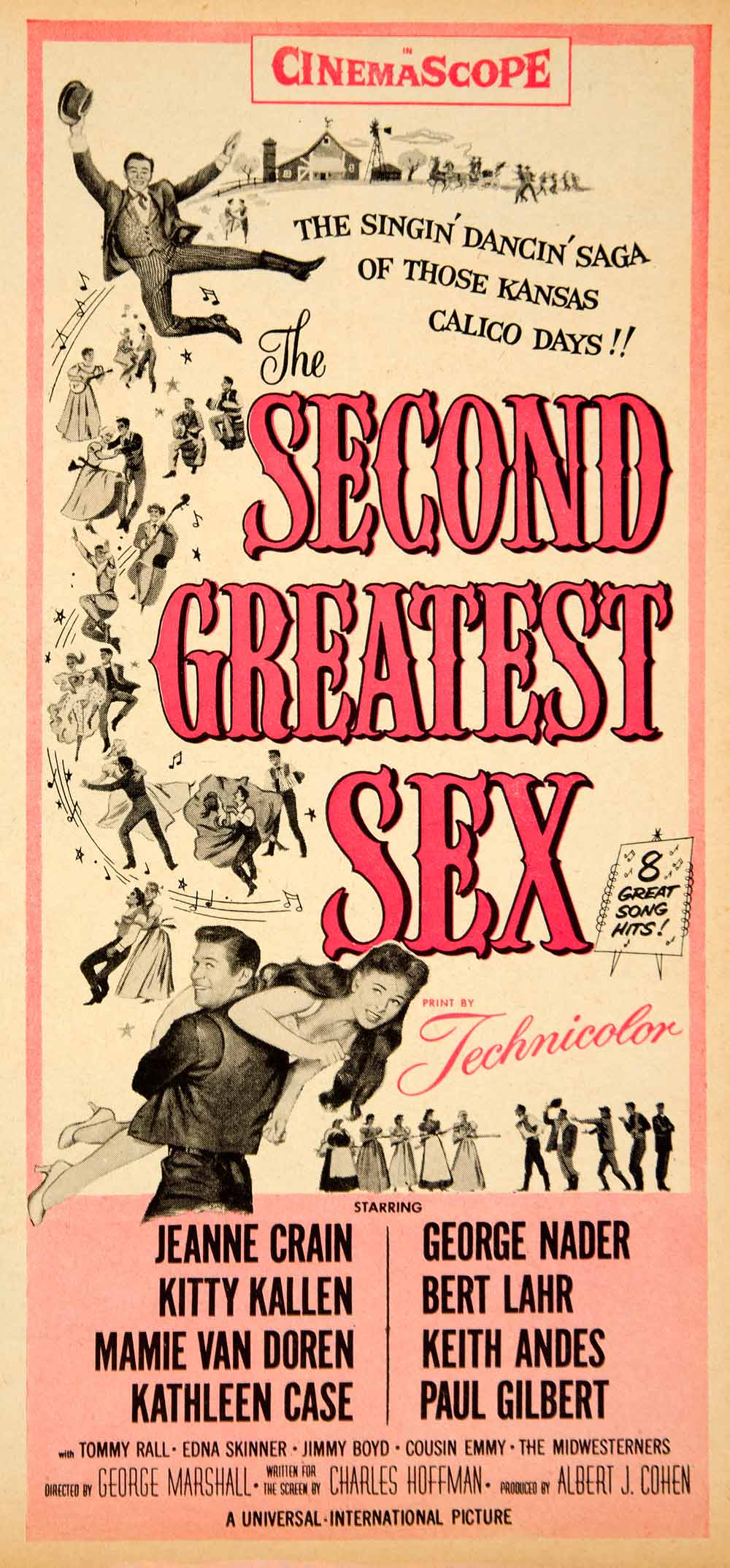
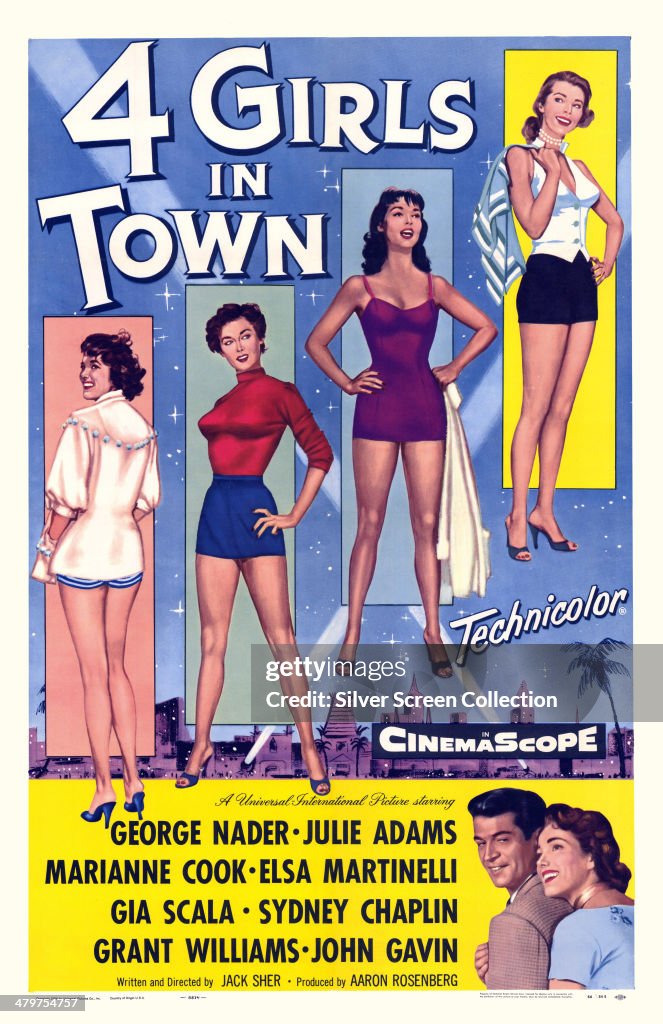
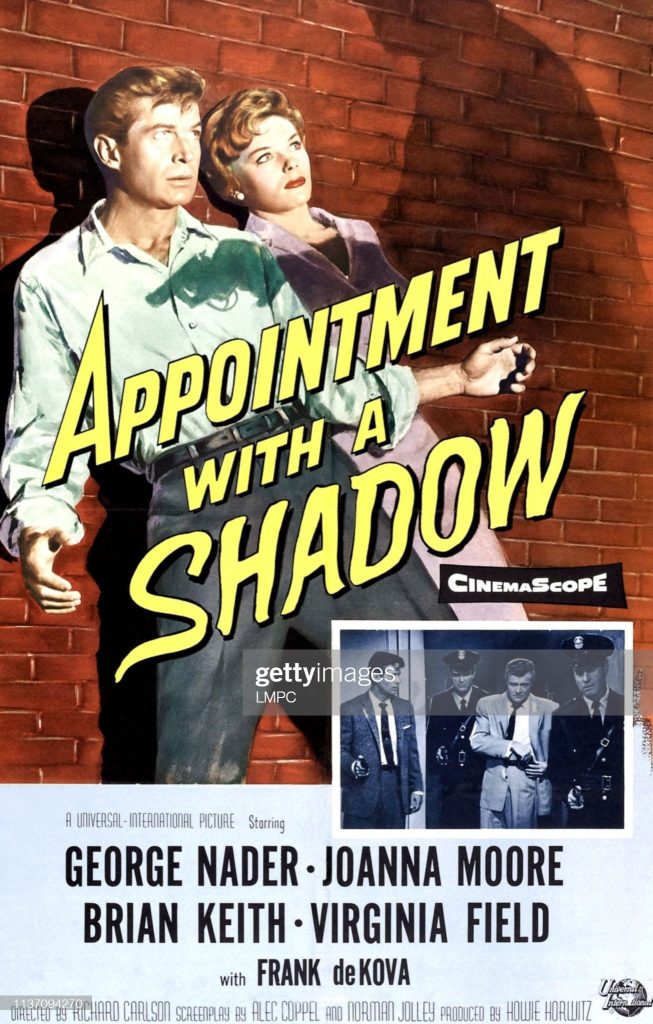
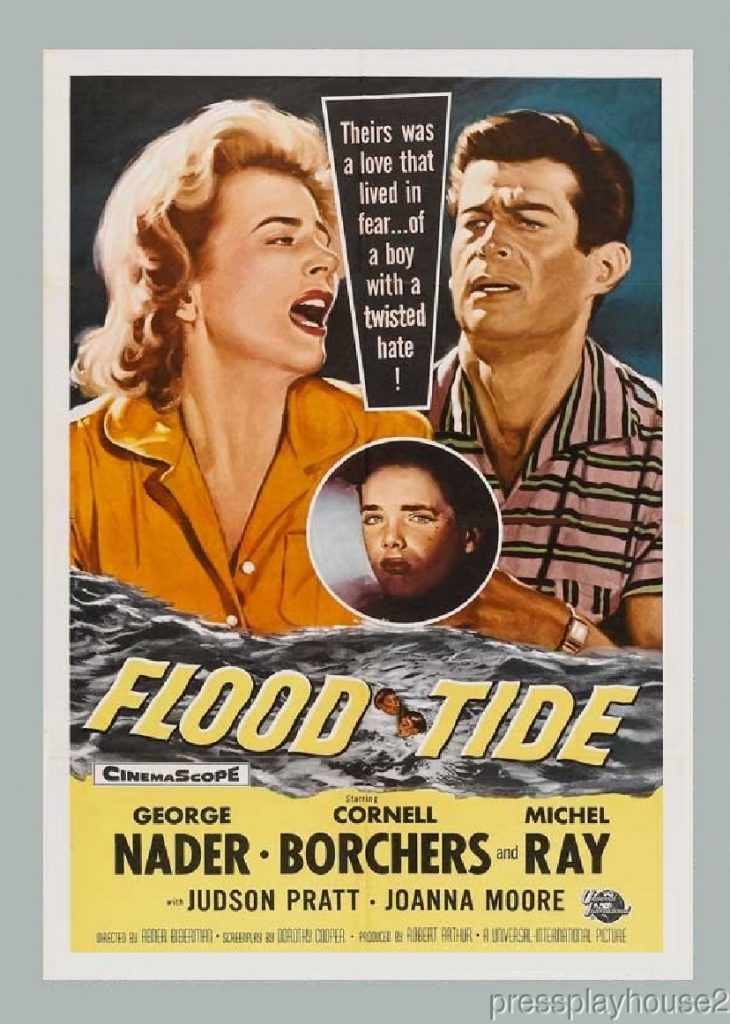
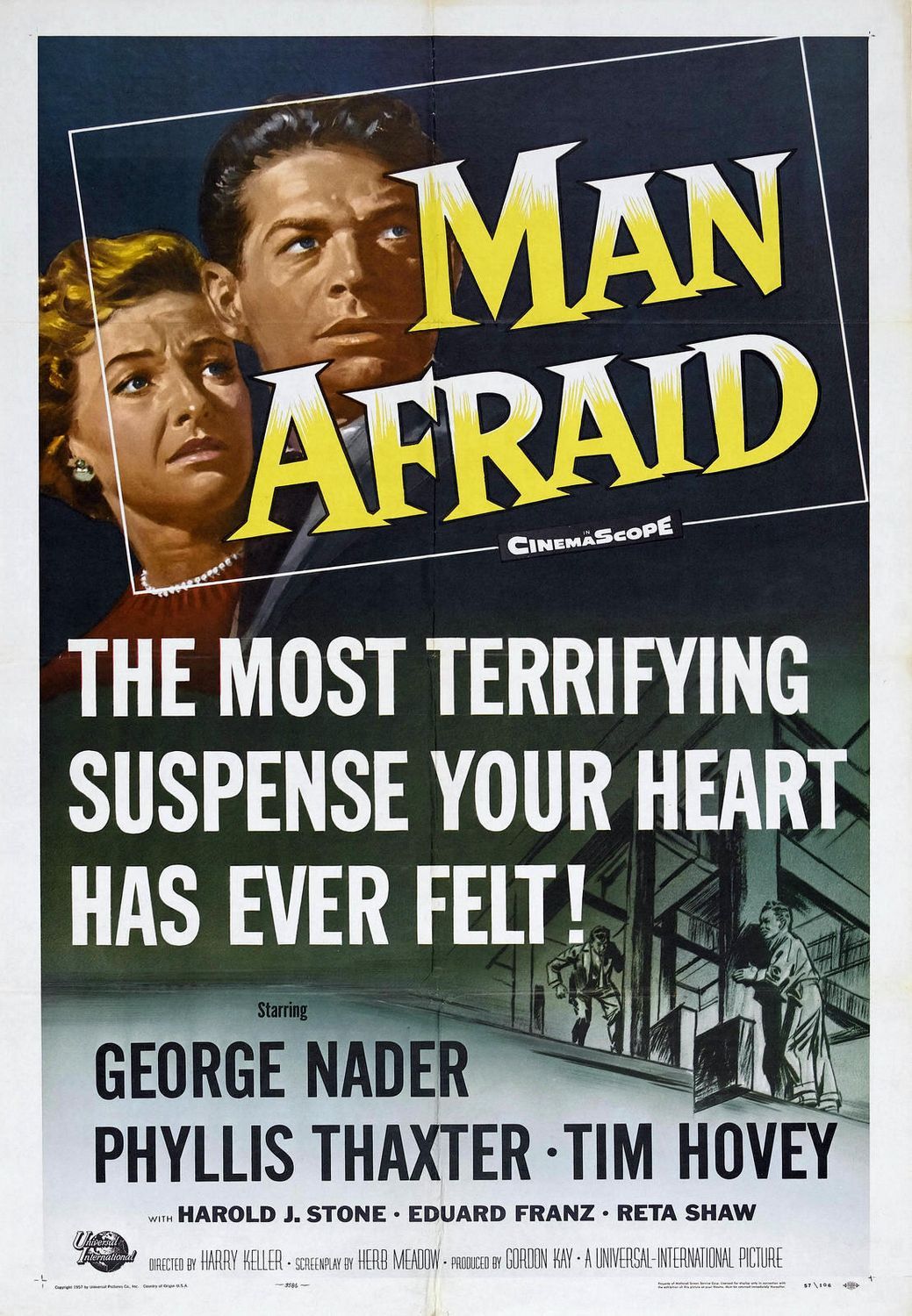
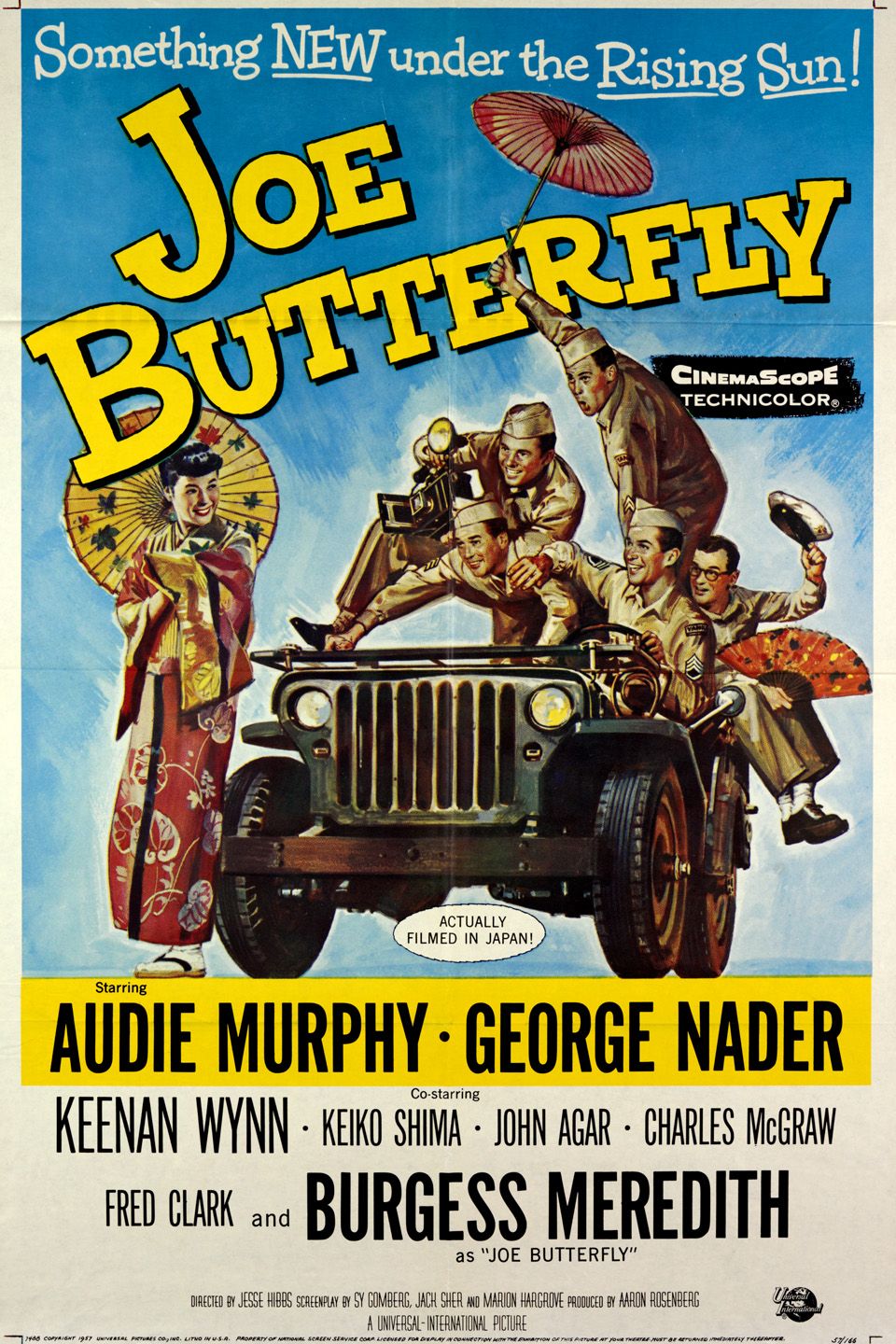
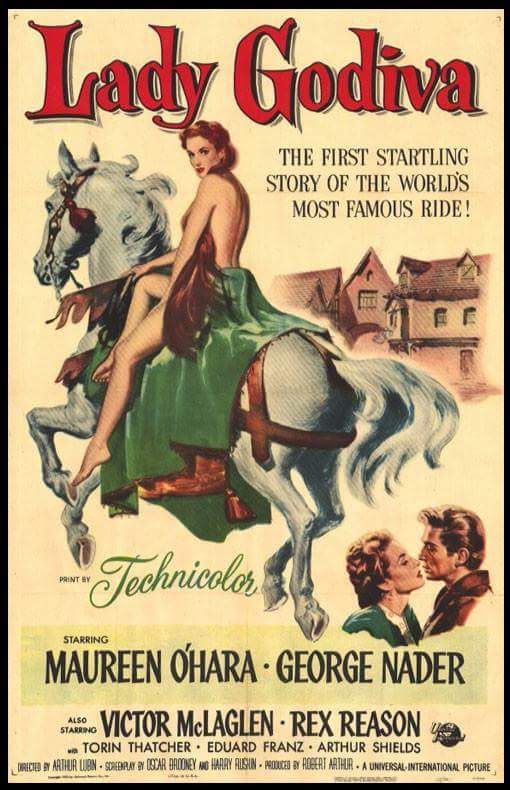
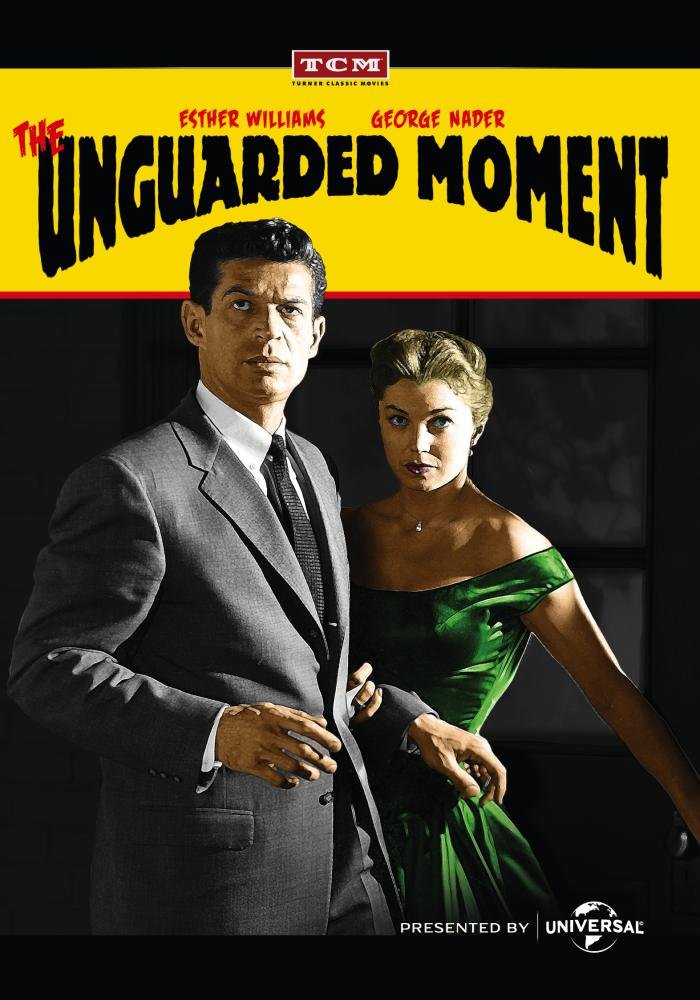
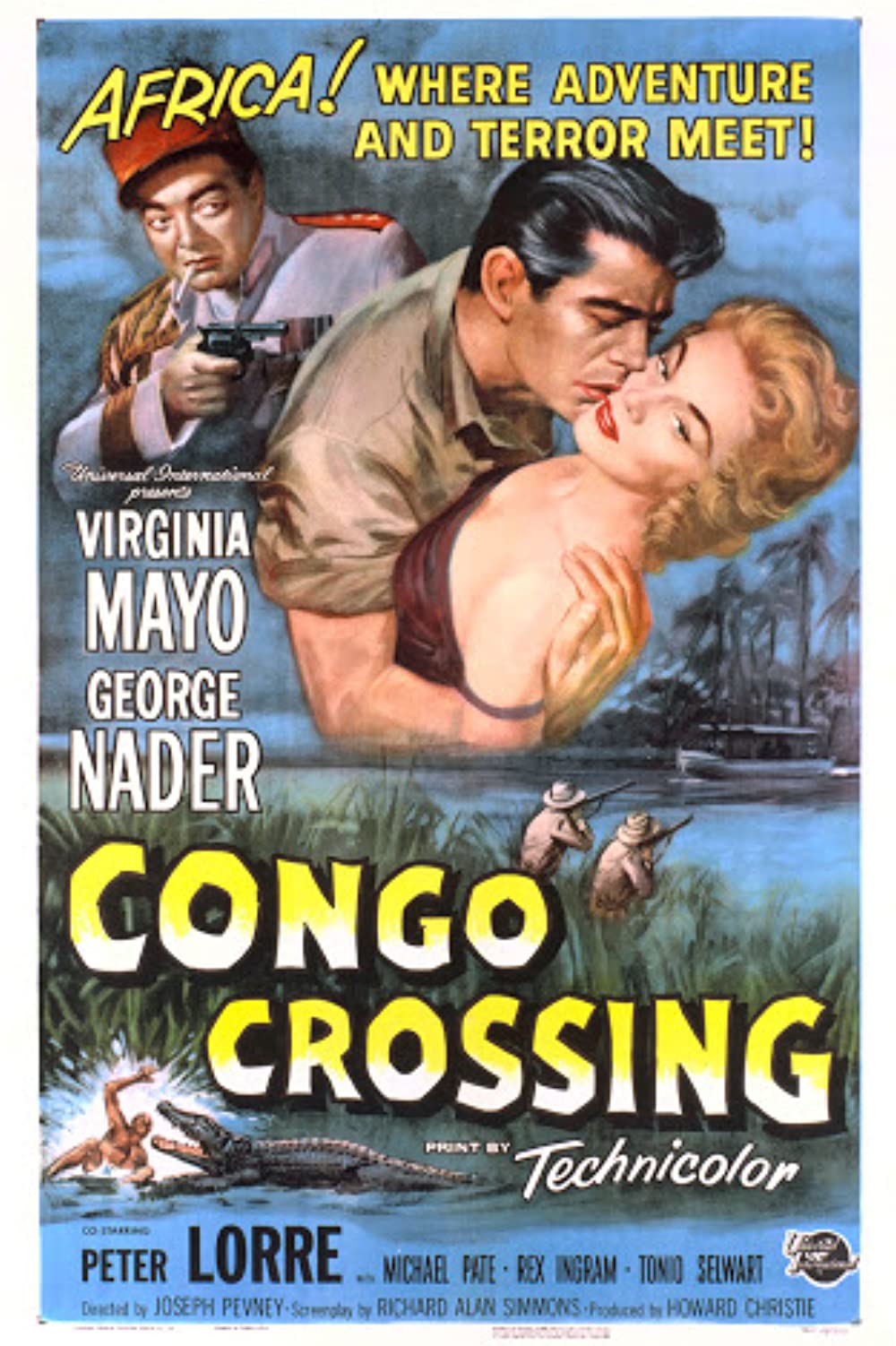
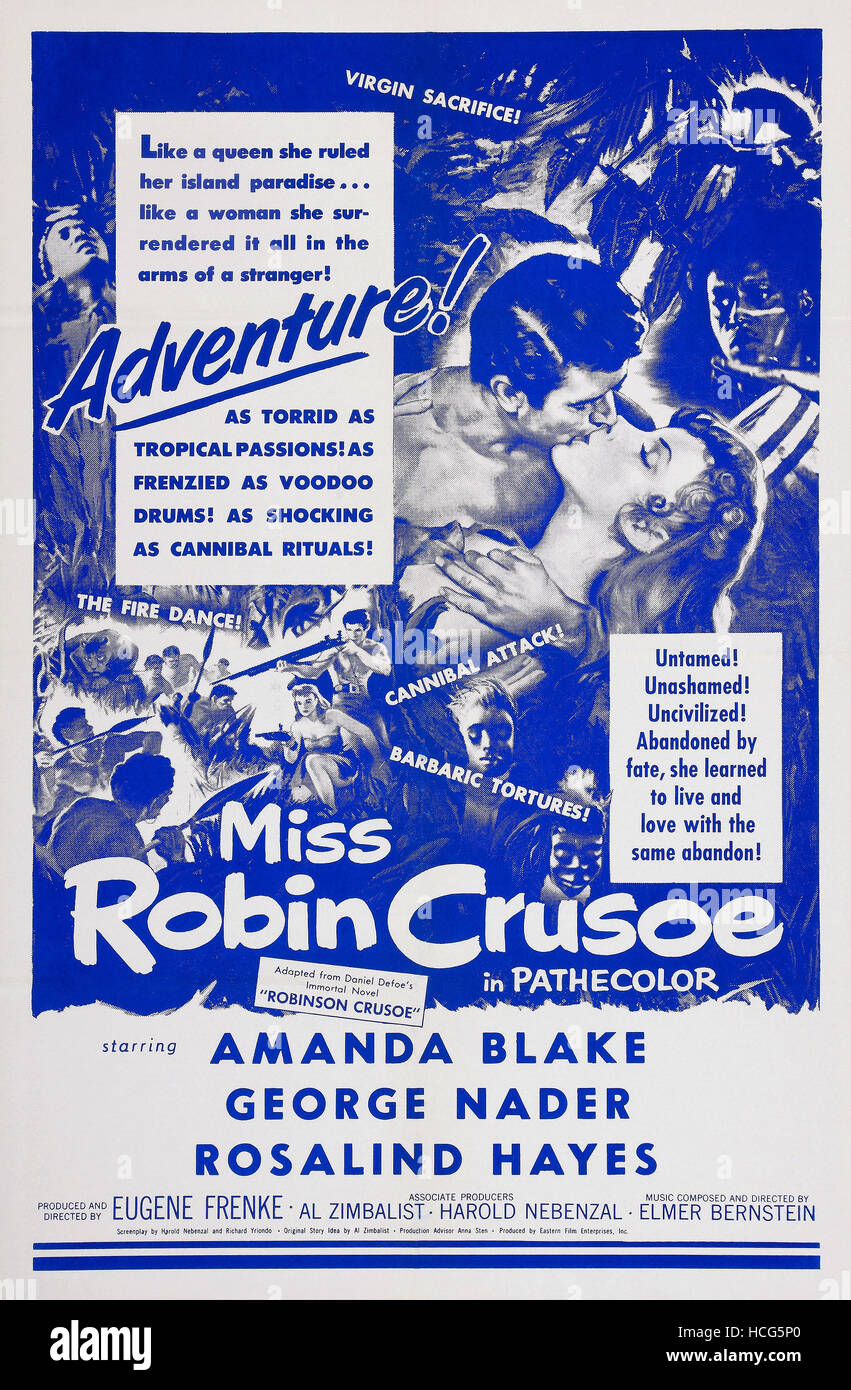

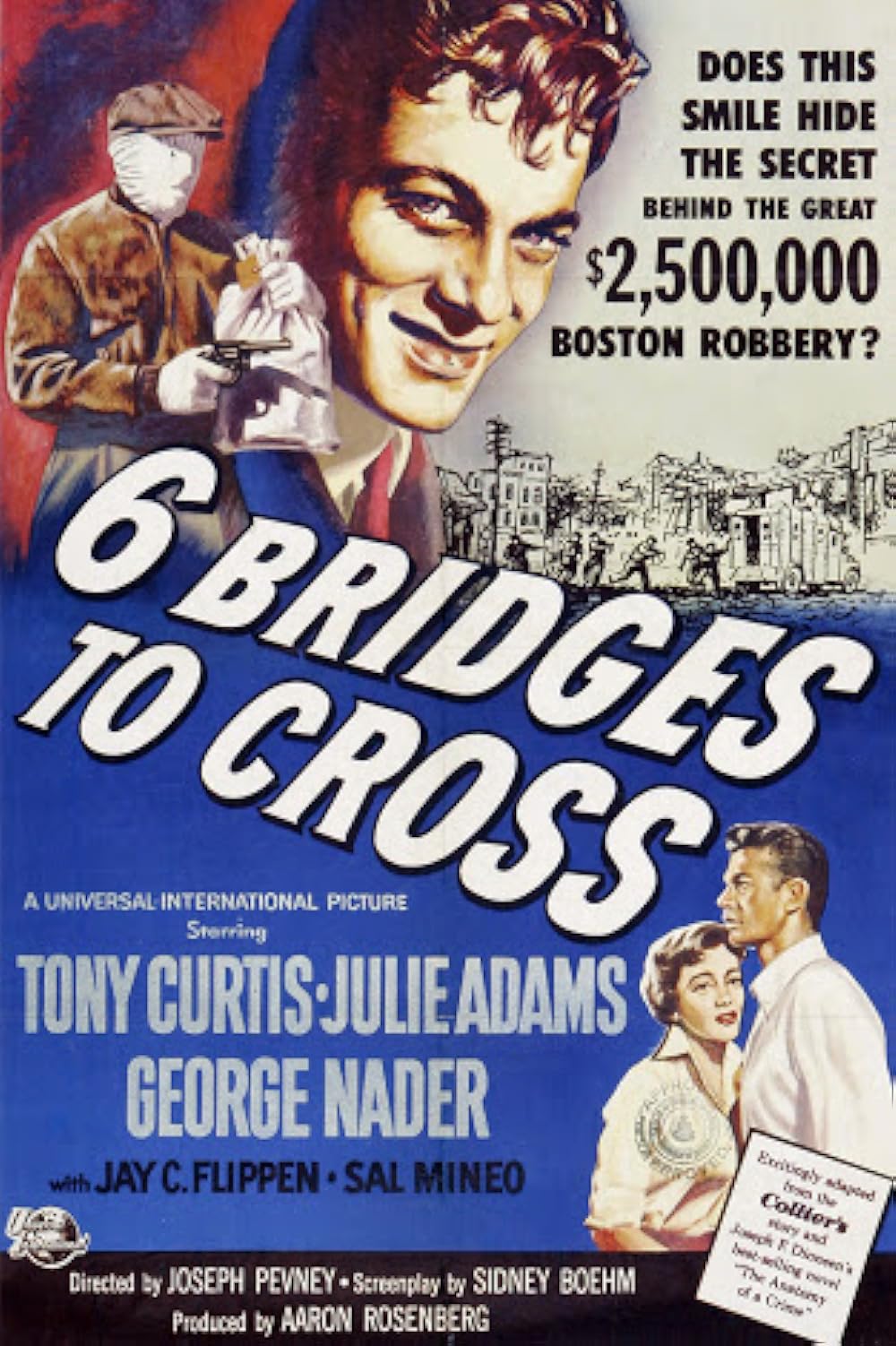
Nader, who had gained a BA in theatre arts, and studied acting at the Pasadena playhouse in his home town, had already taken small roles in half a dozen films, mostly B-features. However, a Universal contract in 1954 got him leads in bigger pictures, such as Six Bridges To Cross (1955), playing a kindly cop who takes an interest in criminal Tony Curtis; Lady Godiva (1955), as a Saxon nobleman married to Maureen O’Hara; and the second-rate musical, The Second Greatest Sex (1956), in which he is at the mercy of his bride Jeanne Crain, who organises a sex strike in a small western town to cure the menfolk of their violent tendencies.
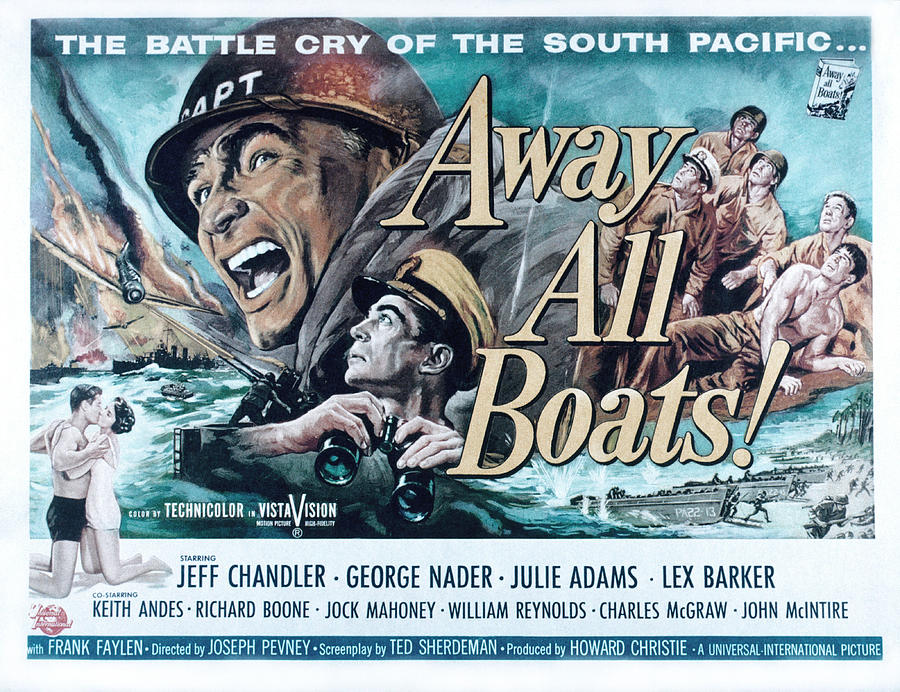
Nader, who had won a 1955 Golden Globe award for most promising newcomer, went on to co-star as a navy lieutenant of tough integrity standing up to the unyielding captain Jeff Chandler in Away All Boats (1956), and was a reassuring masculine presence in The Unguarded Moment (1956), as a policeman helping a teacher (a non-swimming Esther Williams) cope with a psychopathic student.
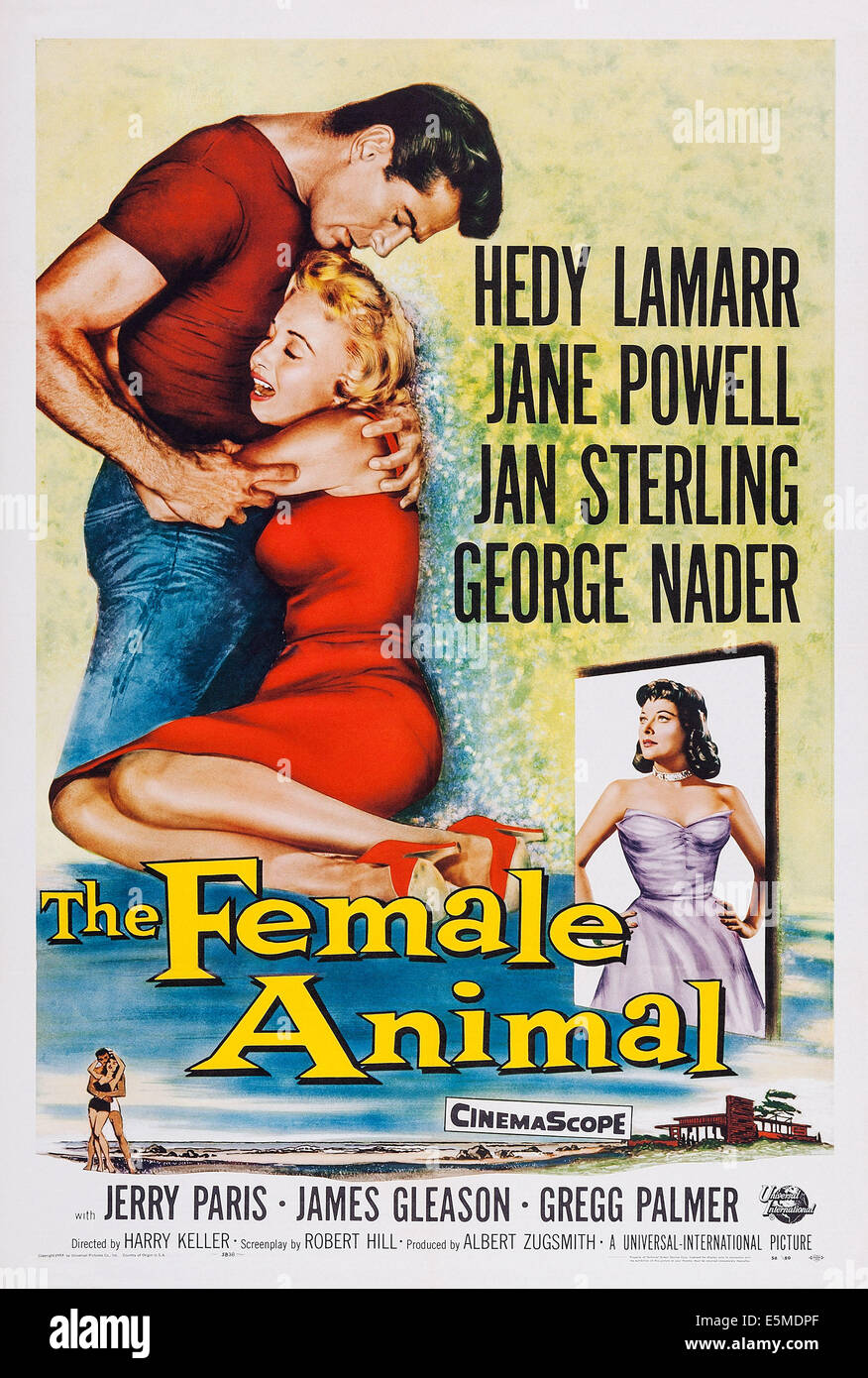
In general, however, Universal, who considered Nader a sub-Rock Hudson, cast him in second features. Thus, after The Female Animal (1958), in which an ageing star (Hedy Lamarr, in her last film role) and her alcoholic daughter (a non-singing Jane Powell) fight over Nader as a movie bit-player, he decided to go freelance.
The move did not exactly enhance his reputation, as the films he appeared in were international hodgepodges, such as The Secret Mark Of D’Artagnan (1962), in which dashing Musketeer Nader attempts to stop an assassination attempt on Louis XIII; or low budget nonsense like The Human Duplicators (1965) and Beyond Atlantis (1973). Nevertheless, Nader achieved widespread fame in Germany, where he played tough FBI agent Jerry Cotton in eight highly successful but rubbishy crime thrillers of the 1960s.
He took to writing sci-fi novels in the mid-1970s, after sustaining an eye injury in a serious car accident. For years, he lived quietly with his partner in Palm Springs, making rare public appearances. Last year, he entered hospital with a life-threatening fever of unknown origin, but, according to his doctor, was “able to put up such a strong fight because of his lifelong devotion to healthy living and fitness”.
· George Nader, actor, born October 19 1921; died February 4 2002
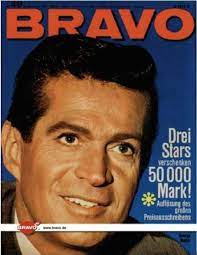
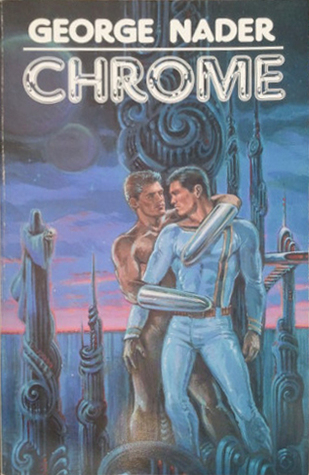
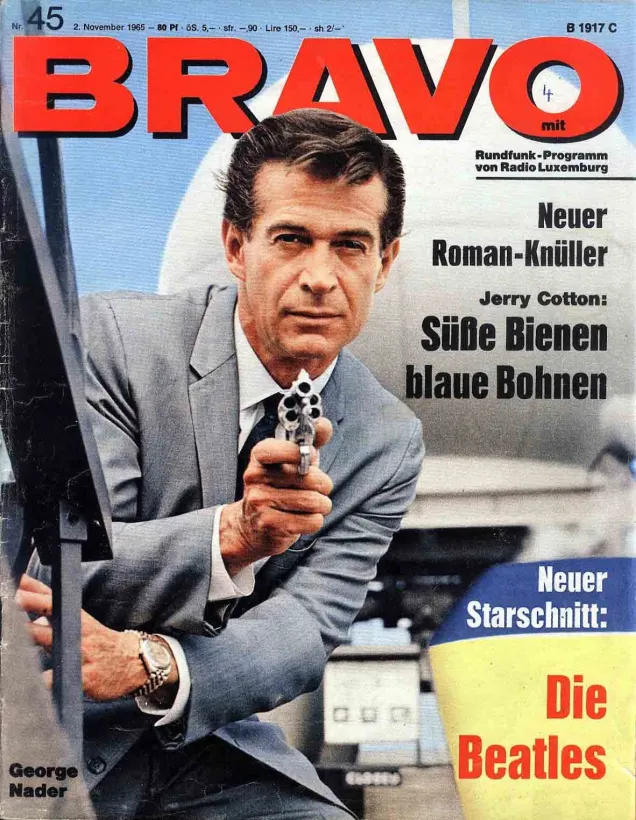
George Nader (1921–2002) occupies one of the most complex and poignant positions in Hollywood history. While he was a staple of 1950s cinema—a chiseled, baritone leading man who seemed destined to inherit the mantle of Rock Hudson—his career is defined more by its abrupt end and the industry “blacklisting” that occurred behind the scenes.
In a modern critical light, Nader is viewed as a martyr of the “Lavender Scare” era, but he was also an actor of significant, if underrated, technical range.
1. Career Arc: From Universal Star to International Exile
The Universal Workhorse (1950–1957): Following a stint at the Pasadena Playhouse, Nader was signed by Universal-International. He was the quintessential “Contract Player,” filling the demand for handsome, reliable leads in Westerns, adventures, and B-level noirs.
The Sci-Fi Cult Classic (1953): Early in his career, he starred in Robot Monster, a film widely regarded as one of the “worst” ever made. Critically, however, Nader was praised for playing the absurd material with a straight-faced sincerity that allowed the film to function.
The Scandal and Blacklisting (1958): Nader was reportedly the victim of a “trade” by Universal. To protect their biggest star, Rock Hudson, from a tabloid exposé regarding his sexuality, the studio allegedly allowed the press to “out” Nader instead. Overnight, his American film career was effectively over.
The European Rebirth (1960s): Nader moved to Germany and became an international sensation as FBI agent Jerry Cotton. He starred in eight films in this franchise, becoming one of Europe’s most bankable action stars.
The Literary Pivot: After an eye injury ended his acting career, Nader wrote Chrome (1978), one of the first science-fiction novels to feature an explicit, positive gay romance.
2. Critical Analysis of Key Performances
Away All Boats (1956) – The Stoic Professional
As Lt. Dave MacDougall, an officer on an attack transport during WWII.
Analysis: This was Nader’s attempt at “prestige” stardom. He utilized a minimalist, commanding physicality. He didn’t rely on theatrical flourishes, opting instead for a performance of quiet competence that matched the film’s quasi-documentary style.
Critique: Critics of the time noted that Nader possessed a “granite-like” stability. He was an actor who could project authority without raising his voice, a trait that made him the perfect cinematic representation of the post-war American military ideal.
The Female Animal (1958) – The Cynical Romantic
Playing an extra who becomes involved with a fading movie star (Hedy Lamarr) and her daughter (Jane Powell).
Analysis: This film allowed Nader to play a more complex, weary character. He portrayed a man who was acutely aware of the superficiality of Hollywood, effectively mirroring his own career frustrations.
Critique: Nader brought a masculine vulnerability to the role. He wasn’t just a “beefcake” lead; he showed a capacity for internal conflict. It remains one of his most “adult” performances, showing what he might have achieved had he been allowed to transition into the “psychological” dramas of the 1960s.
The Jerry Cotton Series (1965–1969) – The Action Icon
As Jerry Cotton, a high-octane FBI agent in a series of West German thrillers.
Analysis: In Europe, Nader was liberated from the “stiff” expectations of Universal. He played Cotton with a wry, kinetic energy. He was more “Bond-like” than he ever was in Hollywood—suave, physically capable, and possessing a sharp, comedic timing.
Critique: Critically, these films proved that Nader was a natural action star. He performed his own stunts and brought a distinctively American “tough-guy” swagger to European cinema, which directly influenced the “Eurospy” genre.
3. Style and Legacy: The “Subtextual” Leading Man
George Nader’s style was defined by a specific rectitude—a sense of absolute moral and physical alignment.
| Attribute | Critical Impact |
| Vocal Resonance | He possessed a deep, velvet baritone that commanded the screen, often making his dialogue sound more significant than the script intended. |
| Physical Symmetry | He was the physical ideal of the 1950s “Adonis.” This perfection was both his greatest asset and his curse, as it led to his being typecast in “perfect man” roles. |
| The “Silent” Resilience | Because he was living a double life in Hollywood, there is an undercurrent of watchfulness in his performances. He always seemed to be “observing” the scene as much as participating in it. |
The “Chrome” Legacy
Modern critical analysis of George Nader cannot ignore his contribution to literature. His novel Chrome is now studied as a landmark in Queer Science Fiction. It was a radical act for a former Hollywood leading man to write an unapologetic love story between two men (and robots), effectively reclaiming the narrative that the studios had used to destroy his career.
Critical Note: George Nader was an actor who was “broken” by the system but refused to be defeated by it. His legacy is one of survivorship. He proved that a performer’s value was not dictated by their standing in the Hollywood hierarchy, but by their ability to adapt, reinvent themselves, and eventually speak their truth