🎬 1. Early Life, Family Background, and Entry into Acting
Noreen Margaret Corcoran was born on October 20, 1943, in Quincy, Massachusetts, into a family deeply involved in show business; many of her siblings were also child actors, including Kevin Corcoran. The family relocated to Southern California when she was young, which placed her in close proximity to Hollywood’s studio system.
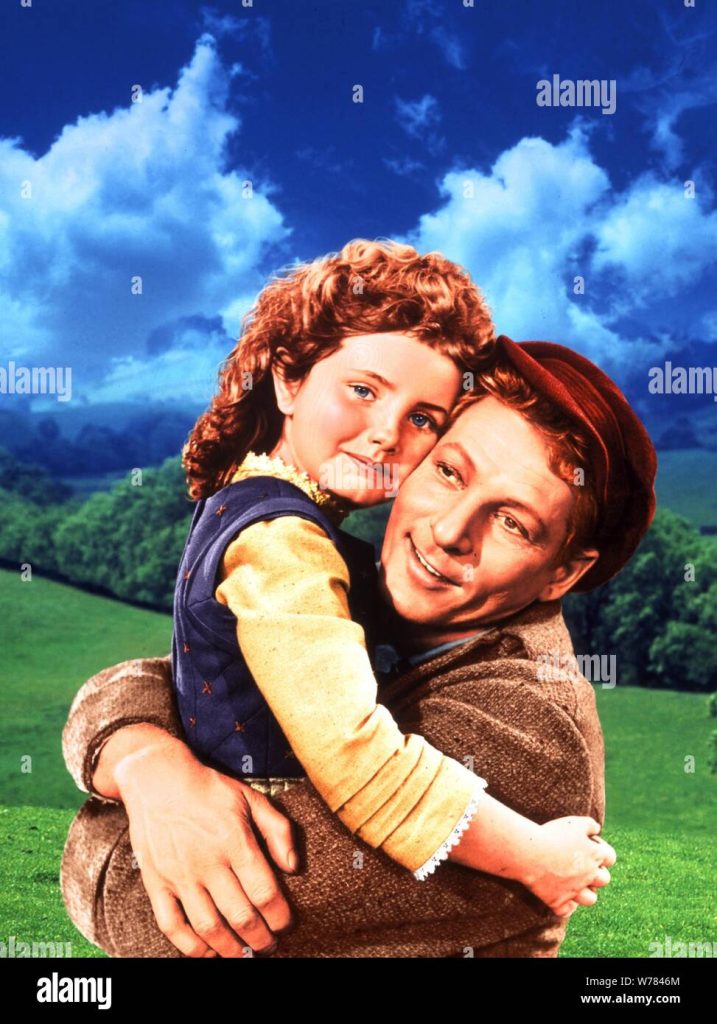
Her early exposure to film was through uncredited and minor parts from the age of about eight — in films such as Apache Drums (1951) and Hans Christian Andersen (1952) — giving her a foundation in screen acting from childhood.
This early period reveals both Corcoran’s precocious entry into acting and the common mid‑century pattern in which children of Hollywood workers entered the business through bit parts and family connections.
📺 2. Breakthrough in Television: Bachelor Father (1957–1962)
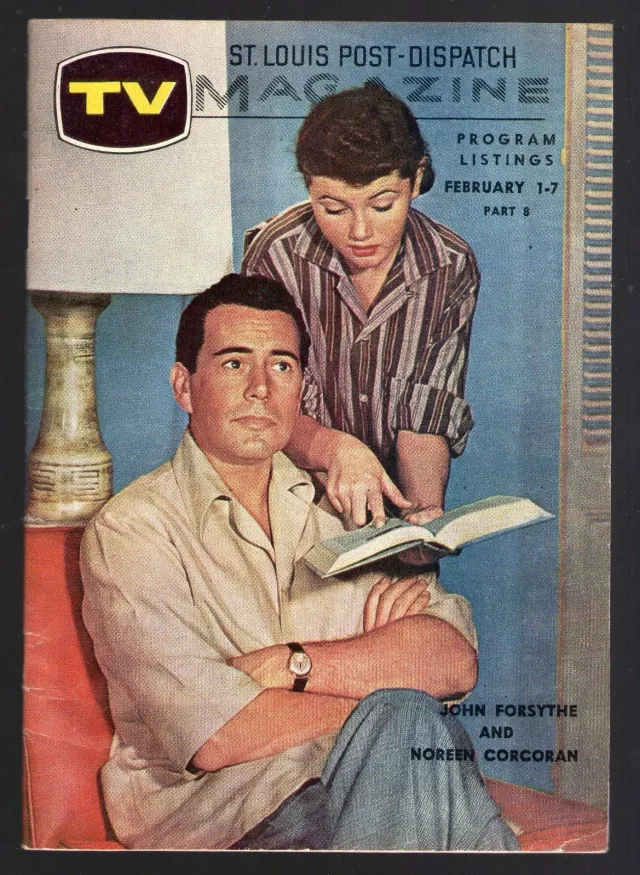
Corcoran’s most defining role came with the sitcom Bachelor Father, in which she played Kelly Gregg, the orphaned teen niece adopted by her bachelor uncle, a wealthy attorney played by John Forsythe.
Critical Analysis
- Character Arc and Growth: Corcoran’s Kelly begins as a 13‑year‑old dealing with the trauma of losing her parents, and over the course of five seasons she grows up on screen. This biography‑meets‑fiction arc allowed Corcoran to develop a measured screen presence, portraying youthful vulnerability that gradually matured into poised young adulthood.
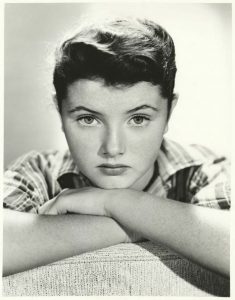
- Screen Persona: Her performance blended innocence, resilience, and charm, making Kelly a relatable and enduring figure for American television audiences. While the role conformed to the era’s conventions of wholesome family sitcoms, Corcoran’s naturalistic acting style lent it nuance beyond mere stereotype. Her face and expressions conveyed sincerity — an understated emotional intelligence for a series grounded in light comedy.
- Cultural Impact: Bachelor Father was notable for showing a non‑traditional family unit in a positive light, long before such stories became mainstream. Corcoran’s role as the adopted niece was central to that narrative, giving the series a relatable emotional core.
In terms of legacy, Kelly Gregg remains Corcoran’s most recognized work — and arguably the part in which she was able to exert the greatest dramatic influence within a long‑running format.
🎥 3. Supporting Film and Television Roles (1950s–1960s)
Outside Bachelor Father, Corcoran appeared in a mix of films and TV shows throughout the 1950s and early 1960s, though largely in supporting or episodic roles:
Feature Films:
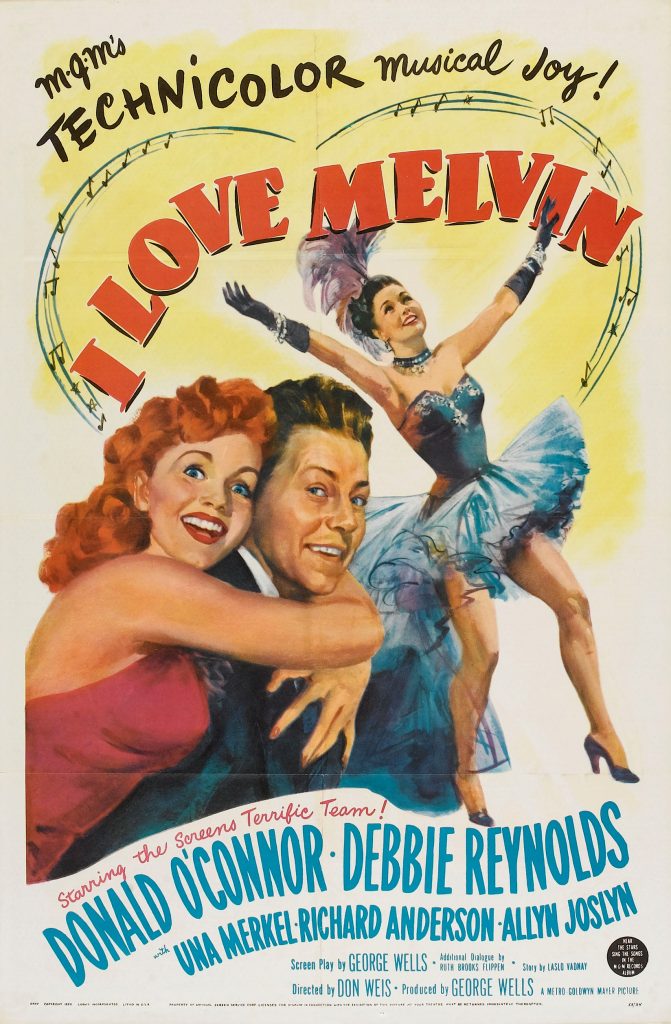
- I Love Melvin (1953) — musical/comedy role
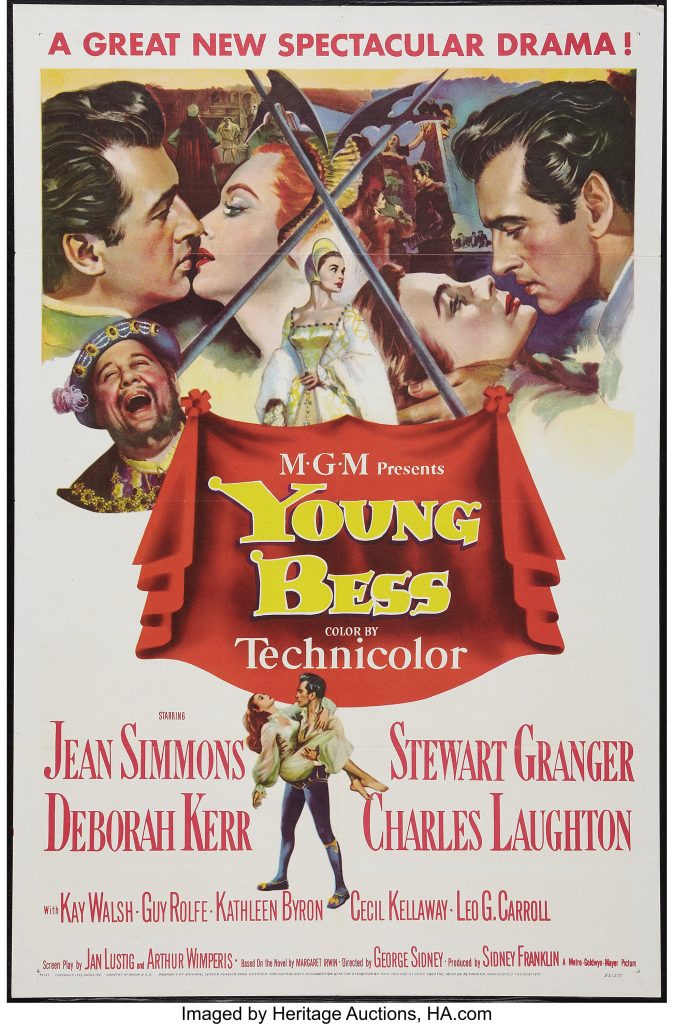
- Young Bess (1953) — playing the young lead character
- Tanganyika (1954) — adventure film
- Gidget Goes to Rome (1963) — teen‑oriented picture
- The Girls on the Beach — a beach‑party comedy during that genre’s mid‑1960s peak
Television Guest Appearances:
- Dr. Kildare
- Ben Casey
- Gunsmoke
- The Big Valley
…among others.
Critical Evaluation of This Phase
- Versatility Within Constraints: Corcoran moved between genres — musicals, adventure, teen comedies, and classic dramas — but in all cases she was cast as either youthful archetypes (schoolgirl, niece, young friend) or peripheral figures. Her screen presence was warm and engaging, but rarely given the dramatic centrality needed to showcase broader range.
- Teen and Youth Roles: Corcoran’s film casting in Gidget Goes to Rome and The Girls on the Beach reflected Hollywood’s mid‑20th‑century confidence in her as a youthful screen figure with broad appeal, yet these genre films were often light‑hearted and formulaic, limiting potential for deep character development.
- Television Guest Work: Her episodic roles demonstrated reliability and adaptability, but these were short appearances that didn’t contribute significantly to a critical reputation for dramatic breadth.
In summary, while Corcoran’s work beyond Bachelor Father was varied in type, it seldom allowed her to elevate beyond stable supporting work.
🎭 4. Acting Style and Screen Persona
Noreen Corcoran’s screen work reveals a style marked by:
1. Naturalism and Authenticity
Even as a child actor, her performances avoided theatrical excess — she presented gestures and tones that felt genuine and grounded, especially in Bachelor Father.
2. Youth‑Anchored Presence
Across roles, Corcoran was most effective when portraying young characters undergoing transition, whether from adolescence into adulthood or simply navigating the social dynamics of teen life.
3. Emotional Clarity
While she rarely inhabited psychologically complex roles, her straightforward emotional clarity — sincerity, sweetness, eagerness, vulnerability — was central to her screen appeal.
Overall, her style fitted well with mid‑20th‑century family entertainment but was less suited to the more experimental or intense styles that emerged later in the 1960s and 1970s.
🚦 5. Career Limitations and Transition Out of Acting
Corcoran’s television success did not translate into a long Hollywood film career:
- After mid‑1960s TV and film work, she retired from acting in 1965.
- She pursued education briefly at Fresno State University, studying English and drama, but did not complete her degree.
- She later worked behind the scenes with the Lewitzky Dance Company for more than a decade, indicating a move toward arts support work rather than performance.
These transitions reflect both the limited dramatic opportunities available to actresses who matured out of child/teen rolesin that era and her personal decision to step away from the screen.
🧠 6. Legacy and Retrospective Evaluation
Noreen Corcoran’s critical reputation rests chiefly on her portrayal of Kelly Gregg, in which she helped anchor Bachelor Father through its five‑season run. That role demonstrated her:
- ability to sustain a character through developmental stages
- emotional accessibility and warmth
- compatibility with the early classic sitcom form
Her supporting film work adds texture to her career but does not fundamentally redefine her acting identity in critical history.
In retrospect, Corcoran can be seen as a representative of mid‑century American television’s child and teen actorswhose best work resonated within family entertainment and light comedy, rather than intense drama. Her career reflects both the strengths and limitations of that niche in Hollywood’s ecosystem.
📌 Summary
Noreen Corcoran was a compelling presence in early American television whose work was defined by:
- a memorable, long‑running lead television role
- a screen persona rooted in youthful authenticity and sincerity
- a stable but relatively short acting career confined largely to family entertainment and genre films
Her artistry reveals comfort and reliability on screen, even if her range was not tested in deeply challenging dramatic roles — a testament to how mid‑20th‑century industry structures shaped the opportunities of young actresses.