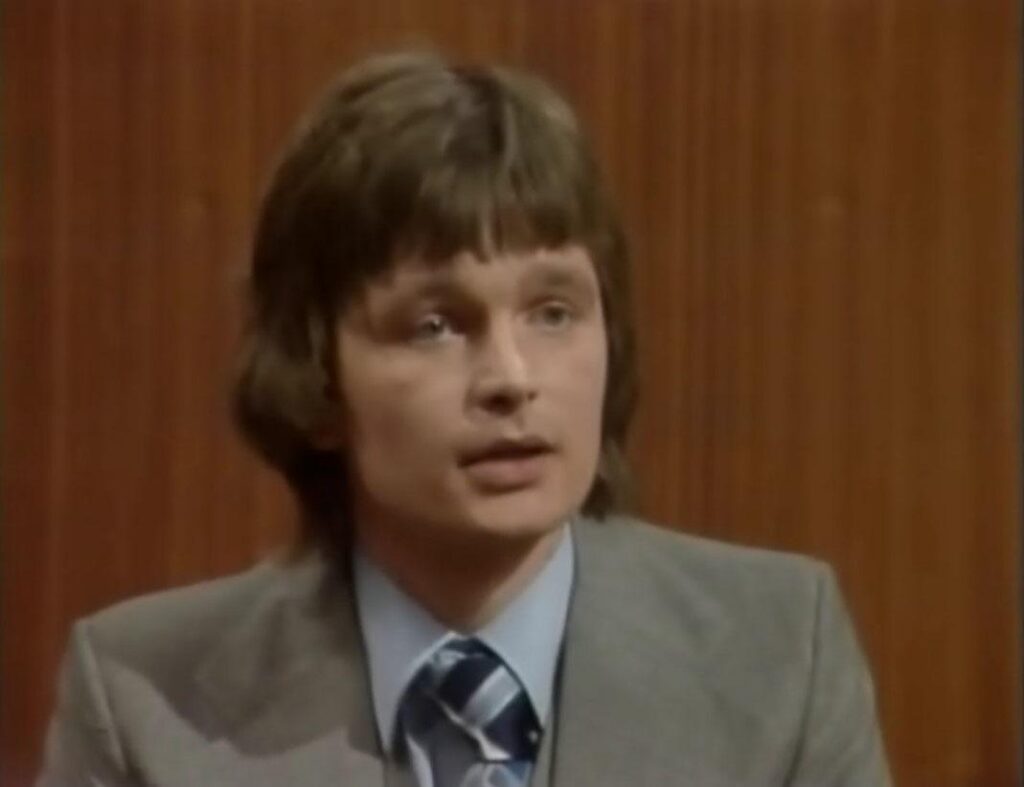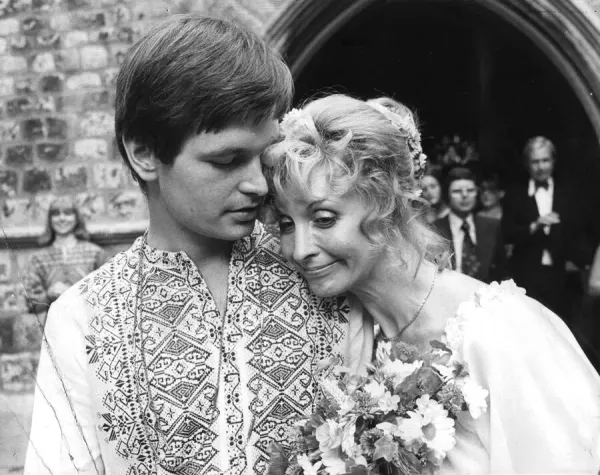

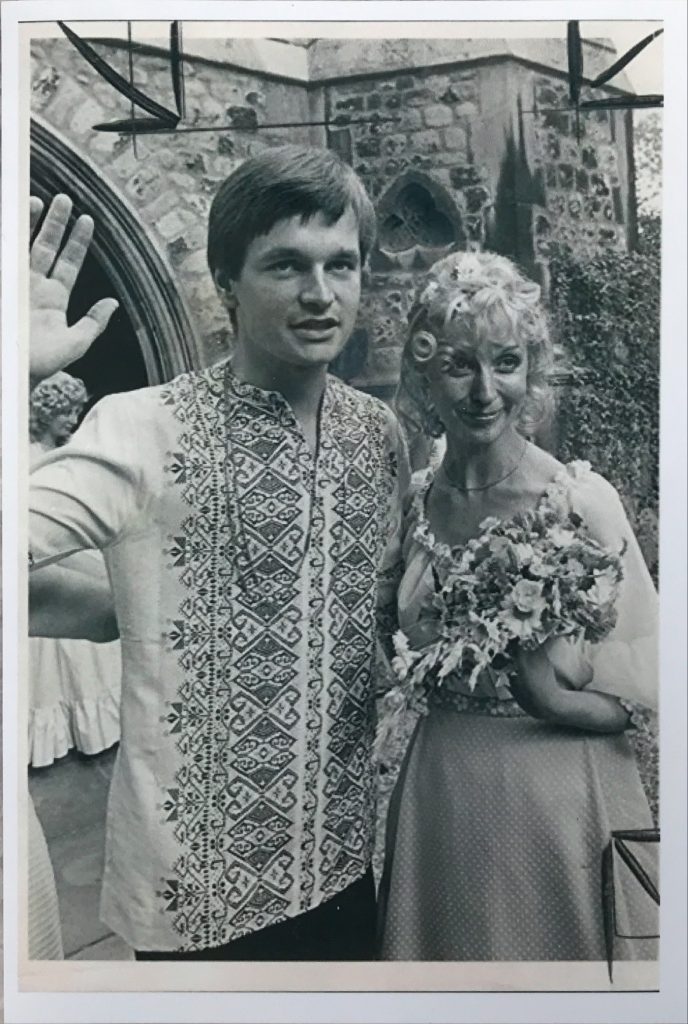
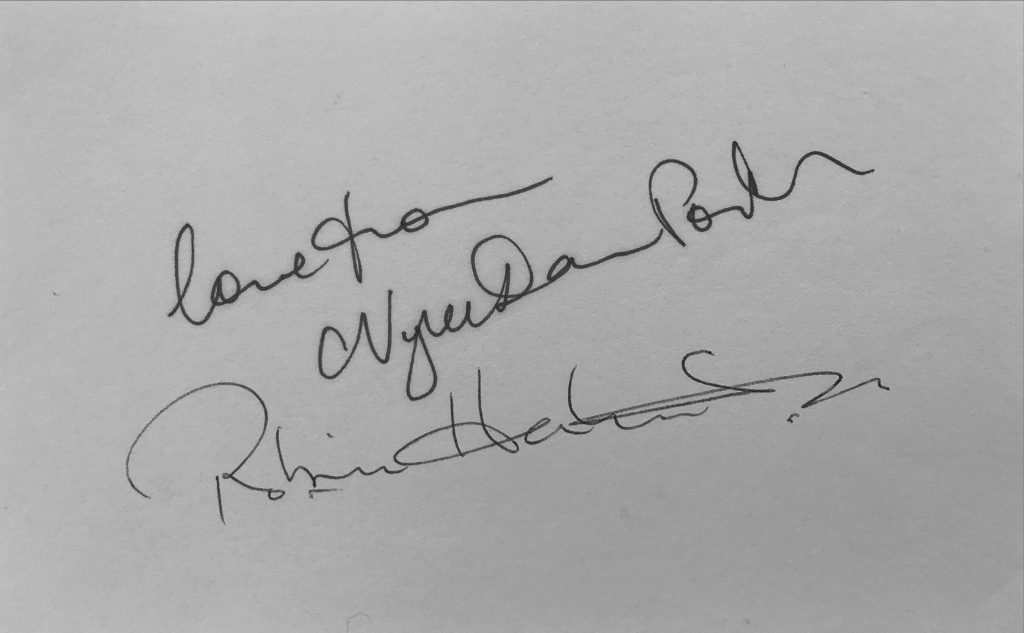
Robin Halstead was born on February 20, 1951 in Lagos, Nigeria as Bernard Halstead. He is an actor, known for Anne of Green Gables (1972), Sherlock Holmes and Doctor Watson (1980) and Tom Brown’s Schooldays (1971). He was previously married to Nyree Dawn Porter.
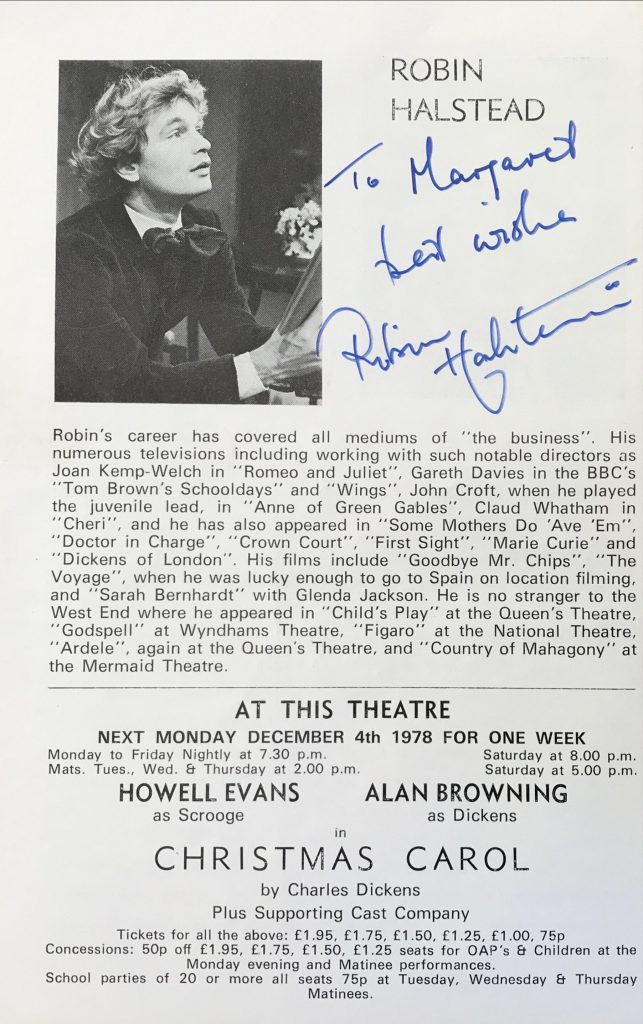
Robin Halstead — Career Overview & Critical Analysis
Introduction and Professional Profile
Robin Halstead is a British actor whose career is primarily associated with supporting roles in theatre and television drama, particularly within the mid-to-late 20th-century British performance ecosystem. Unlike major star performers of the period, Halstead belongs to the substantial category of professional “working actors” whose careers are built on consistency, adaptability, and ensemble contribution rather than celebrity visibility.
Because publicly documented information on his biography and credit list is relatively limited compared with more prominent contemporaries, his career is best understood through the broader context of British repertory training, television drama production practices, and character-actor performance culture.
Early Career Context: British Repertory Tradition
Halstead’s professional formation can be situated within the British repertory theatre system, which trained actors in:
- rapid role preparation across multiple productions
- versatility in genre and character type
- strong vocal and textual discipline
Actors emerging from this system typically transitioned into television during the expansion of British broadcasting drama, particularly through BBC and ITV productions.
Critical significance:
This background tends to produce actors who are not defined by star persona but by reliability, tonal accuracy, and adaptability to ensemble storytelling.
Television Career and Screen Work
Halstead’s screen career is best understood in terms of supporting and character roles in British television drama, a dominant form of cultural production from the 1960s onward.
British television during this period often relied on:
- studio-based realism
- dialogue-driven storytelling
- ensemble casts rather than star-centric narratives
Within this environment, actors like Halstead played a crucial structural role.
Acting Function in Television Drama
Rather than dominating narratives, Halstead’s type of performer typically serves to:
- ground scenes in realism
- support principal character arcs
- embody professional, civic, or everyday roles
- maintain tonal continuity across episodes
This is especially important in procedural or serial drama formats where narrative credibility depends on a consistent ensemble texture.
Stage Work and Theatrical Approach
While specific productions are not widely documented in public records, actors of Halstead’s generation and training typically maintained ongoing involvement in theatre.
From a stylistic standpoint, his probable stage approach would align with:
- text-centred interpretation
- controlled emotional delivery
- emphasis on ensemble cohesion over individual prominence
Such traits are consistent with the British classical-to-naturalist acting continuum that shaped post-war theatre practice.
Acting Style: Critical Analysis
1. Naturalistic Restraint
Halstead’s performance style can be characterised by low-key naturalism, a dominant mode in British television acting.
Key features include:
- understated emotional expression
- conversational rhythm in dialogue delivery
- avoidance of theatrical exaggeration
This allows supporting characters to feel integrated rather than performatively distinct.
2. Ensemble Orientation
A defining trait of actors in Halstead’s category is their function within an ensemble structure.
Rather than drawing focus, his style prioritises:
- responsiveness to scene partners
- narrative support rather than dominance
- consistency across multiple episodes or productions
This makes such performers essential to the ecological stability of television drama.
3. Character-Type Versatility
Actors in similar professional positions are often cast in:
- authority figures (clerks, officials, professionals)
- working professionals in procedural dramas
- socially grounded “everyday” roles
This reflects casting practices that rely on recognisable social archetypes to quickly establish narrative context.
4. Strengths
- strong adaptability to different production styles
- credible naturalistic presence
- reliability in supporting ensemble drama
- ability to maintain tonal realism in dialogue-heavy scenes
5. Limitations (Structural, Not Personal)
Any limitations associated with Halstead’s career are better understood as industrial constraints rather than individual shortcomings:
- limited leading-role opportunities within British television hierarchy
- lack of international distribution for many productions
- under-documentation of supporting actors in archival records
This reflects a broader historical pattern in which television ensembles were essential but not always individually chronicled.
Industry Context and Cultural Role
Robin Halstead represents a significant but often under-acknowledged category of performer: the professional character actor within British television’s golden age of production.
Such actors contributed to:
- narrative realism in long-form drama
- continuity across episodic storytelling
- the credibility of institutional and social environments on screen
Their work underpinned much of British television’s reputation for grounded, literate drama.
Critical Evaluation
From a critical standpoint, Halstead’s career exemplifies the importance of non-celebrity acting labour in sustaining dramatic media.
His work can be understood through three key lenses:
1. Functional Realism
He contributes to the believable “world-building” of television drama.
2. Ensemble Ethics
He operates within a collaborative model where performance is distributed rather than hierarchical.
3. Invisible Craft
His acting represents the often unrecognised professionalism that allows leading performances to function effectively.
Legacy
While Robin Halstead is not widely associated with headline roles or internationally prominent productions, his career reflects a vital dimension of British acting culture:
- the sustained importance of repertory-trained performers
- the industrial reliance on dependable character actors
- the artistic value of understated, supportive screen performance
Final Assessment
Robin Halstead’s career should be understood less in terms of celebrity achievement and more as an example of craft-based acting professionalism within British television and theatre traditions.
His strengths lie in:
- realism
- adaptability
- ensemble integration
His significance lies in representing the infrastructure of performance—the actors whose consistent work makes dramatic storytelling possible