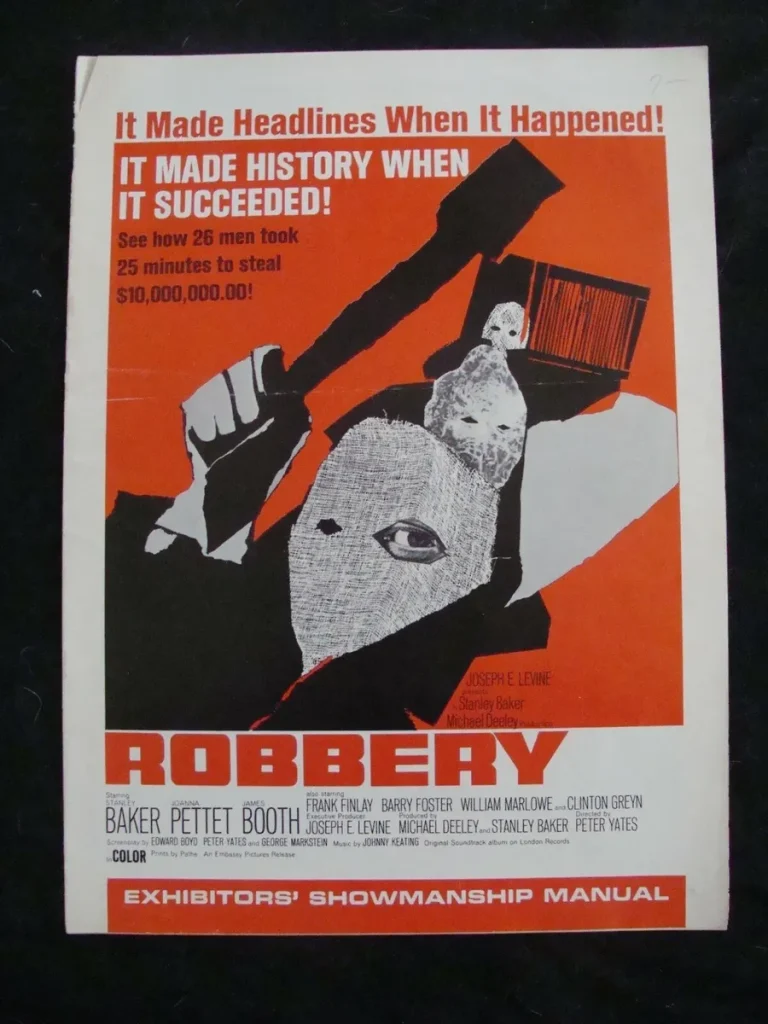
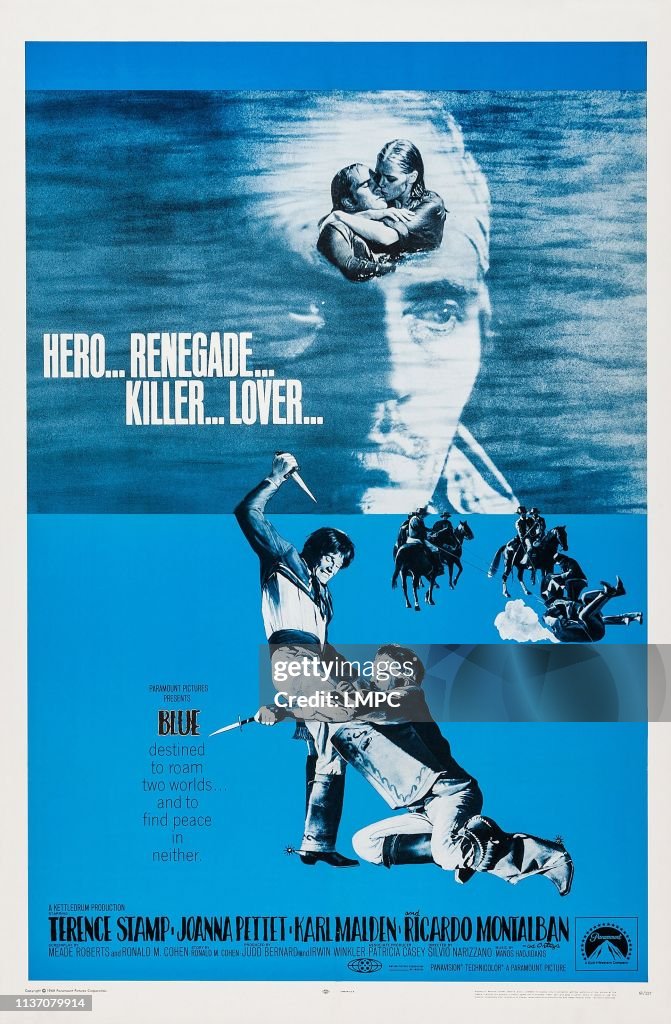
Joanna Pettet (born November 16 1942, Westminster, London) occupies a notable yet often overlooked niche in 1960s–1970s Anglo‑American film and television—the intelligent beauty who embodied the shifting sensibilities of her era’s women: poised yet skeptical of glamour, emotionally aware yet never sentimental. Her career, though relatively brief at its peak, offers a fascinating study in how traditional starlet allure evolved under the pressures of modern realism and psychological ambiguity.
Early Life and Training
Born Joanna Jane Salusbury, she was raised primarily in Canada before returning to London as a teenager. After attending the Neighbourhood Playhouse in New York, where she studied under Sanford Meisner, Pettet acquired a grounding in American naturalism rather than the polished British theatricality that marked many contemporaries. This education yielded her hallmark acting quality: direct, emotionally alert, instinctive rather than ornamental.
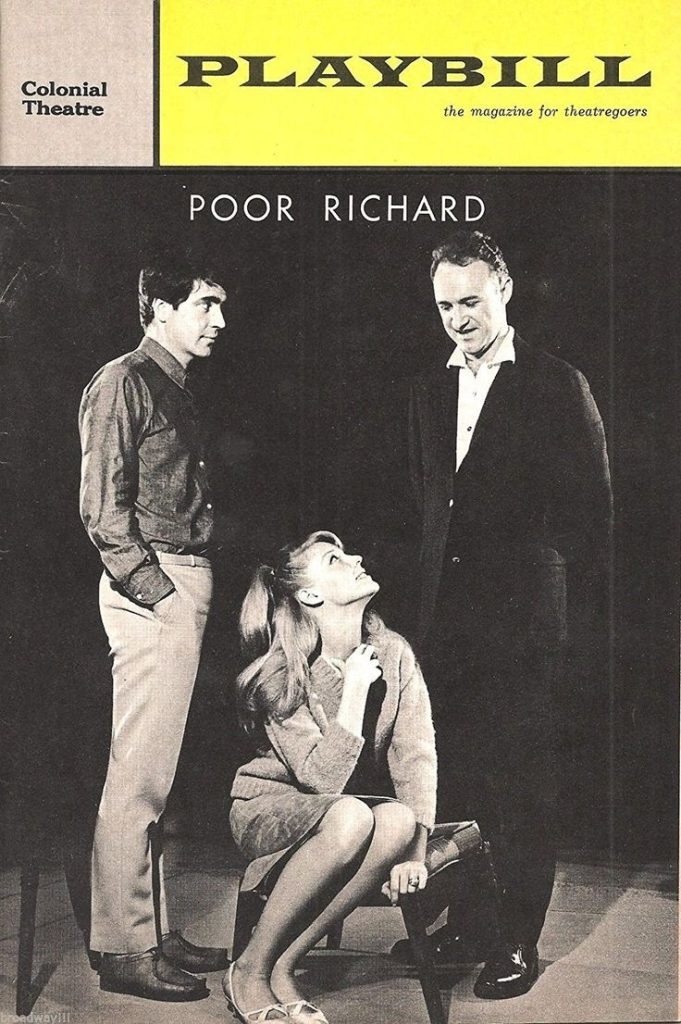
By the early 1960s she worked in Broadway theatre, debuting in Take Her, She’s Mine (1961) with Art Carney and winning the Theatre World Award for Poor Richard (1964). Critics at the time admired her freshness and precision, singling her out as an actress of “quiet intelligence” amid the era’s ingénues.
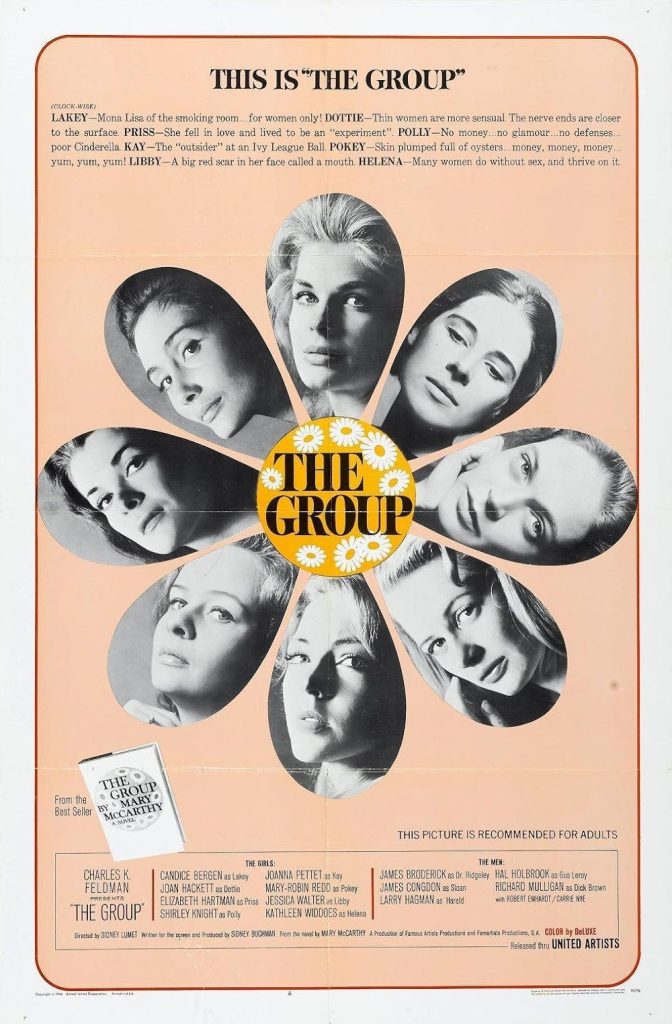
Film Breakthrough: The Group (1966)
Sidney Lumet’s adaptation of Mary McCarthy’s novel marked Pettet’s first major screen role and remains one of her most revealing performances. Among a cast that included Candice Bergen, Jessica Walter, and Shirley Knight, Pettet played Kay Strong, the sensitive, married one whose life ends in suicide.
Critically, the role demanded subtle shifts between optimism and disillusionment—traits that became central to her screen personality. Reviewers praised her grounded humanity; she avoided the stiffness that marred many early‑1960s literary adaptations. The New York Times described her performance as “elegant and distressingly truthful.” Later feminist film critics, revisiting The Group, found Kay’s tragic resignation foreshadowed how Hollywood would soon depict female emancipation as both liberating and perilous—a pattern Pettet would continue to explore.
Stardom and the 1960s Persona
Following The Group, Columbia Pictures positioned Pettet as a cosmopolitan successor to Audrey Hepburn: a poised European with American directness. She was widely publicized for her intelligence as well as appearance—part of the “new, knowing femininity” celebrated by Vogue and Look magazines.
Casino Royale (1967)
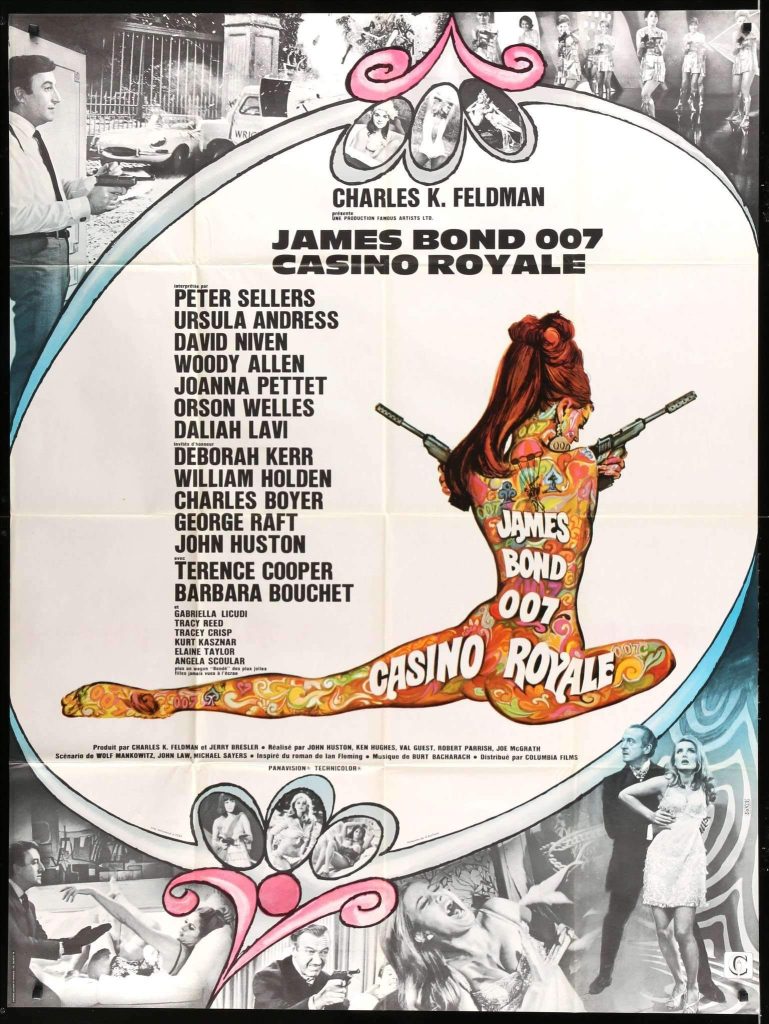
As Mata Bond, the witty daughter of James Bond, in the spoof espionage film, Pettet displayed effortless comic control amid chaos. Though the production was notoriously uneven, her performance stood out for self‑awareness; she played glamour as parody. Critics noted her timing and sly detachment: a woman inside the jest rather than object of it.
Her ability to maintain composure inside absurd spectacle encapsulated Pettet’s quality: intelligence tempered by irony—qualities that might have carried her into more substantial 1970s European art cinema had she not been absorbed by Hollywood genre work.
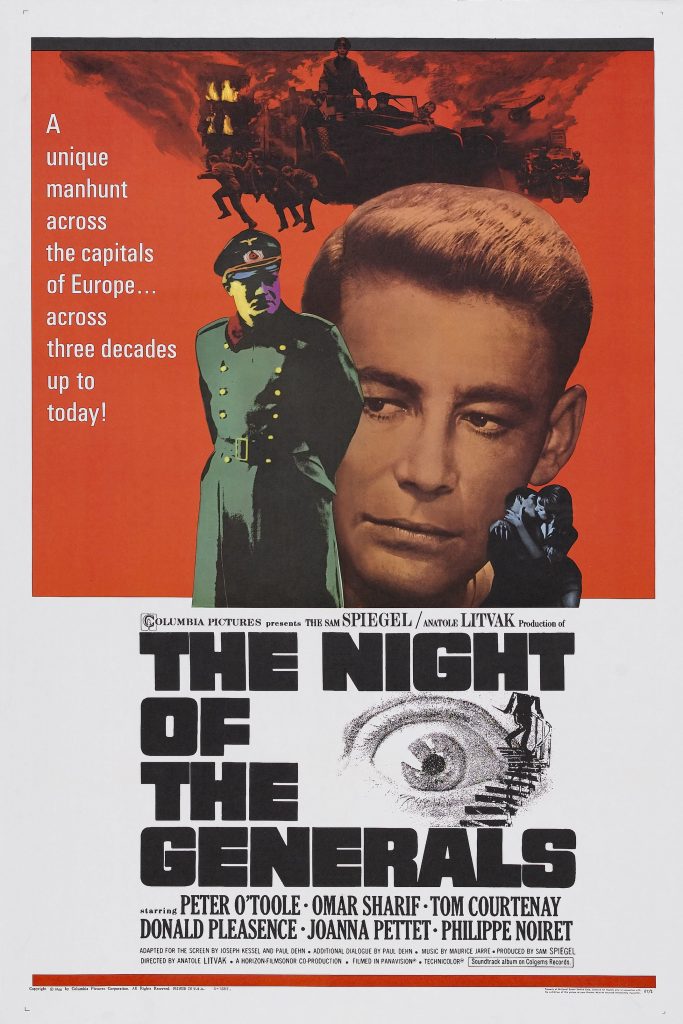
The Night of the Generals (1967)
Opposite Peter O’Toole and Omar Sharif, Pettet portrayed a prostitute whose murder triggers the film’s investigation. Though her screen time was brief, reviewers highlighted her combination of fragility and conviction; she imbued a plot device with tragic immediacy. The contrast between her moral earnestness and the officers’ corruption symbolically grounds the film’s ethics.
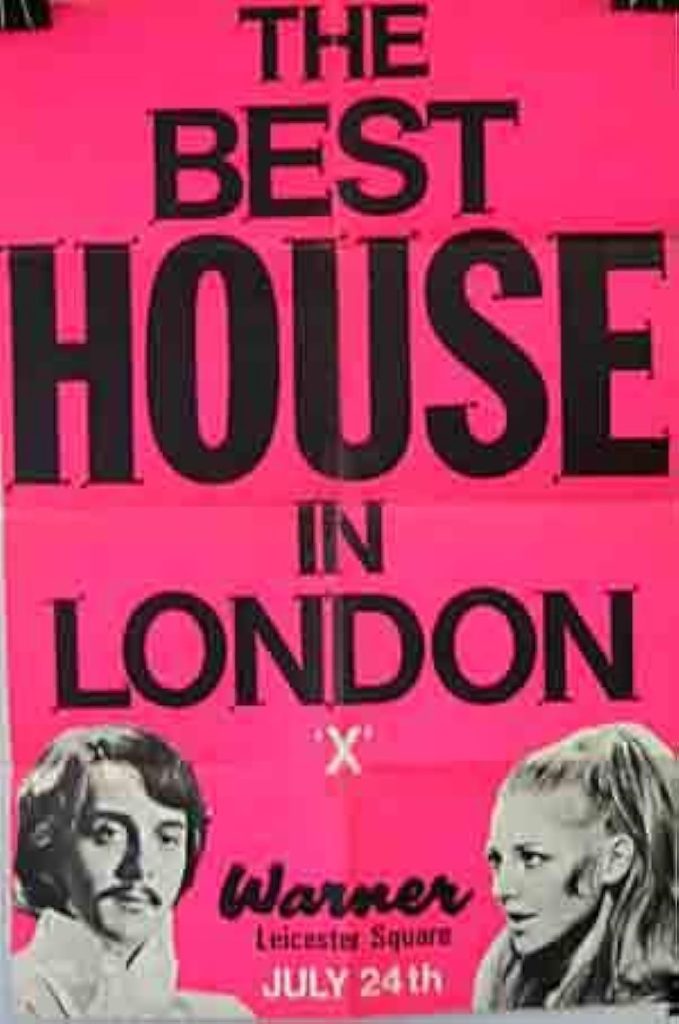
The Best House in London (1969)
A bawdy period comedy that now feels dated, yet Pettet provided a controlled performance that set her apart from the farce surrounding her. Critics said she lent dignity to material that otherwise treated women as caricature.
By the decade’s end, she was typecast as the intellectual beauty—a figure of allure tinged with melancholy, much like Julie Christie’s screen persona but less bohemian, more psychologically analytic.
1970s: Psychological and Televisual Emphasis
As New Hollywood redirected female roles toward volatility and darkness, Pettet found more work in television movies and guest spots, where her restrained intensity proved invaluable.
Television Highlights
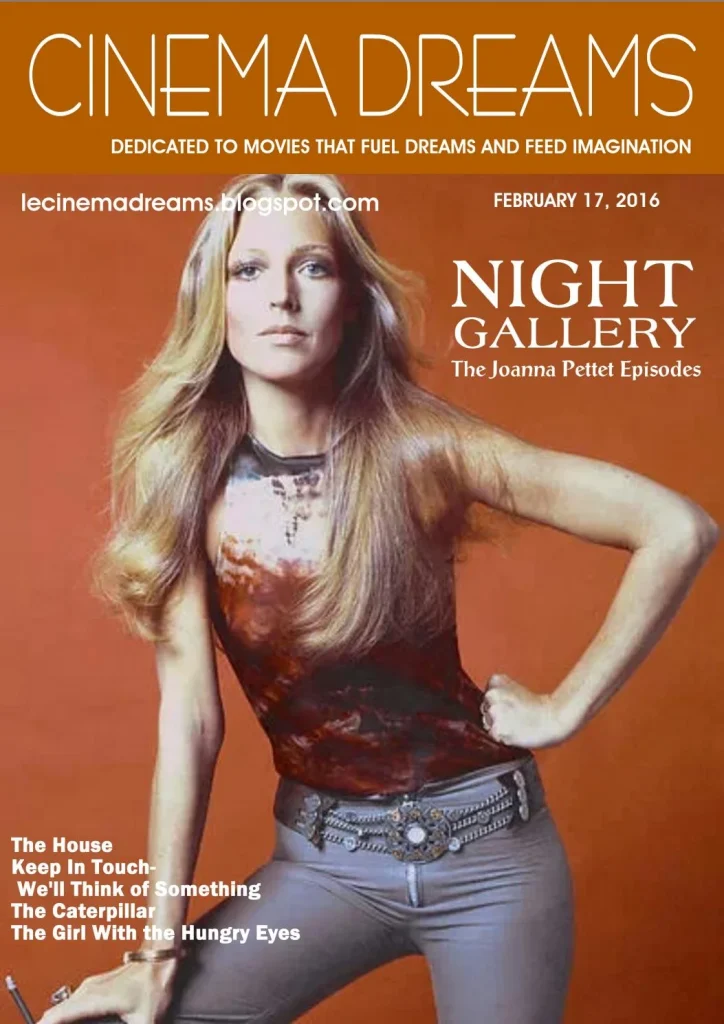
- “Night Gallery” (1972): In “The Caterpillar,” she conveyed terror that felt psychologically precise rather than hysterical, showing an economy rare in early TV horror.
- “Murder on the Orient Express” (BBC 1974) – as Countess Andrenyi in a British TV production, critics commended her elegance and emotional containment.
- “The Evil” (1978) – a supernatural thriller in which she offered grounded realism amid pulp horror.
She also guested on Hawaii Five‑O, Mannix, and Charlie’s Angels, consistently elevating formula material through emotional integrity.
Film Work
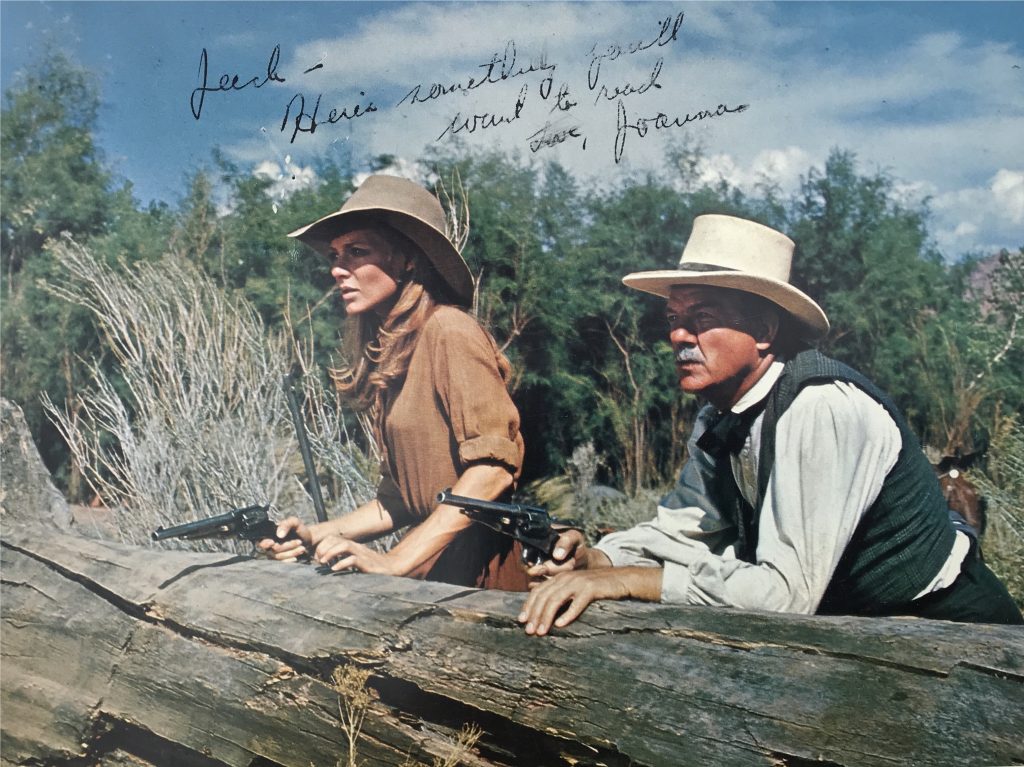
Her later features—Welcome to Blood City (1977), a hybrid science‑fiction Western, and The Evil—demonstrated her willingness to experiment within lower‑budget genres even when scripts restrained nuance. Reviewers often singled out her conviction: she played each premise as serious moral dilemma, not camp.
Acting Style and Critical Characteristics
| Characteristic |
Analysis |
| Psychological Naturalism |
Rooted in Meisner training, Pettet reacts with immediacy. Her work feels lived‑in; silences carry emotional weight. |
| Intelligence and Distance |
She projects thought—a mind assessing each situation, separating her from the ingénue stereotype. |
| Vocal Control |
Low, modulated, and precise; avoids shrillness even in hysteria scenes. Lucid enunciation gives emotional clarity. |
| Modern Emotionality |
She represents the 1960s shift from repressed decorum to exploratory sensitivity. Her women feel aware of their social roles and trapped by them. |
| Understatement as Strength |
Pettet often works best under projection—not by dominating a scene but by suggesting pain beneath composure. |
Critics in hindsight frequently note how she bridges classical and modern female archetypes: capable of romantic glamour but grounded in psychological realism.
Thematic Through‑Line
Across her best work—The Group, Casino Royale, Night Gallery, and her 1970s TV dramas—the recurring subject is the cost of perception: intelligent women seeing too clearly a corrupt or absurd world. Pettet’s finely shaded facial expressivity communicates that awareness without declaring it—an acting of inner reflection.
Personal and Later Career
After extensive television work into the early 1980s, Pettet gradually retired, devoting much of her time to family and private life; she had been married to actor Alan Bates (1960s) before later partnerships. Occasional stage and guest appearances surfaced, but she withdrew largely from public sight by the 1990s.
Her lower profile contributed to critical neglect, yet recent scholarship on 1960s women’s cinema and the “post‑Hepburn generation” has reconsidered her importance. Essays in retrospectives such as the BFI Sixties Stars series note that Pettet represented an intermediate stage between classical decorum and liberated subjectivity: “An actress who played modern anxiety before it was fashionable.”
Comparative Context
- With Julie Christie: Both projected self‑possession and introspection, but Christie radiated warmth where Pettet conveyed cerebral detachment.
- With Faye Dunaway or Jane Fonda: Pettet lacked the political edge of later New Hollywood icons yet anticipated their mix of glamour and angst.
- With contemporaneous British actresses (Susannah York, Sarah Miles): She was subtler, less mercurial—a quality that endeared her to stage directors but limited her screen volatility in Hollywood terms.
Critical Evaluation
Strengths
- Sophisticated emotional intelligence
- Ability to fuse beauty with authenticity
- Distinctive underplaying of melodrama
- Adaptable across stage, prestige film, and genre television
Limitations
- Occasional coolness – audiences seeking overt emotion sometimes found her detached
- Career management – Hollywood typecasting into decorative parts reduced opportunities for sustained stardom
- Reluctance to pursue celebrity curtailed visibility once film styles shifted toward rawness and overt sexuality
Legacy
Joanna Pettet’s career may seem condensed, yet it mirrors the transformation of women’s representation from mid‑century glamour to introspective realism. Her best performances convey an actress negotiating freedom inside constraint—an apt metaphor for the decade she defined.
If not a household name, she remains admired for precision, intelligence, and grace, qualities that bridged the British and American interpretive traditions. Contemporary critics who revisit The Group or Casino Royale increasingly view her less as a peripheral figure and more as a lucid witness to her cultural moment—a performer who translated the evolving consciousness of the 1960s woman into understated, enduring