

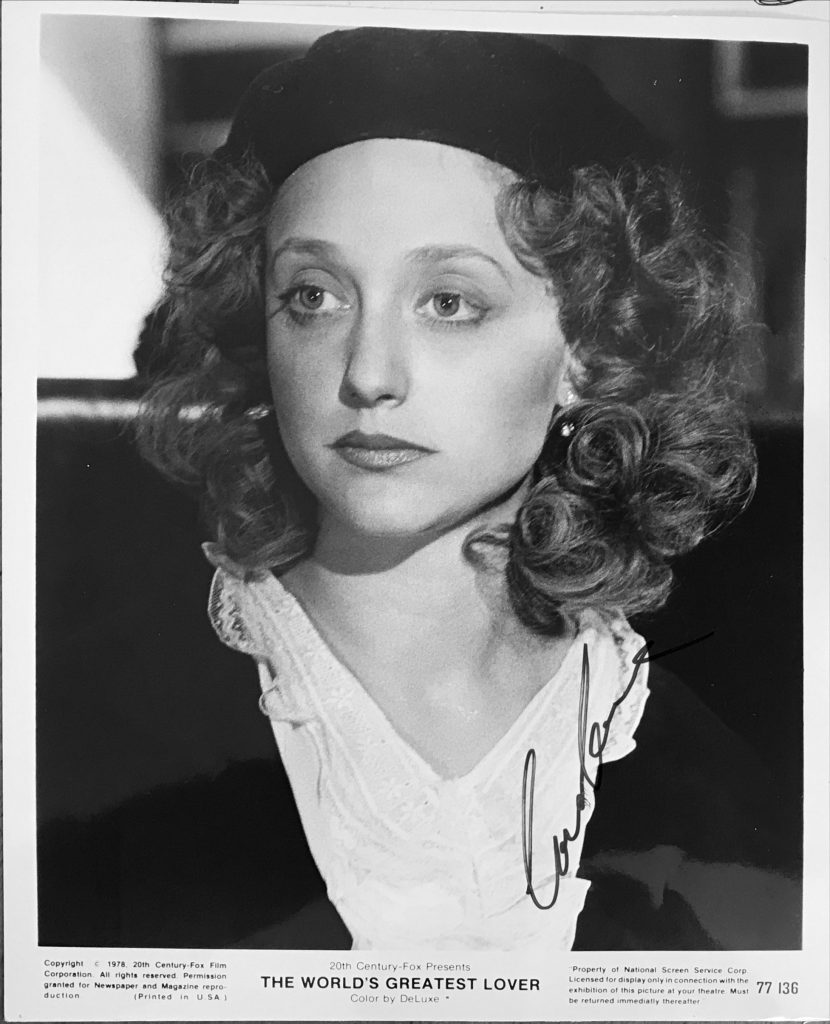
Carol Kane (Wikipedia)
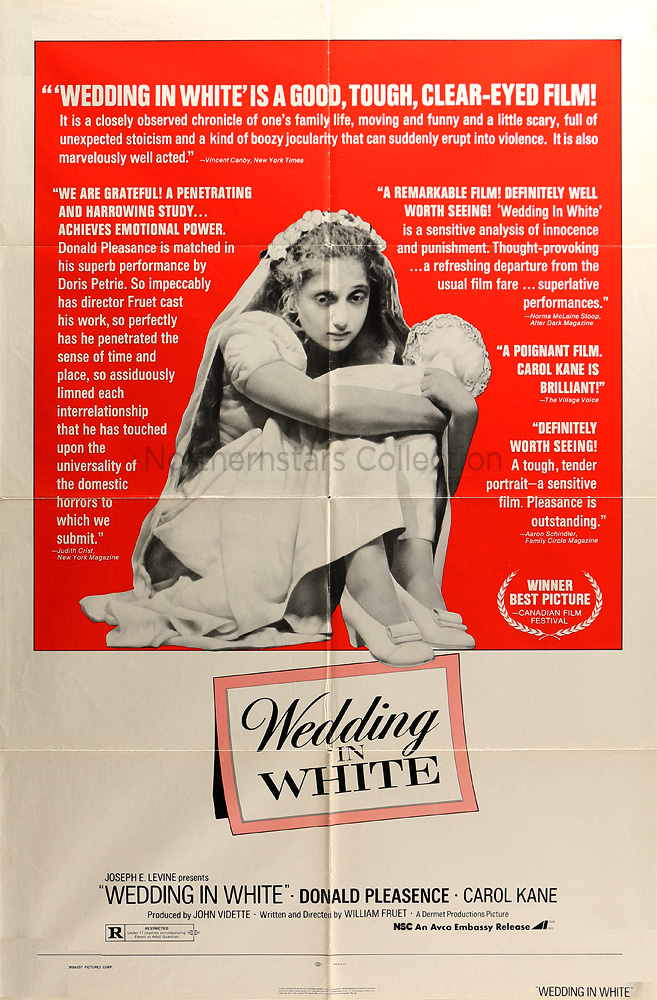
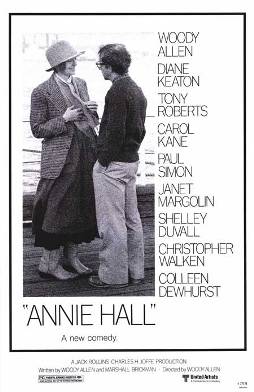
Carol Kane is an American actress and comedian. She became known in the 1970s-80s in films such as Hester Street (for which she received an Oscar nomination), Annie Hall and The Princess Bride. She appeared on the television series Taxi in the early 1980s, as Simka Gravas, the wife of Latka, the character played by Andy Kaufman, winning two Emmy Awards for her work. She has played the character of Madame Morrible in the musical Wicked, both in regional productions and on Broadway from 2005 to 2014. From 2015 to 2019, she was a main cast member on the Netflix original series Unbreakable Kimmy Schmidt, in which she plays Lillian Kaushtupper.
Kane was born in Cleveland, Ohio, the daughter of Joy, a jazz singer, teacher, dancer, and pianist, and Michael Kane. Her parents divorced when she was 12 years old.[4] She attended the Cherry Lawn School, a boarding school in Darien, Connecticut, until 1965.[5][6] She studied theatre at HB Studio[7] and also went to the Professional Children’s School, in New York City, and made her professional theatre debut in a 1966 production of The Prime of Miss Jean Brodie, starring Tammy Grimes.
Kane portrayed Simka Dahblitz-Gravas, wife of Latka Gravas (Andy Kaufman), on the American television series Taxi, from 1981–83. She received two Emmy Awards for her work in the series.



In 1984, Kane appeared in episode 12, season 3 of Cheers as Amanda, an acquaintance of Diane Chambers from her time spent in a mental institution.
Kane was a regular on the 1986 NBC series All Is Forgiven, a regular on the 1990–91 NBC series American Dreamer, guest-starred on a 1994 episode of Seinfeld, a 1996 episode of Ellen and had a supporting role in the short-lived 1996–97 sitcom Pearl.
In 1988, Kane appeared in the Cinemax Comedy Experiment Rap Master Ronnie: A Report Cardalongside Jon Cryer and The Smothers Brothers.
In January 2009, she appeared in the TV series Two and a Half Men as the mother of Alan Harper’s receptionist.[10] In March 2010, Kane appeared in the TV series Ugly Betty as Justin Suarez’s acting teacher. In 2014, she had a recurring role in the TV series Gotham as Gertrude Kapelput, Oswald Cobblepot’s (Penguin’s) mother.
In 2015, she was cast as Lillian Kaushtupper, the landlord to the title character of Netflix‘s original series Unbreakable Kimmy Schmidt.
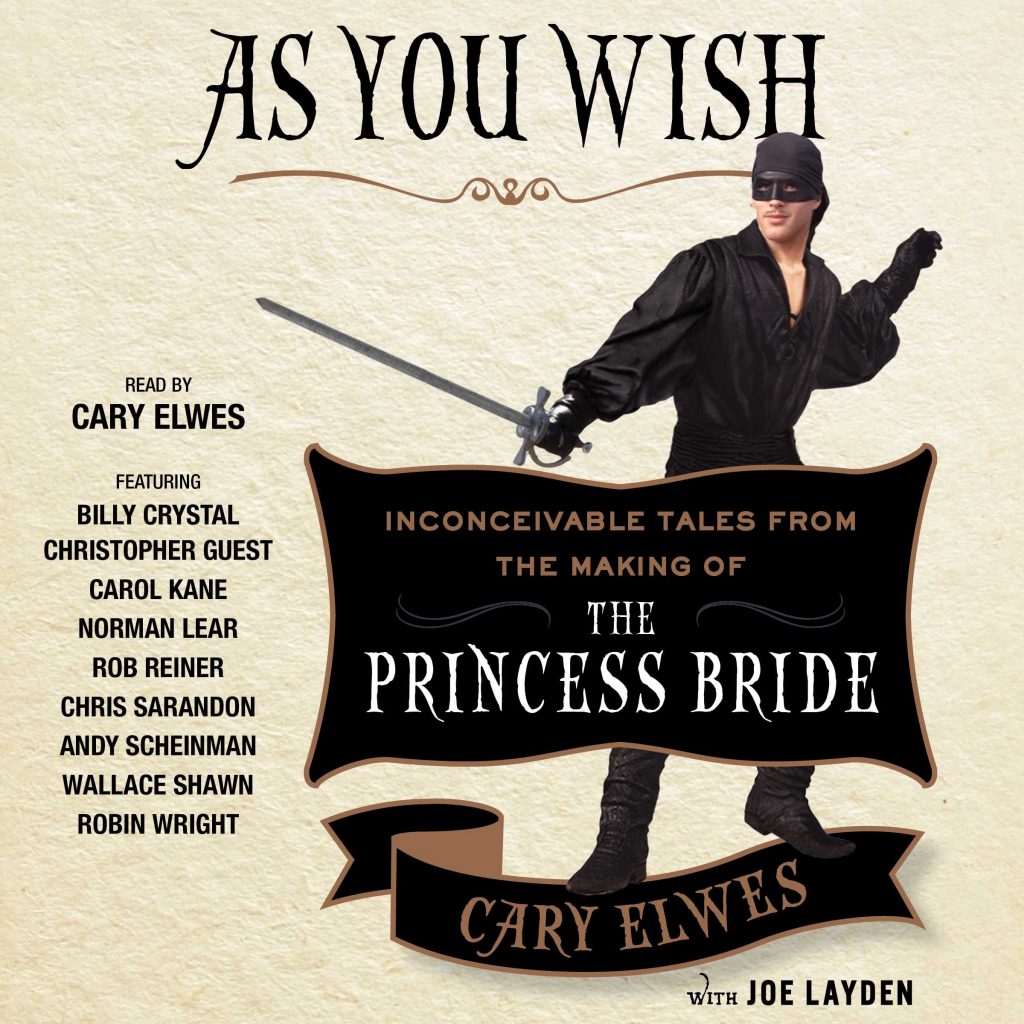
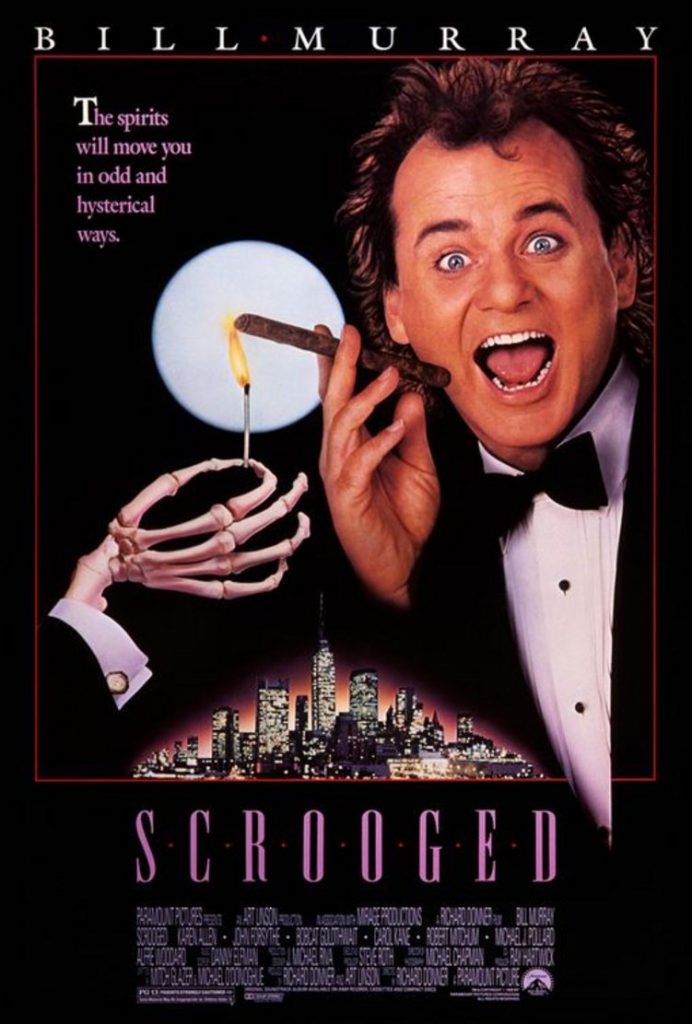
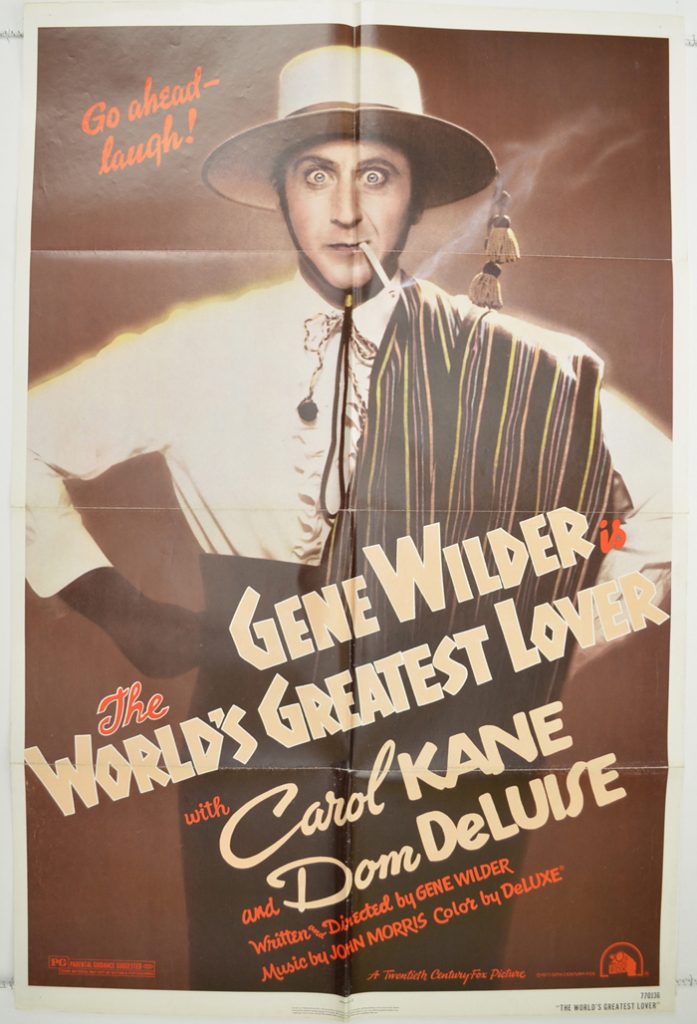
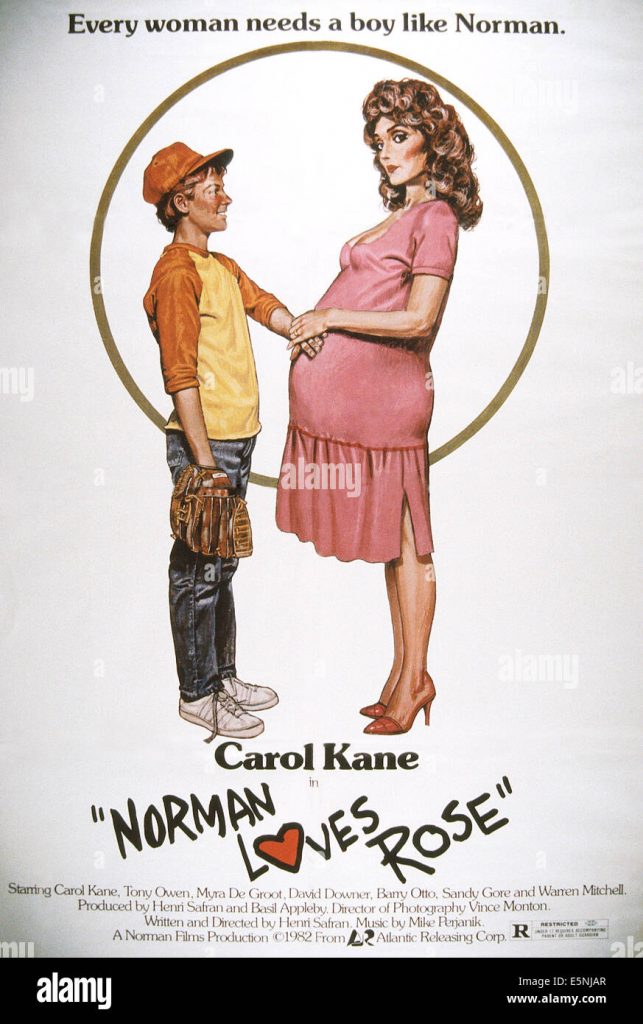
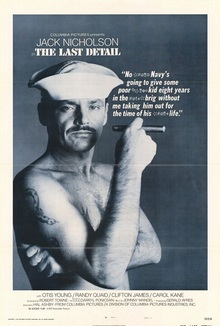
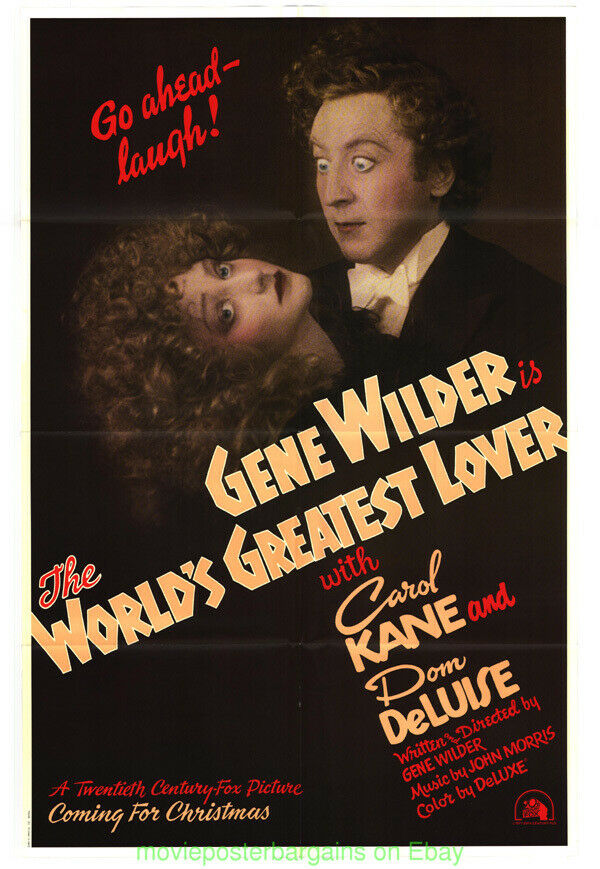
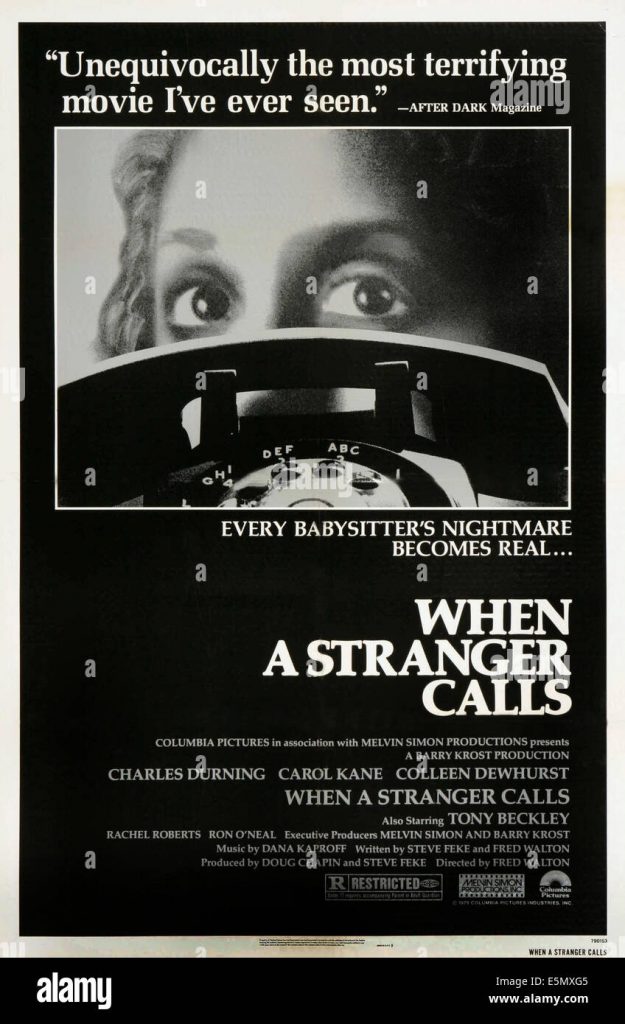
Kane also appeared in The Last Detail (1973), Annie Hall (1977), The World’s Greatest Lover (1977), Norman Loves Rose (1982), Dog Day Afternoon (1975), When A Stranger Calls (1979),Transylvania 6-5000 (1985), The Princess Bride (1987), Flashback (1989) with Dennis Hopper, and Scrooged (1988), in which Variety called her “unquestionably [the] pic’s comic highlight.”[13]
Kane and Gene Wilder in a publicity photo for The World’s Greatest Lover, 1977
In 1998, she played Mother Duck on the cartoon movie The First Snow of Winter. In 1999 she made a cameo on the movie Man On The Moon as her character she played on Taxi.
Kane was nominated for an Academy Award for Best Actress for her role in the film Hester Street.
She starred in the off-Broadway play Love, Loss, and What I Wore in February 2010.
Kane made her West End debut in January 2011 in a major revival of Lillian Hellman‘s drama The Children’s Hour, at London’s Comedy Theatre. She starred alongside Keira Knightley, Elisabeth Mossand Ellen Burstyn.
In May 2012, Kane appeared on Broadway as Betty Chumley in a revival of the play Harvey.
Kane is known for her portrayal of the evil headmistress Madame Morrible in the Broadway musical Wicked, whom she played in various productions from 2005 to 2014.
Kane made her Wicked debut on the 1st National Tour, playing the role from March 9 through December 19, 2005. She then reprised the role in the Broadway production from January 10 through November 12, 2006. She again played the role for the Los Angeles production which began performances on February 7, 2007. She left the production on December 30, 2007, and later returned from August 26, 2008 until the production closed on January 11, 2009.
She then transferred with the L.A. company, to play the role once again, in the San Francisco production which began performances January 27, 2009.[16] She ended her limited engagement on March 22, 2009. Kane returned to the Broadway company of Wicked from July 1, 2013, through February 22, 2014. In 2018 she featured in the Western movie “The Sissor Sisters”.