

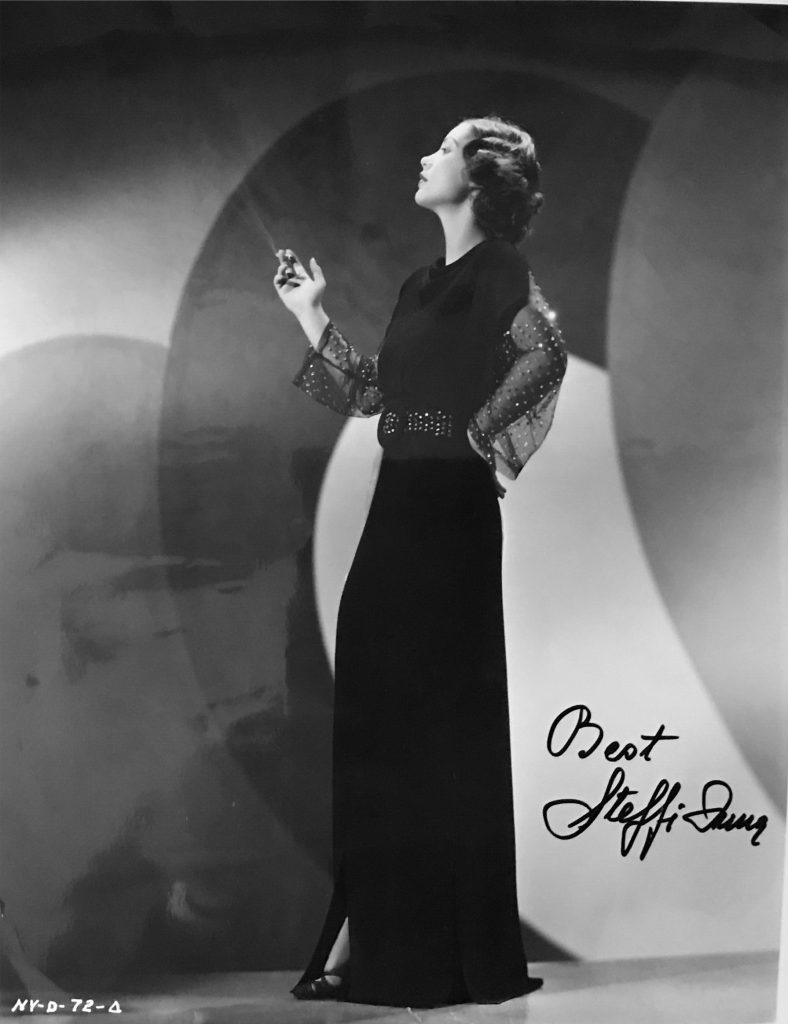
Steffi Duna (Wikipedia)
Born in the Eastern name order in Budapest of Czech extraction and nicknamed Stefi (Stefánia) by her friends and family, Duna started dancing at the age of nine and first attracted attention as a thirteen-year-old ballet dancer in Europe. Duna made her first stage appearance performing dramatized fairy tales at the Children’s Theater of Budapest. Initially opposed to the idea, her father sent her to the best schools in the Hungarian capital to learn dancing and soon she had danced in most of the capitals of Europe. In 1932, she appeared on the London stage in the revue Words and Music by Noël Coward, being one of the four actresses to create the song “Mad about the Boy“.
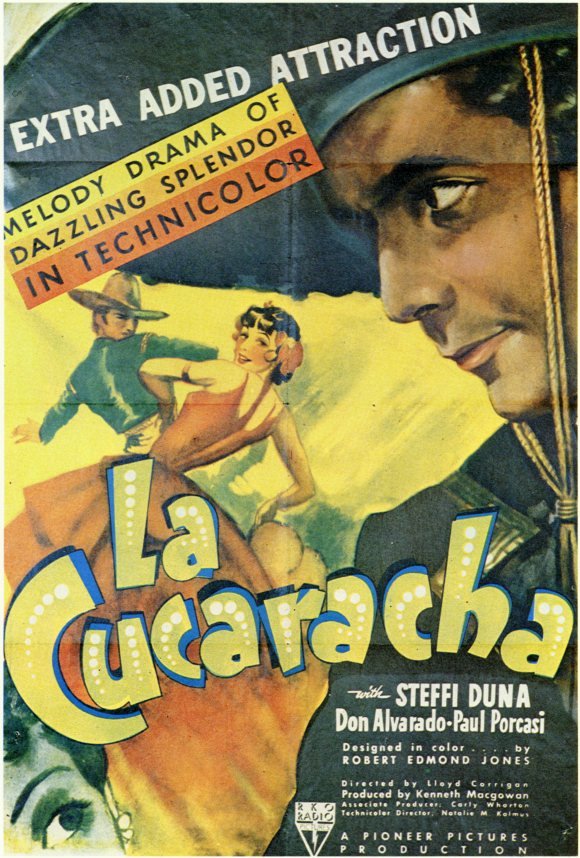
When she first came to Hollywood in 1932, Duna could not speak a word of English. She made up her mind to learn quickly. Directors advised her to stay away from her Hungarian friends to speed up her learning of English. Within a few years she could speak six different languages. During the 1930s Duna played a variety of nationalities. However, despite her European background, she was often cast as fiery Latin femmes fatales in films that made full use of her exotic and glamorous persona, such as La Cucaracha (1934), the first live-action short film made in three-strip Technicolor.
She made her film debut in The Indiscretions of Eve (1932) in the starring role (along with Jessica Tandy, also making her debut). Signed by RKO Radio Pictures, Duna played “Guninana”, the Eskimo wife of Francis Lederer, in Man of Two Worlds (1934).
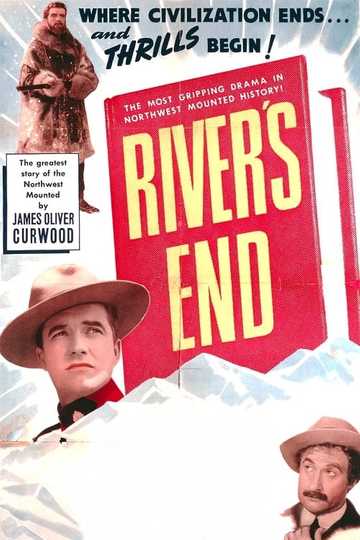
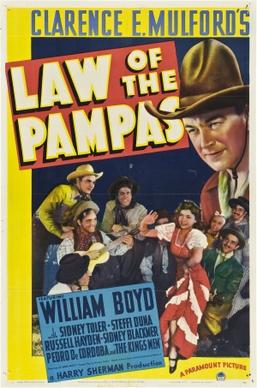
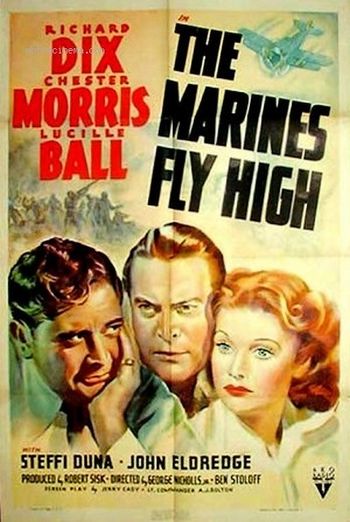
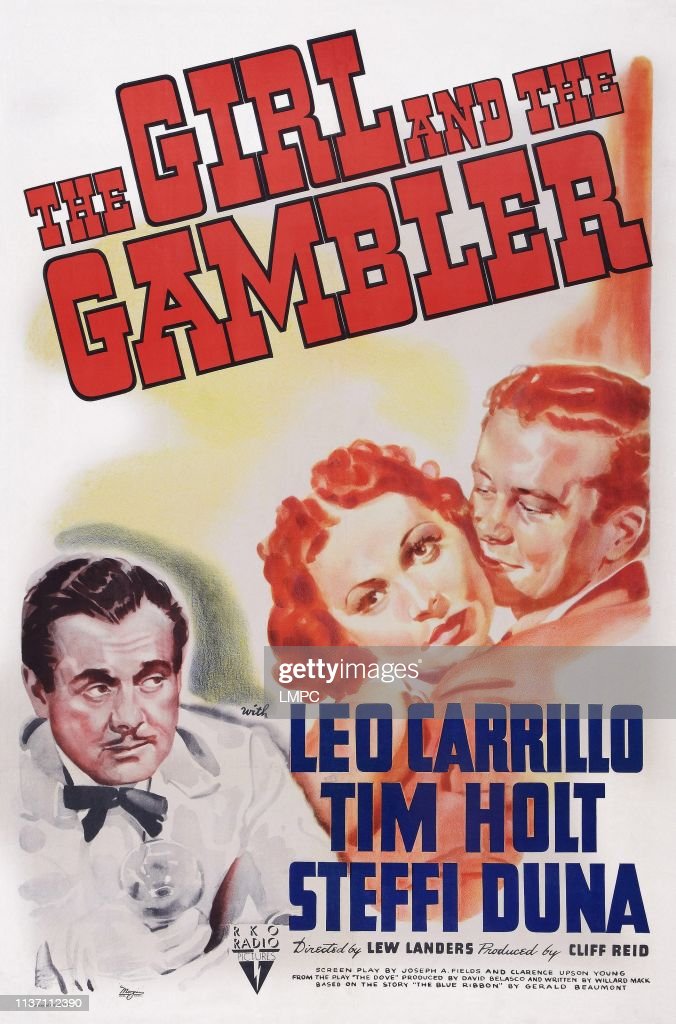
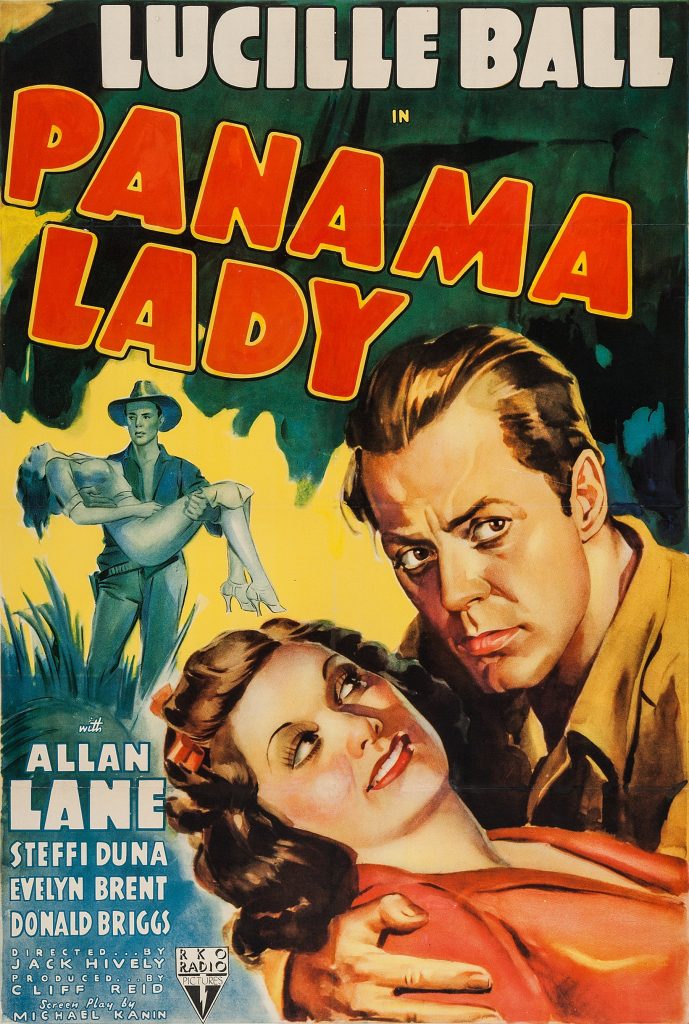
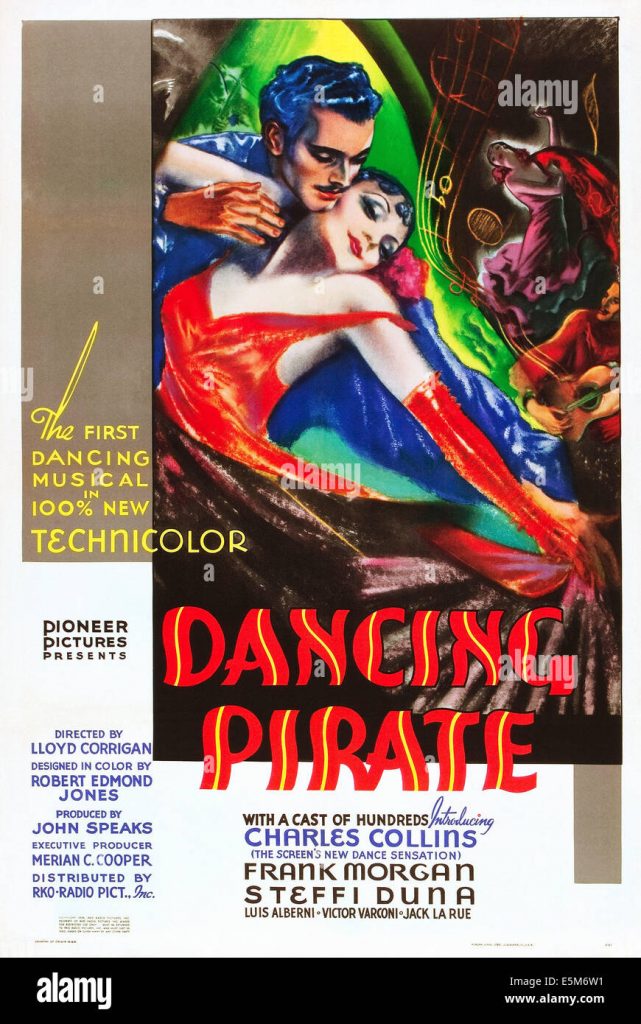
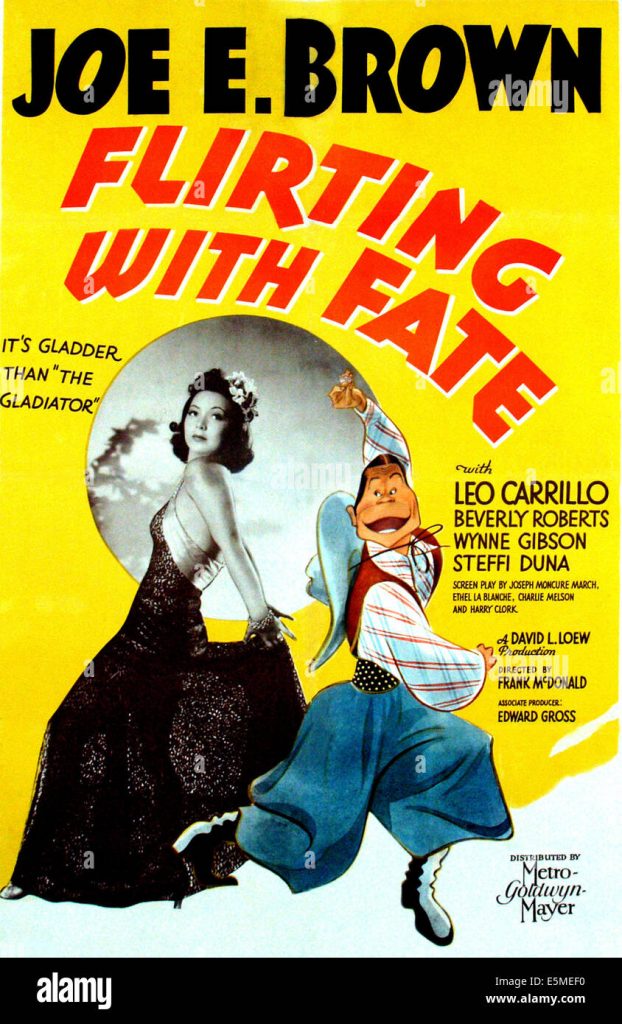
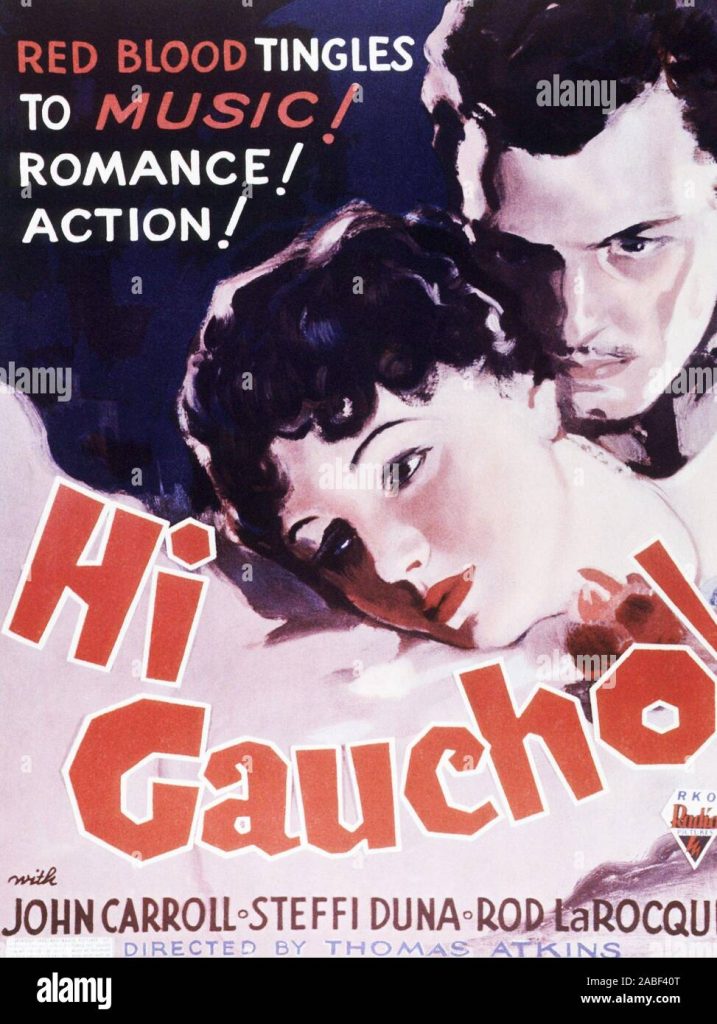
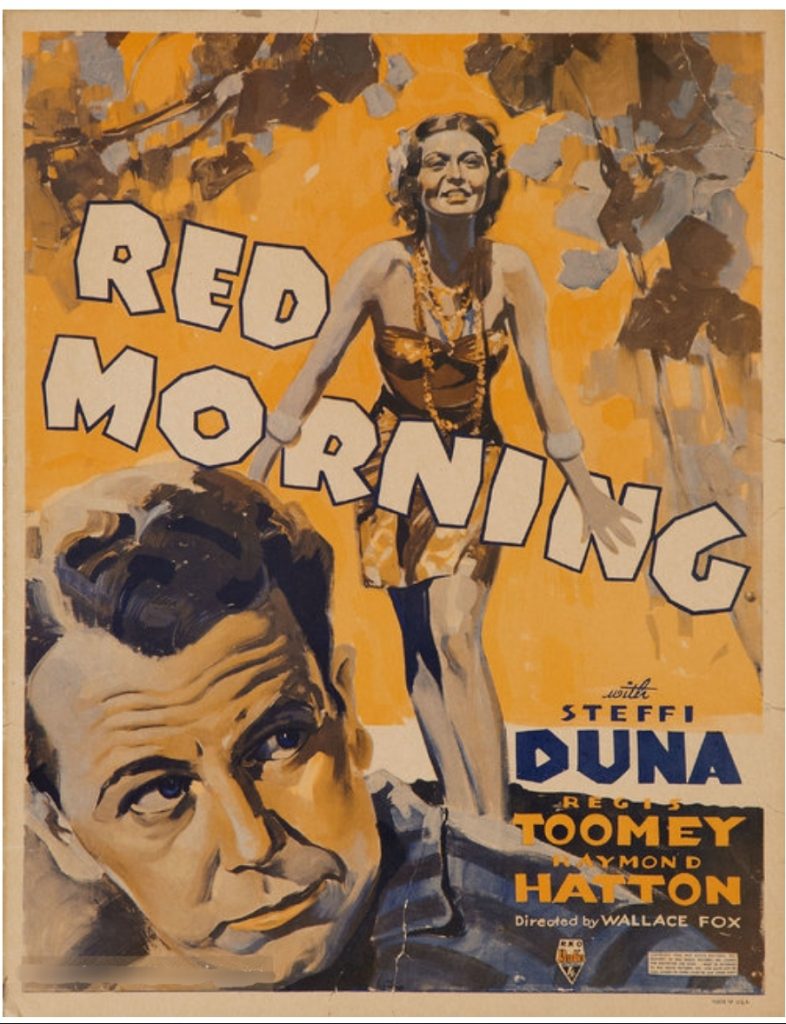
Lederer had performed with Duna in the Berlin, Germany presentation of Die Wunderbar. In 1936, she played the part of Nedda in the British film version of Pagliacci, starring Richard Tauber. Films in which she played lead roles, such as Panama Lady (1939) with Lucille Ball, were popular but did not make her a major star. Her best remembered films include Anthony Adverse(1936) and Waterloo Bridge (1940).
Duna was married first to the actor John Carroll; the marriage produced one child, a daughter. They divorced in 1938. In 1940 she married actor Dennis O’Keefe; This marriage produced two children a son and a daughter. They remained together until his death.
Duna retired from acting in 1940 and died in 1992.
Steffi Duna (1910–1992) remains one of the most exotic and technically significant figures of the 1930s studio system. A Hungarian-born dancer and actress, her career is a study in how Hollywood marketed “European allure” and how she, in turn, became a pioneer for one of cinema’s greatest technical leaps: Full-color Technicolor.
I. Career Overview: From Budapest to Berlin to Hollywood
1. The European Prodigy (1923–1932)
Duna was a prima ballerina in Budapest by age 13. Her transition to acting occurred in the sophisticated theatrical hubs of Berlin and London.
-
The Brecht Connection: She gained critical attention in the London production of The Threepenny Opera (1933), playing Polly Peachum. Her performance caught the eye of Hollywood scouts who were looking for the next “Continental” sensation to rival Marlene Dietrich or Lupe Vélez.
2. The Technicolor Pioneer (1934–1935)
Duna’s place in film history was secured not just by her acting, but by her chromatic compatibility.
-
La Cucaracha (1934): This live-action short was the first ever to use the new “Three-Strip” Technicolor process. Duna was chosen specifically because her olive skin, dark hair, and vibrant dancing style “popped” under the intense lights required for color.
-
Becky Sharp (1935): She appeared in the first full-length Technicolor feature, once again serving as a visual benchmark for how color film captured human movement and skin tones.
3. The “Ethnic” Leading Lady (1936–1940)
For the remainder of the 1930s, Duna was often “typecast” into a variety of ethnic roles—playing Mexican, Native American, and South Sea Island characters.
-
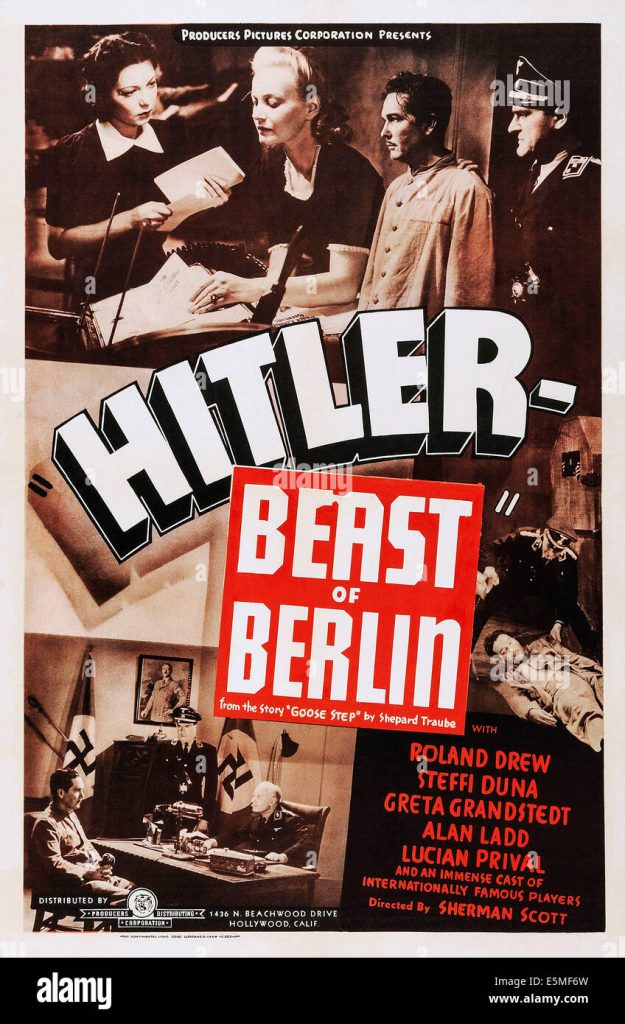
The RKO and Monogram Years: She starred in films like Anthony Adverse (1936) and Panama Hattie(1942). However, her most enduring work from this period was in the “B-movie” masterpieces like Beasts of Berlin (1939), where she displayed a grit that her more decorative “exotic” roles lacked.
II. Detailed Critical Analysis
1. The “Technicolor Muse”
Critically, Duna is analyzed as the first actress to master the physicality of color.
-
Visual Performance: In the early days of Technicolor, the lighting was so bright it often washed out traditional acting gestures. Duna, with her background in ballet, understood how to use her silhouette and sharp, percussive movements to remain distinct within the frame.
-
The Palette of Emotion: Critics of the 1930s noted that Duna “wore color like a costume.” She leaned into the saturated reds and yellows of the era’s cinematography, using her vibrant screen presence to compensate for scripts that were often two-dimensional.
2. Subverting the “Spitfire” Archetype
Duna was frequently cast in roles intended for Lupe Vélez, but her approach was fundamentally different.
-
The Intellectual Exotic: While she played “fiery” characters, Duna brought a European, almost operatic discipline to them. Analysts have noted that even in standard “South Seas” programmer films, Duna’s eyes remained incredibly intelligent and watchful. She didn’t play “primitives”; she played women navigating complex cultural intersections.
-
Vocal Precision: Unlike many “imported” stars whose accents were used for comic effect, Duna’s English was precise and melodic. This allowed her to maintain a sense of dignity in B-movies that might have otherwise felt exploitative.
3. The Tragedy of the “Global” Face
The irony of Duna’s career is that her versatility led to a lack of a clear “star brand.”
-
The Mask of Ethnicity: Because she could be made up to look like almost any nationality, studios moved her from project to project as a “utility exotic.” Critically, this prevented her from developing the deep, character-driven roles that her early work in Brechtian theater suggested she was capable of.
-
The “Beasts of Berlin” Shift: In this anti-Nazi drama, Duna finally shed the feathers and sarongs to play a realistic woman in a political nightmare. Critics hailed this as a glimpse of the “true” Duna—a sophisticated, dramatic actress who had been hidden behind Technicolor spectacle for a decade.
Iconic Performance Comparison
| Character | Work | Year | Critical Legacy |
| Chatita | La Cucaracha | 1934 | The first “Color Movie Star” performance in history. |
| Polly Peachum | The Threepenny Opera | 1933 (Stage) | Established her as a serious, avant-garde dramatic force. |
| Elsa | Beasts of Berlin | 1939 | Proved her capability for gritty, contemporary political drama. |
| Lita | The Girl from Mexico | 1939 | Showcased her impeccable comedic timing opposite Lupe Vélez. |
Steffi Duna’s legacy is twofold: she was the “Color Test” for a new era of cinema and a highly disciplined artist who brought European sophistication to the often-crude “exotic” genres of early Hollywood. She retired early in 1940 following her marriage to actor Dennis O’Keefe, leaving behind a filmography that remains a vital visual record of Hollywood’s transition from black-and-white to the vibrant spectrum of the future