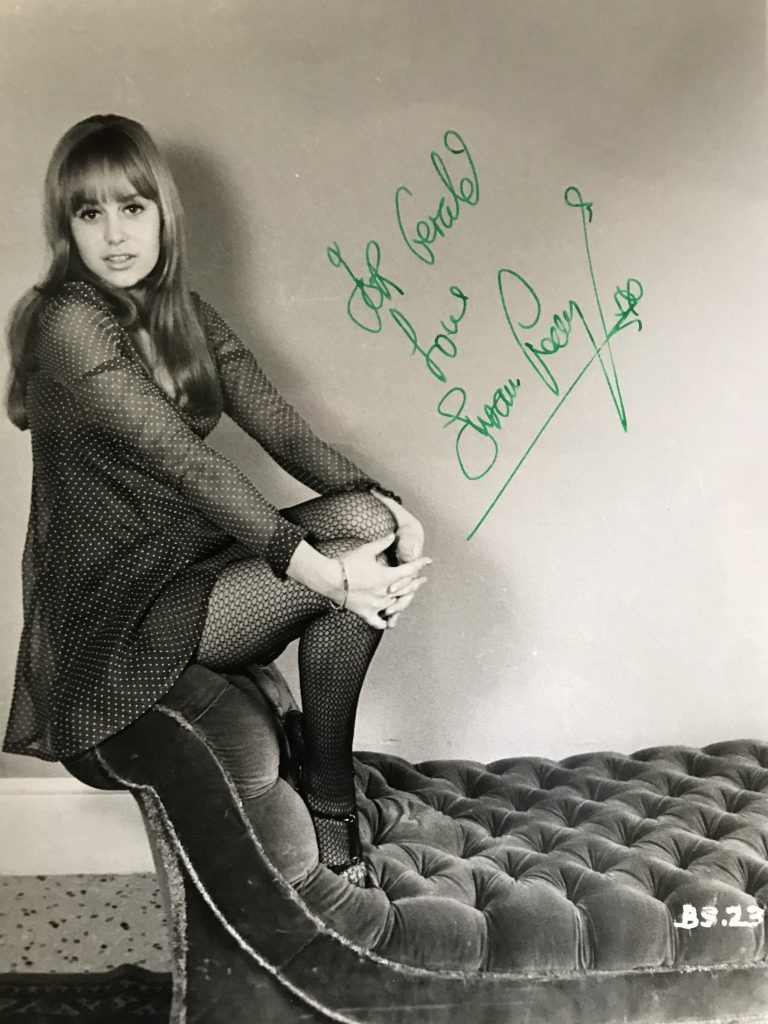
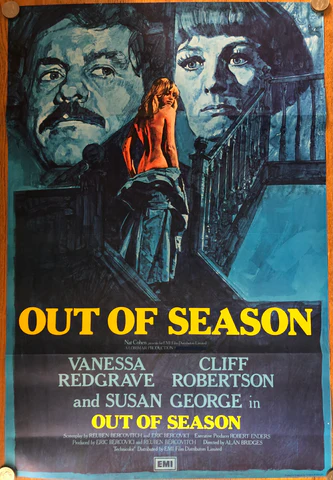
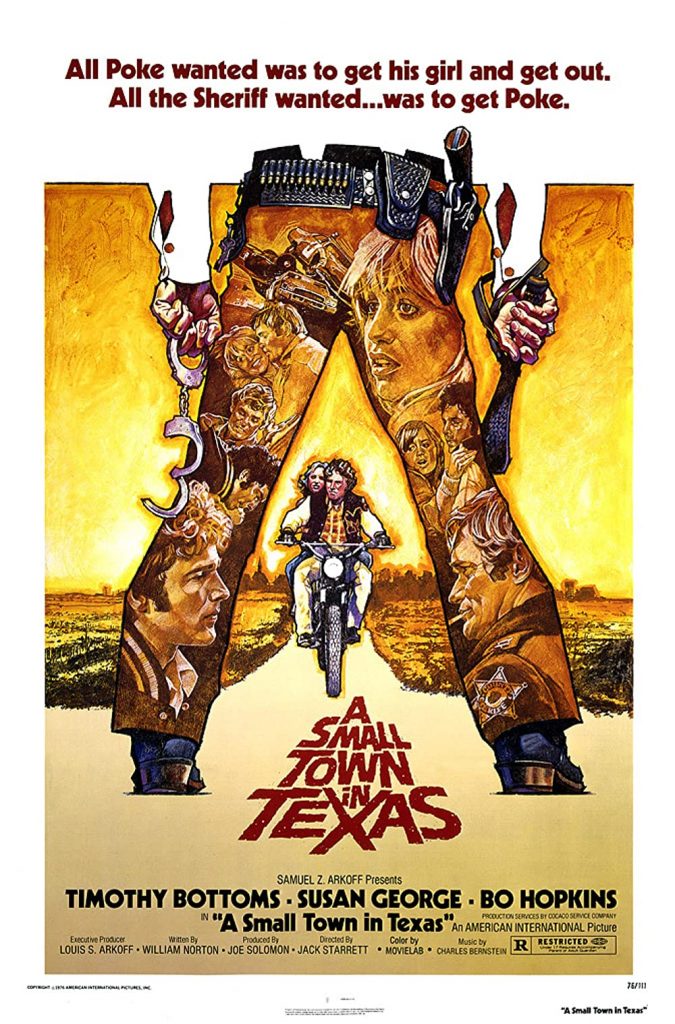
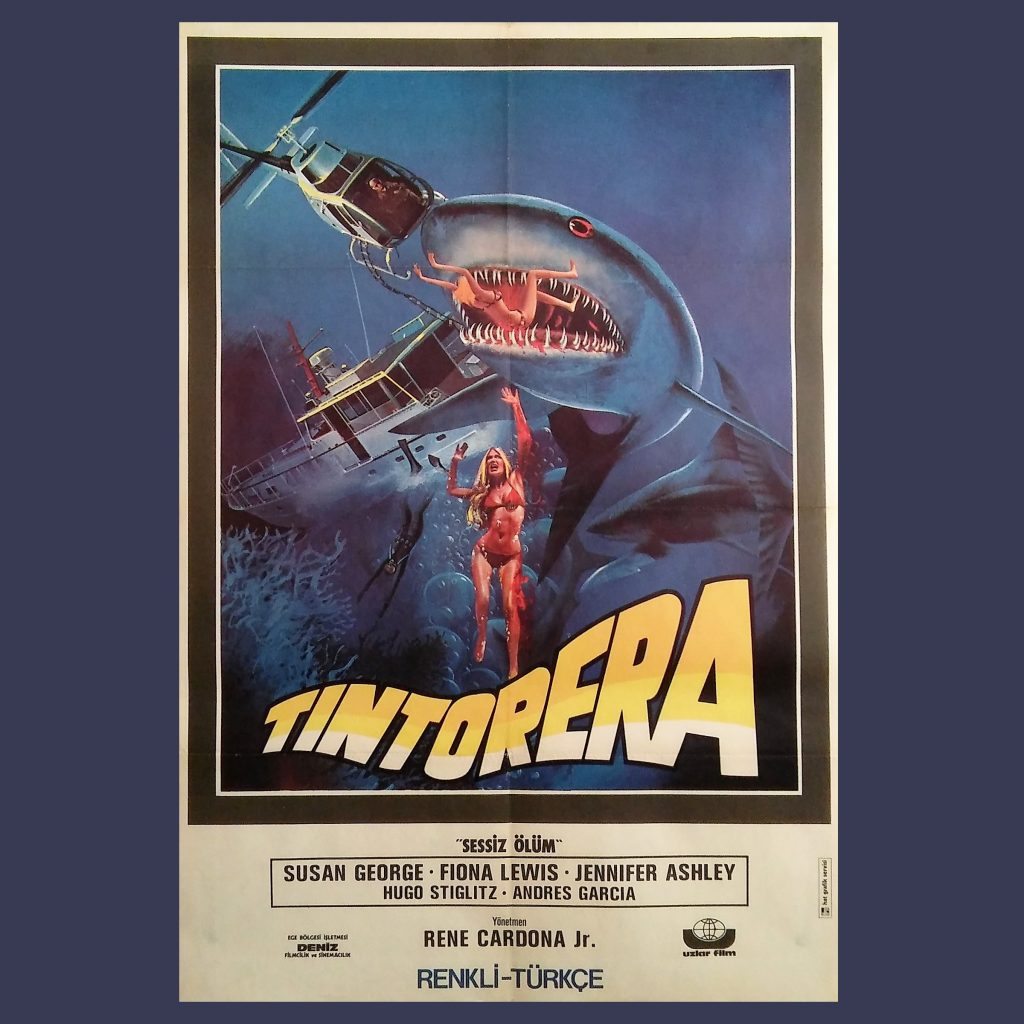
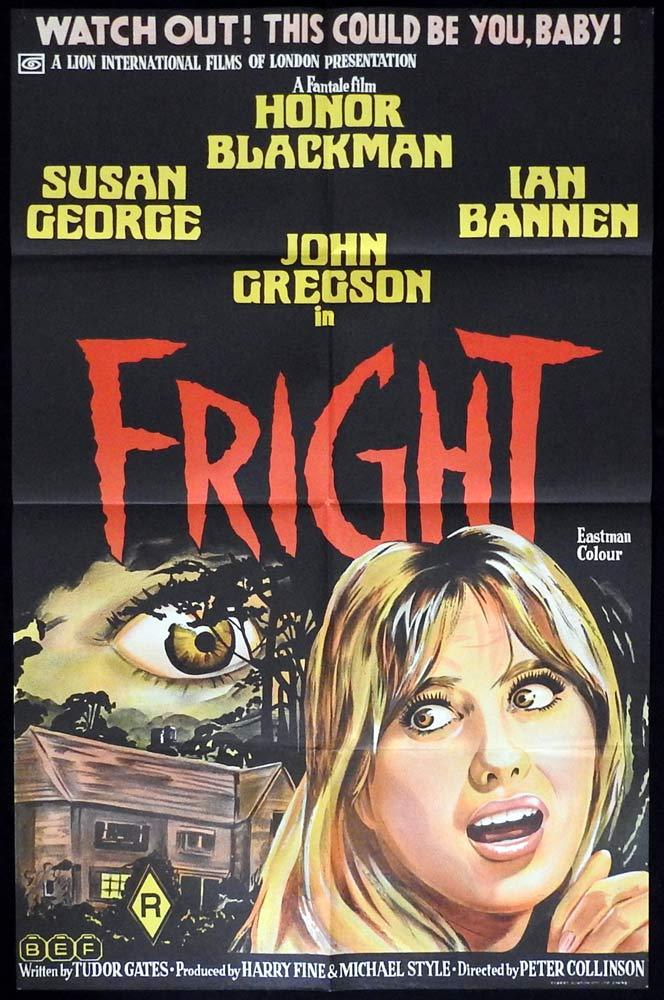
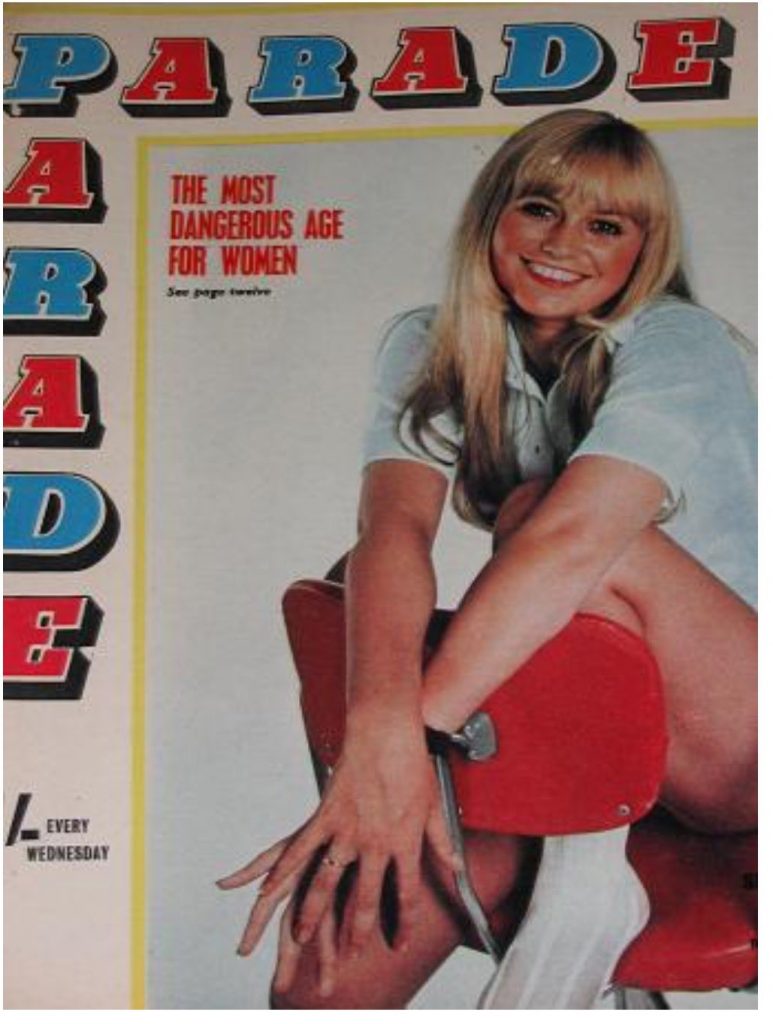
Susan George (born 1950) is an actress whose career serves as a fascinating case study of the “starlet” system of the 1970s. While often reductive critics of the era dismissed her as a “sexpot,” a detailed analysis reveals a performer of startling intensity and psychological grit. Her legacy is defined by a brave, often harrowing willingness to inhabit characters pushed to the absolute edge of human endurance.
I. Career Overview: From Child Star to International Icon
1. The Early Professional (1960s)
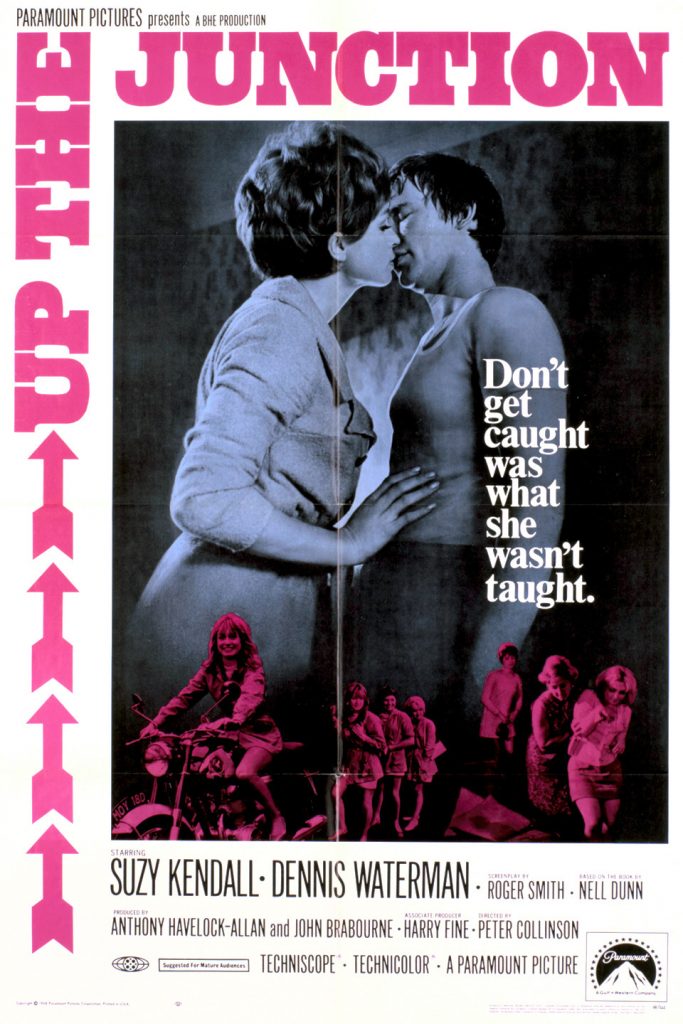
Unlike many of her contemporaries, George was a seasoned professional by her teens. She was a prolific child actress in British television and commercials before making a splash in films like The Strange Affair(1968) and Lola (1970). These early roles established her “nymphet” screen persona—a blend of wide-eyed innocence and a precocious, smoldering sexuality.
2. The Peckinpah Watershed (1971)
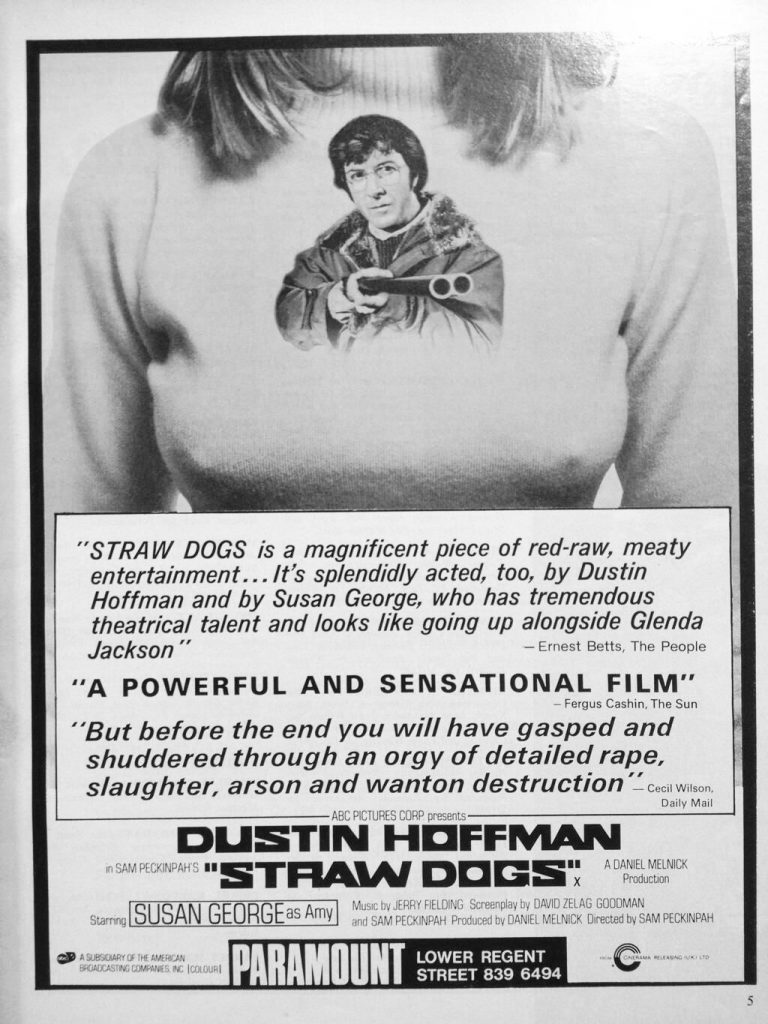
Her career was irrevocably altered when Sam Peckinpah cast her as Amy Sumner in Straw Dogs.
3. The American Action & Exploitation Era (1974–1980)
George moved to Hollywood, where she became a staple of high-octane 70s cinema.
-
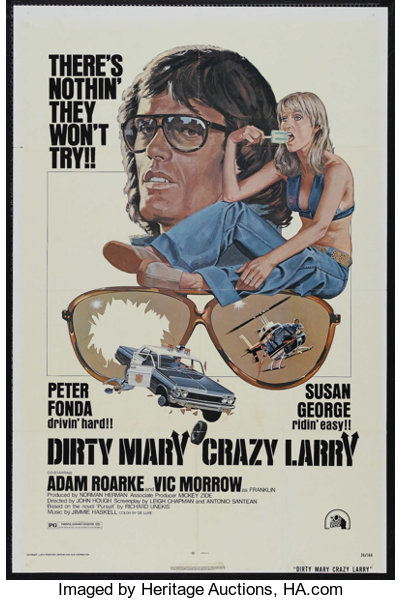
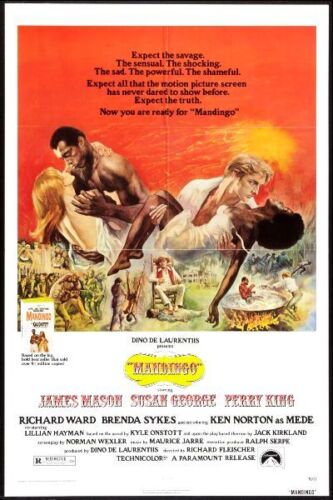
Cult Classics: She starred in the quintessential car-chase movie Dirty Mary, Crazy Larry (1974) with Peter Fonda and the controversial slave-drama Mandingo (1975).
-
The “Tough Girl” Shift: During this period, her characters evolved from victims to more assertive, often cynical women who mirrored the disillusionment of the post-Watergate era.
4. The Producing Pivot (1980s–Present)
In the 1980s, George moved behind the camera. Alongside her late husband, Simon MacCorkindale, she formed Amy International (named after her Straw Dogs character). She produced and starred in prestige projects like Stealing Heaven (1988) and That Summer of White Roses (1989), consciously moving away from her earlier “sex symbol” image toward more intellectual, period-driven narratives.
II. Detailed Critical Analysis
1. The Straw Dogs Controversy: Victim or Provocateur?
Critically, Susan George’s performance as Amy is one of the most debated in film history.
-
The Ambiguity of Trauma: George was tasked with playing a role that involved a brutal, double-rape sequence. Her performance is noted for its “uncomfortable realism”—she portrayed a woman whose response to assault was a complex, horrific mix of shock and survival instinct.
-
Technical Mastery: Analysts point out that George used her physicality to show Amy’s boredom and resentment toward her husband before the violence occurs. She didn’t play a “damsel”; she played a deeply unhappy, bored woman whose “provocations” were a desperate cry for attention in a stifling environment.
2. The “Smoldering” Naturalism
George possessed a specific kind of “Working-Class Glamour.” Unlike the polished, aristocratic beauty of a Merle Oberon, George felt “modern” and “raw.”
-
The Anti-Ingenue: In Dirty Mary, Crazy Larry, she subverted the role of the “tag-along girlfriend.” She brought a frantic, abrasive energy to the screen that matched the film’s nihilistic pace. Critics have noted that she was one of the few actresses of the 70s who could be “sexy” while appearing genuinely dirty, exhausted, and unglamorous.
3. The Power of the “Blue-Eyed Stare”
Like many great screen actors, George understood that her eyes were her most powerful tool.
-
Internalized Defiance: Across her filmography, she often played women who were trapped (by men, by society, or by circumstance). She utilized a “hardened stare” that communicated a refusal to be broken. In Mandingo, she navigated an incredibly melodramatic script by leaning into a “chilled, vengeful” persona, providing a psychological weight to a film that many critics dismissed as mere exploitation.
4. The Transition to Production
Critically, George’s move into production is seen as an act of professional reclamation.
-
Agency Over Image: By producing her own films through Amy International, she took control of her narrative. In That Summer of White Roses, she displayed a “mature, quiet dignity” that proved she had always been a character actress at heart, trapped in the body of a starlet.
Iconic Performance Comparison
| Character |
Work |
Year |
Critical Legacy |
| Amy Sumner |
Straw Dogs |
1971 |
One of the most controversial and analyzed performances of the 70s. |
| Mary |
Dirty Mary, Crazy Larry |
1974 |
Defined the “B-Movie” rebel with a grounded, gritty energy. |
| Blanche Maxwell |
Mandingo |
1975 |
Navigated extreme melodrama with a frightening, icy intensity. |
| Heloise (Prod.) |
Stealing Heaven |
1988 |
Marked her successful transition into a sophisticated producer. |
Susan George was the “Electric Nerve” of 1970s cinema. She was an actress who was often “more” than the films she was in—bringing a haunting, psychological complexity to roles that could have been mere caricatures. Her legacy is one of survival; she outlived the “starlet” label to become a respected architect of her own career, proving that beneath the “sexpot” moniker beat the heart of a serious, formidable artist