

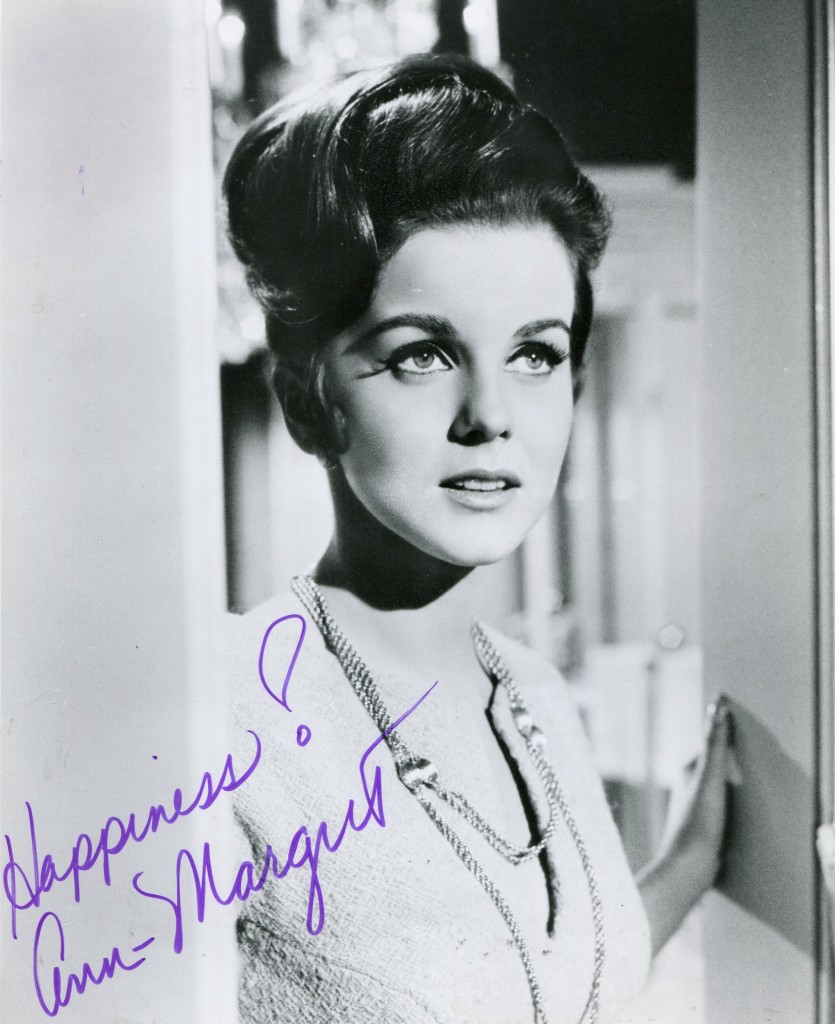
Ann-Margret. Wikipedia.
Ann-Margret Olsson (born April 28, 1941), known simply as Ann-Margret, is a Swedish-born American actress, singer, and dancer.
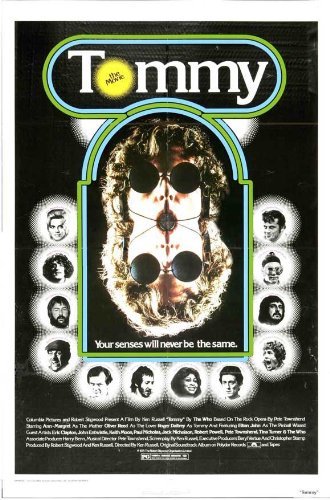
As an actress, Ann-Margret is best known for her roles in Bye Bye Birdie (1963), Viva Las Vegas (1964), The Cincinnati Kid (1965), Carnal Knowledge (1971), The Train Robbers (1973), Tommy (1975), Grumpy Old Men (1993), Grumpier Old Men (1995), and All’s Faire in Love(2009). She has won five Golden Globe Awards and been nominated for two Academy Awards, two Grammy Awards, a Screen Actors Guild Award, and six Emmy Awards. In 2010, she won an Emmy Award for her guest appearance on Law & Order: Special Victims Unit.
Her singing and acting careers span five decades, starting in 1961; initially, she was billed as a female version of Elvis Presley. She has a sultry vibrant contralto voice.[1][2] She had a minor hit in 1961 and a charting album in 1964, and scored a disco hit in 1979. In 2001, she recorded a critically acclaimed gospel album, and an album of Christmas songs in 2004.
In 1961, she filmed a screen test at 20th Century Fox and was signed to a seven-year contract. Ann-Margret made her film debut in a loan-out to United Artists in Pocketful of Miracles, with Bette Davis. It was a remake of the 1933 movie Lady for a Day. Both versions were directed by Frank Capra.
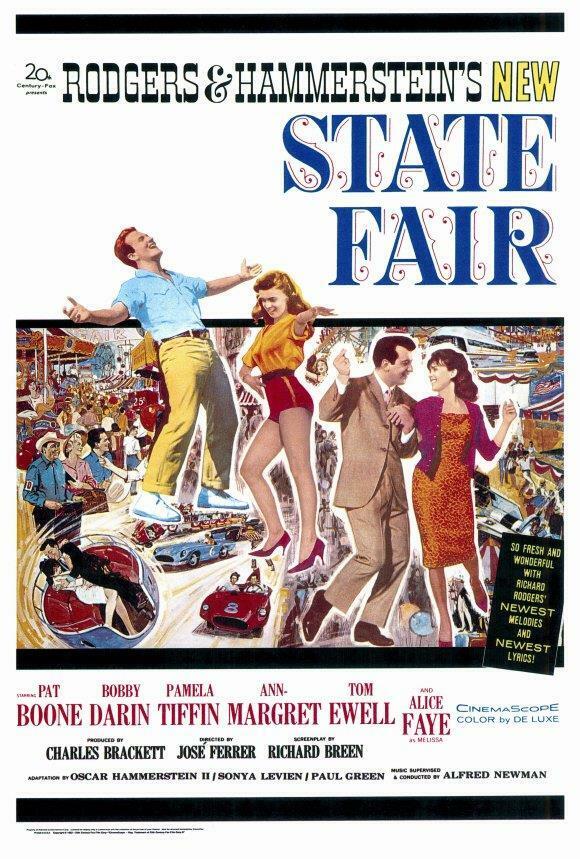
Then came a 1962 remake of Rodgers and Hammerstein‘s musical State Fair, playing the “bad girl” role of Emily opposite Bobby Darin and Pat Boone. She had tested for the part of Margie, the “good girl”, but seemed too seductive to the studio bosses, who decided on the switch. The two roles represented two sides of her real-life personality – shy and reserved offstage, but wildly exuberant and sensuous onstage. In her autobiography, the actress wrote that she changed “from Little Miss Lollipop to Sexpot-Banshee” once the music began.
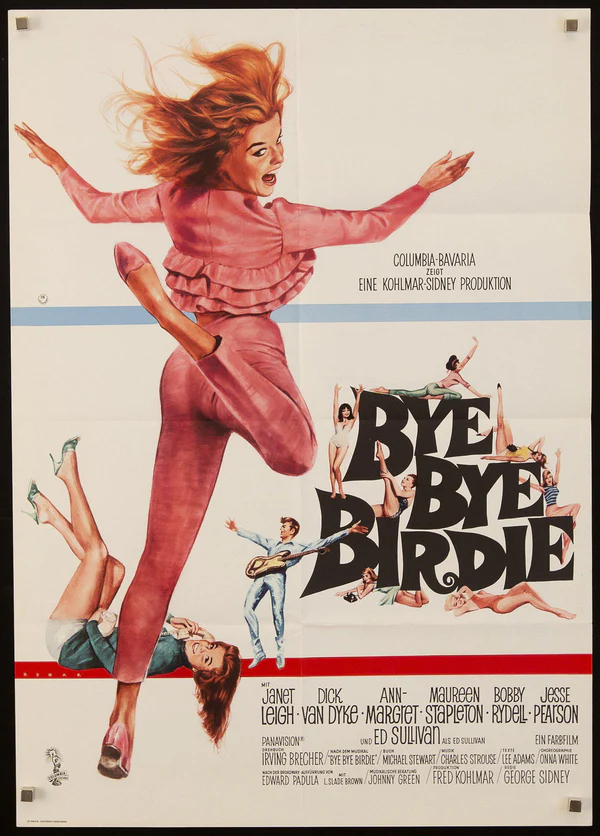
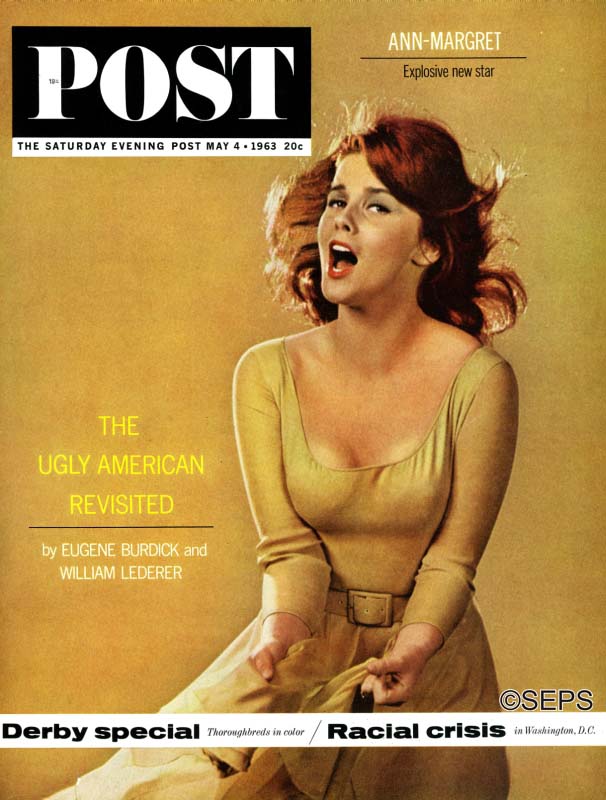
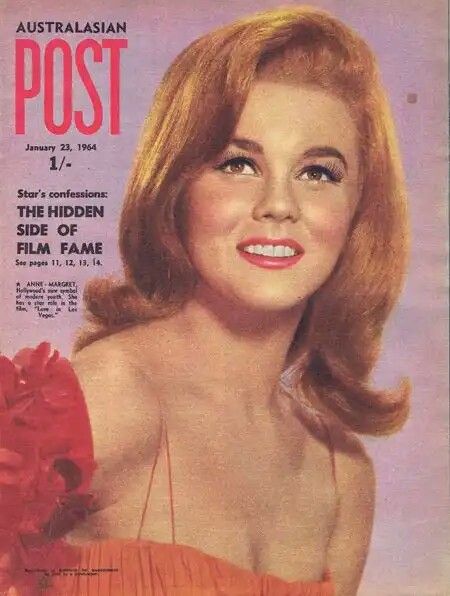
Her next starring role, as the all-American teenager Kim from Sweet Apple, Ohio, in Bye Bye Birdie (1963), made her a major star. The premiere at Radio City Music Hall, 16 years after her first visit to the famed theater, was a smash hit: the highest first-week grossing film to date at the Music Hall. Life put her on the cover for the second time and announced that the “torrid dancing almost replaces the central heating in the theater.” She was then asked to sing “Baby Won’t You Please Come Home” at President John F. Kennedy‘s private birthday party at the Waldorf-Astoria, one year after Marilyn Monroe‘s famous “Happy Birthday“.
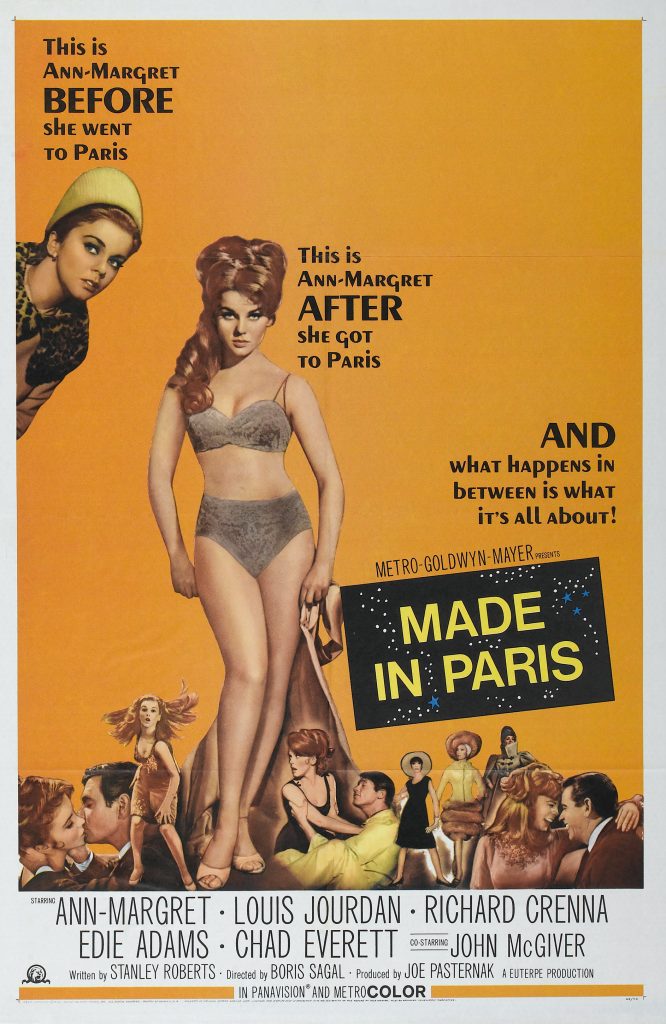
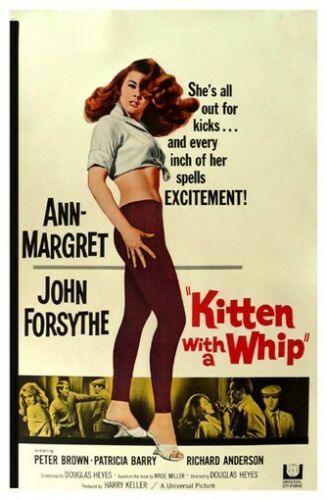
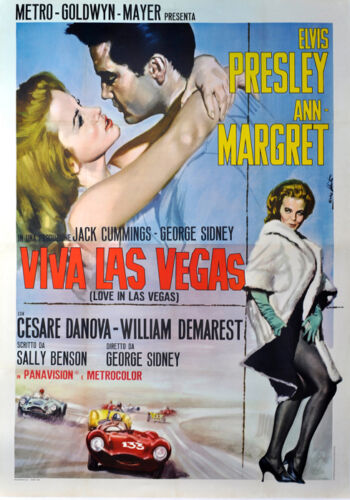
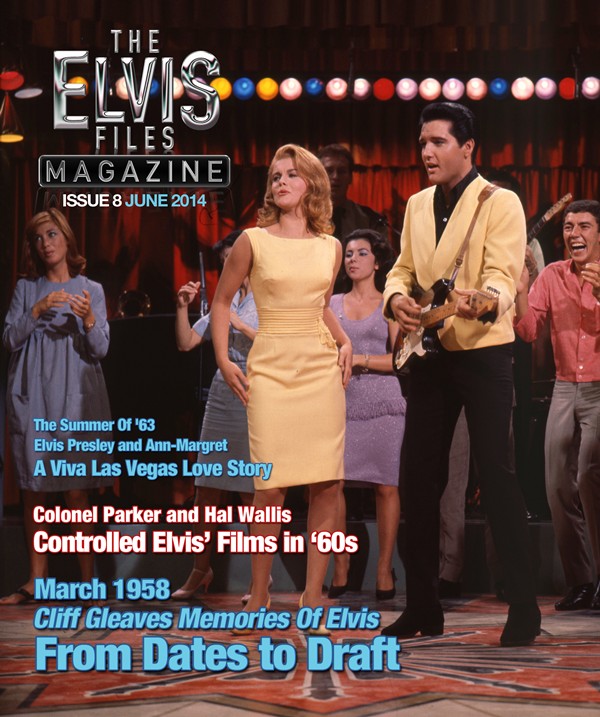
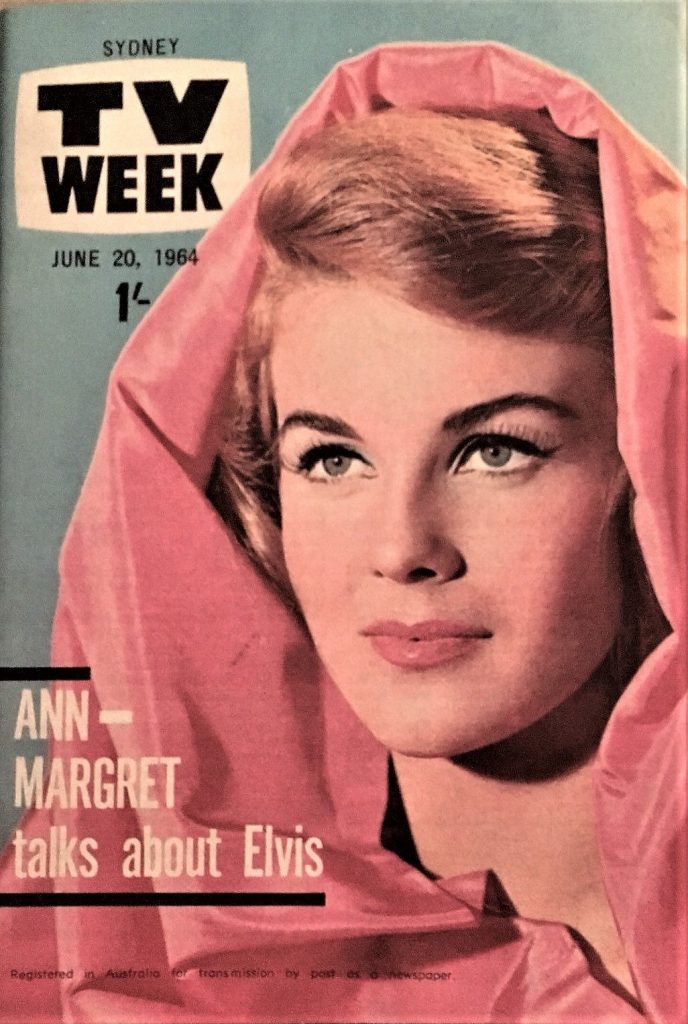
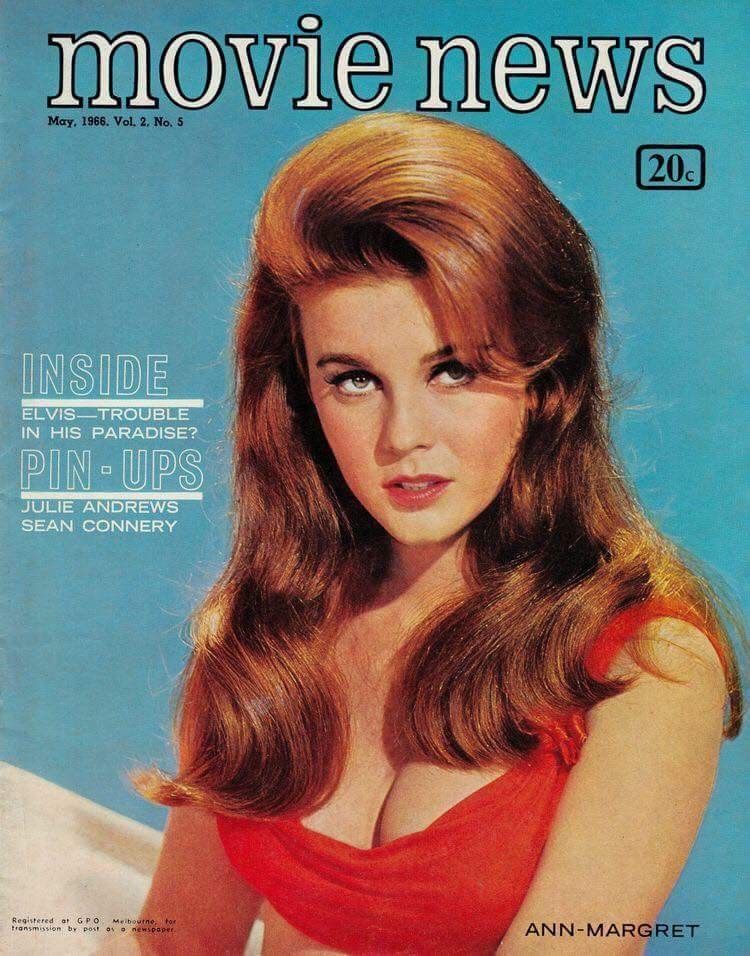
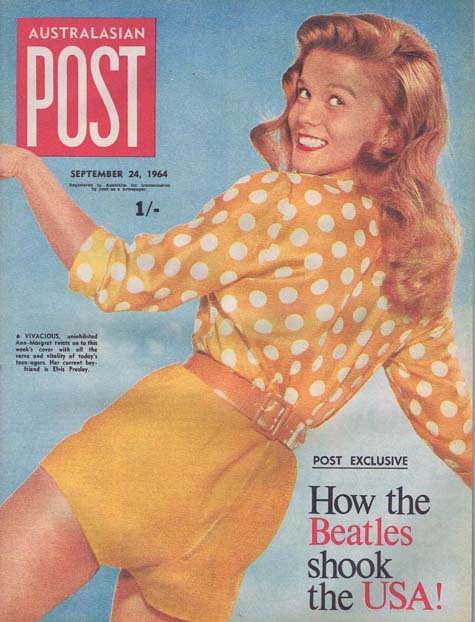
Ann-Margret met Elvis Presley on the MGM soundstage when the two filmed Viva Las Vegas (1964). She recorded three duets with Presley for the film: “The Lady Loves Me”, “You’re The Boss”, and “Today, Tomorrow, and Forever”; only “The Lady Loves Me” made it into the final film and none of them were commercially released until years after Presley’s death, due to concerns by Colonel Tom Parker that Ann-Margret’s presence threatened to overshadow Elvis. Ann-Margret introduced Presley to David Winters, whom she recommended as a choreographer for their film. Viva Las Vegas was Winters’ first feature film choreography job and was his first of four movies with Presley, and his first of five films, including Kitten with a Whip (1964), Bus Riley’s Back in Town (1965), Made in Paris (1966), and The Swinger (1966), and two TV specials with Ann-Margret. Winters was nominated for the 1970 Emmy Award for Outstanding Achievement in Choreography for his CBS Television Special: Ann-Margret: From Hollywood with Love (1969)
In 1963, Ann-Margret guest-starred in a popular episode of the animated TV series The Flintstones, voicing Ann-Margrock, an animated version of herself. She sang the ballad “The Littlest Lamb” as a lullaby and the (literally) rocking song, “Ain’t Gonna Be a Fool”. Decades later, she recorded the theme song, a modified version of the Viva Las Vegas theme, to the live-action film The Flintstones in Viva Rock Vegas, in character as Ann-Margrock.
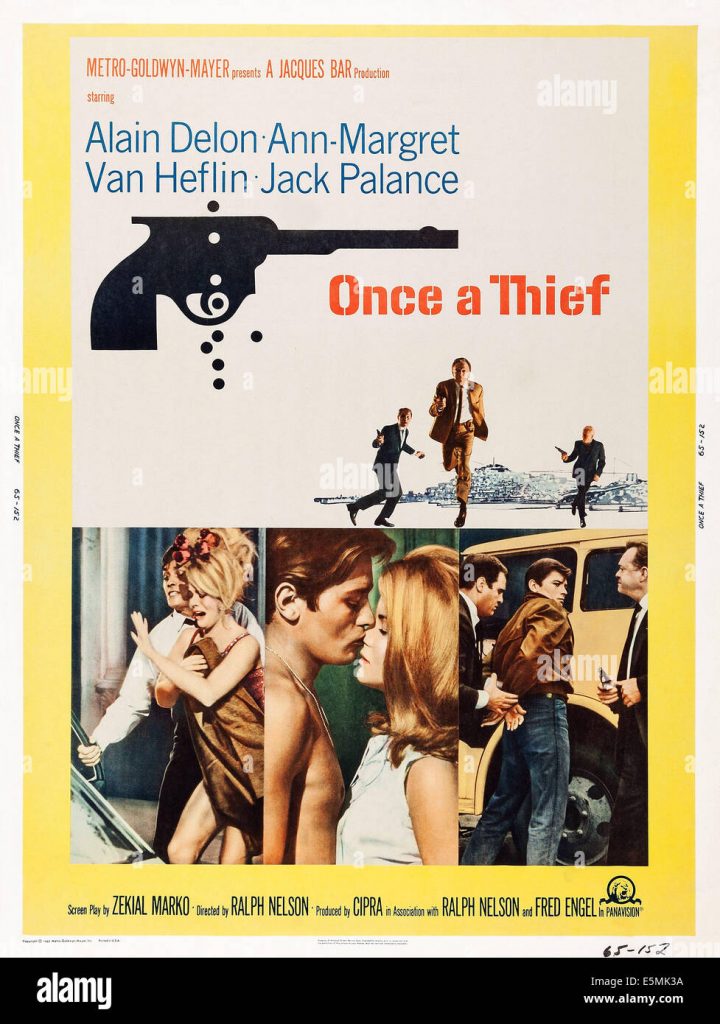
While working on the film Once a Thief (1965), she met future husband Roger Smith, who after his successful run on the private-eye television series 77 Sunset Strip, was performing a live club show at the Hungry i on a bill with Bill Cosby and Don Adams. That meeting began their courtship, which met with resistance from her parents.
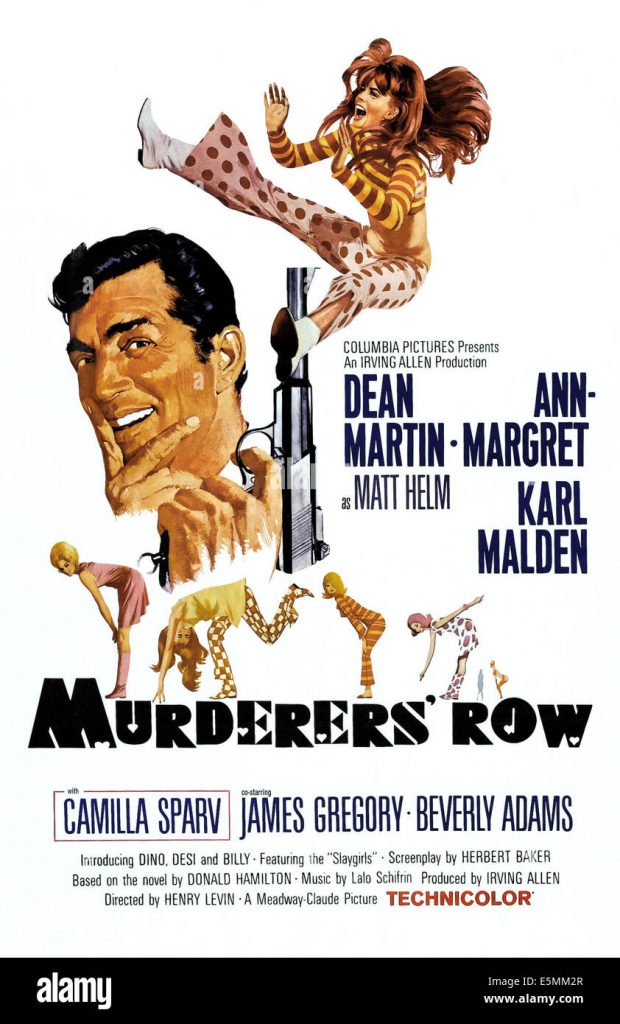
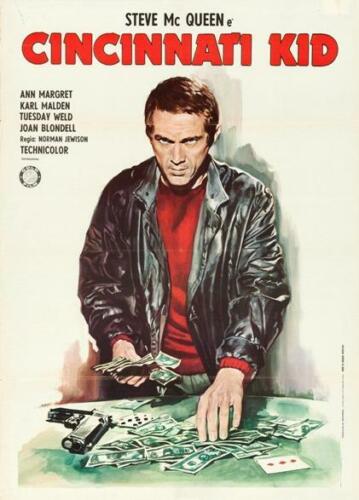
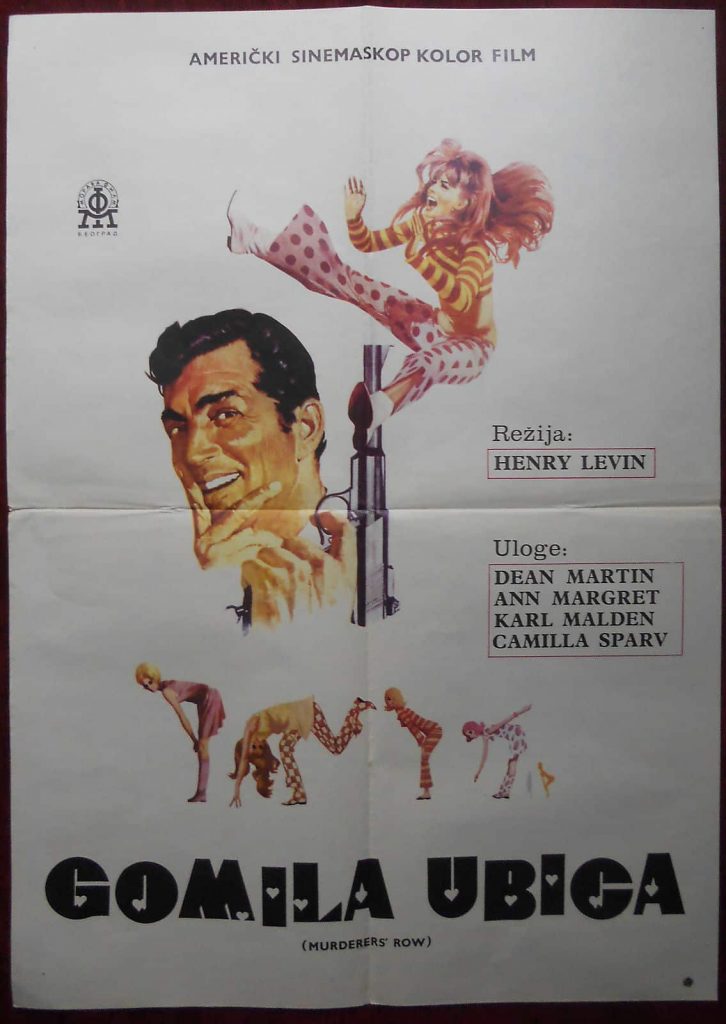
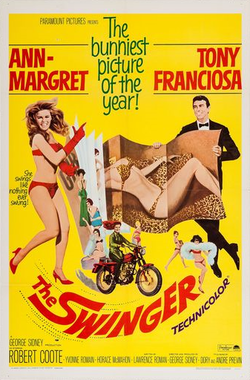
Ann-Margret starred in The Cincinnati Kid in 1965 opposite Steve McQueen. She also co-starred along with friend Dean Martin in the spy spoof Murderers’ Row (1966). Finally, she starred as the lead in The Swinger in 1966 with Tony Franciosa.
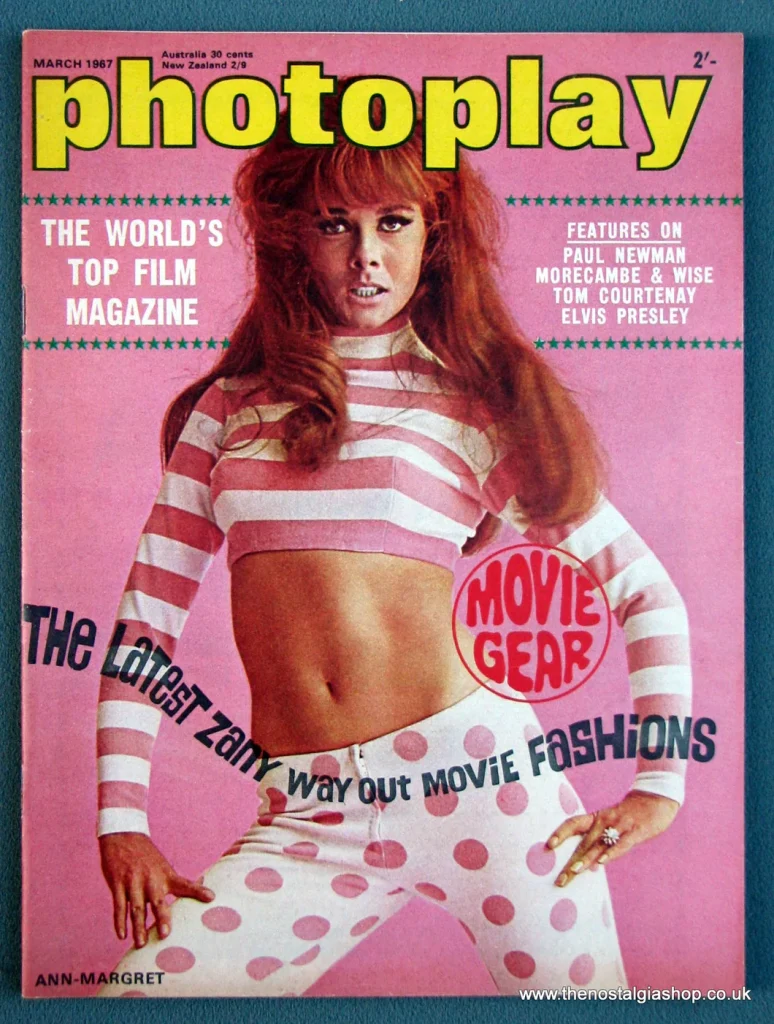
Her red hair color (she is a “natural brunette”) was the idea of Sydney Guilaroff, a hairdresser who changed the hair color of other famous actresses such as Lucille Ball.
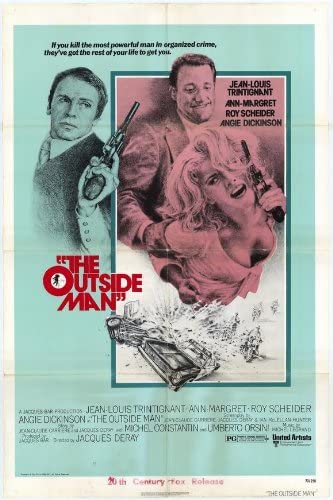
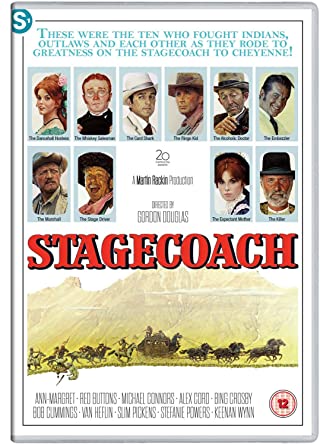


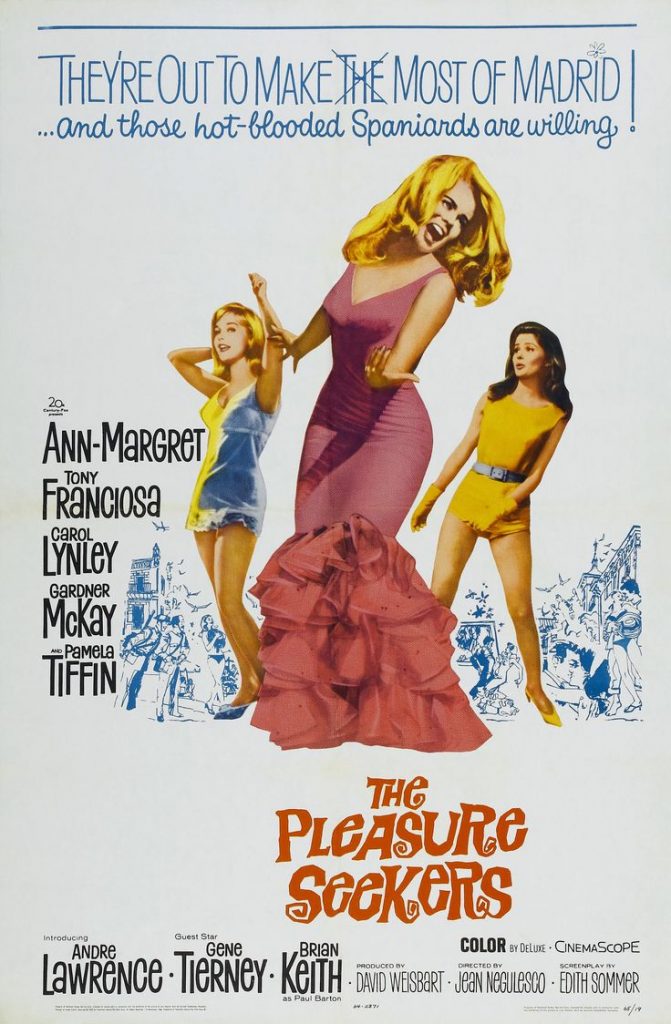
She was offered the title role in Cat Ballou (1965), but her manager turned it down without telling her. In March 1966, Ann-Margret and entertainers Chuck Day and Mickey Jonesteamed up for a USO tour to entertain U.S. servicemen in remote parts of Viet Nam and other parts of South-East Asia. She still has great affection for the veterans and refers to them as “my gentlemen”. Ann-Margret, Day, and Jones reunited in November 2005 for an encore of this tour for veterans and troops at Nellis Air Force Base, Nevada.
During a lull in her film career in July 1967, Ann-Margret gave her first live performance in Las Vegas, with her husband Roger Smith (whom she had married in 1967) taking over as her manager after that engagement. Elvis Presley and his entourage came to see her during the show’s five-week run and to celebrate backstage. From thereon until his death, Presley sent her a guitar-shaped floral arrangement for each of her Vegas openings. After the first Vegas run ended, she followed up with a CBS television special The Ann-Margret Show, produced and directed by David Winters on December 1, 1968, with guest-stars Bob Hope, Jack Benny, Danny Thomas, and Carol Burnett. Then, she went back to Saigon as part of Hope’s Christmas show. A second CBS television special followed, Ann-Margret: From Hollywood With Love, directed and choreographed by David Winters and produced and distributed by Winters’ company Winters-Rosen, with guest-stars Dean Martin and Lucille Ball. David Winters and the show were nominated for a Primetime Emmy in Outstanding Choreography.
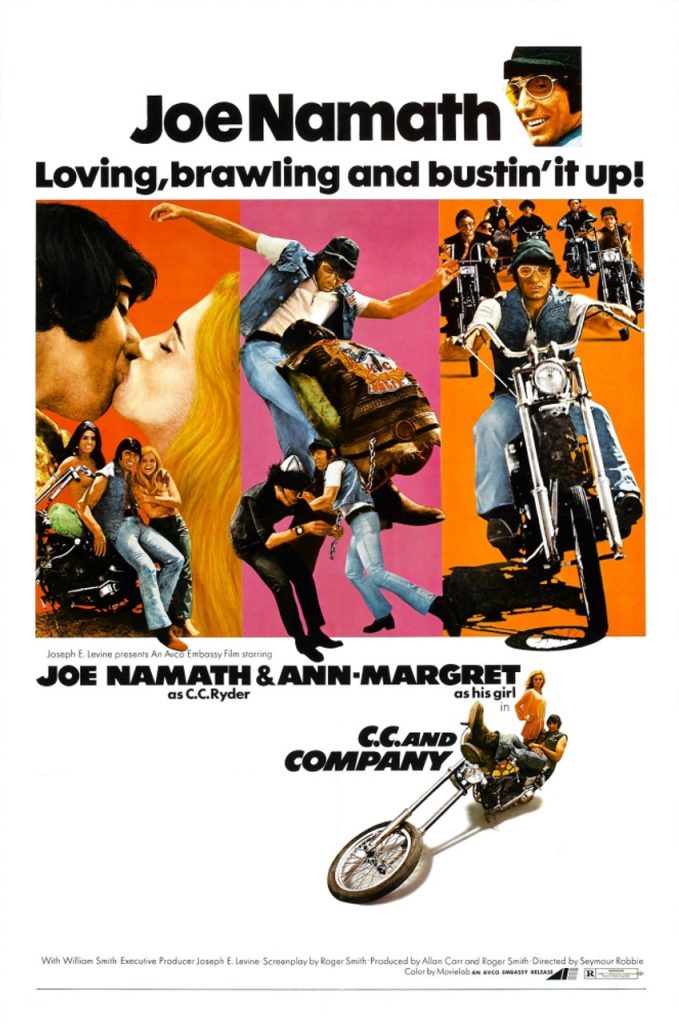
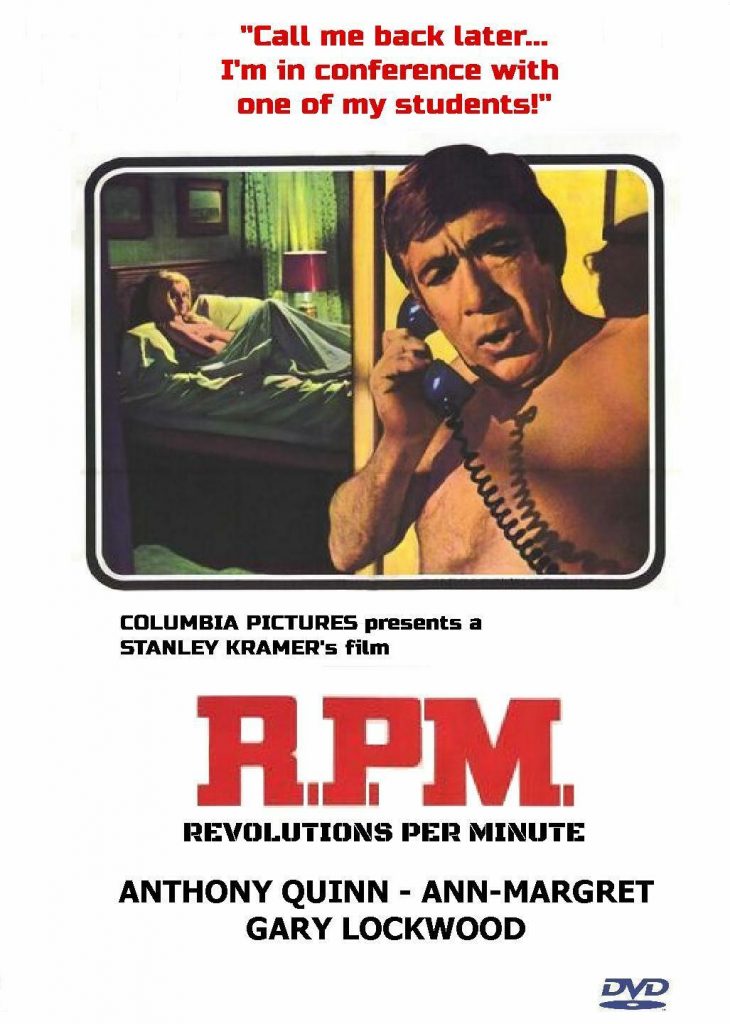
In 1970, she returned to films with R. P. M., where she starred in alongside Anthony Quinn, and C.C. and Company with Joe Namath as a biker and she portraying a fashion journalist.
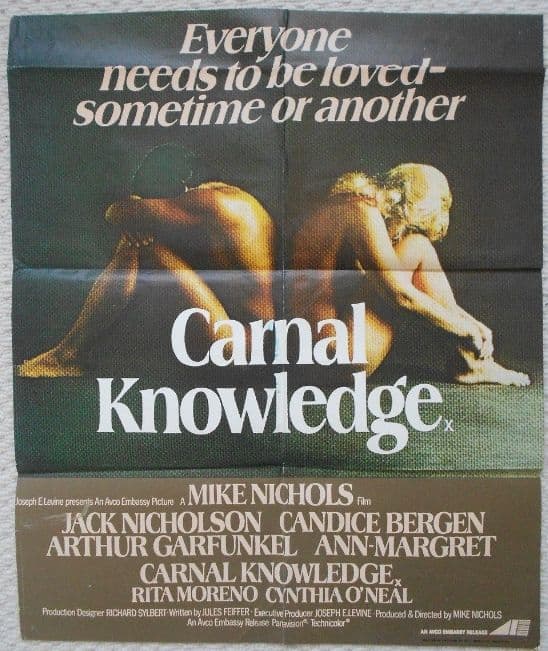
In 1971, she starred in Carnal Knowledge by director Mike Nichols, playing the girlfriend of a neglectful, arguably abusive character played by Jack Nicholson, and garnered a nomination for the Academy Award for Best Supporting Actress.
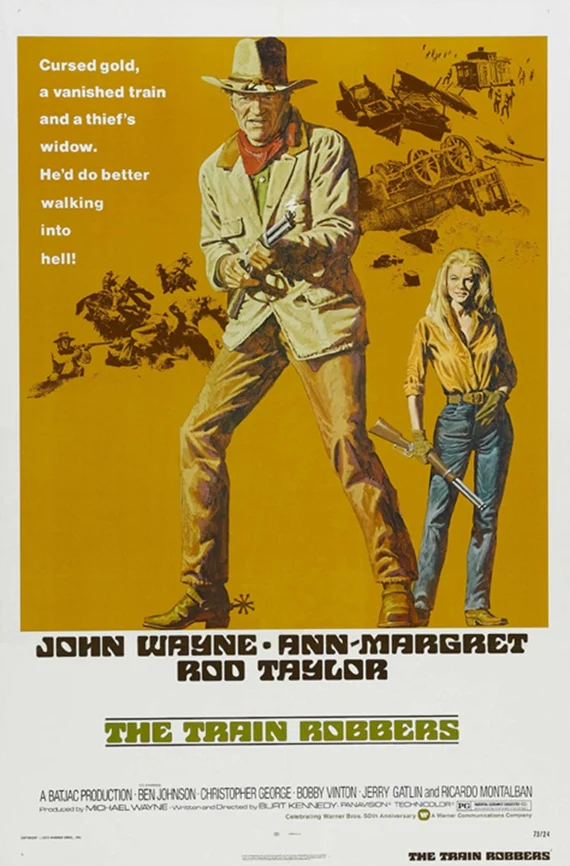
On the set of The Train Robbers in Durango, Mexico, in June 1972, she told Nancy Anderson of Copley News Service that she had been on the “grapefruit diet” and had lost almost twenty pounds (134 to 115) eating unsweetened citrus.
On Sunday, September 10, 1972, while performing at Lake Tahoe, she fell 22 feet from an elevated platform to the stage and suffered injuries including a broken left arm, cheekbone, and jawbone. She required meticulous facial reconstructive surgery that required wiring her mouth shut and putting her on a liquid diet. Unable to work for 10 weeks, she ultimately returned to the stage almost back to normal.
For her contributions to the film industry, Ann-Margret received a motion pictures star on the Hollywood Walk of Fame in 1973. Her star is located at 6501 Hollywood Boulevard.
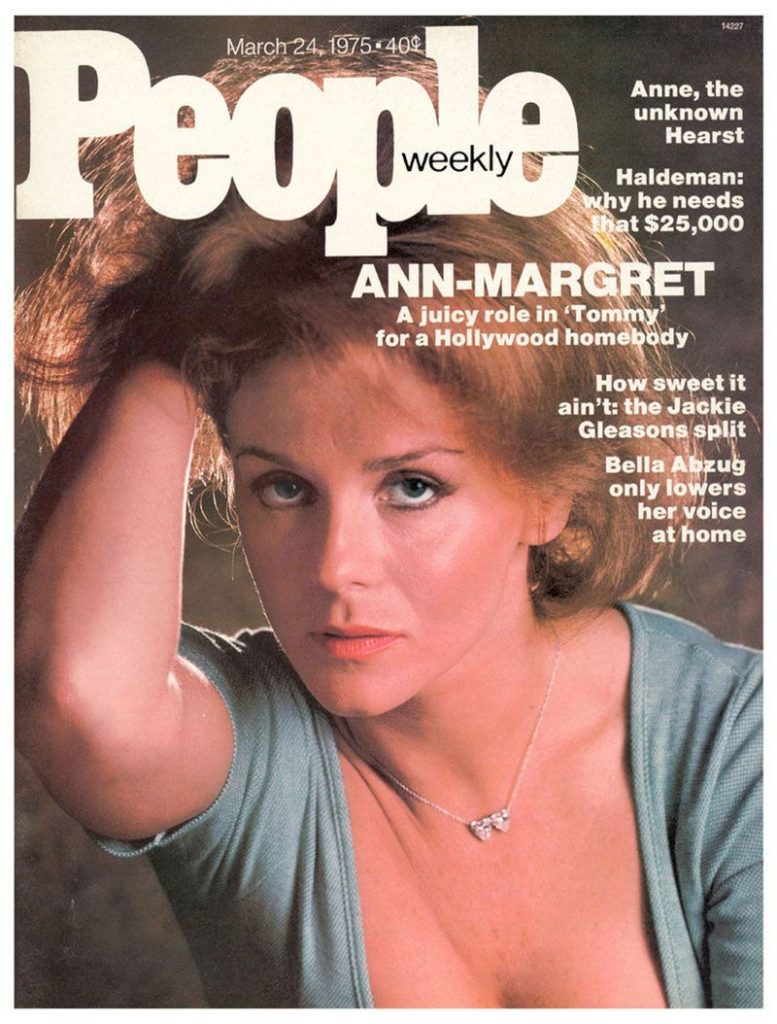
Throughout the 1970s, Ann-Margret balanced her live musical performances with a string of dramatic film roles that played against her glamorous image. In 1973, she starred with John Wayne in The Train Robbers. Then came the musical Tommy in 1975, for which she was again nominated for an Academy Award for Best Actress. In addition, she has been nominated for 10 Golden Globe Awards, winning five, including her Best Actress in a Musical or Comedy for Tommy. On August 17, 1977, Ann-Margret and Roger Smith traveled to Memphis to attend Elvis Presley’s funeral. Three months later, she hosted Memories of Elvis featuring abridged versions of the Elvis 1968 TV and Aloha from Hawaii specials.
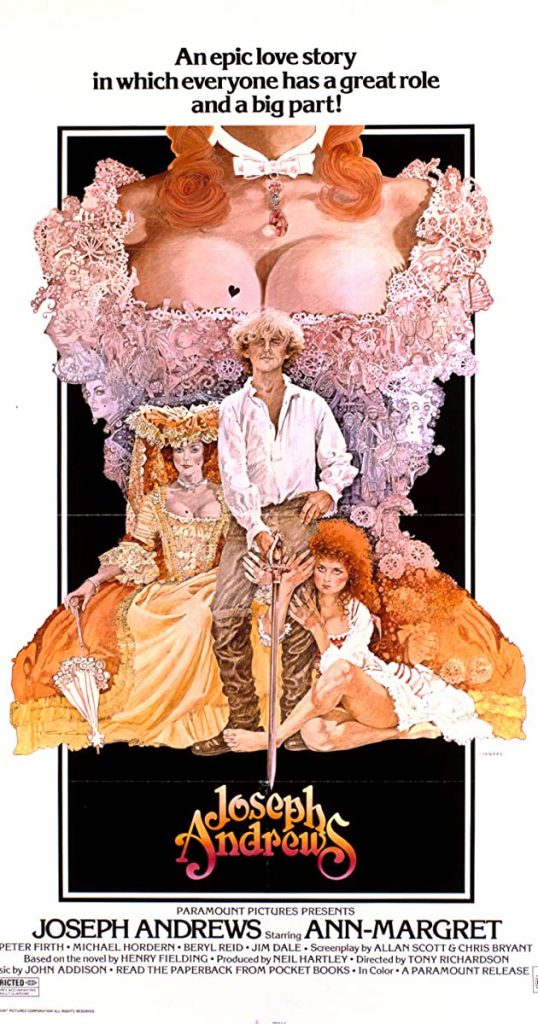
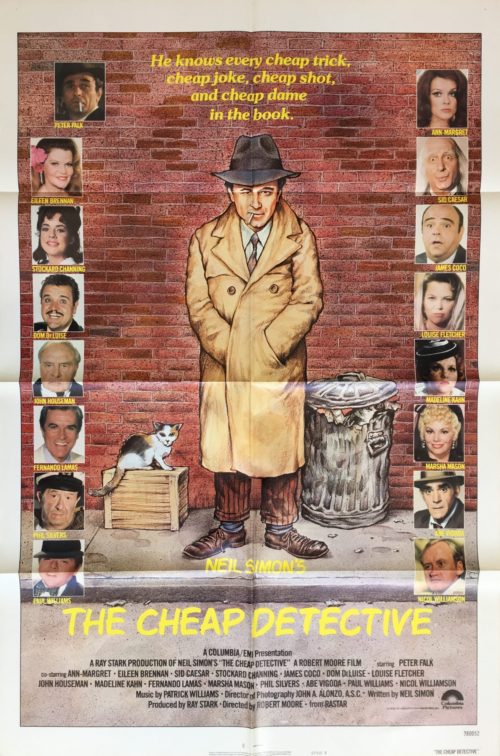
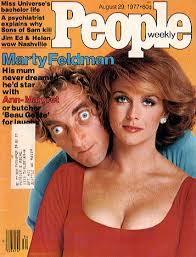
Other notable films she co-starred in during the late 1970s include Joseph Andrews (1977), The Last Remake of Beau Geste (1977), the horror/suspense thriller Magic, with Anthony Hopkins (1978), and she had a cameo role in The Cheap Detective (1978).
Ann-Margret was an early choice of Allan Carr‘s to play the role of Sandy Dumbrowski in the 1978 film Grease. At 37 years old, she was ultimately determined to be too old to convincingly play the role of a high school student. Olivia Newton-John got the role instead, and the character was renamed “Sandy Olsson” (after Ann-Margret’s birth surname) in her honour.
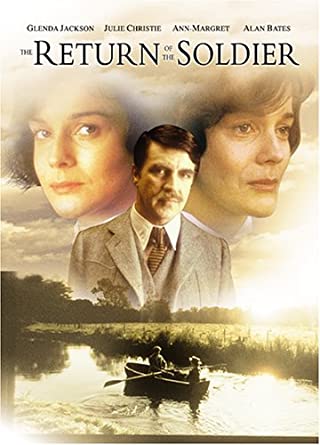
In 1980 Ann-Margret appeared opposite Bruce Dern in Middle Age Crazy. In 1982, she co-starred with Walter Matthau and Dinah Manoff in the film version of Neil Simon‘s play I Ought to Be in Pictures. That same year, she appeared with a six-year-old Angelina Jolie in Lookin’ to Get Out, playing Jolie’s mother. To round out 1982, she appeared alongside Alan Bates, Glenda Jackson, and Julie Christie in the film adaptation.
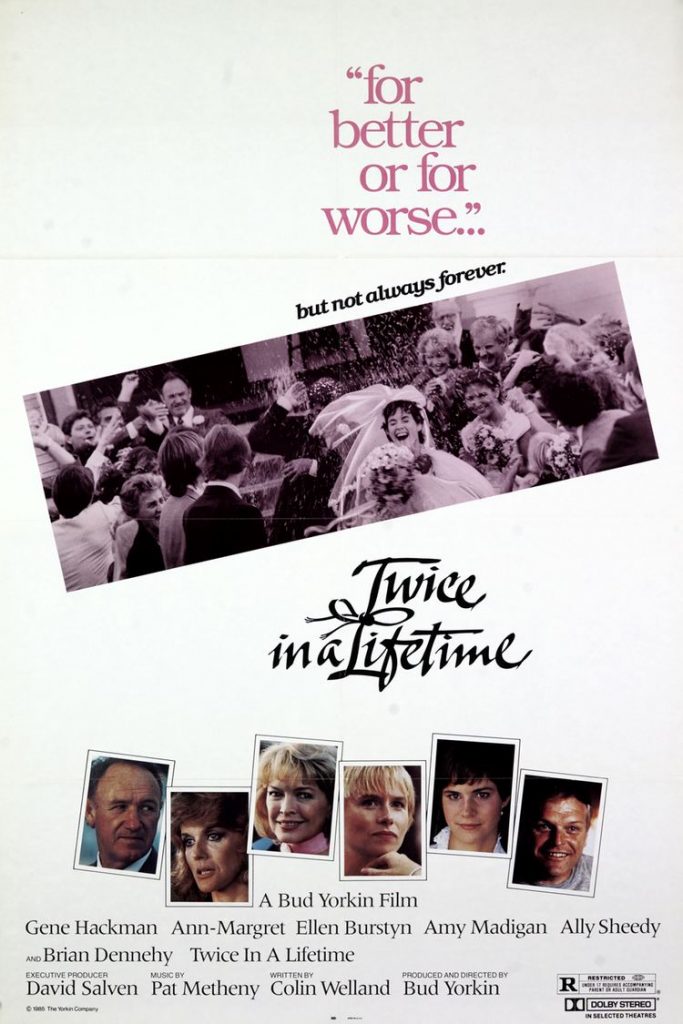
She also starred in the TV movies Who Will Love My Children? (1983) and a remake of A Streetcar Named Desire (1984). These performances collectively won her two Golden Globe Awards and two Emmy nominations. In 1985’s Twice in a Lifetime she portrayed the woman Gene Hackman’s character left his wife for. The next year she appeared as the wife of Roy Scheider‘s character in the crime thriller 52 Pick-Up. In 1987 she co-starred with Elizabeth Ashley (and also with Claudette Colbert, in the last on-screen role of the film legend’s career) in the NBC 2-part series “The Two Mrs. Grenvilles“. It earned Ann-Margret another Emmy Award nomination, this time for Outstanding Lead Actress in a Mini Series or a Special.
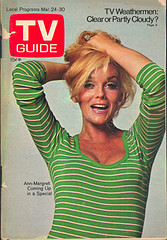
In 1989, an illustration was done of Oprah Winfrey that was on the cover of TV Guide, and although the head was Oprah’s, the body was referenced from a 1979 publicity shot of Ann-Margret. The illustration was rendered so tightly in color pencil by freelance artist Chris Notarile that most people thought it was a composite photograph.[27]
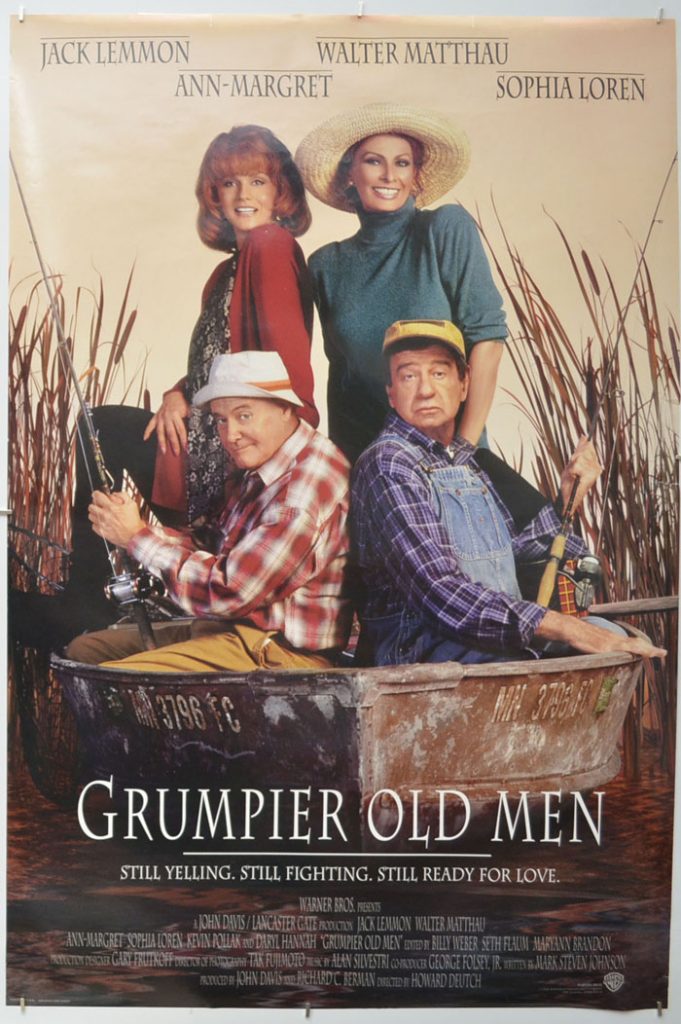
In 1991, she starred in the groundbreaking Our Sons opposite Julie Andrews as mothers of sons who are lovers, one of whom is dying of AIDS. In 1992, she co-starred with Robert Duvall and Christian Bale in the Disney musical, Newsies. In 1993, Ann-Margret starred in the hit comedy Grumpy Old Men reuniting with Matthau and Jack Lemmon. Her character returned for Grumpier Old Men (1995), the equally successful sequel which this time co-starred Sophia Loren.
Ann-Margret published an autobiography in 1994 titled Ann-Margret: My Story, in which she publicly acknowledged her battle with and ongoing recovery from alcoholism. In 1995, she was chosen by Empire as one of the 100 Sexiest Stars in film history; she ranked 10th.
She also filmed Any Given Sunday (1999) for director Oliver Stone, portraying the mother of football team owner Cameron Diaz. She filmed a cameo appearance for The Limey, but her performance was cut from the movie.
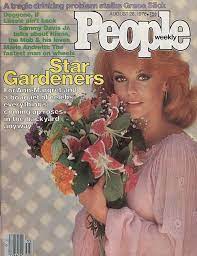

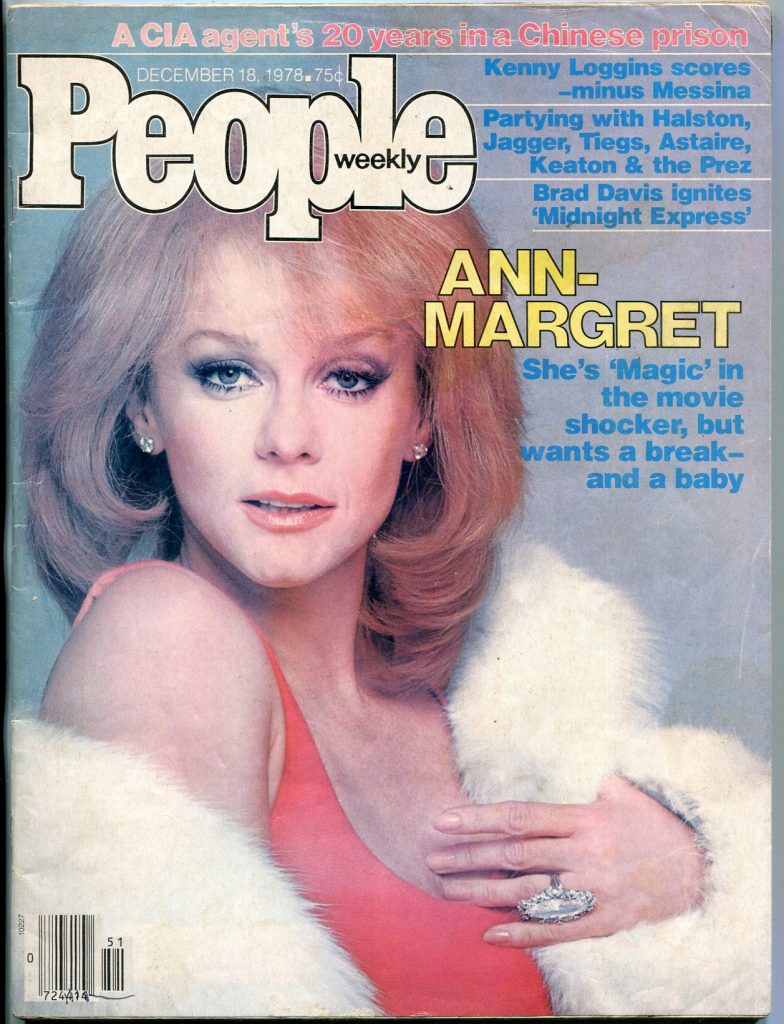
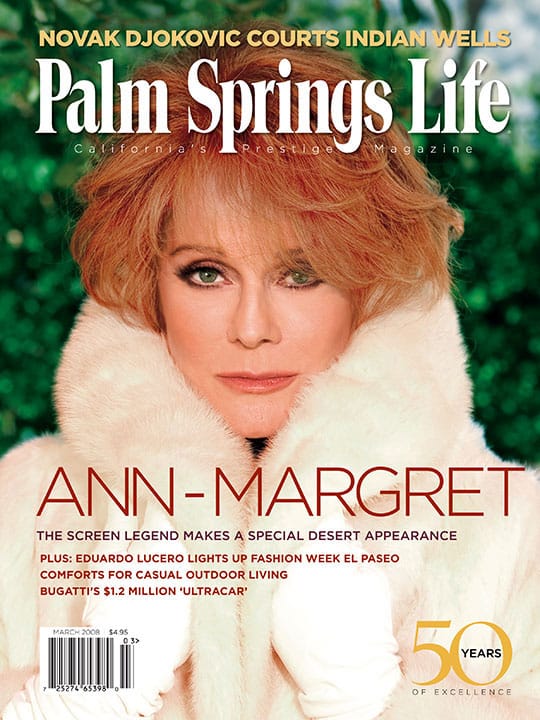
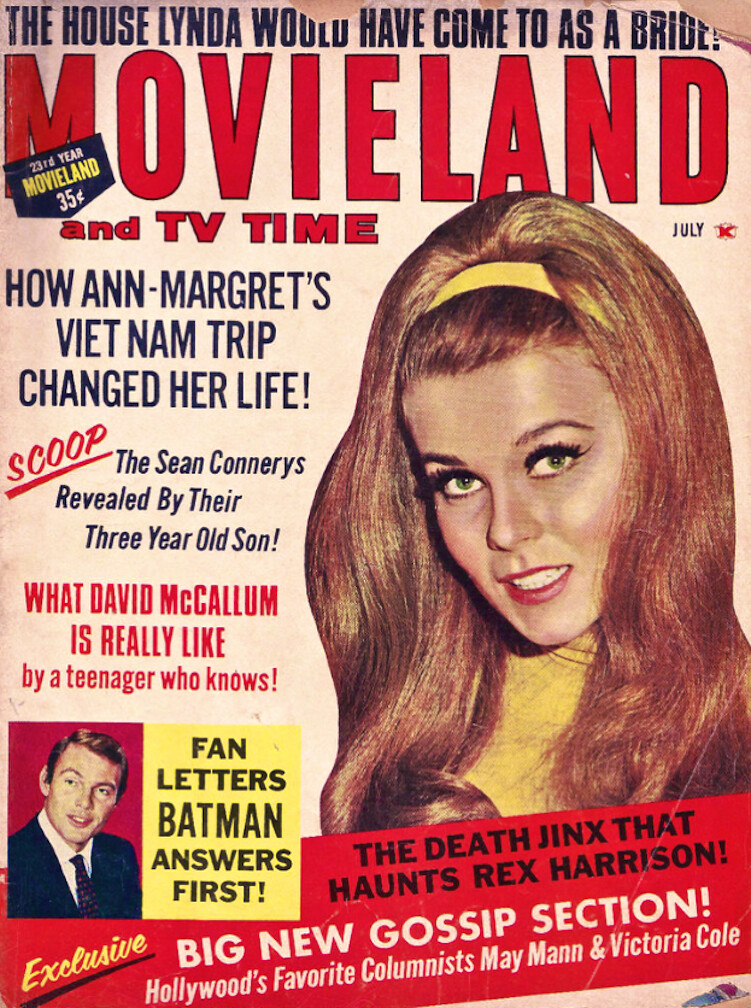
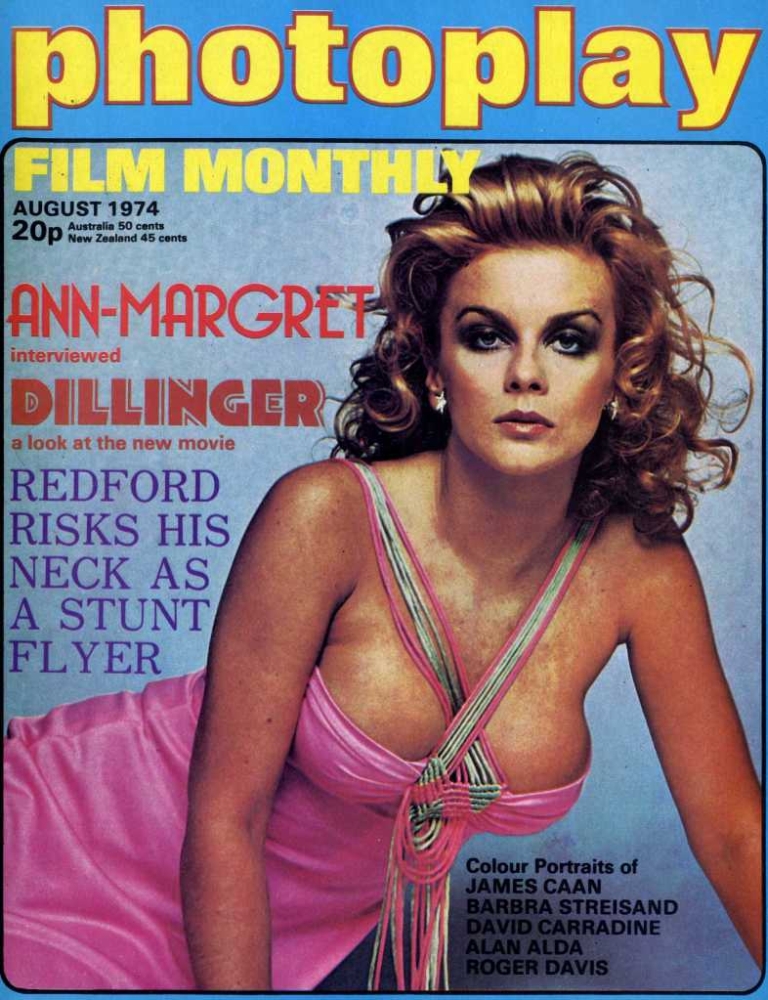
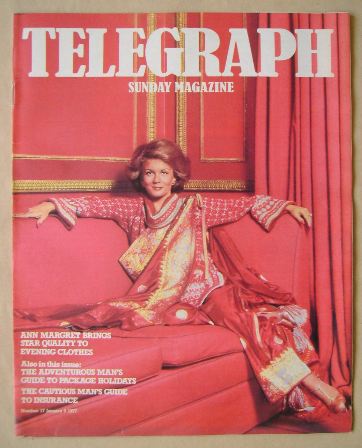
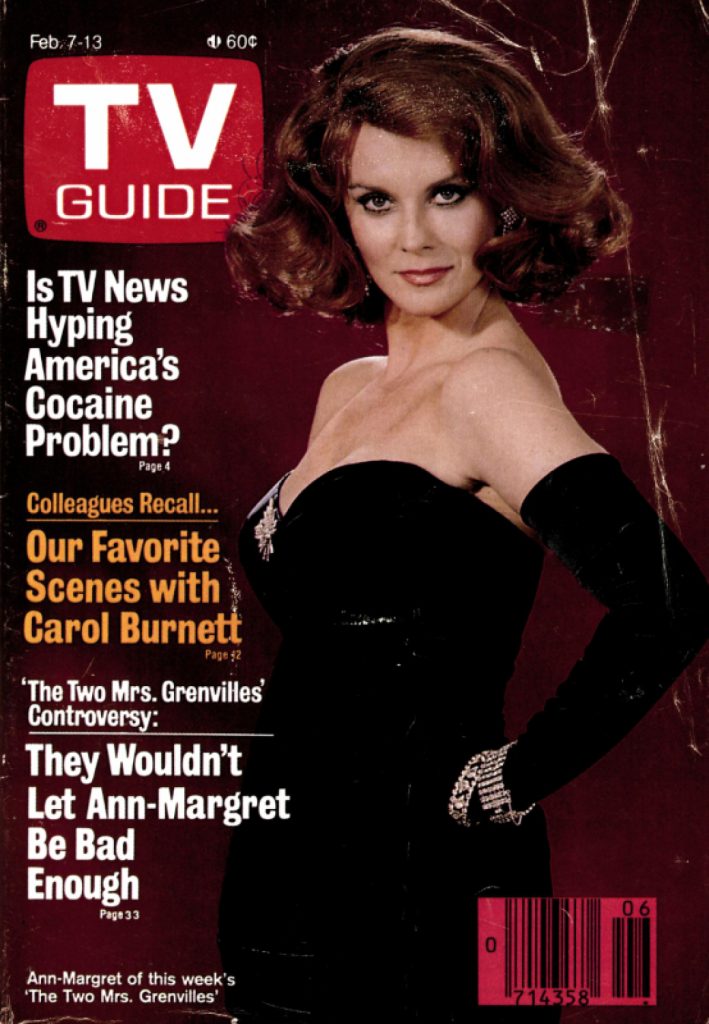
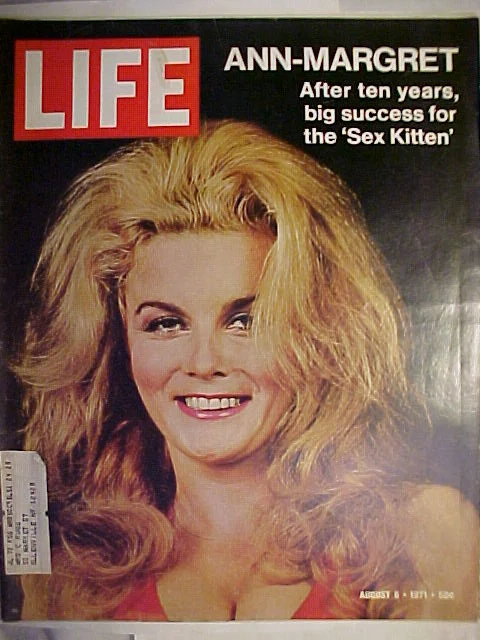
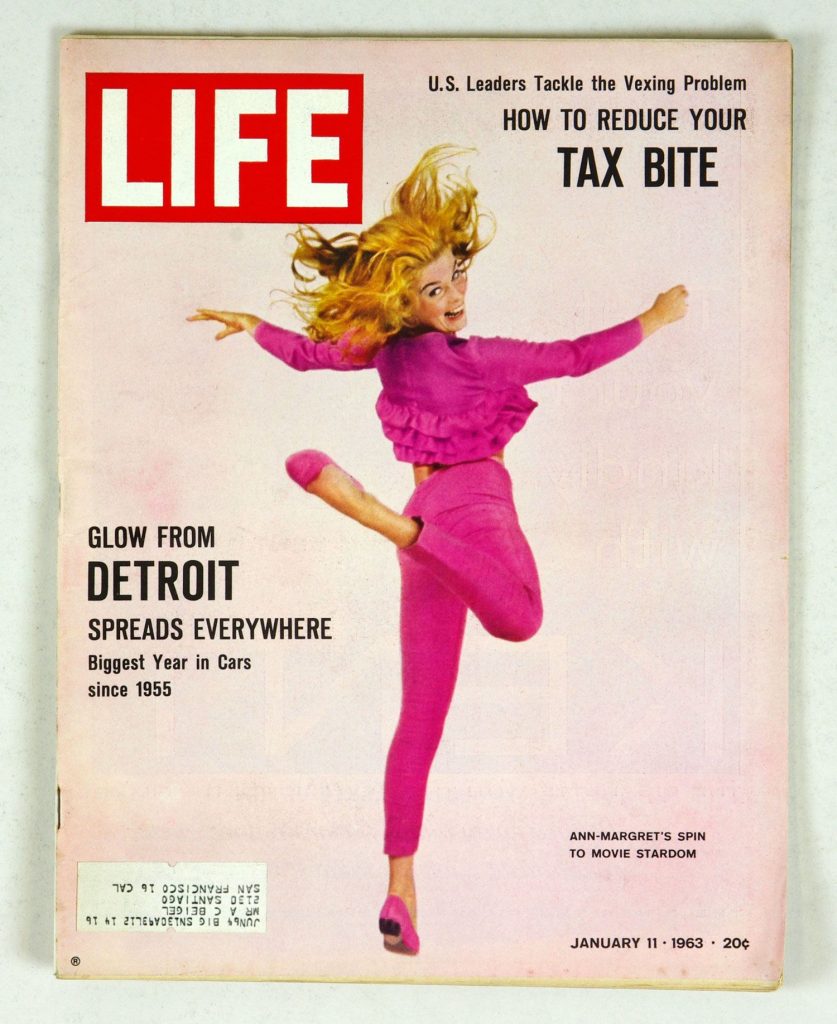
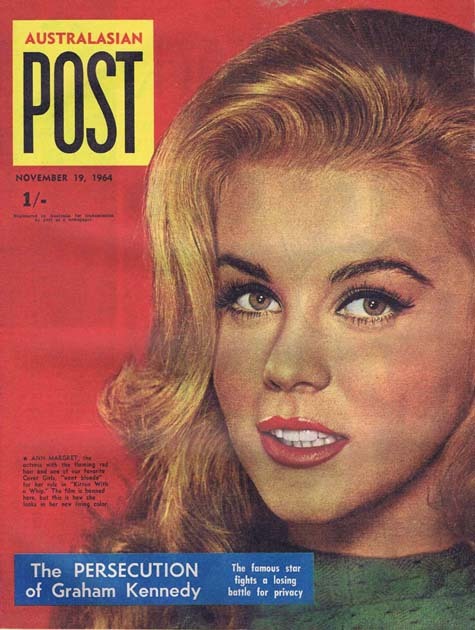
Ann-Margret also starred in several television films, including Queen: The Story of an American Family (1993) and Life of the Party (1999), the latter of which she received nominations for an Emmy Award, a Golden Globe Award, and a Screen Actors Guild Award.
She made guest appearances on the television shows Touched by an Angel in 2000 and three episodes of Third Watch in 2003. In 2001, she made her first appearance in a stage musical, playing the character of brothel owner Mona Stangley in a new touring production of The Best Little Whorehouse in Texas. The production co-starred Gary Sandy and Ed Dixon. She played Jimmy Fallon‘s mother in the 2004 comedy Taxi, co-starring Queen Latifah. In 2001, Ann-Margret worked with Art Greenhaw on the album God Is Love: The Gospel Sessions. The critically acclaimed project resulted in her first Grammy Award nomination and first Dove Award nomination for Best Album of the Year in a Gospel category. They teamed up again in 2004 for the album Ann-Margret’s Christmas Carol Collection. She performed material from the album at two auditorium church services at Crystal Cathedral in Garden Grove, California, and broadcast worldwide on the program Hour of Power.
In 2006, Ann-Margret had supporting roles in the box-office hits The Break-Up with Jennifer Aniston and Vince Vaughn, and The Santa Clause 3 with Tim Allen. She also starred in several independent films, such as Memory (2006) with Billy Zane and Dennis Hopper. In 2009, she appeared in the comedy Old Dogs with John Travolta and Robin Williams.
Ann-Margret guest-starred in an episode of Law & Order: Special Victims Unit, “Bedtime“, which first aired on March 31, 2010 on NBC.[31] She received her sixth Emmy nomination for her performance. She also appeared in the Lifetime series, Army Wives, in the episode “Guns and Roses” (season four, episode five), which originally aired May 9, 2010. On August 29, 2010, she won an Emmy Award for Guest Performance by an Actress for her SVU performance. It was the first Emmy win of her career, and she received a standing ovation from the Emmy venue audience as she approached the stage to receive her award.
On October 14, 2010, Ann-Margret appeared on CBS’ CSI.
In Fall 2011 she co-starred with Andy Williams for a series of concerts at his Moon River Theater in Branson, Missouri. These proved to be Williams’ last performances before his death in 2012.
In 2014, she began appearing in a recurring role in the Showtime original series Ray Donovan.[33] On October 1, 2018, it was announced that she had joined the second season of the Syfy series Happy! in a recurring role.[
In 2018, she guest-starred in The Kominsky Method, portraying Diane, a widow and possible love interest for the recently widowed Norman, played by Alan Arkin.
Ann-Margret has no children, but she was stepmother to the three children of husband Roger Smith, an actor who later became her manager. She and Smith were married from May 8, 1967 until his death on June 4, 2017. Prior to this, she dated Eddie Fisher and was romantically linked to Elvis Presley during the filming of Viva Las Vegas.
A keen motorcyclist, Ann-Margret rode a 500 cc Triumph T100C Tiger in The Swinger (1966) and used the same model, fitted with a nonstandard electric starter, in her stage show and her TV specials. She was featured in Triumph Motorcycles‘ official advertisements in the 1960s. She suffered three broken ribs and a fractured shoulder when she was thrown off a motorcycle in rural Minnesota in 2000.[36]
The 2005 CBS miniseries Elvis includes the story of her affair with Elvis Presley during the filming of Viva Las Vegas. She was portrayed by actress Rose McGowan.
The Flintstones had a character named Ann-Margrock on the episode “Ann-Margrock Presents”, as a reference to Ann-Margret, for which she supplied the voice and the vocals. Ann-Margret was also referenced in Mad Men’s Season 3 Episode 3 “My Old Kentucky Home” and Season 3 Episode 4 “The Arrangement”. The “Bye Bye Birdie” video was shown in the show featuring her.