

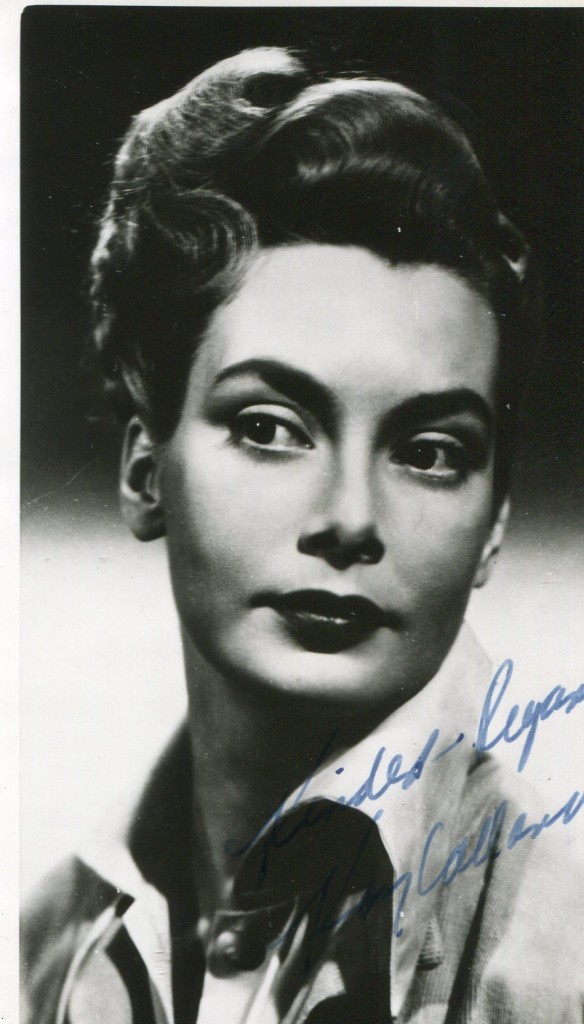
Kay Callard was a Canadian actress who spent most of her career in Britain. Her films include “Reluctant Bride” in 1955, “Find the Lady” in the following year and “Our Cissy” in 1974. She died in 2008 at the age of 75.
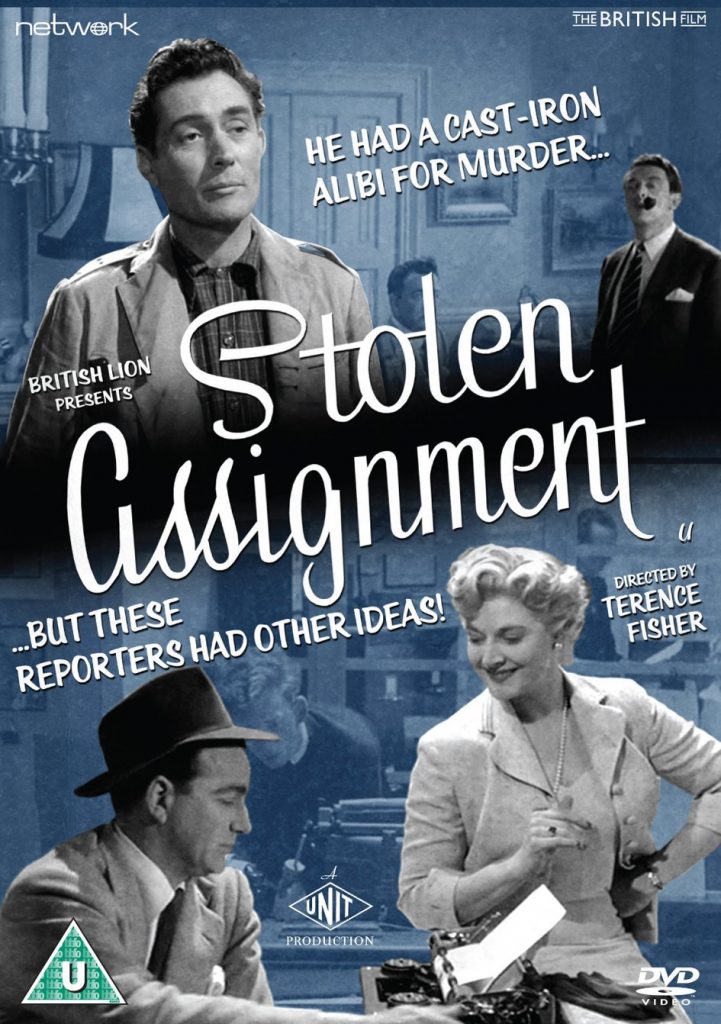
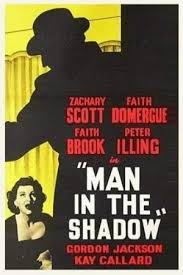
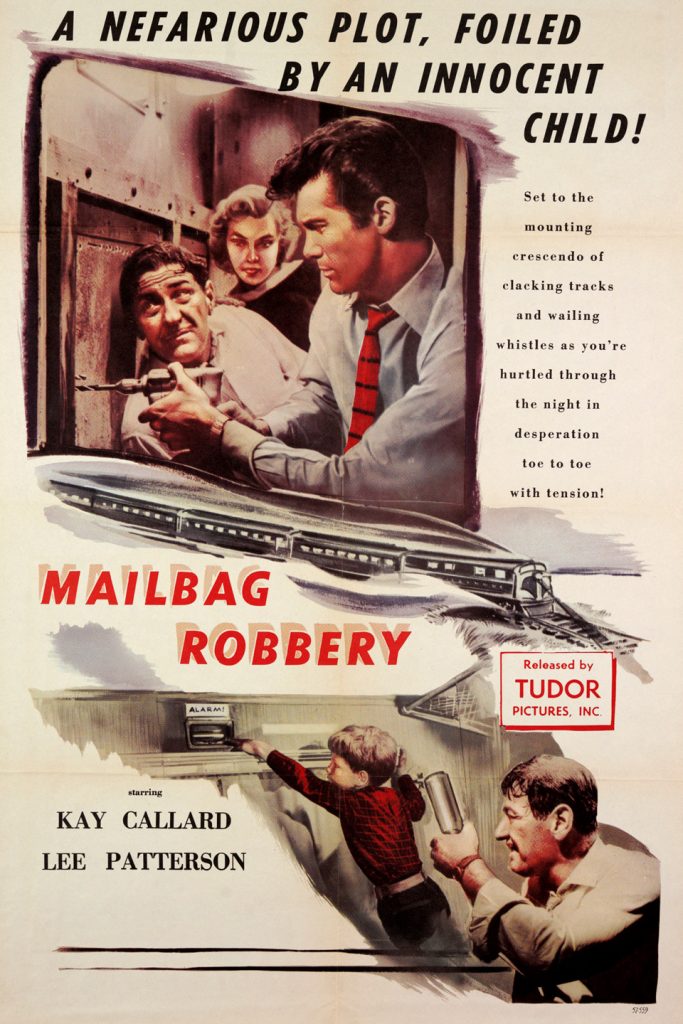
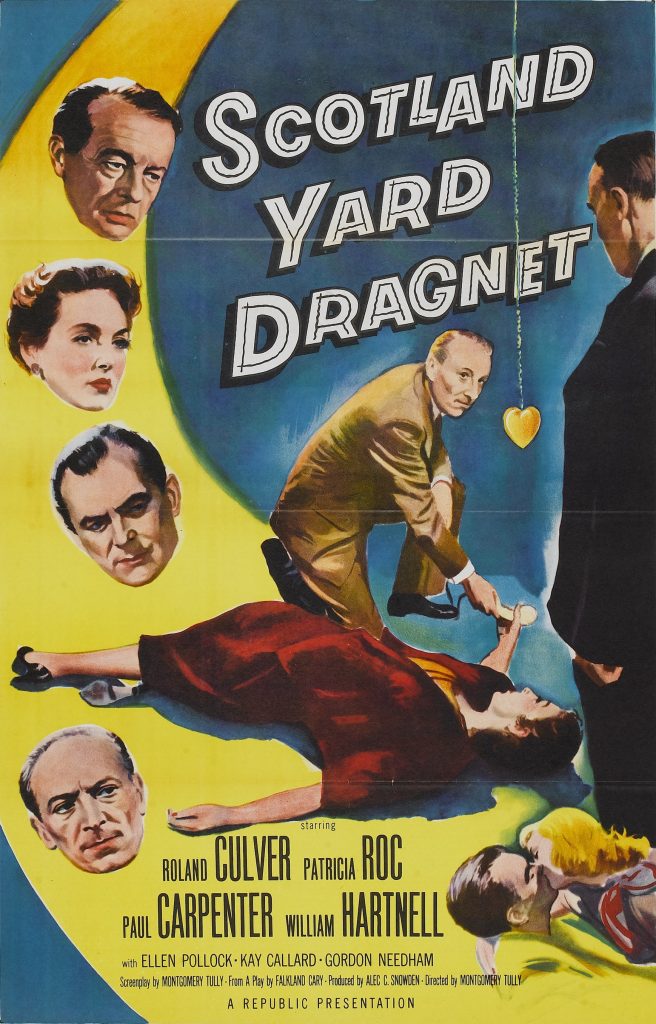
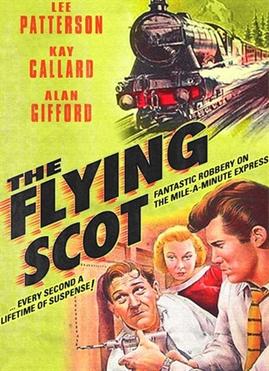
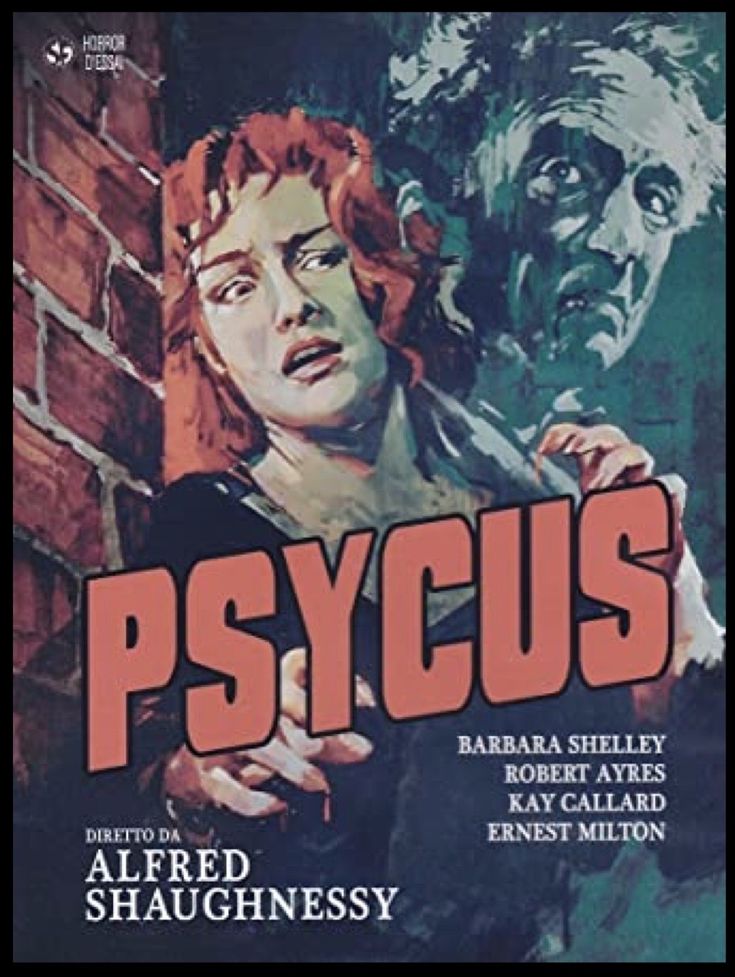
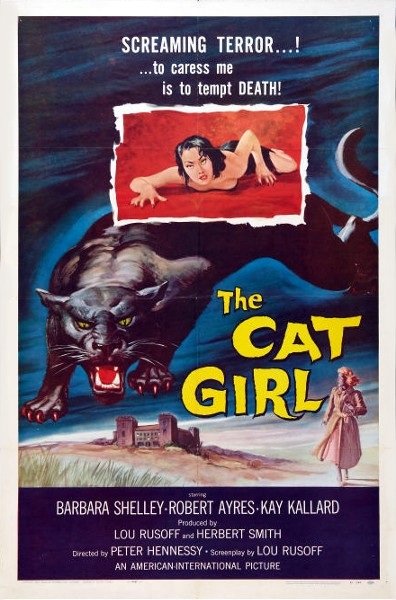
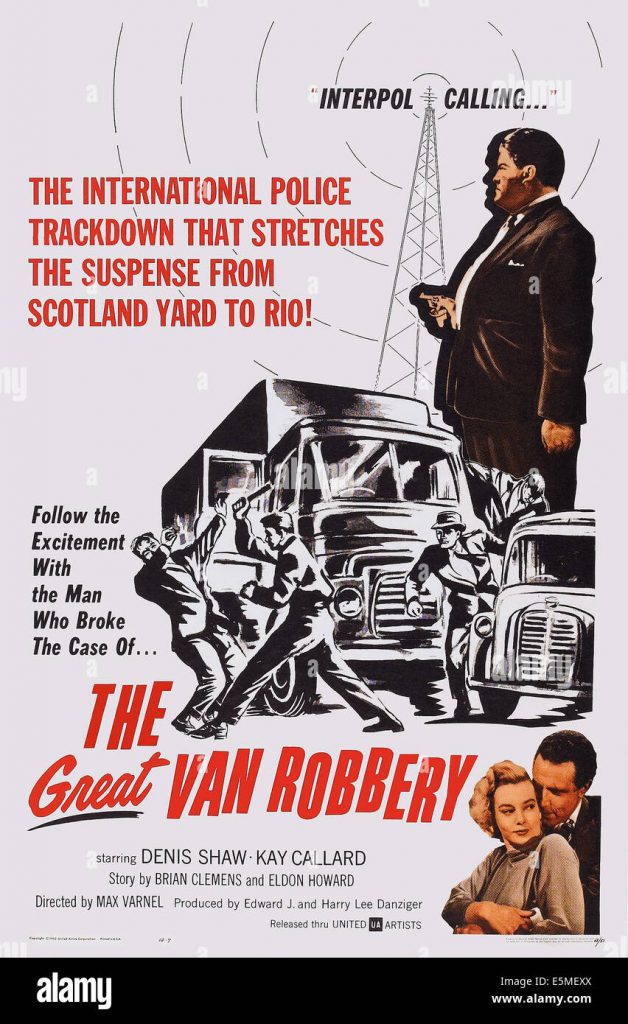
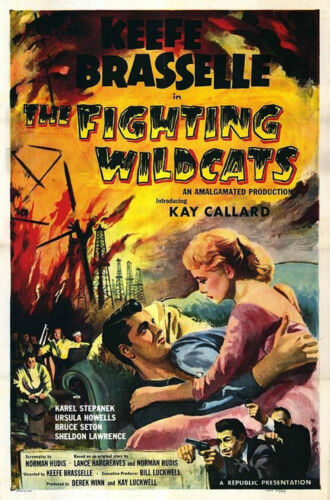
Kay Callard (1923–2008) was a Canadian-born actress who became a staple of the British “B-movie” era and early television. A critical analysis of her work reveals a performer who provided a vital bridge between the 1940s Noiraesthetic and the 1950s/60s British realism you enjoy. While she often worked within the constraints of low-budget “quota quickies,” she brought a sophisticated, transatlantic polish to her roles that made her stand out among her contemporaries.
I. Career Overview: The Transatlantic Starlet
1. The Canadian Arrival (1950s)
Callard moved to the UK in the early 1950s, arriving at a time when British studios were hungry for actors with North American accents to make their films more “exportable” to the US market.
-
The “B-Movie” Queen: She quickly became a favorite of the Danziger Brothers and other independent producers. Between 1954 and 1961, she appeared in a staggering number of crime thrillers, often playing the “American girl in London” caught up in a web of intrigue.
2. The Genre Specialist (1954–1962)
Critically, Callard’s career is defined by her work in three specific genres:
-
Film Noir/Crime: Films like The Hypnotist (1957) and The Flying Scot (1957) showcased her ability to play the “Good Girl” with a hint of steel.
-
Science Fiction: She starred in the cult classic The Electronic Monster (1958), a film that was ahead of its time in its exploration of dream-manipulation technology.
-
Westerns: In a rare move for a UK-based actress, she appeared in the TV series The Adventures of the Scarlet Pimpernel and various Western-themed anthology episodes, utilizing her natural equestrian skills.
3. The Television Transition and Retirement
As the British film industry shifted toward the “Kitchen Sink” movement, Callard moved into television guest spots before retiring from the screen in the mid-1960s to focus on her family life (she was married to the actor Jack MacGowran).
II. Detailed Critical Analysis
1. The “Grounded” Glamour
Critically, Callard is analyzed for her lack of artifice. In an era where many leading ladies were directed to be “decorative,” Callard had a very modern, naturalistic approach.
-
The “Working Girl” Persona: In her noir roles, she often played secretaries, journalists, or nurses. She brought a “Kitchen Sink” practicality to these roles long before the genre was formally defined. She looked like a woman who actually worked for a living, which gave her characters a relatable, grounded quality that resonated with post-war audiences.
2. The Transatlantic “Cool”
Callard’s Canadian accent was a key tool in her acting kit.
-
The Outsider Perspective: Directors used her to provide an “objective” lens on British society. Because she didn’t fit into the rigid British class system of the 1950s, her characters could move between the high-society ballrooms and the gritty London docks with equal ease. This made her the perfect “Noir” protagonist—the observer who sees the truth because she doesn’t belong to the system.
3. The “Silent Strength” in Sci-Fi
In The Electronic Monster, Callard had to navigate a plot that was highly technical and often bizarre.
-
The Emotional Anchor: Critics note that she provided the necessary human heartbeat to a film that could have felt cold and clinical. She had a way of reacting to “spectacle” with a quiet, internalized fear rather than screaming, which made the stakes feel much more real for the audience.