Career Overview and Critical Analysis of the Work of Art Malik
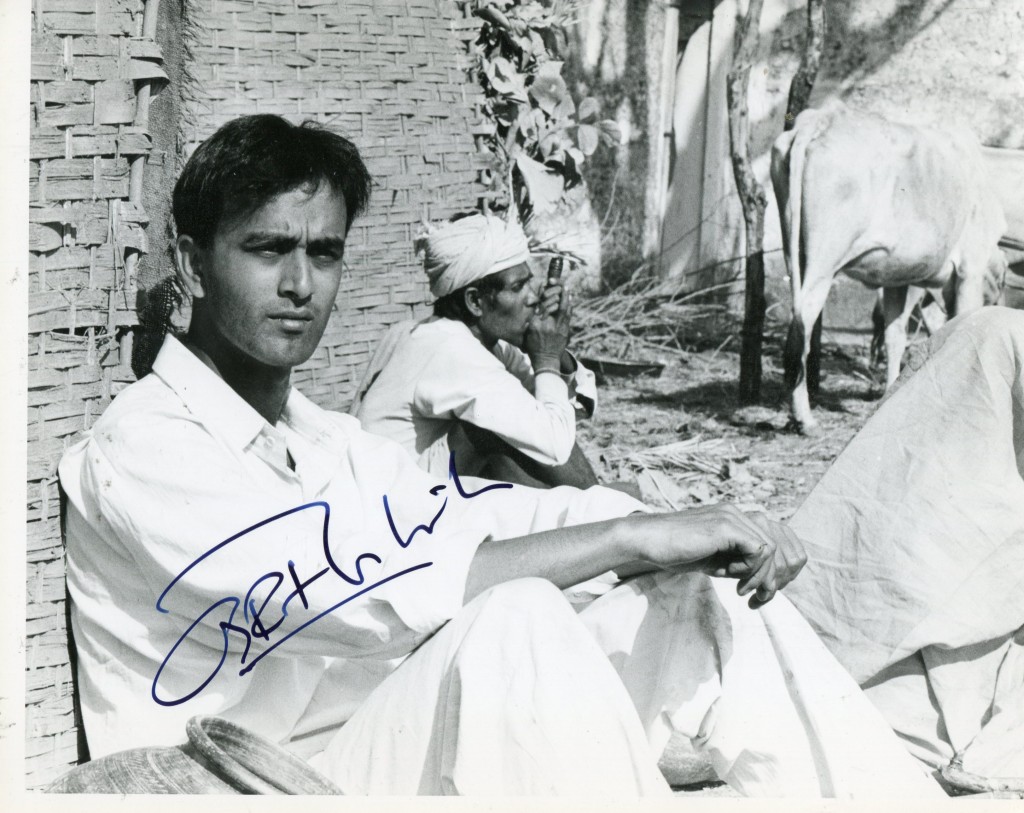
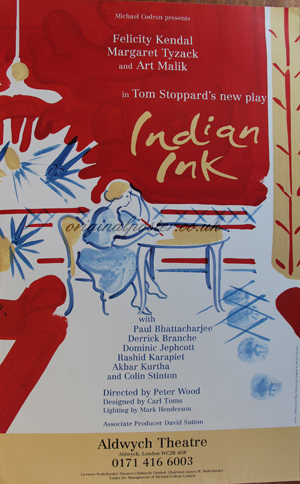
Art Malik (born 1952) is a British actor whose career spans film, television, and theatre from the late 1970s onward. Known for his intelligence, versatility, and controlled acting style, Malik has played a wide range of characters across international productions. His work is particularly significant for its contribution to the representation of South Asian actors in British and global media during a period when opportunities for such performers were often limited.
Early Life and Training
Art Malik was born Athar Ul-Haque Malik in Bahawalpur, Pakistan, and raised partly in England. His family moved to London during his childhood, and he later studied acting at the Guildhall School of Music and Drama, one of Britain’s most prestigious training institutions.
His classical training gave him a foundation in:
- Shakespearean performance
- voice technique and diction
- textual interpretation
This background contributed to the intellectual precision that characterizes his acting style.
Early Career and Breakthrough
Malik began appearing in British television in the late 1970s and early 1980s. His major breakthrough came with the television film:
- A Passage to India (stage/TV association context)
However, his international breakthrough came in the film:
- A Passage to India, directed by David Lean.
Malik played Dr. Aziz, the Indian physician accused of assaulting a British woman during the British Raj.
Critical analysis of Dr. Aziz
The character of Aziz is central to the film’s exploration of colonial tensions. Malik’s portrayal emphasizes:
- emotional warmth
- cultural pride
- vulnerability under colonial authority
His performance avoids stereotypical portrayals of colonial subjects. Instead, he presents Aziz as an intelligent and dignified individual whose humanity contrasts with the prejudices of imperial society.
Critics praised Malik for bringing psychological complexity and charm to the role, helping to anchor the film’s moral and emotional center.
International Film Roles
Following A Passage to India, Malik appeared in several major international films.
One of the most notable is:
In this action film directed by James Cameron, Malik plays Salim Abu Aziz, the leader of a terrorist organization.
Critical evaluation of the role
The character is a conventional action-film antagonist, yet Malik brings a degree of restraint and seriousness to the role.
Instead of exaggerated villainy, he portrays the character with:
- calm authority
- ideological conviction
- measured speech
However, critics have noted that the film reflects problematic stereotypes common in 1990s Hollywood portrayals of Middle Eastern and South Asian characters. Malik’s performance elevates the material but cannot entirely escape these limitations.
This illustrates a recurring challenge in his career: balancing artistic integrity with roles shaped by industry stereotypes.
British Television Career
Malik has maintained a strong presence in British television drama.
One of his most prominent roles was in:
This adaptation of Paul Scott’s novels explored the final years of British rule in India.
Critical significance
The series is notable for its complex portrayal of colonial relationships. Malik’s performance contributes to the show’s nuanced depiction of Indian characters.
Unlike earlier British colonial dramas, The Jewel in the Crown allows Indian characters to possess their own perspectives and emotional depth.
Malik’s acting emphasizes:
- intellectual dignity
- quiet frustration with colonial injustice
- emotional restraint
These qualities reinforce the series’ attempt to present colonial history from multiple viewpoints.
Later Television Work
In later decades Malik appeared in numerous British and international television productions, including:
- Homeland
- Doctor Who (guest appearance)
These roles demonstrate his continued ability to portray complex authority figures such as diplomats, intelligence officials, and political leaders.
Critical assessment
Malik’s later performances often emphasize maturity and gravitas. His characters frequently embody:
- wisdom
- strategic intelligence
- emotional restraint
These qualities make him particularly effective in political dramas and thrillers.
Acting Style
Intellectual precision
Malik’s acting is marked by careful attention to language and dialogue. His delivery is often measured and deliberate, reflecting his classical training.
This approach allows him to convey subtle shifts in emotion and thought.
Emotional restraint
Unlike actors who rely on overt displays of emotion, Malik frequently communicates feeling through:
- slight changes in tone
- facial expression
- controlled physical movement
This understated style enhances the realism of his performances.
Cultural authenticity
One of Malik’s most important contributions is his effort to portray South Asian characters with dignity and complexity.
Throughout his career he has attempted to avoid caricature, instead emphasizing the individuality and humanity of his roles.
Recurring Themes in His Roles
Malik often portrays characters who are:
- intellectual or professional figures (doctors, diplomats, scholars)
- navigating cultural or political conflict
- positioned between different societies or ideologies
This reflects both his personal background and the kinds of roles available to South Asian actors in Western media.
Historical and Cultural Importance
Art Malik’s career coincided with an important period in British cultural history: the increasing visibility of actors from diverse backgrounds.
His success in major productions demonstrated that South Asian actors could play complex leading roles rather than being confined to minor stereotypes.
In this sense, his work contributed to the gradual diversification of British television and cinema.
Legacy
Although he has rarely been a conventional Hollywood star, Art Malik has built a respected career marked by:
- thoughtful performances
- international collaborations
- contributions to more nuanced portrayals of South Asian characters
His portrayal of Dr. Aziz in A Passage to India remains one of the most significant performances by a South Asian actor in a major Western film of the 20th century.
✅ Summary
Art Malik’s career reflects both the opportunities and challenges faced by actors of South Asian heritage in Western cinema and television. Through intelligence, restraint, and emotional subtlety, he has consistently elevated the roles he has been given. His work—particularly in A Passage to India and The Jewel in the Crown—demonstrates a commitment to portraying complex characters shaped by history, culture, and political conflict