


Honeysuckle Weeks is primarily know for her role in the television series “Foyle’s War” as Samantha Stewart. She was born in 1979 in Cardiff. Her movie roles include “Lorna Doone” in 2000 and “My Brother Tom” the following year.
“MailOnline” article:
By ANTONIA HOYLE and PETER ROBERTSON
Last updated at 22:50 08 March 2008
Honeysuckle Weeks storms in, half an hour late, straggly blonde hair billowing behind her and without a scrap of make-up. Her nails are bare and stubby and she sports a small scar on her lip where her Tibetan Mastiff puppy, Kensal, jumped up on her.
She looks every inch a bohemian beauty who couldn’t care less for the excesses of fame and has no time for designer frocks. It is only when her deep, plummy, almost old-fashioned voice reverberates around the room that you remember exactly why she has become a household name.
Famous for playing Samantha Stewart in the period drama Foyle’s War, she has spent the past seven years presenting a prim, proper and ferociously loyal persona to the seven million viewers of the hit ITV series.
Now that it is about to end, 28-year-old Honeysuckle seems keen to shrug off her serious on-screen image and show a less conventional side of herself than her work to date has suggested.
“I’ve had a wonderful time in Foyle’s War and I don’t mind being typecast,” she says. “But I’m not prim. I’m chaotic, happy and desperate to have some laughs. I’d love to do a comedy next, or something modern.”
Honeysuckle, who joined the series after graduating from Oxford University in 2001, admits: “I’ve got this voice that sounds very proper. In my last audition I tried to tone it down. But I was so concerned with toning it down that my actual acting was appalling.”
The final two episodes of Foyle’s War set in Hastings, East Sussex, against the backdrop of the Second World War will be screened in May. Viewers will see Samantha, who plays the driver
of Detective Chief Superintendent Christopher Foyle, played by Michael Kitchen, celebrate VE Day with her colleagues
“Samantha hasn’t really changed,” says Honeysuckle. “She remains without a husband or boyfriend. I asked the writers to keep it that way so she could still do her job. In those days, if she’d been married she’d have had to give it up. But I’ve definitely changed and grown up. When I first started playing her I didn’t have a boyfriend and now I’m married.”
Honeysuckle she was named after the fragrant climbing plant that was in bloom when she was born grew up in a Sussex farmhouse with her parents Robin, 50, the owner of an advertising company, and Susan Wade Weeks, also 50, now the Conservative candidate for York, and younger siblings Perdita, 22, and Rollo, 20, both actors.
She was educated at Roedean, the elite girls’ school in Brighton, and enjoyed the kind of privileged upbringing that would make Samantha Stewart envious.
Yet she is clearly uncomfortable with her conservative roots and exudes a rebellious streak that sits at odds with her upper-class background. St, in an age of pampered actresses and their protective publicists, Honeysuckle, who has turned up for this interview alone, is disarmingly open, attractive and, to put it bluntly, a bit bonkers.
“My parents wanted to be actors,” she says. “They tried for years but didn’t get anywhere. Then Mum got pregnant with me and they decided to make actors out of their children. You need your parents’ support if you’re going to do it. Otherwise who’s going to ferry you to castings?”
When Honeysuckle was 13, her parents’ hard work paid off when both she and Perdita landed parts in the BBC2 children’s drama Goggle Eyes. Just a few weeks later, however, their parents split up.
“It wasn’t amicable. They’re very good friends now but they weren’t then,” says Honeysuckle, before conceding: “It was better in many ways that they divorced. They pay more attention to you. They’re not a united front, so you can get away with more.”
For all her bravado, it seems she still hankered for a happy home-life as a teenager and would go to any lengths to secure it. “Every Christmas my parents would get together for the family, and every year they would have a serious argy-bargy and one of them would storm out of the house,” she recalls.
“So when I was 19 I thought I’d get them stoned so they’d just be happy and have fun together. I made mince pies and put dope in them. It seriously backfired. Dad’s a health freak and was watching his weight, but Mum ate the pies and suddenly she was losing it and laughing, and losing at Pictionary, which she normally wins. It was awful. I laughed hysterically. For once I was persona non grata and they were united in disapproval.”
She adds as an afterthought: “I did have the odd smoke, but not really anything else. Everyone smoked dope. But it’s really important that it’s clear my Mum didn’t know there was dope in the mince pies because she’s a Conservative candidate.”
By this stage Honeysuckle had begun to combine her education first at school and then reading English at Pembroke College, Oxford with making a name for herself as an actress, with parts in the TV mini-series Close Relations in 1998 and Midsomer Murders in 1999.
She had also begun to attract male attention in the form of Hugh Grant, whom she met at a millennium party in London’s Groucho Club. They shared a “snog” and dinner in the members’ club Soho House, but she didn’t call him after their first date, she says, because she didn’t think he would want to hear from her again.
A brief engagement to British poet Anno Birkin followed, before he was killed, aged just 20, in a car crash in Italy in 2001. Honeysuckle coped by throwing herself into the second series of Foyle’s War
“I wanted to reflect some of that loss on to Samantha,” she says. “Despite people dying and lives being torn apart, you must put a brave face on it because we’re still alive.
“The show has great storytelling, characters and attention to detail. In Foyle’s office, for example, you can open a drawer and, even though the camera won’t show it, there will be some Forties documents inside. I had to fight not to wear authentic underwear and suspenders.”
In 2002 she went on a first date with her future husband, Lorne Stormonth-Darling, a dealer in Tibetan antiques. She says she was blown away by his opening gambit: ‘Would you like a pickled cockle?’
She had been friends with Lorne, the son of a retired City broker and 16 years her senior, since 1999 when she was at Oxford and he was a friend of her flatmate’s parents. He was, she says with apparent sincerity, hanging around “to try to find a younger girlfriend” and even hit on her friend before he settled for her.
She claims he asked her to marry him every day after their first date. On holiday in the Himalayas in 2005, they held an impromptu Buddhist wedding ceremony in an apple orchard 8,000ft above sea level.
“We did it just for us,” says Honeysuckle. “But all the locals were watching and at our wedding feast I had to eat an enormous raw ram’s head with just the skin taken off and I’m a vegetarian.
“Afterwards the women sat round me rubbing their tummies, smiling and saying, ‘You make baby now.’ They expected us to roll around in the hay in front of them.”
On their return and under pressure from both sets of parents to tie the knot properly Lorne offered Honeysuckle what she smilingly describes as a “revolting garnet knuckle-duster ring”, which he had designed himself.
They married in Barlavington, West Sussex, last July, and she wore a medieval-style silk gown that she had bought for £280 from an antiques shop in Hastings.
“When I threw the bouquet it landed in a tree and I swore right outside the church in front of the vicar,” she recalls. “Everyone looked rather shocked, then laughed to cover up their embarrassment. Somebody fished it out of the branches and I had to throw it again.”
The newlyweds left their celebrations by hot-air balloon on the first leg of a journey to honeymoon in Zanzibar, with Honeysuckle kitted out in white corduroy pantaloons and leather flying jacket. But just three miles out, the weather took a sudden turn for the worse and the balloon crash-landed, narrowly avoiding a lake.
“I didn’t want my mother to know our plan had gone wrong, so we hid from the rest of the party in a barn nearby,” she says. “We went for a swim in the lake at six o’clock the next morning.”
The unlikely couple live in a two-bedroom cottage in Kensal Green, and Honeysuckle seems impressed, rather than exasperated, by her husband’s “alternative” lifestyle.
“He makes me laugh he’s a one off,” she says. “I think people have better experiences when they’re older. They’re more interesting and sure of themselves, although he does have a youthful side. I don’t think I’ve remotely changed him. That would be a bad idea. He still wants to travel, to go off and have adventures.
“He tells me he has five wives in the Tibetan mountains and that he sleeps with them. I don’t know if he’s pulling my leg. I don’t mind if it’s in his past, but I’d rather he didn’t do it now.
“His parents are amazed he got married at all, he was so allured by the bachelor life. He’s had loads of girlfriends before he was a bit of a bad boy.”
In reality, however, their life together sounds fairly mundane. They walk their dog, watch The Simpsons and eat Honeysuckle’s home-made stew. She likes tending their “teeny” garden and spending time with her siblings. Perdita has just finished filming the TV series The Tudors, in which she plays Mary Boleyn, and Rollo has had parts in British and European TV dramas.
Perhaps unsurprisingly, given her unstarry lifestyle, Honeysuckle has little time for the size-zero culture that female celebrities are increasingly expected to embrace
“I used to run ten miles every other day and eat very little,” she says. “I was living in London on my own for the first time and no one was checking on me. I wasn’t anorexic but lost three stone. I weighed around seven. It lasted six months until I ran out of willpower.
“Size zero doesn’t make you happy and I’m not sure I have the discipline for Hollywood. I’m too much of a fan of chocolate and crisps.
Currently in a theatre production of Henry James’s The Turn Of The Screw, in which she plays the governess, which she says is “quite intense because I have to go mad in every performance”, she seems more ambivalent than ambitious about her career.
“I’d like to be remembered as a national treasure, but I need to put myself out there more and not screw it up by being lazy,” she says.
“Lorne tells me I should have more meetings with my agent. He’s very ambitious for me and likes to check my outfits before I go to a meeting. I’m just happy to be working.”
She smiles sweetly not quite the dippy scatterbrain she seems keen to be seen as, but nonetheless a long way from Samantha Stewart.
The above “MailOnline” article can be accessed online here.
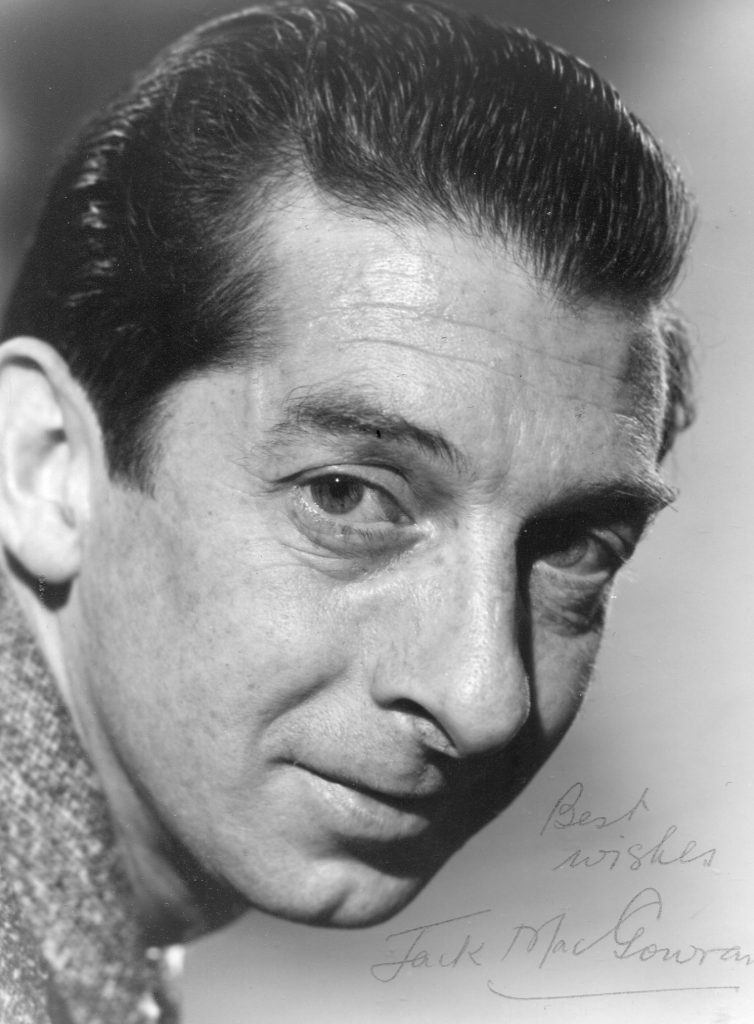
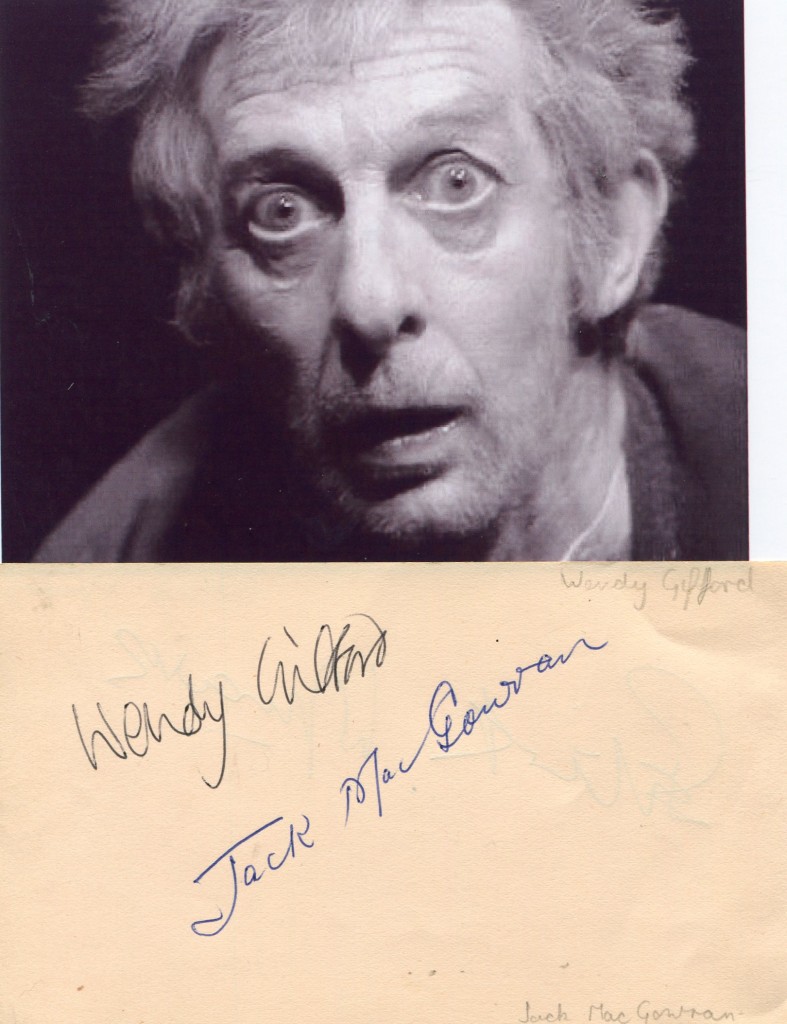
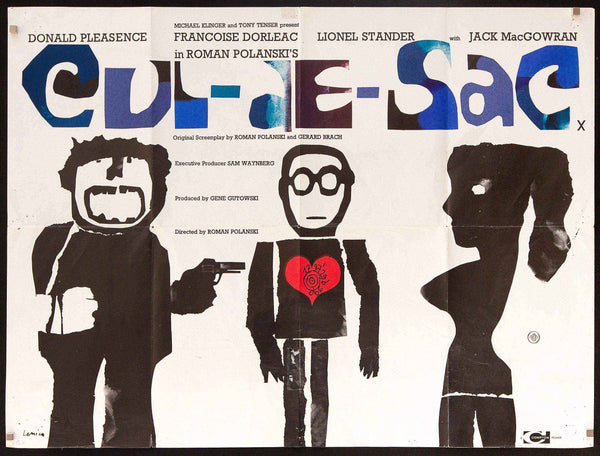
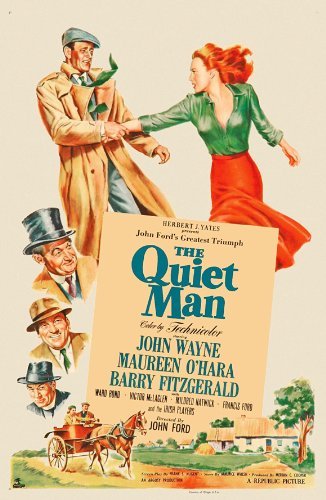
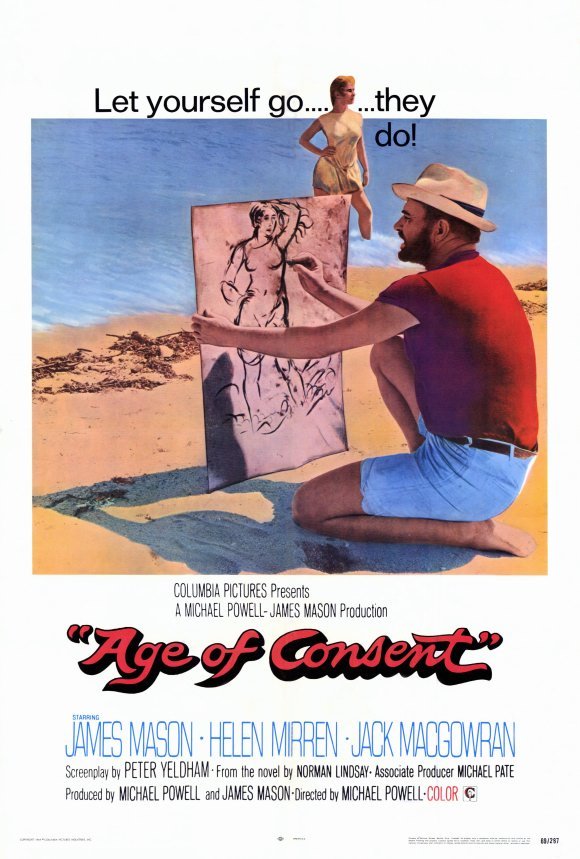
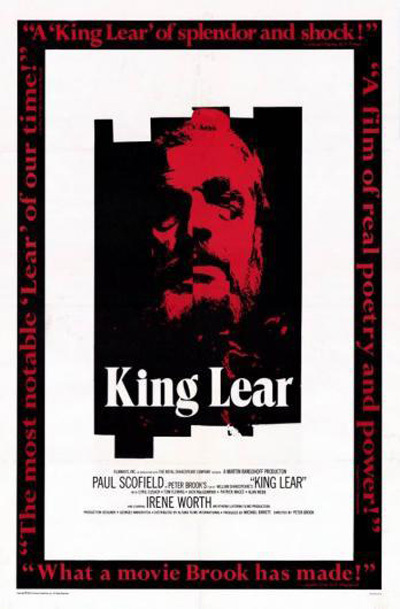
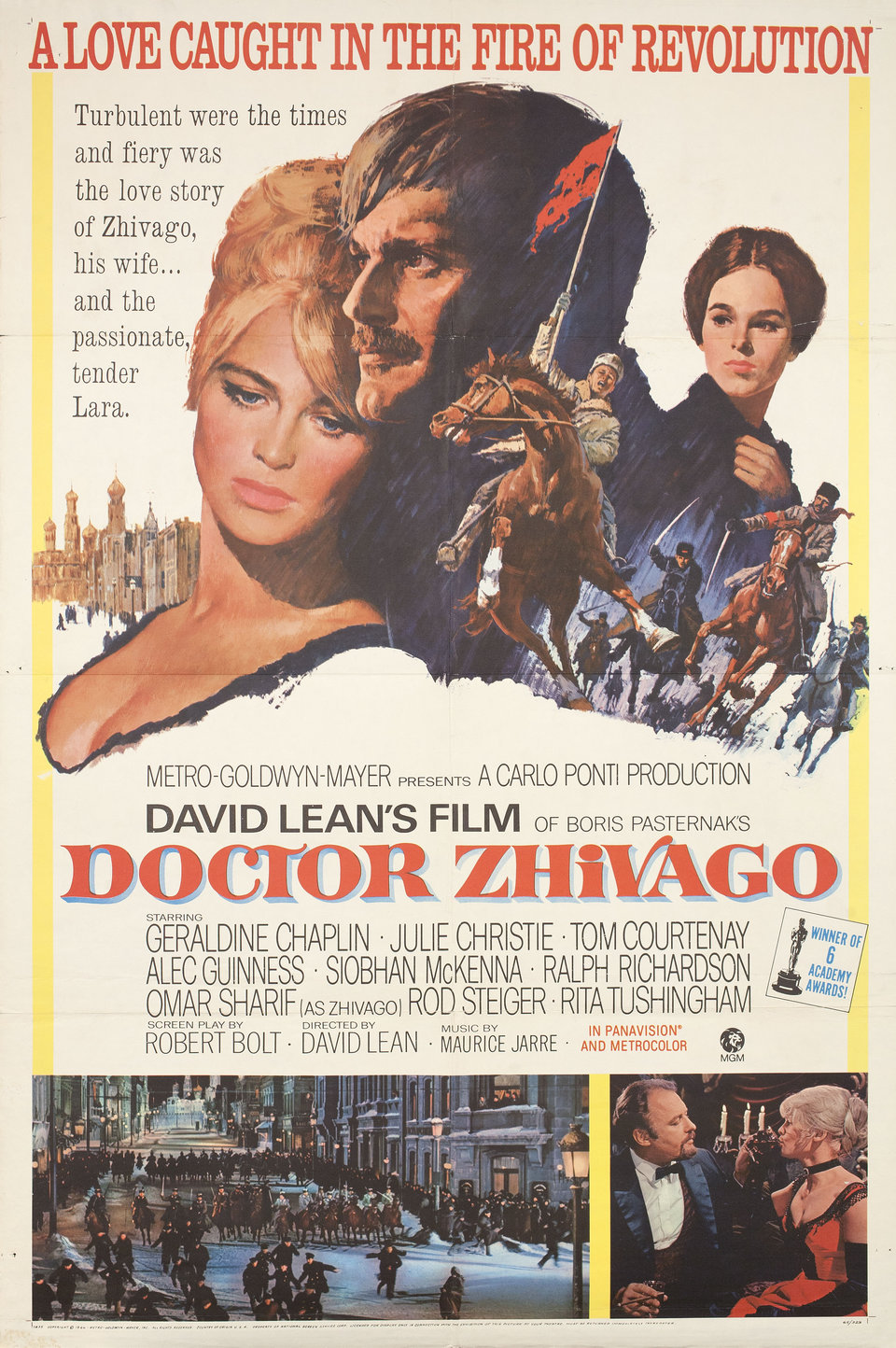
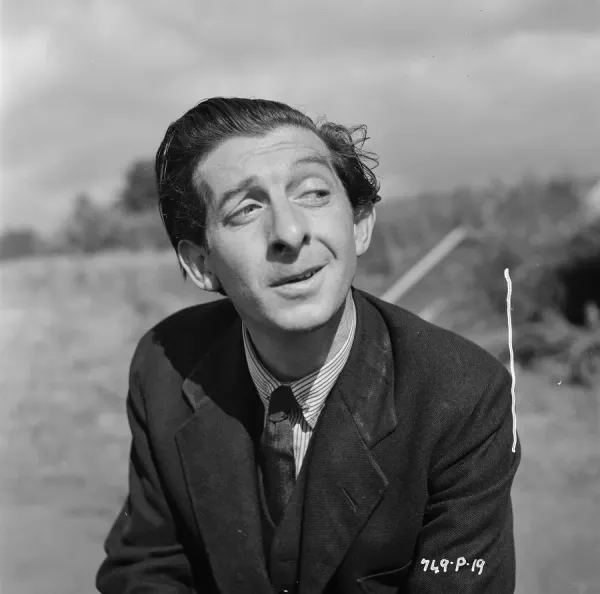
Jack MacGowran was born in Dublin in 1918. He is primarily associated with the stage was though the works of Samuel Beckett. He has though made a considerable impact on film. His film debut came in 1951 in “No Resting Place”. The following year he made “The Quiet Man”. Other movies include “Cul-de-Sac” in 1965, “The Fearless Vampire Killers”, “Doctor Zhivago” and in 1973, “The Exorcist”. He died the same year.
IMDB entry:
Jack MacGowran, the great Irish character actor known for his roles in the plays of Samuel Beckett, was born on October 13, 1918 in Ireland. He established his professional reputation as a member of the Abbey Players in Dublin, but he won his greatest fame for assaying Beckett’s characters onstage. (In 1971, MacGowran would win the Obie Award for Best Performance By an Actor assaying “Beckett” on the off-Broadway stage.)
MacGowran’s appearance as the Squire’s right-hand man in John Ford’s paean to Ireland, The Quiet Man (1952) introduced9 him to world cinema. He moved to London in 1954, where he joined The Shakespeare Company (before it won the patronage of Queen Elizabeth II and added the sobriquet “Royal” to its name). At the Shakespeare Company, he became friends with fellow Irishman-abroad Peter O’Toole, with whom he would co-star in Richard Brooks’s Lord Jim (1965) (1965) a decade later. In New York, he appeared as Joxer, one of the greatest roles in modern Irish drama, in the Broadway musical “Juno”, which was based on ‘Sean O’Casey”s 1924 masterpiece “The Shame of Mary Boyle (1929)”. Fittingly, he played O’Casey’s brother Archie in Young Cassidy (1965), one of John Ford’s last films (which the director had to abandon due to ill health).
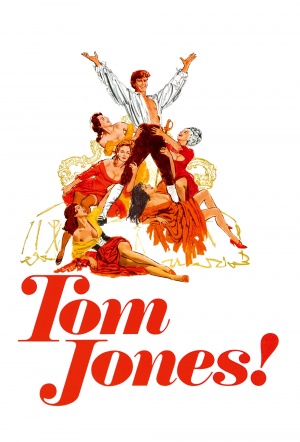
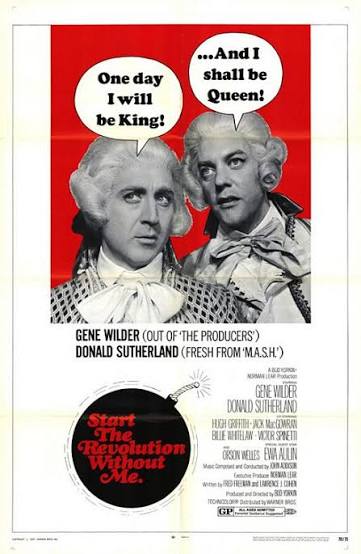
One of his only movie leads came with 1968’s Wonderwall (1968), an exercise in “mod” cinema (as genre that ironically harkened back to the first cinema, that of the silent screen), a film that is remembered mostly for ‘George Harrison”s score. By that time, MacGowran had established himself as the actor to go to for roles calling for an impish, Puckish character. He was in great demand for comedies, such as the Oscar-winning ‘Tom Jones (1963)_ (Best Picture of 1963) and Start the Revolution Without Me (1970). In the classical genre, he memorably played The Fool to the great ‘Paul Scofield”s watershed interpretation of King Lear (1971) in Peter Brooks’s 1971 film that captured Scofield’s magisterial performance, arguably the greatest interpretation of Lear in the 20th Century.
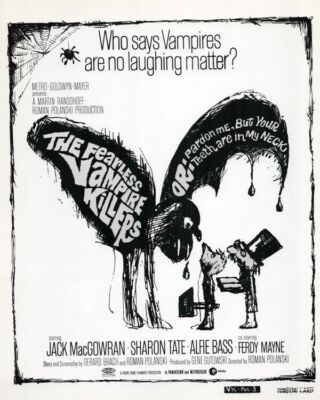
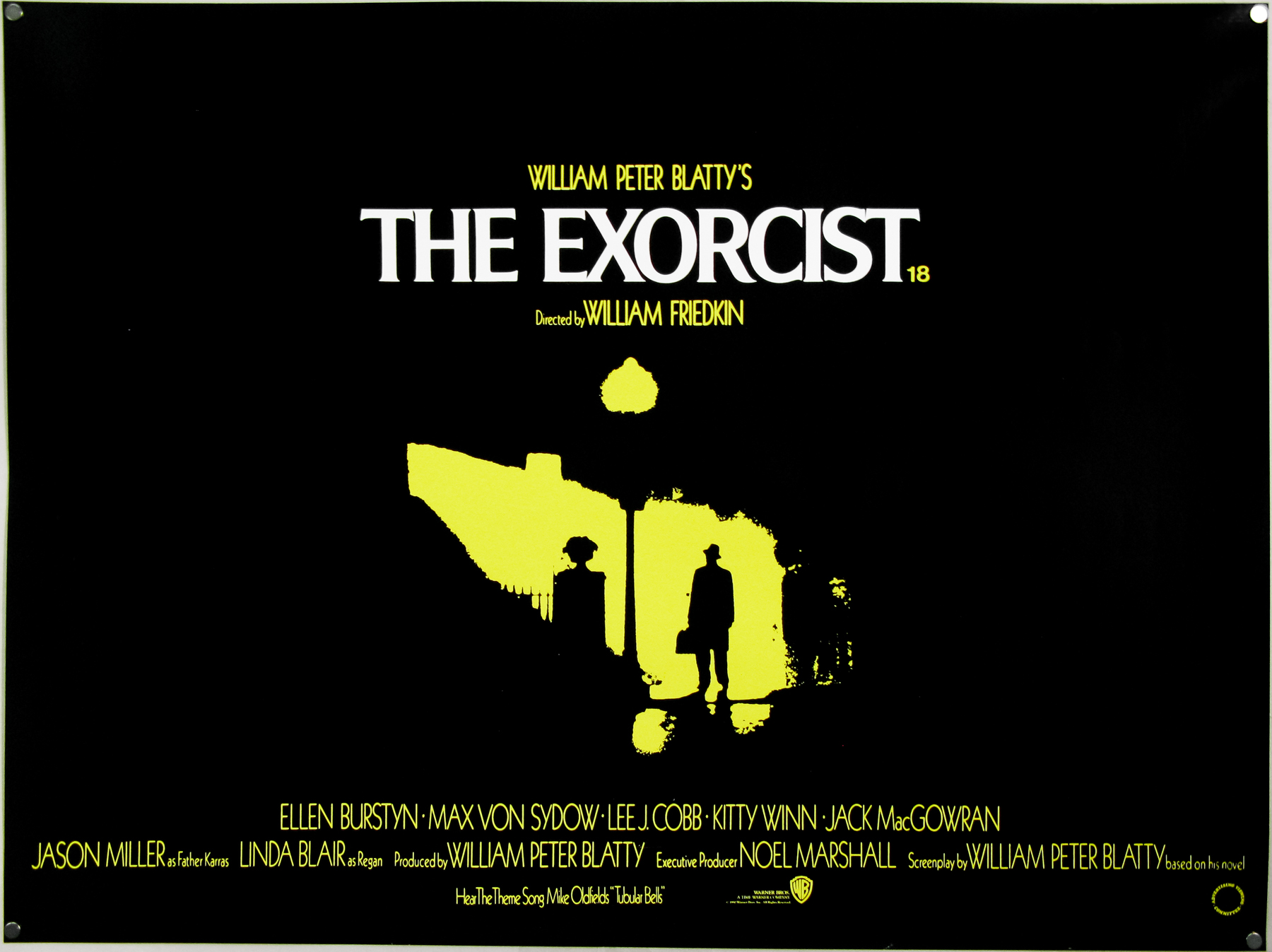
After starring in the first London production of Beckett’s “Endgame”, MacGowran began a busy career as a character actor in motion pictures. Director Roman Polanski used him twice, as a gangster in his absurdist Cul-de-sac (1966) and as Professor Abronsius, the Vampire Hunter, in his horror film parody The Fearless Vampire Killers (1967), a role that was written especially for him. His last film was a more straightforward horror picture, the 1973 blockbuster The Exorcist (1973), in which he played a doomed film director.
Jack MacGowran died on January 31, 1973, of complications from influenza, which he had caught in London during a flu epidemic. The cinema and the stage lost a unique talent that never has been replaced.
The aboce IMDB entry can also be accessed online here.
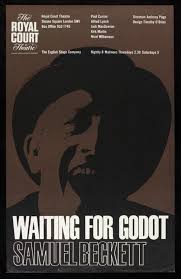
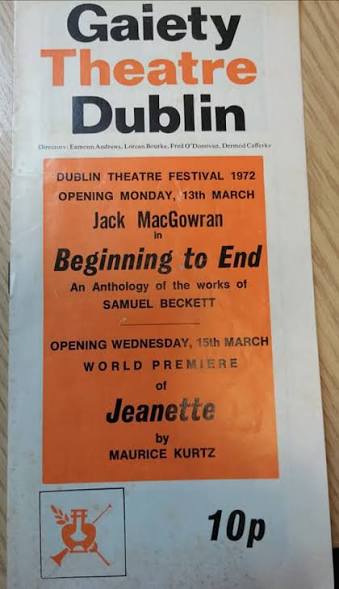
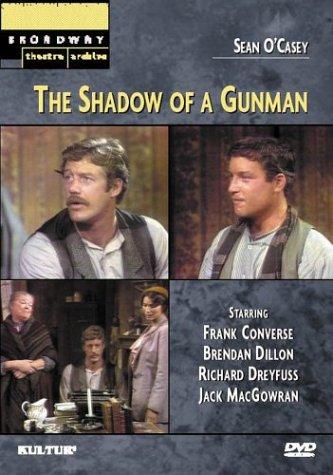
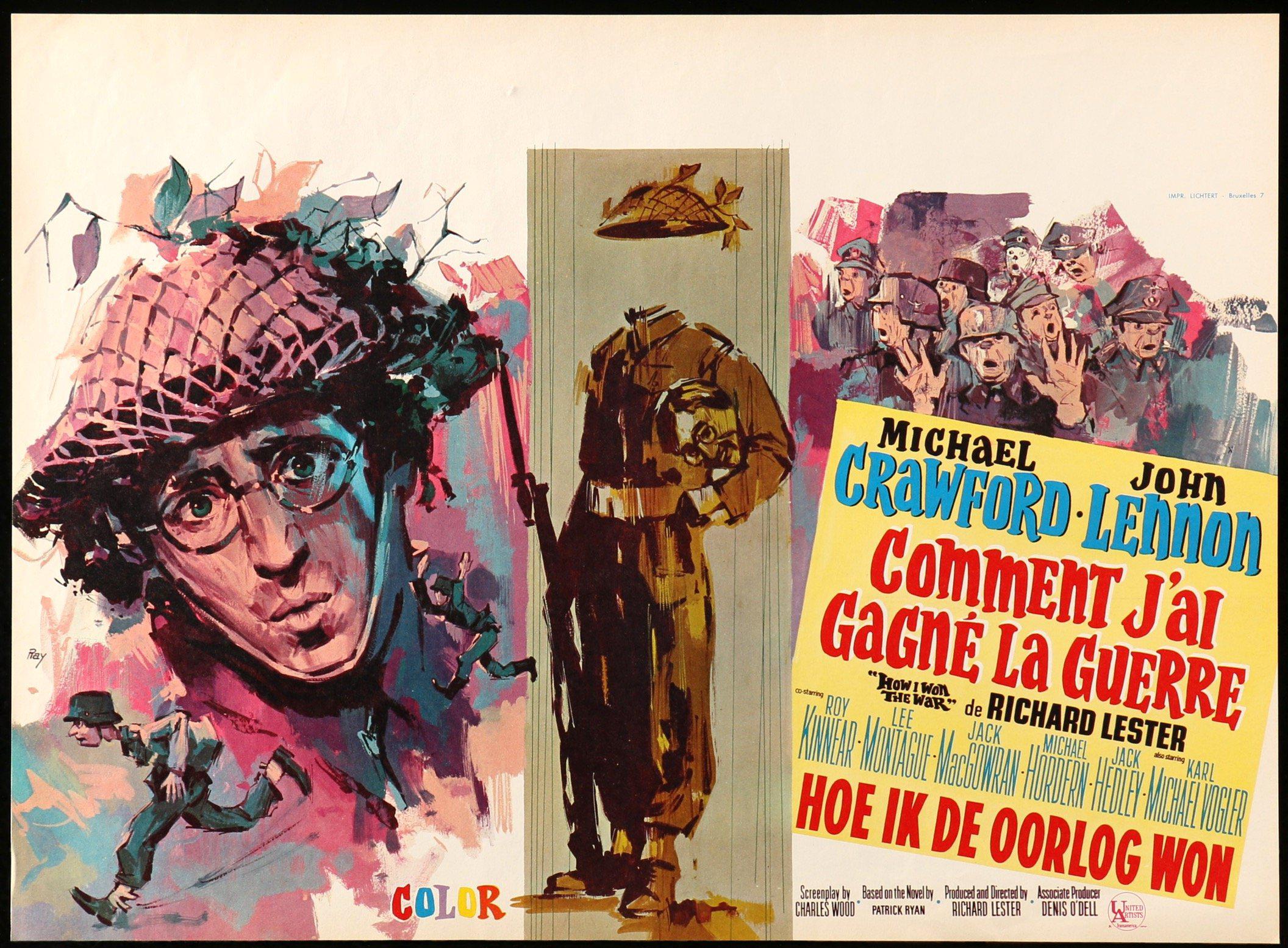
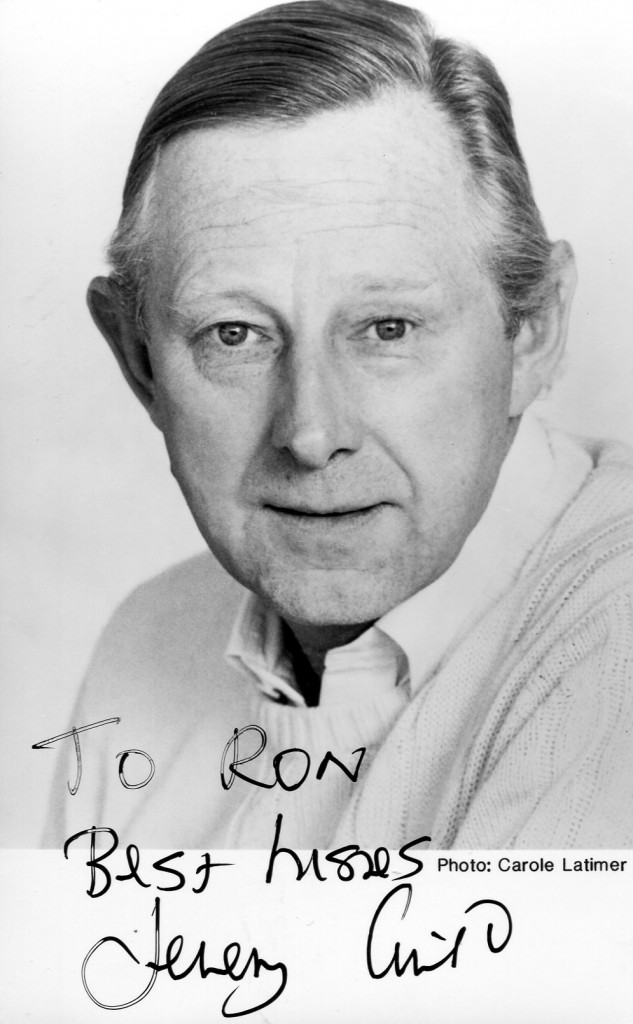
Jeremy Child was born in Woking, Surry in 1944. On screen he specialises in playing civil servants, military types and scheming politicans. As his best in the 1986 mini-series “First Among Equals” based on the novel by Jeffrey Archer. Jeremy Child was recently seen as again a politican in “The Iron Lady” which starred Meryl Streep.
IMDB entry:
Jeremy Child was born on September 20, 1944 in Woking, Surrey, England as 3rd Bt Sir Coles John Jeremy Child. He is an actor, known for A Fish Called Wanda (1988), Lagaan: Once Upon a Time in India (2001) and The Madness of King George (1994). He has been married to Elizabeth Morgan since 1987. They have two children. He was previously married to Jan Todd and Deborah Grant.Has the distinction of portraying a British Foreign Secretary three times in his career; fictional Foreign Secretary Charles Seymour in First Among Equals, real life Foreign Secretary Sir Samuel Hoare in Bertie and Elizabeth and real life Foreign Secretary Francis Pym in The Falklands Play.
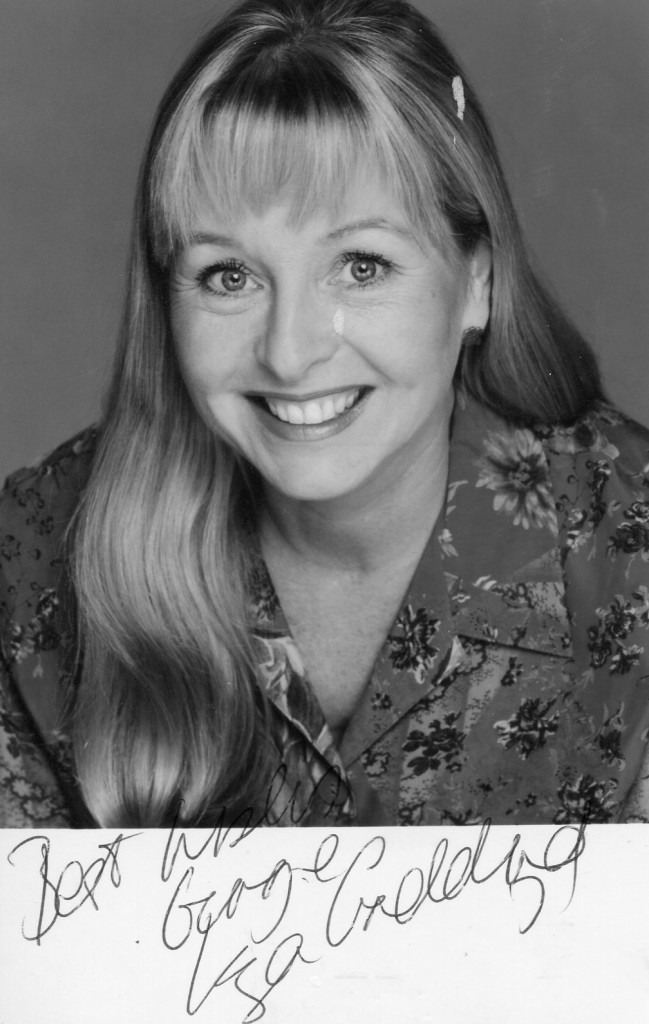
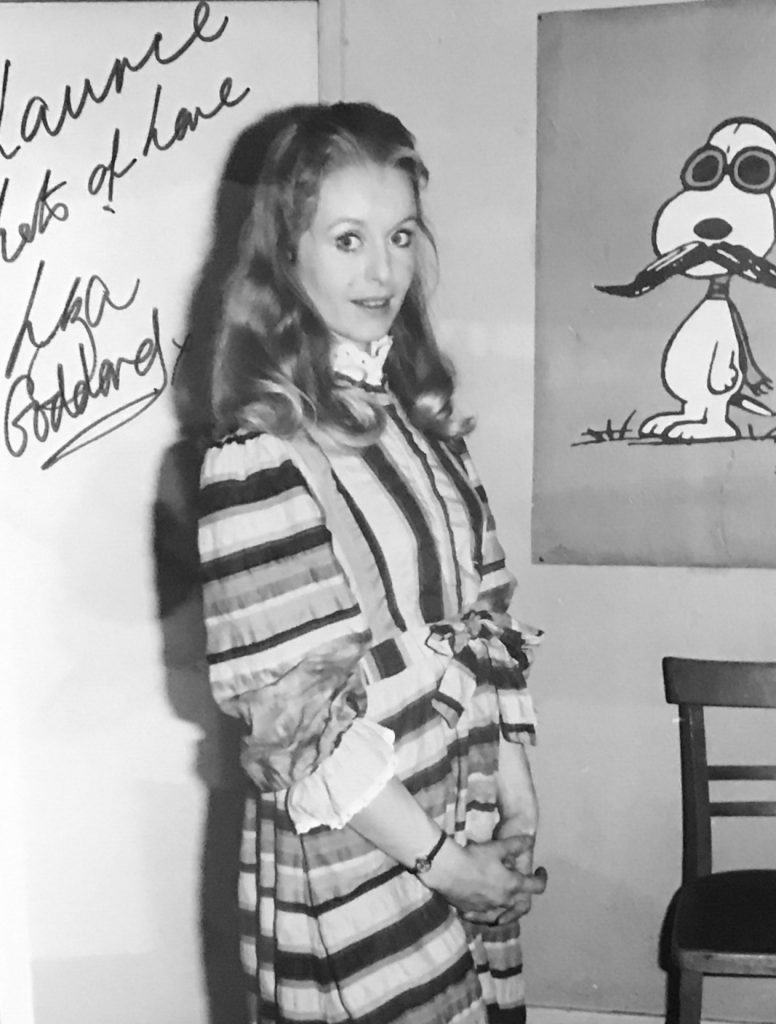
Liza Goddard was born in 1950 in the West Midlands. She moved to live in Australia with her family when she was a teenager. She became popular with the children’s TV series “Skippy”. In her early twenties she was back in the UK and starred in many television series such as Take Three Girls” in 1969, “Yes, Honestly”, “The Brothers” and “Bergerac”. She has had a busy career also on the stage. Films include “I Want What I Want” in 1972.
“MailOnline” entry:
By MOIRA PETTY
She was the Middle England pin-up, exuding an aroma of horses, hockey sticks and sexy wholesomeness, who refused to be parted with her clothes. But now, at 61, Liza Goddard preaches the gospel of ‘flaunt it while you’ve got it’.
‘Directors would ask me to strip off and I’d refuse. I wish I had flashed it around, as I had a lovely body, but I was prim and lacked confidence. Now I tell all the lovely young girls I work with, “You’re gorgeous. Show it off.”’
Her only other regret? Marrying three times, first to a future Doctor Who,Colin Baker, followed by glam rock’s Alvin Stardust, before finally finding happiness with her husband of 16 years, former TV director David Cobham.
+4
Wisdom: At 61, Liza Goddard preaches the gospel of ‘flaunt it while you’ve got it’
‘If I could change things, I probably wouldn’t have leapt in and had relationships so readily. Or maybe I should just have lived with them, then at least you don’t have to get divorced.’ She admits it was babies she wanted, not husbands. ‘It’s my hormones that have let me down.’
Liza was a teen star who became famous around the world playing the blonde pig-tailed Clancy in Australian TV’s Skippy The Bush Kangaroo. Then she became an emblem of Swinging London at 19 as the cello-playing Victoria in the female flat-sharing drama, Take Three Girls, before appearing in TV series like The Brothers, Bergerac and Doctor Who, and theatre and game shows.
She has just written her autobiography and when asked why now, she replies, ‘Having had breast cancer, I thought maybe I should do it, because otherwise you keep putting it off.’ If this sounds like someone sorting out their affairs, far from it. The cancer returned in 1997, three years after the original diagnosis, necessitating a masectomy – which led to an infection that nearly killed her – but since then she’s hardly had a cold.
Liza’s feeling very perky and she sounds it too; the familiar cut-glass accent rippling with laughter, quite often directed against herself. I haven’t seen her for years and at first I wonder if the blonde sizzling in sunglasses, a shocking pink top and jeans showcasing slender legs can be her. She is one of the least vain women, let alone actresses, I have encountered, although she acknowledges, ‘When I look in the mirror, I see a 61-year-old woman. But acting keeps you young.’
She always uses her senior rail card ‘and they never say, “You can’t be old enough”,’ she guffaws. What she reveals in her book, Working With Children And Animals, is a new version of her childhood, previously told as a rural commuter belt idyll, with geese, ducks and chickens flapping around the rose-framed door, out of which wafted the inviting smell of home baking. Now she says that her mother, Clare, was emotionally and physically abusive.
‘She spent her whole time screaming at us.’ Liza felt nothing she did was ever good enough for her mother, to whom the concept of praising children was alien. Pictures of the teenage Liza and her sister Maria, two years younger, show a pair of blonde stunners, but both lacked confidence in their looks. Maria became anorexic, while Liza ‘hated the way I looked when I was young’. She hasn’t talked about this before ‘to spare my mother’s feelings’ but now, at almost 86, Clare has dementia.
‘She had this horrid, evil side. She herself said she had vitriol in her veins rather than blood. She used to whack me with anything that came to hand. She was a full-time mother and I don’t think she enjoyed it.’ Then, one day, a girl several years older than Liza arrived at their home. ‘My mother said, “This is your half-sister Gail.” I was astounded. She had tracked us down and was welcomed with open arms.’ Gail, the product of Clare’s first marriage, had been abandoned by her at the age of three and was brought up by her father.
‘I never felt I could ask my mother why she had left her child. Recently, Gail and I went to see Mum and she said, “Gail, I’m so terribly sorry”, and we all burst into tears. It was very healing for Gail. So now, with her dementia, we’ve got this sweet old woman for a mother, the mother I’ve always wanted.’ Then there was another shock for the teenager. ‘Mother began dropping hints that my father was not really my father, although earlier she had said I was premature.’
She has, of late, tried to tap her mother for information. ‘All I get from her is nonsense.’ Her parents finally divorced and Liza admits she felt bereft. She believes this led to a relationship with a man who was violent towards her. ‘It was nothing that showed, no broken bones, but it was abusive and I think it came down to my low selfesteem.’ She became pregnant, felt suicidal and had an abortion, although this incident is omitted from the book.
‘I think I just forgot it,’ she says curiously. But she does relate how she became pregnant again by the same man, left him and gave birth to her son Thom in 1976. She now says she was desperate for a baby, even with the wrong man. While pregnant, she joined the hit TV show The Brothers, and fell in love with one of its stars, Colin Baker. They married within months and somehow the story got out that he was Thom’s father.
‘It was easy for Colin to go along with the pretence. I think I was desperate for a father for Thom and Colin fitted the bill, but I think my mind was unbalanced, having just given birth. We were great friends but should never have married. We moved to the country and I wore tweeds, but it was just a role I was playing. I leapt into the marriage and then I leapt out.’
After a few years of single motherhood, she was chatted up by Alvin Stardust at a showbusiness event. ‘I wasn’t especially a fan of his music but I was bowled over by his charm and within a few weeks he moved in. At home he didn’t wear the quiff, he brushed his hair normally: he was going through a mellow phase. I think what I really wanted was a baby. I wanted my girl.’ She gave birth to their daughter, Sophie, in 1981 and soon afterwards she and Alvin married, only to divorce eight years later.
‘I thought, “Another one down the drain.” That was a long marriage by my standards.’ Liza had been working harder and felt Alvin wasn’t pulling his weight domestically. The last straw was his famous conversion to Christianity on a 40-minute train journey. ‘He was converted by a group of people in his carriage. At Waterloo, the cleaner found them on their knees praying. Alvin came home and said “I’ve found God”.’
She then married David, and has forgotten her differences with Alvin. They are friends again, and she admires him, she says, ‘because at 68, Alvin is still touring in his wig and platform boots’. In the last few years, she has even been able to empathise with his feelings about faith. ‘Our daughter Sophie introduced me to Shamanism. I’m learning to harness the body’s power to heal itself – I treated someone with an eye infection recently and it cleared up in 24 hours.
‘David was a bit alarmed at first. His father was a vicar. He thoughtSophie was trying to get me into a cult. But at last I understand how marvellous it was for Alvin to find his spirituality, now that I’ve found mine.’
Working With Children And Animals by Liza Goddard is published by Apex, £15.99. © 2011 Liza Goddard. To order a copy for £13.99 (incl p&p
The above “MailOnline” article can also be accessed online here.

Des McAleer is a terrific character actor who was born in Belfast in 1952. He seems to specialise in ‘hard’ men and is a welcome presence on film and in television.He made his film debut in “Anne Devlin” with Brid Brennan in 1984. Other movies include “Hidden Agenda” in 1990,”Poor Beast in the Rain” and “This Is the Sea”.
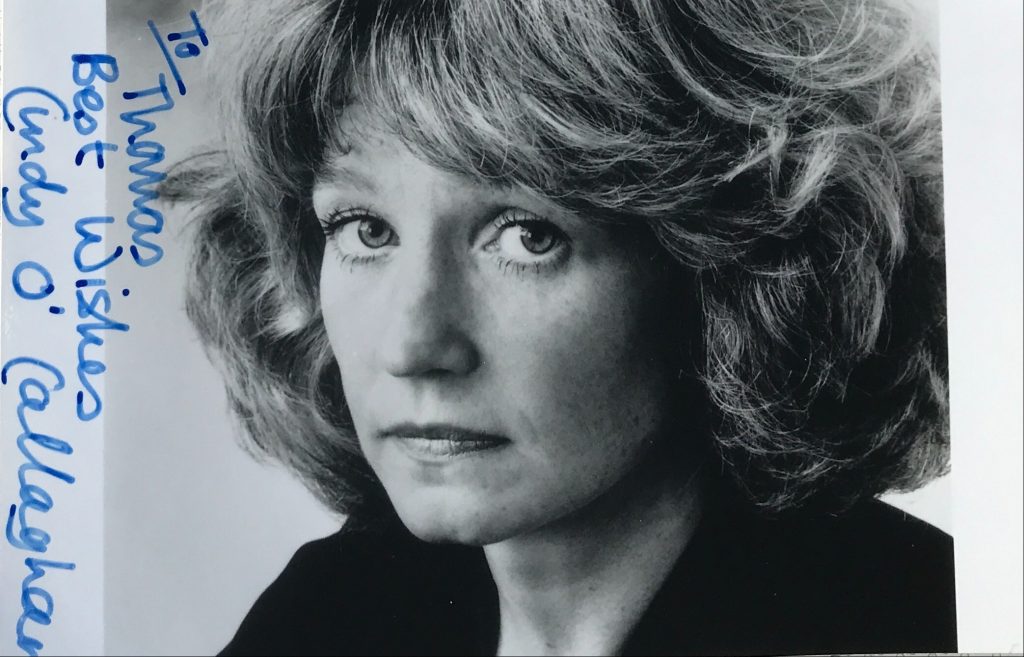
Cindy O’Callaghan was born in Ireland in 1956. In 1971 she was brought to Hollywood by Walt Disney studios to film “Bedknobs and Broomsticks” with Angela Lansbury. She returned to England to continue her studies. Her other film appearances include “Hanover Square” in 1979. In 1980 she starred in the television series about nursing entitled “Angels”.
“Wikipedia” entry:
O’Callaghan is probably most famous for her childhood role of ‘Carrie Rawlins’ in the Disney classic film Bedknobs and Broomsticks (1971), where she starred opposite Angela Lansbury and David Tomlinson. She has commented “filming Bedknobs was an incredible adventure. There I was, a working class girl from West London suddenly living on a film set in Los Angeles. My mum, who came with me, would race to the studio canteen every morning and then shake with excitement when celebrities like Rock Hudson came in to get their breakfast. I was just as star struck. I had to go to school for two hours every morning before filming, and would often be sitting in class next toDonny Osmond, whom I had a big crush on. We lived in a council house in London, but in Hollywood we had a plush apartment with its own pool. I got the role after casting directors trawled schools looking for children with London accents. I was asked to attend an audition at Pinewood, where I had to stand up and tell a funny story. I talked about how horrible my older brothers were to me. I was a big fan of Mary Poppins and couldn’t believe I was going to be in a Disney film. When I returned to Britain, my school friends were massively jealous and stopped talking to me. It marred the premiere for me. After a few unhappy months, I decided to use my fee of £3,000 to attend a private school that specialised in drama.”[2]
O’Callaghan managed to maintain—in her own words—”an averagely successful career”, doing lots of theatre as well as television work.[2] She has appeared in numerous television programmes throughout the 1970s, ’80s, ’90s and early 2000s, including ITV‘s The Bill, Casualty, Specials, Boon, Rumpole of the Bailey, Woof! and as Linda Kennedy in the BBC soap opera Triangle, among others. She has also appeared in films, including Hanover Streetand I.D.
More recently she is known for her role as Andrea Price—the “boozy” mother of Natalie Evans (Lucy Speed)—in the BBC soap opera EastEnders (1994–1995; 1999).[3] This was O’Callaghan’s second role in the soap, having previously played Stella — the mistress of Ashraf Karim — from 1989-1990.
O’Callaghan attended university in 2000, and in 2004 it was reported that she had given up acting to become a child psychologist. She commented “Four years ago, I decided to go to university and am now training to be a child psychologist. I just wanted to do something that was more fulfilling.”[2] However, O’Callaghan has appeared on television since this time, in the 2005 documentary The 100 Greatest Family Films, where she discussed the movieBedknobs and Broomsticks, along with co-stars Angela Lansbury and Ian Weighill, who played Charlie Rawlins in the film.
The above “Wikipedia” entry can also be accessed online here.
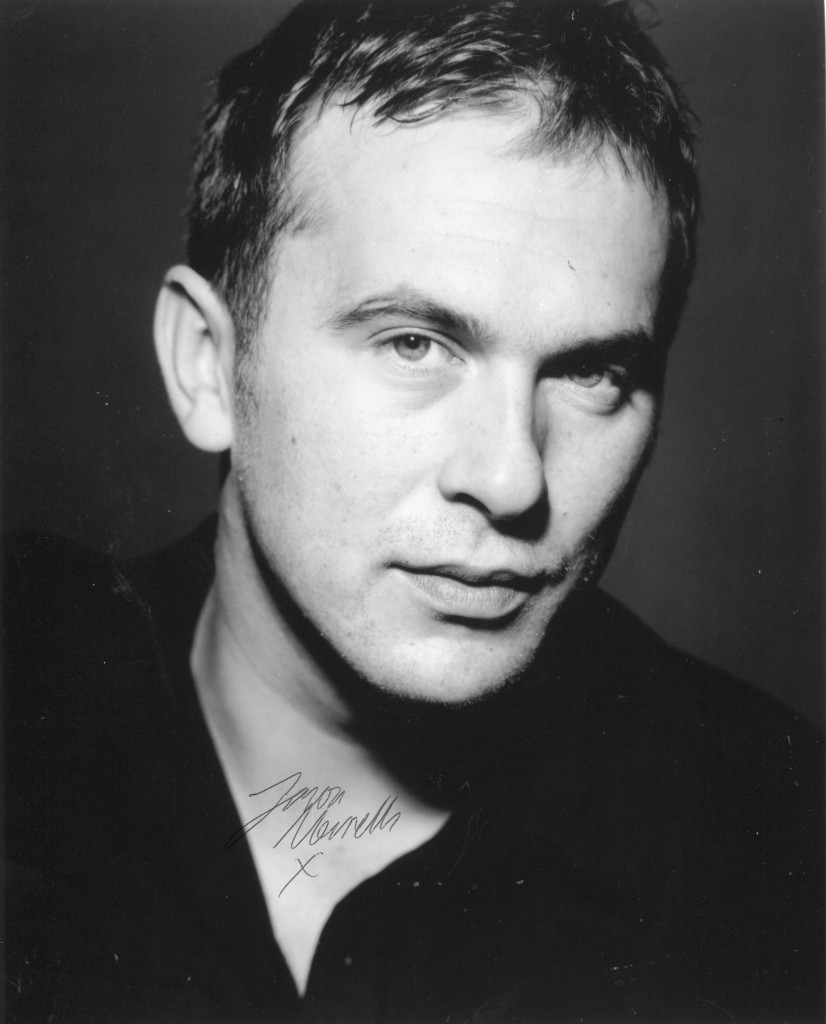
Jason Merrells was born in 1968 in London. He starred in “Casualty” from 1994 until 1997. His films include “The Jealous God” in 2005.

Marion O’Dwyer

Marion O’Dwyer was born in 1960 in Dublin. She had a major role as the friend of Anjelica Huston in “Agnes Browne” in 1999. Other movie roles include “Colour Me Kubrick” and “Ondine”.
“Irish Examiner”:
One of the reasons I act is because I love figuring out a character.
I often liken it to doing crosswords, the figuring out part. Lots of actors love crosswords, myself included.
A Woman of No Importance, the Oscar Wilde play that I’m in at the moment, is packing them in. I love playing Lady Hunstanton. It’s unusual for me to play a lady of such high status! But she has a very warm heart and she’s a bit scatty, so I suppose we have quite a lot in common.
My worst habit is being lazy around the home and all that side of things. It’s a bit chaotic as I’m not very organised.
As an actor, it can be hard to manage your time off as you’re either madly busy or there’s nothing very much happening at all. At the moment, things are hectic as I’m rehearsing for a play in the Absolut Fringe during the day and appearing in The Gate at night. But I enjoy the changes of pace. The down side is that this business can affect relationships as the work becomes so important.
My first job was in a radio play that my father produced. He had been an actor himself before he went on to run the radio drama department in RTÉ.
When I told them I wanted to act, my parents were keen that I had something to fall back on. So, I did a secretarial course and got a job in the bank and acted at night until I got the chance to go full time. I think my mum shed a few tears at that point.
Michael Colgan in The Gate was always very encouraging. I had a lot of firsts in The Gate – my first few lines in a grown-up production and then my first proper part in Fathers and Sons. When Michael gave me the part, I asked him if I was actually getting paid? That made it pretty hard to negotiate my salary. After that, I got an agent!
Going full time into acting didn’t take much courage. It was what I’d always wanted.
At the moment, I’m writing a play in collaboration with my good friend and fellow actor Maria McDermottroe. I’m enjoying the process, I did a radio play before but this is my first attempt at actually performing my own work.
One of the biggest challenges life has thrown at me was losing my dad. He was ill for a few years. When someone dear to you passes away, you learn how to make it part of you. You certainly become a better person.
If I could change one thing in our society, I’d make sure every person got the same top quality health care. It’s appalling that we haven’t sorted that one out yet.
You need to be health conscious in this game, as the merest sore throat could have ramifications on stage. I’d say 80% of the time it’s healthy organic stuff and the other 20% its super noodles.
It’s important to live by some moral code. I can’t say I believe in God the way we were brought up to do so but I certainly pray in the wings before I go on.
My father always told me that the time to be nervous is when you are not nervous. The terror before a first night eases off as you get into the run. You learn to control the nervous energy and turn it to positive use and it can be what gives you your edge.
My guilty pleasure has to be trashy TV, stuff like X Factor and I’m a Celebrity Get Me Out of Here. At least with that it won’t take over your life. They’re only in the jungle for three weeks.
I don’t have great self-discipline around money, but I admire it in others. Budget? What budget?
So far, life has taught me to be kinder than you need to be as you never know what the person you are dealing with is going through.
The above “Irish Examiner” page can also be accessed online here.
Claudine Auger
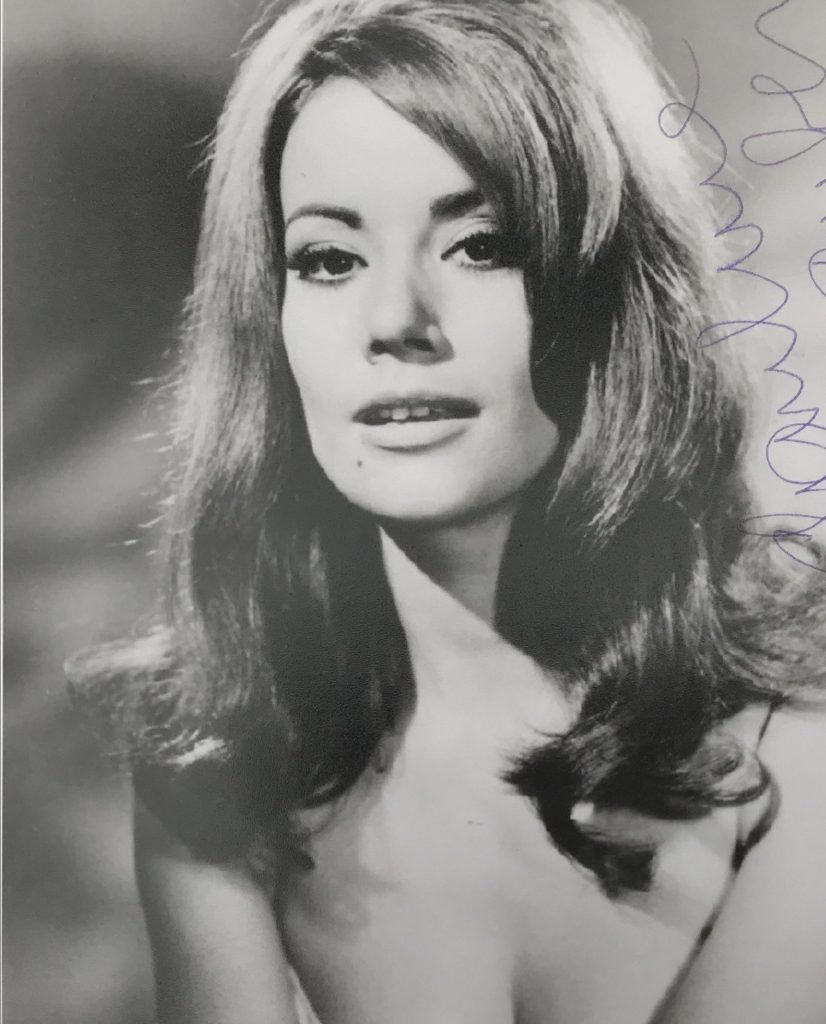
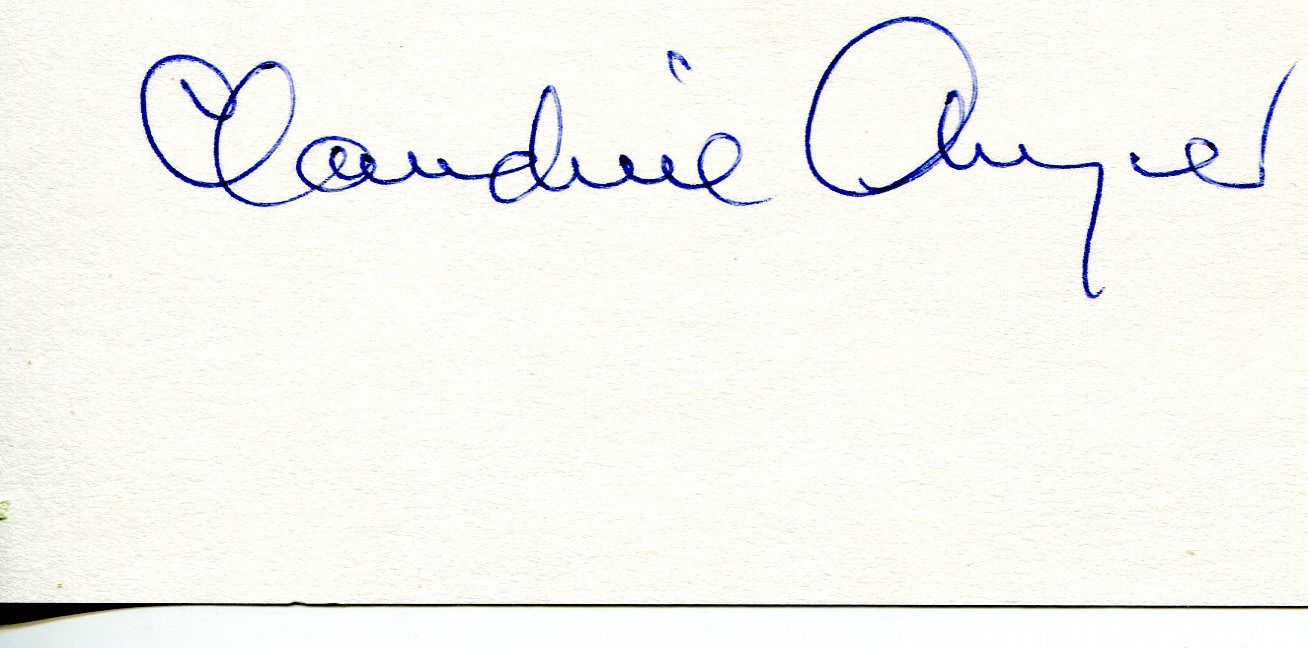
Claudine Auger, a former Miss France (1958), received her dramatic training at the Paris Drama Conservatory and is best known to US / UK audiences as the stunning brunette “Domino” opposite Sean Connery in the James Bond thriller Thunderball(1965), She has kept fairly busy since her Bond days, acting in a number of Italian, French and Spanish films including The Bermuda Triangle (1978), Credo (1983), and La bocca (1990).
– IMDb Mini Biography By: firehouse44@hotmail.com (qv’s & corrections by A. Nonymoous)
Beautiful Claudine Auger is best known for her role as Dominique Derval opposite Sean Connery’s James Bond in “Thunderball” in 1965. She was born in 1941 in Paris. She also starred with Christopher Plummer and Romy Schneider in “Triple Cross”.
IMDB entry:
Claudine Auger, a former Miss France (1958), received her dramatic training at the Paris Drama Conservatory and is best known to US / UK audiences as the stunning brunette “Domino” opposite Sean Connery in the James Bond thriller Thunderball(1965), She has kept fairly busy since her Bond days, acting in a number of Italian, French and Spanish films including The Bermuda Triangle (1978), Credo (1983), and La bocca (1990).
– IMDb Mini Biography By: firehouse44@hotmail.com (qv’s & corrections by A. Nonymoous)
IMDB entry:
Former Miss France (1958), dramatically trained at the Paris Drama Conservatory and best known to US / UK audiences as the stunning brunette “Domino” opposite Sean Connery in the James Bond thriller Thunderball (1965). Has kept fairly busy since her Bond days, acting in a mixture of Italian, French and Spanish film productions includingThe Bermuda Triangle (1978), Credo (1983), and La bocca (1990).
– IMDb Mini Biography By: firehouse44@hotmail.com
Claudine Auger obituary in Daily Telegraph in Dec 2019.
Claudine Auger, who has died in Paris aged 78, will be best remembered as Domino Derval, Sean Connery’s love interest in Thunderball (1965), and as the first Frenchwoman to play a “Bond girl”, preceding Eva Green, Léa Seydoux and others.
Although she had achieved a certain profile by finishing runner-up in the 1958 Miss World contest, Claudine Auger’s dramatic experience had been confined to a few small parts on the stage and in the cinema when she landed the role of Domino.
She was said to have been noticed while swimming on holiday in the Bahamas by Kevin McClory, the screenwriter who had the rights to what became Thunderball. He had previously developed the story with Ian Fleming and, following legal wrangles, it was slated to be shot by Terence Young as the fourth James Bond film.
The mercurial McClory had yet to find an actress to play Domino, “a wilful, high-tempered, sensual girl” in Fleming’s description, the mistress of the villain Emilio Largo, Raquel Welch having eluded the producers.
With her auburn hair and beauty spot, Claudine Auger caught the eye, not least as she swam well and about a quarter of the picture consisted of underwater
scenes.
Indeed, she seemed to spend most of her time in Thunderball and in publicity photos clad in wetsuits and low-cut bikinis which showed off her figure to advantage, even if the role itself was underwritten and her lines dubbed. The part, originally intended to be Italian, had been reworked to make “Dominique” French.
Claudine Auger gamely told reporters that, at 23, she had no problem being courted by older men such as Bond, since her husband was rather her senior. She also agreed to do a semi-nude shoot for Playboy to mark the film’s release.
Huit, whose films included Shéhérazade with Anna Karina in the title role.
Claudine appeared in Le Masque de Fer The Man in the Iron Mask (1962) and the following year she appeared in the Italian fantasy film Kali Yug: Goddess of Vengeance, alongside Klaus Kinski and the former Tarzan actor Lex Barker.
After Thunderball, Terence Young picked her again for Triple Cross (1966), the story of the safebreaker-turned-double agent Eddie Chapman, starring The Sound of Music’s Christopher Plummer. Claudine Auger also featured in a Bing Crosby “Road” television special that year.
Thereafter she found steady work in European cinema, particularly in Italy. She appeared in films by such noted directors as Dino Risi, Ettore Scola and Nanny Loy, even if they were not their best efforts, and if the standard of them gradually declined.
In 1968, she and her fellow Bond Girl Ursula Andress were in the sex comedy Le dolci signore, with Virna Lisi, and in 1971 she played opposite Barbara Bach in one of the slew of Italian horror films of the period or gialli – The Black Belly of the Tarantula.
Claudine Auger was seen in another 20 roles over the next two decades, often in increasingly exploitative fare. Among her last appearances on the screen, however, was that in the Sherlock Holmes television episode “The Three Gables” (1994) with Jeremy Brett.
After the end of her first marriage, she was the companion in the 1970s of the director Jacques Deray, whose films included Borsalino (1970).
She later married a British businessman, Peter Brent, and a fortnight before her 50th birthday gave birth to their daughter. Brent died in 2008


Maureen Potter obituary in “The Guardian”.
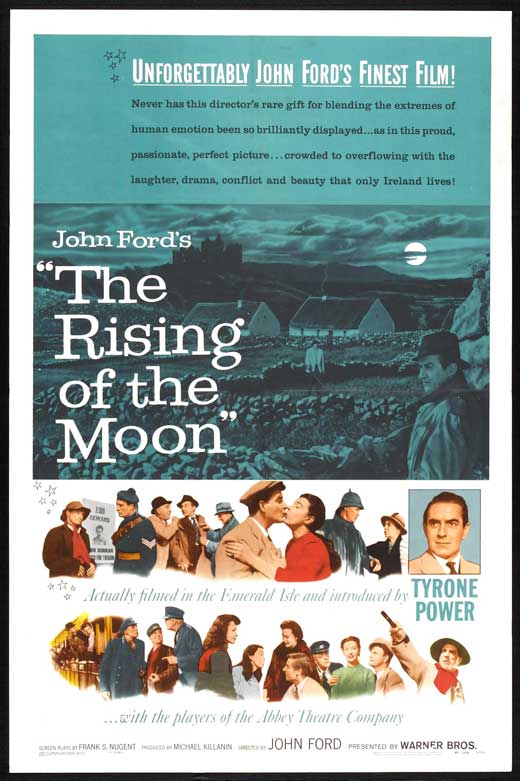
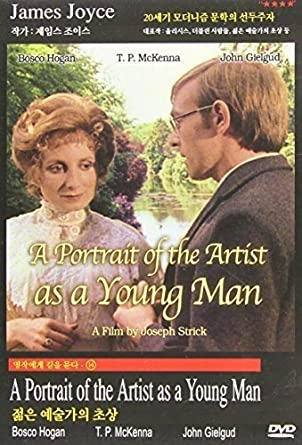
Maureen Potter was one of Ireland’s best loved performers. She was born in 1925 in Dublin. She was a popular child performer during the 1930’s. She had a long professional association with the actor Jimmy O’Dea and they spent several years in various touring shows with the occasional legit stage performance such as “Finian’s Rainbow”. In her later years she acted in dramatic roles such as “Juno and the Paycock”. Her few film performances include “The Rising of the Moon” in 1957, Gideon’s Day” and “Portrait of the Artist s A Young Man” in 1977. She died after a long illness in 2004.
Stephen Dixon’s “Guardian” obituary:Ireland’s best-loved entertainer, Maureen “Mo” Potter, who has died aged 79, enjoyed a 70-year career that embraced variety, pantomime, television, cinema and straight theatre. She was in the spotlight from the time she became the junior Irish dancing champion at the age of seven until ill-health forced her into retirement two years ago.
Billed as the Pocket Mimic, she toured Britain as a Shirley Temple impersonator with Jack Hylton’s band in the 1930s, alongside GH Elliott, Robb Wilton, the Crazy Gang, Hetty King and Wilson, and Keppel and Betty. She appeared at the London Palladium and, in 1938, performed in front of Hitler in Berlin. Enchanted by her performance, he sent her a handwritten note, which she proudly showed to her mother, who promptly threw it in the waste bin.
Potter stood just under 5ft in height, but there was nothing small about her personality and voice. Years of loneliness touring as a child – she borrowed a birth certificate because she was officially too young to work – made her appreciate her own fireside in Dublin, and she spent almost all her career in Ireland, in spite of overseas offers.
Born in the Dublin suburb of Fairview, she was discovered performing in local clubs by Ireland’s most popular comedian, Jimmy O’Dea, who put her in one of his pantomimes when she was 10. Two years later, she joined Hylton’s troupe.
After the war, she resumed a professional association with O’Dea that was to last for 30 years. Each epitomised the archetypal “Dub” – impoverished but resilient and proud, contemptuous of authority, and quick with the smart answer and the withering put-down – and they worked together brilliantly. Potter began as O’Dea’s “feed”, but, by the time of his death in 1965, the public saw her as her mentor’s equal.
She became the queen of pantomime at Dublin’s Gaiety theatre, most notably working with comedian and dancer Danny Cummins, and starred in a comedy show, Gaels Of Laughter, that ran for 15 summers. She was a fine singer and tap-dancer, but what captivated the public were her comic characters, like the exasperated mother of the 14-year-old Christy, and the Dublin “auld wan”, a version of the duologues she had performed with O’Dea as Dolores And Rose.
For generations of Irish children, Potter was an introduction to the magic world of theatre. In her pantomimes, she made a point of memorising the names of birthday children during the interval, then reeling them off in the second half without a prompt card – her record was 67. After the show, she would entertain them, drinking milk to set a good example, though with a tot of whiskey in it.
A woman of great sharpness, dignity and humility, Potter treated everyone she met – from the Taoiseach to Dublin street traders – with warmth and respect. Even the poet Patrick Kavanagh, as the grumpiest man in Dublin, once walked up to her and said: “Do you know what? You’re not a bad little woman at all.”
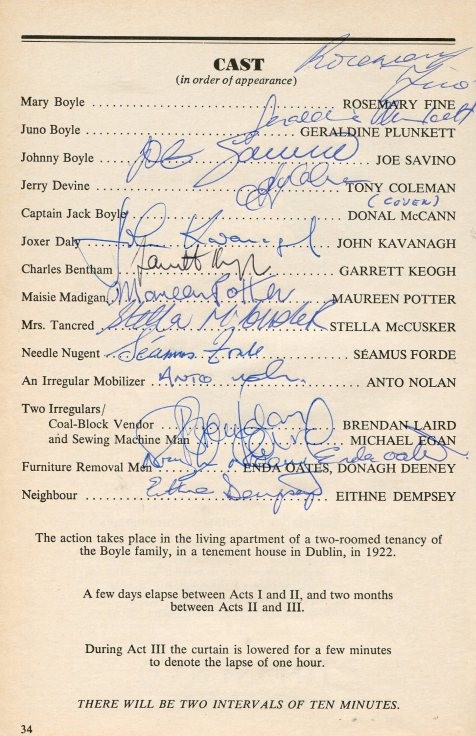
However, years of pratfalls and tap-dancing took a toll on Potter’s health, at a time when traditional variety was anyway in decline. So, with the adaptability of an old pro, she changed direction and became a straight actor. She appeared, to much acclaim, in several plays, notably at the Gate as Maisie Madigan in Sean O’Casey’s Juno And The Paycock (1986) – the production also had a New York run – and as Mrs Henderson in Shadow Of A Gunman (1996).
Potter was given the freedom of Dublin in 1984 and an honorary degree by Trinity College in 1988. In 1999, her life was celebrated at the Gaiety theatre, and, two years later, she became the first star to put her handprints in the theatre’s walk of fame. She made many television appearances in her later years, and wrote a series of children’s books.
In 1959, she married Jack O’Leary, an army officer she had known since 1943; she said she fell for him when she saw him, resplendent in his uniform, eating a bag of chips. The real reason probably involved a shared sense of humour, for O’Leary wrote most of Potter’s subsequent material. He, and their two sons, survive her.
· Maureen Potter, comedian, dancer and actor, born 1925; died April 7 2004
The above “Guardian” article can also be accessed online here.





Dictionary of Irish Biography:
Maureen
Contributed by
Potter, Maureen (1925–2004), variety artiste, comedian, and actress, was born Maria Philomena Potter (the baptising priest supposedly refused to countenance ‘Maureen’ as an acceptable Christian name) on 3 January 1925 at 7 St Joseph’s Terrace, Philipsburg Avenue, Fairview, Dublin, the only daughter among three children of James Benedict Potter, a commercial traveller, who died when Maureen was seven, and his wife Elizabeth (née Carr); Maureen was a fifth-generation Dubliner. Her mother was a talented singer, who shared a concert platform with John McCormack (qv) and Margaret Burke Sheridan (qv). Reluctant to commence her schooling, at age five Maureen agreed to attend her first day at St Mary’s national school, Fairview, on condition that she be allowed also to take dancing lessons. Duly enrolled in dancing classes locally, she proved remarkably talented, becoming at age seven all-Ireland junior dancing champion. Referred to the city-centre dance school of Connie Ryan on Abbey Street – the training school for juvenile dancing troupes who performed in the principal Dublin theatres – she soon was appearing in variety shows in Dublin and elsewhere. Throughout a sixty-year career in show business, dancing remained Potter’s first love.
CHILD STAR
While performing in the Star cinema stage show in Bray, Potter was scouted, on Ryan’s urging, by Jimmy O’Dea (qv), Ireland’s leading contemporary stage comedian, who placed her, at age ten, in his 1935 Christmas pantomime, ‘Jack and the beanstalk’, in Dublin’s Olympia theatre, as a fairy guarding the giant’s castle; with her precocious talent for mimickry, she also performed a sketch impersonating Dublin’s colourful lord mayor, Alfie Byrne(qv), costumed in miniature morning suit and stick-on moustache. After appearing in Dublin as the Pocket Mimic in the stage show of visiting English band leader and showman Jack Hylton, at age 12 she left school and toured with Hylton’s troupe throughout Britain and on the Continent (1937–9) – bearing a borrowed birth certificate because she was two years under Britain’s minimum legal working age – presented as a Shirley Temple impersonator, costumed and coiffed accordingly, an image that she loathed, and in later life remembered as totally incongruous with her features and physique. Making a huge impression while touring Germany in 1938 (owing to the novelty character there of child entertainers), she performed at the Scala theatre, Berlin, before the top Nazi leadership – including Hitler, Goering, and Goebbels – and was presented with a commemorative wreath; on her return to Dublin her mother angrily binned the memento, exclaiming ‘That filthy man, Hitler!’ (The likelihood that the incident occurred only after Potter’s returning to her Dublin home upon the British declaration of war in 1939 lends credence to what might otherwise be suspected as a revisionist recollection.)
PARTNERING O’DEA
Back in Dublin, Potter became a regular member of O’Dea’s company, appearing on the Dublin stage in his annual Christmas pantomimes and summer revues, and touring in variety theatres throughout Ireland and occasionally, after the war, in Britain. Successfully making the transition from child star to adult entertainer, Potter danced, sang, and performed verbal and physical comedy, moving swiftly from minor soubrette roles to regularly setting up O’Dea’s punch lines as his straight ‘feed’, becoming in time his comedy partner, working alongside him as a teamed equal, and allotted a solo or lead spot in every show. Her physicality suited comedy; a shade under five feet (1.52 m) in height, with a round, elfen face, and large, bulbous, twinkling eyes, she was a wren-like presence on the stage: tiny and rotund, darting hither and thither with restless energy, but with a massive speaking and singing voice that issued incongruously from the diminutive frame. Both she and O’Dea (who, at 5 ft 4 in (1.62 m), was as small a man as she was a woman) based their comedy to a large extent on playing the stereotypical working-class ‘Dub’: ‘impoverished but resilient and proud, contemptuous of authority, and quick with the smart answer and the withering put-down’ (Guardian, 13 April 2004). Potter’s recurring comic parts included the cheeky daughter of O’Dea’s most celebrated character, street-trader Biddy Mulligan, ‘the pride of the Coombe’; and Dolores, the ‘fur hur from Furview’, a young, impetuous, and ingenuous Dublin ‘wan’, in tandem with O’Dea’s faded and worldly-wise Rose.
STRAIGHT THEATRE
Though her forte was always pantomime and variety, Potter first played the legitimate stage for a period in the latter 1950s. She performed opposite Cyril Cusack (qv) in two plays at Dublin’s Gaiety theatre in 1956: a revival of ‘The golden cuckoo’ by Denis Johnston (qv), directed by the author, in which she made ‘an uproarious success of her first straight comedy part’ playing a charwoman ‘with itchy fingers and a tongue of vitriol’ (Irish Times, 26 June 1956); and as the Lion in ‘Androcles and the lion’ by George Bernard Shaw (qv). She joined a galaxy of Dublin comics (including O’Dea, Milo O’Shea (qv), Genevieve Lyons, and Aiden Grennell (1920–2001)) who supported Hilton Edwards (qv) in ‘The man who came to dinner’ (1957); playing the hyper-efficient, but love-struck, secretary of Edwards’s Sheridan Whiteside, she ‘subdue[d] her broader comedy gifts to emerge with a most efficiently controlled job of straight acting’ (Irish Times, 11 June 1957). She appeared with O’Dea in the first Irish production of the musical ‘Finian’s rainbow’ (1957); with Micheál MacLiammóir (qv) in his stage adaptation of ‘The informer’ (1958), from the novel by Liam O’Flaherty (qv); and in ‘Harvey’ (1959), the Pulitzer Prize winning comedy by Mary Chase. In Johnston’s ‘The dreaming dust’ (1959), she played Vanessa to Edwards’s Jonathan Swift (qv), as well as ‘a couple of neat Dublin character bits on the side’ (Irish Times, 22 September 1959).
Potter married (30 September 1959) John (‘Jack’) O’Leary , a career army officer three years her senior, whom she had known from the early 1940s; they had two sons, and resided in Clontarf. (Six days before her marriage, Potter had been bridesmaid at the wedding of the recently widowed O’Dea to Ursula Doyle.) Quiet and mild-mannered, with a dry humour, O’Leary complemented Potter’s high-strung ebullience. Hearing her rehearsing lines at home, he would suggest improvements, and eventually became her main scriptwriter, especially of her solo stage and radio sketches.
VARIETY HEADLINER
By the early 1960s Potter was headlining her own variety shows, while still working regularly with O’Dea. She appeared in his swansong, a Gaiety revival of ‘Finian’s rainbow’ (summer 1964). After O’Dea’s death (January 1965), Potter headlined the Gaiety’s annual pantomimes for the next two decades, supported for many years by comedian and singer Danny Cummins (1914–84), and in later years by Brendan Grace, Red Hurley, and others. Thus, from 1932, and on the Gaiety stage from 1939, till her retirement from the genre in 1986, Potter performed in Dublin pantomime in every Christmas season save two: when pregnant (1962/3), and during O’Dea’s terminal illness (1964/5). She described pantomime as her favourite professional activity, owing to ‘all those gleefully participative children’ (Irish Times, 8 April 2004), and named her favourite panto titles as ‘Tom Thumb’ and ‘The pied piper of Hamelin’, the latter because of the inclusion of children in the cast. She was renowned for an uncanny capacity to memorise long lists of names of individual children and groups in an audience, and acknowledge each from the stage before the final curtain. Further belying the actor’s proverbial wariness of performing with children and animals, as a confirmed animal lover (especially devoted to cats), she was obsessively solicitous of the welfare of animals employed in her stage shows (adamantly opposed to blood sports, especially hare coursing, she participated in protests on the issue). Her career having been launched at a time when pantomime was an essential part of most every child’s Christmas, and many a person’s first experience of live theatre, through her perennial skill and boundless enthusiasm for the genre, alongside her enduring personal popularity, Potter did much to preserve the viability of pantomime in Ireland, despite profound cultural changes and changing tastes in popular entertainment.
For fifteen years Potter headlined a series of summer revues at the Gaiety, ‘Gaels of laughter’ (1965–79), directed by O’Dea’s widow, Ursula Doyle, and supported by leading comedians and pop singers, including Milo O’Shea, David Kelly, Rosaleen Linehan, Des Keogh, and Hal Roach. She played the villainous Miss Hannigan in the Irish premiere of the musical ‘Annie’ (1980), her performance described as ‘an original comic creation of great merit, even if the star herself is too kindly a soul ever to strike fear’ (Irish Times, 19 July 1980). Her career seriously restricted by chronic health problems in the mid 1980s – she suffered from recurrent diverticulitis (bowel inflammation), requiring eventual surgery, and from arthritis in the hips and knees, resulting in joint replacements – she retired from pantomime, no longer able to undertake the vigorous dancing and pratfalling: ‘I couldn’t throw myself about any more’ (Irish Times, 26 November 1994).
STAGE ACTRESS
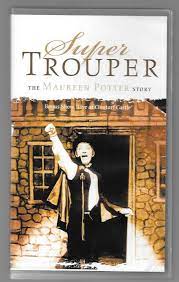
For several seasons in the 1980s–90s she starred in a popular one-woman cabaret show at Clontarf Castle, billed as the ‘Queen of Irish Comedy’; a recording of one such show was released on video (1994). Concentrating also on a return to the legitimate stage, she appeared with Siobhán McKenna (qv) – whose acting style had long been a subject of Potter’s parody – as the two sweetly murderous old ladies in a hit production of ‘Arsenic and old lace’ at the Gaiety (1985). Potter played Maisie Madigan in the Gate theatre production, directed by Joe Dowling, of ‘Juno and the Paycock’ by Sean O’Casey (qv), one of the most celebrated productions in recent Irish theatre history, opposite Donal McCann (qv), John Kavanagh, and Geraldine Plunkett (1986); she toured with the production to Jerusalem (1987) (where she was besieged by Irish-born Israelis who as children had seen her in Dublin pantos), Edinburgh (1987), and to especial acclaim in New York (1988) (where she was forced off her feet between shows by agonising knee pains, but never missed a date). Her performance, directed by Patrick Mason at the Gate, as Mrs Candour in ‘The school for scandal’ (1989) by Richard Brinsley Sheridan (qv) was praised as one of the highlights of the production. Less satisfying was her interpretation of Samuel Beckett (qv), in both ‘Footfalls’ and ‘Rockaby’ during the Gate’s Beckett festival (1991); critic Gerry Colgan found her performance ‘too vigorous’ and charged with ‘too much psychic energy’ for the material (Irish Times, 11 October 1991). Potter’s only career appearance at the Abbey theatre was in the premiere of ‘Moving’ (1992) by Hugh Leonard(qv). She played Mother in a revival of Leonard’s most famous play, ‘Da’ (1993), directed by Dowling at the Olympia, opposite McCann and Barnard Hughes (who reprised his Tony-award-winning performance in the title role). She was directed, as Mme Pernelle, by Alan Stanford in a new version by Michael West of Molière’s ‘Tartuffe’ (1992), and returned to O’Casey as Mrs Henderson in ‘The shadow of a gunman’ at the Gate (1996).
OTHER MEDIA
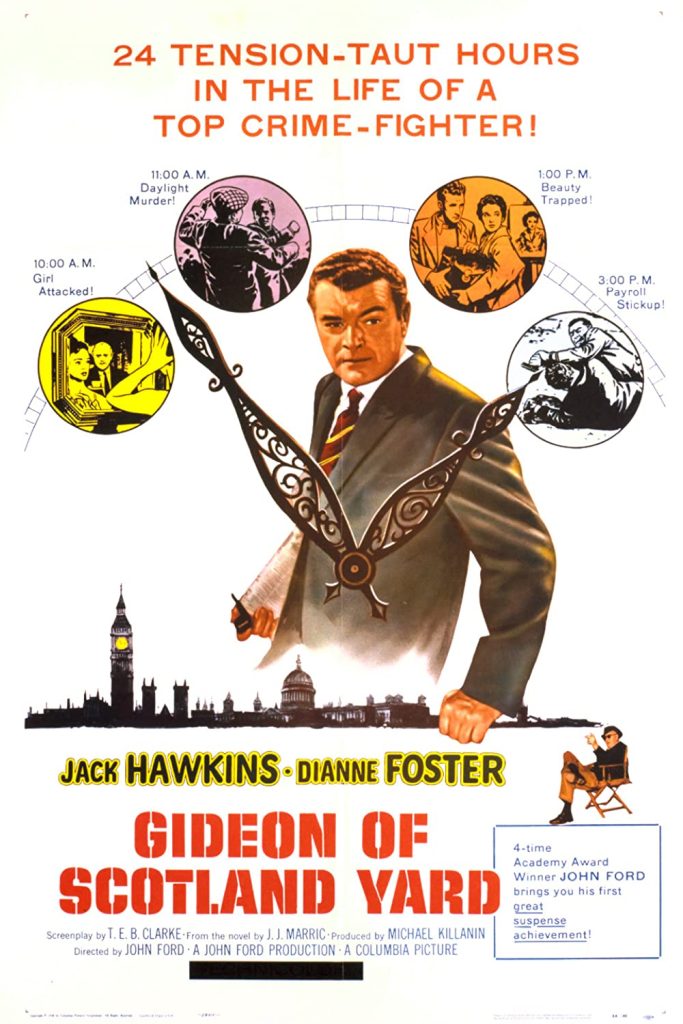
Though primarily a stage performer, Potter appeared on radio, television, and in several films. During the 1940s she was a frequent guest, with O’Dea as host, on Irish half hour, a BBC radio light entertainment programme. For seven seasons she hosted a popular Radio Éireann variety programme, The Maureen Potter show (1960–67), which included comic sketches and monologues, and mild political satire (usually involving Potter’s impersonating politicians); especially beloved by the public were her ‘Christy’ monologues, in which she played the ever solicitous, harried mother of a naughty Dublin child prone to improbable scrapes. She appeared as the storyteller in several episodes of the long-running BBC television children’s programme Jackanory (1966), and co-starred alongside Rosaleen Linehan as two man-mad flatmates in Me and my friend (1967), one of RTÉ television’s first situation comedy series, directed by Jim Fitzgerald (qv). Potter’s Christmas television special topped the RTÉ TAM ratings in 1973. She acted in two films directed by John Ford (qv): The rising of the moon (1957), a triptych in which she played the railway station barmaid in the second segment, ‘A minute’s wait’ (the ensemble cast included O’Dea as the station porter); and Gideon’s day (1958). She was cast by director Joseph Strick in two adaptations of works by James Joyce (qv): in Ulysses (1967) she played Josie Breen, an old flame of Leopold Bloom (played by Milo O’Shea); she played Dante in A portrait of the artist as a young man (1977), opposite T. P. McKenna (1929–2011) as Mr Dedalus, Rosaleen Linehan as Mrs Dedalus, and Desmond Perry as Mr Casey. Her final film was Graham Jones’s How to cheat in the leaving certificate (1997).
HONOURS
Potter wrote a children’s book, The theatre cat (1986; reissued as Tommy the theatre cat (1989)). She was accorded a special tribute programme of RTÉ television’s Late, late show (1976); was granted the freedom of the city of Dublin (1984); was awarded an honorary degree by TCD (1988); and received a special Harvey’s Irish Theatre Award for services to the Irish theatre (1988). A documentary recounting her career, Super trouper, directed by John McColgan, and including archival performance footage, aired on RTÉ television (1994), and an eight-part retrospective series, Maureen Potter looks back, was broadcast on RTÉ radio (1998). The Gaiety theatre staged a special celebration of her life, attended by President Mary McAleese and leading figures in Irish theatre and entertainment (1999). Potter was the first person invited to place her handprints in the walk of fame constructed in the pavement outside the Gaiety theatre (2001).
ASSESSMENT
An audience favourite over many decades, Potter was perhaps the most popular entertainer of twentieth-century Ireland, with an appeal that crossed generations, social class, and the urban/rural divide, likely seen by more people on the live stage than any other performing artist in the country. The notoriously curmudgeonly poet Patrick Kavanagh (qv) once approached her on a Dublin street and said: ‘Do you know what? You’re not a bad little woman at all’ (Guardian, 13 April 2004). The consummate variety performer, with a masterly command of comic timing, and a stage presence exuding enthusiasm and delight, she also proved adept at acting comic roles in straight theatre; amplifying on the stage adage about comedy being more difficult than tragedy, Potter added that ‘it’s much harder for a comic to do comedy in a straight play’ (Irish Times, 26 September 1985). While reviewers sometimes found her variety shows to be uneven in quality, formulaic, and repetitive, rarely were Potter’s skills as a performer disparaged, the critique usually being that she was burdened with scripts (or with co-stars) unworthy of her talents. Notwithstanding her long experience and audience adulation, she suffered severely from nerves before every performance, sometimes to the point of physical sickness, a condition that only worsened as she aged.
Widely admired by her peers within the theatrical profession, Potter was remembered for her loyalty, consideration, lack of conceit, generosity, and boundless good humour (which never flagged through years of pain and illness). Her favourite recreation was watching television sport, especially soccer and cricket. Down the years she closed performances with a signature closing line: ‘If you liked the show tell your friends; if you didn’t, keep your breath to cool your porridge’.
Potter died 7 April 2004 in her Dublin home; the funeral was from St Brigid’s Roman catholic church, Killester, to Clontarf cemetery.
Sources
GRO (b. cert.); Ir. Times, passim, esp.: 26 June, 3 July 1956; 11 June, 9 July 1957; 11 Nov. 1958; 9 June, 22, 25 Sept., 1 Oct. 1959; 25–7 Dec. 1962; 23, 24 July 1964; 3 Mar., 28 June 1966; 4 July, 23 Nov. 1967; 18 June 1970; 10 July 1975; 2 Aug. 1979; 19 July 1980; 14 June, 26 Sept., 2 Oct. 1985; 11, 16, 17 July 1986; 12 June, 13 Aug. 1987; 23 June, 12, 24 (profile) Dec. 1988; 26, 29 July 1989; 29 Aug. 1990; 7, 28 Sept., 11 Oct. 1991; 7 Oct., 16 Dec. 1992; 12 Mar. 1993; 26 Nov. 1994; 17, 30 July 1996; 4 June 1998 (profile); 16, 19 Jan. 1999; 8, 10 Apr. 2004; Philip B. Ryan, Jimmy O’Dea: the pride of the Coombe (1990); Micheál Ó hAodha, Siobhán: a memoir of an actress (1994); Times, 8 Apr. 2004; Sunday Independent, Sunday Tribune, 11 Apr. 2004; Guardian, 13 Apr. 2004 (www.guardian.co.uk/news/2004/apr/13/guardianobituaries.artsobituaries1); Independent (London), 13 Apr. 2004 (www.independent.co.uk/news/obituaries/maureen-potter-549747.html); Deirdre Purcell (ed.), Be delighted: a tribute to Maureen Potter (2004); Internet Movie Database, www.imdb.com; Irish Film & TV Research Online, www.tcd.ie/irishfilm; Irish Playography, www.irishplayography.com (websites accessed March 2011