
Hollywood Actors

Collection of Classic Hollywood Actors

Vincent Price
Vincent Price
Vincent Price

TCM Overview:

A cultured and debonair star with a mellifluous voice, actor Vincent Price developed a reputation portraying campy villains in a number of horror films. Though he began his career on the British stage, Price made his name as a supporting character player in noirs like “Laura” (1944), “The Long Night” (1947) and “The Bribe” (1949) before becoming inextricably tied to horror, thanks to his turn as the vengeance seeking wax sculptor in the classic “House of Wax” (1953). From there, he solidified his standing with “The Mad Magician” (1954) before appearing in mainstream studio fare like “While the City Sleeps” (1956) and “The Ten Commandments” (1956). After earning cult status with “The Fly” (1958) and its sequel “Return of the Fly” (1959), Price began a collaboration with low-budget producer Roger Corman on a series of Edgar Allen Poe adaptations, including “House of Usher” (1960), “The Pit and the Pendulum” (1961), and “The Raven” (1963). He hit a career low point with a pair of overly-campy James Bond spoofs, while revealing his role as the arch villain Egghead on “Batman” (ABC, 1966-68). Price wound down his career in the next decades using his distinctive voice in a number of projects, most notably Tim Burton’s stop-motion short “Vincent” (1982) and Michael Jackson’s seminal music video, “Thriller” (1983). Price made his final film appearance in Burton’s fantastical “Edward Scissorhands” (1990), before succumbing to lung cancer in 1993 and leaving behind a legacy forever entwined with the horror genre.

Born on May 27, 1911 in St. Louis, MO, Price was raised in a wealthy home by his father, Vincent, the president of a candy manufacturing company, and his mother, Marguerite. Price received a top-notch education, attending the private St. Louis Country Day School before earning bachelor degrees in history and language from Yale University. While attending the Ivy League school, he began to dabble in performing, particularly in Gilbert and Sullivan operettas. Price moved on to the University of London, where he studied history and studied art at the Courtald Institute. During his time in the British Isles, Price began to perform on stage professionally and made his stage debut in a production of “Chicago” at the Gate Theatre in Dublin. In 1935, he delivered a sterling performance as the Prince Regent in the Gate Theatre’s production of “Victoria Regina,” which made its way across the Atlantic for a triumphant performance on Broadway. Price’s success on stage soon led to a film career, starting with his debut in “Service De Luxe” (1938) and graduating to more prominent parts such as Raleigh in the costume drama “The Private Lives of Elizabeth and Essex” (1939).

Price soon moved into playing the villain in several films and turned in strong performances in straight dramas, notably in Otto Preminger’s “Laura” (1944), opposite Gene Tierney and Dana Andrews, and Anatole Litvak’s “The Long Night” (1947). Price continued to play the heavy in noirs like “The Web” (1947), “Rogue’s Regiment” (1948) and “The Bribe” (1949), before landing the lead role of a conman and expert forger in “The Baron of Arizona” (1950). Following supporting roles in “His Kind of Woman” (1951) and “The Las Vegas Story” (1952), Price became almost exclusively associated with the horror genre, thanks to his role as the revenge-driven sculptor in the 3-D classic of the macabre, “House of Wax” (1953), a film with which he was indelibly entwined for the rest of his career, and that led to starring roles in other horror pictures like “The Mad Magician” (1954). He next supported Victor Mature and Piper Laurie in the noir thriller “Dangerous Mission” (1954), and had a cameo as the real Casanova in the Bob Hope comedy “Casanova’s Big Night” (1954). After turns in Howard Hughes’ troubled production “Son of Sinbad” (1955) and Fritz Lang’s “While the City Sleeps” (1956), his theatrical flair was also put to good use as the villainous Baka in Cecil B. DeMille’s epic remake of his “The Ten Commandments” (1956), starring Charlton Heston and Yule Brynner.

While amassing a number of supporting roles in major pictures, Price continued to be a star in lower budget horror, and further cemented his stature in that genre as the scientist-turned-fly’s brother in the cult favorite “The Fly” (1958) and the sequel “Return of the Fly” (1959). He also appeared as an eccentric millionaire in the original version of “House on Haunted Hill” (1959), which was remade 40 years later. In the early 1960s, Price began appearing in movies produced by American International Pictures, a busy studio that specialized in churning out cheapie teen genre fare for drive-ins. He often worked with famed low-budget director Roger Corman, for whom he starred in a series of stylish gothic chillers loosely based on the stories of Edgar Allan Poe, including “House of Usher” (1960), “The Pit and the Pendulum” (1961), “The Raven” (1963), and “The Masque of the Red Death” (1964); AIP sometimes teamed Price with aging Hollywood icons Peter Lorre, Boris Karloff and Basil Rathbone. He went on to appear in “Dr. Goldfoot and the Bikini Machine” (1965), an obvious spoof of the James Bond classic “Goldfinger” (1964), which spawned the dreadful sequel “Dr. Goldfoot and the Girl Bombs” (1966).

Price was also a fine arts collector, chef and lecturer of some note. He published books on art and cuisine, ranging fromDrawings of Delacroix (1962) to The Come Into the Kitchen Cook Book, (1969), co-authored with second wife Mary. From 1966-68, Price gleefully spoofed his onscreen image playing the villain Egghead on the camp series “Batman” (ABC, 1966-68), a role that he relished. Meanwhile, he broadened his horizons and made his Broadway musical debut in “Darling of the Day” (1968), before touring the United States and later the world in “Diversions and Delights,” his one-man play about Oscar Wilde. He continued to appear onscreen, of course, delivering classically campy turns in “The Abominable Dr. Phibes” (1971) and its sequel, “Dr. Phibes Rises Again (1972). Price counted “Theatre of Blood” (1973) among his favorite credits, in which he played Edward Lionheart, a Shakespearean ham who exacts bloody vengeance on his critics by dispatching them in recreations of the Bard’s famous death scenes. He next starred in the British-made horror film “Madhouse” (1974) and stayed across the pond for the strange comedy “Percy’s Progress” (1974), about a man who undergoes the world’s first penis transplant.

Price next starred opposite Sam Waterston and Donald Pleasence in the thriller “Journey into Fear” (1975) and joined the all-star cast of the spoof “Scavenger Hunt” (1979), which featured an ensemble cast that included Tony Randall, Cloris Leachman, Roddy McDowall, James Coco and Ruth Gordon. In the late-1970s, Price found the horror movies were not as popular as they once were and began shifting toward more voiceover work, having already been noted for his rarified diction tinged with a hint of malice. He also found his career to be winding down just a bit, and thus made fewer appearances as he had in the past. In 1981, he began serving an eight-year stint as the urbane, gently sinister host of the PBS series “Mystery!” (1980-88), which showcased adaptations of famed horror stories. At the same time, he was contacted for his services by two self-avowed Vincent Price fans. First, Price was asked to narrate up-and-coming filmmaker Tim Burton’s stop-motion short, “Vincent” (1982), as well as supplied the spoken word narration for Michael Jackson’s landmark song and video “Thriller” (1983). He next appeared onscreen opposite old friend Christopher Lee and Peter Cushing in the horror spoof “House of the Long Shadows” (1983), and followed that with a turn in the over-the-top “Bloodbath at the House of Death” (1984).

Price provided the voice for the diabolical Professor Ratigan, the Dr. Moriarty-like villain of the Disney animated feature, “The Great Mouse Detective” (1986). His last major role in a feature was Mr. Maranov, the transplanted Russian nobleman who charms Bette Davis and Lillian Gish in Lindsay Anderson’s “The Whales of August” (1987). Price was a major influence on filmmaker Tim Burton, who idolized his screen persona as a child and led to the morbid adoration that was the subject of “Vincent.” Burton later cast him as the kindly old inventor who creates the titular “Edward Scissorhands” (1990), a role that was cut down in size because of Price’s worsening emphysema brought about by a lifetime of smoking cigarettes. The brief, but charming appearance proved to be Price’s last appearance on film. He later made an appearance on the small screen in the television movie “The Heart of Justice” (TNT, 1993), the very last time he was on any screen. Price eventually succumbed to lung cancer on Oct. 25, 1993. He was 82 years old.
 The above TCM overview can also be accessed on line here.
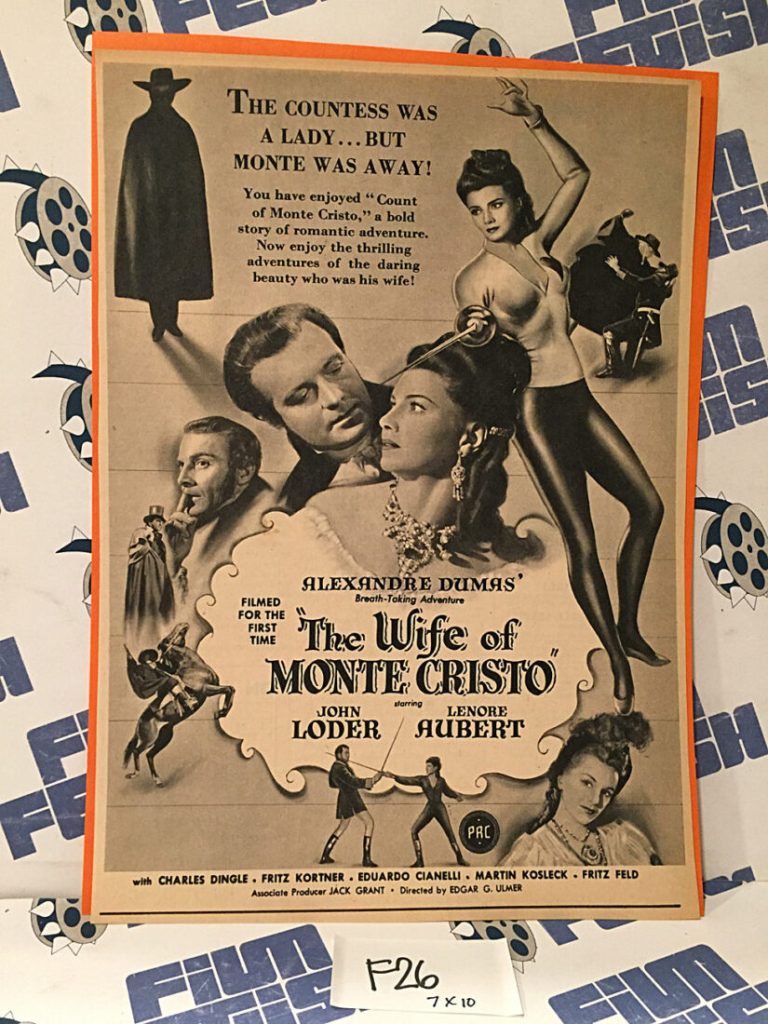
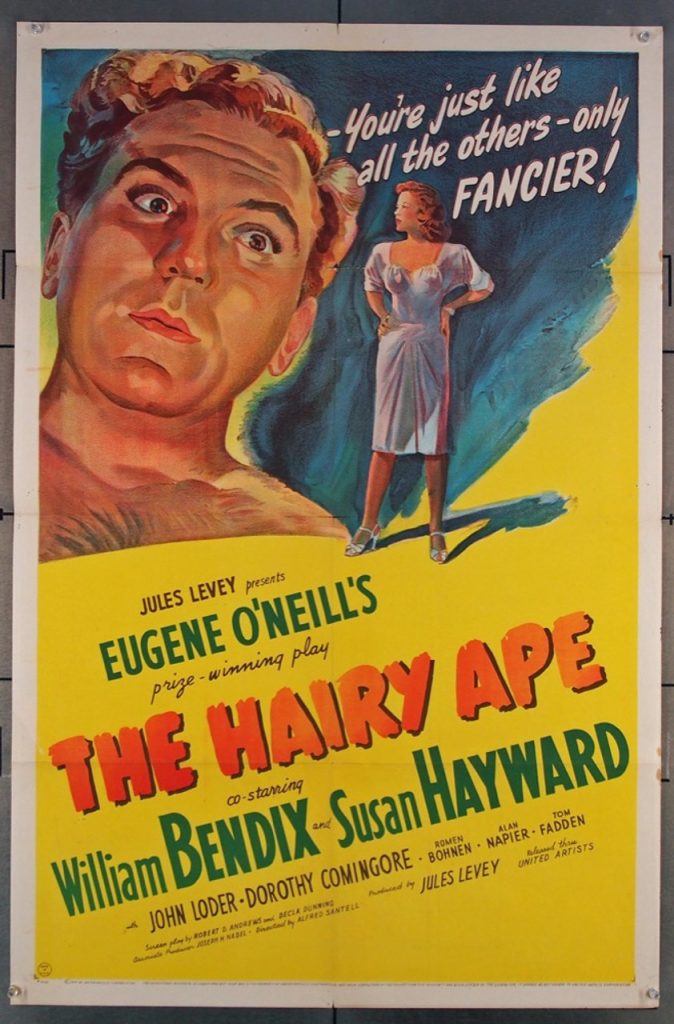
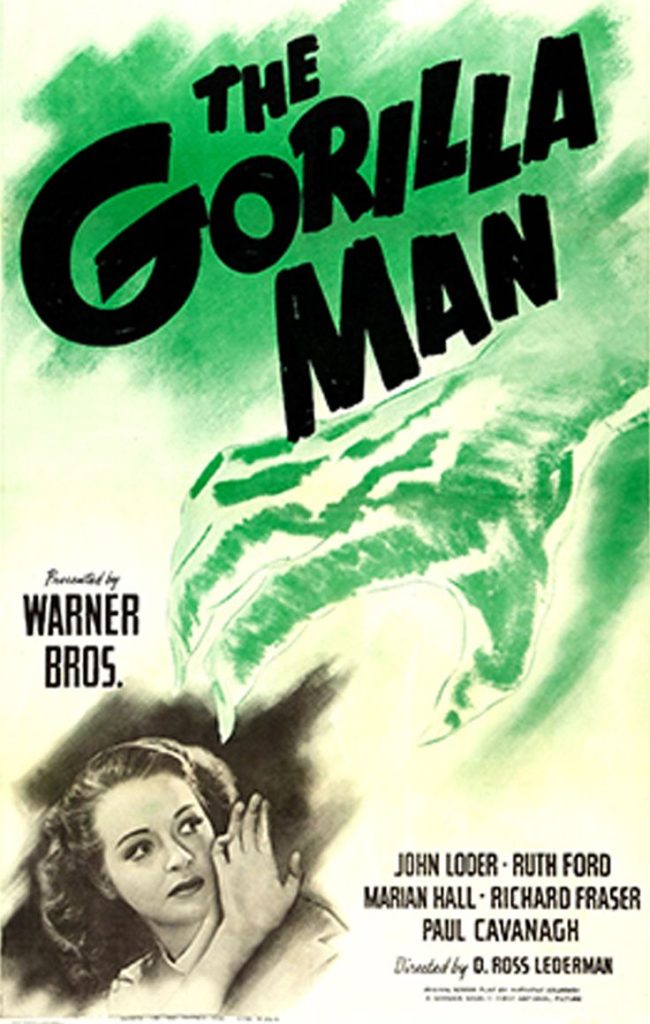
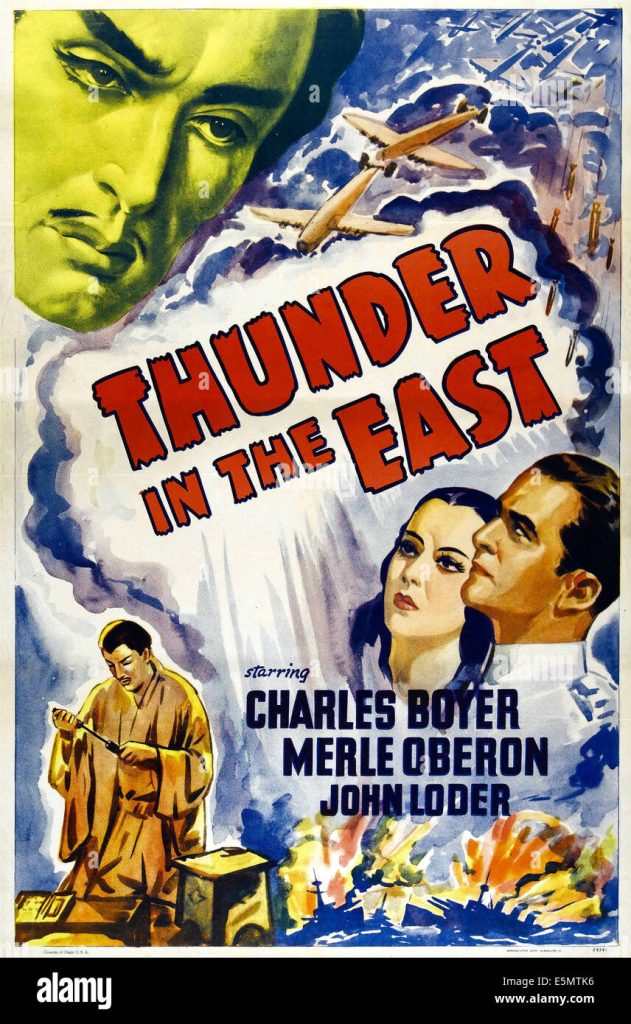
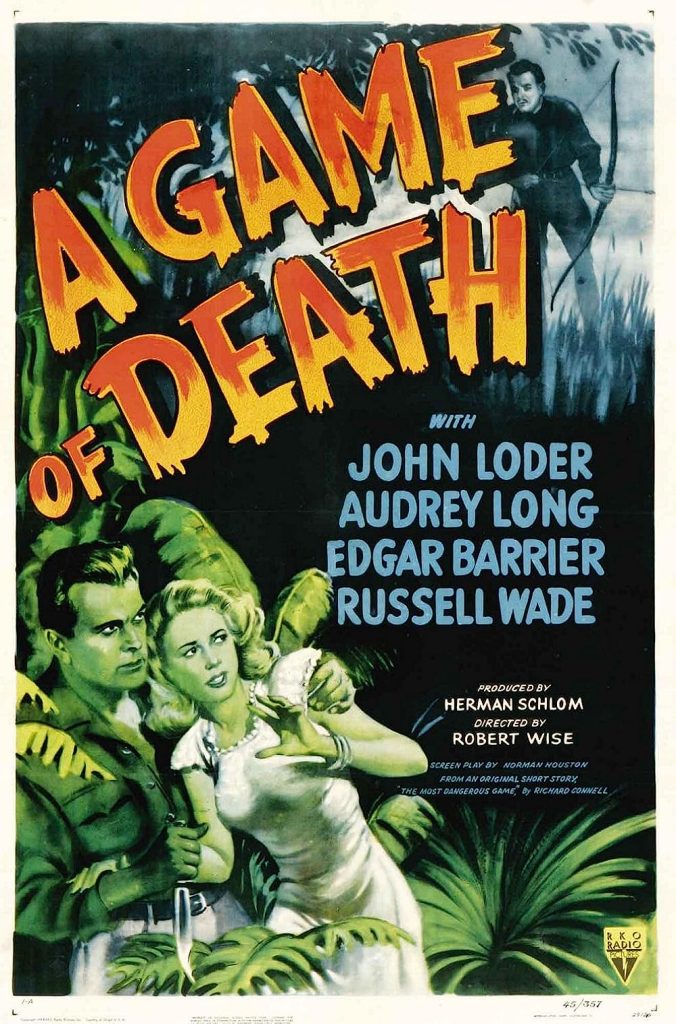
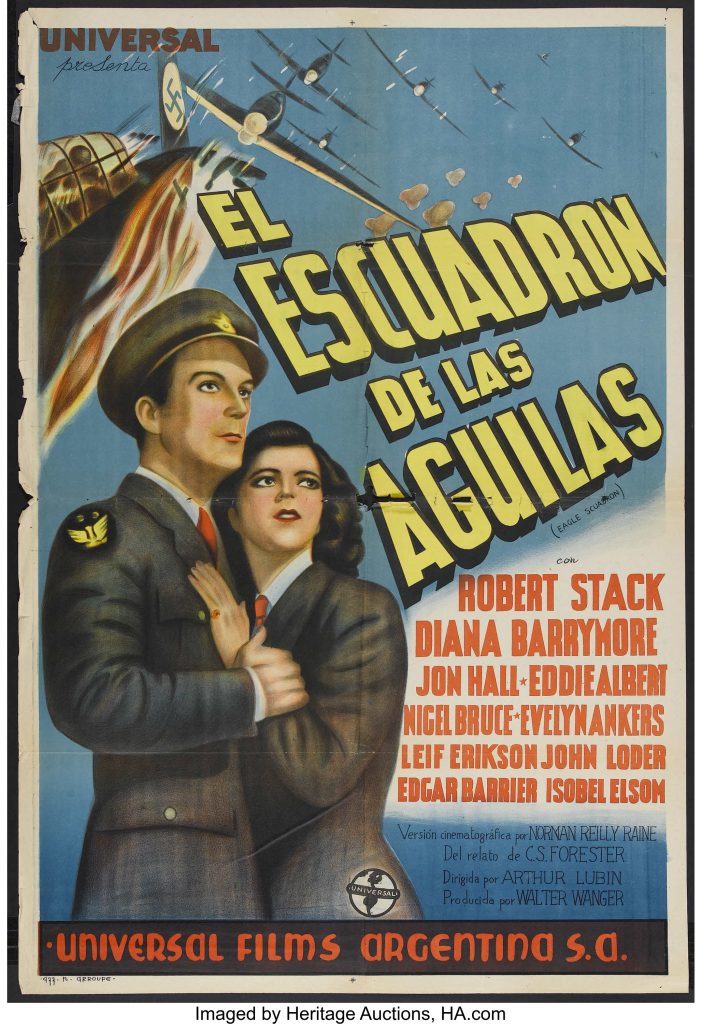
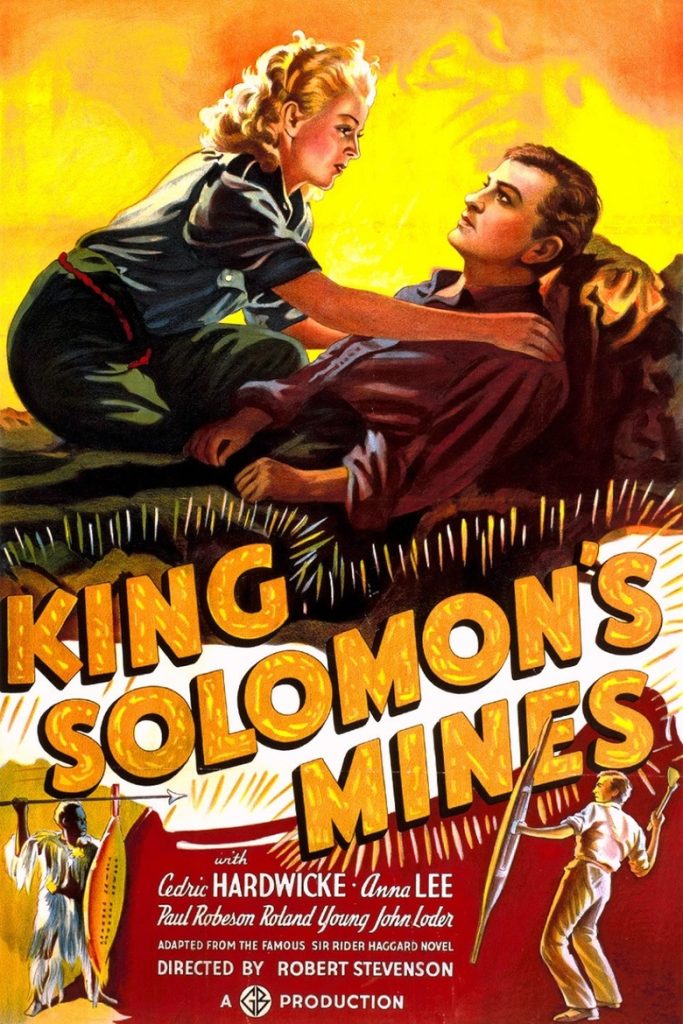
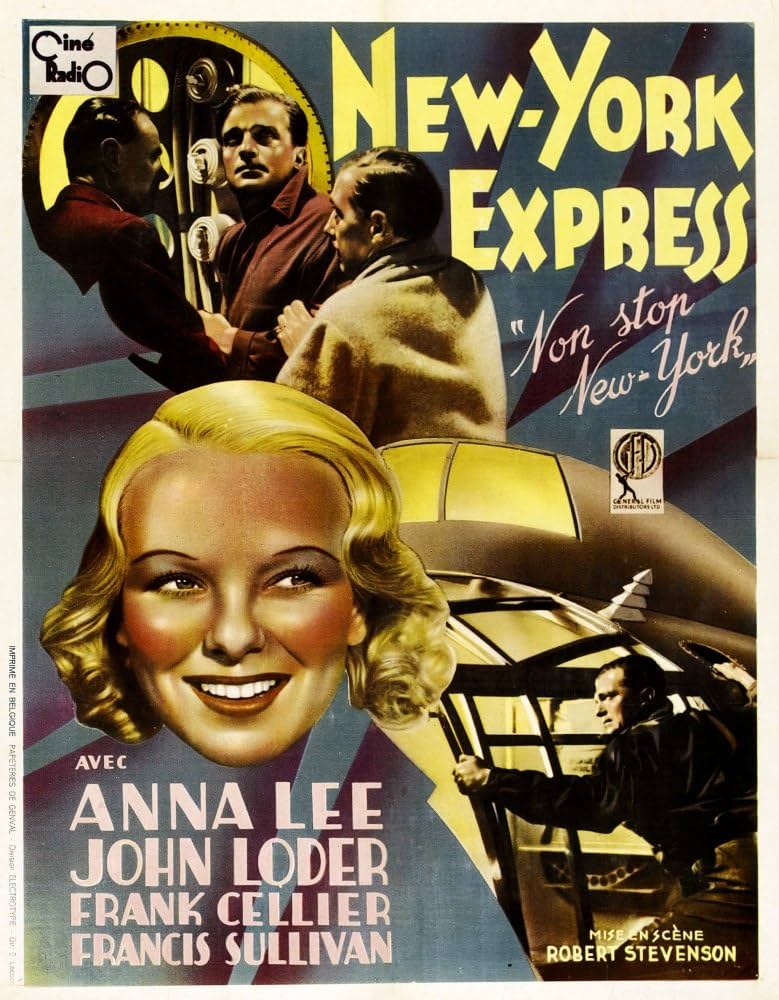
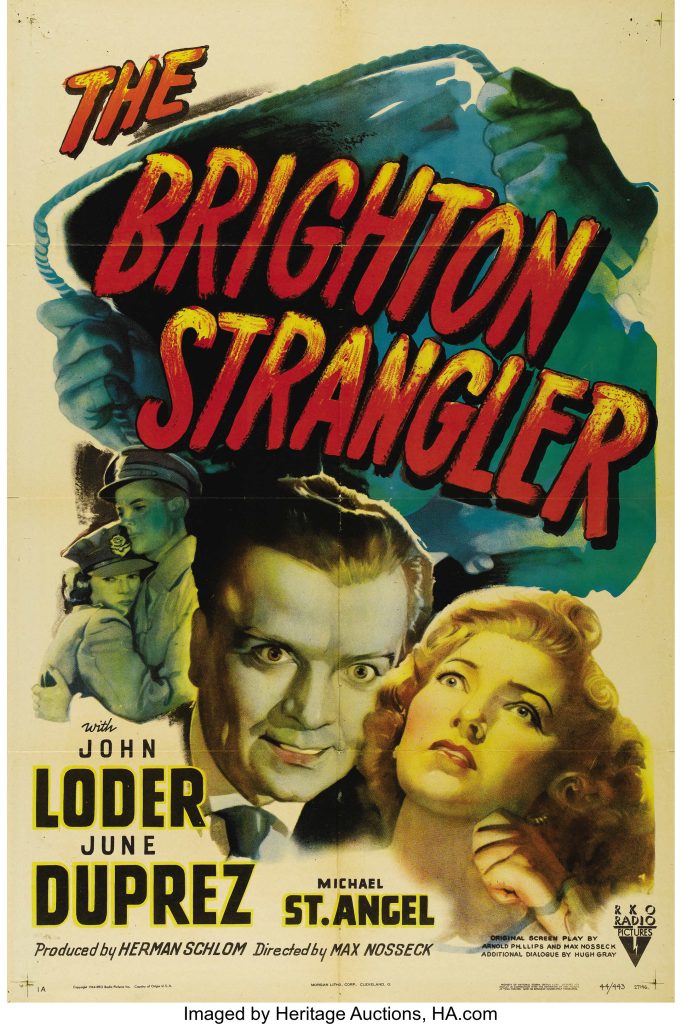
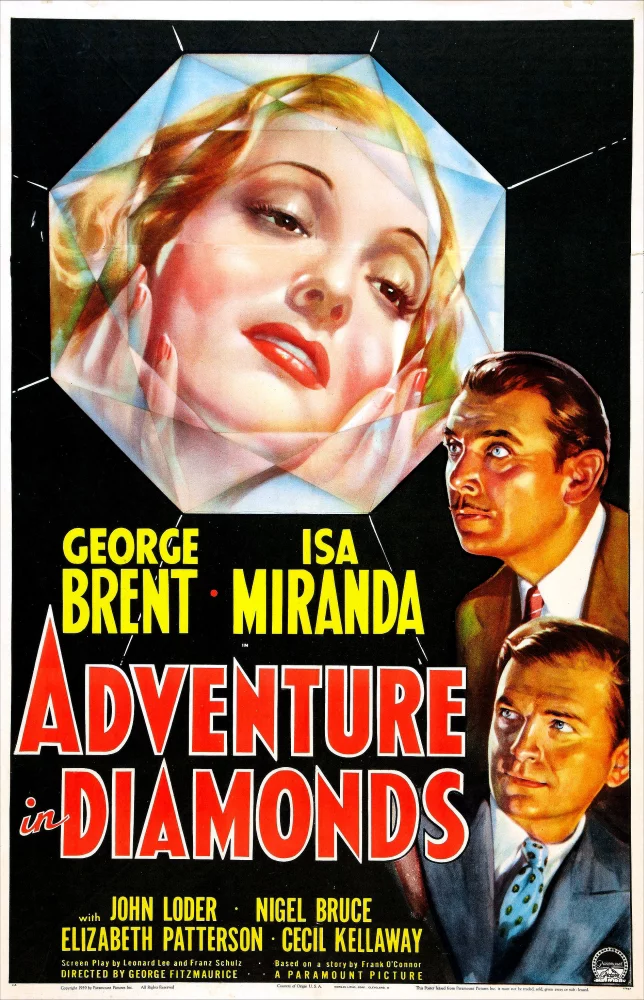
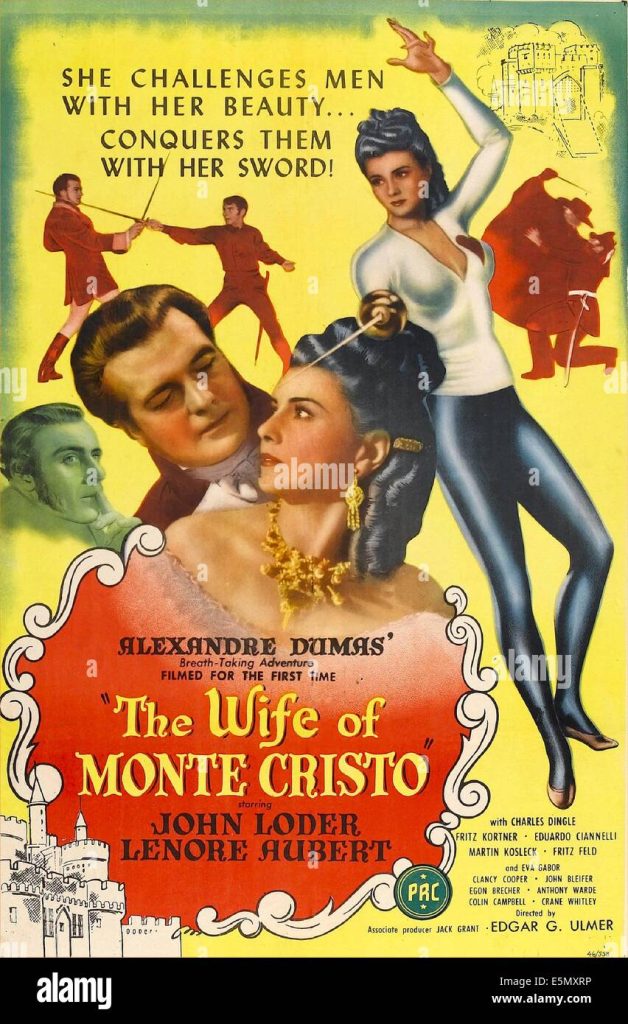
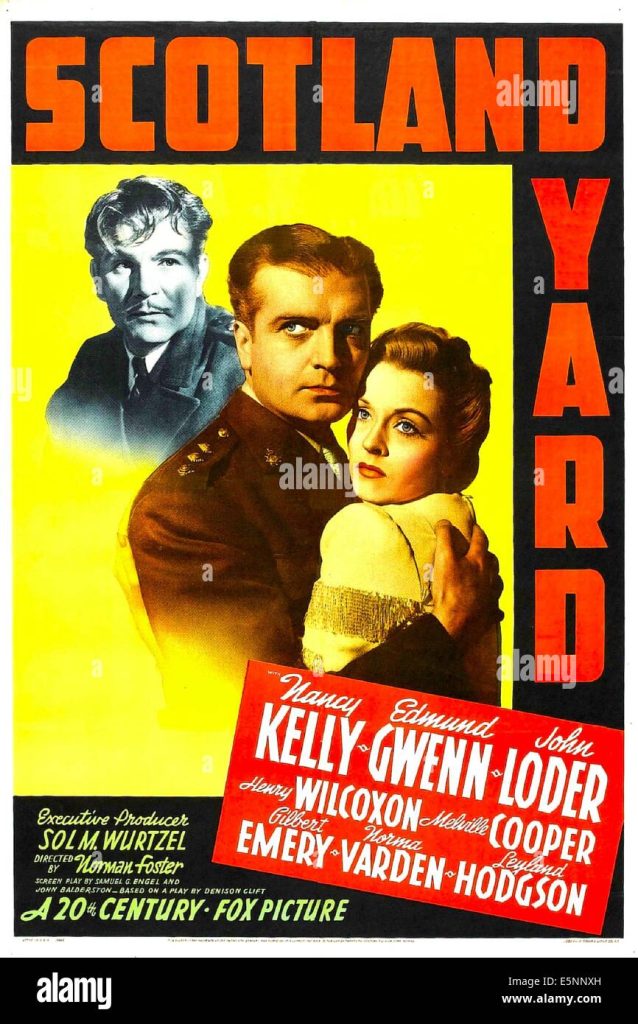
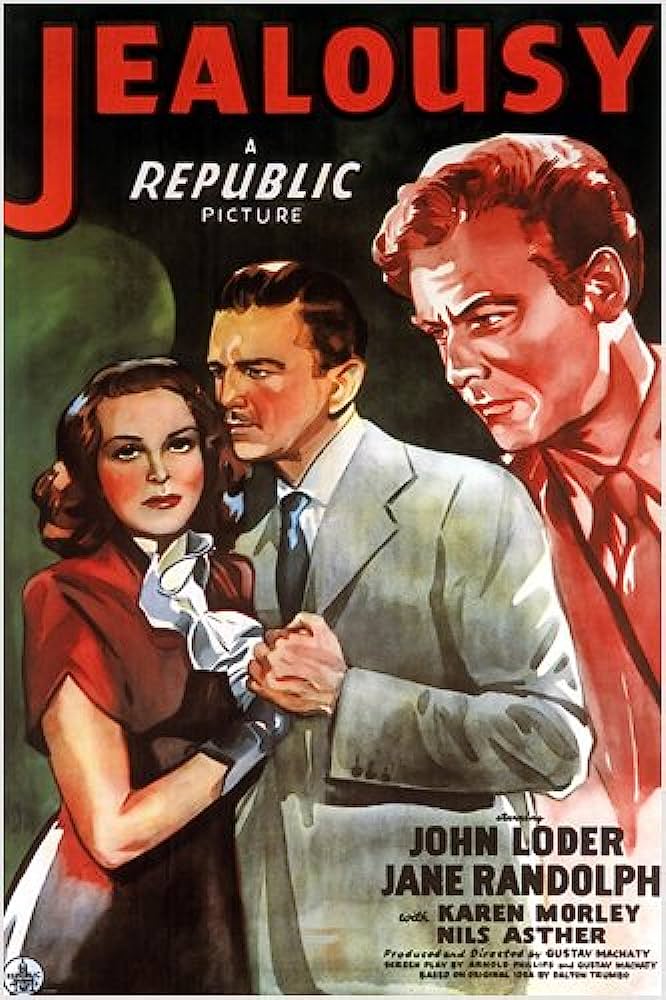
John Loder

New York Times obituary in 1989:

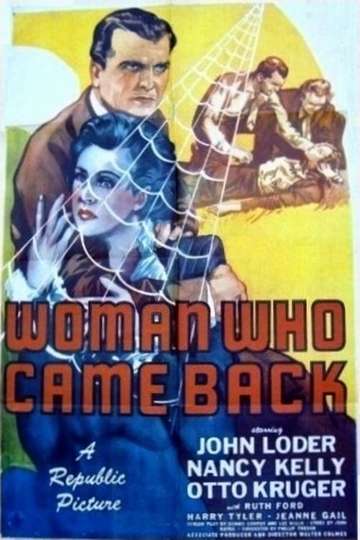
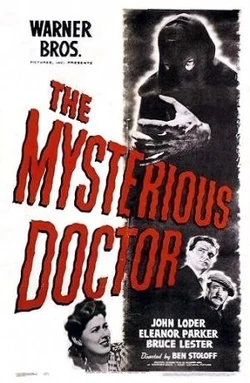
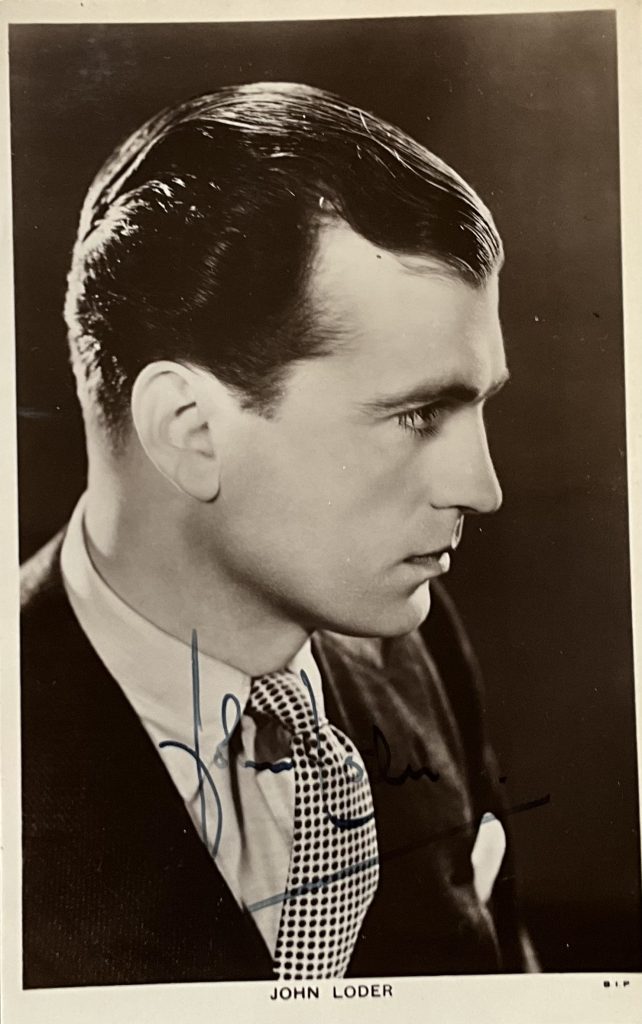
John Loder, an actor whose tenure of more than 30 years in British and American movies was credited largely to his good looks and his imposing physique, has died in England. He was 90 years old and had homes in London and Buenos Aires.

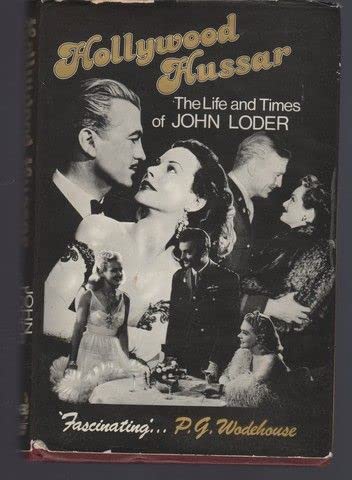
Mr. Loder, who died in late December, was born John Muir Lowe, in York, England. He was educated at Eton and the Royal Military Academy at Sandhurst, England, and at Eton College. In World War I, he served with the 15th Hussars in North Africa, France and Gallipoli, Turkey. He was taken prisoner in early 1918. His 1977 autobiography was titled ”Hollywood Hussar.” Started as an Extra
His first film appearance was as an extra in a 1926 German feature, ”Madame Wants No Children,” which starred Marlene Dietrich.

Mr. Loder left Europe for Hollywood and had roles in Paramount’s first talking picture, ”The Doctor’s Secret,” in 1929. He was also in Rin-Tin-Tin’s first sound picture, in 1930.

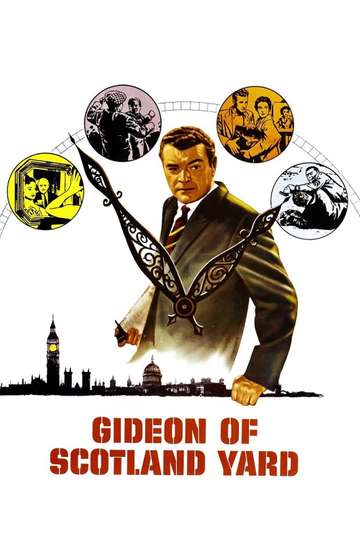
Among the scores of British and American films he performed in were the 1937 British version of ”King Solomon’s Mines,” with Sir Cedric Hardwicke, Paul Robeson, Roland Young and Anna Lee, Alfred Hitchcock’s ”Sabotage” (1936), ”Eagle Squadron” (1942), ”Passage to Marseilles” (1944) and ”Lorna Doone” (1935), considered his best British movie. His last films included ”Gideon’s Day” (1958), ”Esquiu” (1965) and ”The Firechasers” (1970). Although he had a variety of roles, his specialty seemed to be the jilted husband. Noted Portrayals

Critics considered his best portrayals to be Ianto, the eldest son in ”How Green Was My Valley” (1941), and Elliott Livingston, opposite Bette Davis, in ”Now, Voyager” (1942).

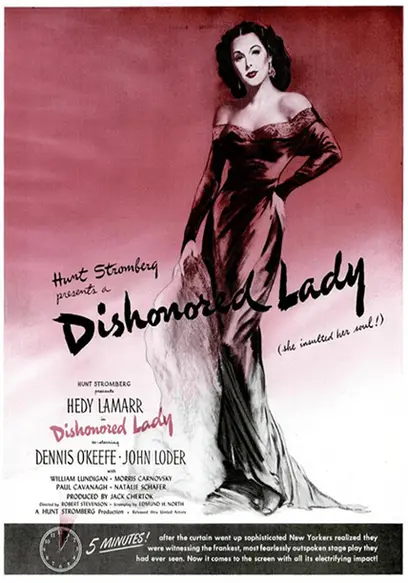
Another significant Loder film was ”Dishonored Lady” (1947), in which he appeared with Hedy Lamarr, who became his third wife in 1943 and from whom he was divorced when they made the movie together. They had a son and daughter.

His other wives were Sophie Kabel, with whom he had a son; Micheline Cheirel, with whom he had a daughter; Evelyn Carolyn Auffmordt, and Alba Julia Lagomarsino, whom he married in 1958

Joan Crawford
Joan Crawford
Joan Crawford

New York Times obituary in 1977:

Joan Crawford, who rose from waitress and chorus girl to become one of the great movie stars, died yesterday of a heart attack in her apartment at 158 Cast. 68th Street. She gave her age as 69, but some reference works list her as two to four years older.

Miss Crawford had been a director of the Pepsi‐Cola Company since the death of her fourth husband, Alfred N. Steele, the board chairman of the company, in 1959, but she had not been actively involved in the business in recent months.

A spokesman for Pepsi‐Cola said Miss Crawford had no history of cardiac trouble and had appeared to be in good health except for recent. complaints of hack pains.

Miss Crawford was a quintessential superstar—an epitome of timeless glamour who personified for decades the dreams and disappointments of millions of American women.

With a wind‐blown bob, mocking eyes and swirling short. skirt, she spun to stardom in 1928, frenziedly dancing the Charleston atop a table in the silent melodram,a Our Dancing Daughters.”

As a frivolous flapper she quickly made a series of spin‐offs, including “Our Modern Maidens,” “Laughing Sinners” and This Modern Age.” Endowed with a low voice, she easily made the transition to sound pictures and went on to become one of the more‐endurable movie queens.

Her career, a chorine‐to‐grande dame rise, with some setbacks, was due largely to determination, shrewd timing, flexibility, hard work and discipline.

Self‐educated and intensely professional, Miss Crawford studied and trained assiduously to learn her art. She made the most of her large blue eyes, wide mouth, broad shoulders and slim figure and eventually became an Oscar‐winning dramatic actress.

From Youth to Aged

In more than 80 movies, she adapted easily to changing times and tastes. When audiences began to tire of one image, she toiled to produce a new one. She made the changes with pace‐setting makeup, coiffures, costumes—and craftsmanship.

Exhibitors voted her one of the 10 top money‐making stars from 1932 through 1936, and in the late 1930’s she was one of the highest‐paid actresses. With a finely structured, photogenic face and highstyle gowns usually designed by Adrian, she idealized what many women wished to be.

In 1945, when her career seemed to be foundering, she rebounded as a doting mother and ambitious waitress who rises to wealthy restauranteur in “Mildred Pierce,” a role that won her an Academy Award as best actress.

‘A Script Stealer’

Despite the Cinderella‐type roles in many of her early movies, which many reviewers came to term “the Crawford formula,” she fought tenaciously for varied and challenging parts, just as she later fought to remain a great star, with what one writer called “the diligence of a ditchdigger.”

In her autobiography, “A Portrait of Joan,” written with Jane Kesner Ardmore and published in 1962 by Doubleday & Company Inc., she acknowledged that “I was always a script stealer,” which got her into “Our Dancing Daughters.” She boldly cajoled producers, directors and writers to gain good roles.

When Norma Shearer refused to play a mother in the 1940 drama “Susan and God,” Miss Crawford was offered the role. She responded, “I’d play Wally Beery’s grandmother if it’s a good part!”

Her major portrayals included a wanton stenographer in the star‐studded adaptation of Vicki Baum’s “Grand Hotel”; Sadie Thompson, W. Somerset Maugham’s vulgar but vulnerable prostitute, in “Rain”; Crystal, a husband‐stealing siren in Clare Soothe Luce’s satire “The Women”; scarred blackmailer in “A Woman’s Face”; a schizophrenic in “Possessed,” and the target of a homicidal husband in “Sudden Fear.”

Quarrels Publicized

With dedication and skill, she also made commercial successes of what many reviewers scored as inferior vehicles with implausible plots and synthetic dialogue. In 1962 she began a new career in the horror genre, with “What Ever Happened to Baby Jane?” co‐starring Bette Davis.

In later years, the indomitable Miss Crawford was involved in a number of publicized quarrels because of what some colleagues called her imperiousness, and her admitted bluntness toward actors that she regarded as incompetent, undisciplined or unprofessional.

She reveled in being a star and exhaustively cultivated her fan clubs and fans, predominantly women, with gifts and personally written notes—key efforts in maintaining their steadfast loyalty. She expressed delight in having “a hundred people clutching at my coat, clamoring for autographs.”

Life Imitated art in the late 1950’s when, between movies, she embarked on a career as a businesswoman—a representative‐in‐glamour for the Pepsi‐Cola Company.

Elected to Board

In 1955 she married Alfred N. Steele, the company’s board chairman and chief executive officer. Her previous marriages to three actors—Douglas Fairbanks Jr., Franchot Tone and Phillip Terry—had ended in divorce.

Mr. Steele logged more than 100.000 miles a year in revitalizing the soft‐drink company’s worldwide activities. She started traveling with him, flying to gala openings of new bottling plants and conventions and serving as hostess of parties on their trips, as well as in their spacious East Side Manhattan penthouse.

In 1959, two days after her husband died of a heart attack, she was elected the first woman director of the company’s board.

She made scores of national tours, promoting Pepsi‐Cola and her films. Accompanying her were large entourages and at least 15 trunks and suitcases for a wardrobe of up to 10 costume changes

In New York, Miss Crawford became a leading benefactor, fund ‐ raiser and honorary official for dozens of philanthropies, explaining to an interviewer in 1971, “I’ve been on the receiving end of so much good that I feel I have to give something back.”

Among her many honors were election as a fellow of Brandeis University and designation in 1965 as the first Woman of the Year by the United Service Organizations of New York for her qualities as “an actress, an executive, humanitarian.”

The actress had long wanted to have children, but, she wrote, she was plagued by miscarriages. She adopted four children: Christina, who also became an actress; Christopher, and Cynthia and Cathy, who were twins.

Of French and Irish descent, Miss Crawford was born Lucille LeSueur in San Antonio. She listed her birth date as March 23, 1908, but many reference works put it at two to four years earlier. Her parents, Thomas and Anna Johnson LeSueur, separated before her birth, and her mother soon married Henry Cassin, owner of a vaudeville theater in Lawton, Okla. She was known for years as Billie Cassin.

Quit Stephens College

Her youth was harsh. Her family, including her elder brother, Hal LeSueur, moved to Kansas City, Mo., about 1916. Her mother and stepfather soon separated and, from the age of 9, she had to work, first in a laundry, helping her mother, and then in two private schools, St. Agnes Academy and the Rockingham School, where she was the only working student, cooking, washing dishes, waiting on tables and making beds for 30 other youngsters. She did not object to working, she recalled, but to being treated as a slave.

Work prevented her from attending classes. The wife of Rockingham’s headmaster often punished her, with broomhandle floggings, she wrote, and falsified her records, which enabled her to enter Stephens College in Columbia, Mo., as a working student. After about three months, aware that she was not academically prepared, she withdrew.

Dancing was her main outlet, and in her early teens she won a Charleston contest in a Kansas City cafe, She worked as a salesgirl, pinching pennies for dancing lessons.

M.‐G.‐M. Screen Test

Vowing “to be the best dancer in the world,” she went to Chicago, where she danced and sang in a cafe, and then to Detroit, where J. J. Shubert, the producer, picked her from a nightclub chorus line to dance on Broadway in his 1924 revue “Innocent Eyes.”

Spotted by Harry Rapf, a talent scout for Metro‐Goldwyn‐Mayer, she was offered a screen test. Passing it, she signed a six‐month contract for $75 a week and, on Jan, 1, 1925, set out for Hollywood.

The freckle‐faced, 5‐foot‐4½‐inch‐tall dancer was a little plump, but soon slimmed down by daily jogging, decades before it was voguish.

She plunged into her movie apprenticeship as a chorus girl in “Pretty Ladies,” a Zasu Pitts comedy; an ingdnue in “Old Clothes” with Jackie Coogan, and a featured dancing role in “Sally, Irene and Mary.” she was voted a Wampas “baby star,” won a new contract and, because Lucille LeSueur was regarded as awkward to pronounce, was given the name Joan Crawford, the winning entry in a movie‐magazine contest.

She gained experience and billing playing opposite such actors as Lon Chaney, William Haines and John Gilbert, and rocketed to fame in “Our Dancing Daughters.” She passed the talking and singing test in 1929, in “Untamed,” co‐starring Robert Montgomery, and made eight movies over the years with Clark Gable, most of their box‐office hits. They included “Dancing Lady,” gliding with Fred Astaire in his movie debut, and “Strange Cargo.”

At M.‐G.‐M, Miss Crawford occasionally broke away from stereotyped casting and won acclaim for distinctive performances. But the best roles went to Greta Garbo and Norma Shearer, the wife of Irving G. Thalberg, the studio’s executive production manager. After the two actresses retired, Greer Garson got the plums. Frustrated by formula films, which she termed “undiluted hokum,” Miss Crawford asked Metro to drop her contract in 1942, and she left the studio after 17 years.

She joined Warner Brothers, but rejected scripts for more than two years until her triumphal return in “Mildred Pierce,” adapted from a mordant novel by James M. Cain.

Image Is Ageless

In this and many other movies, she showed. as Richard Schickel wrote in “The Stars,” published in 1962, a mastery “of what the trade knows as the ‘woman’s picture’,” in which “she suffers incredible agonies of the spirit in her attempts to achieve love and or success. The women suffer along with Miss Crawford, but are reassured by what they know of her own career, which clearly states that a woman can triumph in a man’s world.”

In her later career she projected a kind of ageless image. Her roles included the emotionally confused “Daisy Kenyon,” a carnival girl and convict in “Flamingo Road,” a shrew in “Harriet Craig,” a hoofer in “Torch Song,” a western ranchgang leader in “Johnny Guitar,” a lonely spinster who marries a psychotic youth in “Autumn Leaves” and many other vehicles of ordeal and anguish.

After “…Baby Jane,” Miss Crawford, tenaciously holding on to stardom, made a number of thrillers, some of them grisly, and appeared occasionally in television dramas and episodes. She long talked of going on the stage, but uncharacteristically said later that she lacked “the guts” to appear before a large live audience.

Imposed Discipline

In Hollywood she had determinedly improved herself, developing culture and polish. Her first marriage, to Douglas Fairbanks Jr., introduced her to the exotic social world of Pickfair, the home of Douglas Sr. and Mary Pickford. Franchot Tone helped her study classical drama and innovative acting techniques. Miss Crawford later described her marriages to them and to Phillip Terry as “dollhouse” unions. But her marriage to Mr. Steele, she said, gave her greater emotional stability than she had ever known.

Some interviewers wrote that she imposed her perfectionism on her four adopted children, being overly strict with them. To these assertions, she replied: “I’ve tried to provide my children with what I didn’t have: constructive discipline, a sense of security, a sense of sharing,” “Sloppiness has never been tolerated in our home, nor has rudeness,” and “They’re going into a world that isn’t easy, a world where unless you are selfsufficient and strong, you can be destroyed.”

Some years ago, leaving Manhattan’s “21” Club, she was greeted by a group of construction workers, one shouting, “Hey, Joanie!” She cordially shook hands with several of them. One surveyed her carefully and remarked: “They don’t make them like you anymore, baby.”

Miss Crawford is survived by her four children: Mrs. Cathy Lalonde, Mrs. Cynthia Jordan Crawford, Christina Crawford, and Christopher, and four grandchildren

IMDB entry:

Lucille LeSueur’s parents separated before she was born. By age 16 she had three different stepfathers, one of whom (a vaudeville theater manager) had given her the name Billie Cassin. By 1915 she, her brother Hal and their mother lived in Kansas City, and Billie worked in a laundry with her mother and also as a menial to pay school tuition. Winning an amateur dance contest in 1923 led to chorus work in Chicago, Detroit and New York. On New Year’s Day of 1925 she left for Hollywood. Before her second picture, a Photoplay contest led to the name Joan Crawford. With Our Dancing Daughters (1928) she became a star. She had a string of successes playing socialites or rags-to-riches shop girls, most notably as Crystal Allen in The Women (1939). She stayed with MGM for 18 years, signing with Warners in 1943. Mildred Pierce (1945) was a defining role and won her an Oscar.

After more than 70 films, she married Alfred Steele, chairman of the board of the Pepsi-Cola Co., a company with which she remained as a board member and spokesman after her husband’s fatal heart attack in 1959. In 1972 when the company’s executives saw no further use for her, they pushed her out. After that, she referred to the CEO as “Fang”.

What Ever Happened to Baby Jane? (1962) brought new careers to both Crawford andBette Davis in 1962–although the two despised each other–but the ensuing roles were neither numerous nor flattering. Horrified by a photo taken of her in 1974, she retired completely, devoting herself to Christian Science and the increasing use of vodka. Her four adopted children received little from her $2-million estate: $77,500 each for Cathy and Cindy, nothing for Christopher or Christina Crawford “for reasons best known to them”.

– IMDb Mini Biography By: Ed Stephan <stephan@cc.wwu.edu>

The above IMDB entry can also be accessed online here.

Al Corley
Al Corley
Al Corley

Wikipedia entry:

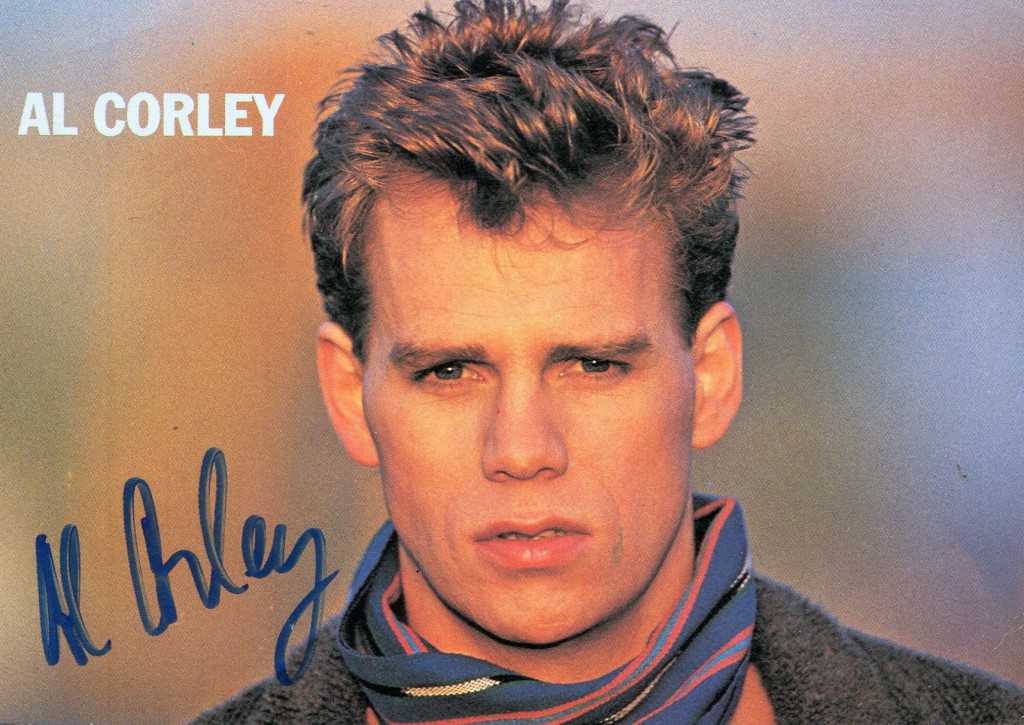
Al Corley (born May 22, 1956 in Wichita, Kansas) is an American actor, singer and producer. In the late 1970s, he worked as a doorman at Studio 54. He would later appear in a VH1 Behind the Music special on Studio 54 to recount his experiences.

Corley is best known as the first actor to play Steven Carrington on the 1980s soap opera Dynasty. After that, Corley acted in 14 movies, then produced five. Corley left Dynasty at the end of the second season in 1982[1][2] after complaining about Steven’s “ever-shifting sexual preferences”[3] and wanting “to do other things”.[2] The character was recast in 1983 with Jack Coleman; the change in appearance attributed to plastic surgery after an oil rig explosion.[1][2] Coleman remained on the show until 1988, but Corley returned to the role of Steven for the 1991 miniseries Dynasty: The Reunion when Coleman was unavailable due to scheduling conflicts.[3]

He was also known as a singer in the 1980s. His 1984 new wave single “Square Rooms“, from his debut album of the same name became a number one hit in France (in 1985), also reaching No. 6 in Switzerland, No. 12 in Italy (in 1985), No. 13 in Germany, No. 15 in Austria and No. 80 in the U.S. The same year, he released “Cold Dresses”, which was also a big hit in France, reaching No. 5. His second album, Riot of Color was released in 1986, and a third album, Big Picture followed in 1988.

He was married in 1989 to actress Jessika Cardinahl. They have three children: Sophie Elena, Ruby Cardinahl and Clyde Nikolai Corley. Before his marriage, he had a brief romance with pop star Carly Simon. It was Corley (with his back to the camera) that appeared with Simon on the cover art shot for her 1981 album Torch.

He resides in the Pacific Palisades area of Los Angeles.

The above Wikipedia entry can also be accessed online here.

Timothy Daly
Timothy Daly
Timothy Daly

Wikipedia entry:

James Timothy “Tim” Daly (born March 1, 1956) is an American stage, screen and voice actor, director and producer. He is best known for his television role as Joe Hackett on theNBC sitcom Wings and for his voice role as Superman/Clark Kent in Superman: The Animated Series, as well as his recurring role of the drug-addicted screenwriter J.T. Dolan on The Sopranos for which he was nominated for an Emmy Award. He starred as Pete Wilder on Private Practice from 2007 to 2012.

Daly was born in New York City,[1] the only son and youngest child of actors James Daly and Mary Hope Newell.[He is the younger brother of actress Tyne Daly, who is 10 years his senior, and is a brother-in-law of television and film composer Mark Snow.[3] He has two other sisters, Mary Glynn (Snow’s wife)[4] and Pegeen Michael. He is of part Irish ancestry. Daly attended The Putney School,[5] where he started to study acting.

Daly began his professional career while a student at Vermont‘s Bennington College, where he studied theatre and literature, in which he now holds a Bachelor of Arts,]and acted in summer stock. He graduated from college in 1979 and returned to New York to continue studying acting and singing.

Daly debuted on stage when he was seven years old in Jenny Kissed Me by Jean Kerr, together with his parents and two sisters. He appeared for the first time on TV when he was 10 years old in an American Playhouse adaptation of An Enemy of the People by Henrik Ibsen, which starred his father James Daly. He dreamed about a sports or music career and also considered becoming a doctor or a lawyer, but finally decided to become an actor. Daly started his professional acting career when he appeared in a 1978 adaptation of Peter Shaffer‘s play Equus.

His first leading film role was in the film Diner, directed by Barry Levinson, in which he shared screen time with actors including Kevin Bacon and Mickey Rourke. Starring roles soon followed in Alan Rudolph‘s feature, Made in Heaven, the American Playhouse production of The Rise & Rise of Daniel Rocket, and the CBS dramatic series, Almost Grown created by David Chase.

In theatre he has starred in the Broadway production of Coastal Disturbances by playwright Tina Howe opposite Annette Bening and received a 1987 Theatre World Award for his performance. He has also starred in Oliver, Oliver at the Manhattan Theatre Club, Mass Appeal by Bill C. Davis and Bus Stop by William Inge at Trinity Square Repertory, The Glass Menagerie by Tennessee Williams at the Santa Fe Festival Theatre, A Knife in the Heart and A Study in Scarlet at the Williamstown Playhouse, and Paris Bound at the Berkshire Theatre Festival. During this time, Daly also starred in the CBS television miniseries I’ll Take Manhattan as Toby Amberville.

Daly describes himself as being highly self-critical in regards to his career. In an interview with New Zealand ‘ZM’ radio personality Polly Gillespie Tim was quoted to say “I think part of it (his self-critical nature) is passed down to me from my parents who are actors. The theatre was our temple… When you entered you were expected to live up to the example of this glorious place.”

The above Wikipedia entry can also be accessed online here

Phillip Friend

Philip Friend

Philip Friend


From “Answers” :

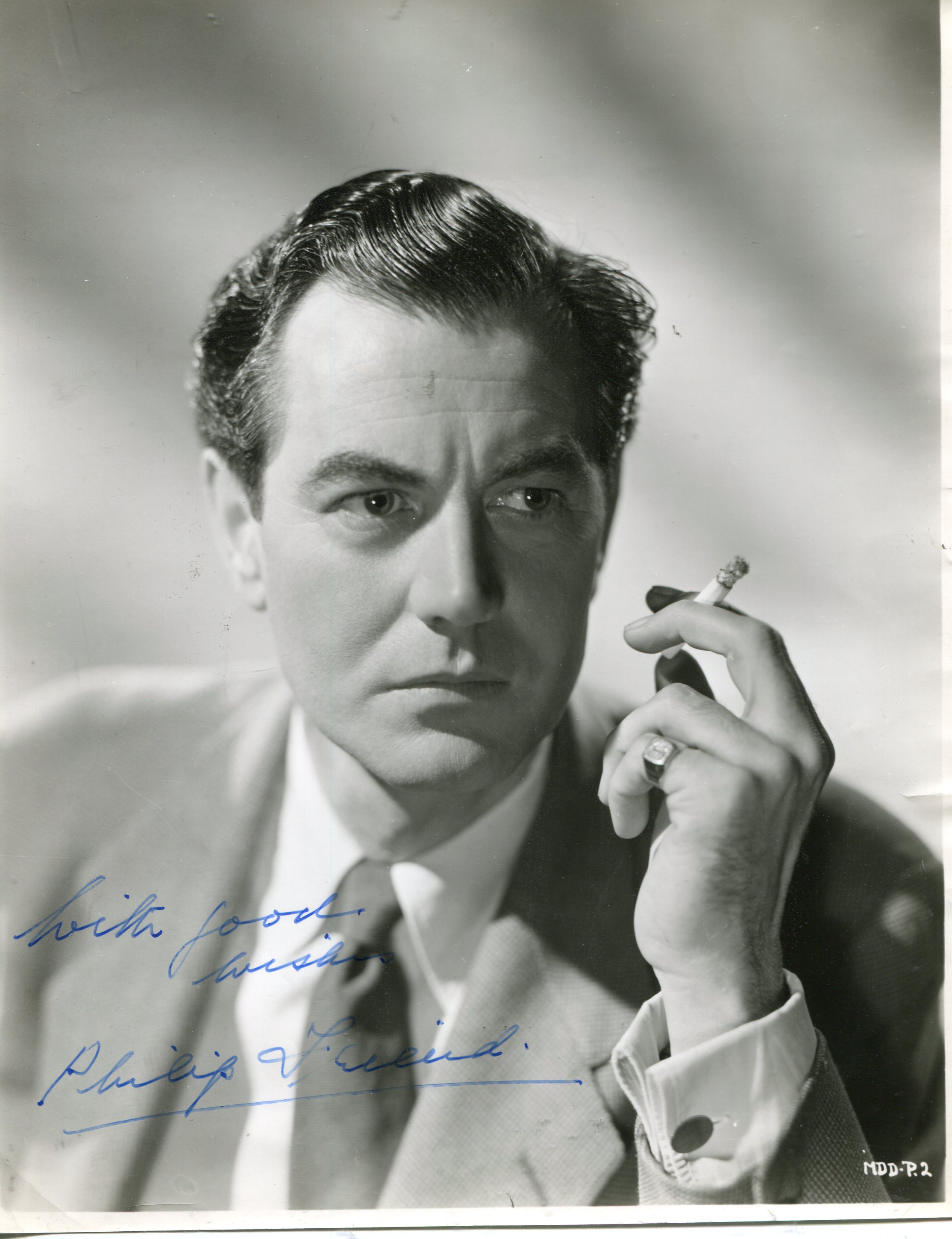
British actor Philip Friend made his stage bow in 1935 and his film debut in 1939, after which he settled into his peculiar niche as the bargain-counter Errol Flynn. The titles of Friend’s English and American films pretty much tell the whole story: Sword in the Desert (1949), Buccaneer’s Girl (1950), The Story of Robin Hood (1958). Friend was cast in the potentially star-making title role in The Highwayman (1951), based on the famed Alfred Noyes narrative poem. Alas, this movie barely moved until the last five minutes–just long enough for Friend and leading lady Wanda Hendrix to get killed off and then reappear as ghosts. Philip Friend was active in movies, TV and Broadway until the ’70s, always one tiny step away from true stardom. ~ Hal Erickson, Rovi

Read more: http://www.answers.com/topic/phillip-friend#ixzz3G1lvdTCY

Kate Nelligan
Kate Nelligan
Kate Nelligan

TCM Overview:

The distinguished career of stage and screen veteran Kate Nelligan was graced by creative highs and accolades. An actress whose range encompassed both roles of passion and harsh resolve, the Canadian native made her way to the illustrious stages of England before taking aim at the equally impressive stages on Broadway. From the stark drama of David Hare’s “Plenty” to the silver screen whimsy of “Frankie and Johnny” (1991), Nelligan’s career was a testament to the actress’ ability to diversify her talents while successfully avoiding the punishment of being typecast.

James Marshall
James Marshall
James Marshall

IMDB entry:

James Marshall was born James David Greenblatt in Queens, New York, USA, to Charlotte (Bullard), a dancer, and William R. Greenblatt, a producer and director. His father is of Ashkenazi Jewish descent and his mother has English and Irish ancestry.

James grew up in Bergen County New Jersey. At the age of fifteen he moved with his family to the Los Angeles area where he attended Santa Monica High School. Once high school was over, James attended acting classes and struggled to break into Hollywood. His father offered to help James, but he didn’t want to take the nepotism route. Coming from a family of entertainers (his mother a former radio city music hall Rockette and his sister a musician) he had Hollywood in site. Accepting small acting parts, working as a messenger, as well as at a pizzeria, James felt the pressures of the business. James made a big splash when director David Lynch cast Marshall for his new series entitled Twin Peaks. Playing the moody, biker boyfriend of Laura Palmer thrust James Marshall into the living rooms of millions and introduced the new actor to a captivated audience. By early 1990 his career took a turn onto the silver screen with an appearance in the movie Cadence, starring Martin Sheen and Charlie Sheen. This lead to his first starring role with a major movie studio. The movie was the 1992 boxing drama, Gladiator. Three months of rigorous training was put into the role before even getting to the set. The buzz on Marshall was so great that director Rob Reiner cast James and co-star Cuba Gooding Jr. in his upcoming film A Few Good Men. The movie was an excellent springboard towards a busy acting career. James has continued working steadily in television movies and features. In May of 1998 James married actress Renee Allman. They have appeared together in the features Criminal Affairs and Doomsday Man. Together they have one child, James David, who was born in January of 2002. The happy family live together in the Los Angeles area. James continues to work on a host a television movies and film projects. In addition James is an accomplished author, artist and musician.

– IMDb Mini Biography By: Joe Miller <joem938216@aol.com> and Jame-Marshall.net

The above IMDB entry can also be accessed online here.

Nancy Olson
Nancy Olson
Nancy Olson

TCM Overview:

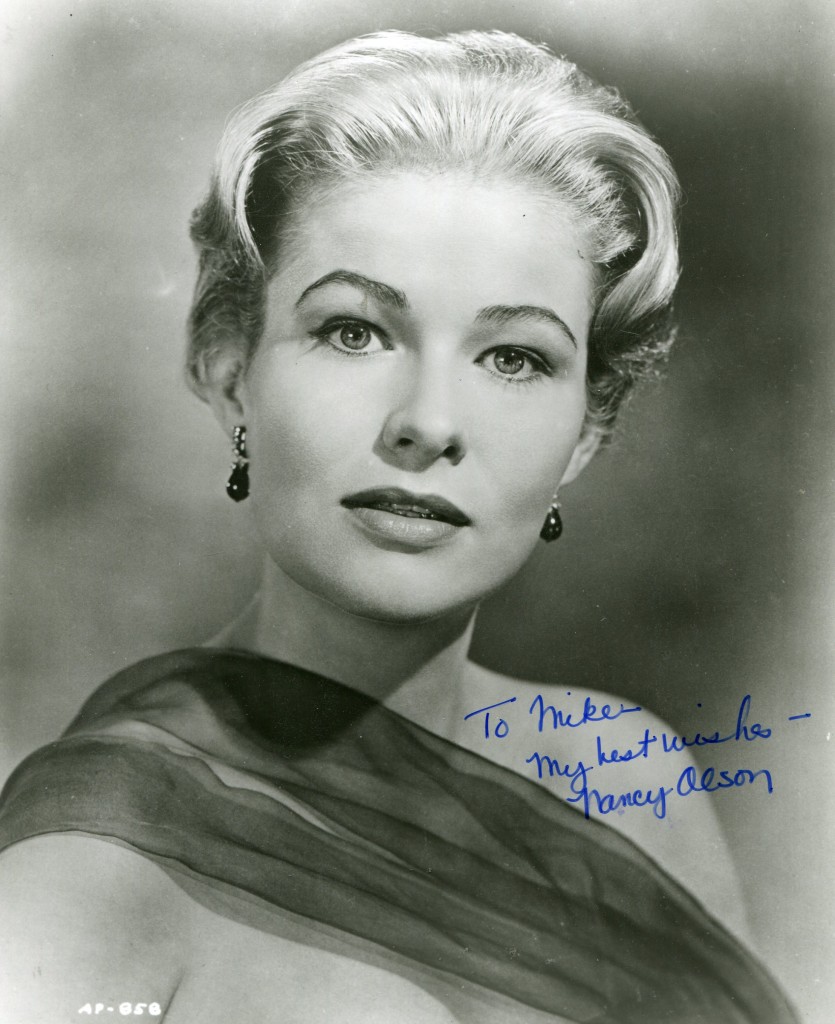
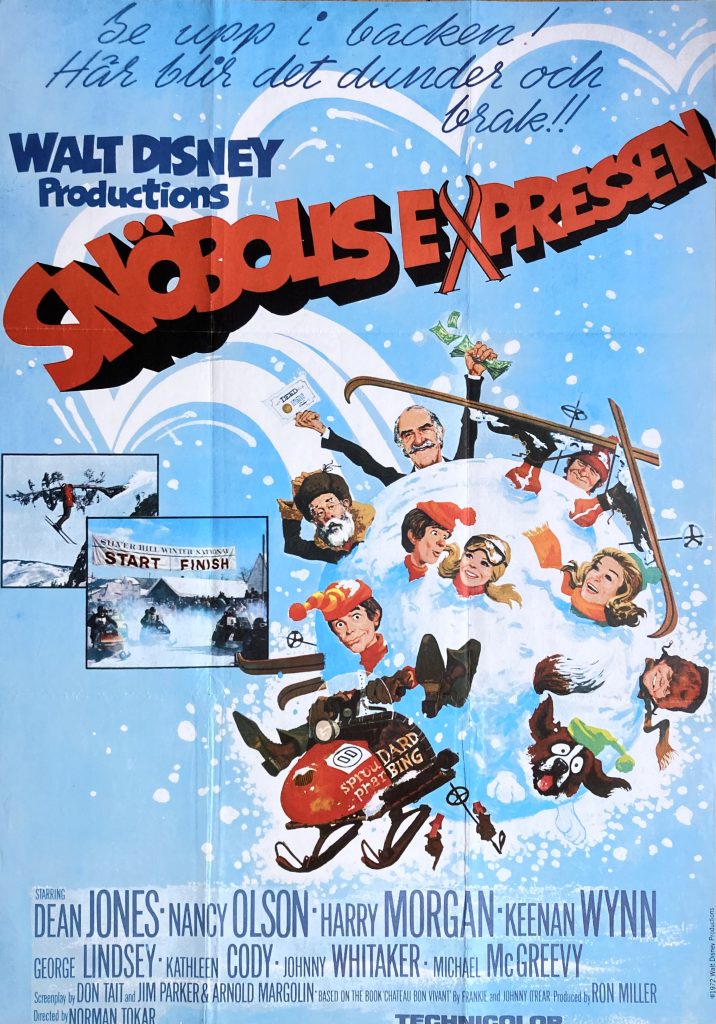
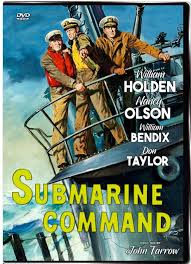
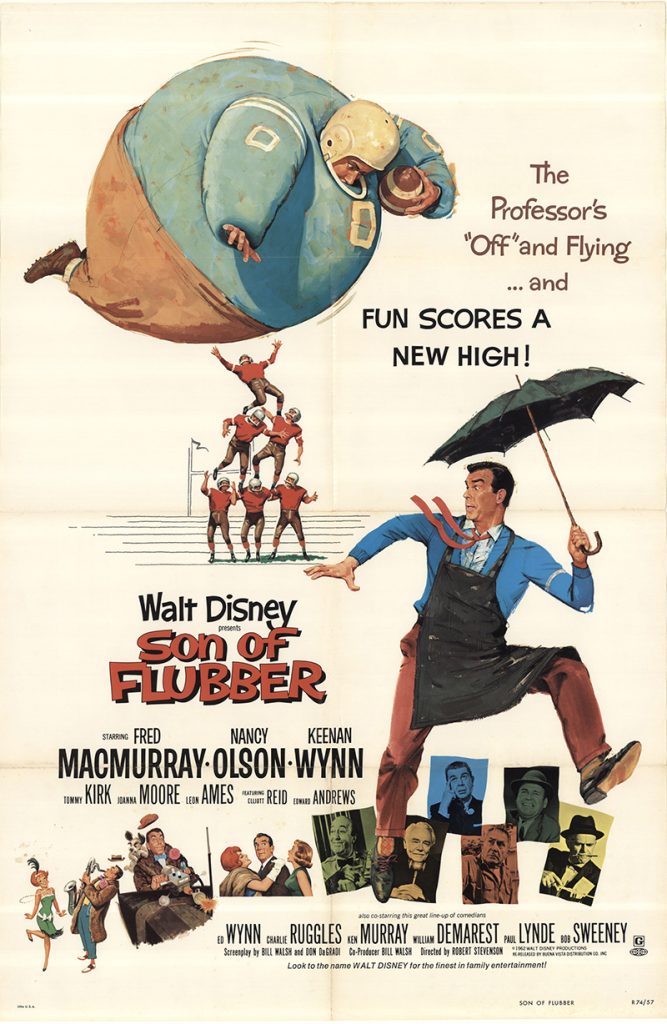
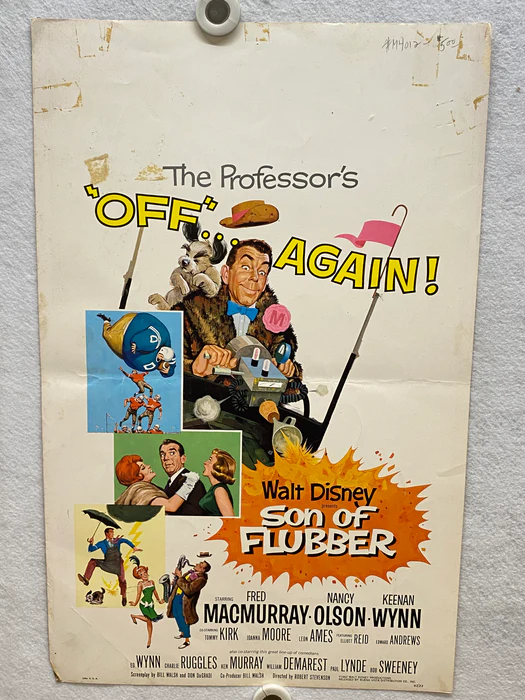
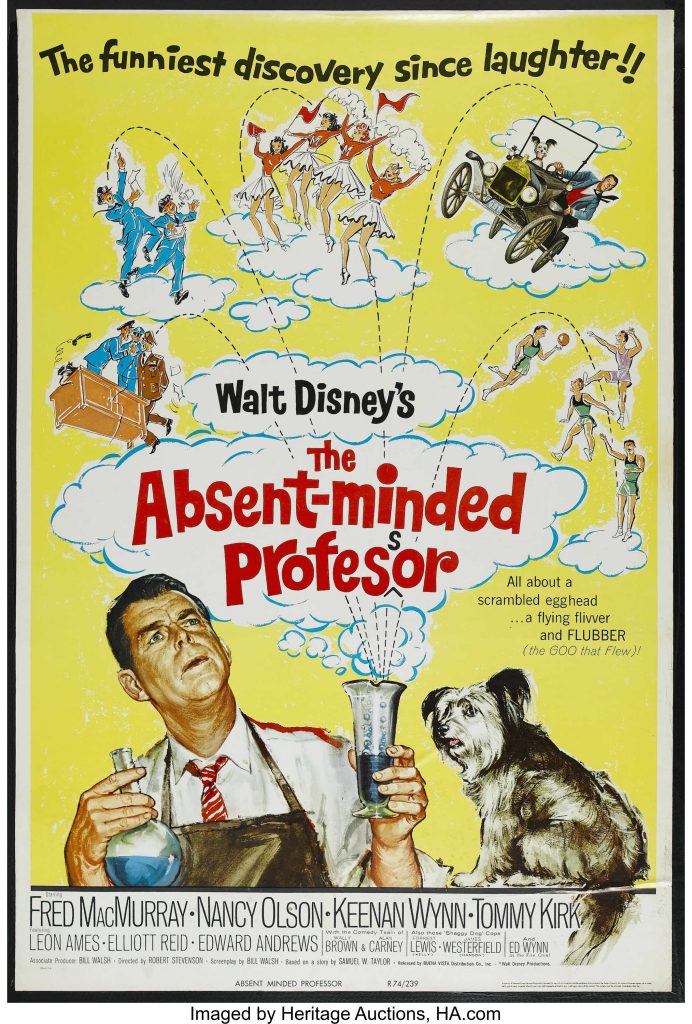
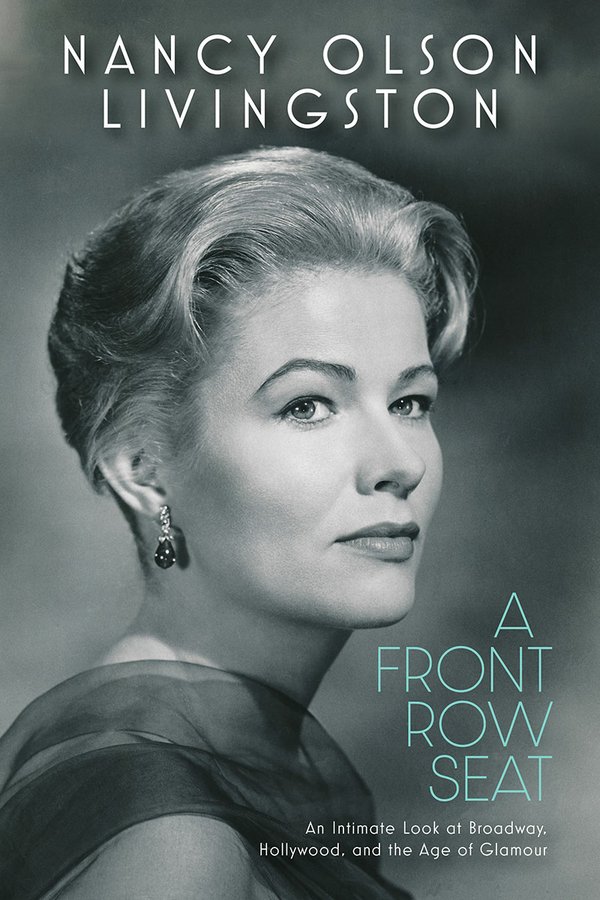
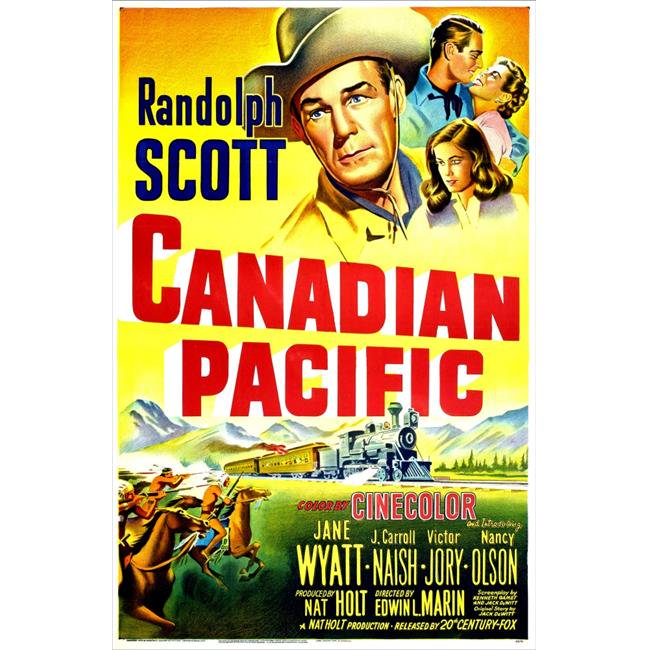
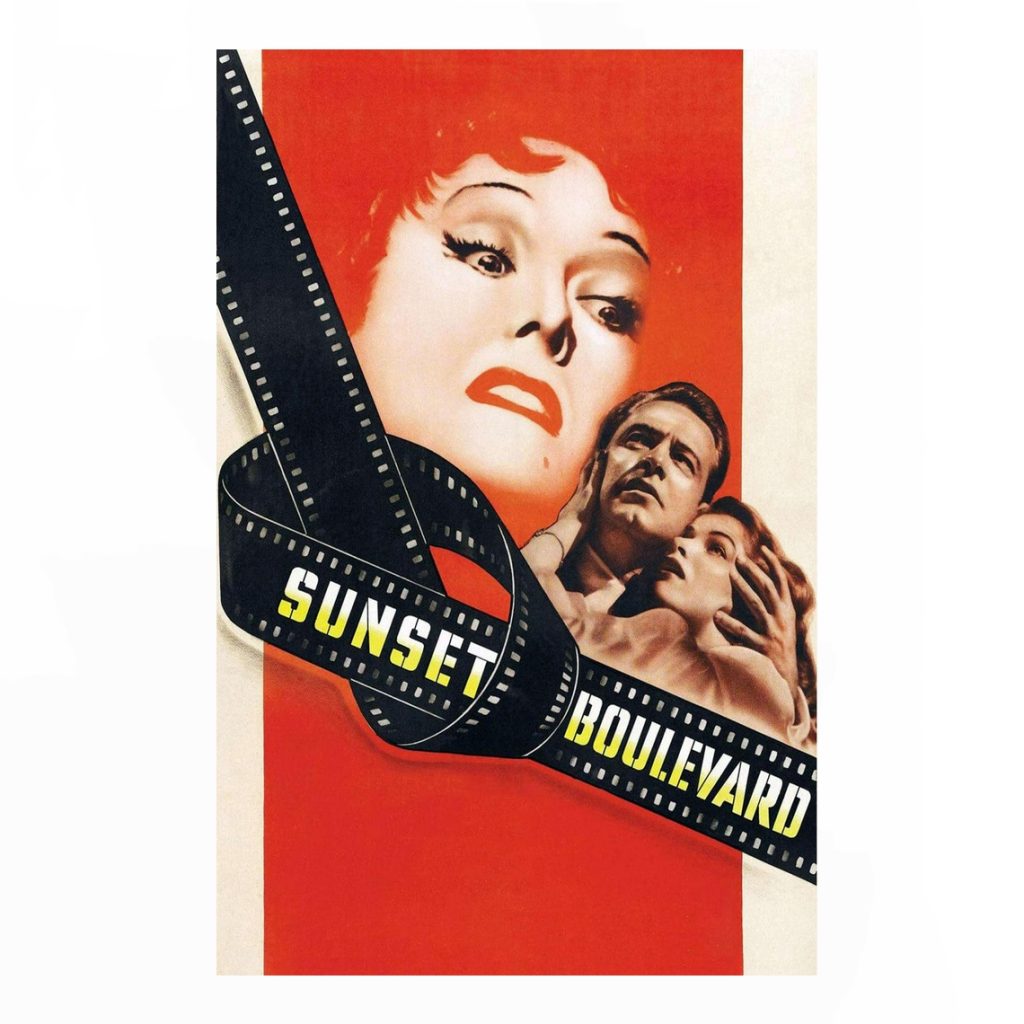
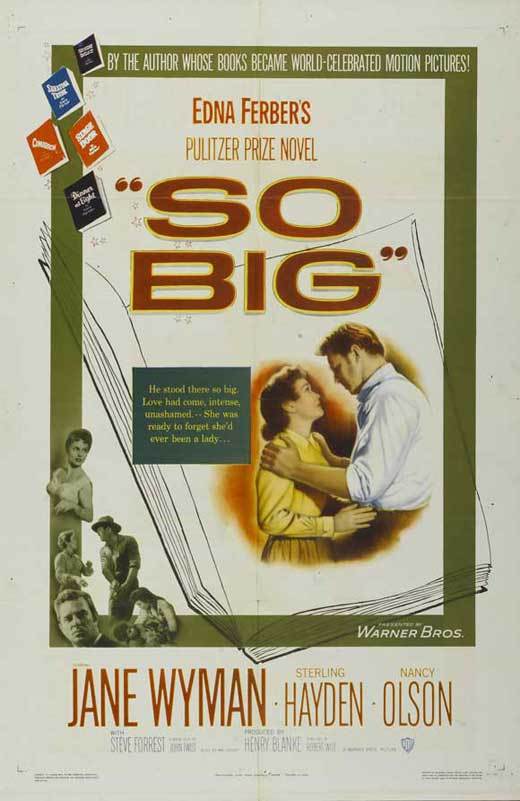
Often playing good girl roles in feature films and on television, Nancy Olson rose from relative obscurity and became a Hollywood star, thanks to a scene-stealing performance in Billy Wilder’s film noir masterpiece “Sunset Boulevard” (1950). The Wisconsin-born ingénue breathed liveliness into her character, a vivacious studio assistant and William Holden’s love interest, providing a shining spot in an otherwise chilling and emotionally intense drama. Olson received an Academy Award nomination for her engaging performance in the film and landed several other starring roles opposite Holden because of it. Olson’s career temporarily stalled in the late 1950s, but she reemerged the following decade with plum roles in Disney family films such as “The Absent-Minded Professor” (1961) and “Son of Flubber” (1963), opposite the likeable Fred MacMurray. Her sheer talent and dedication to her craft inspired other actors and actresses who followed in her footsteps, but it was Olson’s breakout role in “Sunset Boulevard” that earned her a place amongst the most beloved stars of classic cinema.

Nancy Olson was born on July 14, 1928 in Milwaukee. She attended the University of Wisconsin before transferring to UCLA in Los Angeles, where she majored in theater arts. Olson lived with her aunt and uncle, a dean at UCLA, at their Pacific Palisades home. She was discovered by a talent scout while performing on stage at UCLA, and soon after, signed a contract with Paramount Studios in 1948. During one of her screen tests, Olson was paired with actor George Reeves, who later starred on the hit series “The Adventures of Superman” (syndicated, 1952-58). Olson made her feature film debut in the 1948 drama “Portrait of Jennie,” playing an art gallery attendee. She was reportedly up for the lead role in Cecil B. DeMille’s “Samson and Delilah” (1949), but was eventually passed over for Austrian-born bombshell Hedy Lamarr.

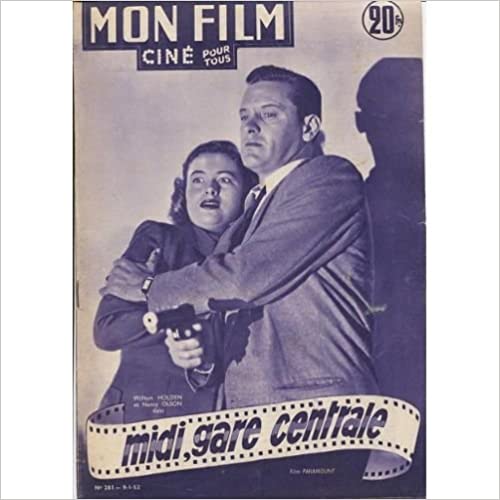
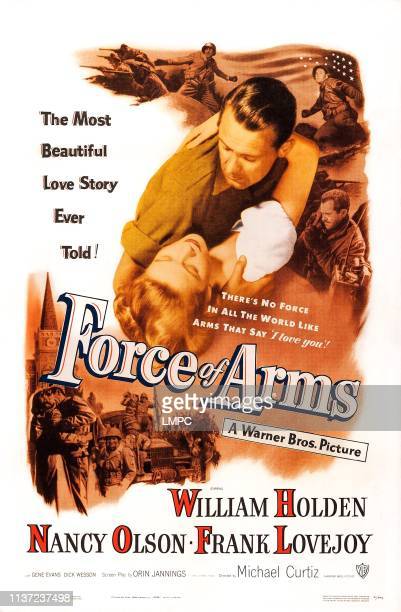
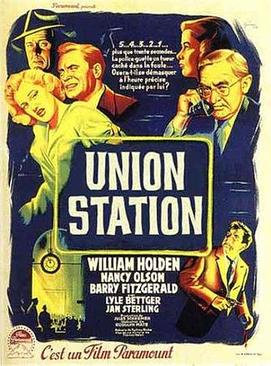
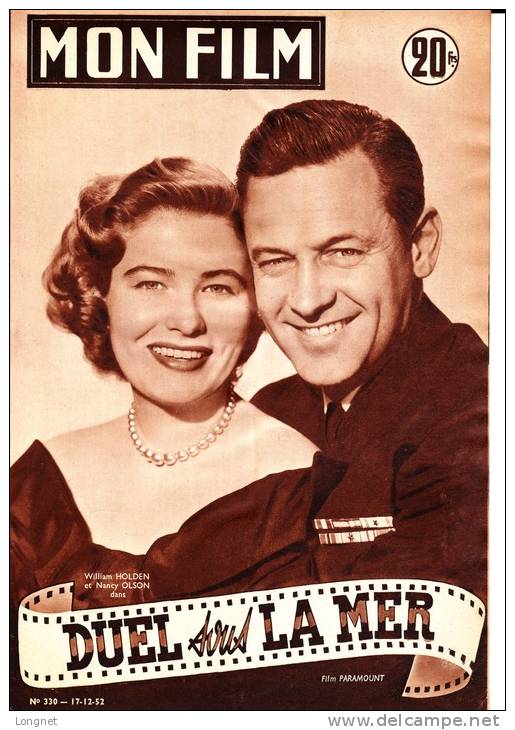
Olson was still a UCLA student when acclaimed filmmaker Billy Wilder cast her in “Sunset Boulevard,” a dark Hollywood-centric drama that starred William Holden as a struggling screenwriter named Joe Gillis, and Gloria Swanson as the long-forgotten and reclusive silent film star Norma Desmond. Olson played Betty Shaefer, an ambitious and vibrant assistant to a movie studio producer who falls in love with Holden’s young screenwriter. Described by critics as one of the film’s sanest characters, the role of Betty earned Olson an Academy Award nomination in 1951 for Best Actress in a Supporting Role. “Sunset Boulevard” went on to win several major film honors and was later named by the American Film Institute as one of the “100 Best American films of the 20th Century.” Following the success of “Sunset Boulevard,” Paramount decided to build up Holden and Olson as an onscreen team, positioning her as a “loving wife” screen rival to MGM star June Allyson. The pair starred in a handful of films, including the dramas “Union Station” (1950) and “Force of Arms” (1951), yet none measured up to the impact of their onscreen chemistry in their initial outing.

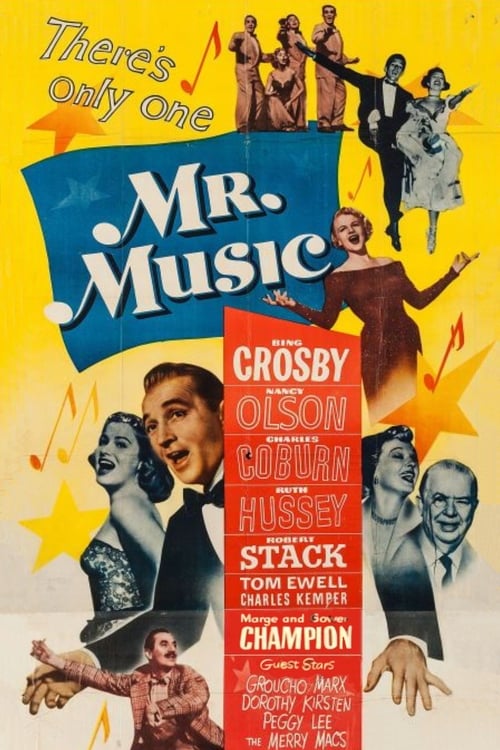
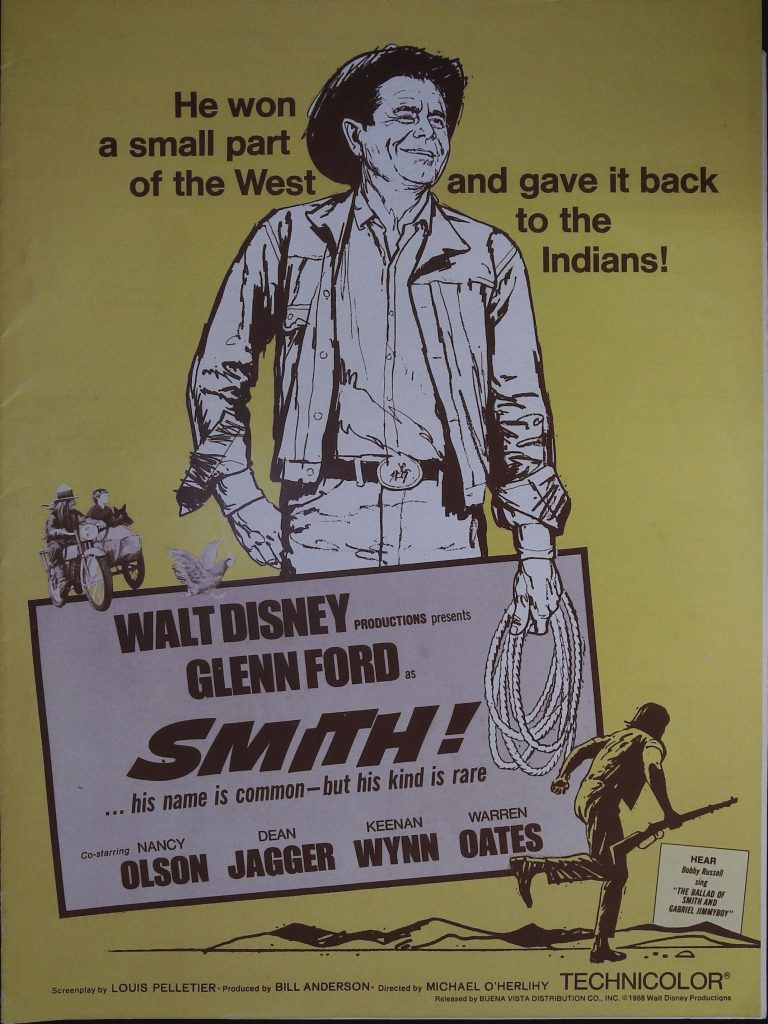
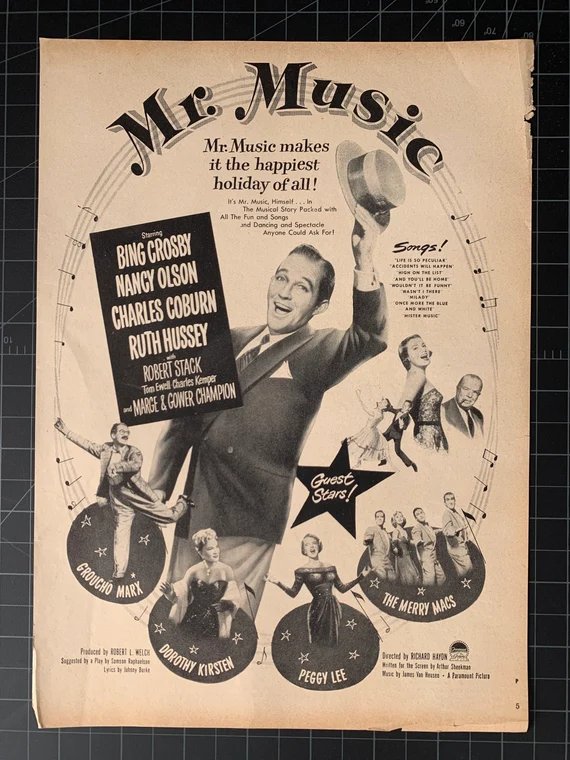
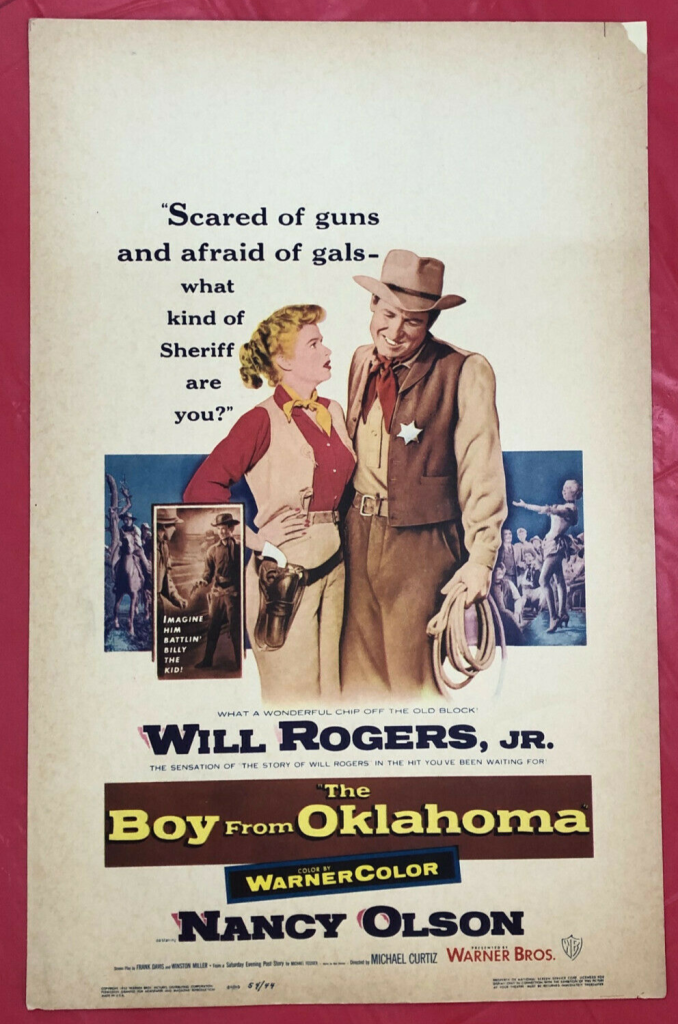
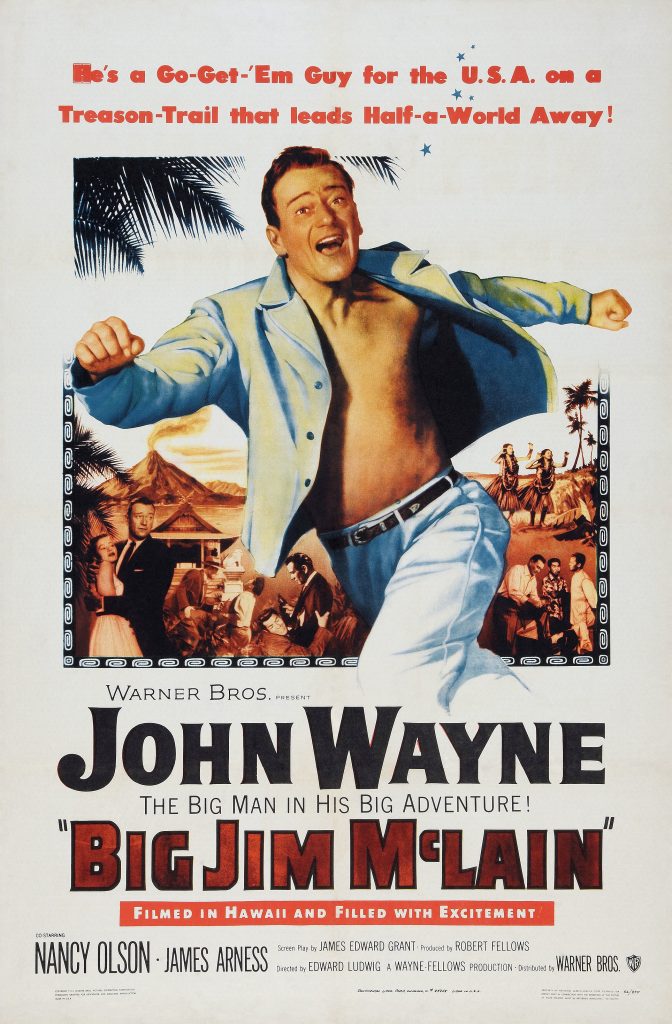
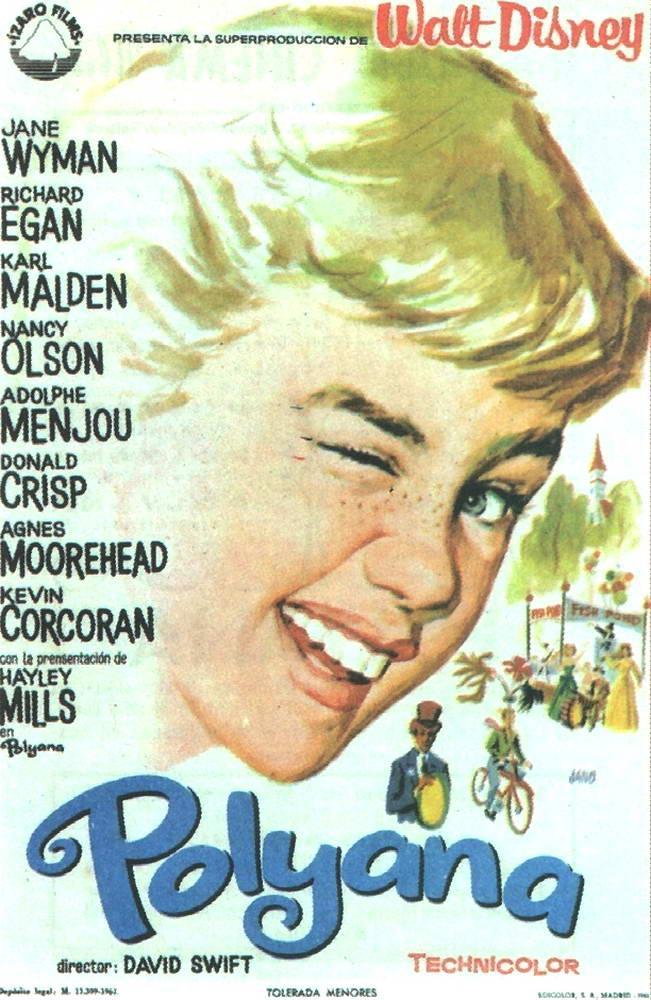
As one of the most in-demand actresses of the 1950s, Olson starred alongside Hollywood legends, from Bing Crosby in the romantic comedy “Mr. Music” (1950), to John Wayne in the crime drama “Big Jim McLain” (1952). She also began appearing on the small screen, with appearances on the comedy variety series “Your Show of Show” (NBC, 1950-54) and the suspenseful “Alfred Hitchcock Presents” (CBS, 1955-1960; NBC, 1960-62). Olson’s stardom waned in the mid-’50s after she put acting on hold to start a family. She had married acclaimed playwright and lyricist Alan Jay Lerner in March 1950 and raised their two daughters. After the couple’s 1957 divorce, Olson sought an acting comeback, but by then Hollywood had already moved on to other girl-next-door actresses. She reinvented her career in the 1960s with appearances in Disney-produced films, making her Disney debut in the much beloved “Pollyanna” (1960), about an orphan (Hayley Mills) who cheers up a dreary small town. Olson’s charismatic, all-American appeal was a perfect match for Disney’s family-friendly movies. Olson went on to co-star opposite Fred MacMurray in some of the studio’s most successful and beloved films, including “The Absent-Minded Professor” and its 1963 sequel “Son of Flubber.”

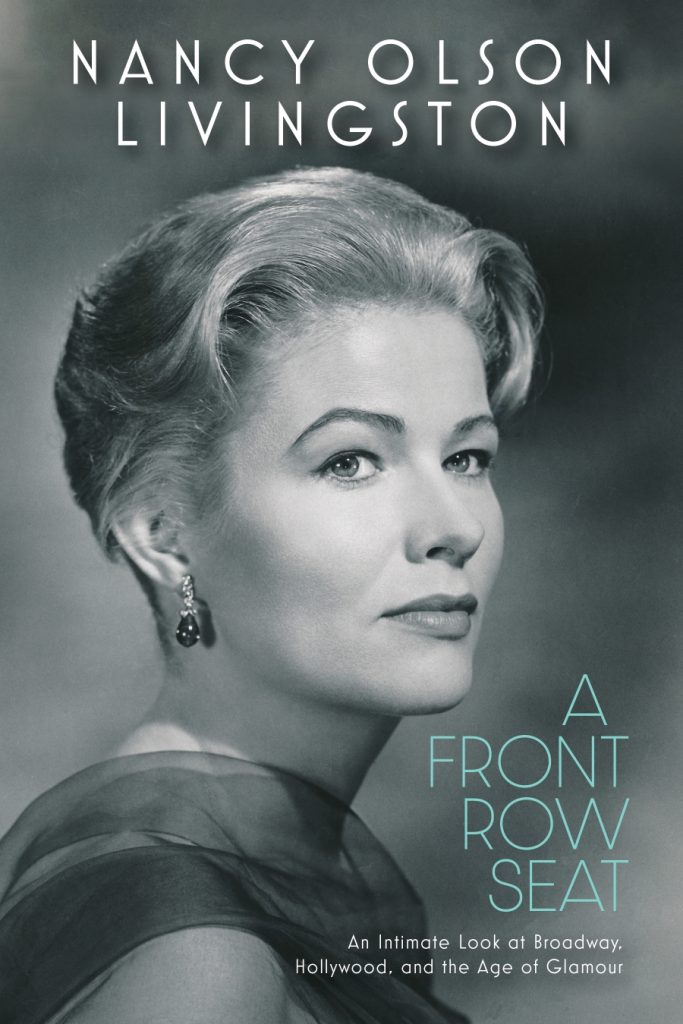
Olson returned to Broadway before retiring from acting in the mid-1980s, choosing again to focus once again on family. She had by this time married Capitol Records executive Alan W. Livingston – the man who signed Frank Sinatra and The Beatles – in 1962 and had a son. She was also involved with various programs dedicated to music and the performing arts. One of Olson’s last film appearances was a cameo in the 1997 Disney remake of “Flubber,” with Robin Williams taking on the role of the absent-minded professor. In 2010, Olson made a memorable guest appearance on the polygamy-themed drama series “Big Love” (HBO, 2006-2011). In the episode, Olson’s character mentions that her first husband’s name was Joe, a reference to Holden’s iconic role in “Sunset Boulevard.”

By Marc Cuenco

The above TCM overview can also be accessed online here.