European Actors

Collection of Classic European Actors

Enrique Iglesias
Enrique Iglesias
Enrique Iglesias

Enrique Iglesias was born in 1975 in Madrid.   He is the son of singer Julio Iglesias. He has a giant career in his own right.

“Guardian” interview with Rosanna Greenstreet:

Enrique Iglesias, 35, was born in Spain but raised in Miami, the son ofJulio Iglesias and his first wife, Isabel Preysler. At 18, he secured a record deal using an assumed name. Later, in 1995, he won a Grammy for his debut Spanish album, the self-titled Enrique Iglesias. Since then he has sold more than 55m albums in both English and Spanish. His latest is Euphoria. He lives in Miami and has been dating the tennis starAnna Kournikova since 2001.

When were you happiest?
At home with my dogs, or on the boat going waterskiing on a beautiful day in Miami. And having a hit song that connects with people.

What is your greatest fear?
To lose a passion for what I love.

What is your earliest memory? 
Going to Disney World when I was a kid, and being in a hospital when I was also very young. I got burned in the bathtub back when there used to be gas boilers. I have scars on my inner thighs – nothing on the nuts!

Which living person do you most admire, and why? 
Elvira, the lady that took care of me when my parents weren’t able to be there. She dedicated her whole life to me and my brother and my sister. Now I take care of her.

What was your most embarrassing moment? 
Being on a first date in a movie theatre and farting. I was 17.

What is your most treasured possession? 
My dogs.

Where would you like to live? 
Other than Miami, the west coast of Mexico or Australia.

What would your super power be? 
Flying.

If you could bring something extinct back to life, what would you choose? 
My dog, Grammy, who passed away three weeks ago.

What is your most unappealing habit? 
I bite the nails on my feet.

What is your favourite word? 
Que pasa.

What is your favourite book? 
Outliers, by Malcolm Gladwell.

What is your guiltiest pleasure? 
A guilty pleasure is something you’re a little embarrassed about. I could say reality shows – but I watch them and I don’t feel guilty about it.

Who would you invite to your dream dinner party? 
Elvis, Obama, Michael Jackson and Abraham Lincoln.

What has been your biggest disappointment? 
Trusting someone that was a fake.

If you could edit your past, what would you change? 
I wouldn’t change anything. I’ve made mistakes, but thanks to those mistakes, I’ve learnt.

If you could go back in time, where would you go? 
To the dinosaur era.

How do you relax? 
In my house, on the sofa.

What is the closest you’ve come to death? 
Probably every time I fly. I am a pilot, but I tend just to get rid of the checklist – only when I fly by myself!

What do you consider your greatest achievement? 
The great friends I have.

What song would you like played at your funeral? 
What A Wonderful World.

How would you like to be remembered? 
As someone who made a difference.

What is the most important lesson life has taught you? 
Enjoy it, because it’s short.

Tell us a joke
My jokes are stuff you can’t print!

Tell us a secret
I hate doing photo shoots.

The above “Guardian” interview can be accessed online here.

Javier Bardem
Javier Bardem
Javier Bardem

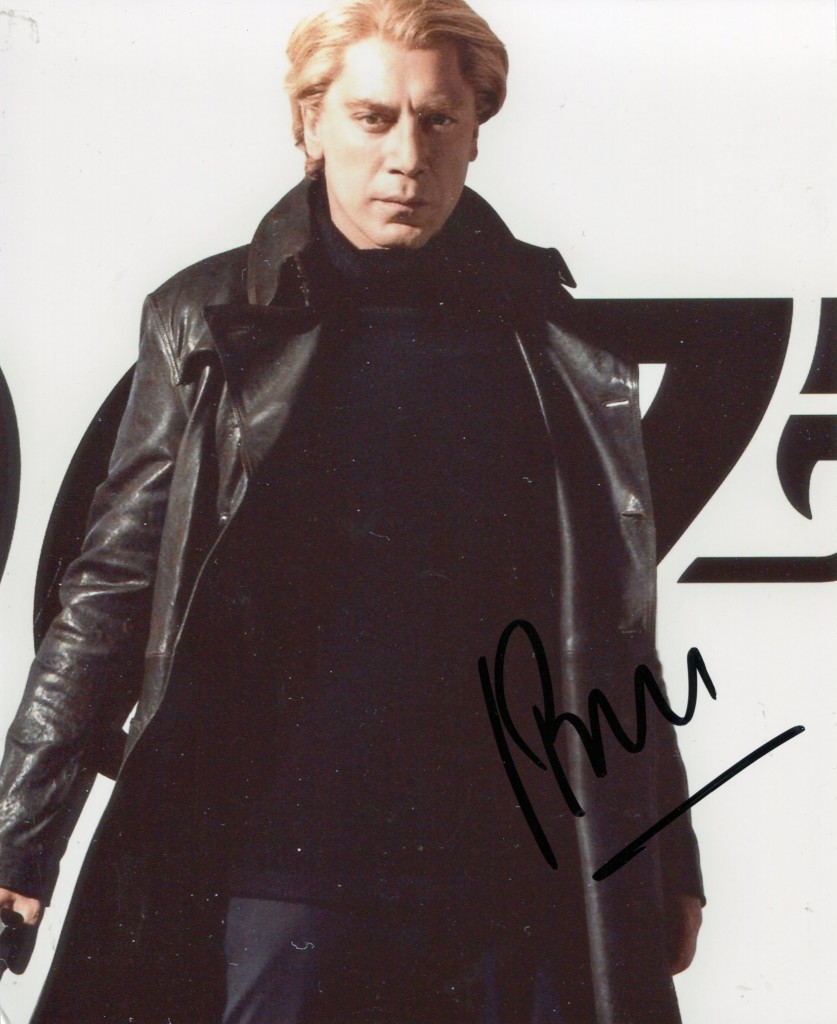
Javier Bardem was born in 1969 in Las Palmas, Canary Islands.  He came to fame with his performance in “No Country For Old Men” for which he won an Oscar.   He recently played the villain ‘Raoul Silva’ in “Skyfall”.

TCM Overview:

Hardly one to have hungered for a Hollywood career, Spanish-born actor Javier Bardem nonetheless achieved great stardom and acclaim while being highly selective of the roles he chose to play. After making his film debut in “The Ages of Lulu” (1990), Bardem graduated to leading roles with “Jamón, Jamón” (1992) and made his English language debut in “Perdita Durango” (1997). He made an international splash with his Oscar-nominated performance as openly gay Cuban author Reinaldo Arenas in “Before Night Falls” (2000), and continued to win serious praise for “The Dancer Upstairs” (2003). Bardem went on to deliver a sterling performance as quadriplegic Ramón Sampedro, who spent 29 years fighting for his right to die in the “The Sea Inside” (2004). Following a brief, but pivotal turn as Mexican drug lord in “Collateral” (2004), Bardem was the fictional Brother Lorenzo in the otherwise historical drama “Goya’s Ghosts” (2006), before starring in Mike Newell’s adaptation of “Love in the Time of Cholera” (2007). But it was his Oscar-winning performance as the ruthless, coin-tossing assassin Anton Chigurh in the Coen Brothers’ “No Country for Old Men” (2007) that catapulted Bardem into superstardom. From there, he was a Spanish painter in Wood Allen’s “Vicky Christina Barcelona” (2008), a deteriorating family man in “Biutiful” (2010), and James Bond’s arch-enemy in “Skyfall” (2012), all while embarking on a low-profile marriage with Penelope Cruz. Whether sympathetic hero or psychotic villain, Bardem was certainly worthy of the slew of awards and critical praise he routinely received.

Born on Mar. 1, 1969 in Las Palmas, Canary Islands, Spain, Bardem was raised in a show business family. His mother, Pilar, was a talented and well-known stage actress who exposed her children to the craft at an early age. His uncle, Juan Antonio Bardem, was an acclaimed filmmaker, and his grandfather, Rafael Bardem, also acted. At age 4, Bardem followed his mother to the theater where he watched her perform and routinely get sick from stage fright before stepping onstage. Though his mom helped secured him a small part in the miniseries, “El Picaro” (1974), Bardem decided painting was his path and began studying art at the Escuela de Arte y Oficios in Madrid. While struggling to become an artist, he took several odd jobs including as a waiter, security guard and even a stripper at a nightclub to earn his keep. By the time he was in his late-teens, Bardem working as an occasional extra segued into acting, leading to small parts that eventually blossomed into more prominent roles and eventually a burgeoning career.

Bardem had his start with famed Spanish director Bigas Luna, whose searing examinations of masculine obsessions were borderline pornographic. He landed a role in “Las Edades de Lulu (The Ages of Lulu)” (1990) after following his sister to the audition because he had “nothing better to do that day” (Hispanic, May 31, 2003). Though his sister failed to make the cut, Bardem went on appear in the nearly plotless erotic thriller about a sheltered adolescent (Francesca Neri) who loses her virginity to a family friends, sparking a sexual odyssey that leads her down several twisted paths. After brief appearances in “Amo Tu Cama Rica” (1991) and Pedro Almodovar’s “High Heels” (1991), Bardem landed his first starring role in Luna’s “Jamón, Jamón” (1992), playing an aspiring bullfighter tasked to seduce a beautiful working girl (Penélope Cruz) by the distraught mother (Stefania Sandrelli) of the girl’s upper class lover (Jordi Molla), only to work his charms on both.

His next film with Luna, “Huevos de Oro (Golden Balls)” (1993), saw Bardem as a macho, crotch-grabbing ex-military man obsessed with sex who wants to build a phallic skyscraper with the money inherited from his marriage to a rich man’s daughter (Maria de Medeiros). One of Luna’s most notorious films – really more soft-porn than anything else – also proved to be one of his most detested, despite a strong performance from Bardem. After appearing for a small role in “La Teta y la Luna (The Tit and the Moon)” (1994), Bardem’s early collaboration with Luna ended. But his being typecast as a type-A hunk continued with the sex comedy “Mouth to Mouth” (1995) – a role that earned him a Goya Award for Best Actor in 1996 – and the bizarre Rosie Perez black comedy “Perdita Durango” (“Dance With the Devil”) (1997), his English-language debut, spurned the young actor to be more selective in order to avoid being trapped in the same kinds of films.

Bardem finally began breaking the mold with another Almodovar film, “Live Flesh” (1997), playing an ex-cop bound to a wheelchair after a fateful shooting involving a heroin addict (Francesca Neri) and a pizza delivery man (Liberto Rabal), all of whom reunite years later in a web of fate to confront their guilt. After his first turn as executive producer on “Los Lobos de Washington” (1999), Bardem returned to his soft-core porn beginnings with “Entre Las Piernas (Between Your Legs)” (2000), playing a struggling screenwriter who joins a sex therapy group only to relapse with a radio announcer (Victoria Abril) while a series of murders happen around them. In “Second Skin” (2000), Bardem delivered a unique spin on his Lothario persona by playing a surgeon who seduces a man (Jordi Molla), disturbing the man’s marriage with his artist wife (Ariadna Gil). By this time, Bardem had built a pile of respected work, though he had failed to become known outside his native Spain. But his next film changed everything.

Bardem leaped from obscurity to become an Oscar-nominated actor and international star with “Before Night Falls,” the moving and elegiac story of Cuban poet and novelist Reinaldo Arenas. Raised in pre-Castro Cuba in the 1940s, Arenas leaves home as an adolescent and moves to Havana where he finds himself swept up in the revolutionary spirit, joining a circle of political writers and artists. After publishing his first novel, Castro’s oppressive regime engulfs Arenas because of his overt homosexuality and radical political writings. He is imprisoned after being falsely accused of molestation and later flees Cuba for New York City where his hopes for a new life are destroyed when he contracts AIDS. Bardem’s emotional, but gritty performance earned him several critics’ awards, a Best Actor statue at the Venice Film Festival, and nominations at the Golden Globes and Academy Awards.

Bardem went to work building on his success from “Before Night Falls” with another sterling performance. In “Los Lunes al Sol (Mondays in the Sun)” (2002), he played a gruff, out-of-work shipyard man spending his time drinking and commiserating with his fellow working class stiffs, all of whom are down on their luck and pine for better days. Finally, Bardem had moved beyond playing over-sexed macho guys in favor of more nuanced and dimensional characters. He completed his transformation with a strong, but subtle performance in “The Dancer Upstairs,” playing Agustin Rejas, an idealistic policeman in an unspecified Latin American country ravaged by a bloody conflict with a highly-organized terrorist group. Rejas hunts down the leader of the group while falling for a beautiful ballet teacher (Laura Morante), only to suspect her of being involved with the terrorists. Though no awards were forthcoming, Bardem nonetheless delivered a worthy performance to follow up the hoopla surrounding his Oscar nomination.

Taking the advice of actor John Malkovich, who made his directorial debut with “The Dancer Upstairs,” Bardem became decidedly choosier with his roles than he already had been. His constant thirst for good material led him to star in “The Sea Inside,” director Alejandro Amenabar’s moving account about Spanish poet Ramón Sampedro, who became a quadriplegic after a diving accident and his 29-year struggle to end his life with dignity. Bardem delivered a charismatic and witty performance that was counterbalanced by his character’s dark desire to end his life, earning the actor another Best Actor prize at the Venice Film Festival and a nod for Best Actor at the Golden Globes. Bardem made the jump to big Hollywood fare with a small role in Michael Mann’s adept thriller, “Collateral” (2004), playing a powerful drug lord using a determined assassin (Tom Cruise) to kill witnesses set to testify at his pending trial.

After “Collateral,” he returned to Spain to star in Milos Foreman’s historical drama, “Goya’s Ghosts” (2006), playing an enigmatic member of the powerful Spanish clergy who becomes infatuated with the beautiful teenage muse (Natalie Portman) of famed painter Francisco Goya (Stellan Skarsgard). Continuing to work with top directors, Bardem was tapped by the Coen Brothers to play the coldly psychopathic killer Anton Chigurh in their laconic thriller, “No Country for Old Men” (2007). Initially reserved about playing a role that required using guns and speaking English, Bardem nonetheless was excellent in his portrayal of Chigurh, a criminal who flips coins for lives and kills with a high-powered air gun while he hunts down a Vietnam vet (Josh Brolin) trying to make off with $2 million found at the bloody scene of a drug deal gone bad. So impressive and powerful was his performance, Bardem won both a Golden Globe and Academy Award for Best Supporting Actor in a Motion Picture in early 2008.

He followed his win with an Oscar nod for Best Performance by an Actor in a Supporting Role. Meanwhile, he had a much quieter and far less hailed starring turn in “Love in the Time of Cholera” (2007), Mike Newell’s adaptation of Gabriel García Márquez’s novel about a poet and telegraph clerk entangled in a love triangle with the beautiful young wife (Giovanna Mezzogiorno) of a sophisticated aristocrat (Benjamin Bratt). Bardem then starred in his first Woody Allen film, “Vicky Christina Barcelona” (2008), playing a suave artist who woos two American best friends (Rebecca Hall and Scarlett Johansson) on vacation in Spain, while contending with his darkly tempestuous ex-wife (Penélope Cruz). Bardem earned his third Golden Globe nomination, this time for Best Actor in the Motion Picture – Comedy or Musical category. He also earned an Independent Spirit Award nod in the same category. And off-screen, he won the heart of co-star Cruz. The couple became a hot fixture in tabloids once pictures of the couple on vacation surfaced on the Internet. In 2010, it was announced the pair had married in the Bahamas, while the following year Cruz gave birth to their son, Leo.

Meanwhile, Bardem lent his considerable talents to the lightweight romantic travelogue movie “Eat Pray Love” (2010), based on the best-selling novel by Elizabeth Gilbert. In the film, a recently divorced woman (Julia Roberts) goes on a globetrotting quest for self-discovery and inner peace, ultimately leading her into the arms of an irresistibly charming Brazilian lover (Bardem). Although carried along at the box office by fans of the book and the film’s lead, “Eat Pray Love” was shown little love by film critics. Returning to Spain and the type of complex, gritty material he had become known for, Bardem next appeared in Mexican director Alejandro González Iñárritu’s Spanish-language drama “Biutiful” (2010). This grim, yet ultimately hopeful story centered around the lives of the poor in the slums of Barcelona, with Bardem portraying Uxbal, a deeply flawed man with a connection to the dead, who desperately attempts to provide for his two young children as his own mortality looms ominously before him. While the film met with mixed reviews and his performance was overlooked by both the Golden Globe and SAG awards, Bardem’s work in the film was universally lauded by critics, cheerleaded publicly by “Eat Pray Love” co-star Roberts, and finally recognized with an Academy Award nomination for Best Actor. Following a lull in 2011, Bardem once again played the villain, this time portraying the arch-enemy of James Bond (Daniel Craig) in Sam Mendes’ highly-anticipated “Skyfall” (2012), which was released on the 50th anniversary of the first Bond film, “Dr. No” (1962). For his work in the film, Bardem was nominated for a Best Supporting Actor SAG Award.

The above TCM overview can also be accessed online here.

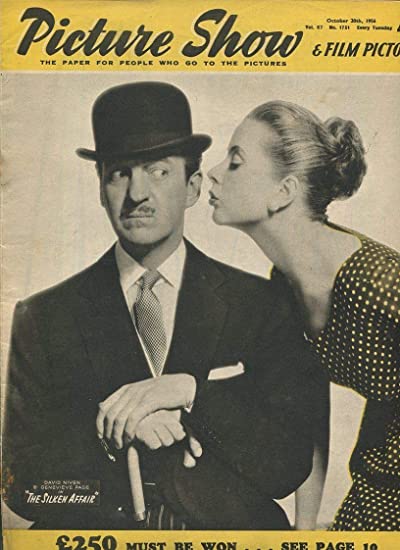
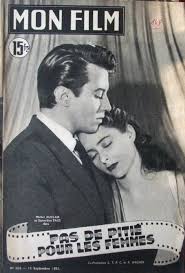
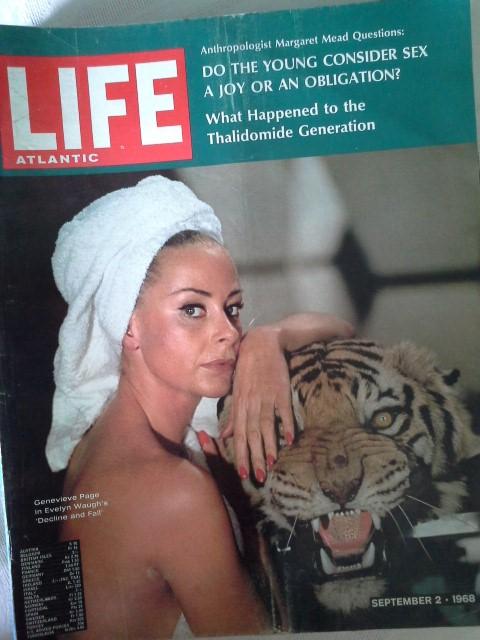
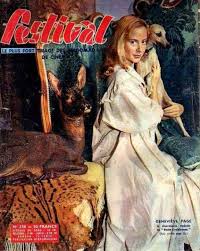
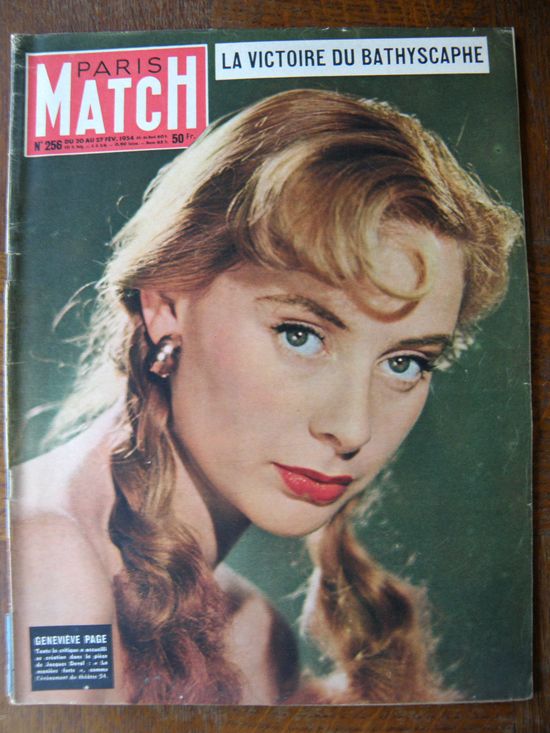
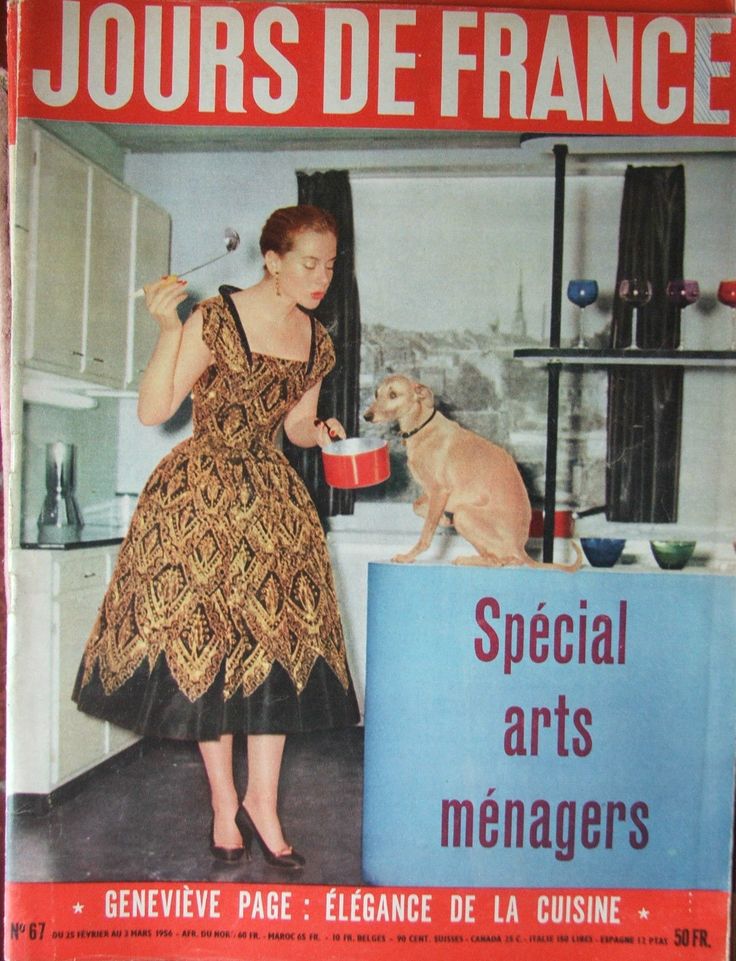
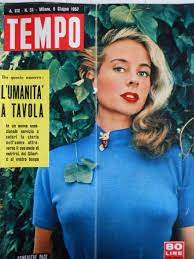
Genevieve Page


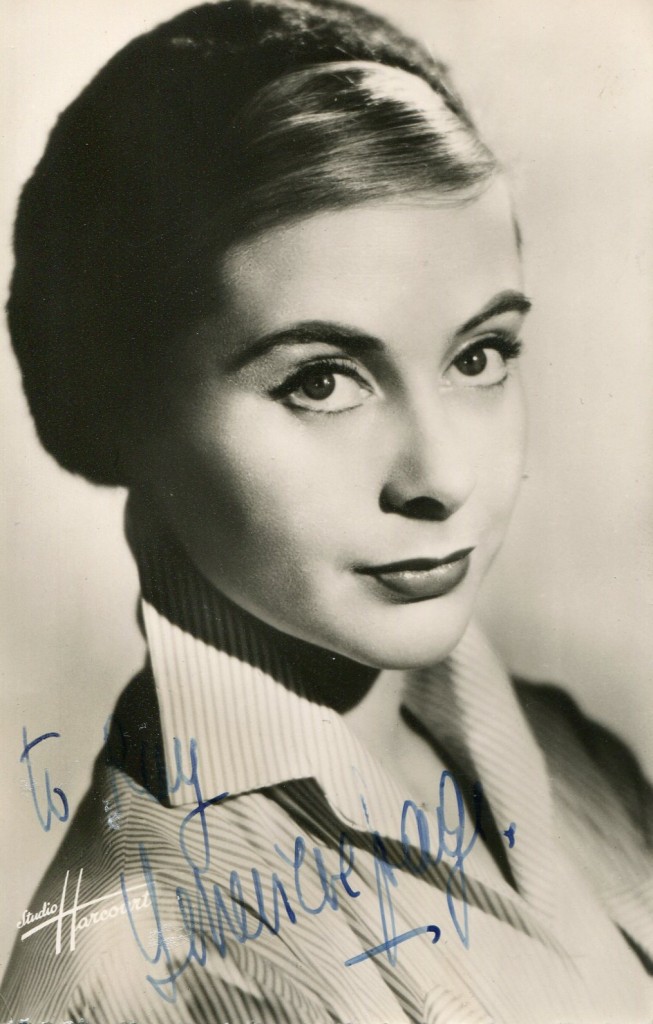
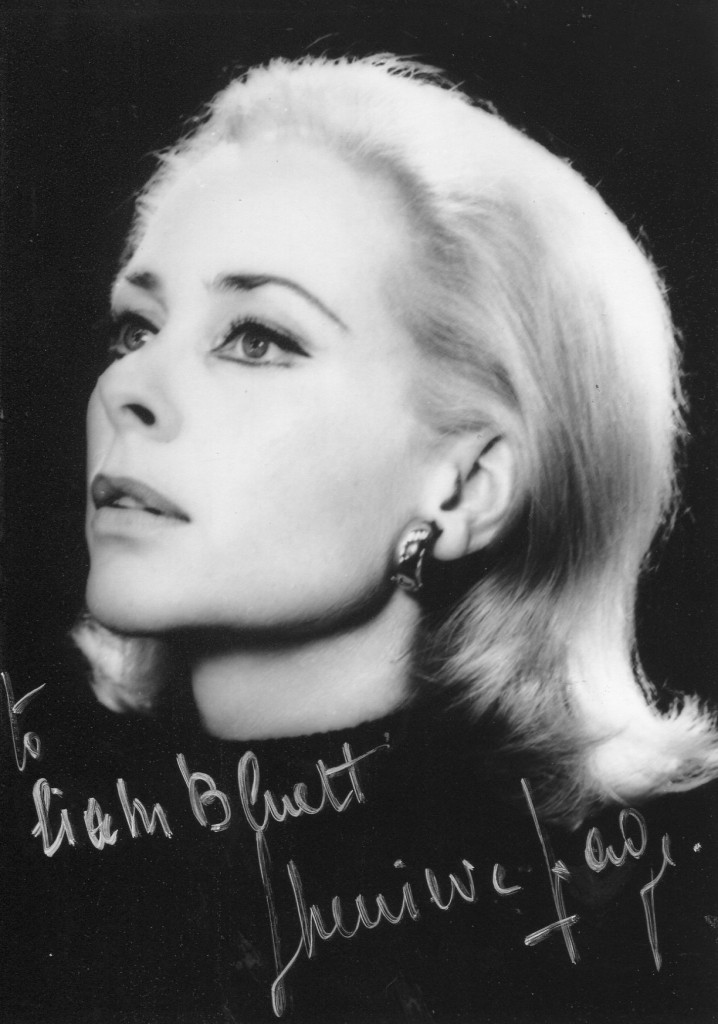
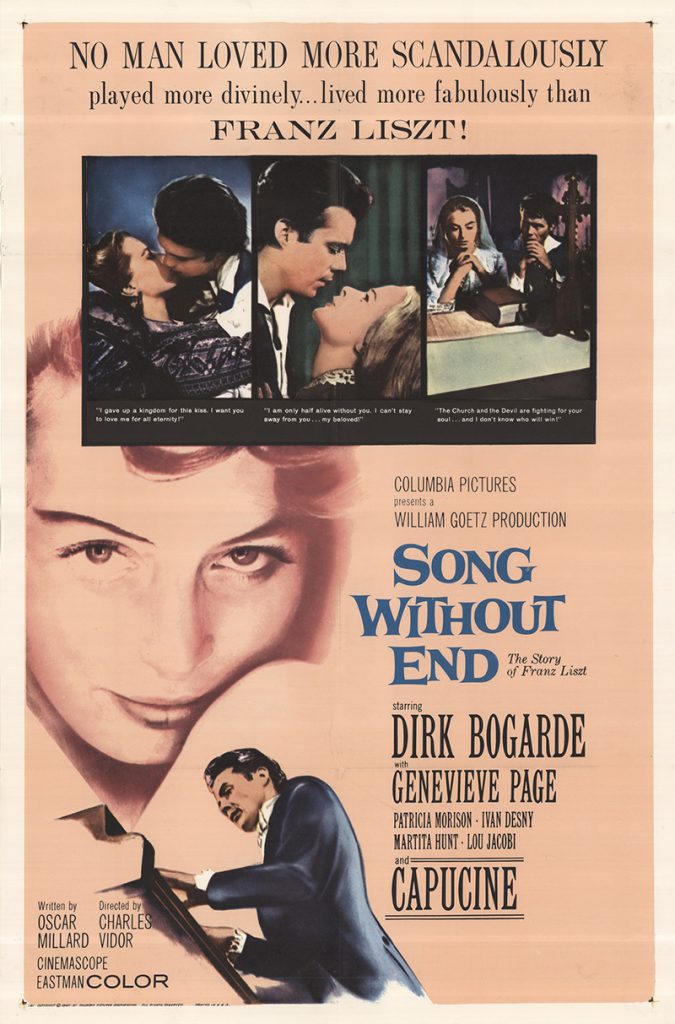
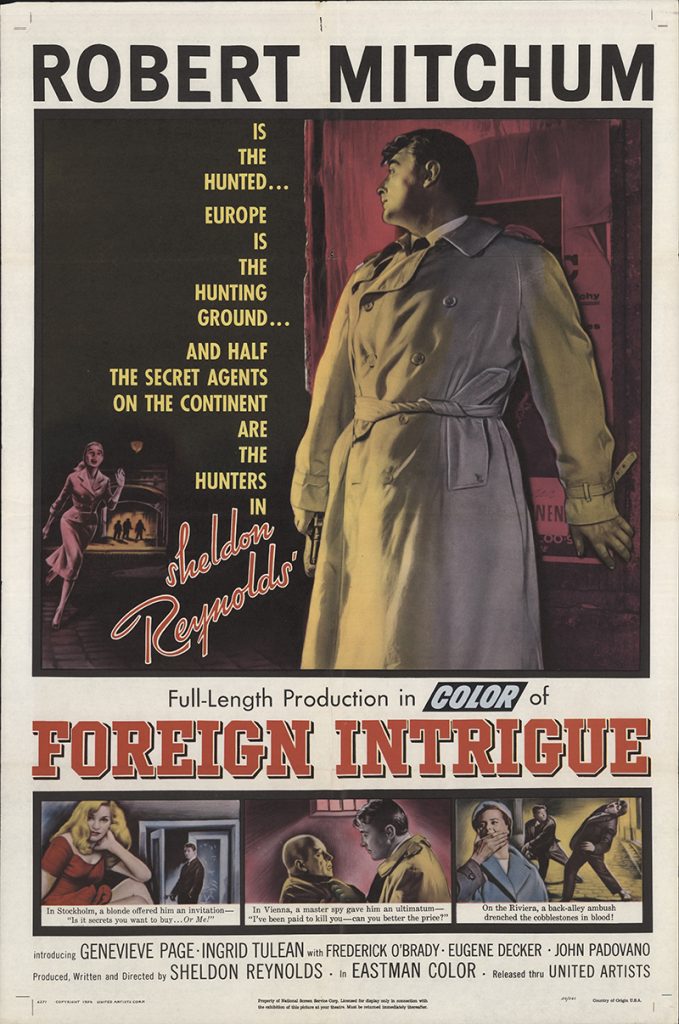
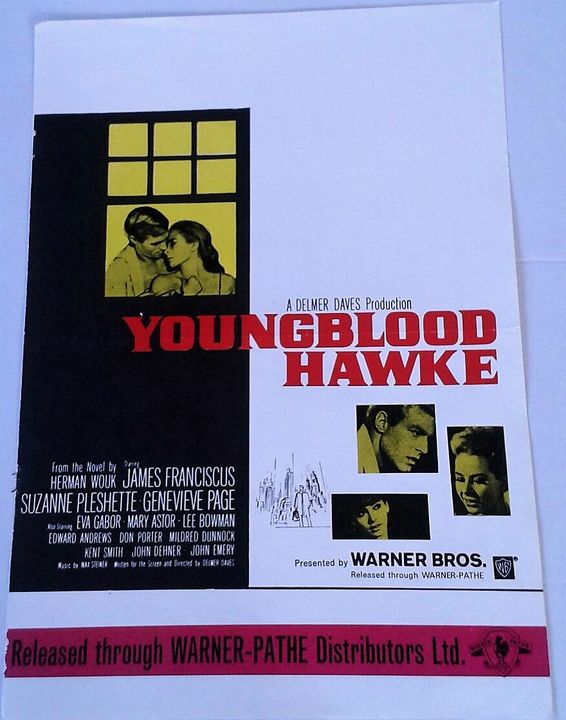
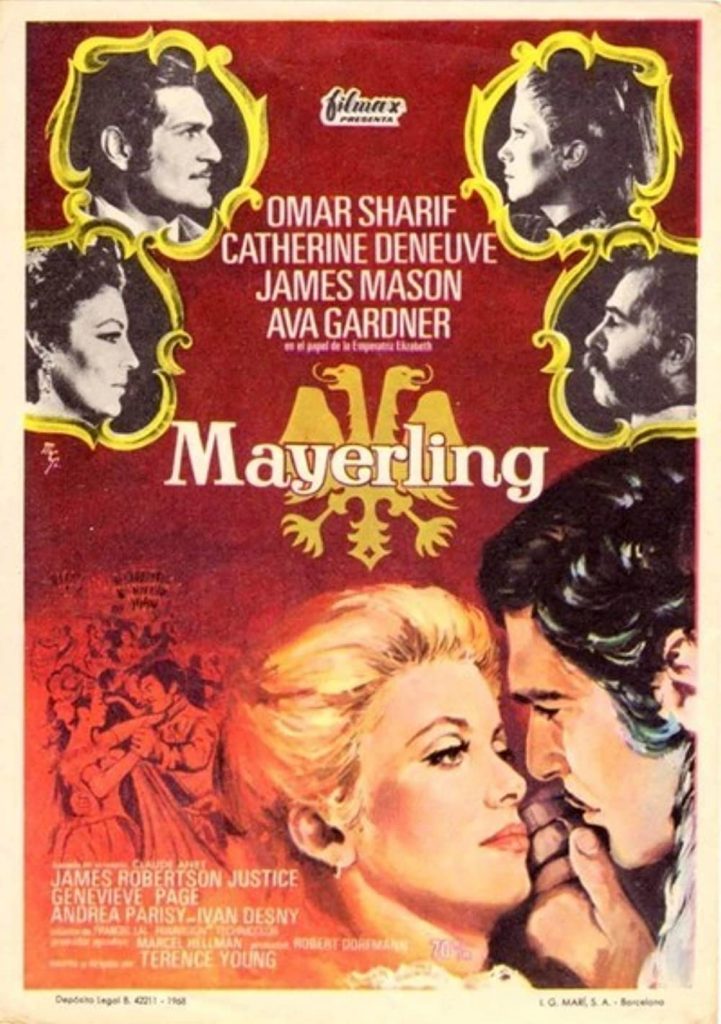
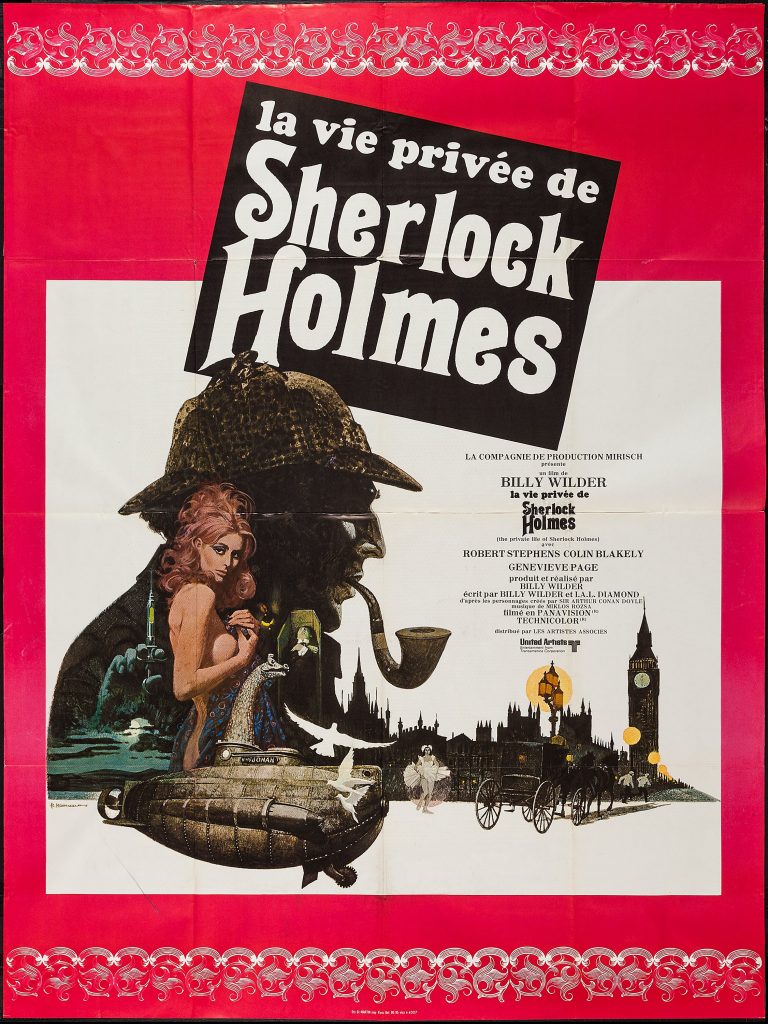
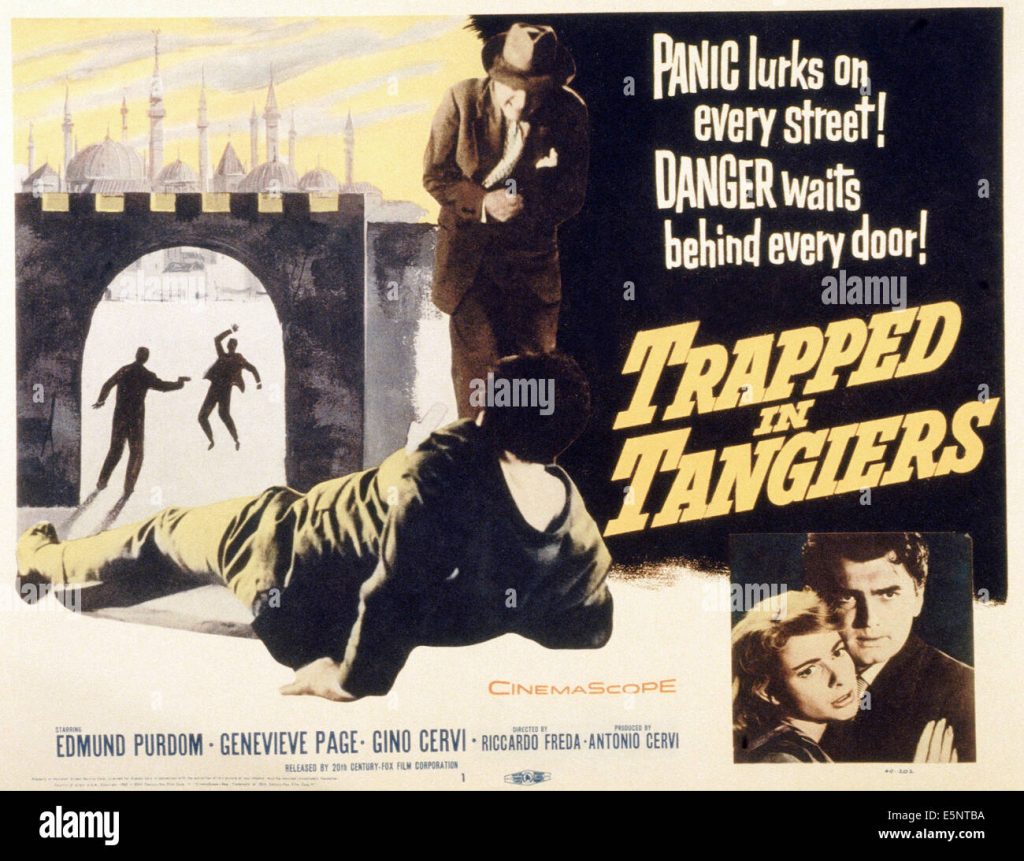
Genevieve Page was born in 1927 in Paris.   She made her film debut in 1951 in “Fanfan la Tulipe” with Gerard Philipe.   By the late 1950’s she was in Hollywood making such movies as “Song Without End” and “Youngblood Hawke”.  She retired from acting in 2003.

IMDB entry:

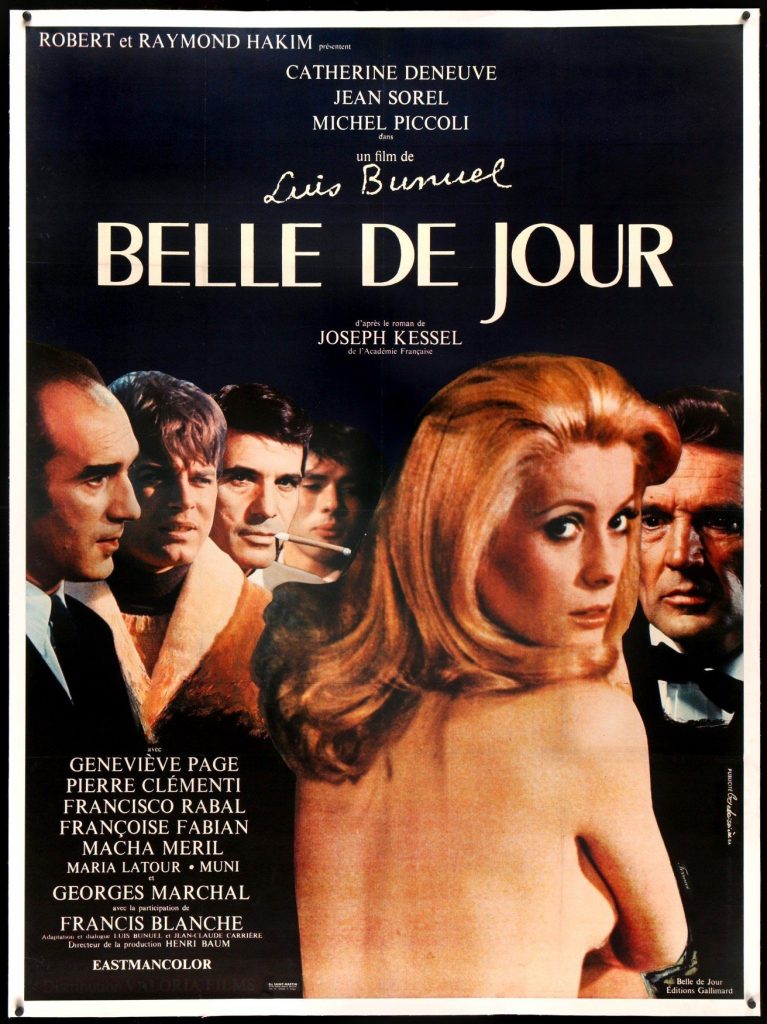
Geneviève Page was born on December 13, 1927 in Paris, France as Genevieve Bronjean. She is an actress, known for Belle de Jour (1967), El Cid (1961) and The Private Life of Sherlock Holmes (1970). She has been married to Jean-Claude Bujard since 1959. They have two children.   Member of the jury at the Cannes Film Festival in 1964   Had a long and distinguished career on stage and was nominated for the Molière Award (the French equivalent of the Tony Award) in 1996 for her role in “Colombe”.   Winner of the 1980 “Prix de la meilleure comédienne du syndicat de la critique” for her role in “Les Larmes amères de Petra von Kant” at the Théâtre national de Chaillot in Paris.   Starring in “Les Grandes Forêts” on stage at the Théâtre des Bouffes du Nord in Paris.

The above IMDB entry can also be accessed online here.

Tamara Desni
Tamara Desni
Tamara Desni

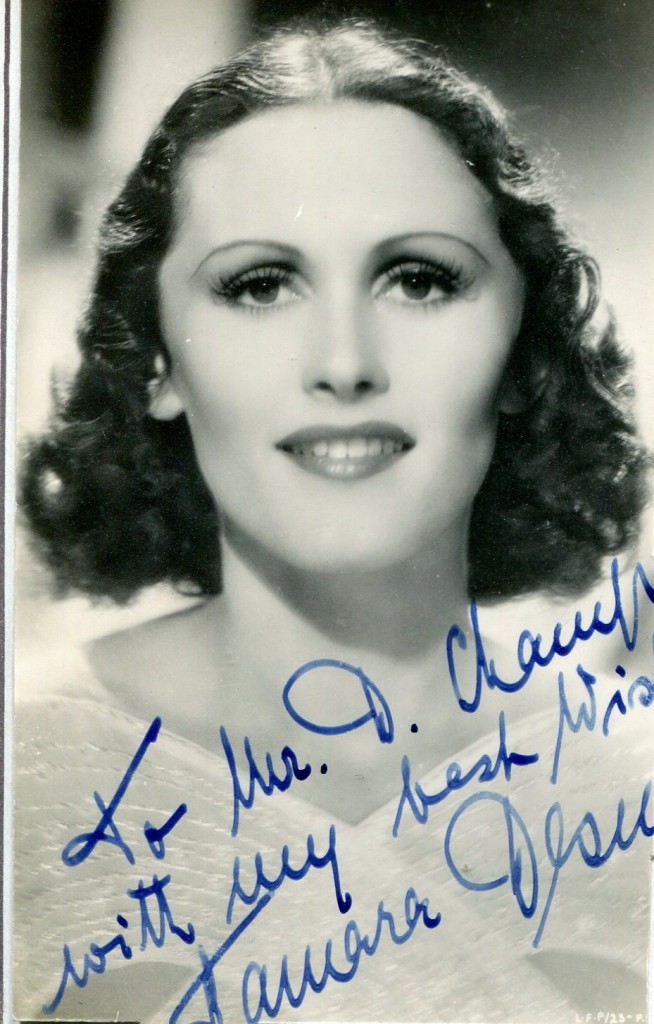
Tamara Desni was born in 1910 in Berlin.   She began her film career in German movies in 1931.   By 1934 she was in the UK where she spent the bulk of her career.   Her films include “Fire Over England” in 1937, “The Squeaker” and “The Hills of Donegal” in 1947.   She died at the age of 97 in Grenoble, France.

Tom Vallance’s “Independent” obituary:

Tamara Desni was an exotic, brunette actress, singer and dancer of Russian descent, who had a measure of success on stage and in films. Her peak year as a movie star was 1937, when she was romanced by Laurence Olivier in the historical epic Fire Over England, and sang and danced as the lover of a small-time crook in The Squeaker.

Playing a cabaret performer named Tamara in The Squeaker, she sang two songs, “He’s Gone” and “I Don’t Get Along Without You”, in a light, sub-Dietrich voice, and performed some lithe steps and high-kicks wearing a see-through evening gown. In Fire Over England she played a Spanish aristocrat fiercely opposed to her father’s assisting an English spy – until she sets eyes on him.

When the spy (Laurence Olivier) returns years later she is now married to a Spanish nobleman, but has to fight the conflicting passions of patriotism and passion. She and Olivier also had a song together, a folk ballad entitled “The Spanish Lady’s Love”. Though her performance is fine, it tends to be forgotten because of the film’s notoriety: it was the movie that brought together Olivier and Vivien Leigh, who began a torrid affair while making it.

The daughter of the singer Xenia Desni (also known as Dada), who appeared in several German movies, she was born Tamara Brodsky in Berlin in 1911. She was only a child when her father abandoned the family to live in the United States. Tamara married her first husband, a dentist, while still in her teens. She made her film début in 1931 in Der Schrecken der Garnison (“Terror of the Garrison”), the same year she made a triumphant London stage début in the operetta White Horse Inn at the Coliseum Theatre. For this spectacular production, credited with saving the Coliseum, which was faltering as a music hall, the entire theatre was transformed into the Tyrol. “You have not time to breathe watching this wonderful spectacle,” stated the News Chronicle, and Tamara Desni was also featured in the next Coliseum show, Casanova (1932).

Desni made her first British film, Falling for You, in 1933, supporting the popular musical comedy team of Cicely Courtneidge and Jack Hulbert, who played reporters searching for a missing heiress (Desni), with whom Hulbert falls in love. She made an elegant dancing partner for Hulbert, who introduced several new songs by Vivien Ellis and Douglas Furber. The teaming was successful enough for Hulbert to cast her with him in another hit movie, Jack Ahoy, in which Hulbert introduced his famous number “My Hat’s on the Side of My Head”.

Her other films included Forbidden Territory (1934), adapted from a Dennis Wheatley novel, in which she was one of two Russian girls who assist in the rescue of a British nobleman from the secret police; a sprightly musical comedy, How’s Chances? (1934), in which she played the sweetheart of Harold French; and an excellent psychological thriller, Bernard Vorhaus’s Dark World (1935), in which Desni played a dancer loved by two brothers. Blue Smoke (1935), a story of gypsy life in which she again came between two rivals in love, is notable only because she and her co-star, Bruce Seton – best remembered for his television series Fabian of the Yard – fell in love. In 1937 he became the second of her five husbands.

Desni sang again when she played Olga, a gold-digging vamp who also brings tragedy to two brothers, this time in Roy William Neill’s His Brother’s Keeper (1939). Reportedly grim but gripping, this film is one of several made by Warner-First National at Teddington Studios that are now considered lost. Desni was then off the screen until 1945, when she returned in a supporting role in the musical Flight from Folly, a vehicle for Pat Kirkwood. Having divorced Seton in 1940, she was briefly married to a naval flyer during the Second World War, then in 1947 she wed one of the British screen’s most memorable villains, Canadian-born Raymond Lovell.

Her last three films were “B” movies – Send for Paul Temple (1946), the musical drama The Hills of Donegal (1947) and Dick Barton at Bay (1950). The radio show Dick Barton – Special Agent (1946) had built an audience of 15 million within a year, and was the third most popular radio show of its time after Radio Forfeits and Woman’s Hour, but the investigator’s screen adventures were lamentably low-budget, poorly written and weakly acted. Desni was second billed to its star Dick Stannard in Dick Barton at Bay, but as Madame Anna, one of the leaders of a gang out to steal a death-ray, she had little to do but accept compliments for her beauty and make observations about her cohorts (“You’re getting jumpy, Fingers”).

Shortly after the Barton film, Desni moved to France, where she and Albert Lavagna, a builder, successfully opened an inn and restaurant in the Alpes Maritimes: L’Auberge Chez Tamara, in Grasse. Though she was wary of taking another husband, when Desni discovered in 1955 that she was pregnant, she and Lavagna decided to marry. The first of two daughters was born in 1956, and the marriage lasted for 50 years until Lavagna’s death.

Tom Vallance

Tamara Brodsky (Tamara Desni), actress, singer and dancer: born Berlin 22 October 1911; married first Hans Wilhelm (marriage dissolved), secondly Roland Gillet (marriage dissolved), thirdly Bruce Seton (marriage dissolved), fourthly Raymond Lovell (marriage dissolved), fifthly 1955 Albert Lavagna (deceased; two daughters); died Valence d’Agen, France 7 February 2008.

The above “Independent” obituary can also be accessed online here.

Frida Lyngstad of Abba
Frida Lyngstad
Frida Lyngstad

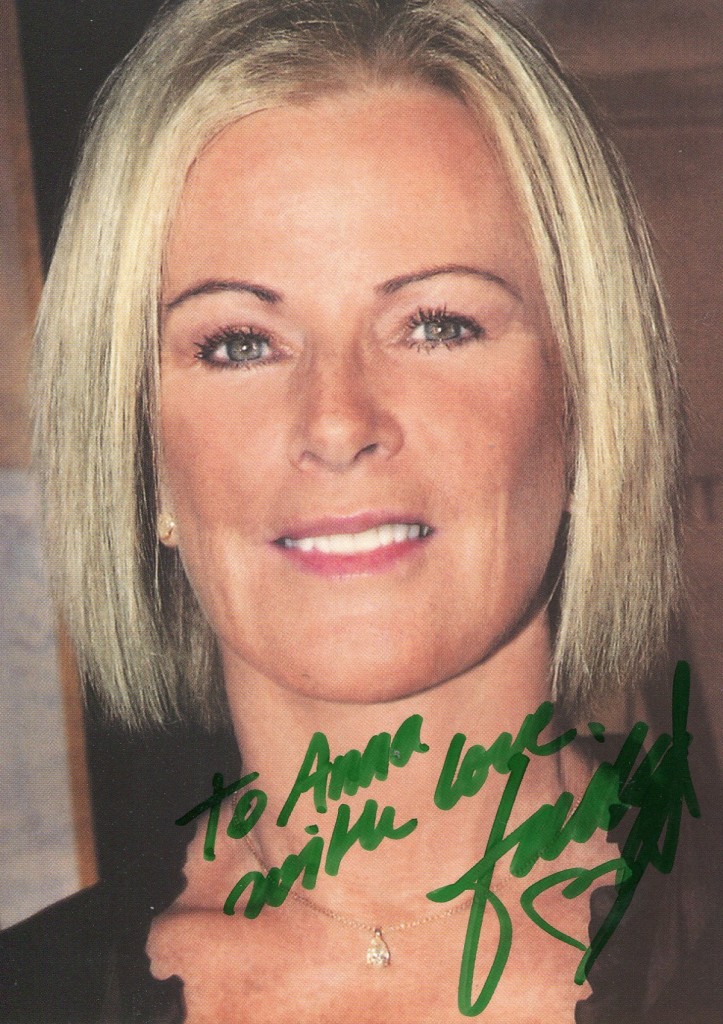
Frida Lyngstad was born in 1945 in Norway.   She is part of the pop group Abba.

Extract from “Express” article:   Out of all four of us, Frida had the most dramatic life. Her life is the classic rags-to-riches story,” he said last year. “I can just picture the scenes and the cliffhangers.”Her Serene Highness Princess Reuss, Countess of Plauen – to accord “the brunette one” from the Seventies’ most celebrated foursome her married titles – could hardly deny the truth of that statement.

As the illegitimate daughter of a Norwegian mother and a German soldier, conceived during the Nazi occupation of her homeland, she was lucky to escape incarceration in a mental institution. That was the fate which befell many innocent Norwegians who were the products of Heinrich Himmler’s Lebensborn programme which was designed to produce an Aryan master race. Frida avoided it thanks to the grandmother who whisked her to safety in Sweden.

Now wealthy thanks to her singing stardom and her marriage to a millionaire from a German royal house, she is a close friend of the Swedish royal family and spends her time doing international charity work. It was in that role that she apparently met Sir Alan West, as he then was, just after he had stepped down as Britain’s First Sea Lord, the professional head of the Royal Navy.

She was born Anni-Frid Lyngstad near the port of Narvik, in the far north of Norway, in November 1945.

Fearing what the future might hold, Agny fled to Sweden with the baby. Synni followed shortly afterwards, taking a job as a waitress, but she fell ill and died of kidney failure aged only 21, before her daughter’s second birthday.

Brought up in Sweden by a distant  grandmother, Frida had a lonely childhood.

“I didn’t have many friends,” she has recalled. “I thought everything about me was wrong – that there was nothing about me that was worth loving.”

She knew that her father was German but she had been told he had drowned at sea. It was only in 1977, when the publicity surrounding Abba enabled one of her estranged German relatives to put two and two together, that she realised Haase was still alive. They had a reunion but ceased contact in 1983.

“It would have been different if I’d been a child but it’s difficult to get a father when you’re 32 years old,” she said later. “I can’t really connect to him and love him the way I would have if he’d been around when I grew up.”

By that time she had been married and divorced twice. In 1963 she wed Ragnar Fredriksson, the bass player of her Swedish band the Anni-Frid Four. They had two children but she divorced him after she met keyboard player Benny Andersson (the bearded one from Abba). His composing partner Ulvaeus was engaged to a rising blonde singing star called Agnetha Faltskog and in 1970 a quartet was born called The Engaged Couples. That mutated to ABBA when their manager started referring to them by the initial letters of their names (although they needed first to negotiate with Sweden’s largest fish canning factory, also called Abba, which eventually wished them well and sent them a carton of tuna).

Soaring to success with victory in the 1973 Eurovision Song Contest, the clean-living foursome dominated the Seventies with their bubbly, white-jumpsuit schmaltz. They have sold more than 370 million records to date – winning a new popularity in the Nineties with their Abba Gold greatest hits album and the worldwide success of the spin-off musical Mamma Mia!

At the height of their fame, the engaged couples married but Frida and Benny were divorced in 1981, and after the break-up of Abba she left Sweden first for Britain and then for Switzerland, launching a solo career that failed to set the world on fire. Nowadays, she says her interest in music is “non-existent”.

In 1992, she married her long-time boyfriend, Prince Heinrich Ruzzo Reuss von Plauen, the part-Italian, part-Swedish head of a former German royal house, who was based in Switzerland. They had been living together in his castle at Fribourg, near Berne, since 1986. Educated in Sweden, the prince was a schoolfriend of King Carl Gustaf of Sweden, and he and Frida took to spending winter holidays with Carl Gustaf and his wife Queen Silvia. But the decade brought twin tragedies. In January 1998, Frida’s daughter Lise-Lotte was fatally injured in a car crash in the United States and less than two years later, in November 1999, Prince Ruzzo died of cancer after a six-month illness, aged just 49.

While her former bandmate Agnetha has become a recluse, hiding away on a thinly populated Swedish island, misfortune has not led Frida to shun the limelight. A grandmother and a staunch Green campaigner, she is a prominent supporter of the drug prevention charity Mentor and has attended charity functions such as one at London’s Natural History Museum last year, in the company of her friend Queen Silvia and Queen Noor of Jordan.

 Frida, who now lives in the ultra-chic Swiss mountain resort of Zermatt.

Ilona Massey
Ilona Massey
Ilona Massey
Ilona Massey
Ilona Massey
Llona Massey
Llona Massey

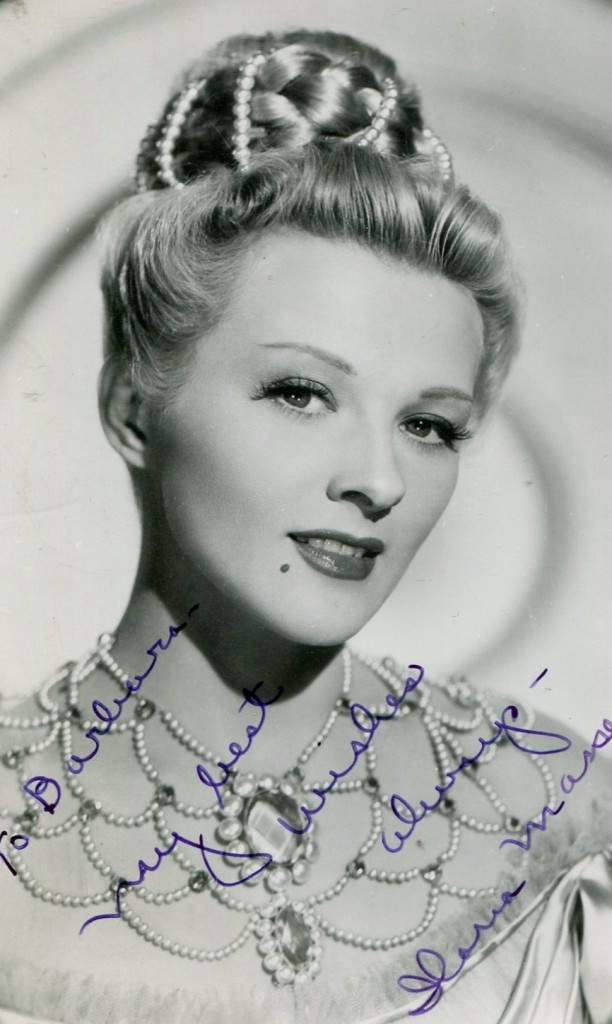
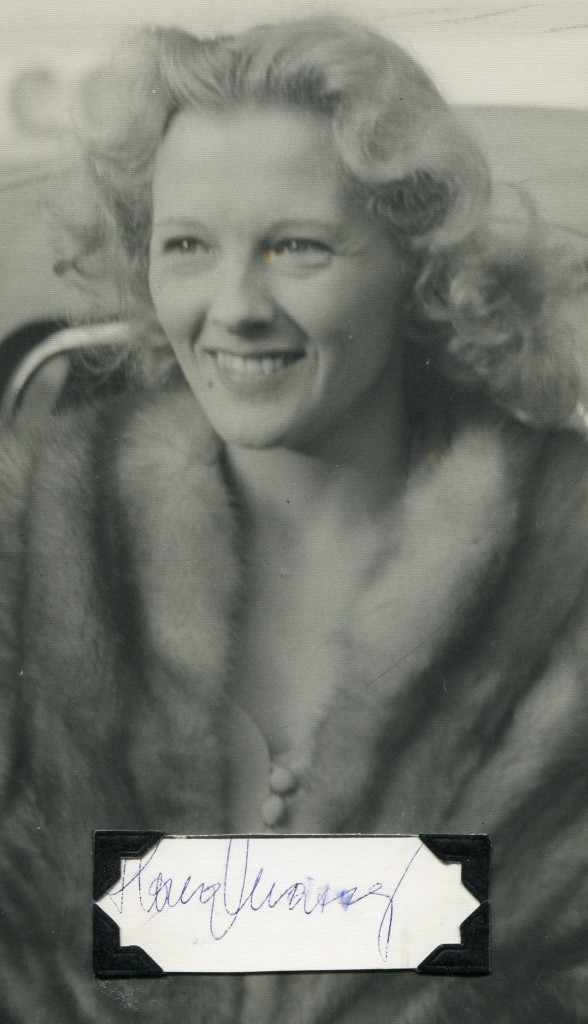
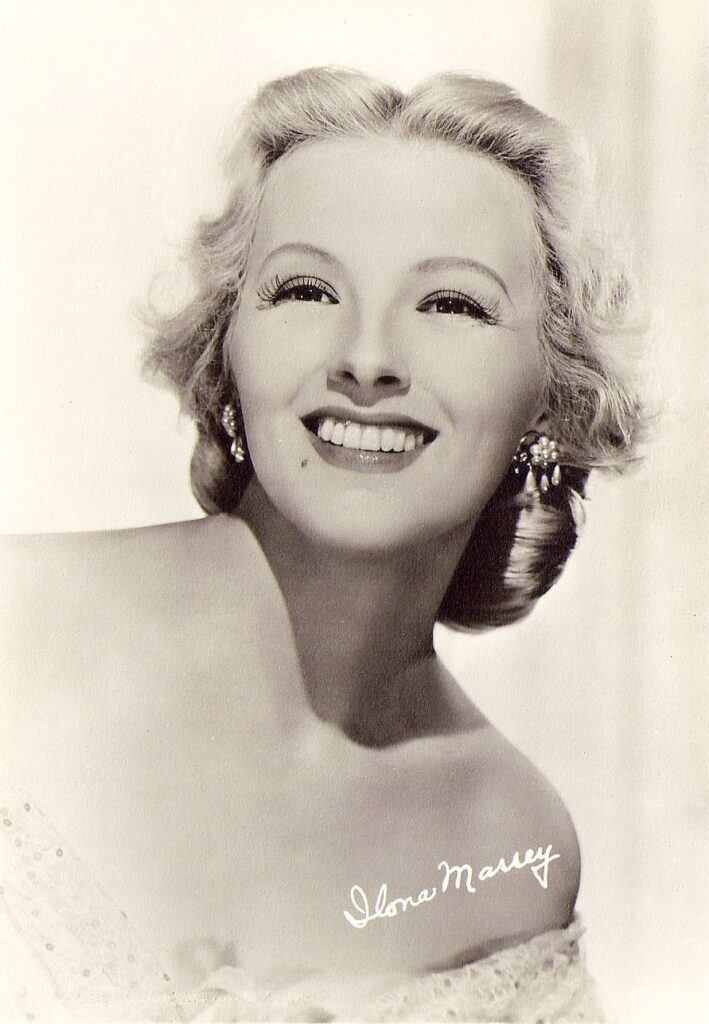
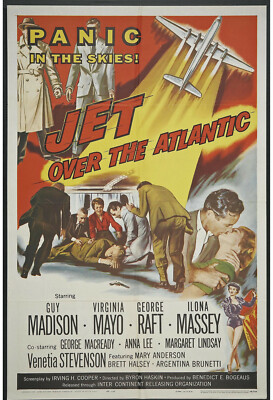
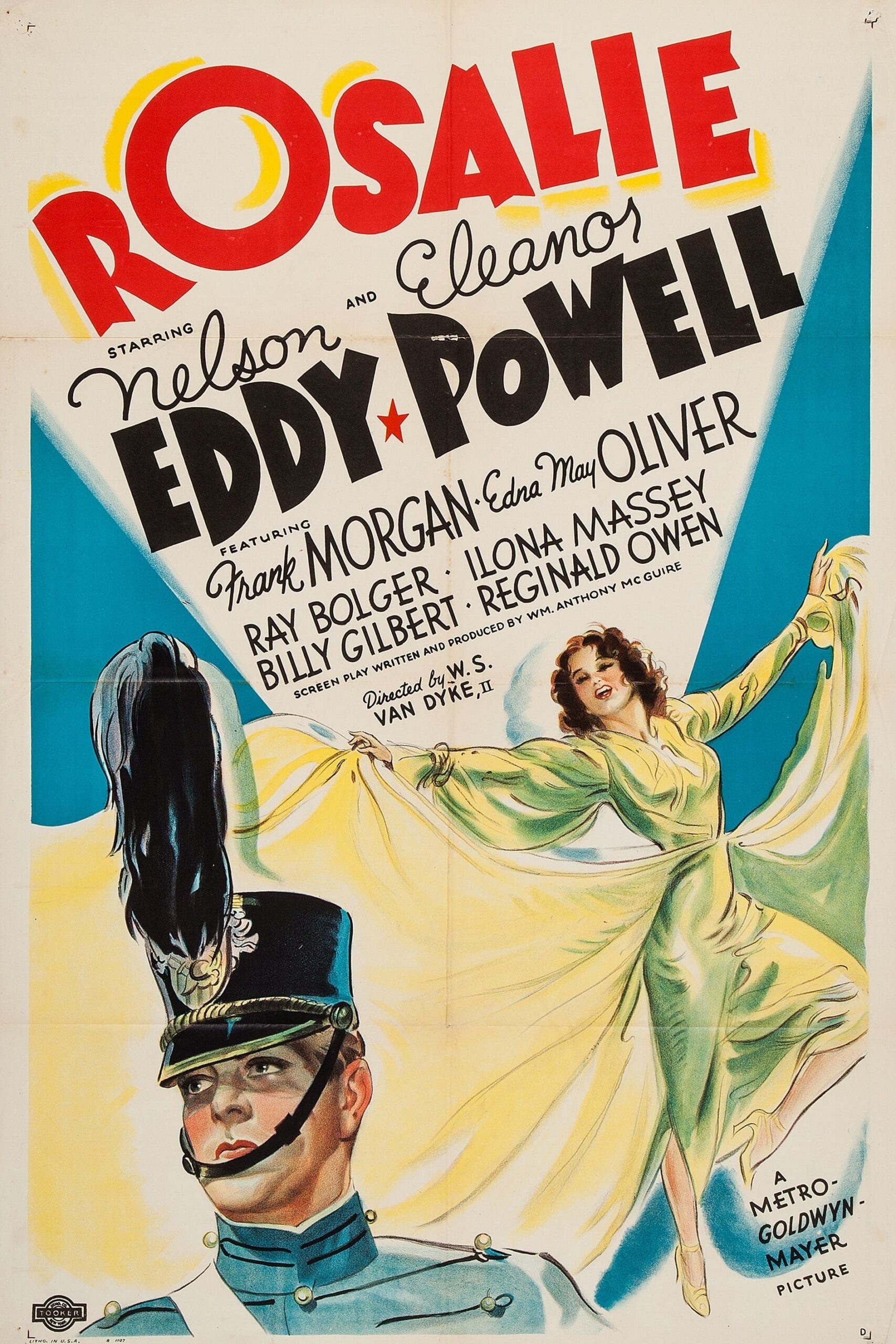
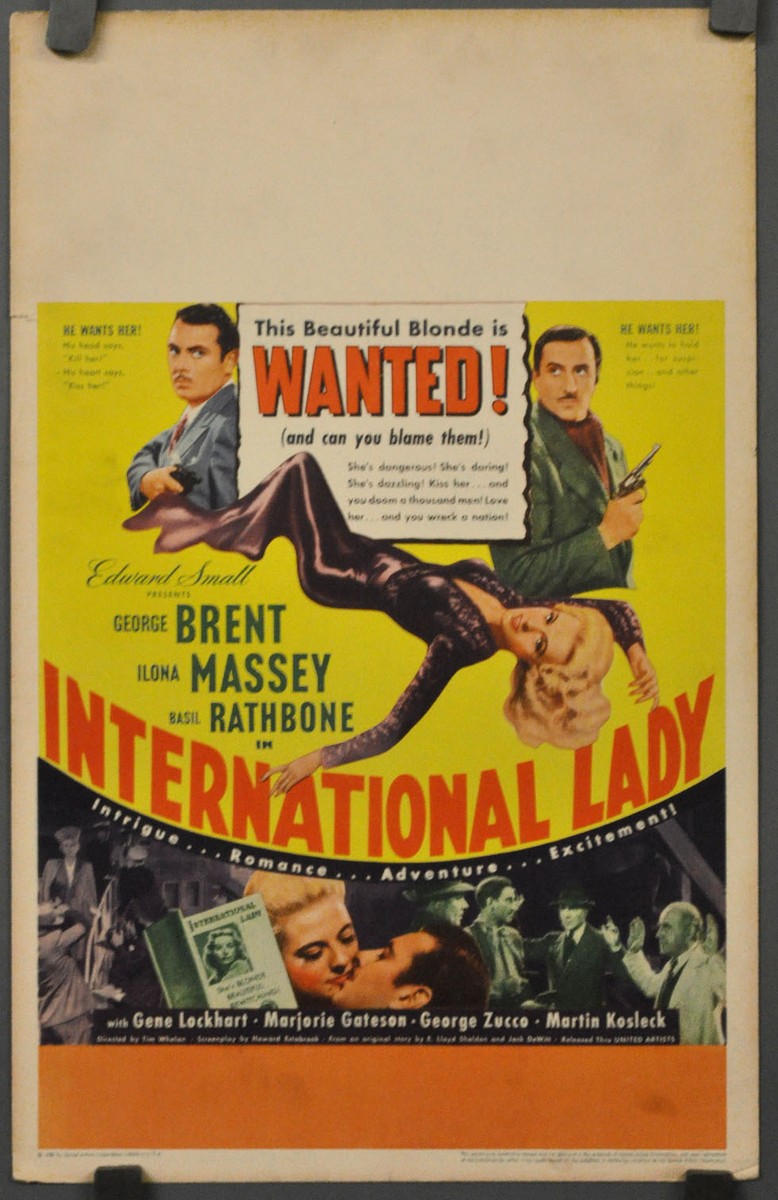
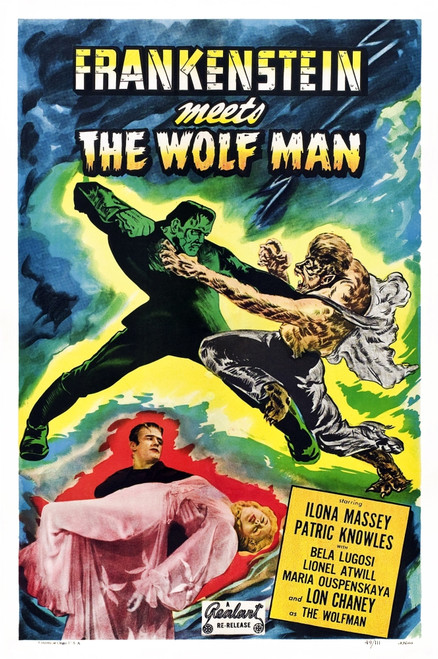
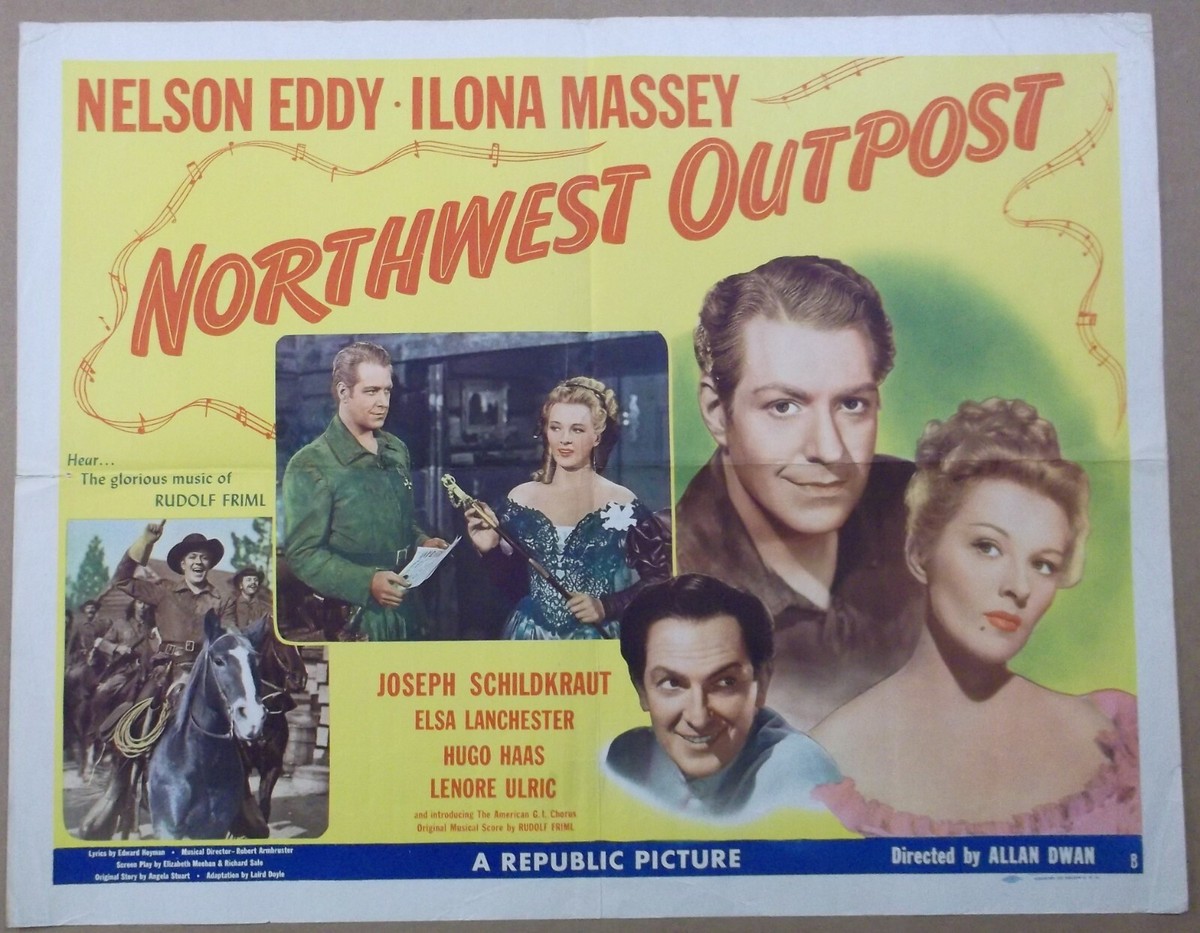
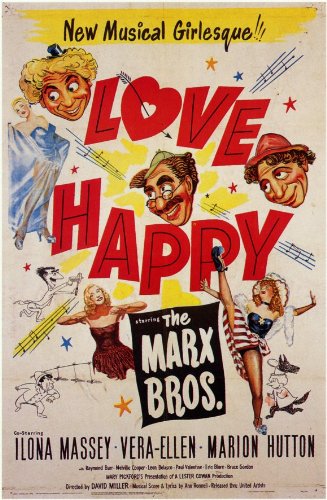
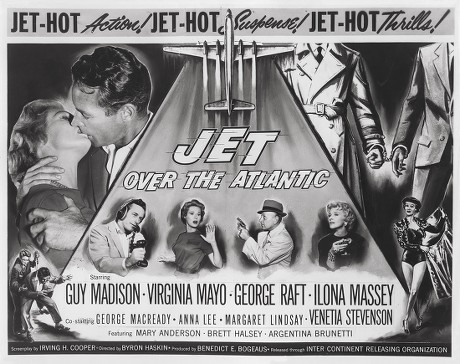
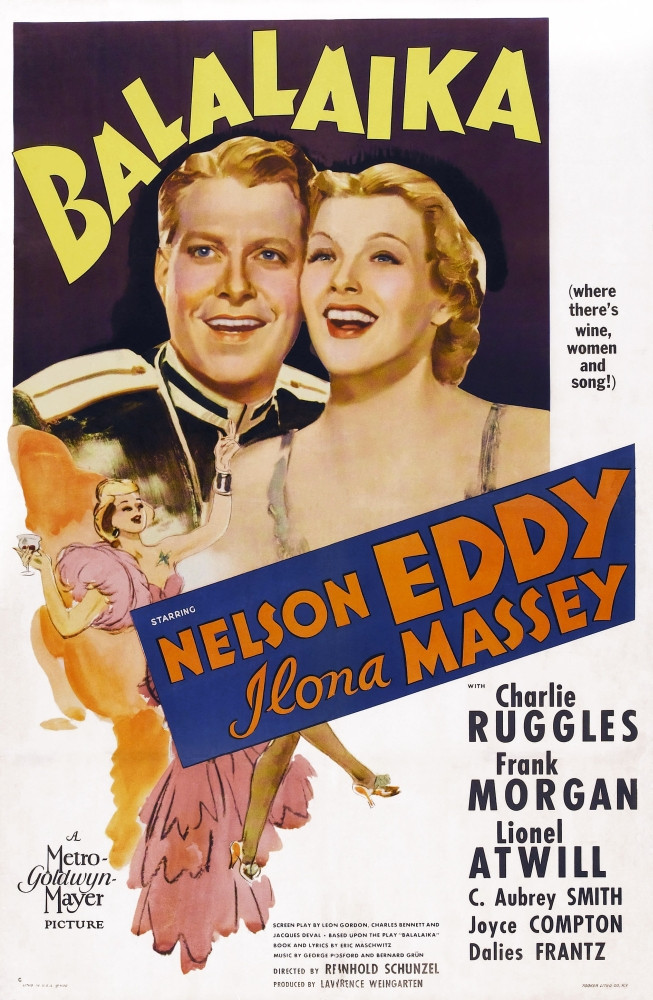
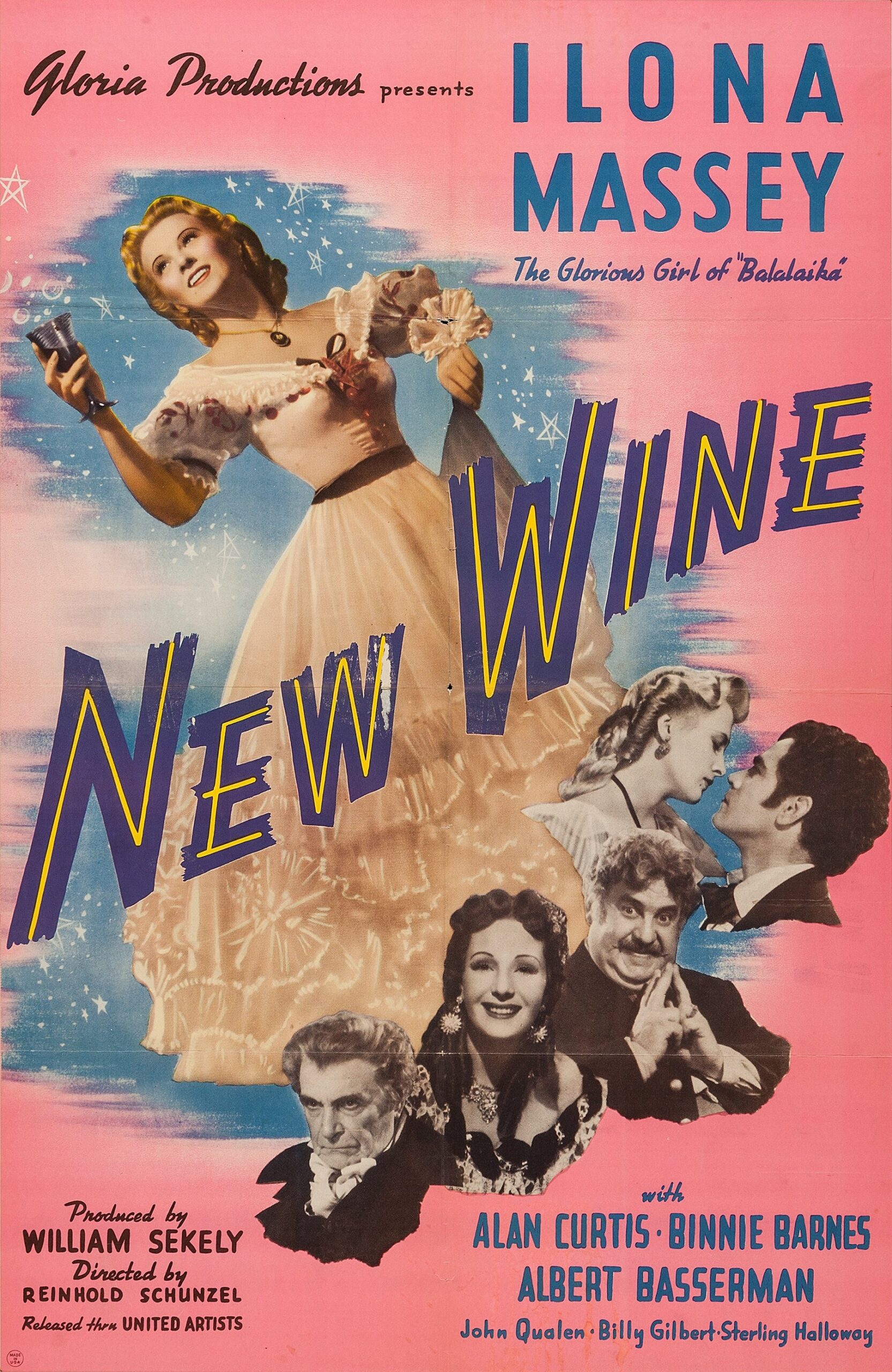
Llona Massey was born in Budapest in 1910.   She came to Hollywood ion 1937 and made movies such as “Rosalie” opposite Nelson Eddy, “Frankenstein Meets the Wolfman” and in 1959 “Jet Over the Atlantic”.   She died in 1974.

Gary Brumburgh’s entry:

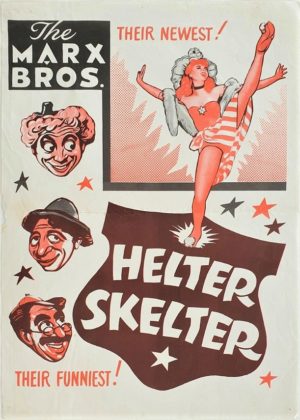
Sultry, opulent blonde Hungarian singer Ilona Massey survived an impoverished childhood in Budapest, Hungary to become a glamorous both here and abroad. As a dressmaker’s apprentice she managed to scrape up money together for singing lessons and first danced in chorus lines, later earning roles at the Staats Opera. A Broadway, radio and night-club performer, she appeared in a couple of Austrian features before coming to America to duet with Nelson Eddy in a couple of his glossy operettas. In the first, Rosalie(1937), she was secondary to Mr. Eddy and Eleanor Powell, but in the second vehicle,Balalaika (1939), she was the popular baritone’s prime co-star. Billed as “the new Dietrich,” Ms. Massey did not live up to the hype as her soprano voice was deemed too light for the screen and her acting talent too slight and mannered. She continued in non-singing roles in a brief movie career that included only 11 films. For the most part she was called upon to play sophisticated temptresses in thrillers and spy intrigues.Frankenstein Meets the Wolf Man (1943) and Love Happy (1949) with the four Marx Bros. are her best recalled. She appeared on radio as a spy in the Top Secret program and, on TV, co-starred in the espionage series Rendezvous (1952). In the mid-50s she had her own musical TV show in which she sang classy ballads. She became an American citizen in 1946. Married four times, once to actor Alan Curtis, Ms. Massey died of cancer in 1974.

– IMDb Mini Biography By: Gary Brumburgh / gr-home@pacbell.n

Ilona Massey

Rudolf Nureyev
Rudolf Nureyev
Rudolf Nureyev

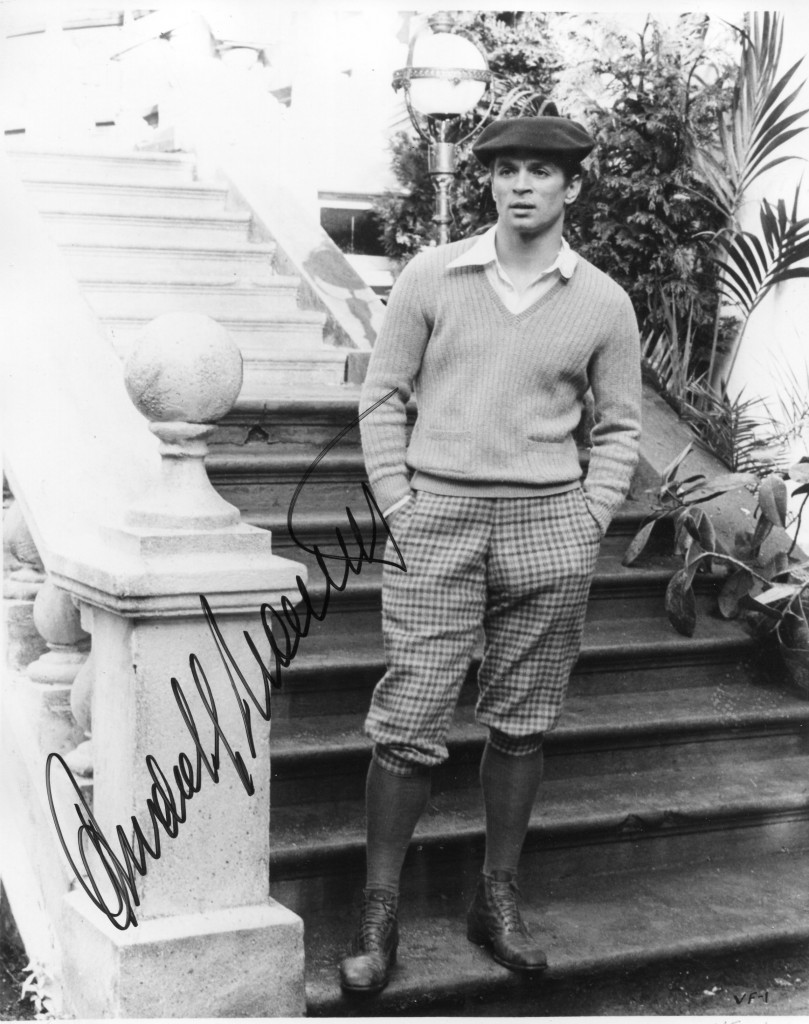
The  great Russian dancer Rudolf Nureyev was born in 1938 in Irkutsk.   A famed dancer with the Kirov Ballet, he defected from the Soviet Union in 1961 and formed a highly successful ballet duo with Dame Margot Fonteyn.   In the 1970’s be began making movies and hat the title role in Ken Russell’s “Valentino” in 1977 and “Exposed” in 1983.   He died in 1993.

TCM overview:

One of the most celebrated dancers of the 20th century, Rudolf Khametovich Nureyev displayed an artistically expressive skill that combined classical ballet and modern dance and changed the perception of male ballet dancers. He was born on March 17, 1938 while his mother Feride was aboard a Trans-Siberian train. He spent most of childhood and youth in Ufa, the capital of the Soviet Republic of Bashkir. From his earliest days, the young Nureyev loved music. When his mother snuck him and his siblings to a performance featuring ballerina Zaituna Nasretdinova, it was the tipping point for Nureyev to pursue a life in dancing. He began taking dance lessons and eventually enrolled at the Kirov Ballet’s Leningrad Choreographic School in 1955 at the age of 17. He trained under the legendary ballet teacher Alexander Pushkin, who also taught Mikhail Baryshnikov. He quickly became a sensation in the Soviet Union, having danced 15 roles within his three years at the Kirov Ballet. However, the Soviet Union’s stifling protectiveness over one of its cultural icons became too much for the headstrong Nureyev. On June 16, 1961 Nureyev flew to Paris and defected from the Soviet Union. Now unfettered by the USSR’s communist regime, Nureyev signed up for the Grand Ballet du Marquis Cuevas and continued to tour all over Europe, which ensured that his career and recognition would turn international. He made his first appearance in the United Kingdom when he danced Poeme Tragique, a solo choreographed by renowned British dancer Frederick Ashton, and the Black Swan pas de deux. In 1962, The Royal Ballet founder Dame Ninette de Valois offered him to join her company as Principal Dancer; he stayed there until 1970. Aside from his numerous stage performances, Nureyev shared his elegant dance forms in several films. He made his screen debut in a film version of “Les Sylphides” (1962). Nureyev made his directorial debut in a film version of Sir Robert Helpmann’s production of “Don Quixote” (1972). Nureyev was one of the first guest stars of “The Muppet Show” (syndicated 1976-1981) when it was still a fledgling show, and his appearance was often credited with turning the Jim Henson series as one of the most sought after programs for other celebrities to appear in. In his later years, Nureyev was appointed director of the Paris Opera Ballet in 1983, and continued to dance and teach younger dancers. Unfortunately, Nureyev was one of the earliest victims of the AIDS epidemic of the 1980s. He tested positive for HIV in 1984, but continued to remain active in the dance scene. He was allowed to return to his native country for the first time since his defection to visit his dying mother in 1987. Two years later, he was invited to dance the role of James in “La Sylphide.” As his illness began to enter its final and ultimately fatal stages, Nureyev began to suffer several medical problems. His last public appearance was on October 8, 1992 at the premiere of “La Bayadere” at Palais Garnier. Nureyev succumbed to his medical complications on January 6, 1993 at the age of 54. Although Nureyev’s life was tragically cut short, his influence on ballet and modern dance was an everlasting legacy.

 The above TCM overview can also be accessed online here.

Barry Joule’s obituary in “The Independent”:

HE LAST year was one long battle for Rudolf Nureyev, one which he fought with great bravery, writes Barry Joule.

At the beginning of the year, we saw him off from London to conduct in Vienna, and several other European stops, before a substantial tour in Russia. In mid-March he fell extremely ill in St Petersburg. Against the Russian doctors’ advice, and by sheer Tartar will-power, he forced himself out of hospital, on to a plane to Paris and home.

Dr Michel Canesi was for 10 years Rudolf’s doctor and friend. Canesi is one of France’s leading experts on Aids and affiliated with the private Hopital du Perpetual Secours in north Paris. It was here, from Spring 1992 until his death, between bursts of creativity and travel, that Rudolf was a regular patient under an assumed name, being treated for complications of HIV infection.

By mid-April he had rallied and, taking a nurse he liked, he left hospital to go to New York. Here he was to conduct Romeo and Juliette for the American Ballet Theatre. Saddled with two hours of medical treatment every morning, he still found time to learn the score and direct the company.

On 6 May, from the galleries of the Metropolitan Opera House confetti snowed down. The maestro had scored brilliantly; the New Yorkers always loved their favourite dancer from the time he and Margot Fonteyn stormed in in the Sixties. Rudolf never stayed to read his critique, but left for his farm in Virginia. Then it was back to Washington for a celebration and a plane south to his seaside bungalow on the French island of St Barthelemy. June saw him in San Francisco, New York, then back to Paris.

Only a handful of his closest friends knew of his debilitating affliction. Each day was more difficult, more of a drain on his enormous reservoirs of strength. In mid-July he went to the islands of Galli he owned south of Capri. Here, in the heat he adored, he was happiest.

By the beginning of August he had weakened a good deal, yet denied anything was really wrong. We went from Galli to Naples to pick up a brand new yacht which he had just bought, which was christened Tartara after the Prince of Dance.

At the beginning of September a helicopter was called to take him off the island. Back in Paris he received urgent medical treatment, and gamefully plunged into rehearsals for La Bayadere, which was set to open the Paris season in October. He was to choreograph and conduct one of his favourite ballets, which he had danced as a teenager at the Kirov. His old dancing partner from the Kirov Ninel Kourgapkina, 62, came over to assist him, and his Parisian friends rallied round to help.

In mid-September I moved into his apartment, opposite the Louvre, and stayed with him until after the Gala. The long days were arduous for this once superb athlete. There were medical treatments at home, trips to the hospital, pills to be swallowed around the clock, drips etc. But every night at 6pm sharp he somehow found the energy to go to the Opera.

He fell over on his first night, in front of the entire company. They were aghast, riveted to the spot, until he barked, ‘What are you looking at? Get on with it.’ A sofa was provided at the side of the stage and every night from this vantage point he watched, his searching eye never missing a detail. Everyone danced their hearts out; it was awe-inspiring to watch this great drama unfold. Rudolf was furious when Dr Canesi told me what we all knew: that he was too weak to conduct.

Exhausted, each night we returned home, where Rudolf would collapse into his bed. He was a complete professional to the tips of his powerful toes. I learnt this yet again when on 3 October his dearest friend, Maude Gosling, arrived from London. It was after midnight and we had just returned to his apartment after an especially long, difficult, rehearsal. After settling him in bed I told him, both Maude and Ninel were waiting to see him, ‘Who shall I send in first?’ ‘Ballet business first,’ he said, ‘send in Ninel.’

The opening gala was a sensation. From beside the stage he watched the ballet from his sofa. Afterwards, the tears flowed freely everywhere and he shakily took his 15 minutes of applause, supported by the ballerinas.

Previously we had discussed if he wanted to take his award on stage and attend the gala supper. The risks were that the spotlights would make his still-secret illness apparent. He said simply, ‘Show goes on.’ After the awards a sumptuous meal in the west wing of the Opera was under way when Rudolf took his place at the head table. After the first course Pierre Berge, Chairman of the Opera, found me to say Rudolf must leave immediately. Together, arm in arm, while the 600 guests rose, most weeping and clapping for their ailing star, we led him out.

After three days he had recovered a bit and was determined to fly to the sunshine for a last time. Against doctors’ order he returned to ‘St Barts’. He was back in Paris at the beginning of November; the illness had taken a frightful toll. But, although he was a shell of his former self, the ideas and plans still tumbled out of his prodigious mind. I finally saw him just after Christmas propped up on pillows in his hospital bed. He did not recognise me, but his favourite Bach was playing and one of his painfully thin arms was slowly moving in the air, as if he was rehearsing for some future concert.

Charles Korvin
Charles Korvin
Charles Korvin

Charles Korvin was born in 1907 in what is now Slovakia.   He came to Hollywood in 1944 and made “Enter Arsene Lupin”.   Other movies include “This Love Of Ours” with Merle Oberon and “Ship of Fools” in 1965 with Vivien Leigh and Simone Signoret.   He died in 1998 in New York.

IMDB entry:

He was born in Piestany, Hungary, and came to the United States in 1940 after ten years studying at the Sorbonne where he worked in still and motion picture photography. After studying acting at the Barter Theater (Abingdon, VA), he made his 1943 debut on Broadway in “Dark Eyes” under the name Geza Korvin. It was then than movie producer Charles K. Feldman signed him to a contract with Universal. There, with the new name Charles Korvin, he played the title role, a French thief, in “Enter Arsene Lupin” (1944). His next three movies paired him romatically with Merle Oberon. After a contract dispute with Universal, and though blacklisted by HUAC in 1951, he played a number villain, thief and philanderer roles for different studios, including the part of the evil Russian agent Rokov in Lex Barker’s “Tarzan’s Savage Fury” (1952). He also appeared in many TV episodes, notably as The Eagle in the “Zorro” series (1957) and as the Latin dance instructor Carlos in “The Honeymooners”. He returned to Hollywood in Stanley Kramer’s “Ship of Fools” (1965). He had homes in Manhattan and Klosters, Switzerland, and died, aged 90, at the Lenox Hill Hospital in Manhattan, survived by his wife, Natasha; a daughter, Katherine Pers of Budapest; a son, Edward Danziger Dorvin of Santa Monica, CA; and three grandchildren.

– IMDb Mini Biography By: Ed Stephan <stephan@cc.wwu.edu>

The above IMDB entry can also be accessed online here.

Juliette Greco
Juliette Greco
Juliette Greco
Juliette Greco
Juliette Greco

Juliette is a French chanson singer who in the late 1950’s starred in some 20th Century Fox international film productions.   She was born in Montpellier in 1927.   They include “The Sun Also Rises” in 1957 with Tyrone Power, Ava Gardner and Errol Flynn, “The Roots of Heaven” and “The Big Gamble” with Stephen Boyd.   Ms Greco died in 2020.

IMDB entry:

Juliette Gréco was born on February 7, 1927 in Montpellier, Hérault, France. She is an actress, known for Bonjour Tristesse (1958), Le regard de Georges Brassens (2013) andBrel, Brassens, Ferré, trois hommes sur la photo (2008). She has been married to Gérard Jouannest since 1988. She was previously married to Michel Piccoli and Philippe Lemaire.

 Agnes Poirer’s article in “The Guardian” in 2014

We’re at Gréco’s house on the Côte d’Azur, sitting by a huge open fire crackling away in the middle of a vast whitewashed room with African masks on the walls and two big sofas. I was hoping we’d chat beneath the lemon trees on her sun terrace, but today the Côte d’Azur is buried in mist and drizzle, which lent the lush landscape a strange melancholy as I ascended the winding roads to Gréco’s den in the hills above St Tropez.

The icon of French chanson shares this place with her third husband, Gérard Jouannest, the pianist and composer who co-wrote the music and lyrics for 35 of Jacques Brel’s greatest songs, including Ne Me Quitte Pas. Gréco still looks astonishingly youthful, even though she wears no makeup, apart from her signature kohl eyeliner. This may be because she has never taken life seriously. Despite her astonishing, deep voice, she is prone to giggling like a teenager. Next to her, one can’t help feeling ancient and slow, not least because she has just released a new album – at the age of 86.

In Gréco Chante Brel, she delivers 12 songs by the Belgian legend. One of the most striking is Amsterdam, which Gréco has turned into a kind of psychedelic oratorio, evoking the Dutch capital’s prostitutes and sailors drinking themselves into oblivion. It certainly captures Brel’s dark inner world. “I met Brel in 1954,” she says. “He was a gentle genius. His world, unlike mine, is violent and coarse, but the great thing about being a woman is I don’t have to imitate him. I can be myself.”

This, besides her singing, has always been Gréco’s great talent: being herself, a survivor, unique and untamed. Gréco was just 16 when the Gestapo arrested her and her older sister in Paris in 1943. Their mother, arésistante, had vanished shortly before. Gréco was released, alone, a few months later. Wearing just the blue cotton dress she’d had on when she was arrested, and with no home to return to, she stepped out of the notorious Fresnes prison into one of the coldest winters on record – and walked the eight miles back into town.

She turned to her mother’s friend Hélène Duc, an actor and fellowrésistante who lived in a shabby little hotel. Duc found her a room and some food, but Gréco had nothing to wear apart from that blue dress and raffia sandals. “I was so cold and so hungry,” she says, “that I stayed in bed for two years.” Male friends, aspiring actors and art students, gave her clothes. Except they were far too big, so she rolled them up: shirts, jumpers, jackets, trousers, the lot. In the streets and cafes, heads turned – and a new fashion was born. And a star, too. Gréco’s look and intense gaze would soon be immortalised by the giants of photography: Willy Ronis, Henri Cartier-Bresson and Robert Doisneau all shot Gréco.

Postwar life was harsh: food was scarce, housing shabby, but the feeling of freedom was a joy. “We were poor,” she says. “But it didn’t matter, for we were free at last, and we all shared the little we had.” Gréco, like all the artists and intellectuals of the time, lived on the left bank, renting a room with a bath tub. She never locked it, so other people could use it. “The room wasn’t great for sleeping: there were always a few friends who needed a shower in the middle of the night. I’d find some of them asleep in the corridor – they’d passed out before reaching the door.”

Gréco in 1961. Photograph: Erwin Lowe/RexWith her long black hair and fringe, her penetrating stare and her oversized clothes, Gréco became the left bank’s muse, its existentialist mascot, the gamine girl photographers never tired of. She was keen on acting, but when she started singing, things took off in that direction. “I wanted to be a tragedian, but a friend suggested I use my voice differently. I loved poetry and literature, so why not voice poems?” Voicing is a good way of describing Gréco’s singing style. “I am no Maria Callas, that’s for sure,” she laughs, “but I have had this truly astonishing career, touring the world, singing all those wonderful things in front of large crowds.”

She chose poems by the likes of Jacques Prévert and asked composers to set them to music. One was Joseph Kosma, who wrote soundtracks forJean Renoir. When she sang Parlez-Moi d’Amour, it was a sign that her days of earning a paltry five francs per show were over. This 1930s classic, now recorded in 37 languages, is one of those inimitable chansons about love and kissing that made French singers – fromCharles Trenet to Georges Brassens to Serge Gainsbourg – famous the world over. Gréco joined their ranks, and now Prévert was writing songs for her. And Jean-Paul Sartre, too.

Yes, Sartre penned songs for Gréco. Ah, those were the days. “Gréco has a million poems in her voice,” wrote the world’s most famous intellectual. “It is like a warm light that revives the embers burning inside of us all. It is thanks to  her, and for her, that I have written songs. In her mouth, my words become precious stones.”

Men were drawn to her. Women, too. Maurice Merleau-Ponty, the phenomenological philosopher, fell in love with her; Simone de Beauvoir, acting as chaperone, introduced her to Truman Capote and William Faulkner (who looked the other way when, starving, she stuffed her bag with petits fours at a famous publisher’s cocktail party). Miles Davis, playing in Paris with Dizzy Gillespie, fell madly in love with her. “Sartre asked Miles why we didn’t get married, but Miles loved me too much, he said, to marry me. You’d be seen as a ‘negro’s whore’ in the US, he told me, and this would destroy your career. We saw each other regularly until his death. He was one of the most elegant men I have known.”

Davis was just one in a long list of suitors: Gréco has left dozens of heartbroken men in her wake. Two committed suicide, and a few others made failed attempts. The press tried to make her feel responsible. “I don’t care what they say,” she wrote in Jujube, her 1982 autobiography. “I don’t believe I can inspire such passion.” Other men who fell for her included the Hollywood tycoon Darryl F Zanuck, who gave her starring roles in John Huston’s Roots of Heaven and Richard Fleischer’s Crack in the Mirror.

“I played alongside Orson Welles in both,” she recalls. “I don’t think I have ever laughed as much in my life as during those years. The writerFrançoise Sagan was always visiting me then, too – she was barely 20 and really wicked, in the nicest way. We were like children. Orson was a genius and a gentle ogre, Françoise was extraordinarily witty. We loved eating, drinking and being merry. You should have seen us all after a dinner, roaring with laughter in St Tropez’s deserted streets at night. We  were very naughty.”

The movie mogul David O Selznick once sent Gréco his private plane so she could join him for dinner in London. He offered her a seven-year contract in Hollywood. “I declined politely, trying not to laugh,” she says  “It felt too inappropriate. Hollywood was definitely not for me.” There was also the great French actor Michel Piccoli, who won her over during a dinner by making her laugh for the whole evening. “A few weeks later, we were married. And then, after a while, we both stopped laughing.”

Our conversation returns to Paris in 1943. She lived off Viandox – a cheap meat broth much like Bovril, served hot in cafes – and earned scraps here and there, working in theatre and films as an extra, always trying to get more parts. When Paris was liberated in August 1944, she went every day to the Lutétia hotel, where survivors from concentration camps were arriving. One day, among a crowd of skeletal, liberated prisoners, she spotted her sister and mother. “What I endured in occupied Paris was nothing compared to their two years in Ravensbrück,” she says. “We held each other tight, in silence. There were no words for what I felt at that instant.”

Gréco is still in constant demand, and France’s fascination with her shows little sign of dwindling. Hedi Slimane, the fashion designer and creative director for Yves Saint Laurent, recently photographed Gréco and asked her to be YSL’s brand ambassador. And today, when she walks the streets of Paris, women of all ages stop her and tell her she’s been an inspiration to them. “Phew,” she says, roaring with laugher. “I have been useful after all.”

Some even ask if they can give her a kiss. What does she say? “Please do!”

• Gréco plays the Paris Olympia on 16 and 17 May.

• This article was amended on 19 February 2014. An earlier version spelled David O Selznick’s name as David O’Selznick.

The above “Guardian” article can aso be accessed online here.

 

Obituary in “The Telegraph” in 2020.

Juliette Gréco, the singer and actress, who has died aged 93, was known in Paris as “the muse of Saint-Germain-des-Prés” and was reckoned not only an emblem of the ideas of Sartre, de Beauvoir and other Left Bank existentialist intellectuals, but also of 1950s France.

While still a teenage drama student, Juliette Gréco became a familiar figure on the Left Bank. Her daringly boyish uniform of black sweater and pedal-pushers teamed with her raven hair, dark eyes and ivory skin prompted Picasso to comment that “you moonbathe while others sunbathe”. Her personality, both fragile and fiercely independent, did not disappoint.

Having been introduced to Jean-Paul Sartre by the existentialist philosopher Maurice Merleau-Ponty, Juliette Gréco was embraced as the apotheosis of female liberation – as called for in de Beauvoir’s La Deuxième Sexe,.

In 1949 she was asked to make an appearance at the reopening of the Right Bank cabaret Le Boeuf sur le Toit. Sartre persuaded her to sing, arranged for the popular composer Joseph Kosma to accompany her, and picked three songs which would suit her. Although she described herself as “petrified”, she was “inoculated by the stage virus” and caused a sensation.

Sartre was the first of many influential French writers to provide lyrics for Juliette Gréco’s songs.

When asked why he and others such as Prévert, Mauriac and Camus should give their poetry to a mere chanteuse, he replied: “The writer often forgets the words have sensual beauty. Gréco’s voice reminds us. Gentle, warm and light, her voice rekindles their fire.” She referred to these songs as “my passport … my whole life”.

Juliette Gréco was born on February 7 1927 in Montpellier and began training as a dancer at the Opéra de Paris when she was nine. Her studies were cut short by the outbreak of war, and when she was 15 her mother and sister were sent to a prison camp for Resistance activities.

Juliette herself was imprisoned for a few weeks (for slapping a Gestapo officer, she claimed). On finding herself incarcerated with prostitutes, she characteristically made the most of things, using the time to learn about men.

On her release Juliette Gréco returned to Paris alone and began acting classes. Although she never claimed to be an intellectual or even an existentialist, her beauty and curiosity ensured her friendship with the philosophers, artists and writers who frequented the cafes and clubs of Saint-Germain.

After the enthusiastic response to her professional debut as a singer at Le Boeuf sur le Toit, Juliette Gréco soon moved to La Rose Rouge on the Rue de Rennes, and it was here that her reputation was made.

Wearing an austere black Balmain dress bought in a sale, she would replace the coy innuendo of the original lyrics with her own more explicit choices. One observer described her hanging on to the microphone stand “like a shipwrecked man clinging to a lifebelt”.

At La Rose Rouge she met Marlon Brando who, in his trademark white T-shirt, would take her home on the back of his motorcycle. Despite her later assertion that “rarely have I seen such a good-looking man”, he did not become her lover as he was pursuing the singer Eartha Kitt at the time.

Juliette Gréco’s first film was Jean Cocteau’s Orphée (1949) in which she made a memorable appearance as a leather-clad gang leader.

Her growing international reputation in the mid-1950s culminated in a short-lived Hollywood career, with well-received roles in such films as John Huston’s The Roots of Heaven (1958) and Richard Fleischer’s Crack in the Mirror (1960), both with Orson Welles.

But after ending an affair with the producer Darryl F Zanuck, she turned her back on Hollywood, preferring to concentrate on her singing

 Of her numerous recordings, many – such as those written by Jacques Brel, Charles Trenet and Charles Aznavour – have become French standards.

Her collaboration with Serge Gainsbourg produced La Javanaise, which is now such a French institution that it is taught in schools. She carried on recording into her seventies, still keen to find young writers who would match up to those of her youth.

She also travelled widely, performing in more than a dozen countries a year, craving the “joy and terror” of being on stage. Her enduring popularity owed much to her ability to transport people back to a time when, as she put it, “we were free, and to be free is the most precious thing in life.”

Juliette Gréco had many love affairs, including one with the black American jazz trumpeter Miles Davis.

She was never intimidated by those who disapproved, once spitting into the hand of a New York maître d’ who practically refused to serve them. “In America,” she later wrote, “his colour was made blatantly obvious to me, whereas in Paris I didn’t even notice.”

Although in her later years Juliette Gréco lived just outside Paris, she would return frequently to the city, always staying at the Hôtel Lutétia, where she had been reunited with her mother and sister after the war. In her hotel bedroom, a stone’s throw from Saint-Germain, she would sleep with the curtains open so that she could see the Eiffel Tower.

In 1984 she was appointed to the Légion d’honneur in recognition of her status as an ambassadress of French song.

Despite her insistence that her three marriages were all undertaken merely to please her husbands, in her last marriage, in 1988, to Gérard Jouannest, a composer and pianist, Juliette Gréco appeared to have found an arrangement she desired. He died in 2018. Her previous marriages were to the actors Philippe Lemaire (1953), with whom she had a daughter, and Michel Piccoli (1966).

Juliette Gréco, born February 7 1927, died September 23 2020