
European Actors

Collection of Classic European Actors

Pierre Clementi
Pierre Clementi
Pierre Clementi

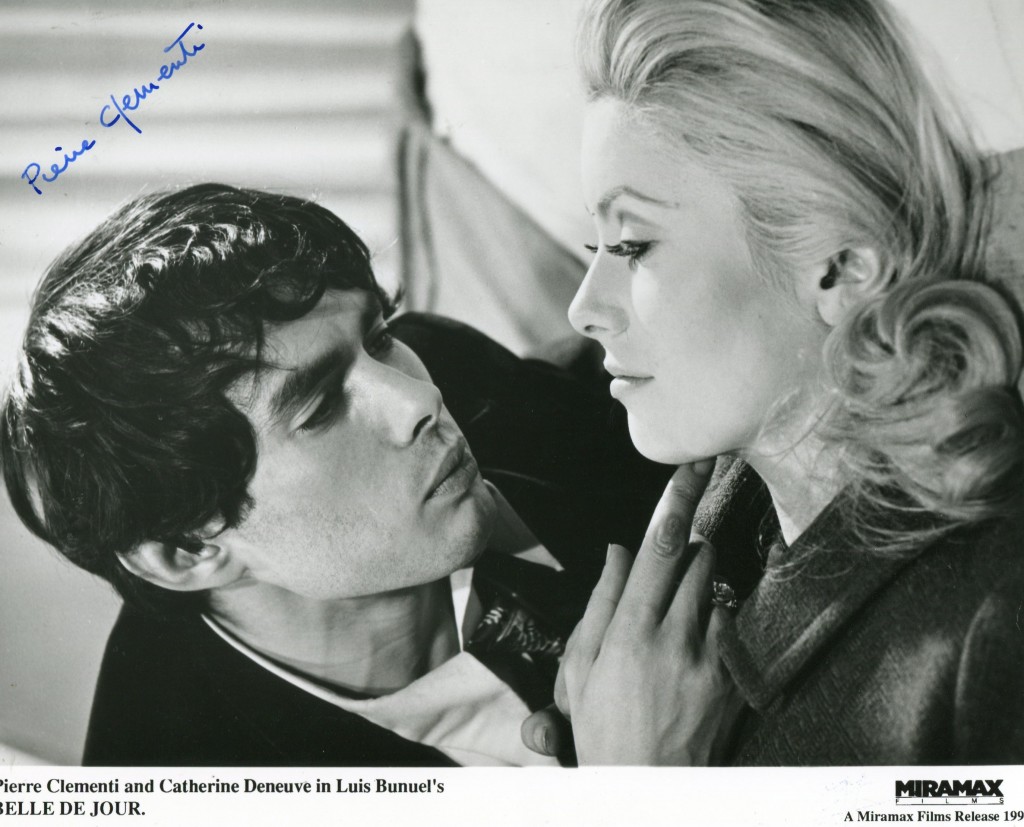
Born in Paris, Clémenti studied drama and began his acting career in the theatre. He secured his first minor screen roles in 1960 in Yves Allégret‘s Chien de pique performing alongside Eddie Constantine. Arguably, his most famous role was that of gangster lover of bourgeois prostitute Catherine Deneuve in Belle de jour, the 1967 classic by Luis Buñuel, in whose film La voie lactée he played the Devil.

In 1972, his career was derailed after he was sentenced to prison for allegedly possessing or using drugs. Due to insufficient evidence, Clémenti was released after 17 months; later he penned a book about his time in prison.  Throughout his career, he continued to be active in the theatre.

He was also involved with the French underground film movement, directing several of his own films which often featured fellow underground filmmakers and actors. . He went on to direct La Revolution ce n’est qu’un debut, continuons le combatIn the Shadow of the Blue Rascal and Sun.

He died of liver cancer in 1999.

Brian Baxter’s “Guardian” obituary:

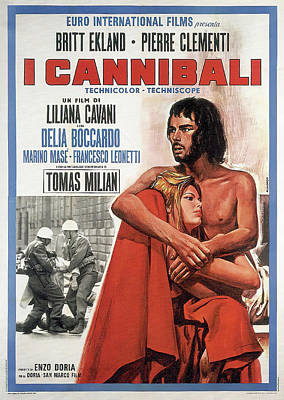
The films of the French actor-director Pierre Clémenti, who has died of cancer aged 57, included Luchino Visconti’s The Leopard (1962), Luis Buñuel’s Belle de Jour (1967), and The Milky Way (1969), Pier Paolo Pasolini’s Pigsty (1969), and Liliana Cavani’s reworking of Antigone, The Cannibals (1970).

In 1971 he worked with Walerian Borowczyk in Blanche, and, for the decidedly less flakey Hungarian director Miklos Jancso, in The Pacifist, opposite Monica Vitti. His politics were in evidence with these directors, and, more markedly, with the Brazilian Glauber Rocha, who directed him in Cabezas Cortadas (1970). He made two movies for Bernardo Bertolucci. After Partner (1968), he was rewarded with a key role in the director’s masterpiece The Conformist.

Yet the charitable view of Clémenti and his 40-year career would be that he did not realise his potential. The reasons involve his back ground and lack of training, rightwing pressures and post-1970s changes in world cinema which marginalised him and other radicals. An alternative version is that he was not a versatile actor, and, as a director – of four features and some shorts – his interests ended with the experimental and avant-garde. He was an art-house figure, a sexy, disturbing, androgynous presence in some memorable European films made between the early 1960s and the late 1970s. Many of his roles were minor, especially as his looks faded, and he only occasionally acted in mainstream cinema – for example, in the period romp Benjamin (1968).

Clémenti was born in Paris, to an unknown father, and while young, spent time in reform school. His film career began in 1960 with Yves Allegret’s Chien de Pique. Two years later Visconti cast him as Burt Lancaster’s son in The Leopard, and his sultry, full-lipped face won him parts in French and Italian movies. He also featured in a French television series.

His big break came with his role in Belle de Jour, starring Catherine Deneuve, and in 1968 he was reunited with her when, at 26, he starred in Benjamin, as a 17-year-old trying to lose his virginity. “Clémenti indicates adolescent innocence by being loose-limbed and girlish,” wrote Pauline Kael. “It is essential for the boy to suggest the kind of man he will become once he has learned what everyone is so eager to teach him, but Clémenti looks as though he would become a lesbian.”

The period from the making of Belle de Jour was wonderfully productive, but in 1971 Clémenti was imprisoned in Italy on drugs charges. He never seemed to fully recover from the ordeal, but the experience led to a book and a film, New-Old (1978), which he described as “my diary of my life before and after 1973”. He was bitter about the lack of help from the French authorities over the charges, feeling this was a delayed punishment for his support of the 1968 uprising.

In the late 1960s he began work as a director, initially making 16mm experimental shorts, and the psychedelic Visa de Censure (1968). It was 10 years before he made another feature, New-Old, and a further decade before Soleil (1988), described as a song of love and death and stemming from his theatre work. In the same year, he directed A l’Ombre de la Canaille Bleue, which, like the others, only surfaced in a Cinemateque Francaise retrospective of experimental movies.

After his release from prison in 1973, Clémenti worked for Dusan Makavejev, playing a sailor in the outrageous Sweet Movie. A sturdy version of Herman Hesse’s Steppenwolf (1974) followed, and his leftist credentials earned him a role in the Marxist The Red Poster (1976). Several weak films followed, then he took the lead in Jean-Jacques Andrien’s debut feature, Le Fils d’Amr est Mort (1978), a magical work which nonetheless failed to revive the actor’s career. During the next 20 years, Clémenti worked mainly in Portugal, France and Germany, and had a small part, as Vic, in the independent American director James Toback’s thriller Exposed (1983), with a cast that included Rudolf Nureyev, Bibi Andersson and Harvey Keitel.

Although he worked in the theatre and occasional films, including L’Autrichienne (1989) opposite Ute Lemper and Massacre (1995), by the 1990s his looks had gone and he was memorably described as “a broken dandy” – a description which encompassed his Wildean sense of the extravagant. Oddly, his last film was British, Hideous Kinky (1998), but his role was minor. Ill-health had cut his workload to a minimum.

Clémenti was not a great actor, but he was an incarnation of a period long gone from both cinema and life. It is now replaced with the conformity he could not abide.

Pierre Clémenti, actor, director, born September 28 1942; died December 28 1999

The above “Guardian” obituary can also be accessed online here.

Kaz Garas
Kaz Garas
Kaz Garas

Kaz Garas was born in Lithuania in 1940.   He came to the U.S. when he was nine years of age.   He made his debut in the TV series “Seaway” in 1966.  He came to the U.K. to make the popular series “Strange Report” in 1969.   His films include “The Last Safari” with Stewart Granger in 1967.   Fropm the 1970’s onwards most of his work has been on American television.

Bjorn Andresen
Bjorn Andresen
Bjorn Andresen
 

Bjorn Andresen was born in 1956 in Stockholm, Sweden.   His major claim to fame was for his role as ‘the boy’ in the acclaimed “Death in Venice” with Dork Bogarde in 1971.

Nino Castelnuovo
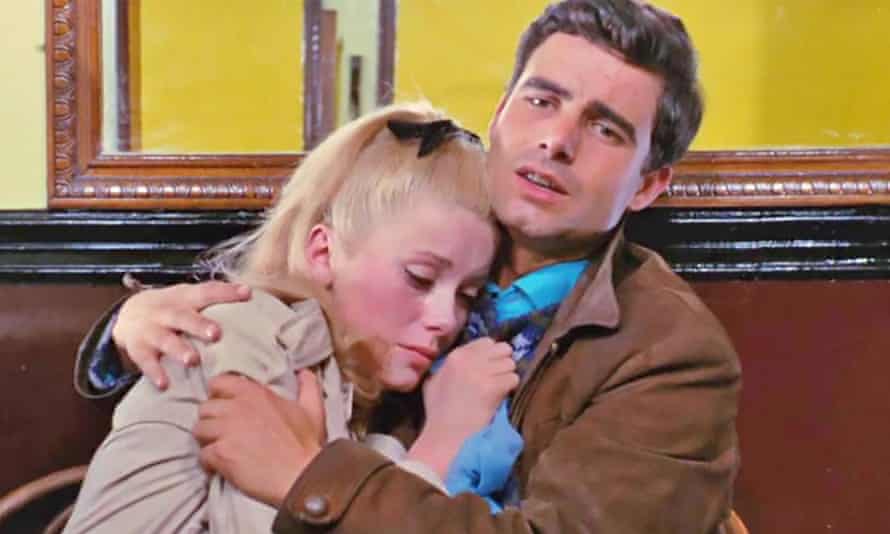
Nino Castelnuovo & Catherine Deneuve

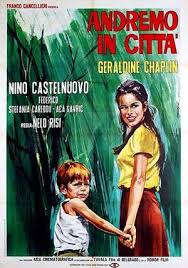
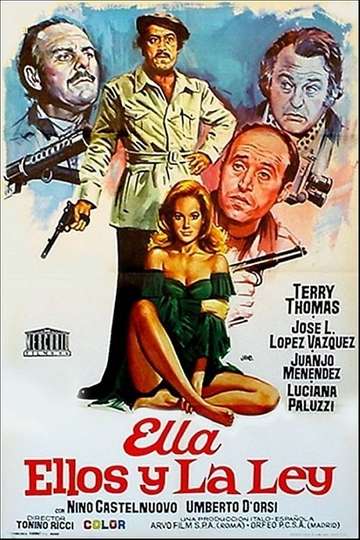
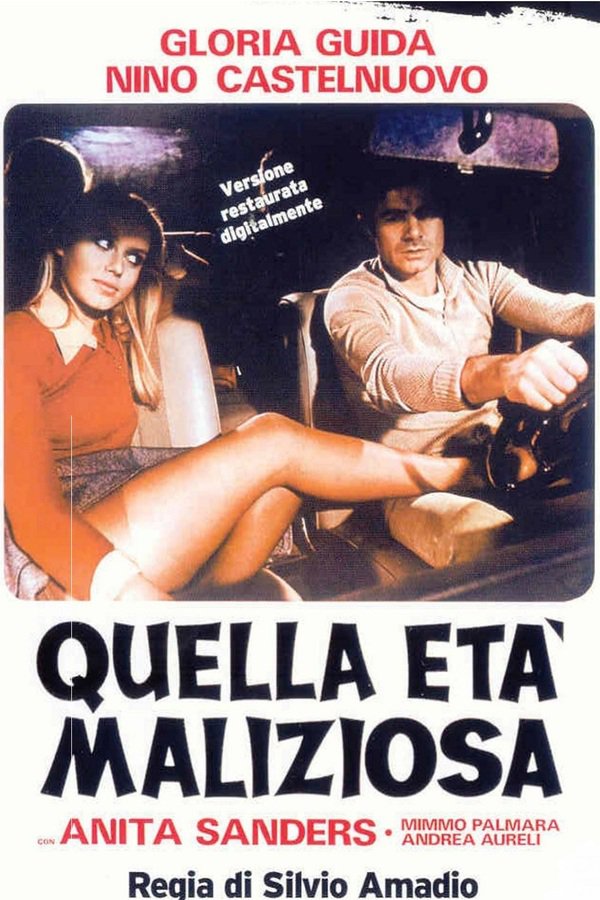
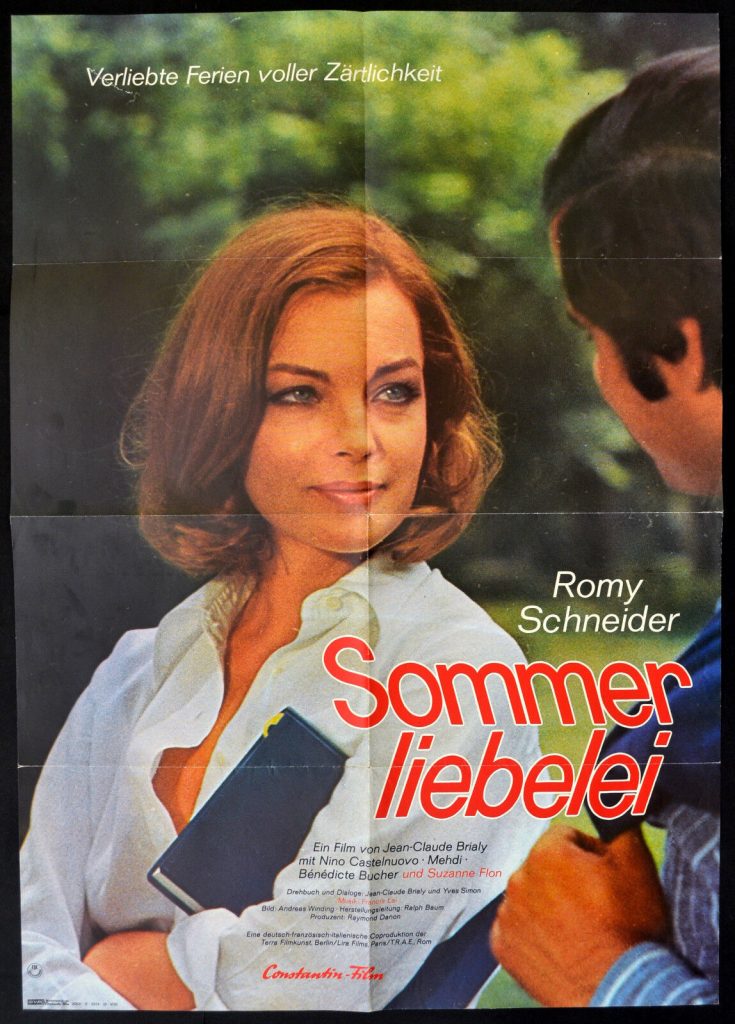
Nino Castelnuovo was born in 1936 in Italy.   His best known role was in “The Umbrellas of Cherbourg” opposite Catherine Deneuve in 1964.   His other movies include “Rocco and his Brothers” which was directed by Luchino Visconti and “The English Patient”.    Nino Castelnuvo died in 2021.

Nino Castelnuvo’s obituary in The Guardian in 2021.

Actor best known for playing Guy Foucher in the French musical film classic The Umbrellas of Cherbourg

Nino Castelnuovo and Catherine Deneuve in The Umbrellas of Cherbourg, 1964.
Nino Castelnuovo and Catherine Deneuve in The Umbrellas of Cherbourg, 1964. Photograph: Pictorial Press Ltd/Alamy

Ryan GilbeySun 19 Sep 2021 16.34 BST

The actor Nino Castelnuovo, who has died aged 84, starred in one of the indisputable masterpieces of 1960s French cinema: Jacques Demy’s heartbreaking and visually ravishing musical The Umbrellas of Cherbourg (1964).

Castelnuovo was tender and compelling as Guy, the handsome mechanic in love with Geneviève (Catherine Deneuve), who works in her mother’s umbrella shop. Their romance is interrupted when Guy is summoned to do his military service in the Algerian war. Immediately after he breaks this news to Geneviève, the tearful couple, filmed from the waist up, are borne smoothly along the street as if on a conveyor belt. The scene suggests their trance-like state of shock while hinting at forces beyond their knowledge.

Geneviève gives birth to Guy’s child while he is away, but when the former lovers meet again six years later, their lives have changed irrevocably. Guy, bruised and disillusioned by his wartime experiences, is no longer so dashing or carefree. Neither of them are single.

The vibrant primary colours of the earlier scenes are thin on the ground, as is the sweethearts’ idealism, but it is also true that they have moved on and matured.

The final scene, set on a snowy night at the Esso garage that Guy now owns, is a perfect marriage of the lyrical and the quotidian. “Is this the saddest happy ending in all of movies, or the happiest sad ending?” wondered the critic Jim Ridley. “The beauty, and profundity, of Demy’s vision is that it’s both.”

Two compositions from the film – I Will Wait For You and Watch What Happens – became popular standards. For the most part, though, Michel Legrand’s score is comprised not of individuated songs but of dialogue that is entirely sung-through, as in opera. (None of the cast members do their own singing; Castelnuovo is dubbed by José Bartel.)

Just as the unremarkable port setting is brought to heightened, shimmering life by Demy’s visual panache, so one of the film’s pleasures is the contrast between the banality and pragmatism of the everyday exchanges, and the lushness of the music that accompanies them.

The Umbrellas of Cherbourg formed part of the director’s seaside trilogy, sandwiched between Lola (1961), set in Nantes, and Les Demoiselles de Rochefort (1967). It won the Palme d’Or at the Cannes film festival, was nominated for five Academy Awards (including best foreign language film), and remains widely adored today. Damien Chazelle, the director of the musical La La Land (2016), called it “the most shattering, transporting work of art I’ve seen in any medium”.

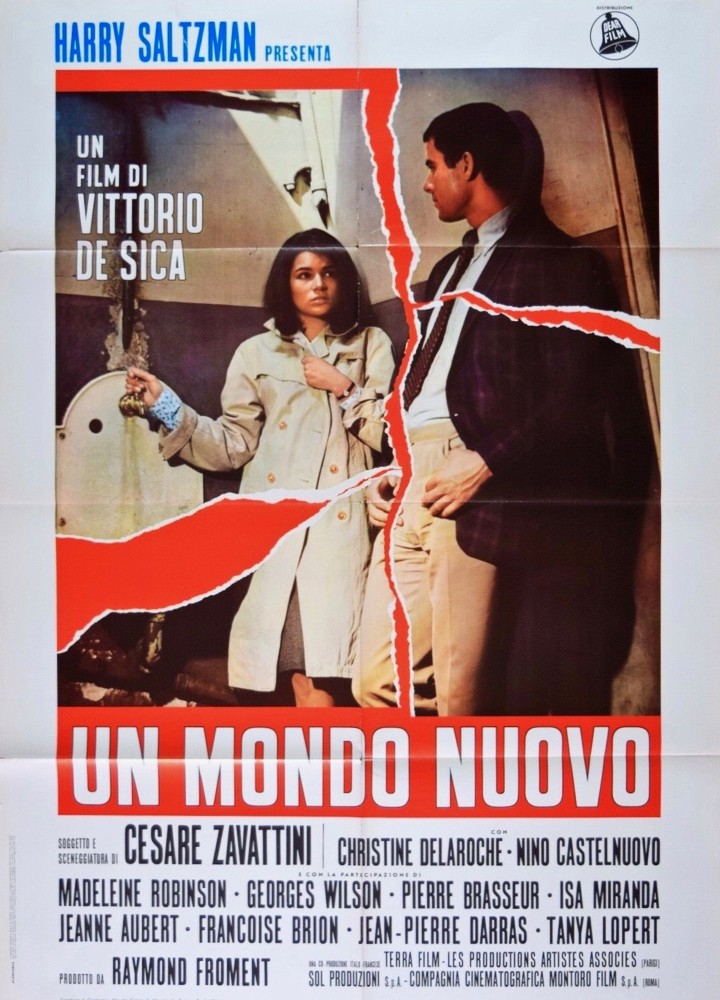
Deneuve’s career took off internationally after the film’s release; Castelnuovo kept working but fared less well. Among his subsequent movies were Edgar G Ulmer’s swansong The Cavern (1964), Vittorio De Sica’s A New World and the spaghetti western Massacre Time, as well as The Creatures, a film by Demy’s wife, Agnès Varda, which also featured Deneuve (all 1966). In 1967, he became a star in Italy with the television series The Betrothed, set in the 17th century. Pope Paul VI, who was apparently a fan of the show, had asked to meet him.

Born in Lecco, Italy, Nino was the son of Emilia Paola (nee Sala), a maid, and Camillo Castelnuovo, who worked in a button factory. He took jobs as a mechanic and a painter while pursuing his interest in gymnastics and dancing. After studying drama at the Piccolo theatre in Milan, he appeared as a mime artist on children’s television before landing a bit part in The Virtuous Bigamist (1956) and his first credited role in the thriller The Facts of Murder (1959).

He starred with Alain Delon in Luchino Visconti’s magnificent drama Rocco and His Brothers, alongside the director Pier Paolo Pasolini in The Hunchback of Rome (both 1960), and with Tony Curtis and Monica Vitti in the medieval caper On My Way to the Crusades, I Met a Girl Who … (1967).

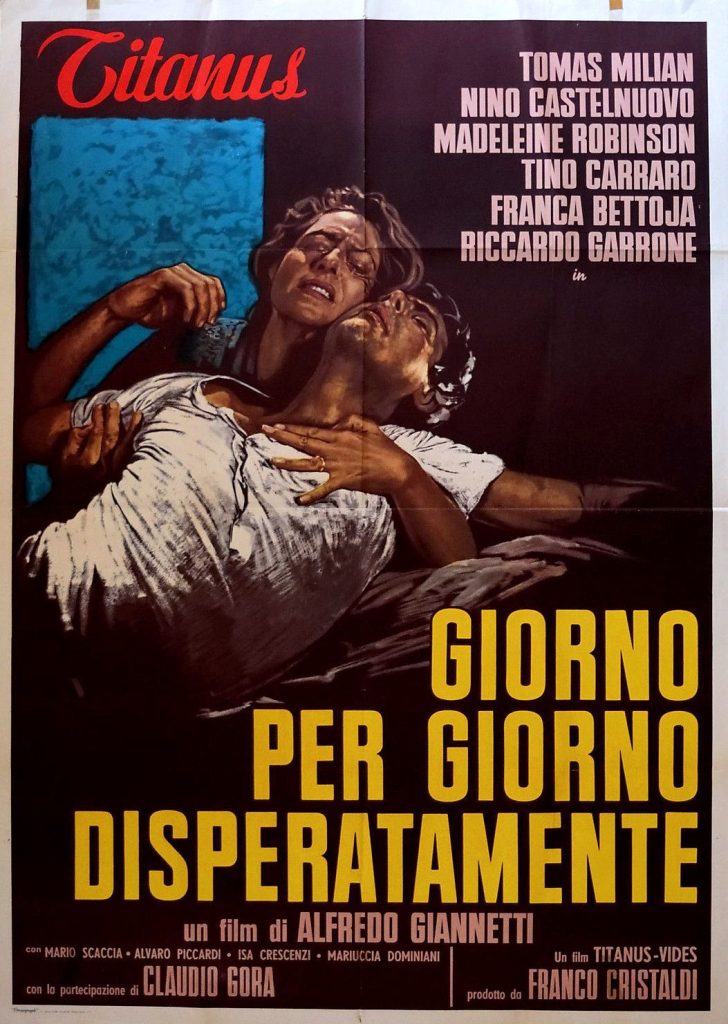
He was in the western-cum-heist movie The 5-Man Army, co-written by Dario Argento and scored by Ennio Morricone, and the erotic drama Camille 2000. In the portmanteau film Love and Anger (1969), he appeared in Jean-Luc Godard’s contribution, L’amore.

His work in the 70s and 80s, including the Star Wars rip-off Star Odyssey (1979), was confined largely to home-grown film and television. In the 80s, his profile rose in Italy when he appeared in a television commercial for corn oil, in which he was shown leaping over a fence as evidence of his heartiness even in middle age.

A brief return to international cinema came when Anthony Minghella cast him as an archaeologist in the Oscar-winning romantic epic The English Patient (1996). He played an unscrupulous judge in the Italian television series Tuscan Passion, which ran from 2013 to 2015, and his last credit was in the TV movie The Legacy Run (2016), a crime drama set in the world of sport.

He is survived by his wife, Maria Cristina Di Nicola, and a son, Lorenzo, from a previous relationship with the actor Danila Trebbi.

 Nino (Francesco) Castelnuovo, actor, born 28 October 1936; died 6 September 2021

Rosanna Podesta
Rossana Podesta
Rossana Podesta

Rossana Podesta was born in 1934 in Tripoli, Libya.   She starred in Italian movies in the 1950’s, “Ulysses” in 1955, “Helen of Troy” and “Sodom and Gomorrah”.   She died in 2013.

IMDB entry:

Rossana Podestà was born on August 20, 1934 in Zlitan, Misratah, Libya as Carla Podestà. She was an actress, known for 7 uomini d’oro (1965), Helen of Troy (1956) andHorror Castle (1963). She was married to Walter Bonatti and Marco Vicario. She died on December 10, 2013 in Rome, Lazio, Italy.

Italian sex siren of the late 50s and 60s best known for playing Helen of Troy on film and for her appearances in European sandal-and-spear spectacles.
After considering such established stars as Lana TurnerElizabeth TaylorRhonda FlemingAva Gardner and Yvonne De Carlo for the lead in Helen of Troy (1956), directorRobert Wise chose Podesta, an established actress but one who was relatively unknown outside of Italy. The problem was that she could not speak English. As she would be surrounded by British actors, and to avoid a clash of accents and dialects among the characters, Wise employed a vocal coach to help her learn her lines by rote.
Was one of the judges in the 1979 Miss Universe pageant.
She was the partner of climber/writer Walter Bonatti from 1980 until his death (13 September 2011).
 
Mother of directors Stefano Vicario and Francesco Vicario.
 
Moved to Rome after World War II.
Lisa Gastoni
Lisa Gastoni
Lisa Gastoni
 

Lisa Gastoni was born in Italy in 1935.   Virtually all her career has been in British films starting with “Doctor in the House” in 1954.   Her other movies include “The Baby and the Battleship”, “Three Men In A Boat” and “Blue Murder At St Trinians”.

“Wikipedia” entry:

Daughter of an Italian father and an Irish mother, Gastoni moved to England after World War II and there began her film and modeling career. She appeared in various B-movies throughout the 1950s, as well as co-starring as Giulia in the Sapphire Films TV series The Four Just Men (1959) for ITV.   Gastoni returned to Italy in the 1960s, at first appearing in sword-and-sandal and swashbuckler films, but eventually gaining the attention of respected directors. The turning point in her film career was her role in Grazie, zia by Salvatore Samperi. This would set the tone for the roles she would play for the next decade; bourgeois women who were seductive yet sexually frustrated, cruel and arrogant yet sad and sympathetic, manipulating the people around them to try and fill the emptiness in their own lives.   After 1979, she retired from acting for over 20 years, focusing on painting and writing. She returned to the screen with an appearance in the film Cuore Sacro.

The above “Wikipedia” entry can also be accessed online here.

Eva Gabor
Eva Gabor
Eva Gabor
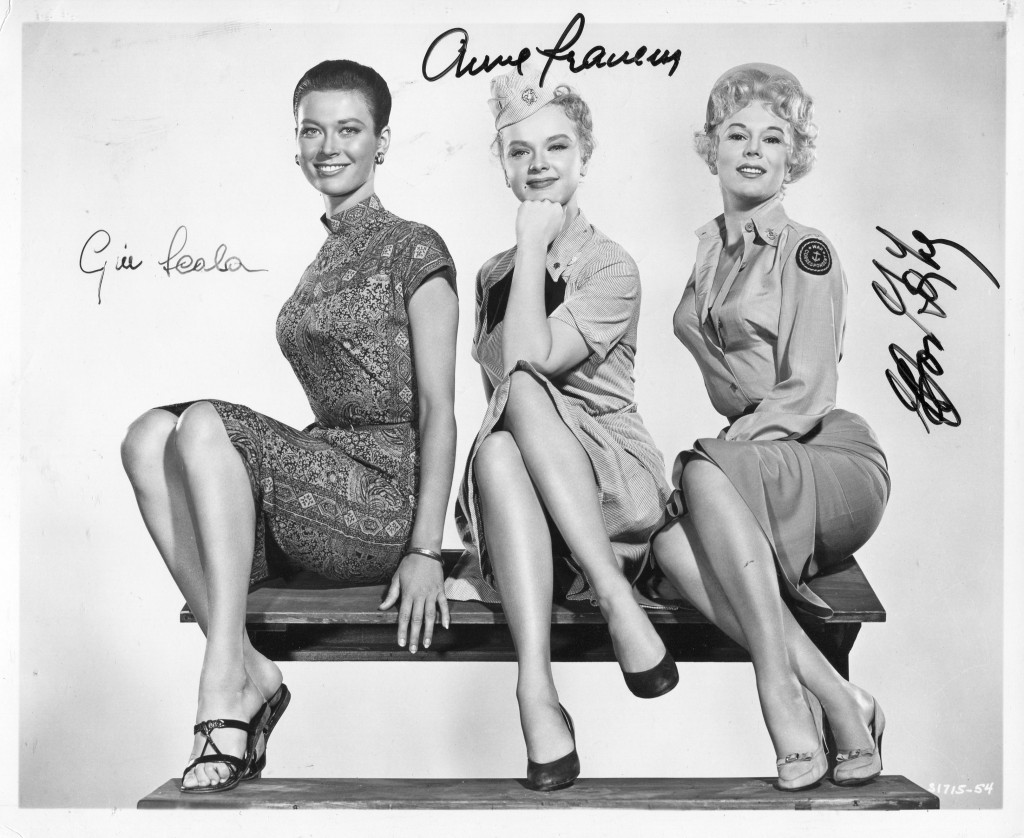
Gia Scala, Anne Francis & Eva Gabor

Eva Gabor was born in 1919 in Budapest, Hungary.   She was the younger sister of Zsa Zsa Gabor.   She is best remembered for her role as ‘Lisa Douglas’ wife of Eddie Albert in the popular television series “Green Acres”.  The series ran from 1965 until 1971.   Her films include “Don’t Go Near the Water”, “My Man Godfrey” and “Gigi”.   She died in 1995.

TCM overview:

The youngest of the Gabor sisters, Eva came first to the United States in the thirties, establishing a fluffy career in films and later on Broadway. Fluffy best delineates the difference between the two sisters. Despite her jump on Zsa Zsa, her publicity was based more on mere sophistication, continental understanding and sweetness; she lacked the tartness and bite of Zsa Zsa. In the 1950’s, when publicity aspired to its peak for cynicism and zaniness, Zsa Zsa was destined to be the public favorite, just as she was Mama Jolie’s favorite at home.

But Eva paved the way, especially in early television’s live dramatic series that came out of New York (“GE Theater”, “Philco Playhouse”, “Climax”, etc.) and later guesting enough in the 1960s to keep herself moderately known. As Zsa Zsa’s career outstripped itself in the 60s on “Hollywood Squares”, Eva received a plum series opportunity on the inane, but popular, “Green Acres”. As Lisa Douglas, Manhattan socialite turned farmer’s wife (“I gad allergic smalling hay”) she was the Desi/Ricky figure opposite Eddie Albert’s supposed Lucy, drifting through chicken coops and hogpens in her eternal maribou negligees, blank but childlike, trusting and sweet. Middle America tuned in for a surprising five years and 170 episodes.

Her charm remained intact guesting on such happening series as “The Love Boat” and “Fantasy Island” and showing up to chat amicably on Merv Griffin and Mike Douglas, the former of which was engaged to her in some press agent’s dream. She smiled glamorously from the covers of her wig catalog, bewigged in the usual lookalike Gabor style,  causing more confusion about who’s-who than ever.

The above TCM overview can also be accessed online here.

Dany Robin
Dany Robin
Dany Robin

David Shipman’s “Independent” obituary in 1995:

Dany Robin was one of the first post-war French ingenues – very pretty, fragile, chic but elfin, shy but assured and with an ardent naivety which so well reflected the country’s then optimistic view of itself.
Robin had a small role in Lunegarde (1945), which starred Gaby Morlay; and another leading director, Marcel Carne, offered a part in Les Portes de la nuit (1946). But she was first really noticed in Le Silence est d’or (1947), Rene Clair’s first film after returning from Hollywood. It was a comedy about making silent movies, with Maurice Chevalier as a director, Francois Perier as his apprentice and Robin as the latter’s petite amie, deserting him for a wealthy, older man who is one of Chevalier’s backers.

In 1948 she co-starred with Georges Marchal in La Passagere, the first of several teamings; they were married in 1951. Marchal was probably France’s most popular movie idol after Jean Marais – and she co-starred with Marais in Roger Richebe’s Les Amants de minuit (1952), a modern Cinderella tale of charm and humour. She played a lonely girl who, on Christmas Eve, attracts the attention of a rich young man who buys her a dress from the shop where she works; this leads to complications when her boss sees them at a night- club.

It was the first of her films to be seen widely outside France; along with Julien Duvivier’s La Fete a Henriette, a comedy about a screenwriter (Michel Auclair), a dressmaker (Robin) and a circus performer – played by Hildegarde Neff, who had earlier starred in Film Ohne Titel, from which this movie borrowed several of its freewheeling ideas.

Robin acted in English for the first time on screen in Act of Love (1953), a Franco-American co-production directed by the Russian Anatole Litvak. His earlier attempt to examine some of the problems in post-war Europe, Decision before Dawn, was not particularly liked, and nor was this, as written by Irwin Shaw from a well-regarded novel by Alfred Hayes, The Girl on the Via Flaminia. Kirk Douglas played the lead, a GI whose romance with a country girl, Robin, becomes fraught for both of them. Karel Reisz said that Robin ”plays Lisa with a certain wan charm”, a verdict unlikely to lead to international stardom – not, anyway, with the advent of Brigitte Bardot, who had had a small role in Litvak’s film.

Robin had a few moments as Desiree Clary in Sacha Guitry’s Napoleon, and remained popular in France. She appeared in two rather risque films directed by Jacqueline Audrey, L’Ecole des cocottes (1958) and Le Secret du Chevalier d’Eon (1959), and in two of the proliferating ”sketch” films, both in episodes with the leading actor of the nouvelle vague, Jean-Paul Belmondo. Henri Verneuil directed the cynical ”adultery” section of La Francaise et l’amour (1960), with Robin as a bored wife and Belmondo as the man who consoles her; and in Les Amours celebres (1961) he was the courtier and soldier the Duc du Lauzan and she one of the mistresses of Louis XIV.

She returned to Britain to co-star with Peter Sellers in Waltz of the Toreadors (1962), as the Frenchwoman who expects to extricate him from his horrible marriage. Robin was a mysterious figure in Follow the Boys (1963), a Connie Francis vehicle set on the Riviera, and, now married to the British producer Michael Sullivan, she was Sid James’s light o’ love in one of the lesser ”Carry Ons”, Don’t Lose Your Head (1966). She was the mistress of both father and son – George Sanders and David Hemmings – in the Norden-Muir cornucopia of Victoriana, The Best House in London (1969), and in Hitchcock’s Topaz (1969), although married to Frederick Stafford (who had the leading role), she was having an affair with a fellow secret agent, Michel Piccoli. It was her last film.

David Shipman

Dany Robin, actress: born Clamart, France 14 April 1927; twice married; died Paris 25 May 1995.

The above “Independent” obituary can also be accessed online here.
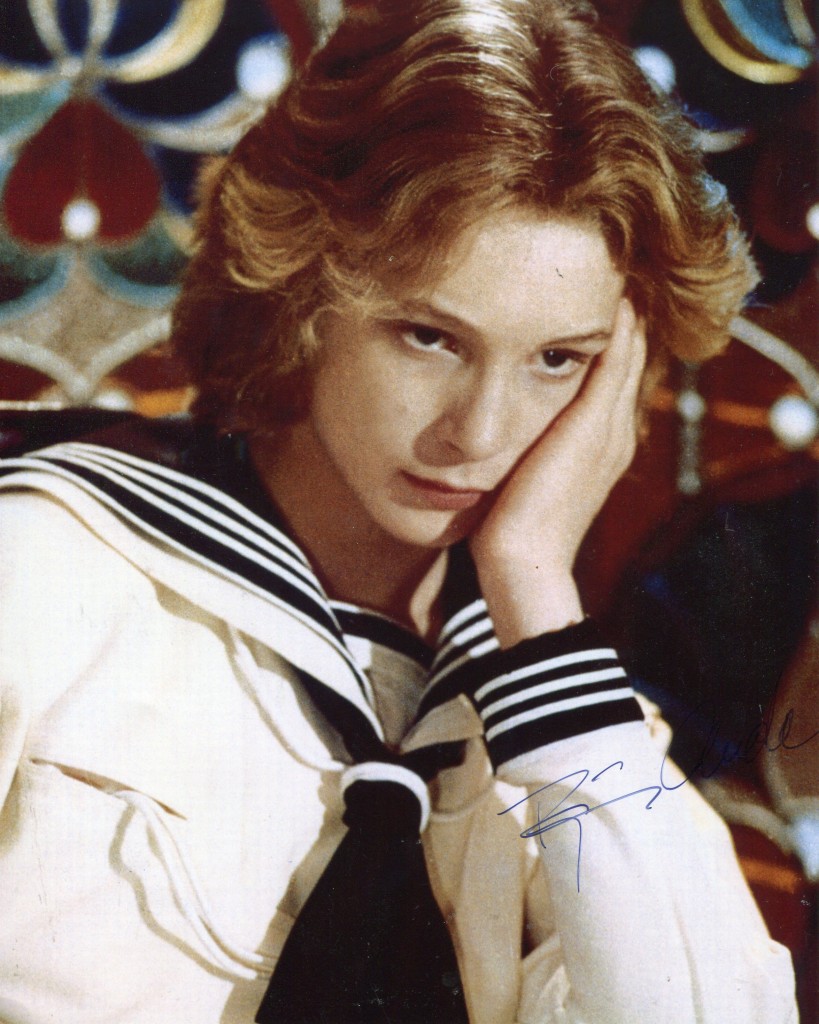
Dany Robin was a French actress of the 1950s and the early 1960s who was married to fellow actorGeorges Marchal.   She performed with Peter Sellers in The Waltz of the Toreadors and co-starred opposite Kirk Douglas in the 1953 romantic drama Act of Love.   Robin co-starred with Connie FrancisPaula Prentiss, and Janis Paige in Follow the Boys (1963). Her last leading role was the agent’s wife Nicole Devereaux in Alfred Hitchcock‘s Topaz (1969). Hitchcock said that Robin and Claude Jade, cast as Robin’s daughter, would provide the glamour in the story.   She died with her husband, Michael Sullivan, during a fire in their apartment in Paris.

Gary Brumburgh’s entry:

This pert, delicate-looking French dish with the piled-high blonde hairdo was a one-time threat to the sexy, kittenish pedestal ‘Brigitte Bardot’ stood on during the 1950s. Born on April 4, 1927, the lithe and luscious Dany Robin trained as a ballerina as a child and eventually made her way to the Opera de Paris. At age 19, however, she opted for a movie career. Studying at the Paris Conservatoire, she made her screen debut inLunegarde (1946) and grew quickly in popularity as a sensual but virginal heroine of light, fluffy comedy with such pictures as Monelle (1948) (Monelle), Naughty Martine(1947) (Naughty Martine), Frou-Frou (1955), and Mimi Pinson (1958) endearing her to Gallic audiences. Working for such legendary directors as ‘Marcel Carne’ and René Clair, Dany first turned heads in the latter’s film Man About Town (1947) (Man About Town) opposite French sensation Maurice Chevalier. Though most of her films were produced in her homeland, she took in international pictures from time to time in the 1960s, appearing in the British sex comedy Waltz of the Toreadors (1962) opposite Peter Sellersand the innocuous Connie Francis starrer Follow the Boys (1963) here in the U.S. Her last film would be in Alfred Hitchcock‘s thriller Topaz (1969), also an American production. Divorced from French heartthrob Georges Marchal, she married producer Michael Sullivan and retired. On May 25, 1995, Dany was tragically killed in a fire that occurred inside her Paris apartment. She was 68.

– IMDb Mini Biography By: Gary Brumburgh / gr-home@pacbell.net

Britt Ekland
Britt Ekland
Britt Ekland

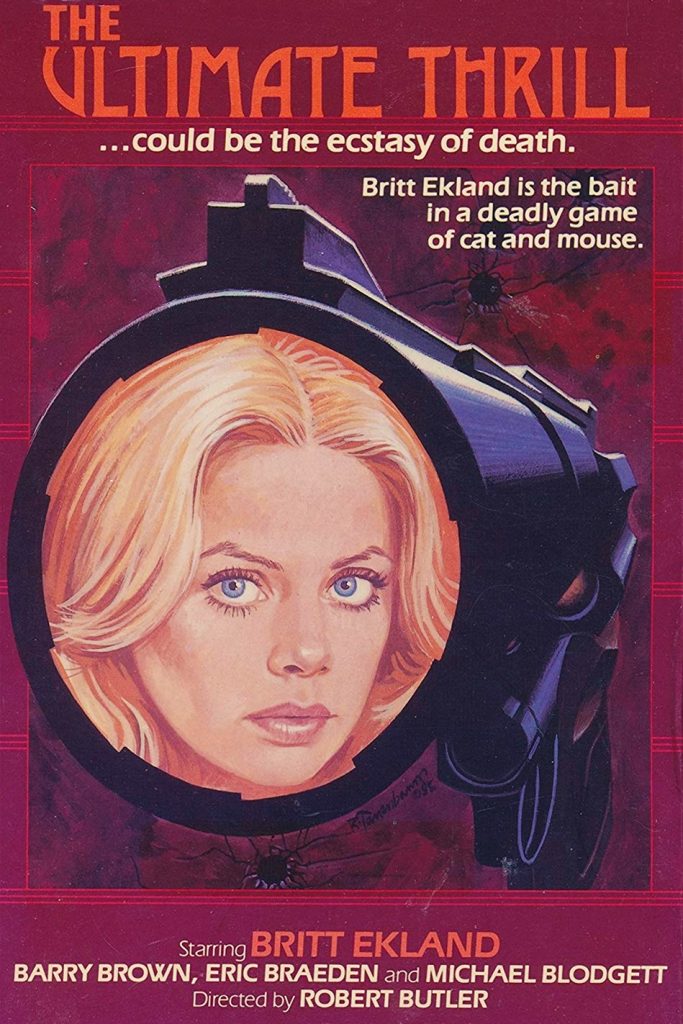
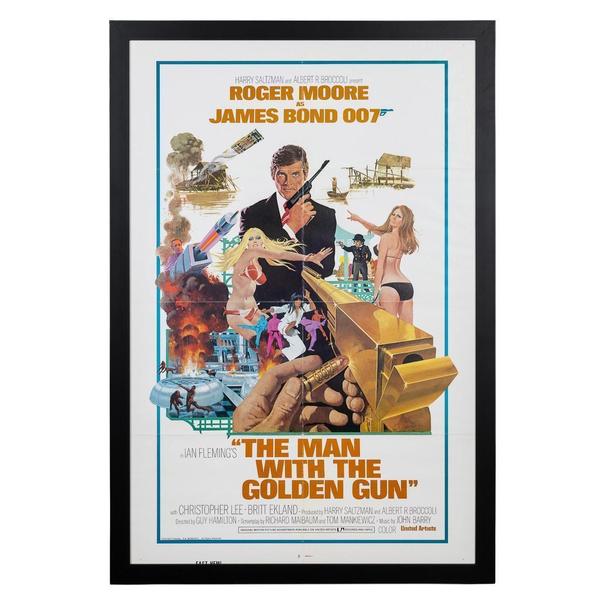
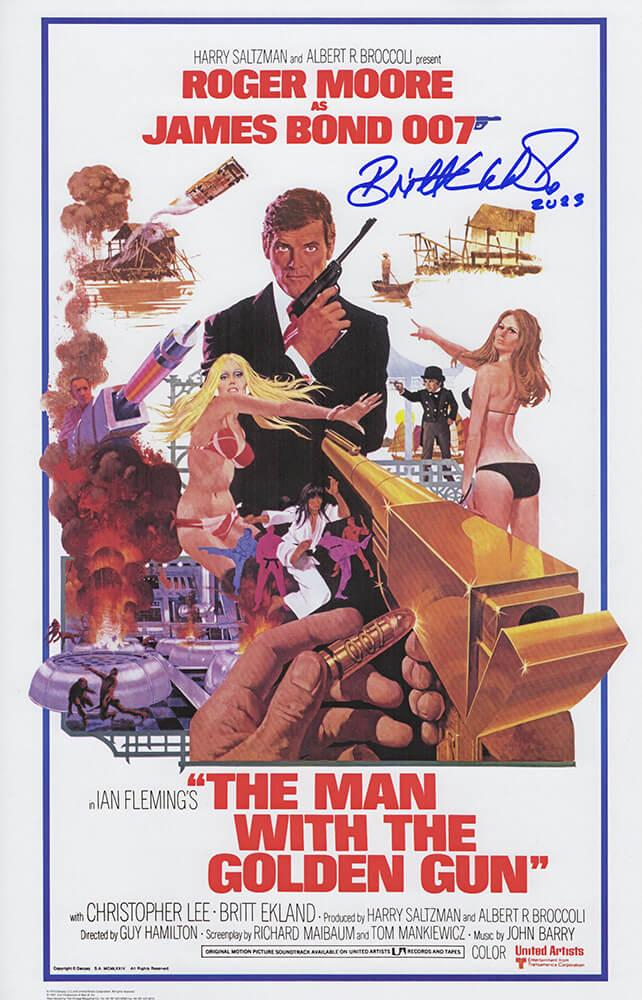
 Britt Ekland is a Swedish actress and singer, and a long-time resident of the United Kingdom. She is best known for her roles as a Bond girl inThe Man with the Golden Gun, and in the British cult horror film The Wicker Man, as well as her marriage to actor Peter Sellers.   Other films include “The Bobo”, “The Night They Raided Minskys” and “Night Games”.

TCM overview:

The epitome of the fresh-faced, sexually adventurous Swede, Britt Ekland was an alluring presence in a handful of popular films in the 1970s, most notably “Get Carter” (1972), “The Wicker Man” (1973) and “The Man with the Golden Gun” (1974). Blessed with a trim figure and impossibly wide eyes, Ekland played both sides of the cinematic sex object – the innocent and the libertine – though off-camera, she definitely fell into the latter category, thanks to relationships with the likes of Peter Sellers, Warren Beatty, Rod Stewart and many others. Ekland’s career essentially dissolved in the late 1970s, though she remained a fixture in low-budget films and on television, as well as an inspiration to younger men everywhere through her marriages to rockers Phil Lewis and Slim Jim Phantom, who were both two decades her junior. Her best films kept her image as one of the 1970’s most enticing starlets alive for generations.

Born Britt-Marie Eklund in Stockholm, Sweden on Oct. 6, 1942, she was the sole girl among three brothers. Her father was a successful retailer, and her mother a homemaker. Contrary to her glamorous screen appearance, she was a plain, slightly overweight girl during her adolescent years, but shed the weight before attending drama school and later, a traveling theater group. Discovered in Rome at the age of 20 by a 20th Century Fox representative, she was signed to a seven-year contract, and made her film debut in an uncredited turn as a German girl in Elvis Presley’s post-military feature “G.I. Blues” (1960). Petite, blonde and pert, she was an undeniably watchable background player in her earliest features, which took her from her native Sweden to Italy, opposite Toto in “The Commandant” (1963), and America, as an uncredited Swedish nudist in Mark Robson’s “The Prize” (1963), with Paul Newman as a Nobel laureate distracted by Elke Sommer.

Ekland’s star ascended nearly overnight when she became Peter Sellers’ second wife in 1964. The eccentric comedian had spotted a photograph of her in a newspaper and proposed to her shortly after meeting her in London. Their relationship was the stuff of tabloid legend, most notably after Sellers reportedly suffered the first of many heart attacks on their wedding night. Together, they would appear in three projects: the Rod Serling-penned “Carol for Another Christmas” (ABC, 1964), a bleak, modernized take on “A Christmas Carol” with Sterling Hayden as a Scrooge-like industrialist and Sellers as a post-apocalyptic ruler; Vittorio De Sica’s “After the Fox” (1966), with Sellers as an Italian master criminal and Ekland as his long-suffering sister; and “The Bobo” (1967), with Sellers as a bumbling matador who must seduce Ekland’s beauty in order to land a job at a local theater. None of the projects saw much success – “Carol” was screened only once and effectively banned for disturbing wartime imagery, while critics regarded Ekland as totally miscast in the subsequent comedies. Her marriage to Sellers also met with disaster, and they divorced in 1968. She soon developed a reputation as one of Hollywood’s most sought-after women, and enjoyed high-profile relationships with Warren Beatty, Jack Nicholson and George Hamilton, among others.

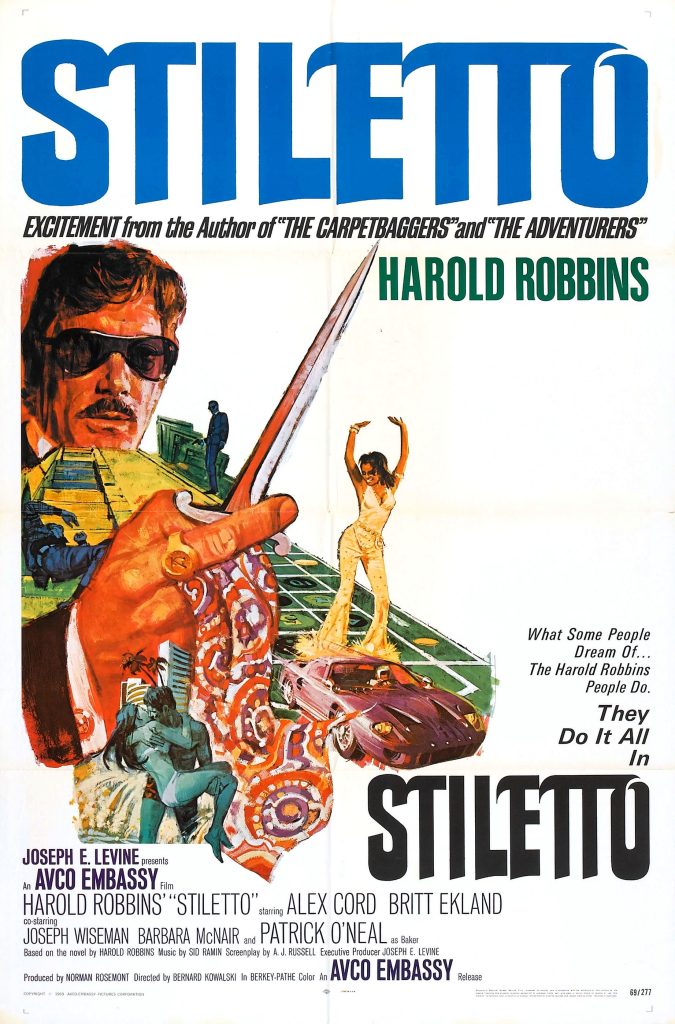
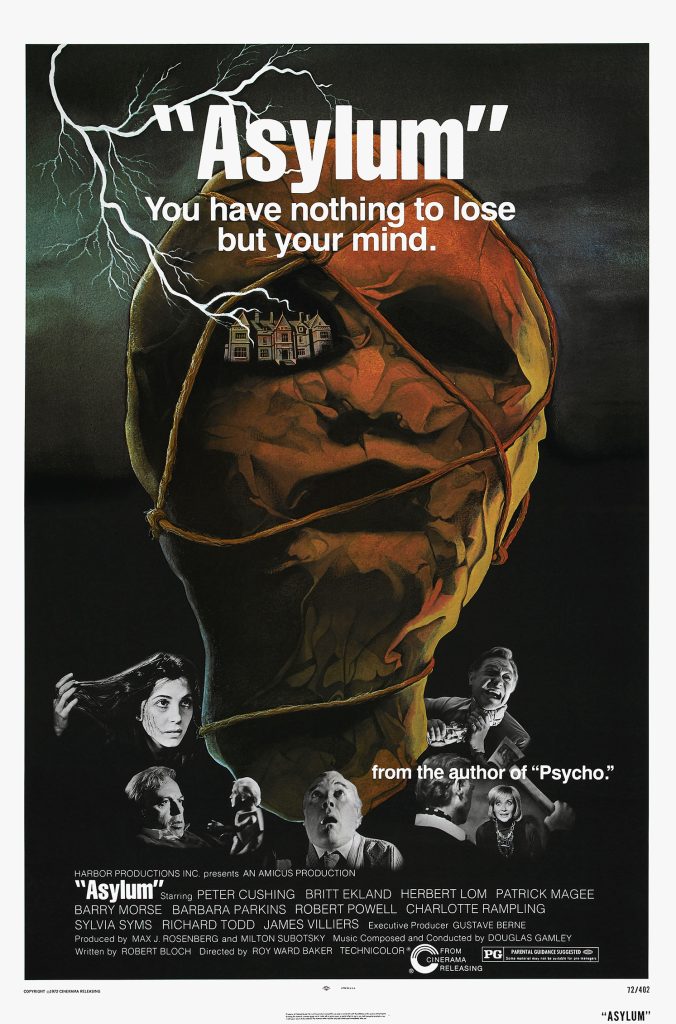
Ekland would then bounce between Hollywood and international projects of varying degrees of quality over the next decade. She was top-billed as an Amish girl who becomes the burlesque queen of Jazz Era Broadway in William Friedkin’s “The Night They Raided Minsky’s” (1968), then served as arm candy for the likes of Alex Cord in “Stiletto” (1969), John Cassavetes in “Machine Gun McCain” (1969) and most notably, in Mike Hodges’ gritty “Get Carter” (1972), where she made the most of a scene in which she indulged in phone sex with Michael Caine’s vengeful gangster. Supporting roles in minor British horror and mystery titles like “Endless Night” (1972) and “Asylum” (1972) preceded the two films for which she was best known: 1973’s “The Wicker Man” and “The Man with the Golden Gun” (1974).
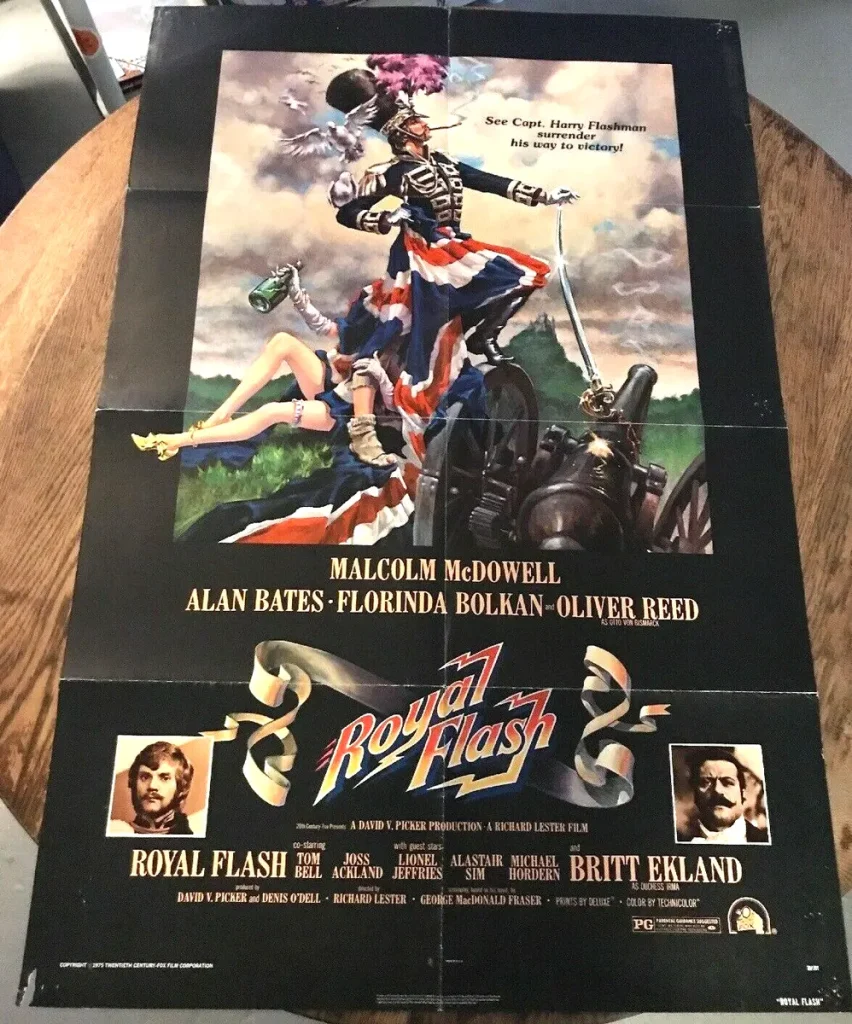
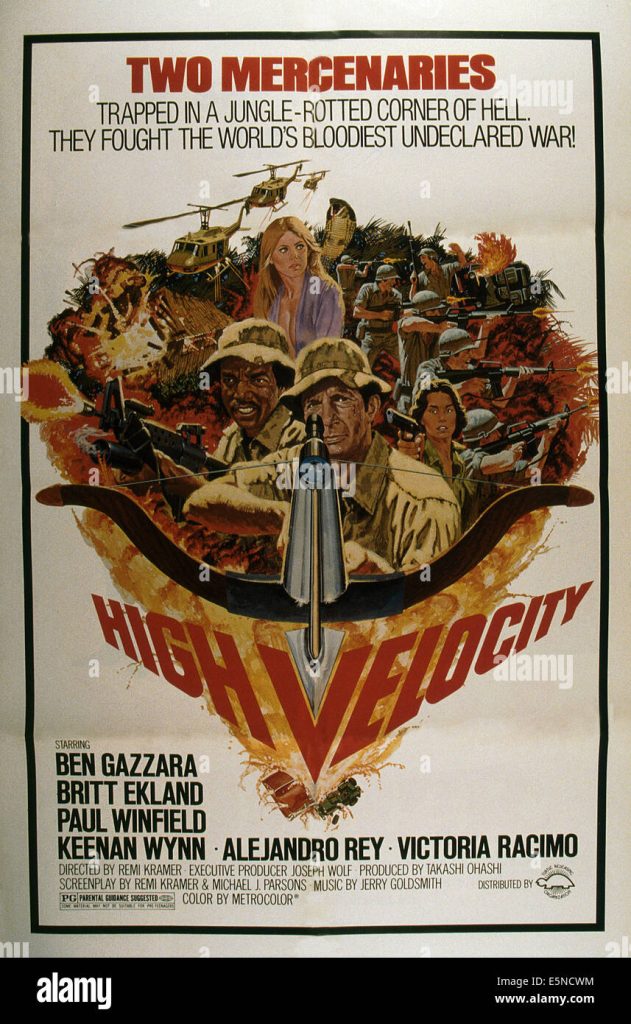
In the former, a cerebral and chilling British horror film by Robin Hardy, Ekland played a sexually alluring young resident of a remote island who attempted to seduce virginal policeman Edward Woodward through a tempestuous naked dance in the hotel room next to his. Despite the notoriety it afforded the actress, Ekland was largely subbed by a body double, as she was pregnant with rock producer and promoter Lou Adler’s child at the time. The following year, she reunited with her “Wicker Man” co-star, Christopher Lee, for “The Man with the Golden Gun,” which marked the second appearance of Roger Moore as James Bond. Ekland played Mary Goodnight, a fellow British intelligence employee who aided Bond in his pursuit of international assassin Scaramanga (Lee) before succumbing to 007’s charms. A recurring character in Ian Fleming’s novels, Ekland’s portrayal lent a ditzier, wide-eyed innocence to the character, and helped to make her one of the more popular 1970s-era Bond Girls.

After leaving Adler in 1975, Ekland took up with British rocker Rod Stewart, which greatly reduced her screen appearances for the next decade. She settled into a domestic routine while Stewart became one of the most popular performers of the decade. On two occasions, their lives and his career came together: she lent vocals in French to his single “Tonight’s the Night,” then served as his muse for “You’re In My Heart, You’re In My Soul,” one of his most enduring ballads. But after learning from Hamilton that Stewart had taken up with his ex-wife, Alana Hamilton, Ekland severed the relationship and returned to acting. Sadly, there were few choice parts for the aging actress, save for low-budget horror like “The Monster Club” (1980) and softcore films like “Love Scenes” (1984).

Ekland instead devoted her time to an autobiography, True Britt, which became a bestseller upon its release in 1980. In the meantime, she took up with several younger lovers from the rock scene, including Phil Lewis from L.A. Guns and Stray Cats drummer Slim Jim Phantom, whom she married in 1984. At the time, she was 42, while Phantom was nearly two decades her junior. Their union produced a son, Thomas Jefferson, before ending in 1992. During this period, Ekland enjoyed her best screen role in over a decade in 1989’s “Scandal,” where she played the notorious prostitute Mariella Novotny. Her appearance in the film, where she appeared topless with gold-painted nipples, caused a stir among critics and longtime fans.

In the 1990s, Ekland busied herself with a beauty and fitness book, as well as an accompanying video, while appearing regularly on American and European television. In the new millennium, she was a fixture on the British stage as the Fairy Godmother in a touring production of the musical “Cinderella,” as well as other shows. In 2010, she journeyed to Australia to participate in the 10th season of “I’m a Celebrity Get Me Out of Here!” (ITV, 2002- ), the popular reality series/game show. She lasted 16 days before her elimination. After a 2004 diagnosis with osteoporosis, Eklund became a noted participant in charities for the disease, as well as for Alzheimer’s, which claimed her mother after a lengthy illness.

By Paul Gaita

The above TCM overview can also be accessed online here.