
European Actors

Collection of Classic European Actors

Antonio Sabato Jnr.
Antonio Sabato Jnr
Antonio Sabato Jnr

Antonio Sabato Jnr. is the son of actor Antonio Sabato and was born in Rome in 1972.   His family moved to the U.S. when he was 13.   He began his career on American television in the series “General Hospital” in 1992.   His movies include “Jailbreakers”, “The Big Hit” and “Tribe”.

TCM overview:

An Italian-born  model-turned-actor, Antonio Sabato, Jr. first dazzled audiences in 1990 with his sexy performance in the Janet Jackson video “Love Will Never Do (Without You).” Off-screen, he fathered a child with then-girlfriend Virginia Madsen, and onscreen proved so popular in the role of the brooding Jagger Cates on “General Hospital” (ABC, 1963- ) that he broke out of daytime to star as Alonzo Solace, a pilot on the sci-fi series “Earth 2” (NBC, 1994-95) and as Heather Locklear’s abusive first husband on “Melrose Place” (Fox, 1992-99). A frequent guest star on various series, Sabato worked steadily in made-for-TV movies and genre projects, including playing an ex-Navy SEAL in “Codename: Wolverine” (Fox, 1996) or starring in the schlocky “Shark Hunter” (2001). He essayed a strong supporting turn as a mysteriously vanished gay man in the indie “Testosterone” (2003), played a personal trainer on the sitcom “The Help” (The WB, 2004) and returned to soap operas, first as a sexy sculptor on “The Bold and the Beautiful” (CBS, 1987- ) before reprising Jagger on “General Hospital: Night Shift” (SOAPnet, 2007-08). He won the reality competition “Celebrity Circus” (NBC, 2008) before earning his own dating show, “My Antonio” (VH1, 2009), which saw women competing for Sabato’s hand as well as the approval of his formidable mother. Although he never achieved an acting role that equaled audiences’ reactions to his beauty, Antonio Sabato Jr. carved out a lengthy acting career with a good-natured, likable self-awareness that only added to his allure.

Born Feb. 29, 1972 in Rome, Italy, Antonio Sabato, Jr. moved to Beverly Hills, CA when he was 13. Blessed with a rugged beauty and a body to match, he went from being a Calvin Klein underwear model to appearing alongside fellow genetic lottery winner Djimon Hounsou in the iconic 1990 Janet Jackson music video “Love Will Never Do (Without You),” directed by Herb Ritts. So powerful and alluring was Sabato’s image onscreen that he springboarded yet again to acting, landing the role of the bad boy with a heart of gold, Jagger Cates, on the perennial soap opera “General Hospital” (ABC, 1963- ). His smoldering character and fabled onscreen relationship with Karen Wexler (Cari Shayne) led to him landing mainstream attention, including a spot on People magazine’s 1993 “50 Most Beautiful People” issue and three Soap Opera Digest Award nominations. His Hollywood stock rising, Sabato played a killer in “Moment of Truth: Why My Daughter?” (NBC, 1993) and graduated from daytime television to play the cocky, gifted pilot Alonzo Solace on the Emmy-nominated sci-fi series “Earth 2” (NBC, 1994-95).

He welcomed a baby with his then-girlfriend, actress Virginia Madsen, in 1994. The actor next notched a short-term role on the influential nighttime soap “Melrose Place” (Fox, 1992-99) as Jack Parezi, the abusive, hot-tempered first husband of Amanda Woodward (Heather Locklear). He went on to play Kellie Martin’s beau in the TV movie “Her Hidden Truth” (NBC, 1995) and then a murderer in the based-on-true-life “If Looks Could Kill: From the Files of ‘America’s Most Wanted'” (Fox, 1996) and toplined as an ex-Navy SEAL in the well-received thriller “Codename: Wolverine” (Fox, 1996). Made-for-TV movies provided Sabato with a plethora of roles, including “The Perfect Getaway” (ABC, 1998) and “Fatal Error” (TBS, 1999), but he also took a supporting role in the Mark Wahlberg/Christina Applegate crime caper “The Big hit” (1998) and continued to accrue TV guest spots, including roles on “Ally McBeal” (Fox, 1997-2002), “The Outer Limits” (Showtime, 1995-2000; Sci Fi, 2001-02) and “Charmed” (The WB, 1998-2006).

Although Sabato worked steadily and was widely recognized, he settled into a lower-tier stardom, appearing most frequently in genre or low-budget projects, including the schlocky creature features “Shark Hunter” (2001) and “Bugs” (USA Network, 2003), as well as the Anna Nicole Smith-inspired oddity “Wasabi Tuna” (2003) and the indie “Testosterone” (2003), which cast Sabato as a mysterious Argentinian whose disappearance inspires his boyfriend to travel to South America. The actor nabbed a series regular role as a personal trainer on the sitcom “The Help” (The WB, 2004) and went on to book a guest spot on the ill-fated “Friends” (NBC, 1994-2004) spin-off “Joey” (NBC, 2004-06) and star in the cheesy terrorism thriller “Crash Landing” (2005). That same year, he returned to soap operas as the sexy Italian sculptor Dante Damiano on “The Bold and the Beautiful” (CBS, 1987- ). Although he earned two Image Award nominations for his work, Sabato was let go from the soap after a year.

His streak of made-for-TV genre films continued, including “Deadly Skies” (Here!, 2007), “Reckless Behavior: Caught on Tape” (Lifetime, 2007), “Destination: Infestation” (Lifetime Movie Network, 2007) and “Ghost Voyage” (Sci Fi Channel, 2008). Sabato also reprised his star-making role of Jagger Cates on “General Hospital: Night Shift” (SOAPnet, 2007-08) before booking guest spots on “NCIS” (CBS, 2003- ), “CSI: NY” (CBS, 2004- ), “Rizzoli & Isles” (TNT, 2010- ), “Bones” (Fox, 2005- ) and “Hot in Cleveland” (TV Land, 2010- ). Although Sabato had appeared on reality TV before, competing on the celebrity-focused “But Can They Sing?” (VH1, 2005) and winning “Celebrity Circus” (NBC, 2008), he starred on his own dating reality show, “My Antonio” (VH1, 2009), in which his mother helped him choose from a bevvy of beauties, including his ex-wife. Apparently the winner did not capture Sabato’s real-life heart, however, since in 2011 he fathered a child with Cheryl Moana Marie Nunes with the impressive name of Antonio Kamakanaalohamaikalani Harvey Sabato III.

By Jonathan Riggs

The above TCM overview can also be accessed online here.

Signe Hasso
Signe Hasso
Signe Hasso

Signe Hasso was born in Stockholm, Sweden in 1915.   She came to Hollywood in 1940 when she won an RKO contract.   Her movies include “Heaven Can Wait”, “A Double Life” and “The House on 92nd Street|”.   She died in Los Angeles in 2002.

Ronald Bergan’s obituary in “The Guardian”:

Although in no way competing with her compatriots Greta Garbo and Ingrid Bergman, the Swedish actor Signe Hasso, who has died aged 91, had her fair share of Hollywood fame in the 1940s.

The decade was a good one for European actors in America because of the plethora of second world war dramas and films noirs , in which anyone with a foreign accent could play French, Dutch, German, Russian or Polish characters – on the assumption that audiences would be none the wiser. Hasso, for example, became French in at least four films, including Ernst Lubitsch’s Heaven Can Wait (1943), in which she was a saucy French maid.

She was also chosen for George Cukor’s A Double Life (1948), where she had to play Desdemona in scenes from Othello, although her slight Swedish intonation was briefly referred to. In this, her most demanding role, she was touching as the stage partner and former wife of actor Ronald Colman, who nearly strangles her. But despite her good reviews and the film’s two Oscars (for Colman and composer Miklos Rozsa), Hasso’s screen career gathered little impetus, and she returned to the theatre.

She was born Signe Larsson in Stockholm and, at the age of 12, appeared in productions at the Royal Dramatic Theatre. At 16, she became the youngest person to enrol in the theatre’s academy. Her first success was in the title role of Schiller’s Maria Stuart, and she continued to act under her own name until her marriage to Swedish producer Harry Hasso in 1933, the year she entered films.

In 1940, she decided to go to the United States with her young son because she had been offered a contract by RKO, her marriage had broken down and the Nazis had invaded Norway. But RKO failed to come up with any roles, and, after a short runon the New York stage, she made her Hollywood debut for MGM with a brief part in Journey For Margaret (1942) – just as her friend Garbo departed both the studio and films for ever.

In Assignment In Brittany (1943), Hasso co-starred with Jean-Paul Aumont in a story set in Nazi- occupied France. In Fred Zinnemann’s The Seventh Cross (1944), she supplied the love interest as a Dutch waitress helping concentration camp escapee Spencer Tracy regain his faith in humanity. In the same year, Cecil B DeMille cast her as a Dutch nurse loved by missionary medic Gary Cooper, in The Story Of Doctor Wassell.

Hasso then went back to being a French refugee, in Johnny Angel (1945). More effective, from her point of view, was her performance as a Nazi spy-ring leader disguised as a glamorous New York dress-shop owner, in Henry Hathaway’s The House On 92nd Street (1945).

Hasso then appeared in Douglas Sirk’s classy A Scandal In Paris (1946), and in a Ninotchka-type role in Where There’s Life (1947). Her last major Hollywood part was as Isabel Farrago, the cool wife of José Ferrer’s South American dictator, in Crisis (1950). On stage in the 1950s, she app- eared in Uncle Vanya and The Apple Cart, as well as in live television dramas. After her son died in a car accident in 1957, she returned to Sweden for a while, though she was soon acting again both in Sweden and the US, mostly on stage and in television.

Hasso, who held dual citizenship, also wrote music and lyrics for the album Scandin-avian Folk Songs Sung And Swung, and published novels, short stories and articles. In 1972, Sweden made her a knight first-class in the Royal Order of Vasa, and, in 1994, she was granted a star on the Hollywood Walk of Fame.

Last year, Hasso was seen paying fulsome tribute to her compatriot in the television documentary, Greta Garbo: A Lone Star. But unlike Garbo, although a widow from her second marriage, Hasso lived out her life in Los Angeles, surrounded by friends and admirers.

· Signe Hasso (Signe Larsson), actor, born August 15 1910; died June 8 2002

The above “Guardian” obituary can also be accessed online here.

Daniela Bianchi
Daniela Bianchi
Daniela Bianchi

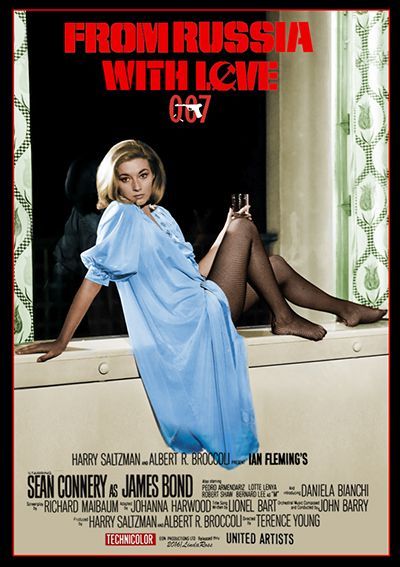
Daniela Bianchi was the leading lady of the second James Bond movie “From Russia With Love” in 1963.   The following year she travelled to Hollywood to guest star in the “Dr Kildare” television series with Richard Chamberlain.   Her film career was very short as she retired after her marriage to a  German shipping magnate.

IMDB entry:

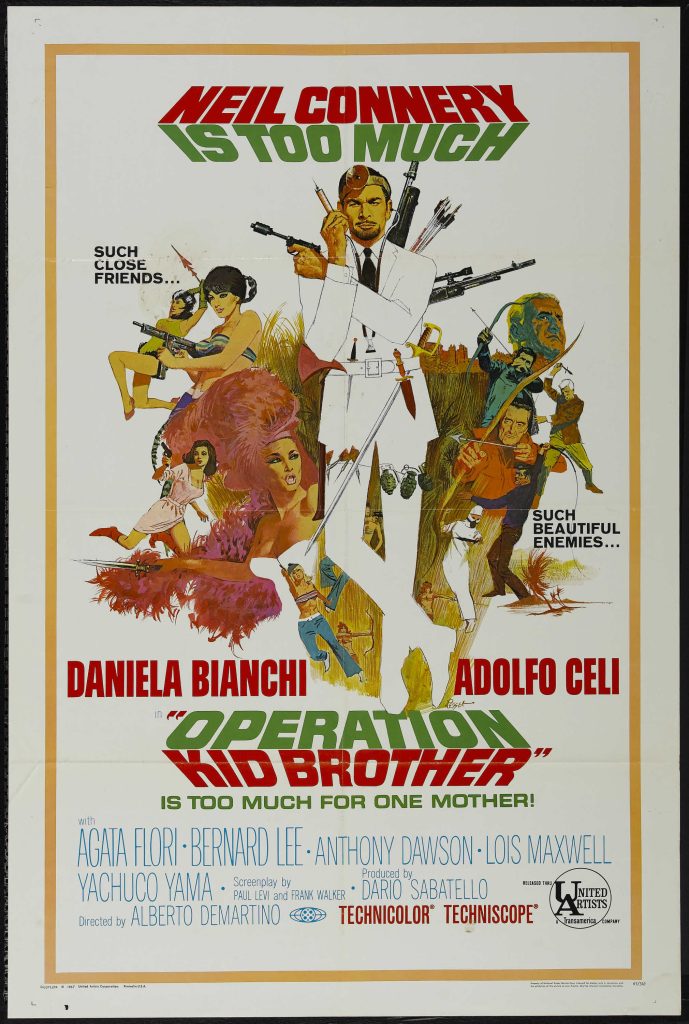
Former Miss Rome and runner up for Miss World 1960, Bianchi made approximately 15 film appearances, the best known was playing Soviet clerk “Tatiana Romanova” in the sexy 007 adventure From Russia with Love (1963), in which her voice was dubbed by actress Barbara Jefford. Bianchi spoofed her spy role in the woeful Operation Kid Brother(1967), before effectively retiring from acting in 1968, and some years later she married a wealthy shipping magnate.

– IMDb Mini Biography By: firehouse44@hotmail.com

Fabio Testi
Fabio Testi
Fabio Testi

Fabio Testi is an Italian actor who specialisd in adventure and Western movies in the 1970’s.   His movies include “The Garden of the Finzi-Continis”, “Gang War in Naples” and “The Racket”.

IMDB entry:

Fabio Testi was born on August 2, 1941 in Peschiera del Garda, Verona, Veneto, Italy. He is known for his work on The Garden of the Finzi-Continis (1970), That Most Important Thing: Love (1975) and Letters to Juliet (2010). He was previously married to Lola Navarro.

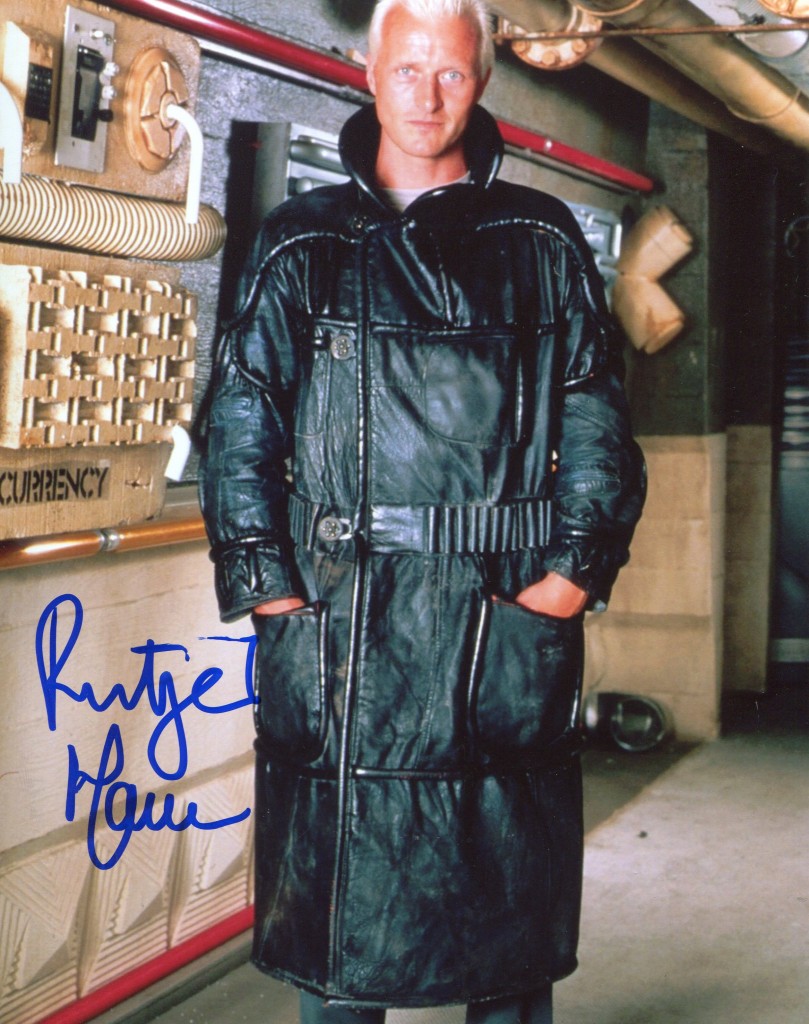
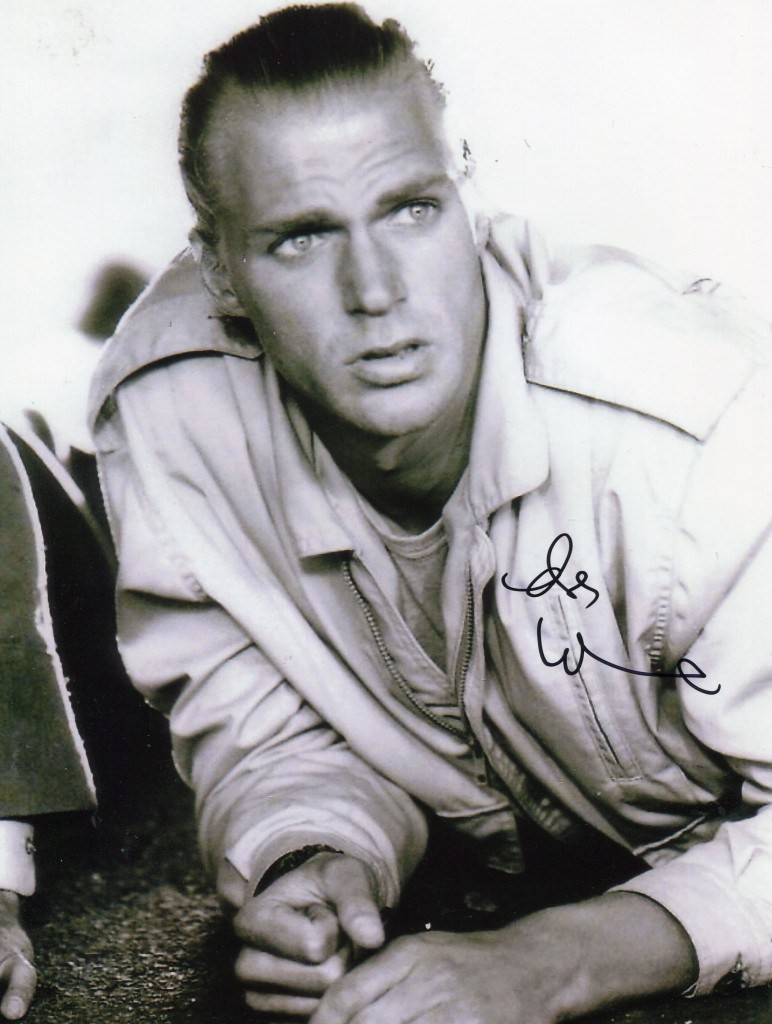
Rutger Hauer
Rutger Hauer
Rutger Hauer

Rutger Hauer obituary in “The Guardian” in 2019

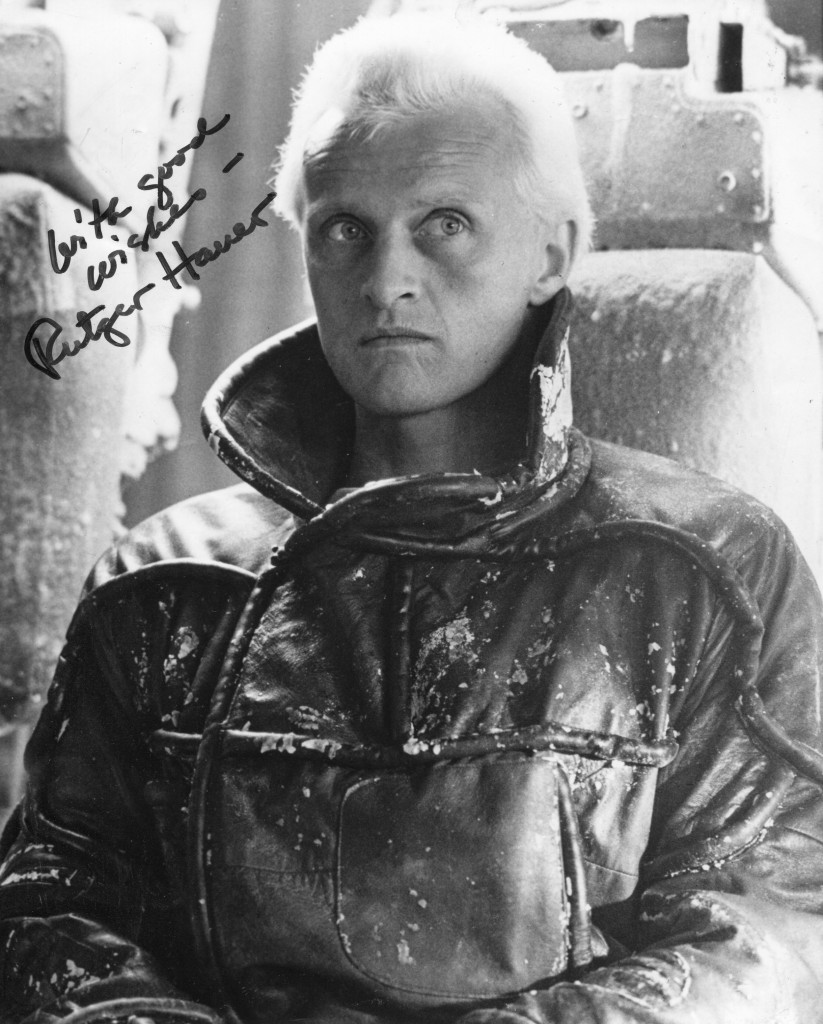
The source of much of the plangent poetry in Ridley Scott’s 1982 sci-fi drama Blade Runner was the electrifying and ruminative performance by the Dutch actor Rutger Hauer, who has died aged 75 after a short illness. Hauer played Roy Batty, a replicant in a futuristic society who revolts against his foreshortened existence by going rogue and demanding a longer lifespan; when he discovers that this request is impossible to grant, he crushes his creator’s head in his hands.

Despite such extreme moments, Roy ended the film not as a villain but as a sympathetic creature tormented by his own mortality. Rather than killing his pursuer, played by Harrison Ford, Roy saves his life and then makes him an audience for a brief reminiscence – “I’ve seen things you people wouldn’t believe” – before surrendering stoically to his own inevitable demise: “Time to die.”

Contrary to rumour, Hauer did not improvise that monologue, though he did cut most of the written version while adding a few lines of his own, including that final one.

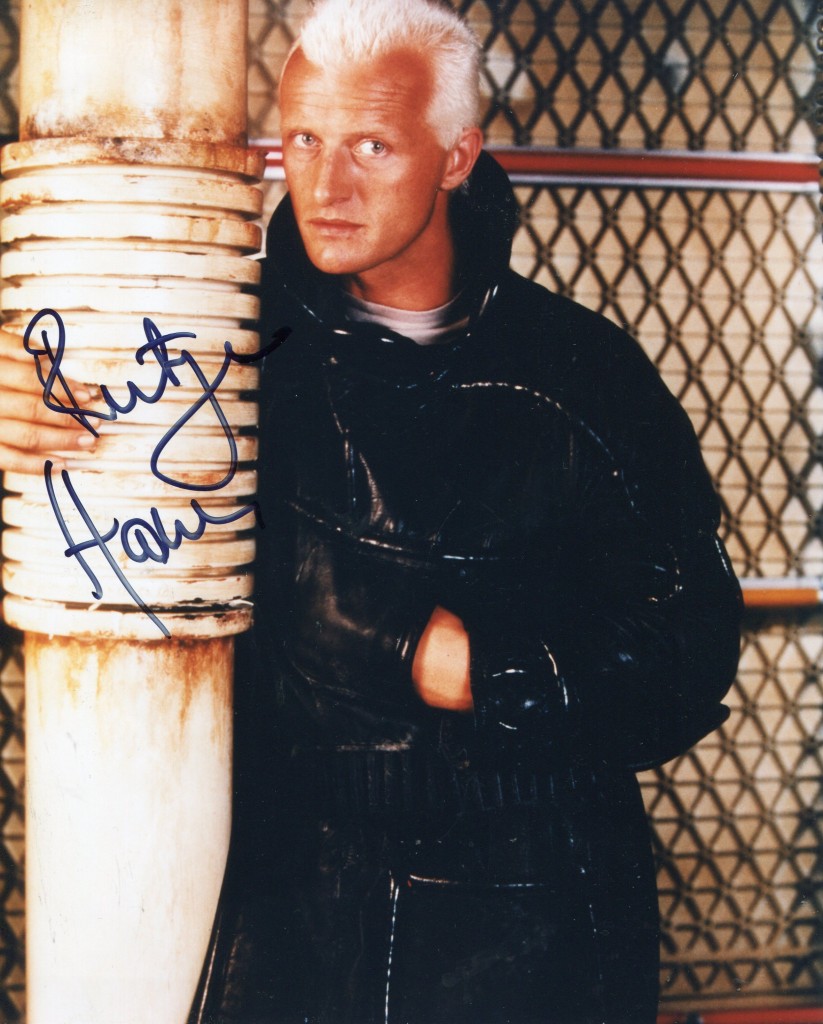
Rutger Hauer
Rutger Hauer

Though the film was not a box-office success, Hauer’s appearance chimed neatly with the new wave futurism in vogue at the time, adding to the picture’s cult appeal. With his platinum hair, black leather trenchcoat, eyebrows so faint as to be non-existent and, at one point, a white dove as an accessory, he could have stepped off the set of that week’s Top of the Pops.

If Blade Runner secured his reputation internationally, it was the popular series of “Pure Genius” commercials for Guinness, which ran from 1987 until 1994, that made him a multimillionaire. He was chosen by the ad agency, Ogilvy & Mather, because of his physical resemblance to the beer in question.Advertisement

“The star’s blond hair was a symbol of the foamy head on a pint,” noted Campaign magazine. Though not a Guinness fan (“I’d rather drink milk”), he starred in more than 20 commercials that maintained an unvarying level of refrigerated quirkiness; in one, he mused on his former life on Mars, while in another he sat beside an aquarium window and assured viewers: “It’s not easy being a dolphin.” 

Hauer was born in Breukelen to Arend Hauer and Teunke (nee Mellema), actors who also ran a drama school in nearby Amsterdam. He abandoned education at 16 for the sea, scrubbing decks on freighters for a year. Stints as an electrician and a carpenter followed, and he briefly enrolled at acting school before being expelled for missing classes. A stretch in the army ended when he was discharged for “psychological unfitness”. He took up acting again in earnest, completed a three-year course and joined a touring theatre company.

Playing a Robin Hood figure in the TV adventure series Floris (1969), set in the middle ages, made him a star in his homeland; he reprised the part in the West German remake Floris von Rosemund (1975). When Paul Verhoeven, the director of the original show, moved into cinema, he took Hauer with him, casting the actor in five films beginning with Turkish Delight (1973), in which he played a sculptor embroiled in a volatile relationship. “I’m naked for three-quarters of the film,” he later said. “In Hollywood, they called it pornography.”

Rutger Hauer
Rutger Hauer

Next came Verhoeven’s lavish period drama Katie Tippel (1975) and his barbed wartime yarn Soldier of Orange (1977). Reviewing the latter, Janet Maslin in the New York Times identified the actor’s enigmatic essence: “Though the screenplay provides him with every opportunity to turn matinee idol, Mr Hauer shows little interest in making himself adorable, and that in itself is intriguing.”

After Verhoeven’s sexually explicit biker drama Spetters (1980), Hauer made his Hollywood debut in Nighthawks (1981), as a charming, callous terrorist hunted by two cops (Sylvester Stallone and Billy Dee Williams). “I had a lot of problems on that film, principally with Stallone,” he recalled. “I had to fight him on the level of what I thought was good enough for the part and what he thought was good enough. I was very angry, very aggressive, very alert, very awake. I don’t think I’ve been more motivated or done better work.”

In the wake of Blade Runner, he was in Nicolas Roeg’s underrated gold-rush saga Eureka and Sam Peckinpah’s disappointing swansong, The Osterman Weekend (both 1983). He was reunited with Verhoeven for the director’s first US venture, the gory medieval drama Flesh+Blood, and stayed in period dress for the more family-friendly Ladyhawke (both 1985) with Michelle Pfeiffer.

In the cat-and-mouse thriller The Hitcher (1986), he was a psychopath who hides a victim’s severed fingers in a portion of French fries and tears a woman in half by tying her to two trucks. “I think in my darker characters I go a little further than most American actors,” he said. “Maybe it’s because I’m not afraid of that side of myself.”

He mixed high and low culture projects with ease. He won a Golden Globe for his portrayal of an inmate at a Nazi death camp in the TV movie Escape from Sobibor (1987) and played a homeless alcoholic in The Legend of the Holy Drinker (1988), which won the Golden Lion at the Venice film festival.

But he was a good fit, too, as a vampire in the original, unloved film of Buffy the Vampire Slayer (1992), and returned to blood-sucking in 2013 for episodes of the HBO series True Blood. Though it was not true that the novelist Anne Rice had Hauer in mind when writing the main character of Lestat in her novel, Interview with the Vampire, she did concede that he “is surely how I see my beloved … hero”.

He worked solidly, often in straight-to-video material, but reached wider audiences through small parts in George Clooney’s directorial debut, Confessions of a Dangerous Mind (2002), and the hits Sin City and Batman Begins (both 2005).

He played the title role in the exploitation thriller Hobo with a Shotgun (2011) and Van Helsing in Dario Argento’s Dracula 3D (2012), and was glimpsed more recently in Luc Besson’s intergalactic romp Valerian and the City of a Thousand Planets (2017) and Jacques Audiard’s acclaimed western The Sisters Brothers (2018). He was also the subject of a 2006 documentary, Blond Blue Eyes, and wrote an autobiography, All Those Moments: Stories of Heroes, Villains, Replicants and Blade Runner, the following year.

He is survived by his wife, Ineke Ten Cate, an artist and actor, his daughter, Aysha, from his first marriage to Heidi Merz, which ended in divorce, and by his grandson, Leandro.

• Rutger Oelsen Hauer, actor, born 23 January 1944; died 19 July 2019Topics

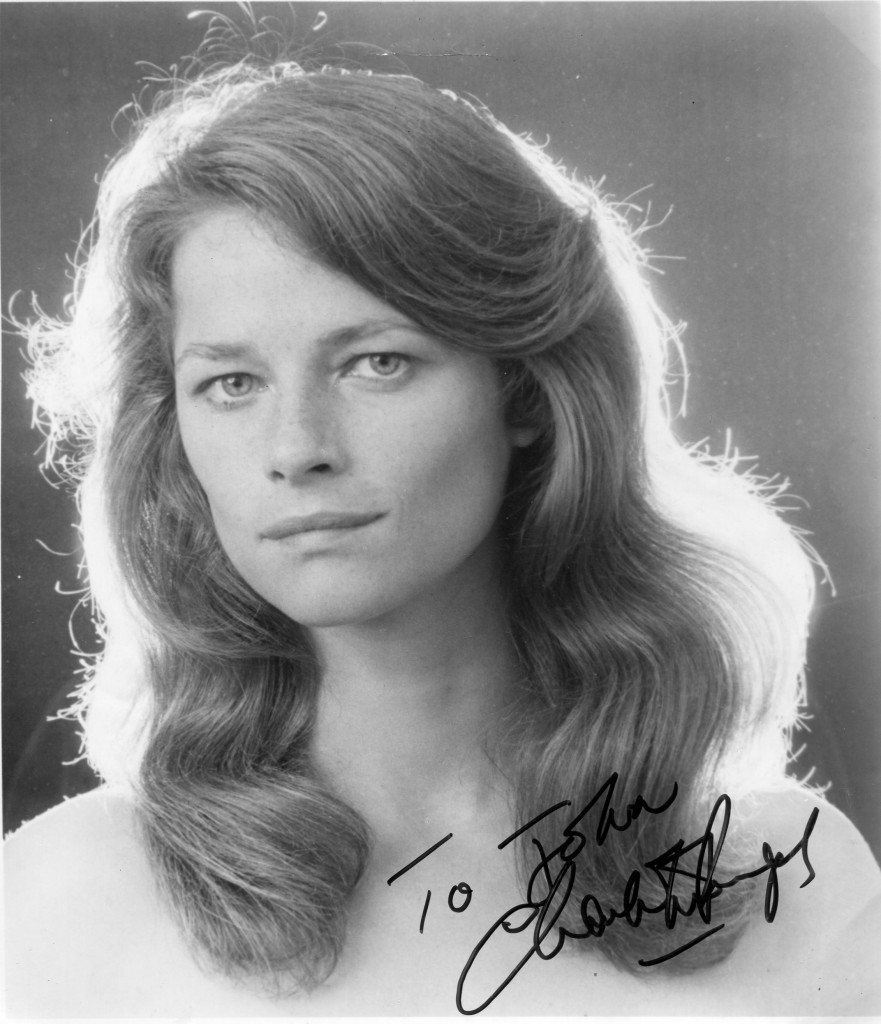
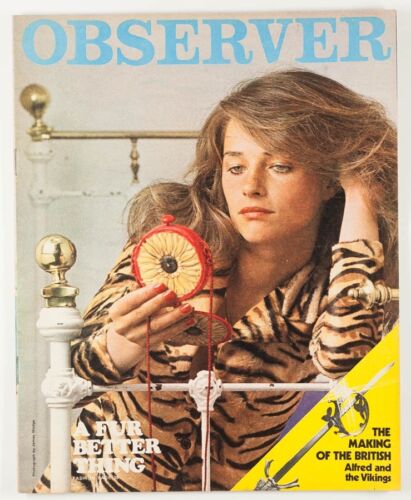
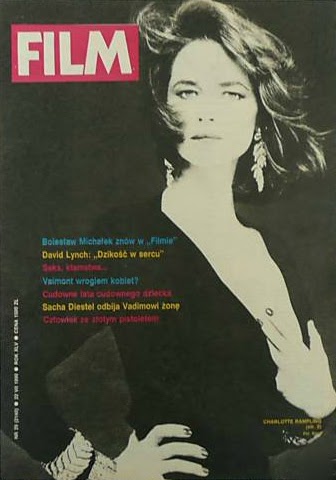
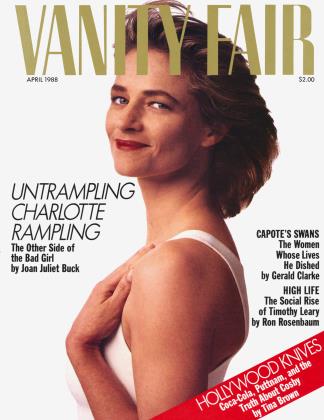
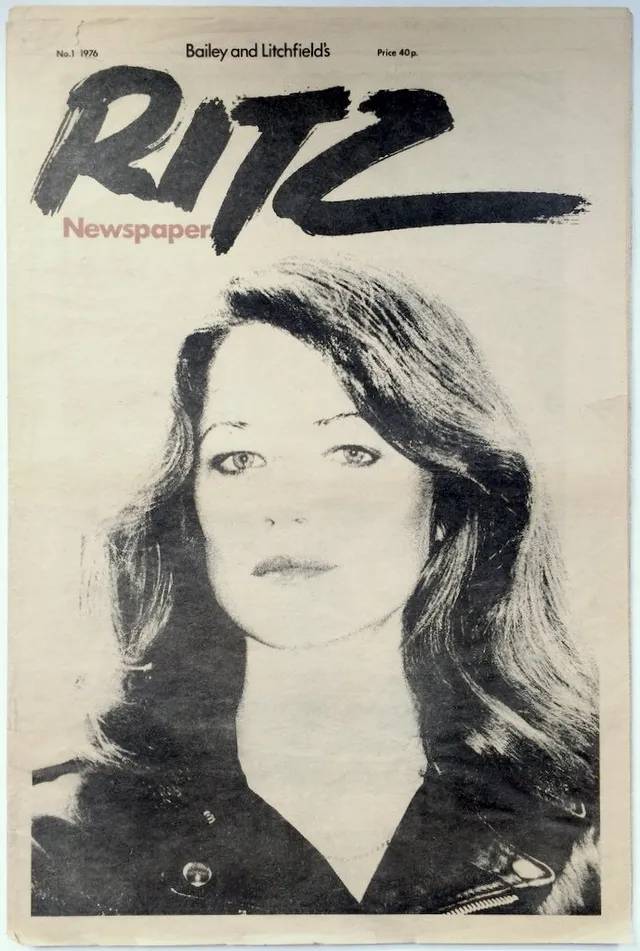
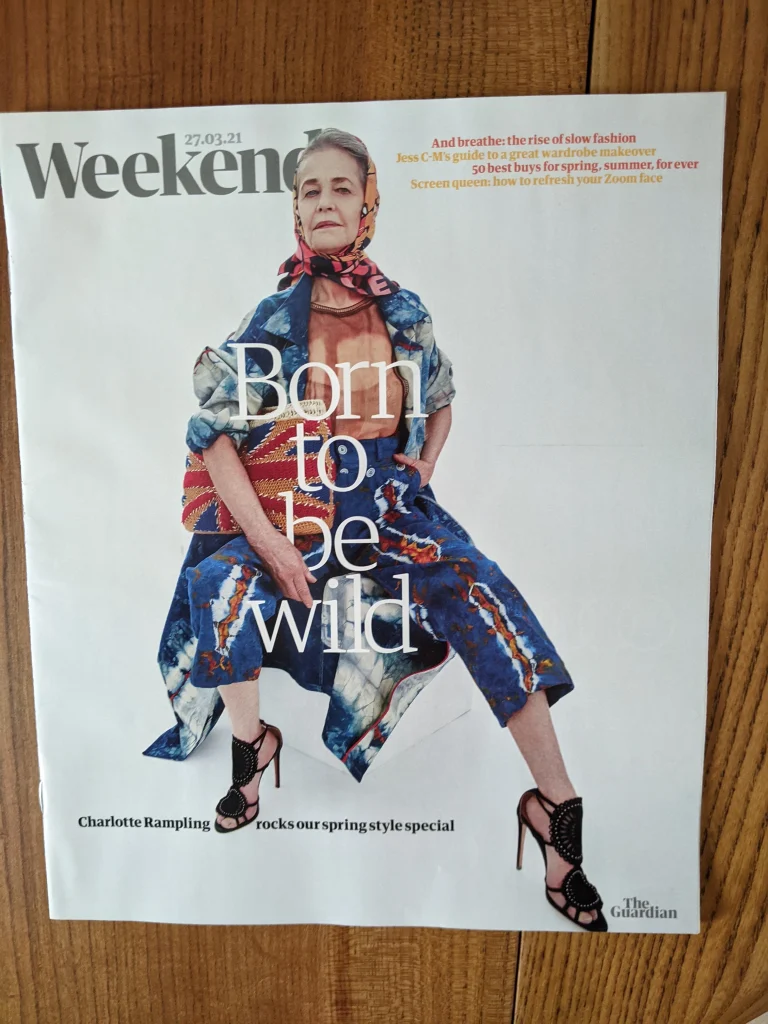
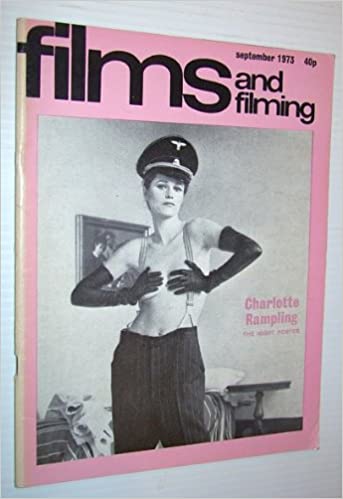
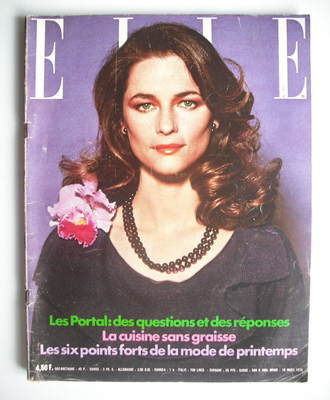
Charlotte Rampling
Charlotte Rampling
Charlotte Rampling

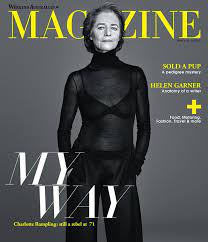
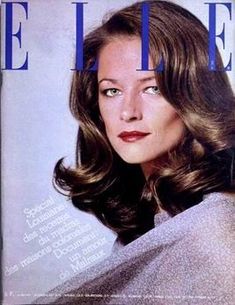
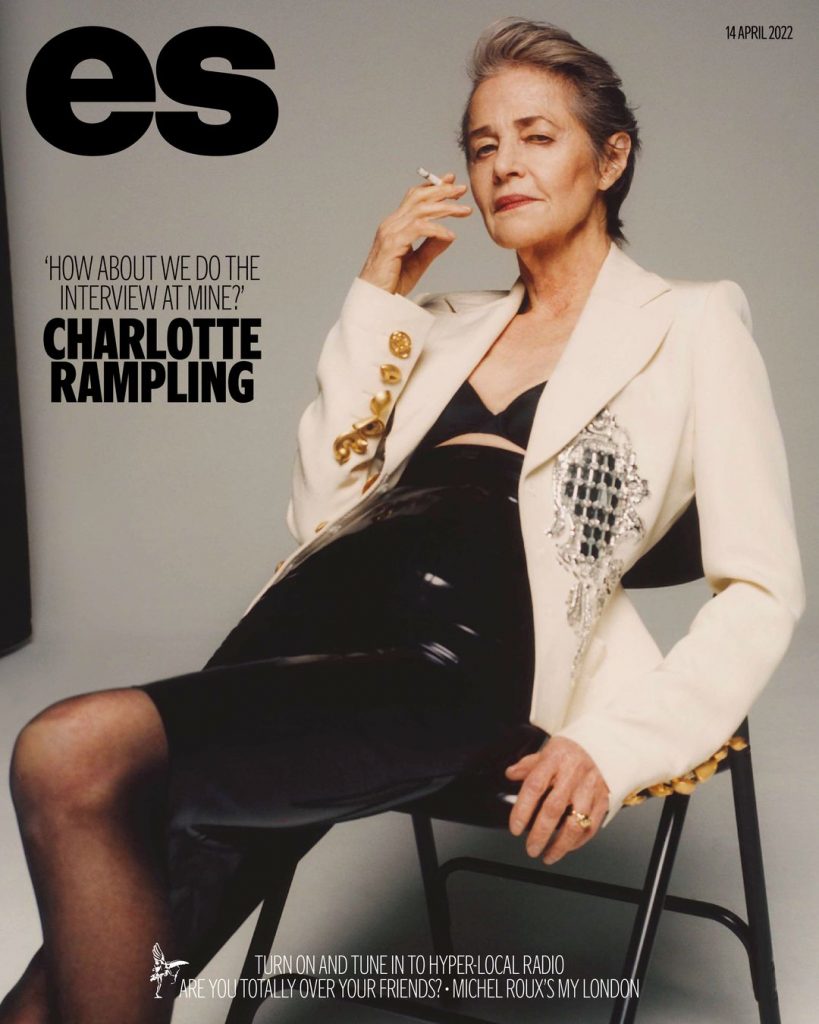
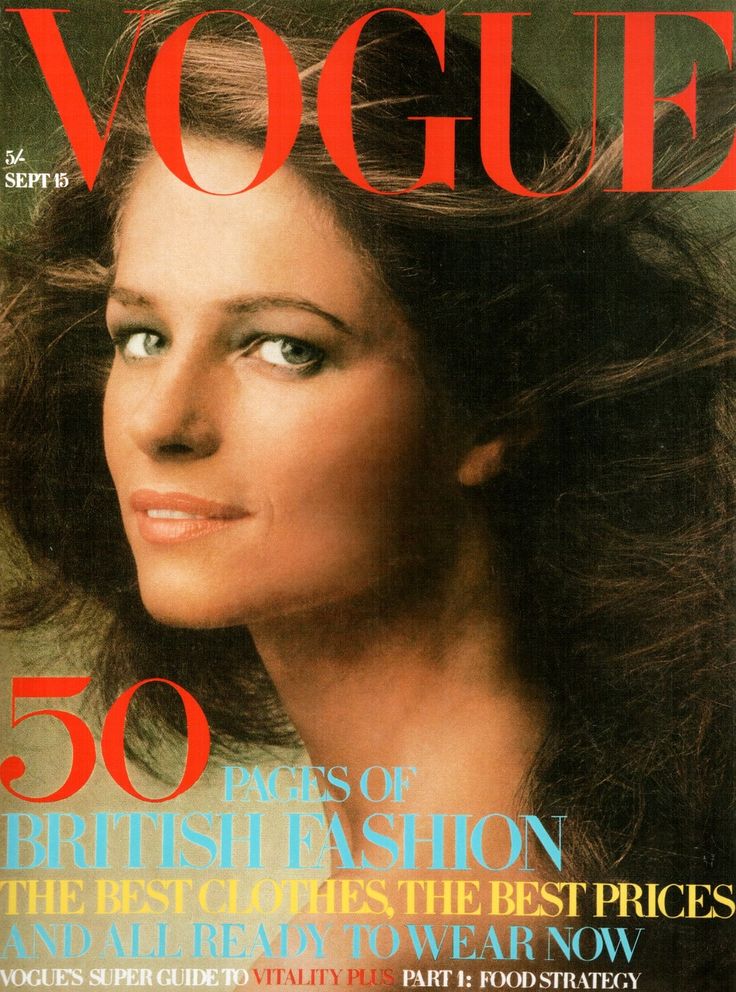
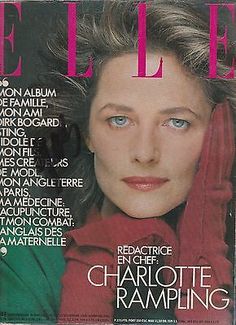
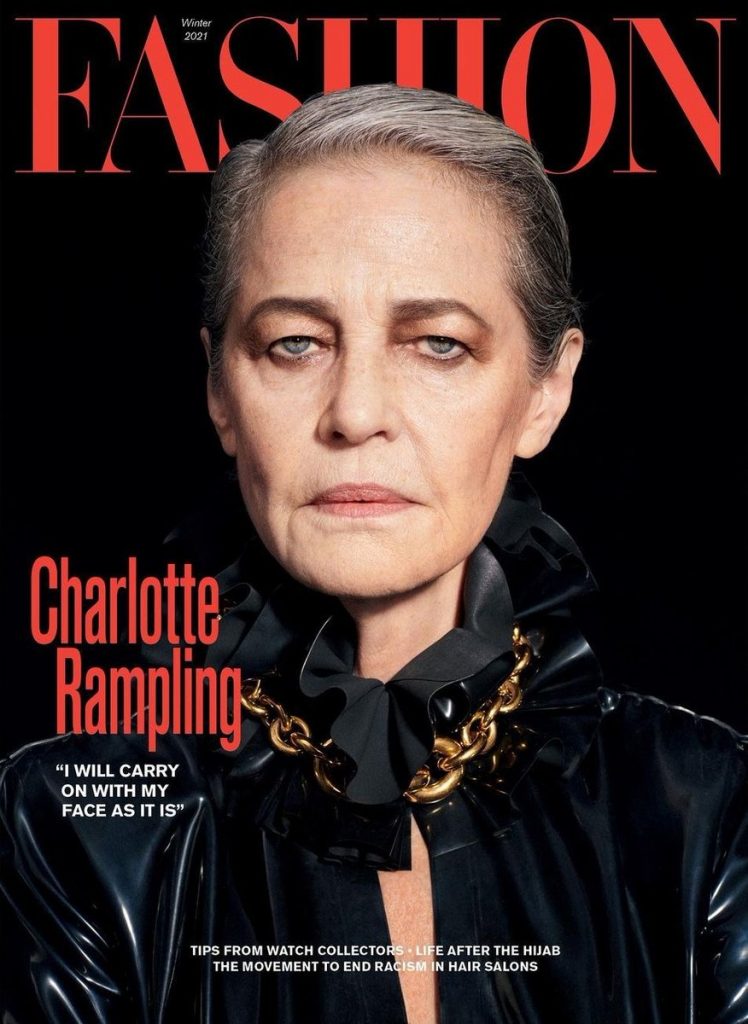
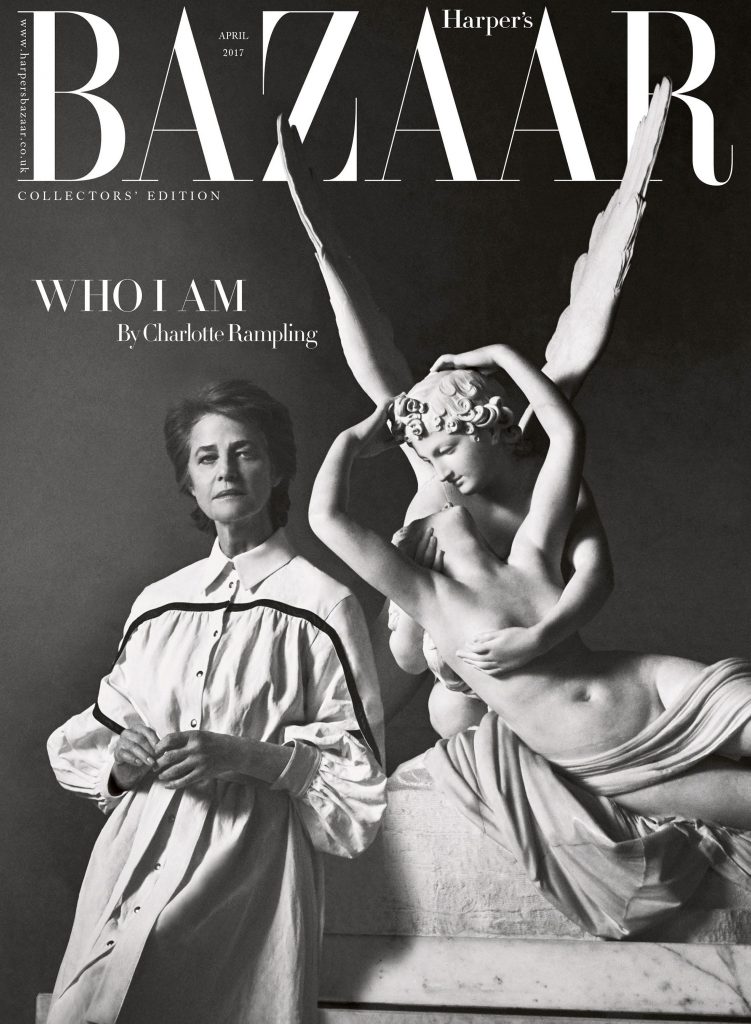
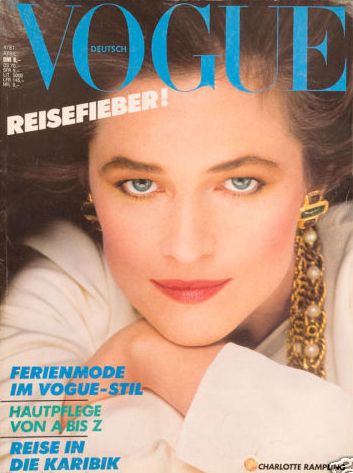
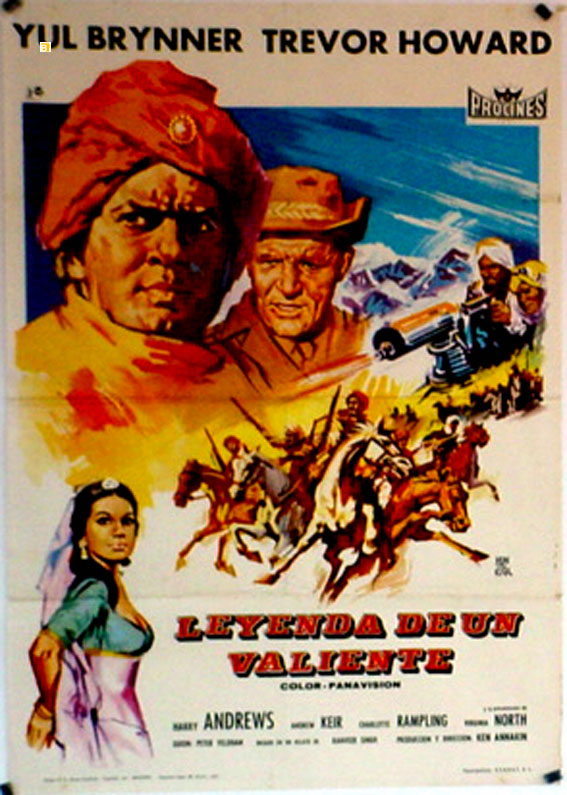
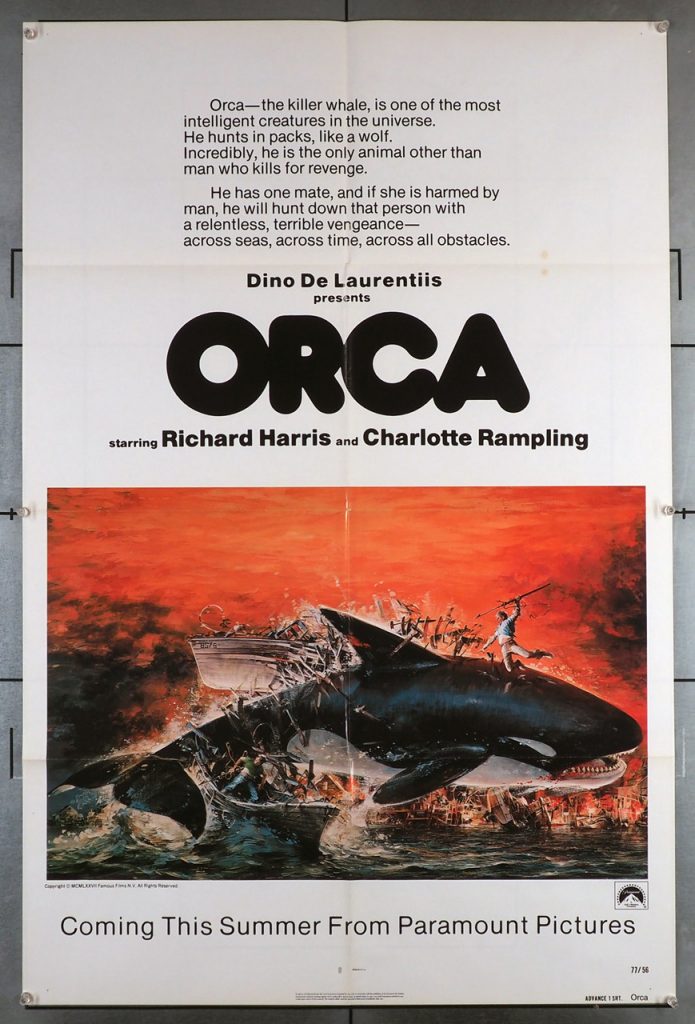
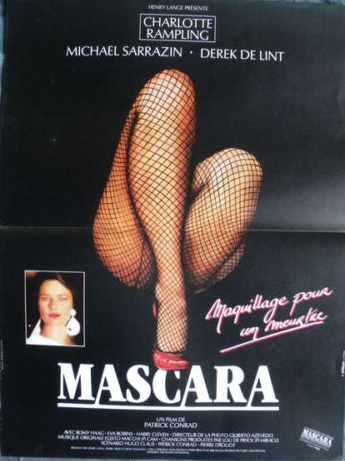
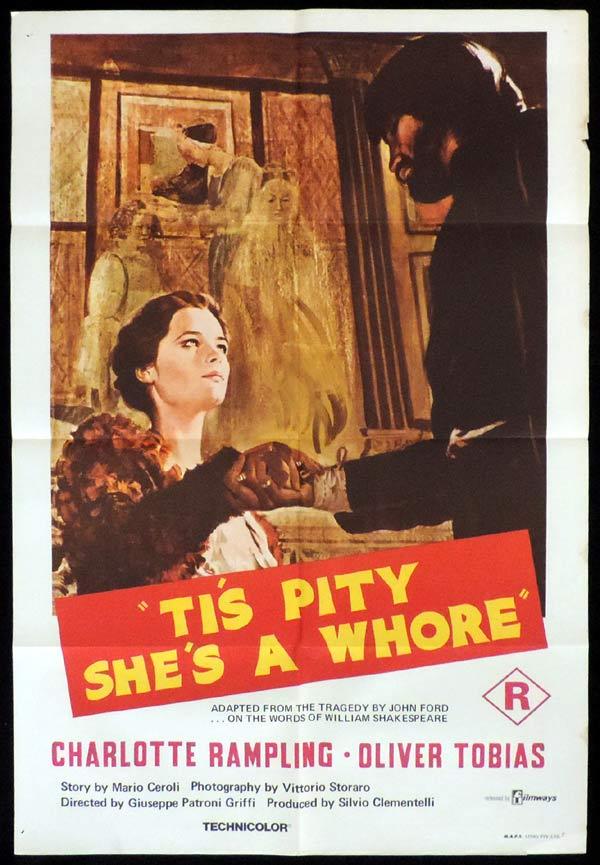
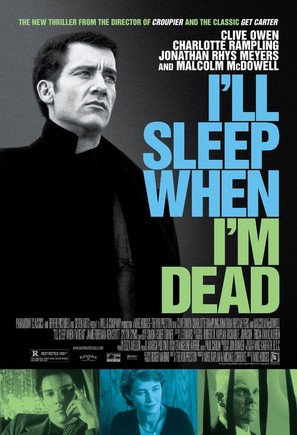
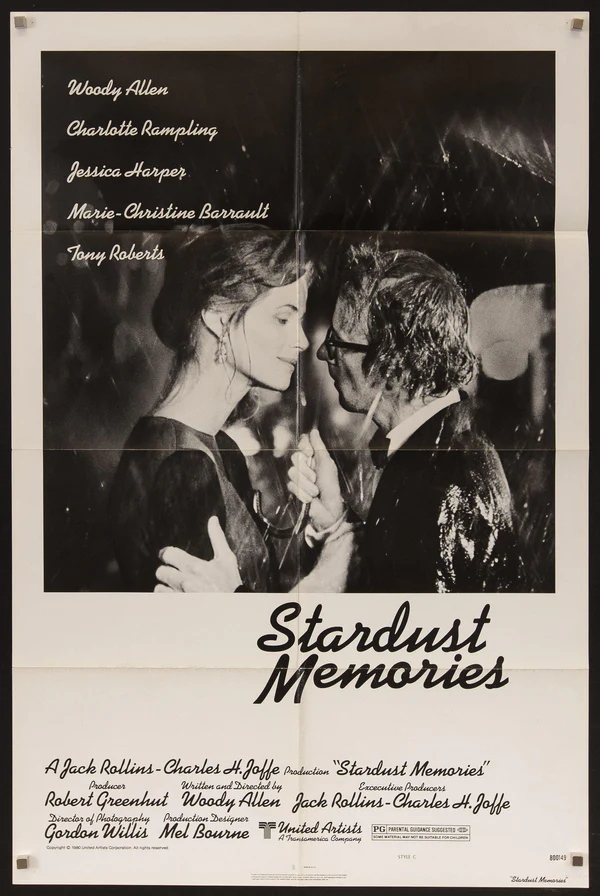
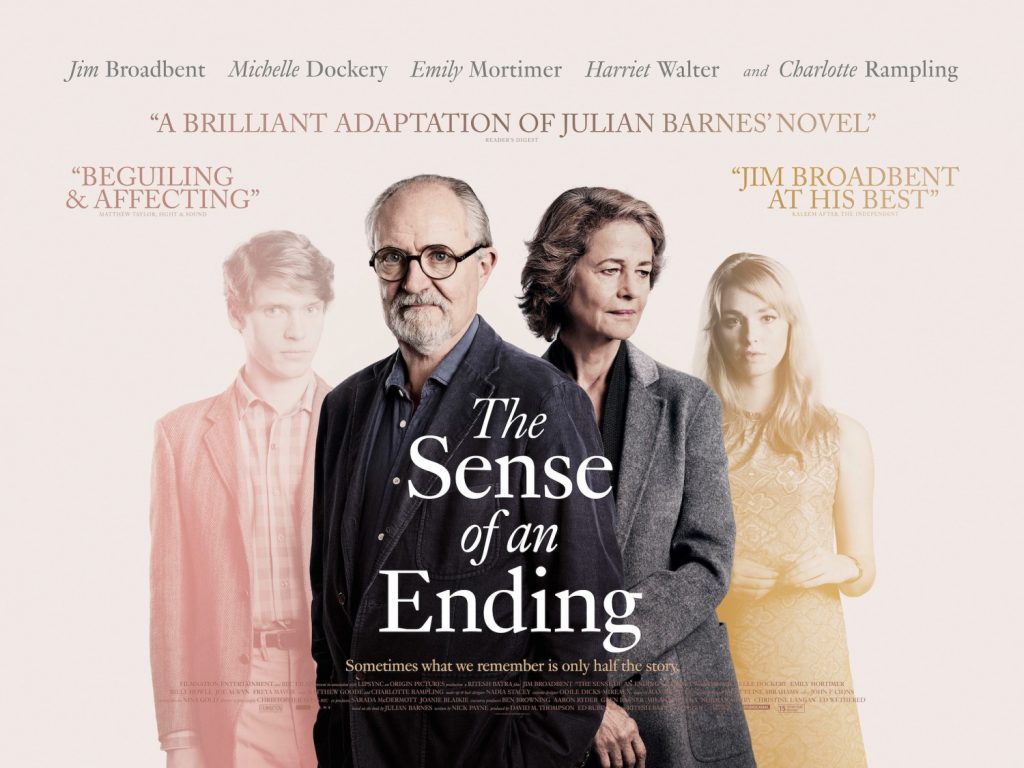
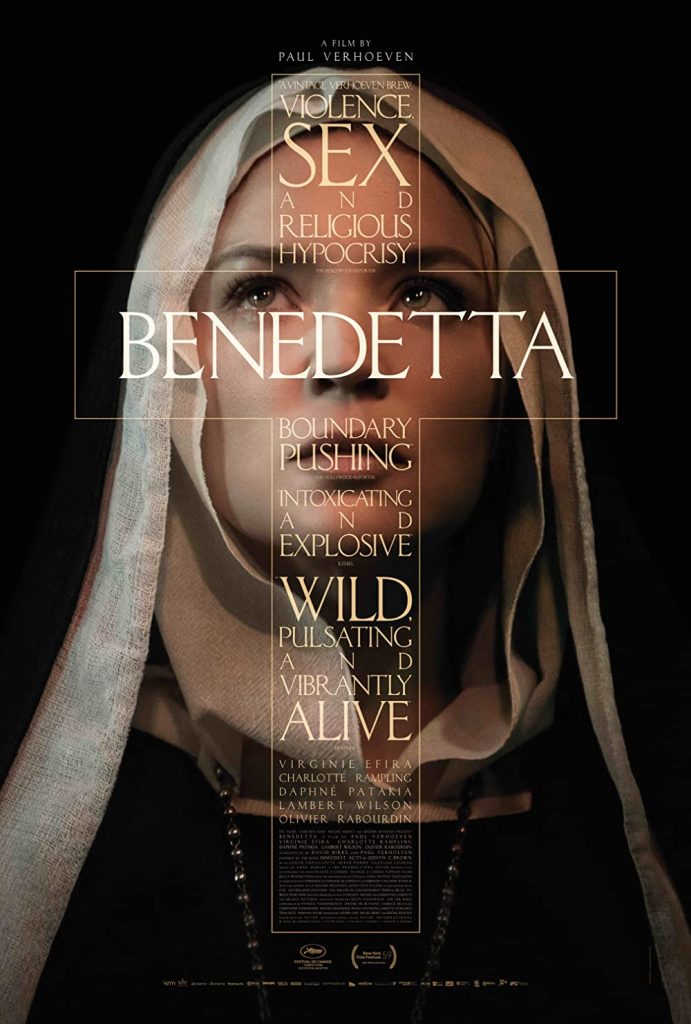
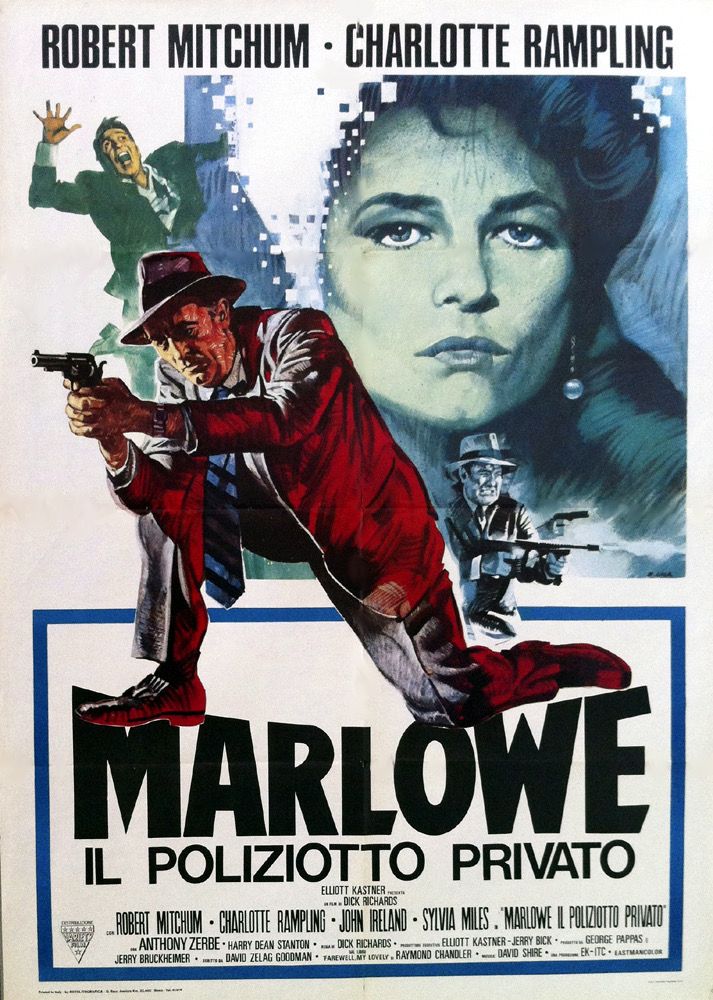
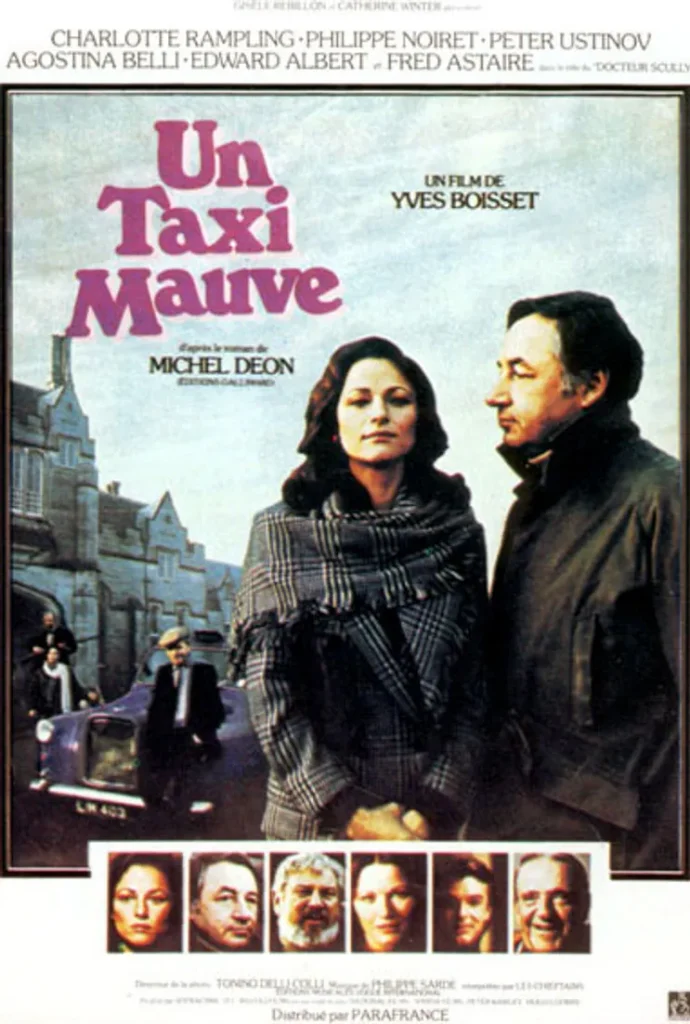
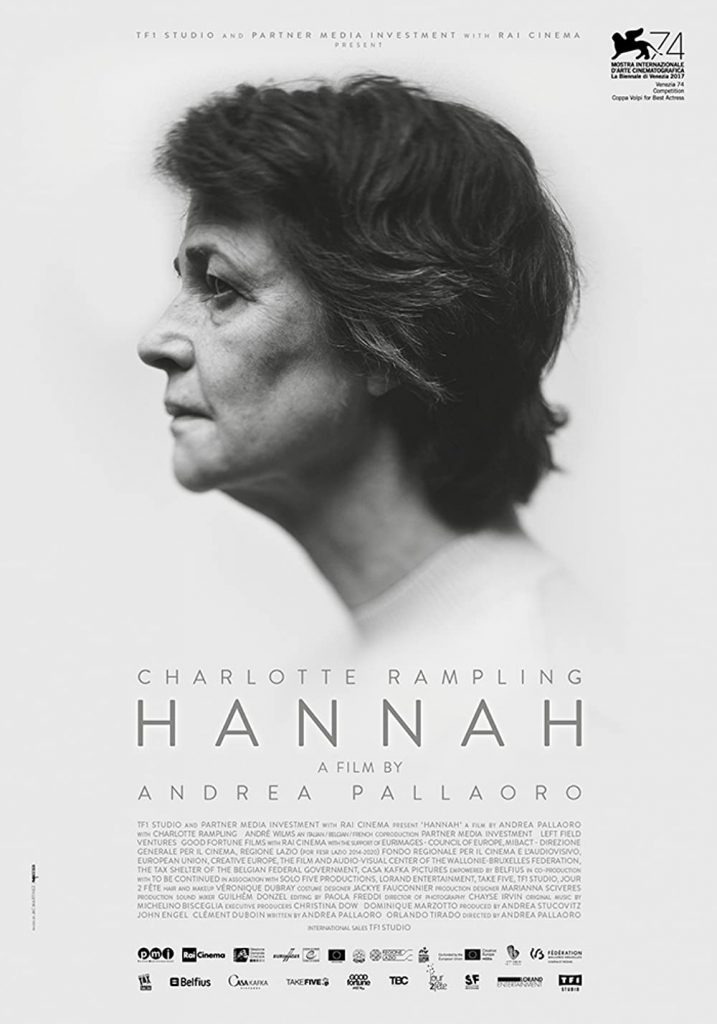
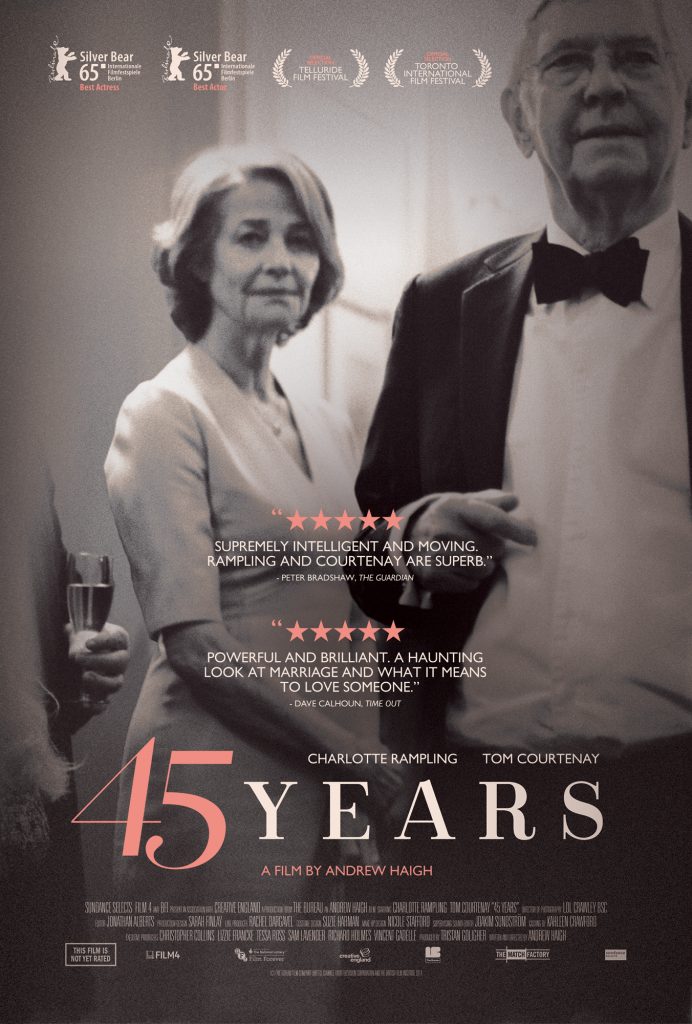
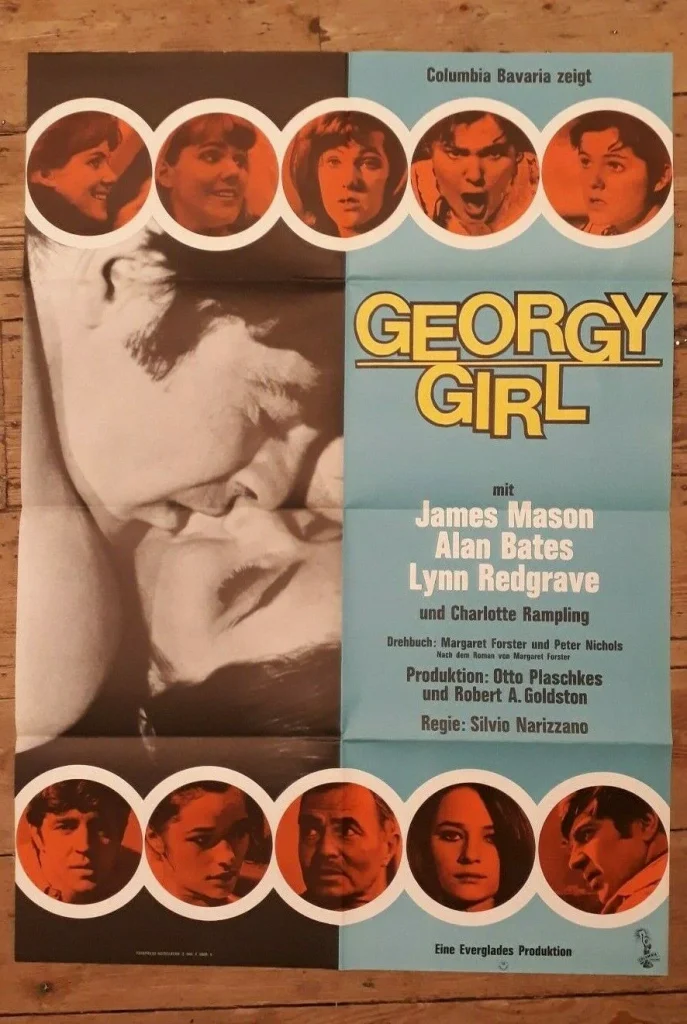
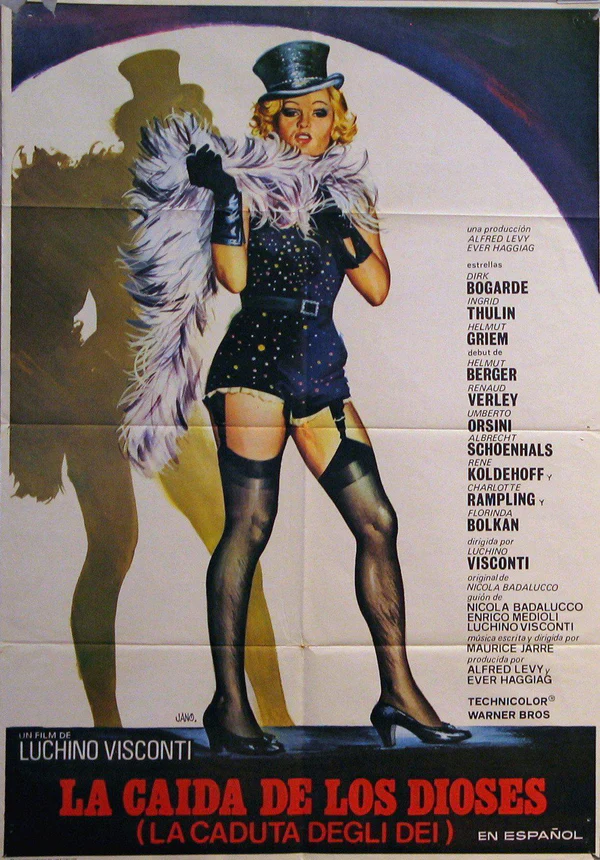
Charlotte Rampling began her film career in the 1960’s and became a delight of the critics with some key films in the 1970’s and 80’s. Her first film was the Boulting Brothers “Rotten to the Core”.   She supported Alan bates, James Mason and Lynn Redgrave in “Georgy Girl”.   In 1969 she made”The Damned” in Luchino Visconti” and then later in Hollywood “Farewell My Lovely” opposite Robert Mitchum and “The Verdict” with Paul Newman.

TCM overview:

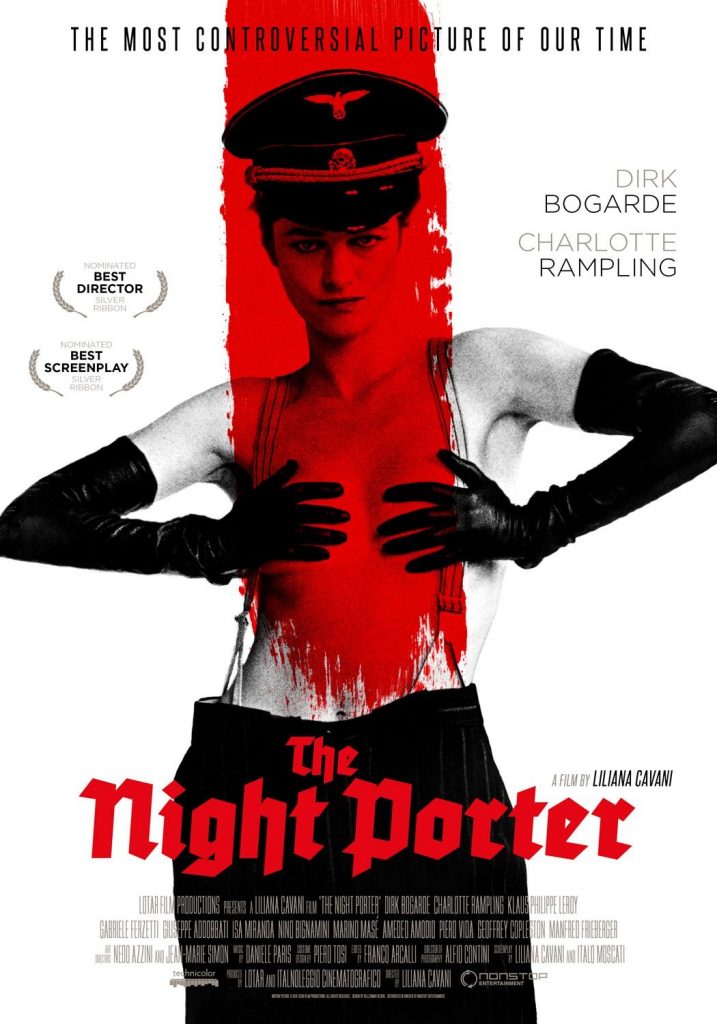
An alluring presence in features and on television since the 1960s, actress Charlotte Rampling defined sexual freedom and fearlessness over the ensuing decades in such films as “Georgy Girl” (1966), “The Damned” (1969), “Vanishing Point” (1971) and “The Night Porter” (1974). Though her immediate appeal was her physicality, Rampling became a cinematic icon in the 1970s, thanks to a screen presence that was at the same time confident, passionate and reserved. After star turns in “The Verdict” (1982) and “Angel Heart” (1987), her star waned in the late 1980s due to personal turmoil, though she rebounded in the late 1990s as Aunt Maude in “Wings of a Dove” (1997). Rampling went on to impress audiences with performances as Miss Havisham in “Great Expectations” (BBC, 1999), as well as critical darlings “Under the Sand” (2000) and “Swimming Pool” (2003). As she entered her sixties, Rampling’s career was in full bloom, with steely supporting turns in “The Duchess” (2008) and “Never Let Me Go” (2010). The definition of class for many a moviegoer the world over, Rampling’s formidable body of work made her one of the most respected actresses on two continents.

She was born Tessa Charlotte Rampling on Feb. 5, 1946 in the village of Sturmer, in Essex county, England. Her father was Godfrey Rampling, a Royal Army officer and three-time gold medalist in the 400 meter and 4×400 meter relays in the 1932 and 1936 Summer Olympics, while her mother, Anne Isabelle Gurten, was a painter from France. Her childhood was spent in transit, moving throughout the U.K., France and Gibraltar with her father’s reassignments. She was educated in part at the Jeanne d’Arc Academie Pour Jeunes Filles in Versailles, which she later described as a lonely experience due to the language barrier. Happiness was found in a cabaret act she enjoyed with her older sister, Sarah, who died by her own hand in Argentina in 1967 after the premature birth of her daughter. She briefly studied Spanish at a college in Madrid before dropping out in 1963 to travel with a cabaret troupe. Upon her return to England in 1964, she modeled to support herself while learning the craft of acting at the Royal Court Stage School. At 17, she made her television debut in a commercial for Cadbury’s chocolates; her feature debut came with a bit role of a water skier in Richard Lester’s 1965 film “The Knack And How to Get It.” More supporting roles preceded her breakthrough in “Georgy Girl” (1966) as Lynn Redgrave’s glamorous yet shallow flatmate, who gives up her baby to pursue a hedonistic life. The character’s combination of icy beauty, open sexuality, and disregard for responsibility – which the press dubbed “The Look,” per a comment from her frequent co-star, Dirk Bogarde – would serve as a template for many of her future performances.

Rampling’s smoldering intensity was best served in roles that required her to plumb the depths of the human experience. In Luchino Visconti’s “The Damned” (1969), she was the wife of a German company’s vice president, who paid for his opposition to the Nazi regime by being sent to the Dachau concentration camp with her children. Her Anne Boleyn in “The Six Wives of Henry VIII” (1972) also trod a delicate line between seductiveness and sadness as she attempted to bend the will of Henry (Keith Michell) to hers before meeting her fabled end. Her most famous role during this period was in “The Night Porter” (1974), Liliana Cavani’s controversial film about a Holocaust survivor (Rampling) who became immersed in a sado-masochistic relationship with an SS officer (Bogarde) while interned at a camp, only to resume their tortured couplings years after the war. The film was condemned and celebrated with equal fervor during its release, but all parties agreed that Rampling’s performance, which featured her in feverish scenes of morbid fetishism, was the film’s highlight. The picture did much to cement Rampling as the thinking man’s sex symbol, as did a 1973 layout for Playboy shot by Helmut Newton and a widespread rumor that she lived in a ménage-a-trois with her then-husband, publicist Bryan Southcombe, and male model Randall Laurence.

“Night Porter” would prove a difficult film to surpass for any actress, but Rampling wisely sidestepped the problem by focusing on films that satisfied her as an actress, rather than those that simply generated more publicity. She criss-crossed the Atlantic on numerous occasions, playing an alluring femme fatale who ensnared Robert Mitchum’s world-weary Philip Marlowe in “Farewell, My Lovely” (1975), then made her American TV debut as Irene Adler, the ideal woman for Sherlock Holmes (Roger Moore) in the 1976 TV movie “Sherlock Holmes in New York” (NBC). Little needed to be said about films like “Orca” (1977), which pitted Rampling against a killer whale, but these were largely forgotten in the wake of pictures like “Stardust Memories” (1980), writer-director Woody Allen’s bittersweet tribute to his cinematic idols, Federico Fellini and Ingmar Bergman, with Rampling cast as a psychologically troubled former lover of Allen’s whose memory of her he simply cannot shake. Rampling also shone in a pivotal role in Sidney Lumet’s “The Verdict” (1982) as lawyer Paul Newman’s lover, whom defense attorney James Mason hired to keep track of him.

In the latter half of the decade and for much of the 1990s, Rampling stepped away from Hollywood product, preferring to – or, perhaps, finding more opportunities in – international films with a decided arthouse bent, including collaborations with Claude Lelouch with “Viva le vie” (1984) and Nagisha Oshima, who cast Rampling as a diplomat’s wife who left her husband for a chimpanzee in “Max mon Amour” (1986). In 1985, she was nominated for a French Cesar as the mistress of a murder victim who seduced inspector Michel Serrault in Jacques Deray’s “On ne meurt que 2 fois.” There were also supporting turns in American features, most notably as a victim of a grisly murder in Alan Parker’s “Angel Heart’ (1987) and the moribund remake of “D.O.A.” (1988).

During this period, Rampling also suffered from depression, which led to a nervous breakdown in the early 1990s. Therapy helped her emerge from this dark period and, quite possibly, made it possible to deal with the very public fallout from tabloid reports that revealed numerous infidelities committed by her second husband, composer Jean Michel Jarre. The dissolution of their marriage came about in 1997, the same year the Oscar-nominated “The Wings of the Dove” (1997) was released; her most widely-seen film in years, she was cast as Helena Bonham Carter’s cautious aunt who was determined her young charge would not follow in the footsteps of her disgraced mother. The worldwide success of “Dove” launched a revival of interest in Rampling, who soon resumed a steady and impressive schedule of quality projects. She was a ravishingly ruined Miss Havisham in the BBC’s 1999 adaptation of “Great Expectations,” then joined Alan Bates and Gerard Butler in Michael Cacoyannis’ 1999 film version of Chekhov’s “The Cherry Orchard.”

Her most substantive work during this period, however, came in partnership with French director Francois Ozon. Their first collaboration, 2000’s “Under the Sun,” gave her talent a magnificent showcase as a woman crippled by grief and doubt over her husband’s mysterious disappearance. Critics raved over the complexity of her performance, which explored unsettling depths of denial in its attempt to make sense of the tragedy, and for her work, Rampling received her second Cesar nomination. Her sophomore project with Ozon, 2003’s “Swimming Pool,” was a deeply personal project for the actress, as it allowed her to finally come to terms with her sister’s suicide. Rampling and her father had kept the truth about Sarah’s death from her mother for decades, until her own death in 2001; in the aftermath, Rampling began to develop a better understanding of her sister’s life and actions, and used her as motivation for her performance in “Swimming Pool.” She even used her sister’s name for her character, a mystery author plagued by writer’s block whose retreat to a country house in France is interrupted by a seemingly unhinged young woman (Ludivine Sagnier) who claimed Sarah was her mother. Another critical success, the film brought Rampling a third Cesar and a European Film Award for Best Actress.

As Rampling reached her sixth decade, her career showed no signs of slowing down. A fourth Cesar nod came in 2005 with “Lemming,” a psychological thriller with Rampling as the neurotic dinner guest whose arrival signaled an explosion of ill feelings and violence. More prominent turns followed, including that of Keira Knightley’s chilly royal mother in “The Duchess” (2008), a self-loathing woman who endured a one-night stand with paroled child molester Ciaran Hinds in Todd Solondz’s “Life During Wartime” (2009), and an instructor at a mysterious boarding school in Mark Romanek’s well-received “Never Let Me Go” (2010). Rampling also made news during this period for launching a lawsuit in 2009 to prevent the publication of a biography, penned by a close friend, that detailed her emotional travails in the wake of her sister’s suicide and the infidelities inflicted upon her by Jarre.

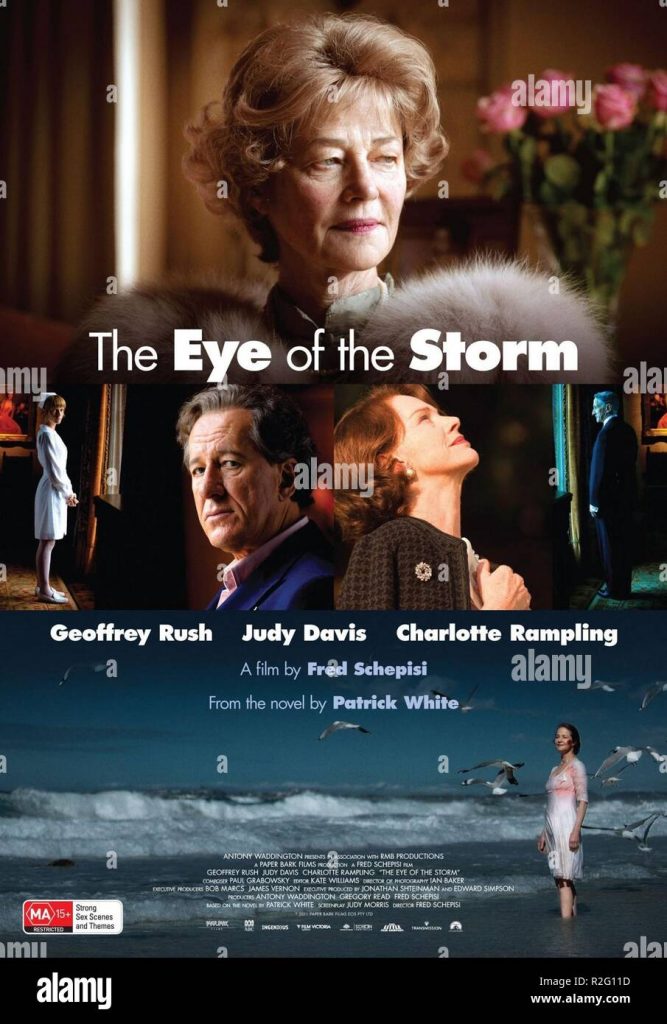
Meanwhile, Rampling starred “Rio Sex Comedy” (2010) opposite Bill Pullman and Fisher Stevens, and joined an ensemble cast for the biblically-themed drama “The Mill and the Cross” (2011). After playing the mother of Kristen Dunst and Charlotte Gainsbourg in Lars von Trier’s “Melancholia” (2011), she narrated the animated box office hit, “Cars 2” (2011), before earning critical kudos as the dying matriarch of a family struggling to maintain control over the affairs of those around her in “The Eye of the Storm” (2011), co-starring Geoffrey Rush and Judy Davis. From there, Rampling was the superior of a Secret Service agent (Sean Bean) determined to stop a suicide bombing in the taut British thriller “Cleanskin” (2012). She went on to earn critical praise and A SAG award nod for her turn as a mother whose daughter investigates her past as a World War II spy in the made-for-cable movie “Restless” (Sundance Channel, 2012), which was adapted from William Boyd’s award-winning novel.

The above TCM overview can also be accessed online here.


Christopher Lambert
Chrisopher Lambert
Chrisopher Lambert
Christopher Lambert

Christopher Lambert is best known for his role as ‘Connor MacLeod’ in “Highlander” in 1986.   He was born in New York in 1957 as his father was a French diplomat in the UN.   He was raised in Geneva in Switzerland.   He is also know for his performances in “Greystoke: The Legend of Tarzan” and “The Sicilian.

TCM Overview:

A handsome, steely leading man in American films as well as those of his native France, Christopher Lambert gained worldwide fame with his first starring role in “Greystoke: The Legend of Tarzan, Lord of the Apes” (1984) before becoming something of a pop culture icon through the “Highlander” (1986) franchise. Though the “Highlander” films, which cast him as an immortal Scottish swordsman, became objects of cult worship, they also typecast Lambert as a man of action in dozens of low-budget shoot ’em ups and historical adventures. If the marginalization bothered Lambert, he did not seem to show it, as he continued to work steadily into the 21st century, providing a touch of Continental charm to his soulful assassins and stalwart lawmen, which in turn endeared him to a vast audience of action fans.

He was born Christophe Guy Denis Lambert on March 29, 1957 in Great Neck, NY, the son of a French diplomat for the United Nations. His time in America was short-lived, as the family relocated to Geneva, Switzerland when he was two, and later to Paris when Lambert was 16. Acting captured his interest after he appeared in a school play at the age of 12, but his parents felt that the profession lacked stability, and after a stint in the French military, Lambert took a job at the London Stock Exchange. His tenure there lasted just six months, after which he returned to Paris to work at a friend’s shop.

He began to study acting, but lacked a sincere drive to learn the craft, an attitude that resulted in his expulsion from an elite French dramatic academy. Regardless, he began appearing in minor roles in French-language films in the late 1970s, including “Ciao, les mecs” (“Ciao, You Guys”) (1979) opposite Charles Azanavour, and “Asphalt” (1981) with Carole Laure. In 1982, a casting agent looking for an unknown to play the next big screen incarnation of Tarzan discovered Lambert, and was taken by his intense gaze, which, ironically, was the result of extreme myopia. Lambert went on to join a cast of international stars, including Ian Holm, Ralph Richardson (in his final screen role) and newcomer Andie MacDowell in Hugh Hudson’s “Greystoke: The Legend of Tarzan, Lord of the Apes” (1984). Lambert’s highly physical performance as the abandoned child raised by gorillas in Africa who returns to his ancestral home in England was praised by critics, but did little to enhance his screen career.

After turning down scores of roles that required him to essentially repeat his “Greystoke” role, Lambert returned to France to hone his screen craft. There, he co-starred with the legendary Catherine Deneuve in “Paroles et musique” (“Love Songs”) (1985), a romance about a would-be musician (Lambert) who falls for his older talent manager (Deneuve). That same year, he earned a Best Actor Cesar for Luc Besson’s New Wave fantasy, “Subway” (1985), which cast him as a musician who falls in love with the wife (Isabelle Adjani) of a gangster from whom he stole important documents. But in 1986, Lambert would return to Hollywood moviemaking for his most iconic screen role.

Former music video director Russell Mulcahy cast him in “Highlander” (1986) as Connor MacLeod, an immortal 16th-century Scottish warrior who battled his ancient enemy (Clancy Brown) in modern-day New York. The science fiction film, which grew progressively more convoluted over the course of five sequels – four of which with Lambert in the lead – and a television series, cemented him the minds of audiences as an action star, a mantle he begrudgingly carried for the better part of the next two decades. In interviews, he stated that while he welcomed the chance to play more dramatic roles, he was keenly aware of his own limitations as an actor, and felt that he best served less challenging genres like action and fantasy. The genre was also somewhat hazardous to his health, as his sight issues prevented him from wearing contacts during fight sequences, which he performed while largely blind.

Lambert’s post-“Highlander” output was largely comprised of B-movies from both sides of the Atlantic. Some received theatrical releases in the United States, like Michael Cimino’s poorly received “The Sicilian” (1987), which cast him as a determined Italian gunman; Stuart Gordon’s “Fortress” (1992), with Lambert as a wrongly accused prisoner at a futuristic prison; or “Knight Moves” (1992), a wan thriller that paired him with actress Diane Lane, whom he had met during a publicity junket in Rome and married in 1988. After having a daughter, the couple would divorce in 1994. More often than not, he brought international appeal to direct-to-video adventures like “Gunmen” (1993) and “Adrenalin: Fear the Rush” (1996). There was a brief return to mainstream prominence with “Mortal Kombat” (1995), a modestly budgeted adaptation of the wildly popular video game, with Lambert in long white tresses as Raiden, a thunder god who aided the heroes on their quest. After that, it was back to a regular diet of low-budget action, including sequels to “Fortress” (2000) and the fourth “Highlander” film, “Highlander: Endgame” (2000). During this period, Lambert also made numerous films in France, and launched a second career as a producer of his own features, including “The North Star” (1996) and “Resurrection” (1999), as well as 2004’s “The Good Shepherd,” with Christian Slater as a conflicted priest.

In 2009, Lambert received stellar reviews for his turn as Isabelle Huppert’s fragile husband in “White Material,” Claire Denis’ gripping drama about a French family who discover that their African farm was in the path of a dangerous rebel army. The critical praise seemed to stir interest among the international community, and Lambert soon found himself cast in a wide variety of projects, including “Ghost Rider: Spirit of Vengeance” (2011) with Nicolas Cage and the supernatural thriller “Dark Star Hollow” (2011). In addition to his acting and producing duties, Lambert was also a successful businessman in Europe, with a top-ranked winery, a mineral water business and a food processing plant among his investments.

The above TCM overview can also be accessed online here.

Andreas Wisniewski
Andreas Wisniewski
Andreas Wisniewski

Andreas Wisniewski was born in 1959 in Berlin.   He made his film debut in 1986 in “Gothic” with  Gabriel Byrne and Natasha Richarsaon. The following year he made his mark in the James Bond in “The Living Daylights” and followed it as Alan Rickman’s henchman in “Die Hard”.   He is a practicing Buddhist and facilitates meditation classes.   He lives in Notting Hill, London.   Interview here.

Morten Harket
Morten Harket
Morten Harket

Morten Harket is the lead singer with the 1980’s opo group AHA.   He has also starred in such movies as “Kamilla og tyven” in 1988 and “Yohan” in 2010.   He was born in Norway in 1959.

IMDB entry:

Morten Harket is the singer and front man in the Norwegian pop-group, A-Ha since 1982. The group reached the top of the Billboard hit 100 with the classic falsetto-song “Take On Me” in 1985. Morten, Magne Furuholmen and Pål Waaktaar, got most famous for the “Take On Me” video with sensational animations combined with real footage.

– IMDb Mini Biography By: JAH