
Contemporary Actors

Collection of Contemporary Actors

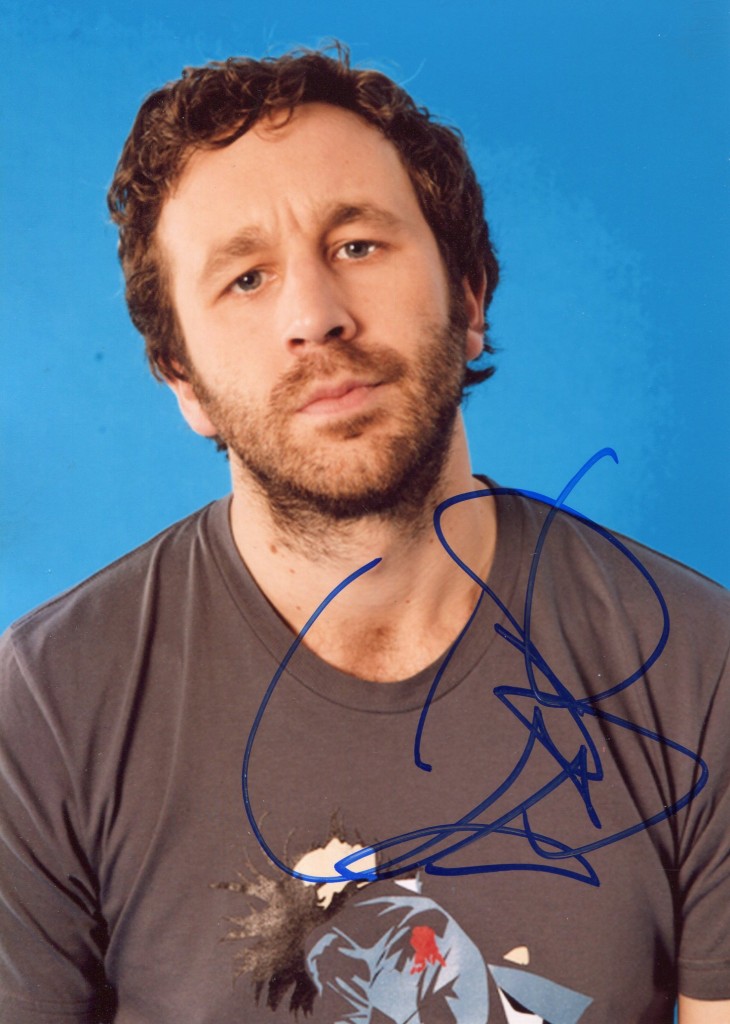
Chris O’Dowd
Chris O'Dowd
Chris O’Dowd

Chris O’Dowd.

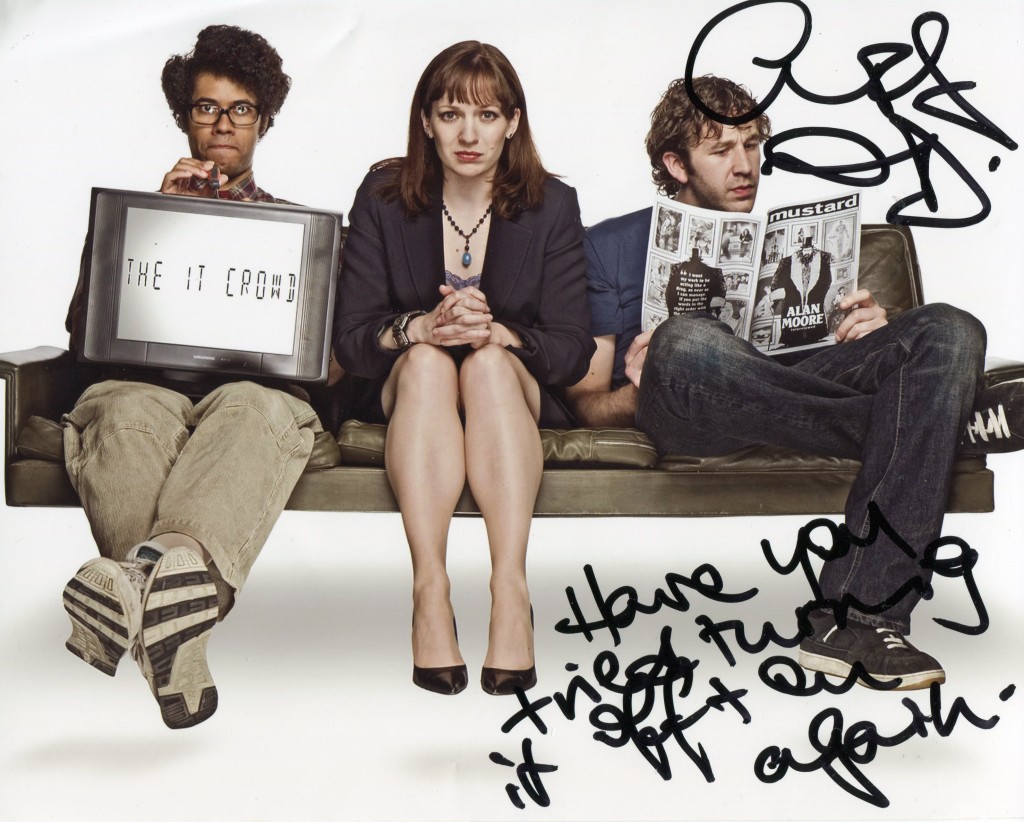
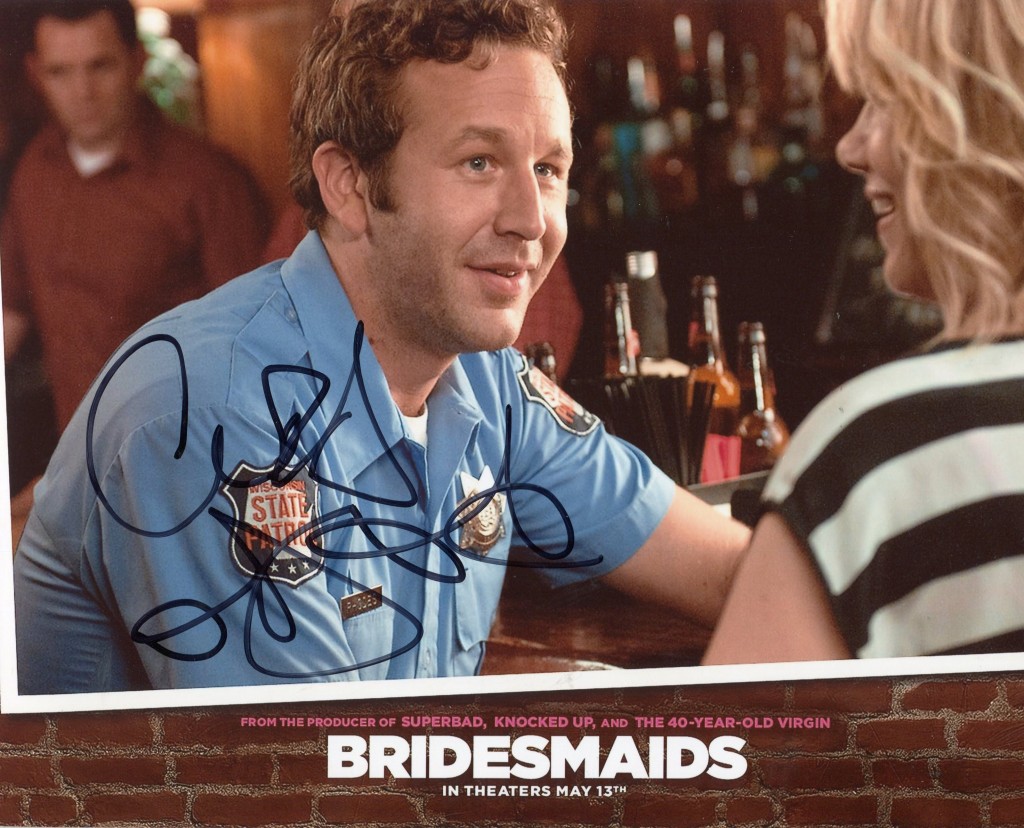
Chris O’Dowd is a rising young Irish actor.   He was born in Boyle, Co. Roscommon.   He is a graduate of University College, Dublin.   He began his acting career with the famed Druid Theatre in Galway.   He also starred in the early seasons of Irish television series “The Clinic”.   In the UK he was featured in “The IT Crowd” and “Roman Empire”.   In 2009 he  moved on to starring roles in “The Boat that Rocked” and “Hippie, Hippie, Shake”.   Won rave reviews for his performance in “Bridesmaids” in 2011.

Chris O’Dowd interview in “The Telegraph”:

Here, pigeon! Pi-pi-pigeon, come on!” Chris O’Dowd is perched on a wall in the middle of a park in south London, attempting to entice a bunch of standard-issue, unkempt, cankerous-looking urban “rats-with-wings” by sprinkling muffin crumbs around him.

He’s complying with the wishes of theTelegraph photographer, but the tactic isn’t producing the Tippi Hedren-style shot he’s after.

The birds maintain discreet distance, possibly because O’Dowd’s dog Potato, a Jack Russell-cross, is straining at the leash and regarding the creatures with a canine gourmand’s eye. O’Dowd has another explanation. “I guess they’re just immune to my manifold charms,” he shrugs, aiming an ineffectual kick in the retreating pigeons’ direction.

If that’s the case, the birds are very much alone. The 31-year-old O’Dowd has spent the past five years honing his own particular brand of genial, loquacious slacker allure as Roy, the feckless computer geek, in four series of Graham Linehan’s Bafta-winning Channel 4 comedy The IT Crowd.

Recently, he’s broadened his range, playing straight in the BBC’s period drama The Crimson Petal and the White. And now he’s hitting the Hollywood mainstream as one of the two specimens of male eye candy – the other being Jon Hamm, no less – in the comedy Bridesmaids, which stars Saturday Night Live alumnus and the film’s co-writer Kristen Wiig as Annie, whose maid-of-honour status, along with her life, unravels in the run-up to the wedding of her best friend.

“Yeah, there’s been some love, and some fun, and I don’t take any of it personally, even – or maybe especially – the positive stuff,” he says, as we settle down with cappuccinos at the park café.

“I know people are talking about the character, even if they’re saying my name. I like to think that when people meet me in real life, they go off me immediately.”

As if on counter-intuitive cue, O’Dowd’s girlfriend, the journalist and documentary-maker Dawn Porter, arrives to escort Potato home. There’s an exchange of “see you later honeys”, and O’Dowd settles into his chair.

He cuts a striking figure: 6ft 4in, somewhat leaner than the 15st he’s been known to attain, his off-duty-actor beard of a piece with his messy dark hair, dressed in jeans and Hawaiian shirt – the latter a variant on the ones he sported at the LA premiere of Bridesmaids and a recent slot on Conan O’Brien’s show. “I’m a Hawaiian shirt guy,” he says, with a grin. “I’ve made that life decision.”

O’Dowd is engaging company; with a default setting of convivial drollery. When informed that, at a screening of Bridesmaids the previous evening, the women present had reacted most emphatically to the most outré sexual scenes and jokes, he shakes his head: “Yup, if I know one thing about women, it’s that they’re filthy.”

He even responds to the news that attendees also had the chance to have their photo taken with a bow-tied, bare-chested hunk with near-equanimity. “In the US, they’re at pains to avoid the term ‘chick flick’ in connection with this film,” he laughs. “Here, they’re wheeling out the Chippendales.”

If “chick flick” is now on a par with “Mel Gibson vehicle” as a synonym for box-office morbidity, it’s because Bridesmaids arrives at a time when the debate over Hollywood’s “women problem” – the argument that “female-driven” films are a tough, if not impossible, sell to male moviegoers – has been reignited. Even the likes of Stacey Snider, the CEO of DreamWorks and one of the most powerful women in Hollywood, has opined that “girls revealing themselves as candid and raunchy doesn’t appeal to guys at all”.

For O’Dowd, the whole debate is specious. “Surely we’re past all this,” he says. “French and Saunders and Smack The Pony and Miranda Hart and a bunch of other people have killed this notion in the UK.

“I don’t think the public here buy this idea that women and men speak different comedic languages.” He takes a loud slurp of cappuccino. “I think Bridesmaids is a hoot, and I’m an alpha-male. So it’s clearly all ridiculous.”

The makers of Bridesmaids are pretty well-placed to tackle the conundrums. Wiig and her co-writer Annie Mumolo are graduates of the LA-based improv troupe The Groundlings, whose alumni include Will Ferrell and Lisa Kudrow. Director Paul Feig was the creator of the cherished-if-short-lived comedy/drama Freaks and Geeks.

Producer Judd Apatow meanwhile is the undisputed king of the bro-mance – The 40-Year-Old VirginKnocked Up – with a company of stock players (Seth Rogen, Paul Rudd, Katherine Heigl) known to some as Apatown. His films, while undoubtedly manolescent-centric, have a little more EQ than most.

O’Dowd declares himself a “borderline fanboy” of the Apatow canon, even though “Judd had no idea who I was. But it turned out that Paul Feig was a big fan of The IT Crowd.”

O’Dowd has now become, if not a resident, then at least a non-dom of Apatown. Since Bridesmaids, he’s completed a film called Friends With Kids, which re-teams him with Wiig and Hamm. And he’s soon to start work on Apatow’s own new movie, This is Forty.

“It follows Paul Rudd and Lesley Mann’s characters from Knocked Up,” he says. “It’s an in-depth look at relationships, marriage and parenting in this kind of post-boomer generation.

“I can’t wait to get started on it, but they approach things very differently there; they’ll shoot until like three in the morning working on making the laughs better.”

O’Dowd puts it down to the tradition of rapid-fire improv troupes in which many of the principals cut their teeth. “Our only equivalent to that here is, unfortunately, panel shows,” he says. “Someone was interviewing me in the US recently and they said they had footage of me on game shows. I was like, what?

“It turned out they meant Never Mind the Buzzcocks. So that’s the difference – they have Chris Farley, we have Ian Hislop.”

Actors always downplay ambition, but O’Dowd makes his own progress sound more hapless than most: “I’ve gone up for loads of jobs in the past that I knew were going to be terrible, and I’ve done my best, and I still haven’t got them,” he says. “So I think I’ve been lucky in who’s decided I’d be worthy of their time.”

Still, he acknowledges that Bridesmaids has the potential to take things up a notch. “Though it’s hard to look at it in a rational, tangible way when you’re broke, which I am,” he says brightly.

“My last two jobs were indie movies that didn’t pay anything; I didBridesmaids a year ago, and the money wasn’t brilliant. So, yeah, it was a big moment to go on Conan O’Brien, but then I realised my cable was turned off because I couldn’t afford it. So I’m on a chat show I can’t afford to watch.”

Penury aside, he’s grateful that such recognition as he currently enjoys came gradually. “I mean, it must be f—— weird to be some 20 year-old heading up Thor or something, right?” he says.

“With The IT Crowd, it built slowly and got better as it went on; I was pretty bad in the first series.” A fifth season has been mooted, but Linehan is busy with a stage version of The Ladykillers, while Katherine Parkinson has just starred in The School for Scandal at the Barbican and Richard Ayoade enjoyed acclaim for Submarine, the coming-of-age movie he wrote and directed.

“Richard’s a genius, isn’t he?” beams O’Dowd, who comes over all bro-mantic when Ayoade’s name is mentioned. “That film left me reeling. I’m so proud of him.”

O’Dowd now seems ready for his own close-up, not least on the evidence of his appearance on O’Brien’s show, where he regaled the host by claiming to have “you know, actually penetrated” Wiig during their sex scene in Bridesmaids (at her express request, of course) and went on to recount his upbringing in Roscommon, where, as the youngest of five, his older sisters would hold him down and spit in his mouth. The latter story, he allows, is veracious: “But I left out the bit where they chased me with pokers.”

His father was a graphic designer and part-time guitarist, his mother a psychotherapist. It was an arty, permissive household, but acting didn’t factor in until he hightailed it to University College Dublin – “the choices back home were the fish factory or my dad’s business; I didn’t fancy the first and was useless at the second” – where his politics degree got increasingly short shrift as he immersed himself in the campus DramSoc.

He originally wanted to be a speech writer and continues to write; he’s currently developing a sitcom for Sky based on the short he made last year about a bullied 11 year-old with a morbid fear of Santa and a tall, bearded, 31-year-old imaginary friend who, he admits, is not a million miles from himself. And he has “a couple” of films in development in the US: “There are plenty of irons in the fire,” he says, “and we’ll see if any of them miraculously turn into silver coins.”

O’Dowd needs to go, but, in parting, he shares some final thoughts on Twitter – “It’s essentially the same as graffiti on the back of a toilet door, but I need a bump in followers, so can you say that I’m @BigBoyler?” – and Porter, who he’s heading home to. “She’s relaxed and bright and great,” he smiles. “Going out with other actors is never good; actresses are neurotic, and actors are horrendous egotists.”

So he’s as sorted as any hapless, spasmodically employed, horrendous egotist could be?

“I hope Bridesmaids leads to good stuff and I’ll have more opportunities to work with good people, but it’s more difficult than you’d imagine to say no sometimes. So don’t be surprised if I turn up in a pile of shite.”

And he lopes off, scattering disgruntled pigeons in his wake.

His “Telegraph” interview can also be accessed online here.

TCM overview:

Although most Americans know him for playing the affable Officer Rhodes in “Bridesmaids” (2011), Chris O’Dowd was already a major star in Britain prior to his breakthrough performance in the Judd Apatow-produced wedding comedy. As the star of the British sitcom, “The IT Crowd” (Channel 4, 2006-2010), O’Dowd played a socially awkward computer geek named Roy. The show made O’Dowd a household name in Britain, and before long he was being courted by Hollywood, appearing in brief but memorable roles in such films as “Pirate Radio” (2009), “Dinner for Shmucks” (2010) and “Gulliver’s Travels” (2010). But it was O’Dowd’s role as the love interest of Kristen Wiig’s character in “Bridesmaids” that made him a bona-fide Hollywood star. That film would go on to gross nearly $300 million at the box office in the summer of 2011, firmly minting Chris O’Dowd as one of the film world’s newest big-screen funnymen.

O’Dowd was born in Sligo, Ireland, and grew up in the small town of Boyle, which had a population of 3,000. A somewhat awkward youth — he was already 6 feet fall by his 11th birthday — O’Dowd played soccer all throughout his teens. Once high school was over, however, he hung up his cleats and enrolled at University College in Dublin. O’Dowd studied politics and sociology while attending the school (his mother was a psychotherapist), but quickly realized that college was not for him. He dropped out shortly after and moved to London to pursue acting. O’Dowd took a job at a charity call-in center to pay the bills, while frequently skipping out to attend auditions. He appeared in minor roles in British dramas such as “Conspiracy of Silence” (2003) and “Vera Drake” (2004), before landing the role of Roy Trenneman on “The IT Crowd.” O’Dowd appeared in all four seasons of the show, which revolved around several tech employees working at a London-based corporation. The show ended in 2010, making O’Dowd a major star in the process. However, with the release of “Bridesmaids” the following summer, the 31-year-old actor would show the world his career was only just beginning.

O’Dowd had an inkling that “Bridesmaids” would be a smash hit. Despite appearing in two major Hollywood movies the year prior, O’Dowd recalled a familial atmosphere on the set of “Bridesmaids” that was much different than his previous American filmmaking experiences. When “Bridesmaids” opened to glowing reviews in May of 2011, eventually earning two Academy Award nominations, O’Dowd’s suspicions proved correct. That same year he reteamed with several of his “Bridesmaids” cast members in the comedy “Friends With Kids,” before appearing in Apatow’s dramedy about married life, “This is 40” (2012). That film was a sequel to “Knocked Up” (2007), with O’Dowd playing a hipster record executive. In early 2013 O’Dowd appeared on the second season of the HBO series “Girls” (HBO, 2012); he reprised his role as a wealthy venture capitalist on the show’s second season.

The above TCM overview can also be accessed online here.
Dean Jones
Dean Jones
Dean Jones

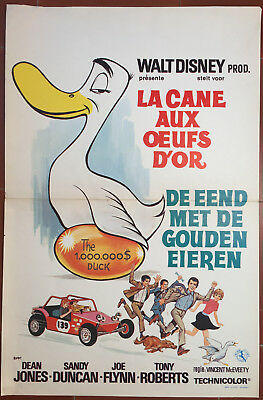
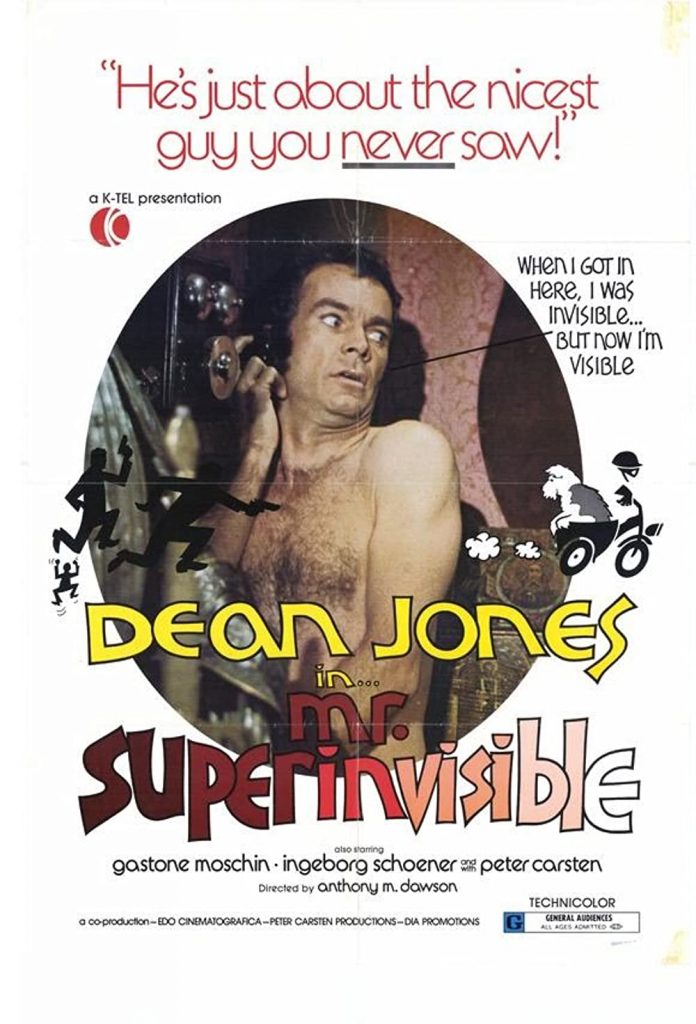
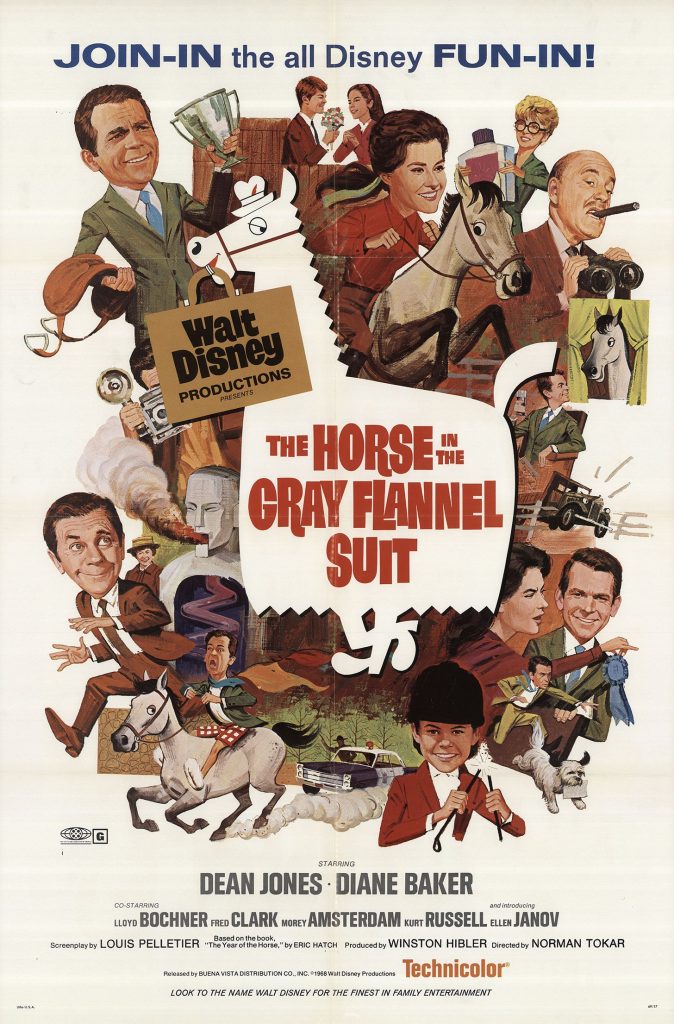
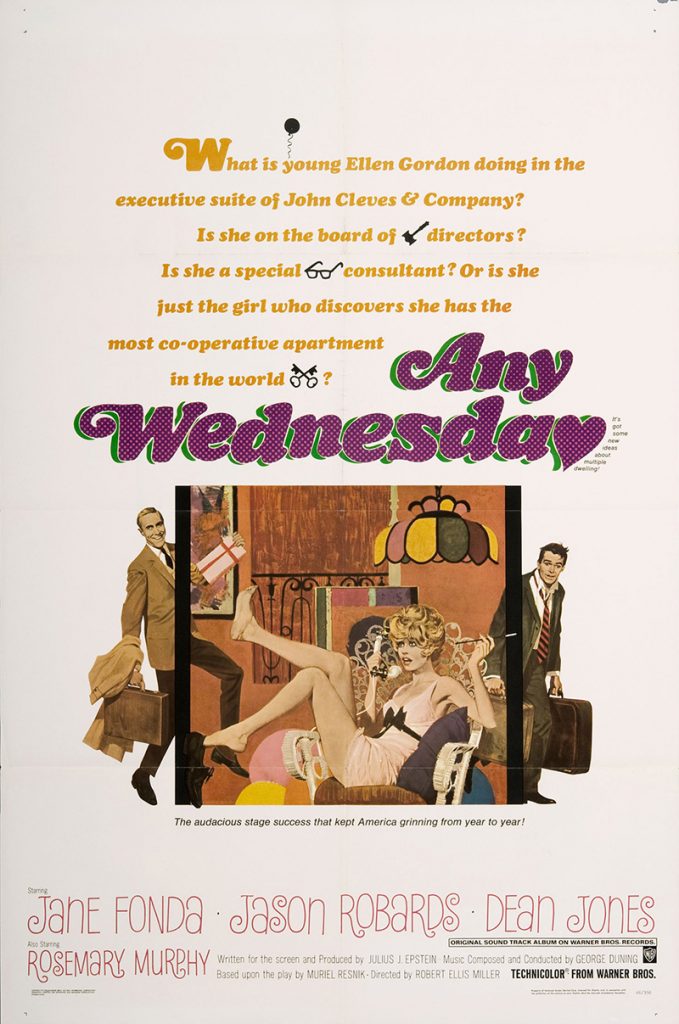
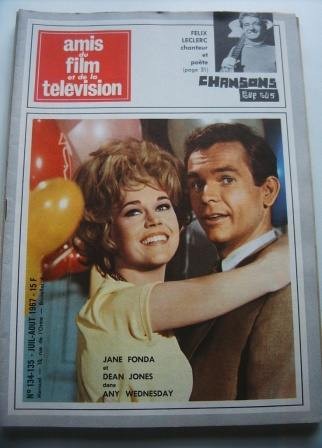
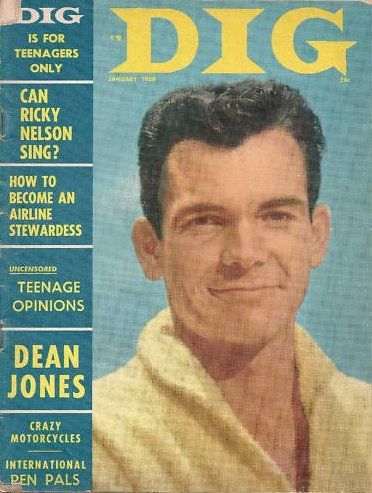
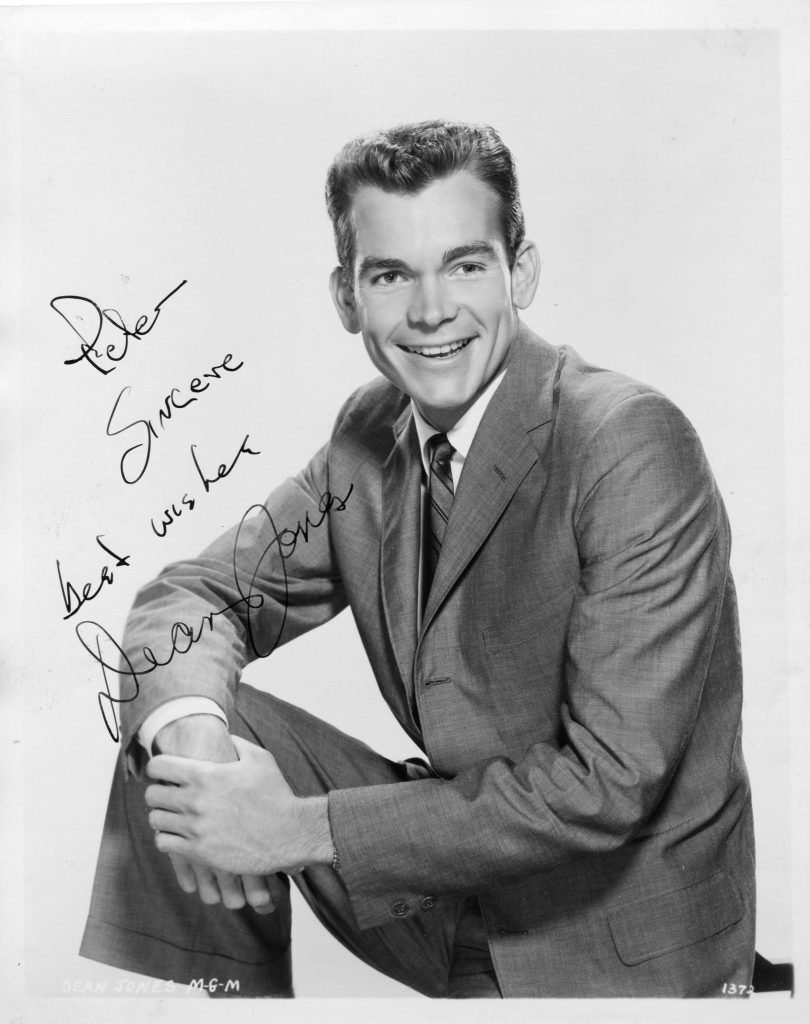
Dean Jones spent a long time in supporting roles on film until the Disney Studios cast him in leading roles in a large number of films between 1965 and 1977.   He was born in 1931 in Alabama.   His first film role was in 1956 in “Somebody Up There Likes Me” with Paul Newman and Pier Angeli.   His first Disney film was “That Darn Cat” with Hayley Mills and Dorothy Provine.   Other films with the studio included “Blackbeard’s Ghost”, “The Horse in the Gray Flannel Suit” and “The Love Bug”.   His last Disney film was “Herbie Goes to Monte Carlo”.   His most screen appearance was “Mandie and the Secret Tunnel” in 2008.   He died in 2015 at the age of 84.

His TCM biography:

Boyish-looking, squeaky-clean leading man of the 1960s and 70s who began his career as a blues singer before making his film debut in 1956. Jones gained prominence for his starring roles in a succession of Disney family comedies in the 1960s, most notably “That Darn Cat!” (1965), “The Love Bug” (1968), “Million Dollar Duck” (1971), “The Shaggy D.A.” (1976) and “Herbie Goes to Monte Carlo” (1977). Jones also starred briefly on Broadway in Stephen Sondheim’s sophisticated dissection of modern marriage, “Company” (1970) and received praise for the innocent, dopey quality he brought to the role of the bachelor Bobby. After a hiatus from major roles in the 1980s, Jones was featured as a pragmatic business manager whose company is about to be taken over by a liquidator in “Other People’s Money” (1991). Jones married second wife, actress-turned-screenwriter, Lory Basham in 1973.   He died in w015.

Obituary in “The Telegraph” in 2015.

Dean Jones, the actor, who has died aged 84, was best known for his roles in such light-hearted family films as The Love Bug (1968), Herbie Goes to Monte Carlo (1977) and Beethoven (1992). 

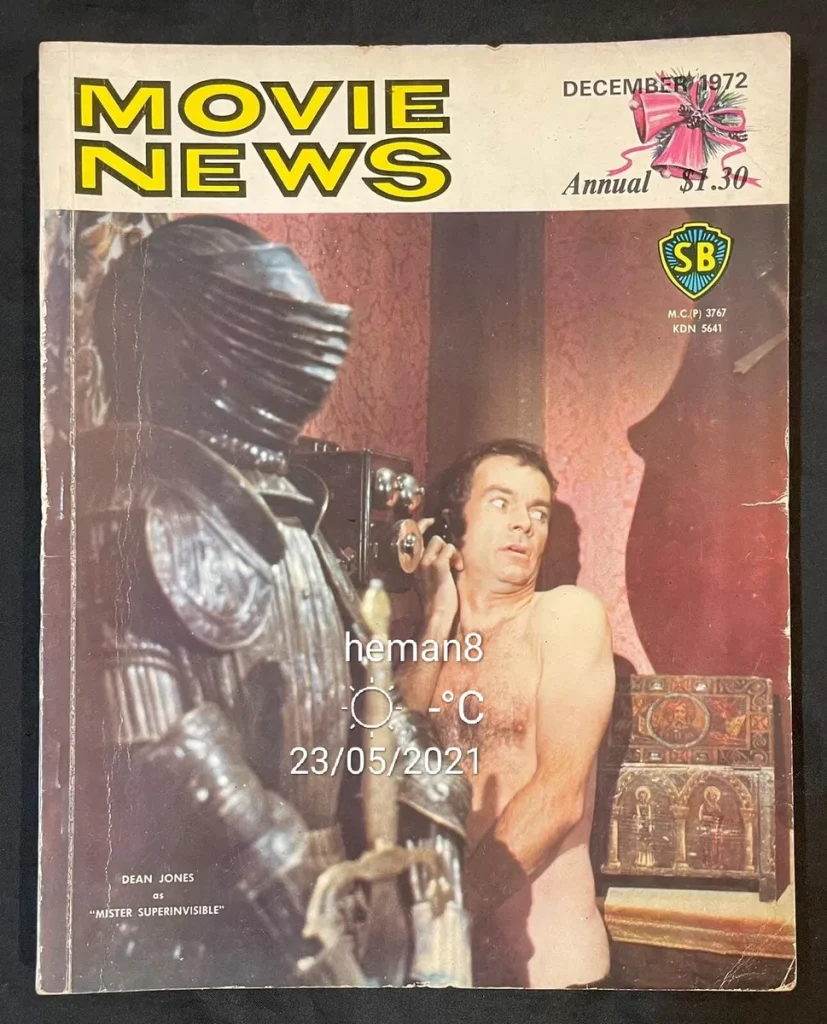
Boyishly handsome and clean-cut, Jones could switch his expression from impish grin to confused grimace in an instant and he was an ideal hapless hero of the cheery Hollywood comedies of the late 1960s and 1970s. In The Love Bug – the first of the Disney films to feature “Herbie”, the Volkswagen Beetle with a mind of its own – he played Jim Douglas, an unsuccessful racing driver who finds himself landed with Herbie after visiting a showroom run by a crooked car dealer, Peter Thorndyke (David Tomlinson). 

The wilful car soon takes over Douglas’s life, causing him endless frustrations and provoking outbursts of impotent rage. But Herbie’s high speed transforms Douglas’s fortunes on the race track and, ultimately, brings him together with Carole, the car showroom sales woman (played by Michele Lee). 

The Love Bug went on to become one of the highest grossing films of that year and spawned four sequels, including Herbie Goes to Monte Carlo, in which Jones reprised his role as Douglas. 

Although Jones appeared in more than 40 other films, it was his roles in Disney productions which brought him stardom. “It was a fast-track life,” he recalled in 1997. “I was making $50,000 a week. I had the Ferraris and beautiful women and all the rest of what I thought would satisfy my life. And it was empty. Really empty.”

Dean Jones in The Love Bug (1968)

In 1973 Jones, who had suffered from depression for many years, became a born-again Christian. “One night,” his wife said, “he got down on his knees and prayed that God would free him from the miserable moods that he had always suffered. He told me that in an instant it was gone and he felt peace and joy flood into his heart.” Although he continued to work in Hollywood and on stage, Jones also appeared in several Christian films and had some success touring in the one-man show St John in Exile (1986) as the apostle reminiscing about his life while imprisoned on the Greek island of Patmos. 

Dean Carroll Jones was born on January 25 1931 at Decatur, Alabama, and educated at the Riverside High School, Decatur, where he had his own radio show, Dean Jones Sings. 

He went on to serve in the US Navy during the Korean War, after which he found work at the Bird Cage Theatre in Buena Park, California. Jones did not finish his studies at Asbury University in Wilmore, Kentucky, although in 2002 the university awarded him an honorary degree. 

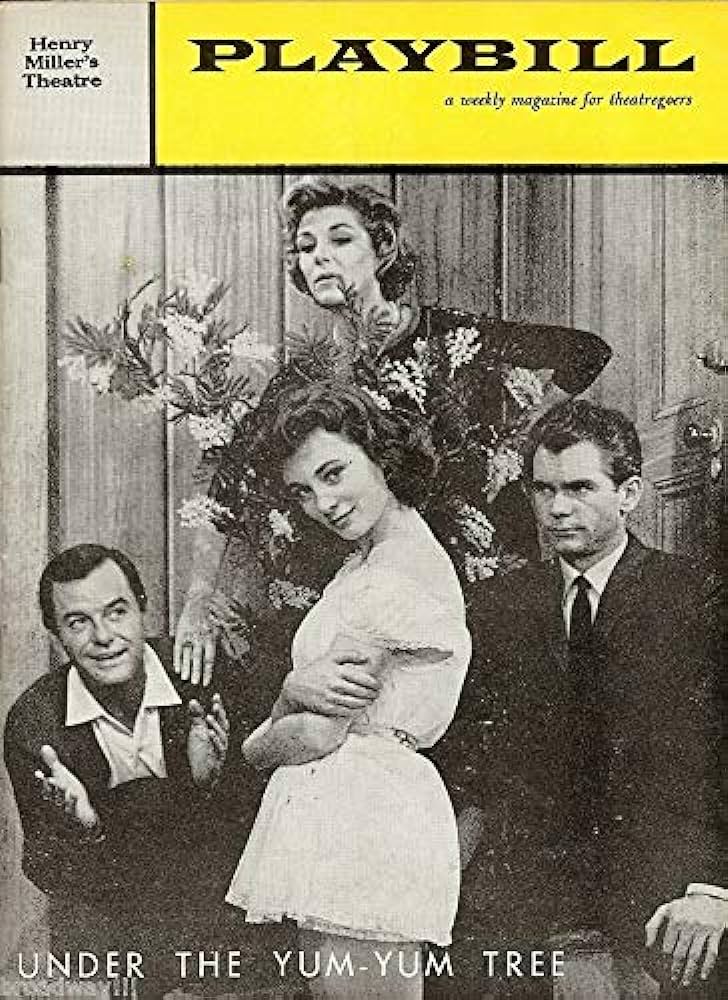
Jones’s first film role was in Somebody Up There Likes Me (1956), which starred Paul Newman. This was followed by an appearance as DJ Teddy Talbot in Jailhouse Rock (1957). He made his Broadway debut (with Jane Fonda) in There Was a Little Girl (1960), which was followed in the same year by the Broadway comedy Under the Yum-Yum Tree, a role which he repeated in the 1963 film version starring Jack Lemmon. 

Dean Jones as the villainous vet in Beethoven

In 1965 Jones was approached by Walt Disney himself, who had seen him in a sitcom. He was subsequently cast in the film That Darn Cat! (1965), in which he played an FBI agent with a cat assistant who helps him to catch armed robbers. Jones then tried to pitch a serious project to Walt Disney about the first sports car ever brought to America, but Disney suggested a comedy based on a Car, Boy, Girl, a story written in 1961 by Gordon Buford. This became The Love Bug. 

His other films for Disney included Blackbeard’s Ghost (1968) with Peter Ustinov and The Million Dollar Duck (1971), which was mauled by the critics. 

Jones went on to appear in numerous films including Beethoven (1992, in which he played a villainous vet) and Other People’s Money (1991), starring Danny DeVito and Gregory Peck. He also had a small role in the film adaptation of Tom Clancy’s Clear and Present Danger (1994), with Harrison Ford. 

In 1982 Dean Jones published an autobiography, Under Running Laughter, which focused on how faith, not fame, had changed his life for the better. 

His first marriage ended in divorce in 1970. In 1973 he married the actress Lory Patrick. She and his three children survive him.. 

Dean Jones, born January 25 1931, died September 1 2015

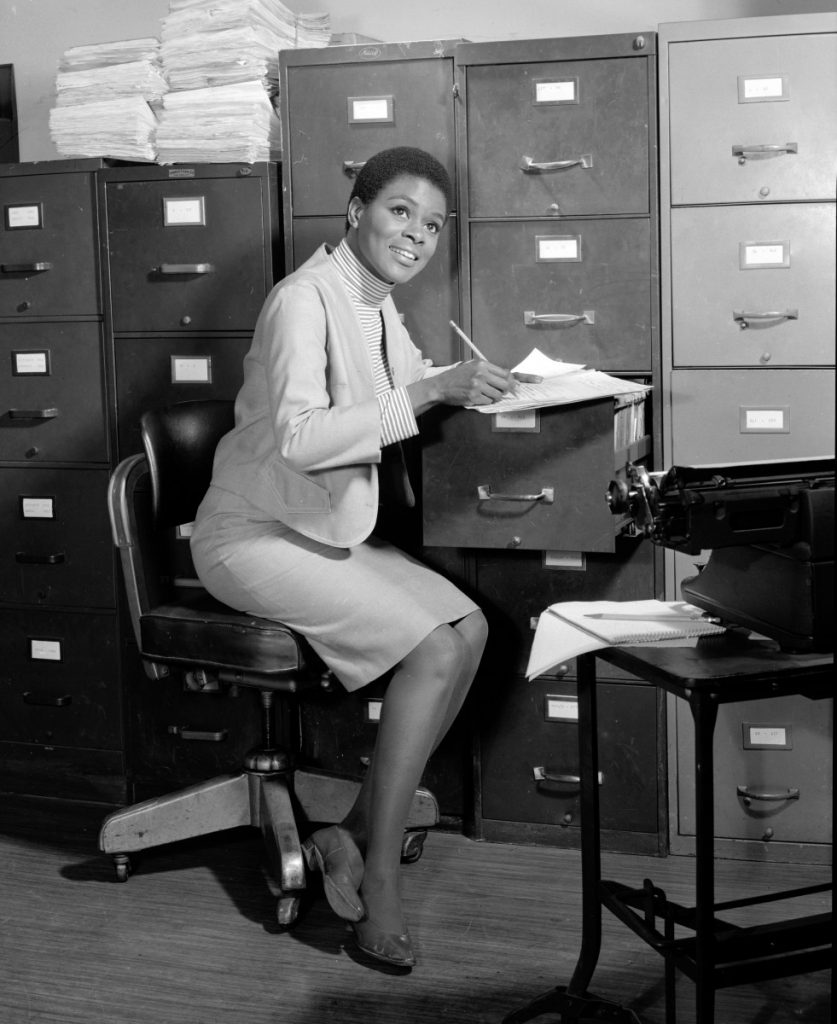
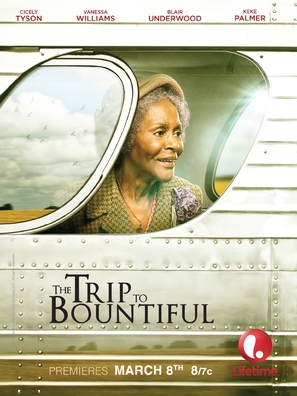
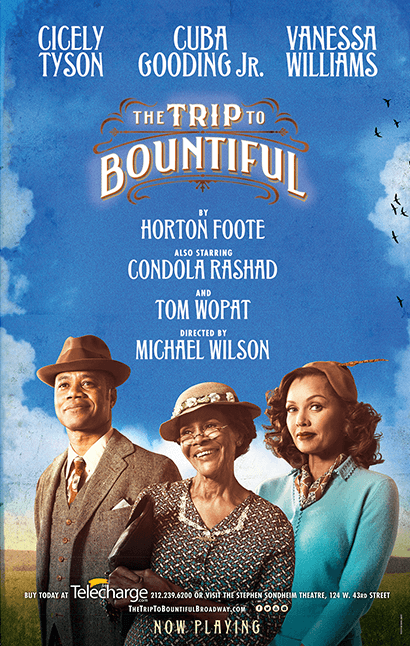
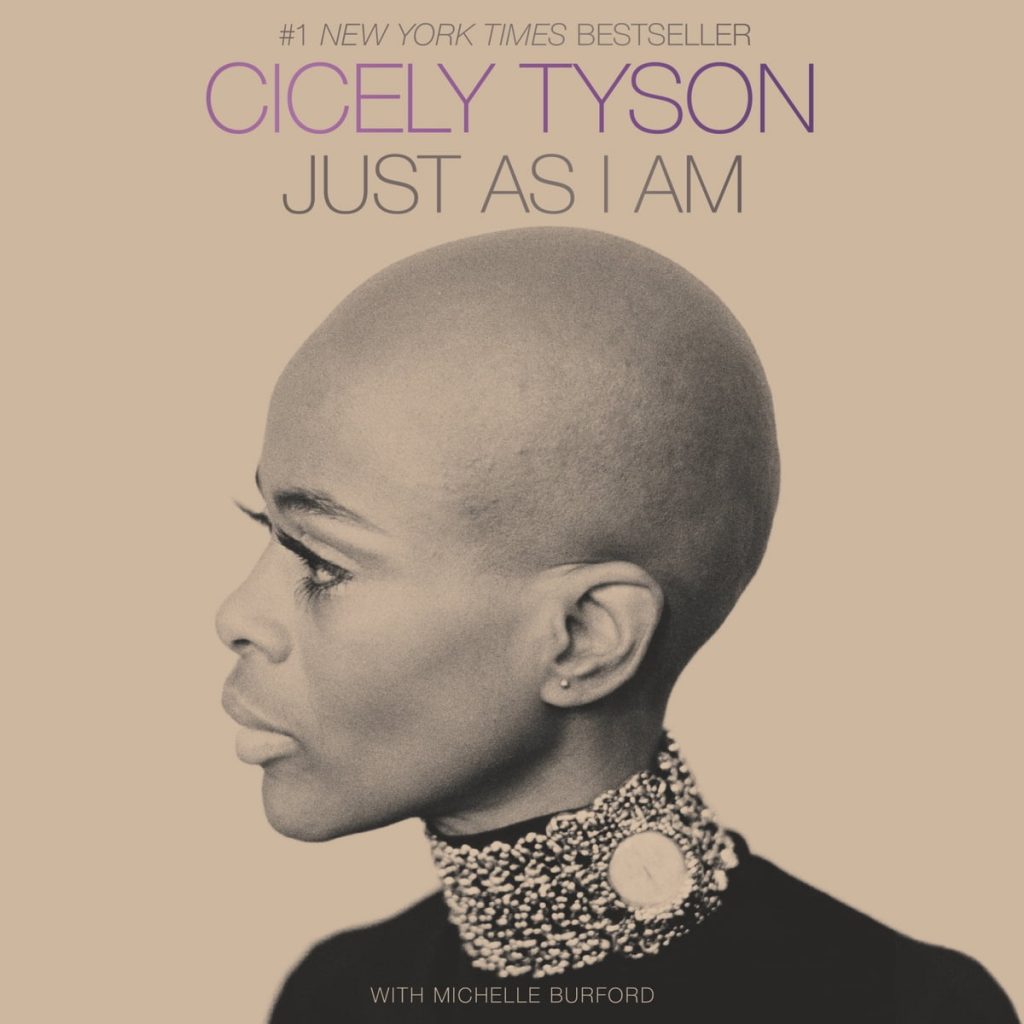
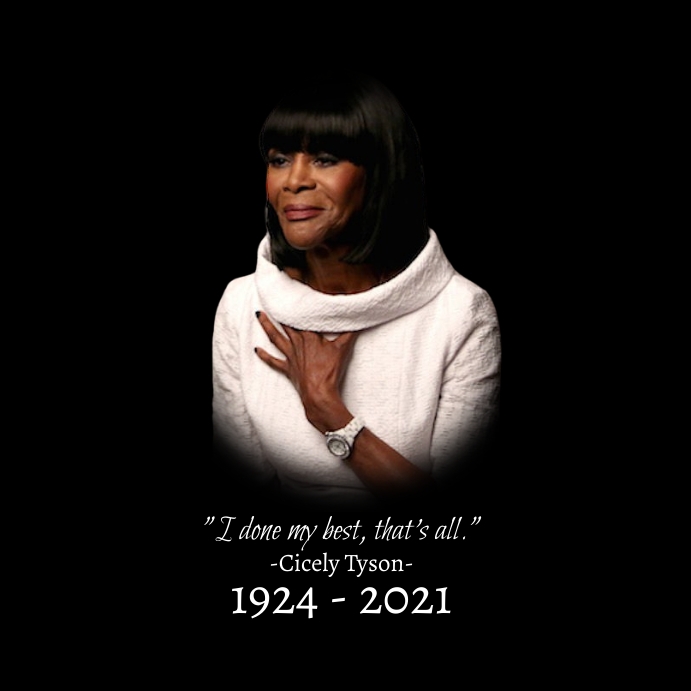
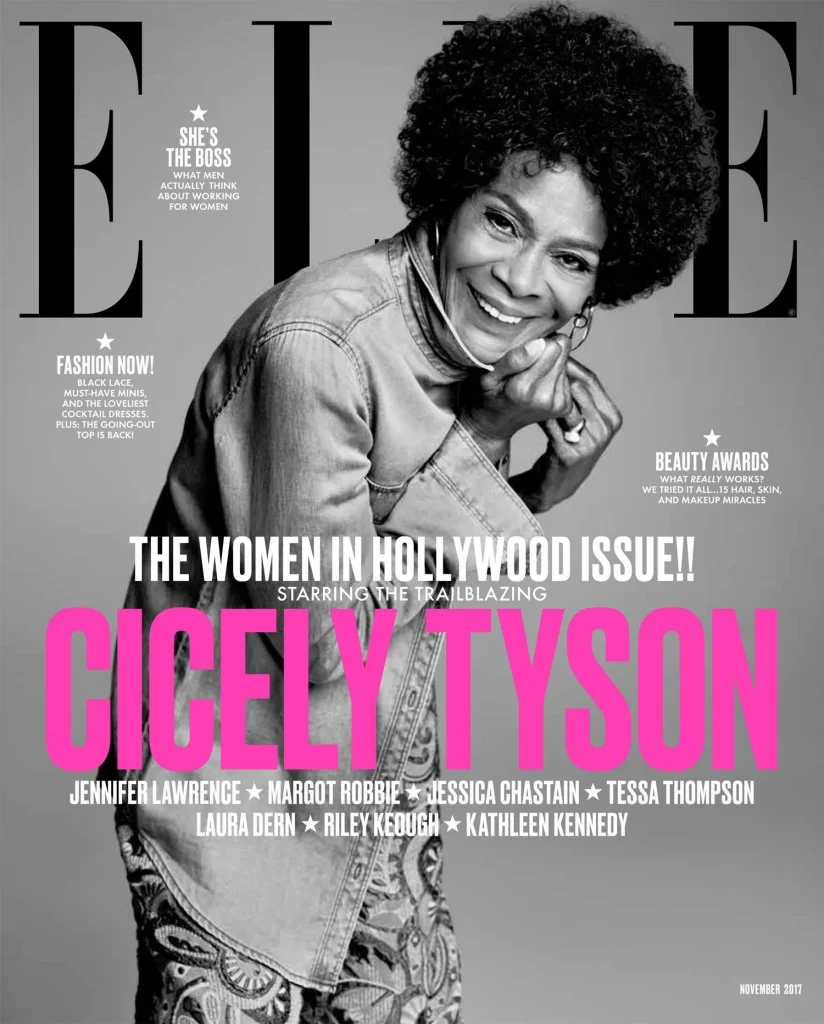
Cicely Tyson
Cicely Tyson
Cicely Tyson

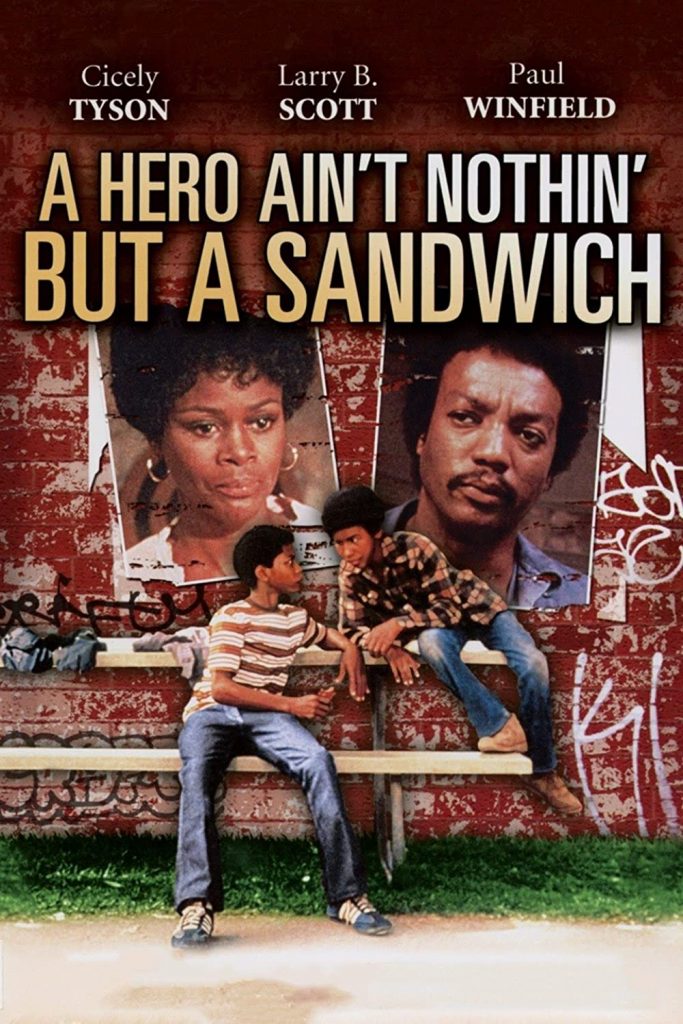
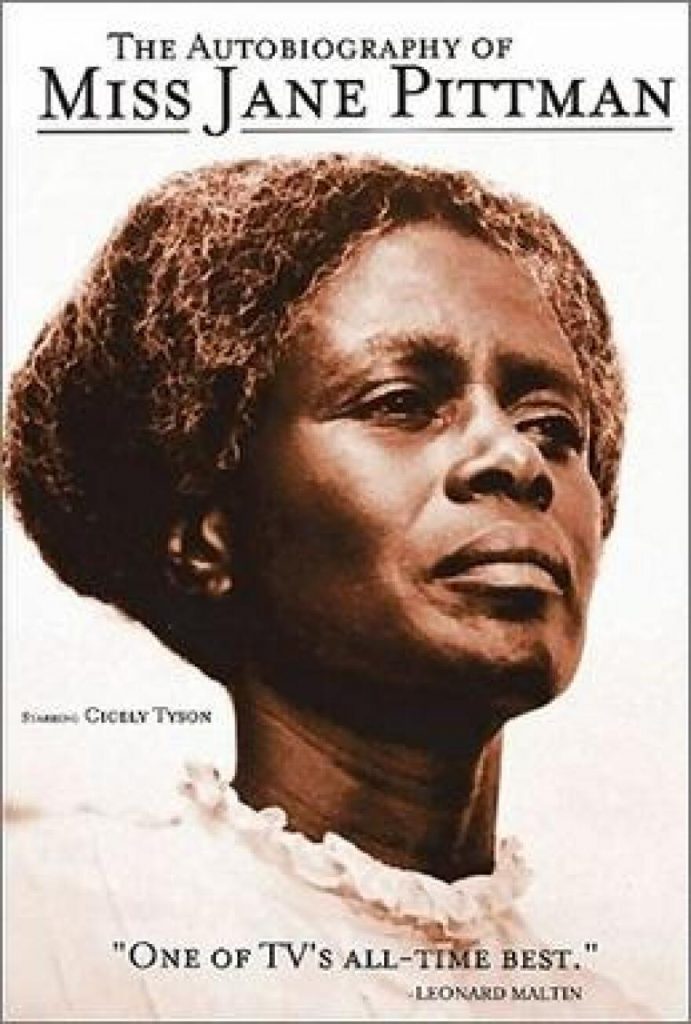
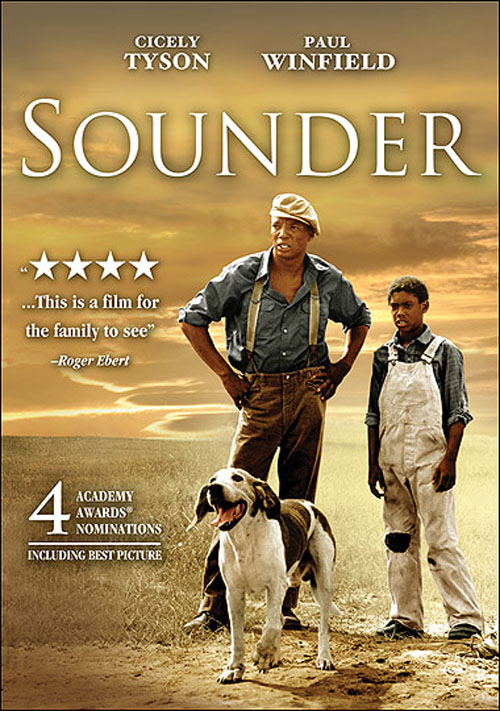
Cicely Tyson was born in 1924 in New York City.   She was a popular fashion model before she became an actress.   Her first film in 1957 was “Carrib Gold”.   She starred with George C. Scott in the excellent legal TV series “East Side, West Side” in 1963.   In 1972 she was nominated for an Academy Award for her performance in “Sounder” and two years later won widespread acclaim for “The Autobiography of Miss Jane Pittman”.

Cicely Tyson, who has died aged 96, was an American actress who received an Oscar nomination for her role as the family matriarch Rebecca in the 1972 Depression-era film Sounder; she was also nominated for a Bafta and won two Emmys for The Autobiography of Miss Jane Pittman (1974), a TV film in which she played a woman born into slavery, but who a century later becomes part of the civil rights movement.

At a time when black actresses were often cast in what Cicely Tyson called “a powerless supporting role or as a hypersexual female eager to fall into bed”, she made a point of playing strong African-American women. She told how one producer “had the gall to say to me, ‘N—–s want sex and violence, and we plan to give them both.’ He did not flinch as he spoke.”

On television she appeared with Maya Angelou in Roots, the 1977 miniseries depicting a family’s journey from slavery to emancipation. She also played Coretta Scott King in the NBC biopic King (1978), about Martin Luther King, the civil rights leader assassinated in Memphis, Tennessee, in 1968.

Despite being seen by many as a symbol of black women, Cecily Tyson insisted that her goal was simply to be accepted as an actress. “Becoming a symbol does not speak highly for the movie industry,” she said in 1974. “It pleases me to be a symbol and to be recognised as such, but I hope some day to be simply Cicely Tyson, actress.”

She was born in Harlem on December 19 1924, the second of three children of Fredericka (née Huggins), a domestic worker, and her husband William Tyson, a decorator; both were originally from the Caribbean island and former British colony of Nevis. Cecily’s early life was marked by moving from slum to slum and living on food stamps, while church was the cornerstone of her childhood.

From high school she joined a typing pool at the Red Cross in New York, but one day was walking along Fifth Avenue during her lunch hour when “someone tapped me on the shoulder and asked for my agency”, saying that she should be a model.

“I started distributing my photographs among the agencies,” she said. “And then I began to get calls.” Her horrified mother threw her out of the house, though they were later reconciled.

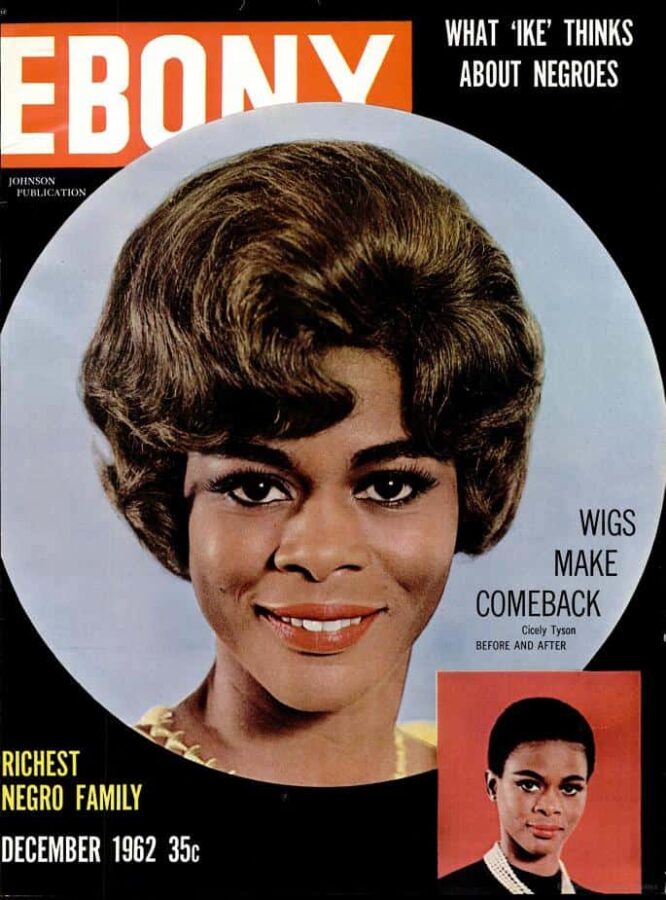
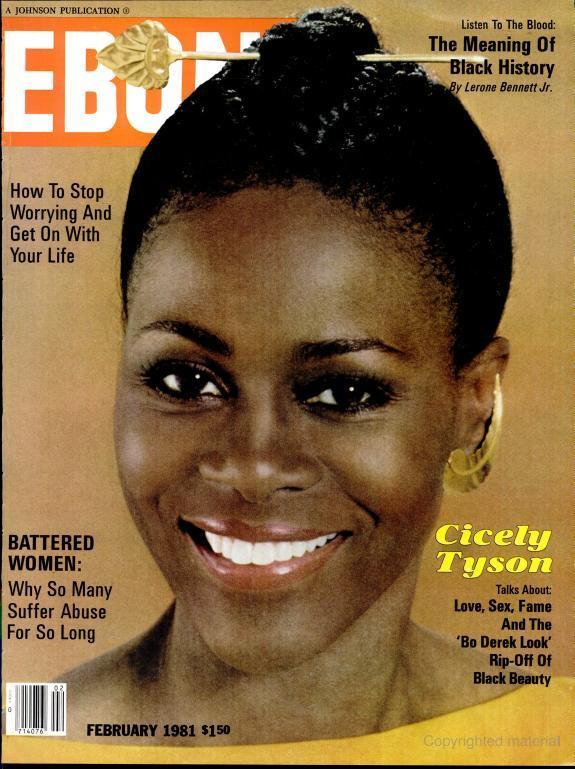
Her earliest assignments were for Ebony magazine and in 1954 she was “model of the week” in The New York Age. She studied acting and in the early 1960s appeared in the off-Broadway production of Jean Genet’s The Blacks with Maya Angelou and James Earl Jones, which ran for 1,408 performances.

Her appearance as the secretary Jane Foster in East Side/West Side (1963-64) was said to be the first by an African-American actress in a US television drama.

In her early films she was Sammy Davis Jr’s romantic interest in A Man Called Adam (1966), Richard Burton’s favourite prostitute in The Comedians (1967), based on the Graham Greene novel, and appeared in the 1968 film adaptation of the Carson McCullers novel The Heart Is a Lonely Hunter, which won Oscar nominations for Alan Arkin and Sondra Locke.

Her big breakthrough came with Martin Ritt’s Sounder, when she was pitted against Diana Ross (Lady Sings the Blues) to be the first black woman to win a best actress Oscar, though the award eventually went to Liza Minnelli for Cabaret.

Despite having to accept some lean times, Cicely Tyson stuck to playing independent-minded women. “The role determines whether I work and where I work,” she said in 1974. “It takes guts to be an actress – black or white, but particularly black – and stand up to one rejection after another simply because you are a black woman who wants a decent script.”

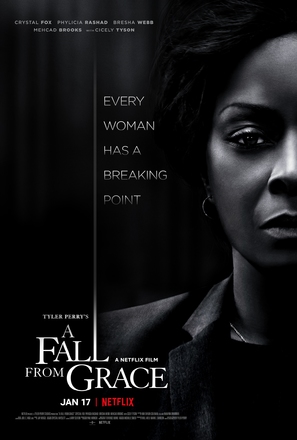
Her later roles included Sipsey, the family cook who stirs up trouble for a wife-beater in Fried Green Tomatoes (1991), with Tyler Perry in Diary of a Mad Black Woman (2005) and as an elderly nanny in The Help (2011), a part she only accepted because of the character’s deep emotional backstory. Last year she was seen in Perry’s Netflix film A Fall from Grace”.

In private Cicely Tyson, a petite and svelte figure, was fiercely disciplined: she shunned meat, avoided cigarette smoke and rose before dawn for a daily run. In 2016 she was awarded the Presidential Medal of Freedom and in 2019 received an honorary Oscar. Her memoir, Just As I Am, was published this week; its title came from an old hymn in which she had sought solace as a shy teenager.

In 1942 she married Kenneth Franklin, a security guard. They had a daughter, who is referred to in her memoir as Joan; two weeks after giving birth Cicely returned to school.

The marriage was dissolved in 1956, and in 1981 she married the jazz trumpeter Miles Davis, whom she had dated in the 1960s before his marriage to the singer Betty Davis. That marriage was dissolved in 1989, and she is survived by her daughter.

Cicely Tyson, born December 19 1924, died January 28 2020

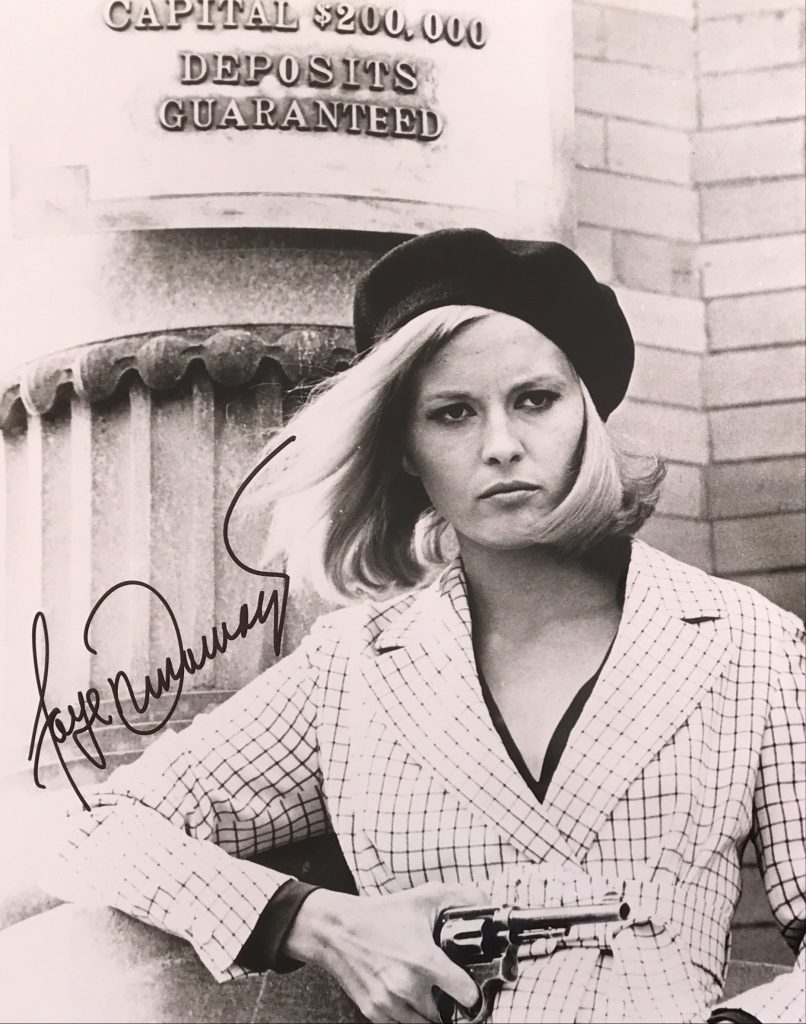
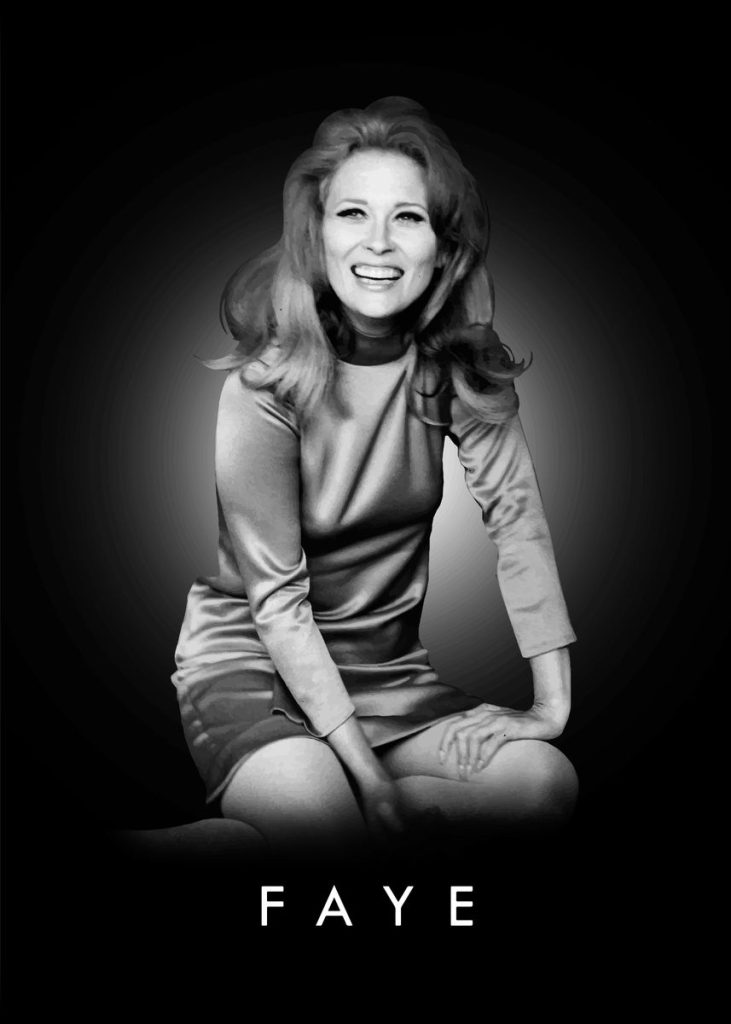
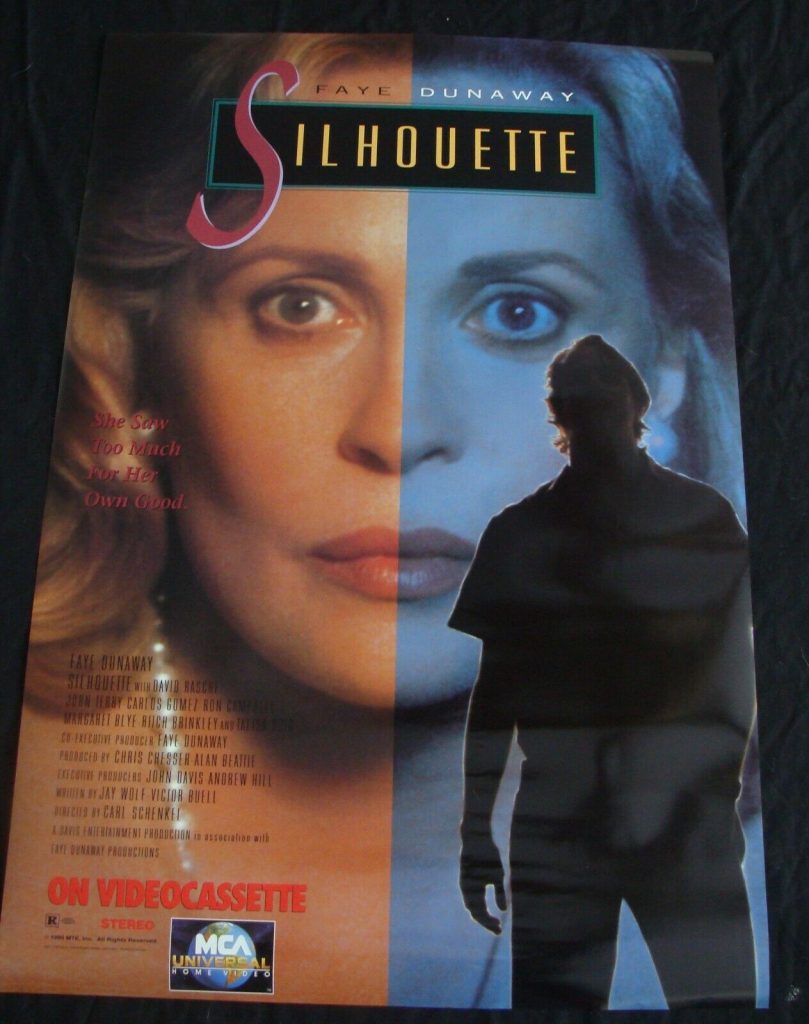
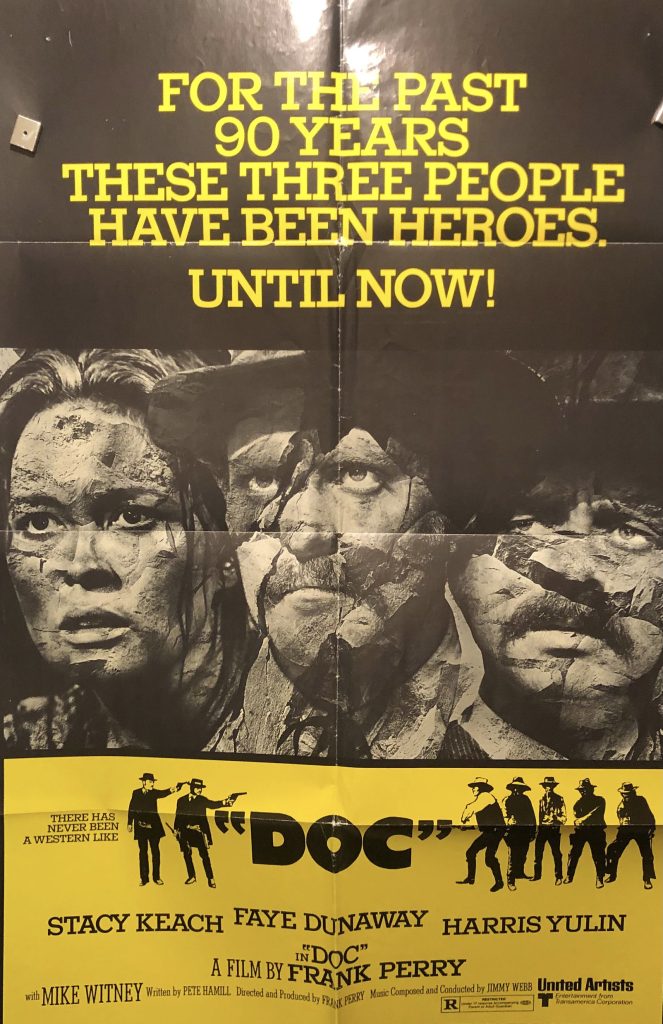
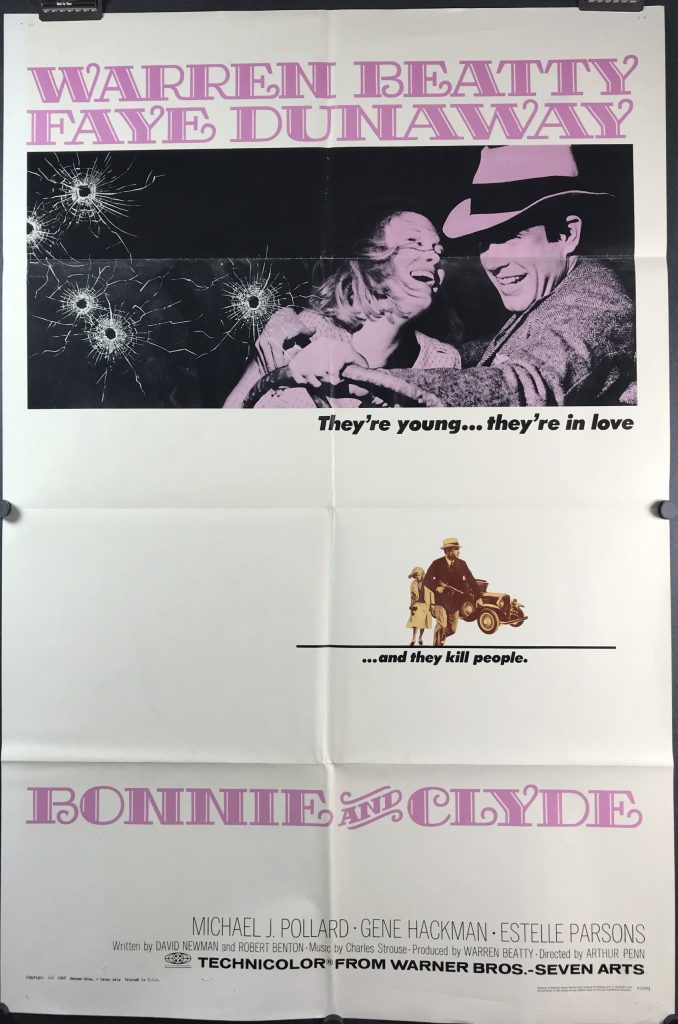
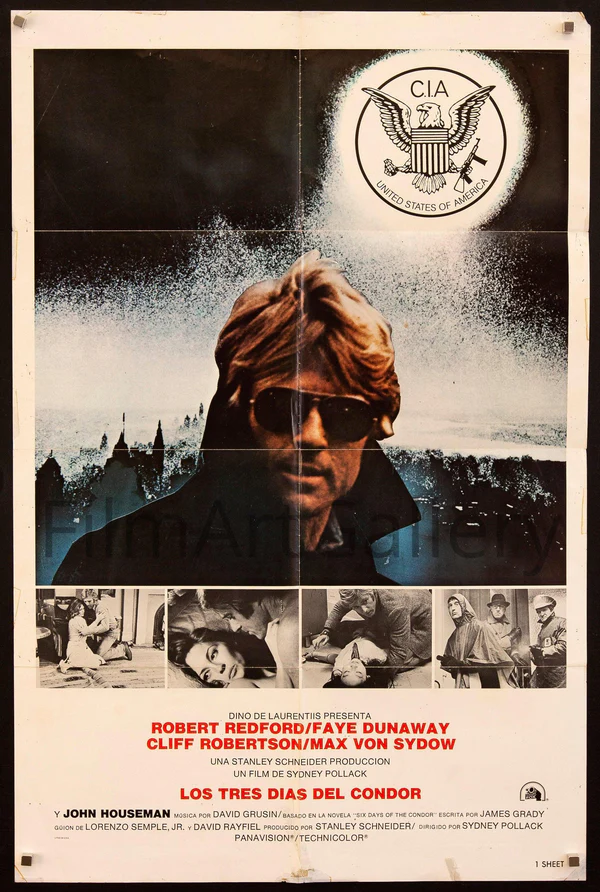
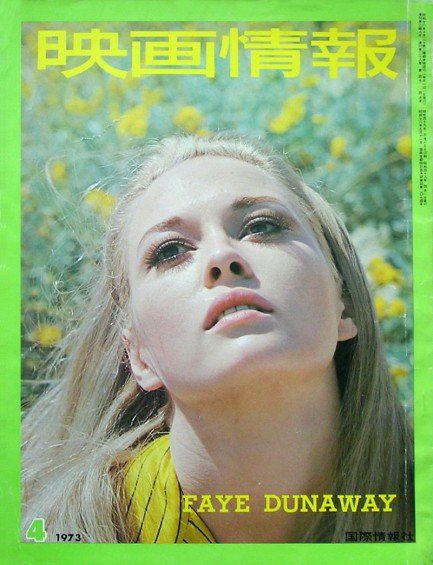
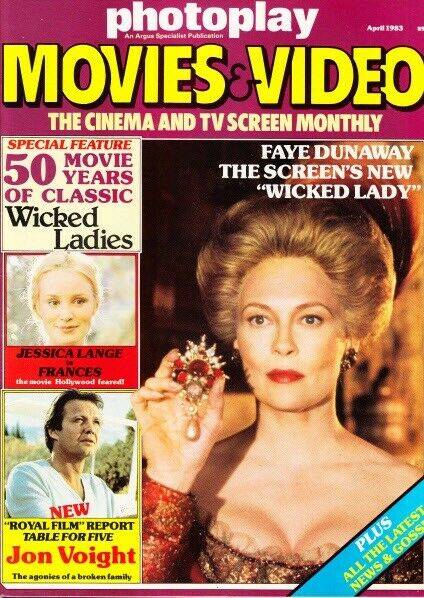
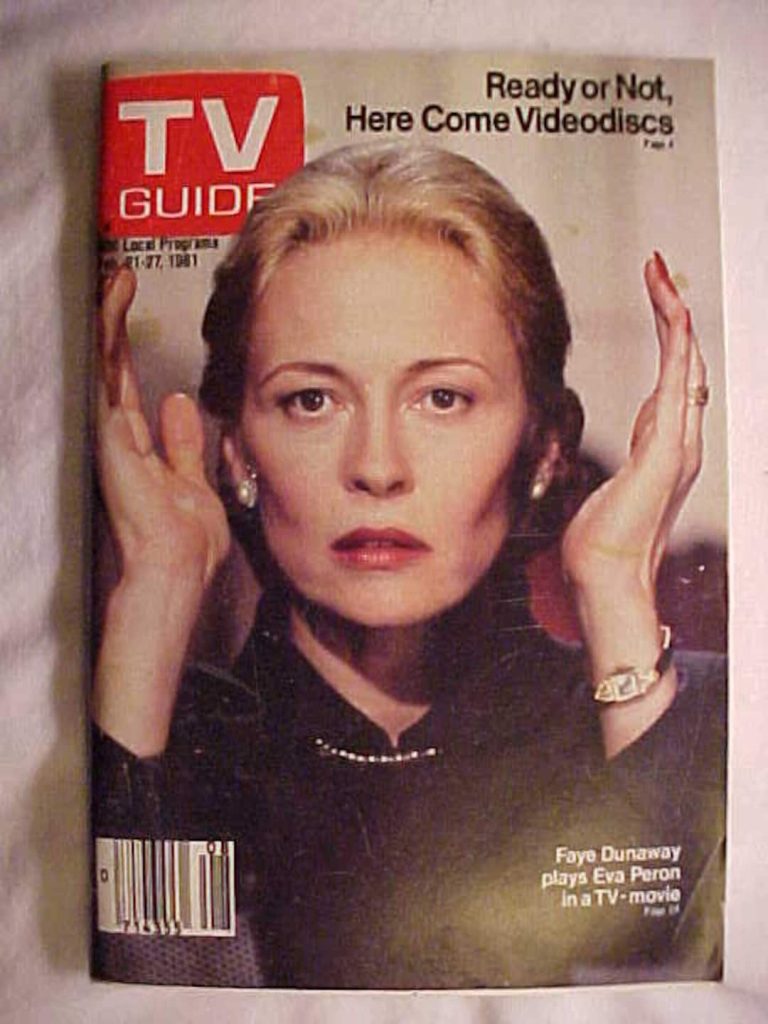
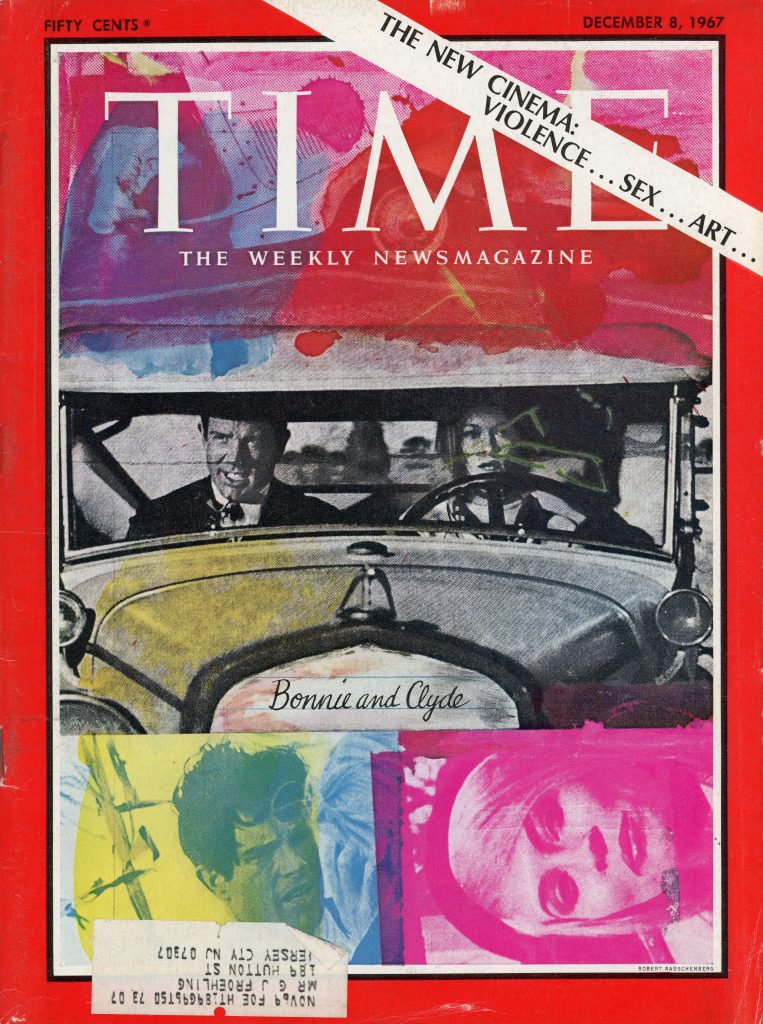
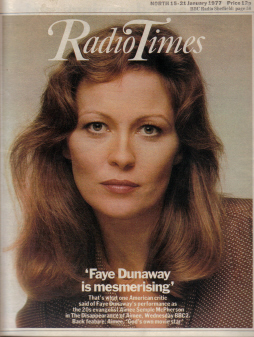
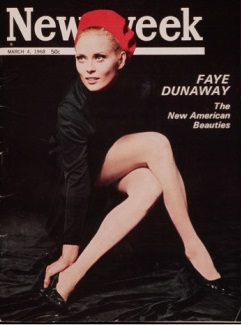
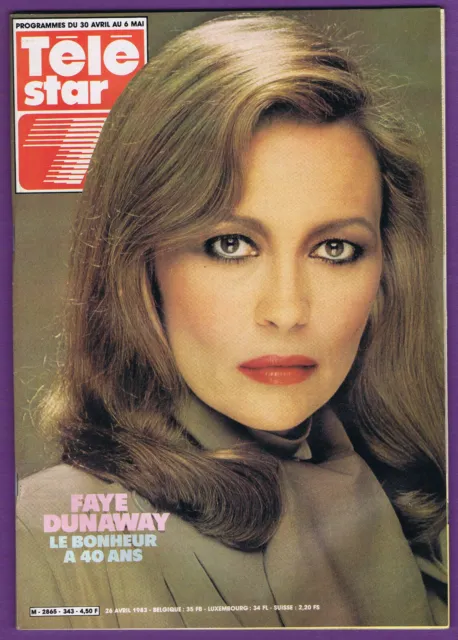
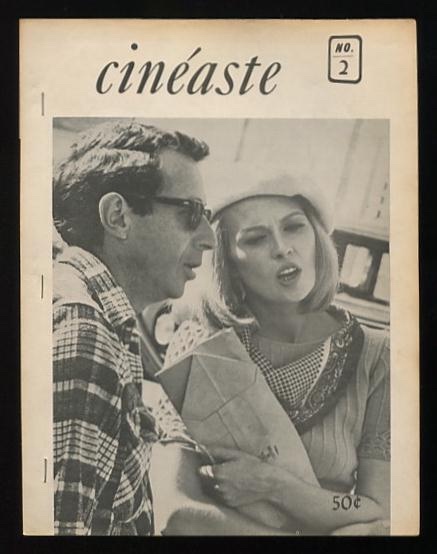
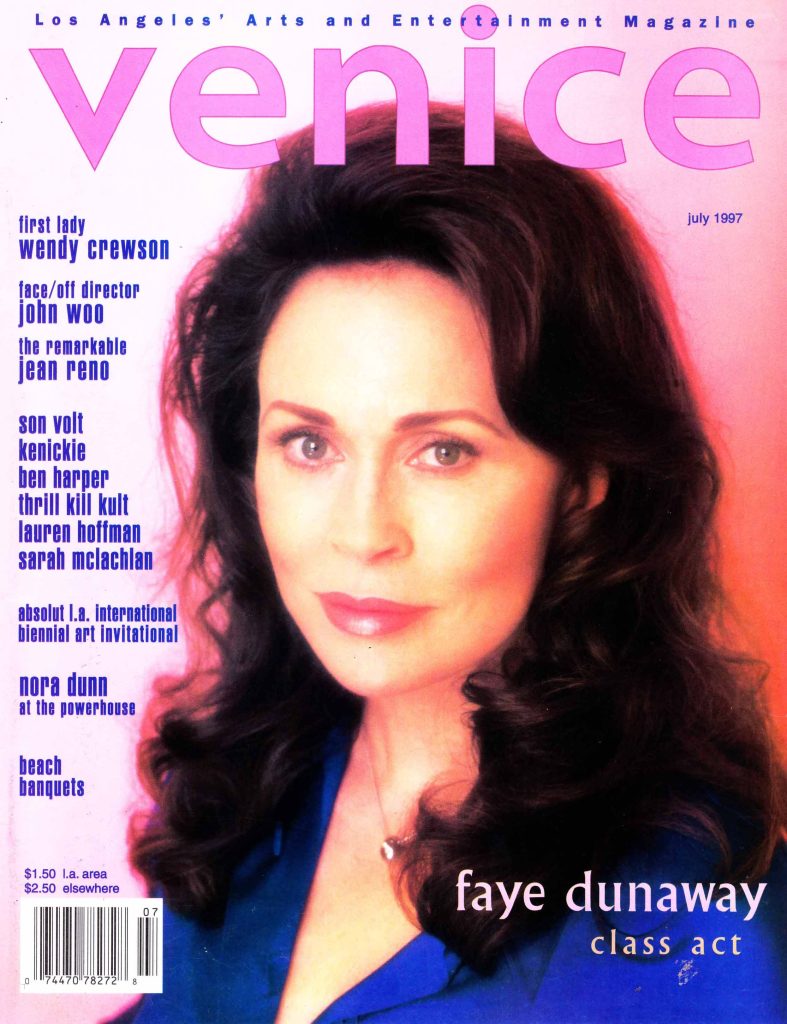
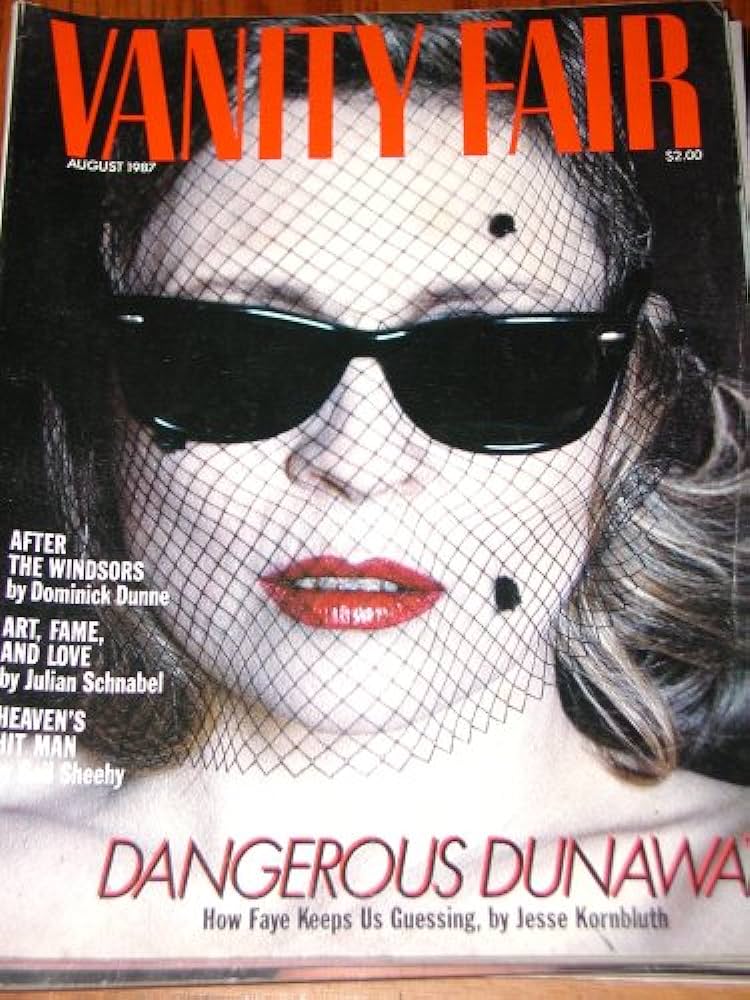
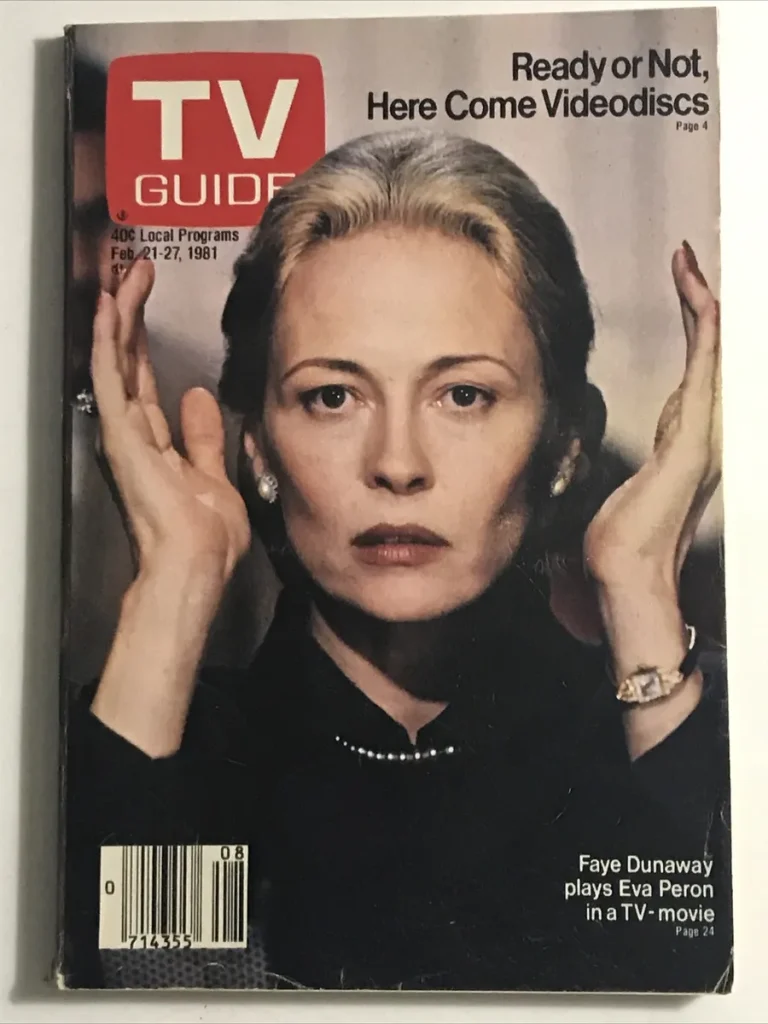
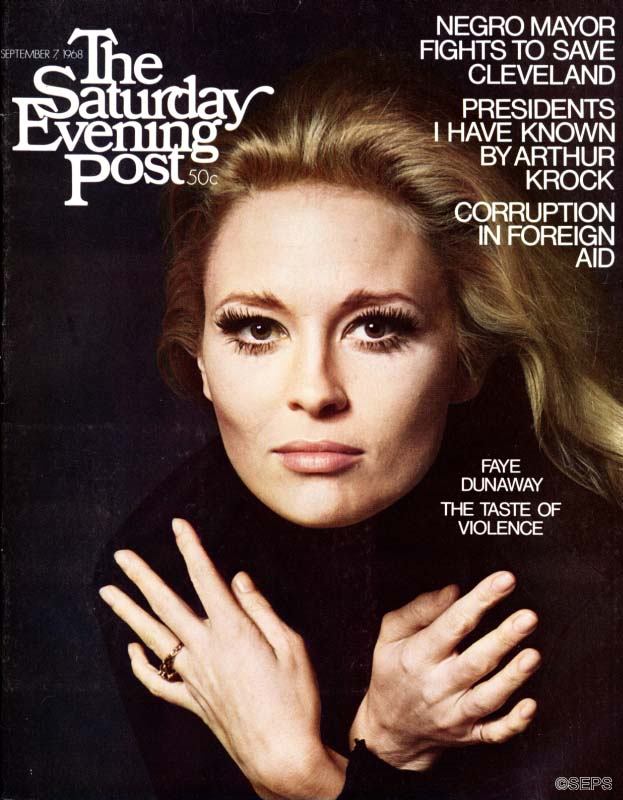
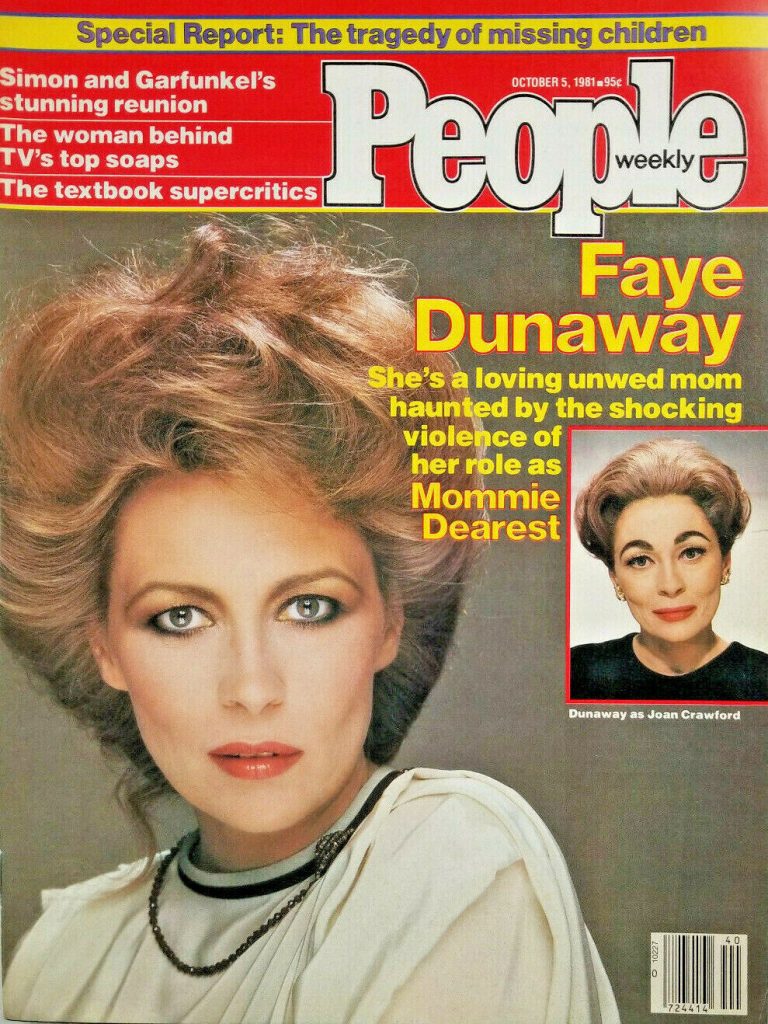
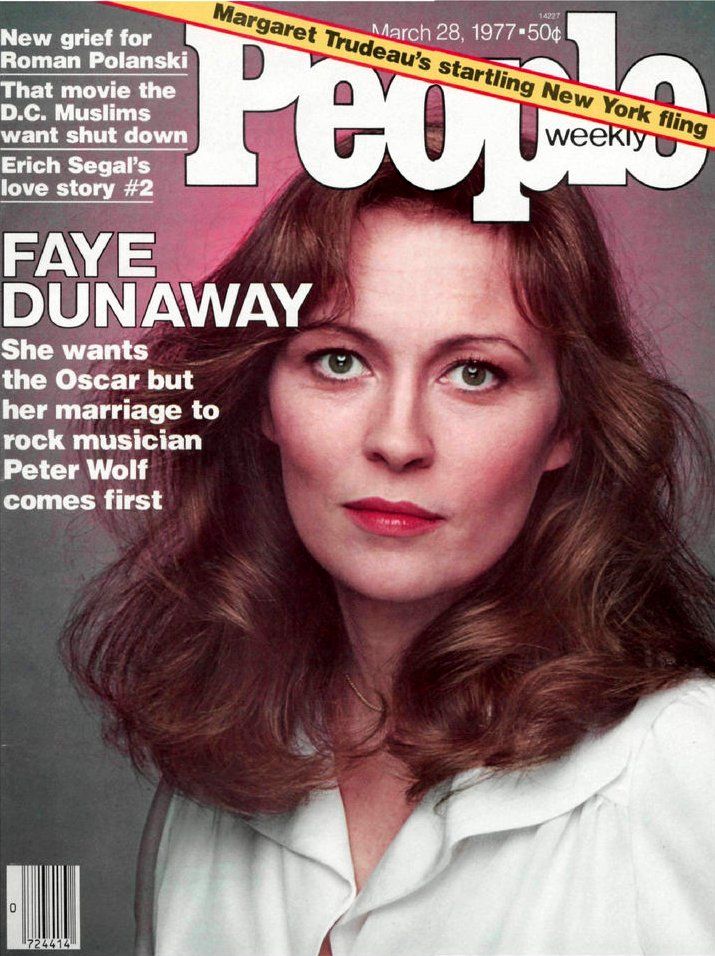
Faye Dunaway
Faye Dunaway

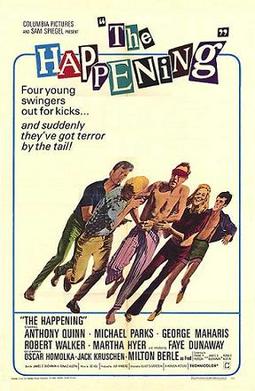
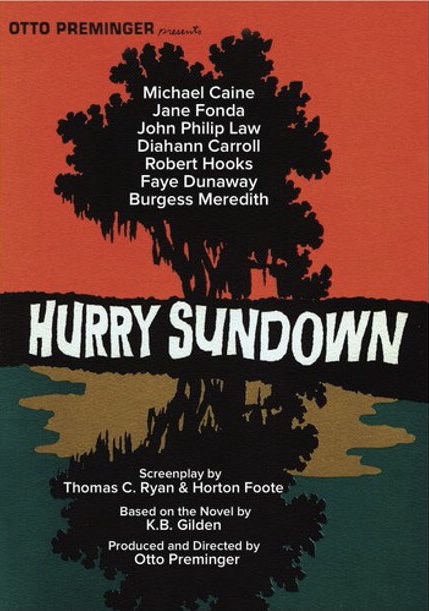
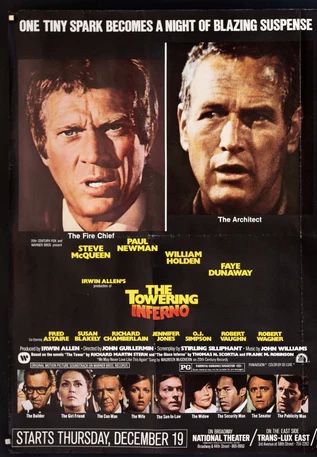
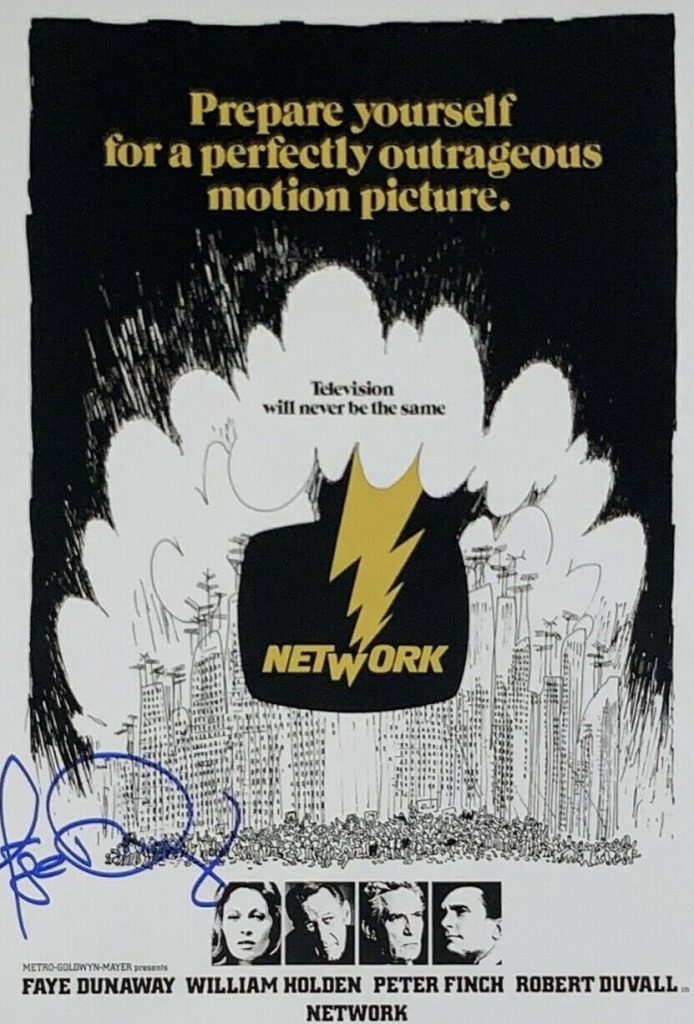
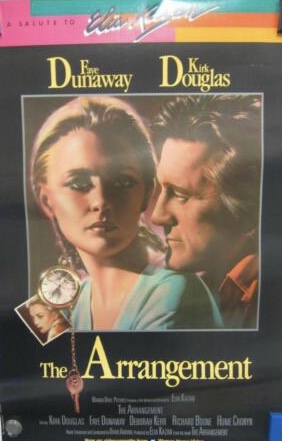
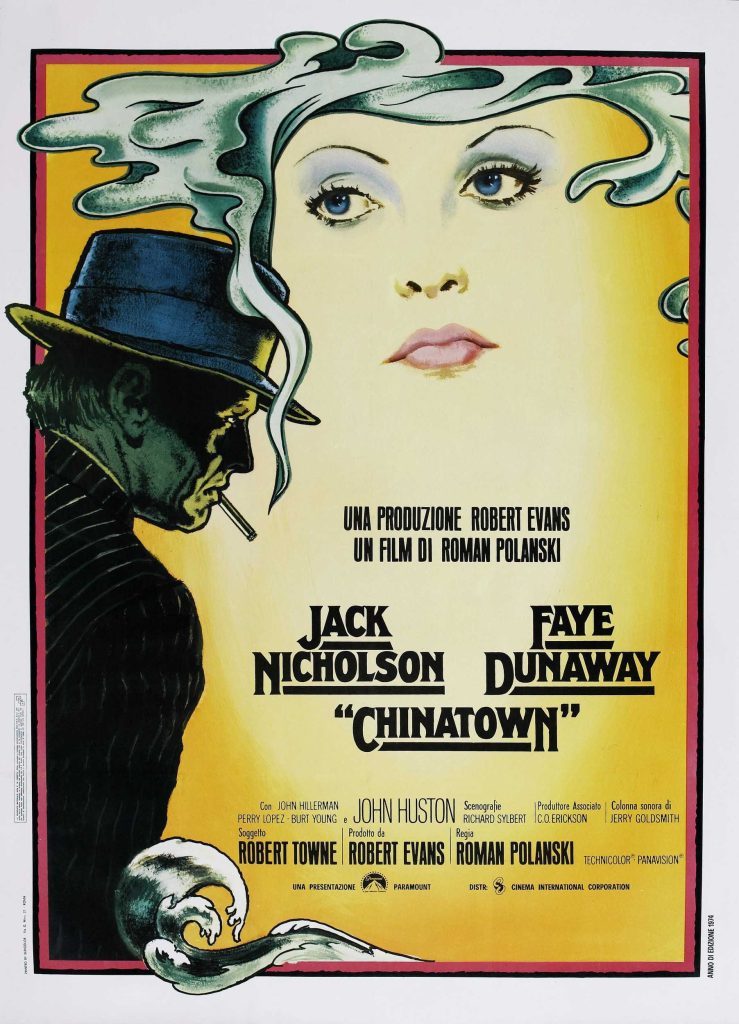
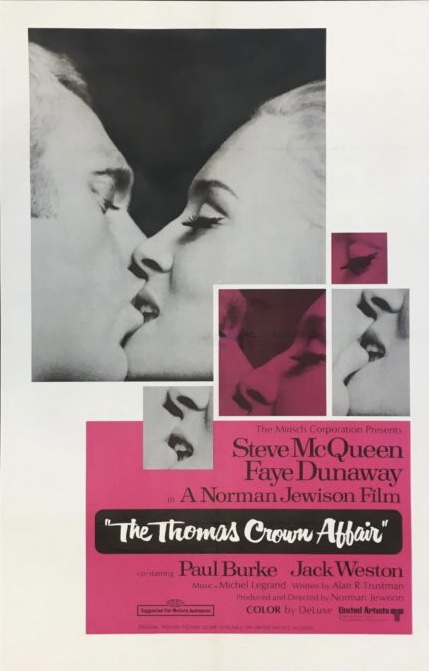
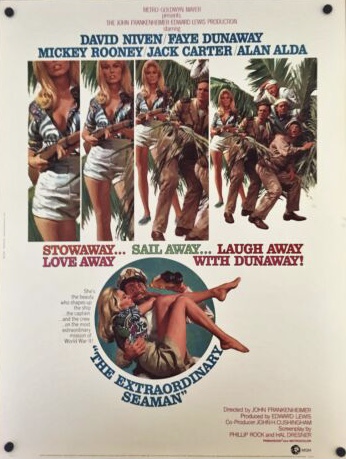
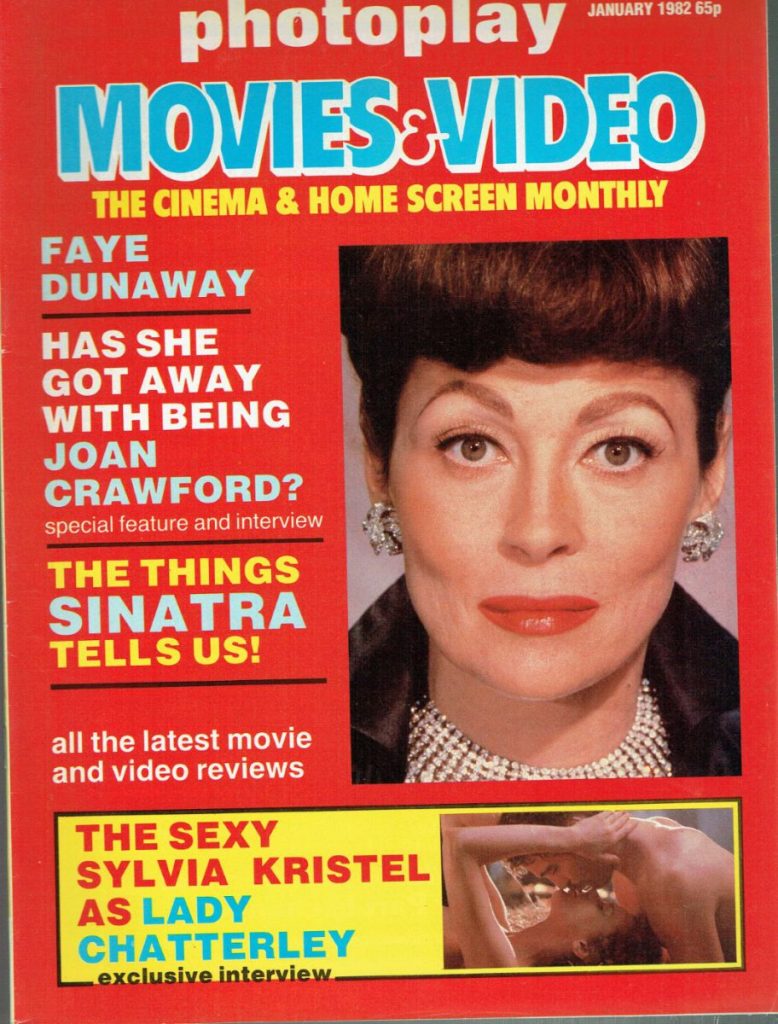
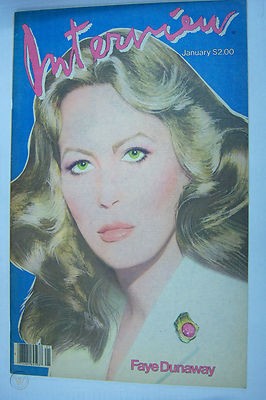
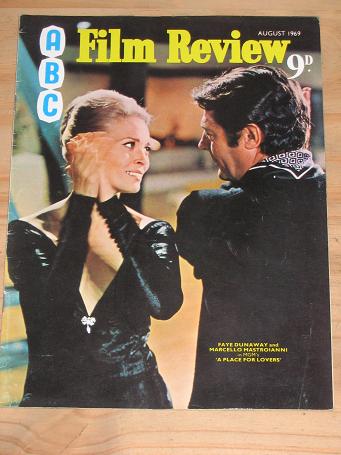
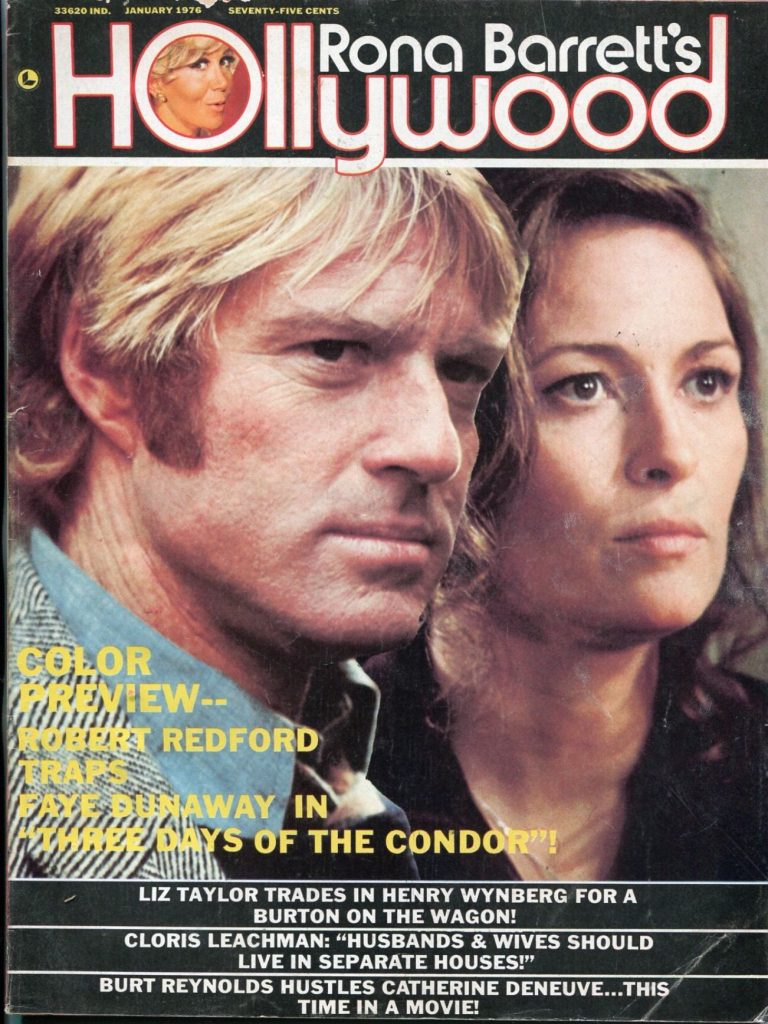
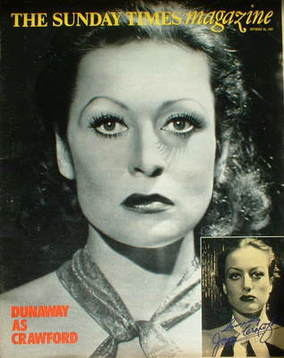
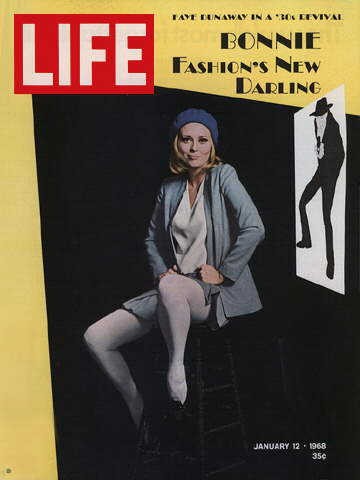
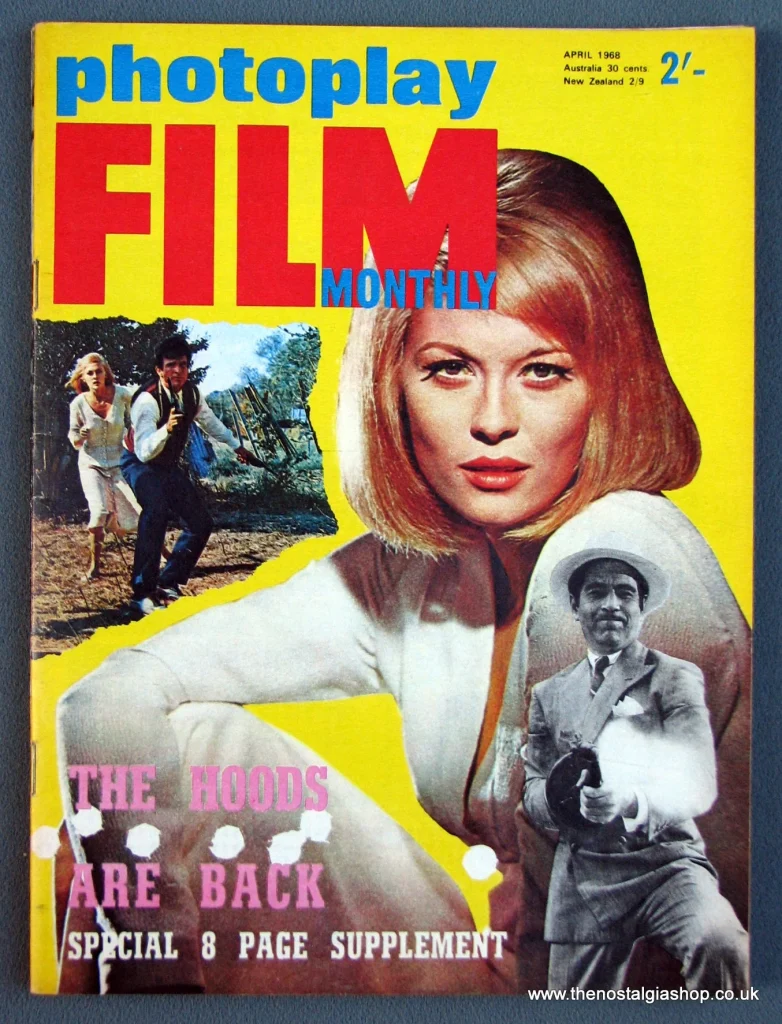
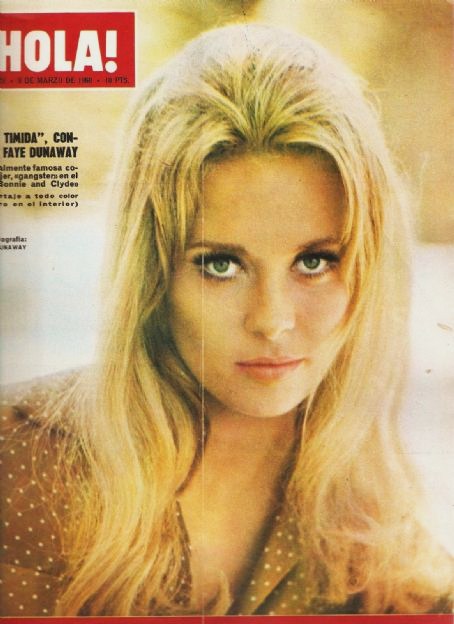
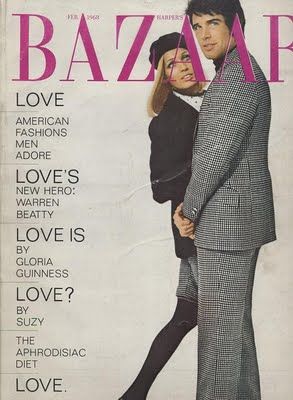
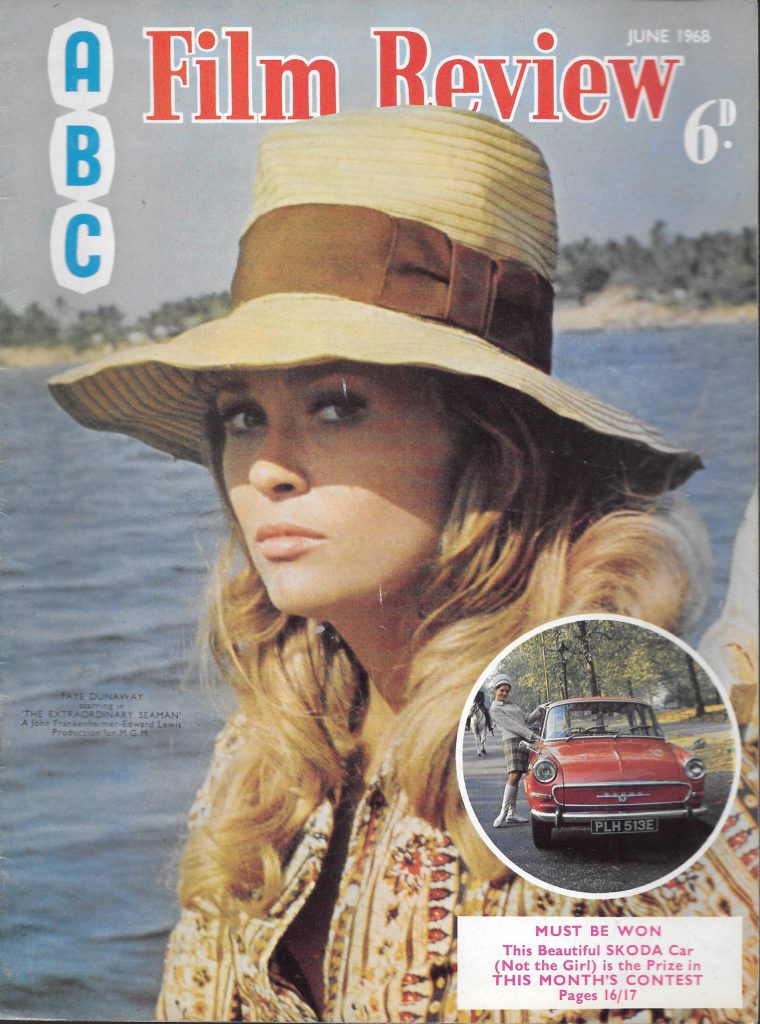
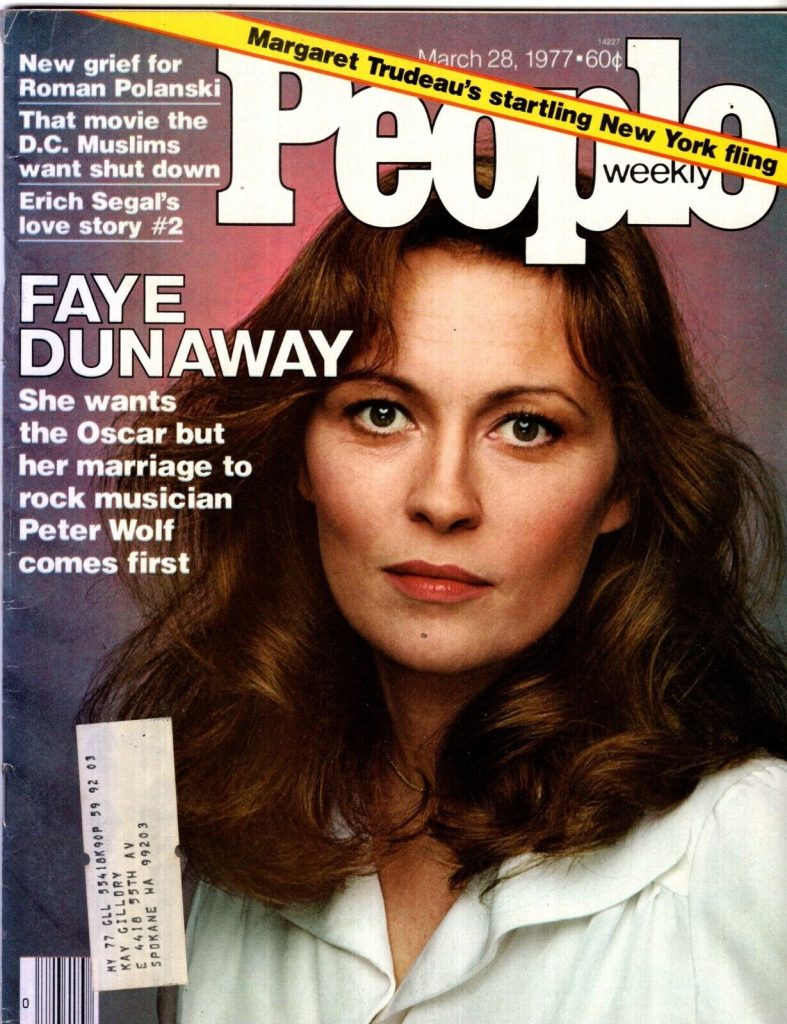
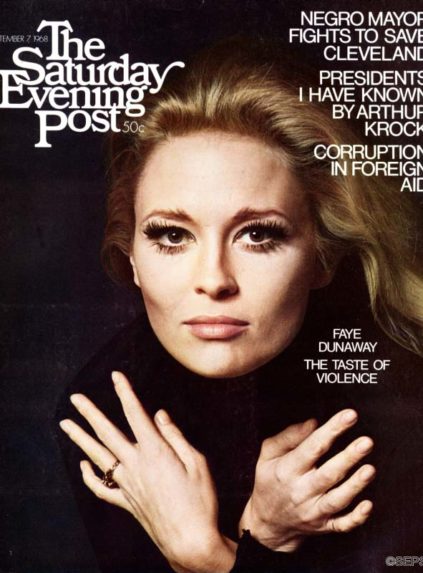
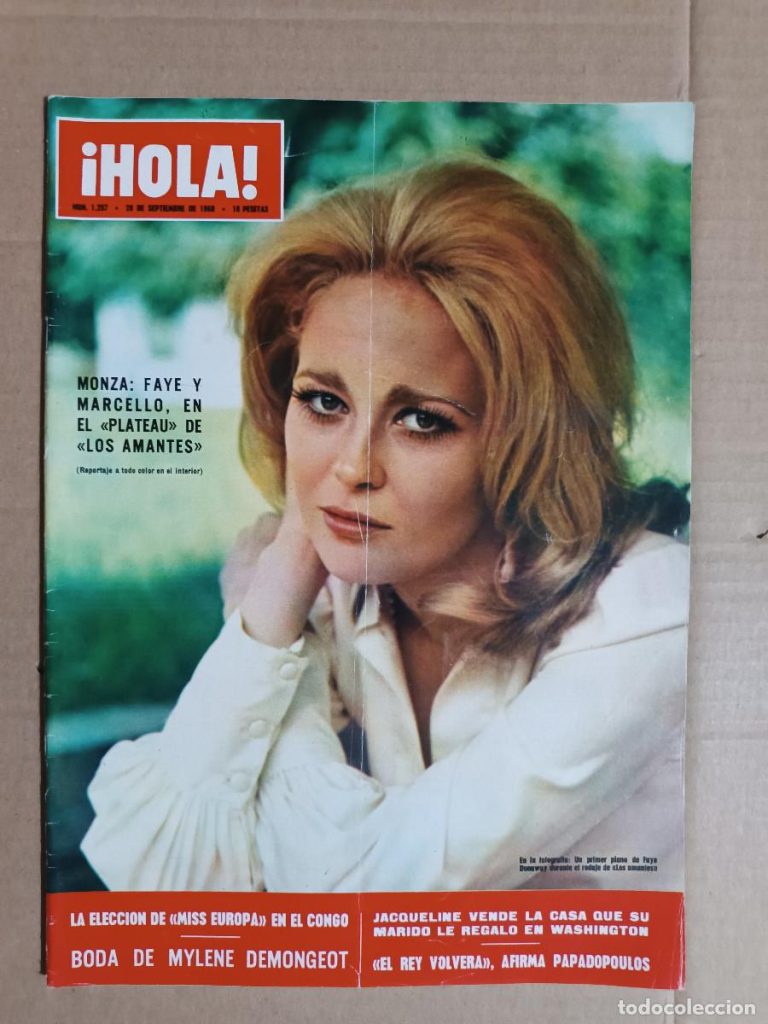
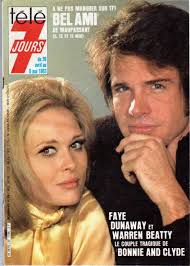
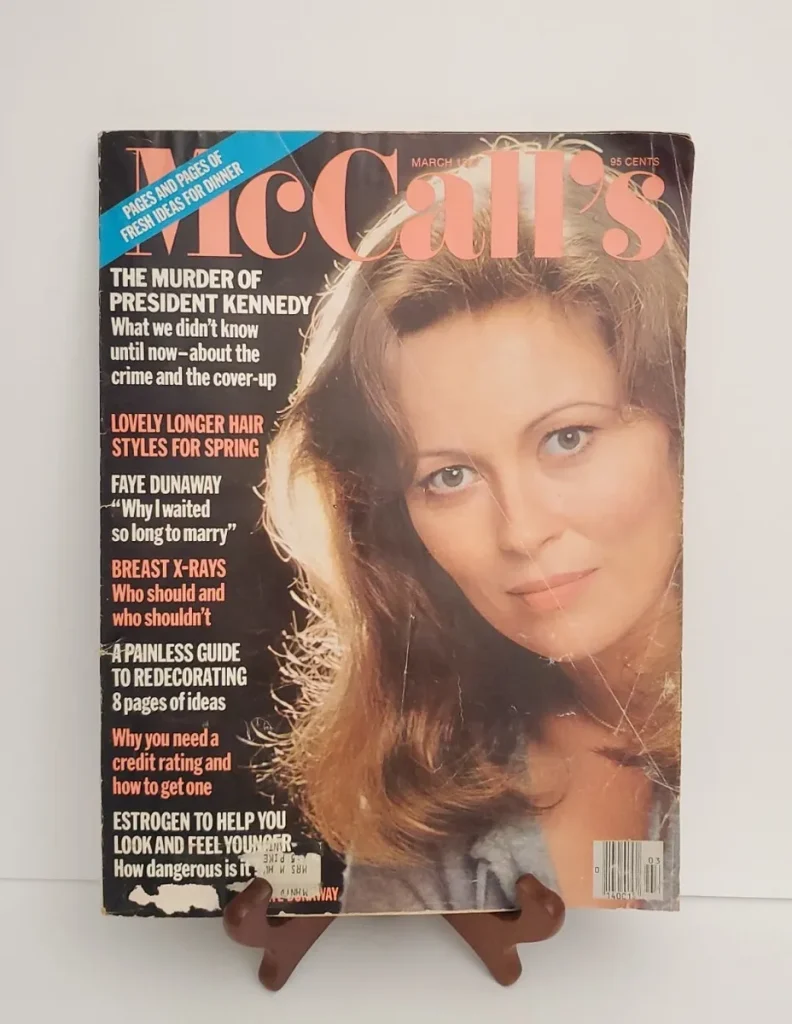
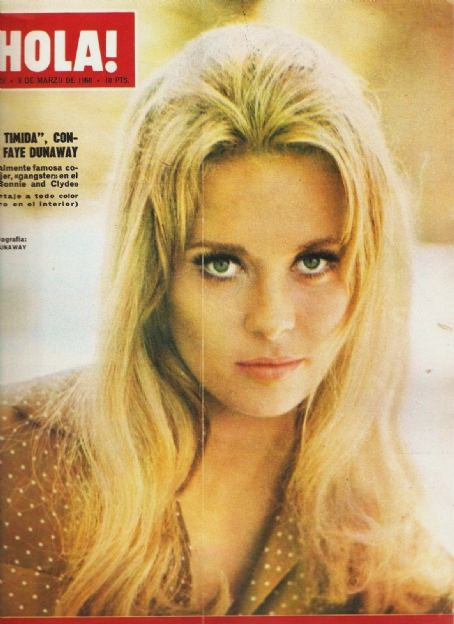
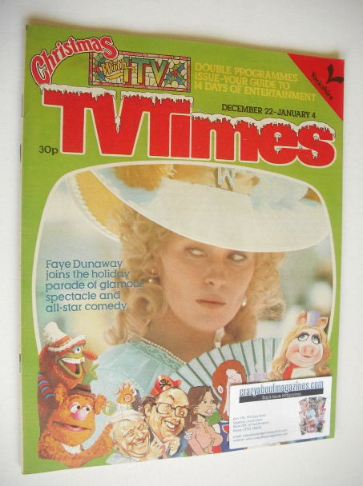
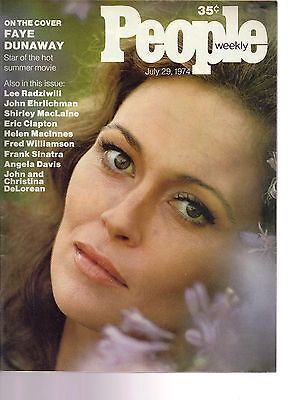
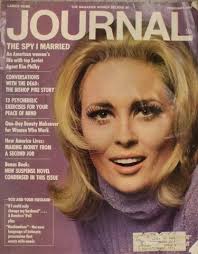
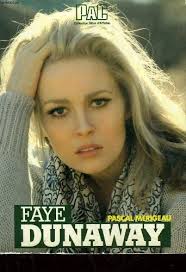
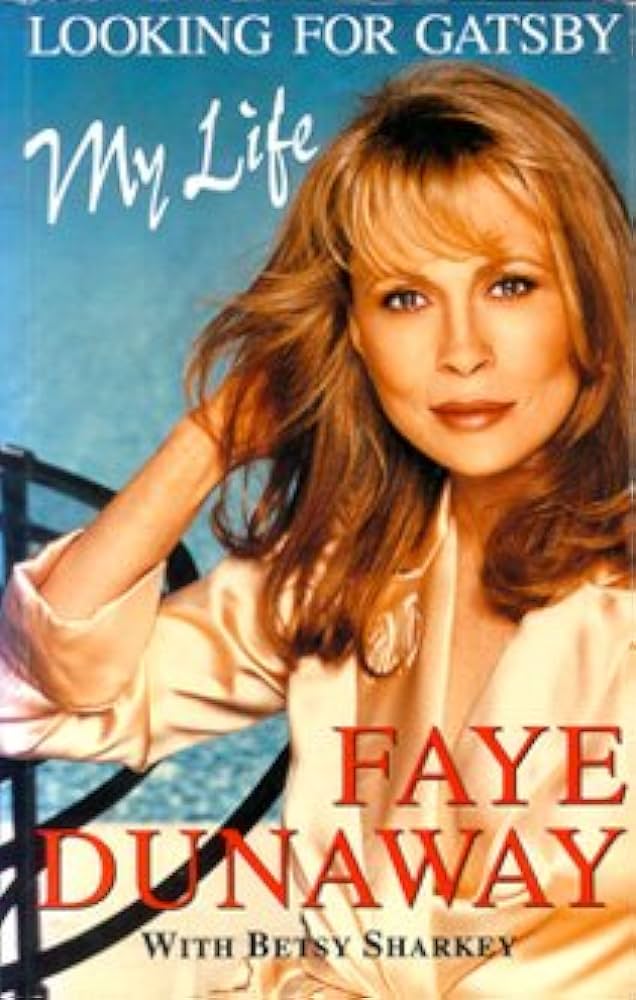
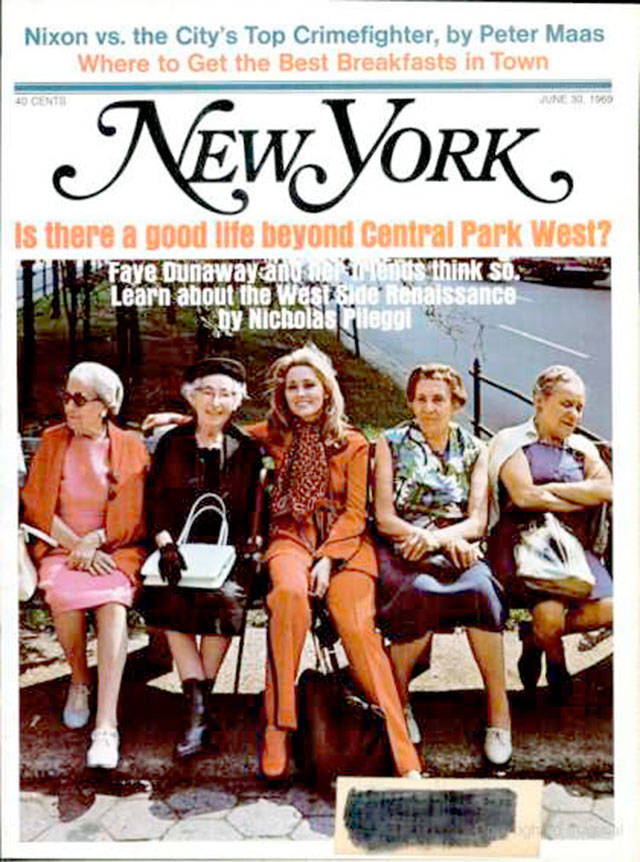
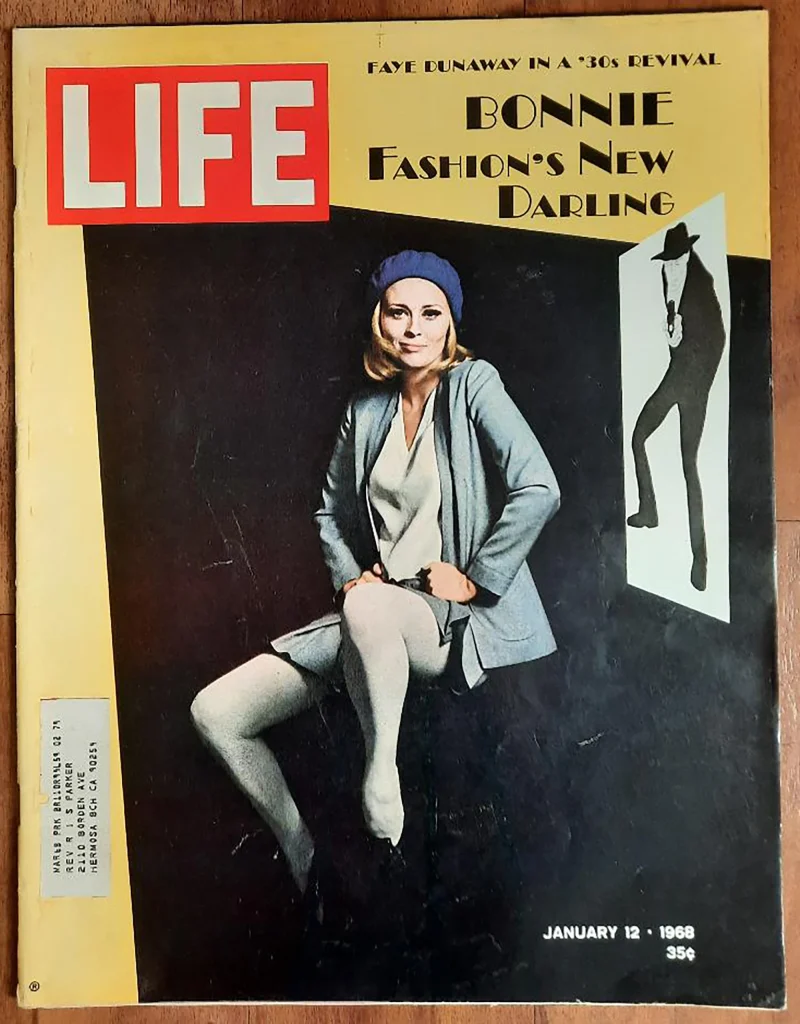
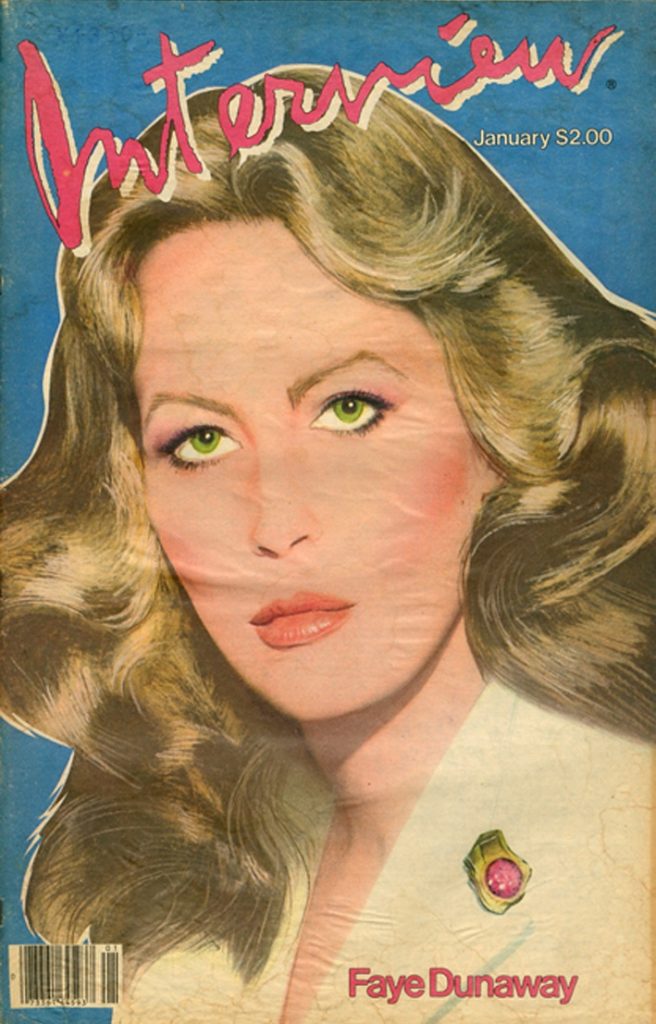
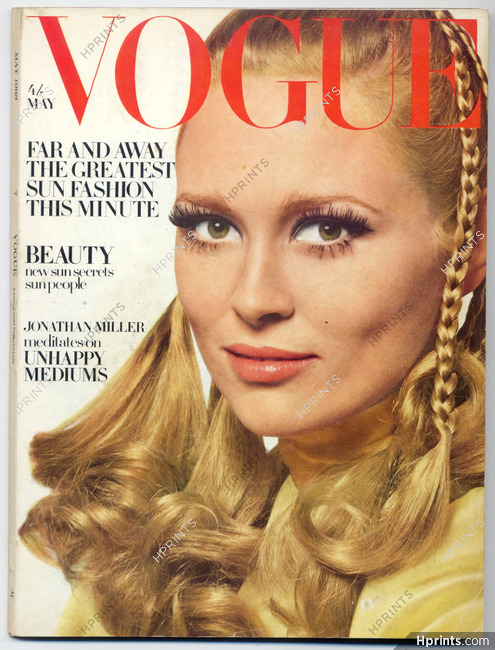
Faye Dunaway made her international breakthrough in 1967 when Warren Beatty chose her to be his Bonnie in the seminal “Bonnie & Clyde”.   She was born in 1941 in Florida.   She had made two films “The Happening” and “Hurry Sundown” previous to that.   From the late sixties right through the seventies she was one of the most sought after actresses in the U.S.   She starred with Steve McQueen in “The Thomas Crown Affair”, with Jack Nicholson in “Chinatown”,  with Paul Newman, McQueen again and Jennifer Jones in “The Towering Inferno” and with William Holden and Peter Finch in “Network” for which she won an Oscar.   She has continued to work on film, her most recent is “Caroline & the Magic Stone”.

TCM overview:

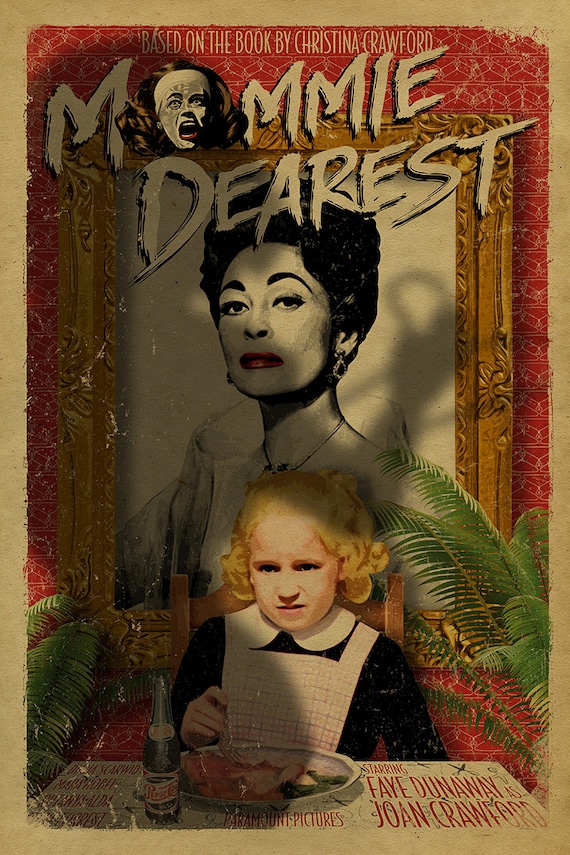
An icy, elegant blonde with a knack for playing complex and strong-willed female leads, Academy Award winner Faye Dunaway was an enormously popular actress in films and television during the 1960s and into the 1970s, starring in several films which defined what many would come to call Hollywood’s “second Golden Age.” During her tenure at the top of the box office, she was a more than capable match for some of the biggest male stars of the period, including Steve McQueen in “The Thomas Crown Affair” (1968), Warren Beatty in “Bonnie and Clyde,” (1967), Jack Nicholson in “Chinatown” (1974) and Robert Redford in “Three Days of the Condor” (1975). An overwrought turn as Joan Crawford in the disastrous biopic “Mommie Dearest” (1980) effectively derailed her career – but, at the same time, made her a bit of a camp favorite in the gay community – though she was given infrequent opportunities to display her talents in films and television throughout the late 1980s and 1990s.

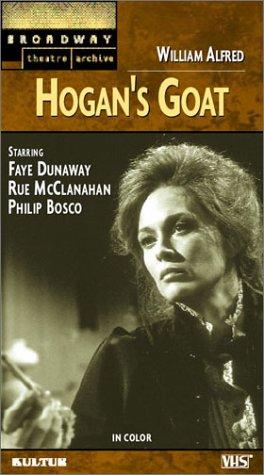
Born prematurely on Jan. 14, 1941 in Bascom, FL, Dorothy Faye Dunaway was the daughter of MacDowell Dunaway, Jr., a career Army officer, and his wife, Grace April Smith. After a stint as a teenaged beauty queen in Florida, she intended to pursue education at the University of Florida, but switched to acting, earning her degree from Boston University in 1962. She was given the enviable task of choosing between a Fulbright Scholarship to the London Academy of Music and Dramatic Arts or a role in the Broadway production of “A Man For All Seasons” as a member of the American National Theatre and Academy. She picked the latter, enjoying a fruitful stage career for the next two years, which was capped by appearances in “After the Fall” and “Hogan’s Goat.” The latter – an off-Broadway production in 1967 – required Dunaway to tumble down a flight of steps in every performance, earning her a screen debut in the wan counterculture comedy “The Happening” (1967). Just two months after its release, however, she was wowing audiences across the country as Depression-era bank robber Bonnie Parker in Arthur Penn’s controversial “Bonnie and Clyde.” Her turn as the naïve but trigger-happy and sexually aggressive Parker earned her Academy Award and Golden Globe nominations, and provided a direct route to the front of the line for Hollywood leading ladies in an unbelievably short amount of time.

Dunaway followed this success with another hit, “The Thomas Crown Affair” (1968), in which her coolly sensual insurance investigator generated considerable sparks with playboy and jewel thief Steve McQueen. She then bounced between arthouse efforts like “Puzzle of a Downfall Child” (1970), directed by her then-boyfriend, photographer Jerry Schatzberg, and the revisionist Western “Doc” (1971), as well as big-budget efforts like “Little Big Man” (1970), which cast her as a predatory preacher’s wife with designs on Dustin Hoffman’s reluctant Native American hero. Dunaway also balanced these projects with several well-regarded theatrical productions, including a 1972-73 stint as Blanche Du Bois in “A Streetcar Named Desire,” and notable TV-movies like “The Woman I Love” (1972), which cast her as the Duchess of Windsor, and TV broadcasts of “Hogan’s Goat” (1971) and “After the Fall” (1974). But her turn as the duplicitous Lady De Winter in Richard Lester’s splashy, slapstick take on “The Three Musketeers” (1973) and its 1974 sequel “The Four Musketeers” preceded a long period of critical and box office hits, starting with her masterful performance in 1974’s “Chinatown.”

Dunaway’s turn as Evelyn Mulwray, the mysterious woman who draws detective Jake Gittes (Jack Nicholson) into a dark and complicated web of murder, incest and catastrophic business deals, seemed the epitome of every femme fatale to ever stride across a chiaroscuro-lit scene in classic noir. But Dunaway also found the horribly wounded core of her character as well, and turned Evelyn from a pastiche to a full-blown and emotionally resonant human being. Critics and award groups rushed to nominate Dunaway for the role, and she netted her second Academy Award nod, as well as Golden Globe and BAFTA nominations. Dunaway had fought hard for her performance – her battles with director Roman Polanski were no secret – but sadly, she lost the Oscar to Ellen Burstyn for “Alice Doesn’t Live Here Anymore” (1975). However, it would be Dunaway’s performance which stood the test of time.

High-gloss turns in Sidney Lumet’s political thriller “Three Days of the Condor” (1975) and “The Towering Inferno” (1976) preceded one of her best television performances; that of Depression-era radio preacher Aimee Semple MacPherson in “The Disappearance of Aimee” (1976). Even more startling was her sterling role in “Network” (1976), Paddy Chayefsky’s blistering take on the television industry. Dunaway pulled out all the stops as an executive on the rise who stops at nothing to advance her career – even bedding veteran producer William Holden. Critics again rose in unison to praise Dunaway, and she finally netted an Oscar for the role, as well as a Golden Globe.

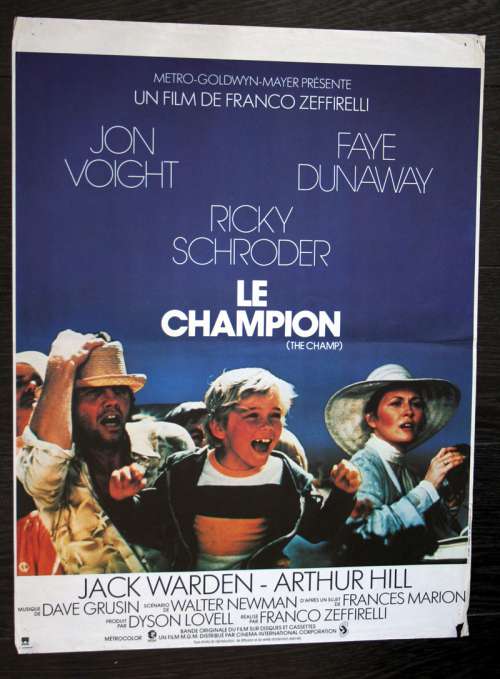
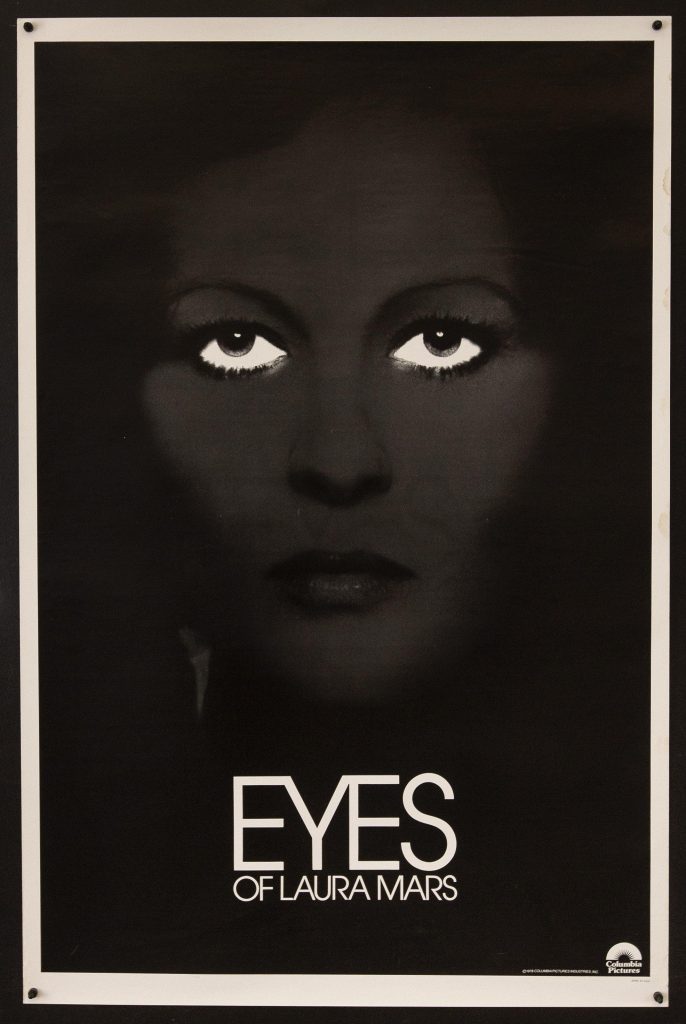
Surprisingly, Dunaway’s career began to fall away after her Oscar win. She was effective as a fashion photographer who experiences disturbing visions in “The Eyes of Laura Mars” (1978), but was wasted in thankless roles as girlfriend to washed-up boxer Jon Voight in “The Champ” (1979) and the ailing wife of Frank Sinatra’s detective in “The First Deadly Sin” (1980). And then came “Mommie Dearest” (1980), director Frank Perry’s biopic of actress Joan Crawford based on the tell-all book by her daughter Christina. Crawford herself had praised Dunaway in the early stages of her career, and while some critics gave positive reviews to her performance – in particular, the extent to which she physically transformed herself into Crawford – most fixated on the hysterical dialogue and garish scenes of child abuse. Clips of Dunaway as Crawford bellowing “No more wire hangers!” became immediate laugh-getters on late-night television, and a substantial gay following rose up in response to the film’s high camp value. Dunaway, however, found none of the response amusing, and later admitted her regret in taking the role. Whether laughable or pure genius, no one could deny that Dunaway threw her everything into the role of the screen legend. The film’s continued cult success proved she had succeeded in becoming Crawford.

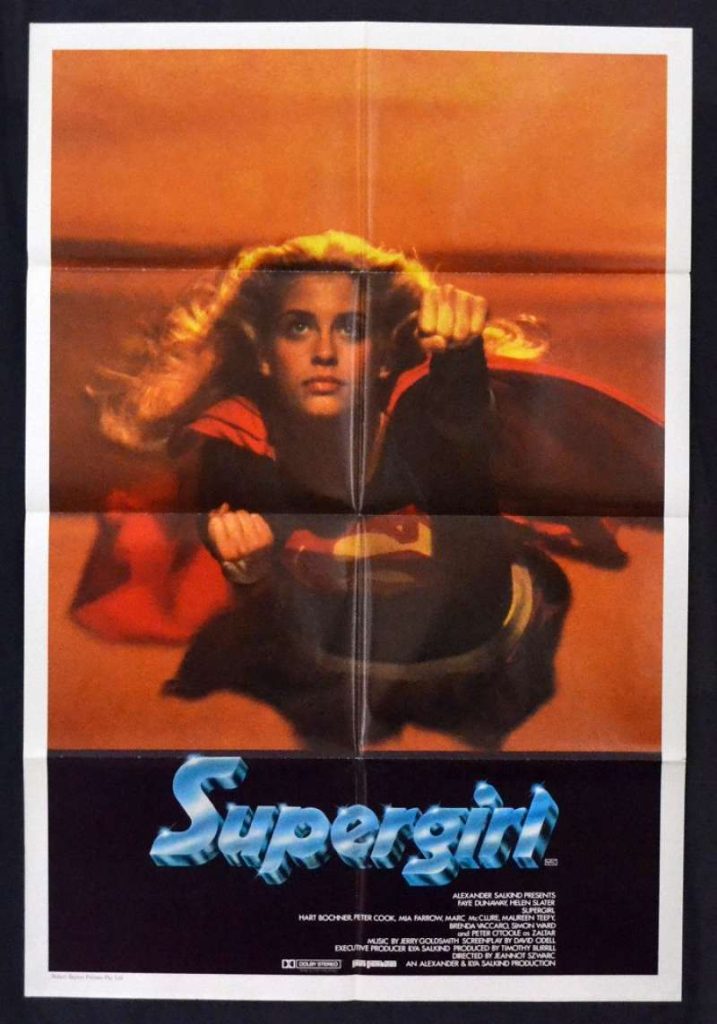
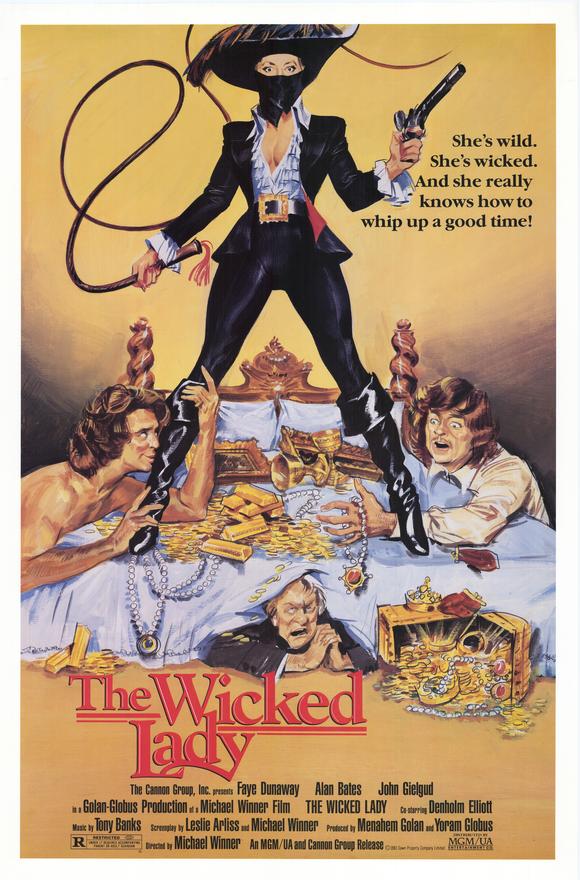
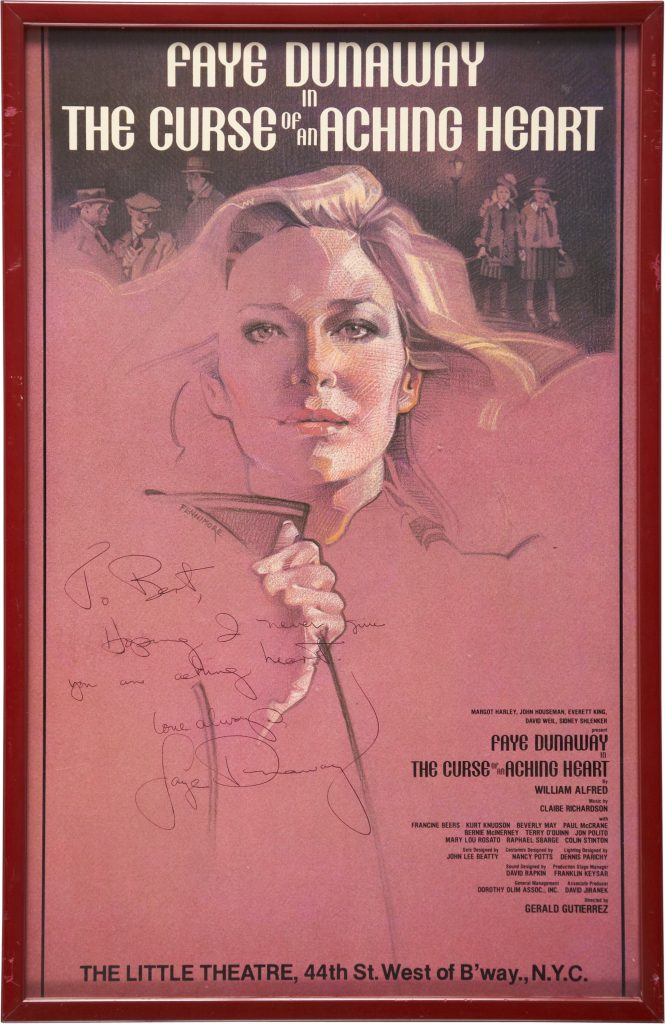
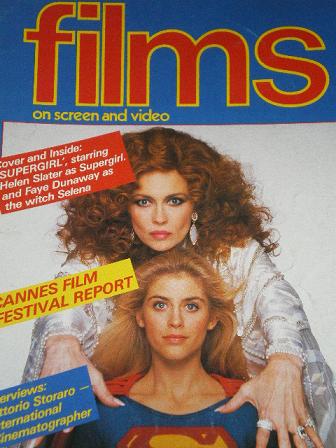
The fallout from “Mommie Dearest” obscured Dunaway’s follow-up projects, which included the title role in the 1981 TV-movie “Evita Peron” and a return to Broadway in 1982’s “The Curse of an Aching Heart.” Discouraged, she moved to London with her second husband, photographer Terry O’Neill, who had also served as a producer on “Mommie Dearest.” For the next few year, Dunaway appeared sporadically in films, most of which underscored her newly minted status as a camp icon. “The Wicked Lady” (1983) was an absurd, near-softcore period drama by Michael Winner, with Dunaway as an 18th-century highway robber. Fans of her early dramatic work were similarly aghast by her turn as a shrieking witch battling Helen Slater’s Girl of Steel in “Supergirl” (1984). Only a Golden Globe-winning appearance in the cumbersome miniseries “Ellis Island” (1985) offered any respite from the negative press which now continued to follow her.

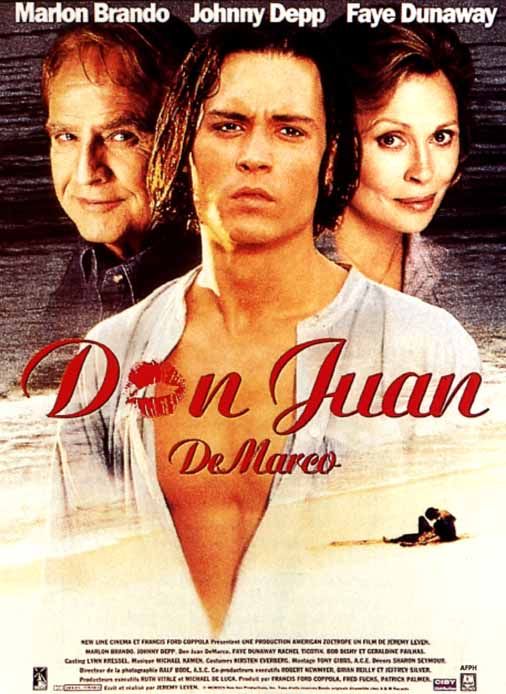
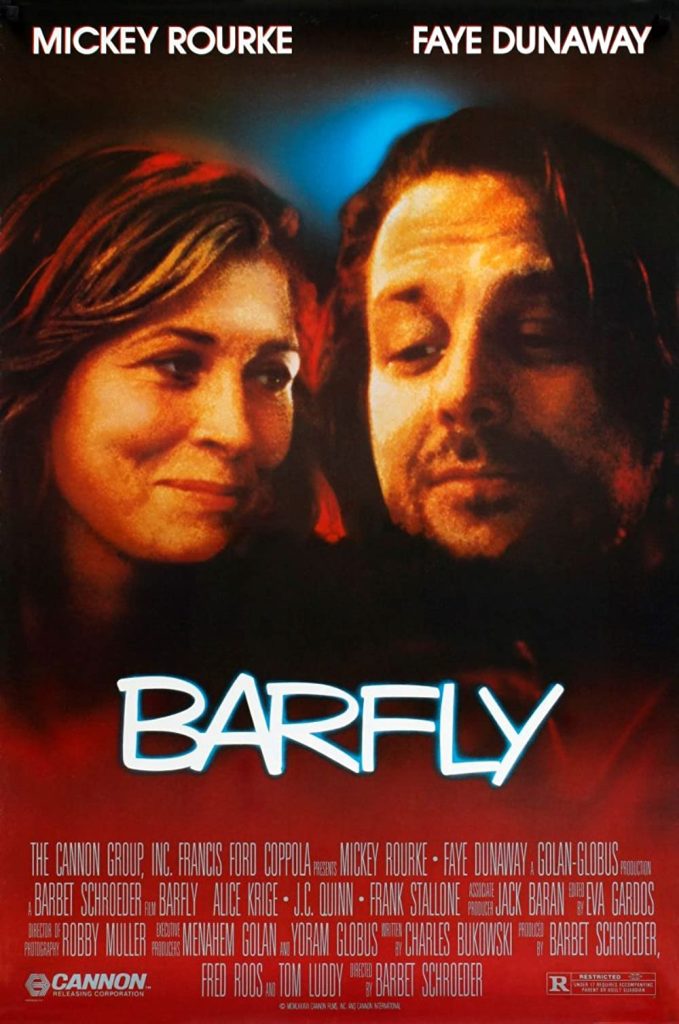
Dunaway returned to the United States in 1987 following her divorce from O’Neill, and attempted to rebuild her career and reputation by appearing in several independent dramas. She was widely praised for her performance as a once-glamorous woman felled by alcohol in Barbet Schroeder’s “Barfly” (1987), and served as executive producer and star of “Cold Sassy Tree” (1989), a TV adaptation of the popular novel by Olive Ann Burns about an independent-minded woman who romances a recently widowed store owner (Richard Widmark). Dunaway was exceptionally busy for the remainder of the decade in both major Hollywood features and independent fare, though her strong women now occasionally sported an unfortunate shrill side. She was Robert Duvall’s frosty wife in the dystopian thriller “The Handmaid’s Tale” (1990) and contributed a vocal cameo as Evelyn Mulwray in “The Two Jakes” (1990), the ill-fated sequel to “Chinatown.” Other notable performances came as the unhappy wife of psychiatrist Marlon Brando in “Don Juan DeMarco” (1995), as the daughter of imprisoned Klansman Gene Hackman in “The Chamber” (1996) and as a bartender caught in the middle of a hostage standoff in Kevin Spacey’s “Albino Alligator” (1996). She later received Screen Actors Guild and Golden Globe nominations as the matron of a wealthy Jewish family in turmoil in “The Twilight of the Golds” (1998). Perhaps her best turn of the decade was as a seductive murderess who attempts to sway the unflappable Lt. Columbo (Peter Falk) in “Columbo: It’s All in the Game” (1993), which earned her a 1994 Emmy. In 1998, she won her third Golden Globe as modeling agency head Wilhemina Cooper in the biopic “Gia,” starring Angelina Jolie as doomed model Gia Carangi.

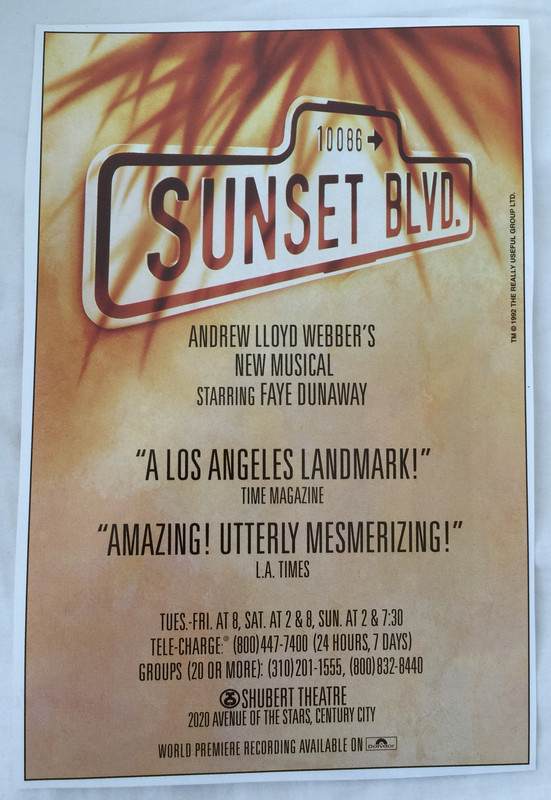
The 1990s were also not without incident for Dunaway. She was embroiled in an ugly lawsuit against Andrew Lloyd Webber after he closed a Los Angeles production of his musical version of “Sunset Blvd.” with claims that she was unable to sing to his standards. The suit was later settled out of court for an undisclosed sum. A national tour of Terrence McNally’s “Master Class,” about the legendary opera diva Maria Callas, ended with her involvement in a suit over legal rights to the play. The project was expected to become her next great film role, but remained uncompleted more than a decade after the 1996 tour. Her attempt at sitcom stardom in “It Had To Be You” (CBS, 1993), co-starring Robert Urich, was met with universal disinterest, and the project was announced as being retooled without Dunaway prior to its cancellation.

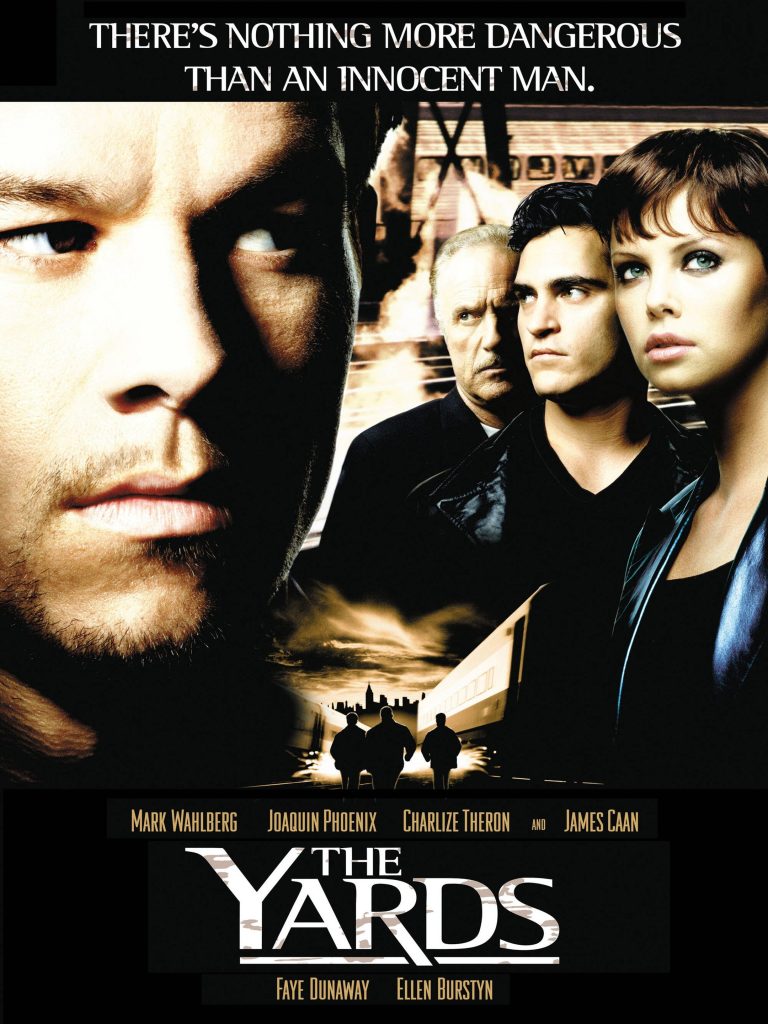
Dunaway’s schedule remained busy from 2000 onward, mostly in television and small independent features. She co-starred with Mark Walhberg and Joaquin Phoenix as the wife of career criminal James Caan in “The Yards” (2000), then made her directorial debut with the short “The Yellow Bird” (2001), based on the play by Tennessee Williams. Younger audiences had their first taste of Dunaway’s particular star power as Ian Somerhalder’s mother in “The Rules of Attraction” (2002), Roger Avary’s amped-up adaptation of the Bret Easton Ellis novel, before Dunaway turned up the heat as a merciless celebrity judge on the reality series “The Starlet” (The WB, 2005).

Dunaway penned her memoirs, Looking For Gatsby, in 1995, one year before receiving her star on the Hollywood Walk of Fame. Attached throughout her professional career to intriguing men ranging from Lenny Bruce to Marcello Mastroianni, she was twice married; her first husband was singer Peter Wolf of the popular seventies rock group, The J. Geils Band. Liam Dunaway O’Neill, her son by second husband Terry O’Neill, followed in her footsteps with minor acting roles beginning in 2004.

The above TCM overview can also be accessed online here.


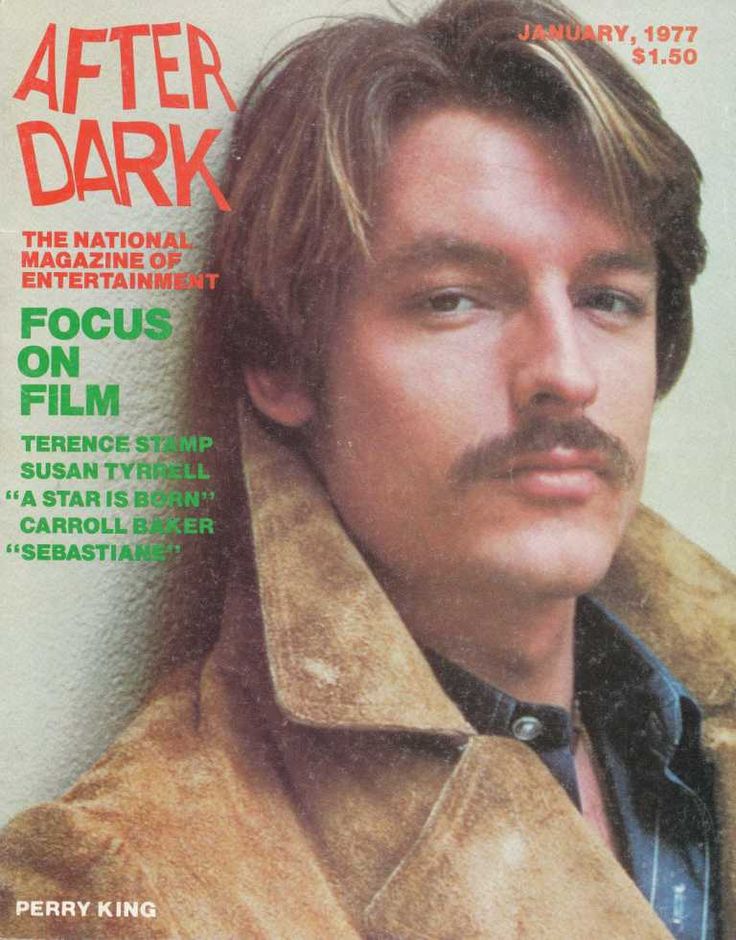
Perry King
Perry King
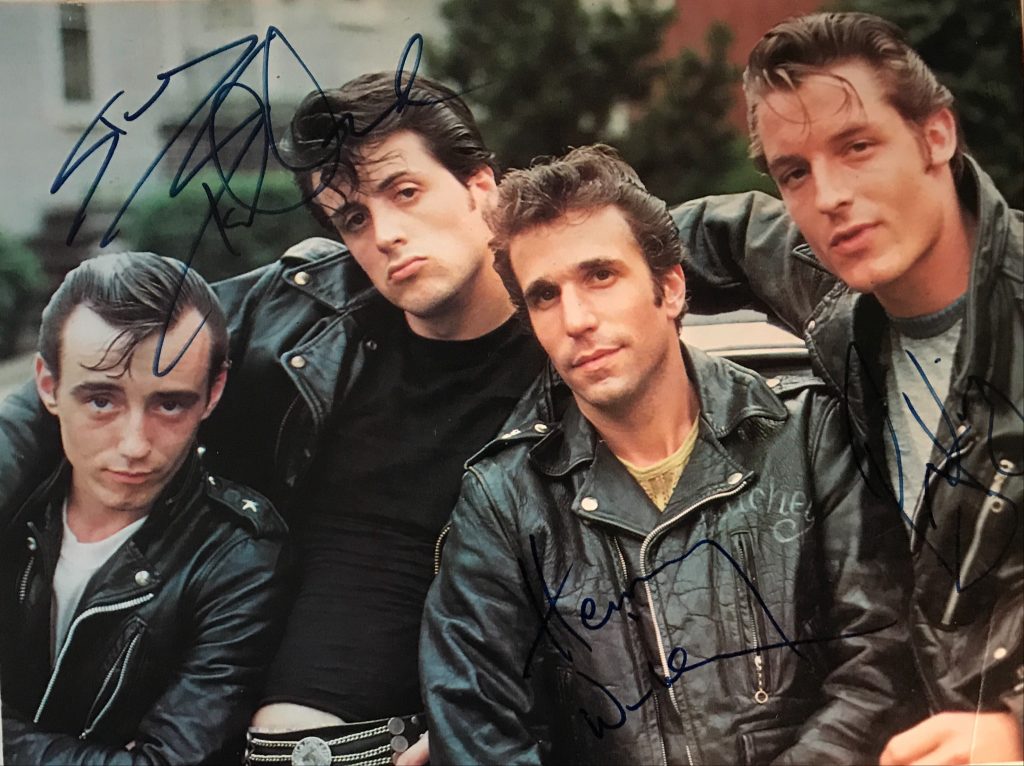
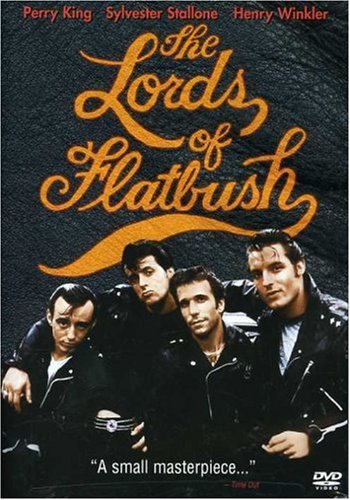
The Lords of Flatbush

Perry King. TCM Overview.

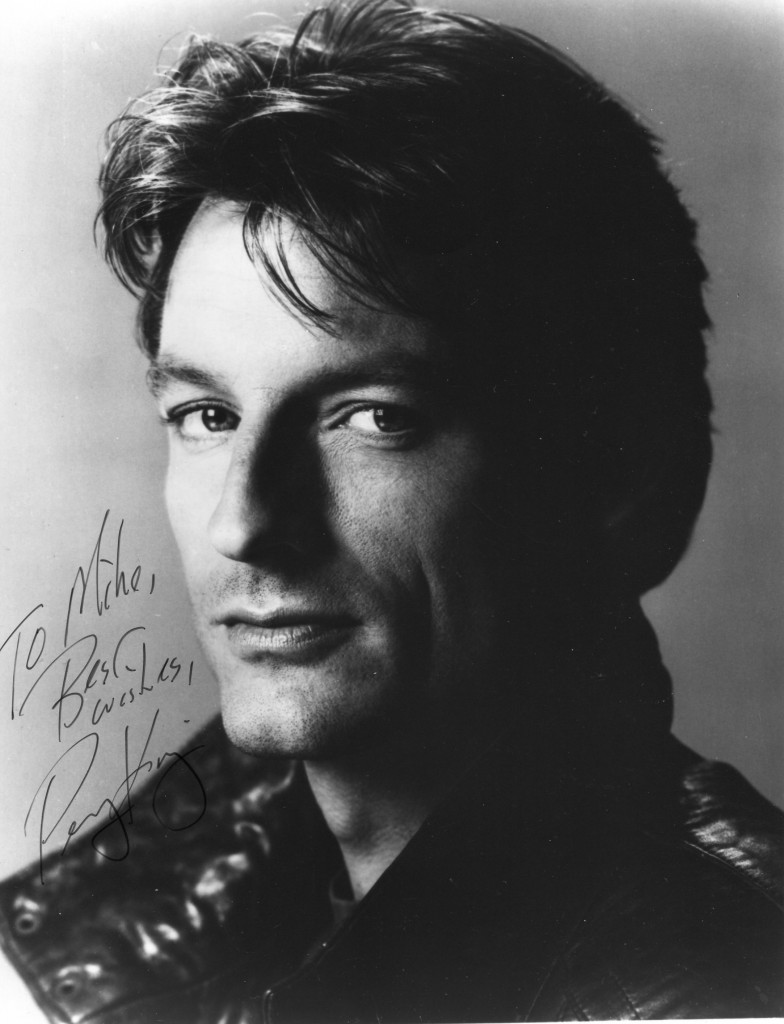
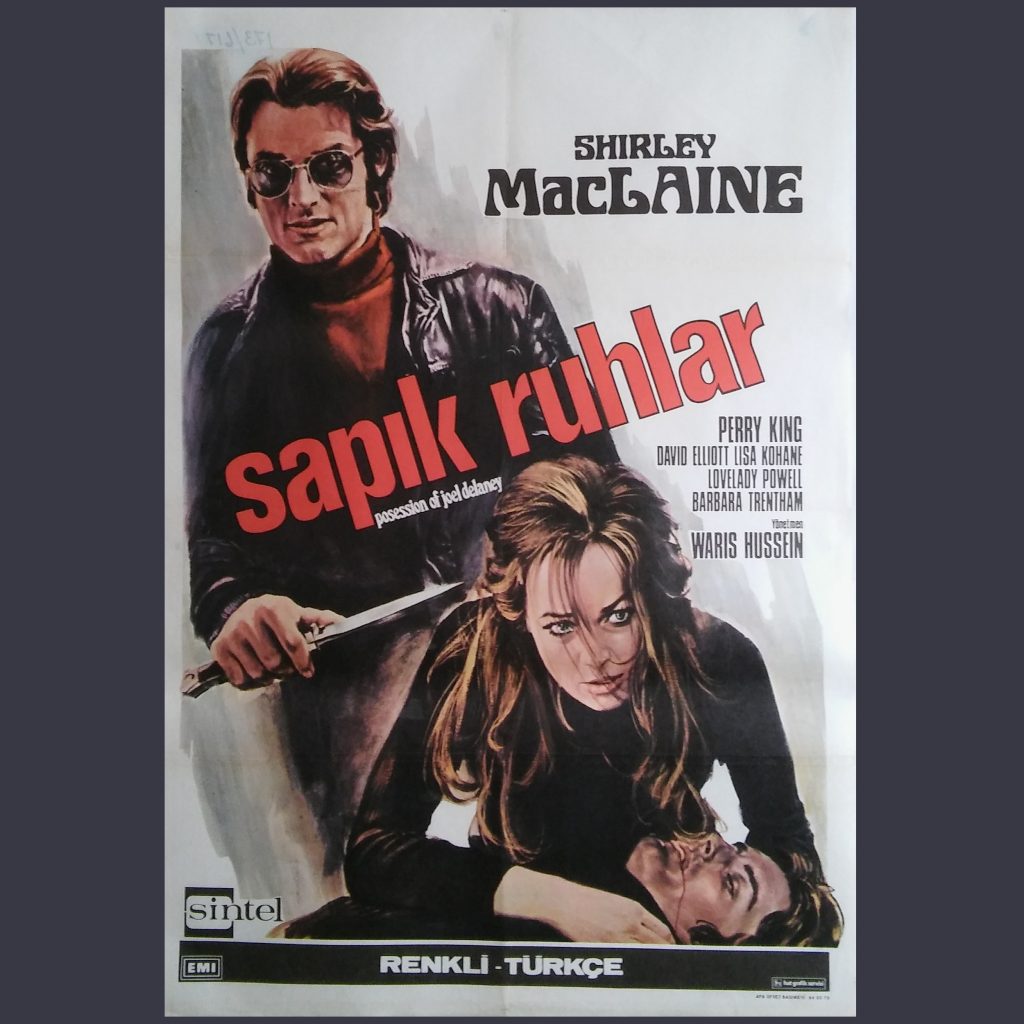
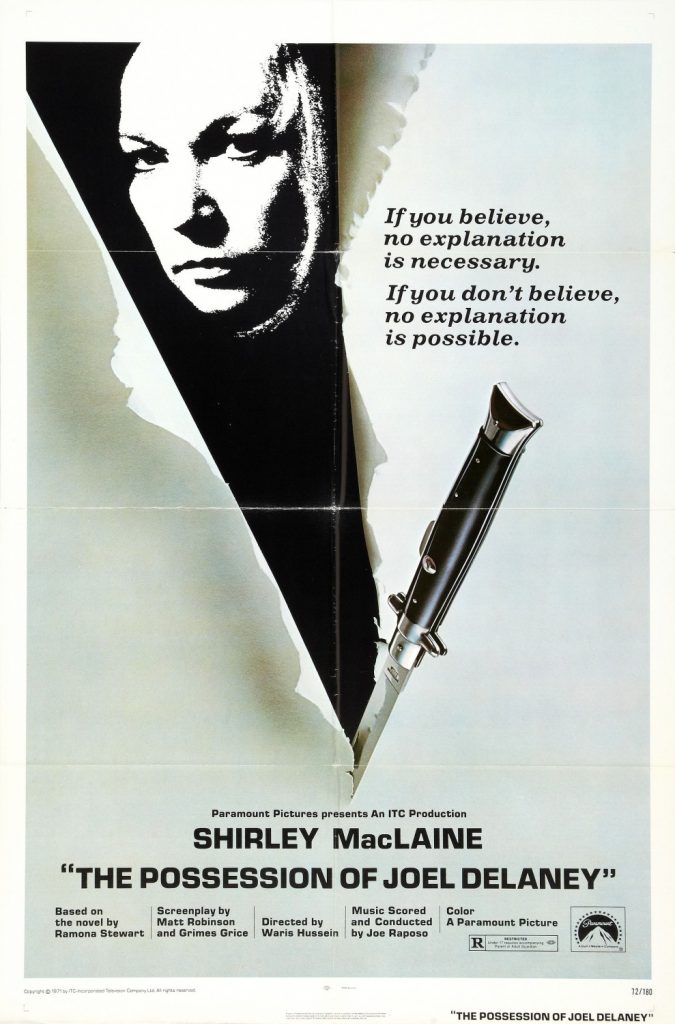
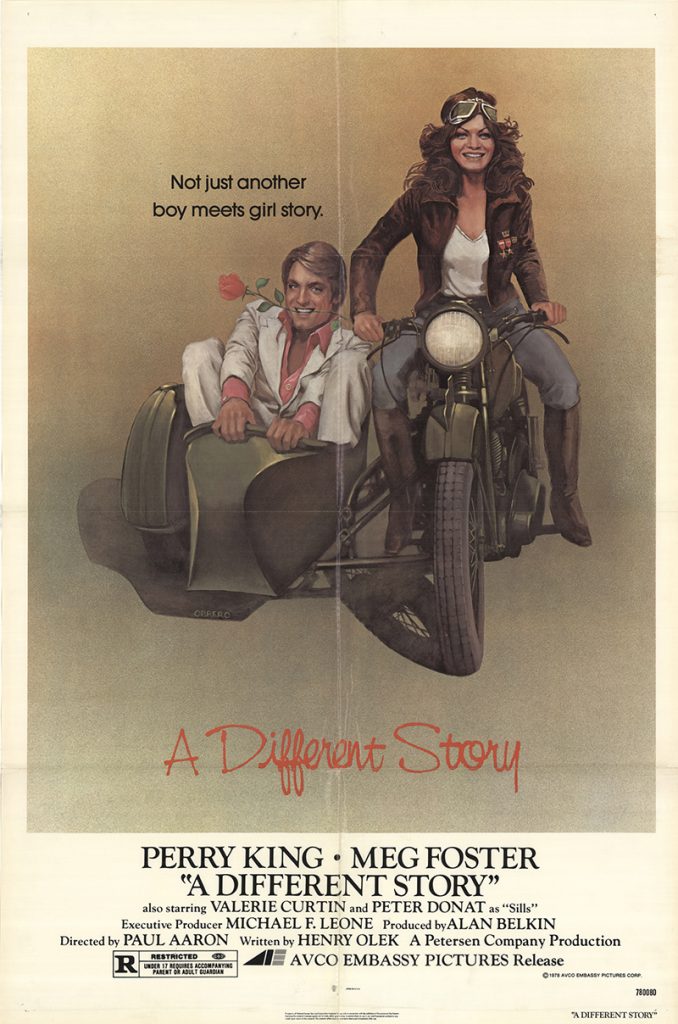
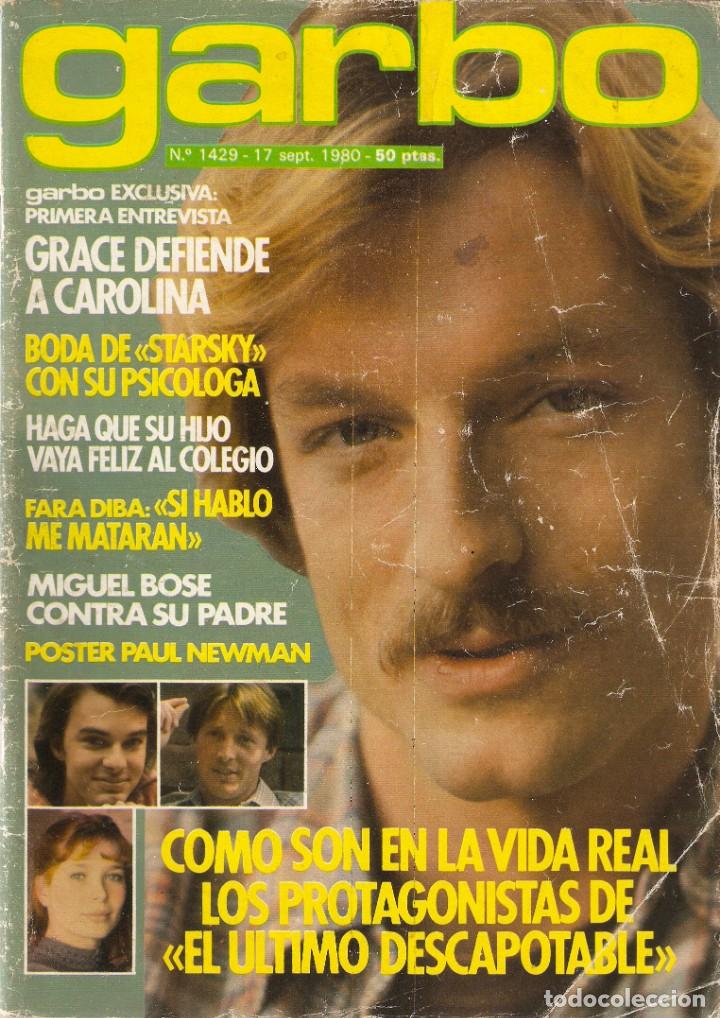
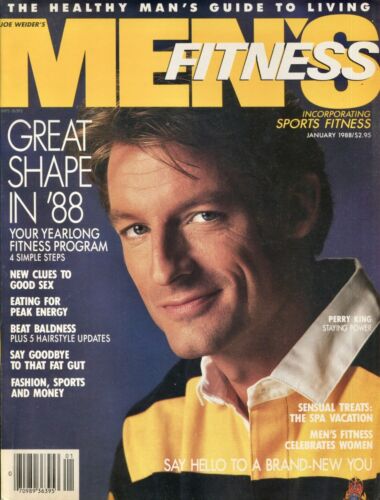
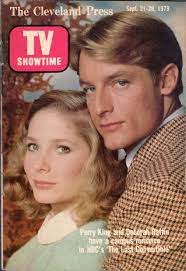
Perry King was born in 1948 in Ohio.   He made his film debut in 1972 in “Slaughterhouse -Five”.   Two years later he garnered critical acclaim for his performance with Sylvester Stalloine in “The Lords of Flatbush”.   His other credits on film including “The Possession of Joel Delaney” with Shirley MacLaine, “Mandingo”, “Andy Warhol’s Bad”, “The Choirboys” and more recently “The Day After Tomorrow.   He has appeared in most of the major popular television programmes over the past thirty years.

TCM Overview:

With his handsome, square-jawed blond looks and patrician bearing, Perry King quickly landed leading roles in films and TV in the 1970s and 80s.

As he aged, he gracefully made the transition to character roles, generally cast as villains or father figures. The grandson of famed book editor Maxwell Perkins, King attended prep school, earned an Ivy League education at Yale and received his acting training under John Houseman at Juilliard.

The above TCM Overview can also be accessed online here.

After debuting on stage in the replacement cast of the Tony-winning drama “Child’s Play” in 1971, he quickly landed supporting roles in two 1972 features: “Slaughterhouse-Five” cast him as the son of the main character while he was Shirley MacLaine’s troubled younger brother in “The Possession of Joel Delaney.”

After creating a strong impression as the leather-jacketed suitor of Susan Blakely in “The Lords of Flatbush” (1974), he pursued a different career path from his co-stars Sylvester Stallone and Henry Winkler, spending most of the 70s and 80s as the romantic lead in countless TV-movies and miniseries like “Captains and the Kings” (NBC, 1976) and “The Last Convertible” (NBC, 1979). He eventually earned semi-stardom as co-star (with Joe Penney) of the adventure series “Riptide” (NBC, 1984-86).

Danny Dyer
Danny Dyer
Danny Dyer
Danny Dyer.
Danny Dyer.

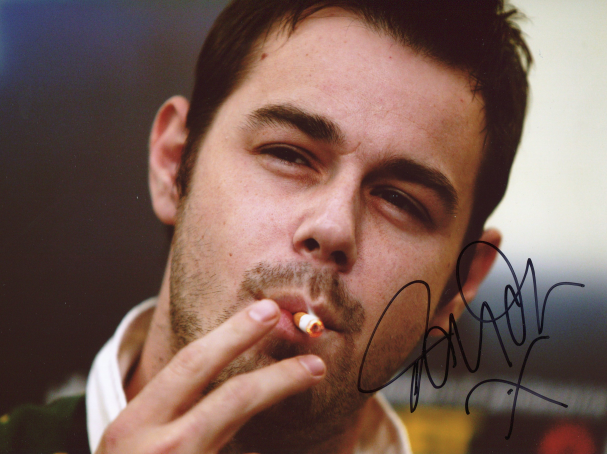
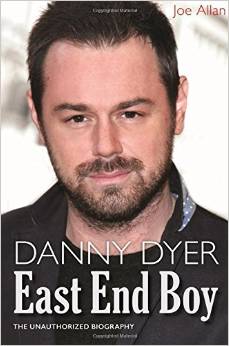
Danny Dyer is a brilliant British actor who seems to have cornered the market in playing hard young urban types with a penchant for violence.   It would be good to see him in a different role, perhaps a university college professor with left-wing tendencies who is launching a campaign to save the trees in the New Forest.   He was born in 1977 in Canning Town in London.   He began his career at the age of sixteen in televisions “Prime Suspect 3” in 1993.   His first film role was in 1999 in “Human Traffic”.   Other film roles include “The Mean Machine”, “The Football Factory” and “The Borstal Boy,   He has enormous screen presence and he should become one of the leading lights of cinema.

Interview with Danny Dyer here.

TCM Overview:

Football fanatic and working-class lad, Danny Dyer is also one of the most recognizable young actors in Britain. He began his career at the age of 16 after being scouted by a talent agent, appearing on numerous television shows during the â¿¿90s. His breakthrough role came in 1999 as Moff in Justin Kerriganâ¿¿s film romp through British club culture, “Human Traffic.” The following year, Dyer found himself among some of the most highly regarded British actors with a role in the prison comedy “Greenfingers.” In 2001, Dyer began his collaboration with Nick Love, the drama “Goodbye Charlie Bright” appeared in “The Football Factory,” about football hooligans. The latter allowed Dyer to express his personal fandom, making him one of football cultureâ¿¿s most recognized fanatics. Capitalizing on this successful role, Dyer became the host of the Bravo documentary series “The Real Football Factories” and “Football Hooligans International” in 2007. Interestingly, his next film with Love, gangster flick “The Business,” was followed by another Bravo documentary series, “Danny Dyerâ¿¿s Deadliest Men,” about the British crime underworld.

The above TCM Overview can also be accessed online here.

Lois Smith
Lois Smith


Lois Smith was born in 1930 in  Topeka in Kansas.   She made her fim debut iin “East of Eden” with James Dean and then starred in the Western “Strange Lady in Town” with Greer Garson and Dana Andrews.   She was excellent in 1970 in “Five Easy Pieces” as the shy, withdrawn classical pianist who is the sister of Jack Nicholson.    Other films of note include “How to Make an American Quilt” and “Twister”.   Link to her “True Blood” page here.

.TCM Overview:

An esteemed, highly-charged and highly-talented player of stage, TV and film, Lois Smith has not always been regular in the visual media, but she has made the chances count. She made her Broadway debut as a high school student in “Time Out for Ginger” in 1952, and her TV debut in the live production of “The Apple Tree” the next year. Smith made an auspicious film debut as the thwarted barmaid Ann in Elia Kazan’s “East of Eden” (1955). Although she was eclipsed in the public eye by James Dean and Jo Van Fleet, nevertheless, she was rewarded by the critics. Yet it was not until 1970 that Smith again had a showy film role. Her performance as Partita, Jack Nicholson’s sister, in Bob Rafelson’s “Five Easy Pieces,” won her the National Society of Film Critics’ Award as Best Supporting Actress. In 1976, she was the suicidal Anita in Paul Mazursky’s cinematic memoir, “Next Stop, Greenwich Village” Film roles followed at the rate of about one per year, but rarely did she get to showcase her abilities until 1995 when Smith was the adult Sophie, still thinking of her years as a swimming champion, in Jocelyn Moorhouse’s “How to Make an American Quilt” and Susan Sarandon’s mother in “Dead Man Walking.” In Jan De Bont’s “Twister” (1996), she offered stalwart support as scientist Helen Hunt’s aunt while in “Larger Than Life” (also 1996), Smith was a retired circus performer.

Smith’s TV work in the 70s consisted mostly of daytime dramas, with regular roles on both “Somerset” and “The Doctors.” In the 80s, she began to make episodic guest appearances and was featured in several TV-movies, most notably “Skylark” (CBS, 1993). Two years later, she was Harry Truman’s waspish, nasty, bigoted mother-in-law in “Truman” for HBO.

For all her TV and film roles, Smith has worked most consistently on stage. Her list of credits includes many plays on Broadway and in key American theaters, such as the Long Wharf in New Haven, CT, and the Steppenwolf Theatre Company in Chicago, IL. It was with the latter that Smith created the role of the indomitable Ma Joad in the stage version of “The Grapes of Wrath” in 1988. She toured with the role before bringing it to Broadway in 1990 which earned her a Tony nomination as Best Supporting Actress. Smith knocked ’em dead when she performed a key scene on the Tony Awards TV broadcast that year and in 1991, when the production aired on PBS. Her co-star, Gary Sinise, cast her as Halie, the matriarch of another family, his 1995 Chicago production of Sam Shepard’s Pulitzer-winning play “Buried Child.” Again, Smith recreated the role on Broain dway and earned a second Tony nomination. Smith has branched out a bit as a person of the theatre to playwriting and directing. Her “All There Is” was written in 1982 and last performed in a 1985 workshop by the Ensemble Studio Theatre. Smith has also directed at the Juilliard school.

The above TCM Overview can also be accessed online here.

Peter Horton

Peter Horton was born in Bellevue, Washington in 1953.   He began his career acting on television shows such as “St. Elsewhere”, “Dallas” and “Eight Is Enough”.   His most famous role as Dr Gary Shepherd in the extremely popular series “thirtysomething” which ran from 1987 until 1991.   He has directed many shows such as “The Shield”, “The Wonder Years” and “Grey’s Anatomy”.

TCM Overview:

Actor, director and producer Peter Horton was probably best known by viewing audiences for his portrayal of single, carefree Gary on the iconic eighties yuppie drama, “thirtysomething” (ABC, 1987-1991). The lanky, bearded blonde with the charming smile had a sizeable list of TV and film acting credits – however industry followers and credit-readers knew that the bulk of his work was actually behind the camera. As director, producer, and creative consultant for award-winning dramas like “The Shield” (FX, 2002- ) and “Grey’s Anatomy” (ABC, 2005- ), Horton proved he was more than just a camera-ready pretty boy. Horton was also an outspoken environmentalist, serving on the board of the Environmental Media Association and appearing in Chris Paine’s documentary “Who Killed the Electric Car” (2006).

The above TCM overview can also be accessed onlione here.

 Interview with Peter Horton here.

Treat Williams
Treat Williams

Treat Williams. TCM Overview.

Treat Williams was born in 1951 in Norwalk, Connecticut.   He began his film career with small parts in two films made in Britain, “The Ritz” and “The Eagle Has Landed”.   He had the major role in Milos Forman’s adaptation of the musical “Hair”.  The film was made before the 60’s were nostalgic so seen today it seems much better than when it was released in 1979.   He was excellent in Sidney Lumet’s “Prince of the City”.   He is currently in the television series Brothers and Sisters” opposite Sally Field.

TCM Overview:

Prolific actor Treat Williams went from early success on Broadway to starring roles in highly anticipated film projects before ultimately earning a reputation as a versatile performer capable of playing the hero, villain, or later in his career, sturdy father figure. After establishing a commanding screen presence with diverse performances in Milos Forman’s underrated musical “Hair” (1979) and Sidney Lumet’s superior cop drama “Prince of the City” (1981), Williams seemed poised to enter the ranks of A-list actors. However, a series of poor career choices and bad luck at the box office relegated him to made-for-television projects and low-budget thrillers for a number of years.

There were occasional bright spots, such as a supporting role in Sergio Leone’s massive gangster drama “Once Upon a Time in America” (1984) and a noteworthy turn as a crazy criminal in the thriller “Things to Do in Denver When You’re Dead” (1995). On television Williams earned an Emmy nomination for his portrayal of agent Michael Ovitz in “The Late Shift” (HBO, 1996), and won acclaim as the lead of the drama series “Everwood” (The WB, 2002-06). Although cast more frequently in the role of patriarch at this point in his career, Williams had long since proven his versatility as one of the most dependable actors in Hollywoo

The above TCM overview can also be accessed online here.
  Interview with Treat Williams here.